
Research Associate Professor at the Laureate Institute for Brain Research focused on computational neuroscience, interoception, emotion, and decision-making
Joined July 2019
- Tweets 1,753
- Following 223
- Followers 1,782
- Likes 202
104 Photos and videos
Pinned Tweet

25 May 2025
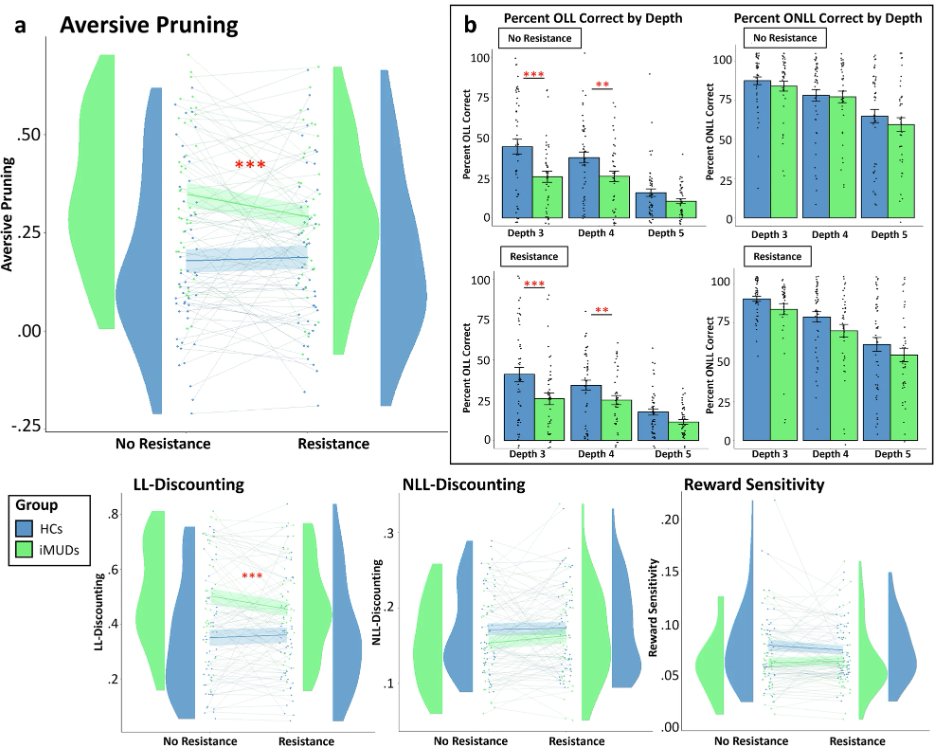
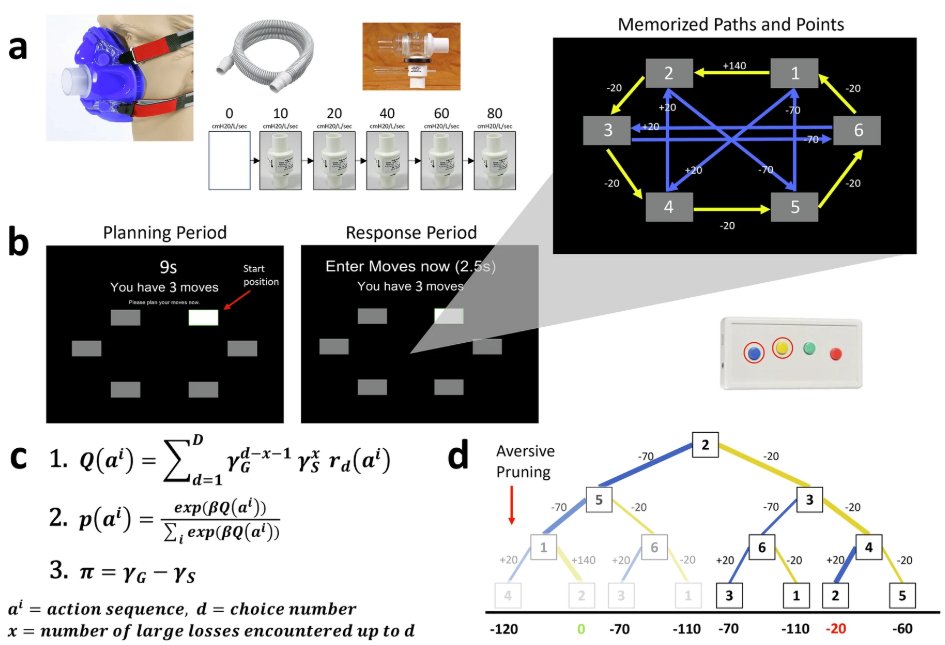
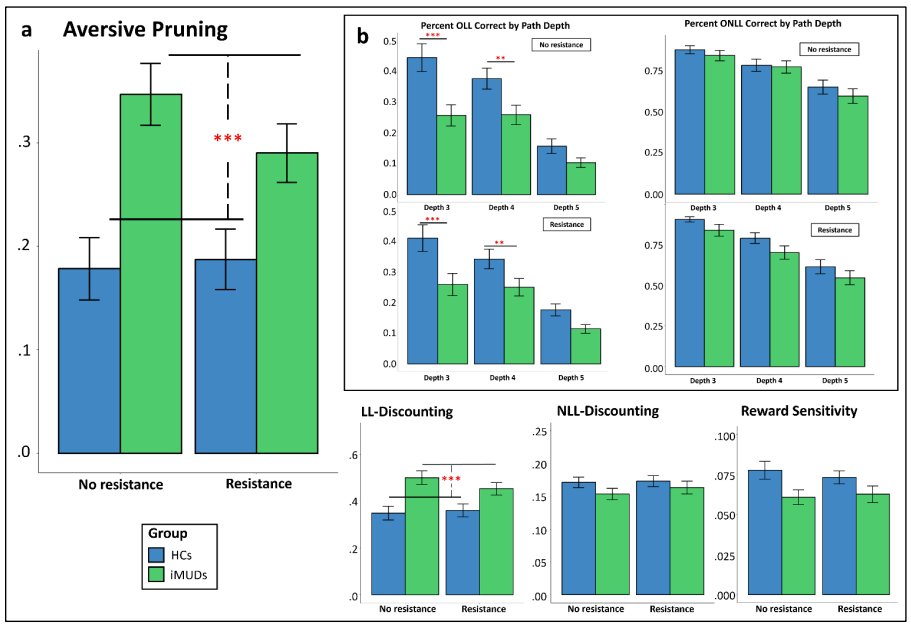
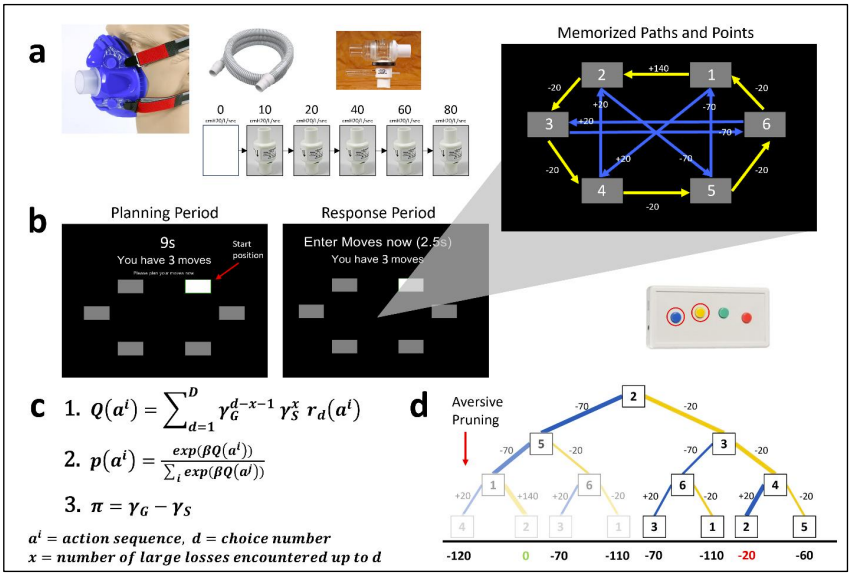
Huge congrats to Claire Lavalley on this new paper. nature.com/articles/s41398-0… Results show that methamphetamine users show a specific deficit in model-based planning, in which they fail to simulate plans with large short-term losses (elevated aversive pruning). Brief thread below!
1
10
618
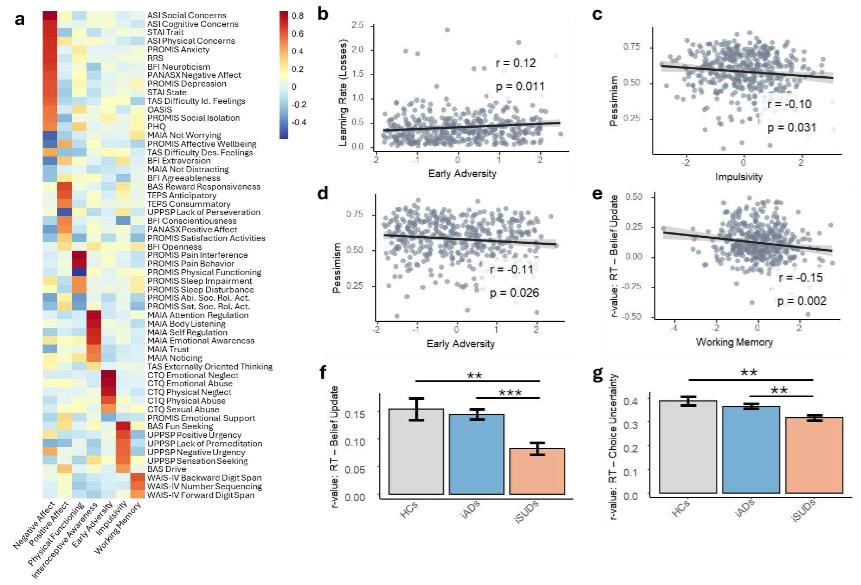
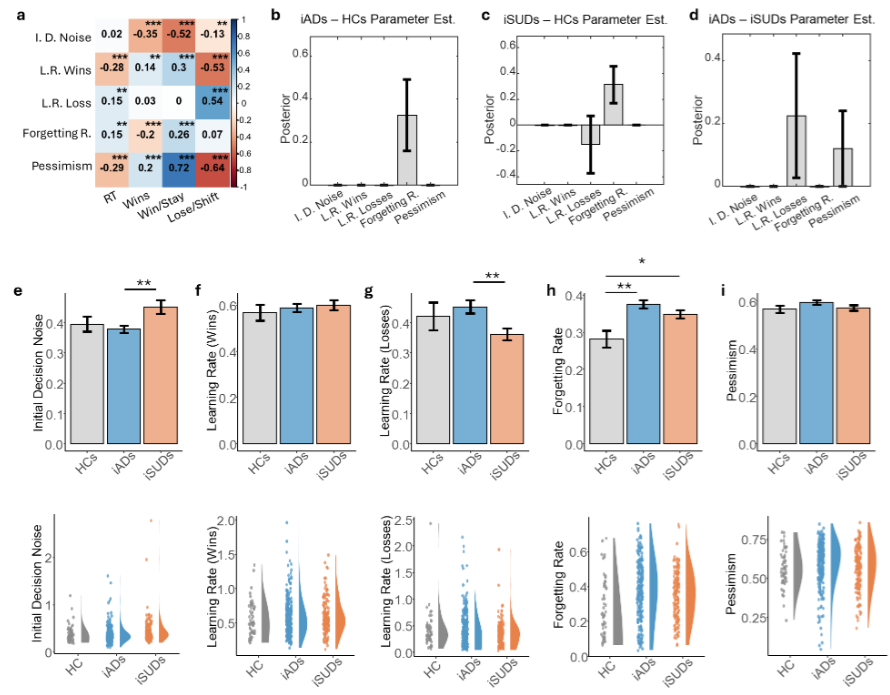
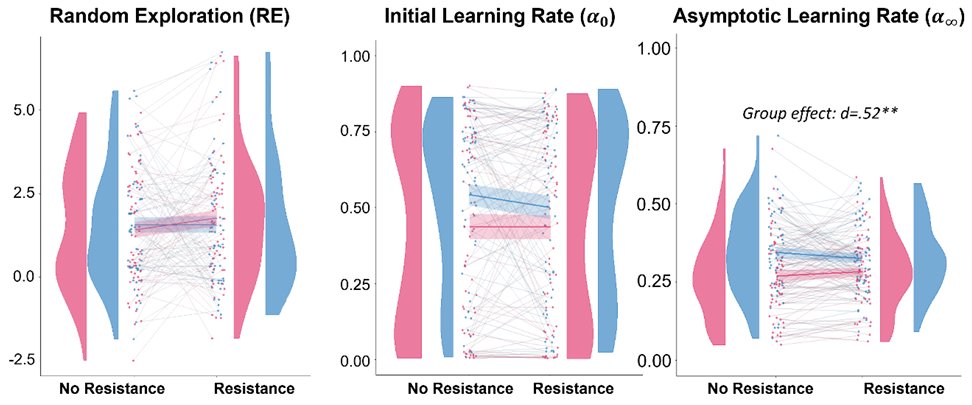
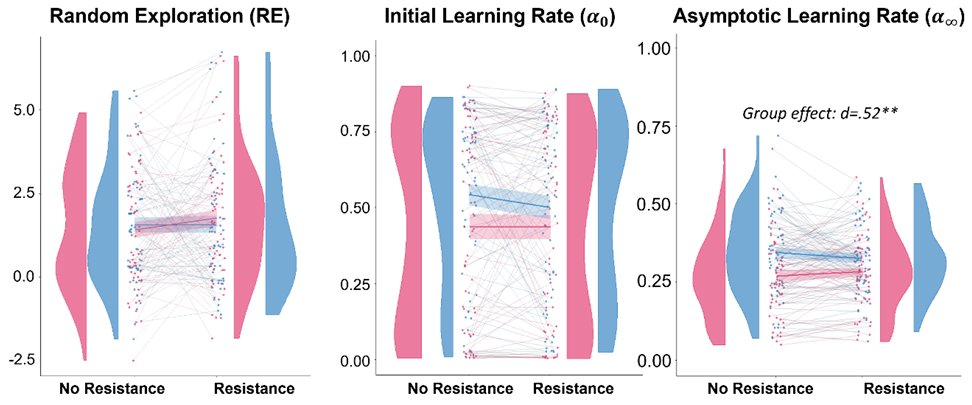
Congrats to Navid on his new paper in Molecular Psychiatry! Computational modeling showed learning rates and uncertainty sensitivity could distinguish affective disorders from substance use disorders, while forgetting rate was affected transdiagnostically nature.com/articles/s41380-0…
3
122
Ryan Smith (@rssmith.bsky.social) retweeted

Mar 20
A nice podcast 'debate' with a colleague who has slightly different views about consciousness than me. (I had to leave 15 minutes before the end -- they ran over the allotted time -- in case you wonder why I suddenly disappear from the conversation!
youtu.be/R7insQBa-qo
3
9
38
6,104
Ryan Smith (@rssmith.bsky.social) retweeted

10 Jun 2025
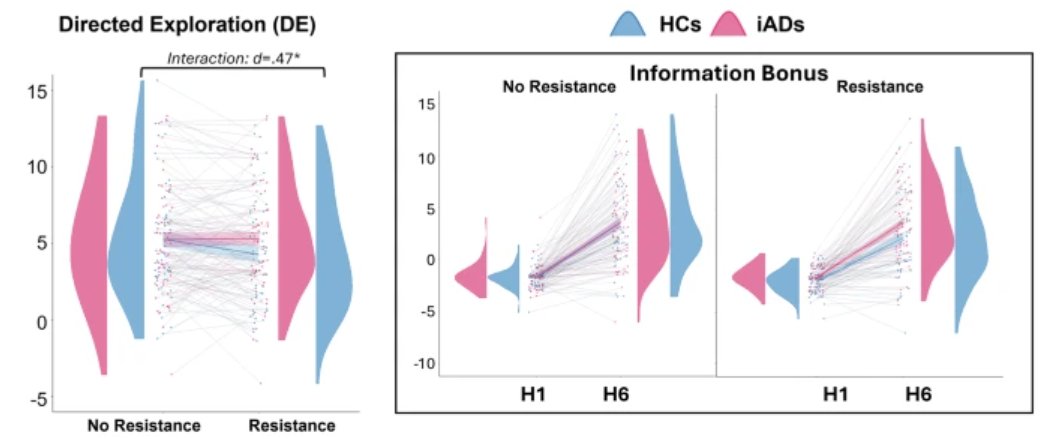
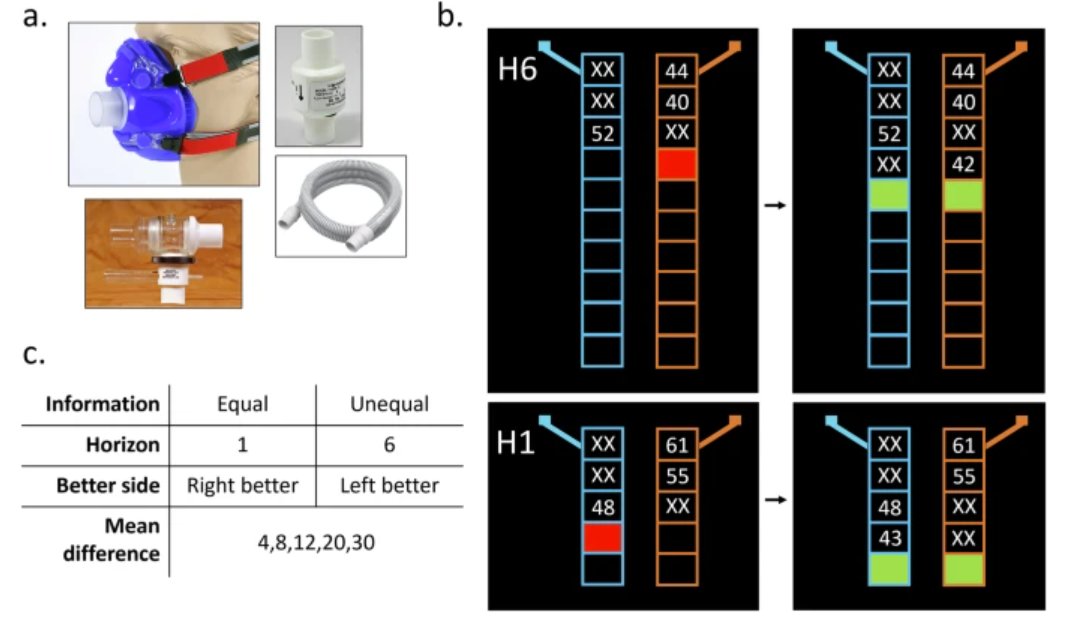
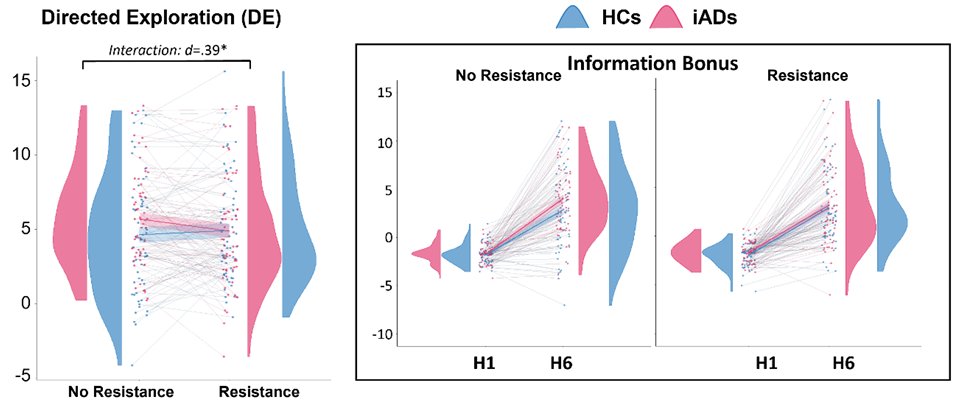
Computational modeling revealed that individuals with methamphetamine use disorder show reduced information-seeking and slower belief updating when trying to maximize long-term reward.
@CarterMGoldman @toru1789taka @RyanSmith_LIBR
nature.com/articles/s44271-0…
4
10
807
Congratulations to @toru1789taka and @CarterMGoldman on their newly published paper!
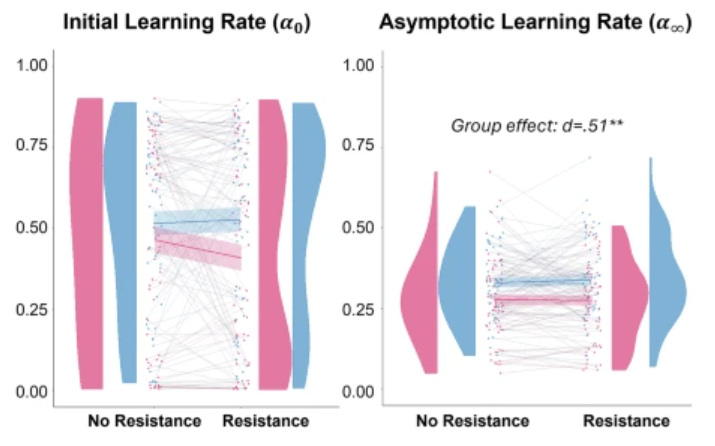
This paper shows that individuals with methamphetamine use disorder show reduced directed exploration and slower dynamic learning rates in both high/low anxiety states
nature.com/articles/s44271-0…
1
3
6
2,750
Big thanks to co-authors as well! @NRDlab @SamuelTaylorCS @KhalsaLab @mpwpaulus (and others without Twitter)
2
166
25 May 2025
Huge congrats to Claire Lavalley on this new paper. nature.com/articles/s41398-0… Results show that methamphetamine users show a specific deficit in model-based planning, in which they fail to simulate plans with large short-term losses (elevated aversive pruning). Brief thread below!
1
10
618
25 May 2025
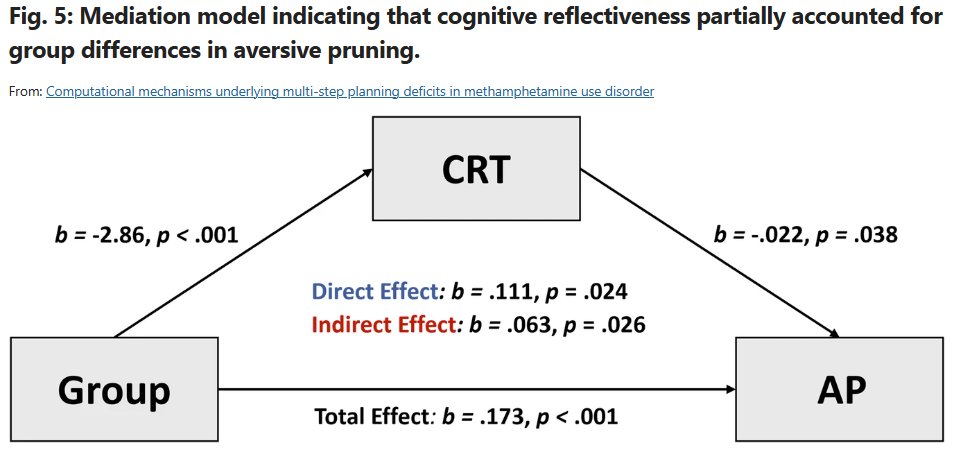
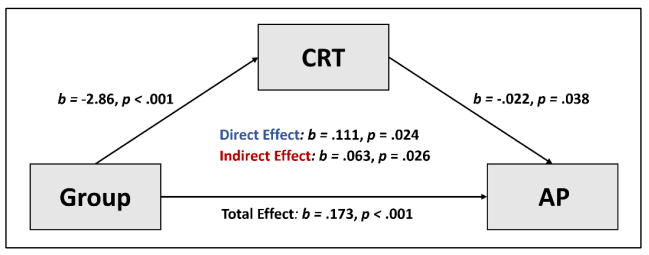
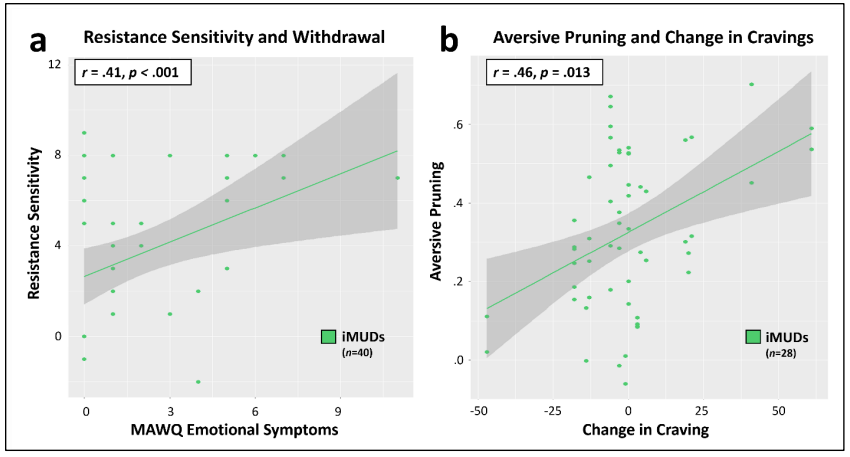
Groups also differed on a cognitive reflectiveness test, and a mediation model suggested differences in reflectiveness partially accounted for greater pruning in the methamphetamine users. The effect of anxiety induction on craving was also positively associated by pruning levels
1
1
150
25 May 2025
These and other results in the paper could help explain difficulties considering abstinence and vulnerability to relapse. Big thanks to
@docqhuys @mpwpaulus @KhalsaLab @MarishkaMehta @SamuelTaylorCS and other twitterless co-authors for their very helpful contributions!
1
133
29 Apr 2025
"The Inter-Personal Affect Regulation Test (IPART): a Performance-Based Assessment of the Ability to Improve the Emotions of Others"
emotionandpsychopathology.or…
Congratulations to co-first author Claire Lavalley on validating this new performance-based measure!
2
2
5
452
29 Apr 2025
We expect greater skills in regulating others emotions will be crucial for an individual to maintain social support, which is especially important for individuals with emotional disorders and other forms of psychopathology.
We hope others will also find this measure useful!
1
107
Very excited to congratulate Ning Li and Claire Lavalley on their new paper published in @molpsychiatry.
"Directed exploration is reduced by an aversive interoceptive state induction in healthy individuals but not in those with affective disorders" (nature.com/articles/s41380-0…) 🧵👇
2
11
511
In this model/task, the slower learning rates suggest that uncertainty in anxious depression may have reduced at a slower rate. Big thanks to our co-authors: @NRDlab @KhalsaLab @mpwpaulus @AnnieChuning @SamuelTaylorCS @CarterMGoldman @rowan_hodson @LIBR_Tulsa
1
4
143
An important note - an earlier preprint from this study instead reported that anxious depression showed elevated directed exploration than HCs that was reduced by the anxiety induction. This was due to a coding error we caught during revision. We apologize for this error.
1
128
27 Mar 2025
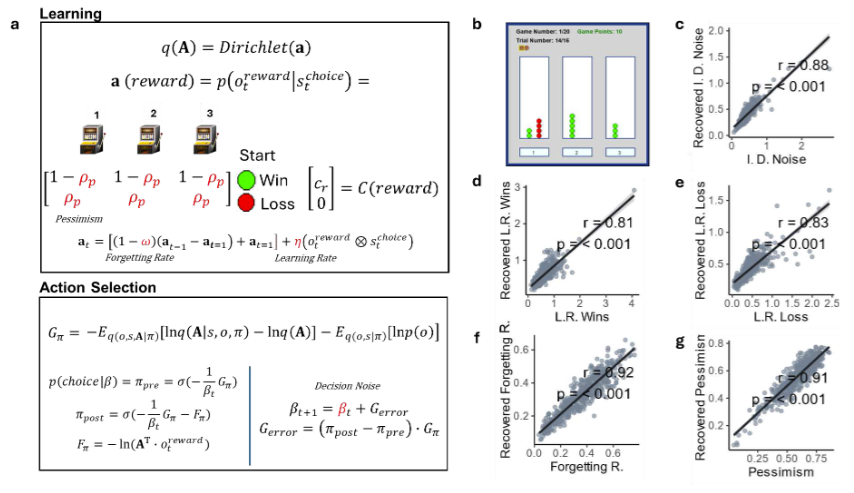
Reinforcement Learning and Active Inference are two frameworks used in computational psychiatry, but these are rarely directly compared empirically. Here, we aimed to compare these in a more systematic manner by fitting each to multiple datasets: papers.ssrn.com/sol3/papers.…
1
15
58
4,047
27 Mar 2025
We first compare their relative ability to account for behavior on a three-armed bandit task in a sample from the US and a sample from Taiwan. We then look at how the parameters correlate with each other and how strongly their mechanistic explanations overlap.
1
4
398
27 Mar 2025
We also test their sensitivity to task manipulations, and how strongly parameters in each model correlate with affective measures, trait measures, and psychiatric symptoms.
We hope these results offer useful insights into the relative strengths and weaknesses of each framework.
4
360