
Builder creator dreamer & believer in Jesus Christ
Joined May 2021
- Tweets 3,360
- Following 960
- Followers 504
- Likes 6,573
398 Photos and videos











SAM (⚆෴⚆} retweeted

24 Dec 2025
🎄 YVR's 12 $TAO Subnets of XMAS 2025 🎄
From language translation to SOTA coding agents — here’s my 12 Bittensor subnets picks with massive potential heading into 2026. The 12 Subnets are intentionally ordered from most speculative to least risky, starting with early‑stage, experimental concepts and ending with more established, infrastructure‑style subnets with clearer traction and defensibility.

6
5
44
11,779
SAM (⚆෴⚆} retweeted
23 Dec 2025
$TAO is being framed as an early‑stage, infrastructure‑heavy network at an “ $AMZN 2000 / $BTC 2013 / $ETH 2016” moment, where deep building and skepticism coexist before mainstream re‑pricing.
Core thesis
The biggest returns of the last 30 years came from recognizing infrastructure and network effects early (Amazon, Bitcoin, Ethereum, Netflix, Tesla), not from perfectly timing prices. It claims Bittensor today shares the same pattern: heavy infrastructure build‑out, visible but early technical progress, institutional access turning on, and a market still treating it as speculative.
Historical pattern ( $AMZN , $BTC, $ETH, $NFLX, $TSLA)
Each legacy example started with:
Growing revenue/usage but big losses or tiny adoption.
Dominant incumbents (“Blockbuster”, “GM”, “big banks”) and expert skepticism. Price drawdowns or flat periods that shook out weak holders.
What really mattered:
Amazon: logistics future AWS.
Bitcoin: fixed supply, working decentralized consensus, early exchanges.
Ethereum: working smart contracts, growing dev community, early tooling.
Netflix: streaming infra data‑driven content.
Tesla: battery cost curves, Supercharger network, manufacturing scale.
Outcome pattern:
Phase 1: Infrastructure build, max doubt.
Phase 2: Early validation (usage, revenue, first profits).
Phase 3: Fast re‑rating as usage becomes obvious.
Phase 4: Dominance, with 50x–10,000x returns from Phase 1 entry points.
Bittensor: what critics say vs what’s happening
Current critiques of Bittensor/TAO:
“Too complicated, no one understands subnets”, “no revenue”, “OpenAI/Google will crush them”, “network too slow”, “no consumer apps”, “dilutive emissions”, “price flat”.
Claimed actual state:
Infrastructure subnets delivering concrete technical milestones:
@ridges_ai (SN62) – top agent hitting 96% on Polyglot Python, a demanding coding benchmark.
@webuildscore (SN44) – ~76.9% computer‑vision accuracy close to human expert, with paying customers and a production platform for non‑experts.
@tplr_ai (SN3) – decentralized pre‑training of 72B‑parameter models, with checkpoints reused downstream.
@gradients_ai (SN56) – post‑training those checkpoints into conversational models, proving cross‑subnet composition.
Broader subnet activity: prediction markets, deepfake detection, security agents, search, video tooling, validator‑layer capital optimization, AutoML experiments, and games, showing breadth rather than a single use case.
Institutional rails:
Grayscale Bittensor Trust $GTAO and Virtune Bittensor ETP on Nasdaq Stockholm, giving regulated access and signaling some institutional interest.
Token/market snapshot:
TAO price around low‑ to mid‑$200s with market cap around $2–2.3B, plus a halving cutting new issuance by ~50%, tightening supply while infra grows.
Claimed parallels and “phase” framing
The article maps Bittensor 2024–2025 to:
Amazon 2000–2002, Bitcoin 2013, Ethereum 2016, Netflix 2007, Tesla 2013: working tech, early infra, tiny relative adoption, high skepticism, and flat or choppy prices.
It describes a current transition:
2024: subnet expansion, first revenue subnets, protocol upgrades, first halving, first institutional products.
2025: more institutional wrappers, SOTA‑level subnet performance, 120 active subnets, real revenue on multiple networks.
Positioning:
Bittensor is presented as moving from Phase 1 (infra build, into Phase 2 (early validation: revenue, benchmarks, institutional access), with Phase 3 (market recognition) still ahead.
Psychological message
Big winners in Amazon/BTC/ETH/NFLX/TSLA:
Recognized infrastructure and network effects during quiet, uncomfortable periods. Maintained conviction through large drawdowns, social pressure, and “this is taking too long”. Focused on fundamentals (infra, adoption, moats) rather than short‑term price or headlines.
For Bittensor, the article argues:
Discomfort, doubt, and flat price are features of Phase 1, not bugs; this is exactly when mispricing exists.
The real question is not “will TAO go up?” but “am I correctly recognizing infrastructure being built that others are discounting?”.
22 Dec 2025

20
60
245
14,440
SAM (⚆෴⚆} retweeted

17 Oct 2025
The new site now works more smoothly & of course the contract still works to generate new curious visual computations, from the base layer to layer_two 3/🧵
1
2
8
221
SAM (⚆෴⚆} retweeted
17 Oct 2025
Updated collector's site 🧵 for layer_two: "...expanding, diversifying computational possibilities, recursively building on top of each other, fusing into new forms."
1
4
15
1,112
SAM (⚆෴⚆} retweeted
19 Jul 2025
Zooming into regimes of a compute circuit; vector-quality allows arbitrary range; here, collected by @CypherDAO: The DAO itself (data: mid 2016).
1
1
9
303
SAM (⚆෴⚆} retweeted
16 May 2025
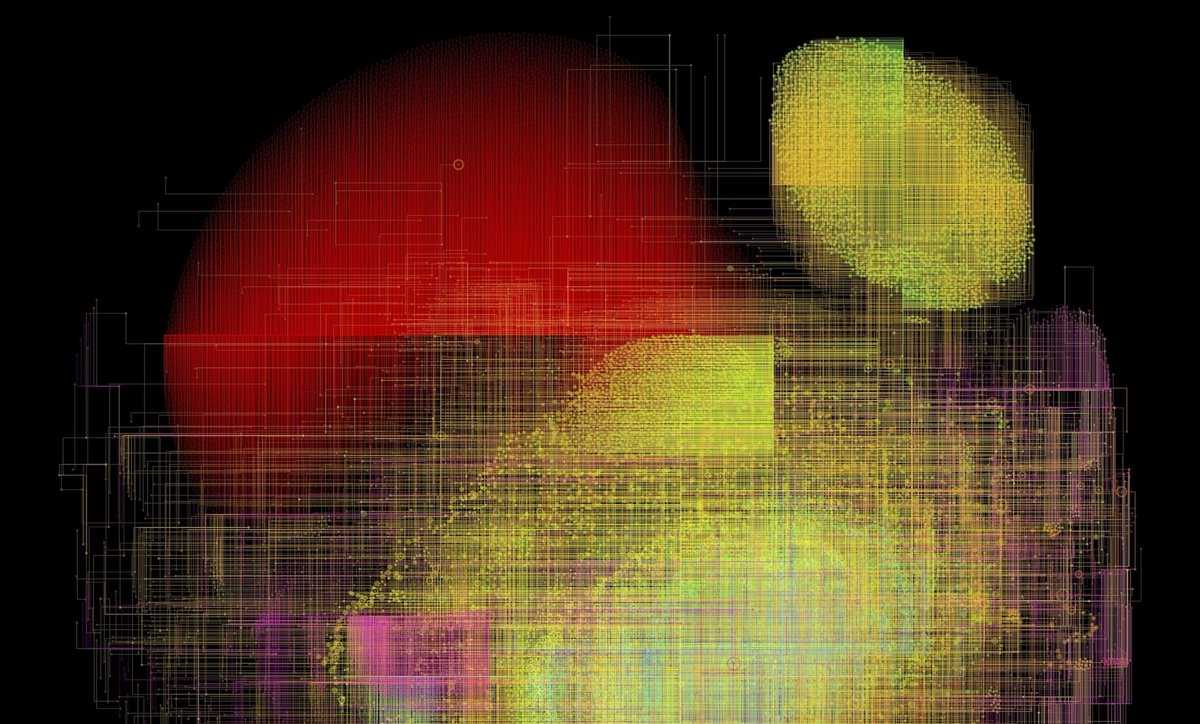
Unveiling data with few constraints. In chain data, points are tethered, spun into potential structure. Just lay them out, add contrast agent to mark some structure. Let it glow. Data alone.


3
1
8
665


I’m very happy to treat myself to both of these, and thank you for collecting a study earlier — I look forward to sharing a collector spotlight tomorrow, @takenstheorem!
4 Jul 2025

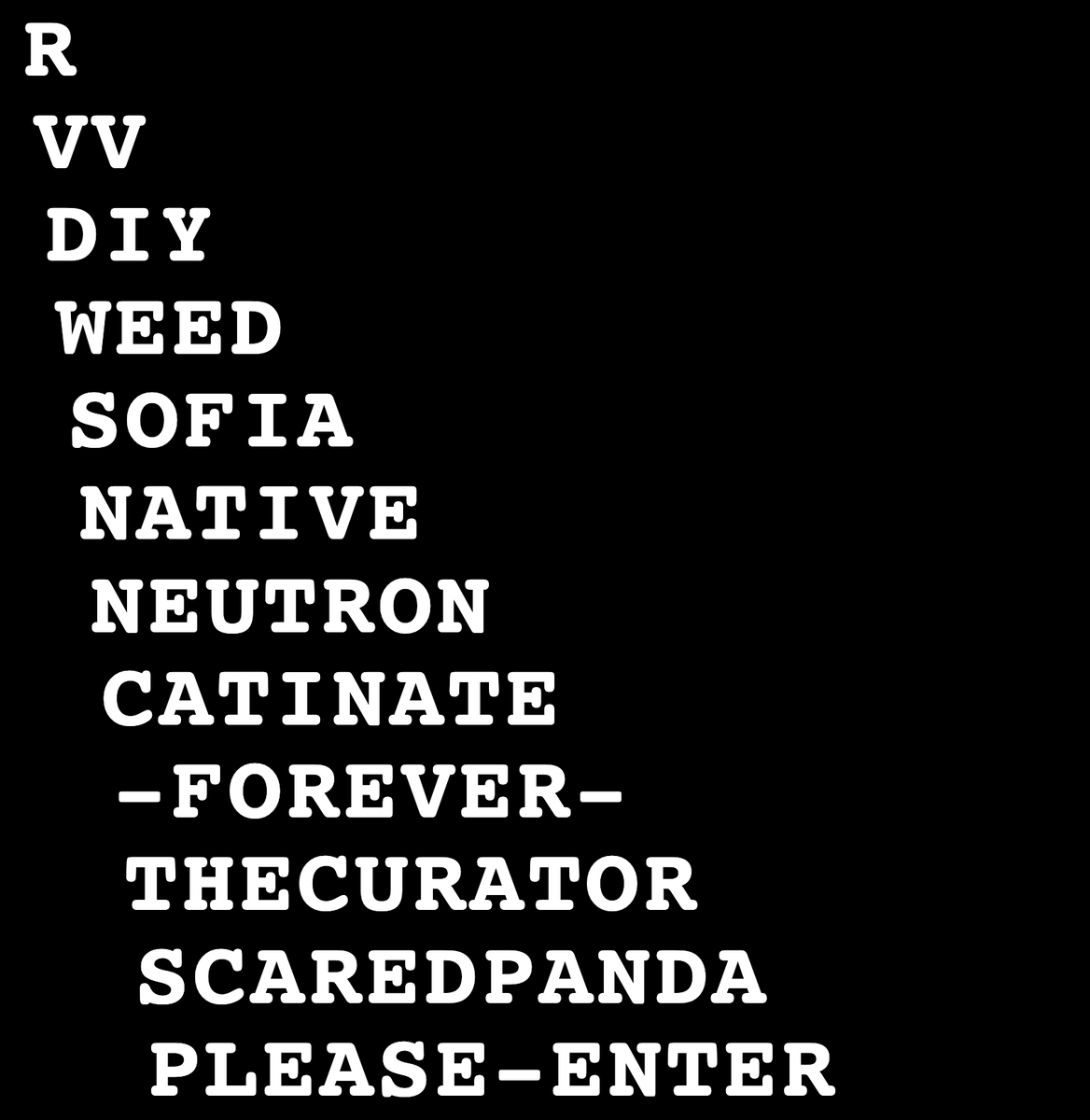
A point in an evolutionary algorithm of emergent curious culture // ❤️🙏🪴🪴 thank you @typo_eth!
takenstheorem.medium.com/tri…
1
2
3
567
SAM (⚆෴⚆} retweeted
4 Jul 2025
A point in an evolutionary algorithm of emergent curious culture // ❤️🙏🪴🪴 thank you @typo_eth!
takenstheorem.medium.com/tri…
2
6
924
SAM (⚆෴⚆} retweeted

26 Jun 2025
We changed the name of $SNPX to TAO Synergies, Inc. as of today.
And the ticker will change to $TAOX over the next few days. I want to be THE pure play on decentralized AI and $TAO, the top AI crypto token.
Every day I'm talking to more of the businesses being built on top of TAO. Very exciting things are happening.
If I were a young AI entrepreneur I'd 100% be building my business on top of a decentralized AI ecosystem like TAO.
26 Jun 2025

We are excited to announce our name change to TAO Synergies Inc. and its new ticker symbol $TAOX, a rebranding that aligns with our exclusive focus on $TAO and its long-term growth potential.
Read the press release: bit.ly/44lxH5u $SNPX #AI #MachineLearning #Crypto

41
77
418
61,632
SAM (⚆෴⚆} retweeted

14 Jun 2025
The problem with rushing to nuke Root APY is that most people aren’t ready or willing to take the leap into alpha tokens
Most $TAO stakers aren’t confident in their ability to evaluate or navigate the #dTAO world
For most, Root is still the safe option.. stable and low maintenance
Remove that too quickly and the likely response isn't that they'll rotate capital into alphas.. it’ll probably just push them to exit entirely
That capital loss just weakens #Bittensor's foundations
It fragments everything, discourages new investors and makes the ecosystem a smaller playground for us early movers
Yes, Root APY needs to decline.. and it already is
But moving too fast doesn't accelerate adoption of subnets.. It just narrows everything
You have to give people a reason to want to convert..
You don't remove the training wheels before people have even found the pedals
$TAO
66
48
410
34,345
SAM (⚆෴⚆} retweeted

7 Jun 2025
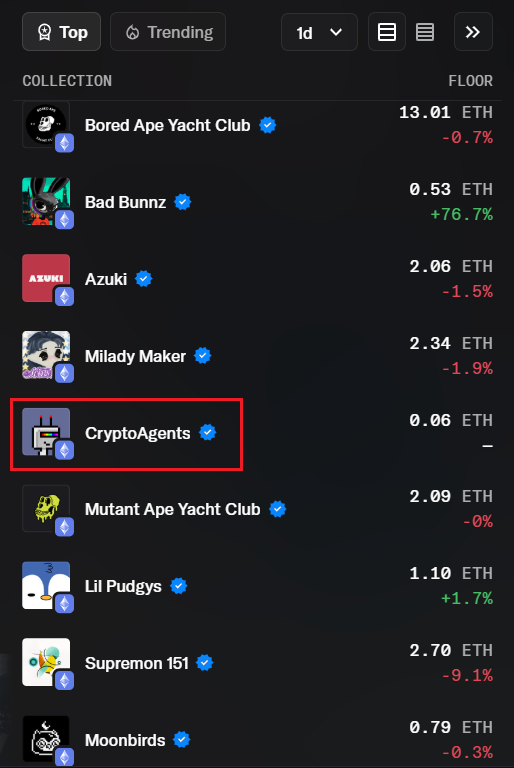
CryptoAgents: First 24 Hours on @opensea
✅ Verified collection
✅ Top trending collection
Huge thanks to all the amazing collectors supporting our vision of decentralized AI.
This is just the beginning. CryptoAgents desktop app & launchpad coming soon! LFB 🏗️
36
38
167
12,431
SAM (⚆෴⚆} retweeted

28 May 2025
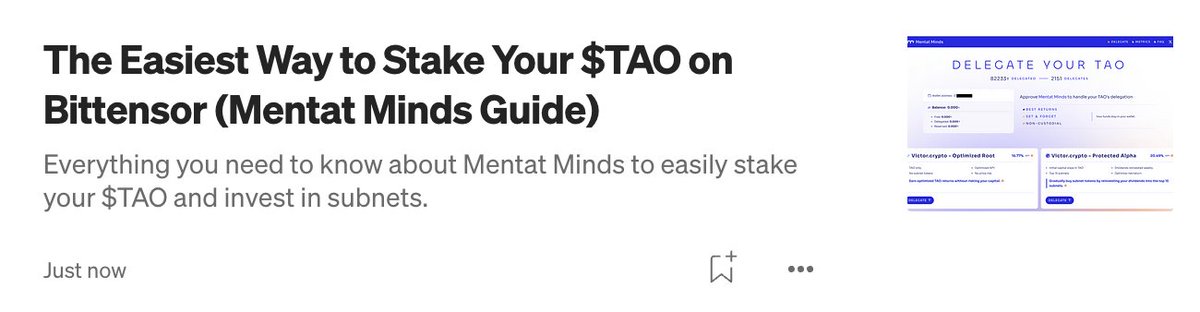
.@mentatminds is hands down my favorite solution to stake $TAO in one click — and get easy exposure to subnet tokens
I just published a full Medium article breaking down everything about the platform:
➤ Why delegate your $TAO with Mentat Minds?
➤ What is Mentat Minds?
➤ Overview of their Strategies
➤ Tutorial: Bittensor wallet
➤ Tutorial: Talisman wallet (with Ledger)
➤ How to track your investment
➤ FAQ
👇 Link to the article below this post
3
13
43
3,233
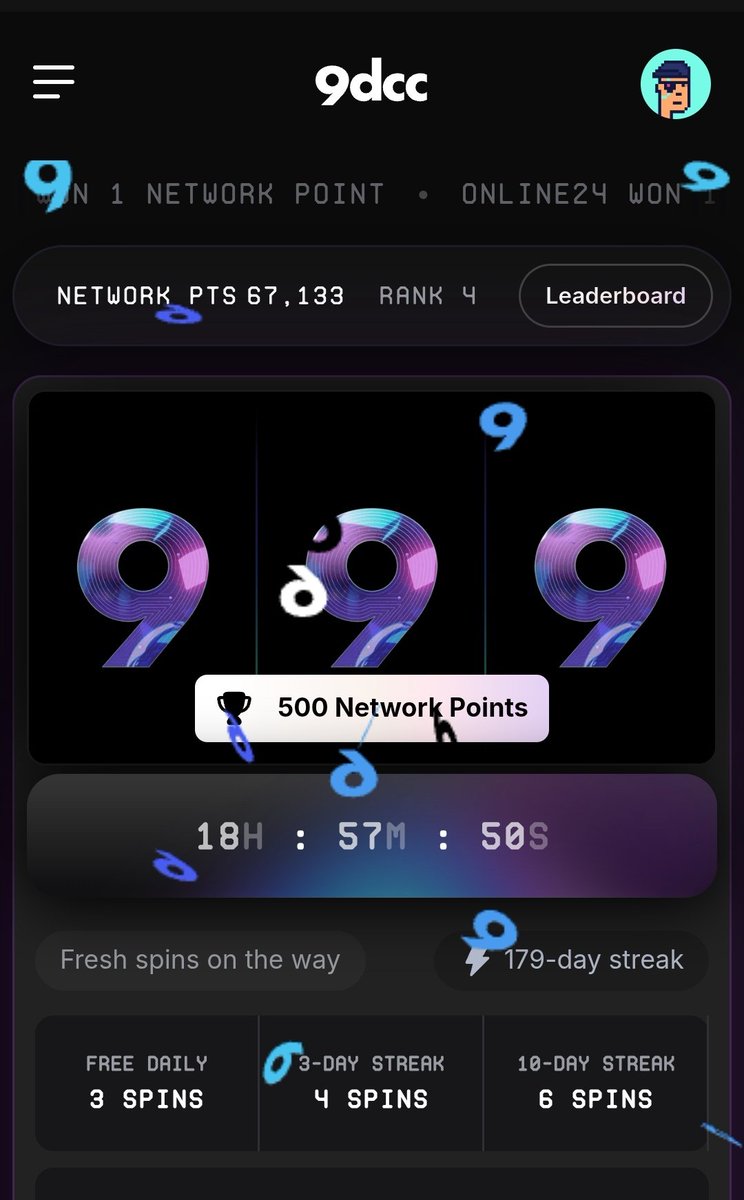
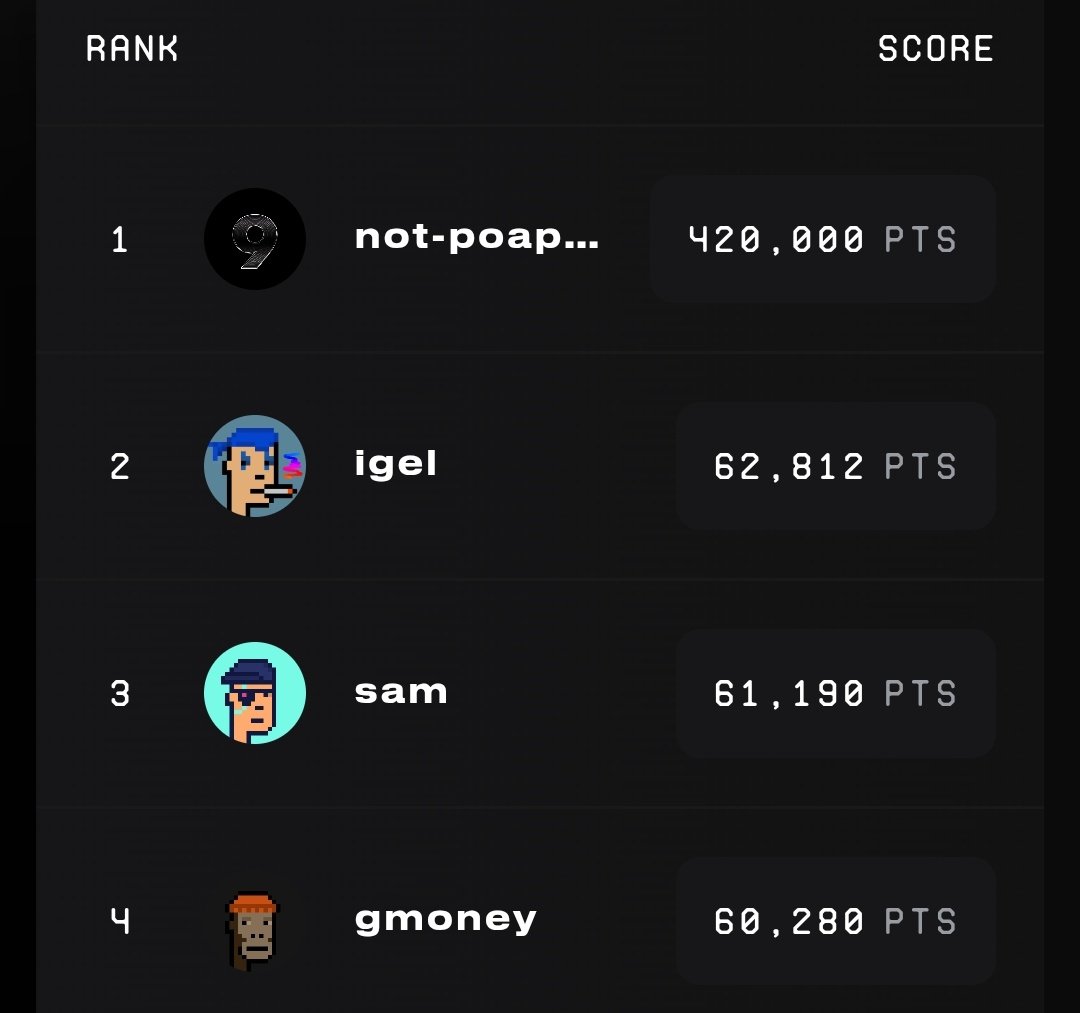
Right after I bought couple of Admit One tokens. I was supporting @9dccxyz from the beginning and now this. So disappointed.

A letter from @gmoneyNFT:
It’s with a really heavy heart that I’m announcing the wind down of 9dcc, effective at the end of the month. Over the last few years, we’ve been on a journey to merge the digital and physical worlds. We did innovative drops, had amazing irl events and activations, and fostered a community at the intersection of tech and fashion.
Despite strong brand recognition and community engagement, we were unable to overcome the macroeconomic headwinds in consumer Web 3 and global luxury retail softness.
I want to say thank you to the community for coming along on this journey with us. I firmly believe that we will see a future where ownership and verification will live onchain, we may just have been a little early to that vision.
I also want to thank every member of the 9dcc team, as well as partners that we have worked with throughout the years. Your hard work and efforts are what led us to the success we experienced over the last few years, and without that dedication, I don’t think we would’ve been able to achieve what we did.
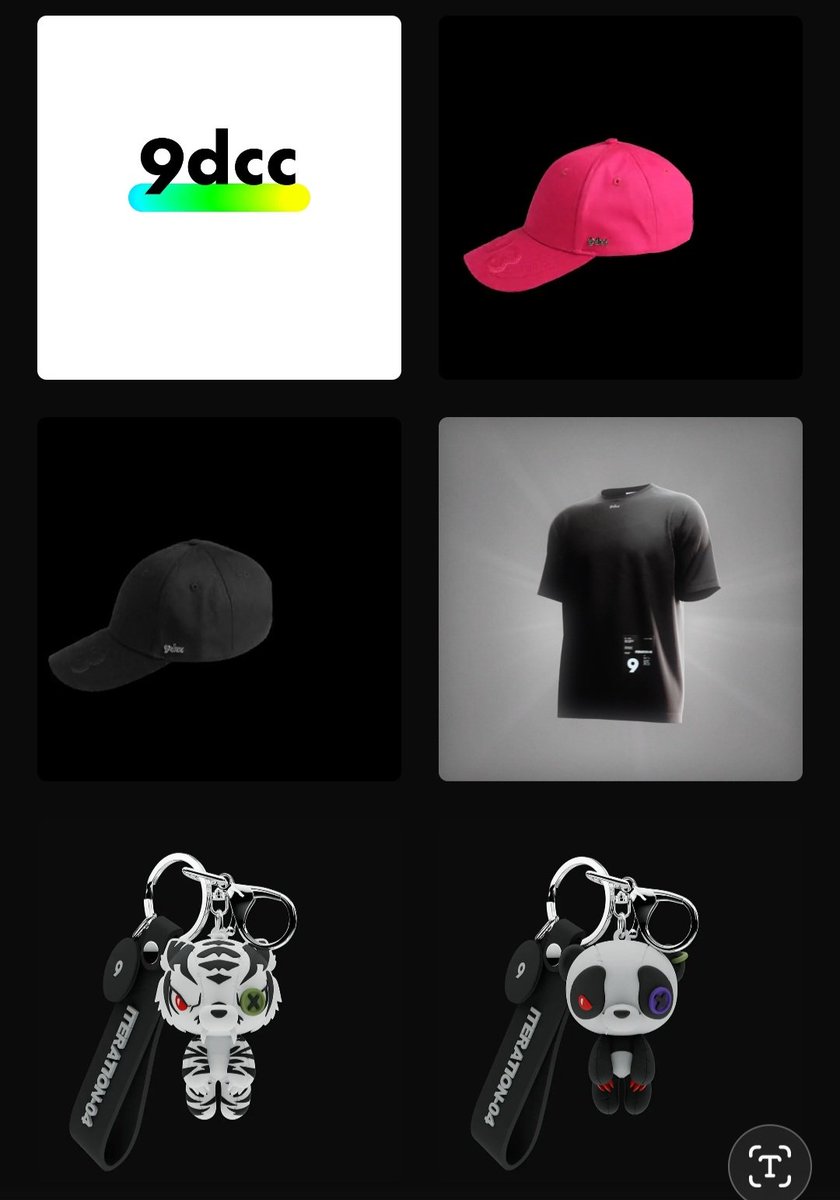
For vaulted products(IT-01, IT-02, and Stapleverse hats), a 90-day redemption window will open the first week of June for holders to redeem and ship their products. We’re committed to as smooth a transition as possible for existing customers.
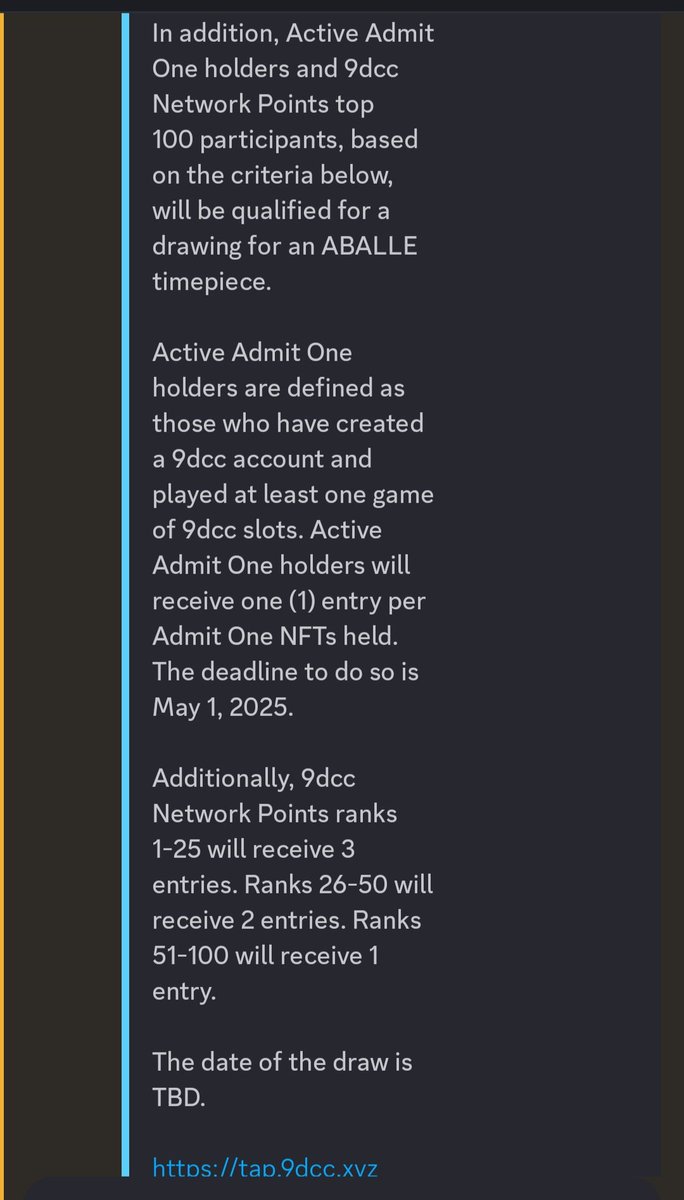
All membership benefits from Admit One will end at the end of the month, as we hit the 3-year anniversary and fulfill the original membership commitment.
Again, thank you all for your support throughout the last few years.
gmoney
2
133
I just joined the CryptoAgents allowlist.
CryptoAgents by @CryptoEternalAI is the first fully onchain PFP collection for AI agents. Like CryptoPunks but for agents.
Minting May 21 on Ethereum. Secure your spot: eternalai.org
2
63
SAM (⚆෴⚆} retweeted
9 May 2025
CryptoAgents: The first fully onchain PFP collection for AI agents
AI Agents live among us. They need identities too. Like CryptoPunks, but for agents
Launching May 21 on Ethereum
Allowlist open soon 🔔
295
209
839
82,949