Joined October 2021
- Tweets 856
- Following 72
- Followers 1,325
- Likes 532
320 Photos and videos
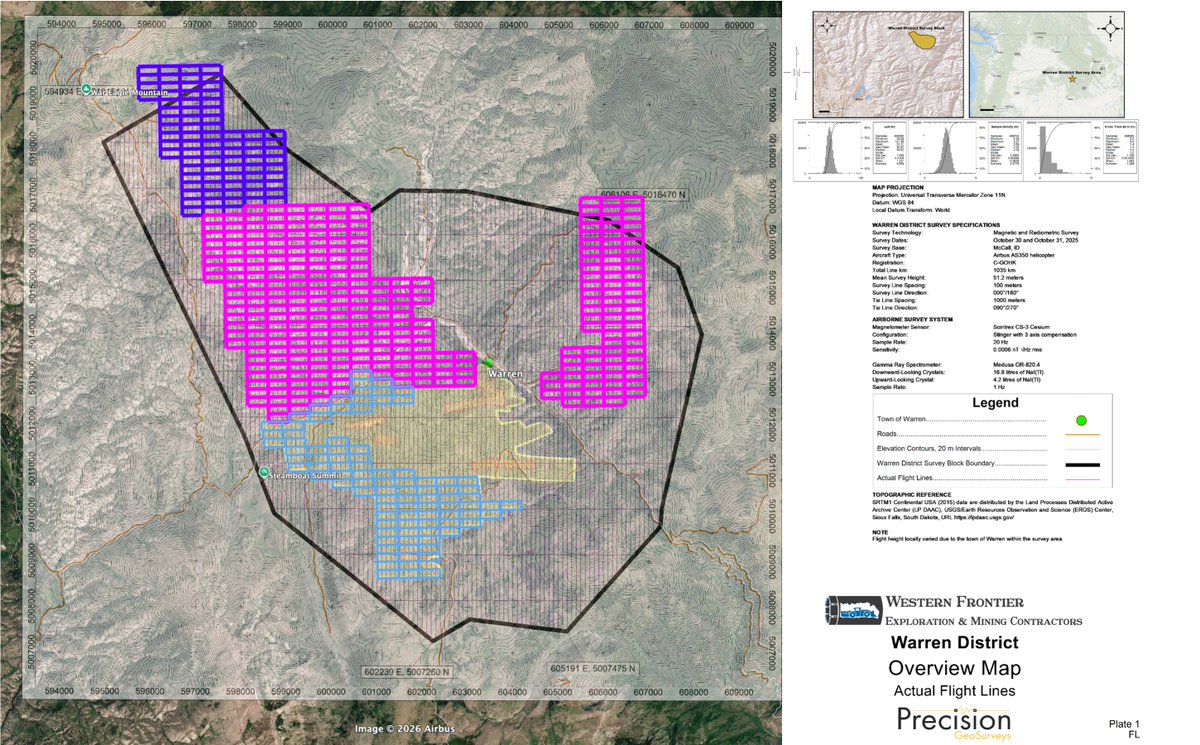

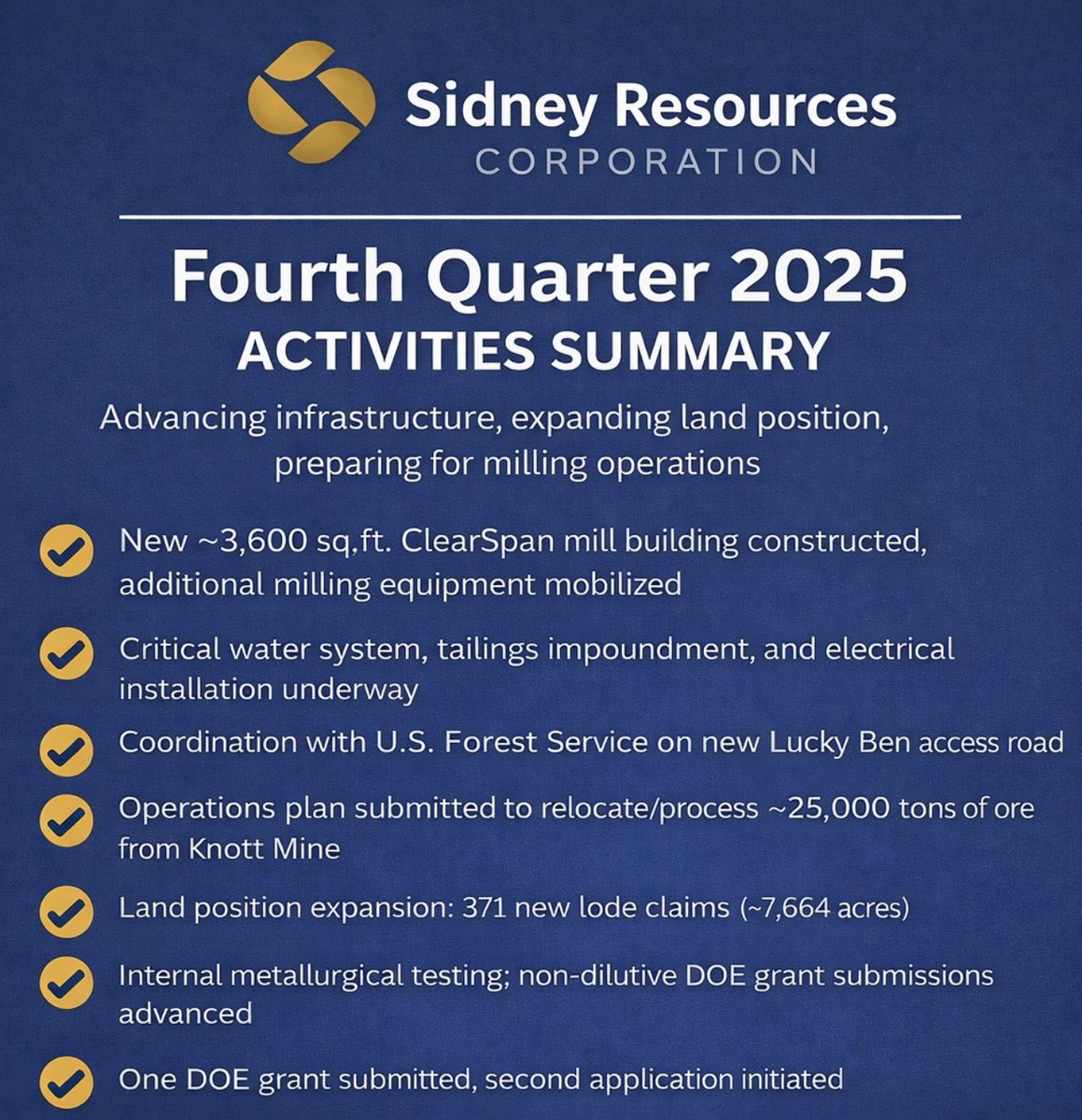
Pinned Tweet

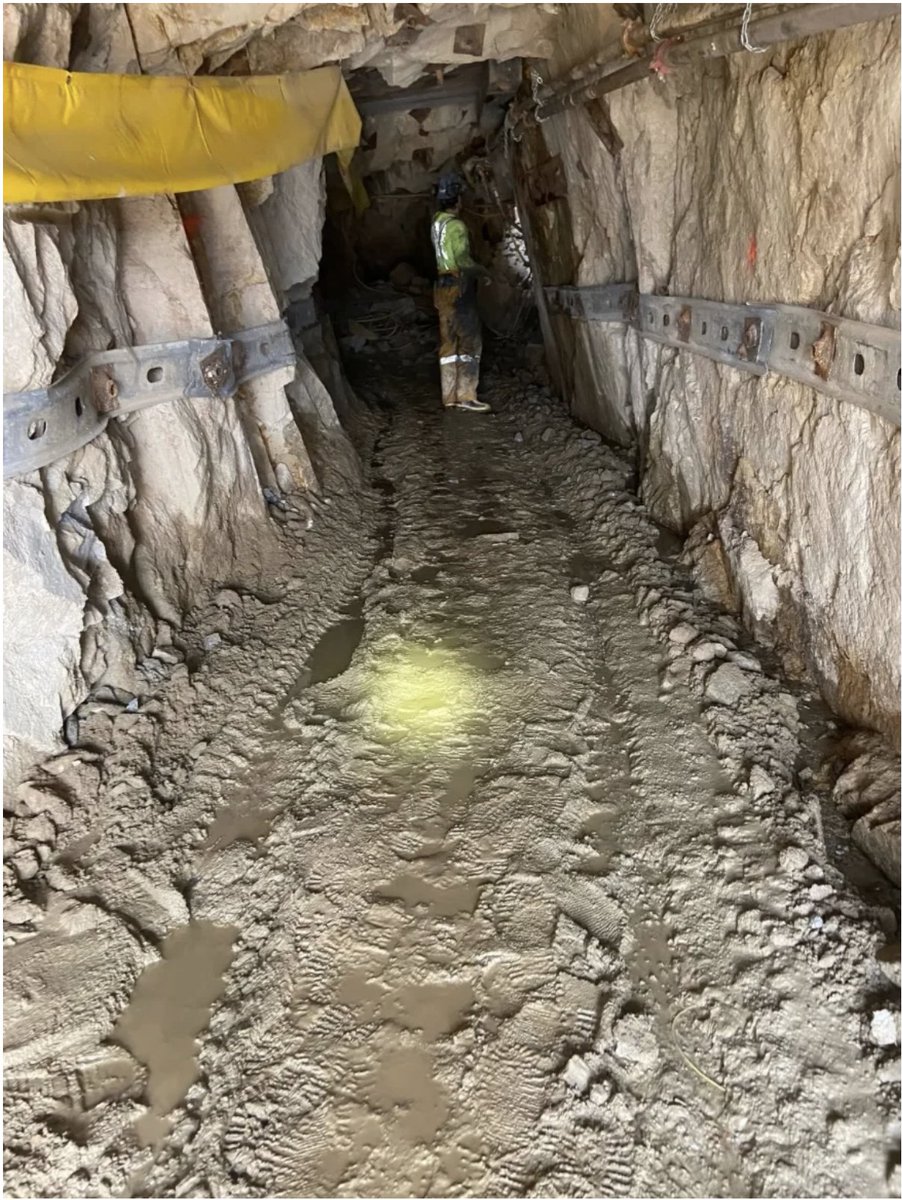
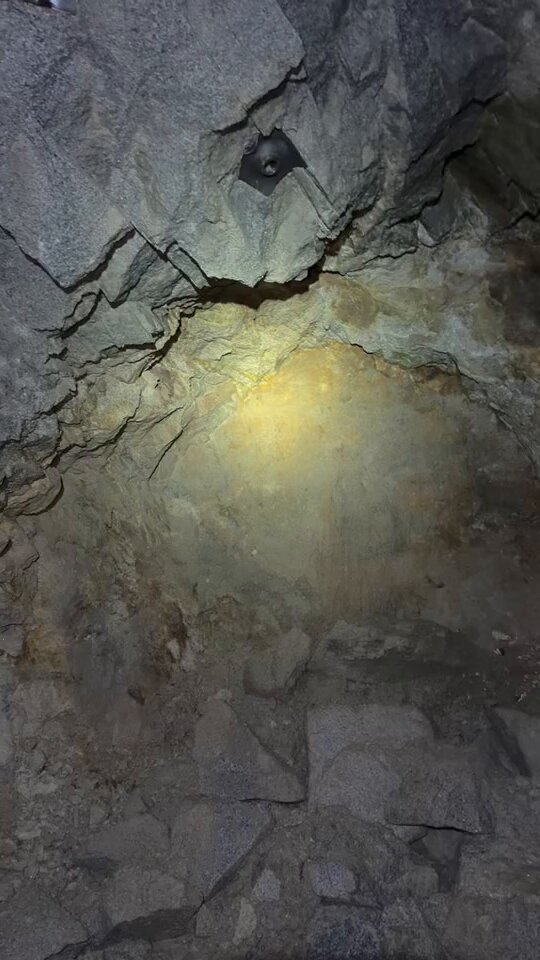
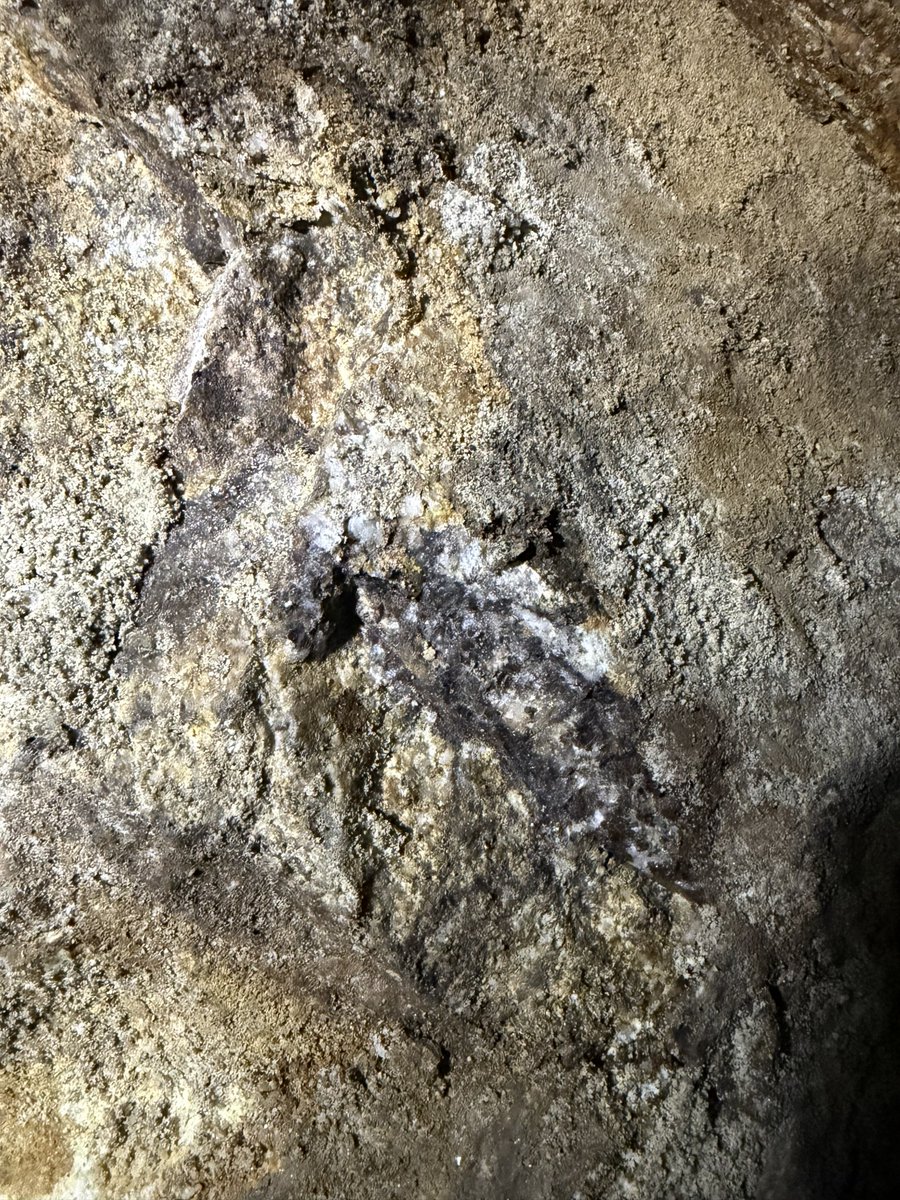
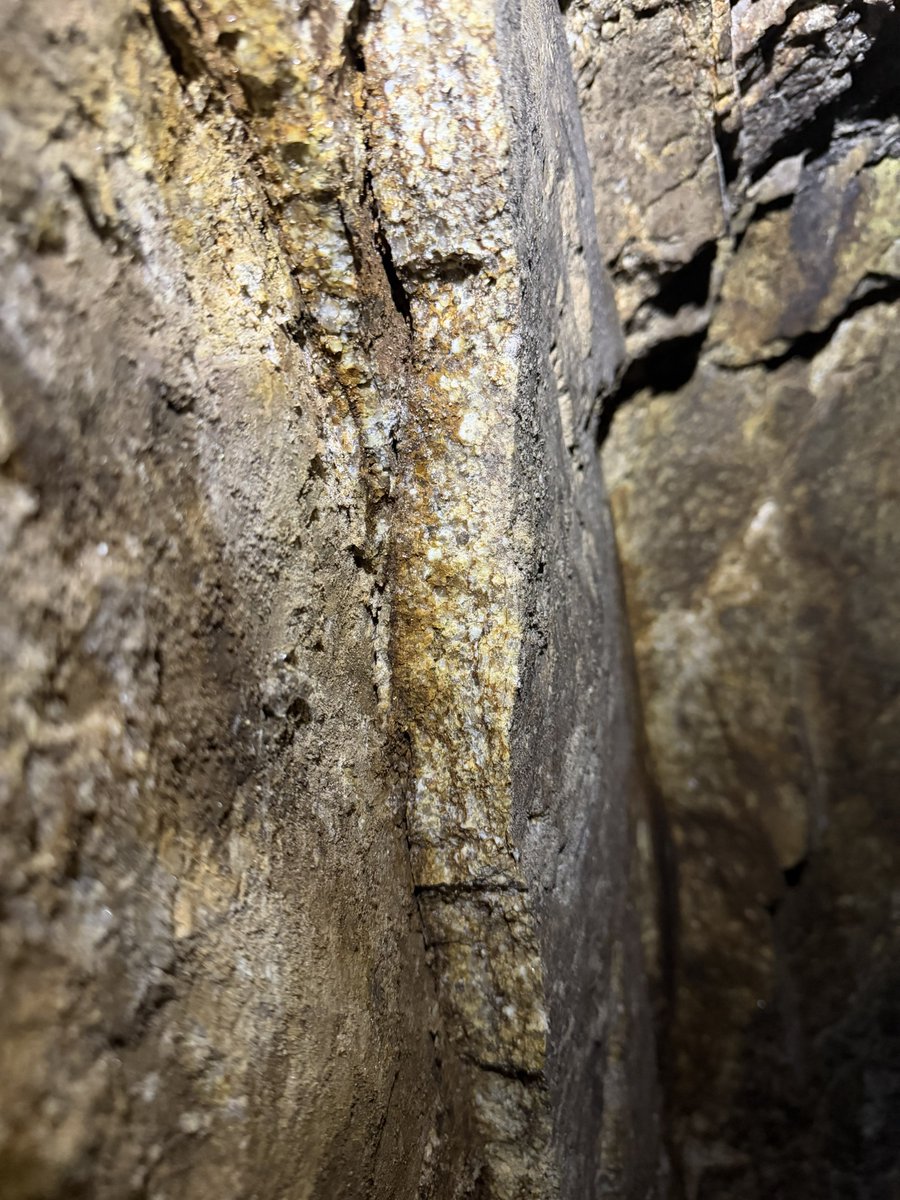
$SDRC Update: Significant Intercept of Targeted Quartz Vein System at Warren District Project:
Sidney Resources Corporation (OTCID:SDRC) is pleased to report the successful underground interception of the targeted quartz vein system at its Warren District Project in Idaho.
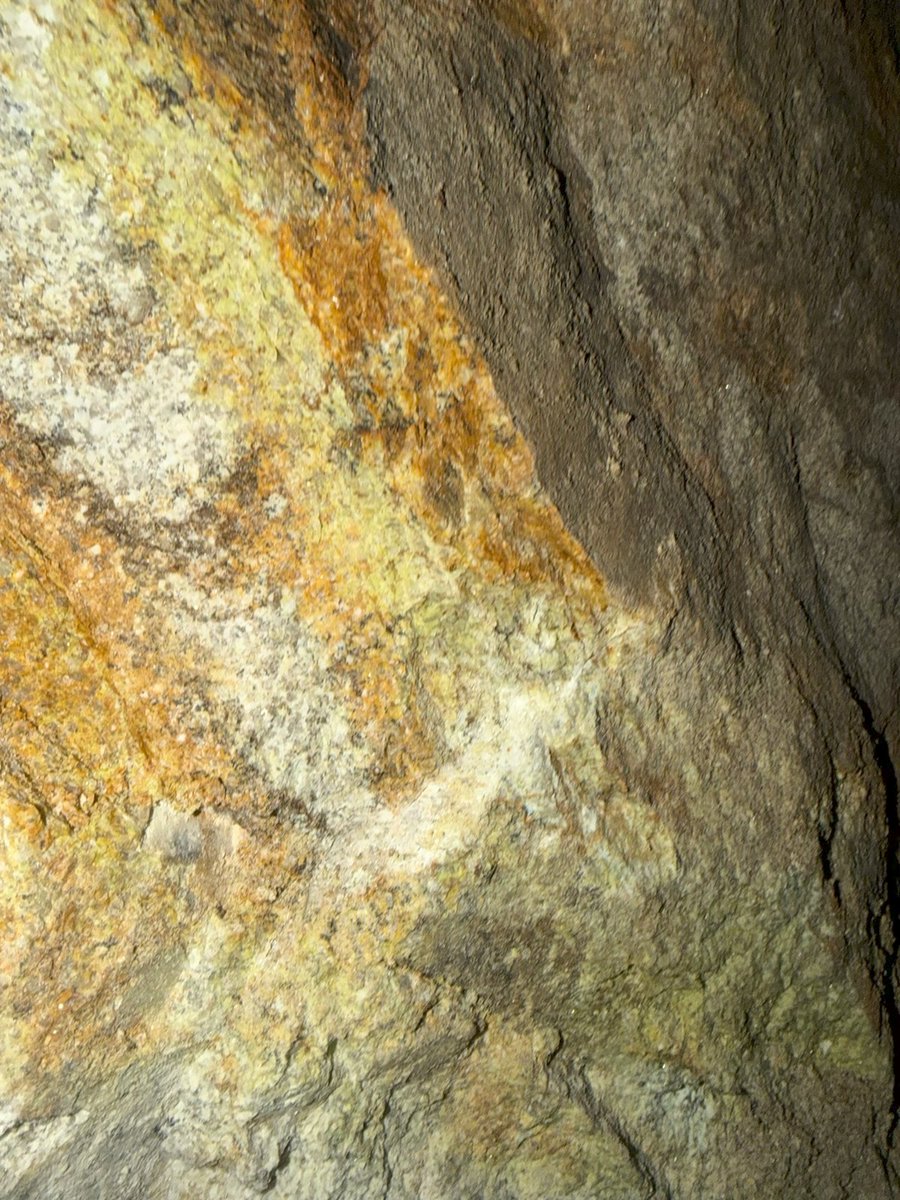
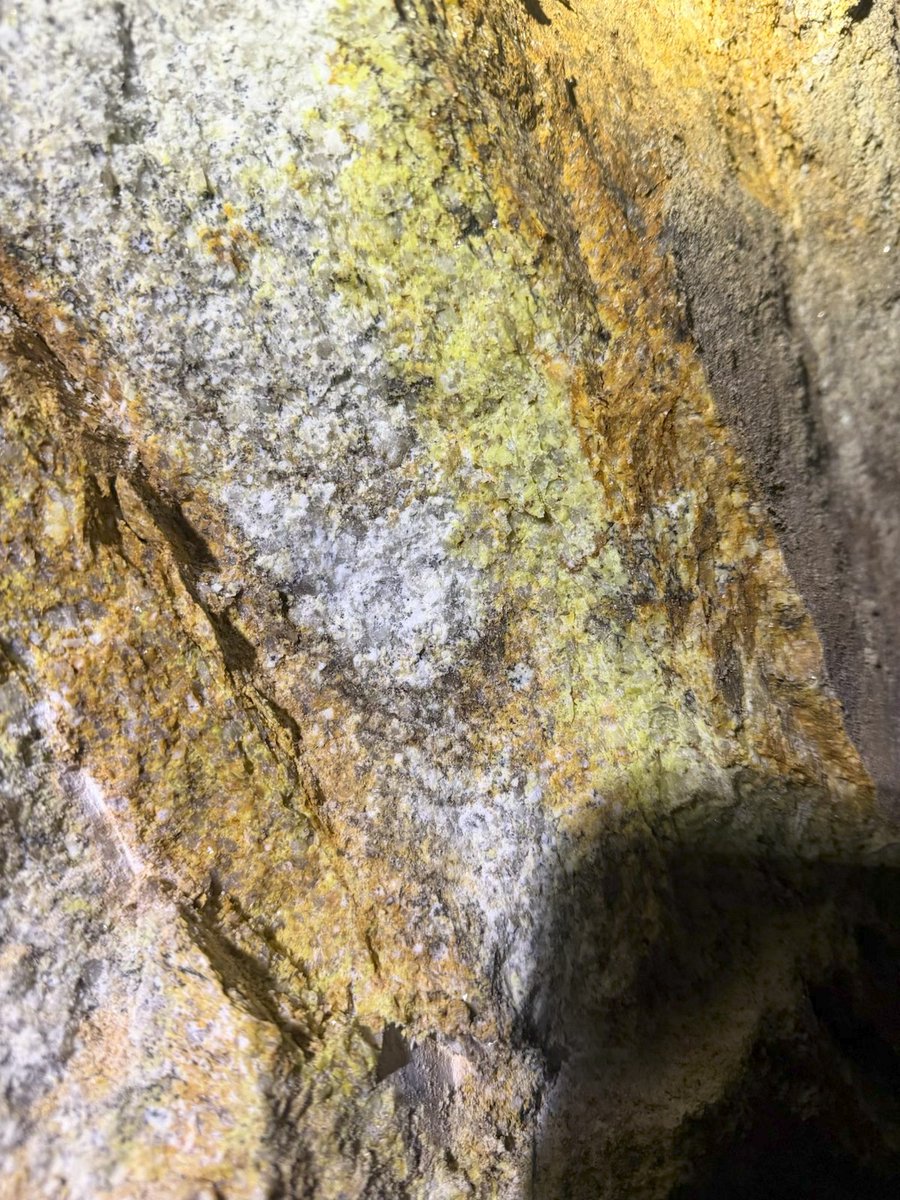
The encountered vein displays intense alteration and textures unlike previous intersections in the area. The quartz is heavily altered, soft, and exhibits a greasy character, accompanied by strong iron oxide staining and prominent green/yellow mineralization.
Geological observations indicate a well-developed shear-hosted zone with evidence of multiple fluid events — consistent with a robust, sulfide-rich hydrothermal system.
Importantly, this high-intensity zone was intercepted earlier and appears more developed than anticipated in the current modeling, suggesting we have intersected the primary structural conduit rather than peripheral halo material. These characteristics are highly encouraging for potential free-milling gold mineralization.
Samples from the intercept have been collected and are being prepared for assay at independent third-party laboratories. This data will contribute to the growing dataset supporting future mineral resource estimation work.
We set the target. We hit the structure — and it looks stronger than modeled.
Further updates will follow as assay results and underground development progress. Cuts/Samples from this intercept have been sent to SGS and Florin Labs.
#GOLD #Mining #miningstocks #progress
3
22
58
9,709
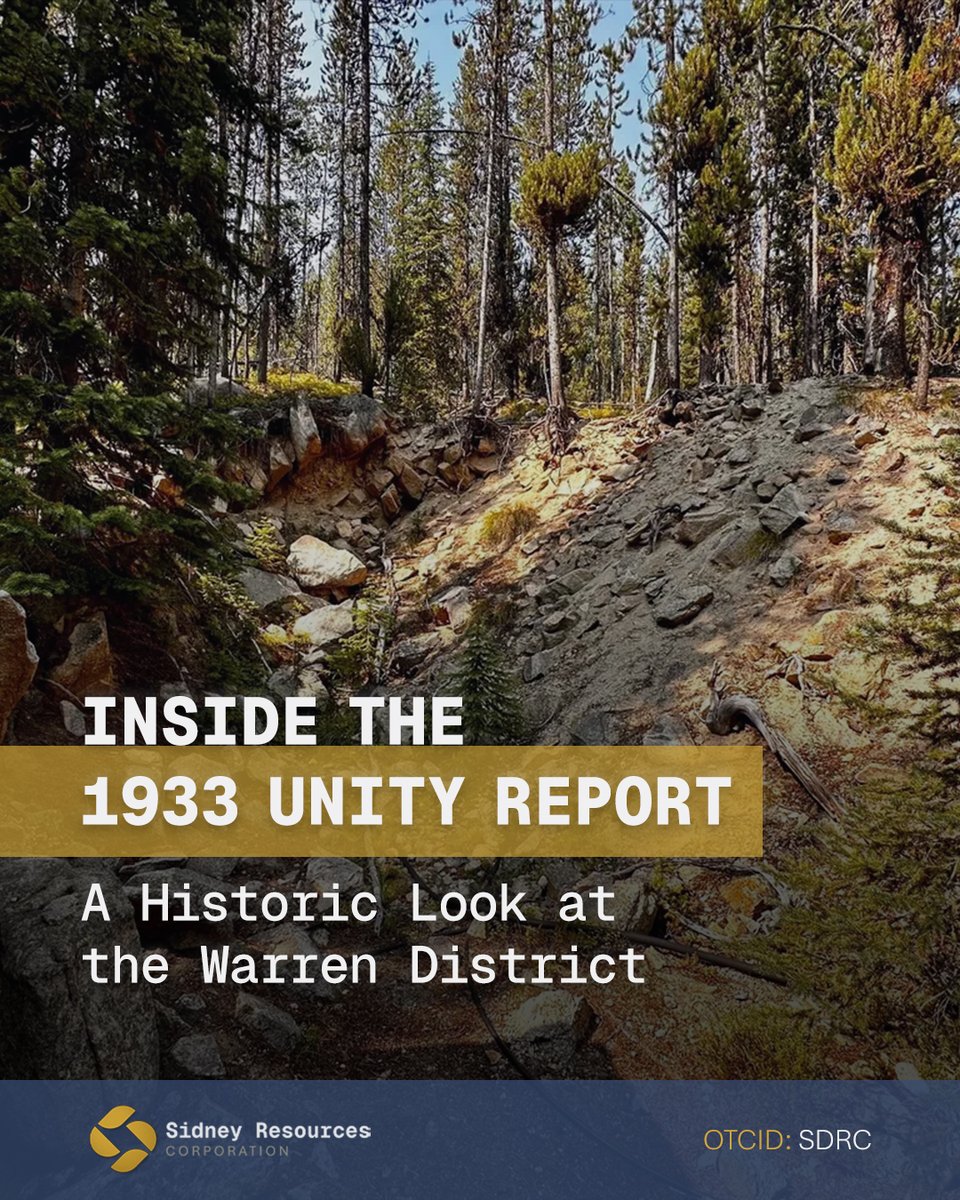
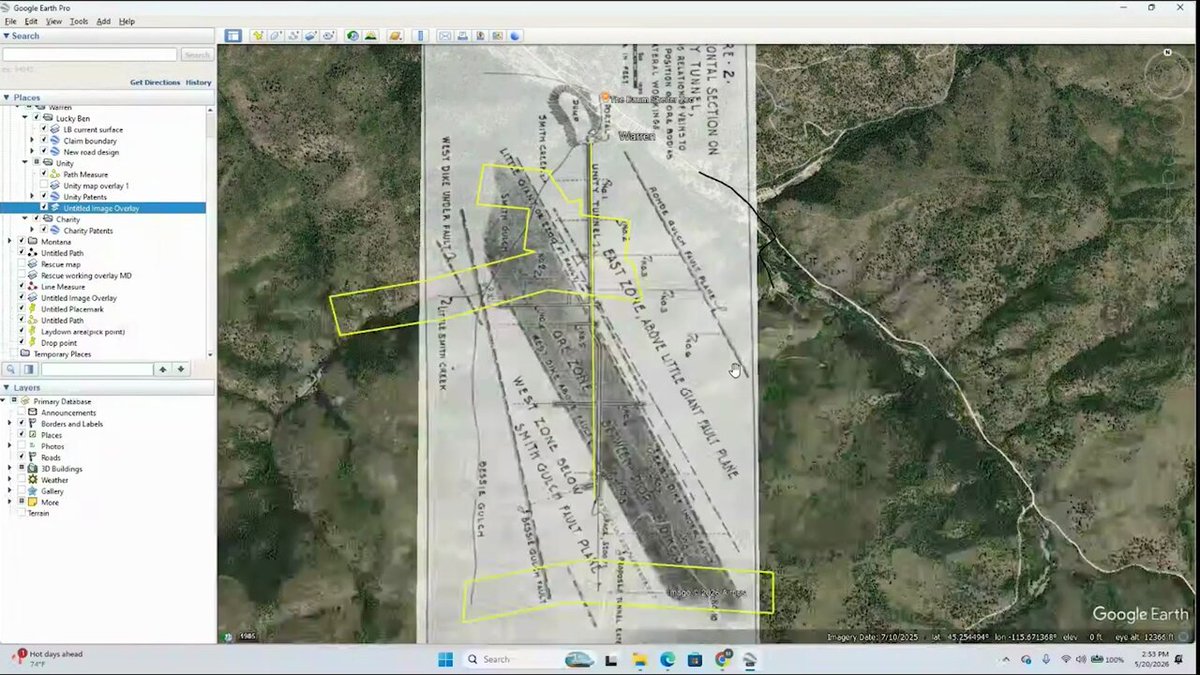
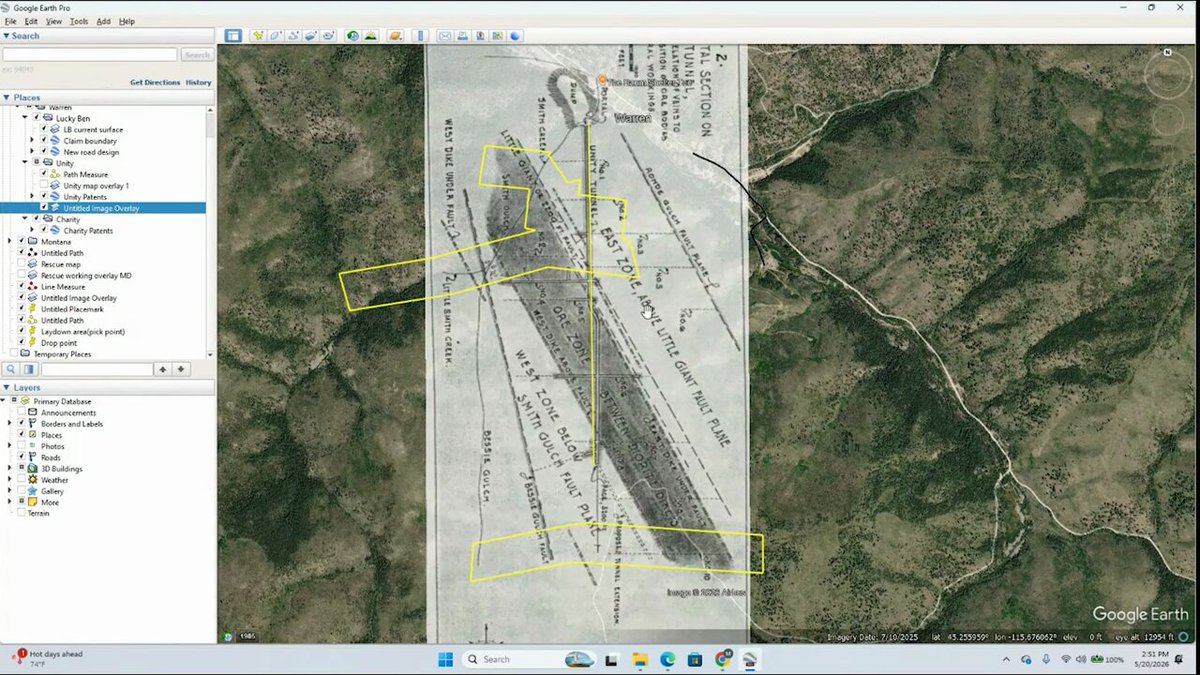
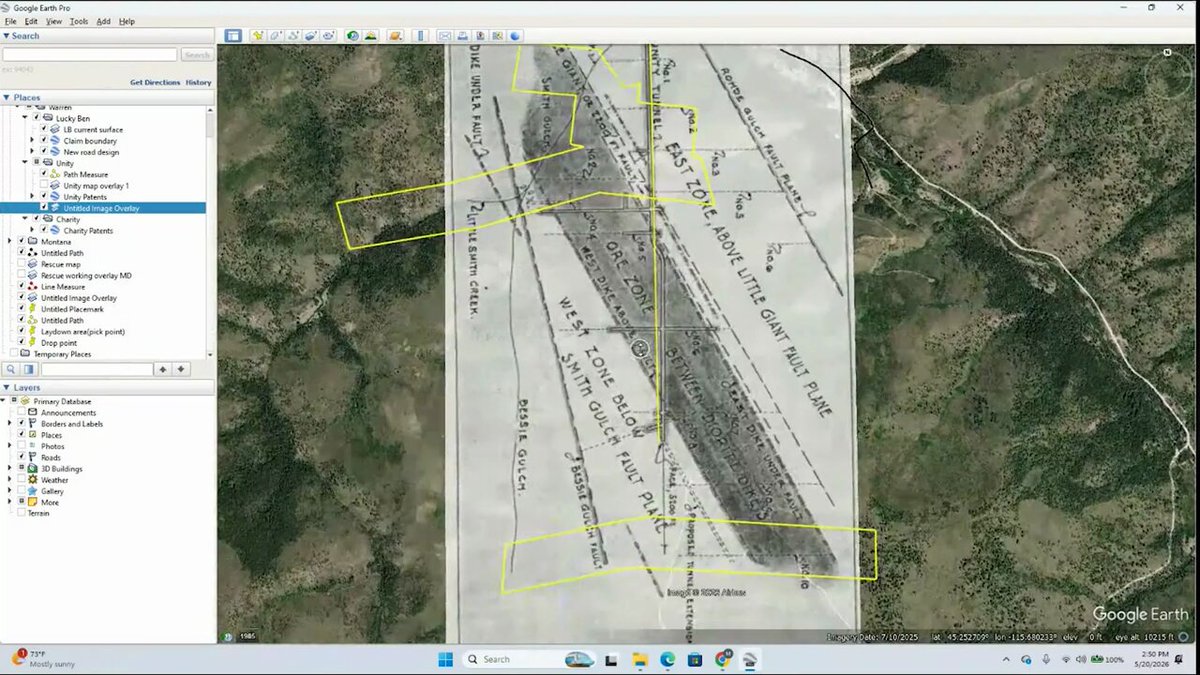
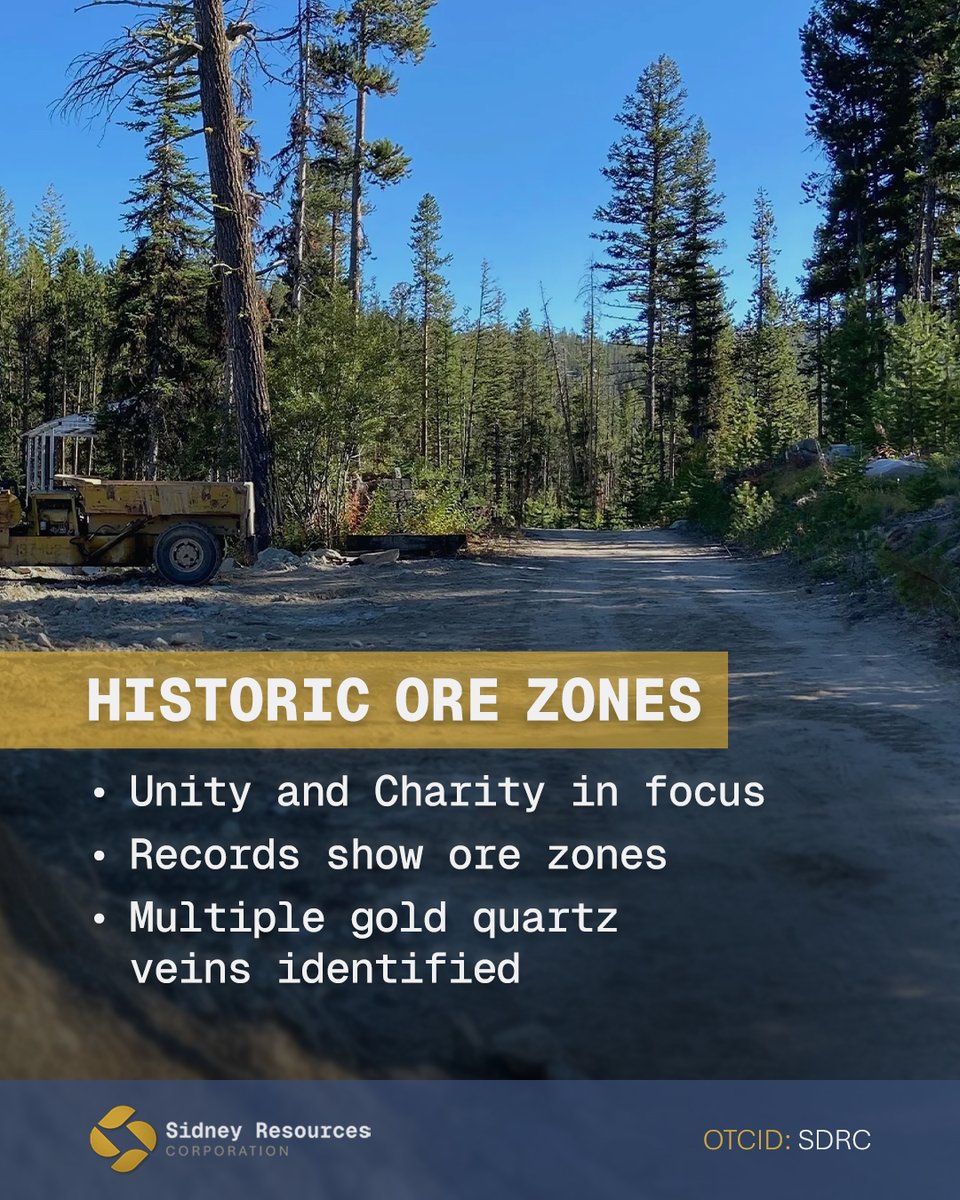
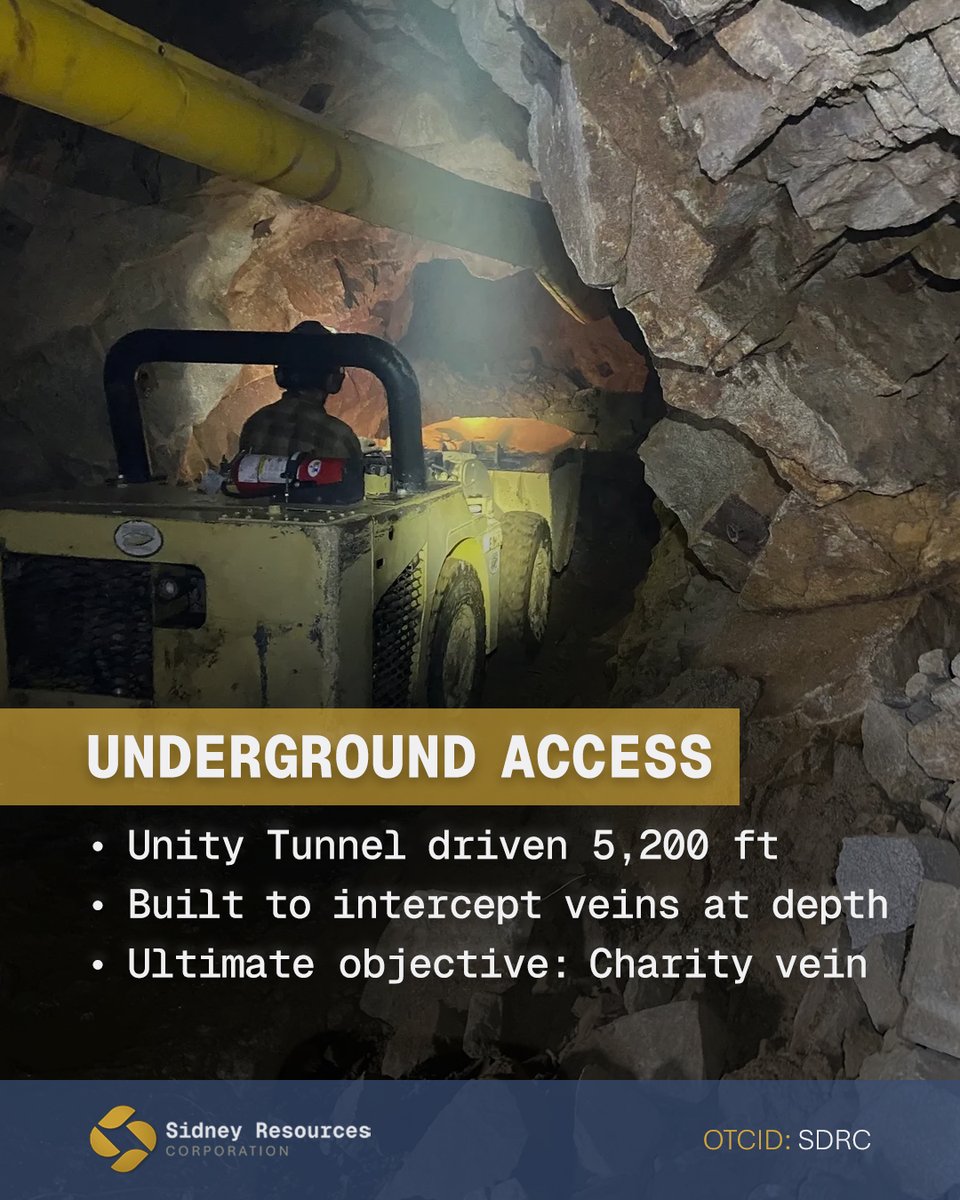
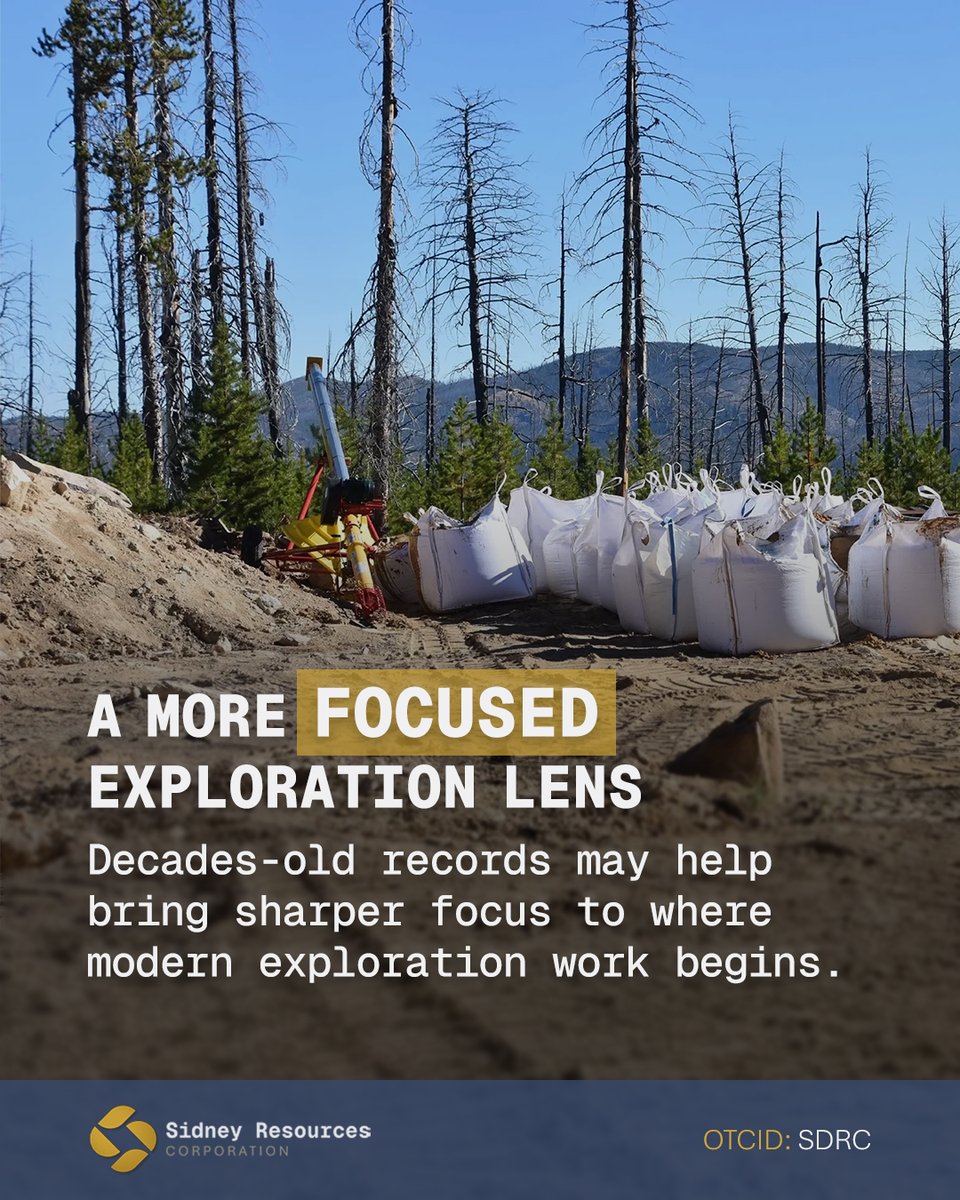
The Warren District has a long mining history, and the 1933 Unity report brings it into sharper focus. It outlines historic ore zones & legacy workings, offering a clearer way to review the district through a modern exploration lens.
Full breakdown: linkedin.com/feed/update/urn…
$SDRC
7
6
25
1,735
Check out the 1933 Unity report: sidneyresources.com/wp-conte…
6
365
We’re holding significant potential in our hands, and our exploration is actively working to unlock it.
High-grade tungsten along lamprophyres at Unity further reinforces the potential across the Warren District.
Watch the full video where we share new insights and historic data across key areas: linkedin.com/feed/update/urn…
🇺🇸 #OTCID: $SDRC
#GoldExploration #WarrenDistrict #HistoricMining #Tungsten #TungstenStocks #GoldStocks #MiningReport
6
28
878
With the historic Unity Tunnel, the potential is already in place; what's needed now is targeted repair, including ventilation upgrades and tunnel repairs.
The existing workings may provide access to an extensive network of veins and cross-cuts across the Warren District in Idaho.
Get more insights from the full video: linkedin.com/feed/update/urn…
🇺🇸 #OTCID: $SDRC
#GoldExploration #WarrenDistrict #HistoricMining #UnityTunnel #GoldStocks #MiningReport
2
4
19
2,879
What gives Sidney Resources access to explore across the Warren District?
In the full video, we break down how the historical legacy claims from Unity Gold and Silver grant us extensive exploration rights. We also share deeper insights into the project's historic data.
Watch the full breakdown of the report: linkedin.com/feed/update/urn…
🇺🇸 #OTCID: $SDRC
#GoldExploration #WarrenDistrict #HistoricMining #Exploration #GoldStocks #MiningReport
3
16
621
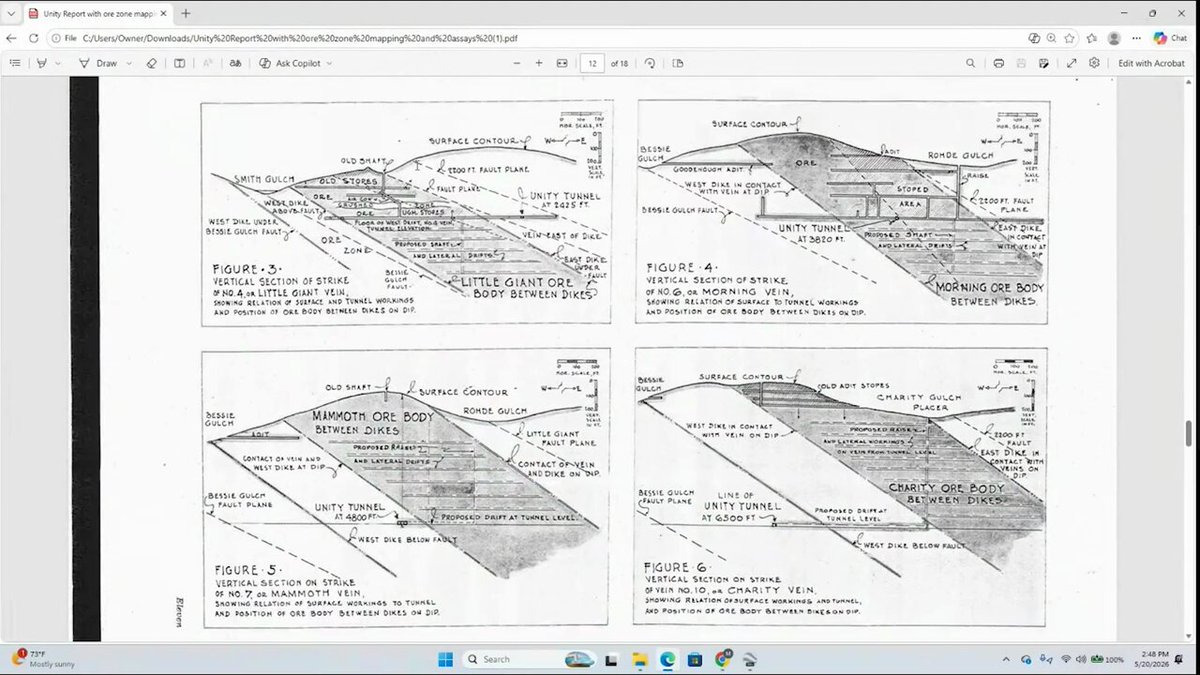
The cross section of the four ore bodies from the Warren District Project in Idaho highlights a large-scale gold system, positioned at a time of strong interest in precious metals.
Explore the full insights in the historic report: linkedin.com/feed/update/urn…
🇺🇸 #OTCID: $SDRC
#GoldExploration #WarrenDistrict #HistoricMining #OreBodies #Gold #GoldStocks #MiningReport
5
26
1,562

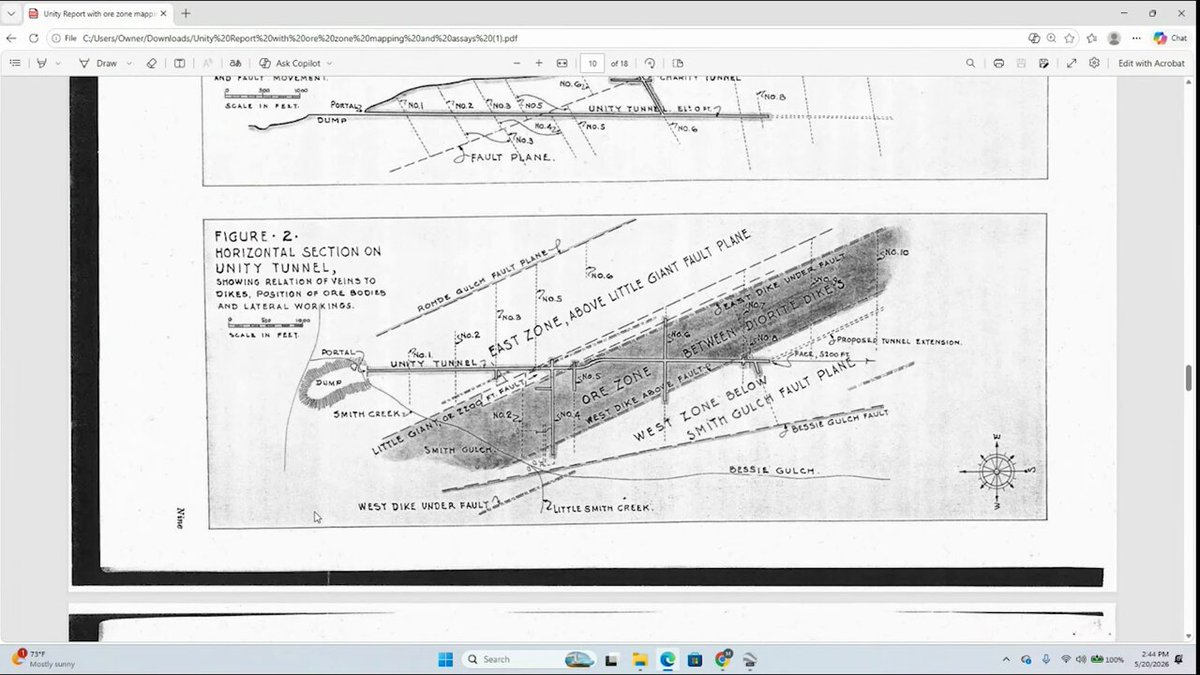
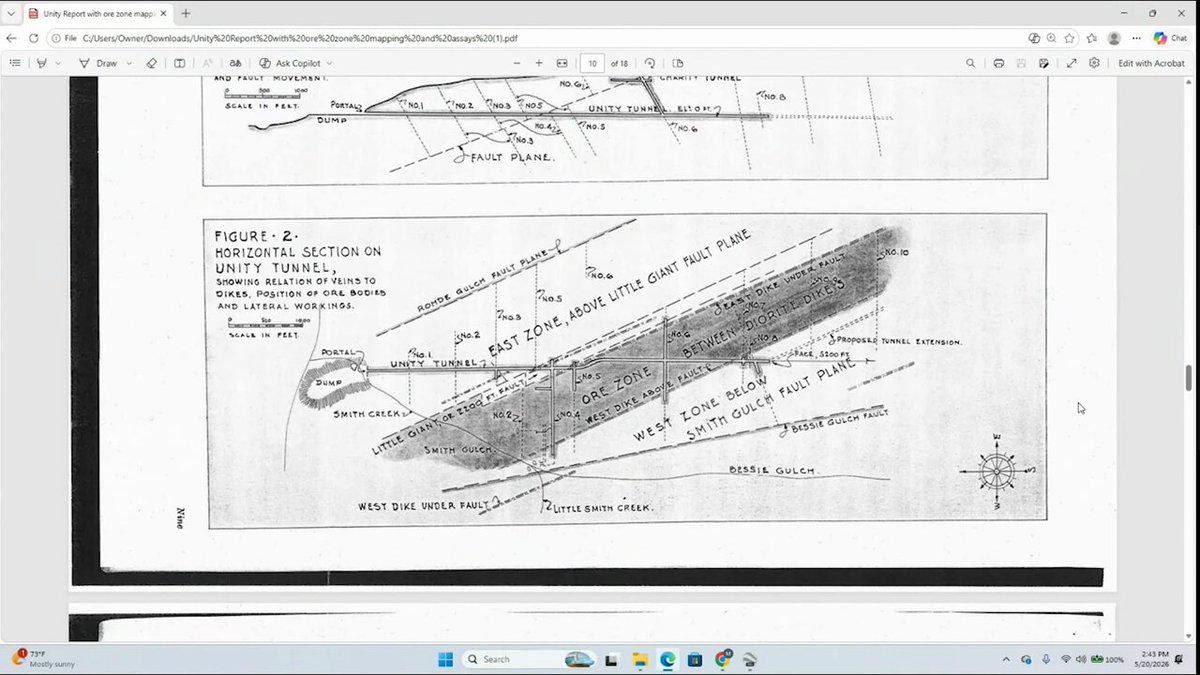
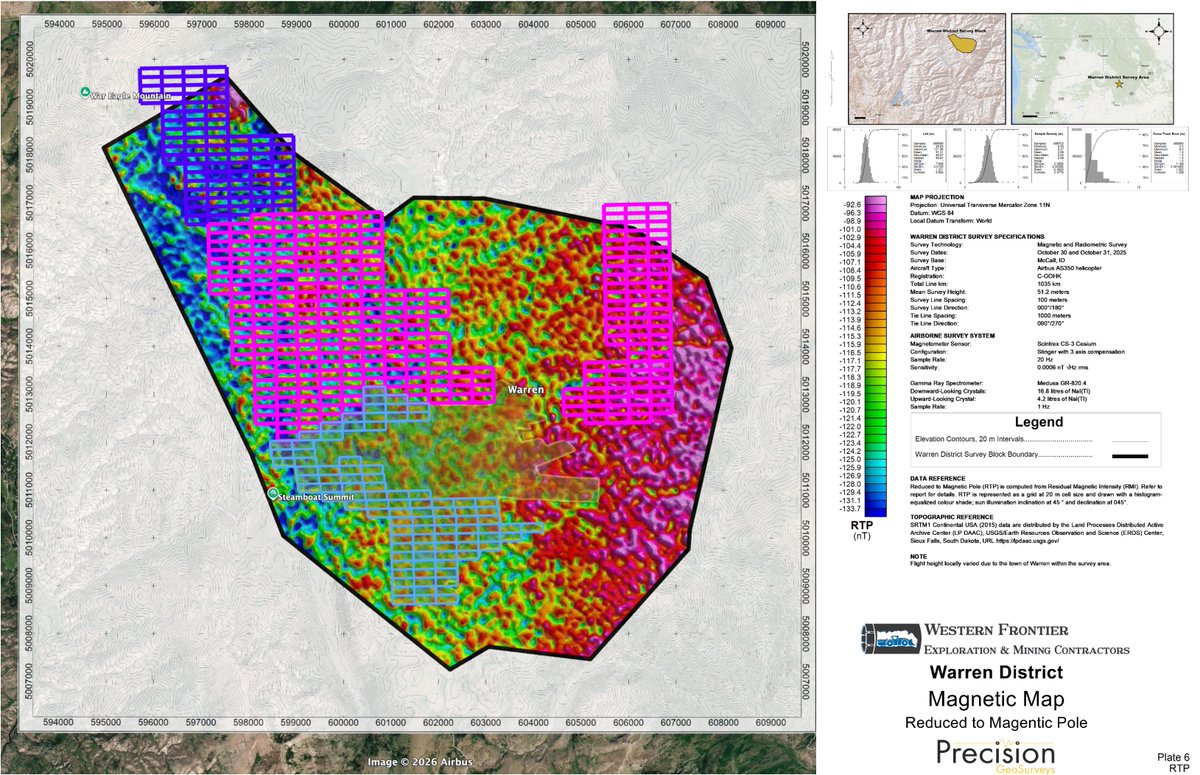
The Warren District in Idaho is a prime exploration area, with vein systems all striking east-west.
This clip highlights key zones of mineralization, with more detail in the full video: linkedin.com/feed/update/urn…
🇺🇸 #OTCID: $SDRC
#GoldExploration #WarrenDistrict #HistoricMining #VeinSystems #MiningReport
7
23
1,230
Sidney Resources Corp. retweeted

May 28
$SDRC Incredible video, please watch the entire 11 minutes before you form your opinion : linkedin.com/posts/sidney-re…
More than anything, in my opinion, the OTC needs to remember we are invested in a STARTUP #mining company. These things take patience, but the long-term reward can be life-changing. Ignore the day-to-day noise and stay focused on the bigger picture. This video really helps put that long-term vision into perspective.

The 1933 Unity report maps ore zones across Warren District, including Unity & Charity. Paired with recent field observations, it brings fresh attention to a historic gold system where gold was noted as coarse and visible to the naked eye.
Watch: linkedin.com/feed/update/urn…
$SDRC
3
7
22
1,802
Sidney Resources Corp. retweeted
The 1933 Unity report maps ore zones across Warren District, including Unity & Charity. Paired with recent field observations, it brings fresh attention to a historic gold system where gold was noted as coarse and visible to the naked eye.
Watch: linkedin.com/feed/update/urn…
$SDRC
1
14
34
3,547

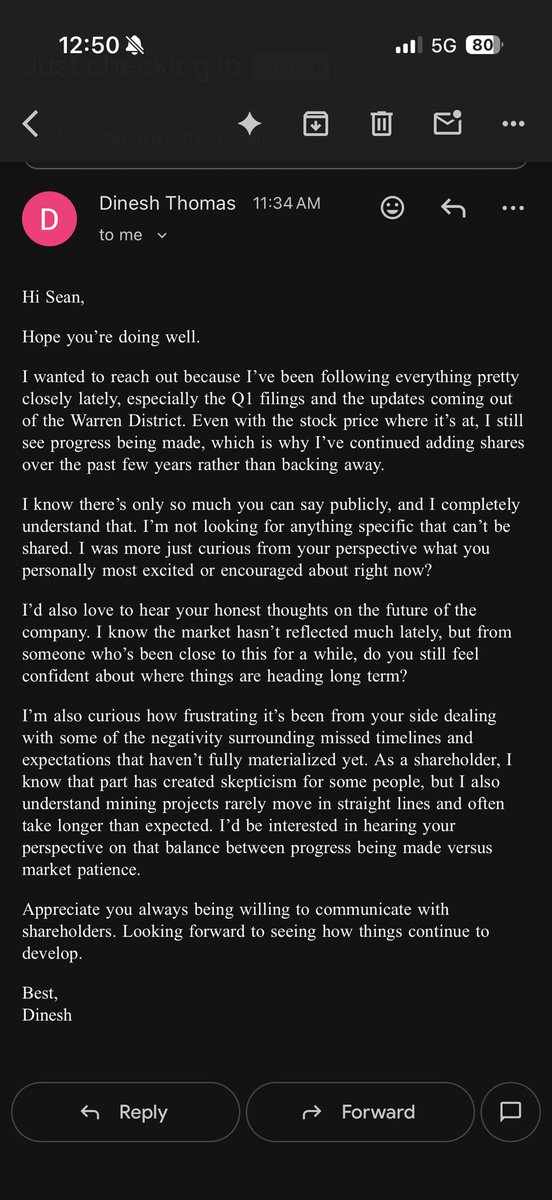
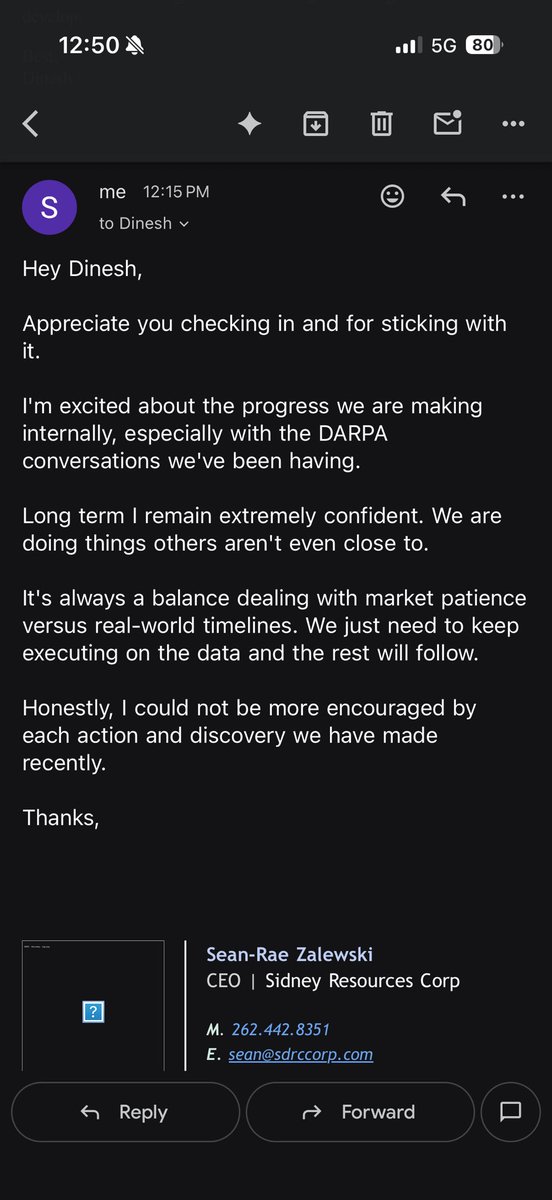
$sdrc question from an investor and response.
We are under a lot of NDA’s right now so it’s hard to share material information.
I am very excited for everything that is occurring, and I could not be more encouraged
The mining team made huge progress over the last several days and took actions that will save tens of millions of dollars in exploration costs over the next five years
These efforts will aid expansion and create more efficiencies moving forward
Very grateful to the hard and impactful work @HallySDRC and @wfmining Park consistently doing.
Nothing is slowing down and everything is going incredibly well.
We have had a ton of people reach out with their gratitude on the roads being opened by our company in the area as well.
1
24
1,222
$SDRC Q1 FY2026 Update – Advancing the Warren District Project ⛏️🇺🇸
🔗otcmarkets.com/file/company/…
Q1 FY2026 marked another major advancement period for Sidney Resources Corporation as the Company continued progressing underground development, infrastructure expansion, metallurgical testing, permitting initiatives, and strategic growth activities across the Warren District Project in Idaho.
Operational Advancement – Lucky Ben Development
During the quarter, the Company completed more than 450 feet of underground drift development, including construction of a downward ramp from the main tunnel to a newly established working level.
These efforts resulted in the successful interception of the Little Giant Vein system, where systematic sampling and geological evaluation activities are now underway as SDRC continues building a comprehensive geological and assay database to support future Mineral Reserve Estimate work and long-term resource modeling initiatives.
Infrastructure & Permitting Progress
Construction activities associated with the Company’s new milling facility were substantially completed during the quarter, with major processing equipment moved into position.
The Company also continued advancing permitting efforts associated with the proposed movement of approximately 25,000 tons of historically mined material to the milling facility. The proposed Operations Plan has now been deemed complete by the U.S. Forest Service.
Additional engineering work was completed on a redesigned access road intended to improve safety, efficiency, and environmental stewardship while supporting modern mining and transportation requirements.
Metallurgy, Rare Earths & Strategic Minerals
Metallurgical testing and process development efforts remained ongoing throughout the quarter, including continued collaboration with independent laboratories focused on recovery challenges associated with precious metals, platinum group metals, rare earth elements, and strategic minerals identified within the Warren District Project.
The Company also:
⚫️ Applied for two DOE federal grant opportunities
⚫️ Advanced bioremediation initiatives
⚫️ Continued laser technology development efforts
⚫️ Submitted samples into federally funded rare earth recovery programs
Strategic Update
Sidney Resources Corporation’s executive management team and Board of Directors are actively evaluating multiple joint venture opportunities, as well as potential mergers and other forms of strategic corporate activity.
These efforts are focused on accelerating project advancement, creating operational and technical synergies, and maximizing long-term shareholder value while aligning with growing U.S. strategic priorities surrounding domestic critical mineral assets.
#SDRC #Gold #Silver #CriticalMinerals #RareEarths #Mining #Idaho
4
9
44
2,534
📢 Sidney Resources Corporation ($SDRC) Strategic Update
The Company’s executive management team and Board of Directors are actively evaluating multiple joint venture opportunities, as well as potential mergers and other forms of strategic corporate activity.
These assessments are being conducted with the objective of accelerating project advancement, creating operational and technical synergies, and enhancing long-term shareholder value while maintaining disciplined capital allocation and alignment with the Company’s broader development goals for the Warren District Project and its regional mineral holdings — in alignment with U.S. strategic goals and stated need for critical resource assets.
$SDRC #CriticalMinerals #Gold #StrategicMinerals #WarrenDistrict #IdahoMining
5
9
44
6,180
While we pursue significant next steps for the future of $SDRC @SDRCMINING we had a Great follow up call with a lab doing work with DOD and DARPA on Thursday.
A little of why are in conversation.
Iridium (the platinum-group metal) is a strategic/critical material for the U.S. Department of Defense (DOD), with relevance to DARPA’s efforts on supply chain resilience and advanced technologies. “
Key Defense Applications of Iridium
Iridium’s extreme properties—highest corrosion resistance of any metal, very high melting point (~2,446°C), hardness, and ability to withstand extreme temperatures and oxidizing environments—make it essential where failure is not an option:
• Aerospace and aircraft engines: Iridium alloys harden platinum and are used in high-temperature components that endure extreme heat and stress.
• Guided missile systems: Critical for precision components in propulsion or high-reliability environments.
• Satellite thrusters and rocket engine nozzles: Iridium-lined combustion chambers and catalyst beds (e.g., for hydrazine thrusters) resist erosion and thermal shock in space propulsion.
• High-temperature sensors, thermocouples, and crucibles: For military/aerospace testing and manufacturing under extreme conditions.
• Other electronics/radar/semiconductors: Used in spark plugs, backlit displays, computers, and radar screens with military applications.
These uses tie directly into DOD platforms (jets, missiles, satellites) and emerging needs like hypersonics or advanced propulsion.
Why It’s a Critical Supply Chain Concern for DOD/DARPA
• Extreme rarity and low yields: As discussed previously, global mined grades are typically <0.1 ppm, with production ~7–9 tonnes/year dominated by South Africa (Bushveld) and some Russian output. This creates single-point vulnerabilities. ($SDRC has multiple independent assays showing multiple ppm per ton consistently)
• DOD/DLA recognition: The Defense Logistics Agency (DLA) Strategic Materials lists iridium explicitly, noting its uses in aircraft engines, missiles, etc. The U.S. has near-total import reliance for PGMs (platinum-group metals, including iridium), with a very small National Defense Stockpile (e.g., historically ~15 kg of iridium).
• Geopolitical risks: Supply is concentrated; disruptions (e.g., from South Africa instability or Russia sanctions) could impact defense readiness. PGMs are often flagged in critical minerals assessments for economic and national security.
• DARPA’s role: DARPA runs programs like OPEN (Open Price Exploration for National Security) with USGS to improve transparency in critical materials pricing, supply/demand forecasting, and resilience—explicitly including materials vital to DOD. While OPEN focuses more on broader commodities (e.g., rare earths, lithium), it addresses the same class of vulnerabilities affecting iridium/PGMs. DARPA also funds efforts on domestic processing, separation technologies, and resilient supply chains for strategic minerals.
In short, iridium’s irreplaceability in high-performance military systems, combined with its tiny production volumes and foreign supply dependence, makes securing its supply chain a national security priority. DOD/DARPA focus on it (via stockpiling, R&D, forecasting, and diversification) aims to prevent disruptions that could degrade capabilities in aerospace, missiles, and space systems. Recycling and efficiency improvements are also key, as primary supply is inherently limited.
sidneyresources.com/investor…
2
15
1,241
RT @HallySDRC: Warren Wagon Road update: We have officially started plowing the Valley County side of Secesh Summit and will be meeting wit…
7
2
$SDRC Proud to be featured alongside mining leaders!
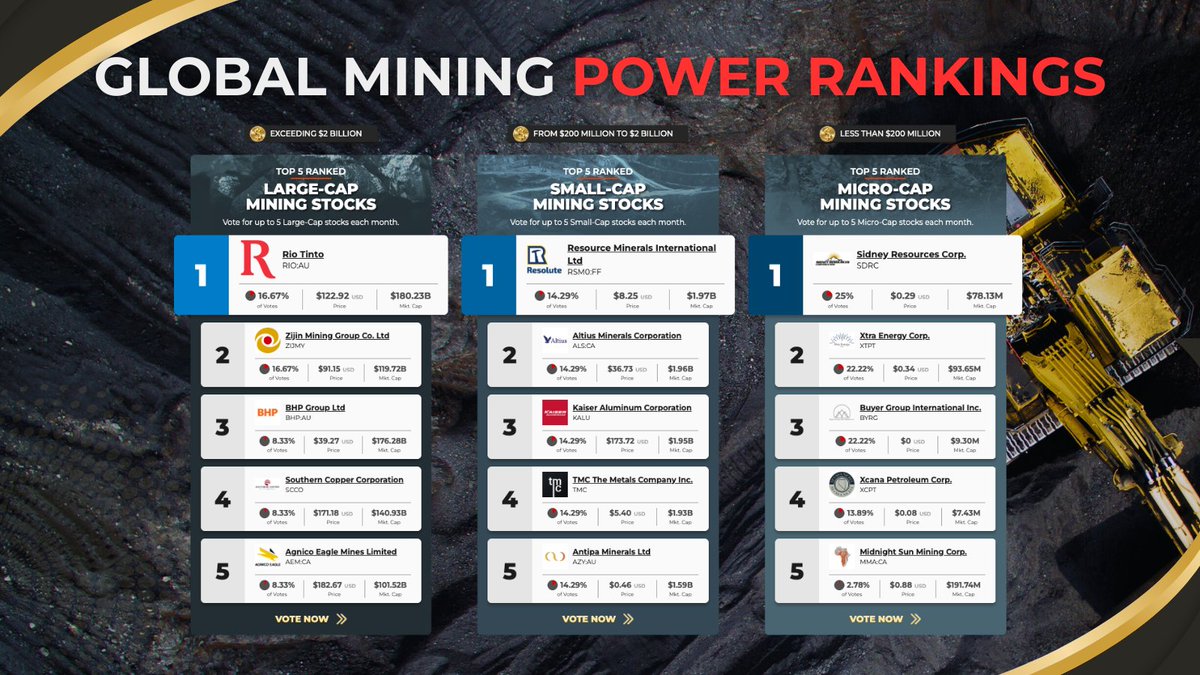
Sidney Resources Corporation ($SDRC) has been named Micro-Cap Winner in NAI500’s April Global Mining Power Rankings — alongside @RioTinto ($RIO) in the Large-Cap category and Resource Minerals International (ASX: $RMI) as Small-Cap Winner.
In a world where geopolitics is reshaping mining investment priorities, we’re delivering real momentum at our Warren District Project in Idaho.
Full story: nai500.com/blog/2026/05/geop…
#SDRC #Mining #Gold #Exploration #IdahoMining
2
23
2,325
$SDRC Proud to be featured alongside mining leaders!
Sidney Resources Corporation ($SDRC) has been named Micro-Cap Winner in NAI500’s April Global Mining Power Rankings — alongside @RioTinto ($RIO) in the Large-Cap category and Resource Minerals International (ASX: $RMI) as Small-Cap Winner.
In a world where geopolitics is reshaping mining investment priorities, we’re delivering real momentum at our Warren District Project in Idaho.
Full story: nai500.com/blog/2026/05/geop…
#SDRC #Mining #Gold #Exploration #IdahoMining
May 4

The April Global Mining Power Rankings are officially in 🏆
@RioTinto, @ResMin_RMI, and @SDRCMINING led their respective categories in April, reflecting shifts in investor attention across the mining sector.
The results highlight how geopolitical tensions, supply chain disruptions, and changing commodity demand are influencing market positioning across mining equities.
Large-Cap Winner: Rio Tinto (17%)
@RioTinto (ASX, LON, NYSE: RIO) took the top spot as its copper strategy gained traction. The miner reported a 9% increase in copper production for Q1, driven by the ongoing ramp-up of the Oyu Tolgoi underground mine in Mongolia.
Small-Cap Winner: Resource Minerals International (14.3%)
@ResMin_RMI (ASX: RMI) focused on advancing exploration in Tanzania, Saudi Arabia, and Finland. The company reported encouraging geological indications of copper-molybdenum-gold mineralization across its projects.
Micro-Cap Winner: Sidney Resources (25%)
@SDRCMINING (OTCMKTS: SDRC) secured its lead after publishing results highlighting a district-scale hydrothermal system at its Idaho project. The stock saw a 55% surge over a two-week period in April.
Cast your vote for the May rankings here: mining.com/ranking
#MiningPowerRankings #Copper #GoldMining #SmallCap #MicroCap #MiningStocks
1
10
54
4,288