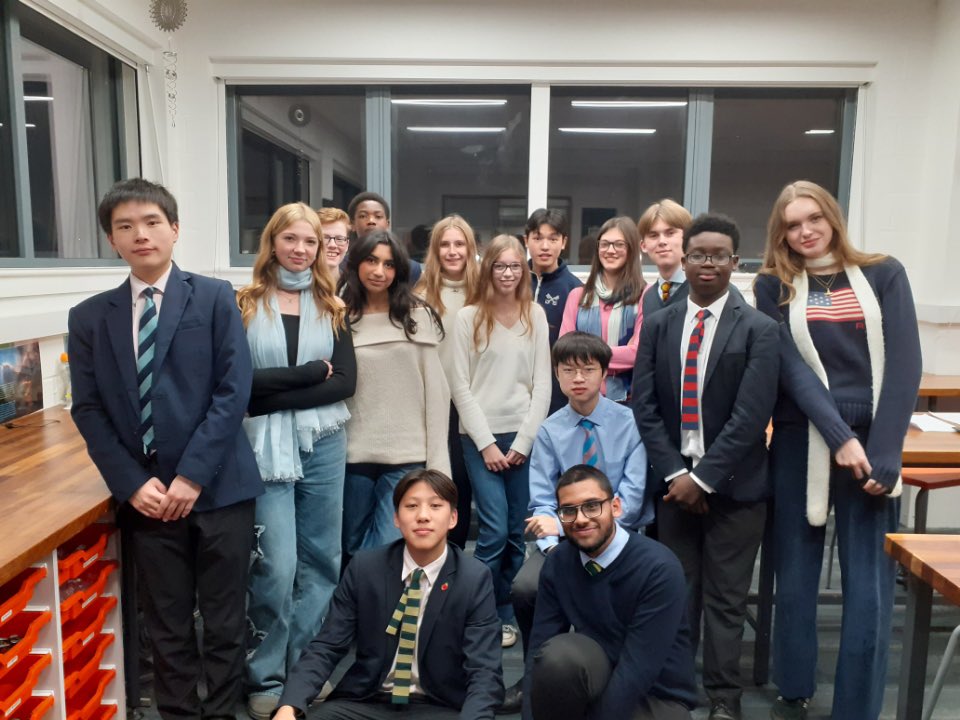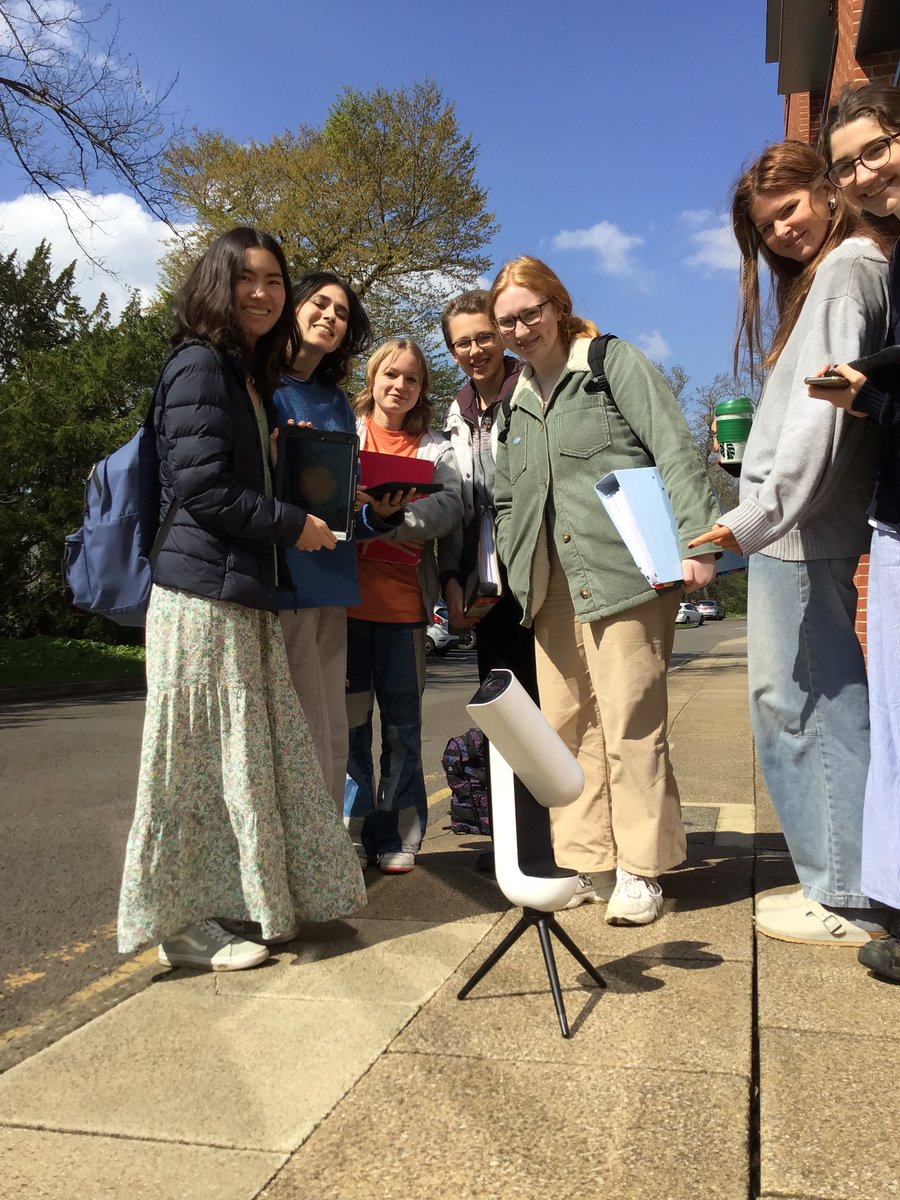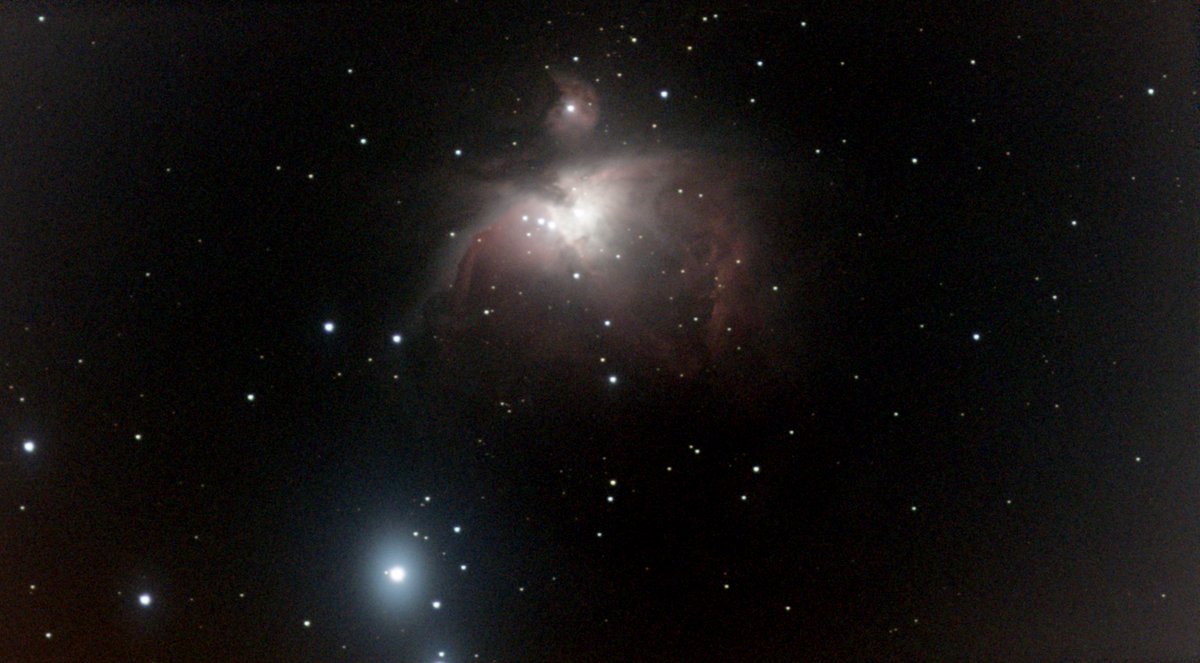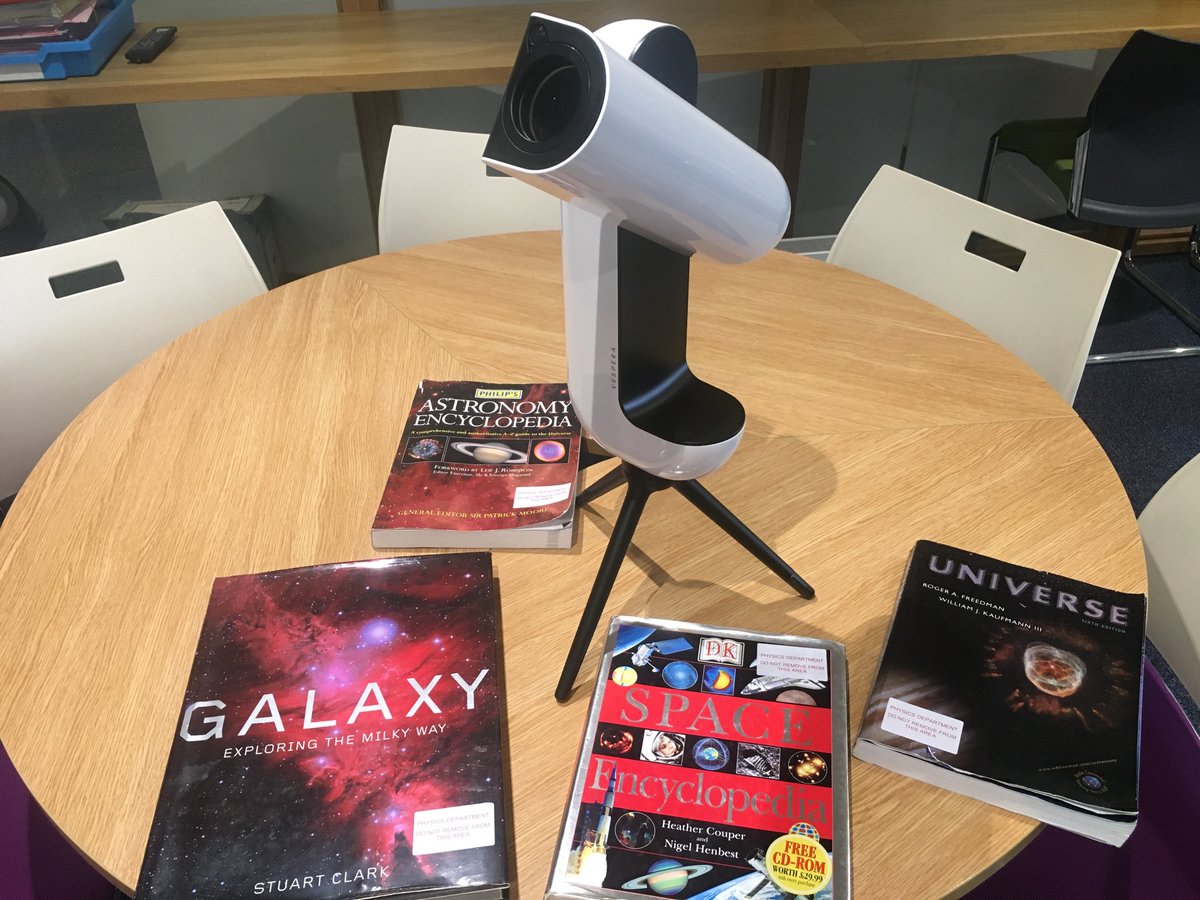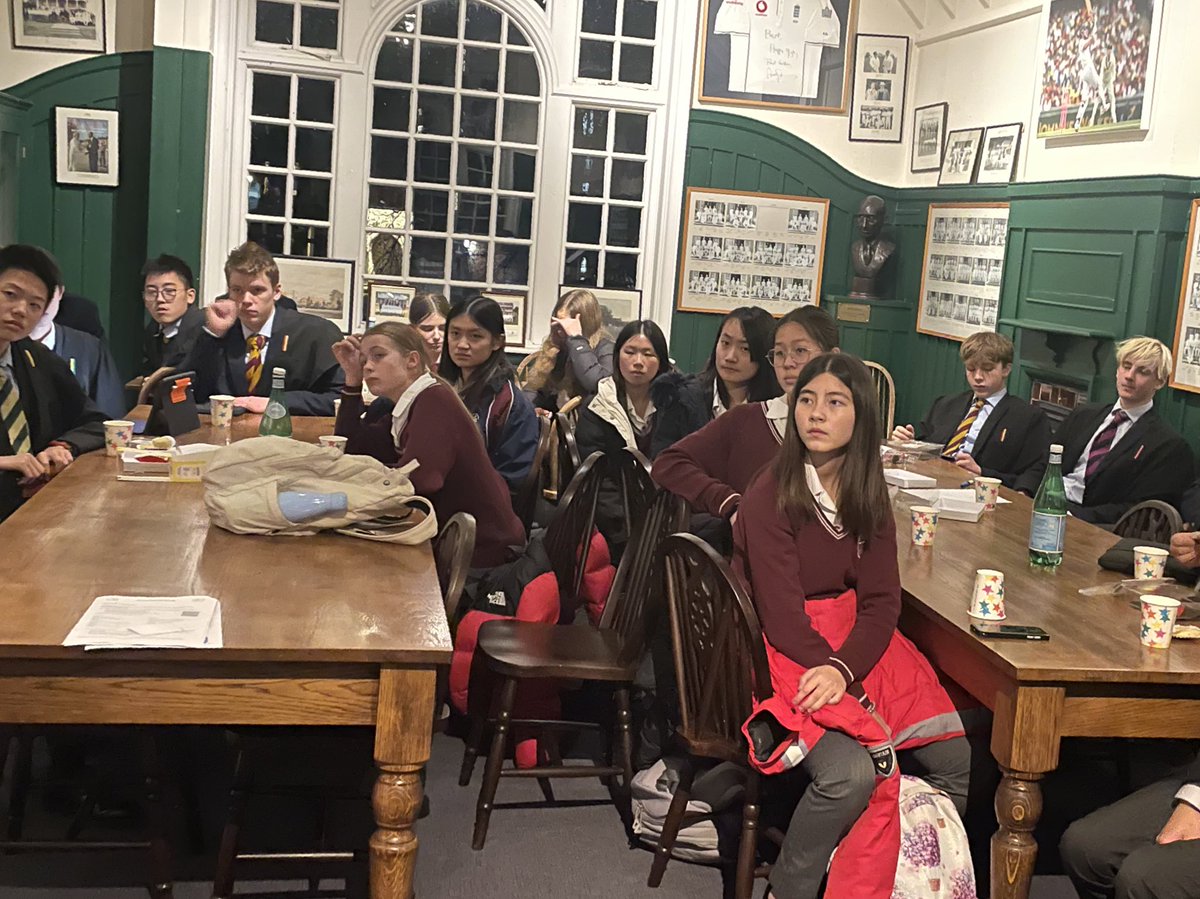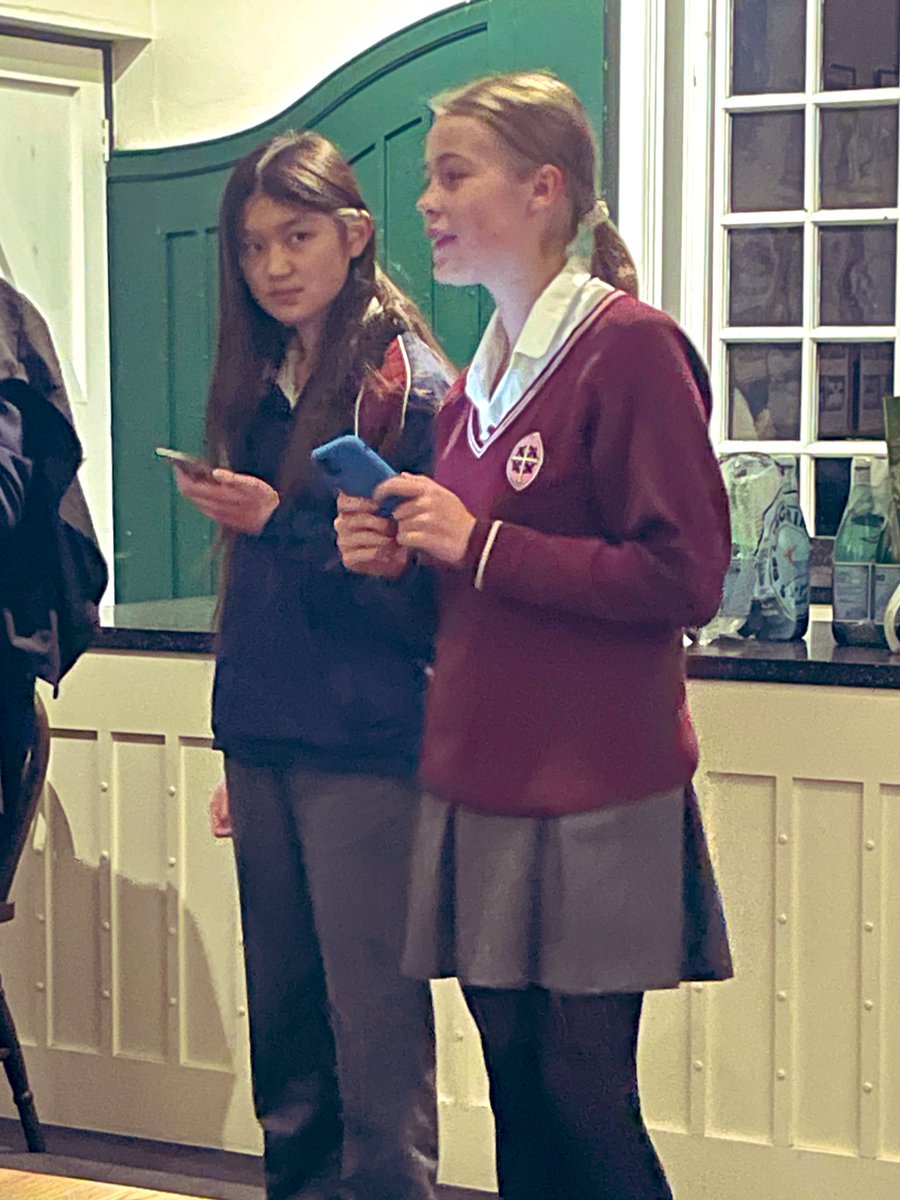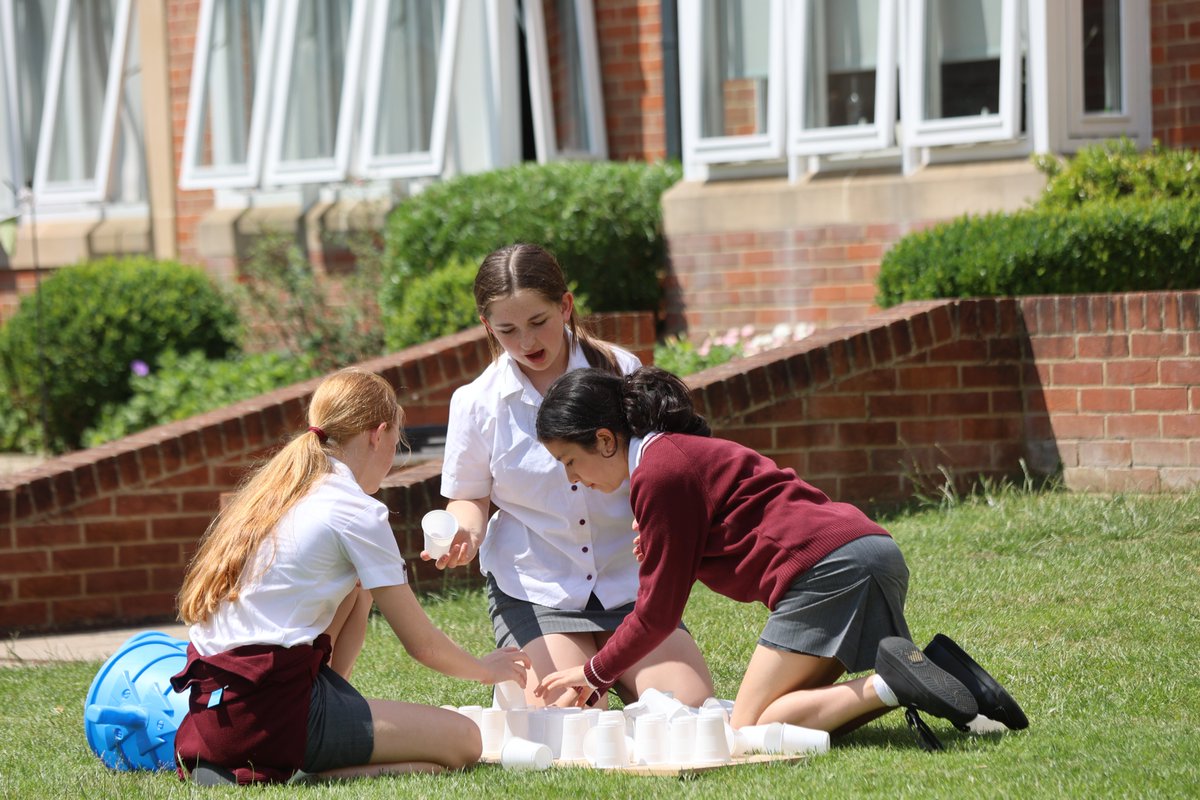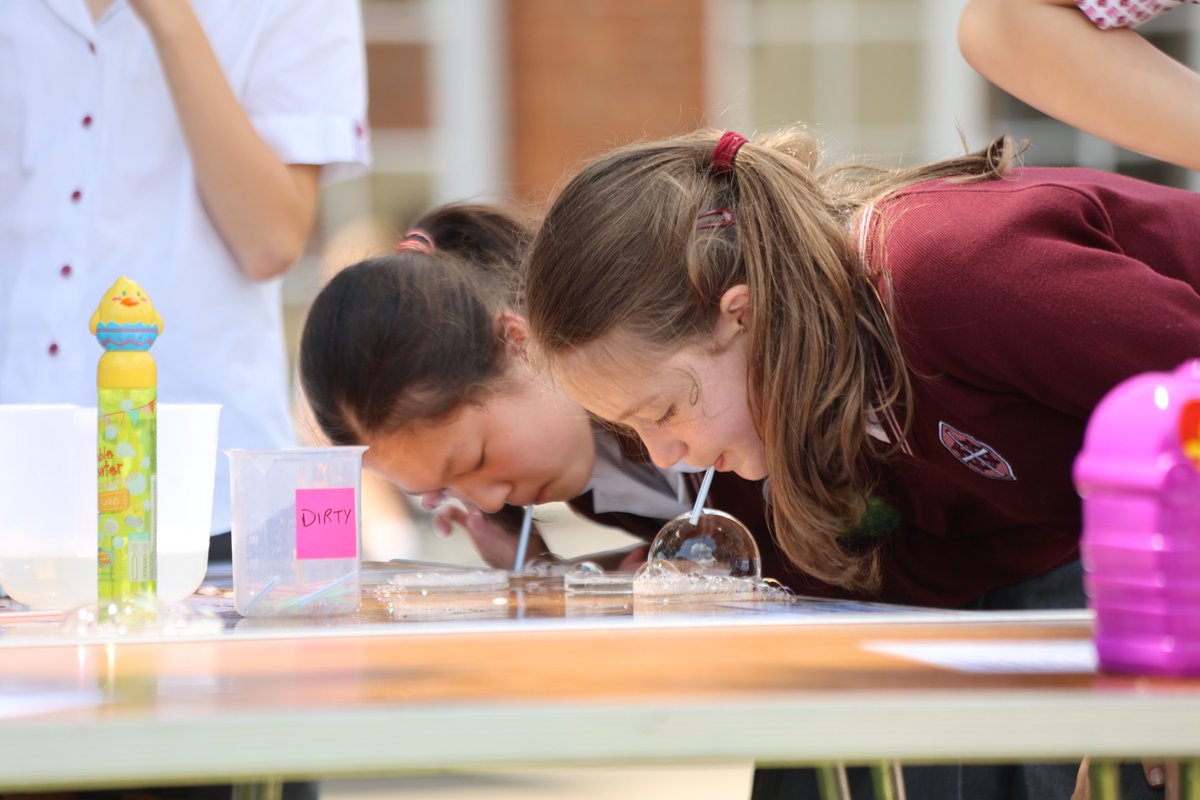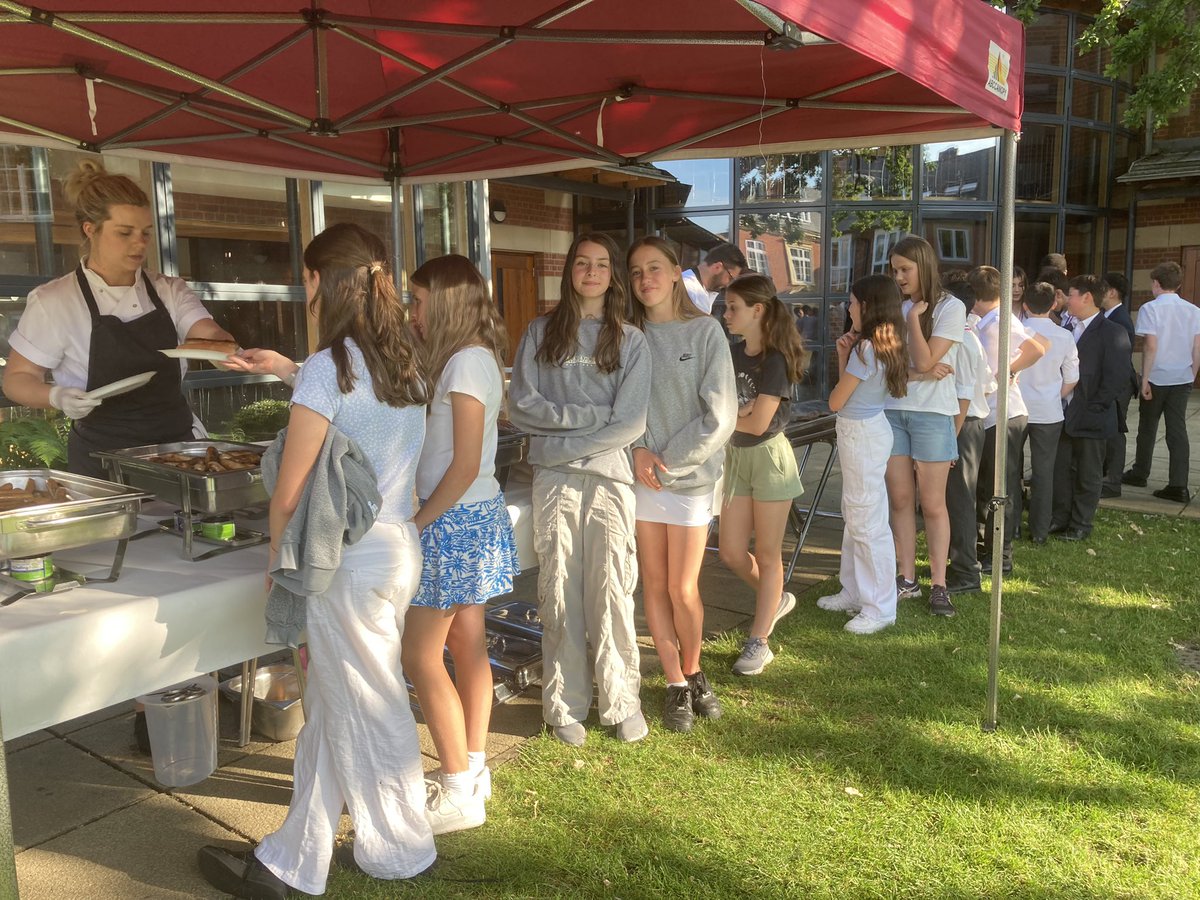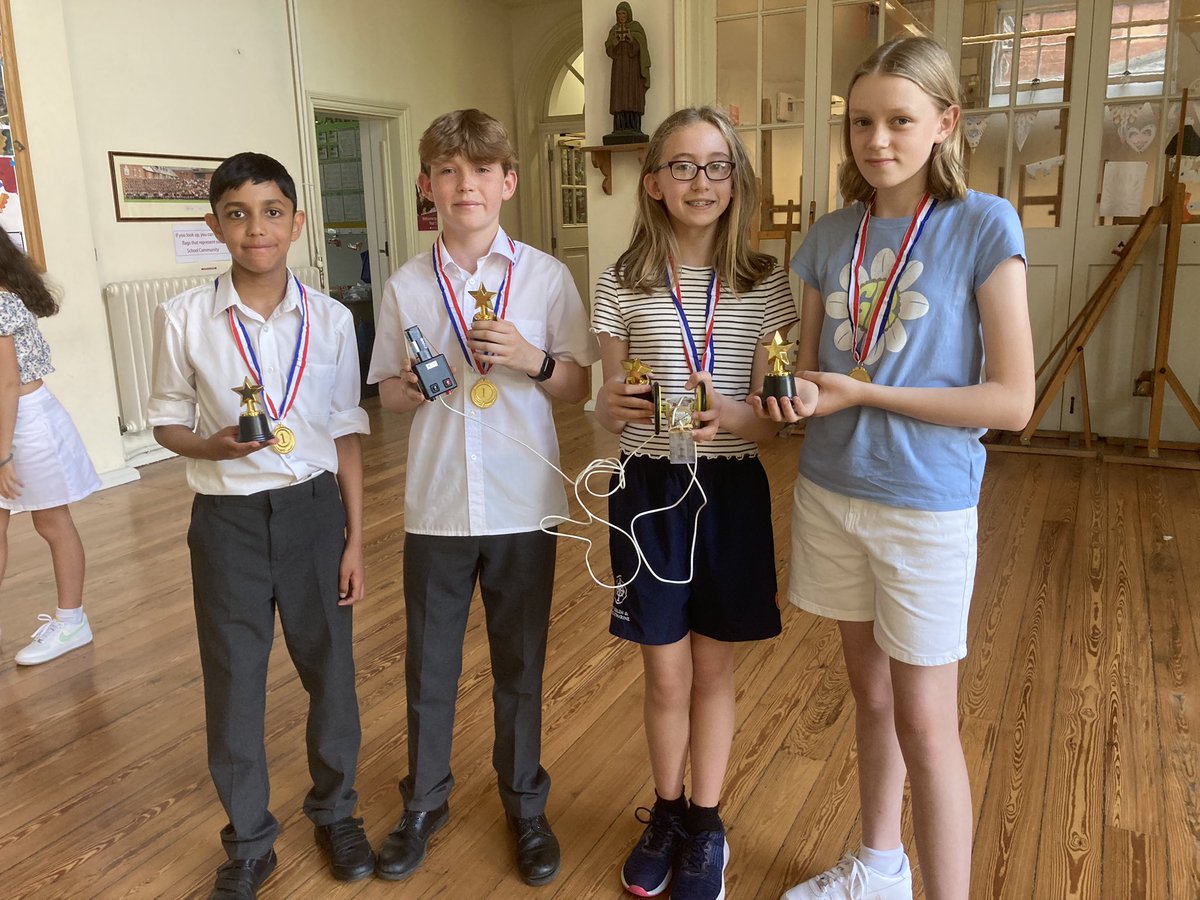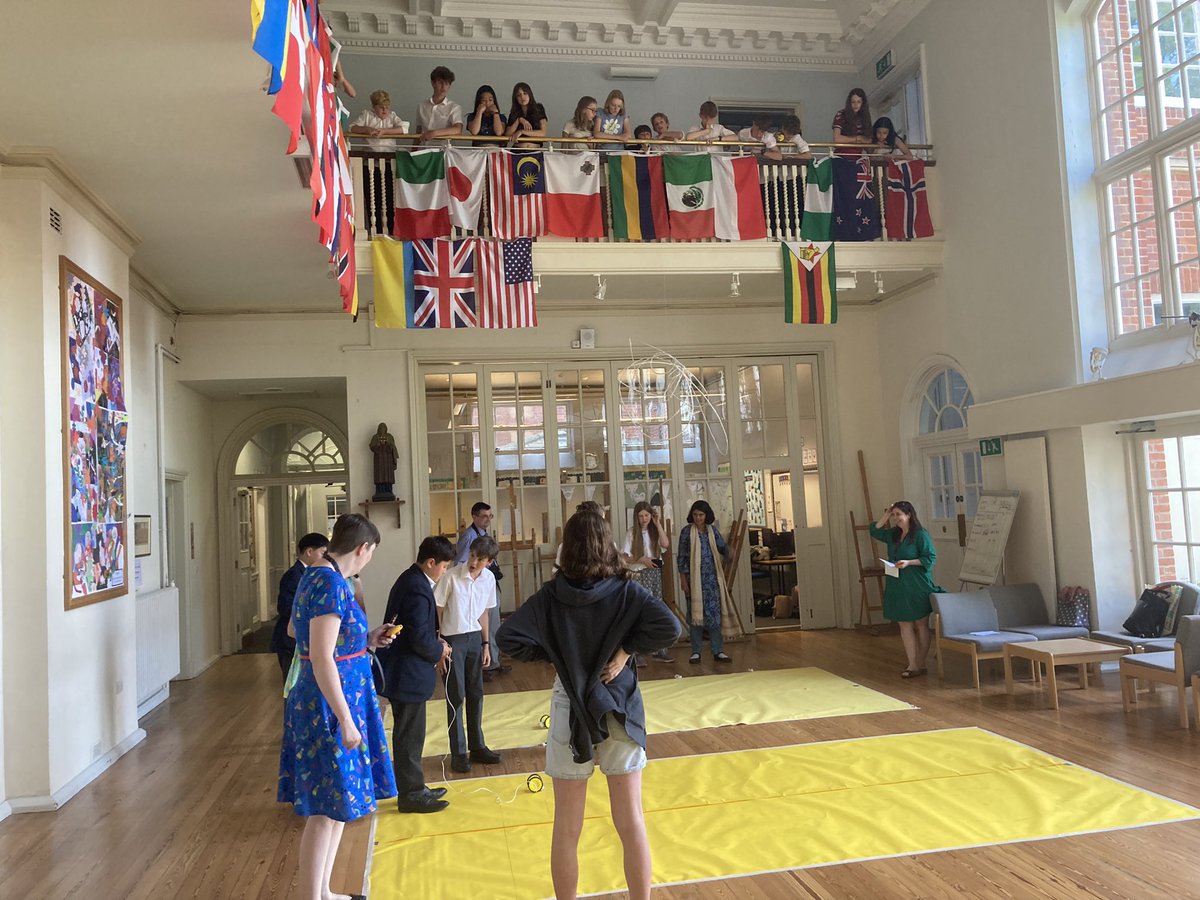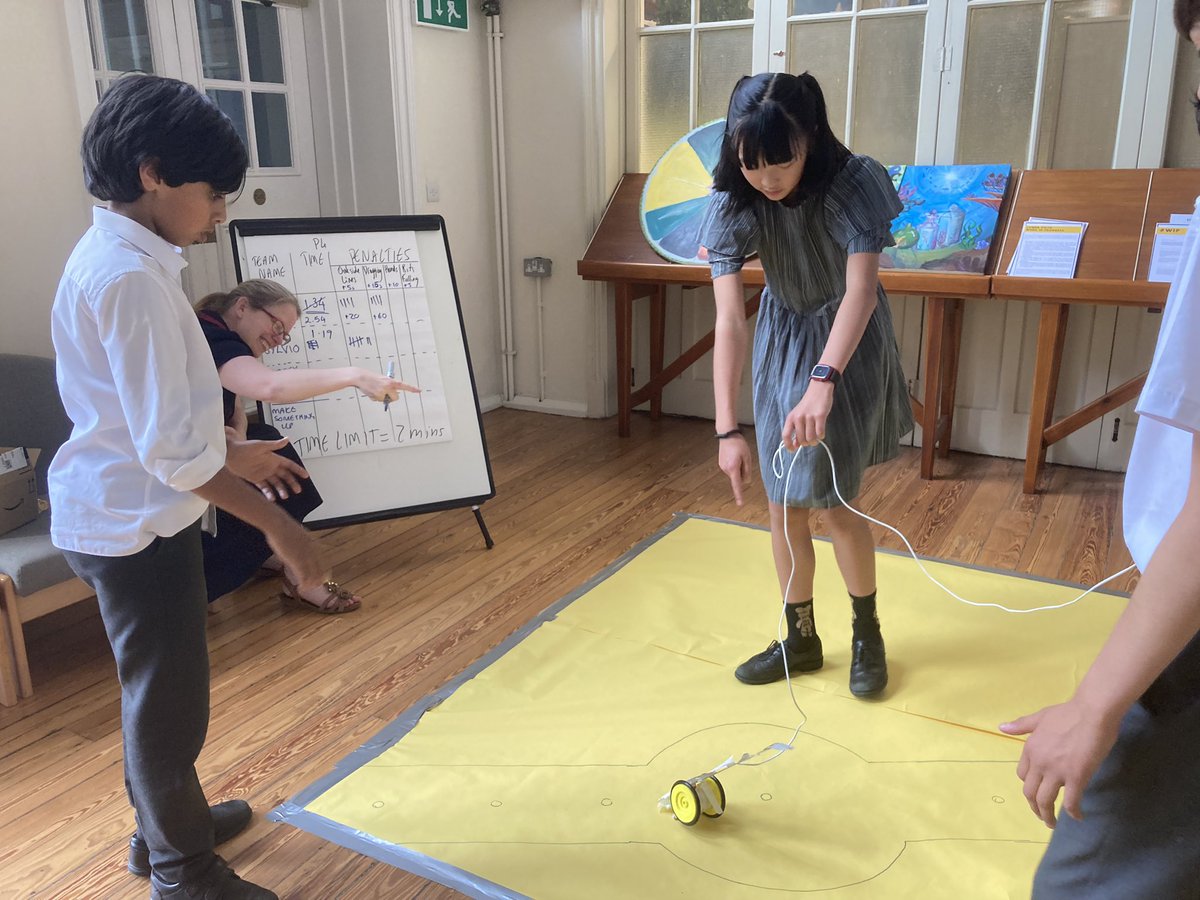
Climate Change Fortnight activities continued with Y10’s Thinking Supper with Radley College, which focused on #greenwashing
Some incredibly astute ideas expressed about consumer trends, and the role of commerce in tackling climate change.
#COP28#HelKatsGoGreen@SHSKSchool
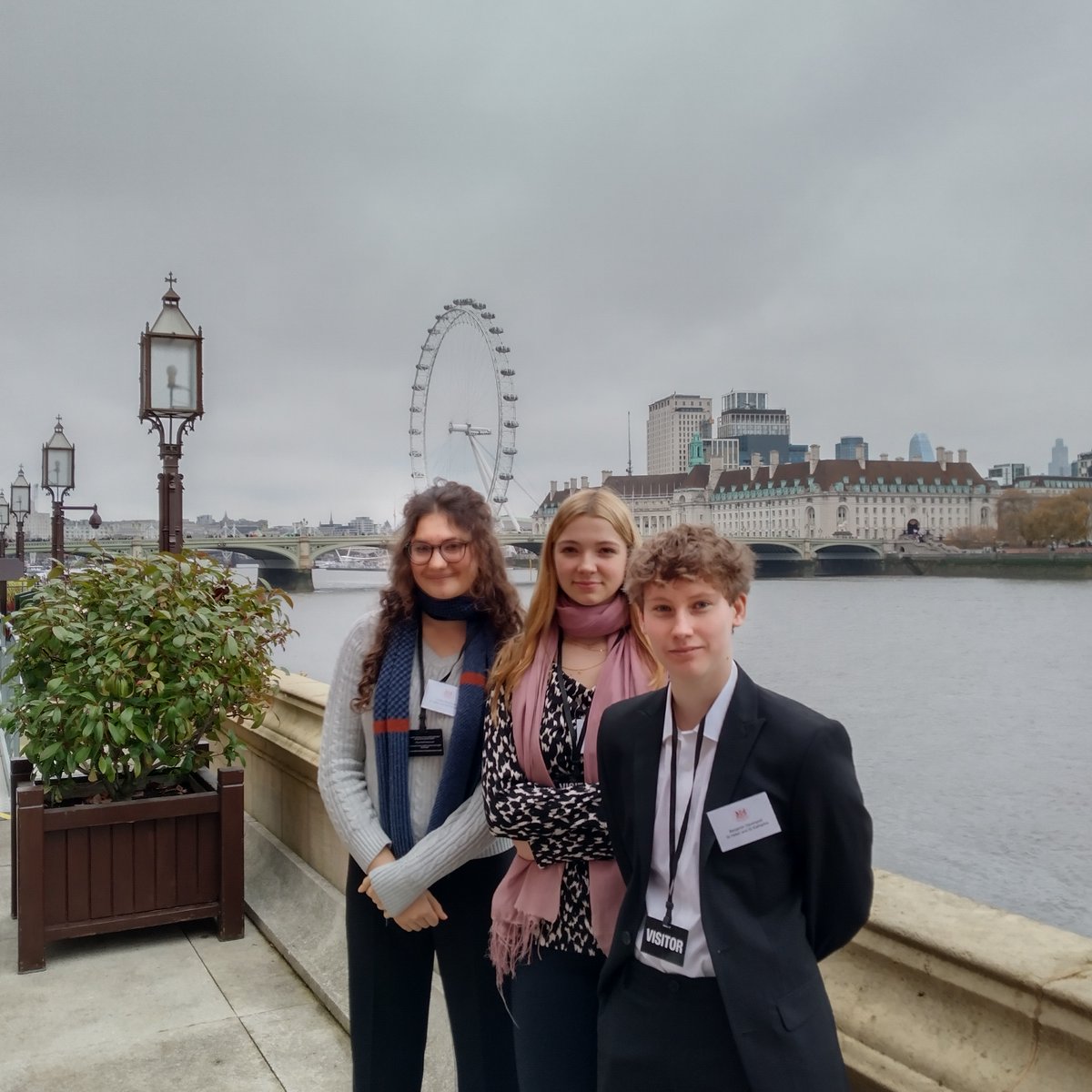
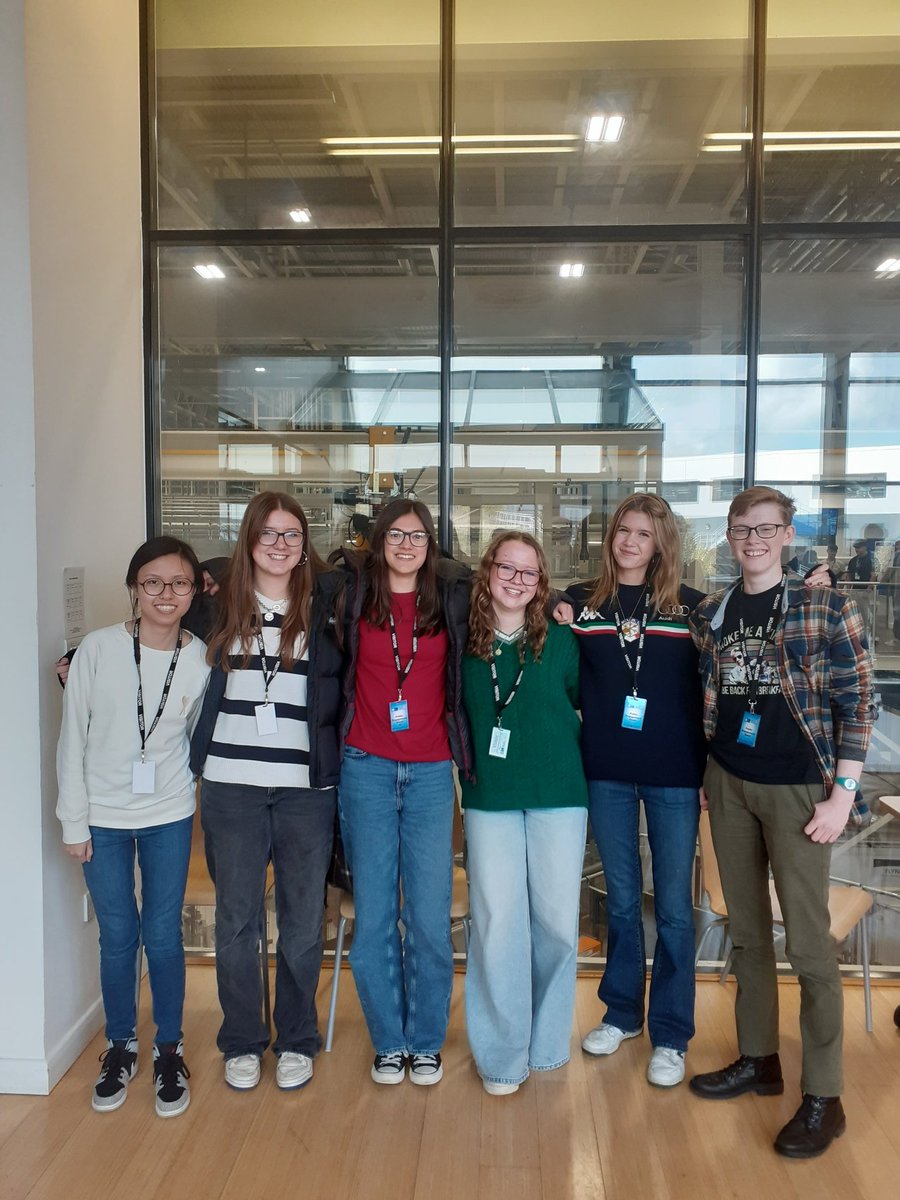
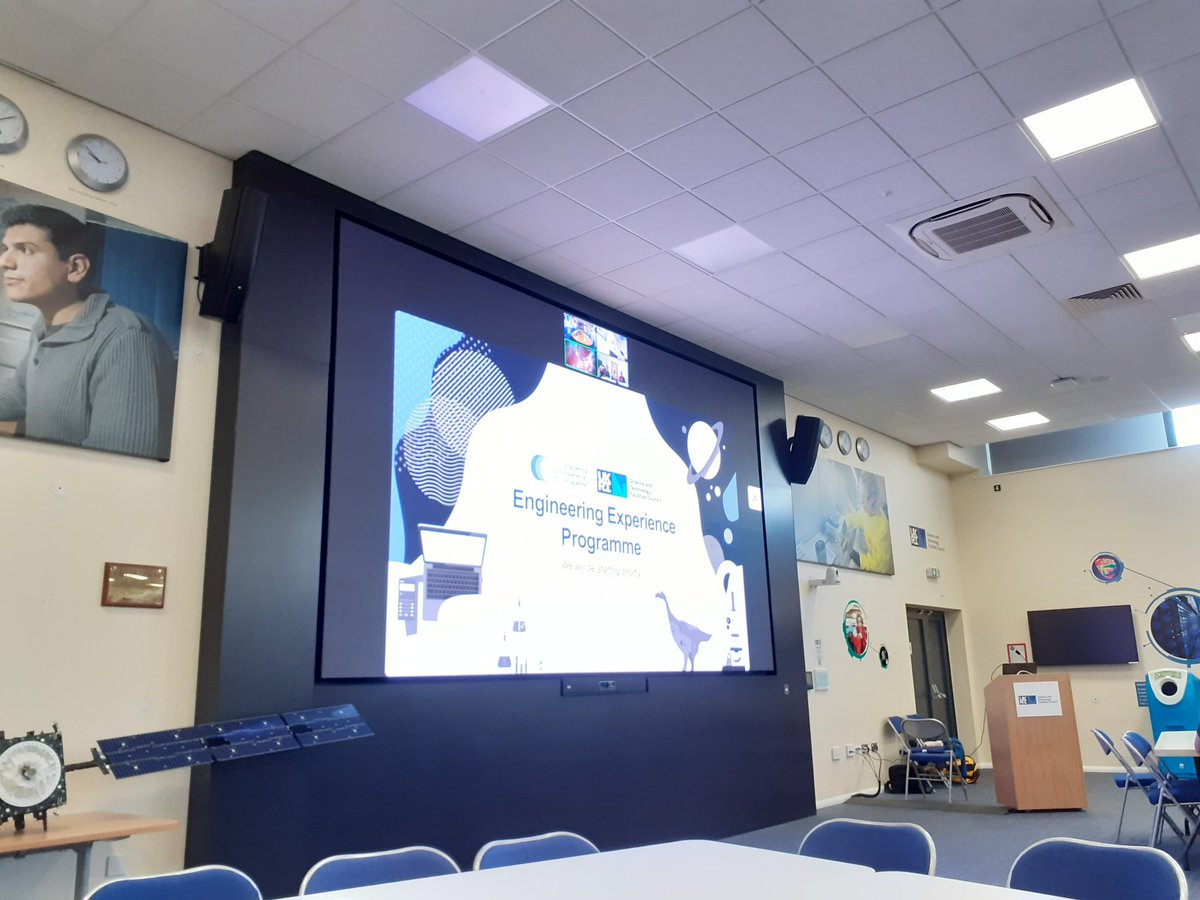
Thrilled to once again be in attendance at the @EngineeringAPPG Luncheon and Debate at the @UKHouseofLords - this time, Ben, Emily and Annika are considering the issues around Engineering for Clean Water.
Such a great opportunity for our aspiring engineers!
@SHSKSchool @SHSKHo6
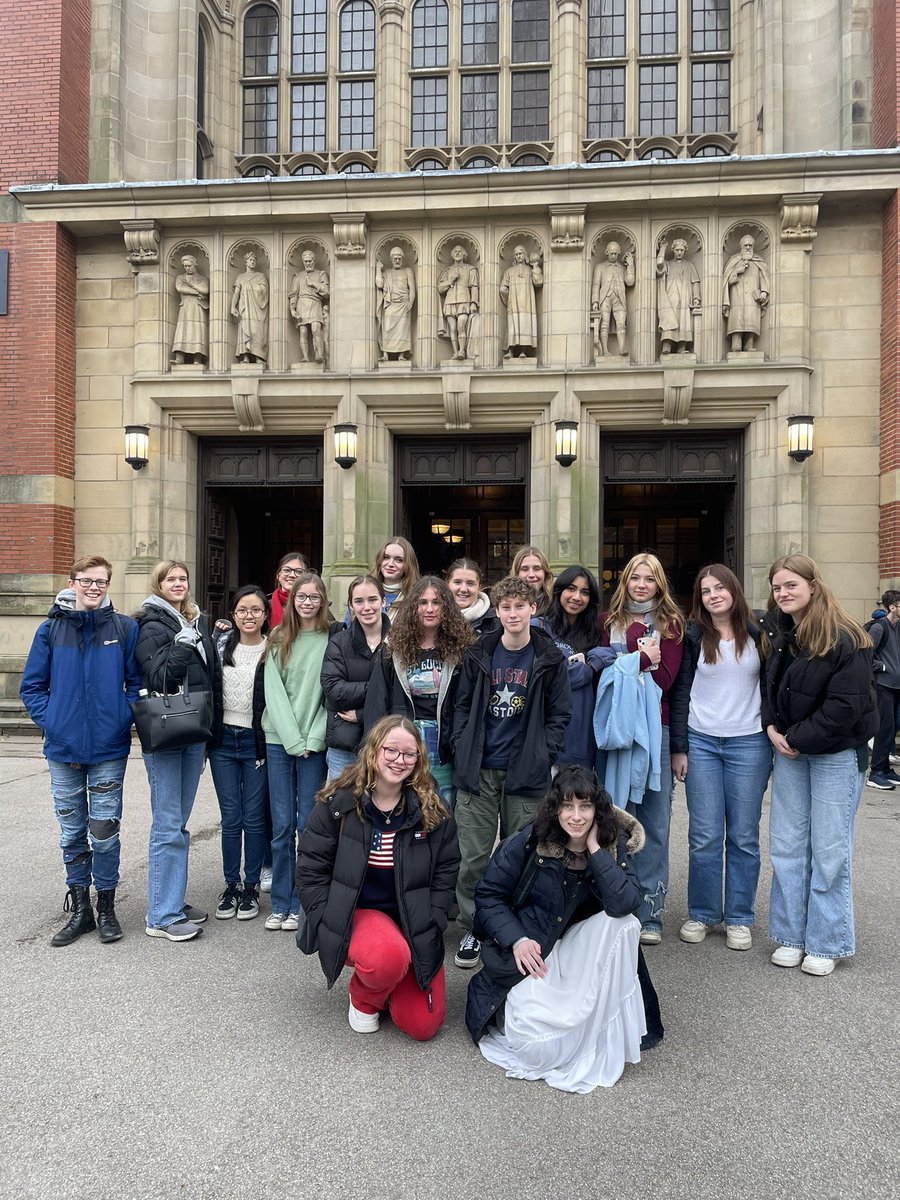
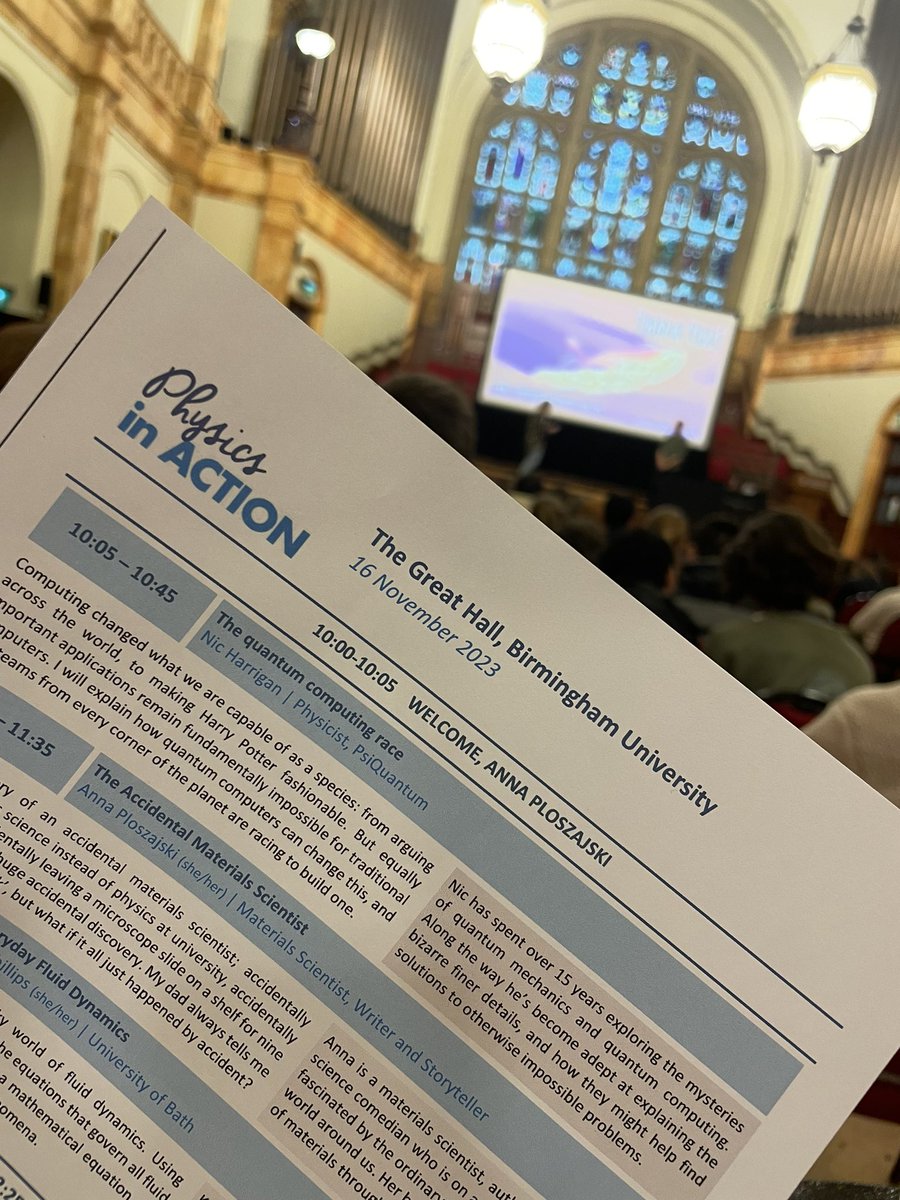
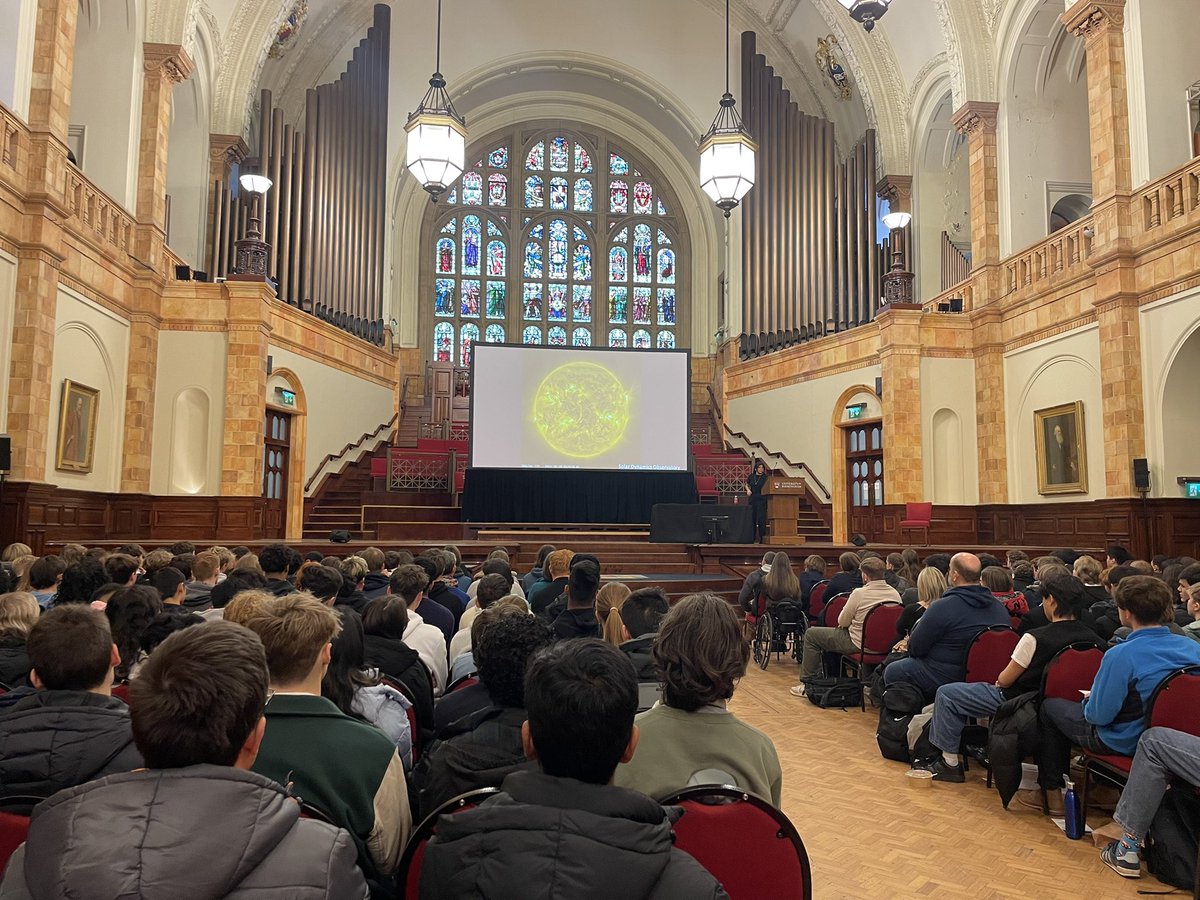
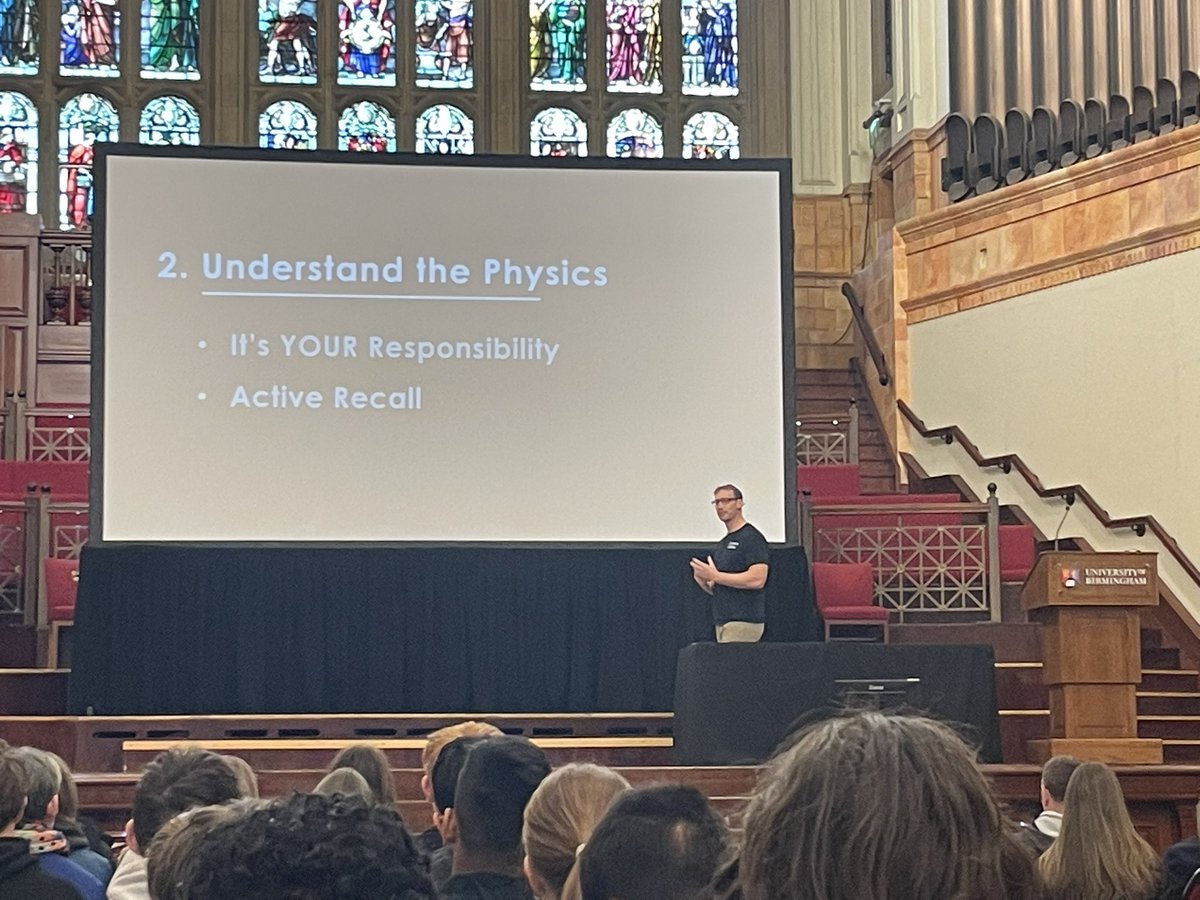
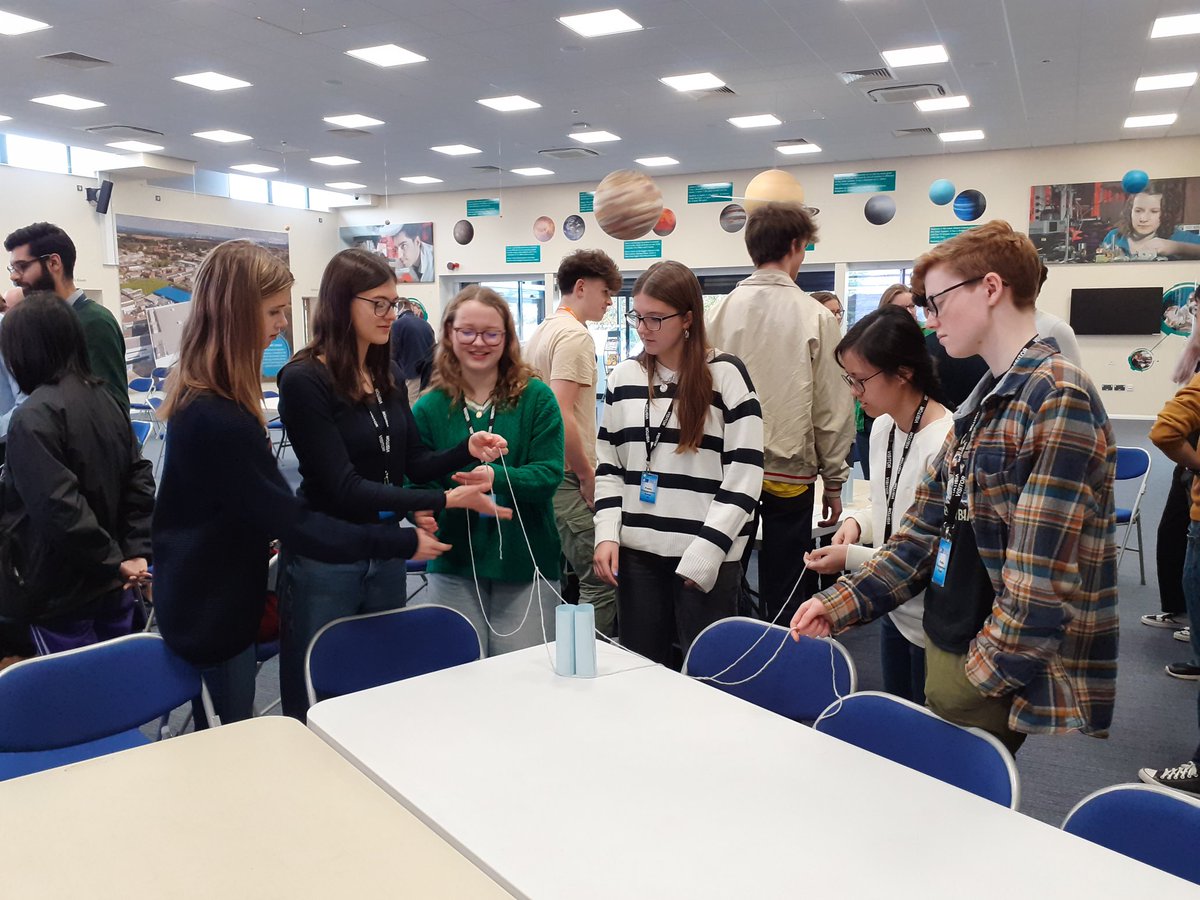
A fantastic, inspirational day out with our L6 to ‘Physics in Action’ at B’ham Uni. Talks ranging from quantum computing, to helioseismology, to baking in space. @legophysicsguy was particularly on point with his exam success tips! @SHSKSchool@edu_in_action
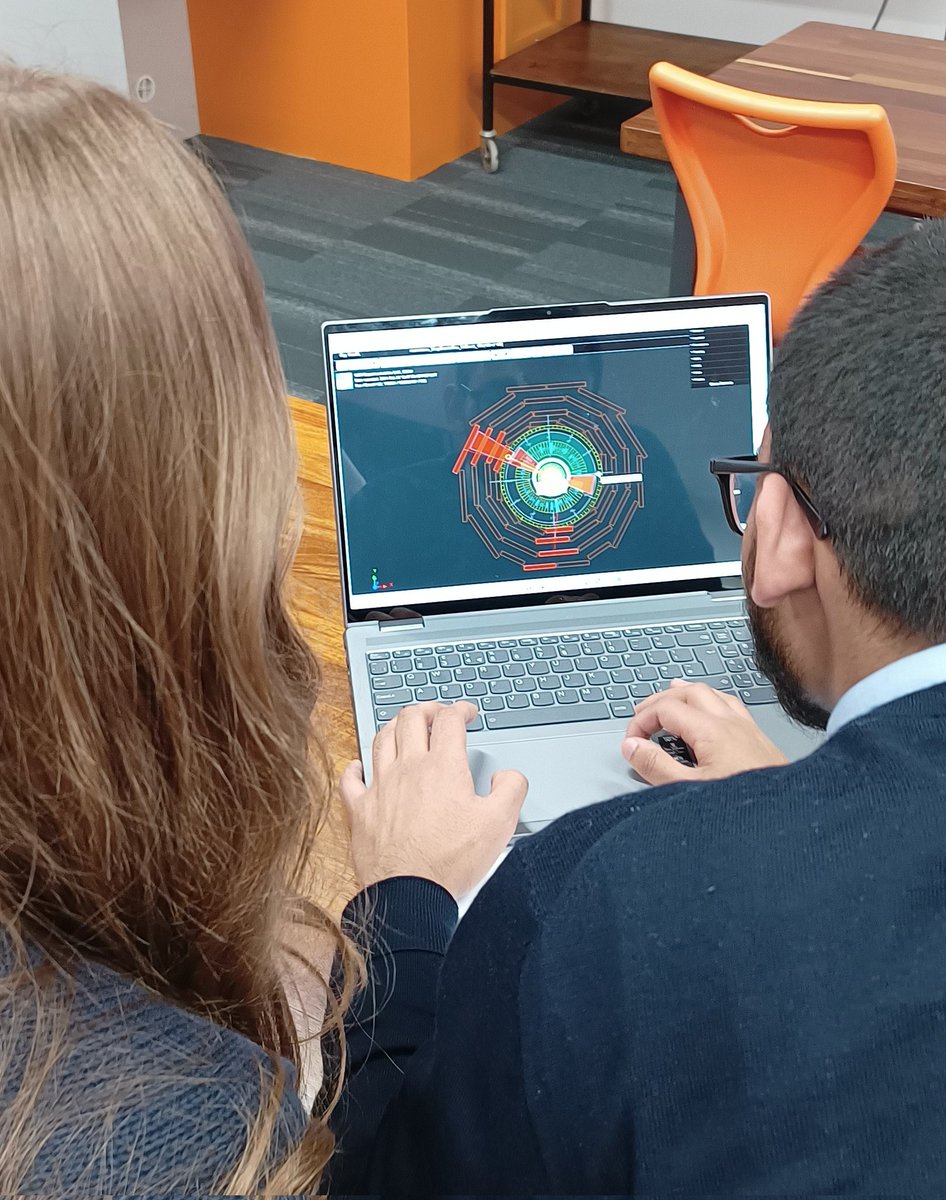
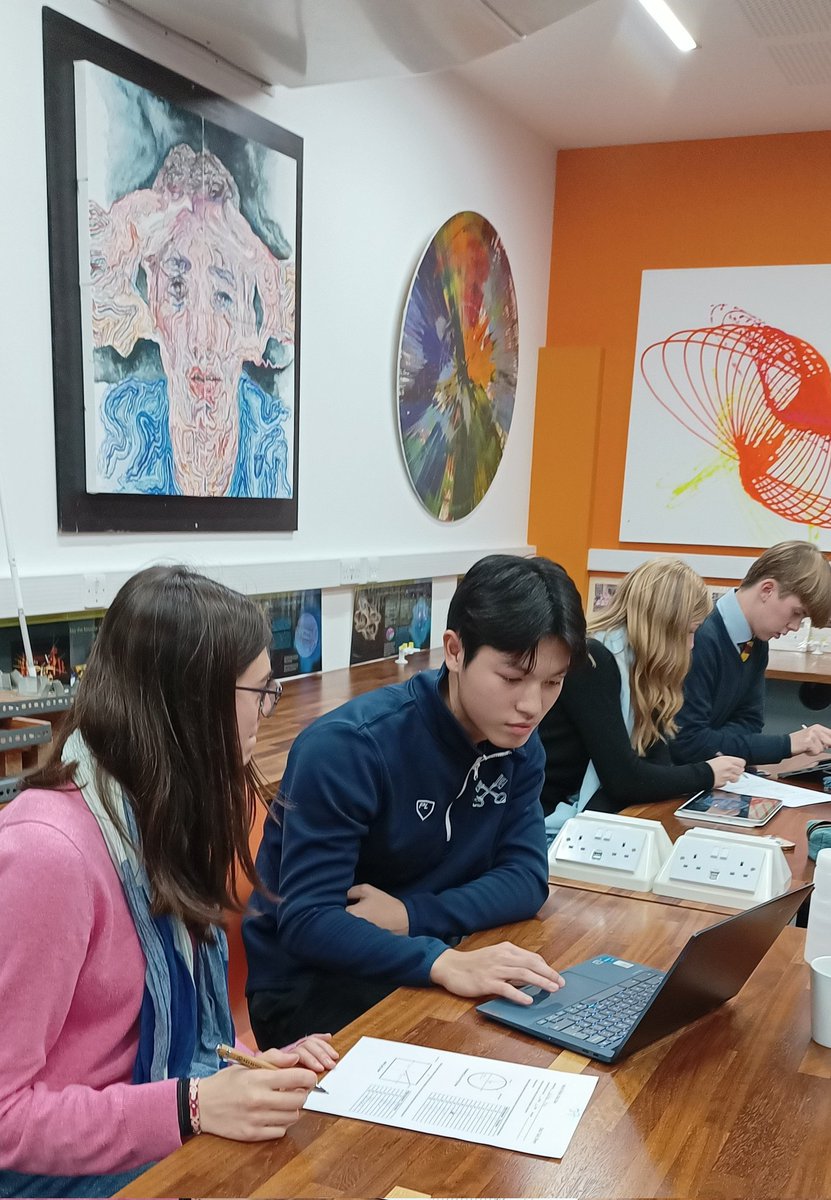
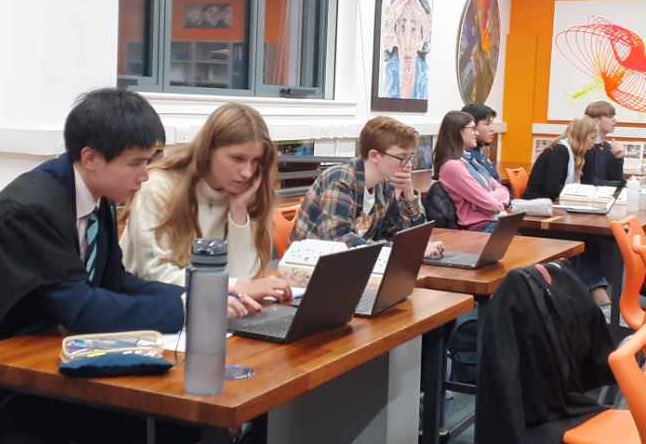
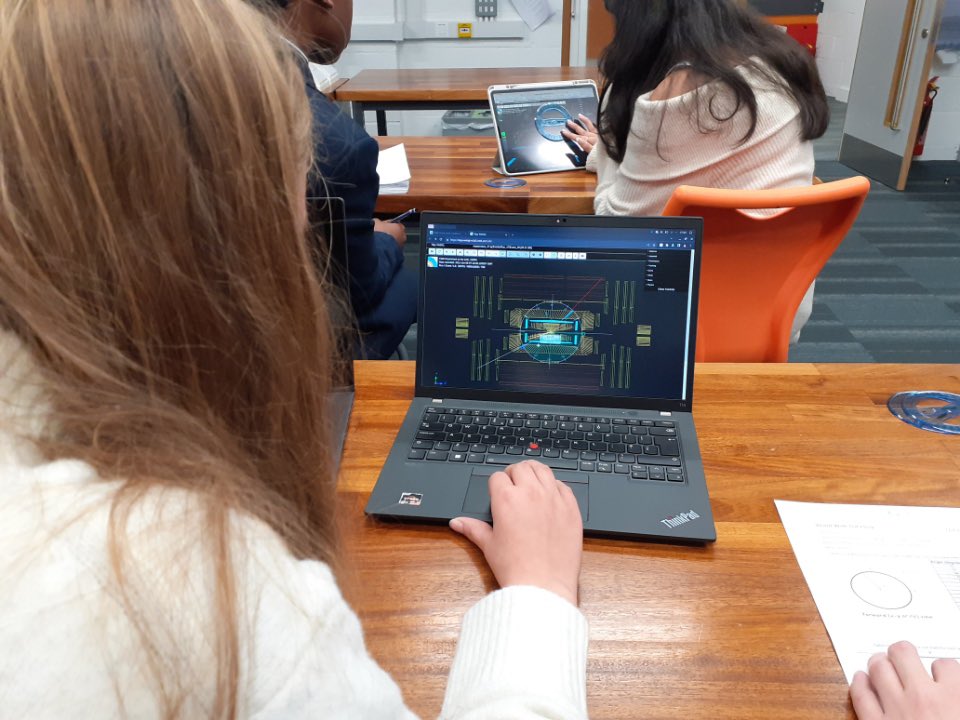
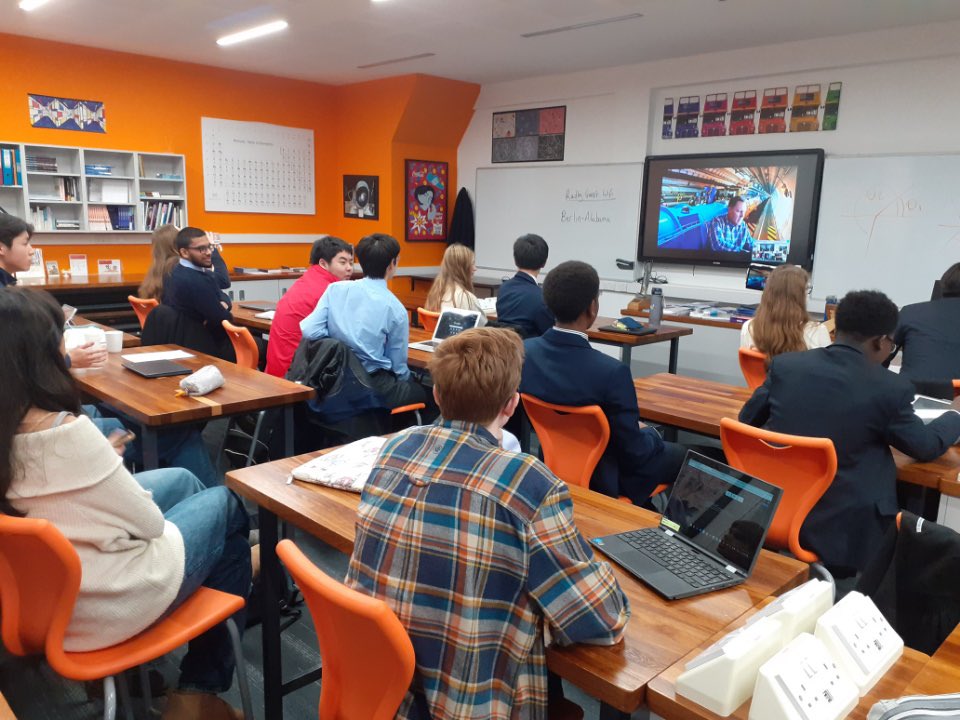
Yesterday we were hosted by @RadleyPhysics for a fantastic evening of Particle Physics and Pizza, bringing our L6 students together to participate in World Wide Data Day, analysing dimuon events from the Large Hadron Collider.
Top physics-ing from all involved!
@SHSKSchool
A profoundly moving Remembrance service this morning. My thanks to Mr McAllister for his remarkable and humbling address reflecting on his life in the army. The Poppy on my jacket feels both more important and insufficient.
Delighted to find out that SHSK has been chosen to form an official judging panel for the Royal Society’s Young People’s Book Prize 2023! Can't wait to receive the shortlisted books and other goodies! Thank you #YoungSciBooks
SUPERB physics results from Y11 this morning.
So proud of them all. 🤩
And looking forward to a bumper year for A-level uptake in a couple of weeks time.
Huge congratulations to Year 11 on their fantastic #GCSE results! Wonderful to celebrate with students and parents - it's fair to say the School is buzzing this morning @HMC_Org@GSAUK@TheOxfordMail#GCSEResultsDay2023
Time for the traditional #HelKat hokey cokey to say farewell for the summer – and to the class of 2023 – a final celebration of an outstanding year. Have a wonderful summer everyone (sound on 🔊)
#EndOfTerm#LastDayOfSchool
Science club went out on a high note! Thank you to all our Y7 science clubbers and their brilliant helpers for your efforts this year. Have a wonderful summer! 😎 #mentos#dietcoke@SHSKLower
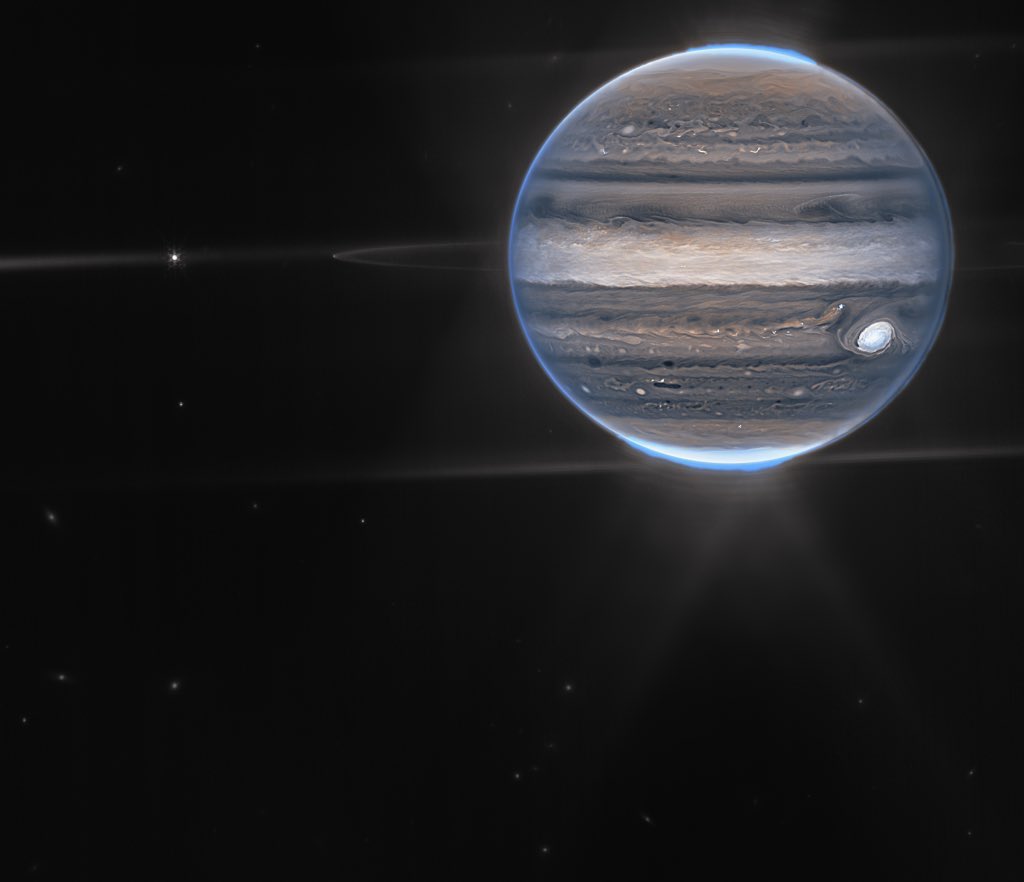
we finally have JWST images of all of the gas giants!!!
ALT A wide field view showcases Jupiter in the upper right quadrant. The planet’s swirling horizontal stripes are rendered in blues, browns, and cream. Electric blue auroras glow above Jupiter’s north and south poles. A white glow emanates out from the auroras. Along the planet’s equator, rings glow in a faint white. These rings are one million times fainter than the planet itself! At the far left edge of the rings, a moon appears as a tiny white dot. This moon is only about 12 miles (20 km) across. Slightly further to the left, another moon, about 100 miles (150 km) across, glows with tiny white diffraction spikes. The rest of the image is the blackness of space, with faintly glowing white galaxies in the distance.
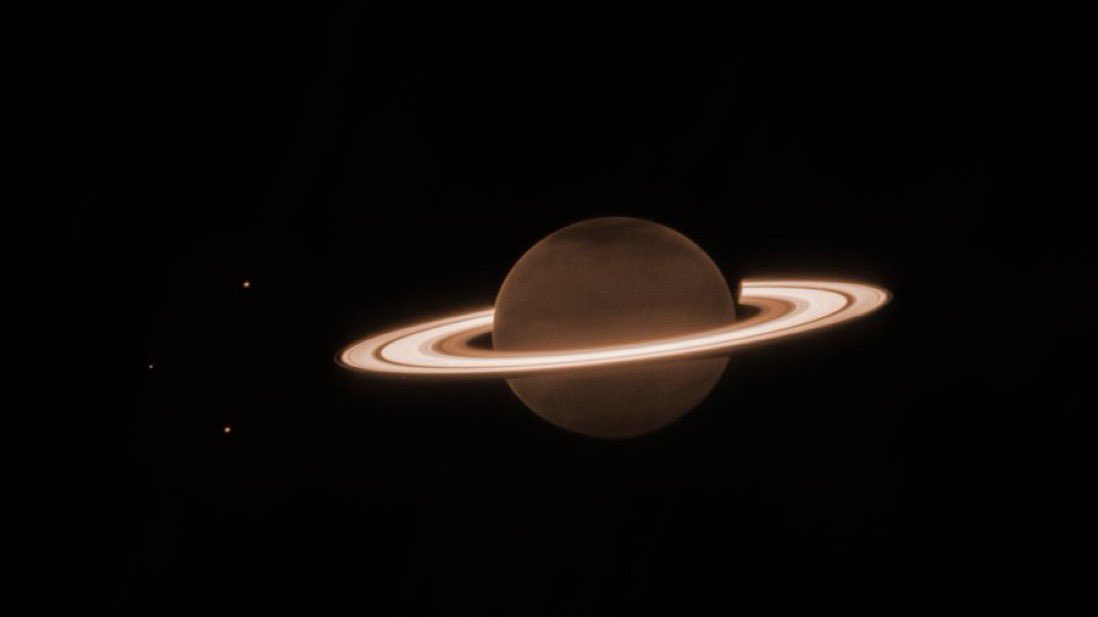
ALT The background is mostly dark. At the center is a dark orange-brown circle, surrounded by several blazing bright, thick, horizontal whiteish rings. This is Saturn and its rings. There are three tiny dots in the image—one to the upper left of the planet, one to the direct left of the planet, and the lower left of the planet. These are three of Saturn’s moons: Dione, Enceladus, and Tethys, respectively. There is a slightly darker tint at the northern and southern poles of the planet. The rings surrounding Saturn are mostly broad, with a few singular narrow gaps between the broader rings. There is an innermost, thicker ring, and next to that is a brighter, wider ring. Traveling farther outward, there is a small dark gap before another thicker ring. In the thicker ring, there is a narrow faint band. There is then an outermost, faintest, thinnest ring.
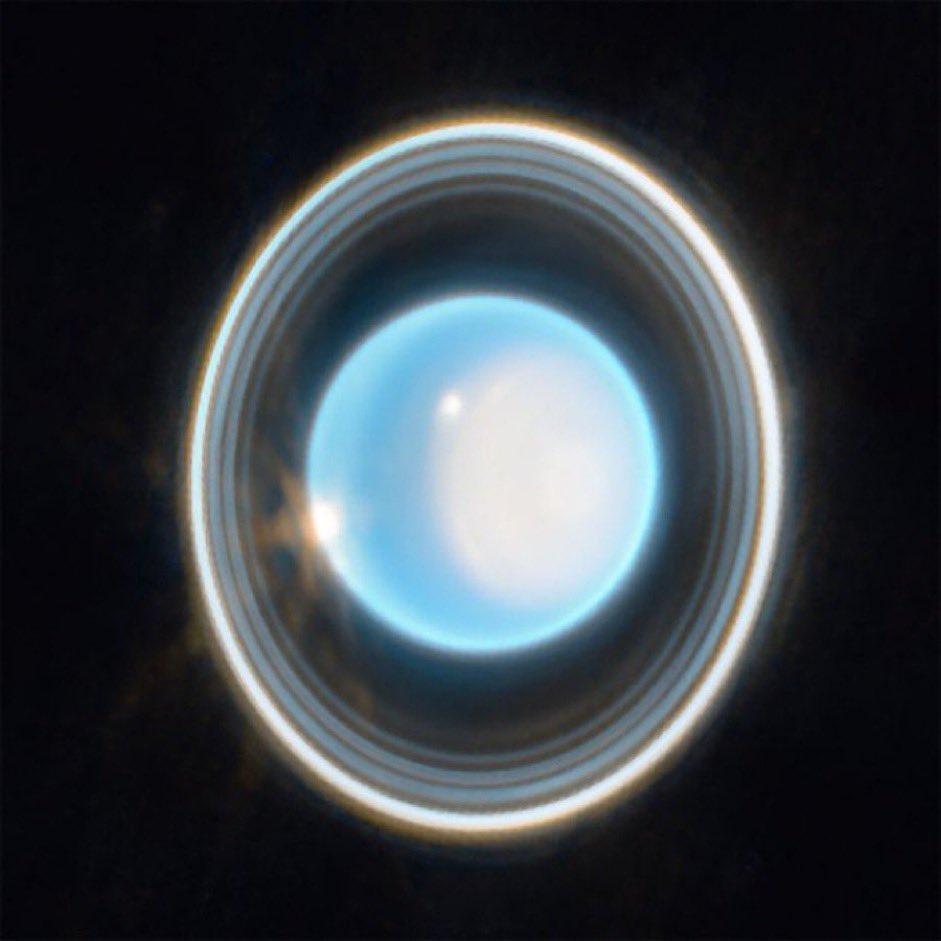
ALT The planet Uranus on a black background. The planet appears light blue with a large, white patch on the right side. On the edge of that patch at the upper left is a bright white spot. Another white spot is located on the left side of the planet at the 9 o’clock position. Around the planet is a system of nested rings. The outermost ring is the brightest while the innermost ring is the faintest. Unlike Saturn’s horizontal rings, the rings of Uranus are vertical and so they appear to surround the planet.
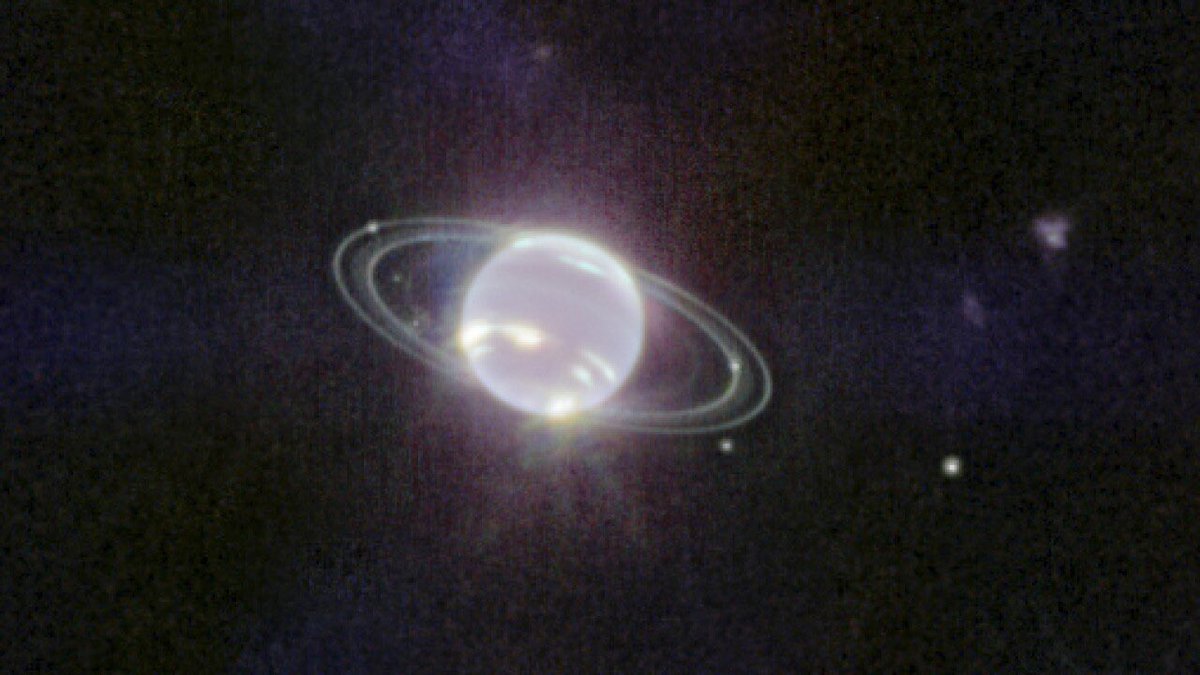
ALT In this Webb image, Neptune resembles a pearl with rings that look like ethereal concentric ovals around it. There are 2 thinner, crisper rings and 2 broader, fainter rings. A few extremely bright patches on the lower half of Neptune represent methane ice clouds. Six tiny white dots, which are six of Neptune’s 14 moons, are scattered among the rings. The background of the image is black.
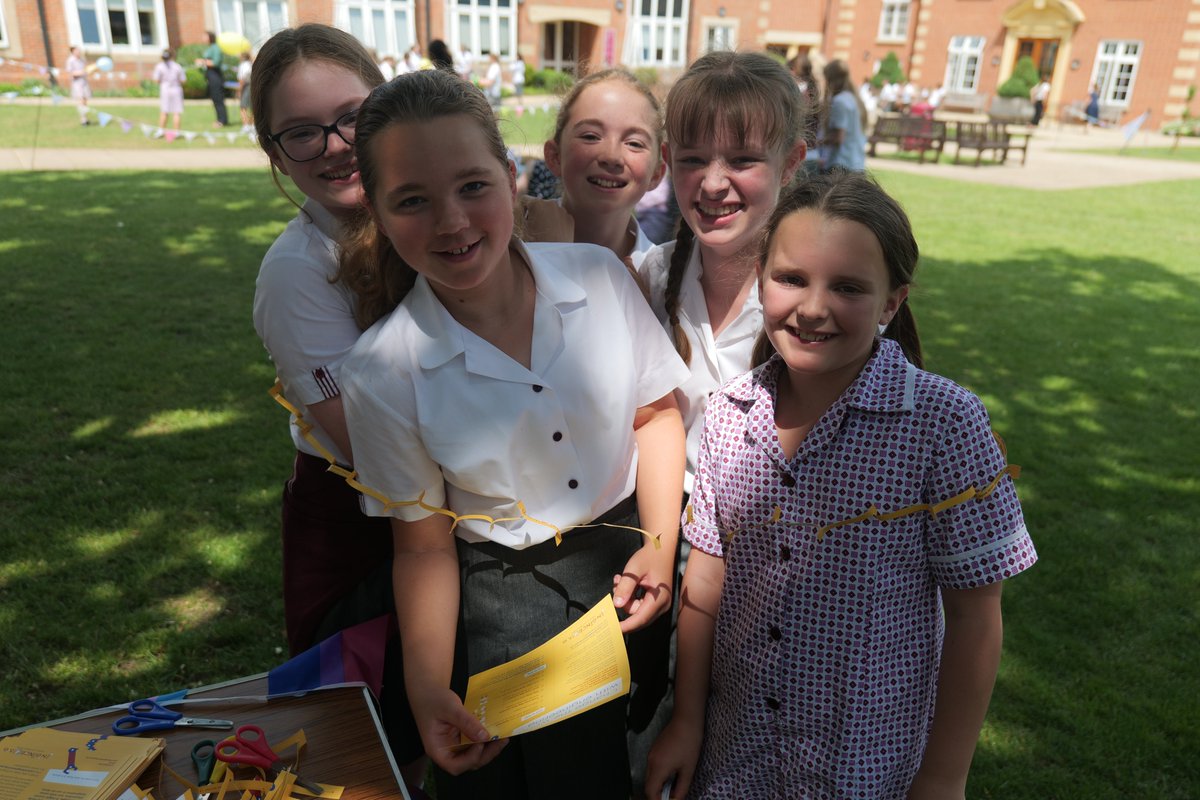
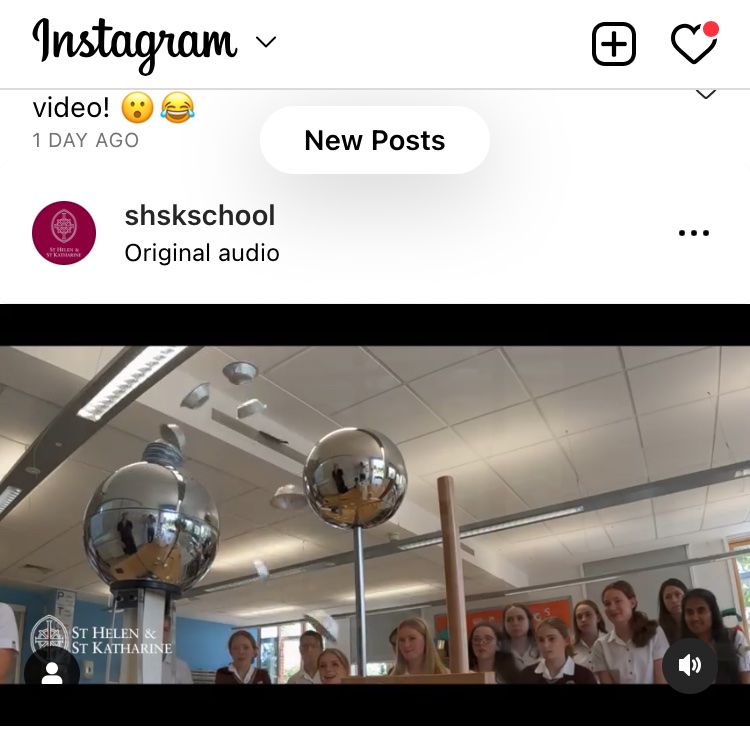
Lovely to see on of our Y10 lessons featuring on the school Instagram channel!
Who doesn’t love static electricity?
⚡️ ⚡️⚡️⚡️
@SHSKSchoolinstagram.com/reel/Ct1exLQvO…
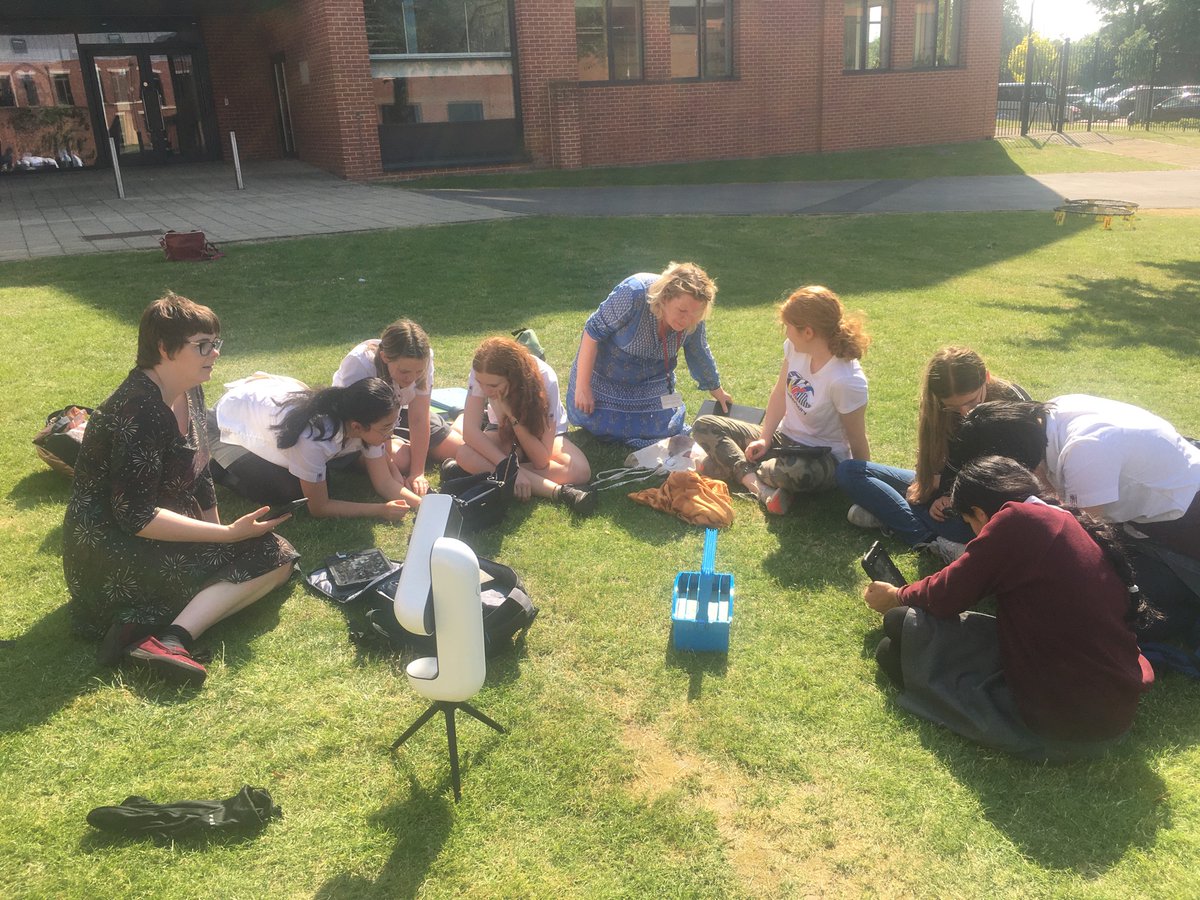
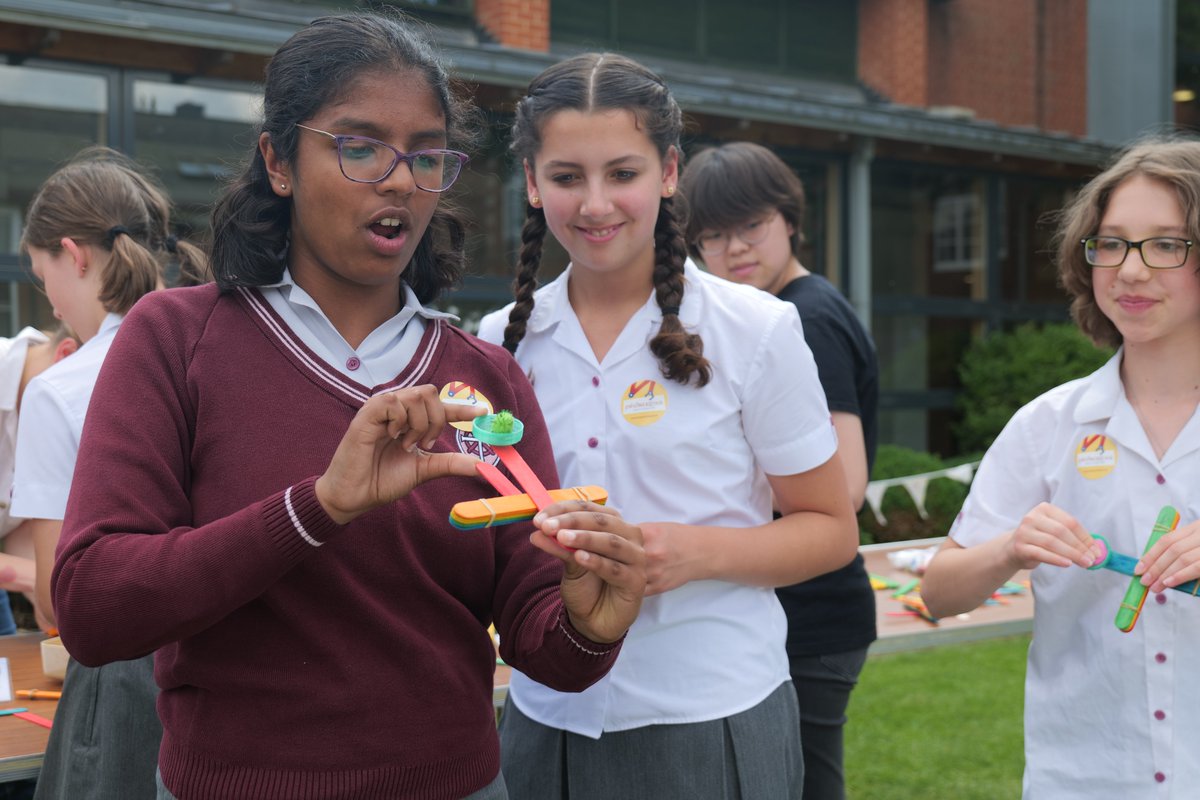
It's time for the Big Build - our annual International Women in Engineering Day celebration. Students have been out in the sunshine taking part in a series of experiments and activities, from catapult building to air cannons, geometric bubbles and brainteasers @INWED1919#STEM
We ran this twice today!
An amazing effort by 80x Lower School students after school.
And great fun with a gang of @SHSKJuniors and some prospective students during the afternoon.
(With enormous thanks to our lab tech, Mr P-B, for his support and ingenuity!)
@SHSKSchool