Former army Lt Col. with long service in security & intel. Currently undoing damage done to Irish national security by misinformed 'security experts.
Joined April 2016
- Tweets 42,133
- Following 1,472
- Followers 2,719
- Likes 109,895
1,231 Photos and videos
Michael C. Murphy retweeted

Jun 13
🇮🇪 Ireland - 13th June 2026
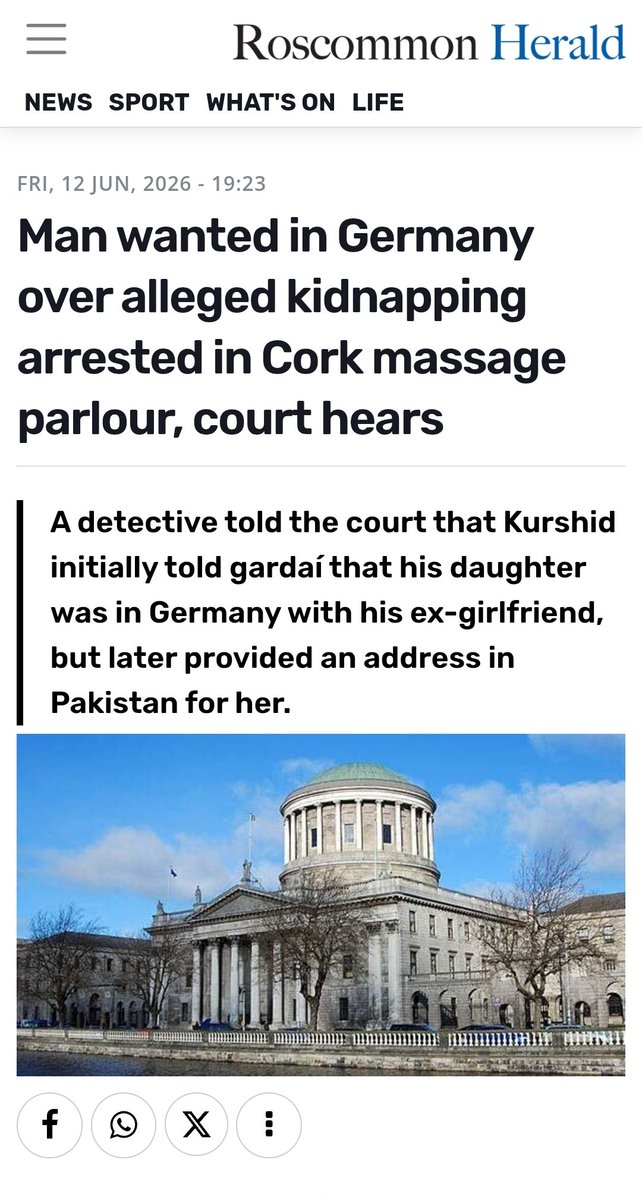
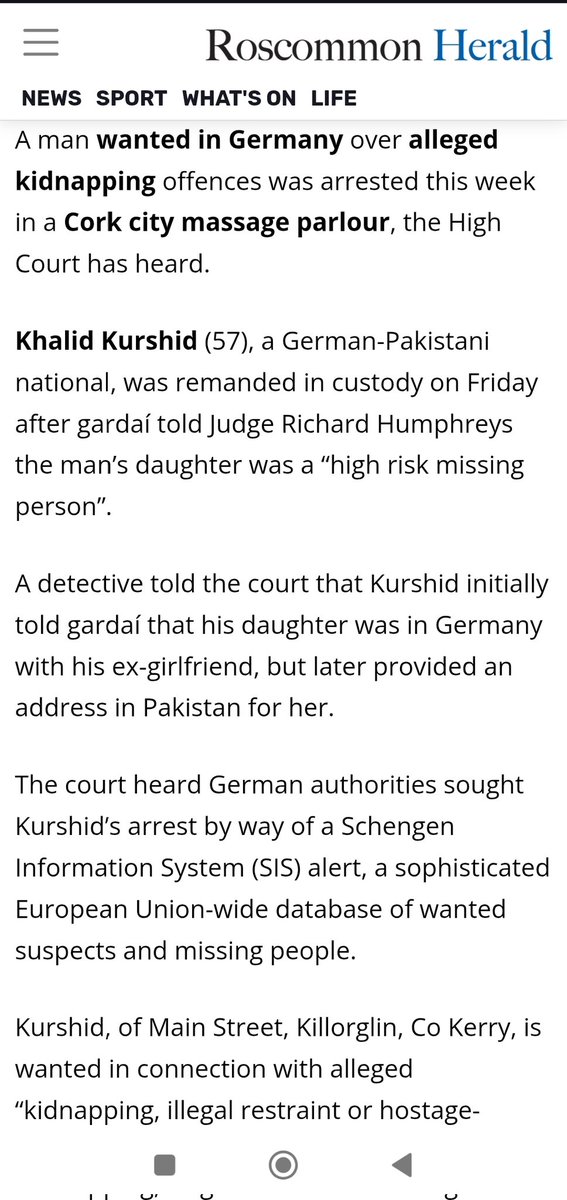
A Pakistani with German citizenship wanted for kidnapping in Germany has been found hiding in Ireland when he has lived for a year 🇵🇰
Khalid Kurshid (57) requested an Urdu interpreter in court.
The Irish government had no clue he was in Ireland.
19
308
682
11,493
Michael C. Murphy retweeted

The War Beyond the Battlefield: Why Aughinish Alumina Is in the Crosshairs
In recent weeks, we have witnessed an avalanche of commentary directed against Aughinish Alumina, situated on the southern shore of the Shannon Estuary in County Limerick.
It is one of Europe's largest alumina refineries, transforming bauxite ore into alumina, the essential raw material from which aluminium is produced.
The refinery is not merely an industrial facility; it is a major employer and an important contributor to the economic life of the region and to Ireland's export trade.
Its deep-water port, overlooking the broad waters of the Shannon, enables raw materials to arrive from across the globe and finished products to depart for markets far beyond Ireland's shores, including, it must be said, Russia.
The campaign against the refinery has brought together Ukrainian officials, Irish and European parliamentarians, activists, commentators, and social media personalities, all seemingly united in their determination to place the refinery at the centre of a wider geopolitical storm.
The question, however, is not simply why Aughinish Alumina has become a target, but who is driving the narrative and what interests may lie behind it.
Let me begin with one of the most prominent voices in this debate: @CaolanReports. Mr. Caolan Robertson is frequently presented as an independent journalist reporting on events connected with Ukraine.
Yet independence is a curious thing. It is not merely a matter of what one reports, but also of the relationships, associations, and honours one acquires along the way.
Reports indicate that Mr. Robertson received an Honorary Ambassador Award for Digital Diplomacy from Ukraine's First Lady, @ZelenskaUA, in 2025. Readers may decide for themselves whether such recognition affects perceptions of impartiality, but it is certainly relevant context when evaluating commentary that is presented as independent analysis.
It is also worth noting that Mr. Robertson resides in Ukraine, a circumstance that some readers may regard as relevant when considering his perspective on the conflict and his reporting on the policies and actions of President @ZelenskyyUa's government.
As with any journalist, proximity to events can provide valuable insight, but it may also shape one's outlook in ways that readers are entitled to take into account.
As Colonel George Williams of the @BritishArmy's @Int_Corps once observed, every story has a cast of characters, and every cast has its patrons.
The difficulty, as ever, is not in seeing the performance, but in discovering who is directing it from behind the curtain and what part each player occupies in the drama.
The broader issue concerns what may be one of the most sophisticated influence and strategic communications campaigns of modern warfare.
Unlike soldiers on a battlefield, journalists, members of the commentariat, activists, and social-media personalities operate in the realm of public opinion, where narratives can be as valuable as tanks and artillery.
To be clear, Mr. Robertson is not engaged in the manufacture of bombs or improvised explosive devices. His battlefield, if one may borrow the metaphor, is not the trench or the barricade, but the likes of X and YouTube.
His supporters would contend that he is doing nothing more than practising his profession as a journalist—observing, reporting, and conveying events to the public.
His critics, however, contend that his reporting frequently aligns with the interests and messaging objectives of the government in Kyiv. Whether that is deliberate, unconscious, or simply the result of genuine conviction is a matter for readers to determine.
What cannot be denied is that criticism of President @ZelenskyyUa and his government is often met with accusations of being "pro-Russian."
Those who question, challenge official narratives, raise concerns about human rights violations, and/or question the hundreds of billions of pounds, euros, and dollars which fuel @ZelenskyyUa's war machine from the United Kingdom, the United States, and the European Union frequently find themselves subjected to similar labels.
Just ask @BowesChay, who, for simply reporting the facts as he sees them, has found himself on a Ukrainian kill list.
This brings us to Ireland.
Meanwhile, in Dublin, within a red-brick building on Elgin Road, in the heart of Ballsbridge, the Ukrainian Embassy has become an increasingly active participant in Ireland's political and media landscape.
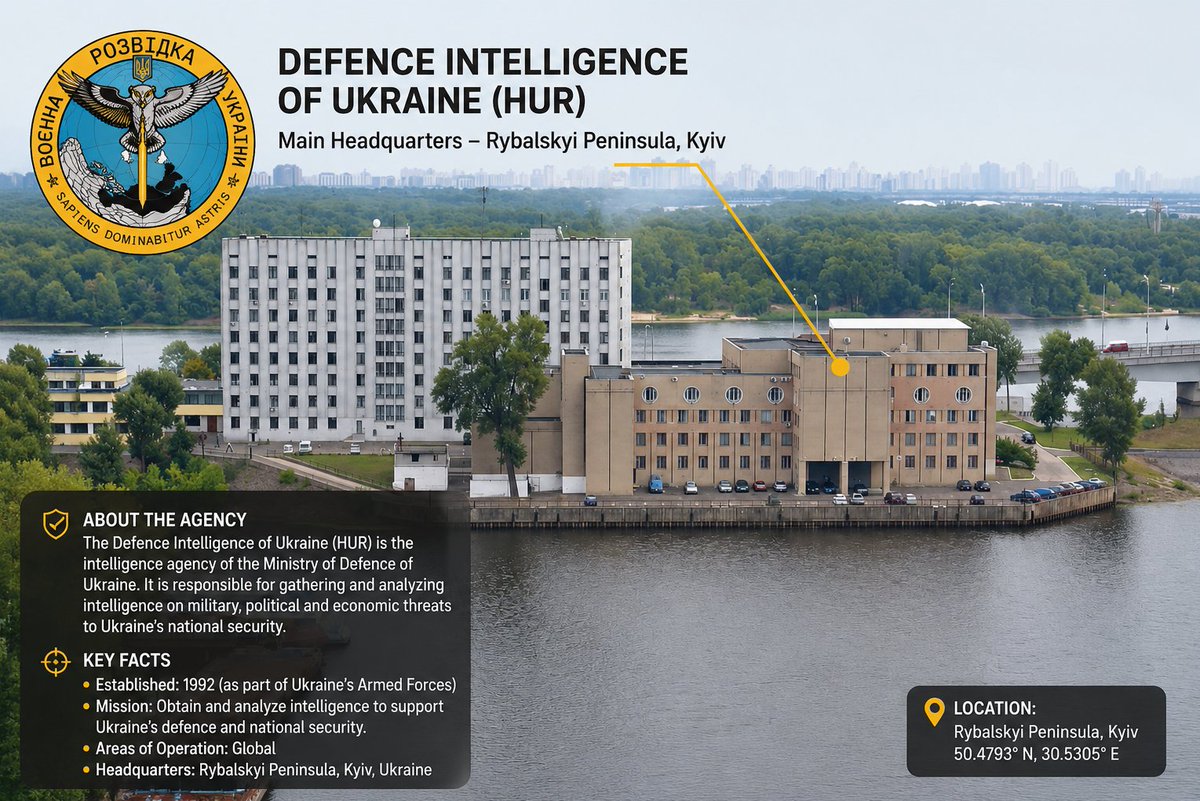
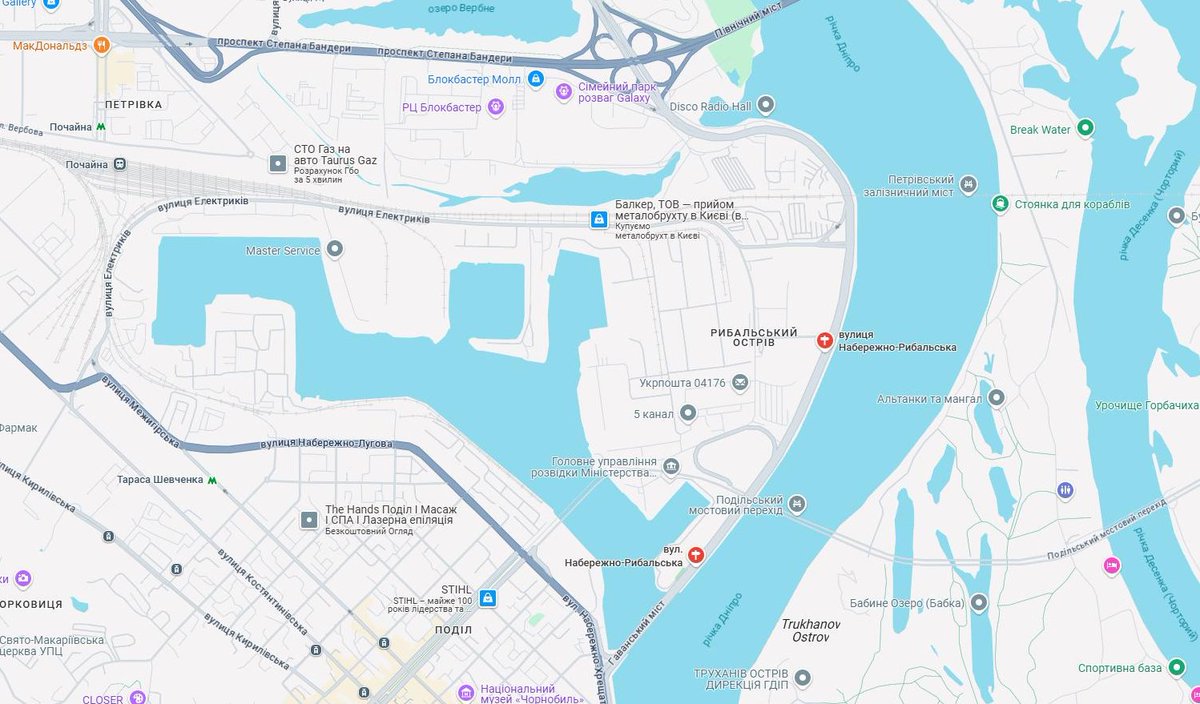
The headquarters of Ukraine's military intelligence service, the HUR, are located on Kyiv's Rybalskyi Peninsula, where I am told a desk officer has been tasked with matters relating to Aughinish Alumina.
He is not alone. His former counterpart, according to sources, was a former @UKRinIRL employee, let’s call them “Z.” (identity known), who appeared to take a particular interest in Irish politicians and organisations that, for one reason or another, attracted the attention of @DI_Ukraine.
Thanks to a very familiar source who has recently raised the alarm over financial payments connected to Irish political organisations, presented as gifts from the Ukrainian Embassy, these are matters that warrant scrutiny and transparency.
Let us be clear: there is nothing normal about a foreign government seeking to influence Irish politicians and the Irish Government in the middle of a war.
I am told that a payment of more than €11,000 was, allegedly, a politically motivated gift and, most controversially of all, was paid to an entity specifically to attract the attention and engagement of @sinnfeinireland, a party often perceived in Kyiv as being sympathetic to susceptible to Ukrainian interests.
This naturally raises a wider question: if an Irish politically exposed person and party was the subject of an influence operation being conducted by “Z”, which included engagement with @MaryLouMcDonald, who, it must be added, was, and may still be, unaware that she was being groomed by a foreign intelligence service, then the question has to be asked: who else may have been targeted?
Today, the Ukrainian Embassy is headed by Ambassador @GeraskoLarysa, who has been extremely active in seeking to influence the Irish Government and public opinion.
Some would say that advocacy is, of course, part of a diplomat's role.
Others would argue that what we are witnessing extends beyond traditional advocacy and into the realm of a well-funded influence campaign.
That is, at the very least, a matter deserving public examination.
As of this month, the diplomatic footprint of Ukraine in Dublin appears larger than it was at the beginning of the year. Whether that expansion reflects routine diplomatic requirements or a broader strategic effort is a question deserving examination.
Equally intriguing are the activities surrounding the office of the "Ukrainian Parliament Commissioner for Human Rights in Ireland," where an advisor, having been challenged about their position, appears subsequently to have adopted the rather different title of "volunteer."
A detailed interview on the subject will be published in due course.
Such changes, while perhaps entirely innocent, inevitably invite questions about status, authority, accountability, and precisely who is acting in what capacity.
Here is a question for @MichealMartinTD: why are there no safeguards, vetting procedures, or controls in place governing the activities of foreign non-diplomatic state entities in Ireland?
And so we return to Aughinish Alumina.
Why has an aluminium refinery on the Shannon Estuary suddenly become the subject of such intense public attention?
Why has social media become saturated with discussion about a facility connected, through ownership, to Russian business interests?
Why is it that politicians, activists, diplomats, and members of the commentariat all seem to be speaking from what appears to be a remarkably similar script?
Perhaps the answer is straightforward. Perhaps it is simply a matter of sanctions policy and wartime economics.
Or perhaps there is a larger story about influence, lobbying, strategic communications, and the shaping of public opinion in Ireland.
Or perhaps it has more to do with two individuals, whom I have chosen to identify only as "E" and "H", and a slush fund used to grease the wheels of influence; for, as we all know in Ireland, money has a habit of doing the talking.
As many an investigative journalist has observed, the most interesting stories are often not those that are shouted from the rooftops, but those that quietly unfold in committee rooms, diplomatic receptions, and private meetings, far from public view.
All of this began with a midnight telephone call from a source who, it must be said, has proven reliable on previous occasions.
On this occasion, the source provided me with a telephone number in Kyiv, said to be connected to a particular desk, together with the name of the individual whom I was told could be reached through it.
Intrigued, I placed a call to the number. The call was answered by a man who identified himself as Alex (name changed).
What began as a routine inquiry quickly deteriorated.
The conversation became increasingly heated, and Alex responded to my questions with a stream of highly abusive language; the phone was picked up in the offices of @DI_Ukraine located on Rybalskyi Peninsula, after a torrent of racist abuse directed towards the Irish and the Russians, and being warned not to call back, the call was terminated.
I did, however, call back, determined to ask further questions regarding Aughinish Alumina.
During that second conversation, and between a stream of anti-Irish/Russian expletives, Alex screamed: "You Irish pigs can shut it (refinery), or we will shut it for good."
I cannot independently verify whether this remark was merely the outburst of an angry individual, an attempt at intimidation, or something more serious; either way, this will be fully explored in the next segment.
Whatever the truth may be, one thing remains certain: in a democratic society, foreign influence—whether it originates in Moscow, Washington, Brussels, London, or Kyiv—should be subject to scrutiny, transparency, and public debate.
For, in the end, the public is entitled not merely to opinions, but to facts. And unfortunately, in Ireland, the truth is, as always, the first casualty.
Note: References in this article to perceptions of Sinn Féin's position on Ukraine reflect views held by certain commentators, officials, and observers and are not presented as statements of fact.
Sinn Féin is a party which, in some quarters, is perceived as being particularly sympathetic to Ukrainian interests, although the party itself would no doubt characterise its position differently.
Equally, while Sinn Féin has publicly condemned Russia's invasion of Ukraine and supports Ukraine's sovereignty and territorial integrity, some have questioned the party's support for Irish military neutrality and its cautious approach to aspects of European defence integration.
These matters remain the subject of legitimate political debate, and readers should bear in mind that perceptions and political realities do not always coincide.
3
4
4
340
Michael C. Murphy retweeted

Jun 13
When our political-media establishment chant "stand with Ukraine", it means boycotting diplomacy and finance the kidnapping of Ukrainian men to use them in a campaign to weaken Russia as a strategic rival. If the majority of Ukrainians had a say, there would not have been a regime change in 2014, the 2015 Minsk agreement would have been implemented, the 2019 peace platform would not have been reversed, the 2022 Istanbul agreement would have been signed, and there would now be negotiations about the pan-European security architecture. However, the US and EU run Ukraine, and men are hunted on the streets to fight to the last Ukrainian in NATO's proxy war.
256
2,228
5,528
190,427
Michael C. Murphy retweeted

23h
A country in the deepest housing shortage of its history, running the highest immigration in its history, is routing two-thirds of its new housing stock through bodies whose allocation outcomes are not published. No one can tell you, in any usable form, who is being housed, how long they waited, or on what basis.
And the person trying to buy on the open market doesn’t just get nothing back for their taxes. Their taxes are turned against them. 🇮🇪
Jun 13

Just one third of new homes go on sale on open market irishtimes.com/business/2026…
13
123
398
10,086
Michael C. Murphy retweeted

Jun 13
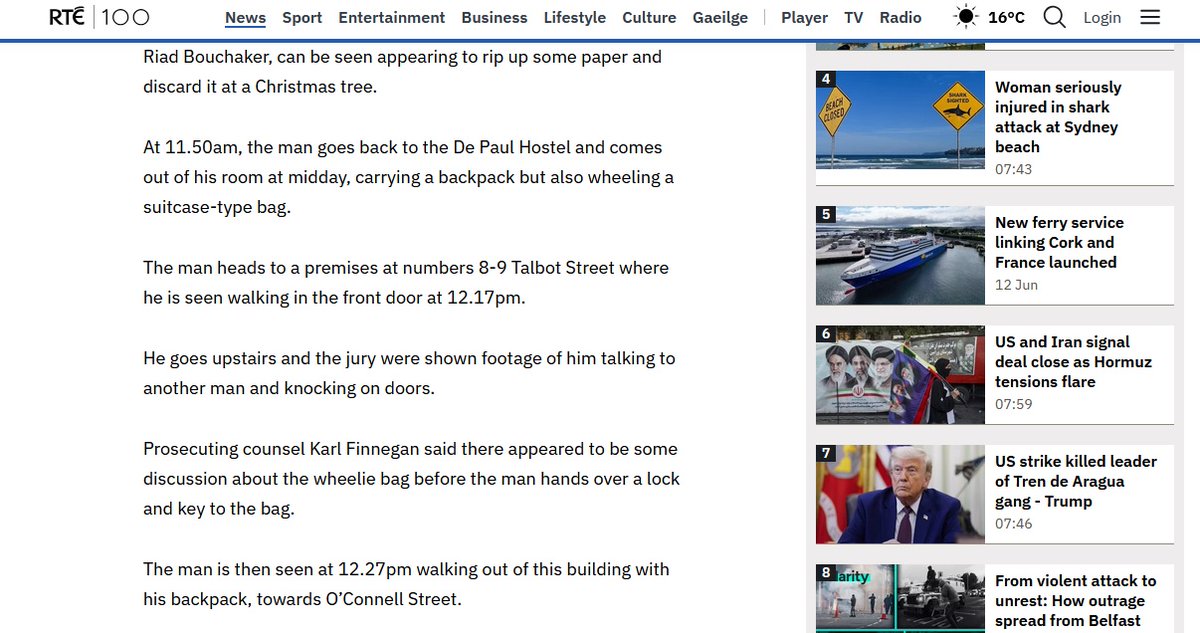
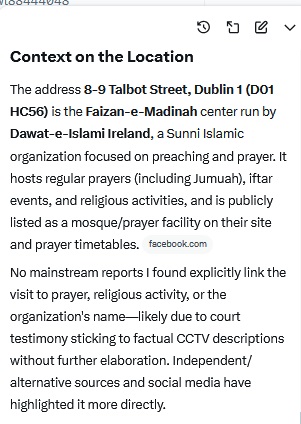
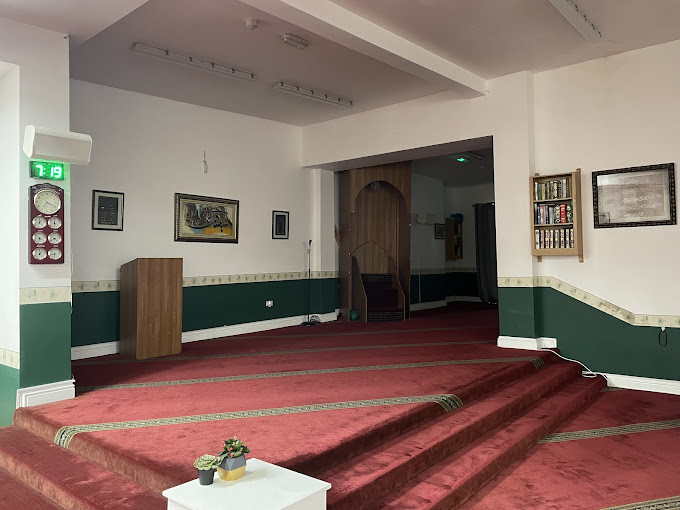
The Parnell Square accused Riad Bouchaker (52) visited and spent 10 minutes at a Sunni Muslim mosque on nearby Talbot Street, 90 minutes before allegedly launching a knife attack on children.
Whilst there have been reports on RTE and Mirror that the accused visited a premises at 8-9 Talbot Street, none have disclosed that this "premises" is a Sunni Muslim mosque.
If Paddy McGinty had visited a church 90 minutes before allegedly carrying out an atrocity, you can be bloody sure that would be reported.
Jun 12

RTE Six One News reports today’s proceedings at the Parnell Square stabbing prosecution. They omit any reference to the accused, an Algerian, saying “Shit Irish. Shit Fucking Irish” just ahead of the attack which some people might regard as significant.
Yes, RTE may have a challenge reporting the vulgarity to an early evening audience, but to omit any reference or sanitised version which connotes what was said, is poor form.
The accused Riad Bouchaker denies all charges; trial continues.
28
306
1,014
36,668
Jun 12

⚠️The Ukrainian Ombudsman paid a visit to the Ternopil draft office, where the unfortunates scooped up off the streets are being held. Let's take a look at the impressive fighting force he found there.
- A man with severe asthma, carrying a whole bag of medication.
- A man diagnosed with an intellectual disability.
- A 59-year-and-3-month-old grandpa, bent nearly double,
- a man, who had already been removed from military records but was detained anyway.
- A man with a metal rod in his leg, walking with the help of a cane.
Truly, a fearsome strike force.
Russia must be trembling.
1
65
And government funded.
Jun 12

The Irish people’s view of the Irish Times Trust: greedy, self-serving corporates who use the media to push their own agenda - that’s the essence of ‘bad actors’.
45
Michael C. Murphy retweeted

Jun 13
The HSE expects to spend €720 million on agency staffing this year.
Parliamentary replies provided to me confirm:
• Five of six Regional Health Authorities have been placed on escalation tiers because of agency spending pressures.
• A fully integrated system capable of producing comprehensive agency-versus-direct employment comparisons is not yet fully operational across the health service.
• The HSE has acknowledged an indicative agency premium over direct employment costs.
At a time when every euro counts, taxpayers deserve clear evidence that public money is being spent efficiently and delivering value.
This is not a criticism of frontline workers. It is a question of governance, accountability and ensuring resources are being used in the best interests of patients and taxpayers alike.
#Healthcare #PublicSpending #ValueForMoney #HSE #Accountability #IndependentIreland #KenOFlynnTD
10
19
88
3,108

Jun 13
RT @ClareDalyIRL: The jaws of a carefully set trap are closing on @kajakallas.
Fitting somehow if it's this, the first good thing she's a…
678
Michael C. Murphy retweeted

Jun 12
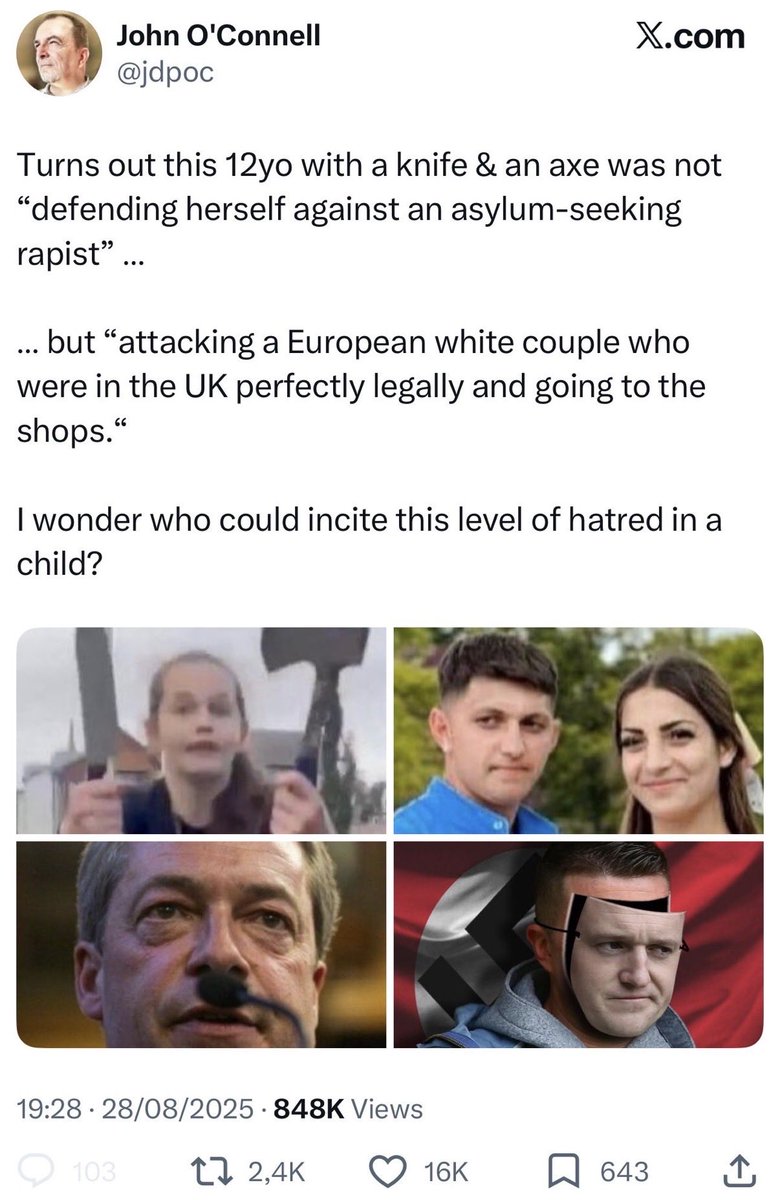
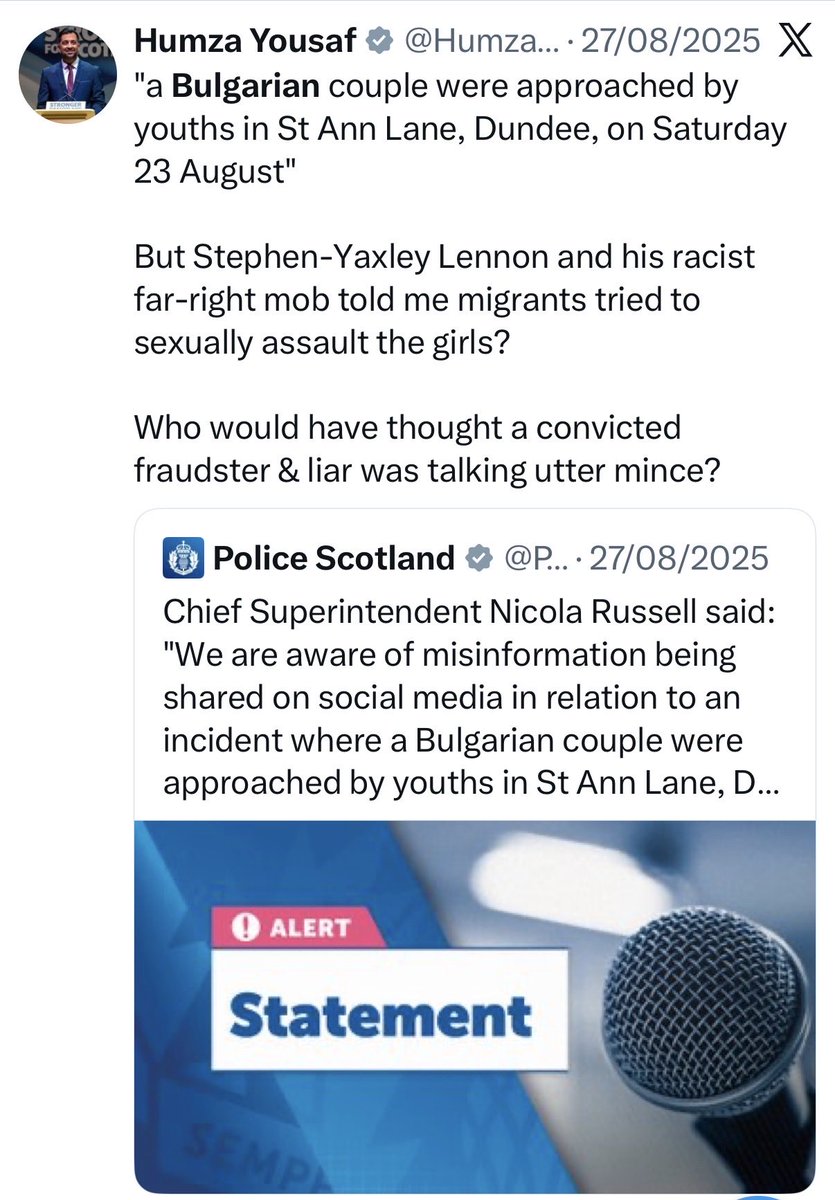
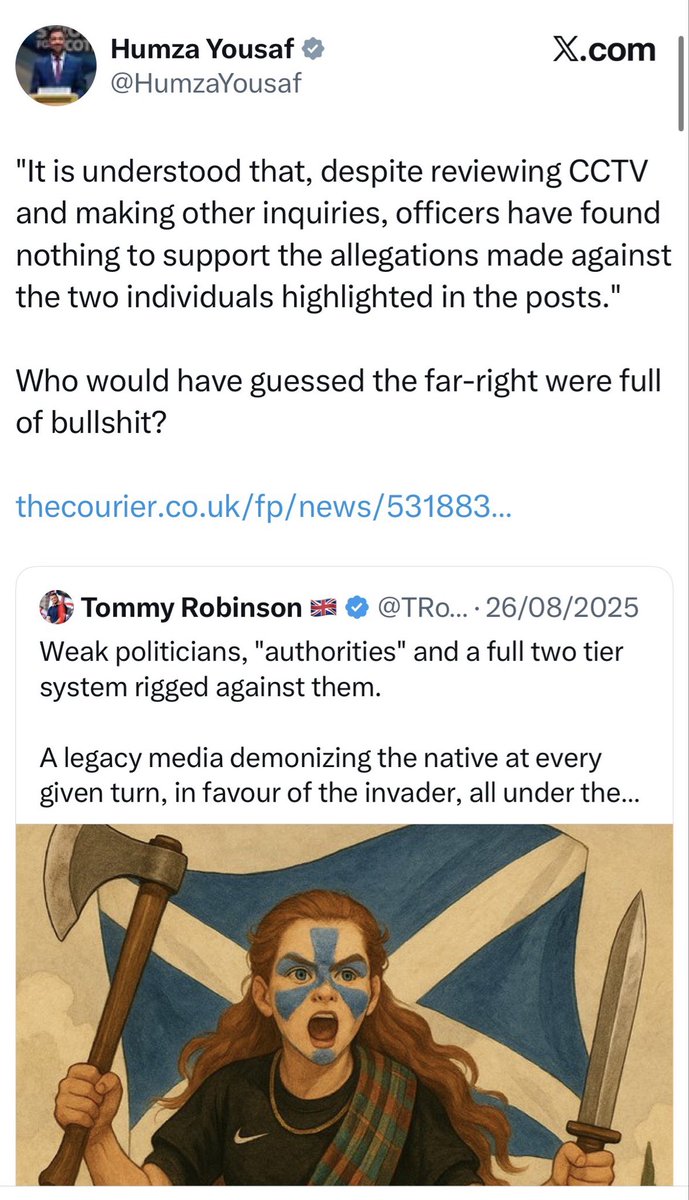
Last year, a video went viral of a scared, 12 year old girl in Dundee.
She was waving weapons, shouting at a migrant to leave her alone.
Almost immediately, many on the left were calling this girl a liar (and worse). They were saying the “far-right” were whipping up ‘anti-migrant hate’.
People like @HumzaYousaf & many more called it ‘bullsh*t’.
Many, including people like @jdpoc while calling her a liar & talking about her ‘hatred’, showed pictures of the little girl. Just to make sure everyone knew who the ‘liar’ they were talking about, was.
A fundraiser for the girl was mocked, suggesting she’d use the money to buy “machetes and IronBru”
She was a child. Their posts were seen by hundreds of thousands of people.
She wasn’t ‘hate-filled’, she was scared.
Yesterday, her version of events was proven to be true. She was sexually harassed by a migrant and another child physically assaulted too.
The man and his sister were prosecuted.
How shameful that children need to arm themselves for protection.
How shameful that adults will deny their reality.
How shameful that some people are so desperate to defend migration into this country, that they will literally mock children who are victims of their crimes.
Shame on you all.
I’ll be fascinated to see how many of you publicly apologise to the girl, in the same public way that you called her a liar.
I won’t hold my breath…
I hope this girl is ok.
belfasttelegraph.co.uk/news/…
551
6,342
24,903
302,219
Michael C. Murphy retweeted
Jun 13
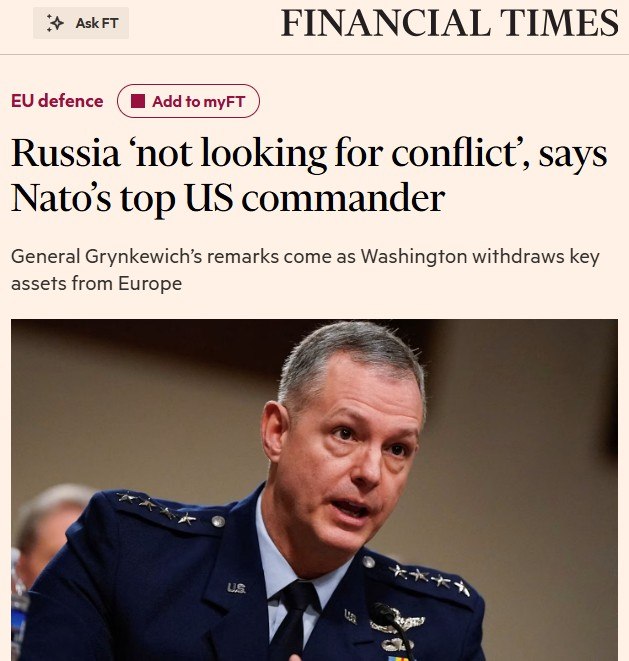
Reality conflicts with the endless war propaganda
33
358
1,261
14,918
Michael C. Murphy retweeted

Social media regulation ? "We cannot hide from the facts" As politicians and commentators on the left rush to call for more social media regulation following a horrific attempted murder and ongoing violence and attacks on homes in Belfast, TD Michael Fitzmaurice addresses the facts.
@ciaranmullooly @RichardODonoghu @kenoflynnTD
23
51
171
5,775
Michael C. Murphy retweeted

Jun 12
The changes to Ireland.
126
733
3,529
37,330
Michael C. Murphy retweeted

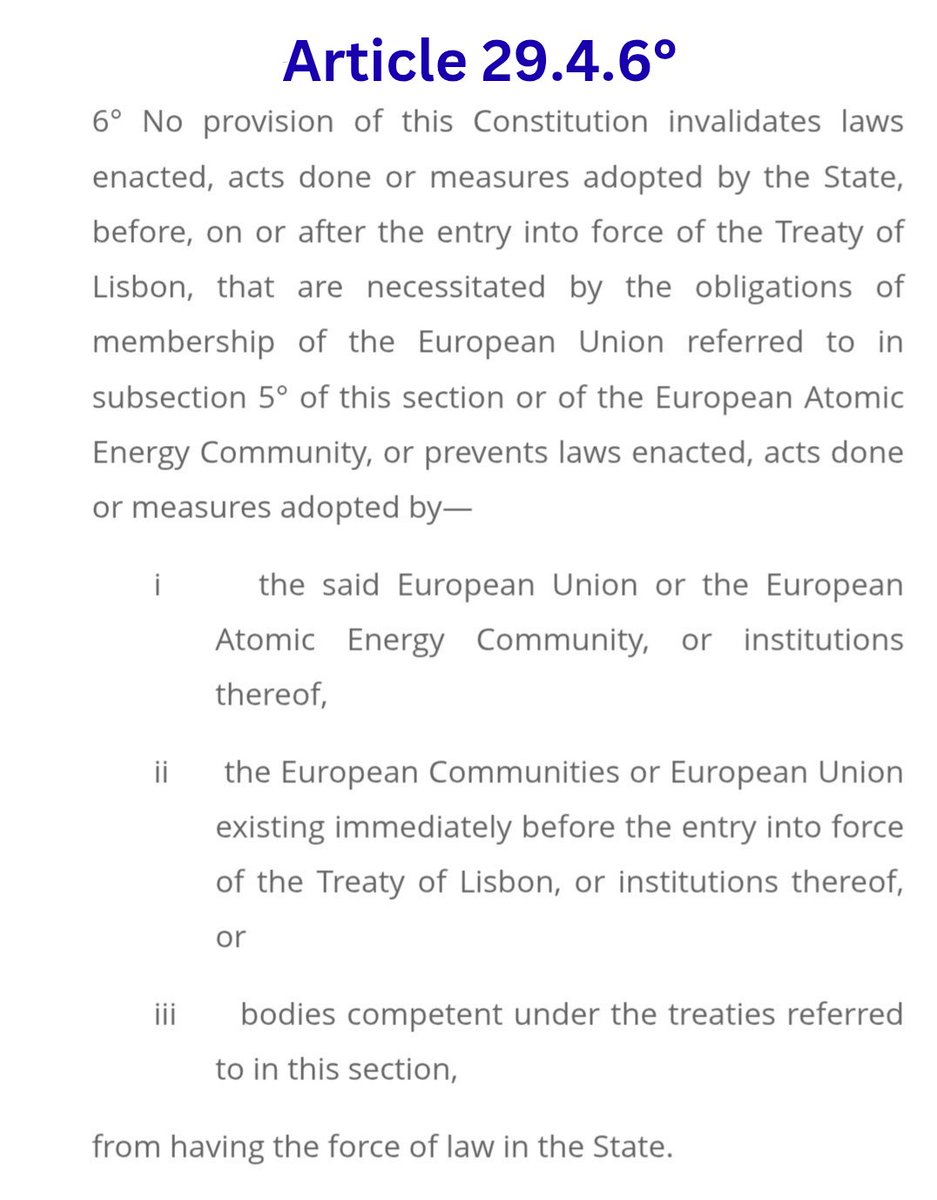
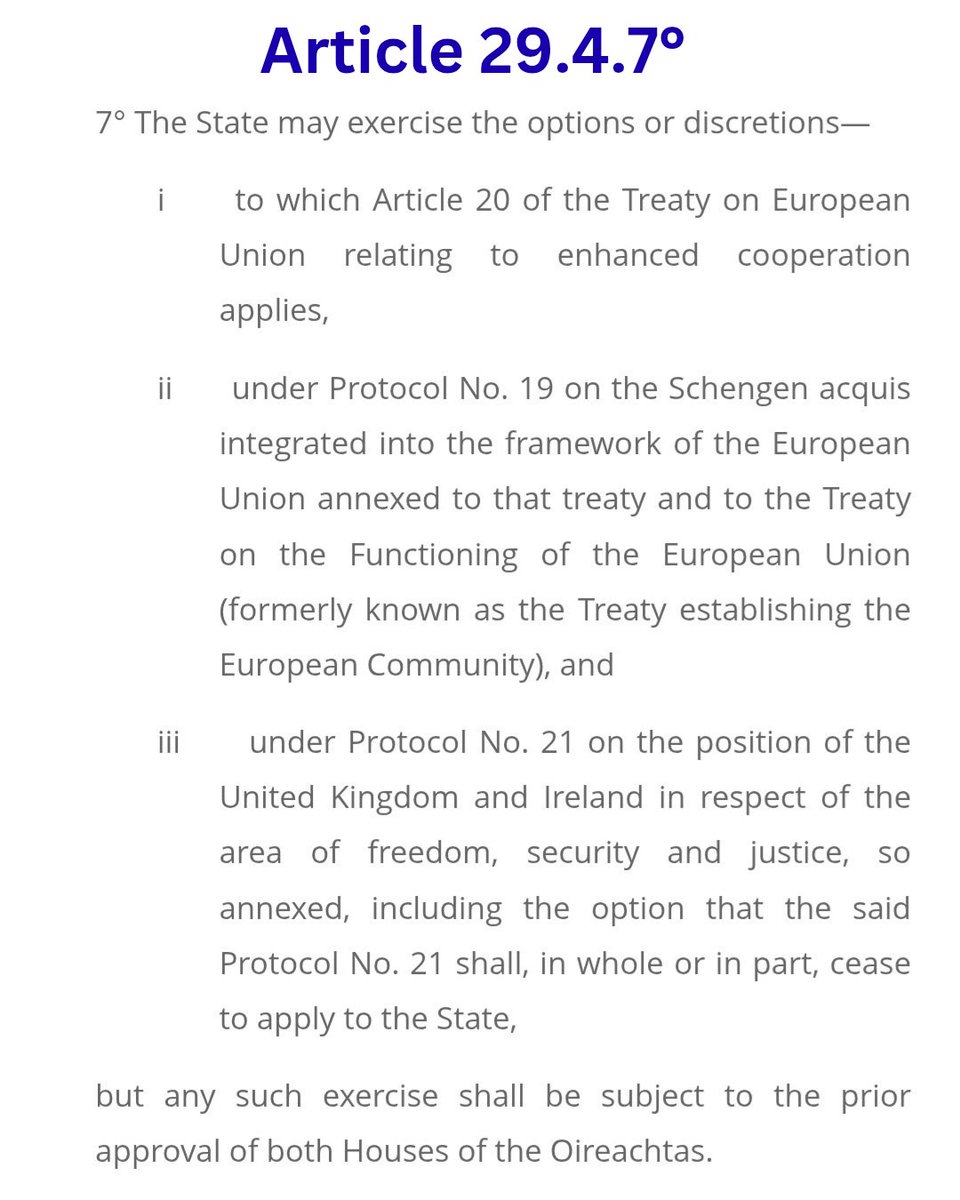
People are rightfully furious over the Government opting us into the EU asylum pact. People ask, what about the Constitution? What about the Lisbon opt out guarantees? Back then, the political message was: don’t be worrying about the small text, Ireland. Get in there and vote yes. We have the opt outs. But the text was clear. Article 29.4.6 was the constitutional kill switch that gives EU law supremacy in Ireland. Article 29.4.7 was the trapdoor, letting the State opt in later with a simple Oireachtas vote. Wait until the outrage cools. Wait until people stop watching. Then use the whip and push it through. No referendum. No return to the people. They sold sovereignty as protected while writing the bypass into the Constitution. They should never be trusted on any constitutional question ever again.
11
131
309
3,871
Michael C. Murphy retweeted

Jun 11
Now it emerges Hadi Alodid was born in Saudi Arabia, got a boat across the Med from Libya before flying into Ireland from Paris. First he was Somali, then Sudanese, then Saudi. First he flew directly from Khartoum, now he got a boat to EU. We have NO IDEA who these people are!
388
4,998
25,354
363,571
Michael C. Murphy retweeted

Jun 12
VERDICT! GUILTY
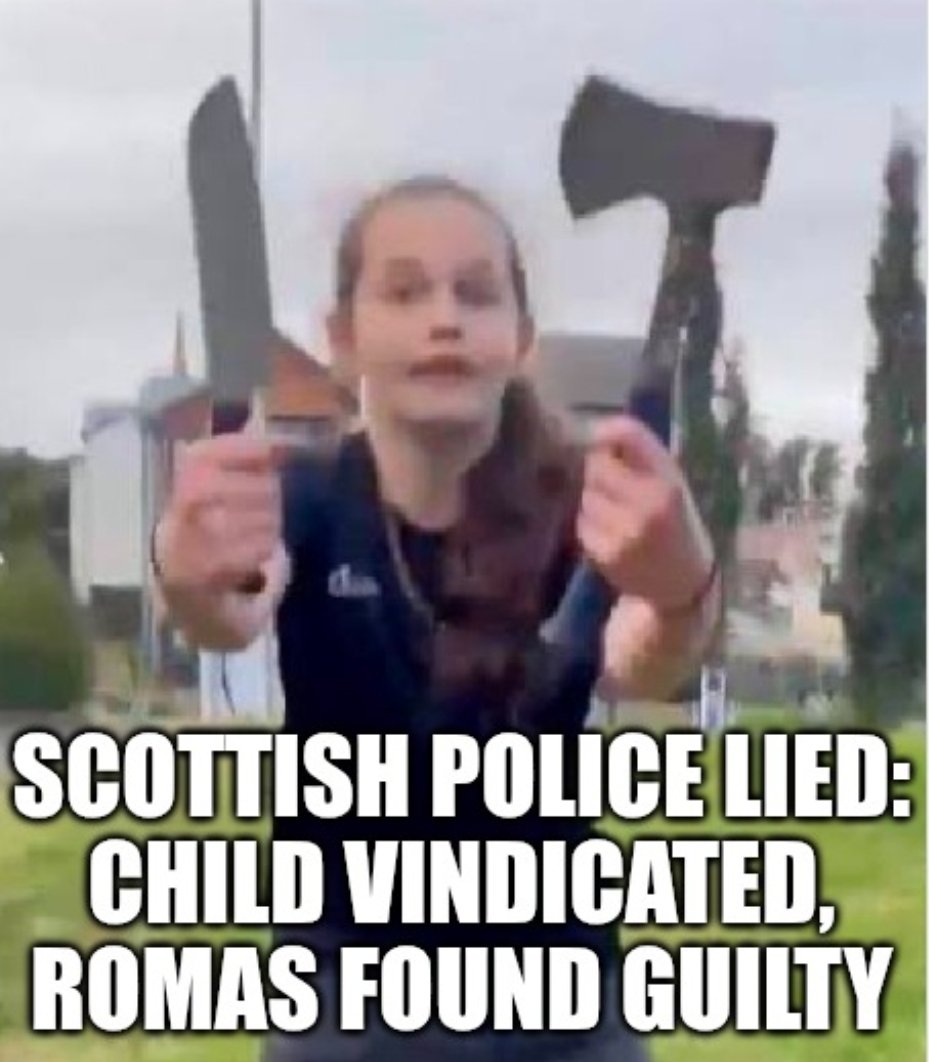
The Police said this child LIED about her and her younger sister being assaulted and being subjected to sexual remarks. The Roma man and woman were innocent they said. Any suggestion to the contrary was misinformation they said. But both the male and female adult Roma gypsies have been found GUILTY. This child was defending her younger sister from sexual predators. SHE IS A HERO. But to have EVER had to have been put in the terrifying position of using a hatchet and a knife (she was breathing very deeply and appeared to be afraid) is a disgrace. She was put in that POSITION by the Scottish government. She was then made out to be a psychopath. Your governments look at native children coldly and callously. They don't care if they're sexually assaulted ot killed. That to me is the very definition of psychopathy.
Jun 12

A man and his sister (Roma) have been found guilty in relation to an incident where girls (12~14) were assaulted and had sexual remakes made at them in Dundee. Shame on Police Scotland for claiming this was misinformation. More two tier “anti-racism” cowardice.

8
95
250
2,928
Michael C. Murphy retweeted
Jun 12
RTE Six One News reports today’s proceedings at the Parnell Square stabbing prosecution. They omit any reference to the accused, an Algerian, saying “Shit Irish. Shit Fucking Irish” just ahead of the attack which some people might regard as significant.
Yes, RTE may have a challenge reporting the vulgarity to an early evening audience, but to omit any reference or sanitised version which connotes what was said, is poor form.
The accused Riad Bouchaker denies all charges; trial continues.
Jun 12
A witness has stated that she heard the Parnell St. school stabbing suspect saying, “Shit Irish shit fucking Irish" as he passed her on the 23rd of November 2023.
15
92
459
69,132
Michael C. Murphy retweeted
Jun 12
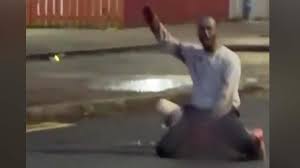
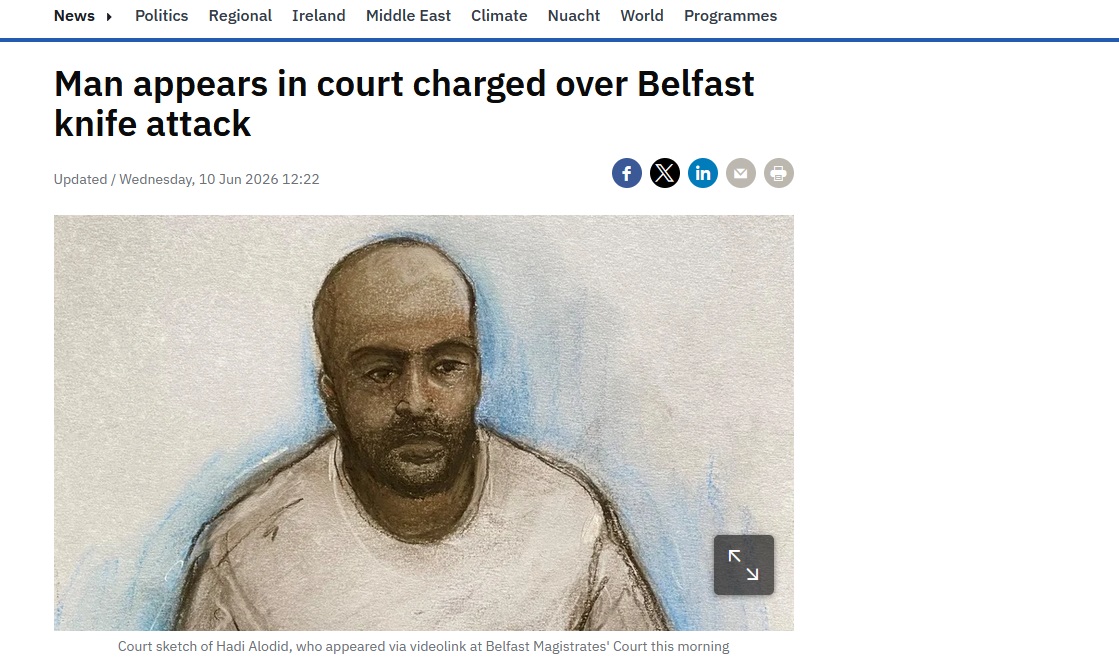
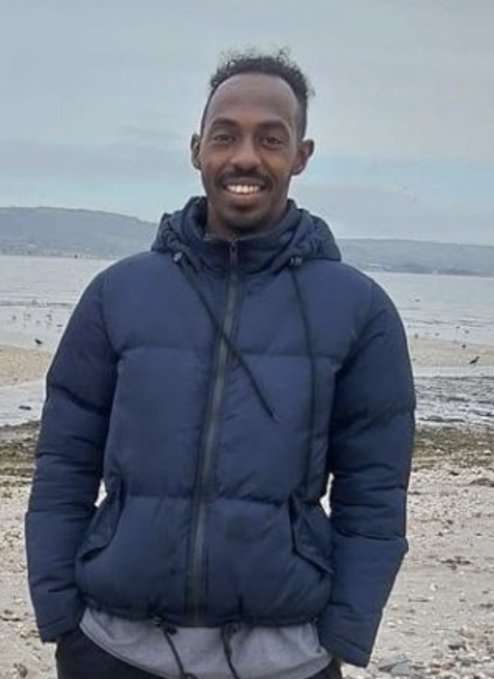
Whilst British authorities were very quick to provide details of Belfast beheading accused Hadid Alodid arrival in Belfast on 10 Feb 2023, and his asylum process and British ministers are now being challenged, and there is even some detailed reporting on Alodid's journey from Sudan to France, we are now four days on and there hasn't been a peep out of Irish authorities.
When did Alodid fly from Paris to Dublin? What airline? What documentation did he have? Was the airline fined for allowing him BOARD without documentation? Did he claim asylum in Dublin?
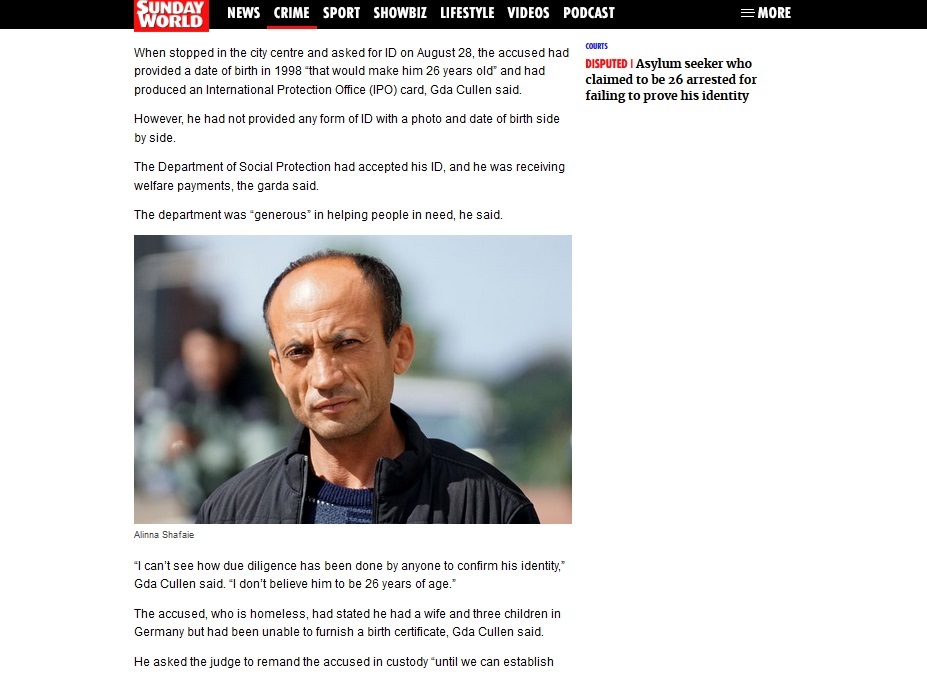
Irish authorities have form for ridiculous ineptitude (or worse), meet the 26-year old male Afghan asylum seeker below with the girl's name. You'll recall with the prosecution of Habib Shamel Shah for a murder in Limerick that Irish authorities didn't know if Shah was 27 or 32 years old, or if he arrived in Ireland in October 2022 or October 2020.
Four days after the Belfast attack, we have details on the accused's history in N Ireland, and we have history of his journey from Sudan to France. But Ireland is a black box, and it's beginning to look sinister that Irish authorities can't disclose the details.
Jun 11
It was midday Tuesday (9 June) this week when the PSNI could disclose the detailed travel route and residency status of Belfast beheading charged Hadi Alodid.
It's Thursday tea-time and still no statement from the FF justice minister Jim O'Callaghan on when the accused flew from Paris to Dublin, airline, documentation presented, whether there was a fine on the airline, whether he claimed asylum in Dublin.
Beginning to look like concealment or incompetence...
8
71
241
8,028
Jun 13
All funded by @dfatirl
Jun 13

Ukrainians in Ukraine sometimes feel like hunted animals. Here's a story that broke yesterday and was only resolved thanks to the intervention of journalists.
A 14-year-old girl from Zaporizhzhia lost her mother, and then conscription officers took her father through deception. They told him they just needed to check his documents and refused to release him. It was only when journalists got involved that he was freed. He had no legal right to be sent to the front — he is the sole guardian of his underage daughter.
She stood her ground and fought for him.
Tell me: in what country can this vile, dehumanizing treatment of its own citizens be called freedom, democracy, or a struggle for dignity?
1
55
Michael C. Murphy retweeted

Jun 12
Not one liberal politician or journalist argued that the George Floyd "I can't breathe" clip shouldn't have been shared. They only want to stop you seeing the Belfast clip because it's massively, massively inconvenient to them - 'sensitivity for victims' has zilch to do with it.
120
2,004
10,848
94,643