
We make a difference to children's speech, language and social communication skills, through delivering high-quality, evidence-based therapy. Part of @TxGroup.
Joined January 2016
- Tweets 1,016
- Following 1,601
- Followers 1,195
- Likes 706
715 Photos and videos





19 Jul 2024
Summer holidays are finally here! ☀️🌴 Time to relax, have fun, and make unforgettable memories with friends and family. Enjoy every moment of this sunny season and soak up the good vibes. 😎🍹
.
.
.
.
#SLTForKids #SummerVibes #HappyHolidays #EnjoyTheSun
75
15 Jul 2024
Can you guess the word?👀
Notice how you could identify the meaning once the visual appeared? Visuals play a key role in understanding new language!
We ❤️ Visuals!
.
.
.
.
#SLTForKids #SpeechAndLanguageTherapy #Visuals #SLCN
76
11 Jul 2024
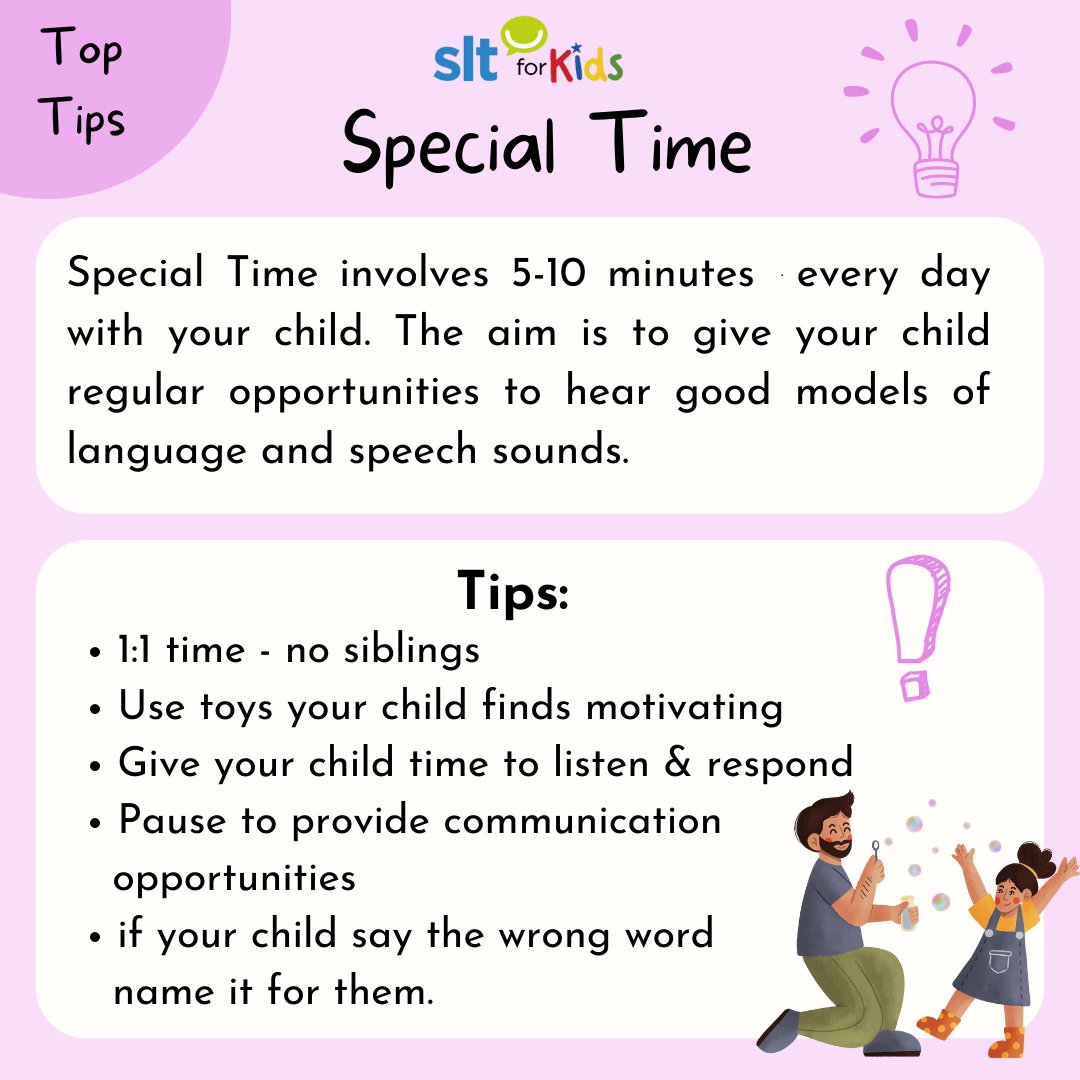
You wouldn't BELIEVE the difference that special time can have on your child's communication skills.
It almost seems too good to be true but trust us, it works 😍
.
.
.
#SLTForKids #parent #communication #interaction
1
51
5 Jul 2024
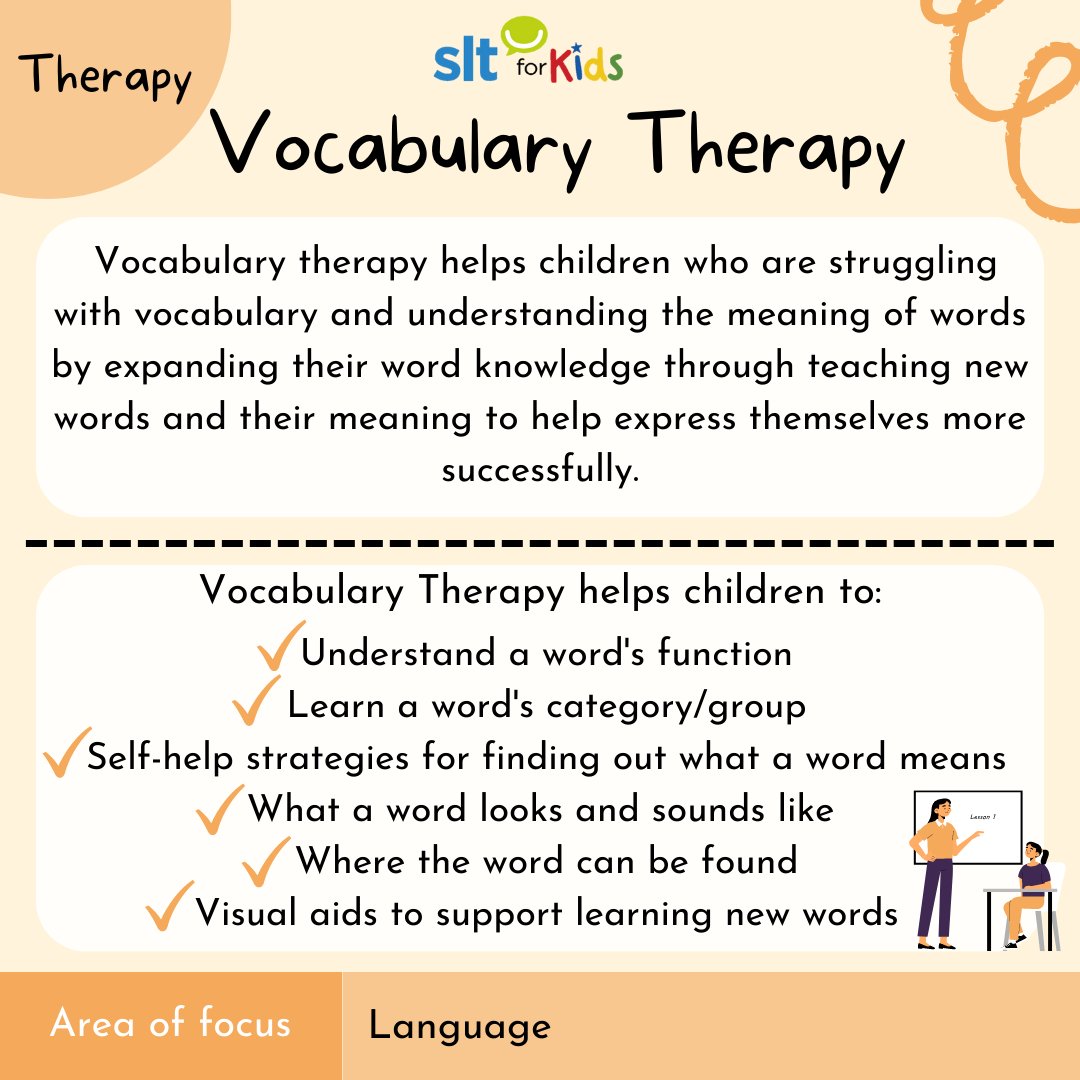
#preteachingvocabulary is one of our must-do interventions.
Words are the building blocks that unlock language #learning💡
We LOVE seeing the delight on children's faces when they recognise words in their lessons seeing how much they enjoy their PTV groups, ran by fab TAs 😍
41
3 Jul 2024
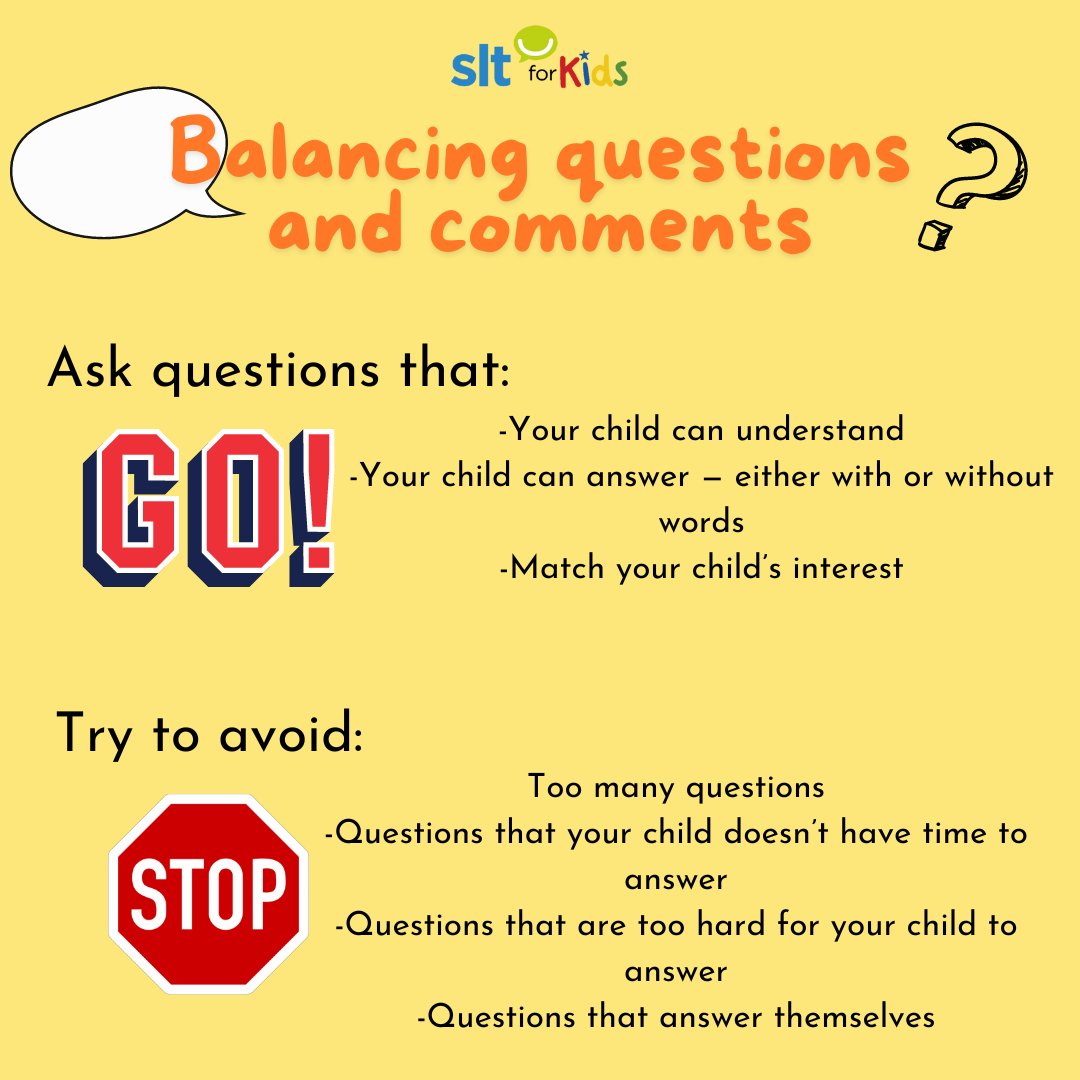
As adults, we find lots of questions overwhelming & children feel the same!❓
Try balancing your questions and comments, so you are asking 1 questions for every 4 comments.💬💬
Keep your eyes peeled for more Speech and Language tips.
#SpeechAndLanguageTherapy #SLTForKids #SLCN
43
1 Jul 2024
Click clack tracks are always a winner in our clinic sessions!🚗
Take a look at different ways to use a click clack track whilst building on language and creating opportunities for communication💬
#SLTForKids #SpeechAndLanguageCommunication
30
28 Jun 2024
Can you guess the word?👀
Notice how you could identify the meaning once the visual appeared? Visuals play a key role in understanding new language!
We ❤️ Visuals! Look out for our guess the word reel each month!
#SltForKids #SpeechAndLanguageTherapy #Visuals #SLCN
37
19 Jun 2024
We're supporting Learning Disabilities week! 🎉🧠💪
.
.
.
.
#SLTForKids #Speechandlanguage #learningdisabiities #LDWeek24
24
17 Jun 2024
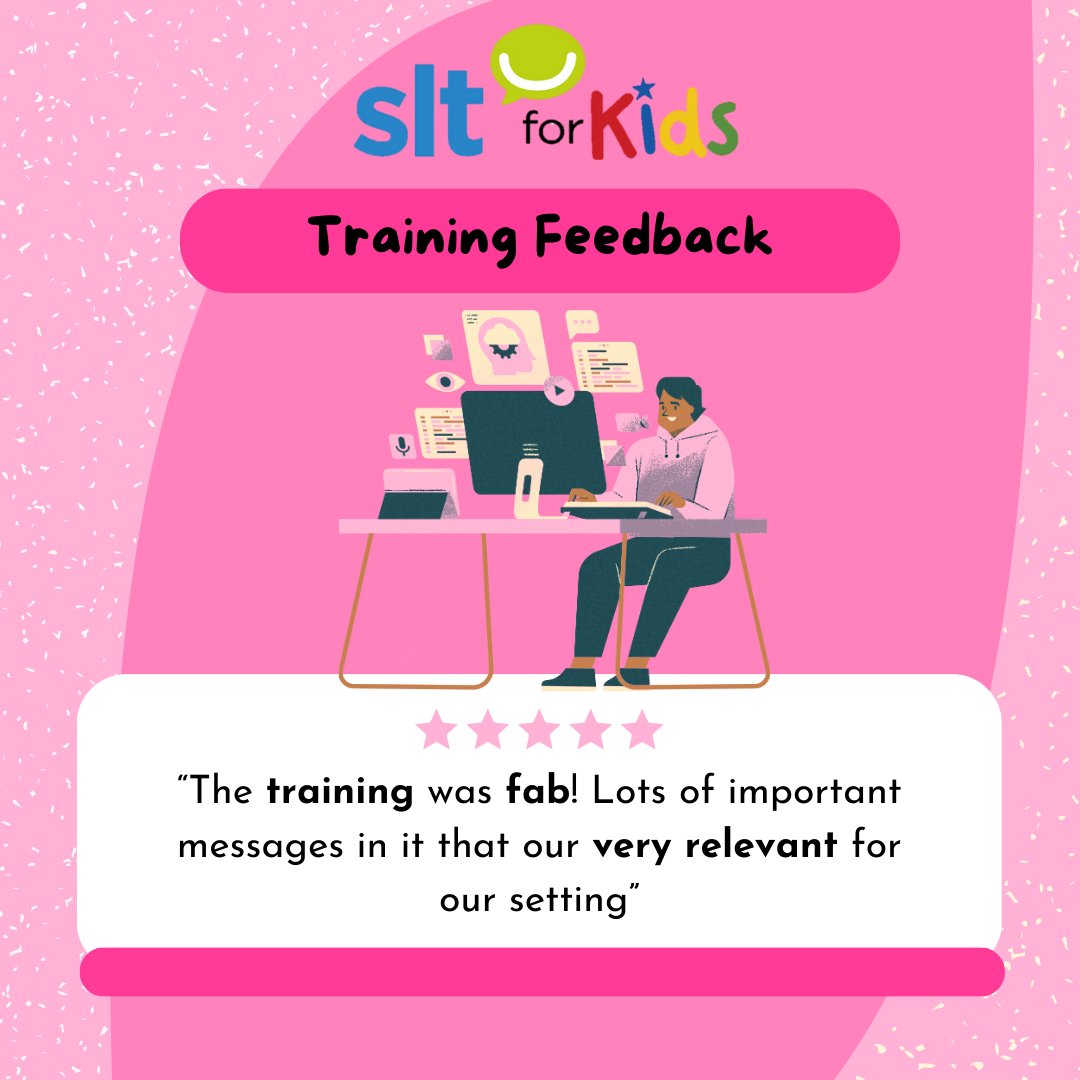
Great feedback from our recent trainning events 💫👥.
.
.
.
#SLTforKids #feedbacktraining #communication #teamwork
35
7 Jun 2024
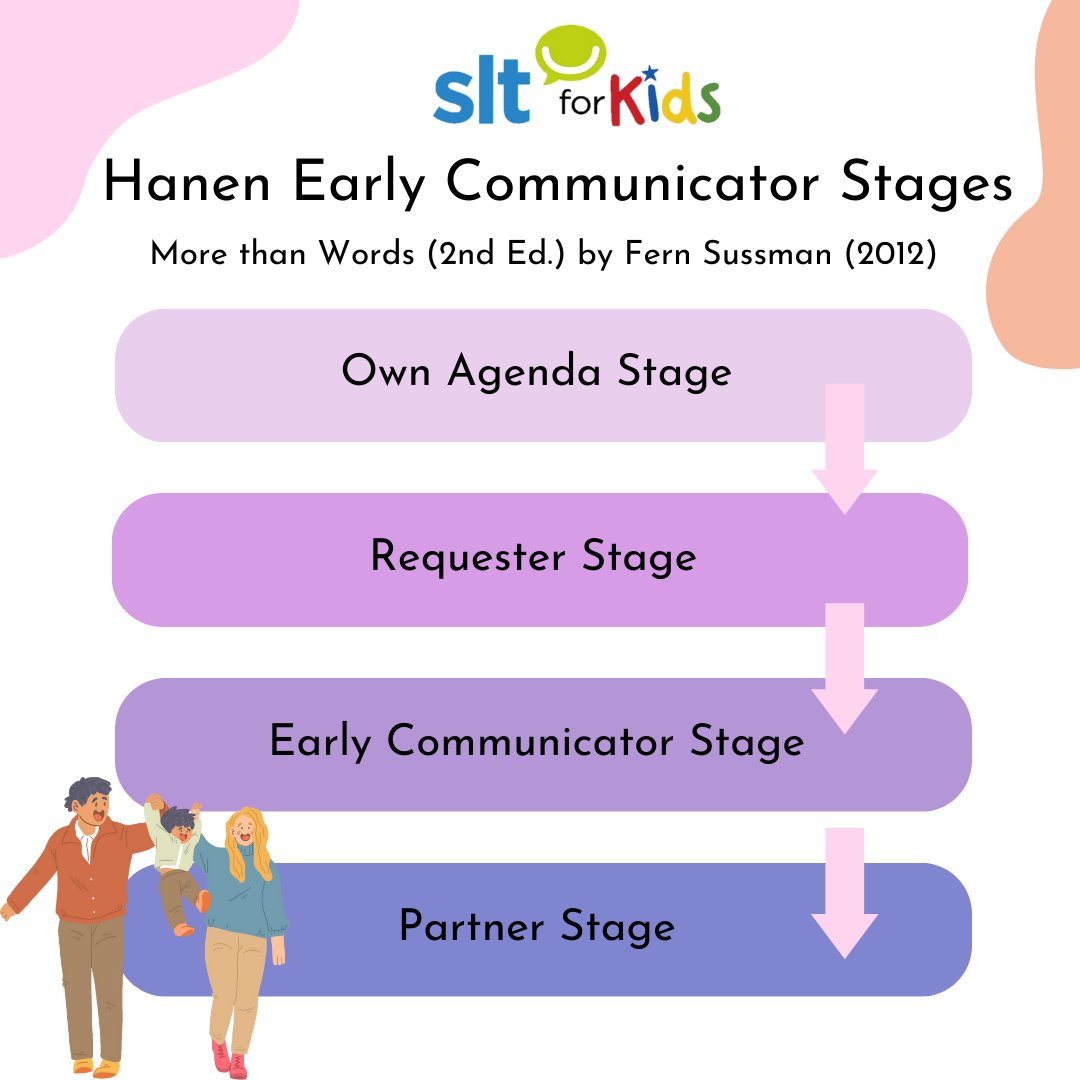
Understanding the Hanen Communicator stages can help us see how language 🗣️ develops in early years. 👶📚
.
.
.
.
#SLTForKids #Speecandlanguage #LanguageDevelopment #EarlyYears
36
5 Jun 2024
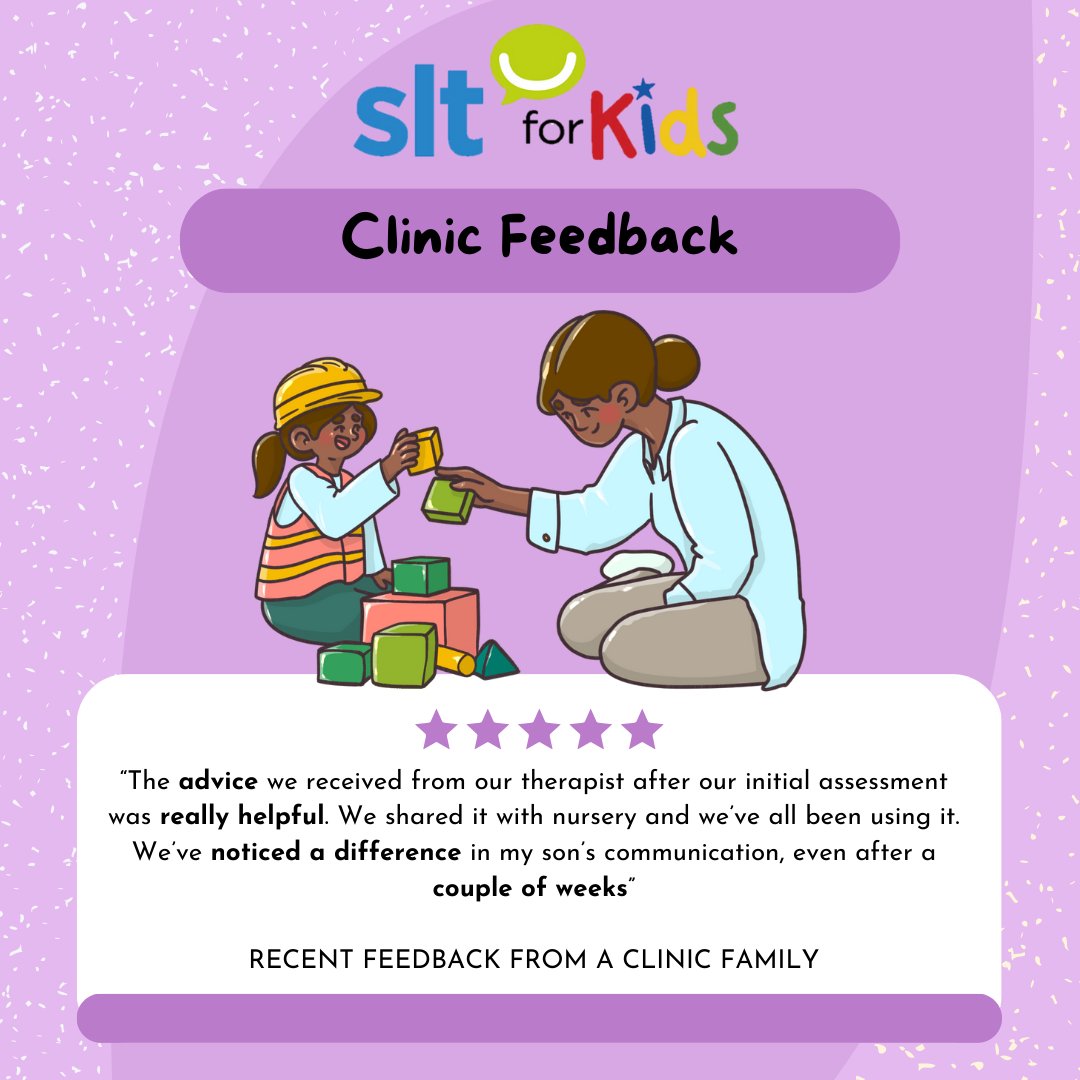
Take a look at some feedback from one of our recent families we have been working with in clinic ⭐👍
If you would like more information about the services we offer - call us on 0330 088 2298 ☎️
#SLTForKids #SpeechTherapyClinic #ManchesterSALT
39
3 Jun 2024
🌟 Exciting News! 🌟
We have new availability at our SLTForKids clinic ! 🏥✨
If you’ve been waiting to schedule an appointment, now’s the perfect time. Don’t miss out on the opportunity to receive excellent care from our dedicated team. 😊
Book your appointment today
25
3 Jun 2024
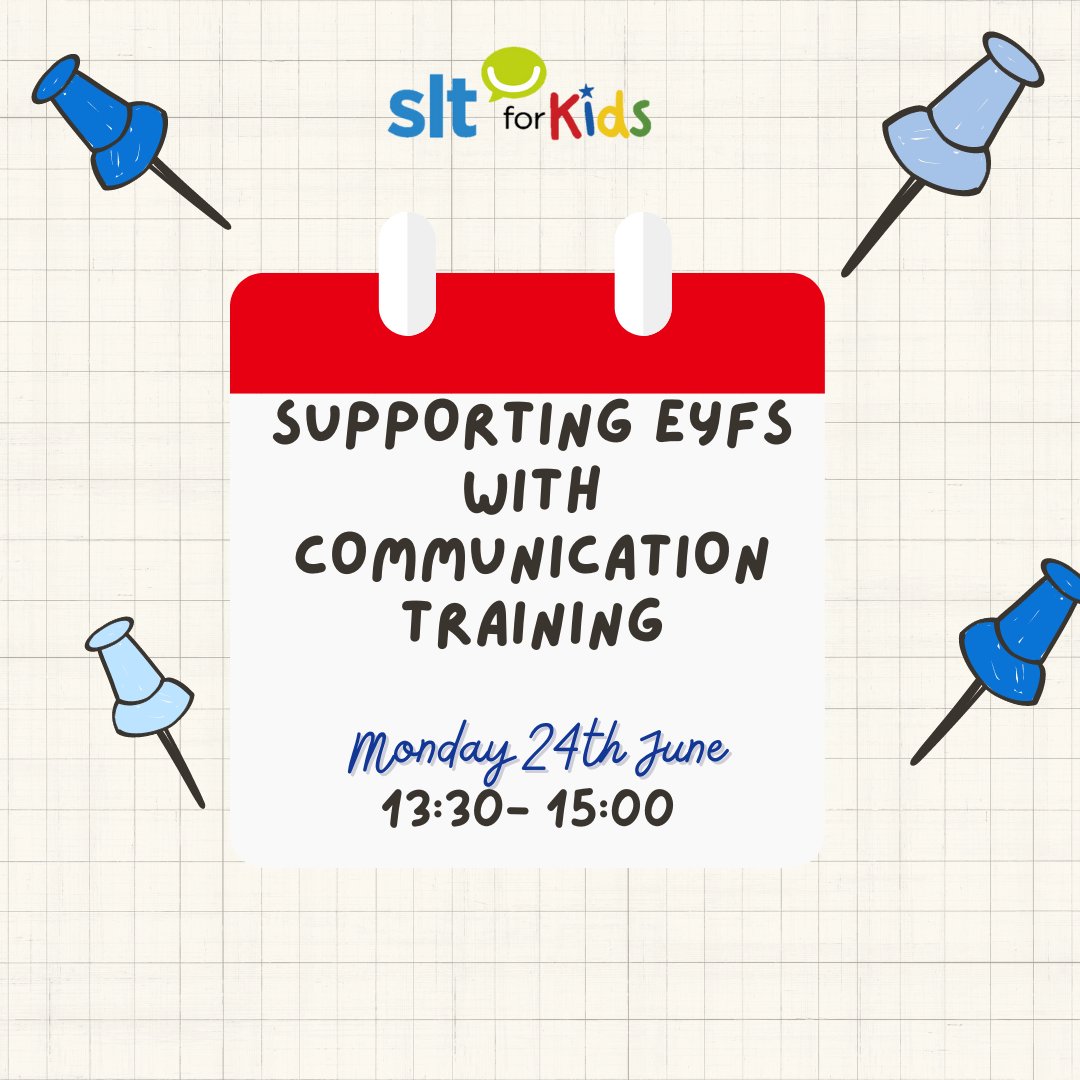
Many services are finding that there are more children in early years that are at an earlier stage of communication or have signs of additional needs but don’t have a diagnosis
Join us for our latest training session - LINK IN BIO
#SLTForKids #EYFSInTheClassroom
40
1 Jun 2024
Happy Pride Month 🏳️🌈
Be proud of who you are !
.
.
.
.
#SLTForKids #LBGTQ awareness #Pride2024 #PrideMonth #BeProud
42
29 May 2024
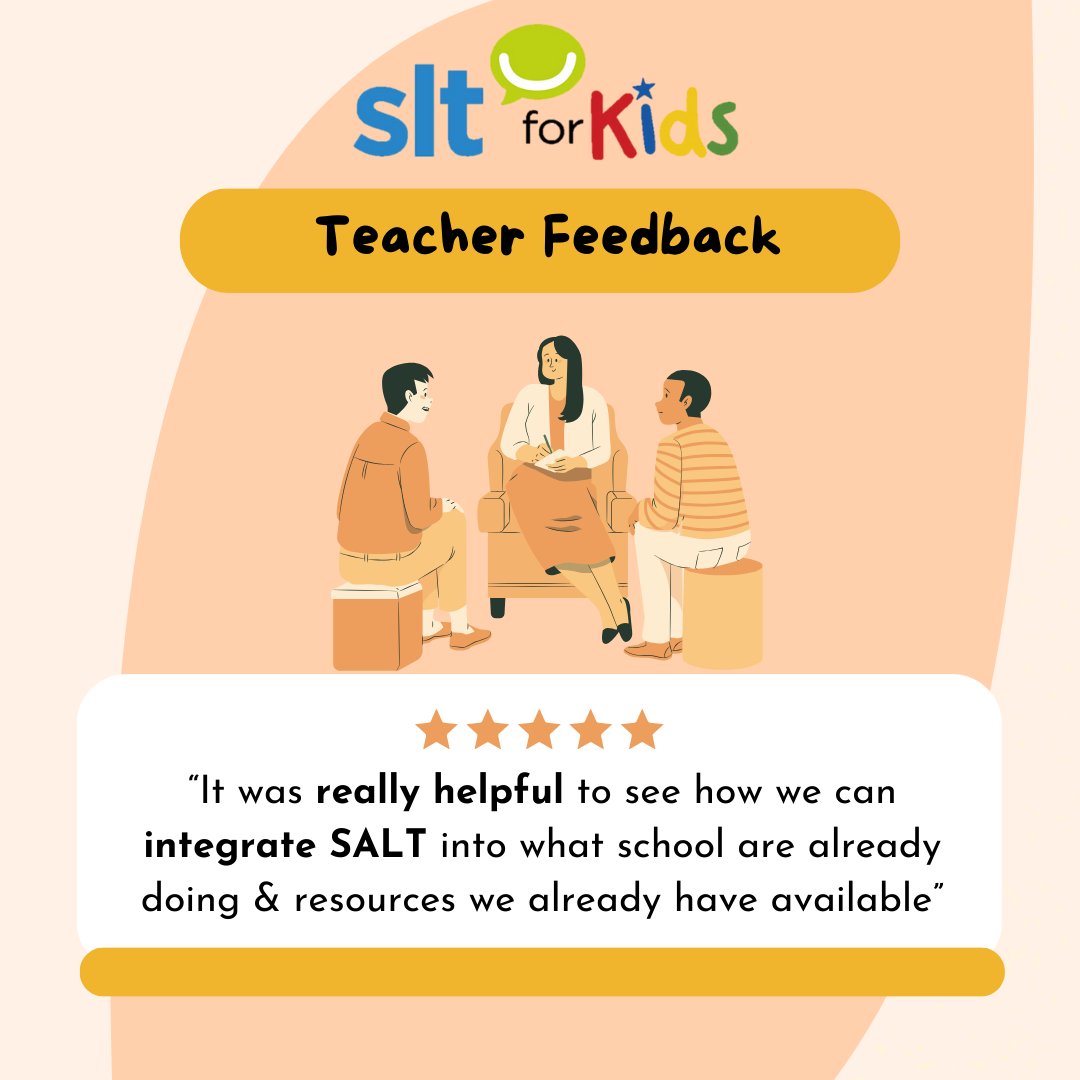
We got some amazing feedback from one of our teachers recently! 🌟 We love working collaboratively with teaching staff ❤️
.
.
.
#SLTforKids #TeacherAppreciation #Feedback #support #school #teaching
46
23 May 2024
On the 17th of June we're running our last #colourfulsemantics training of the year ❤️
Want to use CS in your setting next academic year?
Get ahead of the game & book onto our #course where you'll learn everything you need to know💡
#SLTForKids #literacy #school #teacher
59
20 May 2024
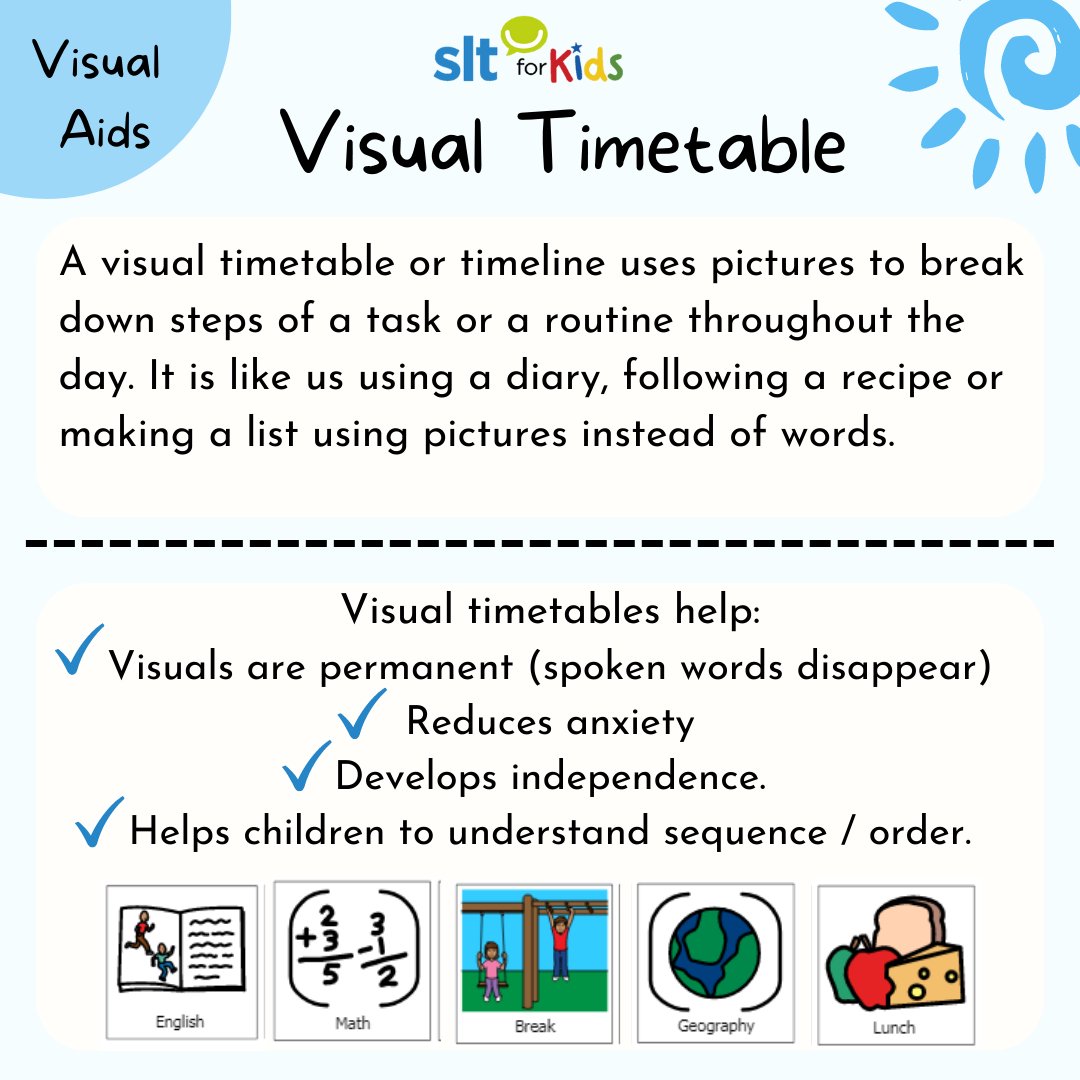
A Visual Timetable is a game-changer! 🌟 It's anxiety-reducing, independence-building, and great for sequencing skills. 🕒✨
.
.
.
.
#SLTforKids #AnxietyReduction #Independence #SequencingSkills
2
44
17 May 2024
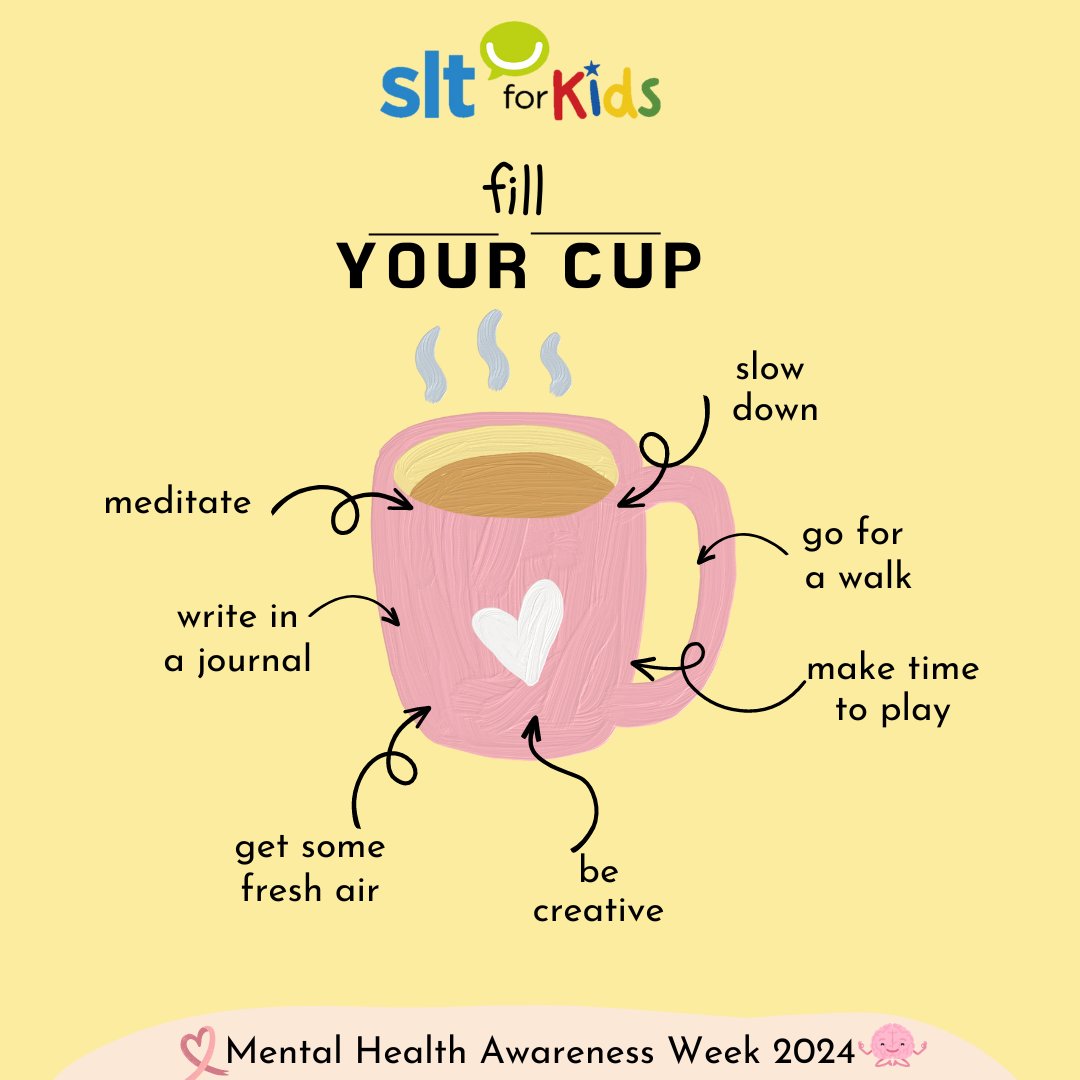
🧠💚 It's Mental Health Awareness week! Remember to take some time to unwind and prioritize your mental well-being.
.
.
.
.
#sltforkids #Calm #MentalHealthAwarenessWeek #SelfCare
37
SLT for Kids 🌈 retweeted

27 Apr 2024
Is it behaviour? Or communication?
In 2021/2022, 39,930 teachers left the profession for reasons other than retirement.
That’s behaviour. That’s what they did. They left.
What does it look like when a government treats that as ‘behaviour’? They’d use rewards and sanctions to try and change the behaviour. They might introduce ‘golden handcuffs’ or they might make teachers sign a contract to promise that they’ll work for a certain number of years or else have to pay any training bursaries back. They might try to guilt trip teachers into ‘making a better choice’ by telling them how much teachers are needed and what a difference they make and how much their training cost. They might encourage them to compete against each other for Teacher of the Year awards and tell them that they can all be winners but only if they keep turning up. It might work, particularly in the short term.
What would be the difference if they saw this behaviour as feedback or as communication? Then they would ask, what is it about working in schools right now which is leading so many teachers to behave in this way? What are 39,930 teachers telling us, en masse, by leaving?
If their behaviour was seen as communication, then it might lead the government to reflect on what sort of workplace their education policy has created. It might mean that a government priority would be creating a school system in which teachers felt valued and enjoyed their work, as well as paying them a fair salary. It might mean that they asked teachers what it is which makes them leave. In this case, there would be less focus on changing behaviour directly and more focus on changing the circumstances which led to that behaviour.
That’s what it means to see behaviour as communication or as feedback. It doesn’t mean being soft, or ignoring behaviour, or not setting boundaries.
It just means we ask, why is this behaviour happening? What does it tell us? And from that follows, what can we learn from it and what could we do differently?
40
128
471
99,610
SLT for Kids 🌈 retweeted

14 May 2024
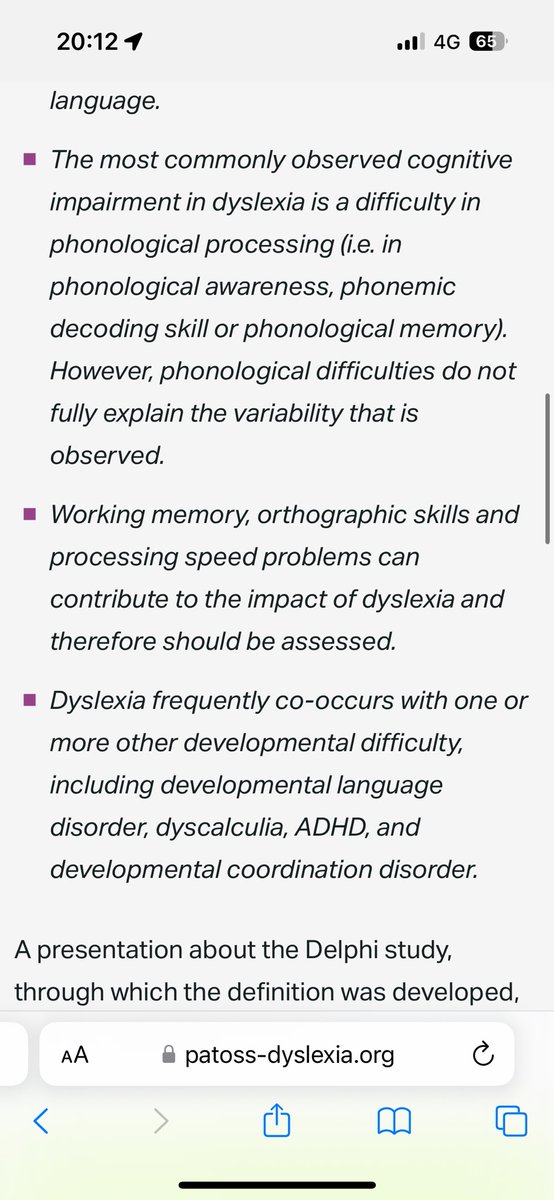
The new definition of dyslexia includes reference to developmental language disorder 👏 !!!
patoss-dyslexia.org/News/int…
3
25
82
5,008