Canada's deep underground science laboratory specializing in astroparticle physics.
Joined May 2012
- Tweets 6,212
- Following 1,323
- Followers 3,958
- Likes 6,116
1,972 Photos and videos
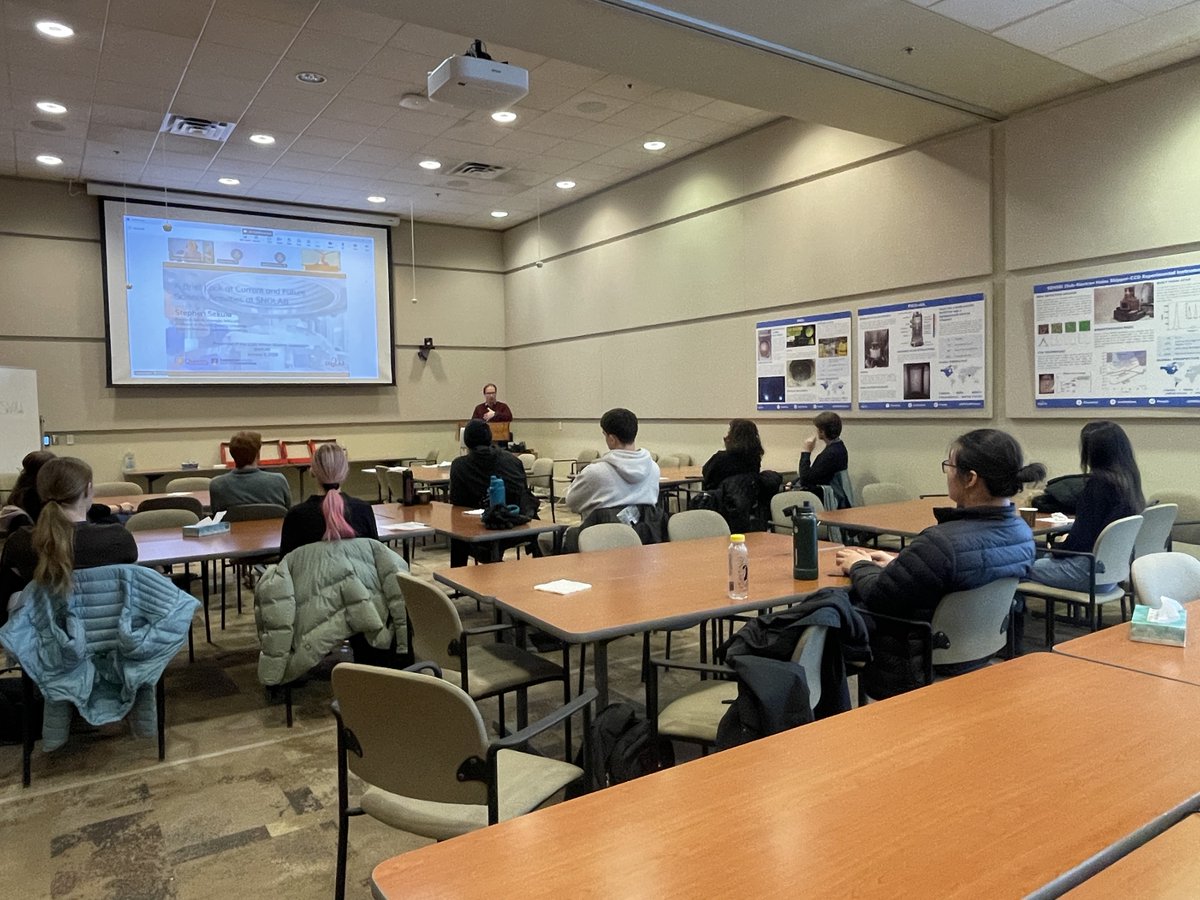
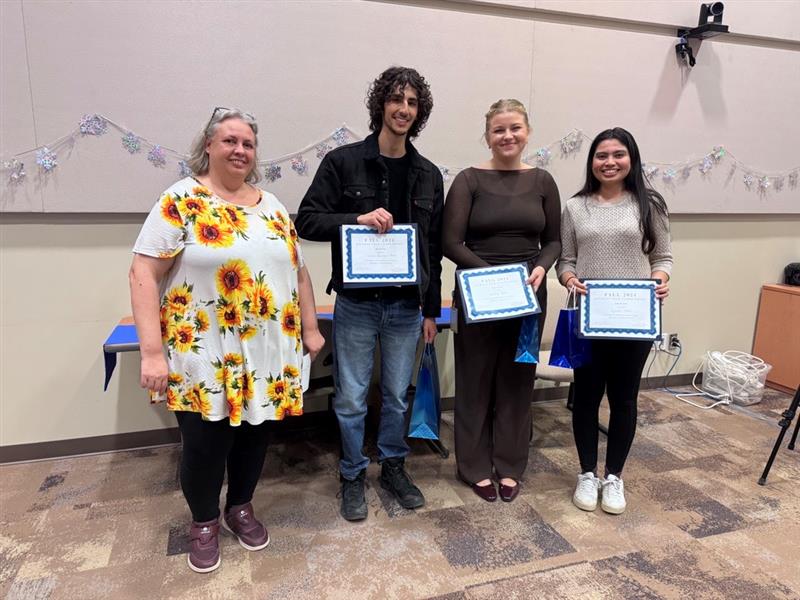

Jan 27
SNOLAB is pausing activity on this platform. Find us at @SNOLABscience on other social media platforms including Bluesky, LinkedIn, Facebook, and Instagram.
3
3
129
Jan 22
Applications for the Canadian Astroparticle Physics Summer School (CAPSS) are now open! Looking to apply? Visit here: mcdonaldinstitute.ca/capss/c…
1
4
162
Jan 20
Voting for the Global Photowalk competition is now open! Explore breathtaking images that capture the beauty of science and creativity and vote for your favourite. 📸
✅ Cast your vote and help crown the winner: interactions.org/photowalk
#PhysPics25 #Physics
5
109
Jan 16
Summer undergraduate job applications are now open!
Join our team and gain hands-on experience in a cutting-edge research environment. For more information, view the job posting here: snolab.ca/wp-content/uploads…
1
90
Jan 15
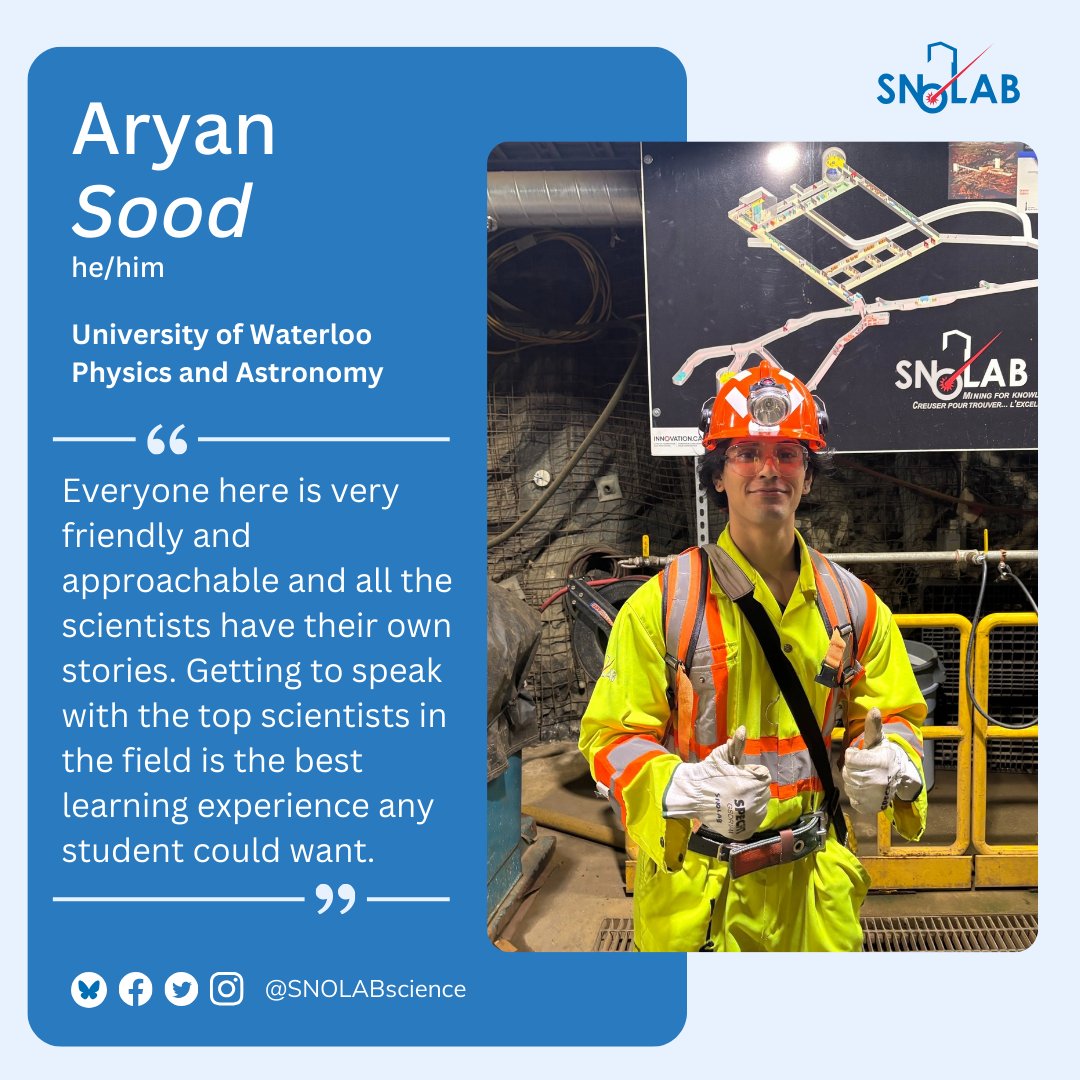
Meet Aryan!
Aryan is a student from the University of Waterloo studying Physics and Astronomy. He recently completed a student co-op term as part of our Fall 2025 student group, working on the DEAP-3600 experiment.
#StudentsAtSNOLAB
1
125
Jan 14
Voting for the Global Photowalk competition is now open! Explore breathtaking images that capture the beauty of science. 📸
✅ Cast your vote and help crown the winner: interactions.org/photowalk
#PhysPics25 #Physics #SciencePhotography #VoteNow #Photowalk2025
2
7
234
Jan 13
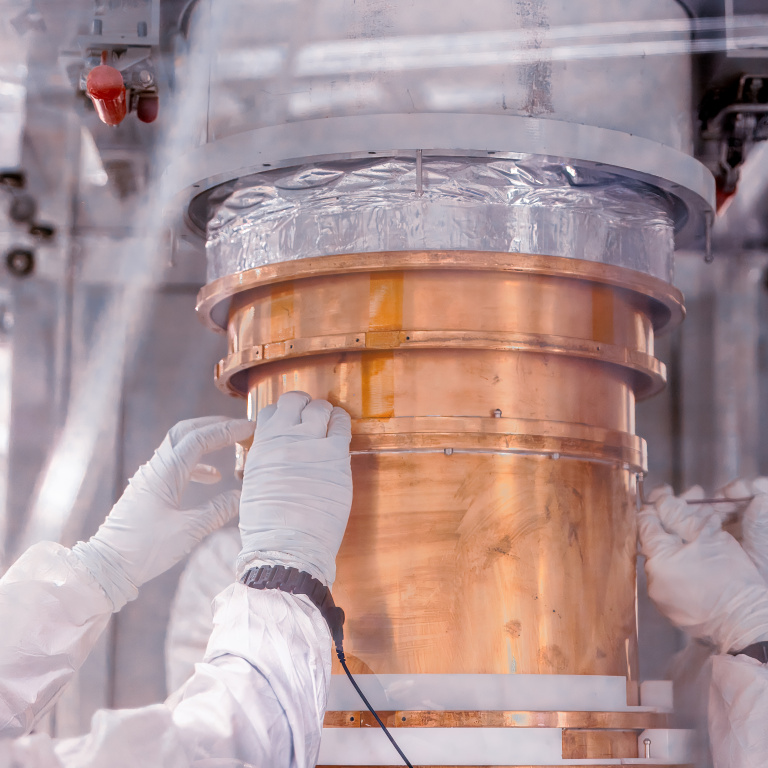
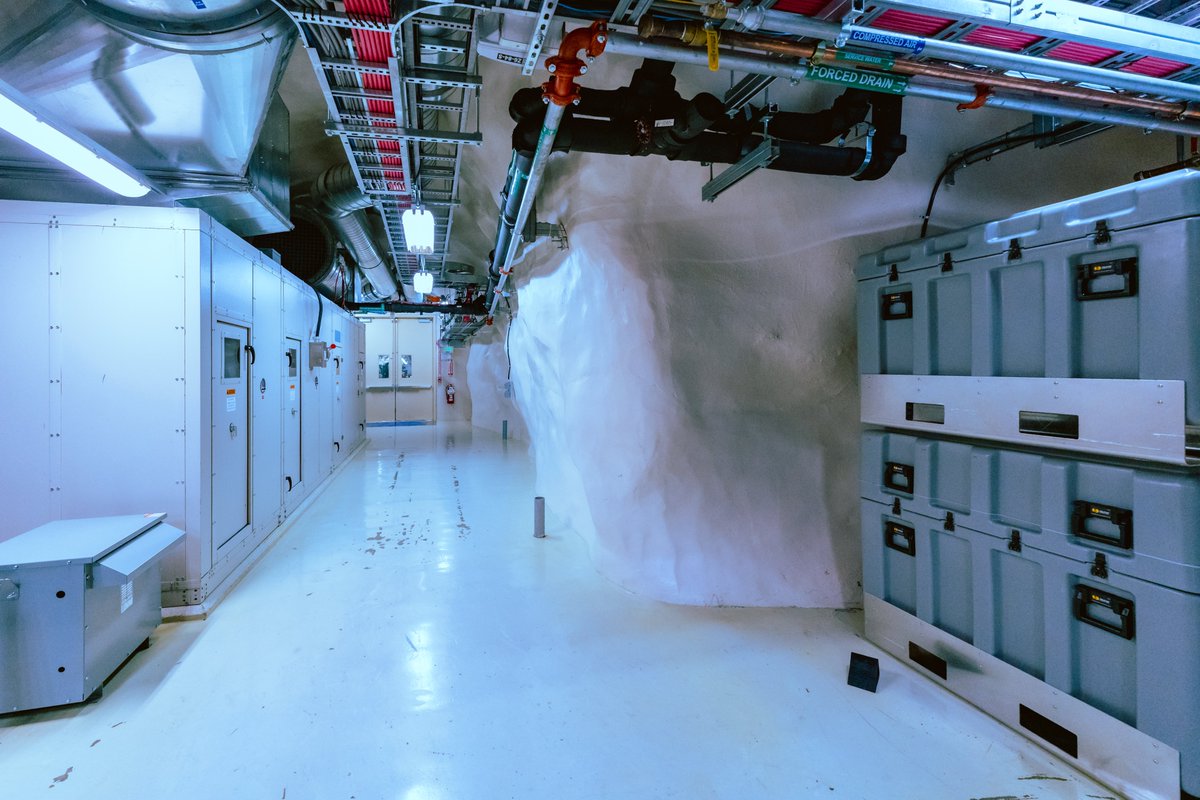
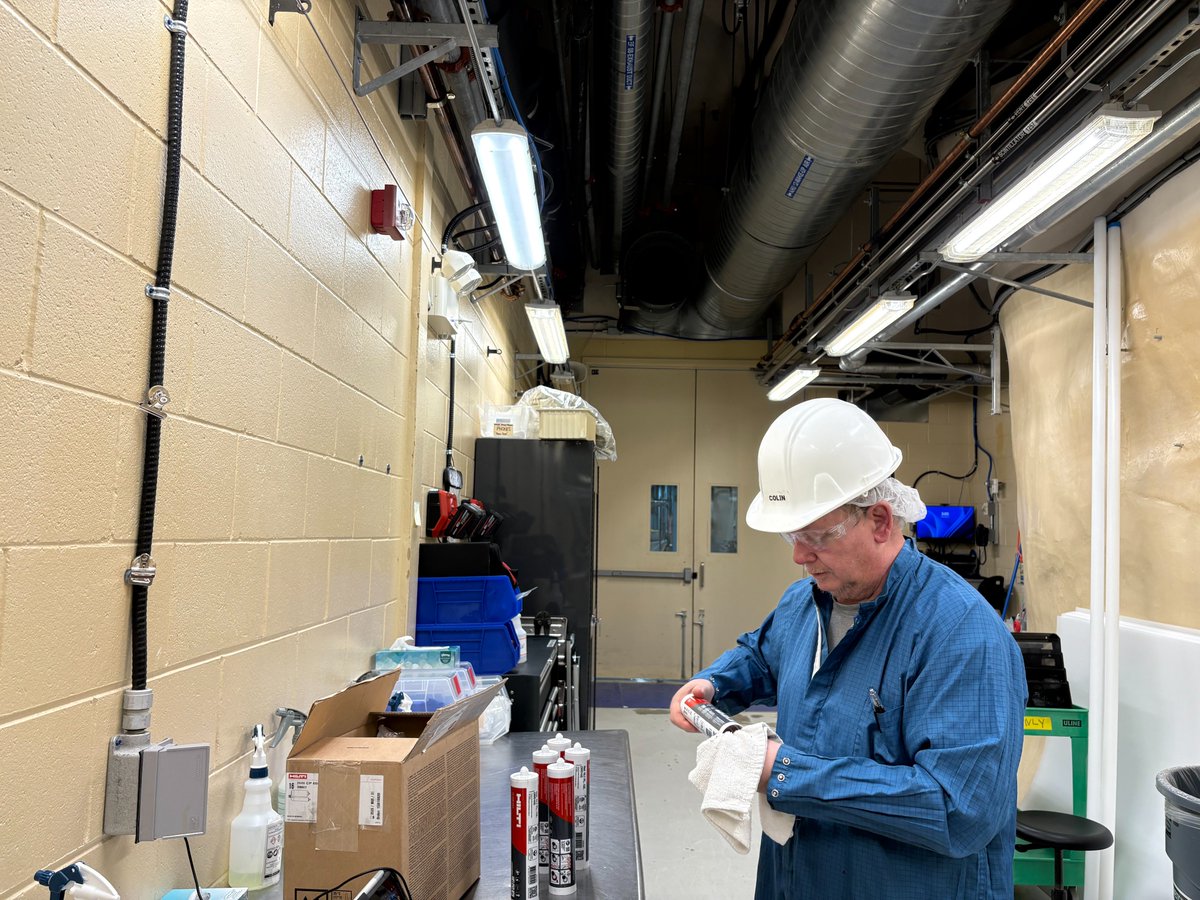
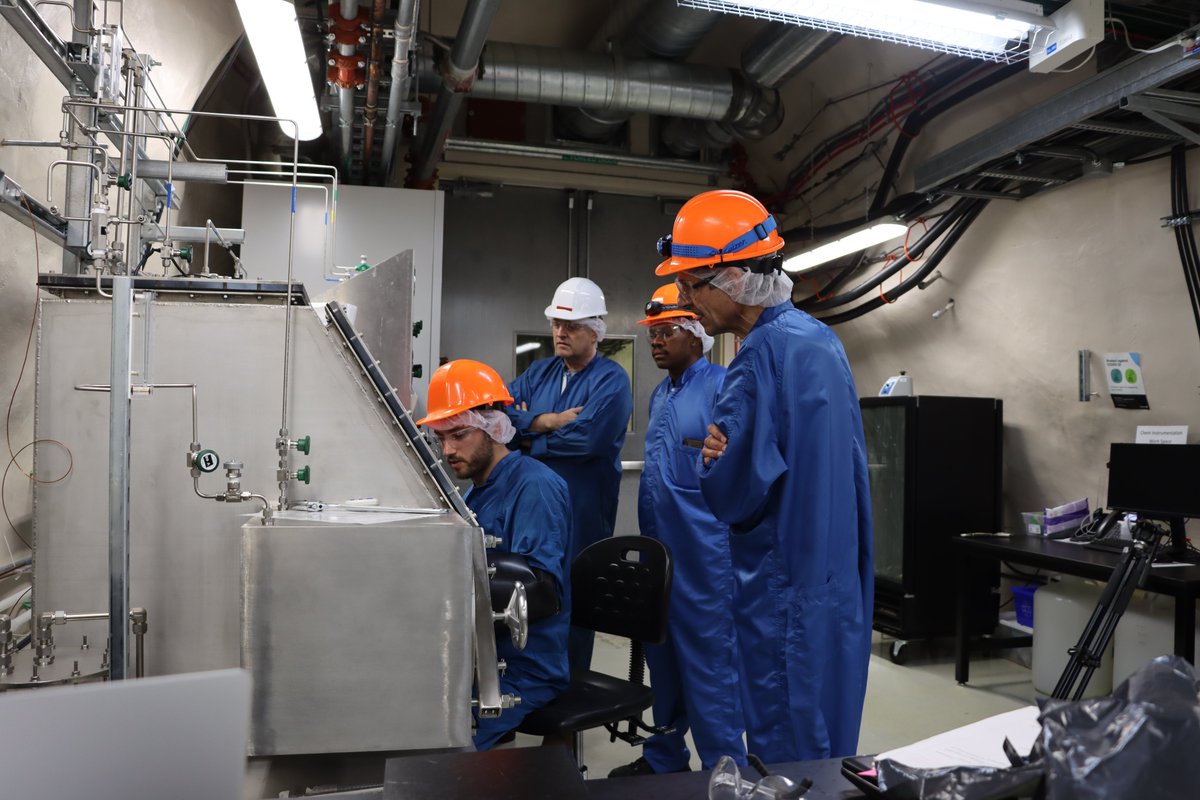
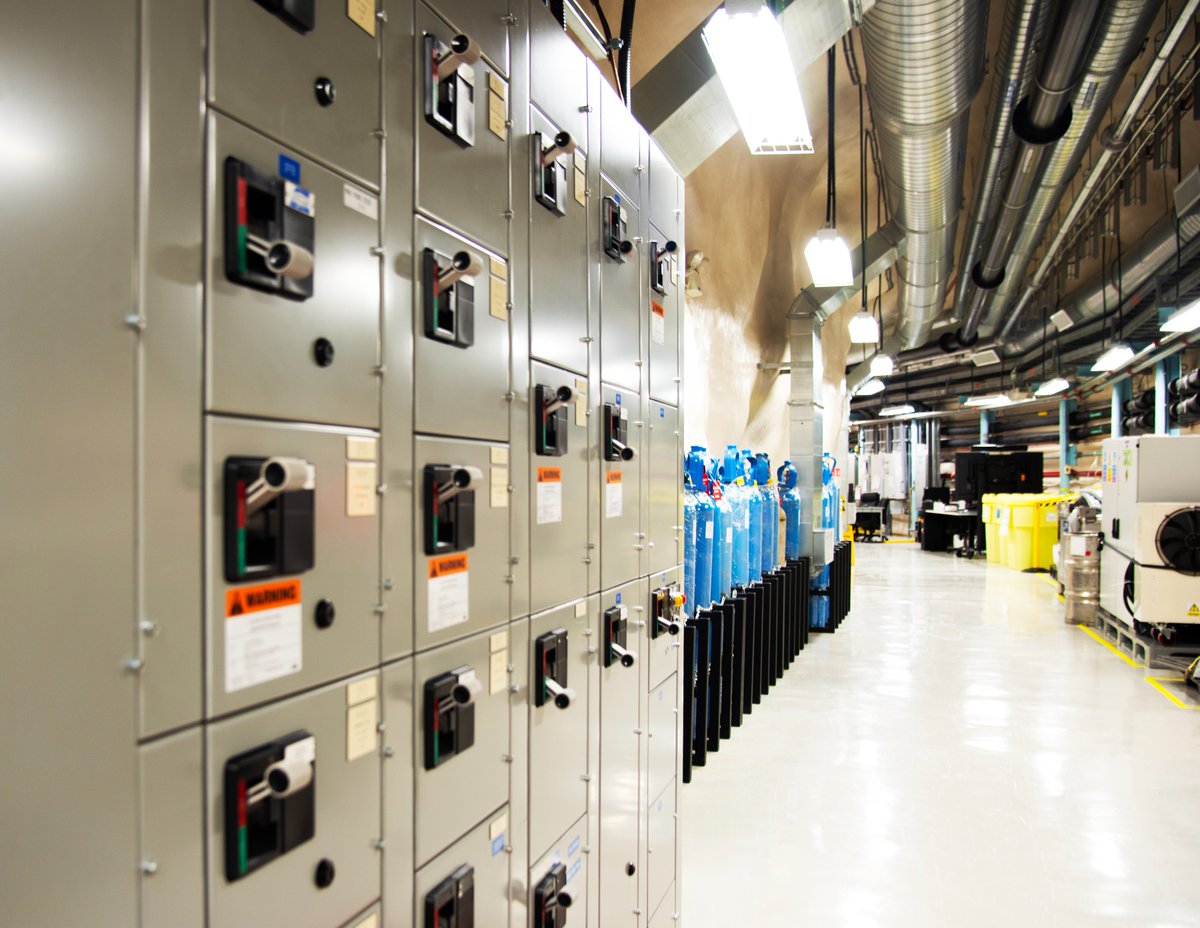
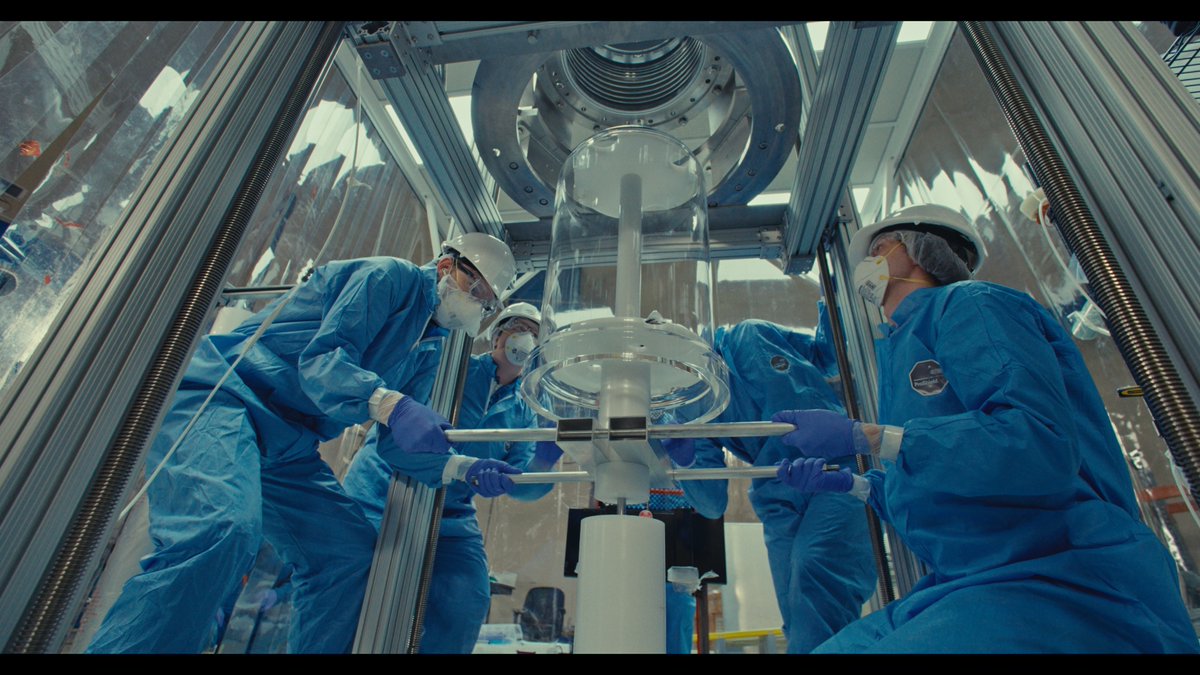
Did you know that SNOLAB’s underground laboratory space is maintained as a class-2000 clean lab?
Every piece of material that comes in, from nuts and bolts to large pieces of acrylic, is carefully cleaned. This lets us manage our lab as an ultra-clean environment.
🧵[1/2]
1
2
99
Jan 13
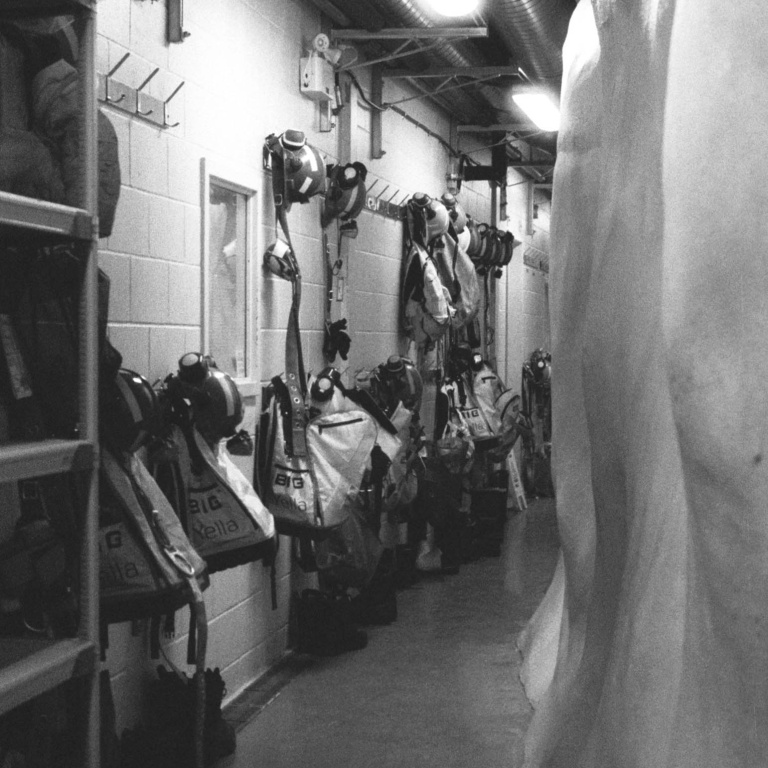
This extreme precision and attention to detail is made possible by our incredible team of Cleaner Maintainers.
📸 Photo 1 features Colin Ockenden, a proud SNOLAB Cleaner Maintainer for 19 years and counting!
📸 Photo 2 by Sarah Reese
📸 Photo 3 by Mary Katherine Keown
🧵[2/2]
2
111
Jan 12
📢 The @CAPhys 2026 Annual Congress will be held in Ottawa, ON from June 22-26. The deadline to submit an abstract is coming up on January 15, 2026.
Find more details on abstract submission on the CAP website: cap.ca/congress-conference/c…
1
74
Jan 7
SNOLAB is excited to be welcoming a new group of students for the Winter 2026 co-op term! These students are going to get some great hands-on experience working on a variety of projects ranging from data analysis on dark matter experiments to improving IT systems.
1
82
31 Dec 2025
Congratulations to Roseann Runte, former president and CEO of the Canada Foundation for Innovation and vice-chancellor of Carleton University, on being appointed an Officer of the Order of Canada. gg.ca/en/appointments-order-…
#InnovationInCanada #WomenInLeadership #CanadianExcellence
3
94
29 Dec 2025
Did you know SNOLAB provided valuable work experience to 44 students over 3 cohorts last year? The majority (72%) come from Ontario institutions. 64% of SNOLAB alumni begin their careers in Ontario.
Read more in SNOLAB’s latest Annual Report here: snolab.ca/wp-content/uploads…
1
2
118
24 Dec 2025
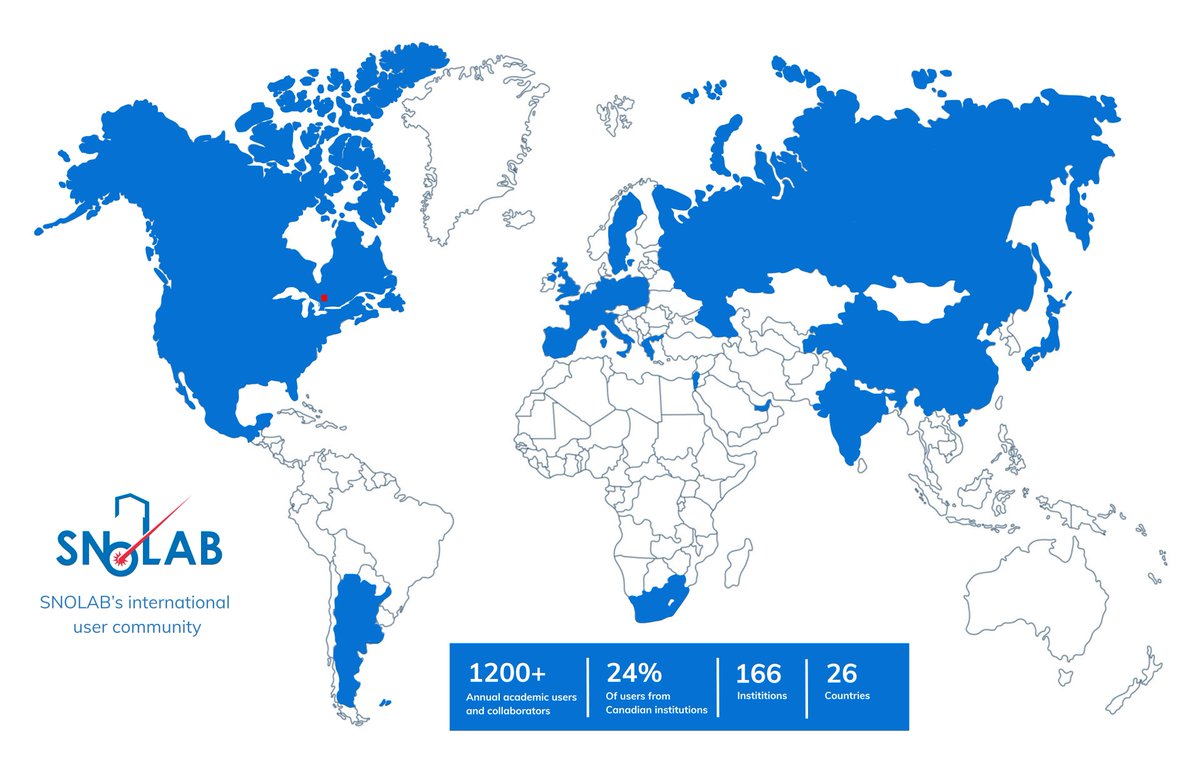
Did you know SNOLAB hosts more than 1,200 facility users and collaborators from 166 institutions across 26 countries? 24% of users are from Canadian institutions.
Read more in SNOLAB’s latest Annual Report here: snolab.ca/wp-content/uploads…
3
87
23 Dec 2025
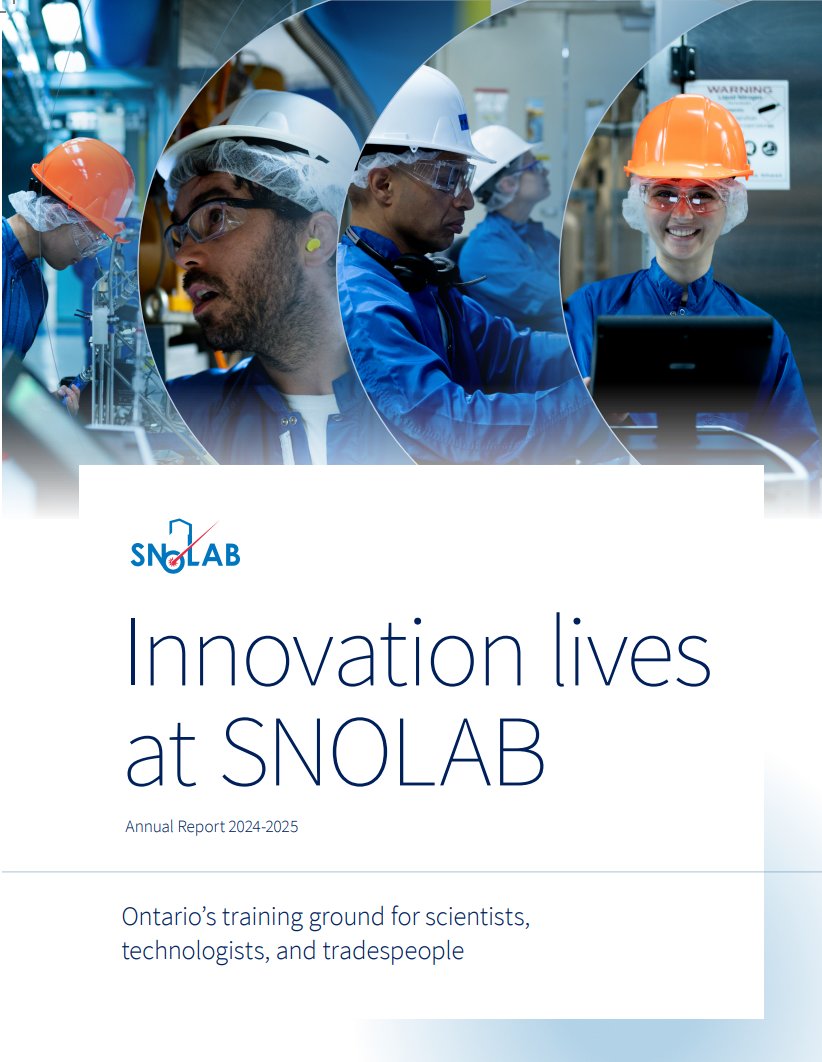
SNOLAB continues to be a leader in underground science, training, outreach, and in the community. Read about it all in SNOLAB’s latest annual report - Innovation Lives at SNOLAB: Ontario’s training ground for scientists, technologists, and tradespeople. snolab.ca/wp-content/uploads…
2
76
23 Dec 2025
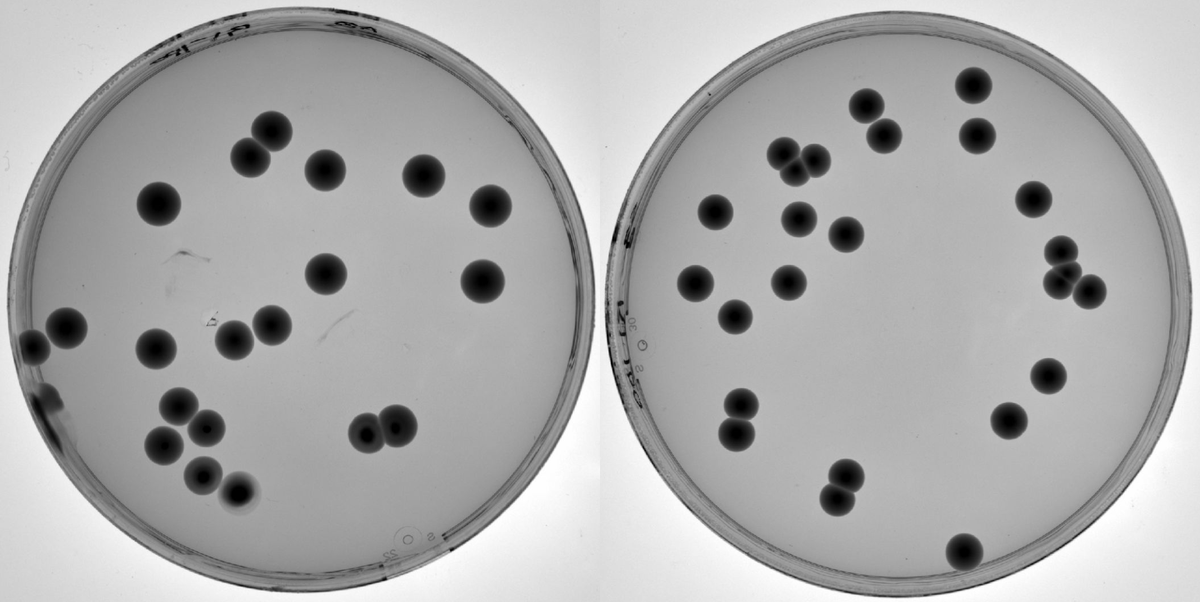
The fifth and last image featured on our annual Holiday Card is a representative photograph of yeast colonies grown on a solid agar nutrient mix. Their growth was quantified by measuring their relative colony area (black spots).
🧵[1/3]
1
1
67
23 Dec 2025
Yeast cultured underground is shielded from naturally occurring external radiation and has been shown to grow more slowly. It has an average colony area that is approximately 20% smaller than the normal radiation-exposed controls that are grown on the surface of Earth.
🧵[2/3]
1
1
67
23 Dec 2025
This indicates that, in the absence of natural radiation exposure, yeast growth is restricted, suggesting that natural environmental radiation exposure may be important for normal cell function.
🧵[3/3]
1
54
22 Dec 2025
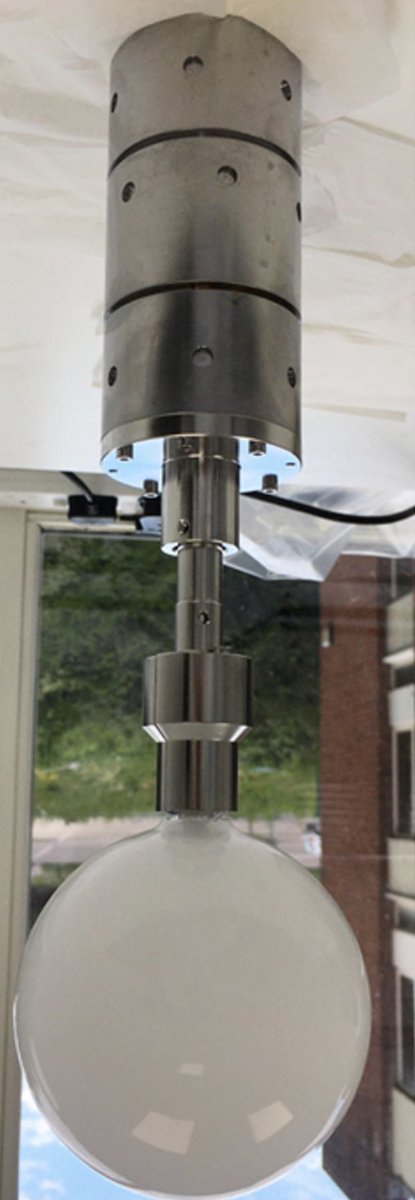
The fourth image on our annual Holiday Card features the SNO laserball, a tool used to help calibrate the SNO detector. The laserball is a special light diffuser connected to a fibre optic cable that sends light to the detector’s photomultiplier tubes.
🧵[1/2]

1
3
66
22 Dec 2025
By carefully controlling the colour and brightness of this light, scientists can check how the detector sees and measures events and ensure that they are recorded accurately. This reduces uncertainty and increases confidence in what SNO sees.
🧵[2/2]
2
47
19 Dec 2025
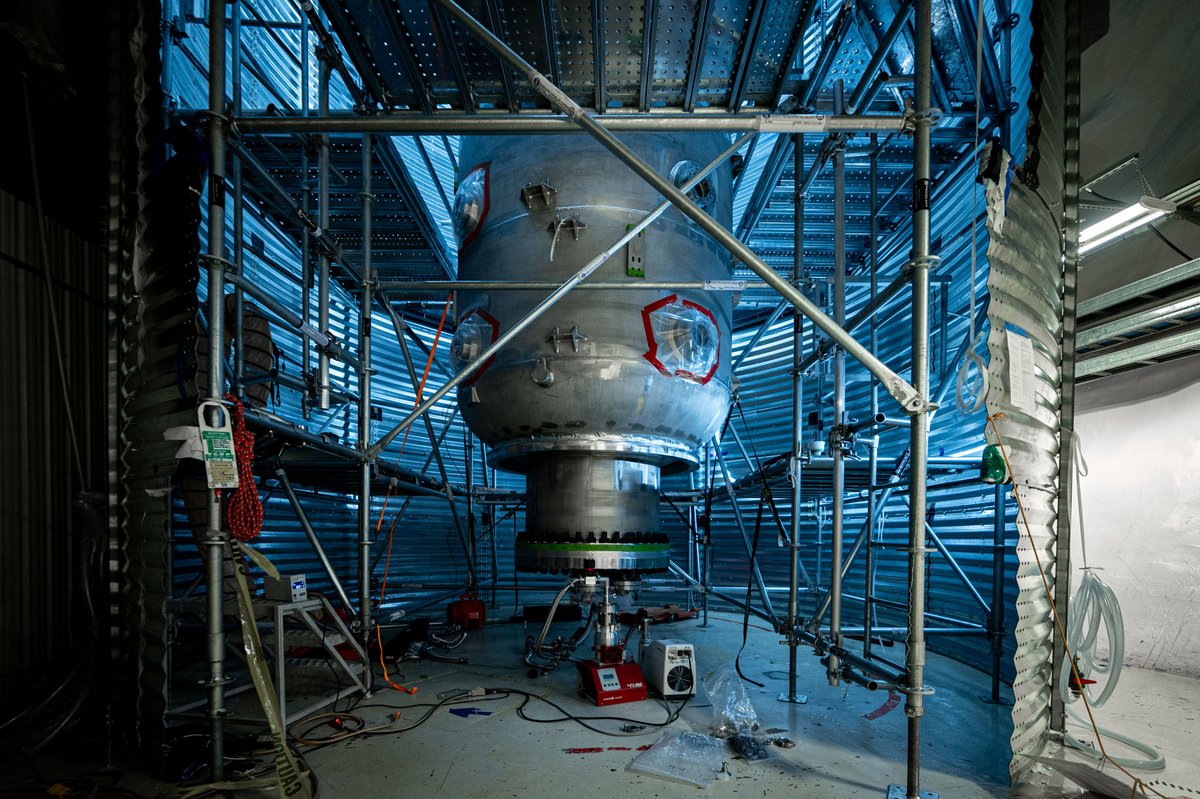
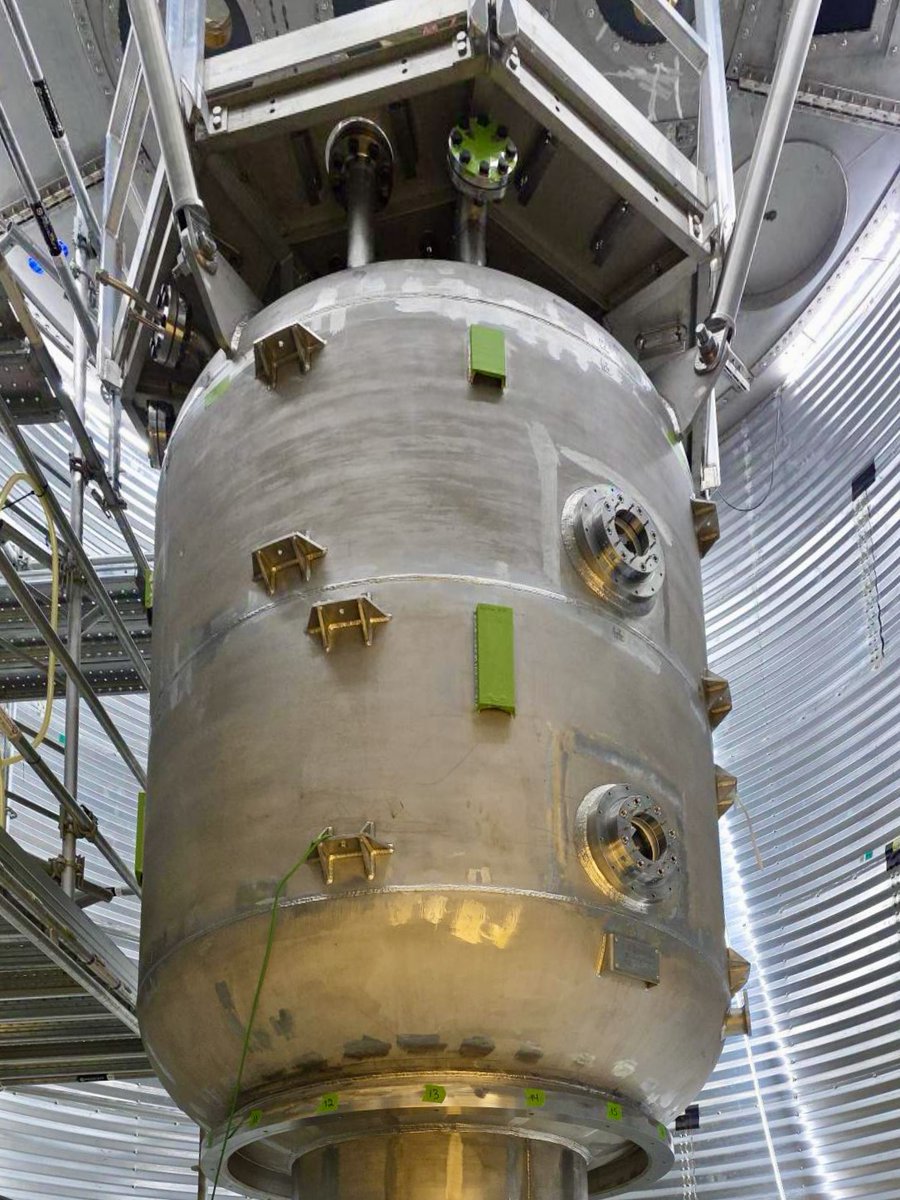
The third image on our annual Holiday Card highlights the PICO-500 pressure vessel, a component of a next-generation dark matter experiment. PICO-500 will use 250 litres of super-heated liquid contained within a specially manufactured quartz vessel.
🧵[1/2]
1
1
72
19 Dec 2025
The quartz vessel will be maintained under precise conditions to prevent the fluid from boiling. When a particle interacts, it will create a bubble. Bubbles can be analyzed through photos and microphones; scientists can see and hear particle interactions.
🧵[2/2]
1
52