Affiliated with @NVAFLCIO - Southern Nevada's grassroots arm for working families. Executive Secretary Treasurer Beverly Williams
Joined June 2012
- Tweets 622
- Following 625
- Followers 518
- Likes 571
62 Photos and videos

Southern Nevada CLC retweeted

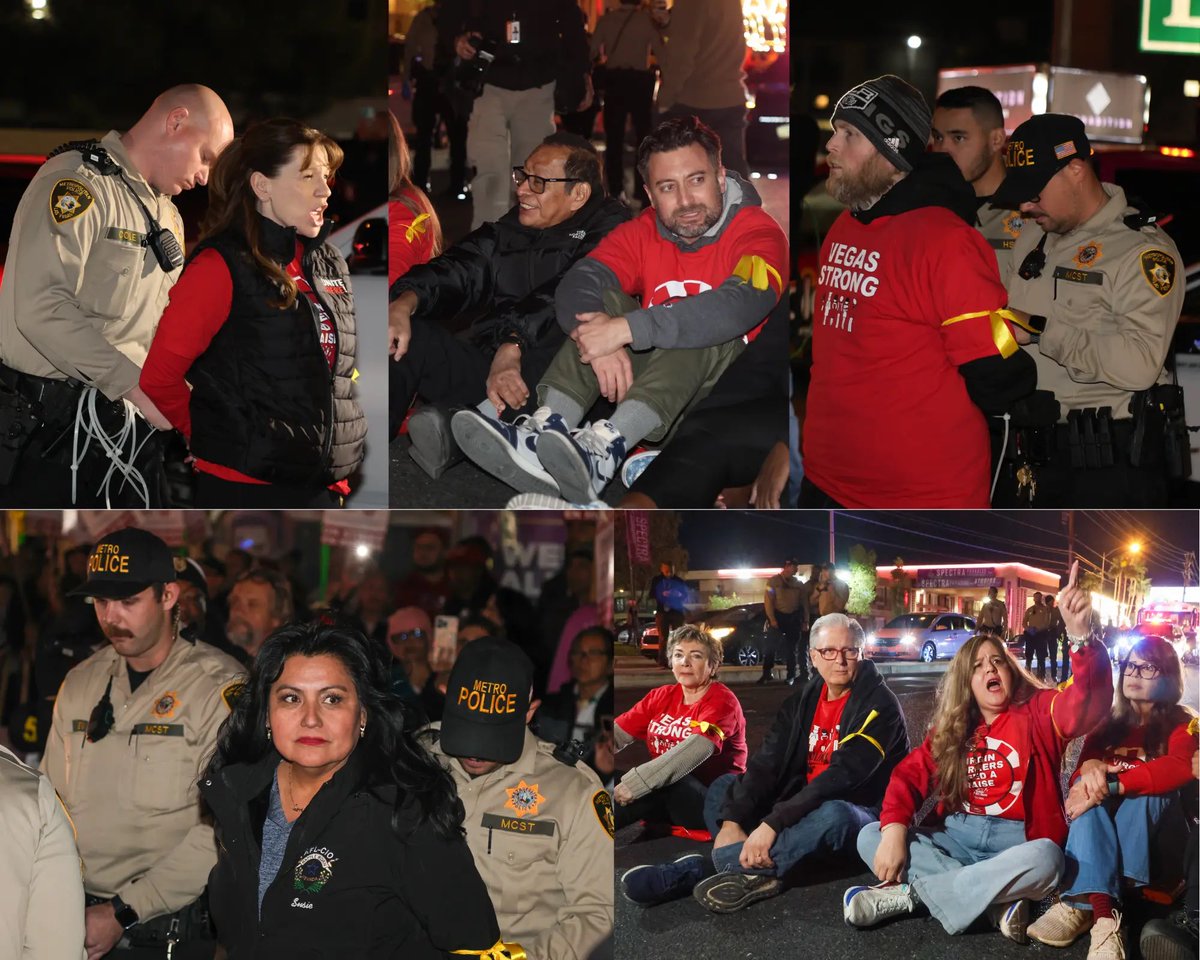
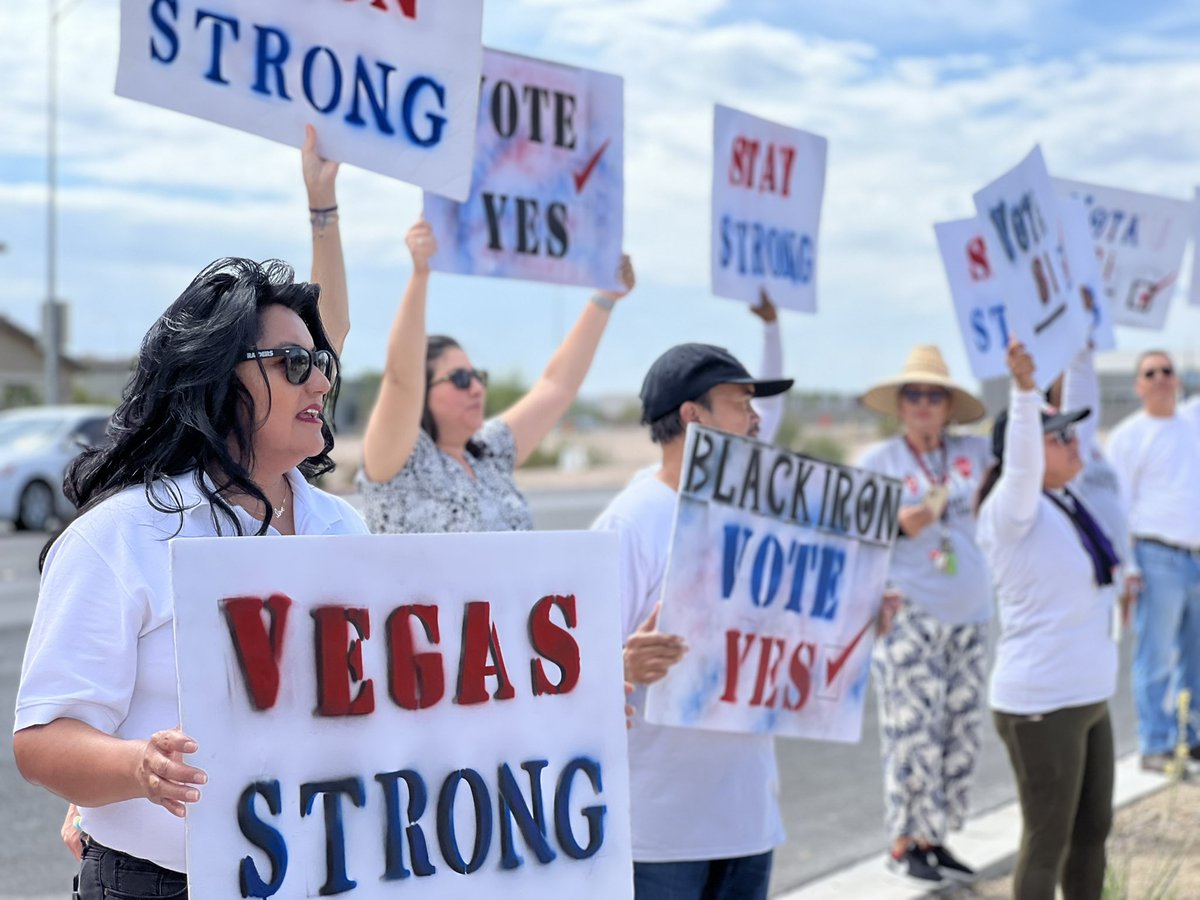
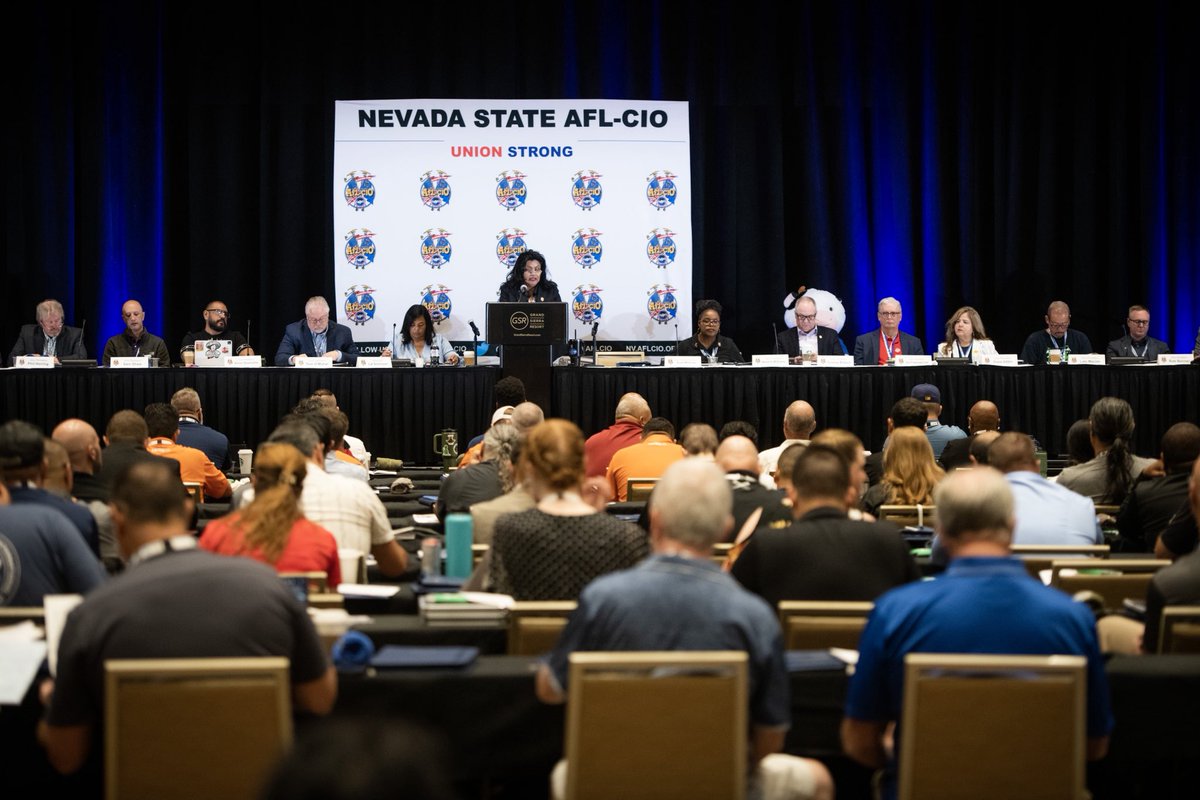
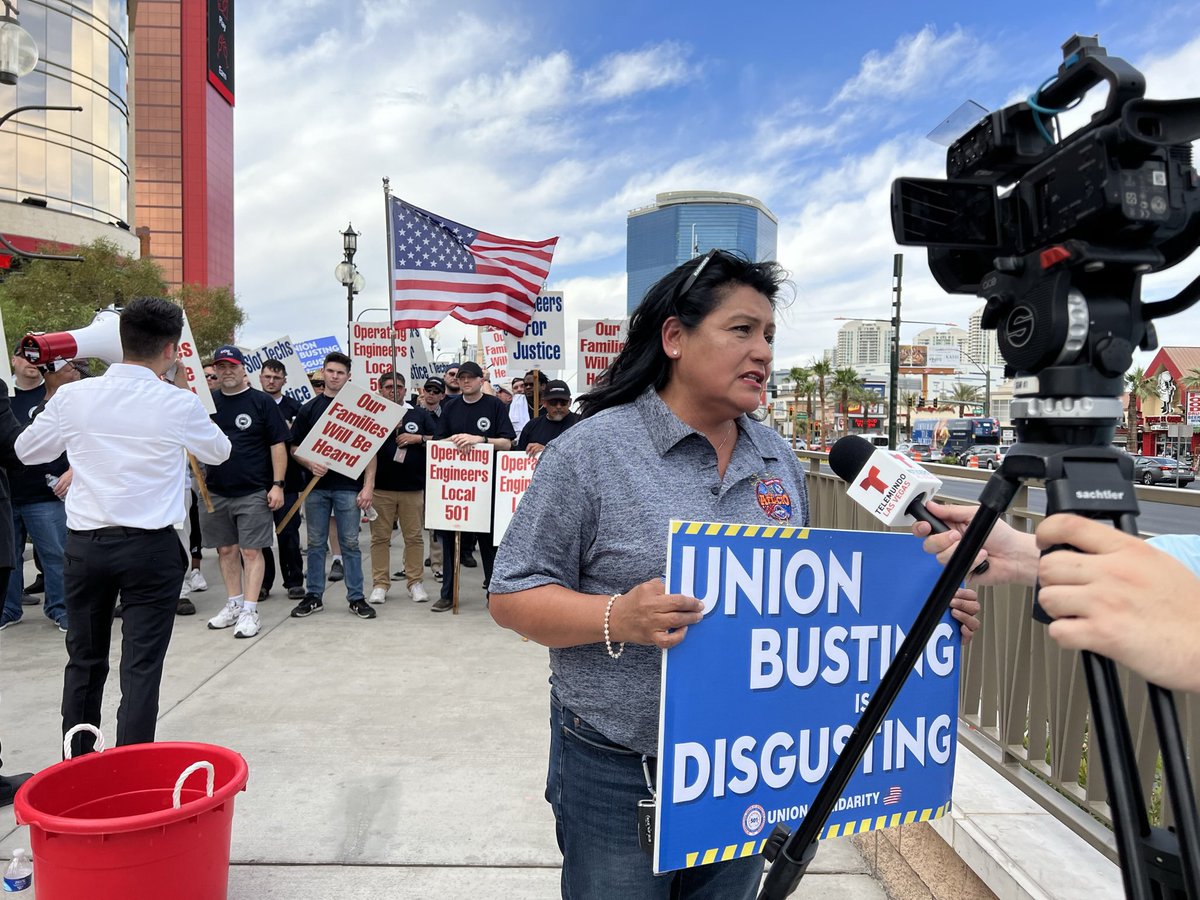
Happy Birthday to our Executive Secretary-Treasurer Susie Martinez! 🥳
A 38-year @Teamsters986 member, former Assemblywoman, and the first woman and Latina to lead the NV AFL-CIO, Susie is a trailblazer who has dedicated her life to improving the lives of working families! ✊
1
3
9
541
Southern Nevada CLC retweeted
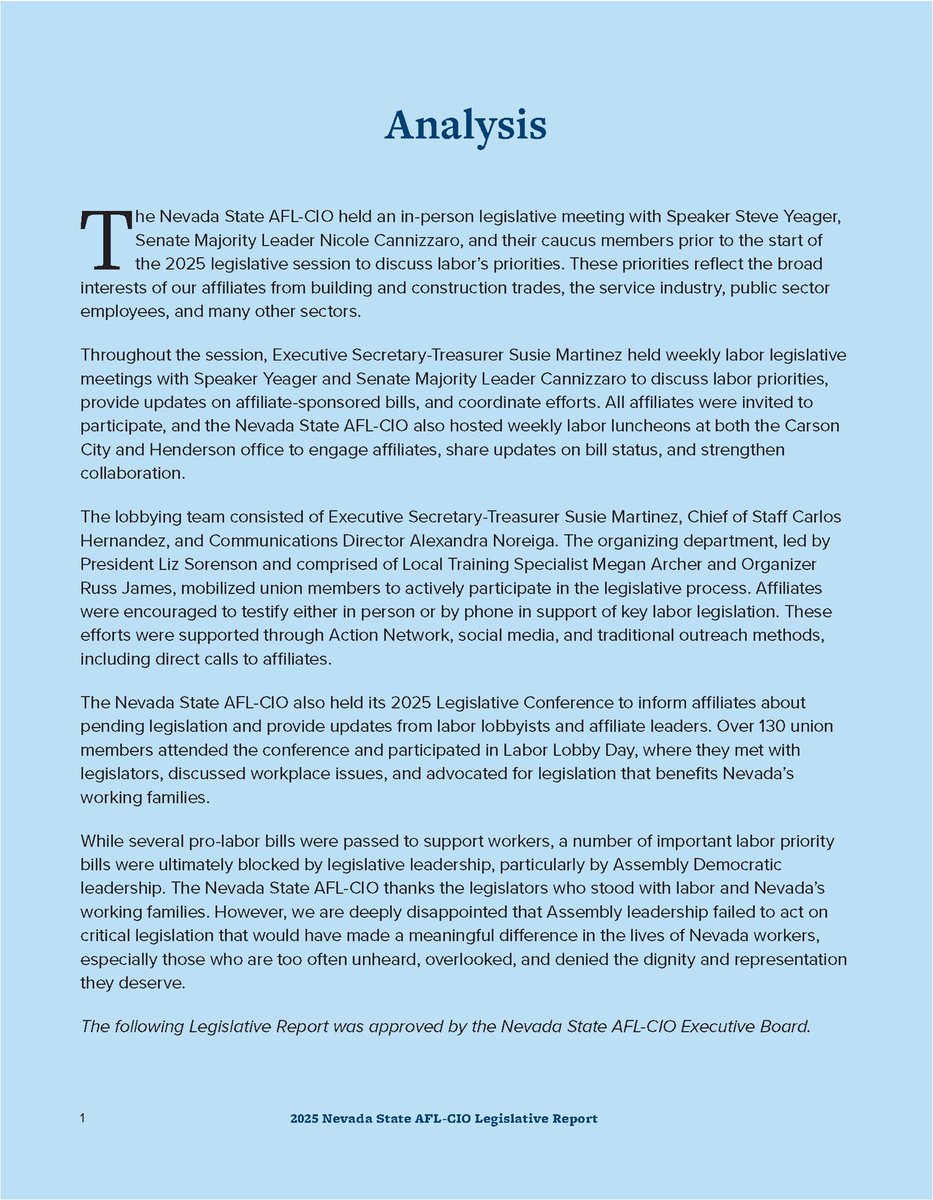
Read the 83rd Legislative Session Report Here: cutt.ly/lrHLlPWV
In June, the Nevada State AFL-CIO Executive Board convened to discuss, review, and ultimately approve this legislative report.
What was originally intended to be a legislative scorecard shifted into a broader report after several pro-labor bills that were expected to be included were ultimately blocked by legislative leadership.
While we secured important victories for Nevada’s working families, we must also acknowledge that legislative leadership blocked several critical labor priority bills - denying workers the protections, rights, and dignity they deserve.
Some of these pro-labor bills killed by legislative leadership include, but not limited to:
Assembly Bill 402 – Would have created a pilot program authorizing the use of automated traffic enforcement systems, such as speed cameras, in temporary work zones to improve safety. The bill aimed to reduce speeding and enhance protection for workers and drivers in construction and maintenance areas.
Senate Bill 172 – Would have extended existing labor protections to agricultural employees, including required rest and meal breaks and limits on the value of lodging and meals used to calculate wages. It would have also established the Agricultural Workers’ Bill of Rights, granting workers access to visitors and service providers, protections from harmful work practices, the right to organize, and legal remedies for violations.
Senate Bill 306 – Would have required the Division of Child and Family Services to create a task force to develop a program providing housing and services for children with emotional disturbances who cannot safely return home after discharge. It would have expanded the definition of “child with an emotional disturbance” and included certain state employees involved in child welfare as protected officers under assault and battery laws.
Senate Bill 395 – Would have required autonomous vehicles over 26,000 pounds, or those with more than two axles carrying eight or more passengers, to have a human operator with a commercial driver’s license present who could take manual control. These rules were set to take effect on October 1, 2025, with an initial 10-year expiration, later shortened to three years (ending September 30, 2028) as a compromise.
1
6
300

12 Aug 2025
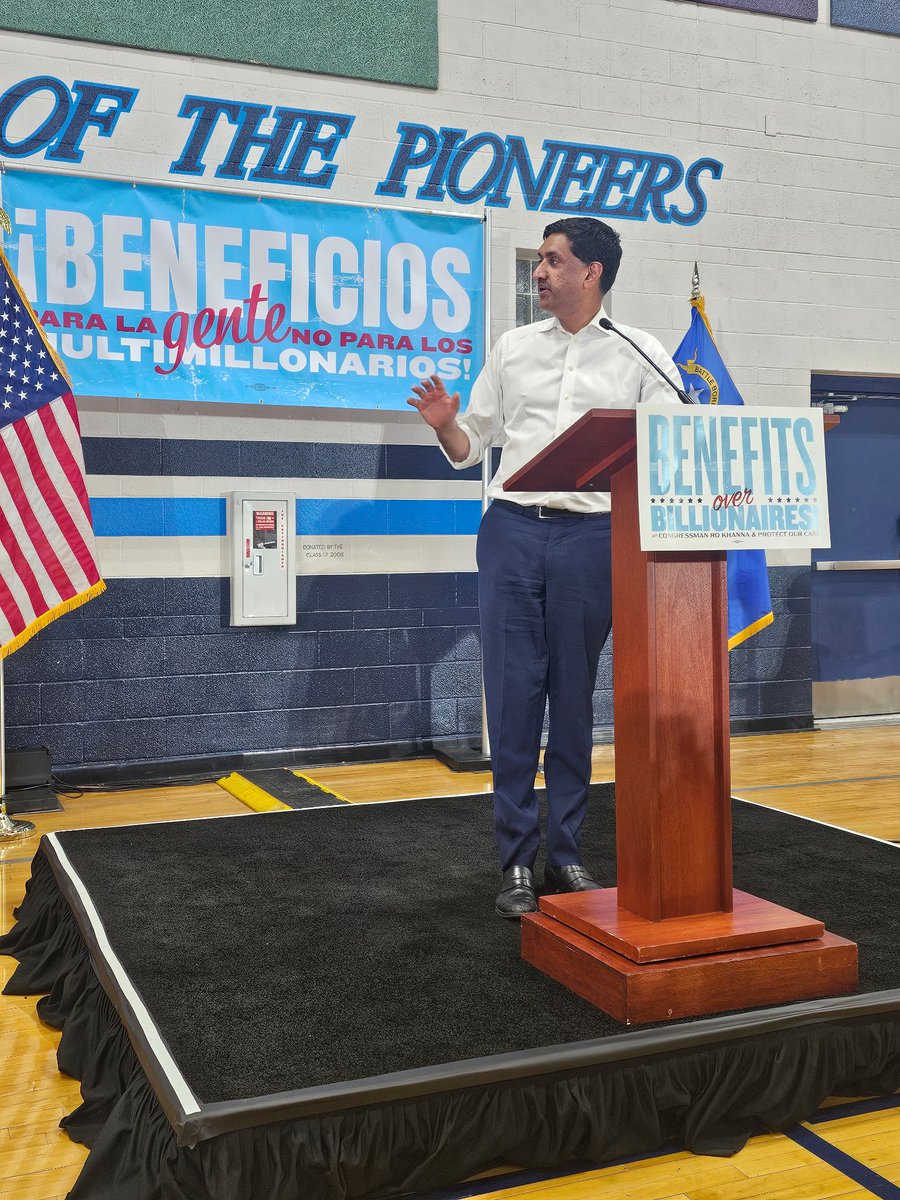
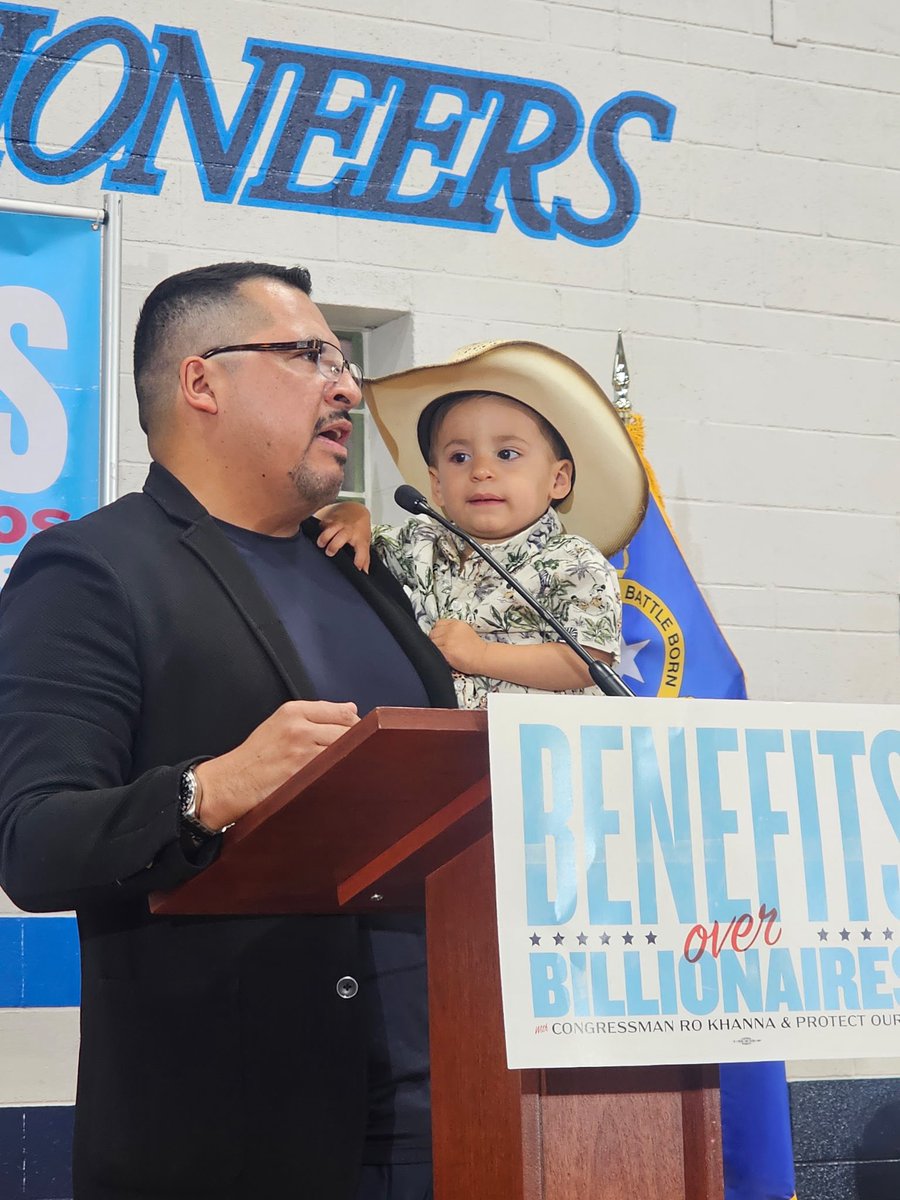
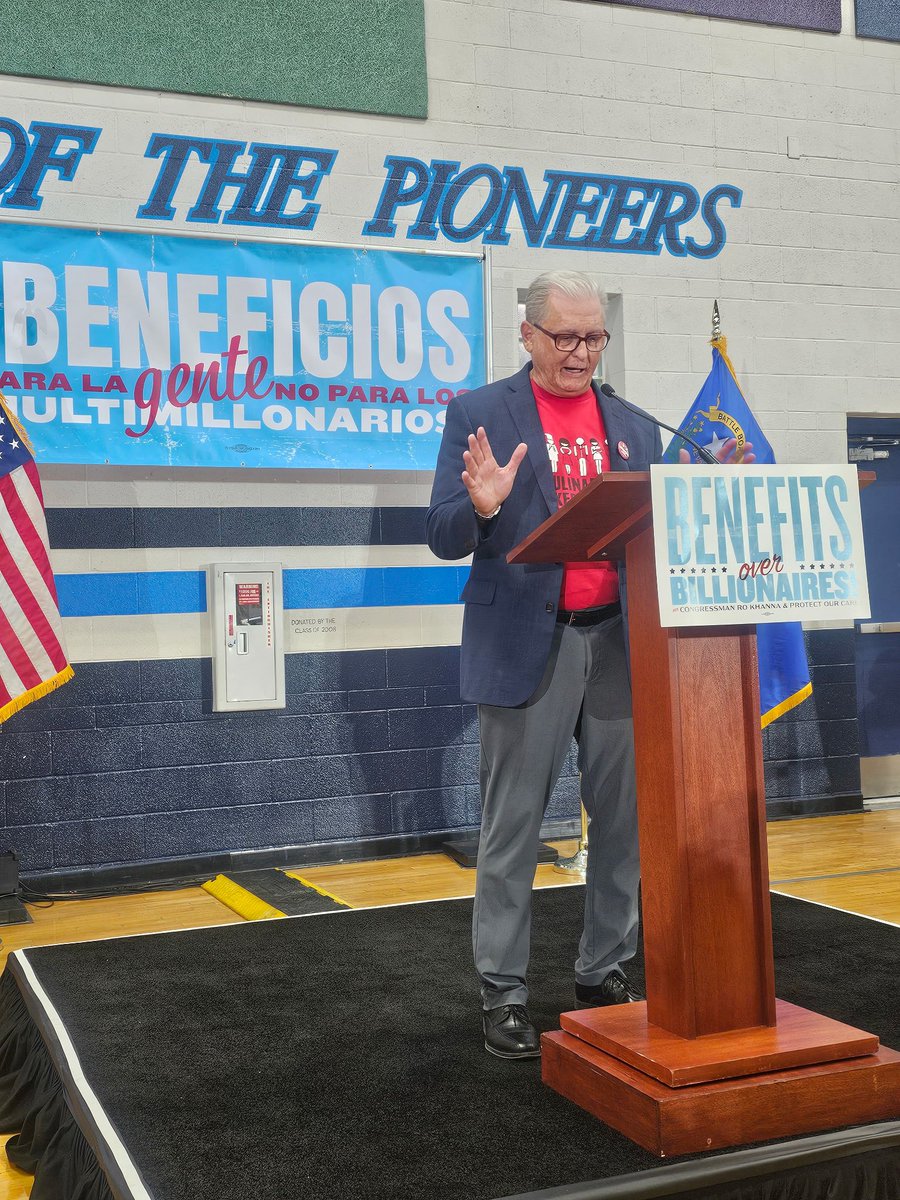
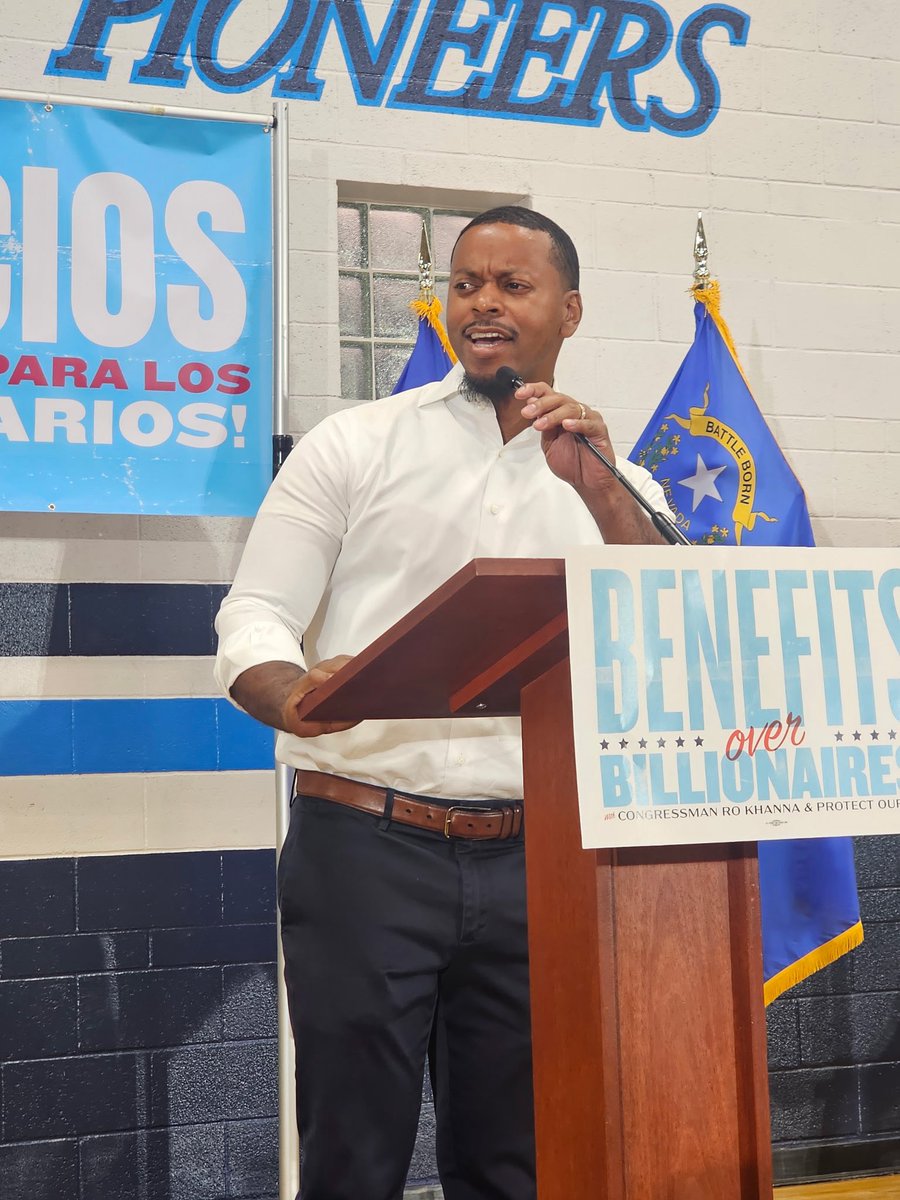
Great to see so many people at the “Benefits over Billionaires” town hall last week.
A huge thank you to @RoKhanna hosting such an important event for the community.
1
47
Southern Nevada CLC retweeted

8 Aug 2025
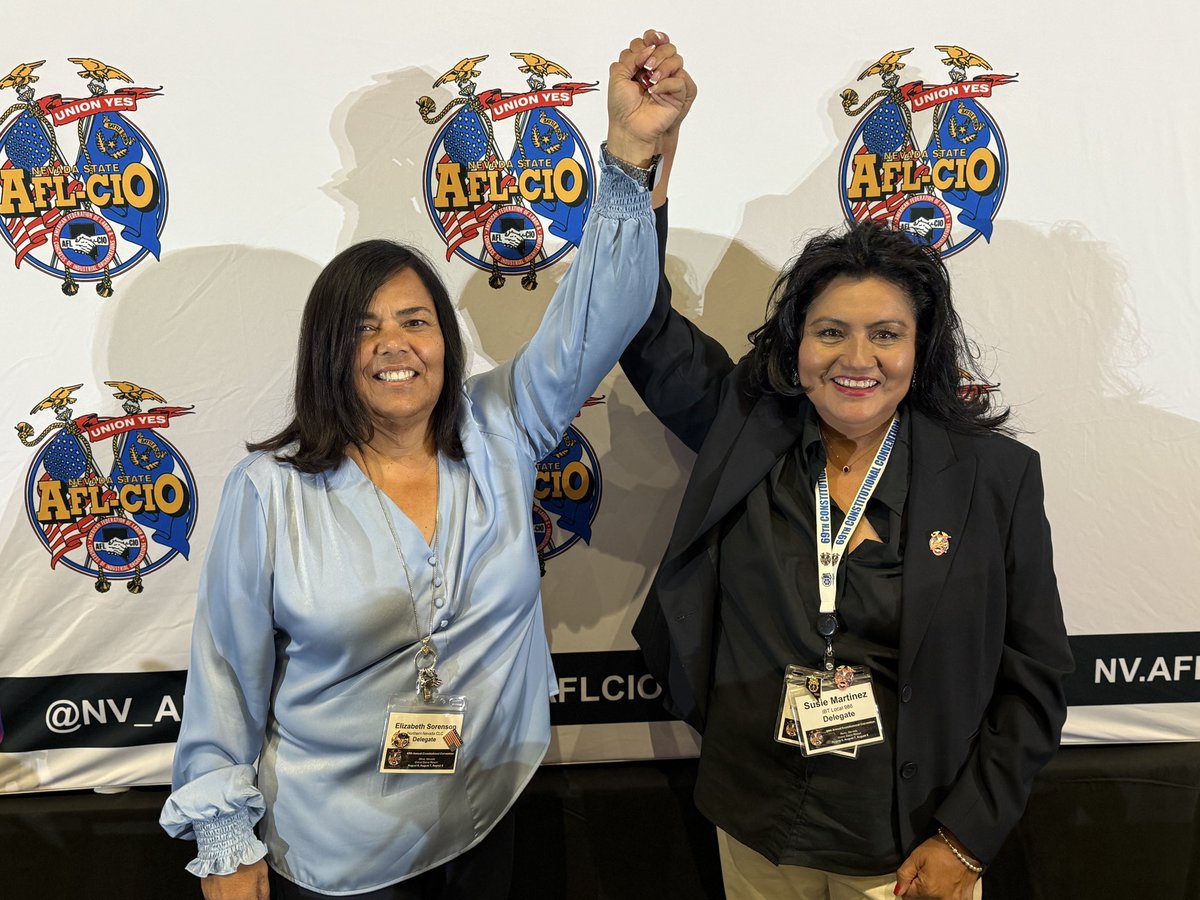
I’m deeply honored to be unanimously re-elected as leader and Executive Secretary-Treasurer of the @NVAFLCIO alongside my sister President Liz Sorenson at our 69th Annual Constitutional Convention! 💜
Thank you to my affiliates for your trust and support!

Susie Martinez and Liz Sorenson are unanimously re-elected as leaders of the Nevada State AFL-CIO!
5
12
1,234
Southern Nevada CLC retweeted
Susie Martinez and Liz Sorenson are unanimously re-elected as leaders of the Nevada State AFL-CIO!
1
9
44
5,458
20 Jul 2025
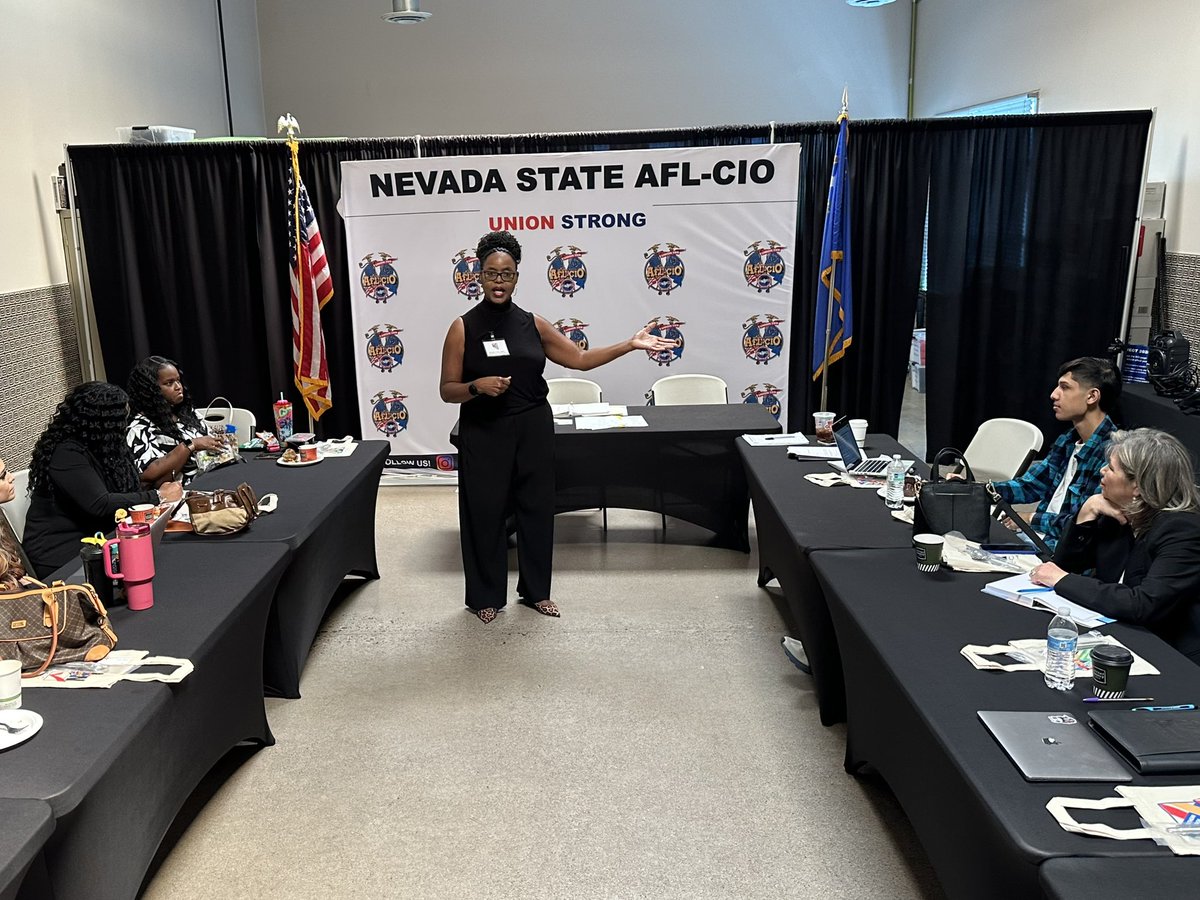
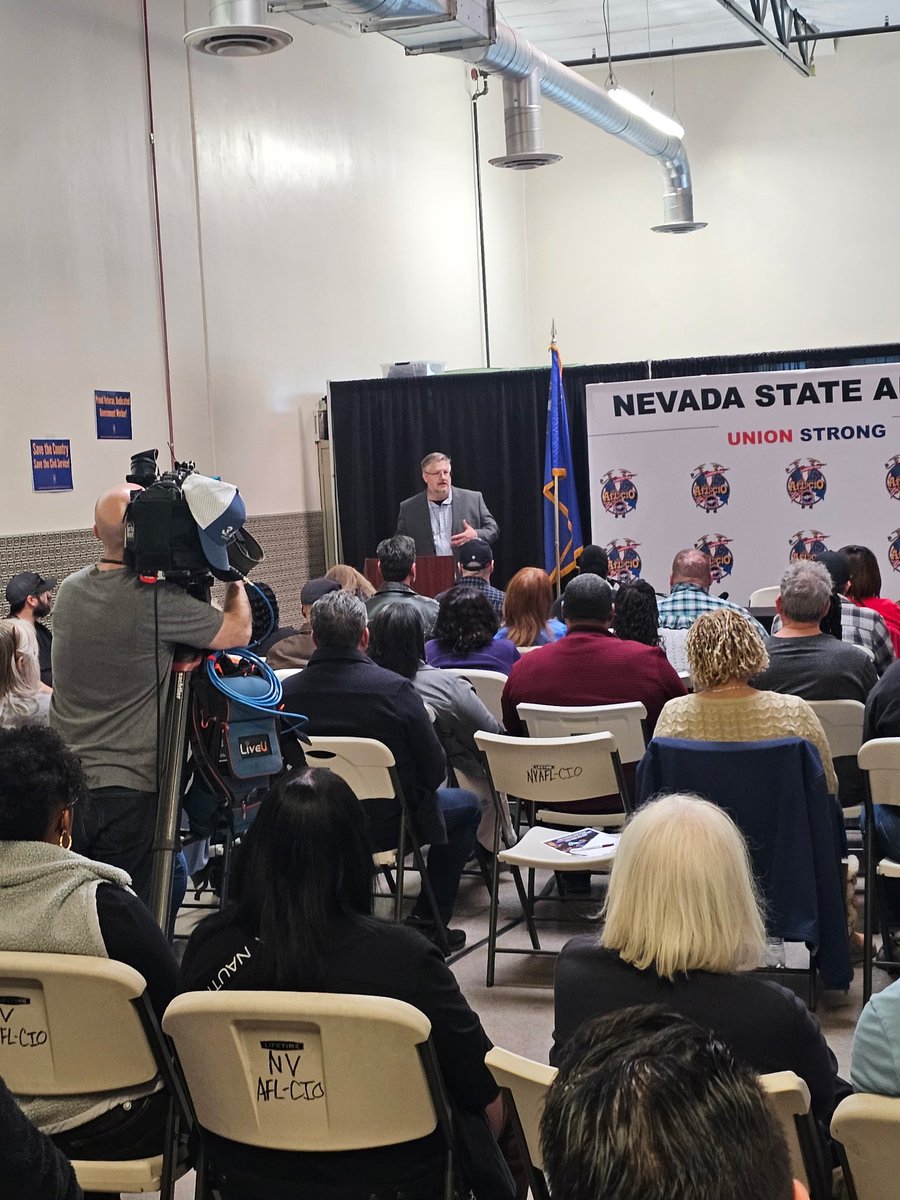
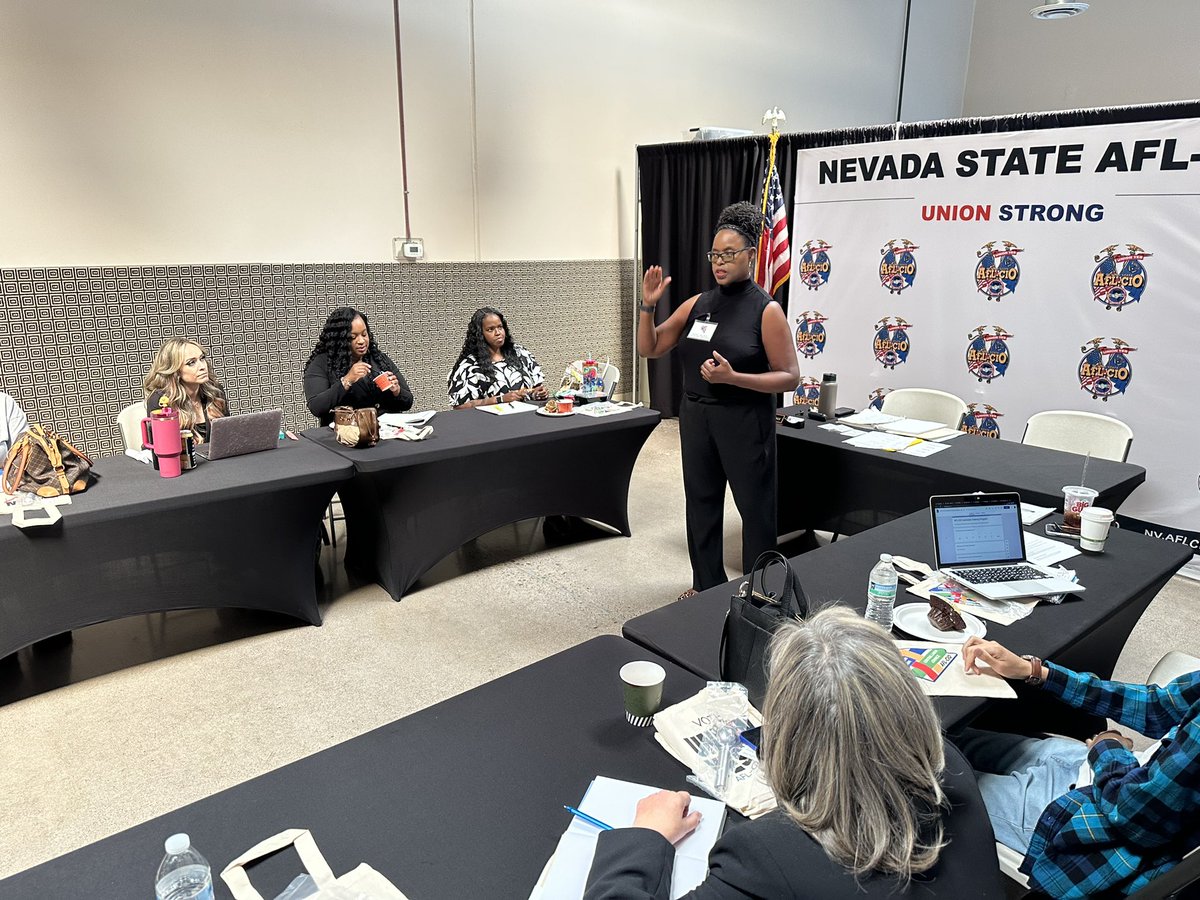
Today we had the pleasure of speaking at the @NVAFLCIO candidate training program. Students learned firsthand about the rigorous and thoughtful endorsement process they must go through to earn labor’s support, and what it truly means to stand with working families.
2
43
11 May 2025
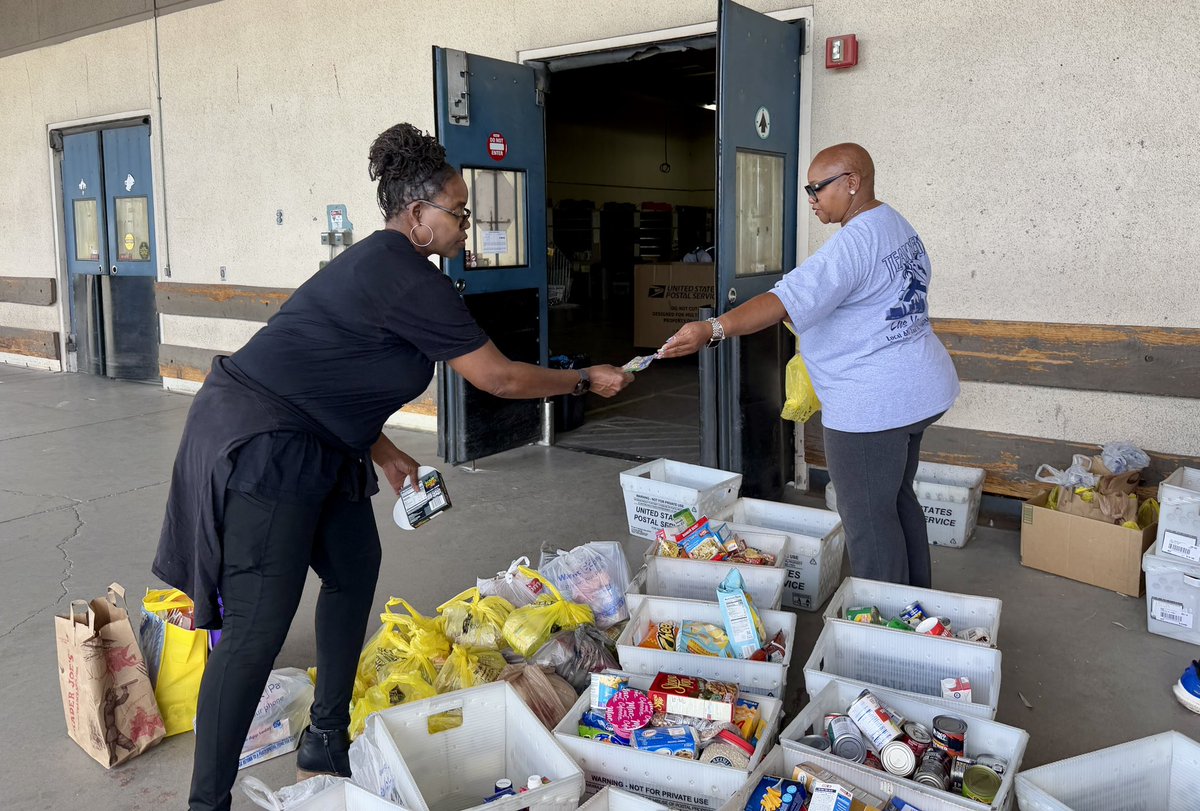
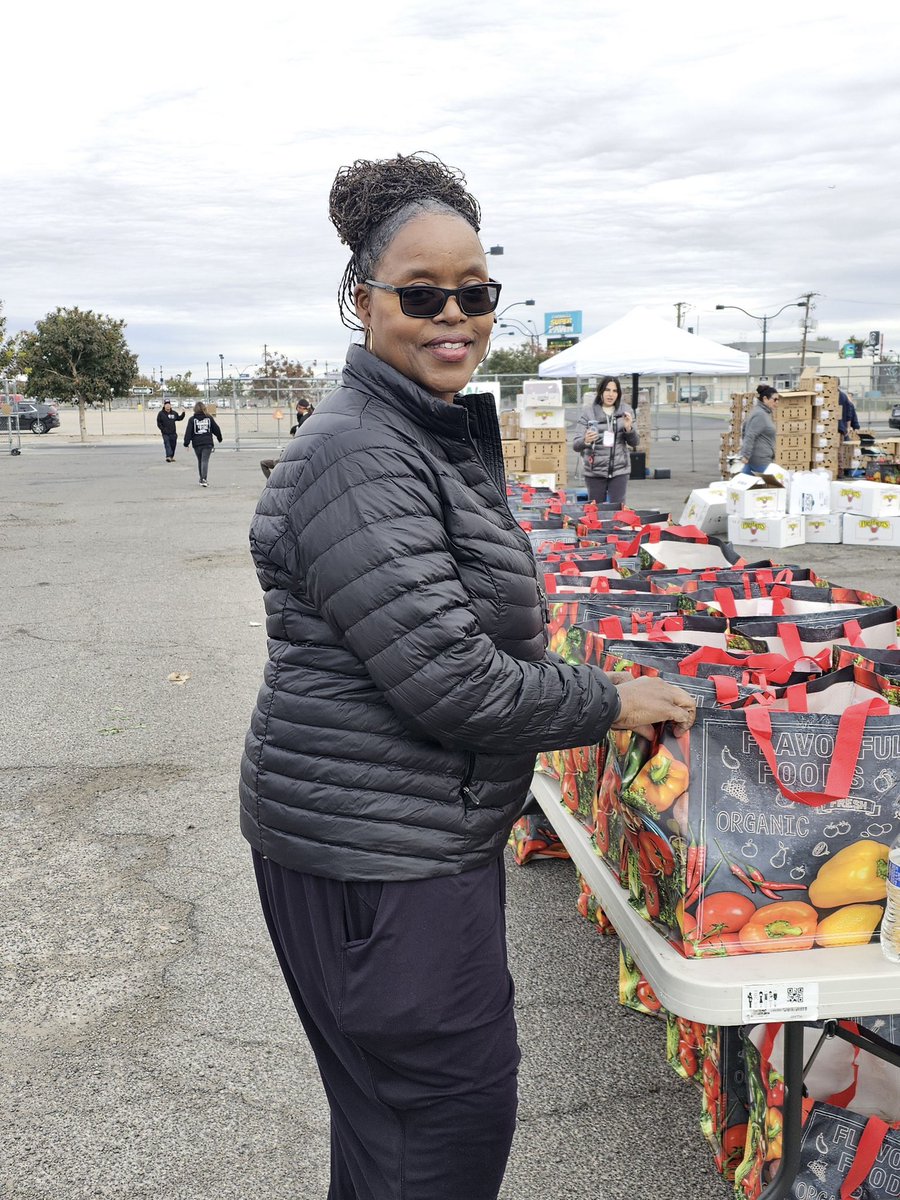
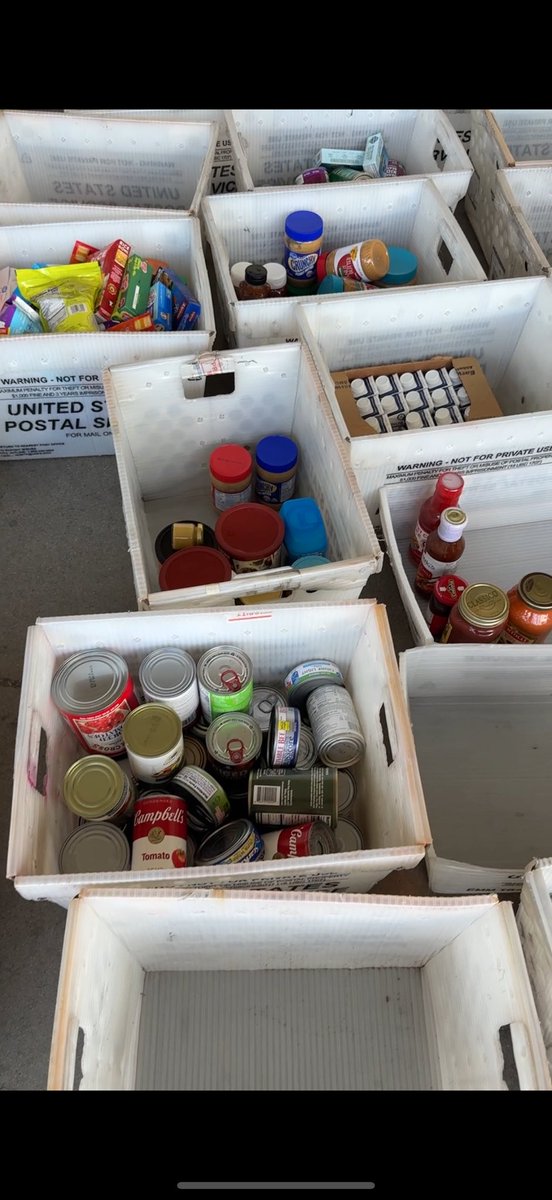
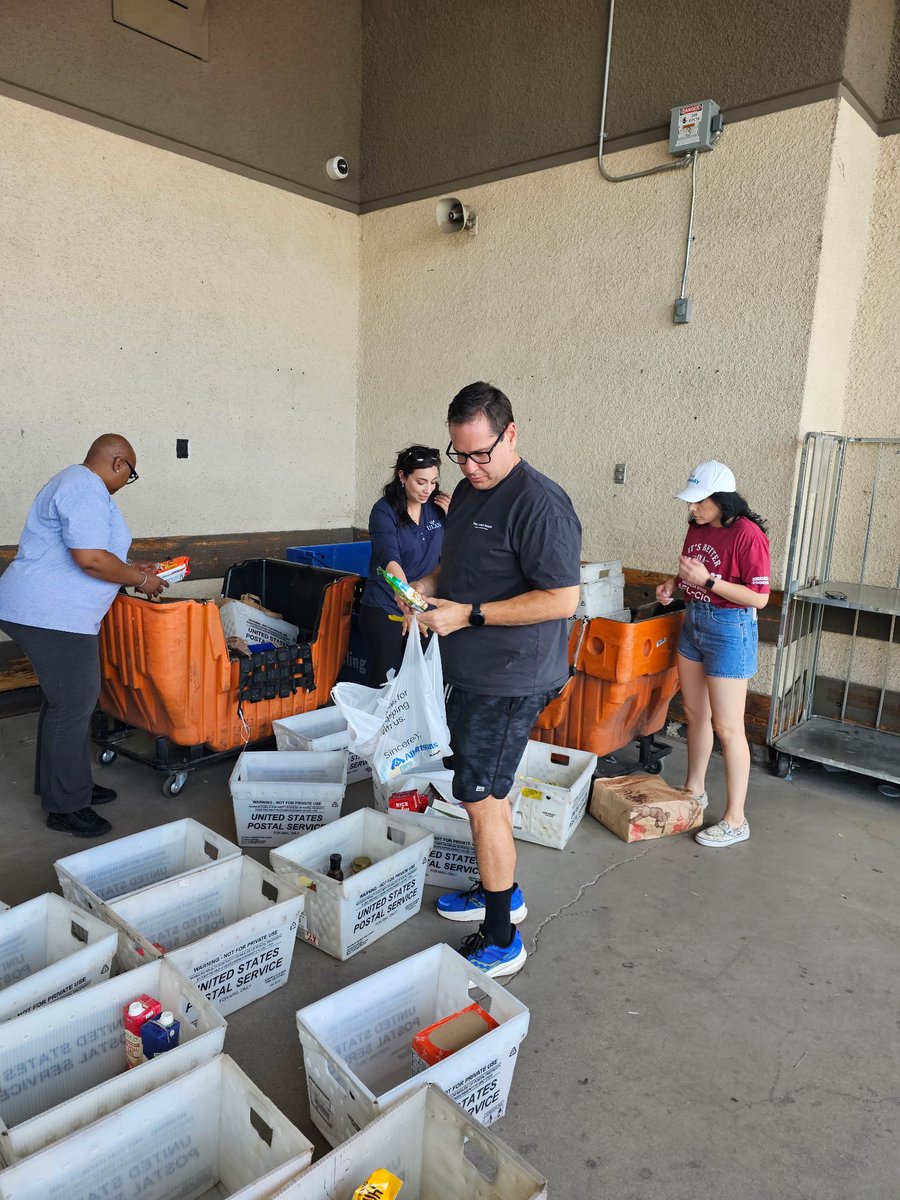
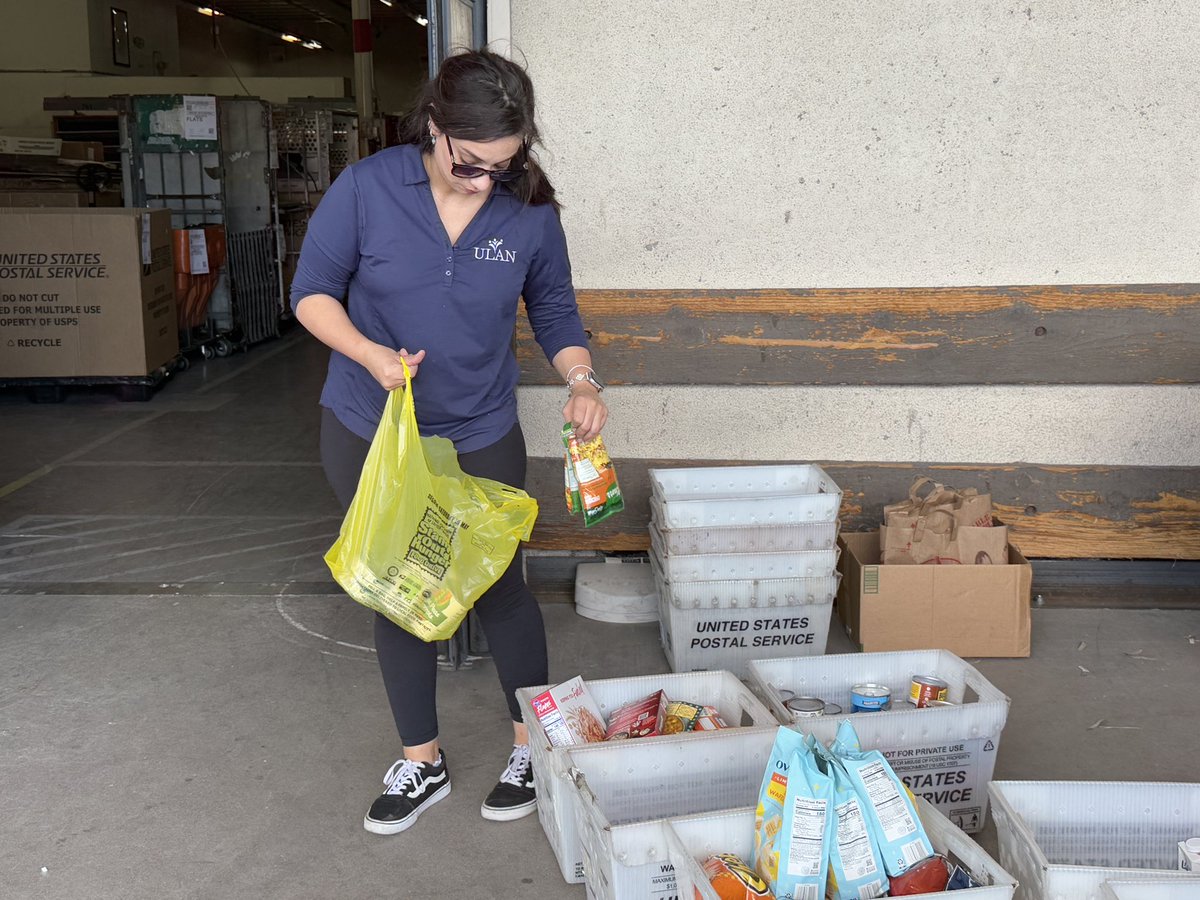
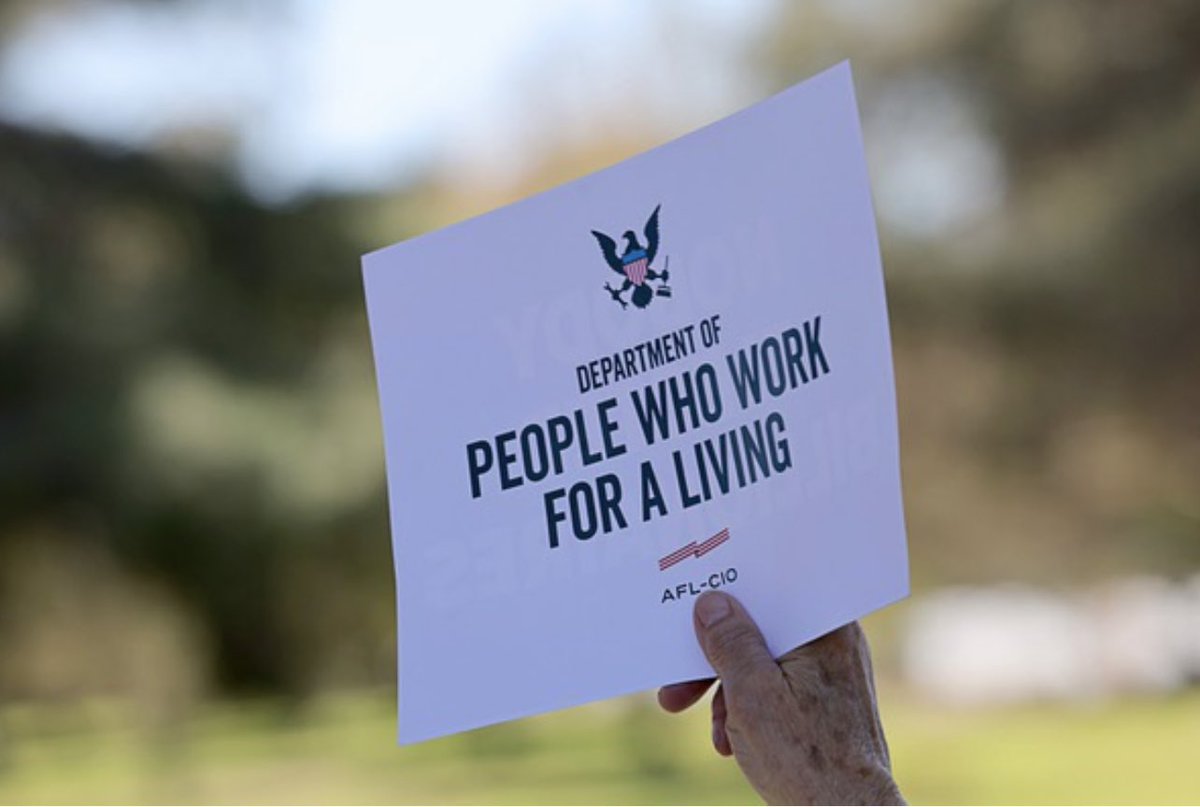
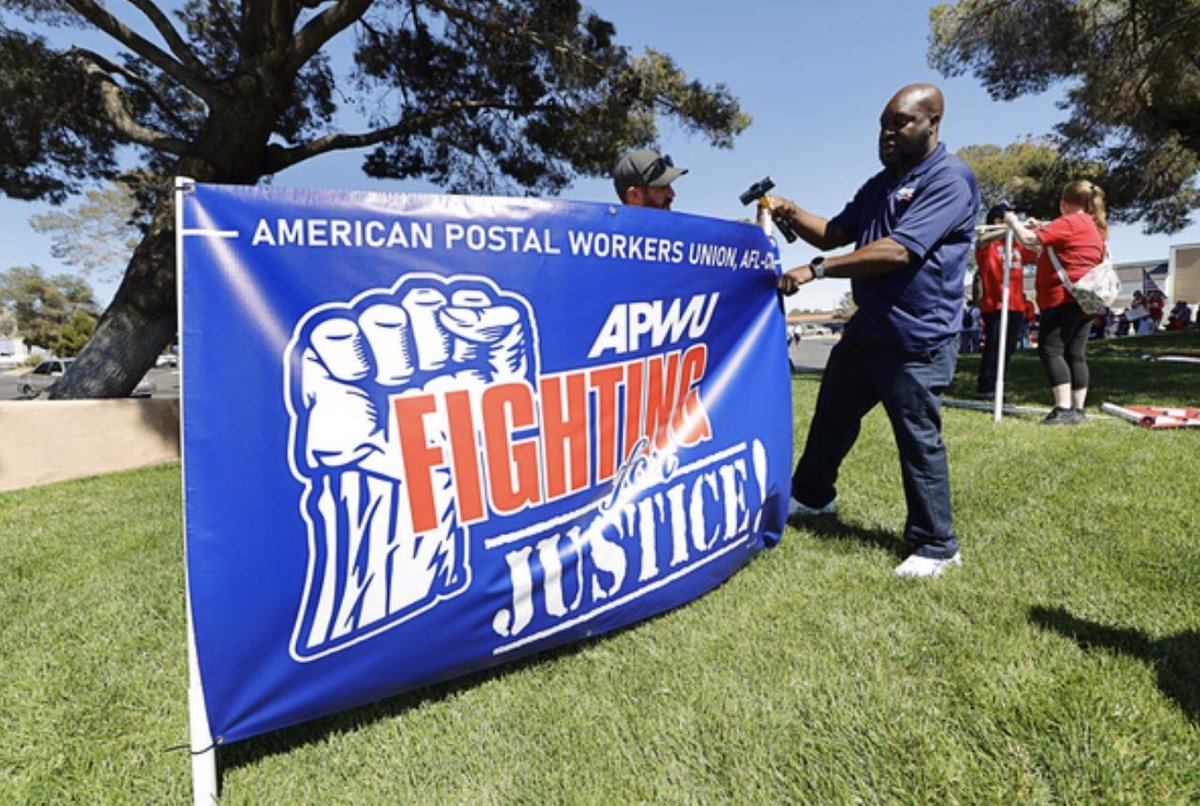
Yesterday we joined ULAN & the National Association of Letter Carriers to help #StampOutHunger with their annual food drive. 📫
What a great time volunteering with a great cause!
1
36
20 Mar 2025
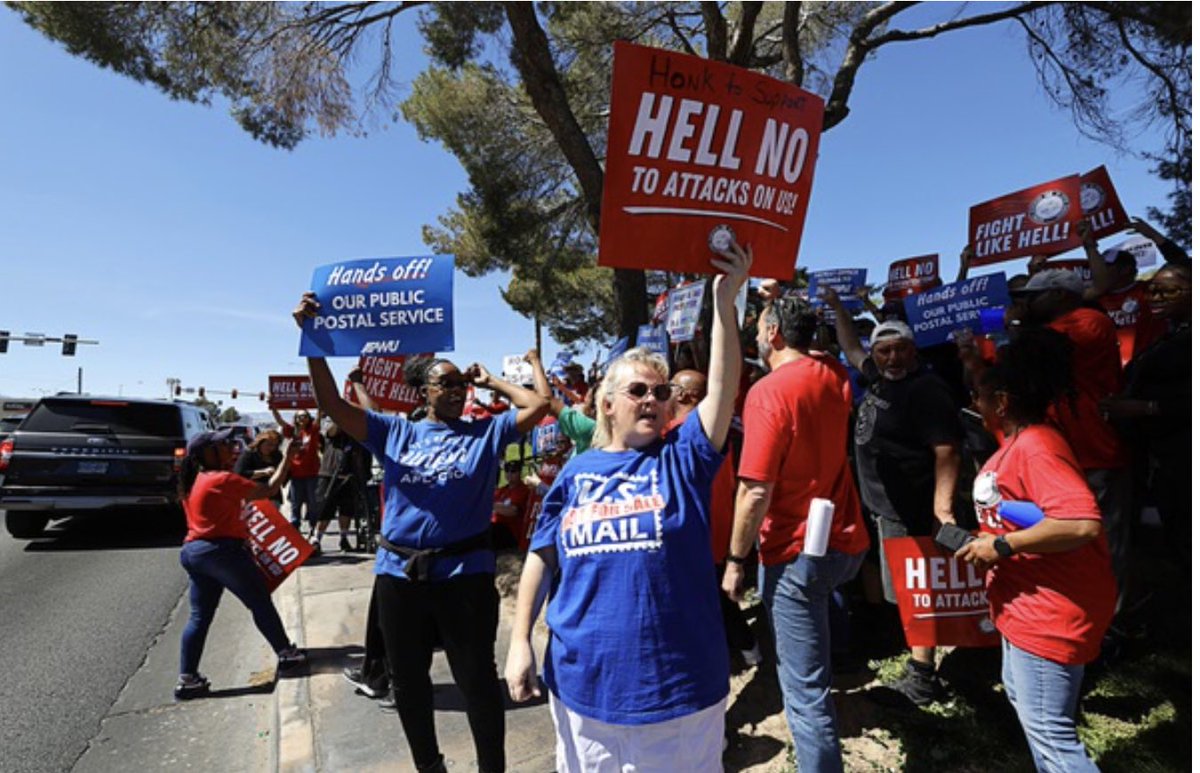
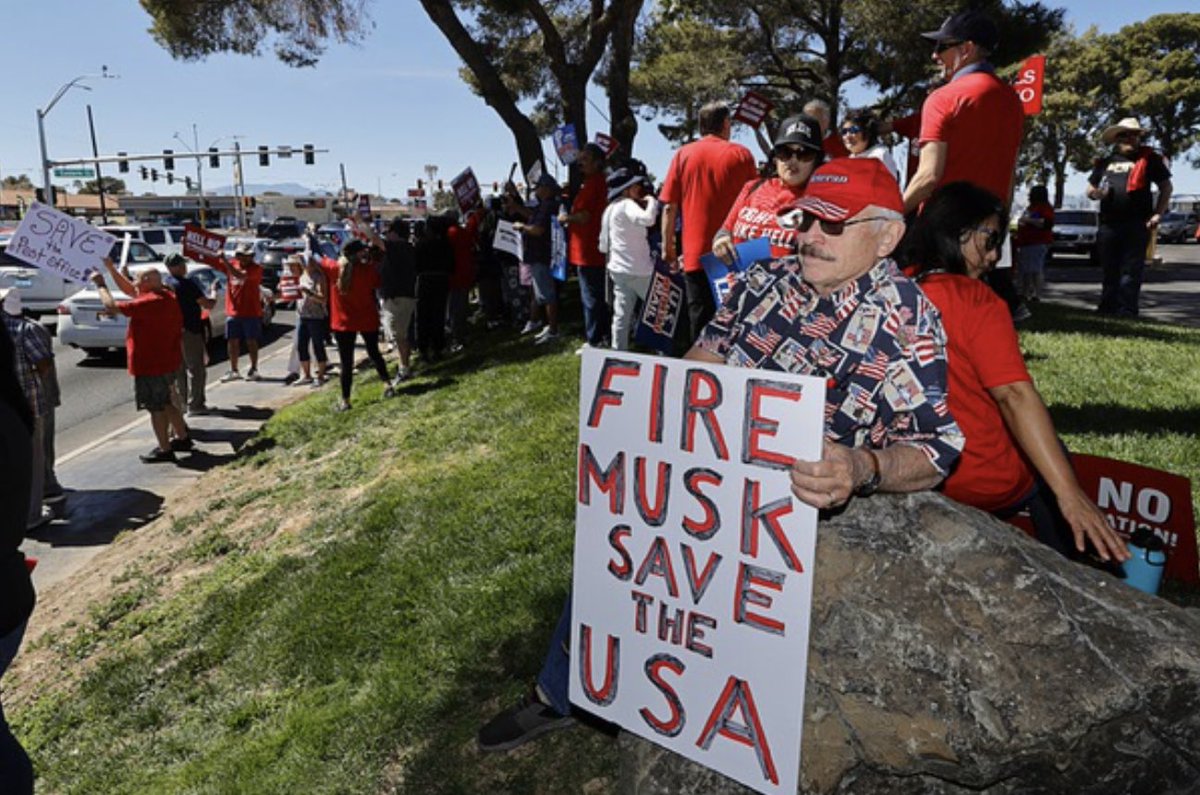
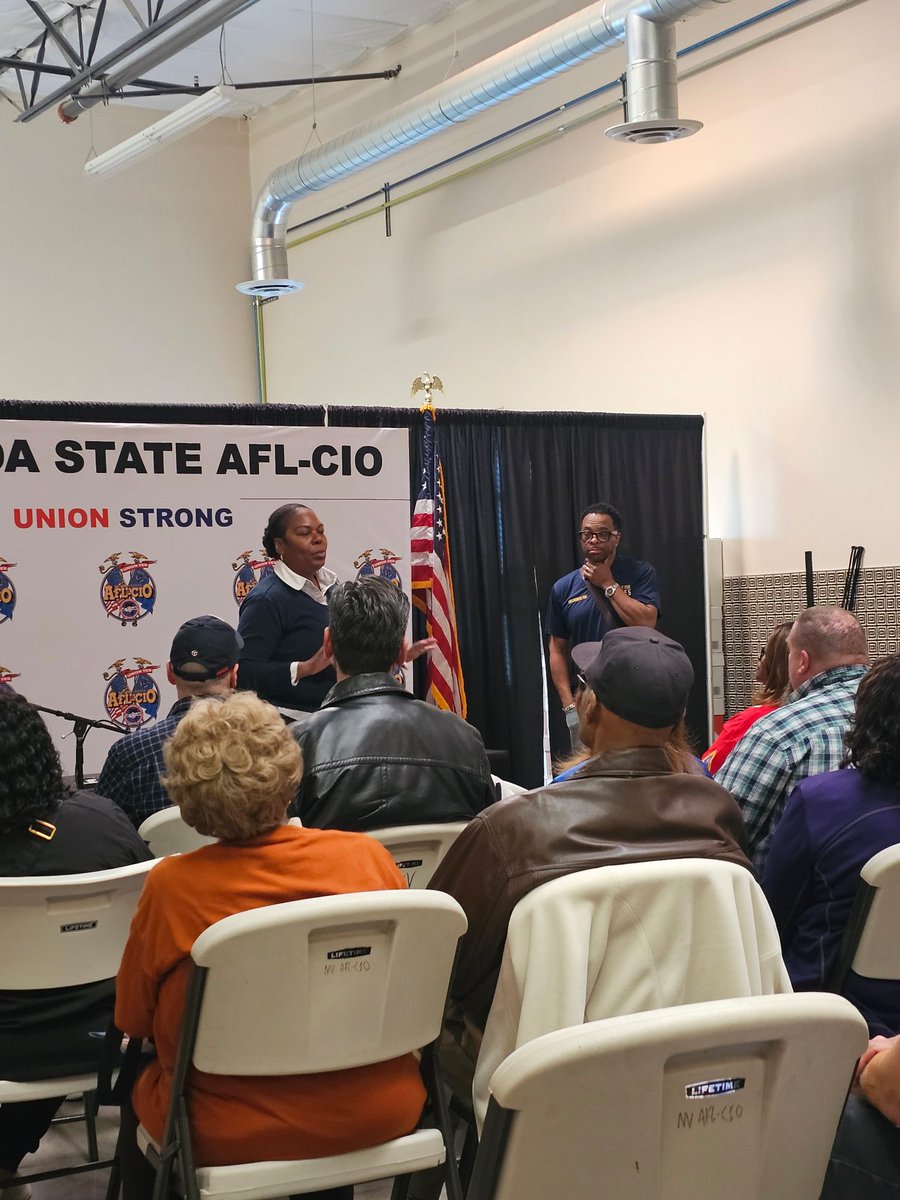
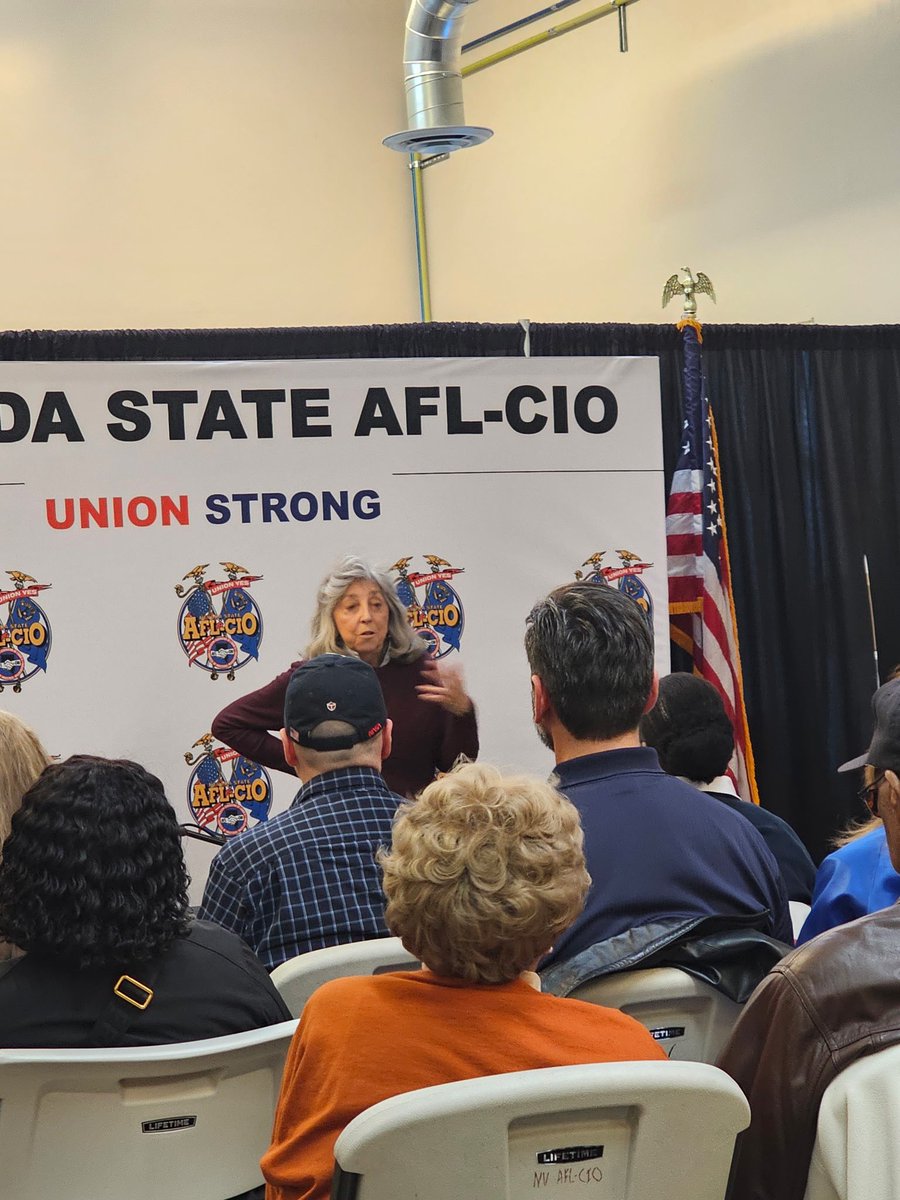
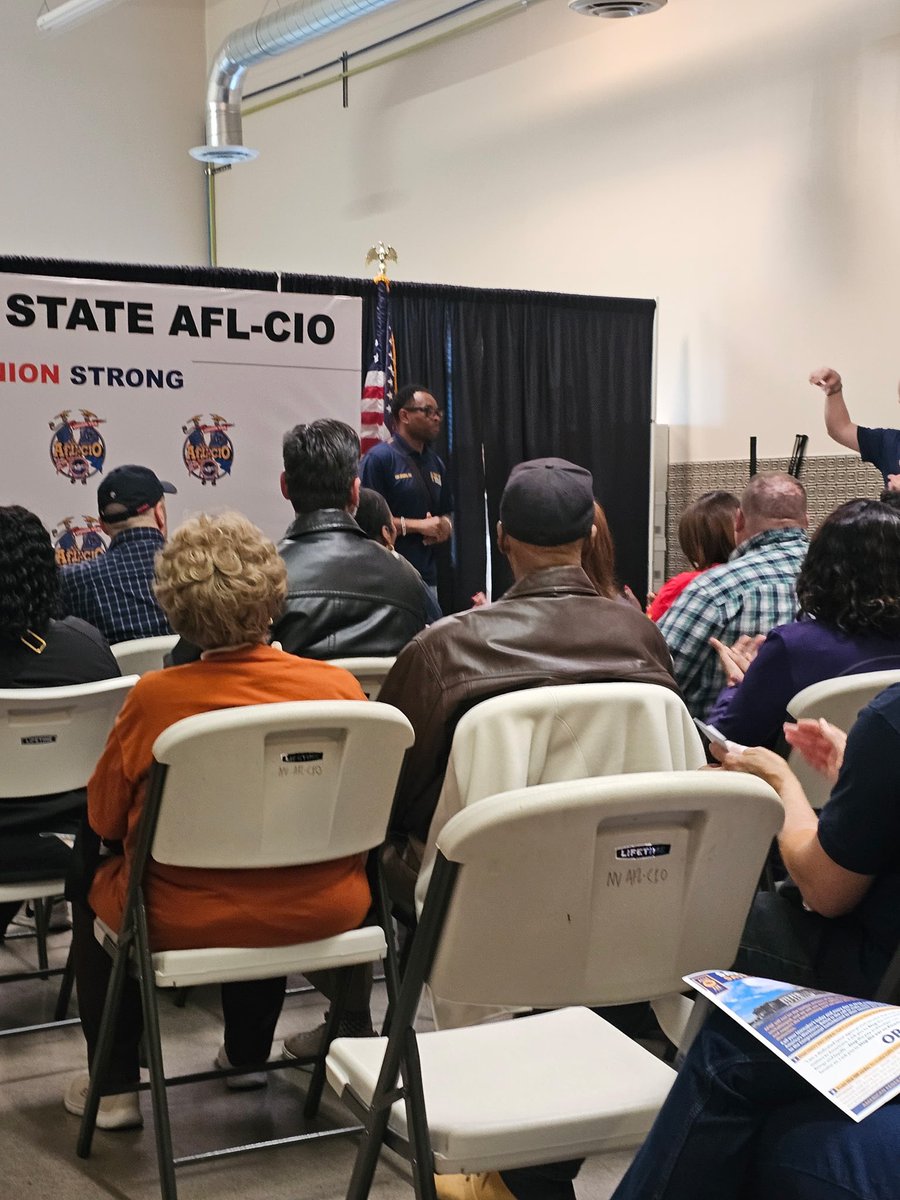
Today we attended AFGE’s Labor Town Hall to hear from their members who highlighted the attacks on federal workers by the Trump administration in March.
1
2
55
Southern Nevada CLC retweeted
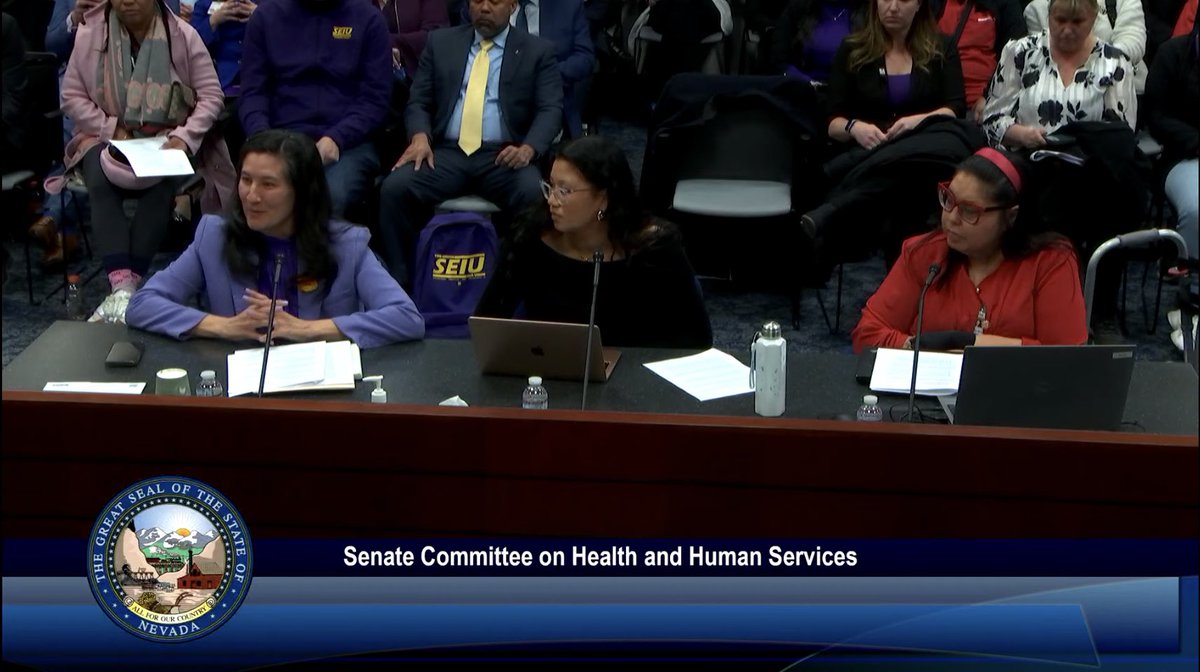
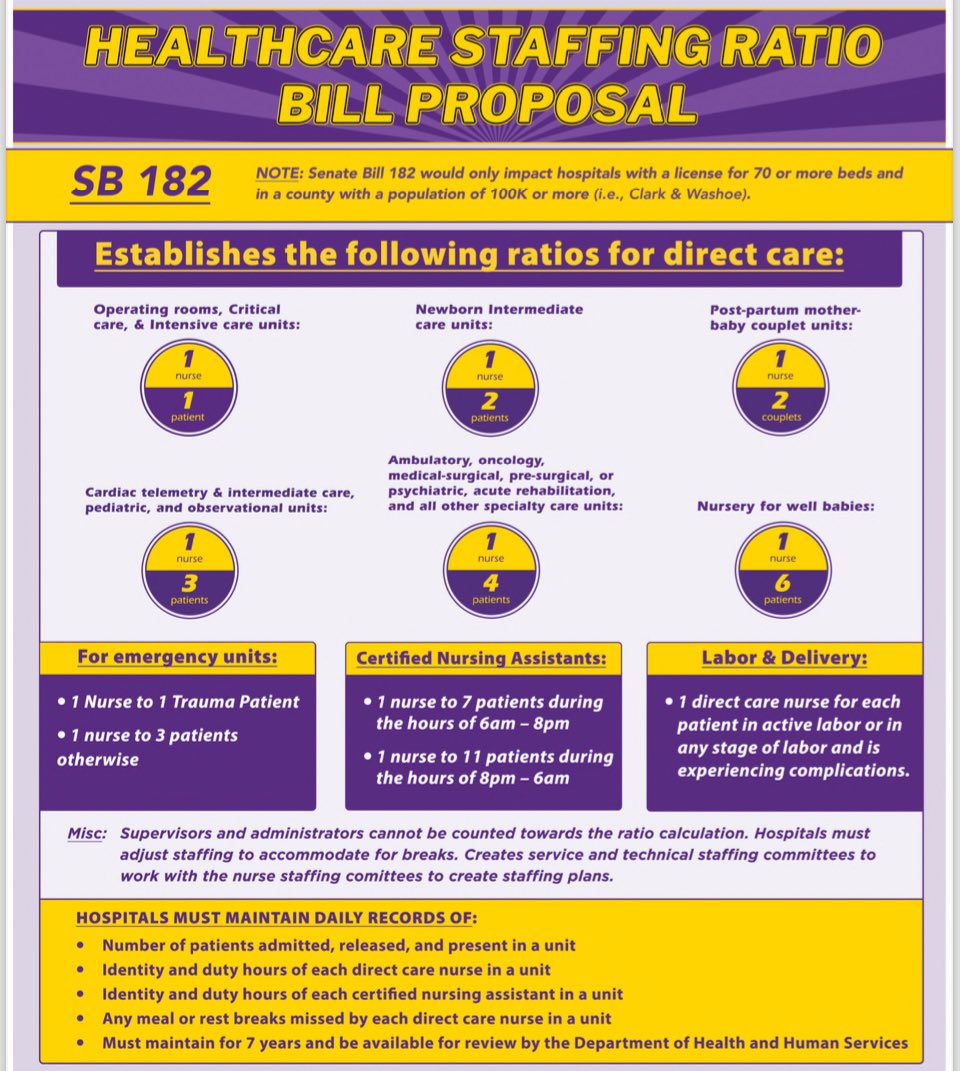
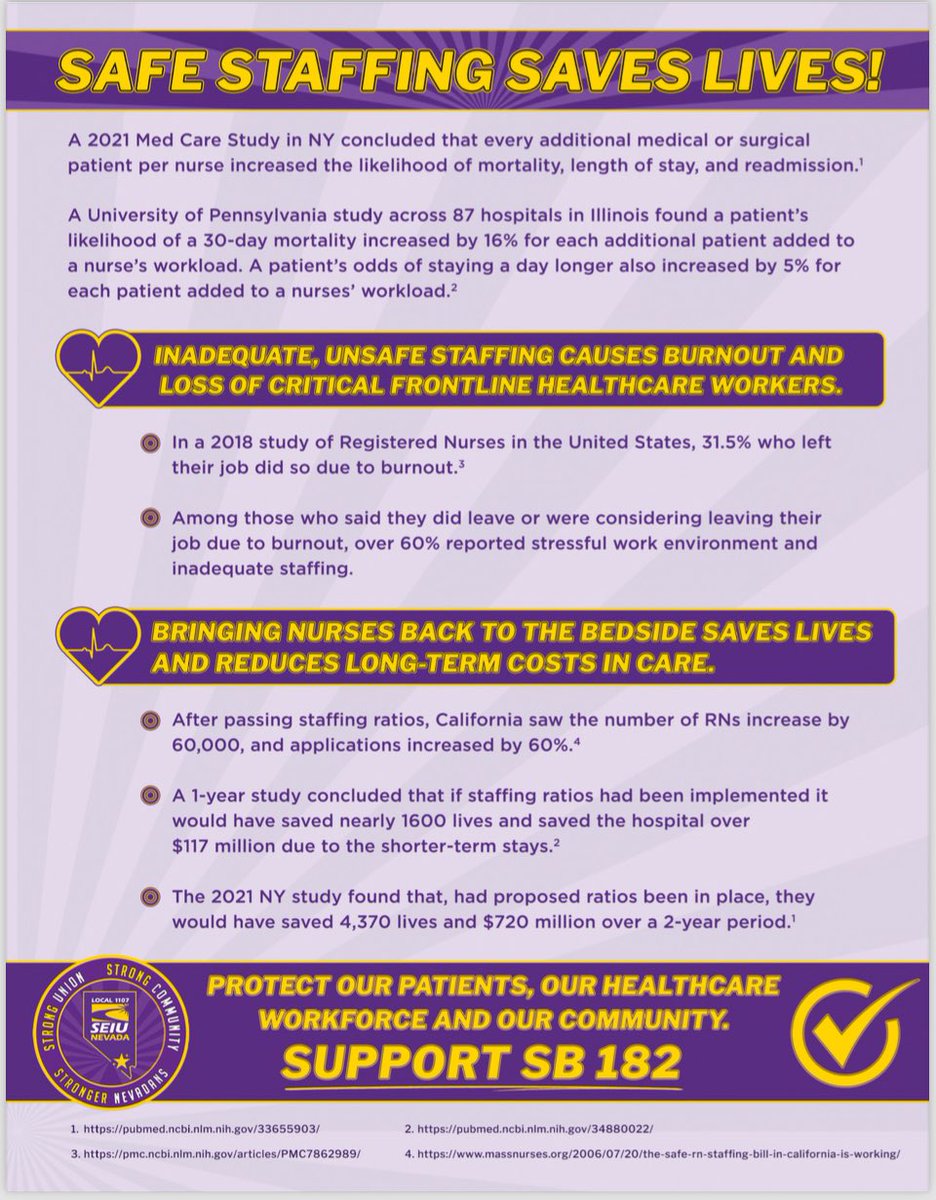
Our Executive Secretary-Treasurer Susie Martinez proudly testified in support of SB 182, a bill to improve patient safety and working conditions for healthcare workers!
SB 182 ensures safer nurse-to-patient ratios, saving lives and reducing long-term care costs. #UnionStrong

1
4
132
4 Feb 2025
Happy Black History Month from the Southern Nevada CLC!
The labor movement would not exist without the work of Black union members and leaders, and we honor them during the month of February, and year round.
16
22 Jan 2025
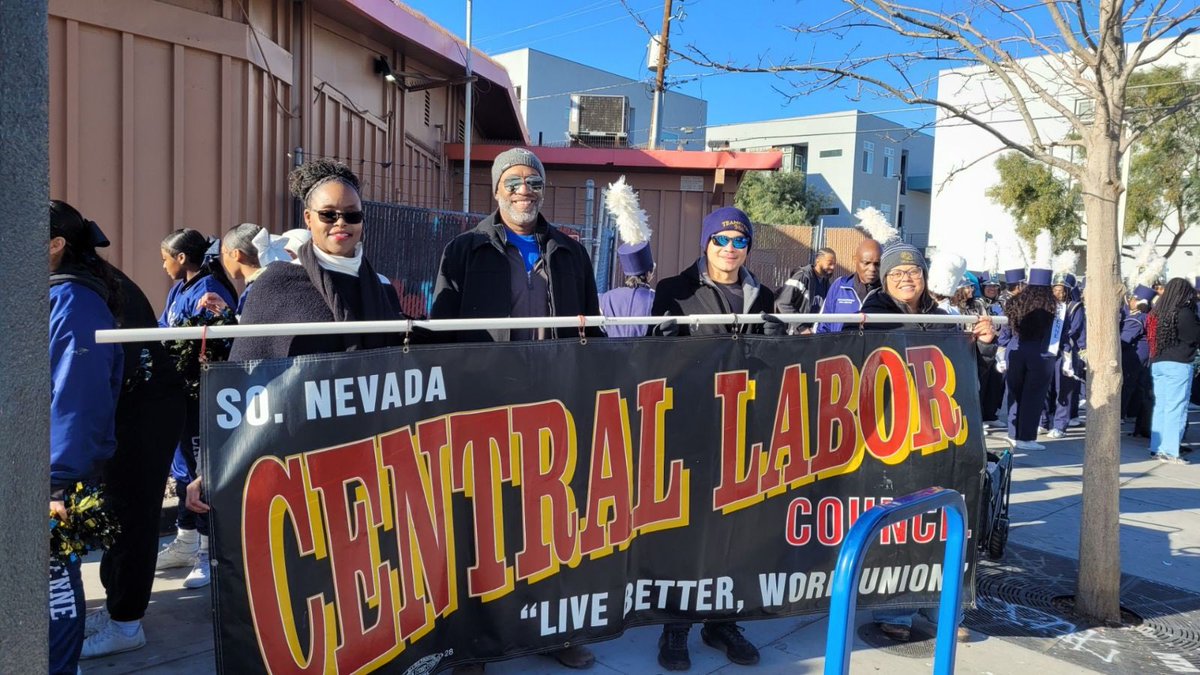
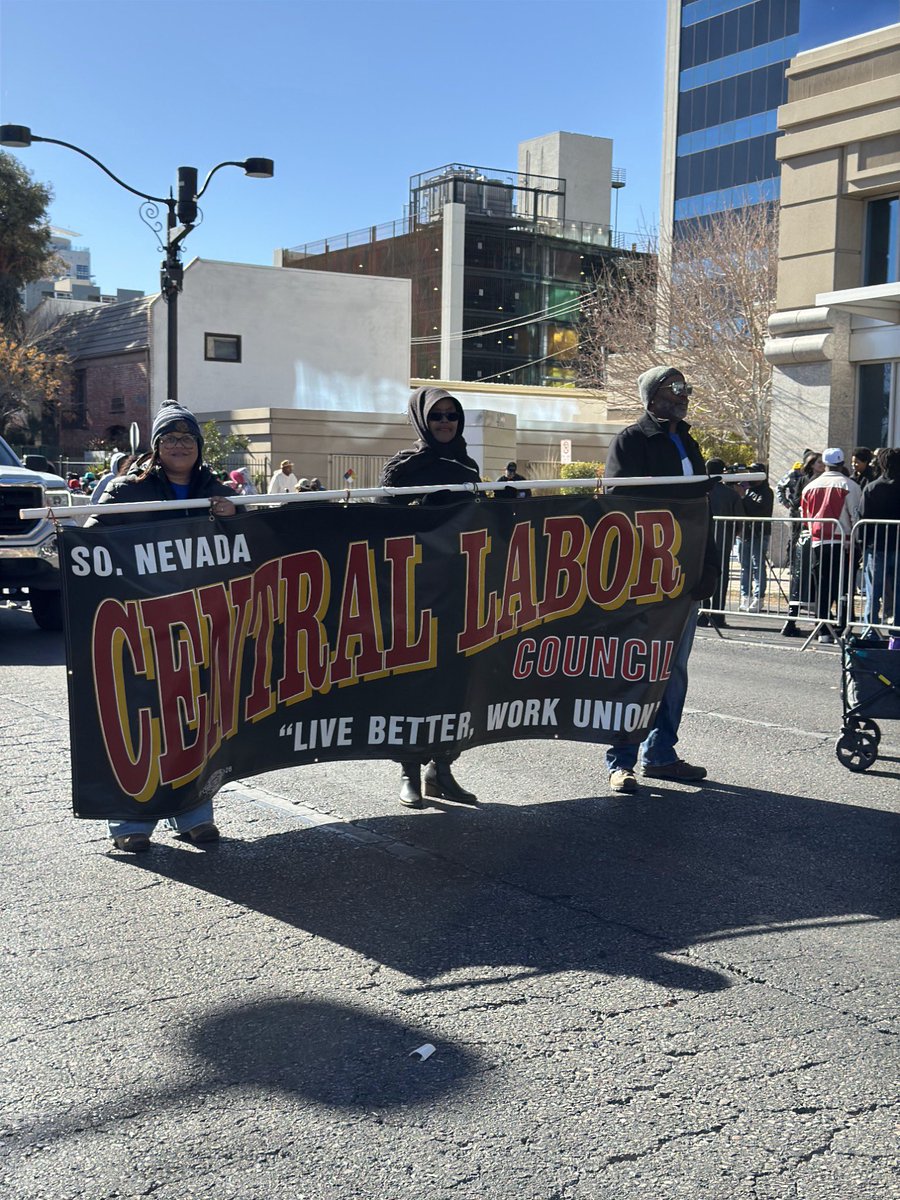
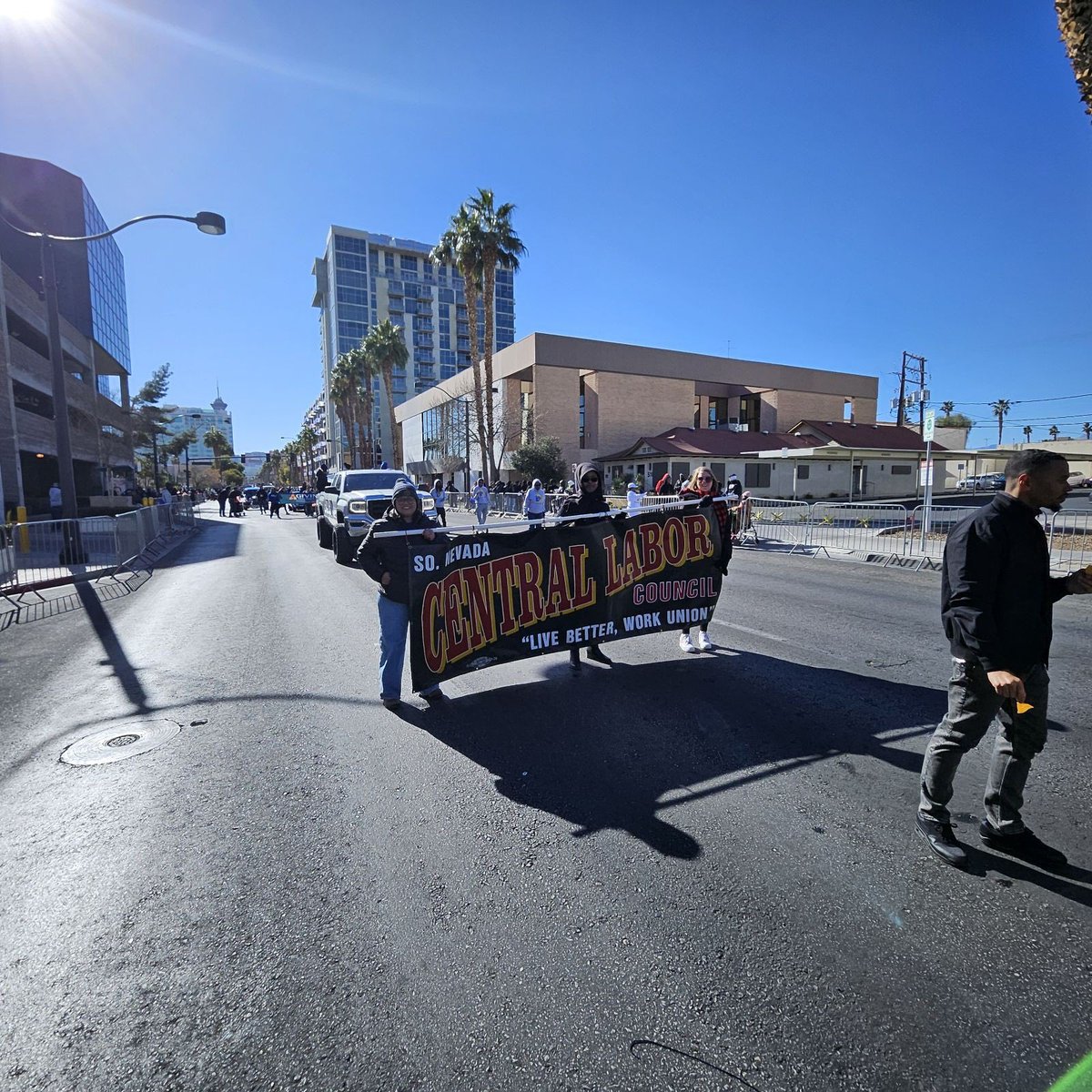
We had a great time celebrating the life and legacy of Dr. Martin Luther King Jr. yesterday at the annual parade. Thank you to Rob Sumlin, Addie Crisp, Paul Snow, and Jackie Sumlin for marching alongside us!
1
35
13 Jan 2025
Monday is Las Vegas’ annual MLK Day parade celebration the life and legacy of Dr. Martin Luther King Jr. All are welcome to attend or march alongside us. Please RSVP to any of the contacts below!
61
Southern Nevada CLC retweeted
1 Jan 2025
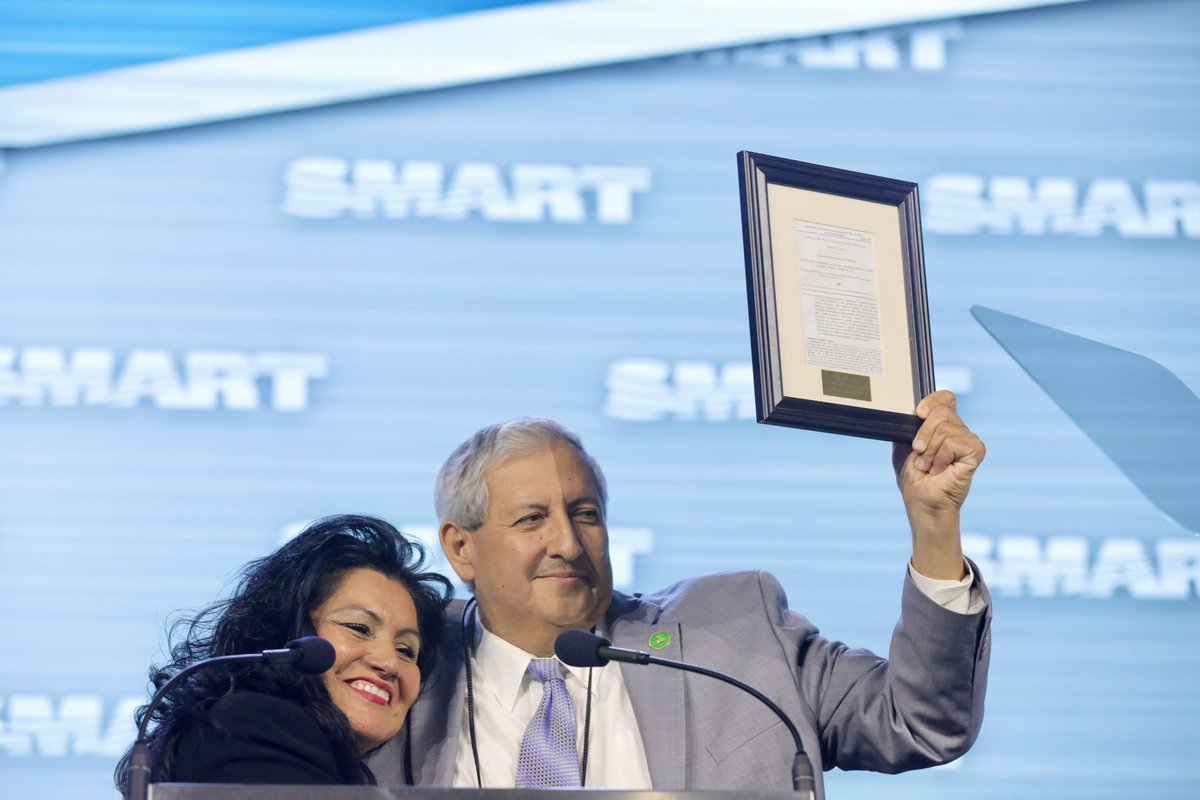
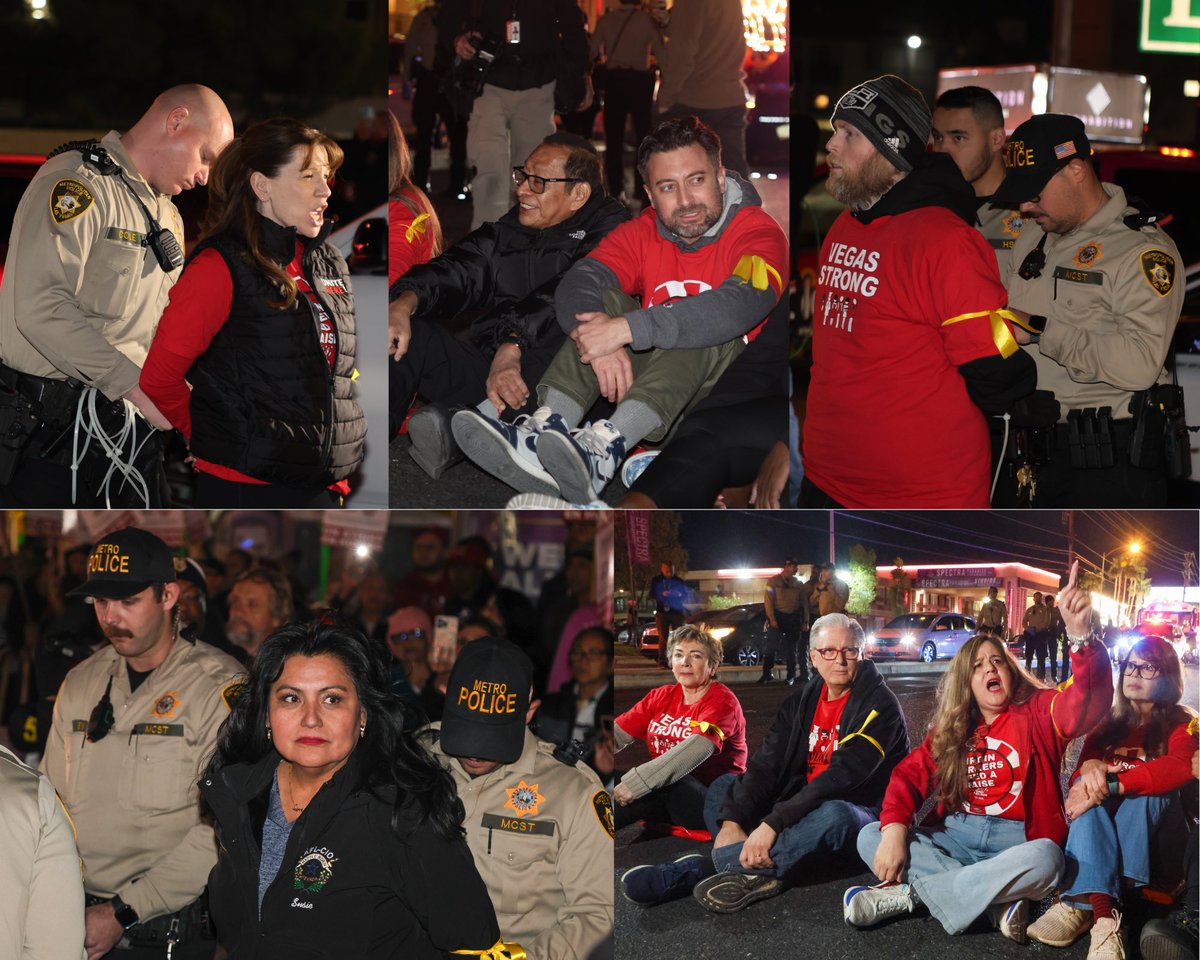
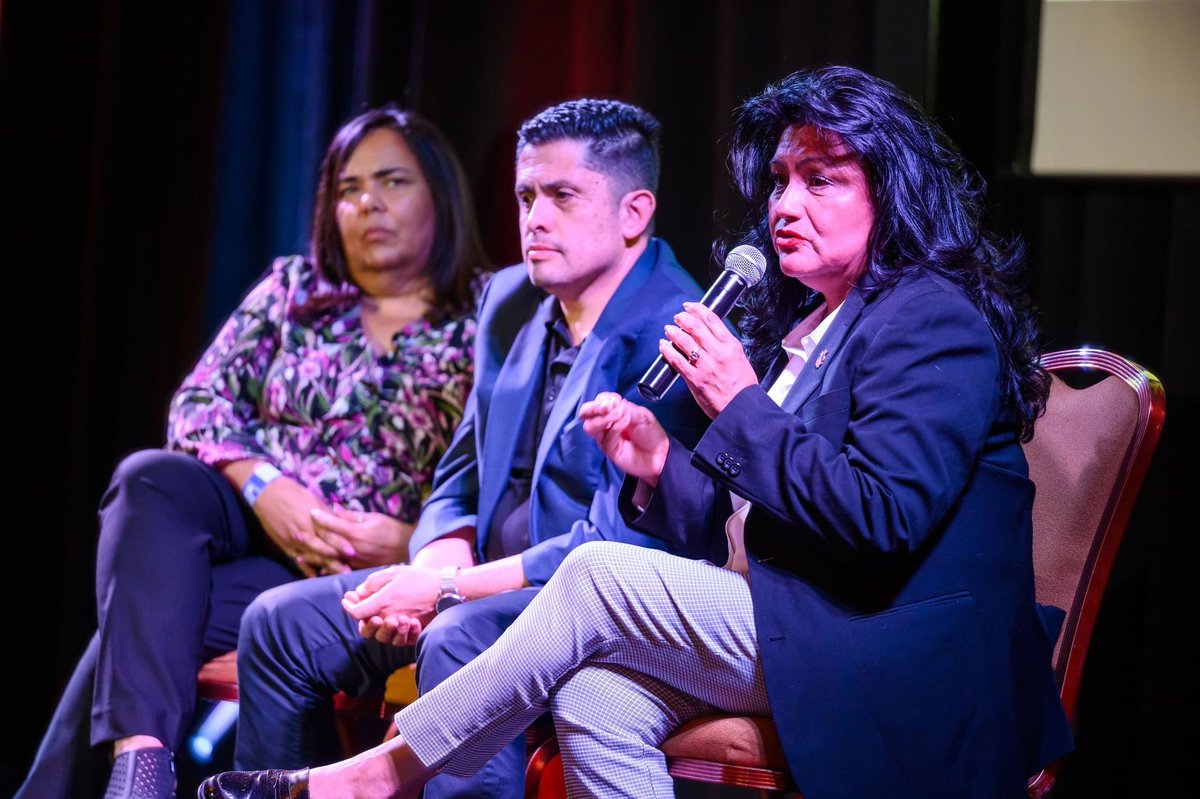
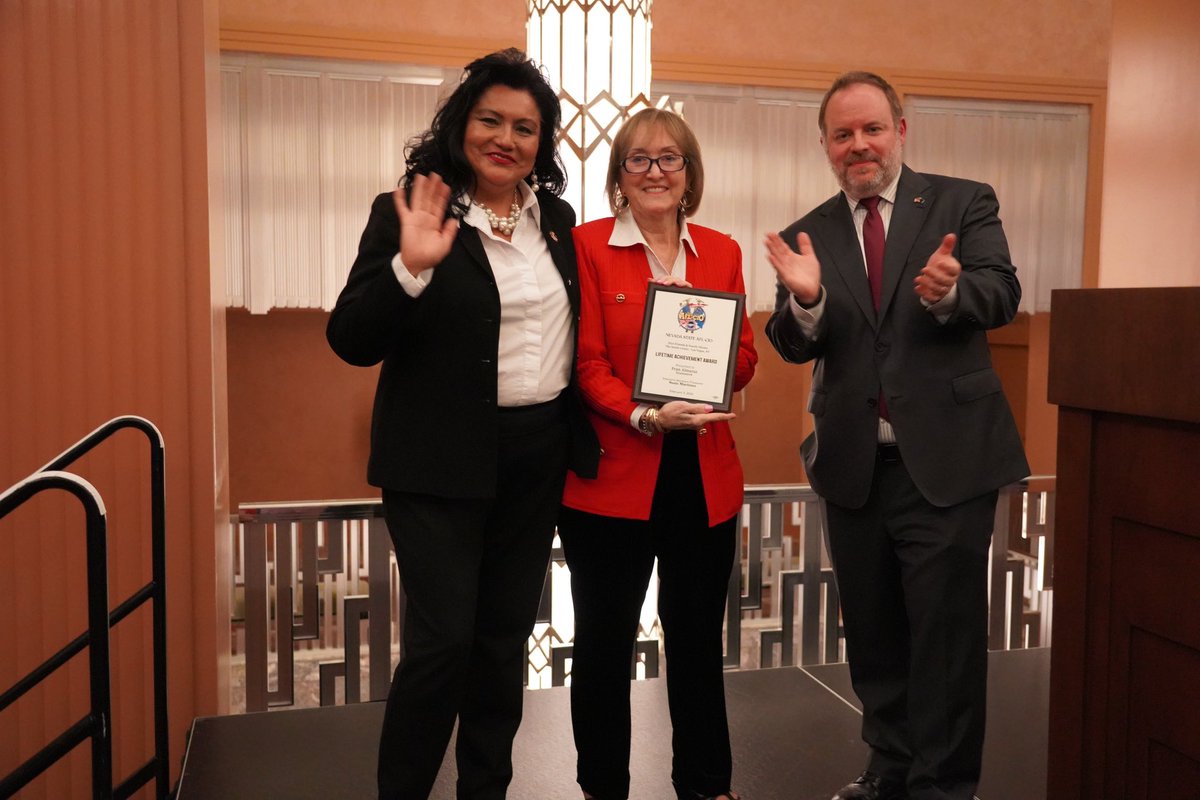
As we look to 2025, I’d like to thank our @NVAFLCIO affiliates, elected officials, & all who’ve worked tirelessly to fight for Nevada’s working families.
The challenges ahead require unity, & we’ll keep on fighting for better wages, stronger benefits, & safer working conditions.
4
6
295
26 Nov 2024
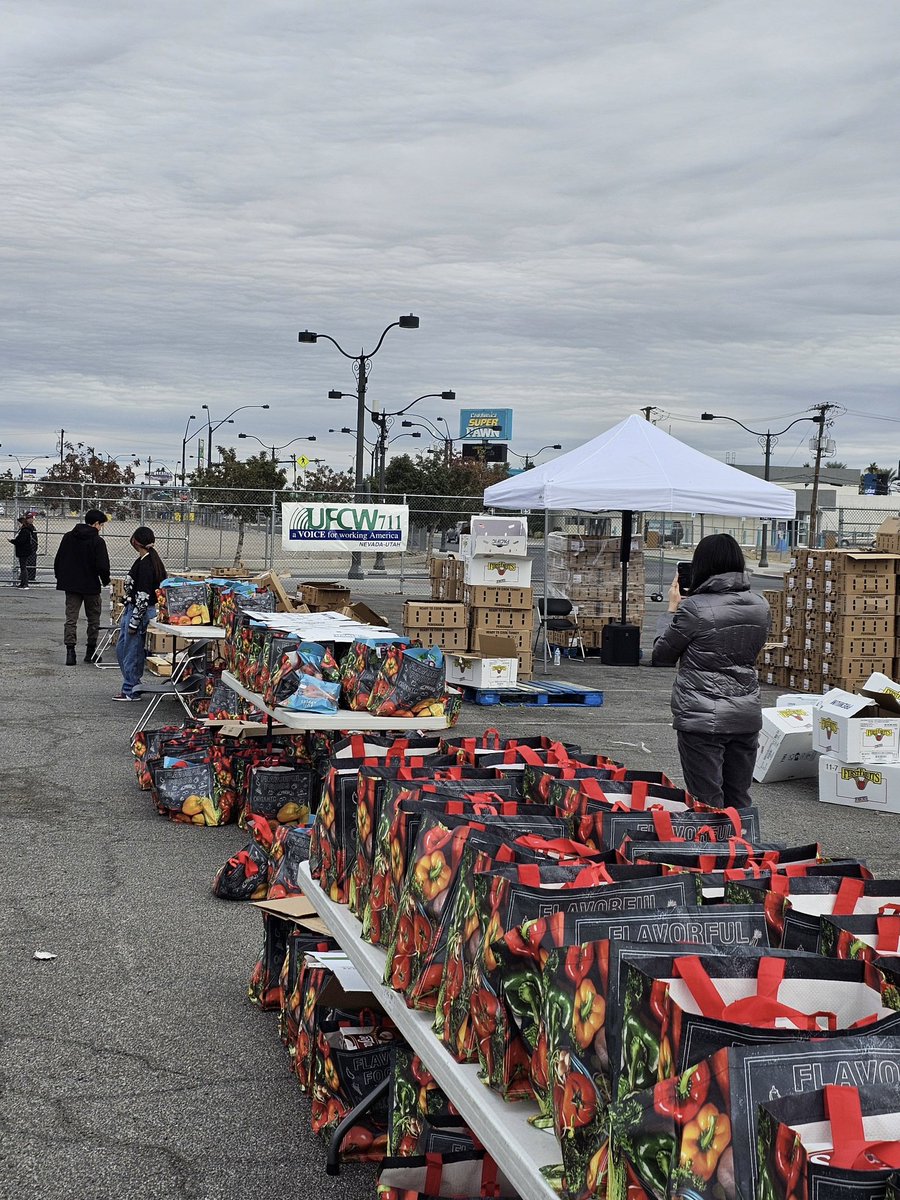
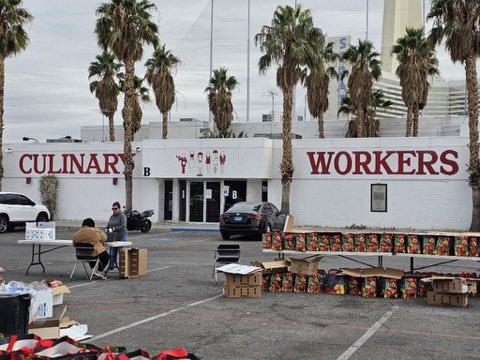
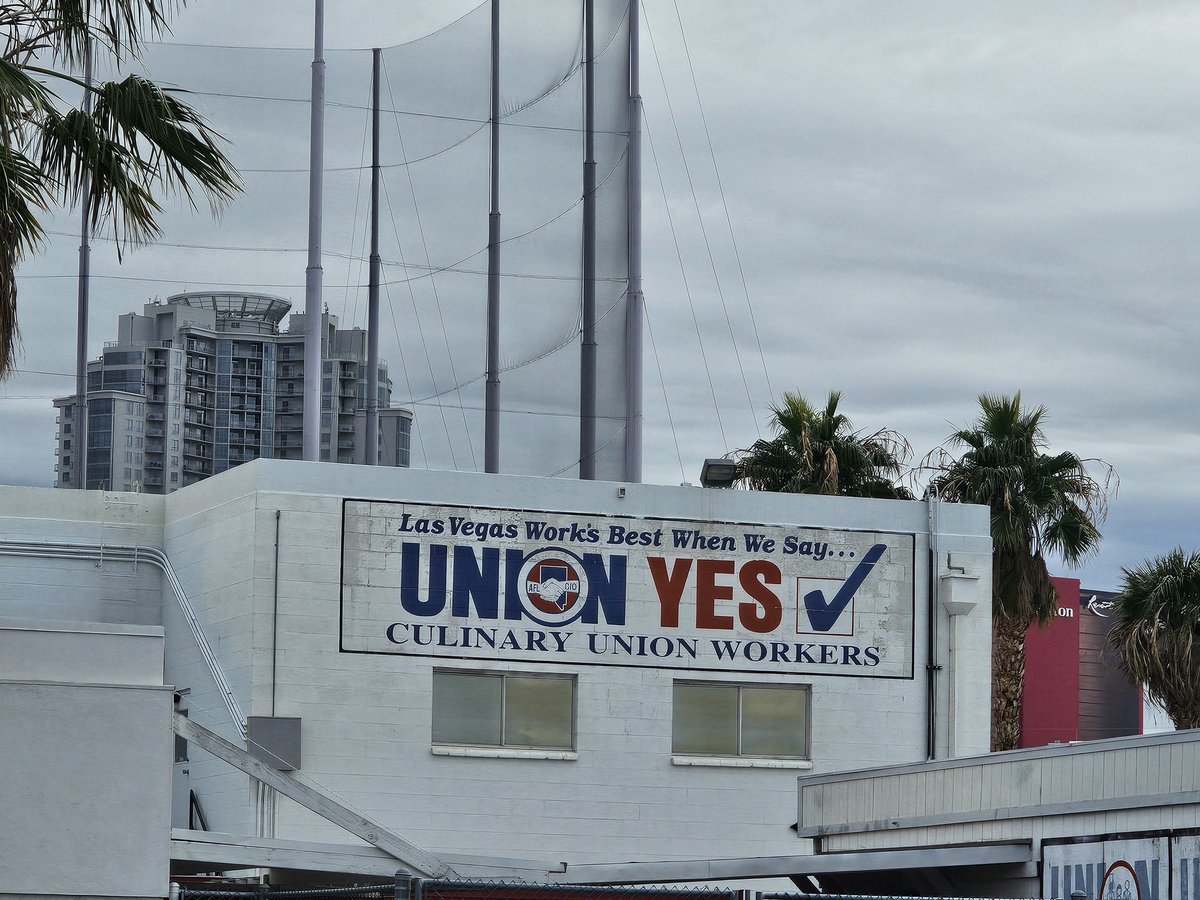
Our Executive Secretary-Treasurer Beverly Williams, along with our union brothers & sisters, delivered #Thanksgiving food baskets to @VirginHotelsLV strikers as they continue to fight for a fair contract! Big thanks to UFCW for donating food to Virgin Strike Workers! #UnionStrong
3
112
Southern Nevada CLC retweeted
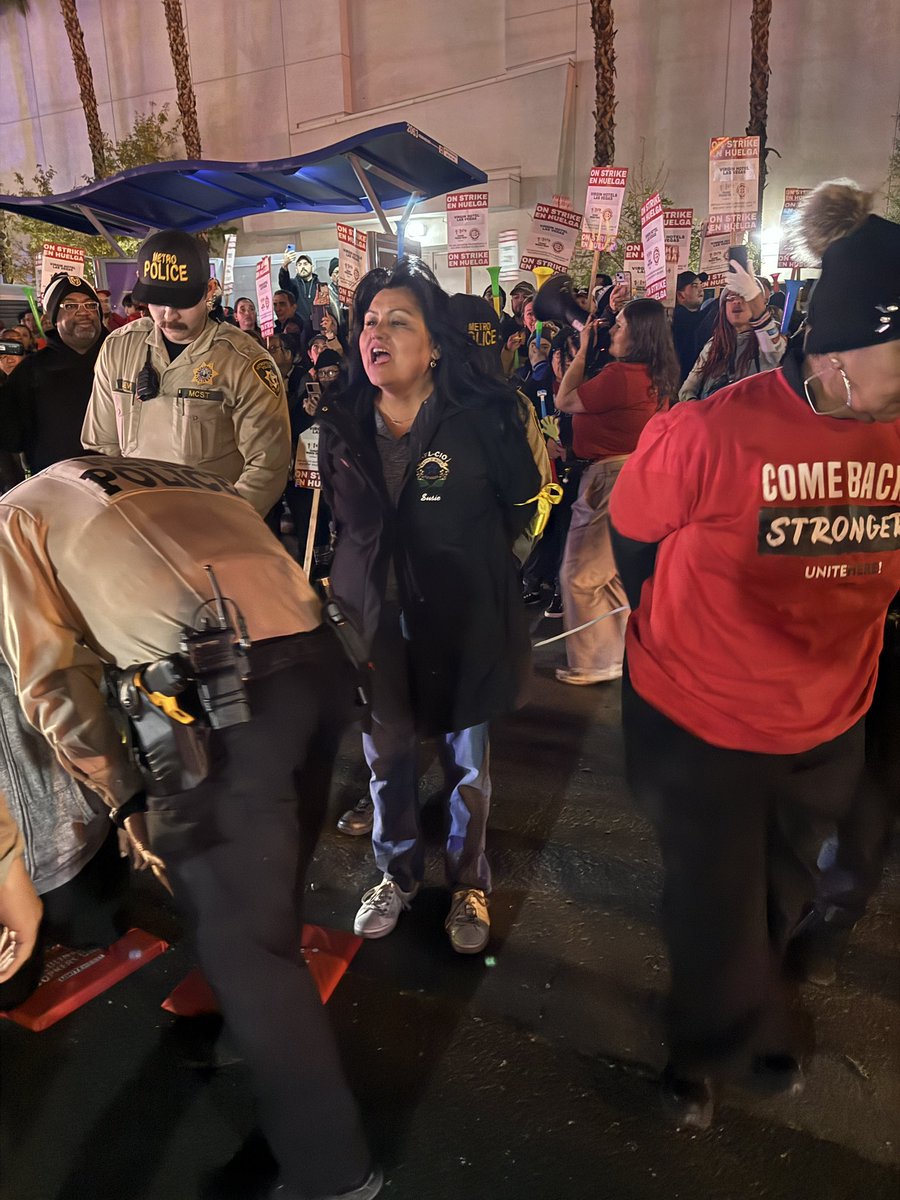
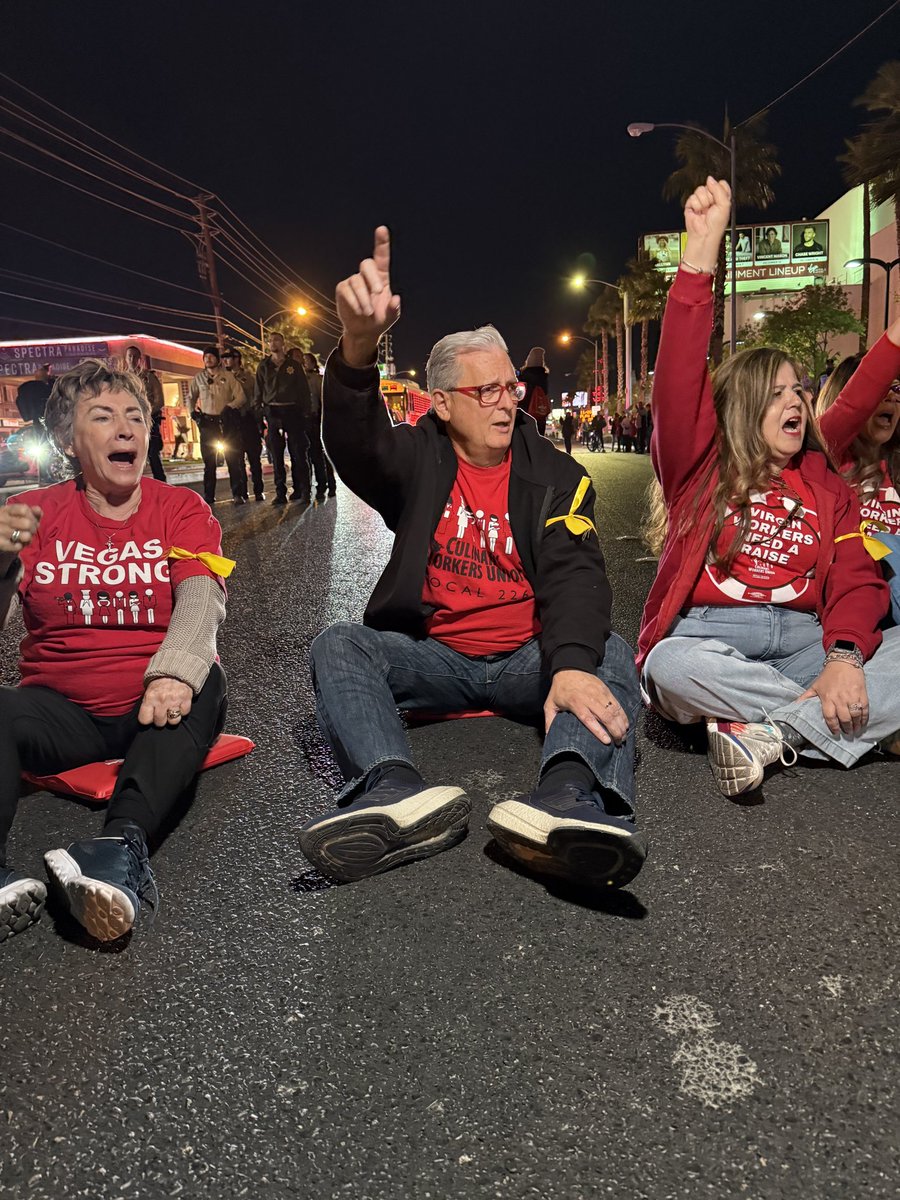
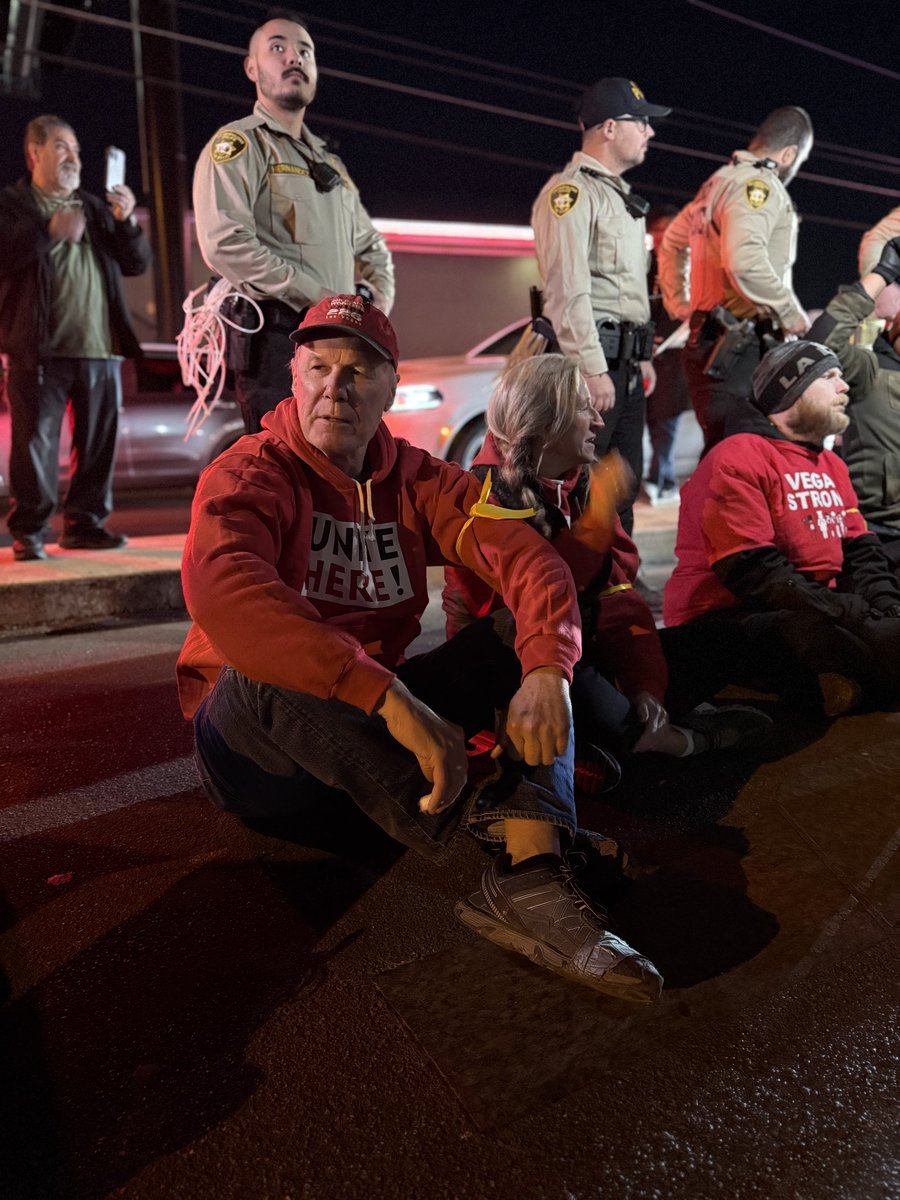
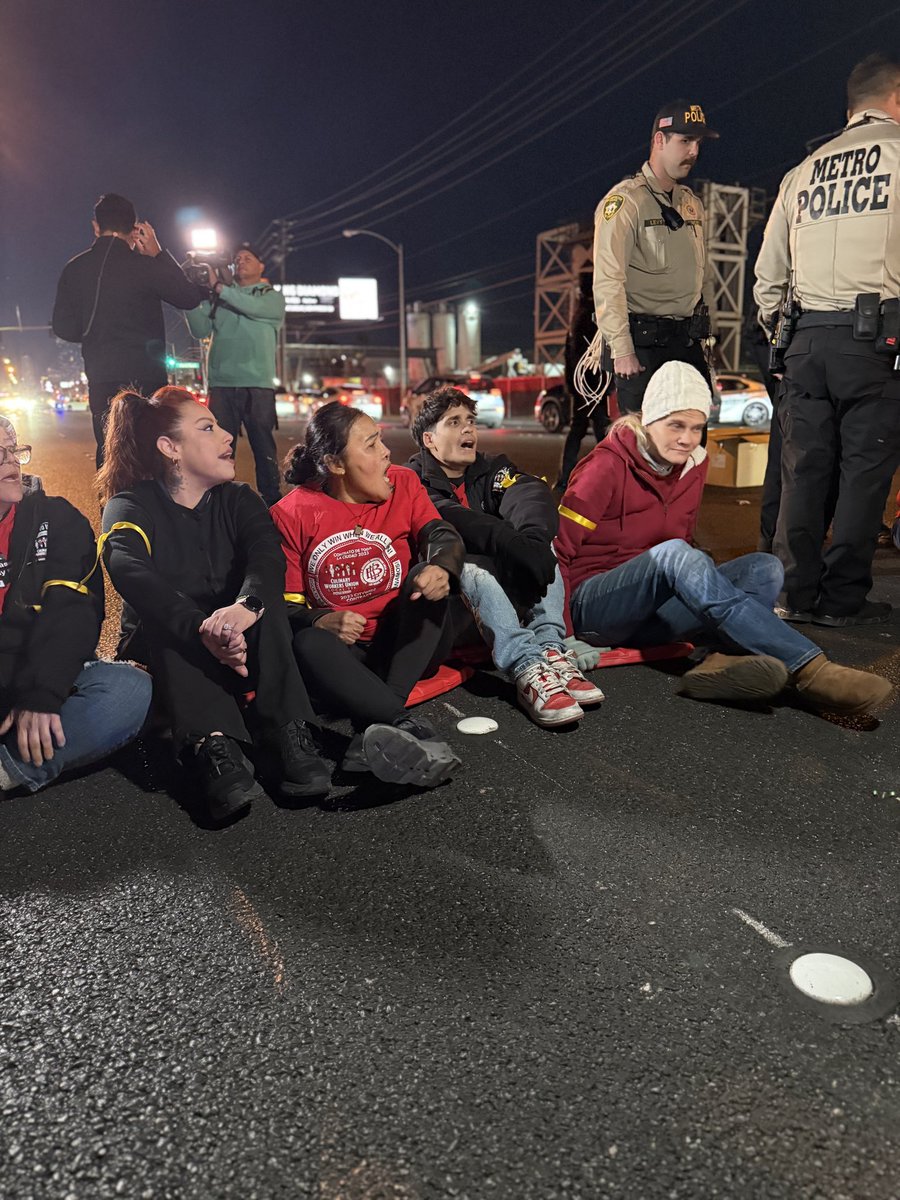
IF WE DONT GET IT, SHUT IT DOWN🚨
It’s about damn time @VirginHotelsLV gives their workers the pay they deserve after offering a dismal increase during negotiations.
1
8
19
1,512
15 Nov 2024
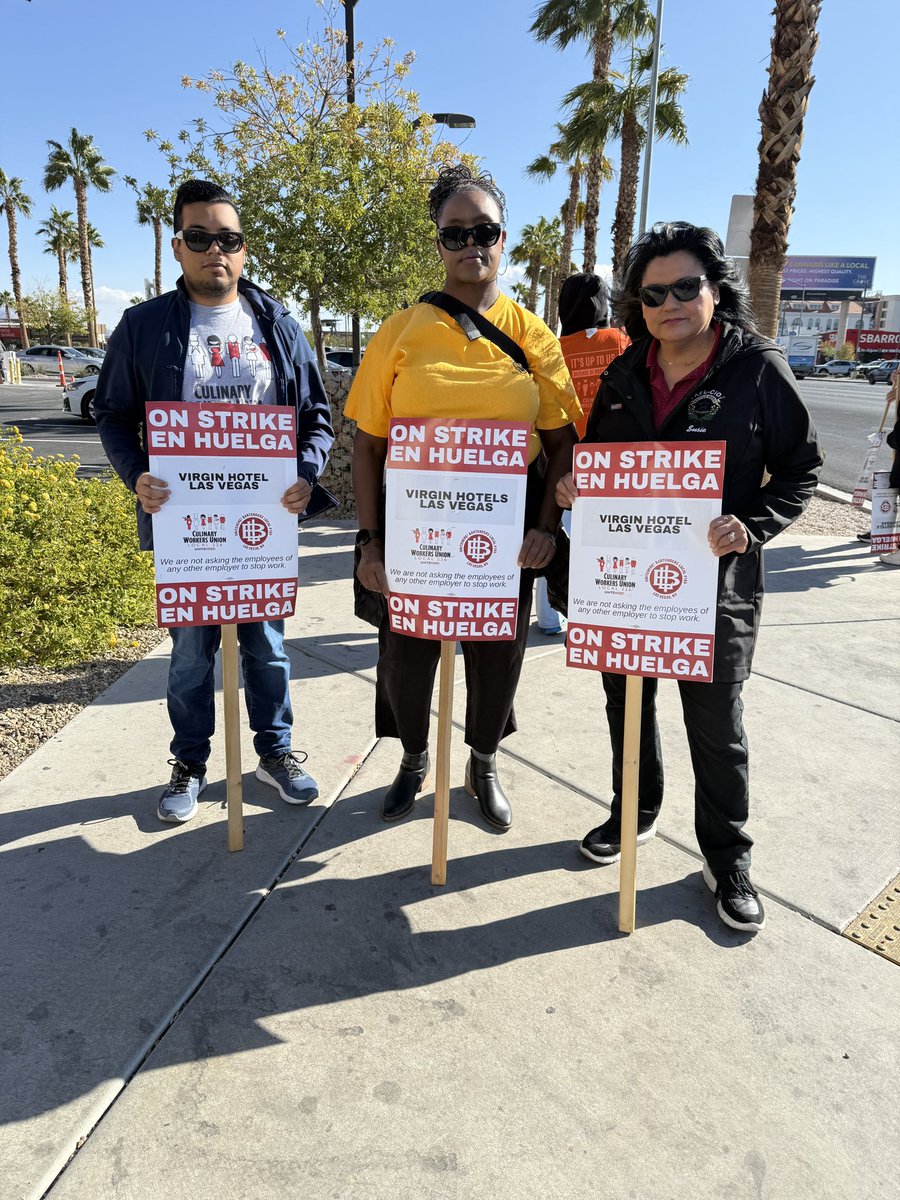
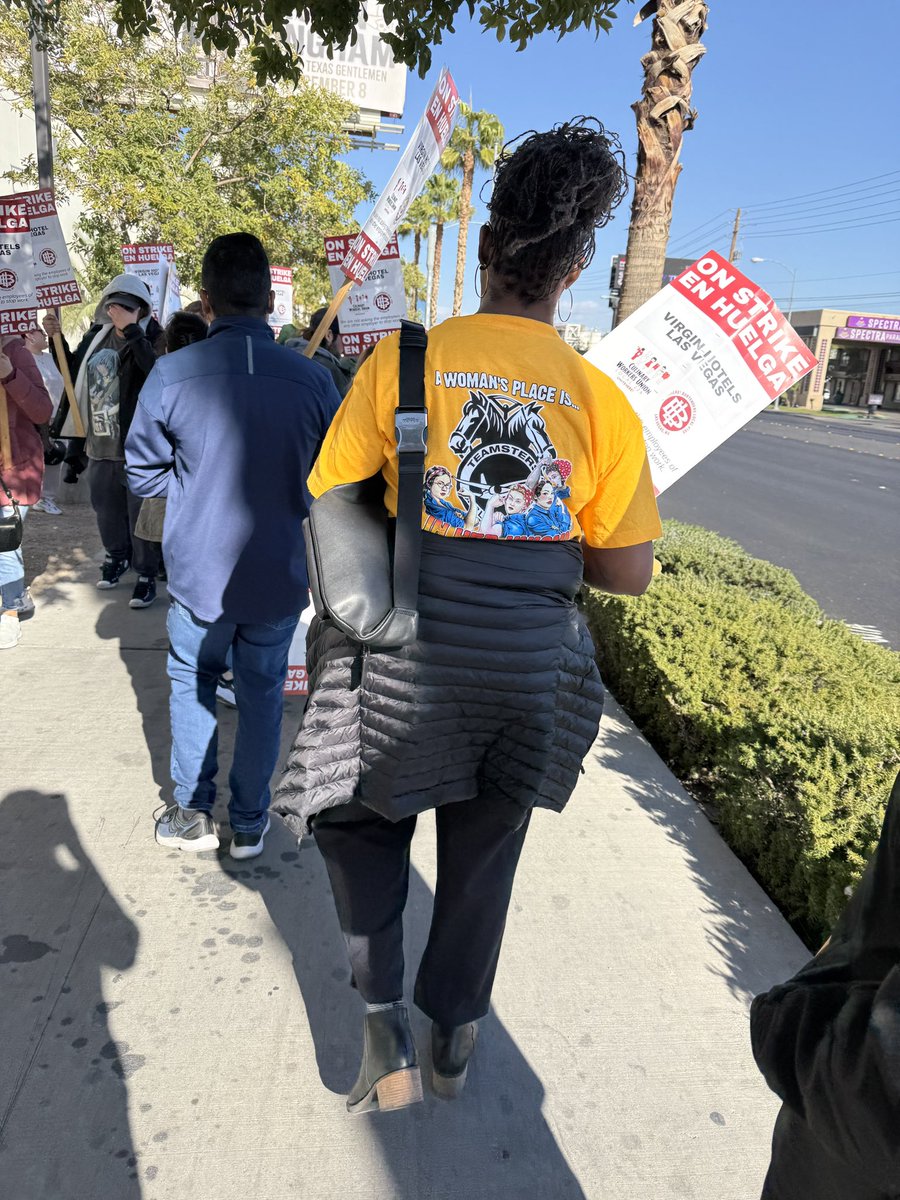
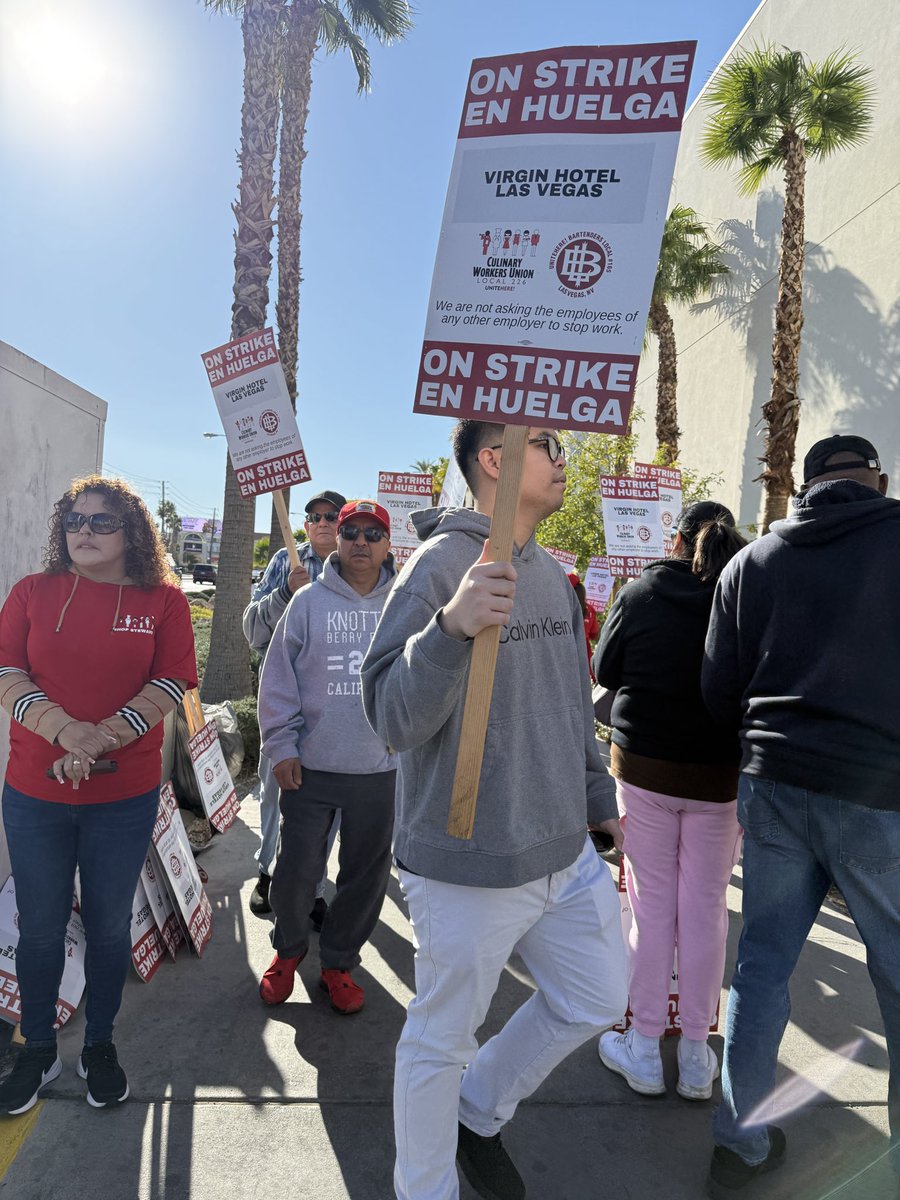
📣VEGAS IS A UNION TOWN📣
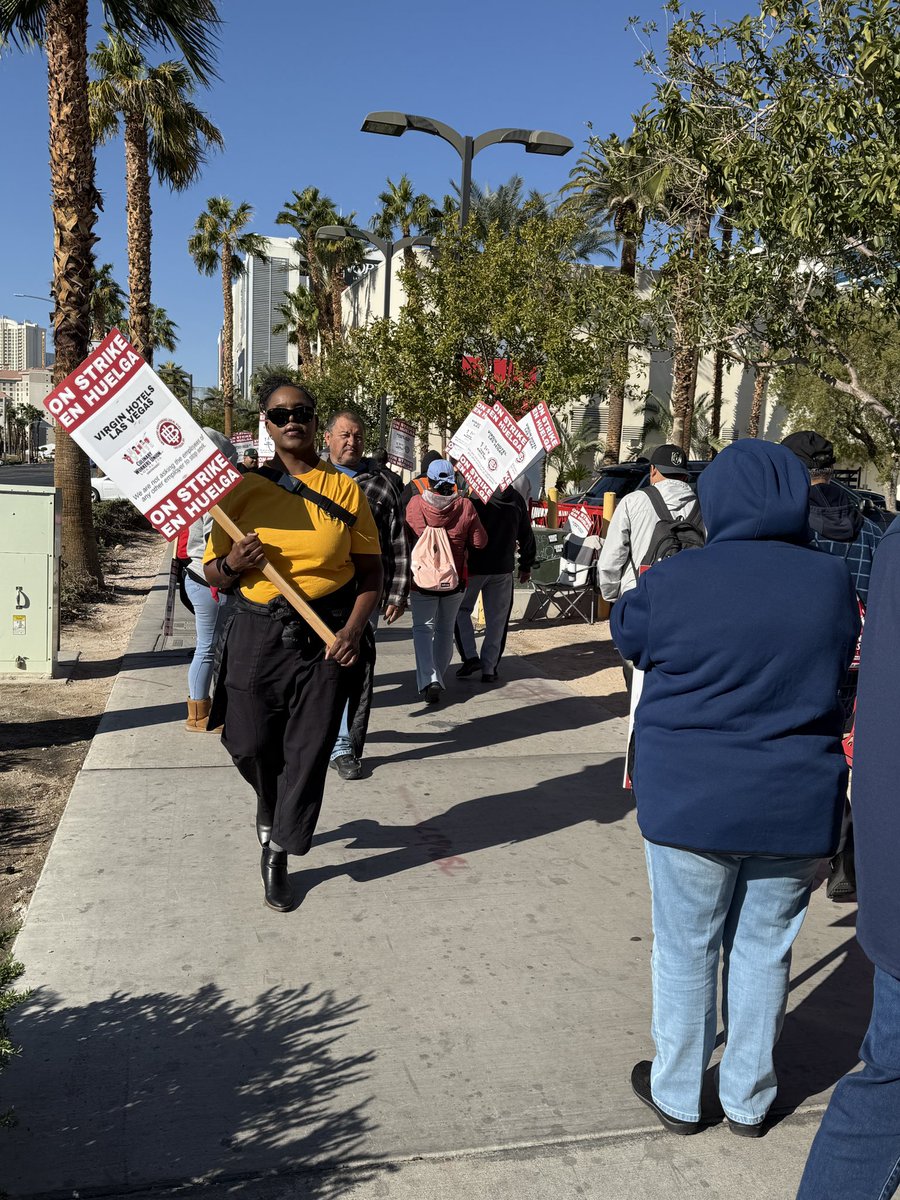
It’s time for @VirginHotelsLV to give their employees the pay they deserve. The Culinary Union will be on strike 24/7 until a fair and just contract is reached, and we’ll be right alongside them until they get it!
1
91
13 Nov 2024
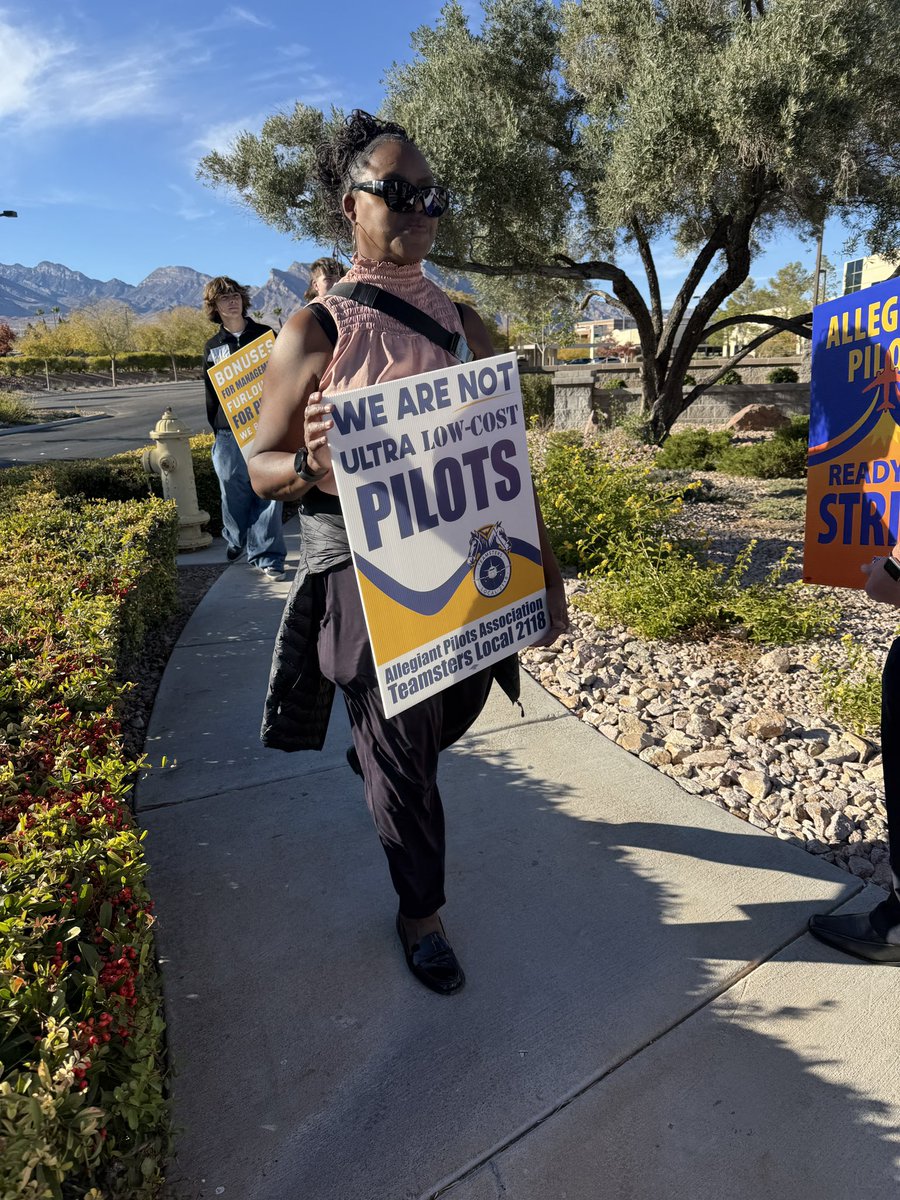
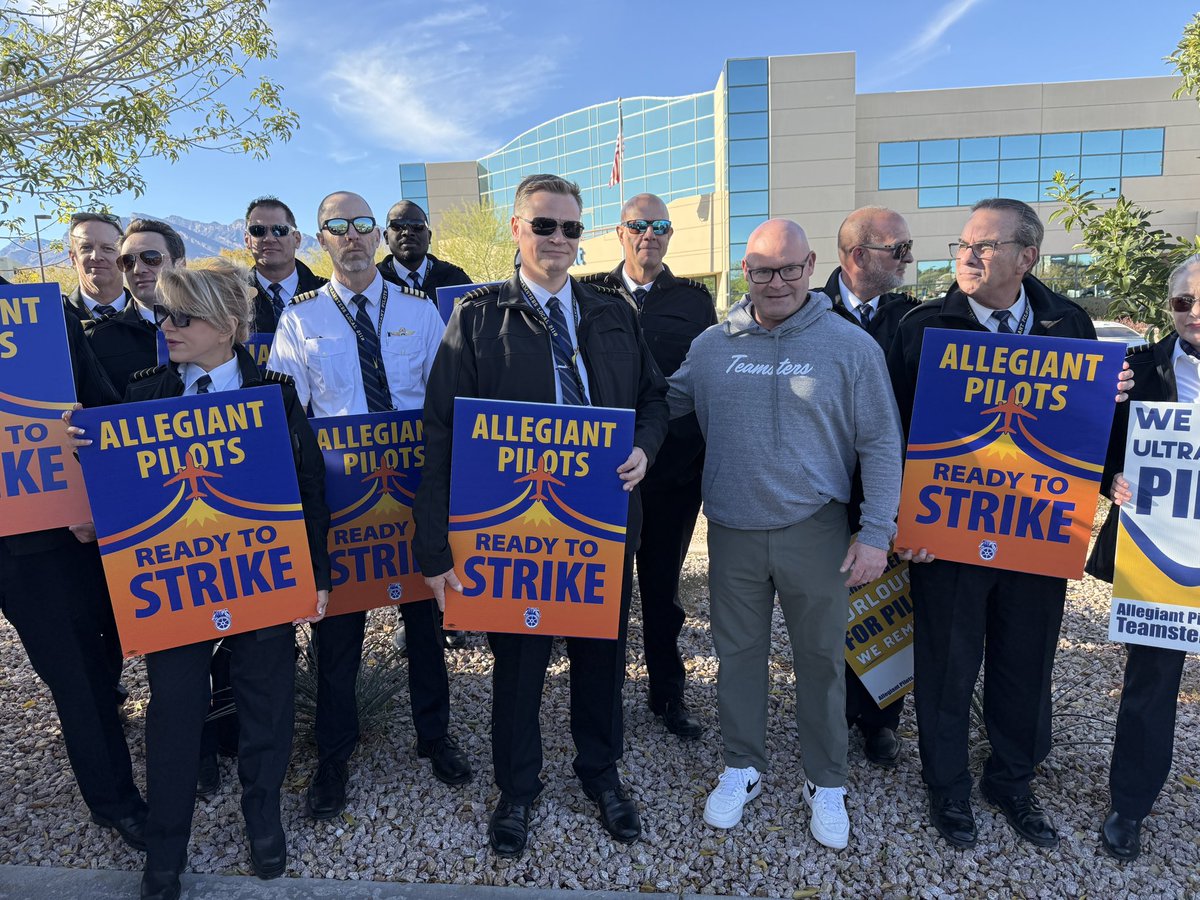
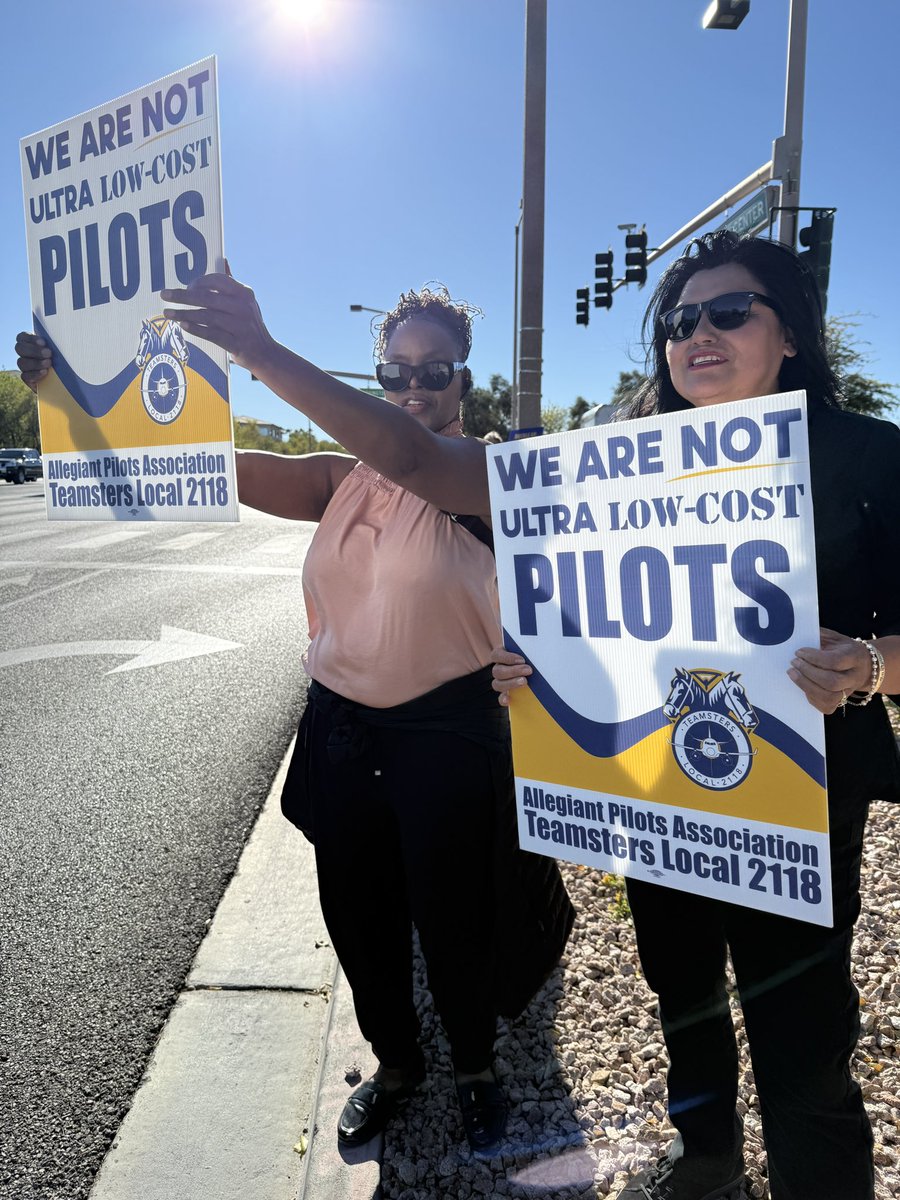
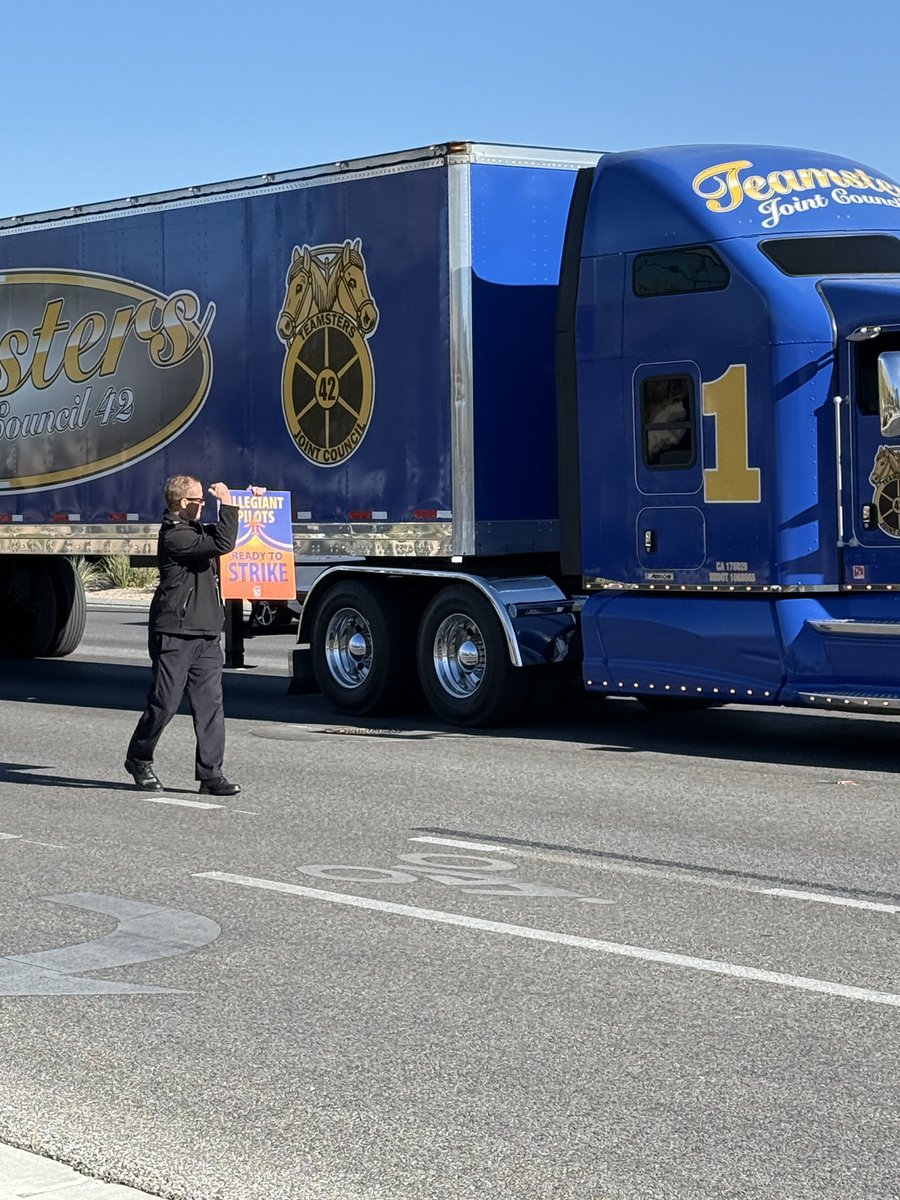
Yesterday we stood in solidarity with our Teamsters brothers and sisters in support of the Allegiant pilots, fighting for a fair contract!
Imagine working 10 years without a raise while Allegiant earns record profits year after year.
1
72
11 Nov 2024
From the Southern Nevada CLC, we thank every veteran who has fought and served to protect our country.
2
34