
Waste in California | Geography is king | Decentralize humanity | Suburb enjoyer | Facilitating marxist and urbanist cope |
Joined August 2020
- Tweets 16,579
- Following 32
- Followers 2,127
- Likes 6,612
5,351 Photos and videos







Pinned Tweet

Apr 30
Hot take:
It doesn't matter who wins the LA mayor race, and it doesn't matter if a Mamdani or a Lurie are in charge of a city in 2026.
The contagion that currently dominates American (and global) cities is not driven by politics. It's driven by technology and culture. No person, or system can change this. The decline has already occurred.
Urban power is based on having monopolies on:
1) Retail
2) Education
3) Medicine
4) Technology
5) Culture
6) Employment
7) Government
8) Young people
Retail is completely decentralized. The gap is gone. You can buy anything online and ship it to your door now.
Education has been badly damaged by activist professors, costs, and universities not keeping up with technology. Colleges are now NGO activist farms and mincemeat for the service industry slop economy.
Medicine is becoming increasingly decentralized. Regional surgery centers and suburban hospitals are becoming go-to locations for medical treatments. Telemedicine is cutting traffic into medical districts. Doctors are approaching working-class lifestyles in cities.
Technology has vastly improved the suburban and rural experience. Suburban and rural isolation, once dominant cultural themes in the late 20th century, are nearly gone. High-speed internet, smartphones, EVs, and improvements to the single-family home have made non-urban life extremely livable, with much more improvement on the way.
Culture is drastically shifting away from cities. Urban areas are now dominated with performative, downwardly mobile leftists. Many of them working in journalism and entertainment have completely lost touch with the public. Minority urban culture is seen as increasingly lawless, self-destructive, degenerate, and dangerous. The "cool" factor is gone. Immigrants have gone from hard working anti-communist patriots to scamming economic migrants with no loyalty to the nation.
Employment has never recovered since the pandemic. WFH has won. Countless media depictions in the 1990s of the "miserable commuter / office worker" came to a head. People don't want to ride on trains/busses with homeless people. People don't want to go to office parties or out with co-workers after work. It's not healthy and we all felt that way. There is no reason in 2026 to cram millions of people into a tiny urban sector for 8 hours a day, 5 days a week.
Government, possibly the strongest institution in urban areas, is facing serious crises. 20 of the 25 largest American cities are financially underwater. Corruption has become endemic. Cities are turning increasingly to some perverted form of 21st third-world Marxism while staring at budget deficits and pension liabilities that will cripple them for decades. States are showing significantly less appetites for bailing out urban areas. Cities are now embracing suicidal policies like prison abolition and dramatically cutting police forces.
It remains to be seen if Gen A will buck the trend of young adults moving to cities. Gen Z has continued to move to cities but are choosing mid-size cities and inner-ring suburbs more. Unlike Gen Z, Gen A will be coming up in an era of urban decline. They'll be taught from a young age that cities suck. They'll see the homeless, the costs, and the despair.
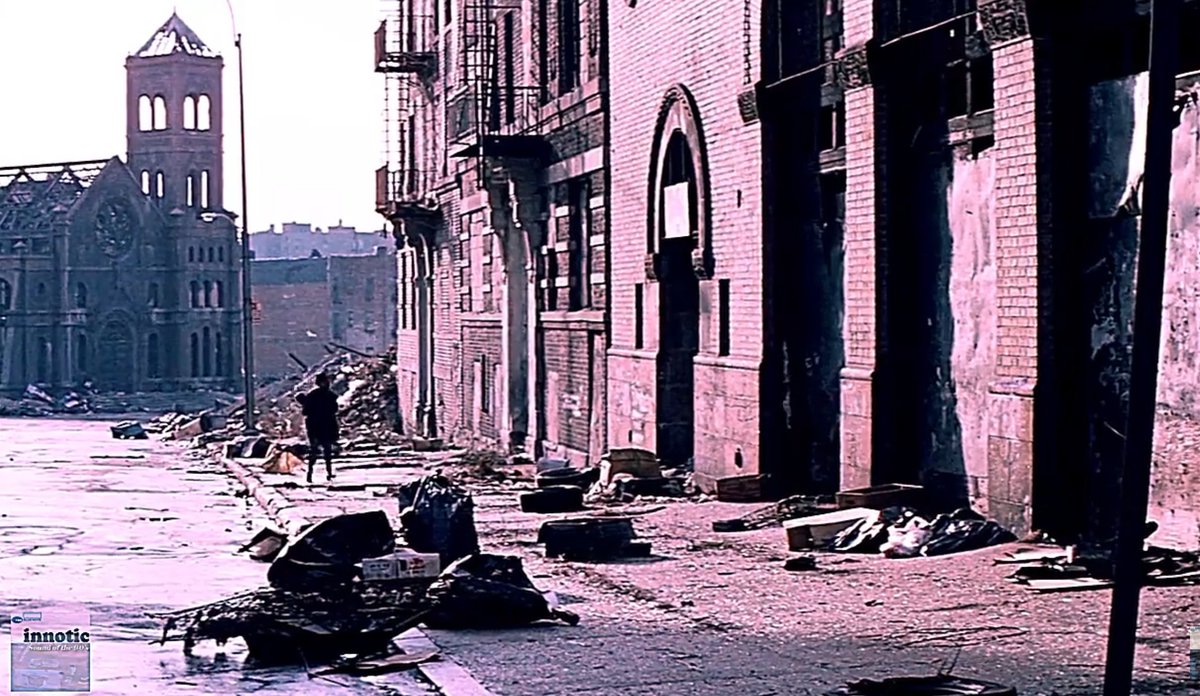
Long story short, it's over. I don't pretend to presume what cities will become, but it's not going to be anything like Summer 2016. They'll likely become poorer, isolated, and dominated by crumbling infrastructure and Marxism. Curiosities for sightseeing tourists. Venice for the lucky ones. 1970's Bronx for everyone else.
2
9
3,987
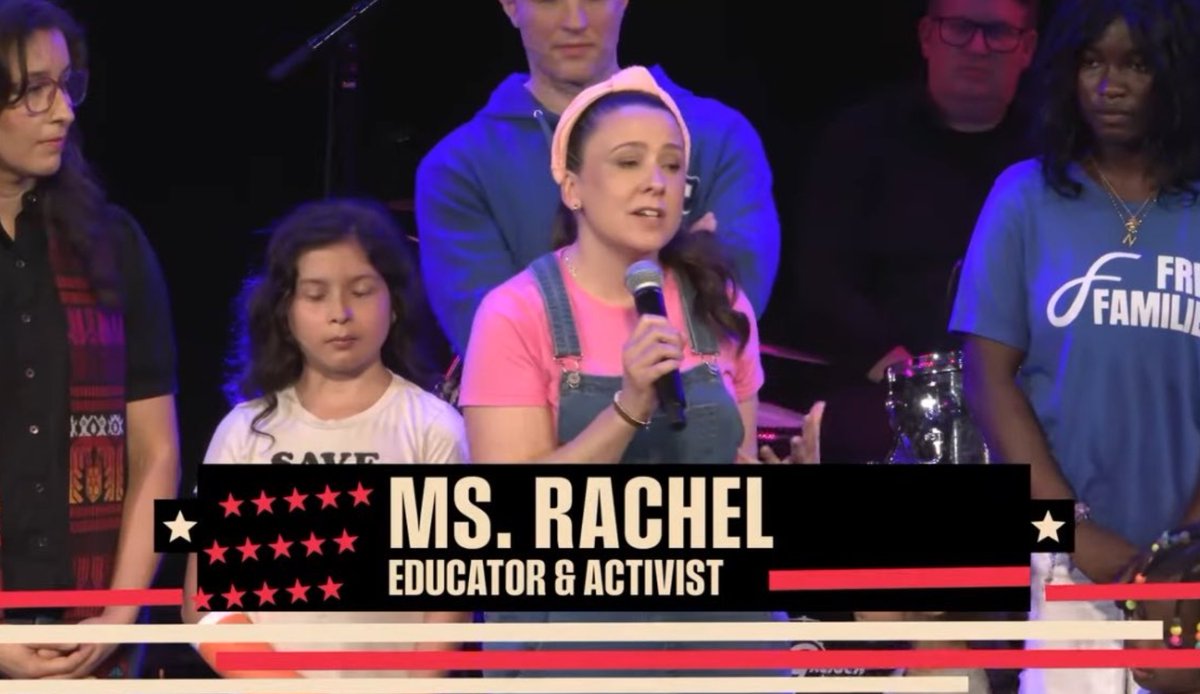
"I just want the kids to be safe"
Also
[appears at leftist political rally about immigration]
4
This is my mom. She doesn't even care about her grandson. I have to remind her to ask questions about him.
Boomerlibs are such insanely awful people

'ALF' Star Anne Schedeen Dies at 77; Family Remembers Her 'Burning Hatred for Trump' variety.com/2026/tv/news/ann…
19
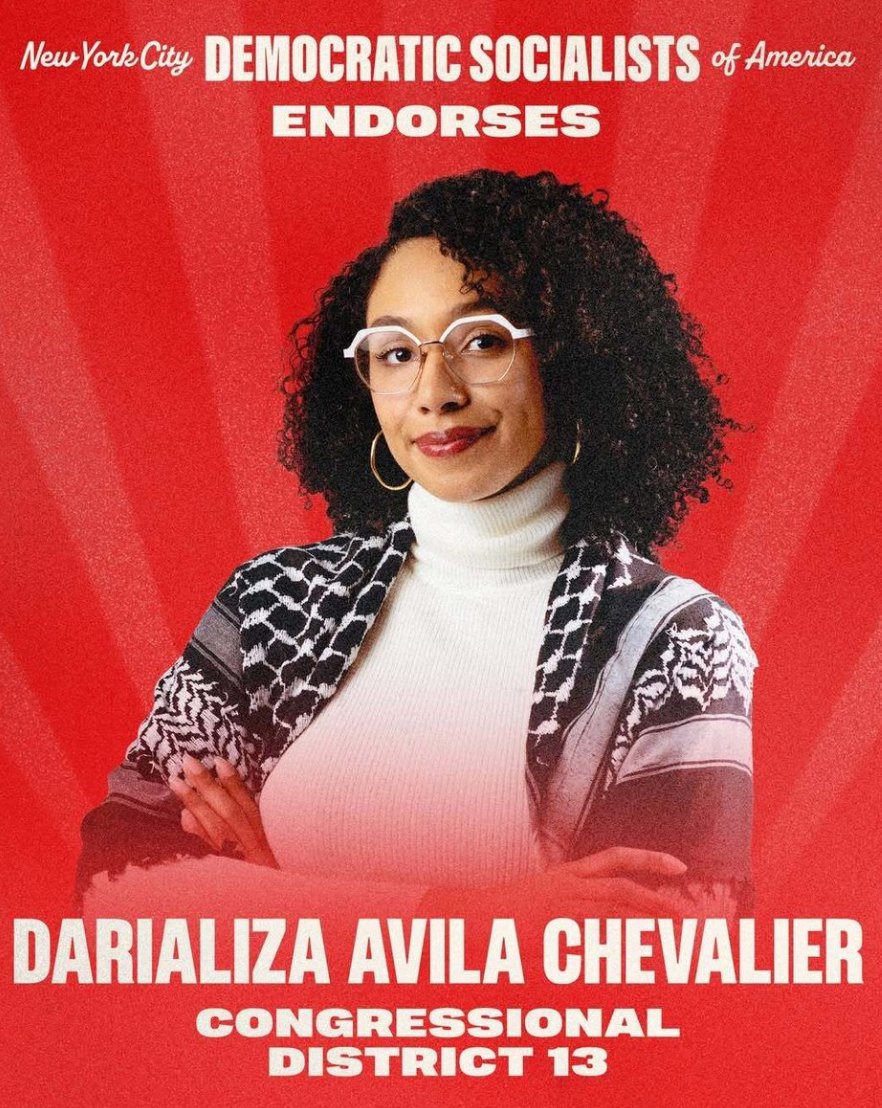
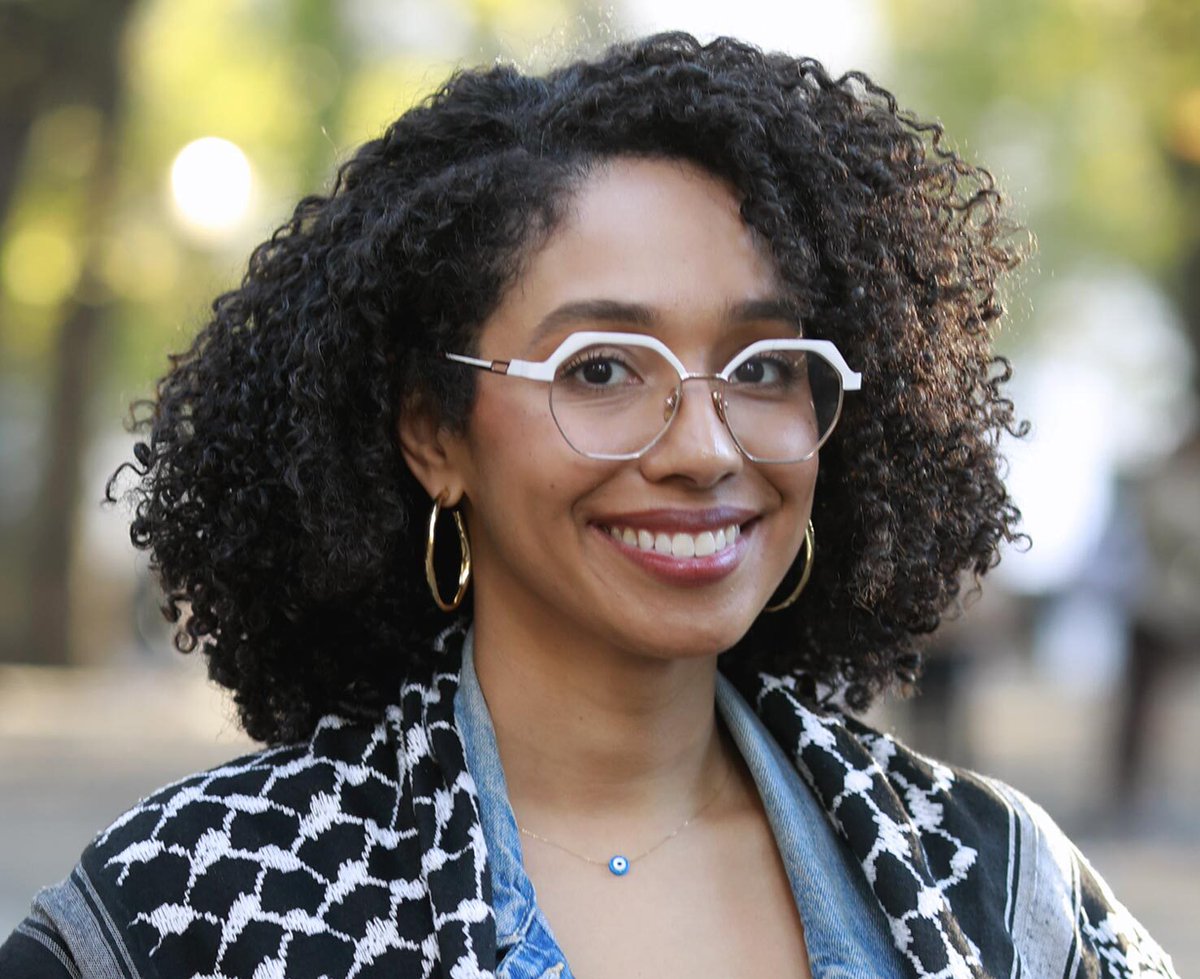
She's the perfect leftist
-men who date white women are race traitors
-the American flag is a napkin
-BA in "Middle East Studies" from Columbia
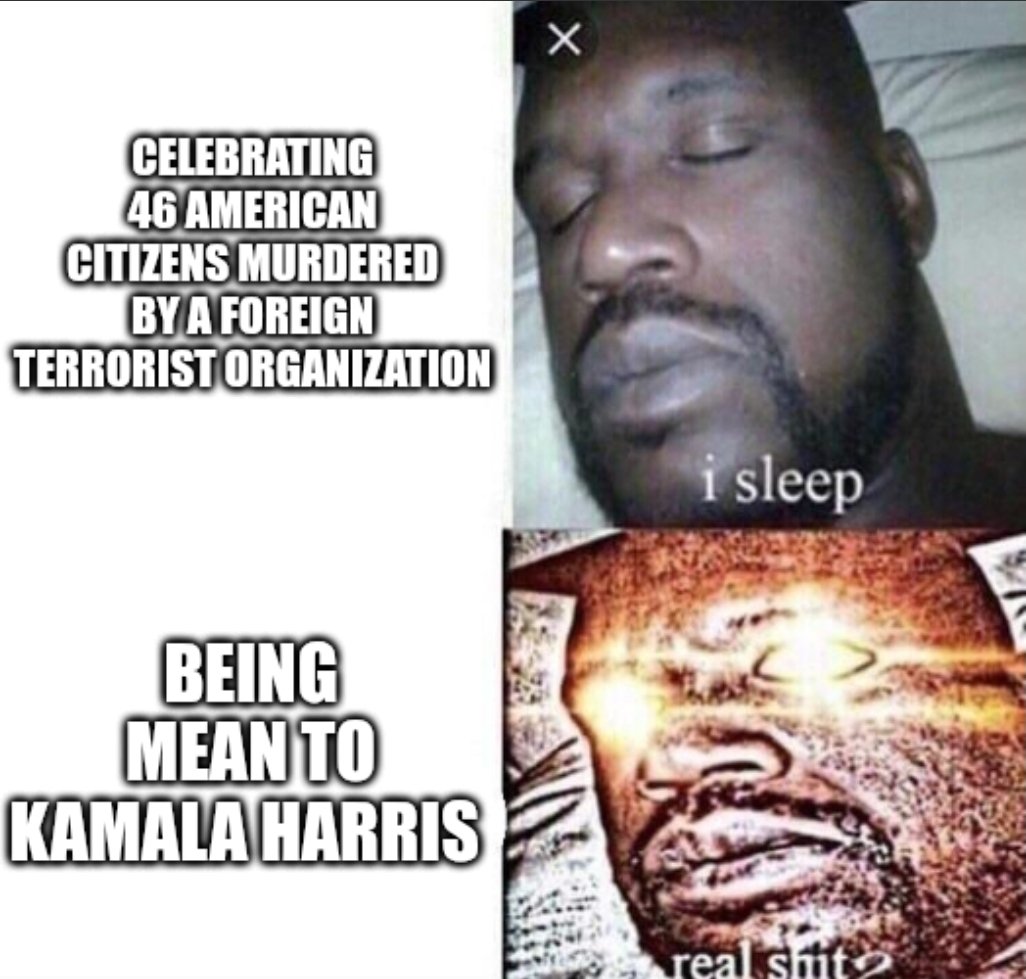
-F Kamala Harris
-keffiyeh in every photo
-permanent mmhmmmmm face
-openly supports terrorists
-celebrated Americans dying
8
Trump listened to a Chorus of views on Iran and landed on Joe Kent lmao
11
Jesus christ man lol they totally messed up

.@VP: “What this agreement does is really twofold — on the one hand, it ensures that Iran will never have a nuclear weapon, while simultaneously opening the Strait of Hormuz… it also fundamentally extends a hand to Iran and says, ‘Look, if you guys are willing to honor your obligations, if you’re willing to allow real inspections of your nuclear program, then we will welcome you back into the world economy.’ I think what @POTUS wants to do is turn over a leaf of 47 years of a failed relationship between the United Stated and Iran, but that requires the Iranians to actually honor their end of the bargain.”
21
The current goal of YIMBYism to make more people have to listen to and see the exposed genitals of screaming crackheads

This AM I was awakened by someone screaming exposing himself in front of my neighbor as she tried to take her bike out w/ her 4 yr old. Then another screamer at Harrison and 24th, and still another at 24th and Church. There is no mechanism for calling for help. @DanielLurie
1
48
The dumbest thing I hear about California housing is that we can't build on hills/mountains.
Yeah, because people hate views with a deck.
33
There is now little difference between YIMBYism and militant, anti-car, density maxxer urbanists.
They have completely co-opted the movement and are going to accomplish nothing but making suburbanites hate cities even more.
Massive L
17
These dorks juat put everything down for not being Manhattan. It's so unconstructive and annoying.
23h

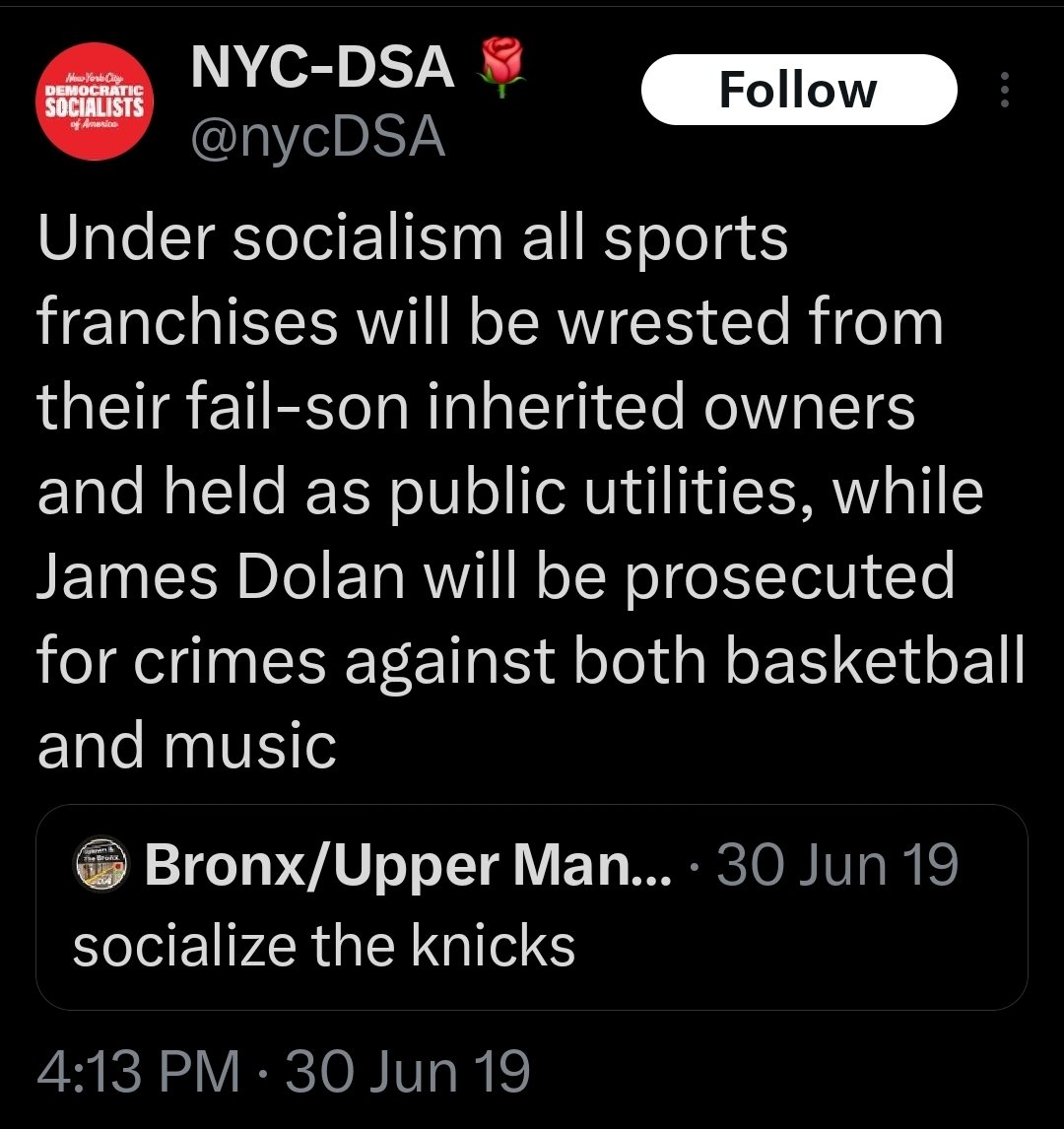
the energy of the OKC celebration last year vs. the Knicks this year is so funny
walkable cities enable spontaneous eruptions of joy that are simply impossible to generate in suburban sprawl
1
2
67
strategicreserve.cope retweeted

Again, you may not like the UFC thing at the White House, but the moment you hung a giant pride flag from the columns and had half-naked “trans” activists exposing themselves on the lawn, you lost all right to complain about desecration.
959
10,238
76,065
930,343
Doctors should never be political. Its kinda scary tbh.

I took care of sick kids at the hospital today.
1
56
strategicreserve.cope retweeted

A lot of urbanites incorrectly view suburbanites as the biggest barrier to urbanism. Outside of urban highways they don't matter.
The biggest barrier to urbanism are Angelenos, San Franciscans, New Yorkers, etc., who dislike building.
23h
the energy of the OKC celebration last year vs. the Knicks this year is so funny
walkable cities enable spontaneous eruptions of joy that are simply impossible to generate in suburban sprawl
4
13
230
6,898

Jun 14
I work in government. One thing we never do is hire full time employees (FTEs) with grant money. FTEs are a lifetime commitment with salary, benefits, and retirement. No grant can be guaranteed to exist for that period of time.

32
Jun 14
Which they just lost their monopoly on
Jun 13

Conservatives often criticize universities for failing to prepare students for jobs.
But that's like criticizing a library for failing to function as a gym.
The purpose of a university was never vocational training. It was always the pursuit and transmission of knowledge.
24
Jun 14
If Elon went to bat for Kamala and put his trans kid front and center, he'd be celebrated as visionary by the left. They would completely adore him.
12
Jun 14
Jun 13

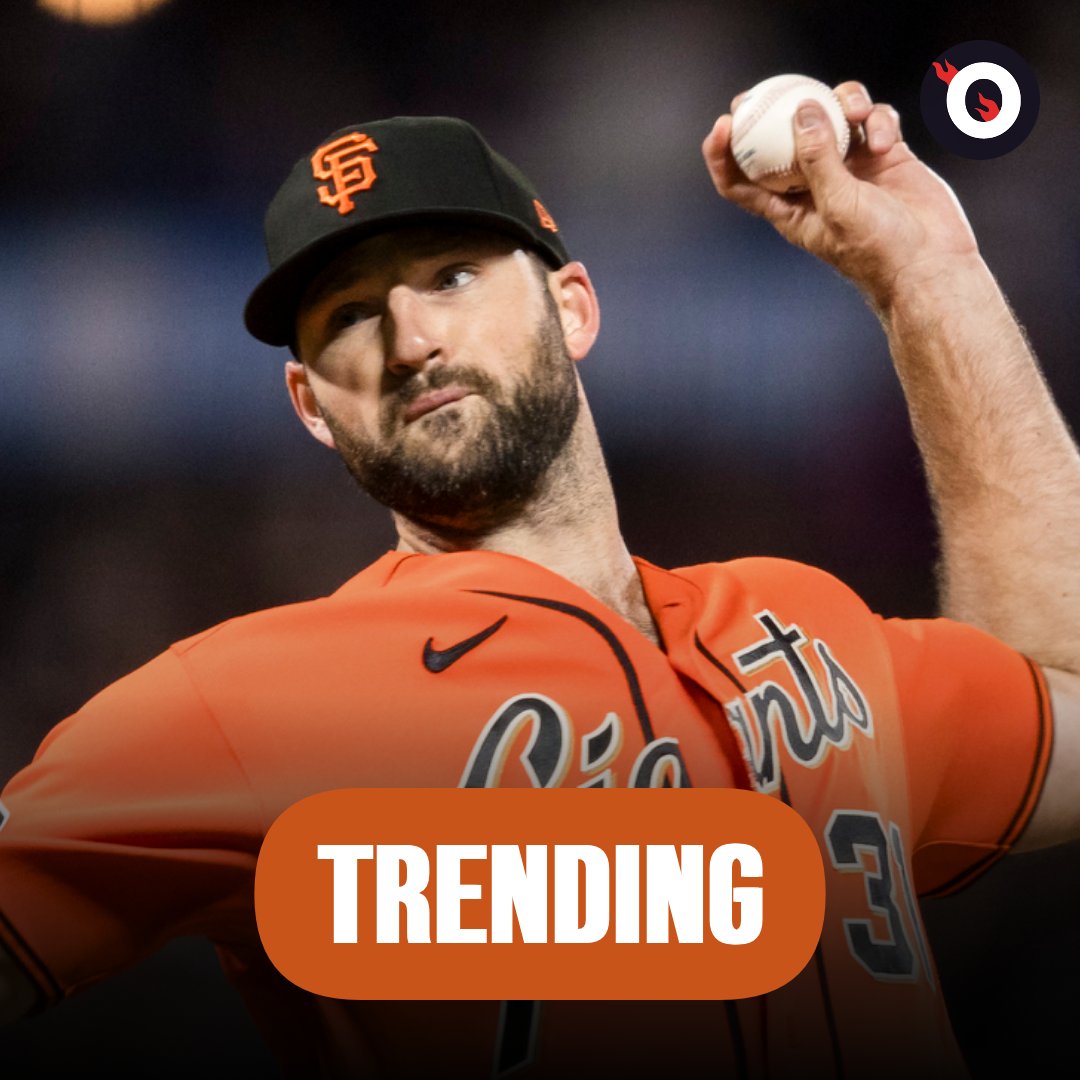
🚨TRENDING: San Francisco Giants pitcher Sam Hentges declined to wear the team’s Pride Night cap on Friday night, infuriating some members of the fanbase.
“It was equal parts bigoted and embarrassing, and blame deserves to shine throughout the organization,” Giants analyst Brady Klopfer wrote, noting that several other players wore the Pride hats but wrote biblical verses next to the logo.
38
Jun 14
Boomerlibs now posting Codepink and Tucker on Facebook
We're getting so close to the end to the boomer experiment
12