
Multi-award winning Utility GIS experts. Check out our FREE ebooks, videos, and more!
Joined April 2014
- Tweets 4,250
- Following 594
- Followers 1,027
- Likes 662
1,973 Photos and videos





Getting Capital and O&M allocation right is not just a finance question. It determines what data work gets done, what gets deferred, and what never gets funded at all.
1
17
Clarke Wiley from SSP Innovations is joining Brandon Vossler and Darius Elder from PG Partners on June 30 to walk through how utilities approach this strategically.
Free | 12:00 PM CT | June 30
Register: bit.ly/4vwvwb2
40
Inefficient operations. Outdated technology. Low adoption rates. Poor spatial data quality. Lack of executive support.
If any of these sound familiar, your GIS program may not be operating at the level your organization needs.
1
17
GIS maturity assessment is how you find out where you stand. It reviews your practices across six categories: GIS administration, infrastructure and technology, spatial data management, governance, program management, and organizational change management...
1
17
Each practice gets scored against industry-leading standards. The result is a clear picture of what is working and what needs to improve.
Our Leading Practices guide provides the framework for running this kind of assessment. bit.ly/4uf2bSQ
15
The line between Capital and O&M determines what gets funded and whether data capture makes the budget at all. Most utilities treat this as a compliance question. The ones seeing results treat it as a strategy.
1:00PM ET | Free to Attend
Register: buff.ly/z09Xqpa
3
Before choosing between staff augmentation and managed services, ask these four questions.
Are you trying to fill specific technical gaps or improve an entire process?
Do you need direct control over resources or do you want to focus on outcomes?
1
20
Is your primary driver cost variability or cost predictability?
How important is continuous process improvement to your goals?
1
16
The answers point you toward the right model. Augmentation suits tactical, well-defined work. Managed services suits strategic, outcome-driven relationships.
Our decision framework guide walks through both models side by side. bit.ly/4u50jMp
10
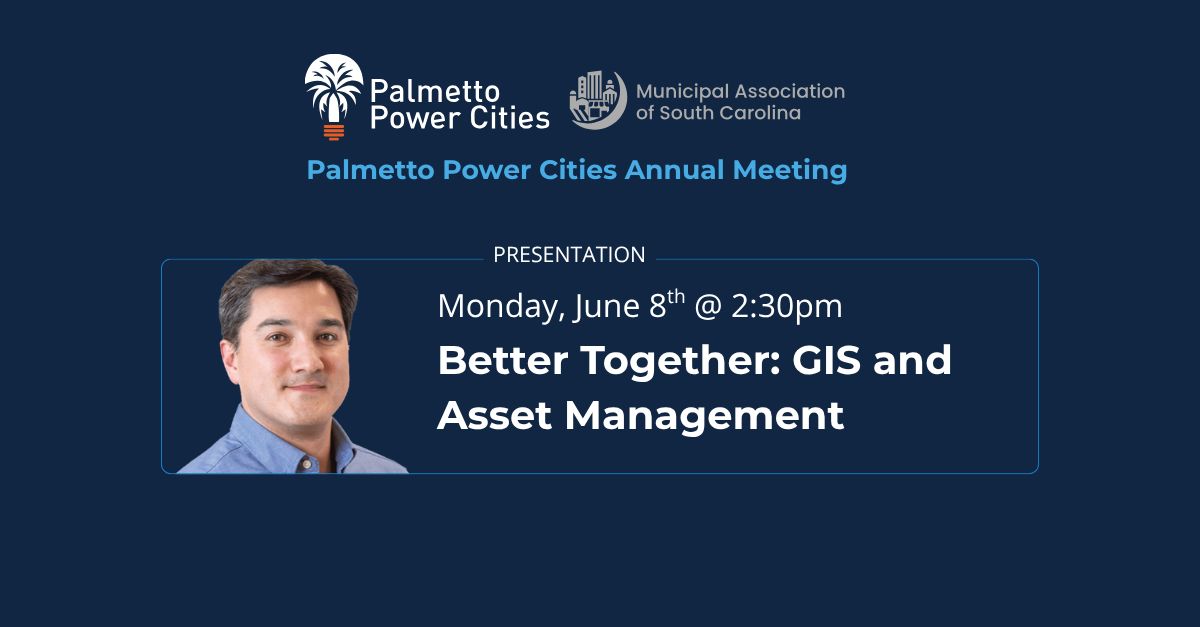
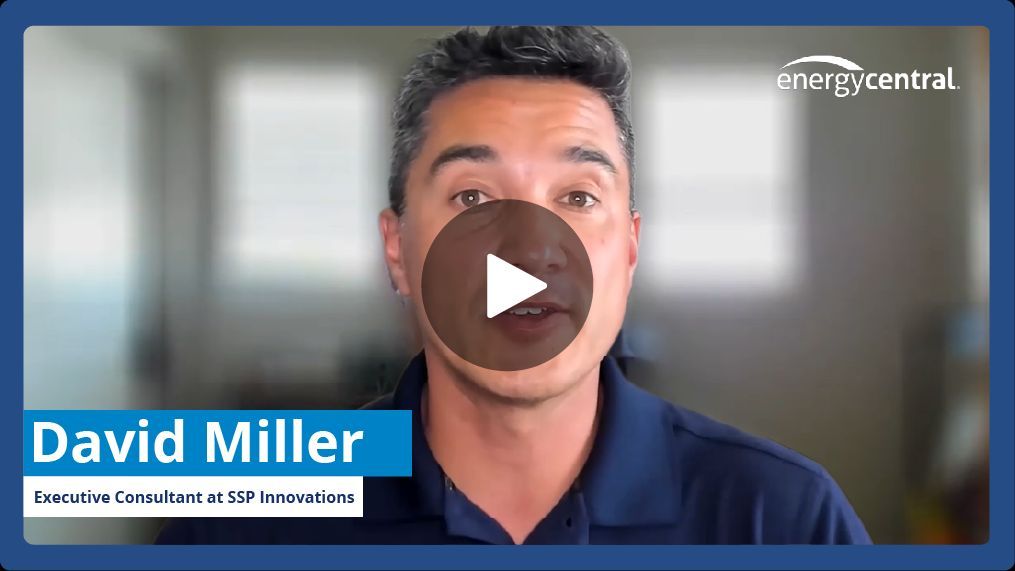
GIS and Asset Management work better together, and SSP's David Miller will show you why at the Palmetto Power Cities Annual Meeting on Monday, June 8, at 2:30 PM in Hilton Head Island, SC. bit.ly/4f7YZ6i
24
Utilities are dealing with a staffing reality that is not going away.
Retiring workers are taking years of institutional knowledge with them. Recruiting qualified GIS staff takes months. And the demand for technical resources keeps growing as grid modernization accelerates...
1
20
Managed services transfers ownership of entire processes to an external provider. The provider is accountable to performance metrics and service level agreements. It works best when you need consistent quality and long-term process improvement...
1
11
Many utilities use both, depending on the work.
Our guide helps you decide which model fits your needs. bit.ly/4u50jMp
10
Not everyone on your team needs to know the same things about the Utility Network.
A field editor needs different training than a GIS administrator. A planner needs different context than an OMS integration specialist. Treating these roles the same wastes time and creates gaps.
1
19
Role-based personas help you tailor training to the actual needs of each group. They also help with testing, engagement planning, and stakeholder communications...
1
11
Develop a skills inventory for each stakeholder group. Build training that targets exactly what each group needs to be proficient in their daily workflows.
The 6 Tactics guide covers how to build this kind of structured training approach: bit.ly/4aOjP8e
73
GIS adoption is not measured by how many staff completed training.
It is measured by how effectively those staff integrate the new capabilities into their daily work.
1
10
A low adoption rate means an expensive platform sits underused while staff work around it with older tools and habits...
1
7
There are six proven tactics for driving end-user adoption of the UN: stakeholder impact assessment, role-based personas, targeted training plans, engagement channels, skills development, & measurable tracking.
Our guide covers all 6 in detail. bit.ly/4aOjP8e
4