Helping HBCU faculty thrive, physicist, Hampton U alum, team LH44, World Champion and American Record holder 4x200m relay 70 age group, Oma of 2 greats
Joined December 2016
- Tweets 23,276
- Following 655
- Followers 2,679
- Likes 22,317
1,038 Photos and videos



Pinned Tweet

28 May 2025
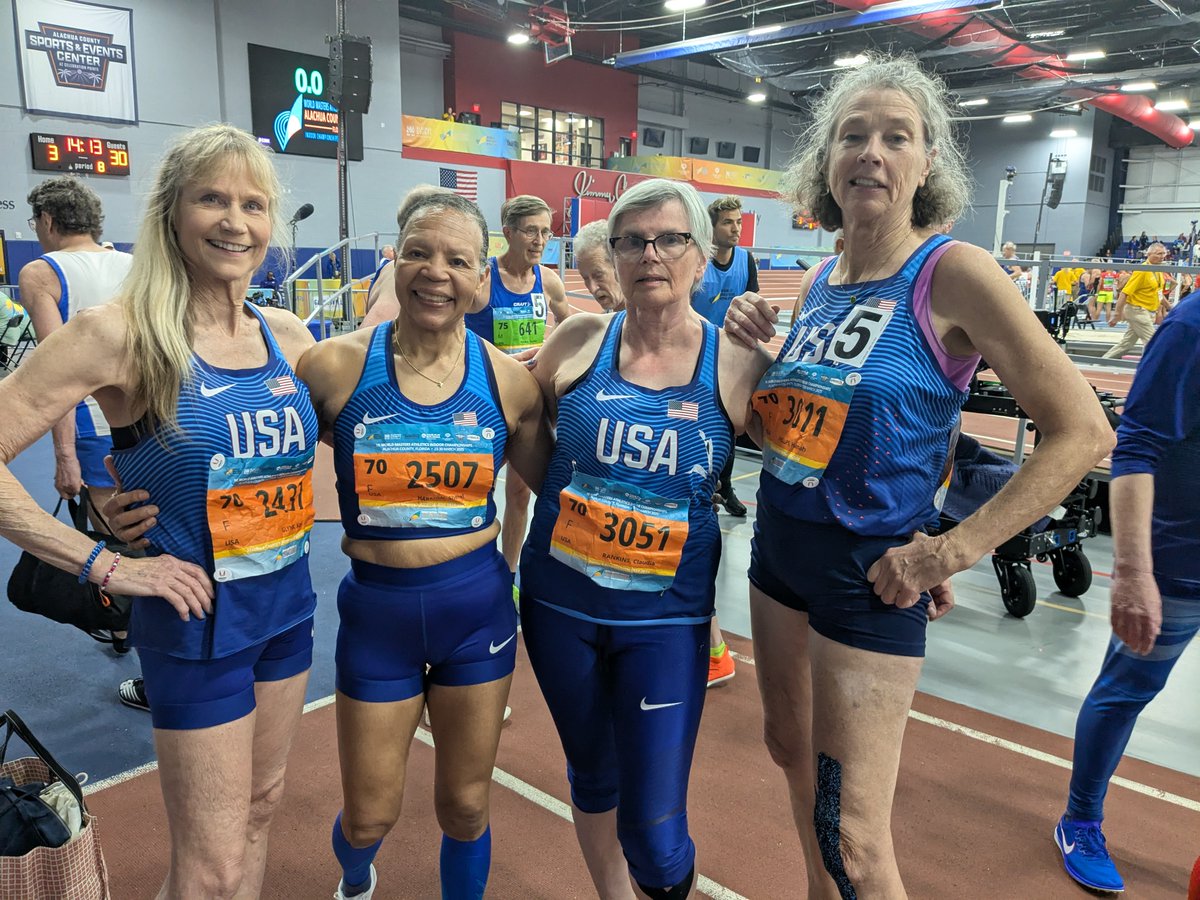
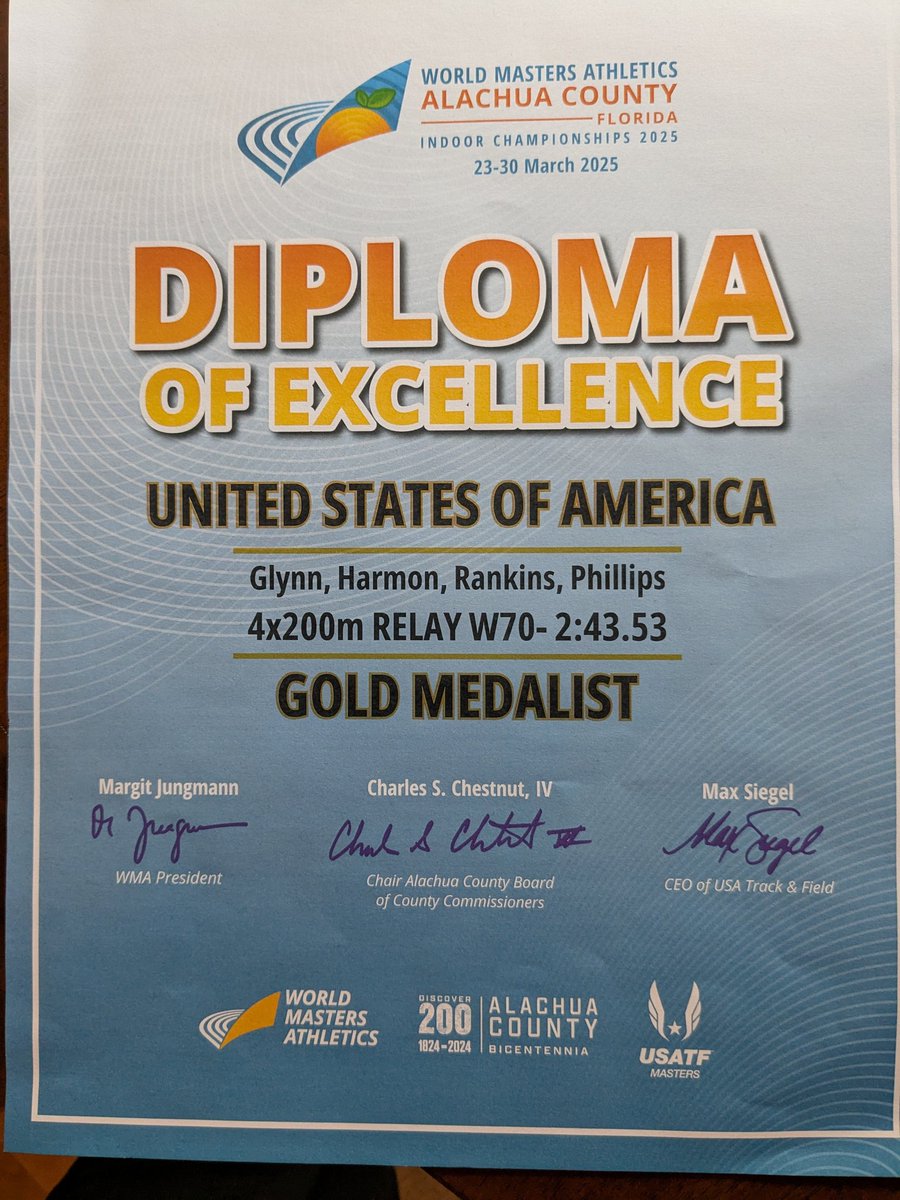
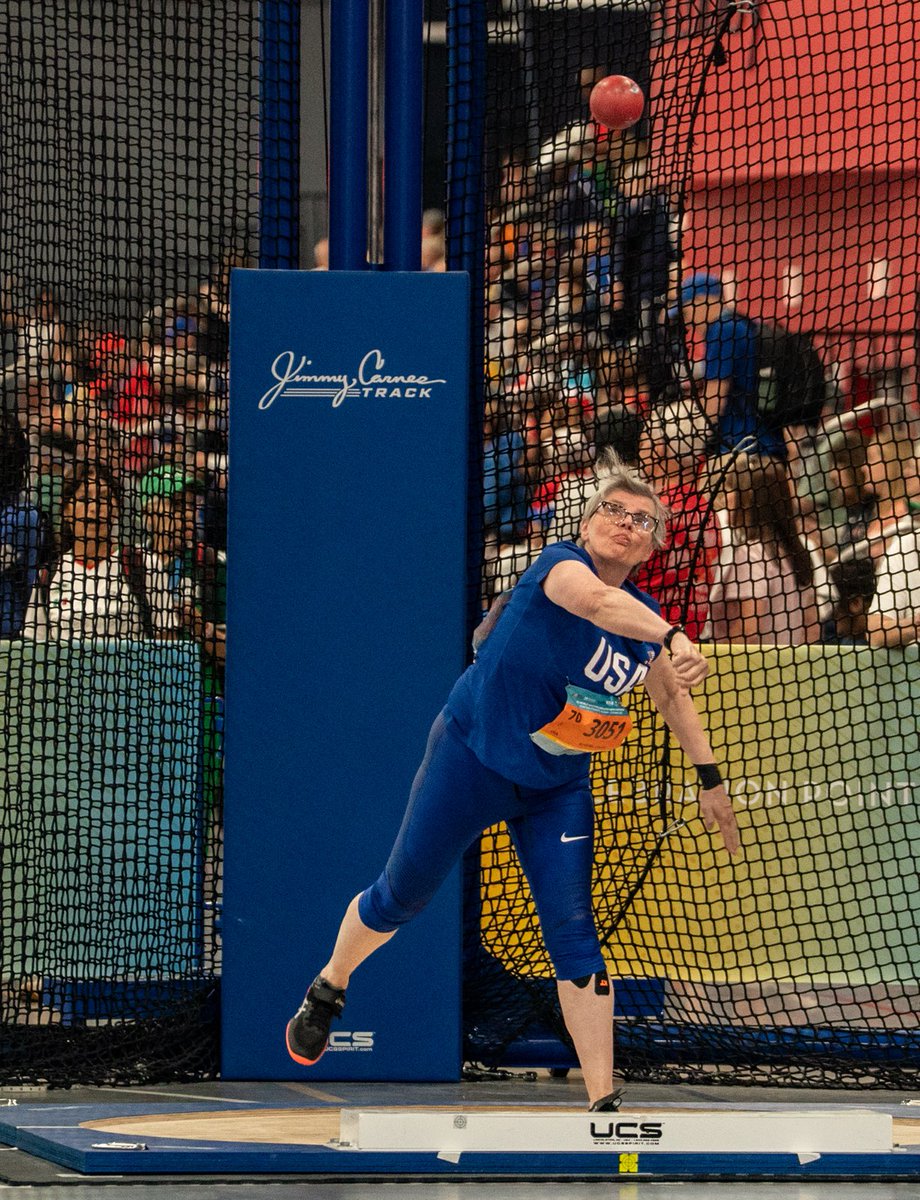
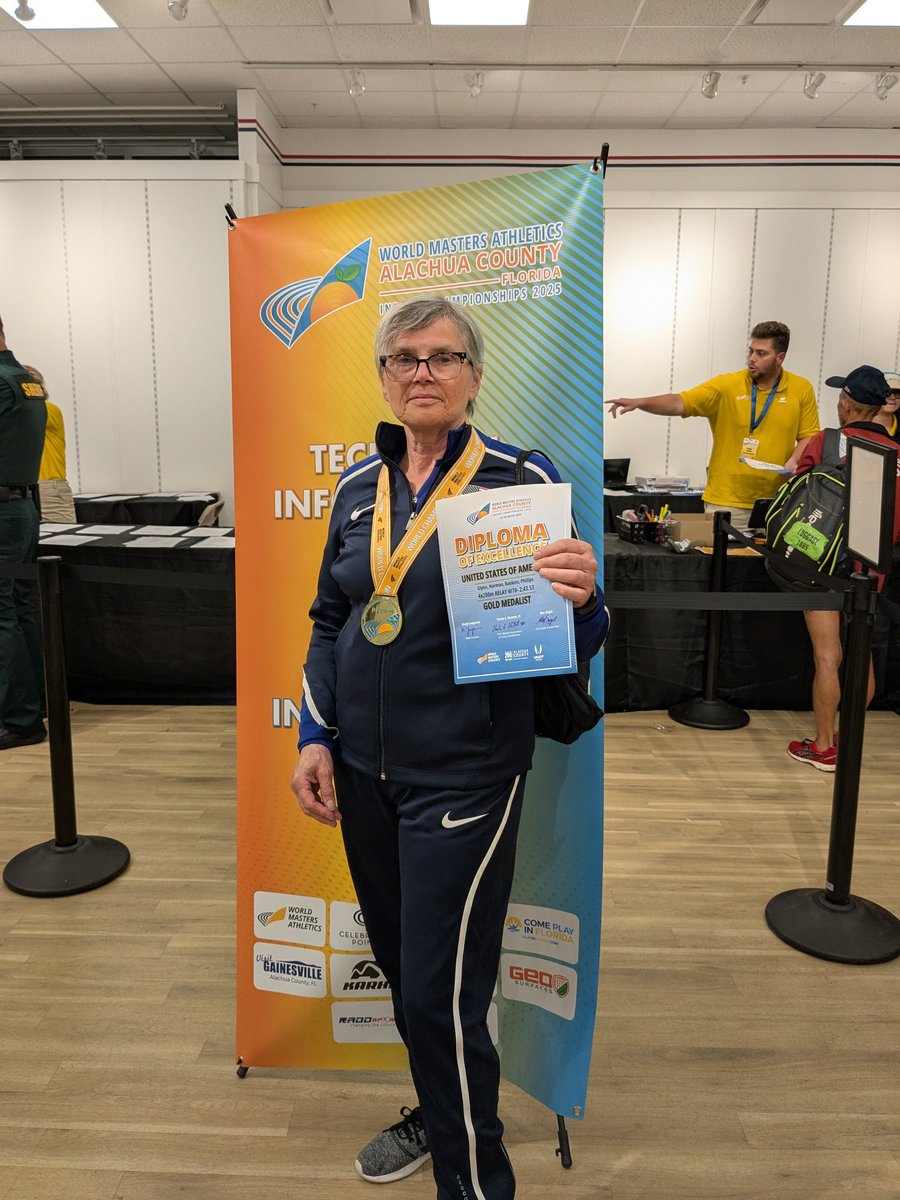
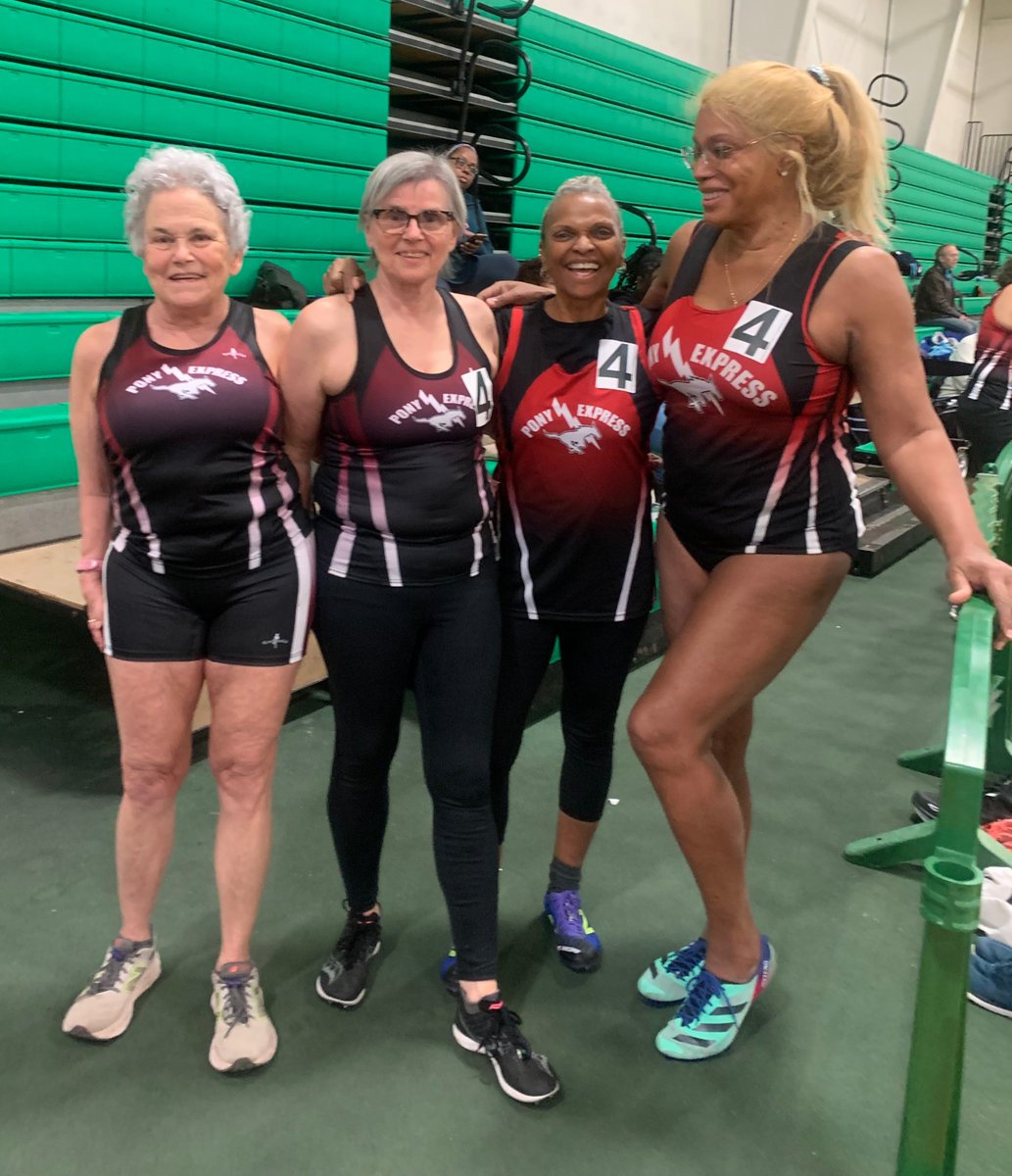
World Indoor 4x200m relay champions with an American record in the 70-74 age group - Glynn, Harmon, Rankins and Phillips.
1
292
Claudia Rankins retweeted

Spelman Names Ayanna Howard New President ajc.com ajc.com/education/2026/06/sp…
2
185
Claudia Rankins retweeted

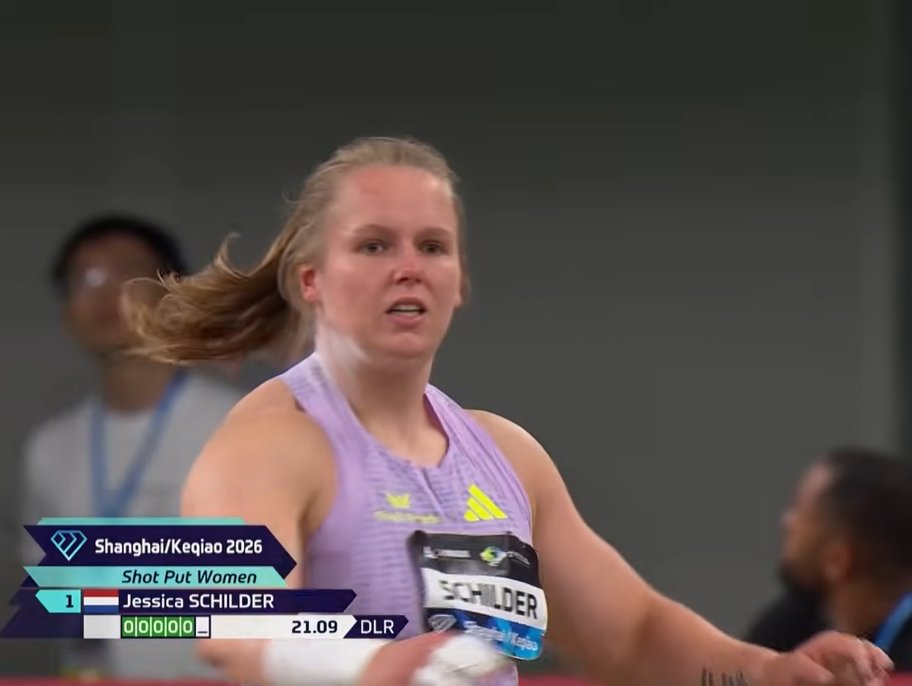
A WOMAN HAS THROWN BEYOND 21M IN THE SHOT PUT!!!!
Jessica Schilder 🇳🇱 is the first woman in 14 years (since Valerie Adam's 21.11 in July 2012) to reach 21m with a HUGE WORLD LEAD, NATIONAL RECORD AND DIAMOND LEAGUE RECORD of 21.09m in Shanghai!!!!
3
15
88
5,342
RT @stevenjgaither: If South Carolina State gets its funding cut black folks — and people of conscience— shouldn’t spend an unnecessary dim…
88
Claudia Rankins retweeted

Apr 10
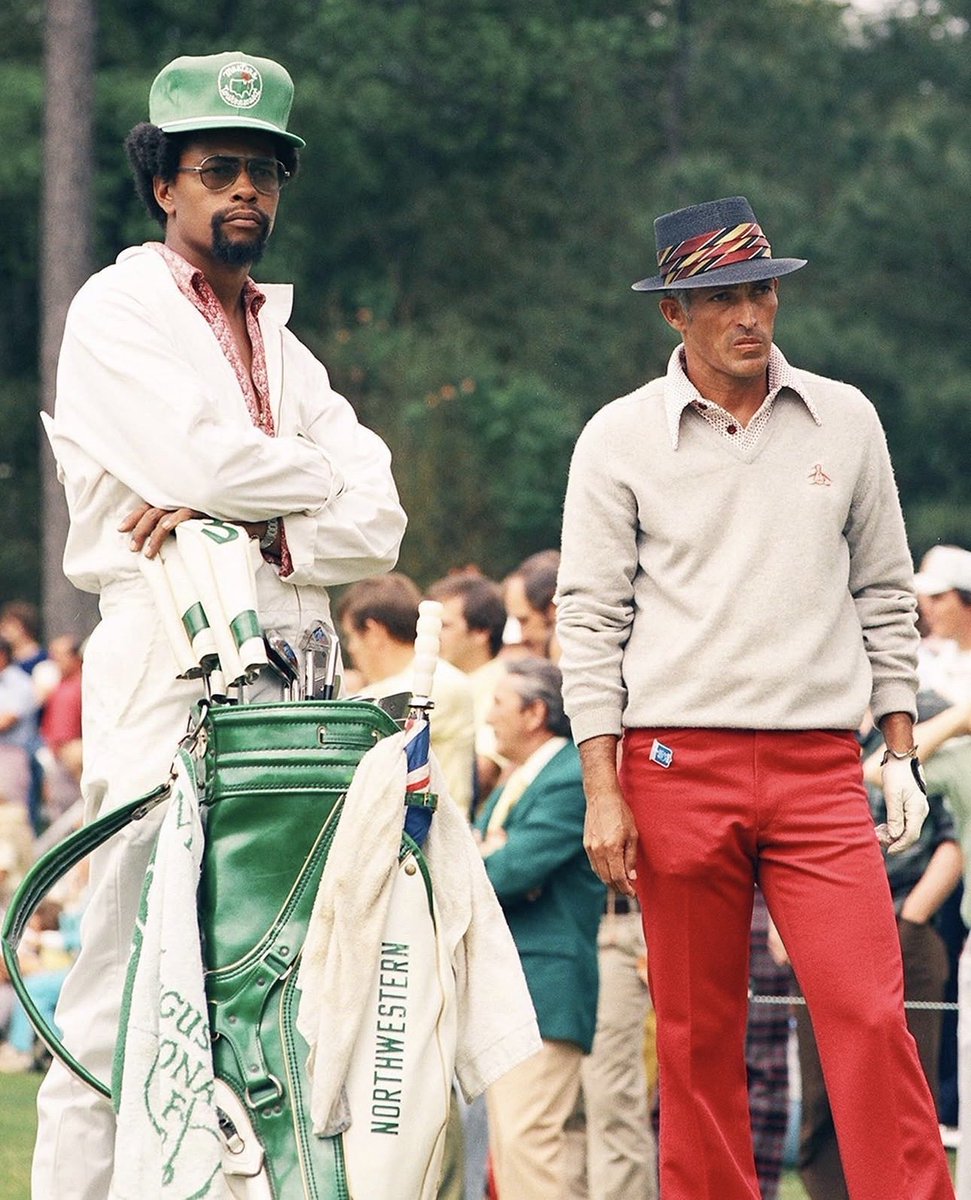
On this date in 1975, one of the hardest golf photos ever.
Chi Chi Rodriguez and his caddie, Carl Howard, at the 1975 Masters 🔥
280
3,335
26,336
1,347,694
Claudia Rankins retweeted

Feb 13
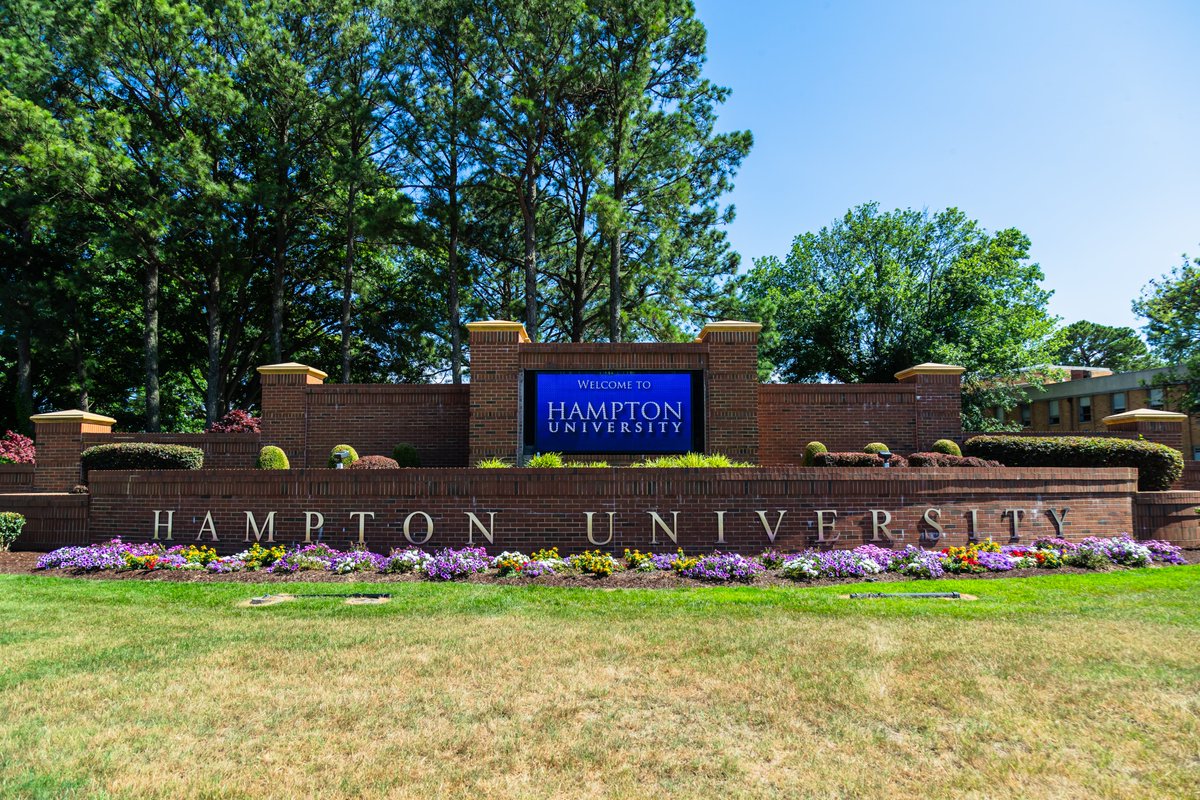
We are deeply heartbroken for the South Carolina State University community.
From one HBCU family to another, Hampton stands beside you, holding your students, faculty, staff, and alumni close in our hearts.
We see you. We support you.
#HBCUFamily
12
18
112
15,655
Claudia Rankins retweeted

Feb 6
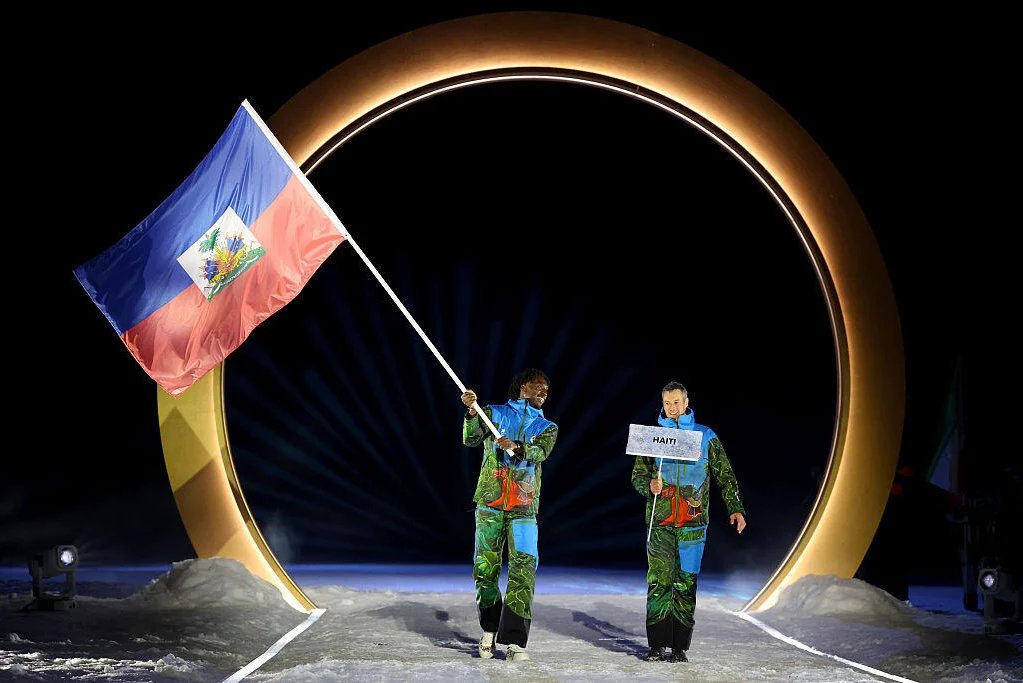
Flagbearer Stevenson Savart of Team Haiti 🇭🇹 enters with his teammate during the opening ceremony of 2026 Winter Olympic games in Milano Cortina.
📸 Maddie Meyer / Getty Images
4
274
1,722
20,328

Former IndyCar Series racer Simona de Silvestro’s dream of qualifying for the Winter Olympics has become a reality as the Swiss-Italian will represent Italy in Bobsleigh competition. racer.com/2026/01/29/de-silv…
4
44
330
10,509
Claudia Rankins retweeted

Jan 27
We can clearly see what they’re doing to Coco and Naomi..God forbid they show ANY passion or emotions. Let’s not forget what they put the Williams sisters through. They can’t come for their talent, so they’ll go after their confidence and mental health. Insufferable demons
14
532
2,305
24,757
Claudia Rankins retweeted

Jan 27
Keith Porter was murdered by ICE on New Year’s Eve. His life mattered.

252
7,711
29,202
229,498
Claudia Rankins retweeted
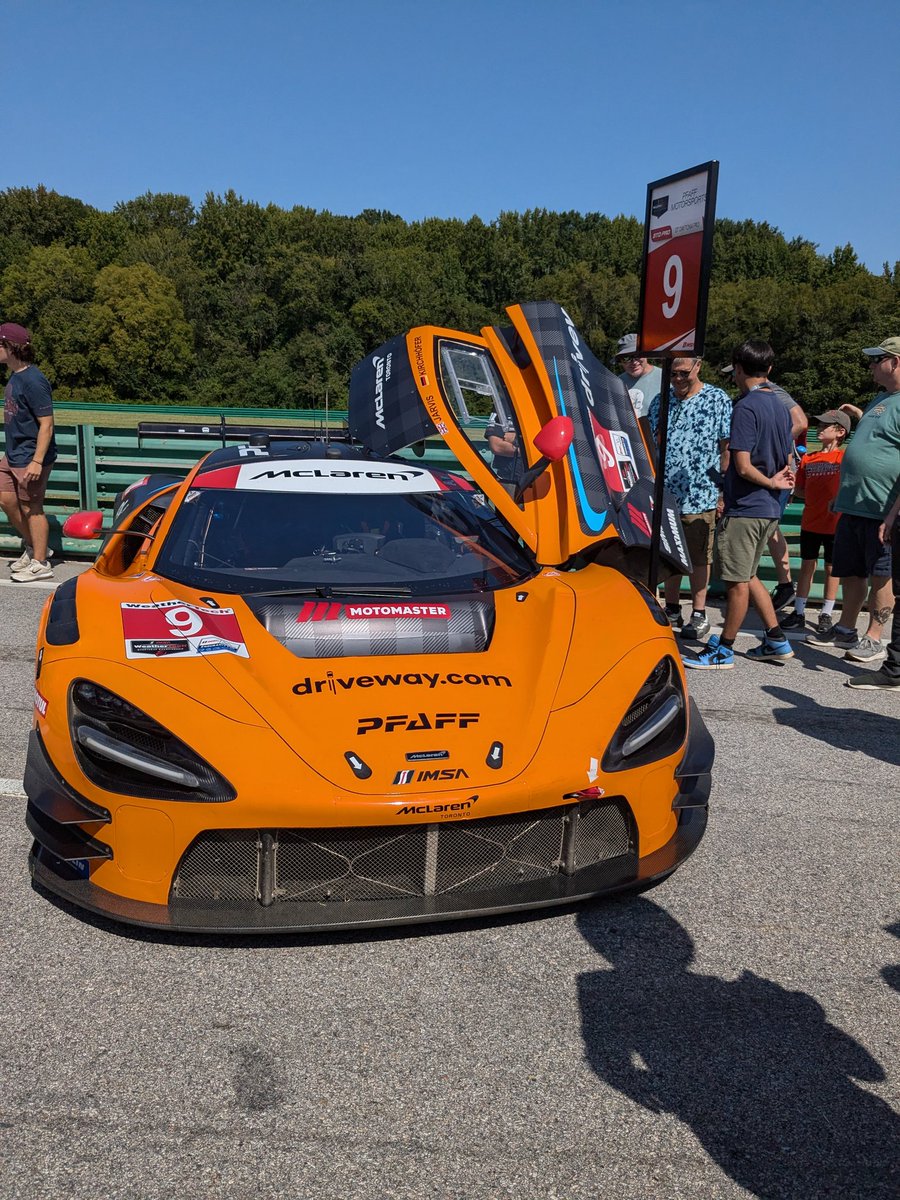
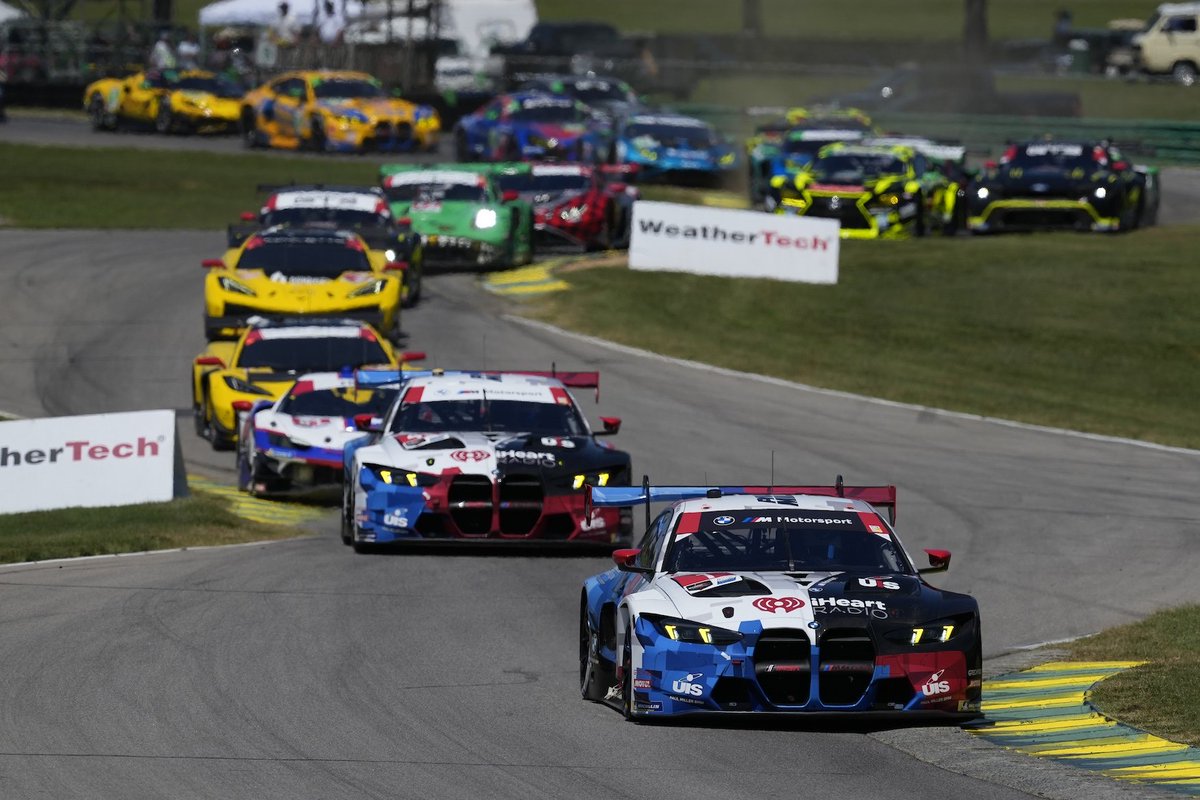
Tune in today! Don’t miss the action at @DAYTONA!
Tickets for the Michelin GT Challenge at VIR this August are waiting. Grab them now to keep the thrill going: virnow.com/imsa/
@IMSA | @MichelinUSA
#imsaracing #virnow #rolex24

5
14
511
Claudia Rankins retweeted

Jan 6
Childbirth is marketed like a lifestyle upgrade. Soft lighting. Empowerment slogans. A healthy baby placed neatly on a chest as if nothing else worth mentioning happened in the room.
The fine print is hidden. Hemorrhage becomes “a complication.” Organ failure becomes “things took a turn.” Death becomes “tragic” and then swiftly private, because detailing how a woman bled out or seized or went into cardiac arrest might ruin the vibe.
We are extremely committed to not scaring women. So committed that we withhold information. So committed that we pretend risk is rare, pain is fleeting, and survival is the default setting. We call it reassurance. It’s actually omission.
When childbirth goes wrong, we close ranks. Doctors cite confidentiality. Families are urged to focus on the joy. The woman’s body is treated like an inconvenient subplot in a story that only cares about outcomes if the baby lives. If the mother dies, she becomes a cautionary whisper, not a systemic failure.
And heaven forbid the woman knew better. If a medically trained woman dies in childbirth, we don’t interrogate the system. We lower our voices and say “even experts aren’t immune,” as if the takeaway is cosmic irony rather than structural negligence.
The rule is simple enough. Celebrate the miracle, bury the cost. Because if we told the truth, women might ask questions. They might demand better care. They might hesitate. They might decide that risking their life deserves more than platitudes and pastel posters. They might just stop giving in to “you should have a baby to fully own your womanhood” by “well-meaning” people.
So we keep selling childbirth as sunshine with a side of courage. And when a woman pays with her body or her life, we call it rare, tragic, and absolutely not something we should talk about too much.
Wouldn’t want to ruin the miracle. That’s all that mattered, not women’s lives.
Jan 5

Dr. Janell Green Smith, a midwife who advocated for Black maternal health, dies of childbirth complications
thegrio.com/2026/01/04/dr-ja…
74
2,216
7,812
481,034
Claudia Rankins retweeted

The world is sick of hearing 350 million Americans say they're helpless and nothing is their fault
104
3,631
14,955
328,851
Claudia Rankins retweeted

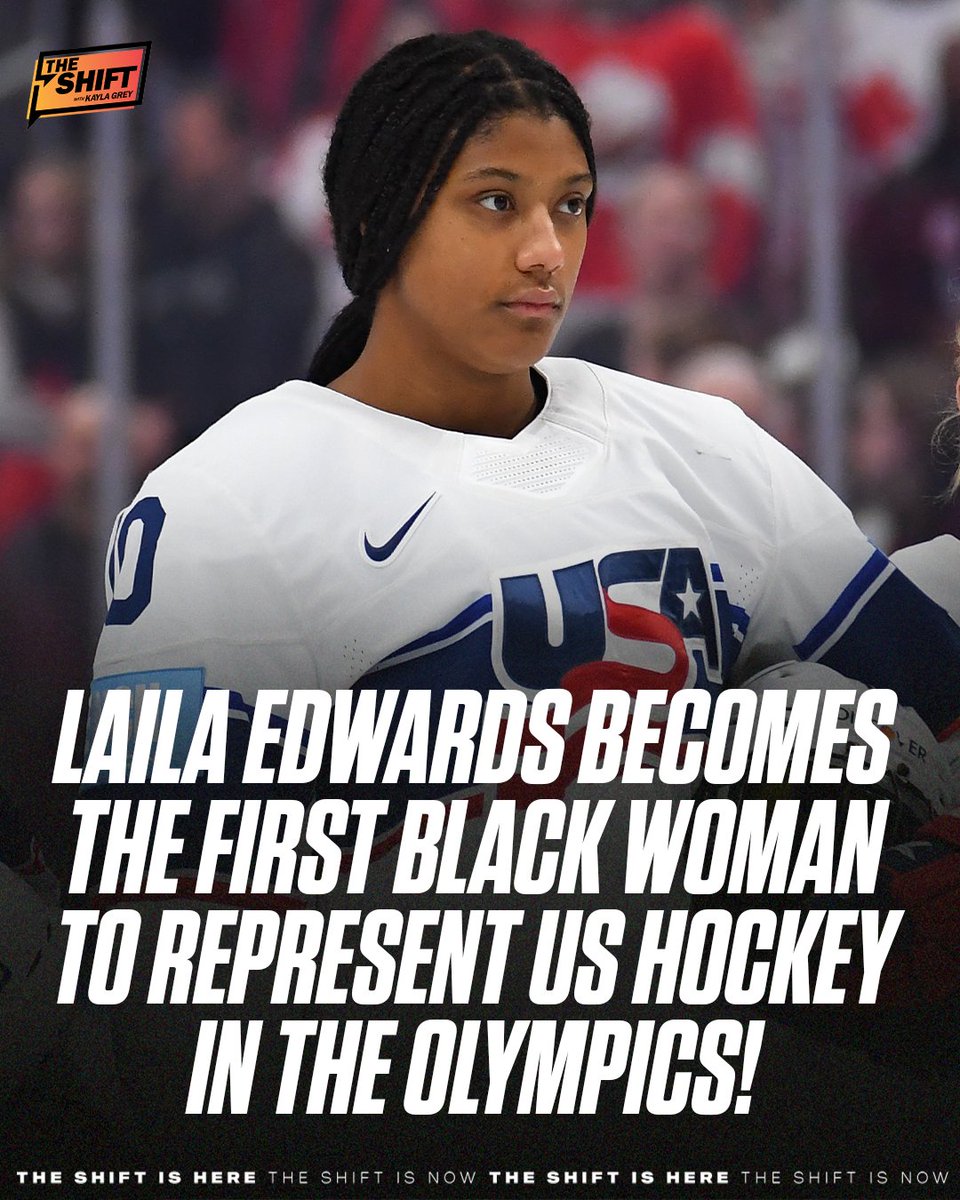
Laila Edwards has been named to the U.S. Olympic women's hockey team, making her the first Black woman to ever represent USA Hockey at the Olympics 👏
134
4,780
26,446
420,619
Claudia Rankins retweeted

Jan 2
Imani
Seven
Completion and beginning,
Cycles close
and open
Endless dance
of becoming
We step out
up
in
called
by what we cannot yet see
but already know
We
believers
trusters
doers
never
have we failed
to recognize the knowing
that lives inside us
When still
when moving
in the then
the here
the there
faith meets us
where feet touch ground
Nat Turner
Harriet Tubman
Names spoken
like prayers
Paths lit
through joy
and day
terror and night
We break through
by vision
refusal to surrender
the promise
we see it
and be it
and pass it on
in the best of our moments
and somehow too
in the worst
We have come this far
carrying songs
scars
and each other
ascending step by step
toward heaven
toward wholeness
toward tomorrow
Imani
We believe in us
that
is the only reason
We persist.
Seven
#Imani #Kwanzaa #Kwanzaa2025 #HappyKwanzaa
3
27
109
2,039
Claudia Rankins retweeted

31 Dec 2025
DAKAR FAMILY 🫶🏜️
#Dakar2026 #DakarInSaudi
📸 A.S.O./ DPPI Images

7
101
775
23,586
Claudia Rankins retweeted
29 Dec 2025
Ujamaa
Four
Give all
Work/life
Leave no one
Out
or behind
Capital-Isms?
cancelled
Capital-lies?
not
Dis place
Make
share/care
for one
is All
Our House
claims all ties
We home
in our business
Find value
in work worth
Watch pockets
lest someone
fall out
the whole
Make progress
grow/show/glow
Just like
Be
Four
#Ujamaa #Kwanzaa #Kwanzaa2025 #HappyKwanzaa
1
28
113
1,905
Claudia Rankins retweeted

Whatever hate, disrespect or insensitivity a Black person may be getting in the Black community, they’ll be getting 50-fold from whites. This idea that anybody flees the Black community, or any portion of it, into the loving arms of the white community is top tier delusion.
5
21
669
Claudia Rankins retweeted

25 Dec 2025
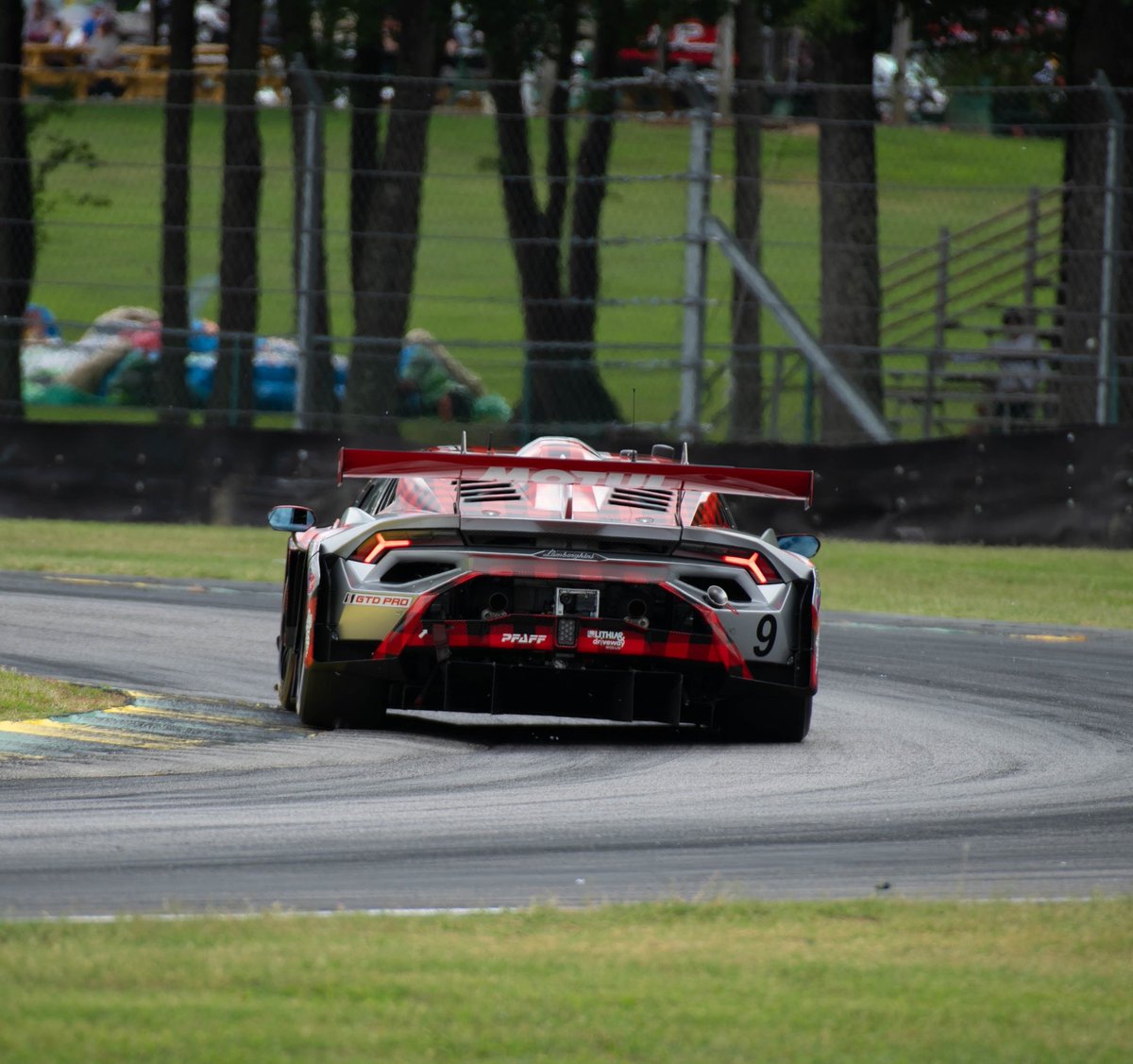
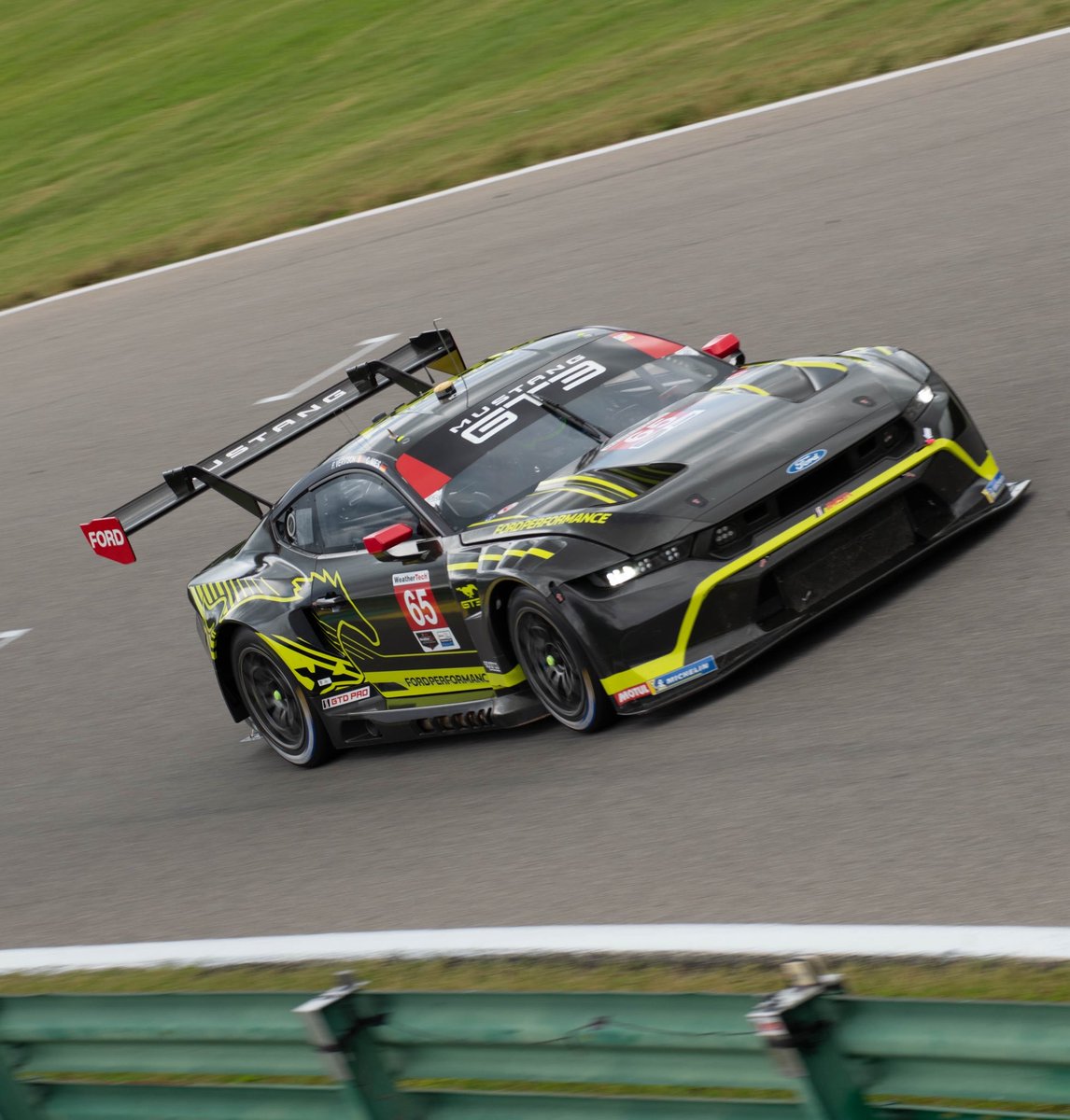
One the 12th and final day of VIRmas, VIR gave to me, a chance to win 4 tickets to the IMSA Michelin GT Challenge on August 21-23! #12DaysofVIRmas
How to enter:
1. RT & Like this post
2. Follow VIR
@IMSA | @MichelinUSA

12
261
434
11,239