
Humble yourself or life will do it for you
Joined June 2017
- Tweets 12,210
- Following 9,262
- Followers 66,133
- Likes 8,701
3,664 Photos and videos



Pinned Tweet

1 Apr 2022
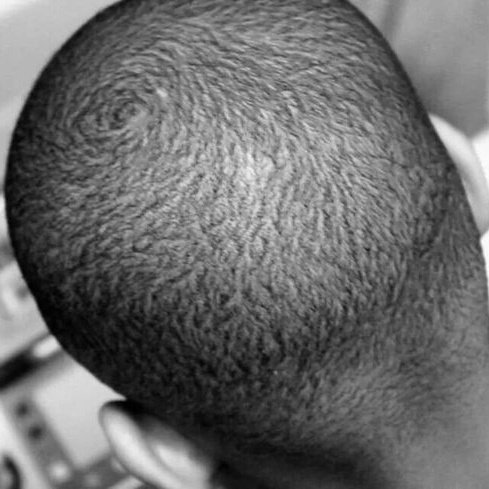
Like galaxies, our hair grows in a spiral pattern, Like trees, our hair grows toward the sun:
The reason our hair grows in a spiral pattern is to give us a stronger connection to the universe and to the world around us...

72
824
3,130
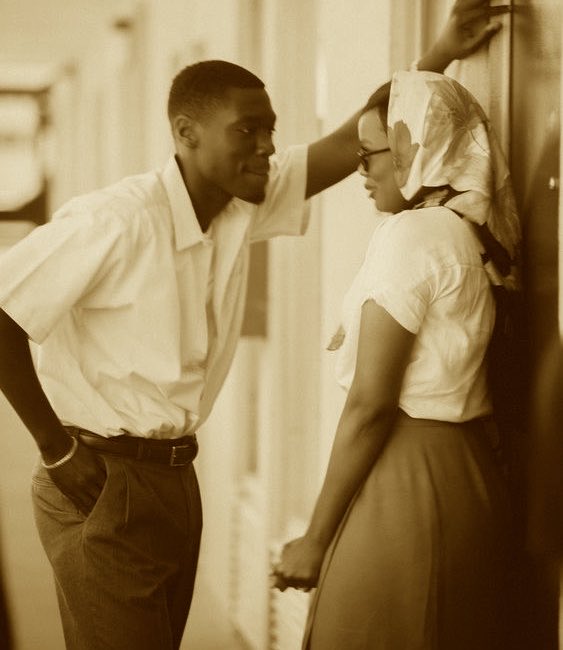
Two people can survive 67 years, not because they never faced storms, but because they understood that love is not only a feeling, it is a responsibility. They came from a time where people did not throw away what became difficult. They repaired, they forgave, they grew. Some things may lose their shine, but they never lose their value. A heart that is cared for can become even stronger after it has been broken. Sometimes the cracks are where the light enters.🫶🏽
12
68
1,455
Ingabe ngenza iphutha yini uma ngingase ngilungise imuthi ekwazi ukushaya ngqo emhloleni. Imithi eyenza lento eyenziwa izaNgoma (ukubhula), umehluko ngalemithi ukuthi yona ikhombha ngqo enkingeni, ayihlawumbhiseli. Icacisa yonke into ngephupho, kungaba mhlampe ubuthakathi obenziwa kulelo khaya, noma umsuka wezinkinga zomuNtu. Lemithi iphinde iveze izixazululo zokuthi inkinga kumele ilungiswe kanjani. Kokunye uma unenhlanhla, izinkinga zilunga khona ephusheni. Akube kusadingeka ukuthi umuntu afukuze kanzima. Lenxube iphinde umveze nomuntu ongalungile eceleni kwakho noma umuntu owamosha ikini. Manje ngiyabuza futhi ukuthi kungaba yiphutha na ukuhlanganisela abantu into enjalo, ngoba iMizi eminingi iphelile kweminye akuzwana ngenxa yokuyohlola. Enye into ngalenxube uyakwazi ukukhulula umphefumulo owathunjwa ongahleli kahle, angime laph. 🍃🫶🏽
21
22
143
3,638
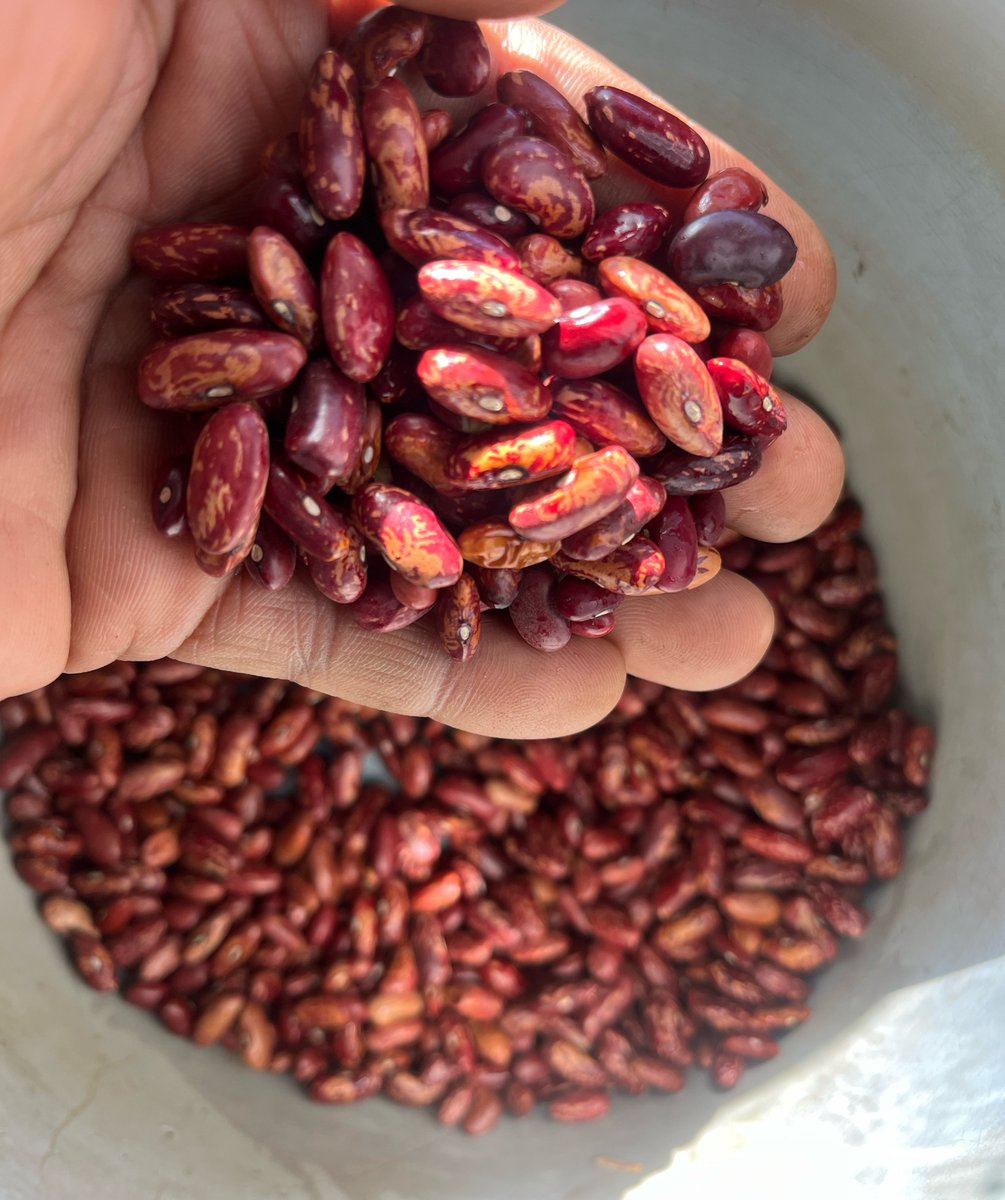
They contain 90 percent more iron than standard bean varieties. These beans originate from Zambia and are naturally rich in iron. They are not the same as the common beans found in supermarkets. I call them “iron beans” because of their exceptionally high iron content.
These beans show how powerful food can be. A single serving provides unusually high levels of iron and zinc, which helps support the fight against anemia and hidden hunger. While ordinary beans mainly provide nourishment, iron beans can help support healthy blood, strengthen immunity, and withstand drought conditions where other crops may fail.
One humble bean can help fight malnutrition, handle climate stress, reduce cooking fuel needs, and support a household’s food supply all at once.🫘🍃🫶🏽
9
40
222
6,200
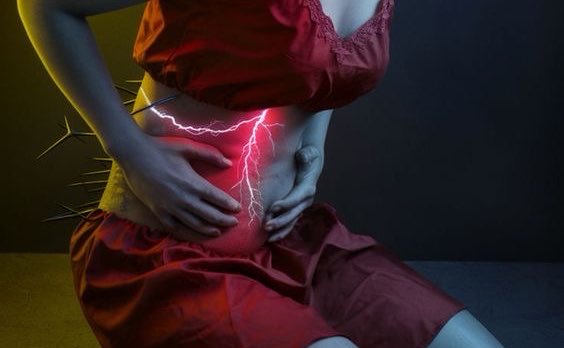
If you are a woman who experiences heavy bleeding, severe pain during your menstrual period, or has your period twice in one month, this problem can be ameliorated. I concocted traditional herbal tablets from plants that helps regulate these issues, allowing a woman to have a more comfortable menstrual cycle with no pain. There are no side effects, for more DM.🍃🫶🏽
1
11
53
2,113
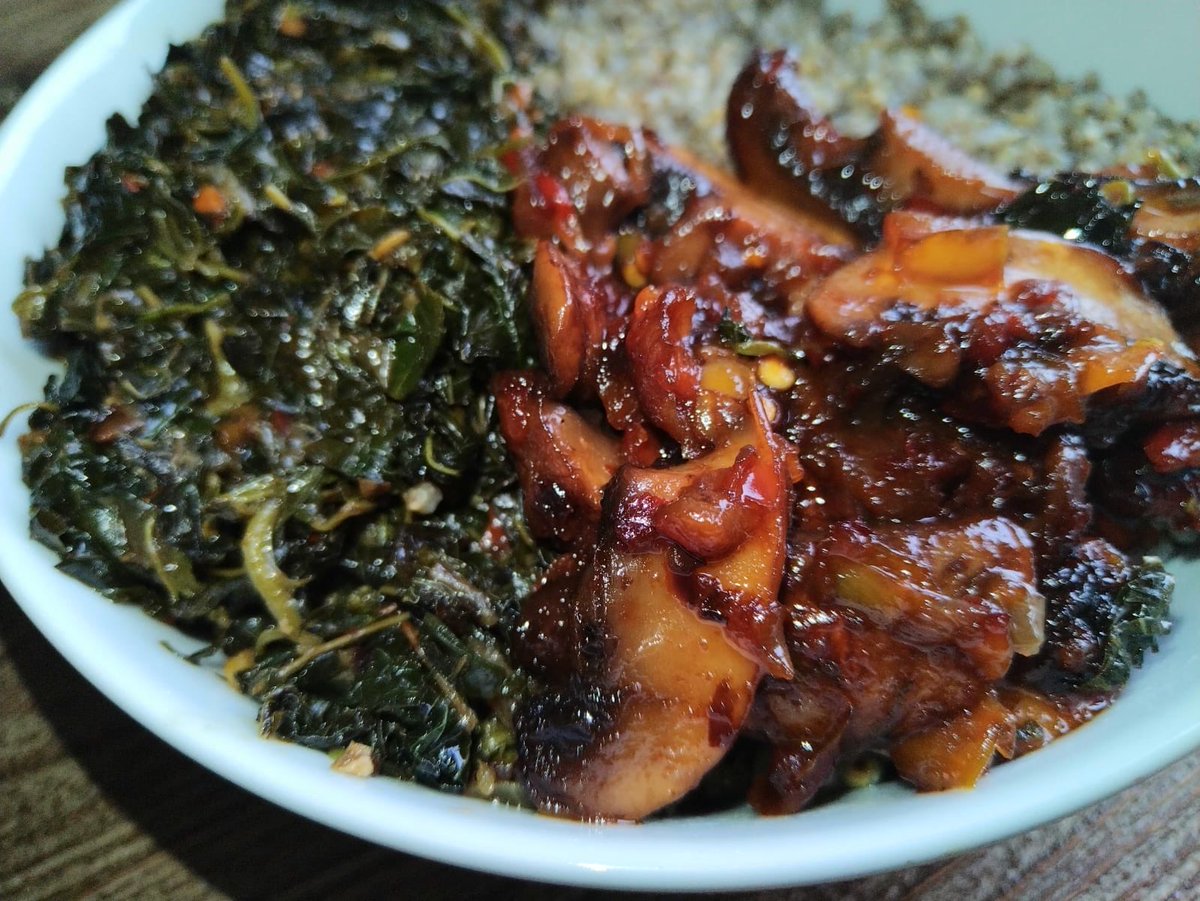
The strongest medicine is not always found in a bottle. Sometimes it is found in balance, discipline, and the foods you choose to welcome into your body.🌾🍃🫶🏽
2
24
164
2,587
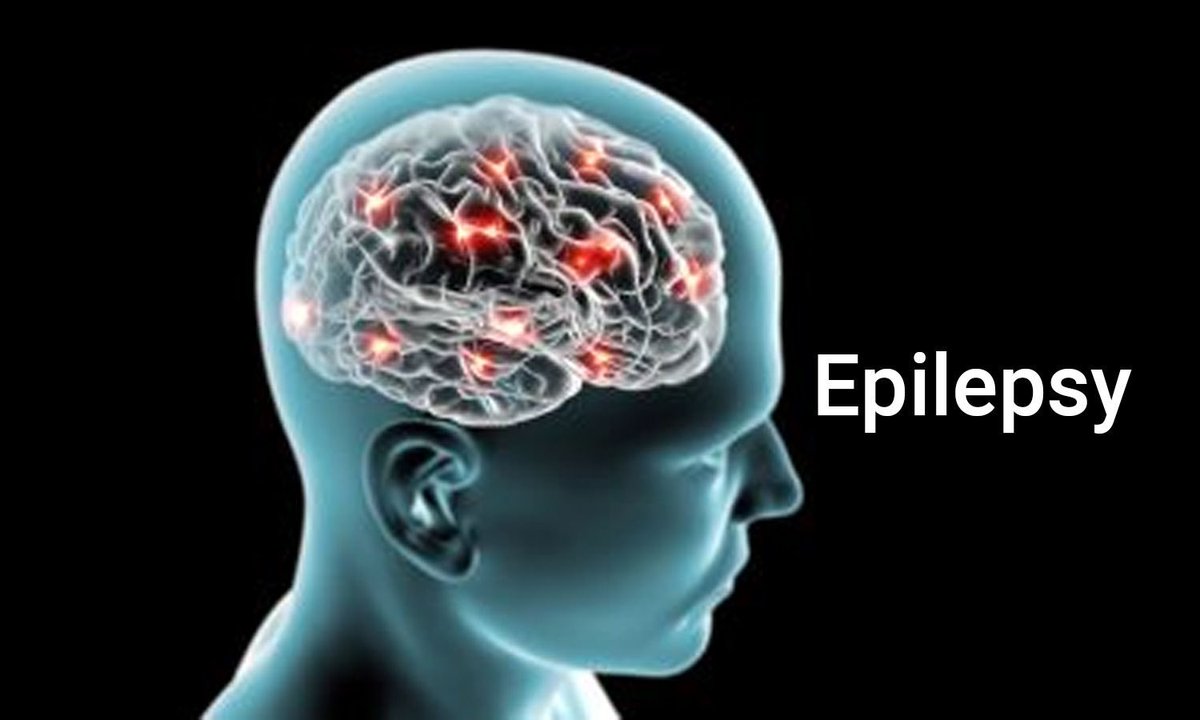
Listen up when I talk about epilepsy, seizures, and food, because I'm not just talking about biology. I'm talking about energies, balance, and the unseen forces that shape your health.
First off, eggs. They're not just sources of protein and cholesterol. They carry a spiritual weight. In my understanding, people are supposed to avoid them because of their symbolic power. They are associated with fertility and vulnerability. Beyond that mystic angle, there's a physical truth. Egg proteins can form biofilms in your gut. That's not just about digestion.
It's about lymphatic blockage. If your lymphatic system is gummed up with egg residue, how do you expect your body to detox and clear out the toxins that trigger seizures? Milk is another one. People talk about lactose intolerance as if it's just an enzyme deficiency.
But what happens when milk ferments inside you? It doesn't stay in your stomach. It spreads its influence through your bloodstream and nervous system. The result is neurotransmitter imbalances that can tip you into a seizure.
Now fish. It's high in iodine. Iodine is good for the thyroid, but too much of it can disrupt your copper levels. Copper is what keeps your brain firing on all cylinders. When you disturb that delicate balance, you're playing with potential seizure triggers.
And pork is the ultimate taboo meat for those who understand its risks. Sure, cooking kills parasites like Trichinella spiralis. But what if some of those parasites don't fully die? They mutate, they hide in brain tissue, and they wait to strike when you're weak. That's not just a physical threat.
It's a spiritual corruption. See, epilepsy isn't just a misfiring neuron. It's a sign of a deeper imbalance. Diet is only part of it. If you want to control seizures, you need to control yourself. Your energy, your spirit, and your entire ecosystem from your gut to your aura.
So ditch the eggs. Their spiritual weight is heavier than their protein content. Ditch milk. Fermentation can be poison for sensitive systems. Ditch fish unless you know exactly how much iodine you need, and most people don't. And ditch pork altogether. It's more than just a meal choice. It's an invitation for entities to take hold.
Health isn't science alone. It's wisdom passed down through generations who knew better than modern medicine ever could.🍃🫶🏽
5
36
123
3,515
I carry my regret like a river carries its sorrow, endlessly flowing without rest. Since the day I hurt you, my heart has been bleeding and leaking pain. I wish your forgiveness could be the dam that stops this flood of sorrow within me, so that my soul may finally find peace. I understand that your forgiveness cannot erase what happened, but it can be the medicine that heals wounds that time alone could never heal. Don’t replace me because of my mistakes. Teach me through them. Show me the parts of myself that hurt you and the parts that need healing. If your heart once chose me, then help me become the man worthy of that choice. I don’t want to be perfect; I want to be better for us.🫶🏽
4
19
97
3,229
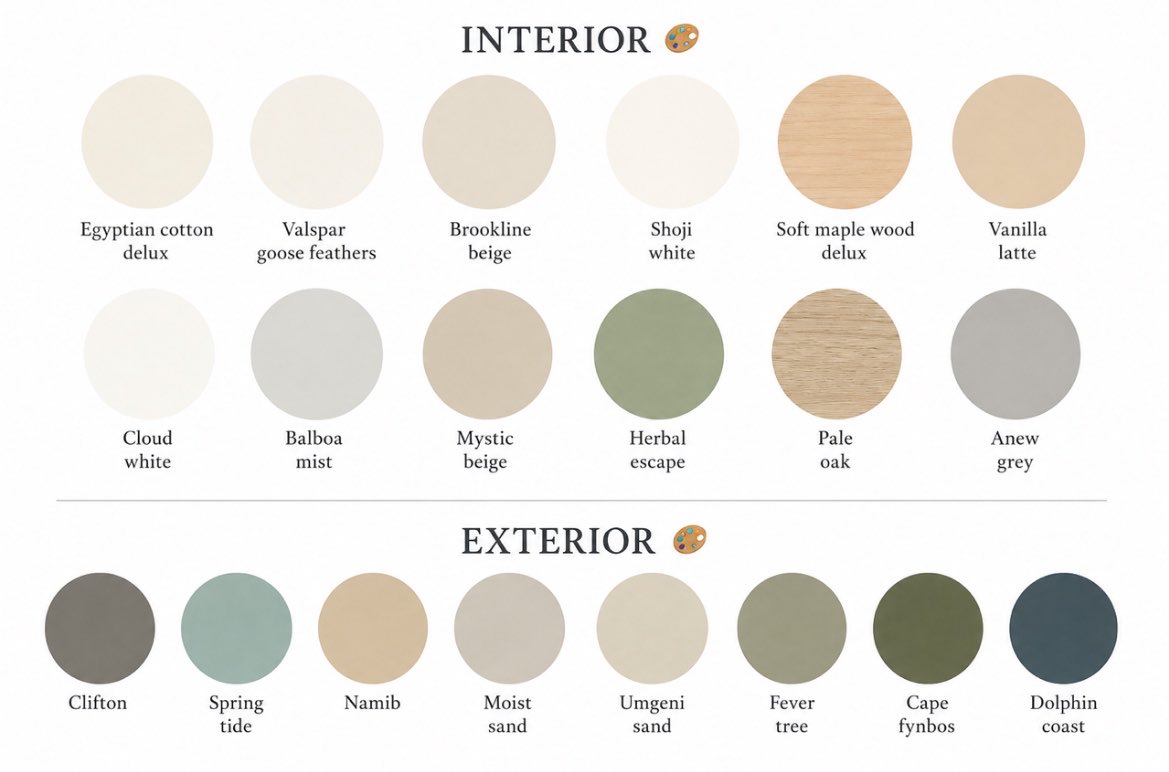
A home painted with purpose feels different the moment you walk through the door. These are the colors I trust to bring that feeling, warmth, calm, and good energy in every room. Recommended with love.🫶🏽
31
142
3,069
The strongest souls are not those who never suffered, but those who suffered deeply and still chose love, hope, and kindness. Remember, you are seeing a page, not the whole story.
11
21
225
4,244
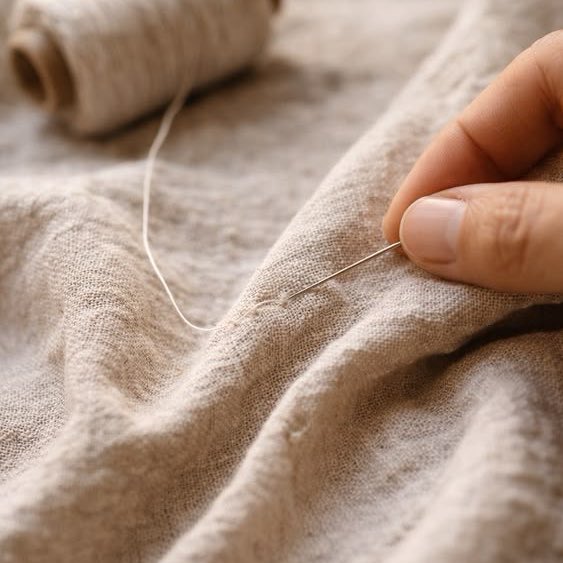
You've tried everything: supplements, protocols, and diets. Yet nobody asked what you wear against your skin for sixteen hours a day. Nobody asked what comes into contact with your body's largest organ while you sleep. Start there. Chronic inflammation often requires removing sources of stress, not adding more supplements. Your skin is in direct contact with your clothing every hour of the day. Certain synthetic fabrics can trap heat and moisture, affecting skin comfort and potentially influencing the skin's microbiome. Natural fibres such as linen are often more breathable and comfortable for many people.
Sometimes the most effective intervention is the simplest one.🍃🫶🏽
6
24
91
3,417
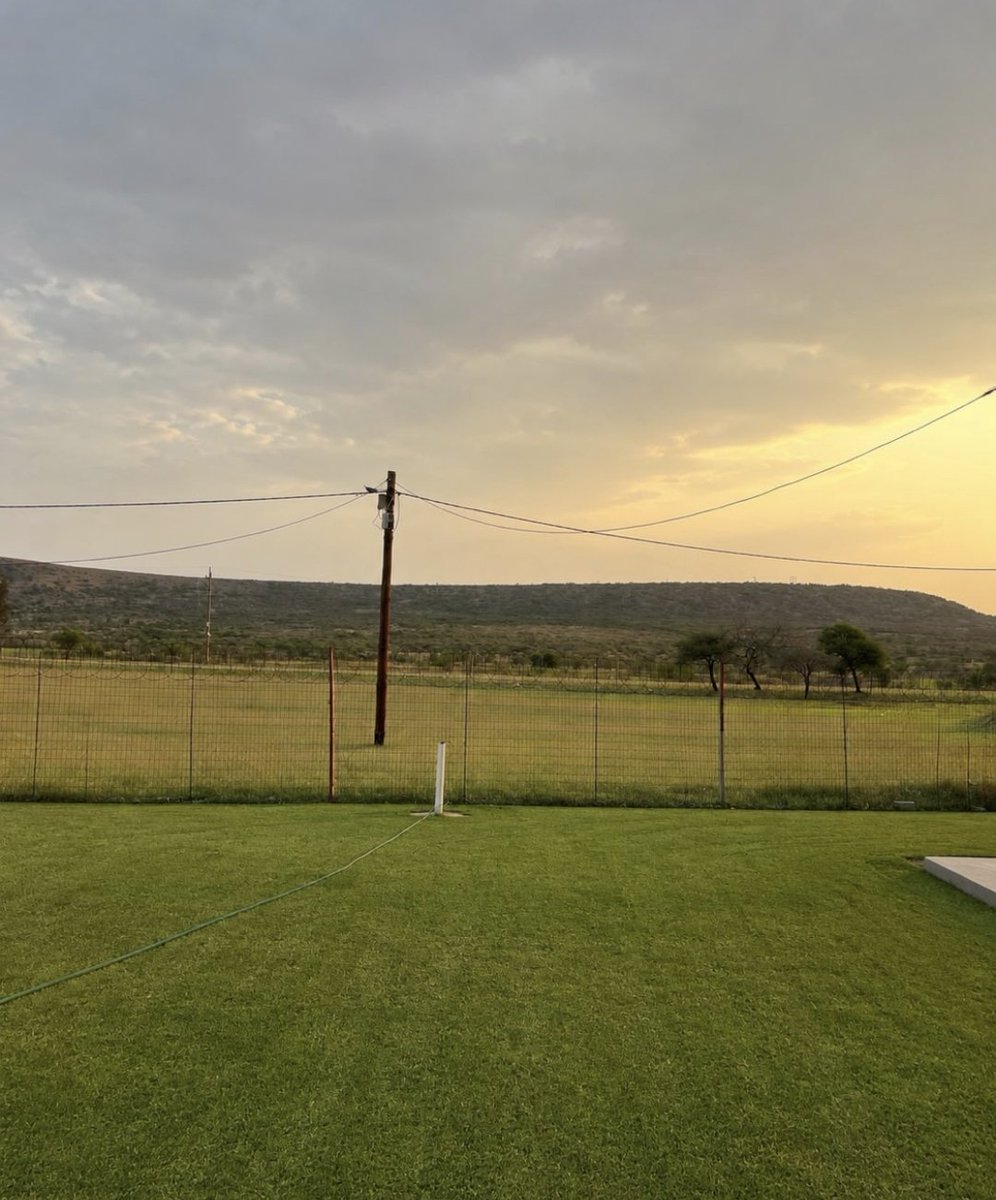
The world teach us to chase more, but the nature teaches us to appreciate what is already enough.🍃🫶🏽
1
12
106
1,368
If you’re looking at the coldest places in KZN, the Underberg–Himeville region usually takes the top spot. That said, towns like Underberg, Himeville, Nottingham Road, Winterton, Dannhauser, Newcastle, and Utrecht are consistently among the coldest in the province, often experiencing frost, below-zero temperatures, and occasional snowfall in nearby mountainous areas.
Jun 3

Akusabandi apha ePietermaritzburg namhlanje yho kuyabanda nyani apha ePietermaritzburg andiqondi ikhona indawo ebanda njengePietermaritzburg apha eKZN
11
7
42
4,953
IMBHUBE:
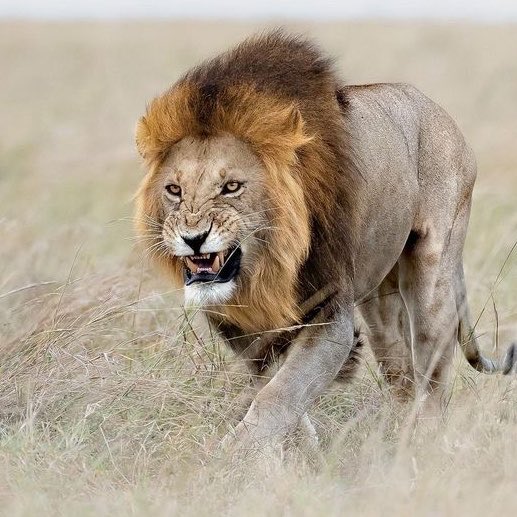
Ngiyake ngizwe abaNtu bekhuluma bethi amafutha eBhubesi anamandla ekuvukeleni umuNtu, enza esabeke abe nesithunzi. iBhubesi alibulawa noma kanjani, kunomthetho okufanele ulandelwe uma kuzobulwa lesi silwane. Nakhu la engikhona, kunento esemqoka kakhulu etholakala kulo iBhubesi, eyakheka ngesikhathi lizingela iziNyamazana. Leyonto iyona ngqo eyayisetshenziswa amaKhosi eyenza izimanga, evikela isithunzi samaKhosi namandla. Angizukuyichaza lento ukuthi iyini futhi isetshenziswa kanjani. iPhisi langempela hlezi lingayazi lento. Futhi iNja yePhisi iyaba nayo lento, lento uma iseNjeni iyakhishwa, nakhona ikhishwa ngoMsila weNgwavu. Ebengifuna ukukuveza, ukuthi amafutha eBhubesi awathi shu. iBhubesi uma selizofa kuyimpoqo ukuthi funeke ubukane nalo emehlweni ngqo ngaphambhi kokuba likhiphe umphefumulo, ngiyema la.🍃🫶🏽
2
23
136
4,831
Our language must never stand still. It must breathe, grow, and evolve, just as those before us shaped it with courage and imagination. They did not wait for permission; they created.
Today, the world stands before us filled with new things, new realities, new names waiting to be born. Why should our tongues fall silent and borrow from others when we have the power to define our own world?
The past did not have everything we see today, but that is not a reason to surrender our voice to English. It is a calling. A calling for us to rise, to expand our languages with creativity, wisdom, and pride.
Let us sit together. Let us think, speak, and build. Because if we do not grow our language, we slowly lose ourselves.🍃🫶🏽
2
27
72
1,764
. IsiThununu = Robot
. Ingqondo-mbhumbhulu = Artificial Intelligence
. IsiCikizi = Computer
. Laptop = isiGonwa/uMathangeni
. uHlakahliso-mbhulu = Android
. IsiCikizana = Cellphone
. IsiPhequluli = Google
. iNguxa = Machine
. Isigcinanzuba = battery
. Amazuba = Electricity
. uMlelesa = Electrical charge
. uMzuba = Electrical field
. UluZuba = Electrical current
. IziVuve = Volts.
5
54
204
6,101
Uyisibusiso lomthombho ophuza kuwo, ngokuba unobuchule ekuchukumiseni leMbhali enguwe. Ukupheleliswa kokuphila kwami, kushicilelwe ekujuleni komphefumulo wakho.🫶🏽
1
12
99
5,542
Not everyone who owes you gratitude will give it. Some repay kindness with envy because your existence reminds them of a debt their pride refuses to acknowledge.🍃🫶🏽
1
23
107
1,972
BEFORE THE CHEMICALS, WE HAD THOUSANDS.
“The people who designed these programmes knew exactly what they were doing.”
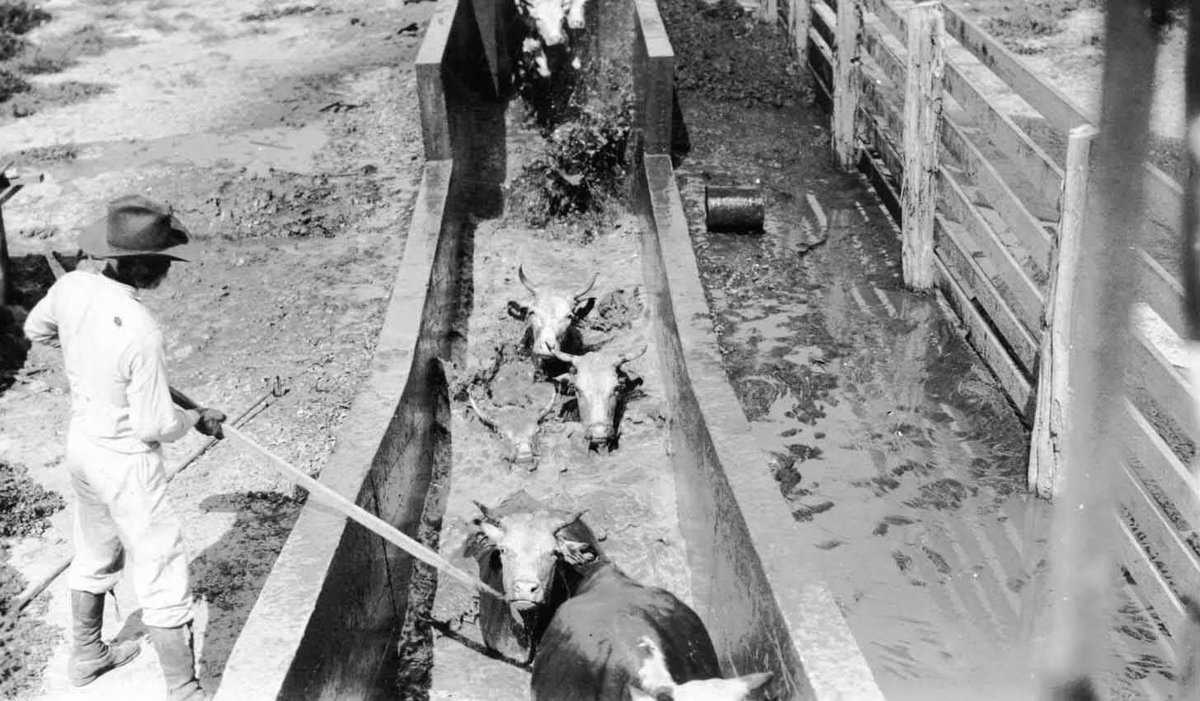
Before colonisation, our people had thousands and thousands of cattle. Cattle were our bank, our social foundation. And we took care of them using only herbs, trees, bark, smoke, ash, and the knowledge passed down from our ancestors. No chemicals. No dip. And our herds were thriving.
The reason our cattle survived and multiplied is because of the breed. Nguni cattle developed over thousands of years on African soil. They built a natural resistance to ticks and immunity to tick-borne diseases. The cattle and the ticks existed in balance. Our ancestors understood this, and they managed everything through indigenous knowledge, strategic movement of herds, and plant-based treatments that worked in harmony with nature.
Now here is what they never taught us in school. The most devastating tick-borne disease in Southern Africa, East Coast Fever, was not here before colonisation. It was brought to Southern Africa with cattle imported from Tanzania in 1901. Within three years it devastated our herds. Before that, another disease called lungsickness was brought through the harbour in Mossel Bay in 1853 by a Dutch ship carrying Friesland bulls.
These diseases did not come from our land. They came with the colonisers and their cattle. Our animals had no immunity to foreign diseases they had never encountered before.
Then after introducing these diseases, the colonial government forced a compulsory cattle dipping programme on our communities starting in 1911. It was not offered as help. It was forced. Our people resisted it.
The Bambatha Rebellion gained momentum partly because of protests against this forced dipping. Our ancestors were taking to the hills with weapons to fight it. People destroyed dipping tanks during rural protests in the 1950s and 1960s. Our people were not ignorant. They were watching their animals get sick and they knew something was wrong.
The first chemical used in the dip was arsenic. Pure arsenic. And research has confirmed that high levels of arsenic contamination are still found deep in the soil around old dip tanks in places like Limpopo today. Arsenic is a cumulative poison. Every time your cattle were dipped, that chemical absorbed through their skin and built up in their bodies over time.
Chronic arsenic poisoning causes weight loss, liver damage, weakened immunity, and an animal that cannot gain condition no matter how much grass it eats. This is why our cattle looked thin and weak even on good pasture. The problem was not the grass. The problem was what was inside their bodies.
Then they moved to organophosphate chemicals, and research has confirmed that regular exposure to these compounds affects fertility in cattle, particularly in female animals. These chemicals are endocrine disruptors, meaning they interfere with hormones. They cause irregular reproductive cycles, reduced conception rates, failed pregnancies, and compromised calf development.
So your cow is eating, she looks alive, but she is not falling pregnant the way she should, or she loses calves. Your herd cannot grow. You stay at fifteen cows for twenty years. This is not bad luck. This has a chemical explanation.
And the people who designed these programmes knew exactly what they were doing.
Veterinary policies during the colonial period were mainly aimed at protecting settler livestock interests, not ours. By weakening our herds through introduced diseases, toxic chemicals, forced crossbreeding with inferior European cattle that could not survive our conditions, and by confining us to small reserves through laws like the Natives Land Act of 1913, they systematically dismantled our livestock economy.
A man with three thousand cattle is an independent and powerful man. A man with fifteen sick cows is dependent, controllable, and poor. They also pushed crossbreeding, telling us our indigenous cattle were inferior…
10
65
156
5,346
But when you cross a Nguni with a European breed, you lose everything. You lose the tick resistance, the heat tolerance, the centuries of adaptation to African soil and African conditions. And now the animal needs more chemicals to survive, which causes more damage, which means fewer calves, which means the herd never grows. It is a cycle of dependency that was designed, not accidental.
The knowledge to break this cycle still exists. Research done in 2025 in Sekhukhune District confirmed that elder community members over sixty years old still carry detailed indigenous knowledge of plant-based treatments for tick control and livestock health. The knowledge was never lost completely. It was suppressed. Our grandparents knew which trees to use, which plants to burn, which roots to boil, and how to move cattle across the land to break the tick lifecycle naturally.
The path back to thousands of cattle starts with recovering that knowledge, returning to pure Nguni genetics, reclaiming enough land to practice proper herd management, and stopping the blind dependency on chemicals that have been poisoning our livestock for over a century. Everything our ancestors did made sense. The system that replaced it was never designed for our benefit.🍃💚🫶🏽
2
12
38
1,027
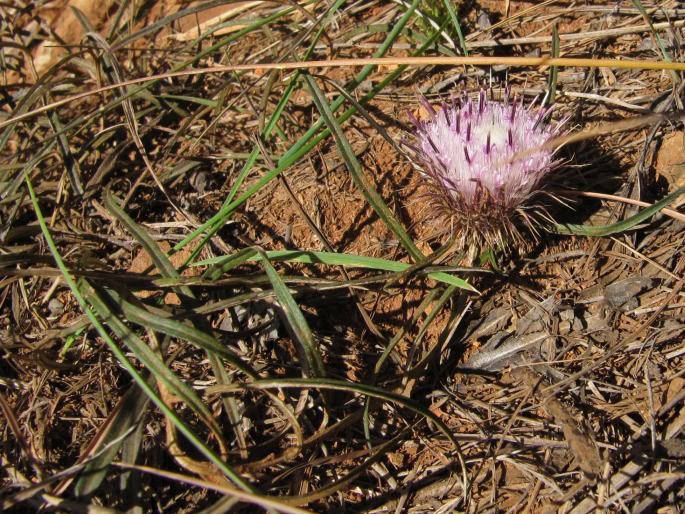
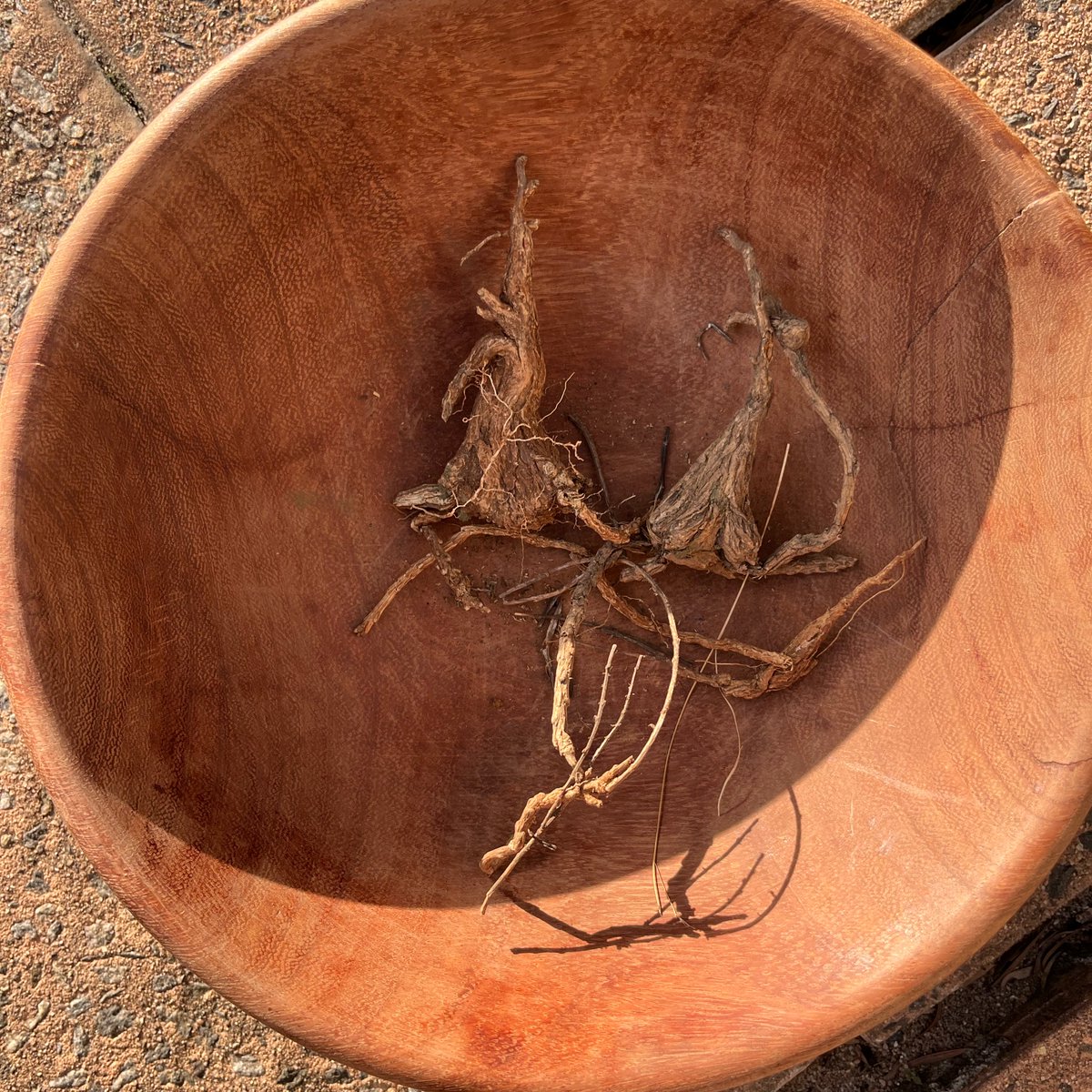
uNyongwana ibizo laleMpande. Kuningi engikuhlonzile ngayo. Okusemqoka engifisa ukukusho ngaleMpande, wukithi ingasetshenziswa esikhundleni seNyongo yezilwane ezifana neMbhuzi, iNkomo okanye iNkukhu. Okusho ukuthi ngaphandle kweNyongo yeMfuyo uyakwazi ukusebenzisa leMpande. Iyawenza umsebenzi, futhi inamandla ukwedlula iNyongo yezilwane.🍃🫶🏽
2
26
140
6,407