
Joined October 2009
- Tweets 6,696
- Following 623
- Followers 1,337
- Likes 9,353
556 Photos and videos



Pinned Tweet

Jun 14
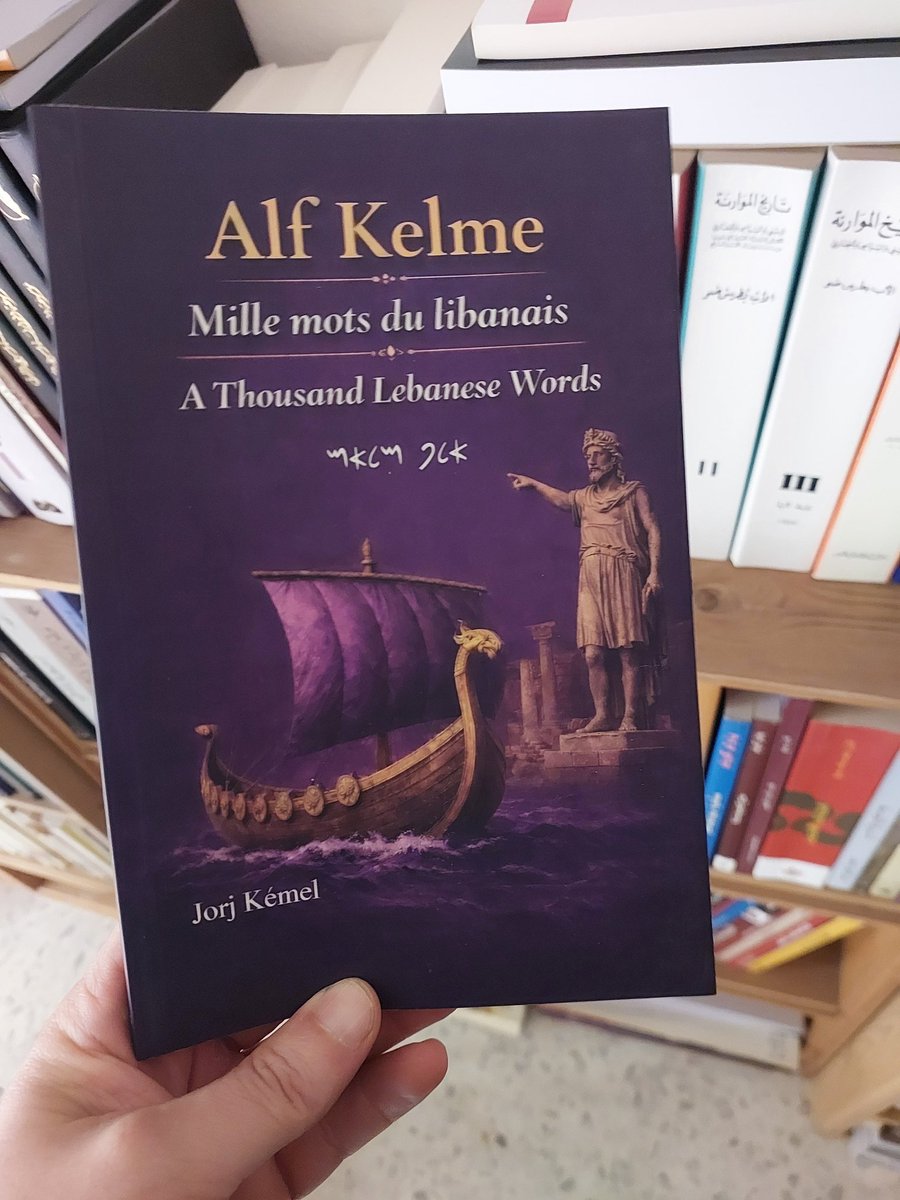
I honestly never imagined that one day I'll write such work, but our community faces existential dangers and we need to step up, each in our own way.
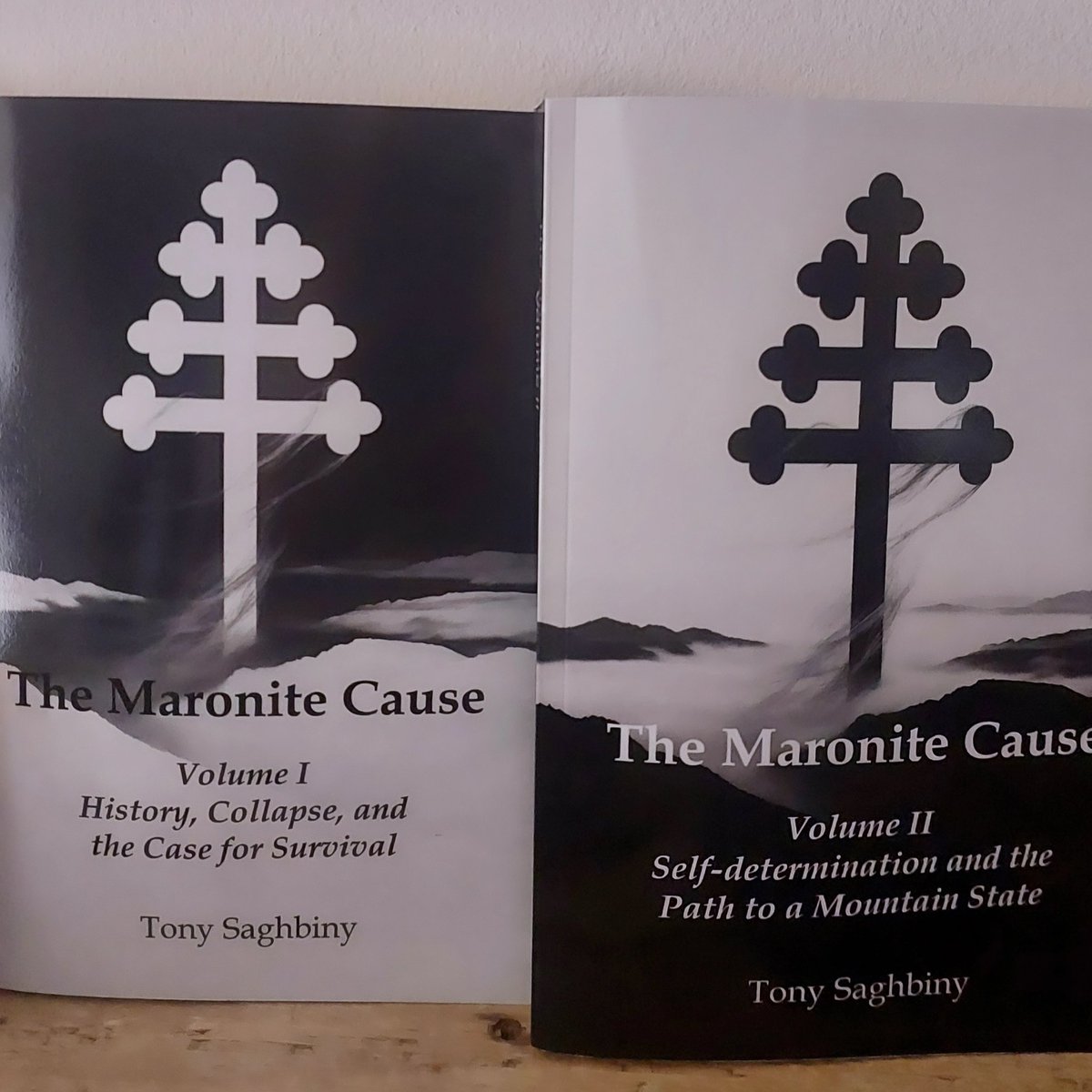
I'm pleased to say that The Maronite Cause books in their 2 volumes have already accumulated more than 1,000 downloads so far.
2
11
70
1,446
Tony Saghbiny retweeted

The conditional approach is a strategic mistake we (the christians of lebanon)will live to regret ….

“If Hezbollah is unwilling to build a real state with us, we have absolutely no objection to considering a radically different alternative.
(Minister Joe Issa Khoury)
2
3
27
980
كل الناس اللي ناطرة من الدولة انو تعمل بـ 60 يوم اللي ما قدرت تعملو بتلاتين سنة بيستفيدوا أكتر لو بيروحو مشوار عالكازينو. عالقليلة فيه احتمال بسيط يربحو شي لو بيراهنو عالفيش وسبق الخيل ومباريات المونديال، أحسنلن ما يضلو يراهنو عالدولة.
1
4
24
547
تذكير انو شو ما كانت السياسات الدولية، مهمّتنا تجاه شعبنا المسيحي ما بتتغيّر: بناء مؤسسات دولة رديفة والتحرّر السياسي والثقافي والهوياتي والسعي للحكم الذاتي.
أوقات هالمهمة بتصير أصعب وأبطأ، وفيه أوقات كتير رح نلاقي حالنا لحالنا. شغلتنا الوحيدة نركز عقضيتنا.
3
24
377
Tony Saghbiny retweeted

Jun 13
بالظبط!!
Jun 13

بصفوف شعبنا المسيحي فيه شباب عم يحكو ويشتغلو ليل نهار عقضيتنا لنحافظ عحريتنا ونحكم حالنا.
ان كان العنوان فيدرالية او انفصال، هالشباب مش موعودين بجنّة ولا بمصاري ولا بشهرة ولا بمناصب، وبالعكس عم يتحاربو من مجتمعنا قبل غيرو، بس عم يكملو وعم يكبر صوتن كل يوم.
هودي هني أبطالنا.
1
2
239
Jun 13
بصفوف شعبنا المسيحي فيه شباب عم يحكو ويشتغلو ليل نهار عقضيتنا لنحافظ عحريتنا ونحكم حالنا.
ان كان العنوان فيدرالية او انفصال، هالشباب مش موعودين بجنّة ولا بمصاري ولا بشهرة ولا بمناصب، وبالعكس عم يتحاربو من مجتمعنا قبل غيرو، بس عم يكملو وعم يكبر صوتن كل يوم.
هودي هني أبطالنا.
9
15
94
2,108
Jun 12
كل مسيحي لبناني لازم اليوم يكون عم يشتغل عقضية حق تقرير المصير والحكم الذاتي لشعبنا لحتى يكون عنا فرصة نعيش بحريتنا وكرامتنا بين كوارث وسجون هالشرق، وإلا عم يضيّع وقتو ووقت شعبه.
2
5
31
810
Jun 12
تعبير "الدولة العميقة" لازم ينشال من التداول بالسياسة المسيحية لأن الهدف الوحيد من هالتعبير هو تضييع الوقت والبوصلة.
هالتعبير بيوحي كأن الدولة منيحة "بس اللي فيها عرصات" ونتيجته تضييع وقت الشباب بمحاولة انقاذ الدولة من الدولة العميقة.
الدولة اللبنانية المركزية ما بتستحق الانقاذ
4
7
31
909
Jun 11
I don't know who made this but was posted on reddit and has our Maronite liturgical calendar and a good links library to monastic Orders, churches, holy days, important texts and more.
holymountains.net/home
1
5
18
441
Tony Saghbiny retweeted
Jun 11
Christians have to have self-determination in an independent state as the highest ideal at all times & put partition on the table. We can only accept federalism as a bargain. No one will take the federalist project seriously if there's no real risk in rejecting it.
1
1
4
189
Tony Saghbiny retweeted

كمسيحيين، يجب أن يكون مشروعنا في السنوات القادمة على النحو التالي:
1️⃣تحقيق استقلالية القرار وتقرير المصير (فيدرالية، تقسيم، أو غيرهما).
2️⃣وضع خطة متكاملة لخمسين سنة تحدّد مستقبل المسيحيين وتؤمّن استمراريتهم.
3️⃣تنقية المجتمع من الفكر اليساري الإسلامي، وتثقيف الجيل المسيحي الصاعد حول تاريخه وهويته.
4️⃣إنهاء ظاهرة البيوت السياسية الإقطاعية، والعمل على جذب اللبنانيين المسيحيين في الخارج للعودة والمشاركة بدور أساسي في الحياة السياسية.
#المسيحيون
#لبنان
13
14
83
2,179
Jun 10
People don't realize how much the job market in the digital sector shrank.
3 years ago, making a small website required 4 specialists working for 1-3 months. Today it requires 1 person with an Ai tool for a few hours & this person is doing 15 sites a month for a dozen companies
9
296
Tony Saghbiny retweeted
Who are we? The answer is: the amazing blend of Phoenician genius, maronite spirituality and mountaineers insularity.
The genetics, the culture and the geography.
There is no contradiction there. Not any.
2
9
264
Tony Saghbiny retweeted

Jun 9
👇🏻👇🏻👇🏻
1
7
475
Tony Saghbiny retweeted

Jun 9
Second necessary clarification: I use the term Phoenicianism to designate a political project that leans on Phoenician culture, to differentiate it from the usual love we share for our Phoenician heritage. Phoenicianism is not about being proud in our roots, but it's about using the Phoenician identity to make a political point.
2
2
9
512
Tony Saghbiny retweeted

Jun 9
It’s a good article on multi-layered identity, and makes accurate observations and counterpoints.
But I disagree on some matters.
🟥 The total inclusivity and abstraction of Phoenician identity as a meta-culture, is a modern (tolerant) idealogical interpretation.
Canaanites aren’t known to have been inclusive to nearby cultures. They were regional, urban, dynastic and city-based, not modern inclusive civic nationalists.
Therefore, turning Phoenicia into a pluralist Lebanese meta-culture is a modern ideological construction, not a direct continuation of ancient heritage.
🟥 Mohammedan Islam, is generally like an intrusive, foreign species, that destroys local cultures.
Islam itself destroyed Arab Paganism, have you seen one Muslim identify as a Modern Muslim and an Arab Pagan, or continue Jahliyah funeral rites of his ancestors?
Mohammad says: He who follows the traditions of his pagan father, shall be made to bite on his father’s private member, in an authentic hadeeth.
مَنْ تَعَزَّى بِعَزَاءِ الْجَاهِلِيَّةِ، فَأَعِضُّوهُ بِهَنِ أَبِيهِ، وَلَا تَكْنُوا.
🟥 Multiple faces creates hypocrisy and loose identities.
In the case of Asian countries (e.g Indonesia), the Indonesian Muslims wear Arabic clothes, use Arabic names and have mostly lost older traditions, even when they are mostly clueless to Islam itself as non-Arabs, some even also identify as Indonesian Nationalists at the same time.
🟥 Separatists aren’t necessarily wrong because identity can be layered.
Many successful European nations are separated, albeit very similar, and are successful.
Norway, Denmark, and Sweden are closely related Scandinavian societies with overlapping histories, languages, and Lutheran heritage, yet each has preserved independent statehood.
The Lebanese separatist argues, the institutions failed precisely because the society lacks a shared national loyalty strong enough to sustain them.
In Conclusion: If there’s a Phoenician meta-culture, and it’s very loose, it doesn’t then provide a workable hegemony.

4
5
23
1,177
Tony Saghbiny retweeted

This article is worth the read... an in-depth analysis of a debate that deserves to be discussed openly. 💜🌲🏛️
1
2
7
477
Jun 9
If all Christians identified as Phoenician today, would the behavior of our opponents change? Are we willing to bet our future on the hope that maybe in 200 years, more than 5 Muslims will identify as Phoenician & counteract the 5 million who see themselves part of the Ummah?
3
1
19
1,014