Africa News, Alerts, Politics and Events
Joined April 2025
- Tweets 3,151
- Following 1,560
- Followers 18,714
- Likes 13
2,216 Photos and videos



Pinned Tweet

Jun 9
🚨 POLITICISING THE FIFA WORLD CUP
US authorities subject Lions of Teranga to humiliating search after the Senegalese team landed in US soil for the FIFA World Cup.
Senegal is one of the 10 African teams participating in this year's World Cup.
The others are 🇩🇿 Algeria 🇨🇻 Cape Verde (Cabo Verde) 🇨🇩 Democratic Republic of the Congo 🇨🇮 Ivory Coast (Côted'Ivoire) 🇪🇬 Egypt 🇬🇭 Ghana 🇲🇦 Morocco 🇿🇦 South Africa & 🇹🇳 Tunisia
6
40
69
3,245
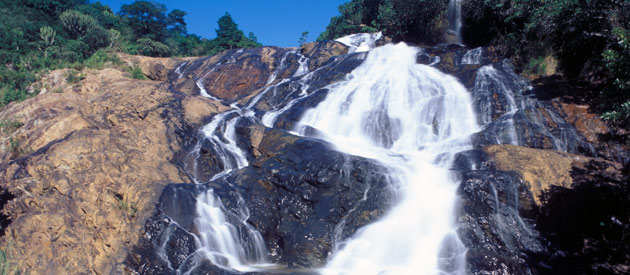
🚨 South Sudanese man reminisces when this saw mill drove construction boom in the North Western parts of Bar El Ghazal
"The pongo aweil saw mill supplied the entire Province with finished wood teak and mohgony. It was operational until 1985"
1
237
🚨 South African government says it repatriated 2,745 foreigners in a week
The government said most of those repatriated were in the country illegally.
1
1
104
🇪🇹 ETHIOPIAN Premier Abiy Ahmed shares a video highlighting Bishoftu International Airport construction.
1
157
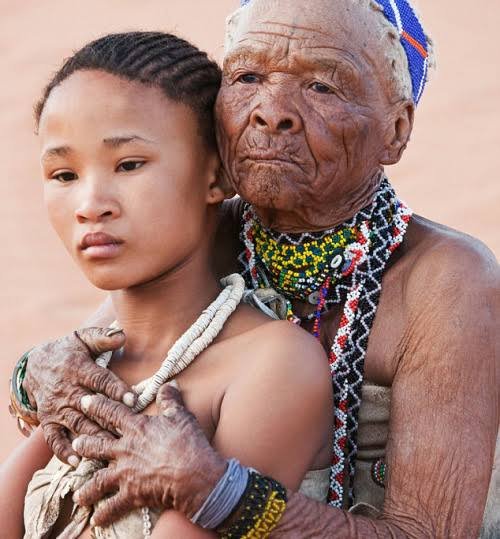
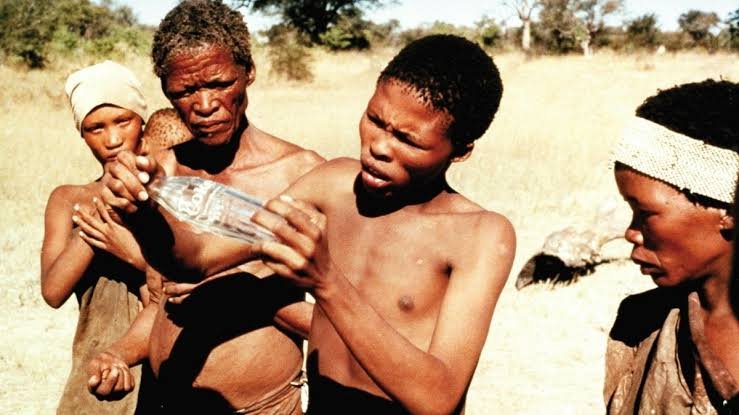
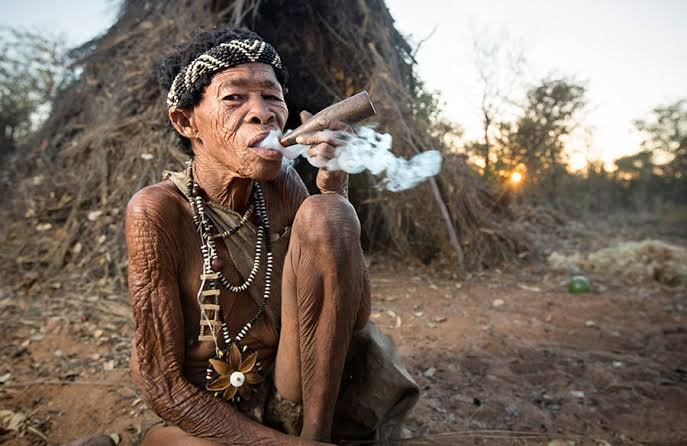
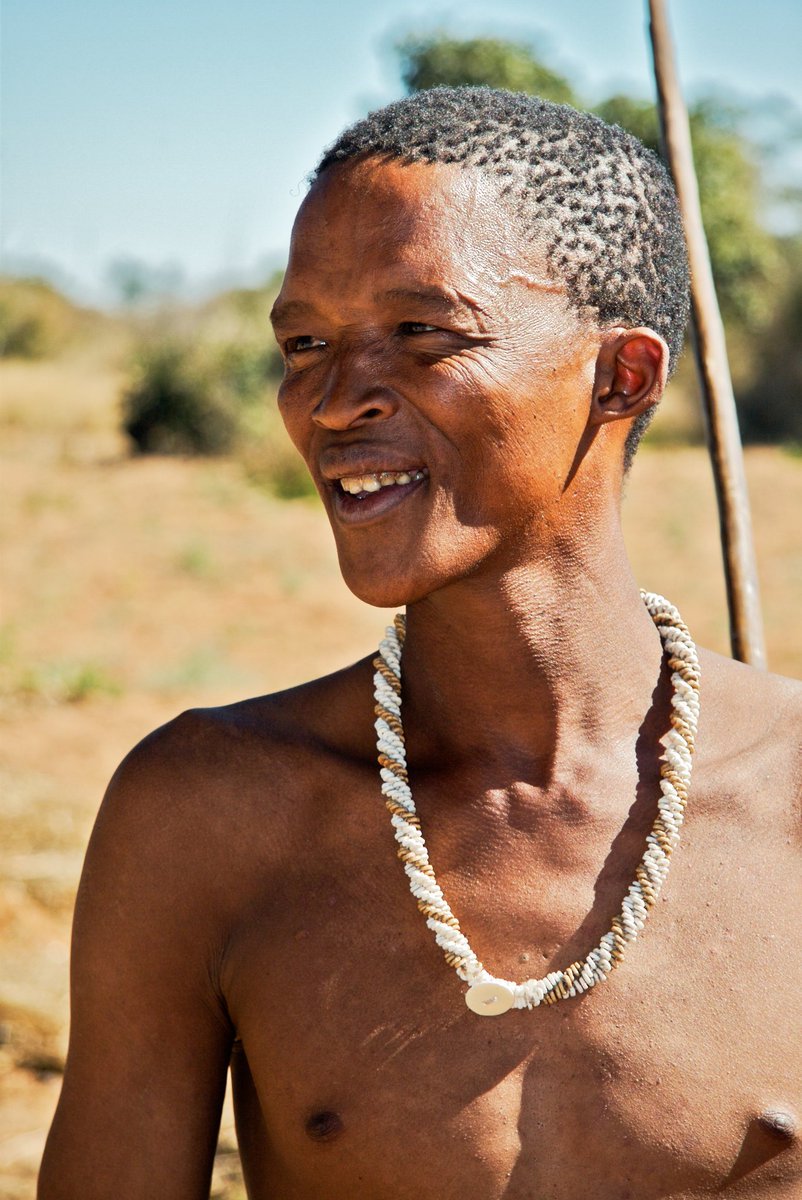
🚨 San people are the oldest ethnic group in the world. Their territories span Botswana, Namibia, Angola, Zambia, Zimbabwe, Lesotho and South Africa
Historians assert that they were the first people to occupy much of southern Africa yet they have lived as aliens in their own land. In the last century, the San people have suffered much at the hands of other peoples.
1
11
26
2,128
🚨 KENYAN CITIZENSHIP FOR SALE
Investigations show government official employed at the National Registration Bureau are selling Kenyan citizenship for a paltry $100 to foreigners.
Foreigners that are exploring this corruption are mostly from Somalia, Burundi and Rwanda.
Reports of Sudanese (both North and South) and others too enjoy the privileges of corruption endemic in the East African nation.
2
26
41
1,550
🗳️Upcoming elections in Africa (rest of the year, 2026)
🇩🇿 Algeria: Parliamentary (July 2).
🇨🇻 Cape Verde (Cabo Verde): November 15
🇸🇹 São Tomé and Príncipe: Presidential (July 19) and parliamentary (September 27).
🇿🇲
Zambia: General - presidential & legislative, August 13.
🇲🇦
Morocco: General - September 23.
🇿🇦 South Africa: Municipal/local government (November 4).
🇬🇲 Gambia: Presidential (December 5).
🇬🇼
Guinea-Bissau: General (December 6).
🇸🇸
South Sudan: General (December 22, or expected by end of 2026).
🇨🇲 Cameroon - Maybe. Has it has been postponed a lot of times
Guinea - Maybe. Has junta calls the shots
161
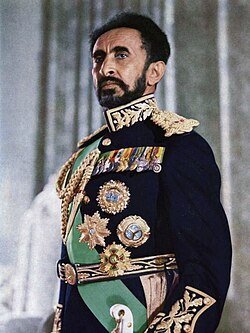
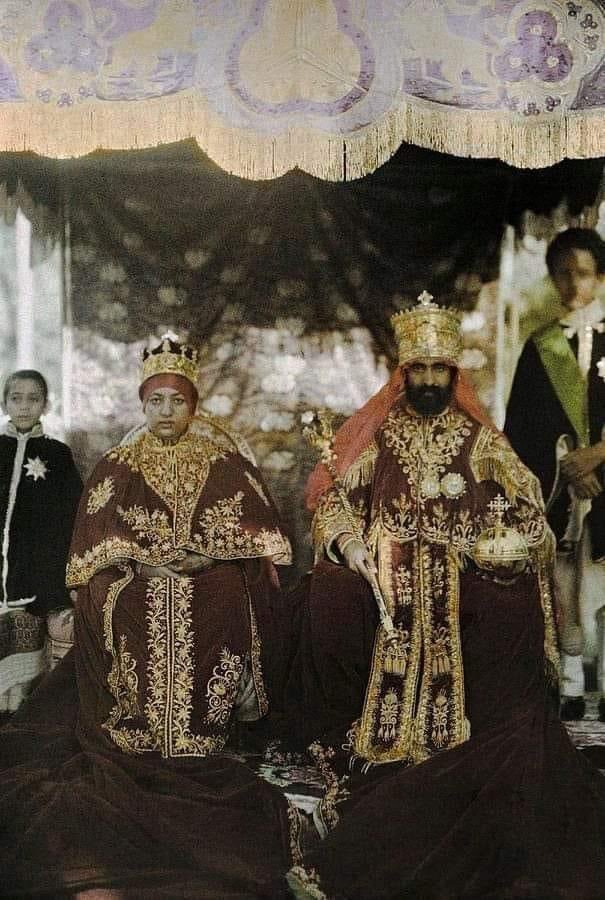
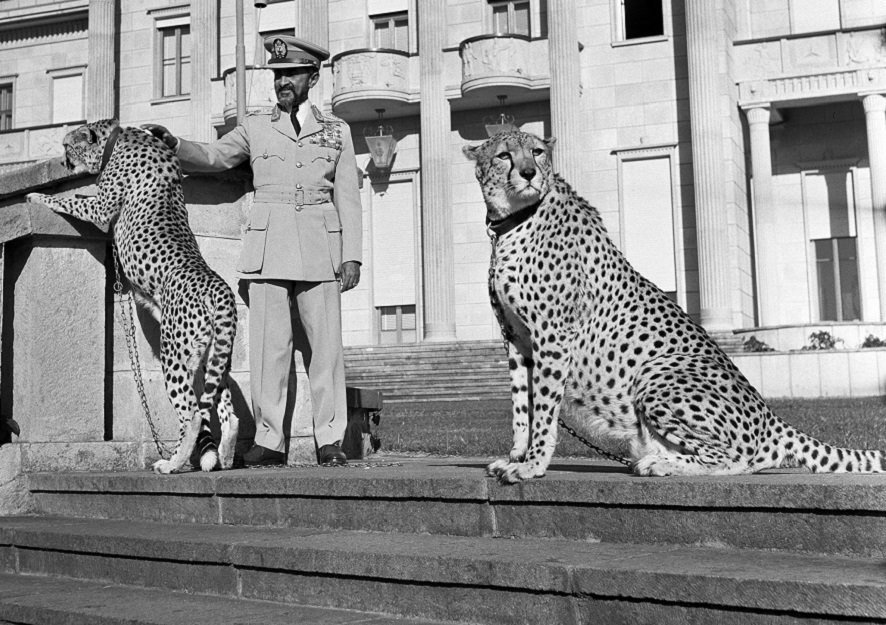
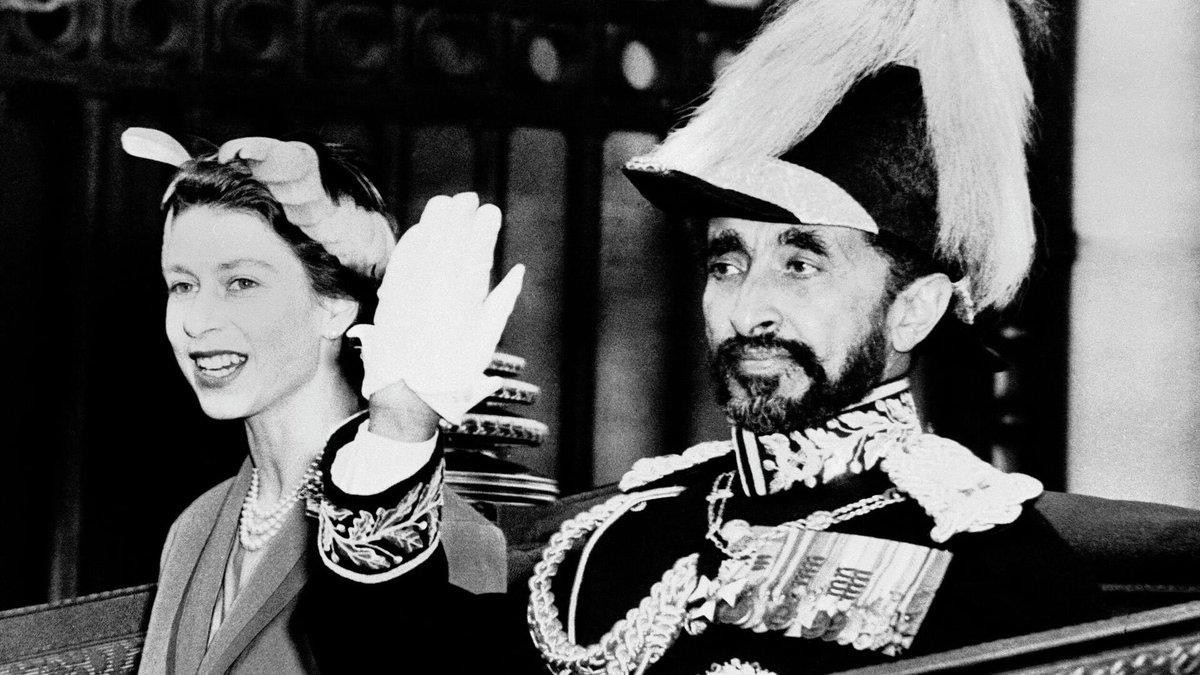
🚨👑The African Emperor worshipped in the Caribbean, HIM
Haile Selassie I, born Lij Tafari Makonnen on July 23, 1892, in Ejersa Goro near Harar, Ethiopia, was the only surviving son of Ras Makonnen, governor of Harar and a key ally of Emperor Menelik II.
Raised in the imperial court, Tafari received a traditional education blending Ethiopian Orthodox teachings with exposure to modern ideas through his father's diplomatic connections.His rise to power began early. In 1916, at age 24, he was appointed regent and heir apparent under Empress Zewditu, daughter of Menelik II.
Over the next 14 years, he consolidated authority through careful political maneuvering, modernizing reforms, and strategic alliances.
When Zewditu died in April 1930, Tafari ascended the throne and was formally crowned Emperor on November 2, 1930, taking the regnal name Haile Selassie I ("Power of the Trinity" in Ge'ez).
His reign featured ambitious modernization: he introduced Ethiopia's first written constitution in 1931, expanded education, built infrastructure, and elevated Ethiopia's global standing by joining the League of Nations. Yet his rule faced a defining crisis in 1935 when Fascist Italy invaded.
Despite heroic resistance, Italian forces overwhelmed Ethiopian defenses with superior weaponry, including chemical attacks. Addis Ababa fell in May 1936, forcing Haile Selassie into exile in Britain. From there, he delivered his famous League of Nations speech condemning the aggression.He returned triumphantly in 1941 after British and Ethiopian forces liberated the country during World War II. Post-war, he continued reforms and helped found the Organization of African Unity.
In later years, however, discontent grew over inequality, famine response failures, and autocratic rule.
On September 12, 1974, a military coup by the Derg deposed the 82-year-old emperor. He was placed under house arrest in the Jubilee Palace. On August 27, 1975, he died at age 83; official reports cited natural causes, but later evidence revealed he was strangled on orders from the Derg regime.
Haile Selassie remains a complex figure: a modernizer, pan-African symbol, and — for Rastafarians — a divine incarnation, yet also the last ruler of Ethiopia's ancient Solomonic dynasty.
VIA Africa News
2
3
306
Jun 14
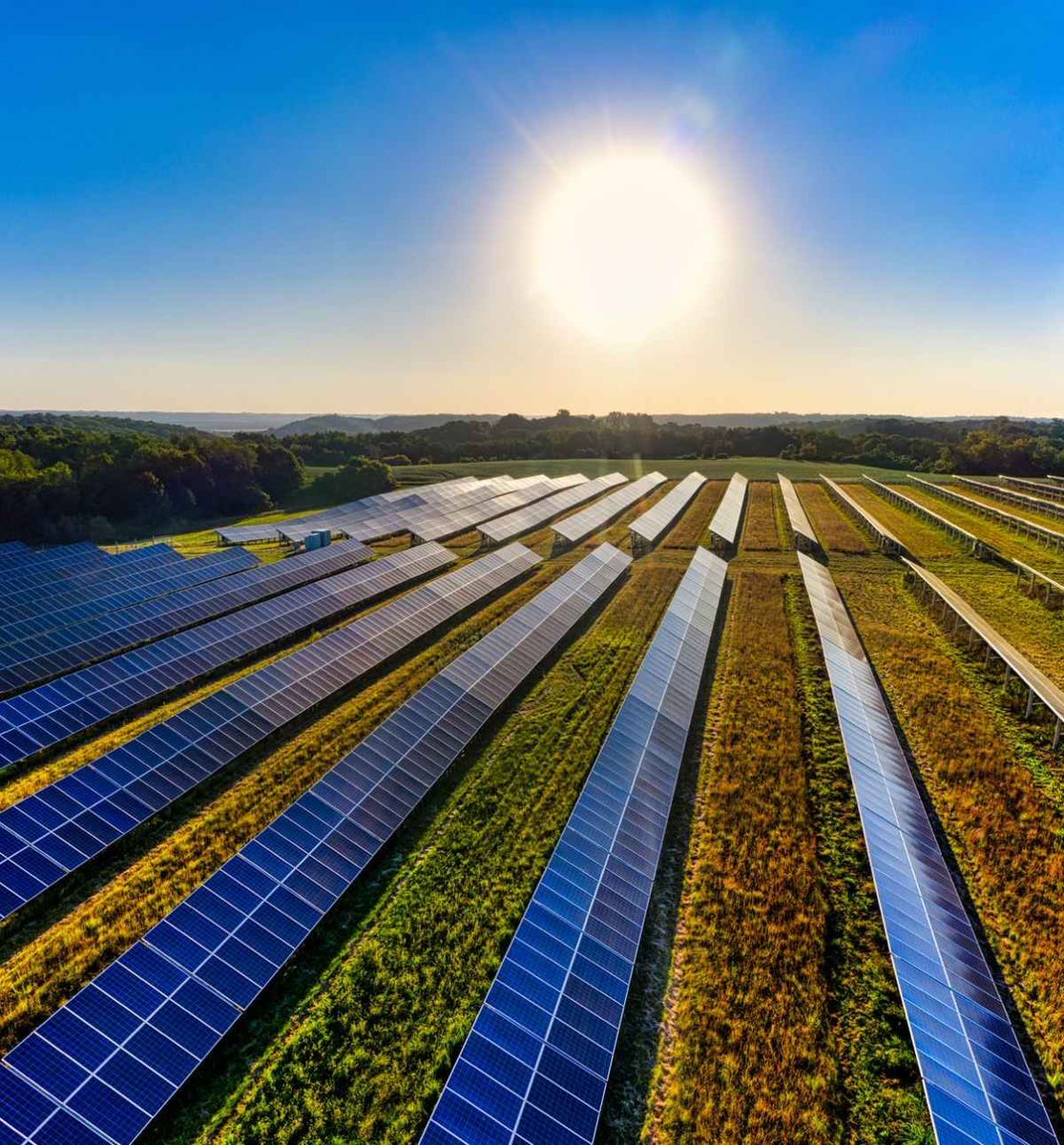
🇷🇼Rwanda is intensifying efforts to harness solar energy as part of its ambitious plan to deliver electricity to every household by 2030, a move that could position the East African nation as one of Africa’s leading clean energy pioneers.
3
2
158
Jun 14
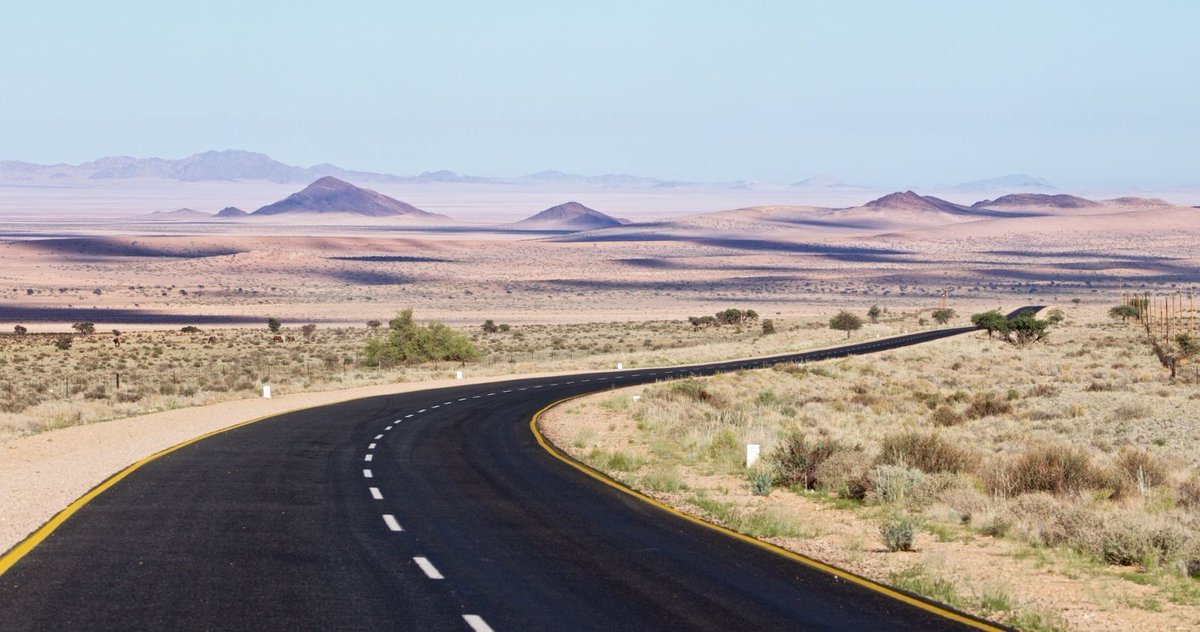
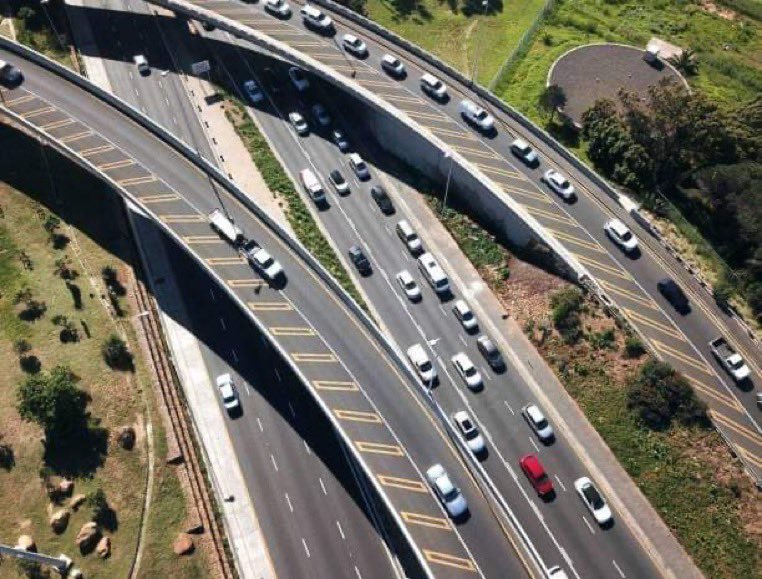
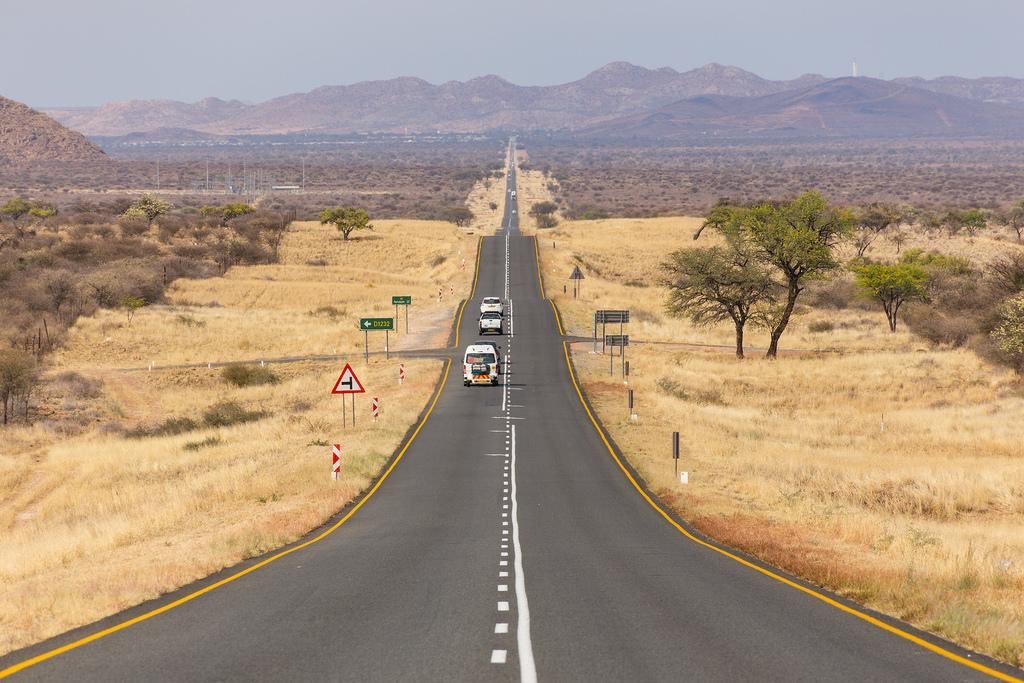
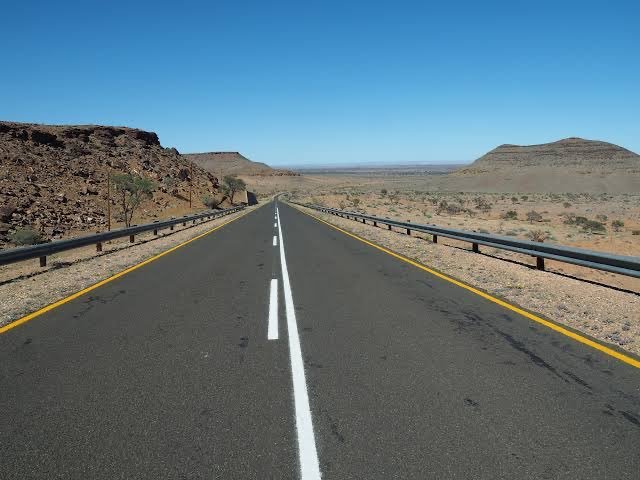
FACT: Namibia has the best roads in Africa, according to multiple sources, including the World Economic Forum’s Quality of Road Infrastructure Report for 2019, which gave Namibia a score of 5.2 out of 7.
Statista’s 2024 ranking, scored Namibia at 5.57 on a 1-to-7 scale based on business executives’ perceptions.
The country’s road network, spanning over 42,000 kilometers, is well-maintained, with smooth surfaces, no potholes, and scenic routes that enhance travel experiences.
Namibia’s Roads Authority emphasizes effective maintenance and new construction, contributing to its top ranking for several consecutive years.
Egypt and Rwanda follow closely, with scores of 5.53 and 5.0, respectively, in recent assessments.
1
4
11
837
Jun 14
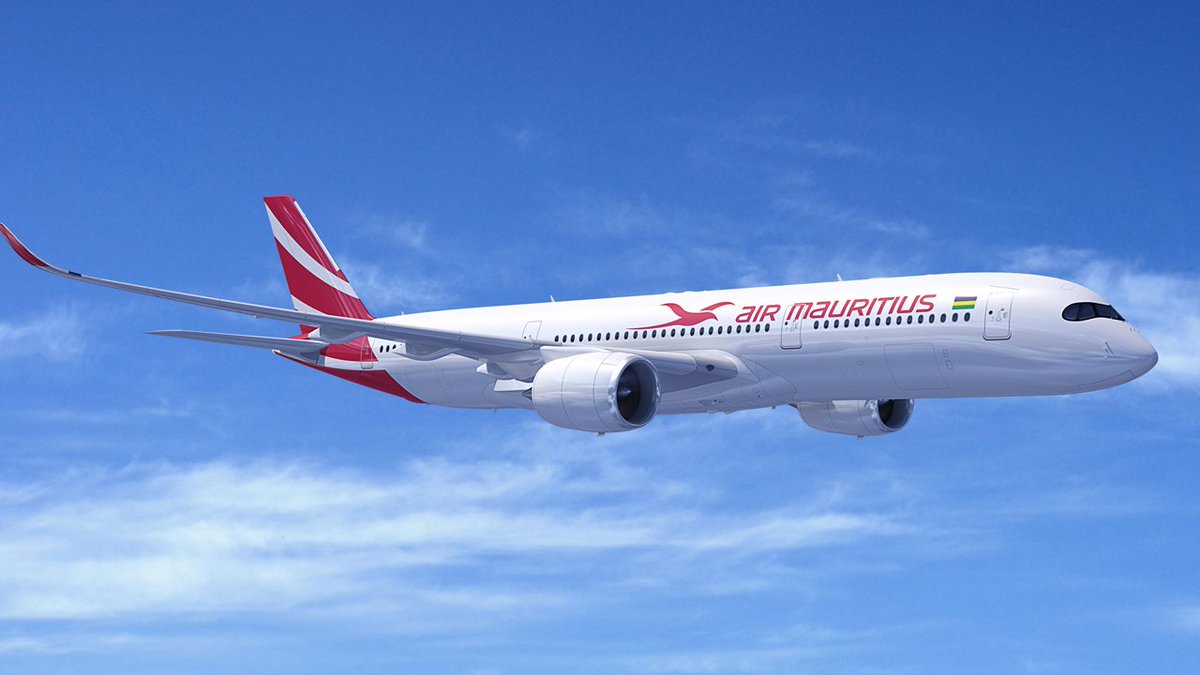
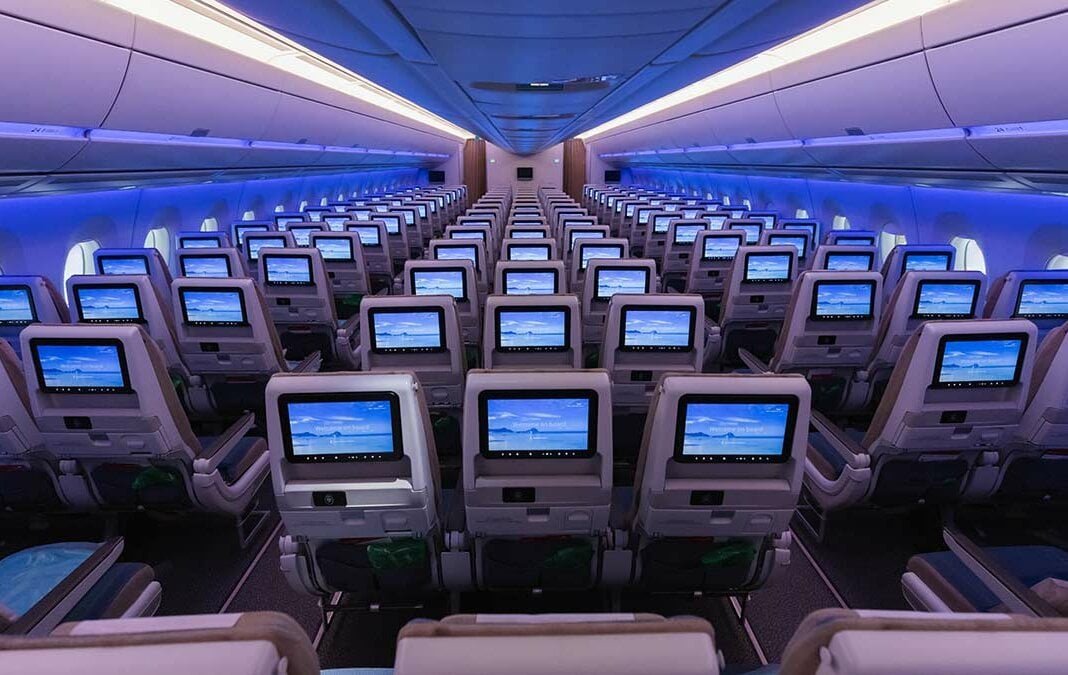
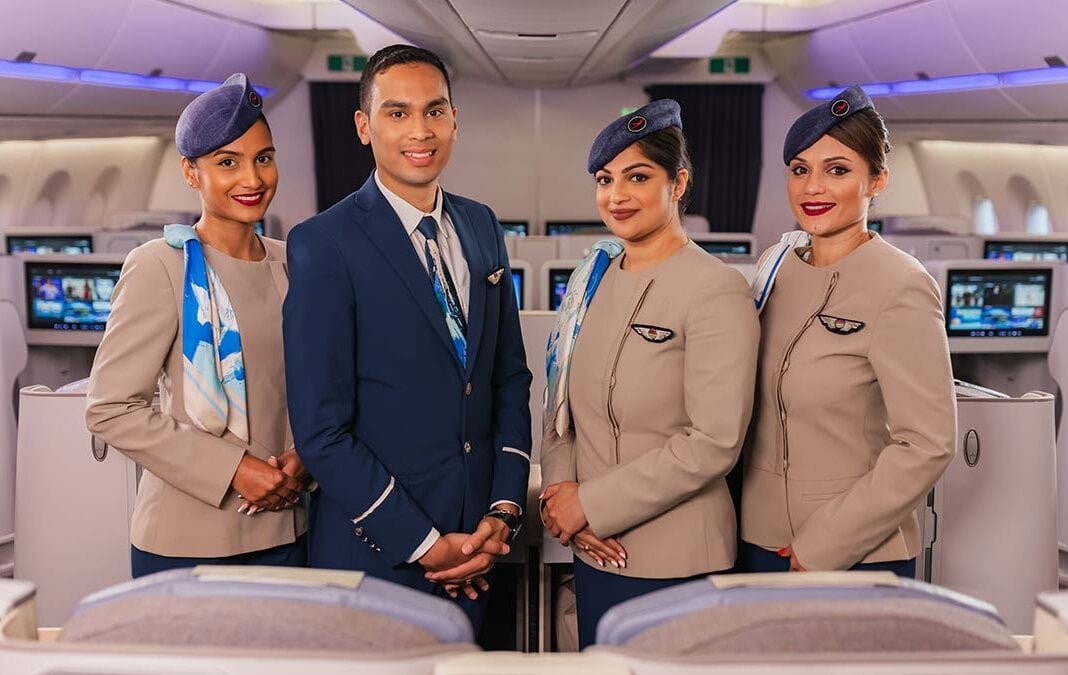
✈️ Air Mauritius celebrated its 59th anniversary today, underscoring six decades of service as the island’s flag carrier.
From pioneering international connections since 14th June 1967 to charting a path toward profitability in FY2026-27, the airline remains central to Mauritius’s global links and economic future.
Special initiatives and commemorative activities are expected in the weeks ahead.
1
2
156
Jun 13
The award for the most stylish World Cup arrival goes to DR Congo.
Via BBC Sport
6
45
807
African News retweeted

#SecurityAlert
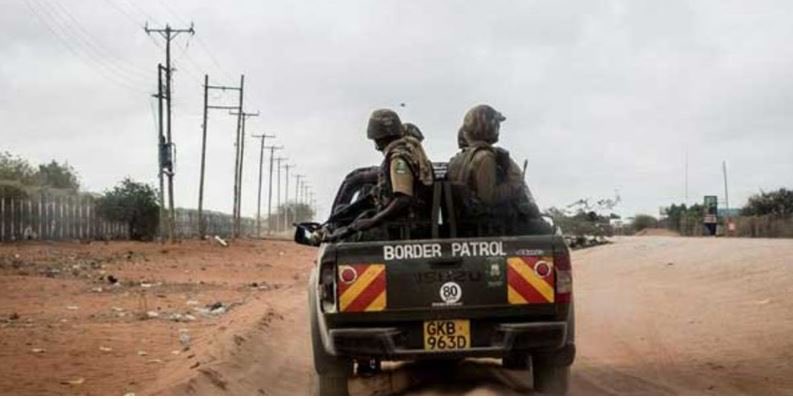
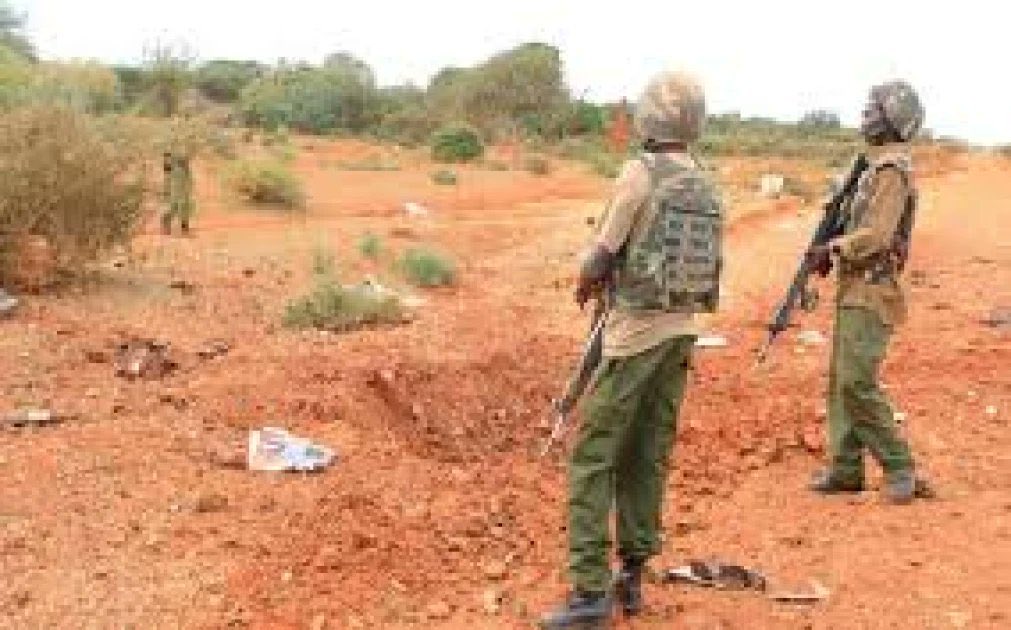
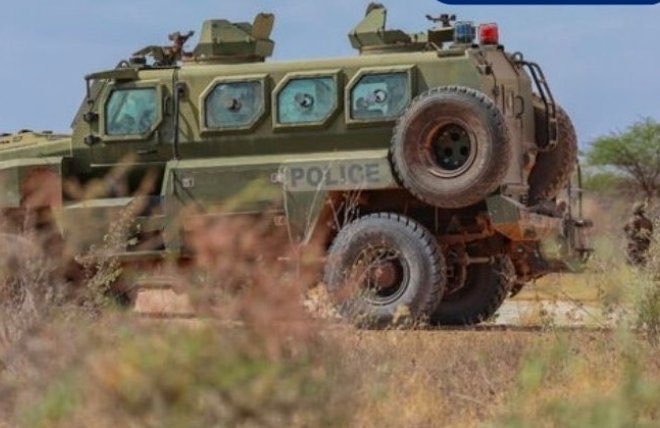
Kenyan Security Forces Foil Al Shabaab Attack in Northeastern Kenya
Kenyan security forces have foiled an Al Shabaab attack that was being planned against the Garissa and Mandera areas in northeastern Kenya.
Al Shabaab had reportedly intended to seize police facilities and a Kenya Defence Forces (KDF) base in the area, however security forces became aware of the plan and successfully prevented the attack.
Al Shabaab attacks inside Kenya have significantly declined as Kenyan security agencies have strengthened security along the Somalia-Kenya border.
Stay tuned and please follow @wargelinn for more updates
#AlShabaab
#Kenya
#Somalia
#Security
#Counterterrorism
#KDF
#BorderSecurity
13
37
3,148
Jun 13
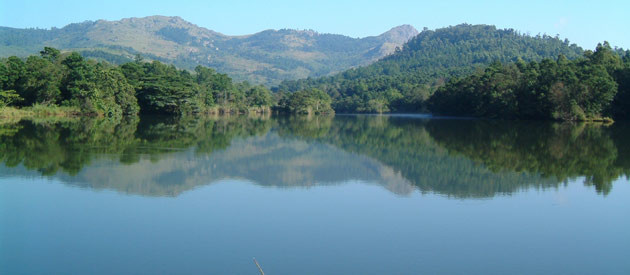
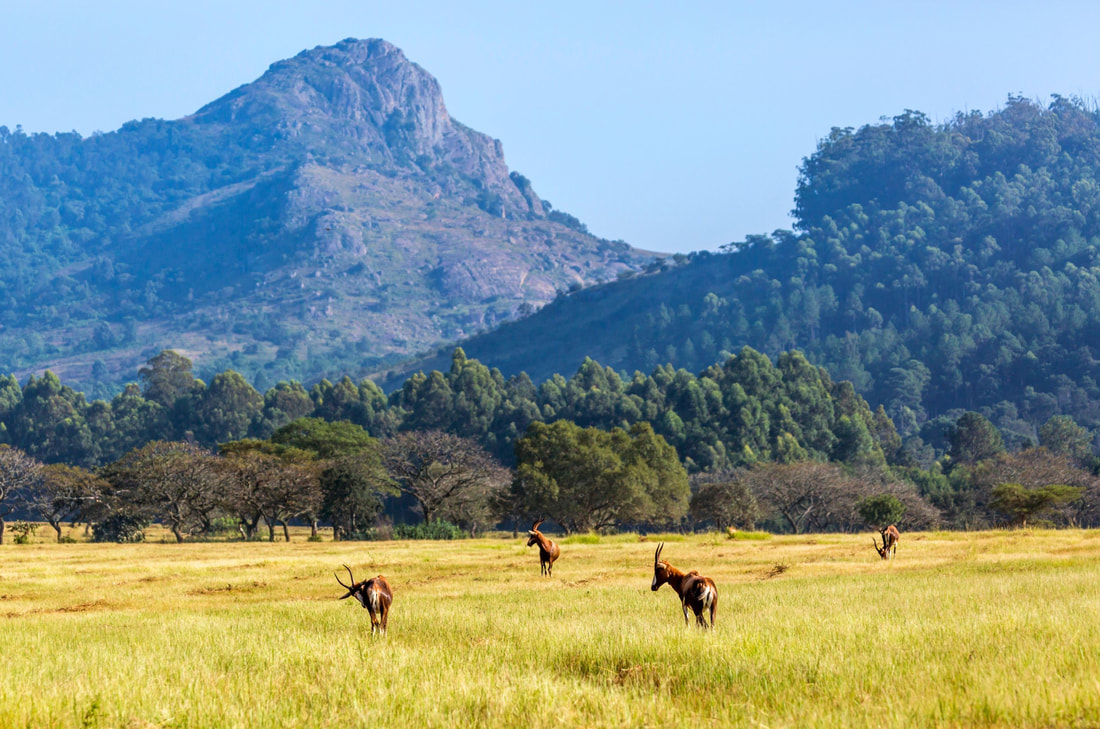
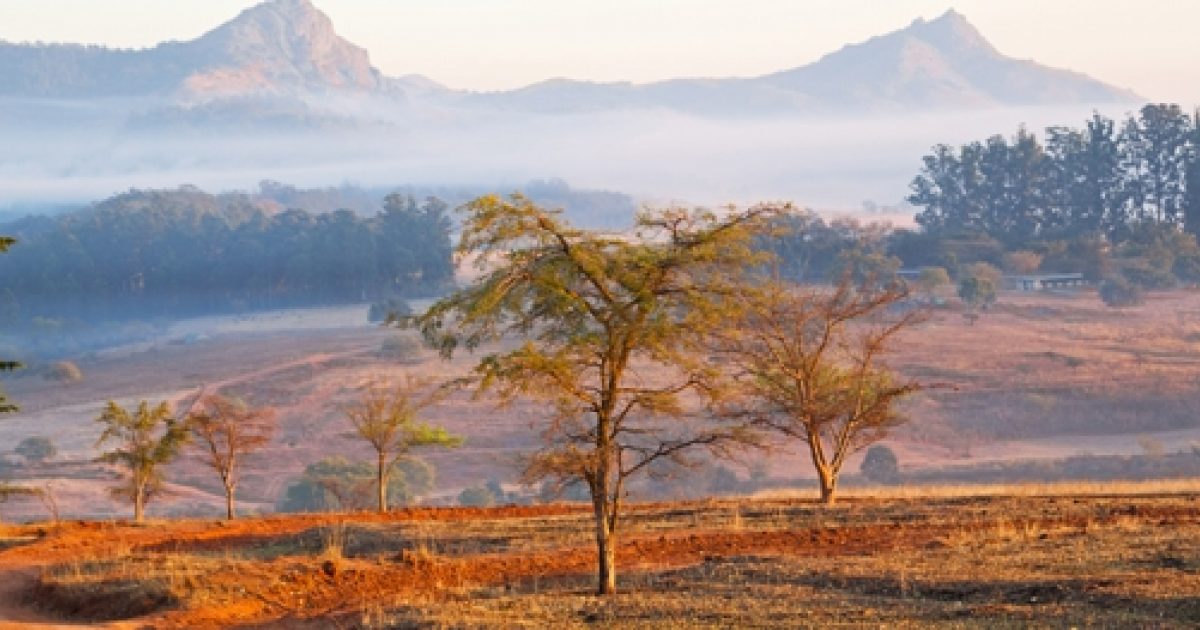
⚡ Mbabane, the capital of Eswatini offers a mix of dramatic mountain landscapes, vibrant local culture, and wildlife.
The top highlights include hiking the massive Sibebe Rock, exploring the bustling Mbabane Market, and discovering wildlife at Mlilwane Wildlife Sanctuary.
Tranquility and mystic.
3
199
Jun 13
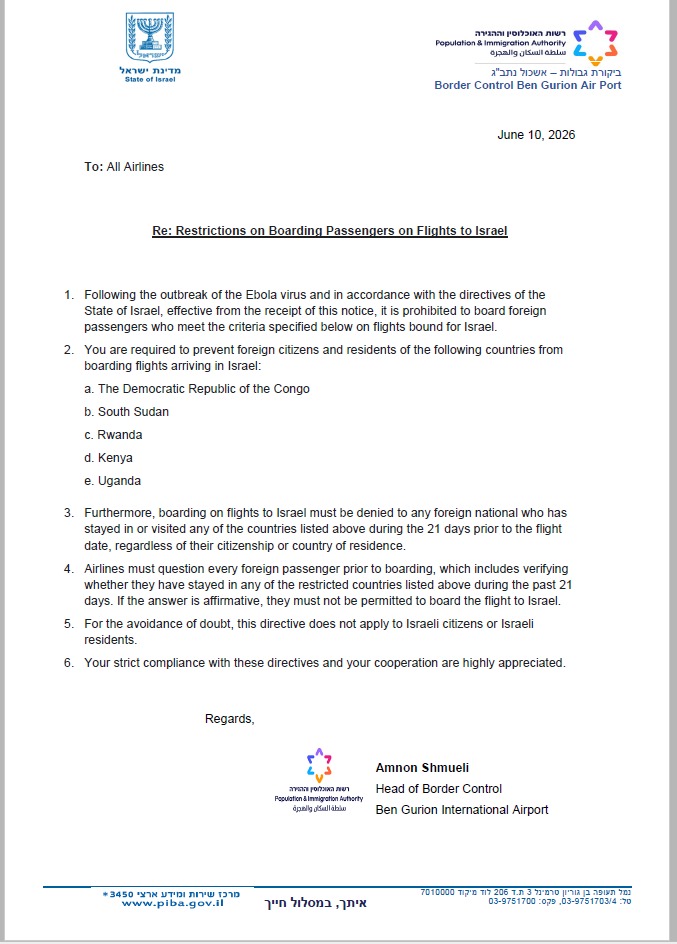
🚨 Israel places Kenya on a restriction list over Ebola virus.
'You are required to prevent foreign citizens and residents of the following countries from boarding flights arriving in Israel'
Other countries restricted are DRC, Rwanda and Uganda.
2
4
5
535
Jun 12
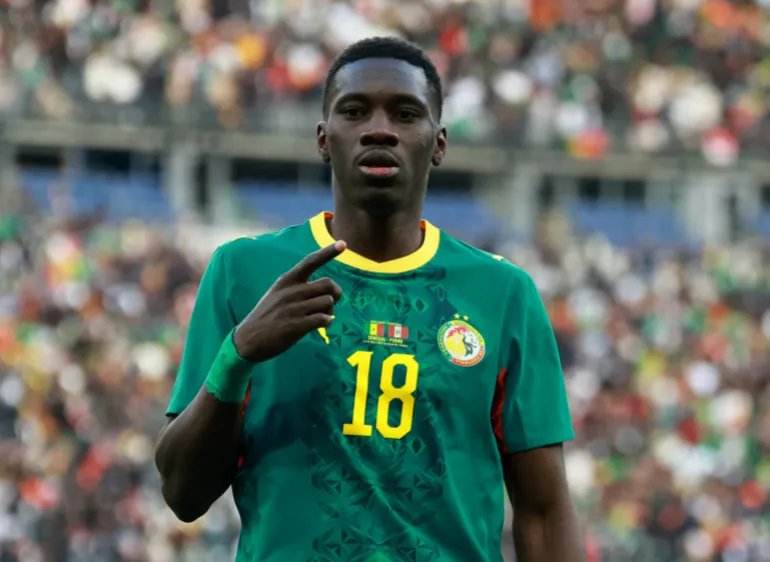
🚨 Senegalese Forward Ismaila Sarr touted as one of those that have a chance for World Cup Golden Boot.
Sar has been in fantastic form for Crystal Palace this season, scoring nine goals in Europe as the club secured their first continental title in the Conference League.
The 28-year-old will now look to convert that form onto the international stage as he competes for Senegal at his third World Cup.
A record 10 African nations are competing at this summer’s tournament, and Senegal are one of the most fancied sides from the continent. If they can clear their daunting group with France, Norway and Iraq, then The Teranga Lions could have a stab at going far in the competition.
Al Jazeera
4
212
Jun 11
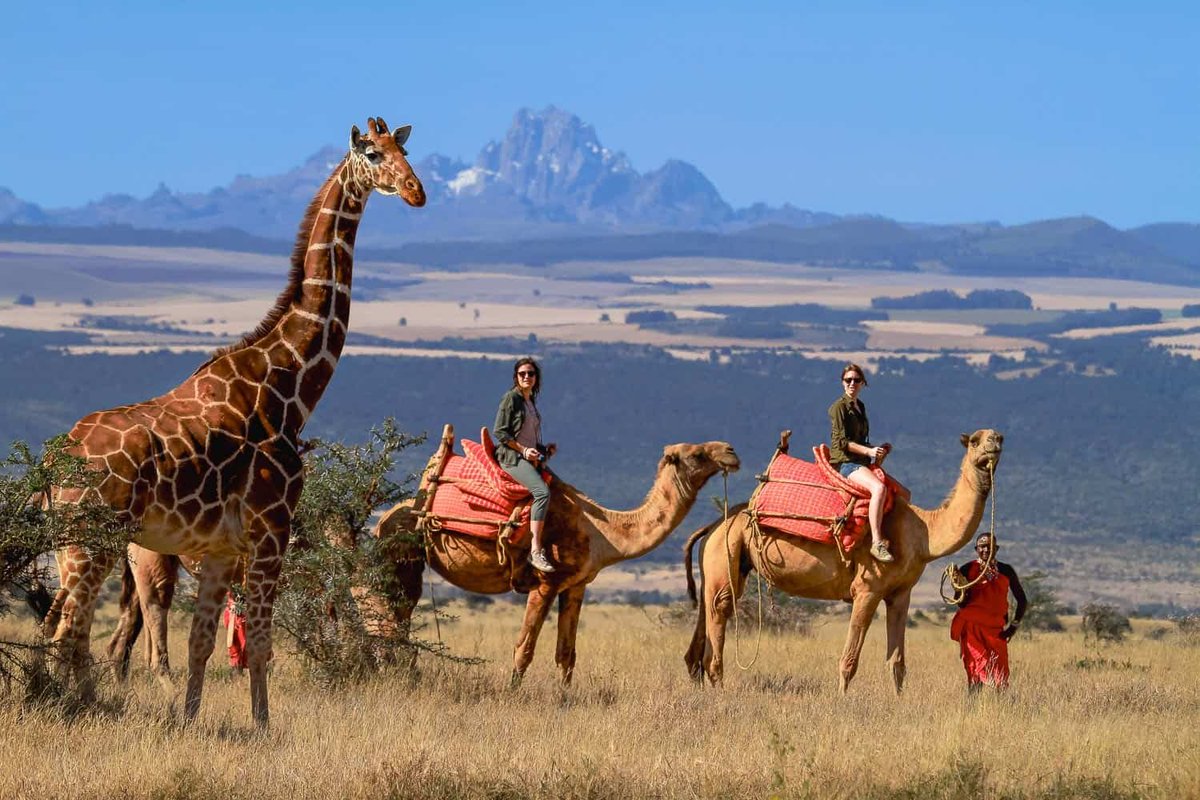
🚨 Kenya records 7.9 million tourists in 2025 as sector earns Ksh.500 billion
International arrivals rose from about 2.47 million in 2024 to 2.7 million in 2025, marking a growth rate of roughly 9 per cent, more than double the global average of 4 per cent.
Globally, tourist arrivals reached an estimated 1.52 billion in 2025, an increase of nearly 60 million compared to the previous year.
2
26
57
3,345
Jun 11
⚡ Uganda Airlines Inks $985 Million Deal with Boeing for 10 New Aircraft
KAMPALA — Uganda Airlines has signed a major aircraft acquisition agreement with U.S. manufacturer Boeing for 10 new passenger and cargo planes, in a deal valued at approximately $985 million.
The agreement was formally signed on Wednesday, June 10, 2026, and witnessed by President Yoweri Museveni at a ceremony in Kampala.
According to Uganda’s State House, the fleet expansion aims to bolster trade, tourism, and investment links while establishing the country as a leading regional aviation hub in East Africa.
The purchase represents a significant boost to Uganda Airlines’ growth ambitions, as the national carrier seeks to expand its route network and enhance connectivity across the continent and beyond.
Further details on the specific aircraft types and delivery schedule are expected to be released in the coming weeks.
Via Reuters.
124
African News retweeted

Jun 10
Nigerian travel vlogger Sommid Explorer sparks mixed reactions among Kenyans on social media after documenting what she terms an unfiltered view of Nairobi.
13
35
231
33,623