Bitcoin | Director of Strategy & Research @ORANJEBTC 🍊 ₿ 🇧🇷 | $OBTC3 | $ORNJY
Joined June 2019
- Tweets 12,614
- Following 1,975
- Followers 45,374
- Likes 31,213
1,859 Photos and videos
Sam Callahan retweeted

Jun 13
SLP740 Interviews at @freedomtechsum @Btcprague Corporate Day 2026
(00:00) – @freddienew of @bitcoinhodlco
(08:47) - @UTXOClub of @FrostsnapTech
(21:27) - @tonklaus on Stable Channel Wallet
(26:41) - @Andre_Dragosch of @bitwise
(39:35) - @SamCallah of @oranjebtc
6
15
46
7,465
Sam Callahan retweeted
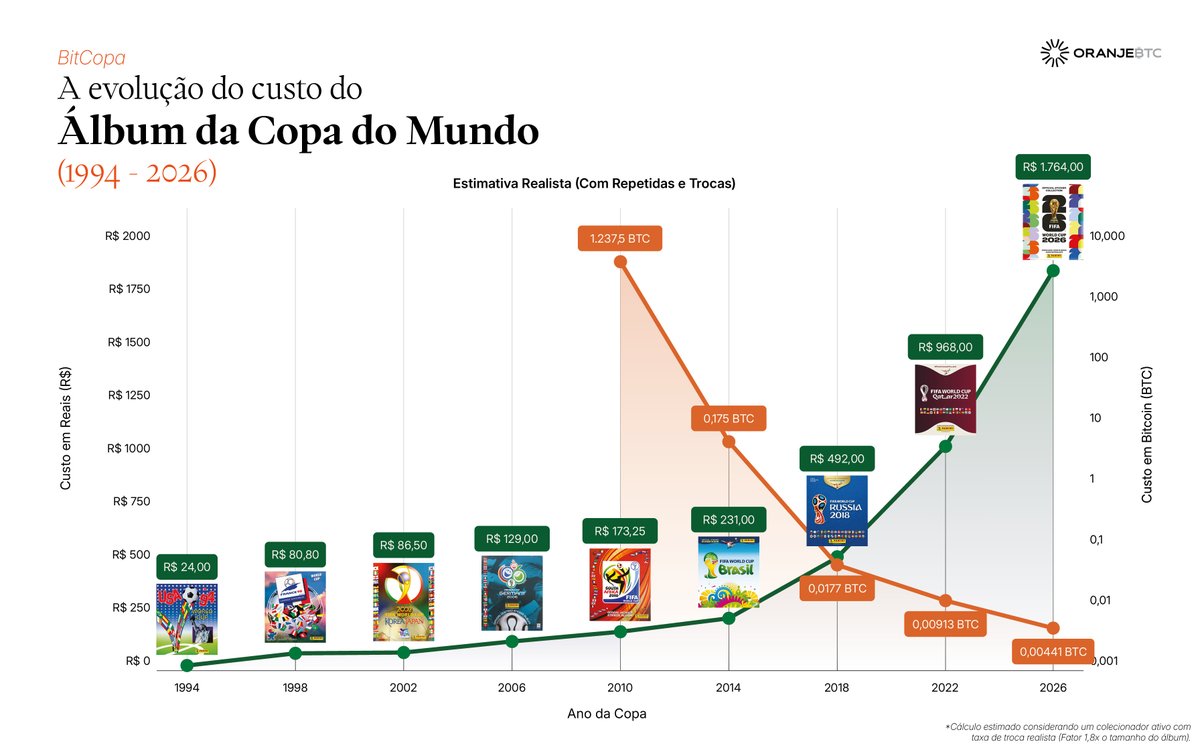
Quanto custa completar o álbum da Copa hoje? E quanto custava na últimas Copas?
O álbum saltou de 444 figurinhas em 1994 para 980 em 2026 e, além disso, a inflação tornou essa brincadeira quase 7300% mais cara!
Mas em Bitcoin a história foi diferente. Para quem “colecionou” Bitcoin das últimas Copas pra cá, completar o álbum ficou bem mais barato.
A pesquisa considerou a evolução histórica dos preços dos pacotes de figurinhas no Brasil, o número de figurinhas necessárias para completar cada edição e o poder de compra da moeda fiduciária em contraste com o Bitcoin.
Diferente do cenário matemático perfeito (que pressupõe zero repetidas), o fator de 1,8x simula o comportamento de um colecionador ativo que troca figurinhas, mas que invariavelmente precisa lidar com algumas que ficarão “encalhadas” e adquirir pacotes extras na reta final da coleção.
Nos siga nas redes para acompanhar mais conteúdo sobre economia, Bitcoin e Copa! Faça parte da torcida OranjeBTC.
#BitCopa #BitGoool #OranjeBTC #OBTC3
4
27
1,686
Sam Callahan retweeted

Bitcoin can be many things at once:
• A censorship-resistant monetary network
• A savings technology
• A corporate treasury asset
• A sovereign reserve asset
• A global settlement network
• A self-custody tool
• A hedge against monetary debasement
I don’t view these use cases as competing with one another. They reinforce each other.
The activist escaping capital controls, the family preserving purchasing power, the business holding Bitcoin on its balance sheet, and the nation-state diversifying reserves are all participating in the same truth-based system. They may have different motivations, but they strengthen the same network.
Transformative technologies spread through incentives, not ideology.
Most people did not adopt the internet because they cared about free speech or understood TCP/IP.
Most people did not adopt smartphones because they believed in distributed computing.
Most people did not adopt GPS because they were fascinated by satellites.
They adopted technologies that solved problems and improved their lives.
The same is true of Bitcoin.
Most corporations are not going to buy Bitcoin because they have read Hayek, Mises, or Rothbard. They are going to buy Bitcoin because they believe it is the best treasury asset available to them.
Markets don’t require ideological alignment to produce systemic change.
The internet didn’t transform the world because billions of people shared the same philosophy. It transformed the world because billions of people, pursuing their own interests, adopted a superior technology.
Bitcoin is likely to spread the same way.
Some people will adopt it for freedom.
Some for savings.
Some for treasury management.
Some for speculation.
Some because their company owns it.
Some because their government owns it.
The motivation is less important than the outcome.
Every time capital moves from a fiat-denominated store of value into Bitcoin, the network becomes deeper, more liquid, more secure, and more resilient.
A corporation buying Bitcoin for treasury purposes may not be explicitly trying to separate money and state. But when millions of individuals, companies, institutions, and eventually governments voluntarily choose Bitcoin over fiat assets, that is exactly what is happening.
That is not a distraction from separating money and state.
It is the mechanism by which it actually happens over the long-term. As capital moves from government-managed monetary systems into Bitcoin, control over money shifts from political institutions to an open network governed by transparent rules and voluntary participation.
17
26
225
10,955
Sam Callahan retweeted

ORANJEBTC IRÁ COMPRAR 1 BITCOIN PARA CADA GOL DO BRASIL NA COPA DO MUNDO
📰 Após acelerar as compras de Bitcoin, a OranjeBTC fará uma campanha para adquirir mais BTC com os gols do Brasil na Copa do Mundo
portaldobitcoin.uol.com.br/o…
1
15
5,044

Jun 12
One goal. One bitcoin.
For every goal Brazil scores during the World Cup, OranjeBTC will buy 1 bitcoin.
Go Brazil! 🇧🇷⚽₿
Jun 11

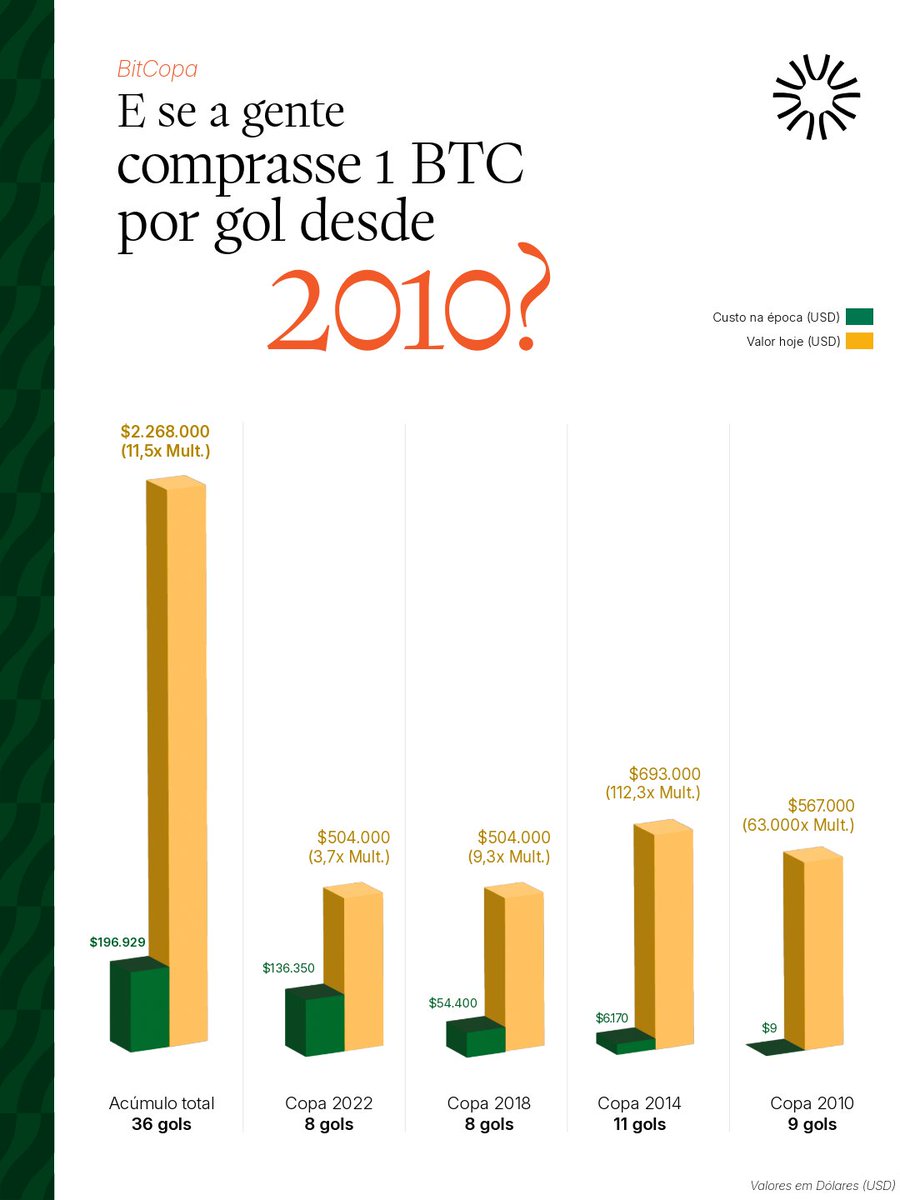
Nessa copa a OranjeBTC vai comprar 1 BTC para cada gol do Brasil. E se nós tivéssemos comprado 1 Bitcoin a cada gol do Brasil desde 2010?
Foram 36 gols nas últimas quatro Copas: 9 em 2010, 11 em 2014, 8 em 2018 e 8 em 2022.
Comprando 1 BTC por gol ao preço de cada época (considerando US$ 1 por BTC em 2010 e cerca de US$ 560, US$ 6.800 e US$ 17.000 nas copas seguintes), o investimento total seria de aproximadamente US$ 197 mil por 36 bitcoins.
Hoje, por volta de US$ 63 mil cada, esses mesmos 36 BTC valeriam cerca de US$ 2,3 milhões, aproximadamente 11,5 vezes mais, nada mal, não?
Nos siga nas redes sociais para participar da nossa torcida pelo Brasil nessa Copa.🇧🇷🧡
#OranjeBTC #OBTC3 #BitCopa #BitGoool
2
2
11
2,286
Sam Callahan retweeted

Jun 11
A Strategic Bitcoin Reserve is the most asymmetric bet the U.S. Treasury could make. The downside is manageable. The upside is generational.
320
1,016
8,360
249,697
Jun 10
People are vastly underestimating the resilience of Strategy’s capital structure, the strength of its Bitcoin balance sheet, and the optionality of its treasury operations to service its dividend obligations.

Strategy’s sell-off signals the first real stress test for the bitcoin treasury trade cnbc.com/2026/06/09/strategy…
10
5
68
10,948
Sam Callahan retweeted

Jun 9
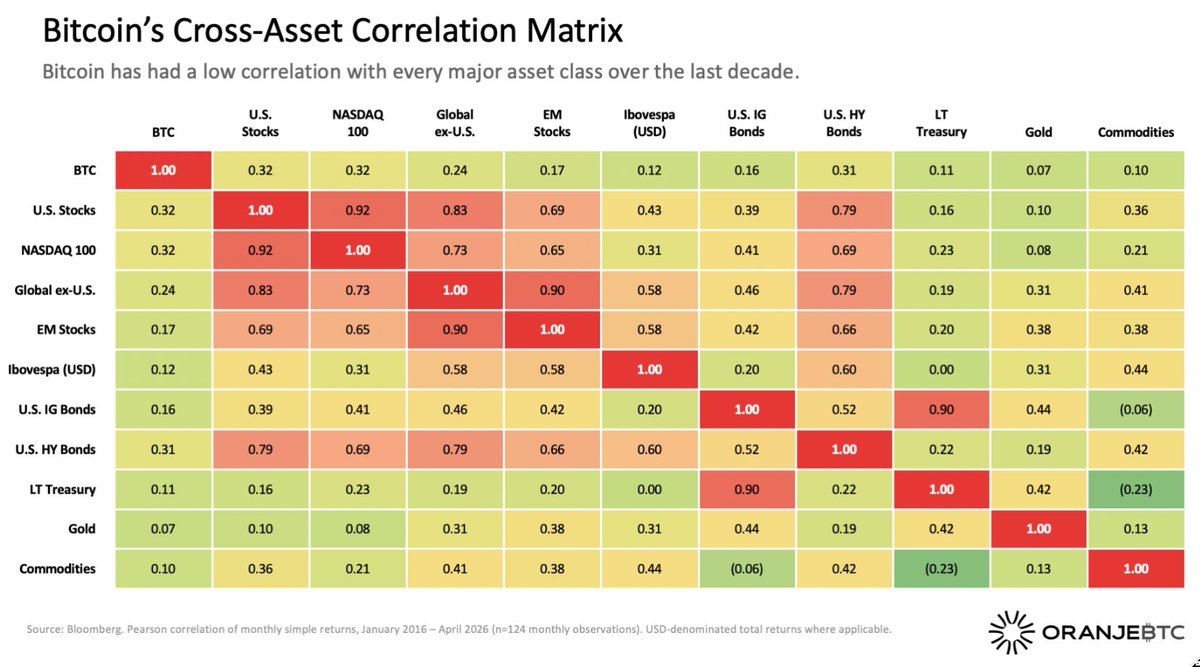
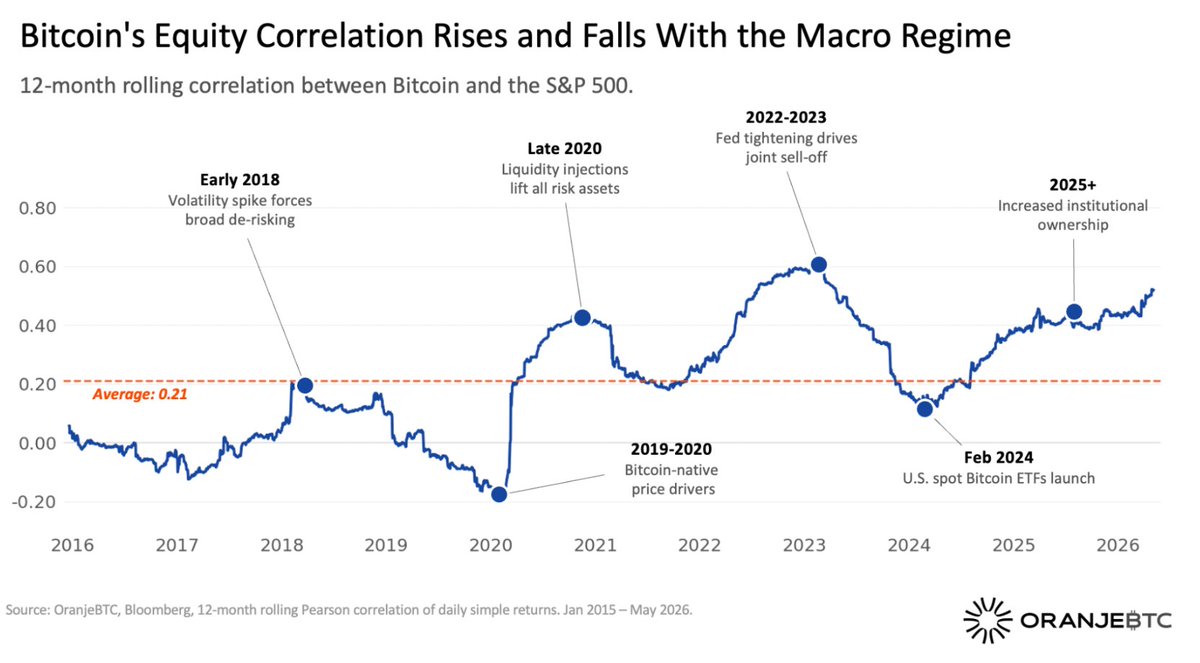
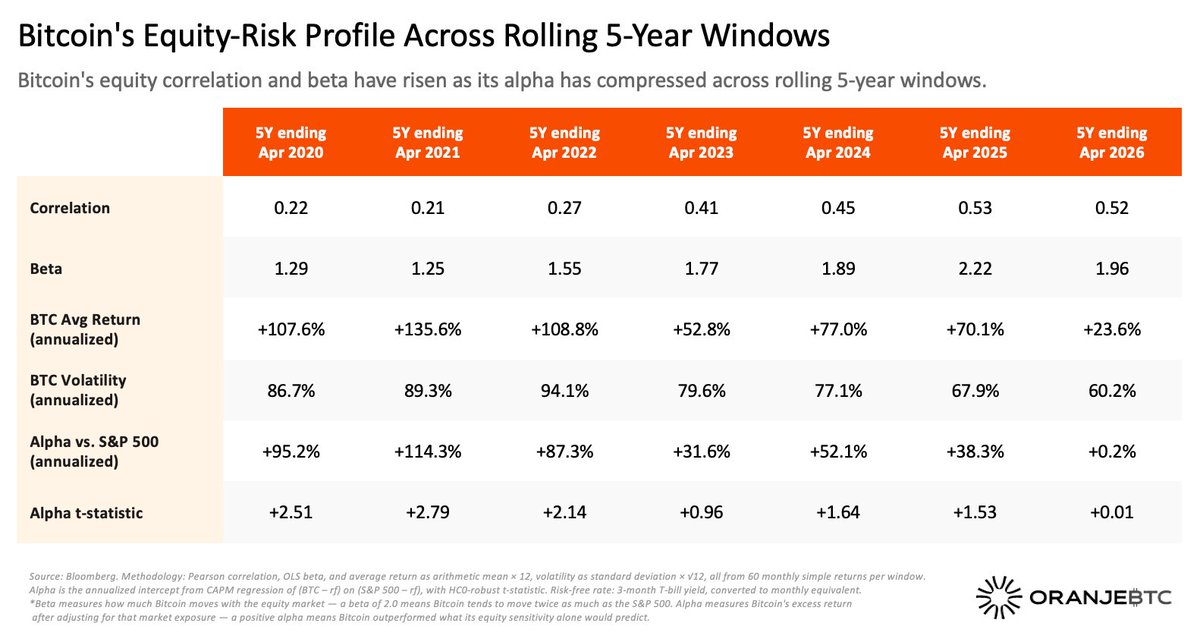
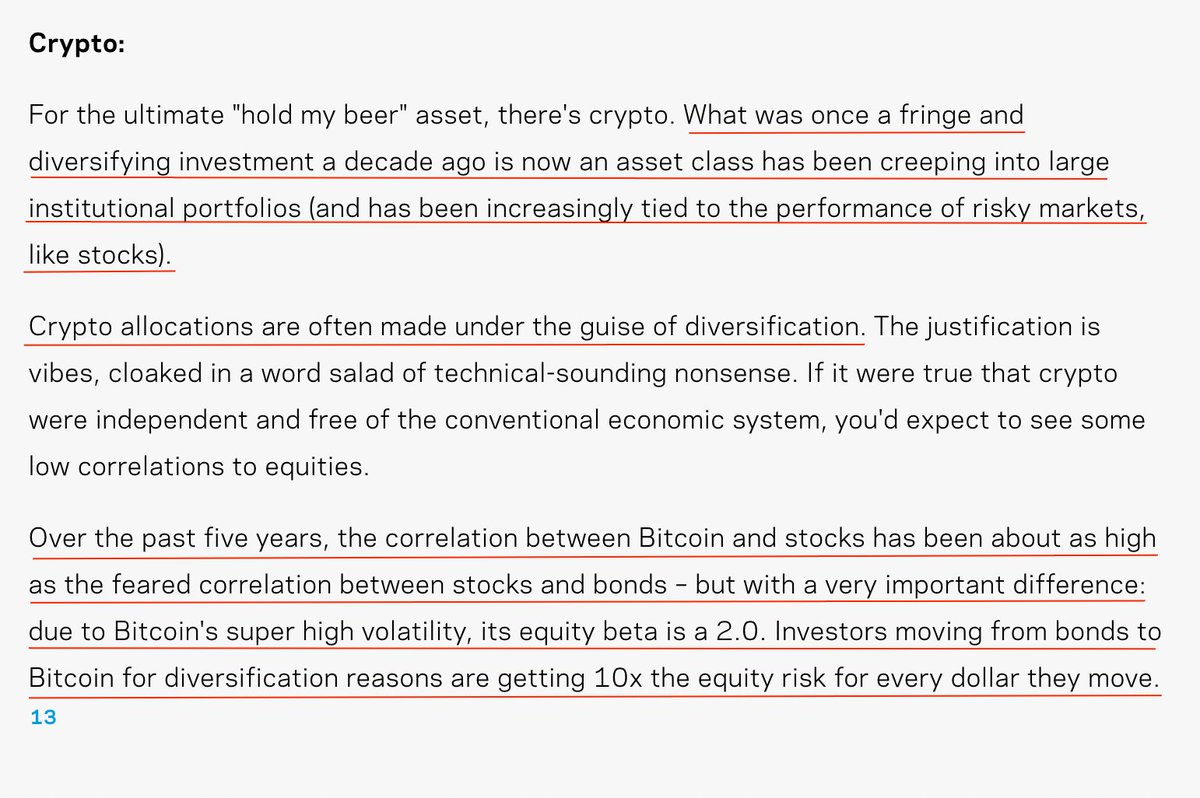
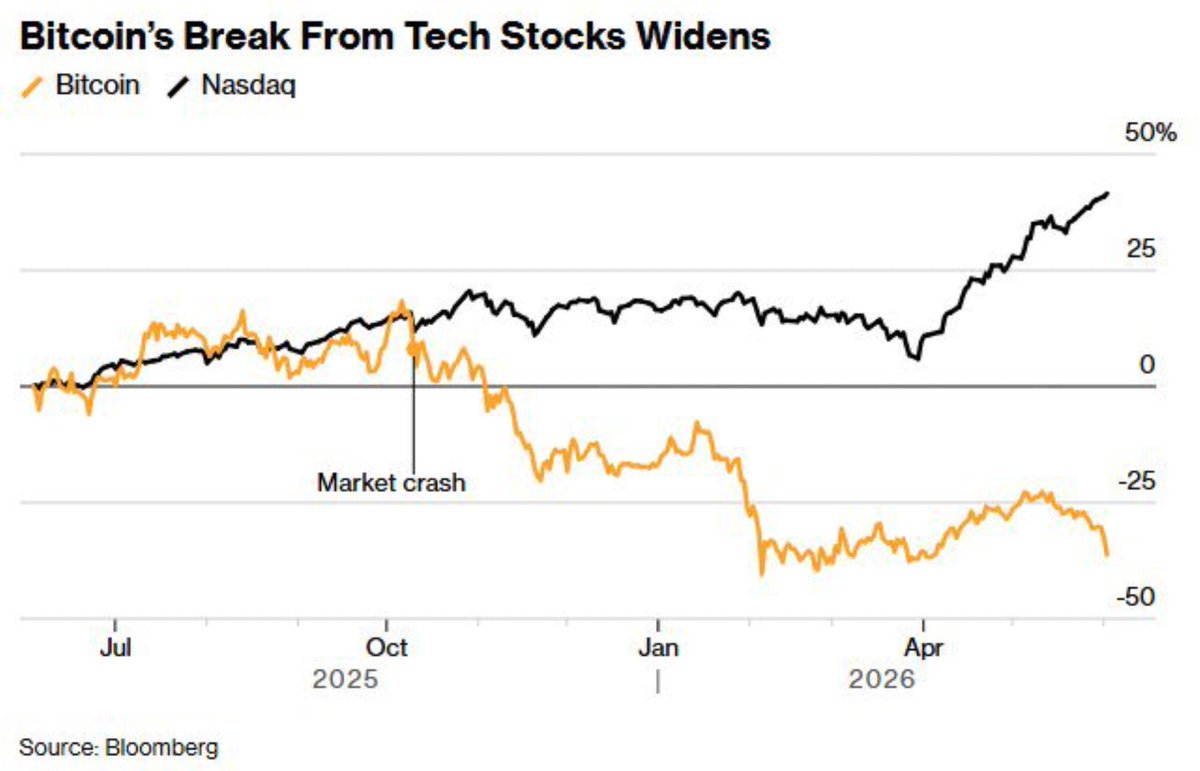
Bitcoin correlating with stocks sounds bearish.
@samcallah says it's actually the opposite.
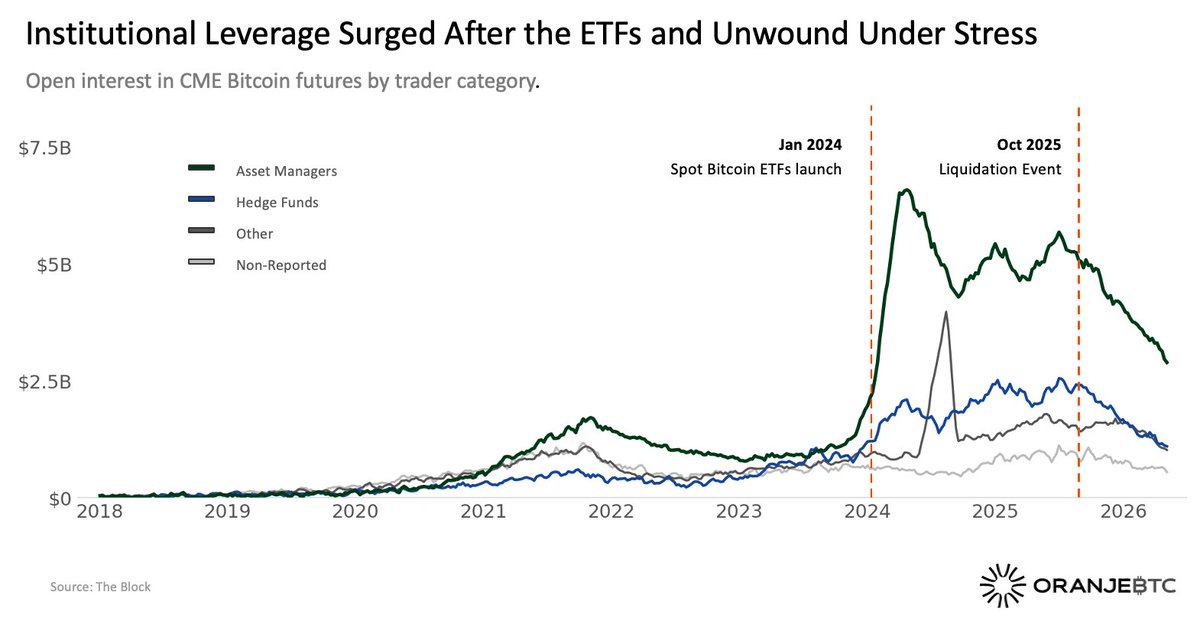
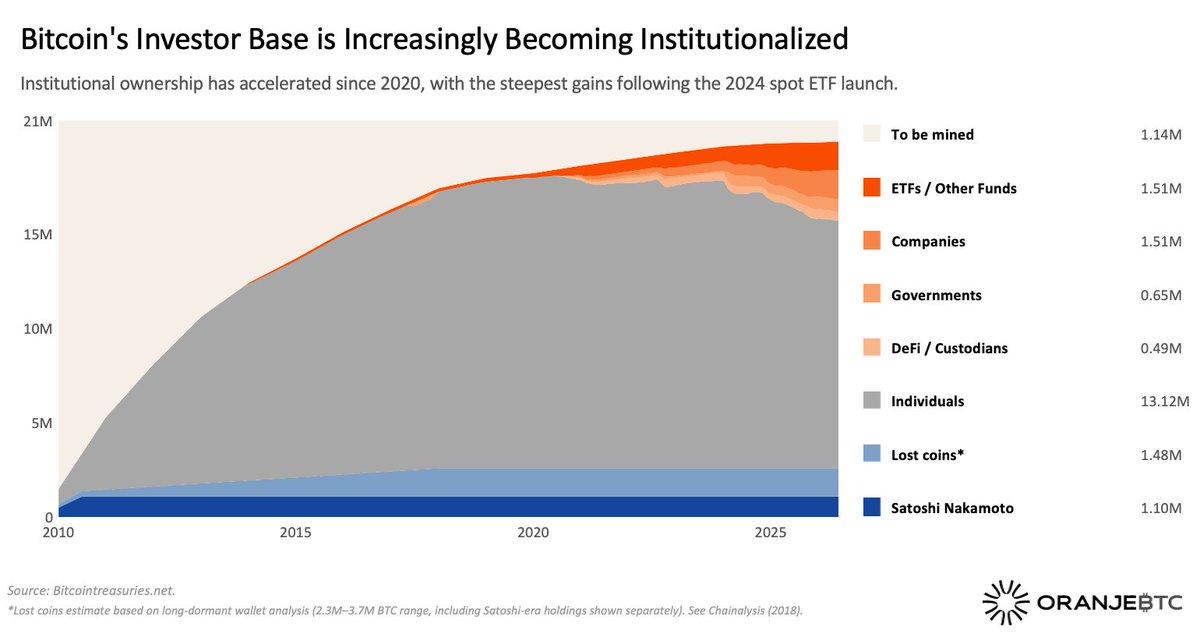
Institutions now own ~20% of Bitcoin's supply. ETFs, portfolio rebalancing, and institutional flows have changed the price action.
The correlation isn't proof that Bitcoin failed.
It's proof that Bitcoin won.
FT @LgDoucet
Tune in to know more
⏱ TIME POINTS ⏱
00:00 – Intro
01:13 – Why Sam Isn’t Worried About Bitcoin
03:14 – How Oranje BTC Earns Yield
04:37 – Milk Road Is Hiring
04:53 – Is Everyone Wrong About Bitcoin?
13:53 – Why Bitcoin’s Correlation Is Bullish
16:13 – Why Institutions Don’t Get Bitcoin Yet
18:01 – Quantum Risk: Real Or Overblown?
22:01 – Sponsor: Cape
22:46 – Is Strategy Actually In Trouble?
29:30 – Inside Strategy’s Bitcoin Machine
39:08 – Bitcoin, ETFs & MSTR: Risk Guide
40:46 – What Sparks Bitcoin’s Next Rally?
5
13
3,437
Sam Callahan retweeted

Jun 8
E se os principais cenários pessimistas do Bitcoin forem, na verdade, mais fracos do que parecem?
@samcallah, Diretor de Estratégia e Pesquisa da OranjeBTC, participou do programa @MilkRoad para analisar os 5 principais cenários pessimistas do Bitcoin que dominam o mercado atualmente. E explicar por que muitos investidores podem estar pensando sobre o Bitcoin de forma completamente equivocada.
youtu.be/NQiExD_Q1N0?si=yH4y…
15
2
41
5,113
Jun 8
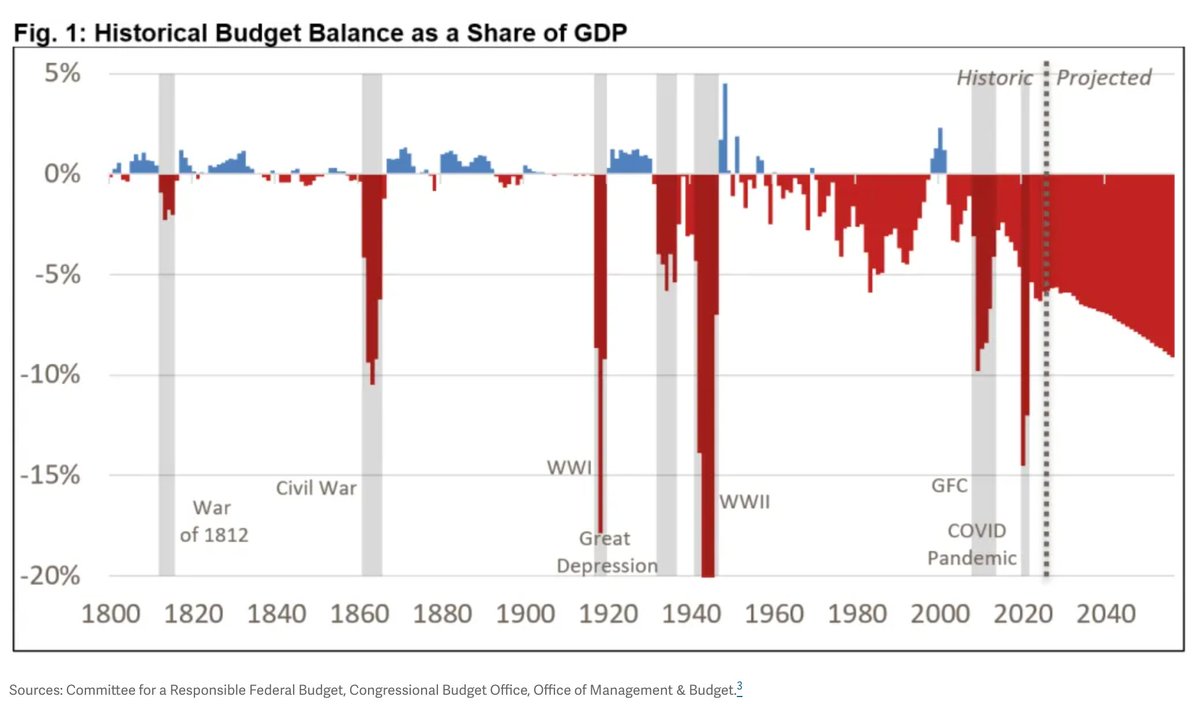
The problem remains the same...
Large deficits are structural and projected to rise.
The budget will not be balanced.
The debt burden will not be reduced through fiscal discipline.
It will be managed through currency debasement and financial repression.
So...I buy Bitcoin.
3
7
82
6,123
Sam Callahan retweeted

Jun 8
$STRC and $MSTR shareholders have approved the amendment to move $STRC dividends from monthly to semi-monthly. Under the new cadence, the first record date is June 30 and the first payment date is July 15. Thank you to every shareholder who voted. strategy.com/press/strategy-…
656
1,105
11,437
688,860
Jun 8
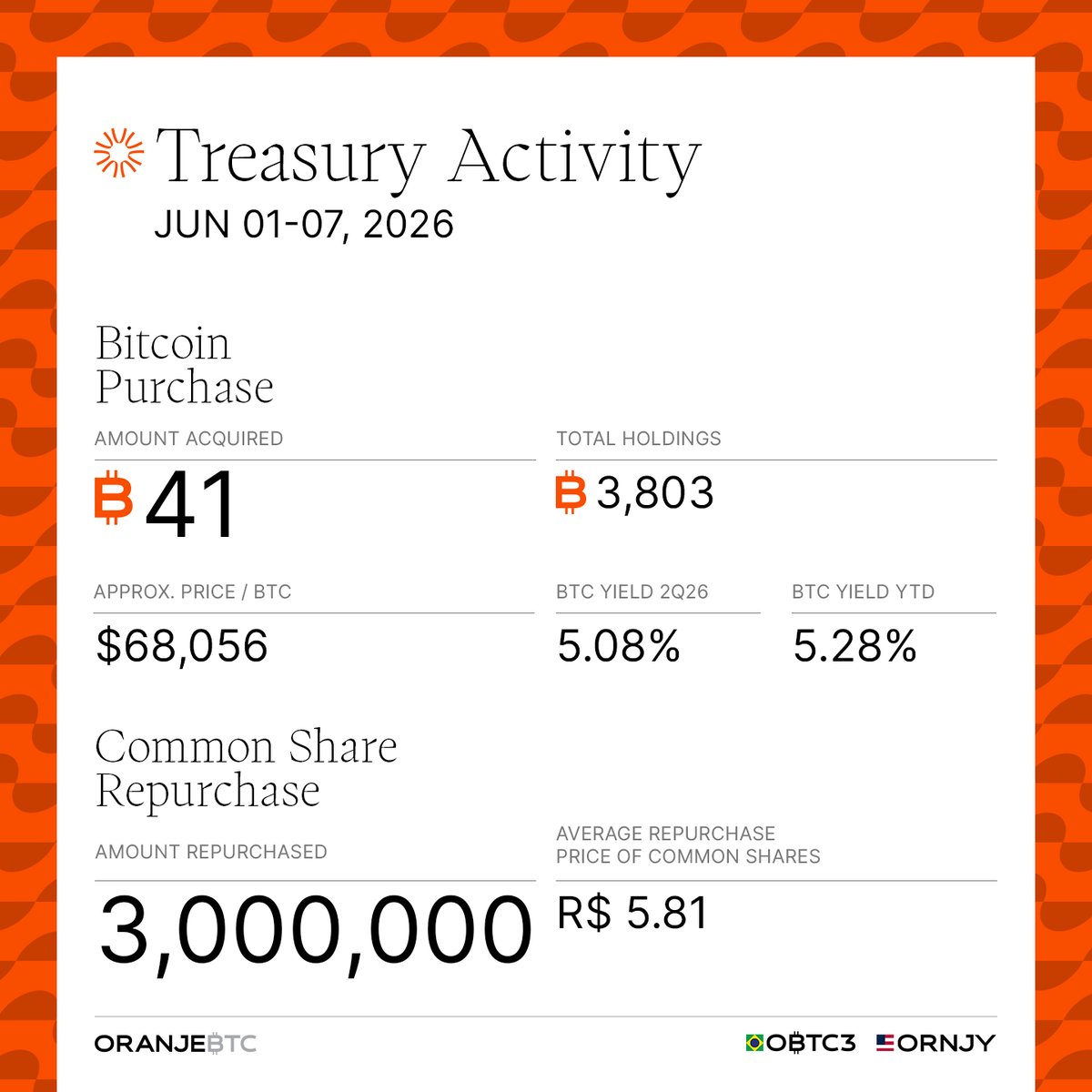
OranjeBTC continues to stack the dip.
41 BTC last week. 🟠
We now hold 3,803 BTC and have achieved a BTC Yield of 5.28% YTD.
Jun 8
🇧🇷
A OranjeBTC adquiriu 41 Bitcoin durante a semana e passou a deter 3.803 Bitcoin em tesouraria.
Em paralelo, recompramos 3.000.000 ações ON, contribuindo para um BTC Yield semanal de 3,01%.
• BTC Yield 2T26: 5,08%
• BTC Yield 2026: 5,28%
Nossa missão é acelerar a adoção de Bitcoin no Brasil e na América Latina.
Na tesouraria, temos um único foco no longo prazo: aumentar Bitcoin por ação.
Ticker: 🇧🇷 $OBTC3 | 🇺🇸 $ORNJY
⸻
🇺🇸
OranjeBTC acquired 41 Bitcoin during the week and now holds 3,803 Bitcoin in treasury.
In parallel, we repurchased 3,000,000 common shares, contributing to a weekly BTC Yield of 3.01%.
• 2Q26 BTC Yield: 5.08%
• 2026 BTC Yield: 5.28%
Our mission is to accelerate Bitcoin adoption across Brazil and Latin America.
In treasury operations, we have a single long-term focus: increasing Bitcoin per share.
Ticker: 🇧🇷 $OBTC3 | 🇺🇸 $ORNJY
1
30
2,378
Jun 5
This is quite the bearish day.
Jun 5

*CHICAGO BEARS TO DEPART ILLINOIS FOR INDIANA AFTER 100 YEARS
5
20
2,407
Jun 5
At OranjeBTC, we are proud supporters of @Vinteum_org.

What does it take to build a truly global Bitcoin protocol?
@lucasdcf, co-founder of @Vinteum_org, has spent years making space for Brazilian developers in the Bitcoin open-source ecosystem.
Through grants, education programs, and @casavinteum, Vinteum has helped 15 developers land full-time roles at projects like @bitcoindevkit, @StratumV2, and @Blockstream.
Read the full story: Link in the thread
2
11
2,396
Jun 5
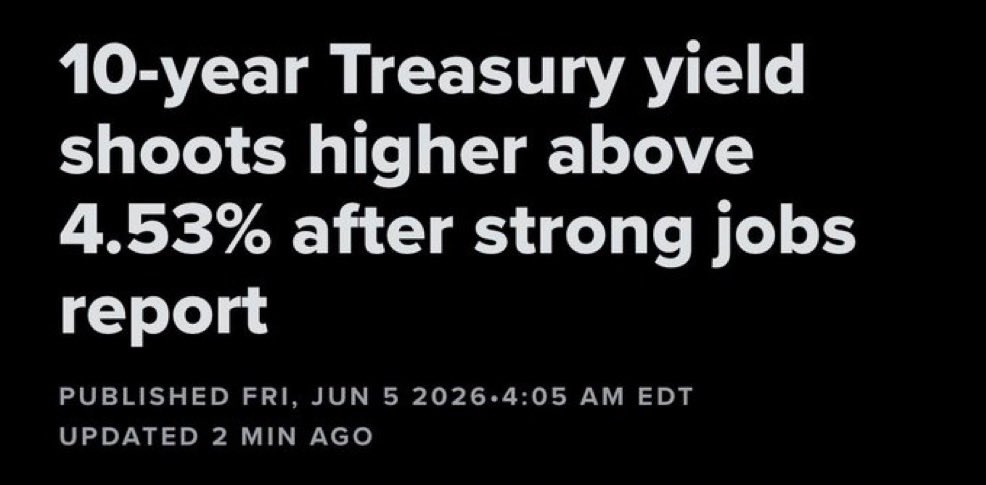
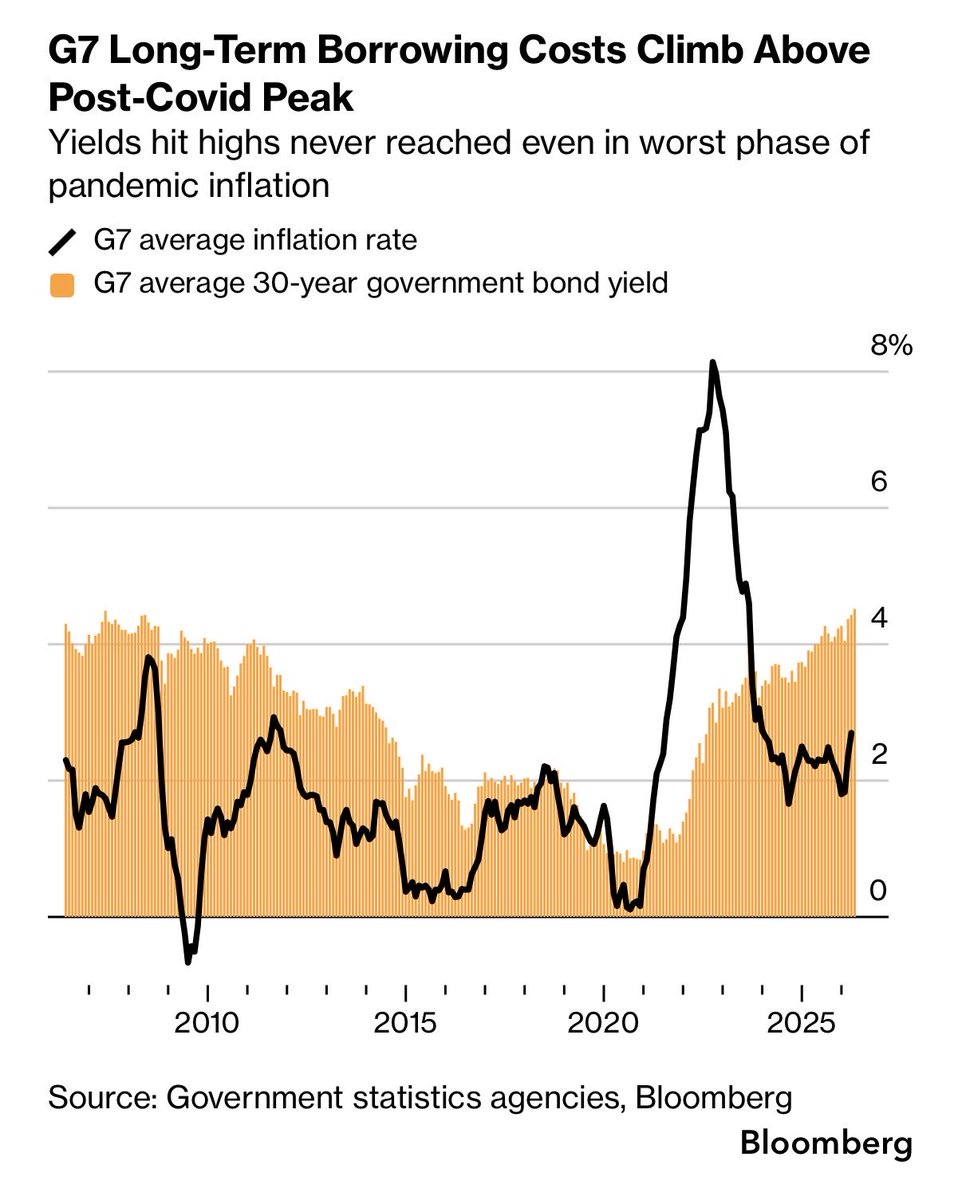
The CBO projects the 10Y yield baseline for the next decade to be ~4.1%.
If rates remain 40 bps above that baseline over the next decade like it is today, it would add $1.5 trillion in interest expense to the debt, and even if it’s just for 1 year, it adds $200 billion by 2036.
1
6
852
Jun 5
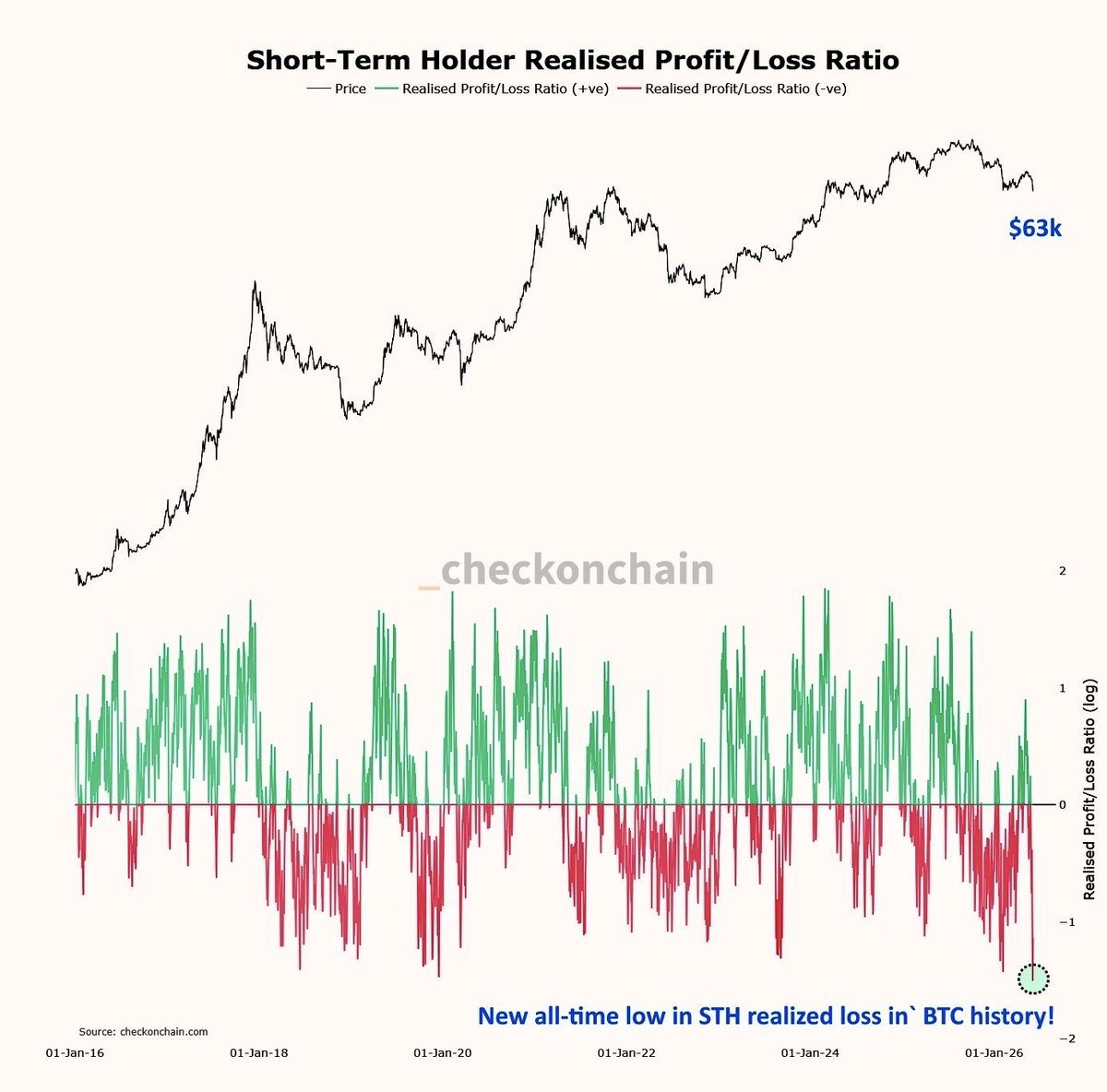
Unfazed. ₿uilding. ₿uying. Focused.

1
34
2,997
Sam Callahan retweeted

Jun 4
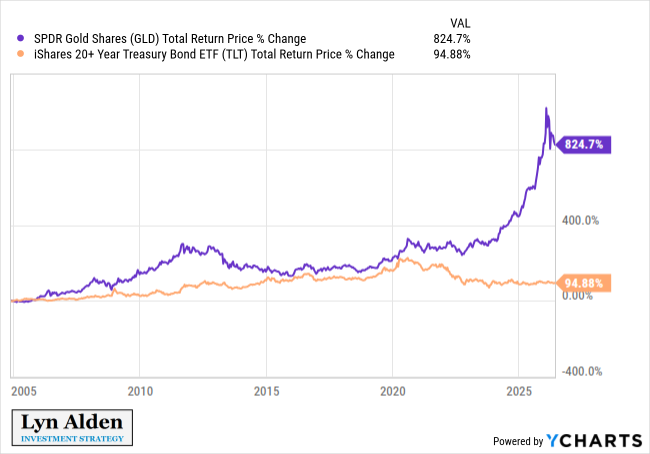
My June public newsletter is now available:
lynalden.com/june-2026-newsl…
The issue focuses on defining and planning for the more multipolar and volatile world we have moved into.
70
145
922
151,199
Sam Callahan retweeted
Jun 4
Já saiu a nova edição do Oranje.mail
Quer receber direto no seu e-mail e não perder nenhuma edição? Entre no link e se inscreva.
oranjebtc.com/#newsletter
1
3
16
2,339
Sam Callahan retweeted

Jun 4
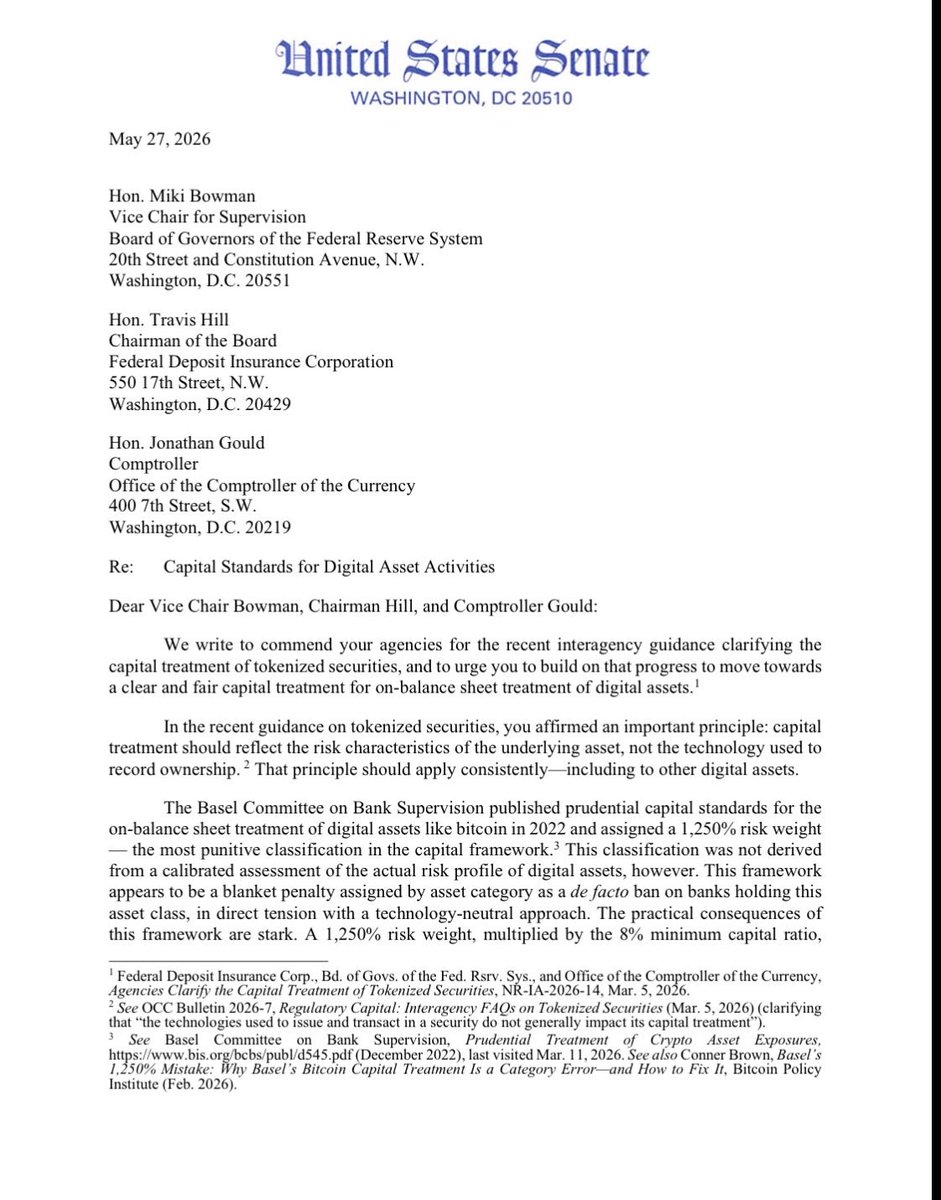
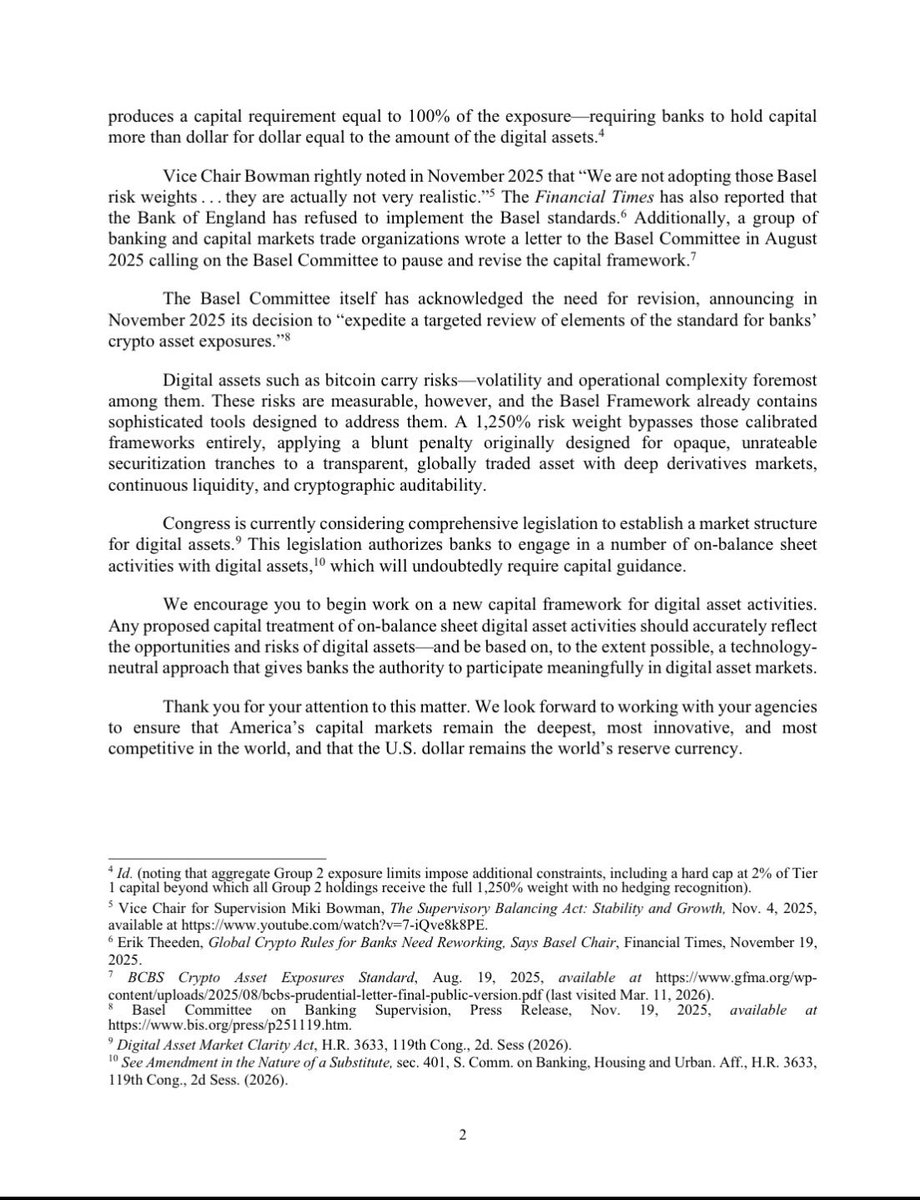
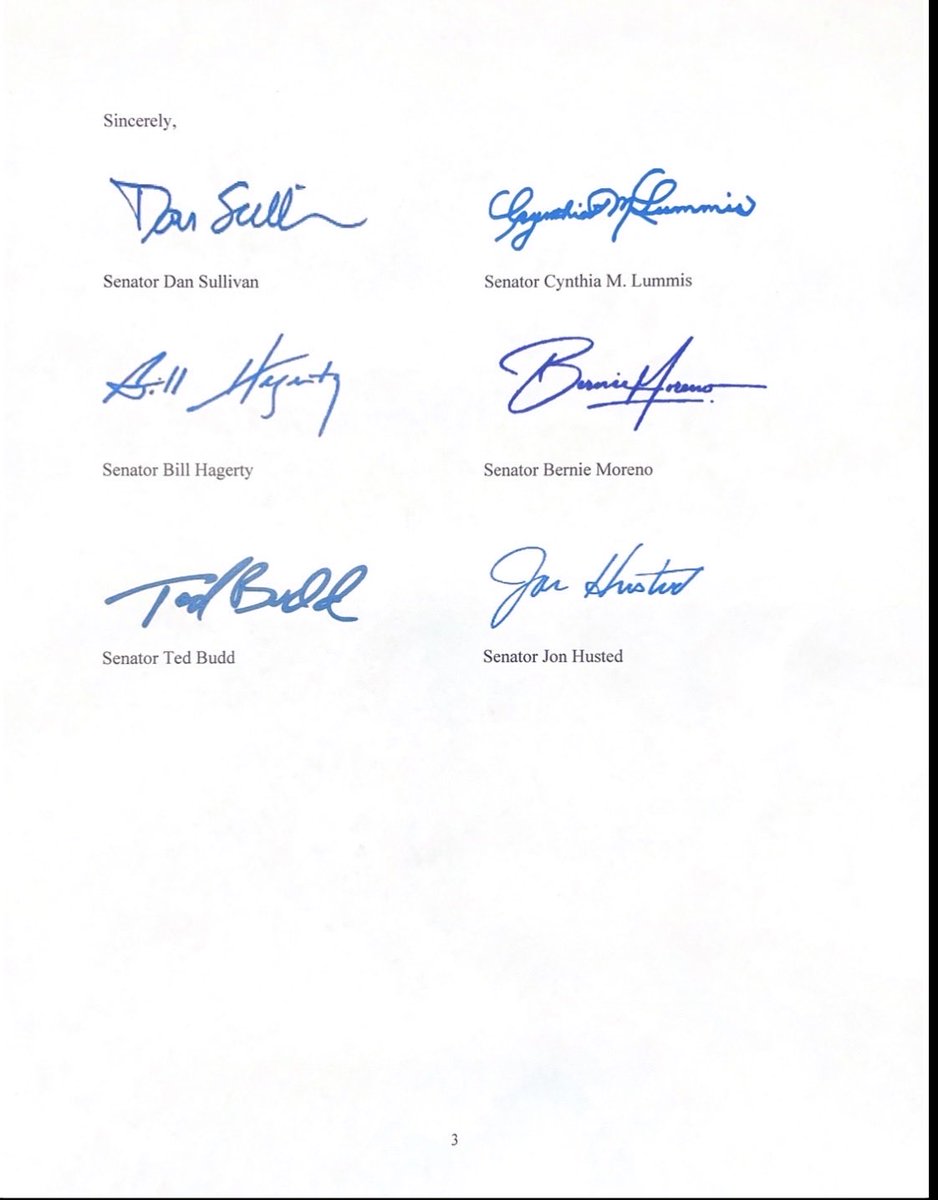
NEW: Sen. Sullivan and Sen. Lummis lead letter to the Fed, FDIC and OCC, calling for revaluation of Basel’s risk weighting for Bitcoin and digital assets.
“A 1,250% risk weight bypasses those calibrated frameworks entirely, applying a blunt penalty …to a transparent, globally traded asset with deep derivatives markets, continuous liquidity, and cryptographic auditability.”
This is a strong signal from Washington that legislators are looking closely at this issue as work on market structure continues. The letter has 6 signatories and 3 are on the Banking Committee.
It’s also great to see BPI’s brief on this topic cited in the third footnote! 😉
We’ll keep you posted on further updates.
58
169
958
258,839