Tremendous angst.
Joined October 2011
- Tweets 9,211
- Following 938
- Followers 342
- Likes 17,599
475 Photos and videos



Kearns retweeted

20 May 2011
Chilled weekend to all of you
49
6,125
16,358

Jun 5
*sees that scientists have created a Covid super-vaccine with AI* this is incredible. This is an insane advancement and an opportunity for a marvellous future.
*sees a single AI-generated image on social media* we must nuke all the data centres.
5

Kearns retweeted

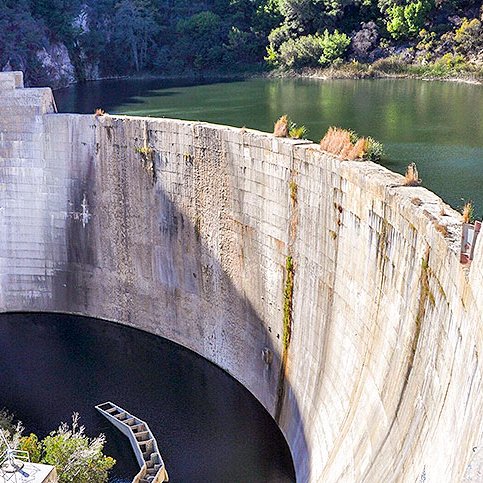
The United States has more than 90,000 dams on its rivers. Many of them no longer generate power, hold back floods, or serve a purpose at all. They just sit there, aging, holding the water back.
Take one out, and the ecological recovery can happen breathtakingly fast.
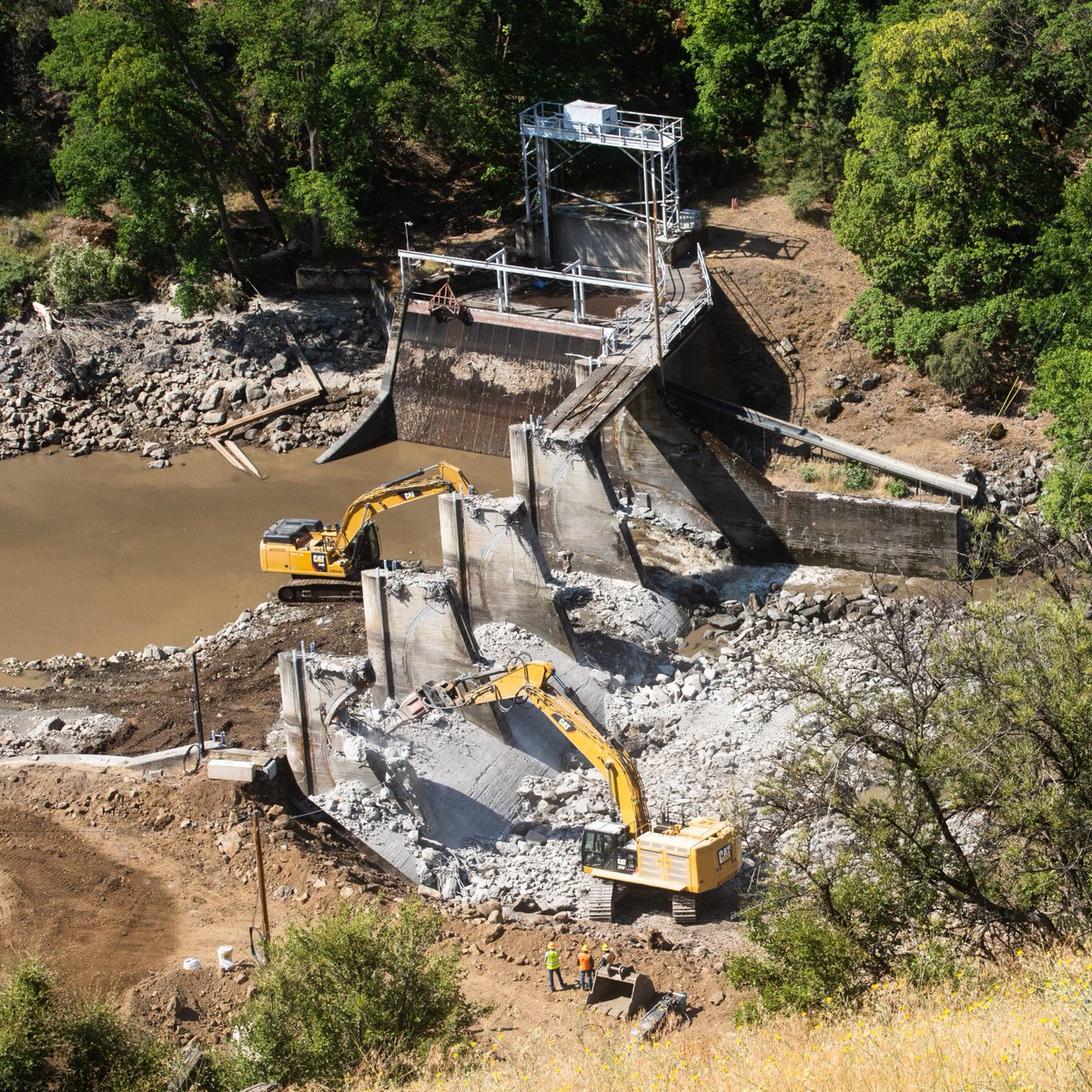
In 2024, the largest dam removal in American history finished on the Klamath River, where four dams came down along the Oregon-California line. Within days, Chinook salmon were pushing into water they hadn't reached in generations.
By the fall of 2025, they had climbed all the way into the upper basin, spawning in streams that had been sealed off for more than a hundred years.
Damon Goodman, a regional director for California Trout, put it plainly: the rivers "seem to come alive almost instantly after dam removal."
Maine's Penobscot tells the same story. After two dams came down, the river herring went from a few thousand fish a year into the millions, and with them came back the eagles, ospreys, and otters that live off the run.
A dam is one of the few environmental problems you can fix by subtraction. Take the wall away, and the river seems to remember what it was.
64
824
3,541
102,018
Kearns retweeted
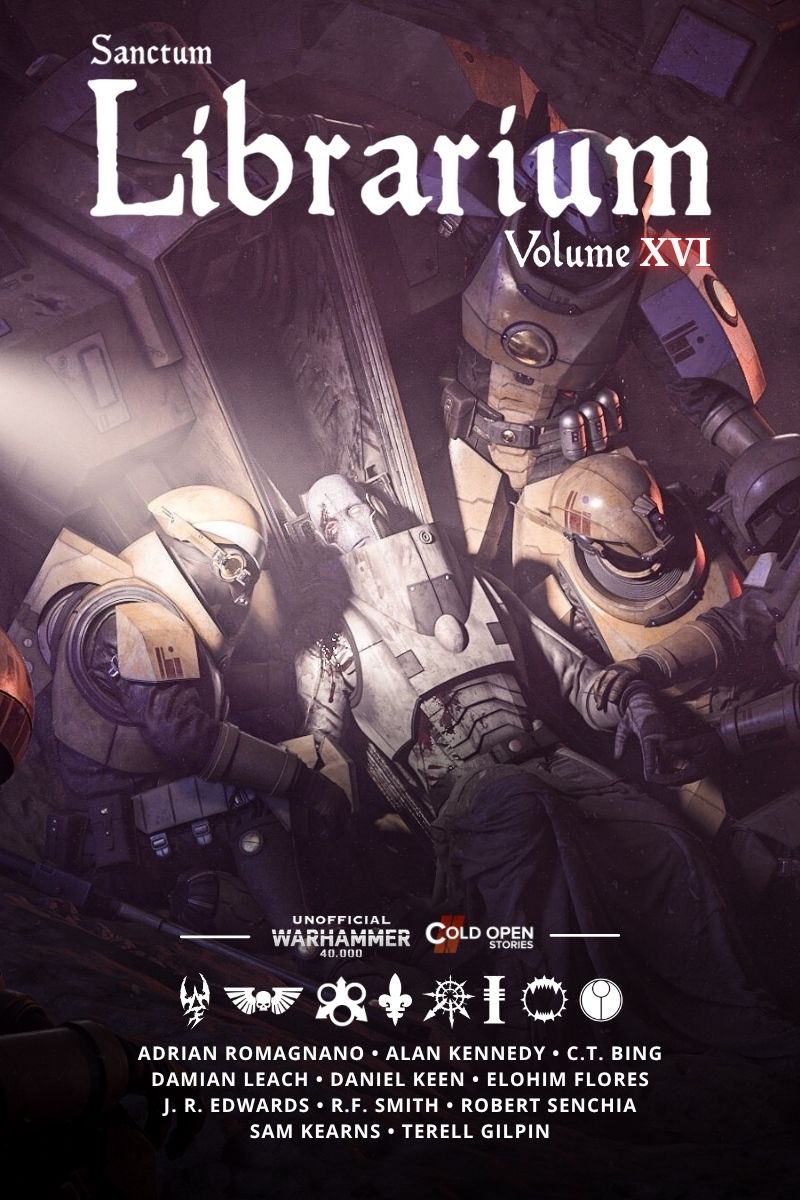
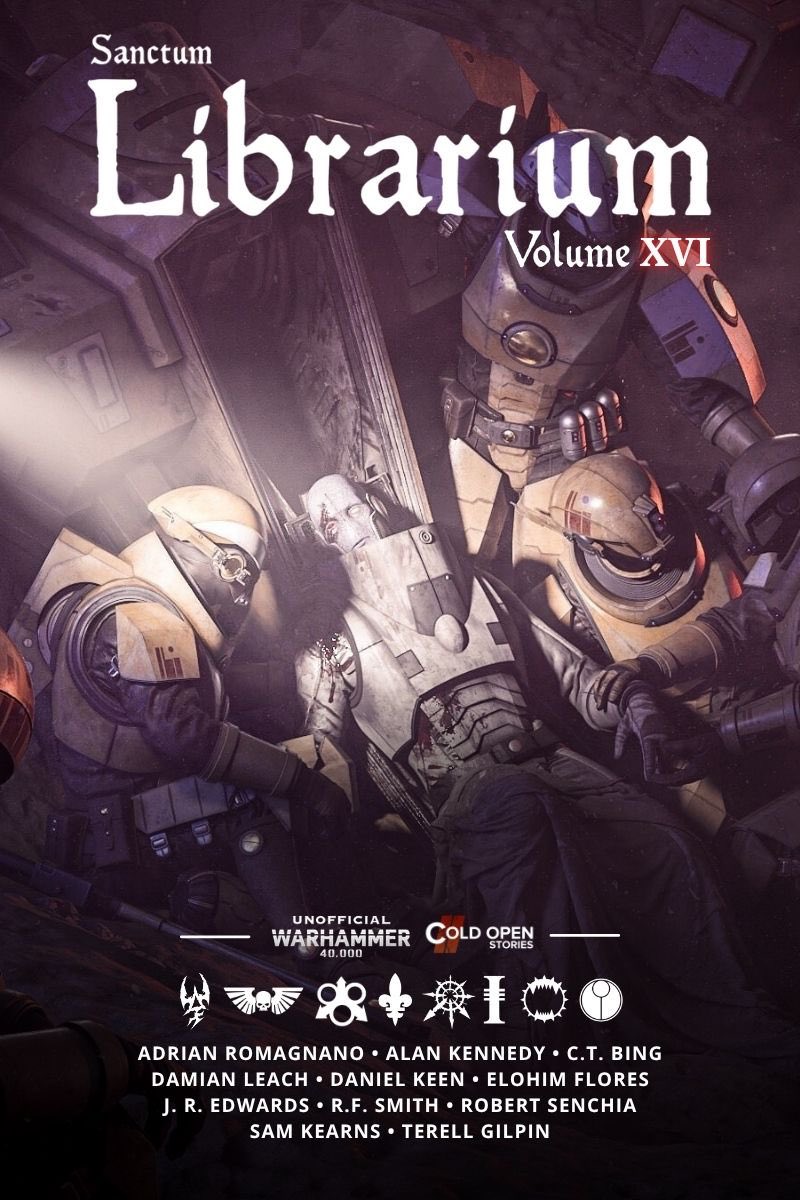
The internet’s favourite Warhammer 40,000 short fiction anthology is BACK ✅ 📕
Volume XVI of Sanctum Librarium is now available, exclusively in ebook form!
Discover new authors, new worlds, and new characters, in the grimdark future.
Download now: 40k.coldopenstories.com/anth…
1
4
70
May 29
Sanctum Librarium XVI has been released on @ColdOpenStories in E-BOOK format! For the gold standard of #Warhammer #Fanfic, please download and enjoy stories written by moi and other legends!
40k.coldopenstories.com/anth…
#warhammercommunity
30
Kearns retweeted
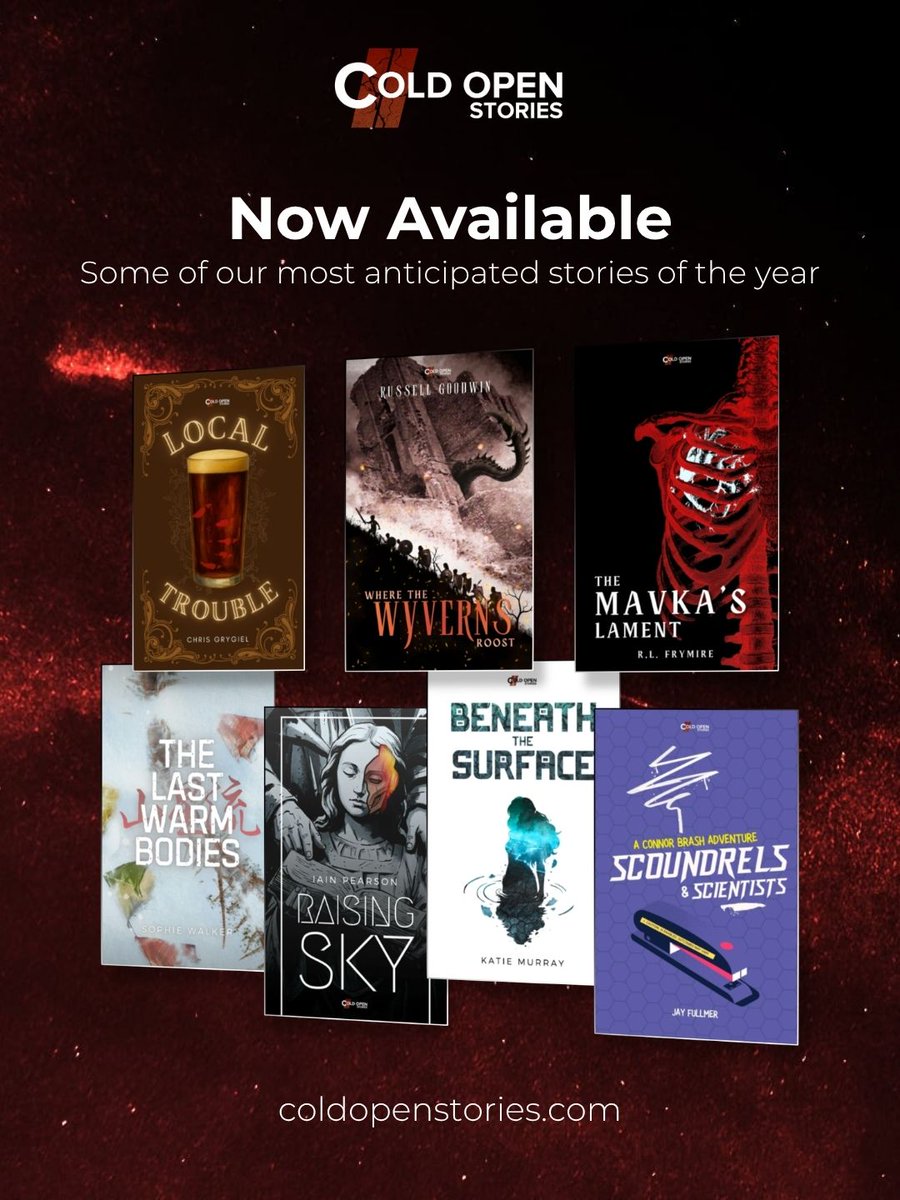
🚨 SEVEN New stories have launched from our Original Worlds imprint!
Now available at coldopenstories.com they're going to live rent-free in my head for months! Check out all the releases, and leave a comment on which story you'll be checking out first:
1
1
4
122
Kearns retweeted

May 18
I’m beginning to understand that many of you use the word “cancelled” to index the much more complex social process we used to call “falling out of favor”
27
1,569
21,245
210,733
Kearns retweeted

13 Dec 2025
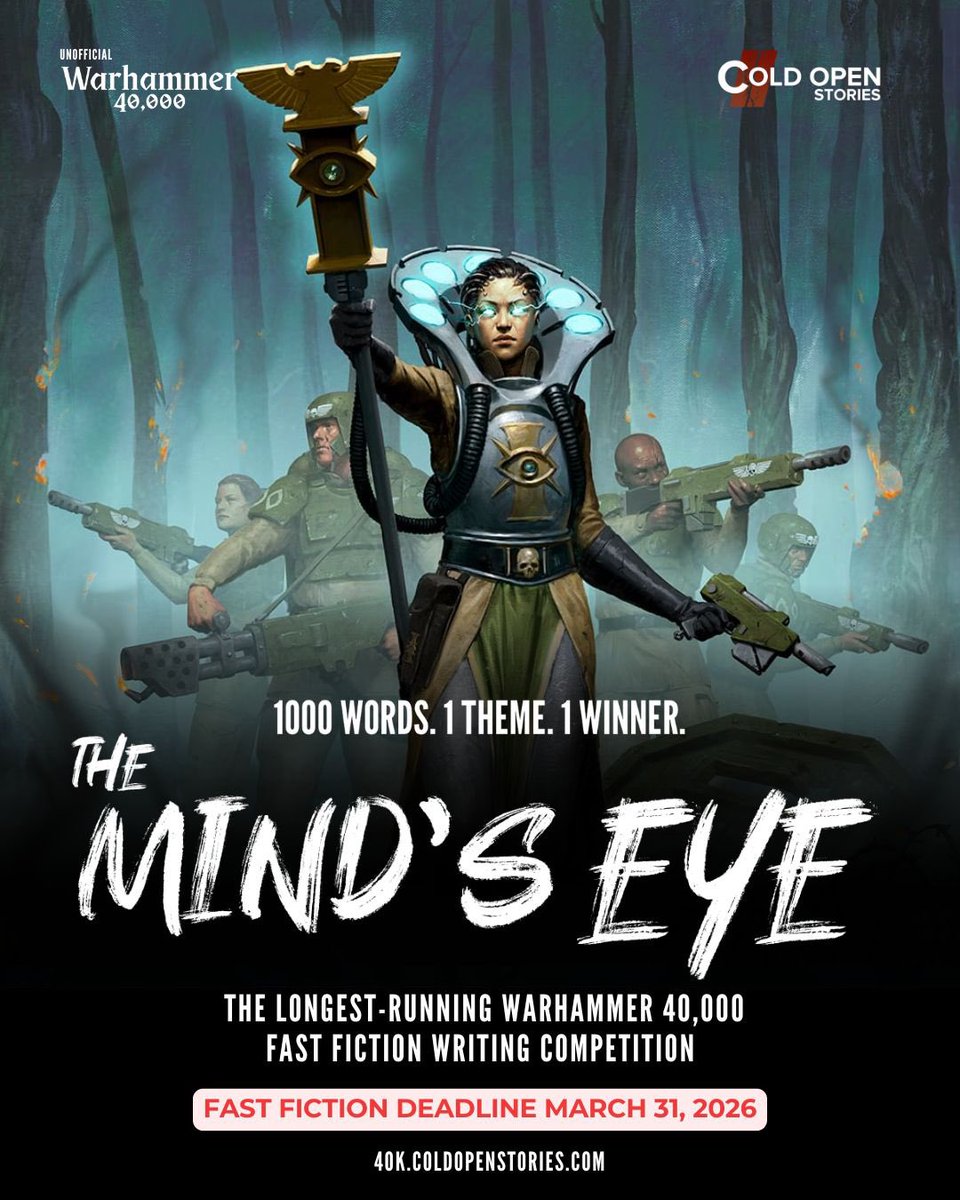
🧿 The internet’s longest-running Warhammer fanfiction contest returns with The Mind’s Eye. 🧿
Explore telepathic warfare, psychic intrusions, and dangerous powers waged in silence. Mind over matter isn’t metaphor here - it’s lethal.
Enter ➡️ 40k.coldopenstories.com
3
7
403
Kearns retweeted
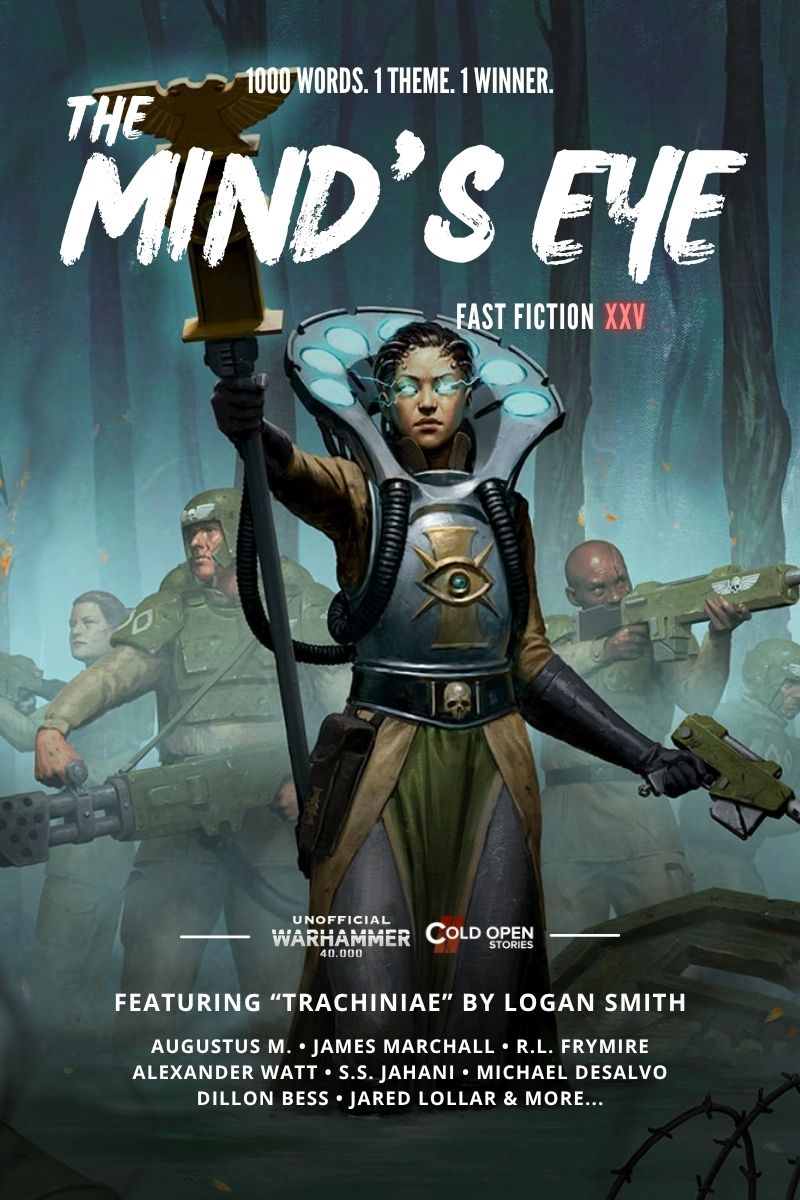
🧿 Open your third eye - the winners of the longest-running Warhammer 40,000 writing contest are here!
40k.coldopenstories.com/fast…
Thank you to everyone who entered!!
1
3
3
177
May 15
Hey! I was part of a judging panel for a Warhammer 40k flash fiction fan-fic competition on @ColdOpenStories, and the results were released today.
40k.coldopenstories.com/fast…
#warhammer40k #warhammercommunity #fanfic
1
1
72
May 12
*my ship is ablaze, my crew are attacking each other with cutlasses and teeth, cannon-shot is tearing into our hull from left and right, my stammering orders are being received with outright scorn* this is not the time for change. I plan to get on with governing.
13
May 9
*dirt-smeared, blood-streaked, I pivot my horse* Brathgar! What a glorious day this is for battle! Death to our foes! *I swing my sword in a clumsy arc and immediately decapitate myself*
16
Kearns retweeted

Apr 30
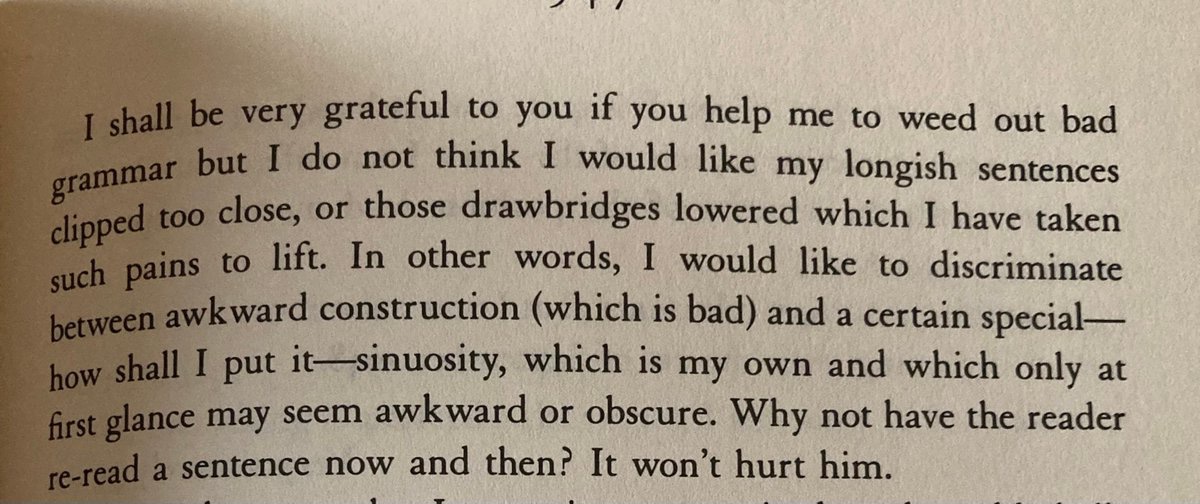
“Why not have the reader re-read a sentence now and then? It won't hurt him.”
Nabokov to his New Yorker editor.
41
1,935
15,362
585,372
Kearns retweeted

Apr 16
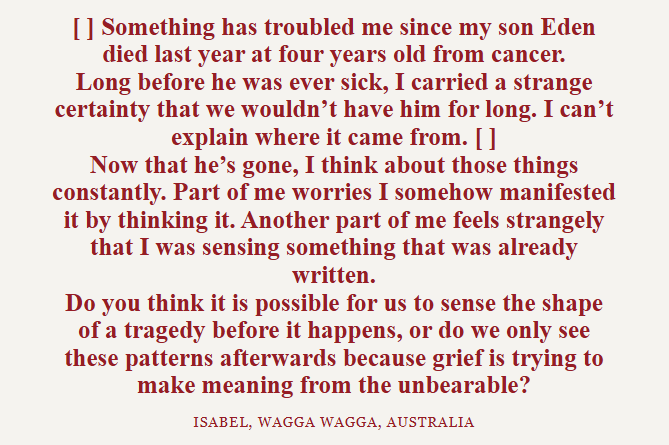
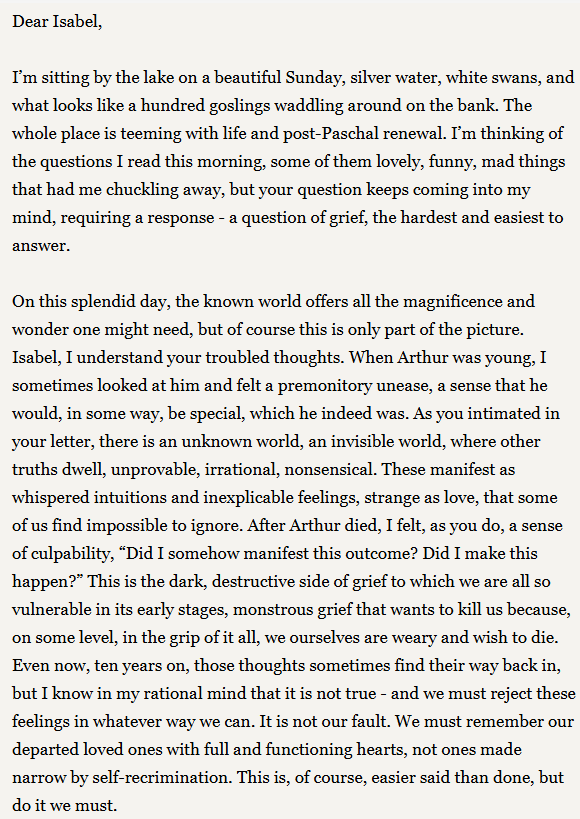
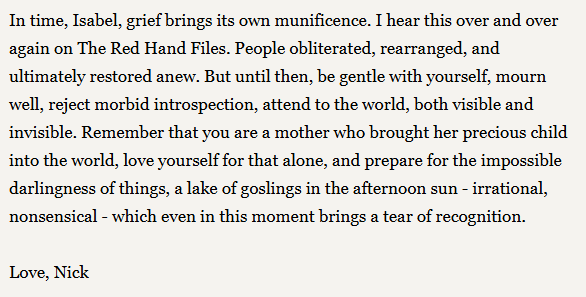
Nick Cave responding to a grieving mother who worries that she forsaw, or perhaps even willed, the death of her young child is one of the most beautiful things you will read today.
95
860
6,230
283,600
Apr 9
Pleased to say that I will have an unofficial Warhammer 40k short story published soon with @ColdOpenStories!
In Carrion Void, Chaos Sorcerer Anivadi Cale corners an Aeldari fleet in the Eye of Terror. However, old betrayals are in pursuit…
Read more:
40k.coldopenstories.com
36

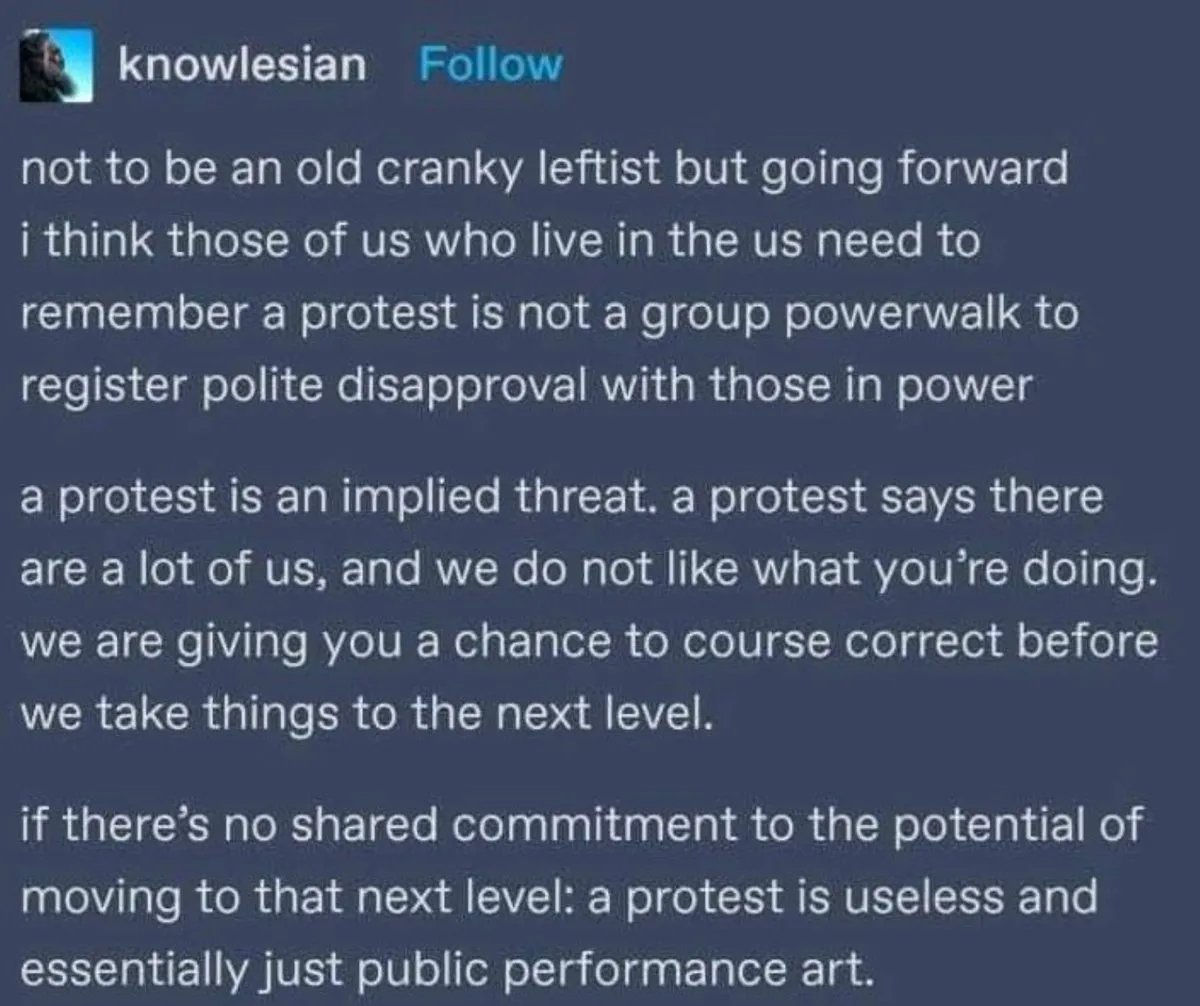
Kearns retweeted

Apr 7
Which is insane because the Iranian government was massacring thousands of protesters mere months ago. How do you fuck the optics up this bad?
29
28
1,014
34,685
Mar 26
I actually think the epilogue section in the #Masterchef: The Professionals final where they cook and eat the losing contestants is really gratuitous.
288