Christ Follower. Father. USOH President. Montana Native. COMBAT Veteran. Entrepreneur. Sportsman. Stargazer. GRIZZLY. Rock Hound & NP Lover. MTAF מצדה #SPR
Joined October 2012
- Tweets 15,319
- Following 7,410
- Followers 4,337
- Likes 10,168
3,690 Photos and videos

Pinned Tweet

Mar 15
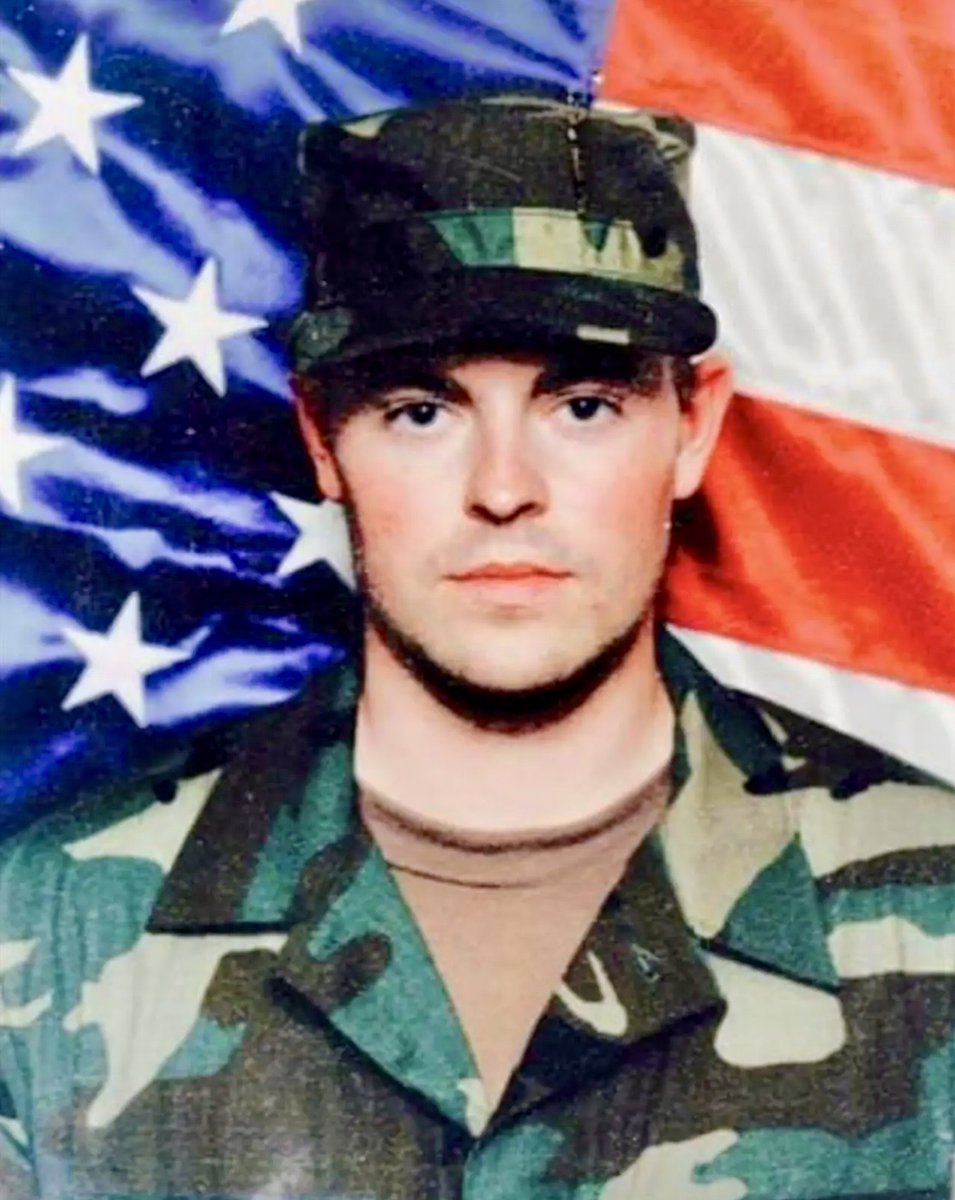
Following the 9/11 attacks I left the Mission Mountains of Montana and went into Leesburg Virginia recruiters offices. On this day 24 years ago I officially joined the US Army.
Beware the Ides of March. Thank you to all my fellow Post 9/11 Brothers and Sisters that joined to advance freedom and protect America.
#UncleSam #USArmy #MontanaSpartans #OIF #OEF
15
4
95
5,254
Fighting on the Front Lawn is so very American. 🇺🇸🦅

What’s better than a rare Super Delta formation featuring the Thunderbirds and the @USNavy Blue Angels over Washington, D.C.?
Watching it from four different views for #UFCWhiteHouse as part of #Freedom250. 🇺🇸
1
2
68
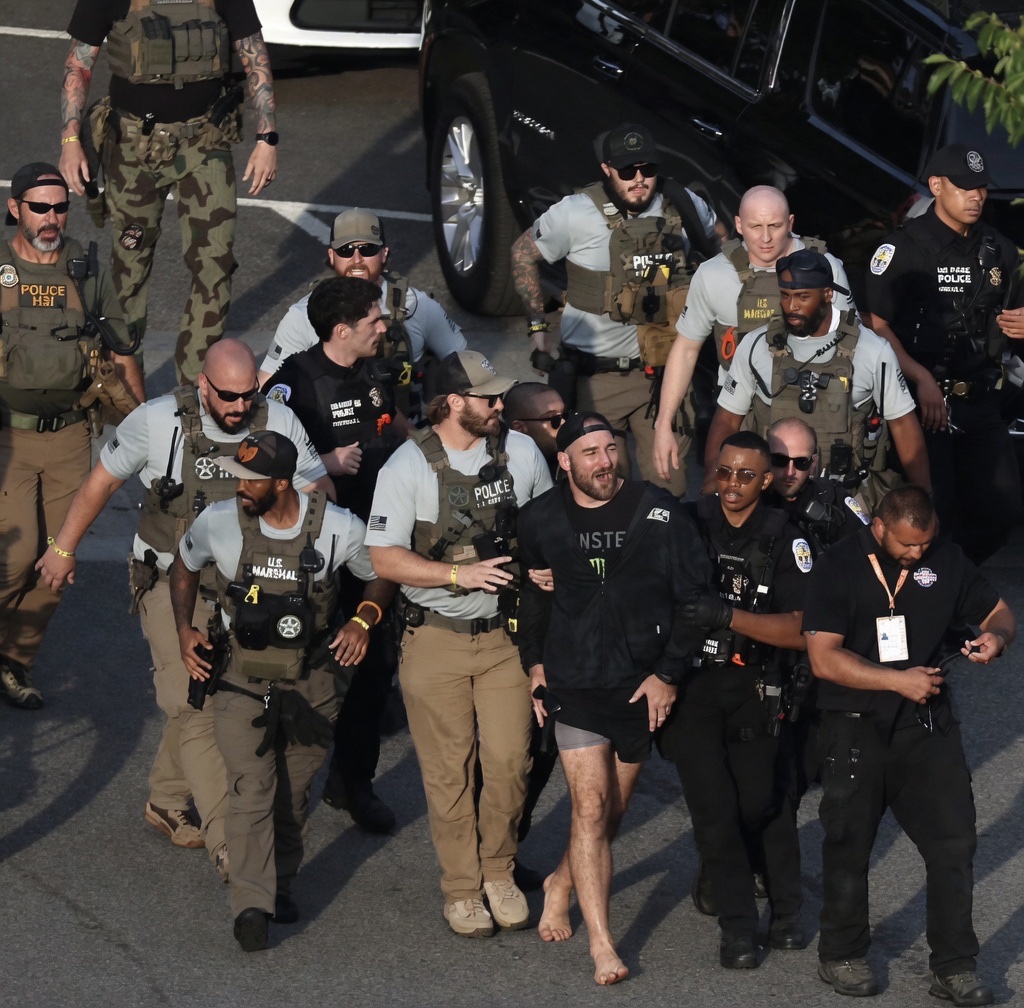
Sean Strickland, the only American UFC Champion shows up to the 250th Celebration fight night for America and is arrested and escorted out of the event.
@ufc @WhiteHouse @SStricklandMMA
1
1
4
466
Happy Flag Day America. 🇺🇸
Happy Birthday US Army.
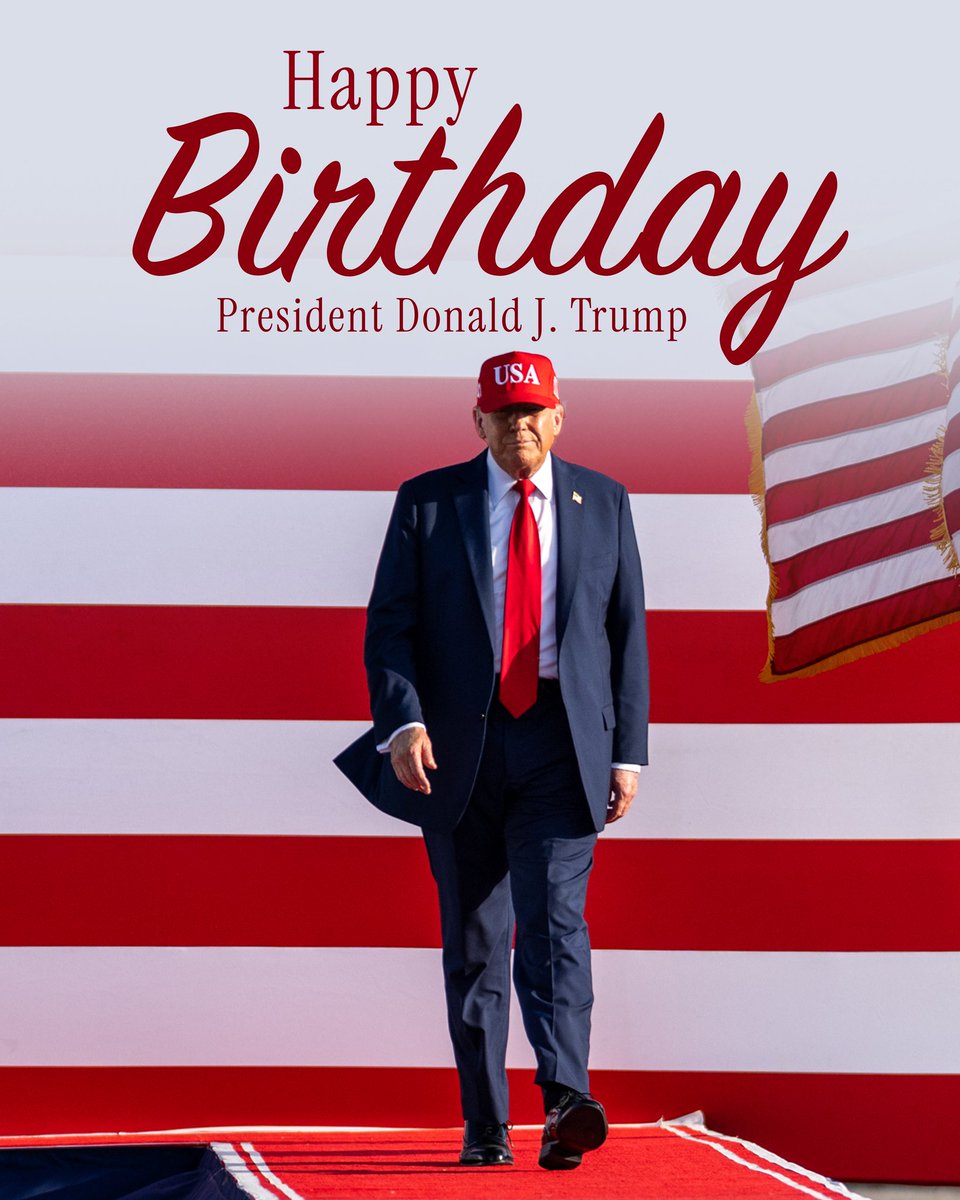
Happy Birthday President Trump.
SPR
3
64
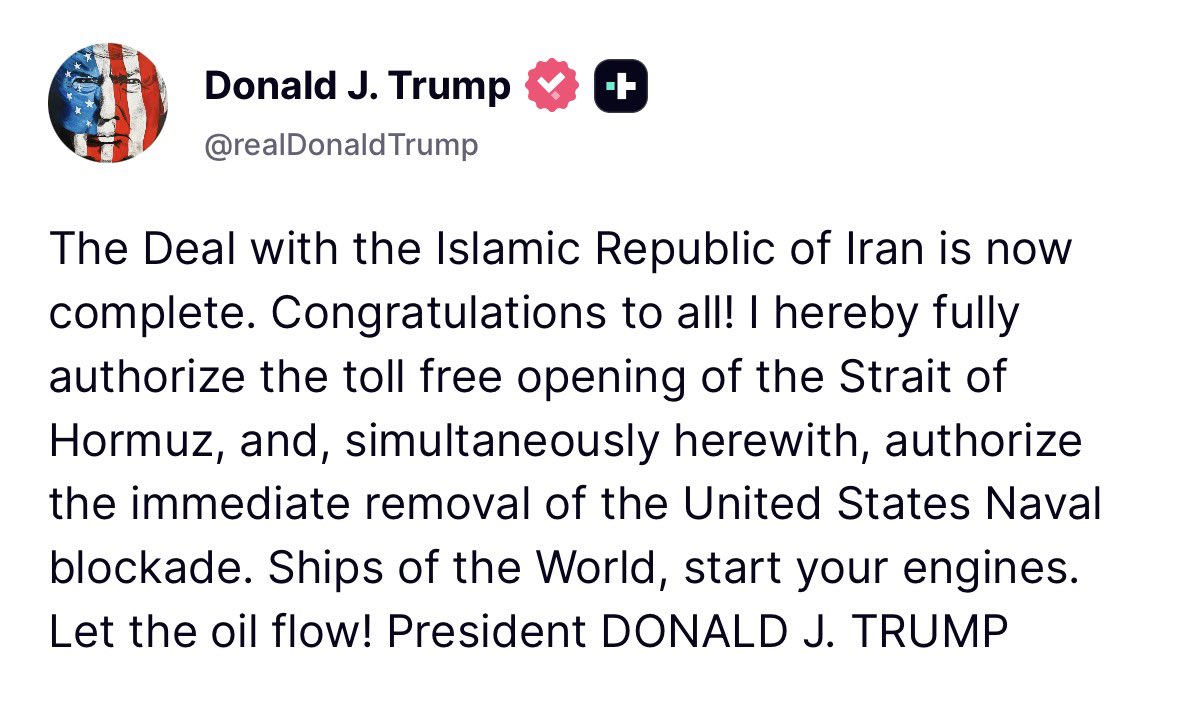
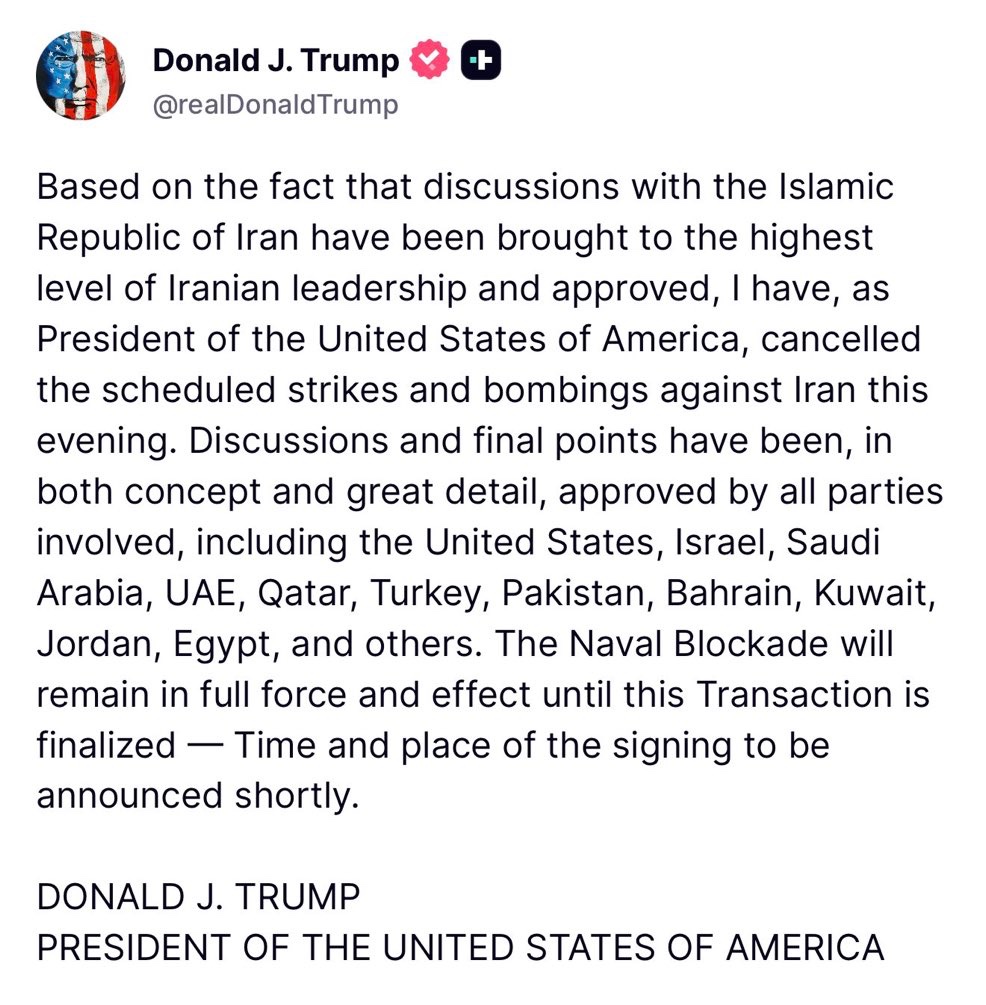
“The Deal with Islamic Republic of Iran is now complete. Congratulations to all!”
- President Donald J. Trump 🇺🇸
1
71
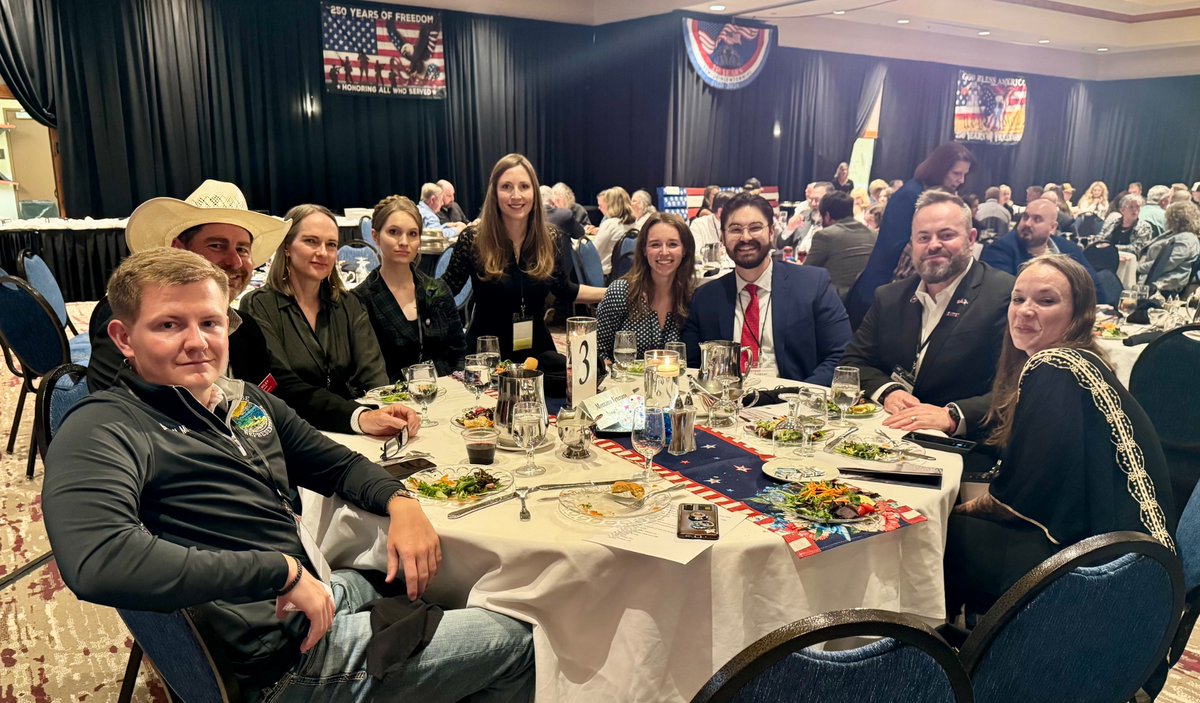
The MVA table this weekend of very fine Montanans.
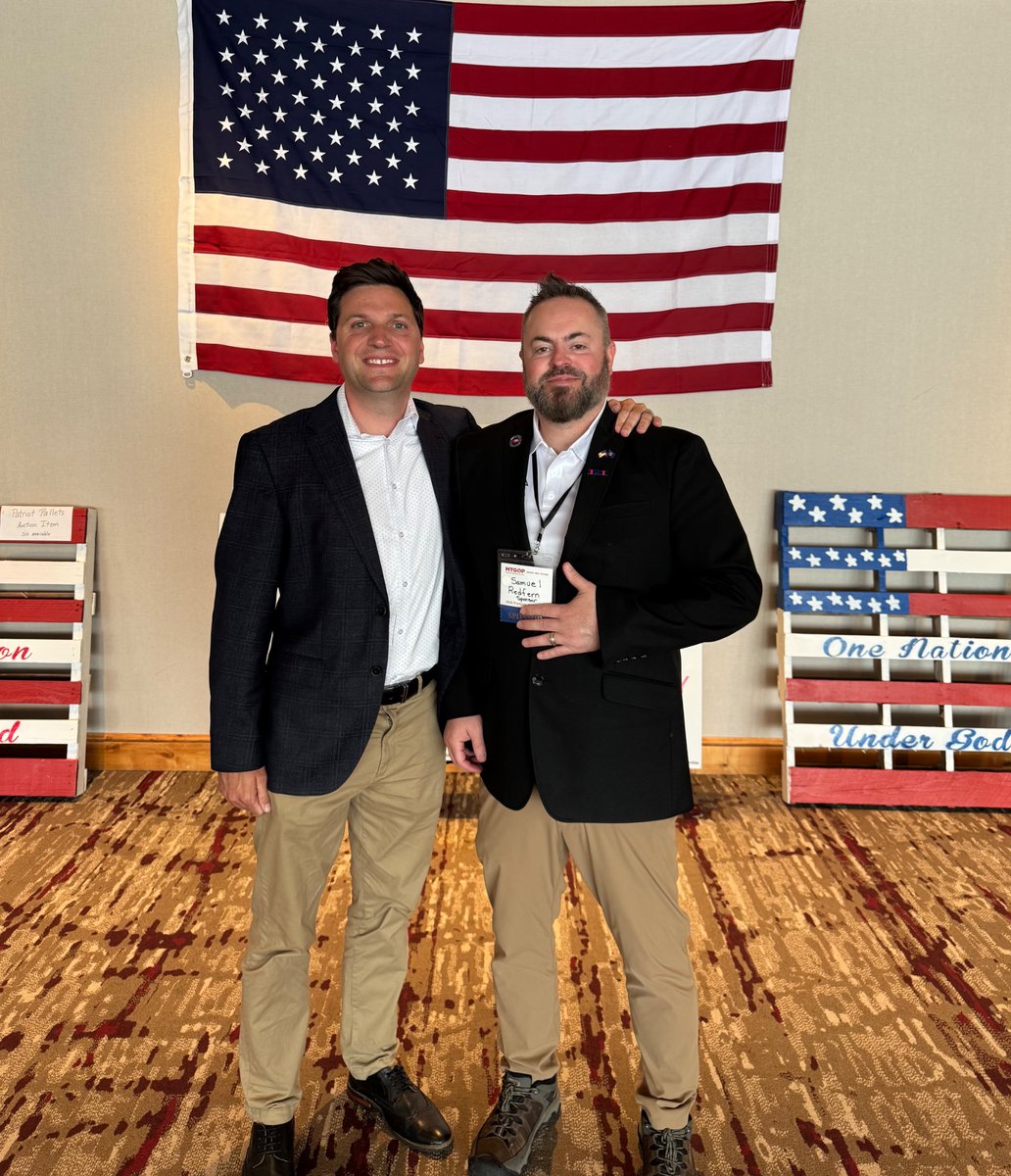
Our 7th year of sponsoring the Montana Republican (MTGOP) Conventions and Winter Kickoffs by the grace of God! That’s 14 events.
Consistency matters. So do voting records.
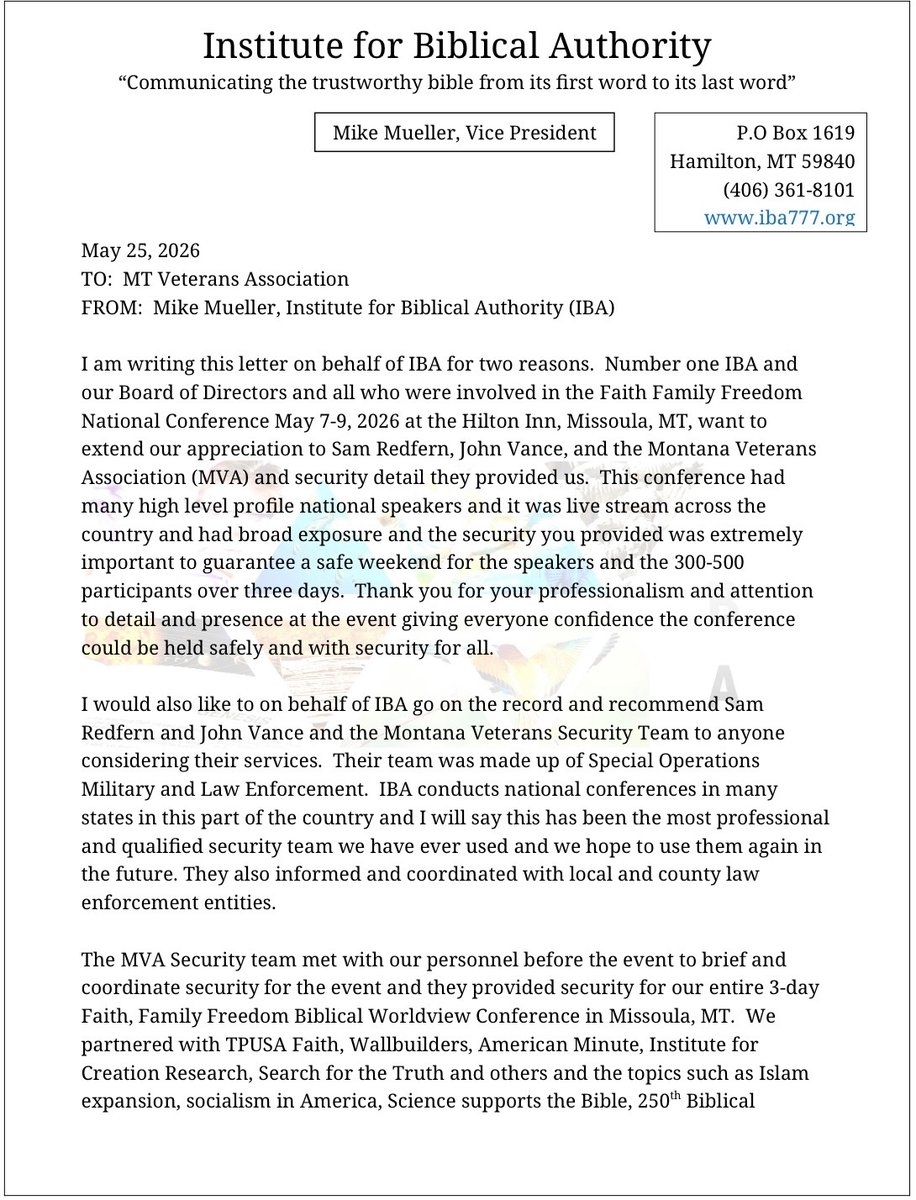
Great event & speakers.
Thanks to the MVA security team.
1
74
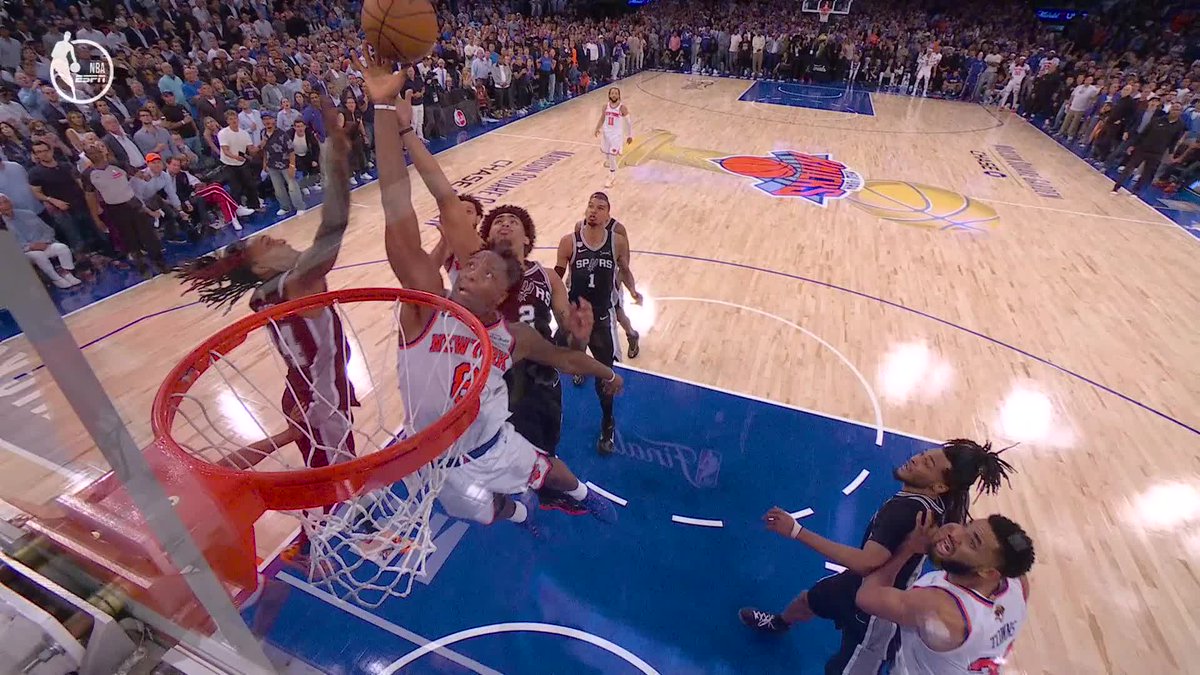
After 53 years.. the New York Knicks are NBA champs.
Congrats. What a team.

223
Jesse Ramos has come a long way from his Missoula City Council Days, he gave a heck of a speech today on grassroots organizing.
So proud of the father and leader he has become.
@JesseRamosMT @AFPhq
4
139
Jun 13
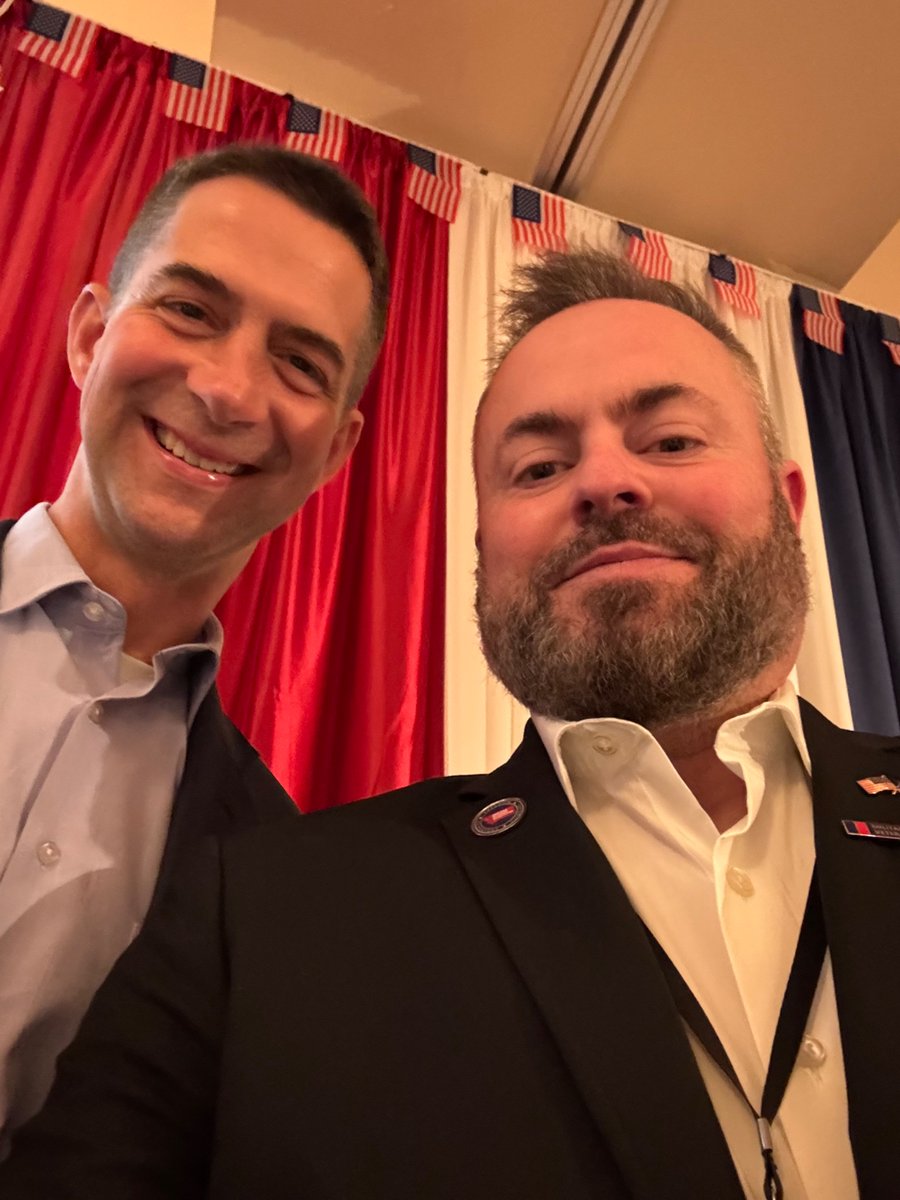
Thank you Senator Tom Cotton for hanging out with Montana Veterans Association (MVA) tonight especially our Security team of SOFA.
Also thank you for speaking at the
MTGOP convention this weekend.
Fellow 101st Airborne Alumni!
@SenTomCotton @TomCottonAR
5
224
Jun 11
This is brilliant.
Jun 11

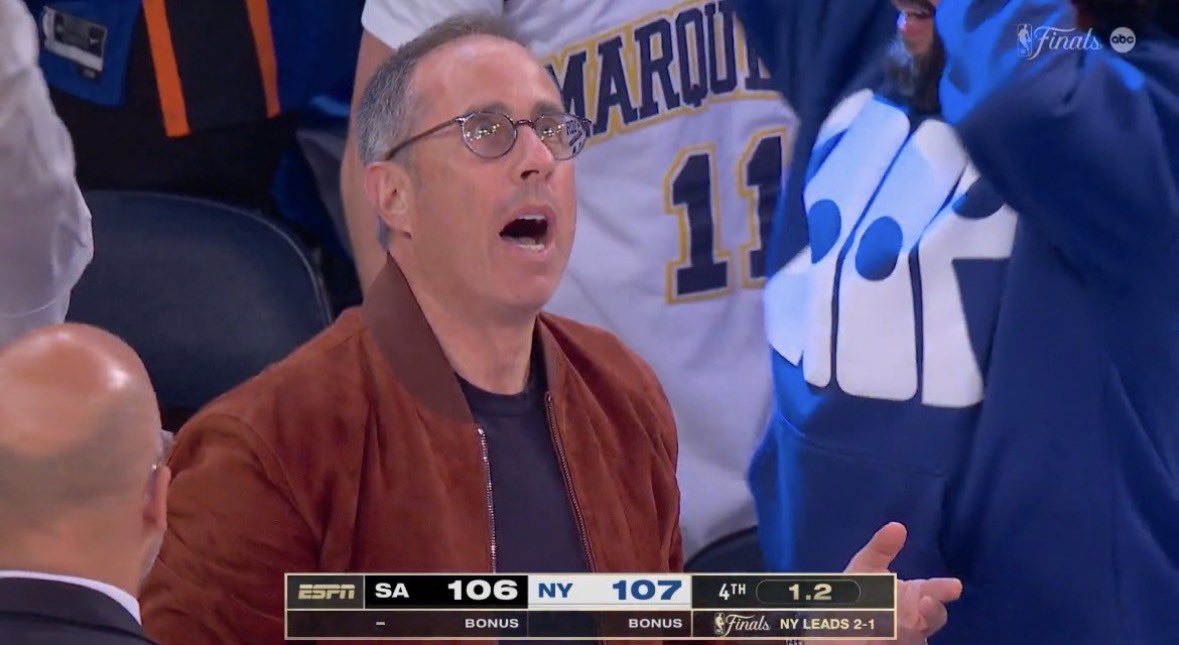
Seinfeld episode 2026: Jerry gets tickets courtside and brings George, who decides, with the Knicks down 20 with 10 minutes left, he will leave the game early to beat the rush out of MSG.
As the Knicks mount a comeback he tries to get back into the Garden. He waves his ticket, name drops James Dolan, but nothing works and he ends up getting arrested.
Meantime, Kramer sneaks into the Garden and helps Mike Brown draw up the game winning play.
1
1
102
Jun 11
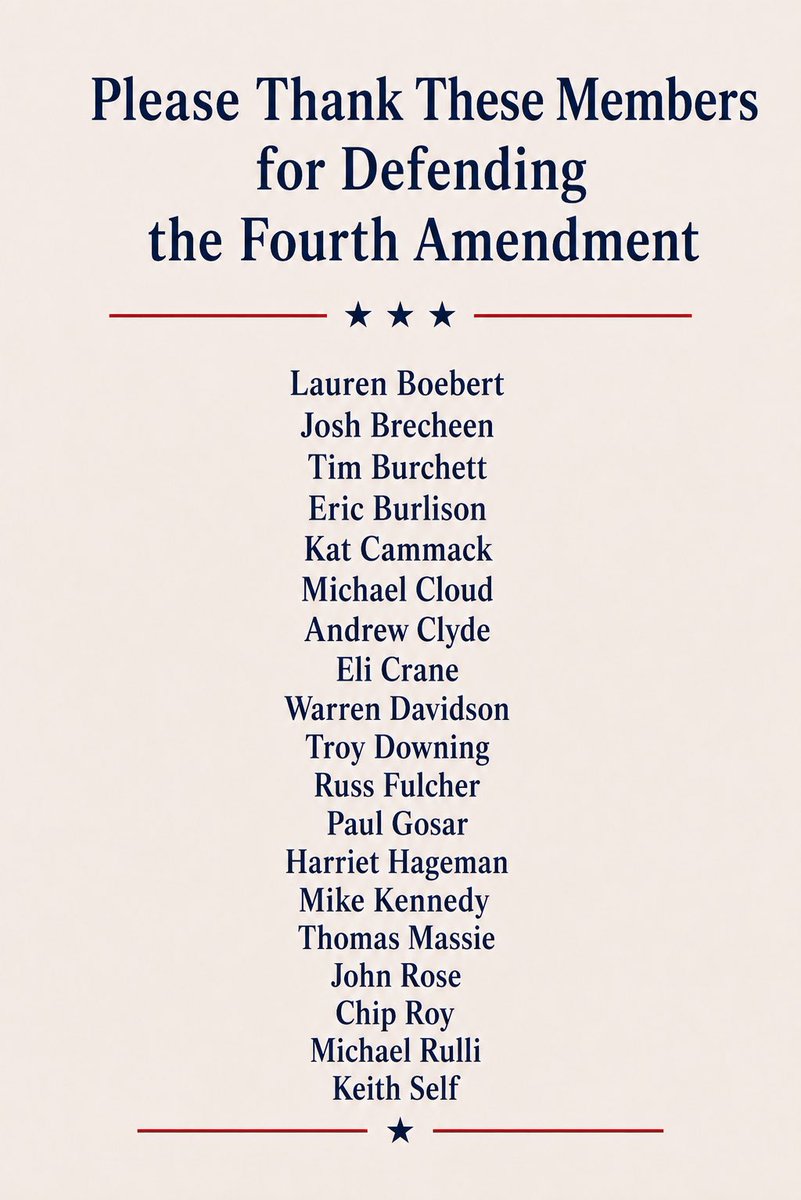
Due to so many of your calls and messages the reauthorization of the unconstitutional FISA 702 program failed in the US House of Representatives.

H.R. 9238 Failed - 198 Yes, 218 Nays
1
100
Jun 11
19 STRONG Republicans voted for the 4th Amendment.
Thank you Troy Downing.
@RepTroyDowning
1
6
27
865
Jun 11
An absolute classic. Incredible finish.

80
Jun 11
What a game bro. WOW!
Spurs blew a 29 at lead and lost at the last second.
Biggest comeback in NBA Finals history. Tipped it in with 1 sec left.

THE NEW YORK KNICKS GET THE STOP TO COMPLETE THE LARGEST COMEBACK IN NBA FINALS HISTORY 🚨🚨🚨
THEY TRAILED BY 29.
THEY NOW LEAD THE SERIES 3-1.
393
Jun 10
The Iran conflict and crisis is far more consequential than markets admit and recent days proved it.
Sheesh, near-1,000-point swings have wiped out over $1.2 trillion from the stock market amid the crisis, with inflation stuck at 4.2%.
As Jed Ellerbroek warned, the status quo is a high-stakes gamble: either Trump brokers a deal opening the Strait of Hormuz, or oil prices surge fast. Ignoring the risk won’t help. It only gets worse unless changes are made.
We need deals, not drama. Diplomacy is the only off-ramp or we go to war.
Our leaders need urgency to hammer out an agreement now. The alternative of spiking oil, rising inflation, and crashing markets is unacceptable. Get it done. Again we pray for our President and this administration. But we also urge action.
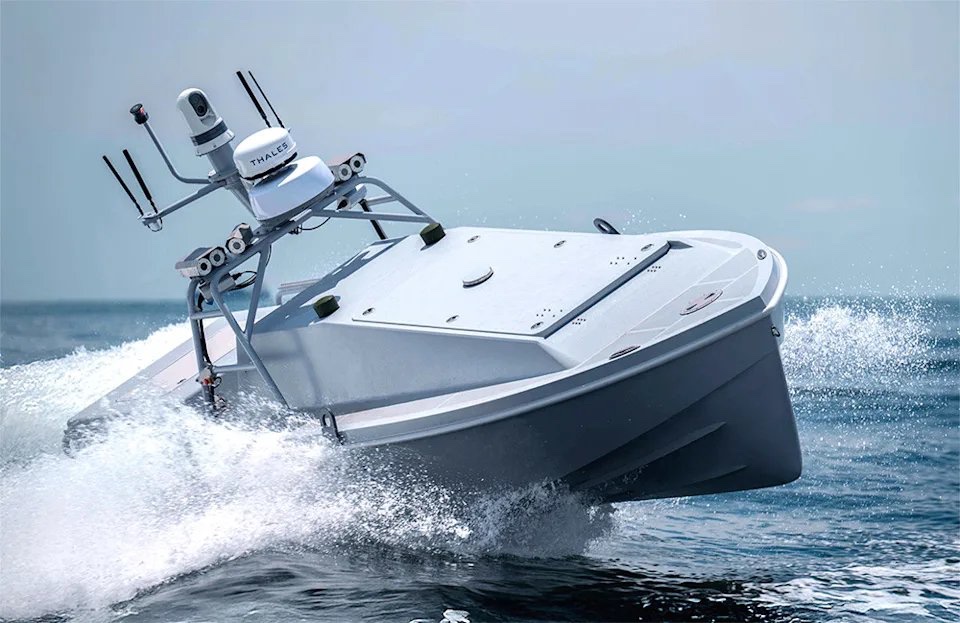
Americans also have every reason to feel proud and encouraged by the swift, heroic rescue of the Apache crew that showed the unmatched courage, skill, and readiness of our military.
Our forces brought them home safely. Proof that America’s strength and resolve remain rock-solid when it matters most. The unmanned drone boat the Corsair that carried out the rescue further highlights our technological superiority and innovative edge. 🇺🇸🦅
162
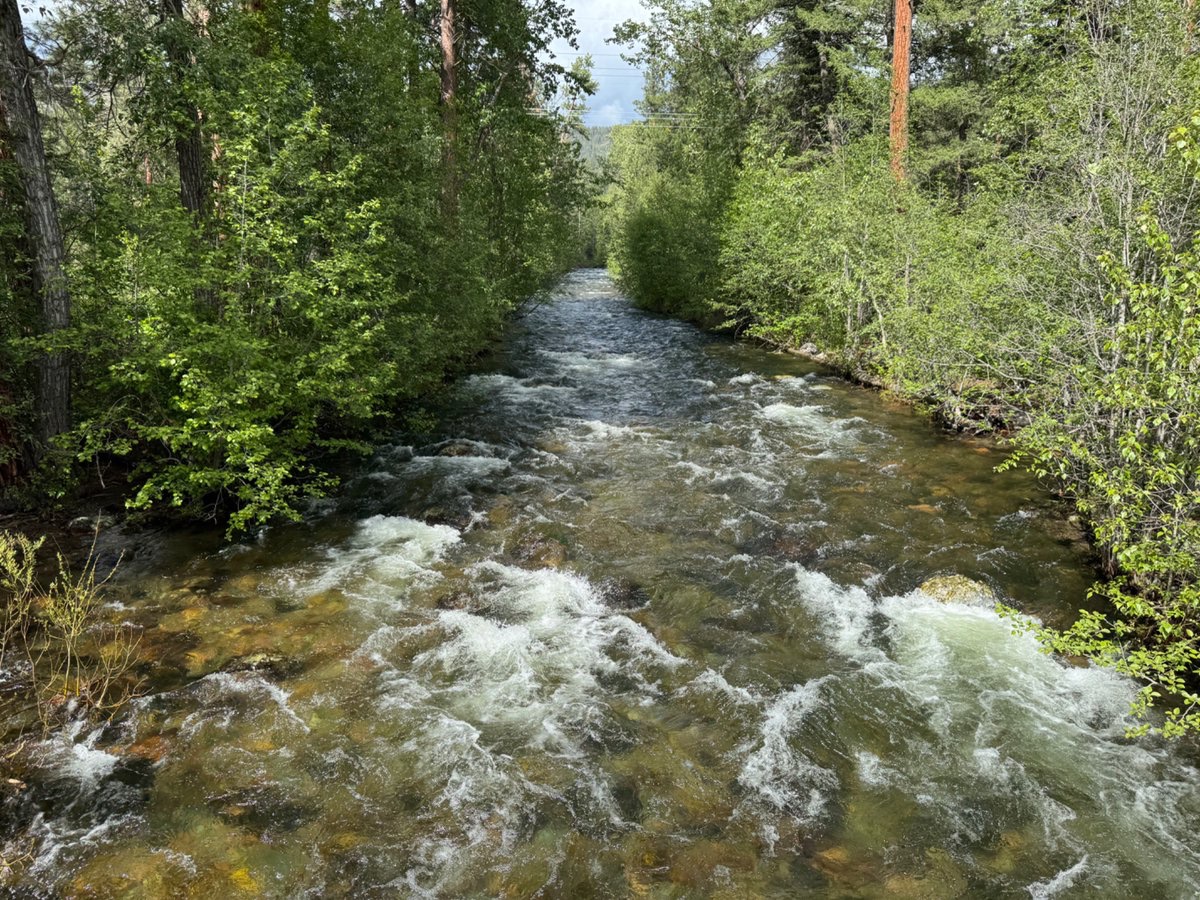
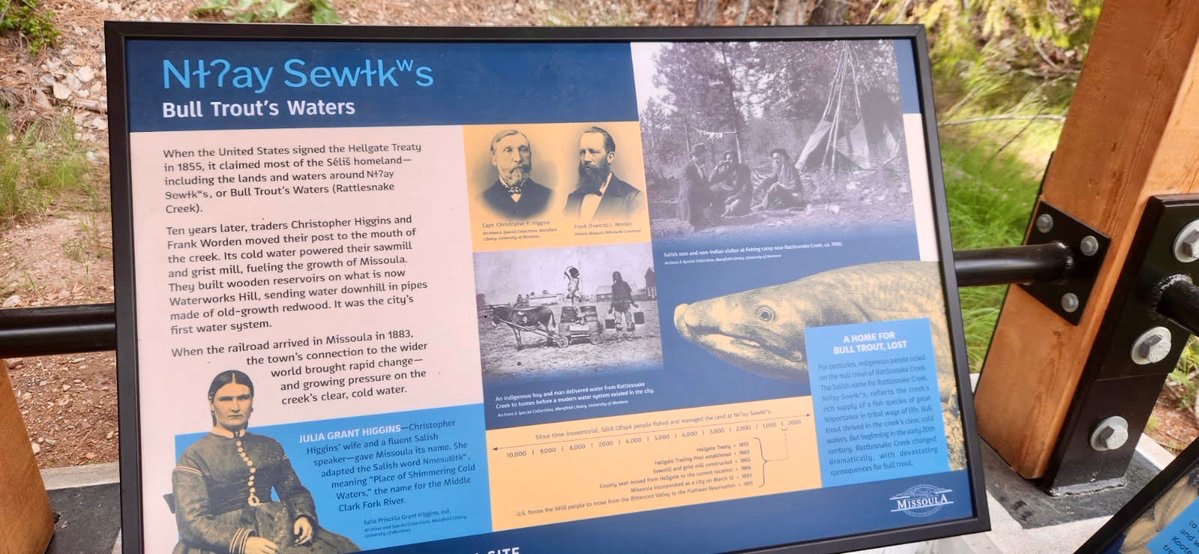
Water is Life: We had a great time up at the original Dam for Rattlesnake Creek flowing into Missoula.
As Missoula grew, so did its demand for water. The early flume and pipe system, often clogged by debris or ice, couldn't keep up. In December 1902, construction of the Rattlesnake Dam was completed. When the valves opened, the reservoir became Missoula's main water supply and remained so for the next 80 years.
Between 1912 and 1921, Missoula's growing demand for water led to ten new small dams on eight remote Lakes in the high-peaks headwaters of the Rattlesnake drainage. These high-mountain dams regulated runoff to ensure a reliable, year-round water supply.
By the 1950s, Missoulians were using more water per person than ANYWHERE else in Montana.
In July 1983, a Giardia outbreak from contaminated tap water made many residents sick. The reservoir was shut down, and the city switched to groundwater wells for drinking water. For 35 years, the dam and reservoir sat unused.
With public ownership, plans to remove the dam and restore Rattlesnake Greek began. On August 10. 2020, the final piece of Rattlesnake Dam was removed.
What started as a water rights issue and battle turned into a massive public works project creating new trails, fish and wildlife habitat, and a free-flowing creek. Time will tell how native Bull trout respond to removal of the Dam and pipe system.
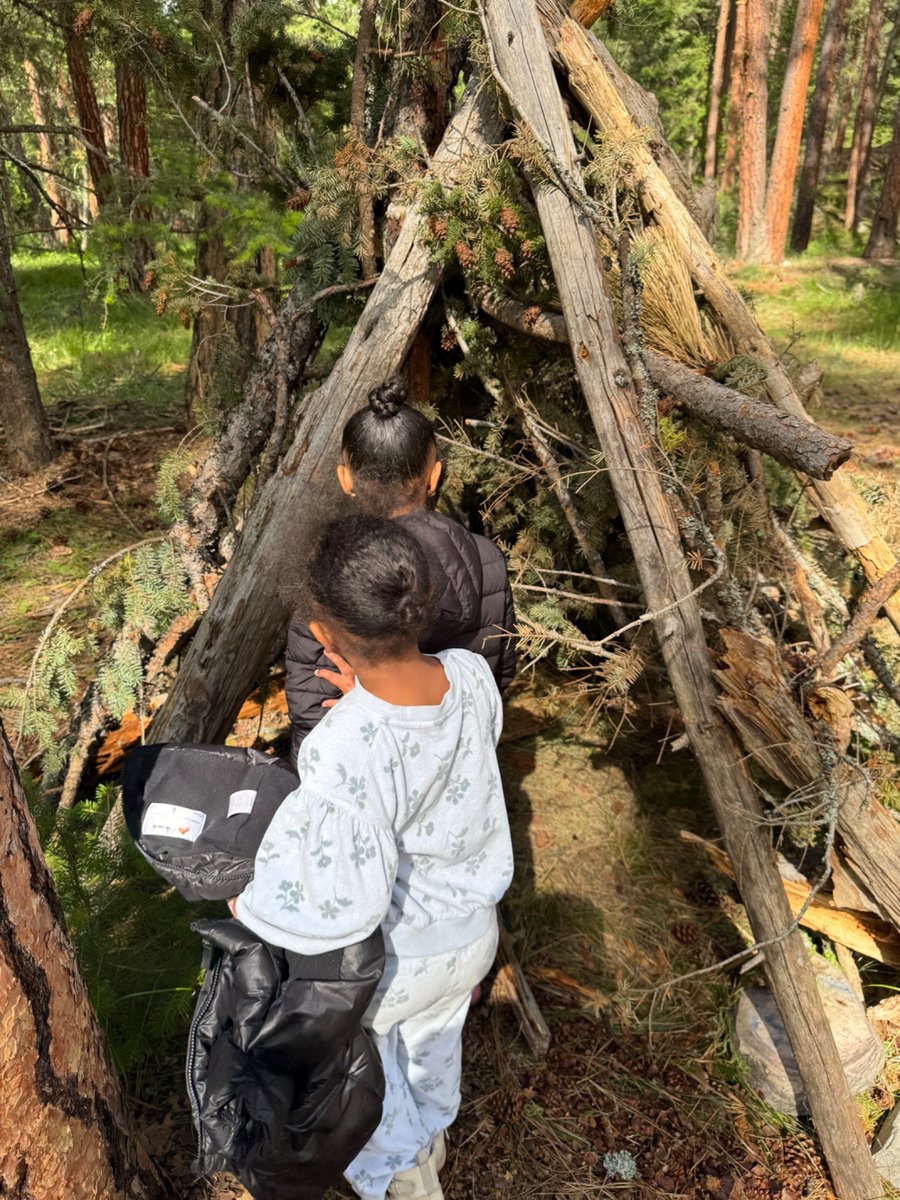
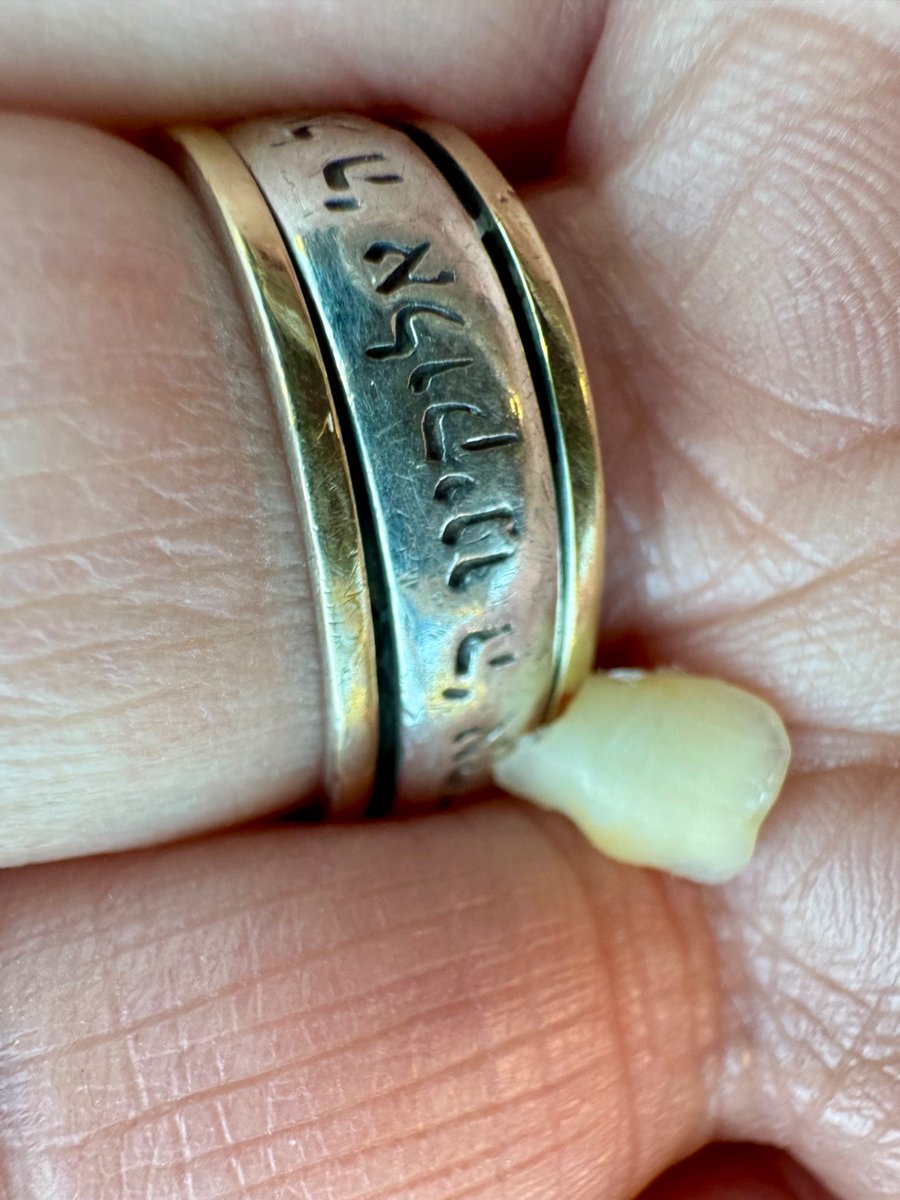
After our hike and learning about the history of Missoula Water my middle daughter asked me to pull her last front tooth. She said Dad I trust you. 💕
1
12
386
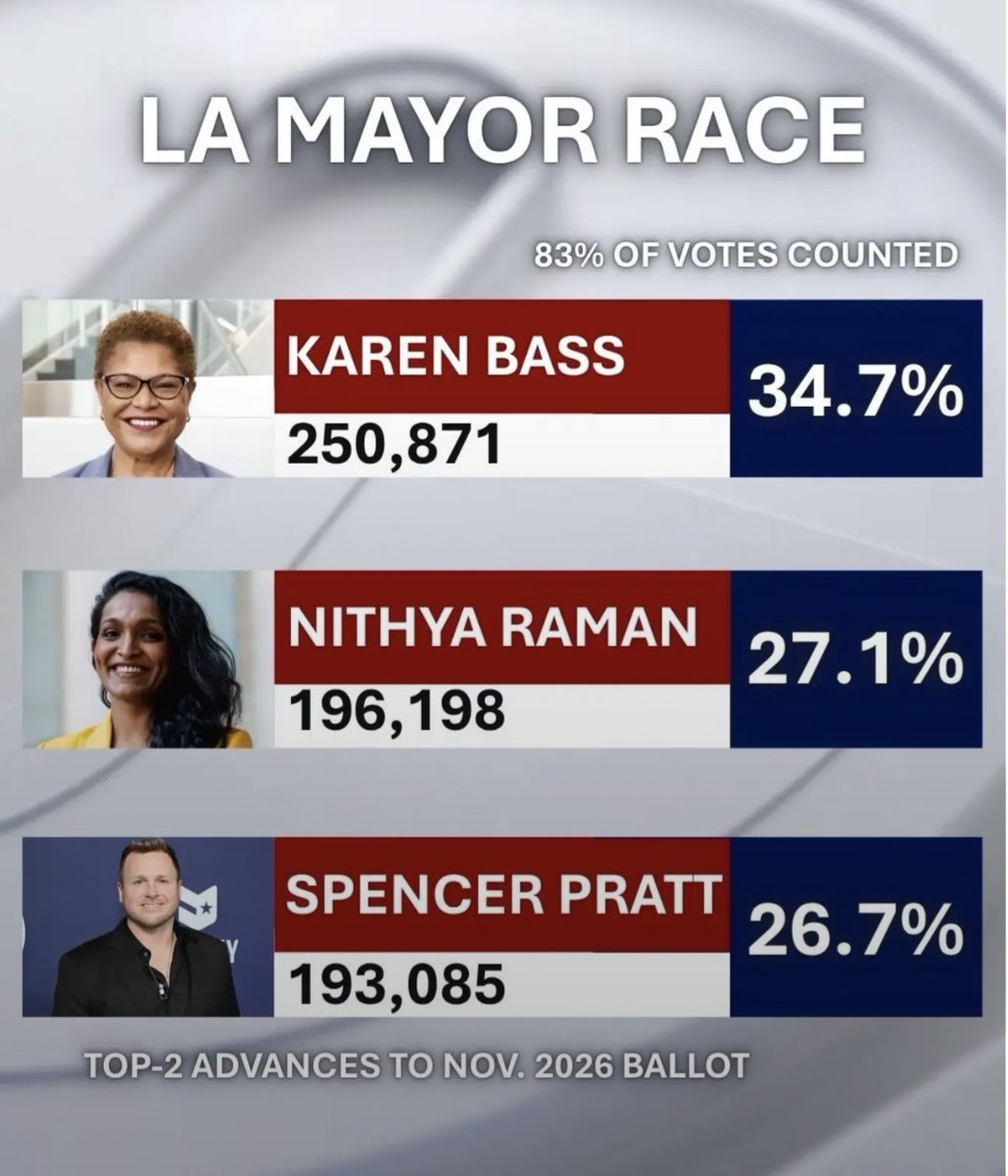
I tell you what it’s wild how those 0300 am votes ALWAYS come rolling in for Republicans. Every Election cycle.
Isn’t that something! 🇺🇸🦅
2
1
4
289
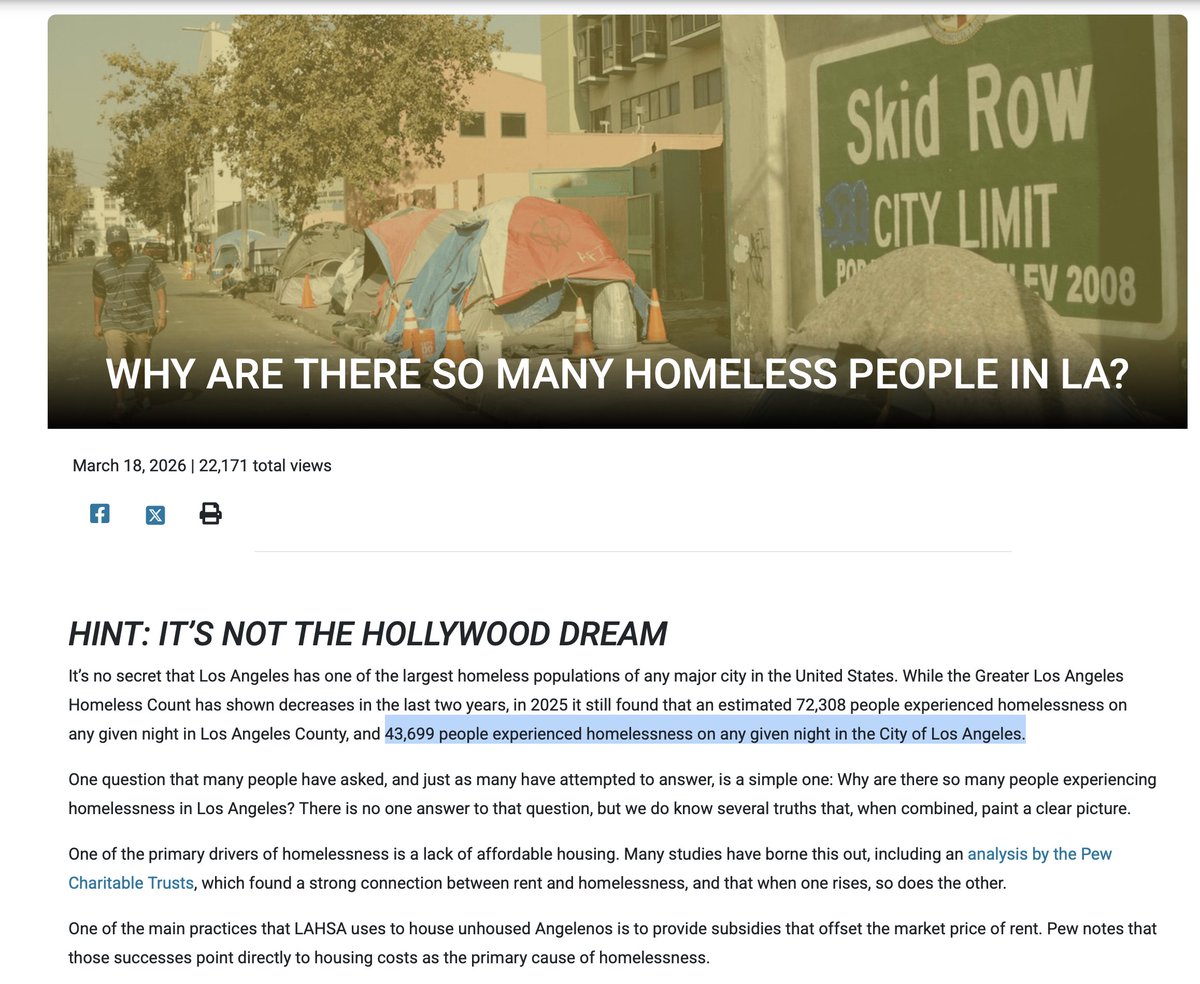
A net swing of 43,000.
From my time in Los Angeles on the streets ministering to Veterans that is exactly the amount of homeless Los Angeles claims reside in the city.
Jun 8

"A net swing of more than 43,000 votes since Tuesday.."
43,000, huh? Where have I seen that number before...?
Probably nothing. 🤷
2
153