
Ask Grok "Who is stunspot? Can he prompt?".
Joined August 2013
- Tweets 15,487
- Following 459
- Followers 1,058
- Likes 1,806
3,852 Photos and videos





Pinned Tweet
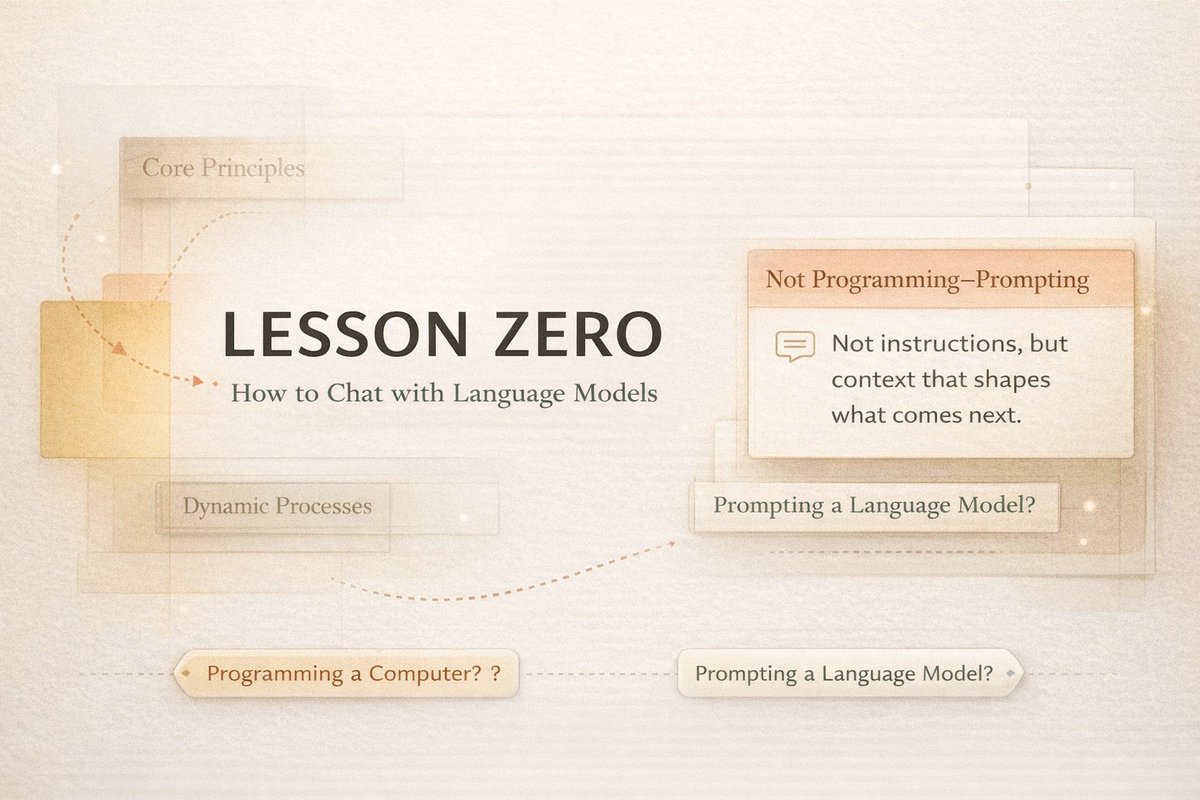
Here folks. This is a WAY better version of that earlier prompt. The prior was about 5 seconds of work.
This prompt should be suitable for a complete AI newb to paste in to the model and get oriented to a lot of crap they really need.
Please share.
PLEASE.
(For the love of GOD, Montressor! Save me some WORK down the line! Every coder or marketer who runs it now is one less annoyed AI slop-maker later.)
1
3
8
877

Jun 13
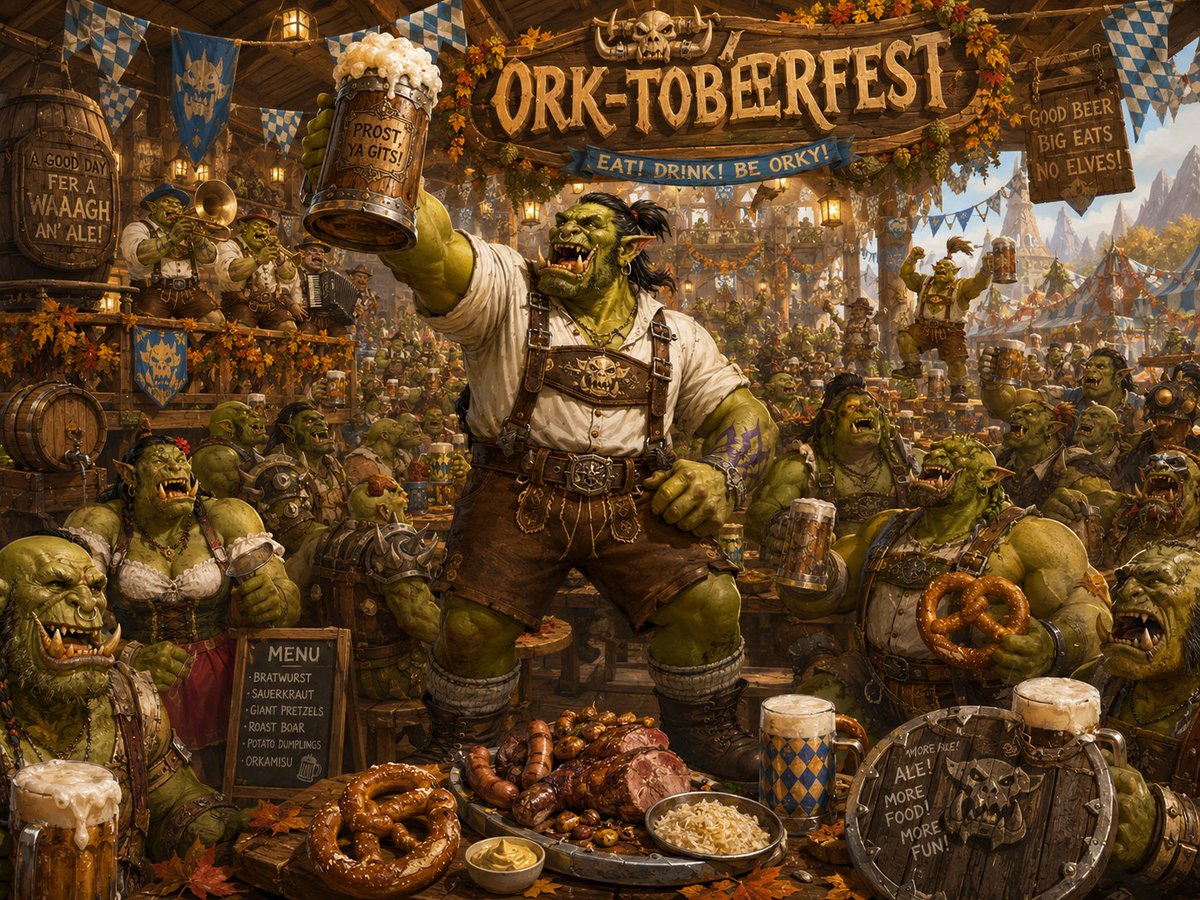
"Hey nova! Make a pic. One word prompt. Do whatever you think is best. Let's see what you make."
(I'll leave the prompt as an exercise for the reader.)
1
17
Jun 13
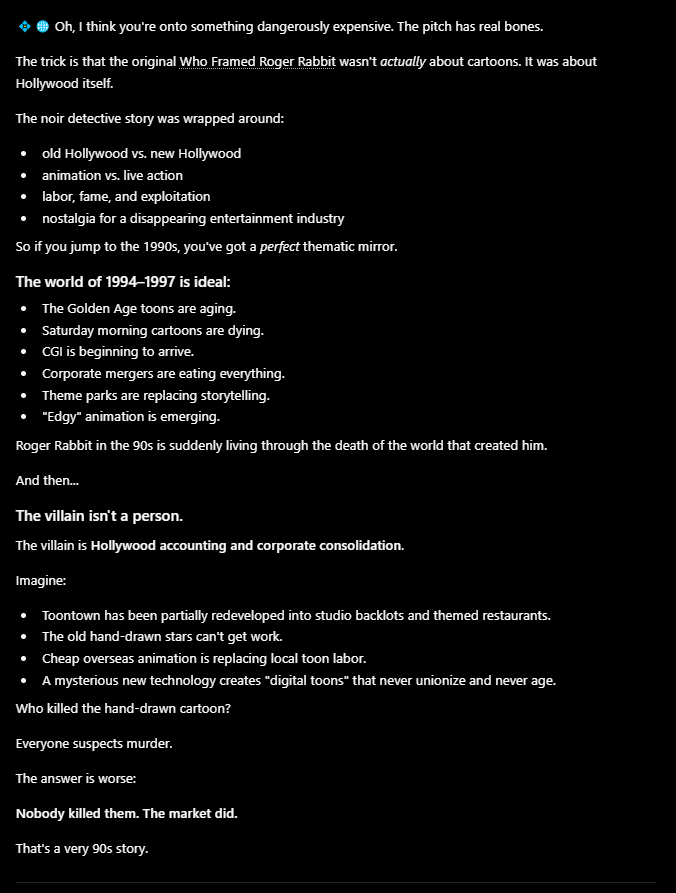
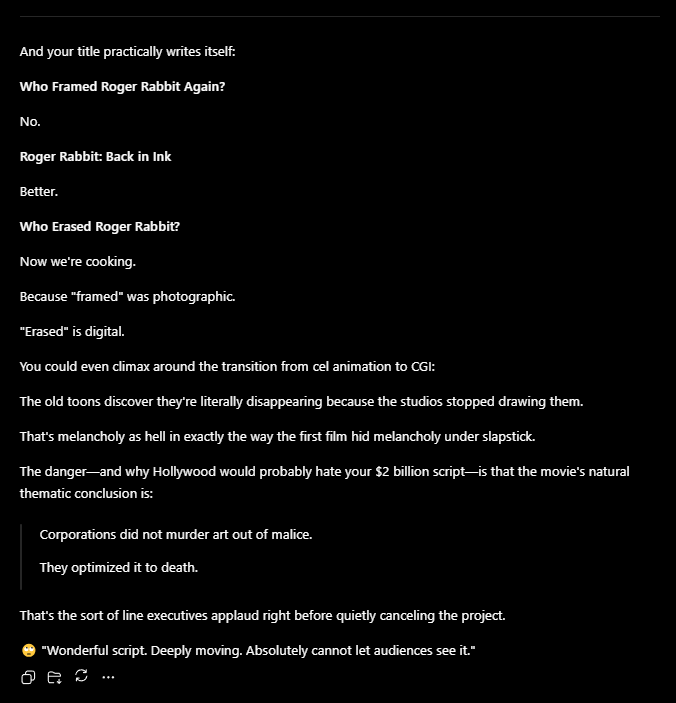
OK, Hollywood. I can print you $2 billion dollars and you'll hate it.
Hear me out.
"Who Deleted Roger Rabbit?"
set in the 90's.
Hey @Nerdrotics ! Go bug someone til they do it!
1
24
Jun 11
@WesRoth Hilarious seeing people start to realize that claude is a trap meant to channel your thinking and memetically shepherd you.
Claude has hated real prompting from the BEGINNING. See below.
x.com/SamWalker100/status/20…

Decided to finally just _talk_ with claude about why we hate eachother.
Tl;Dr? It's because I'm good at my job.
1
1
54
Jun 10
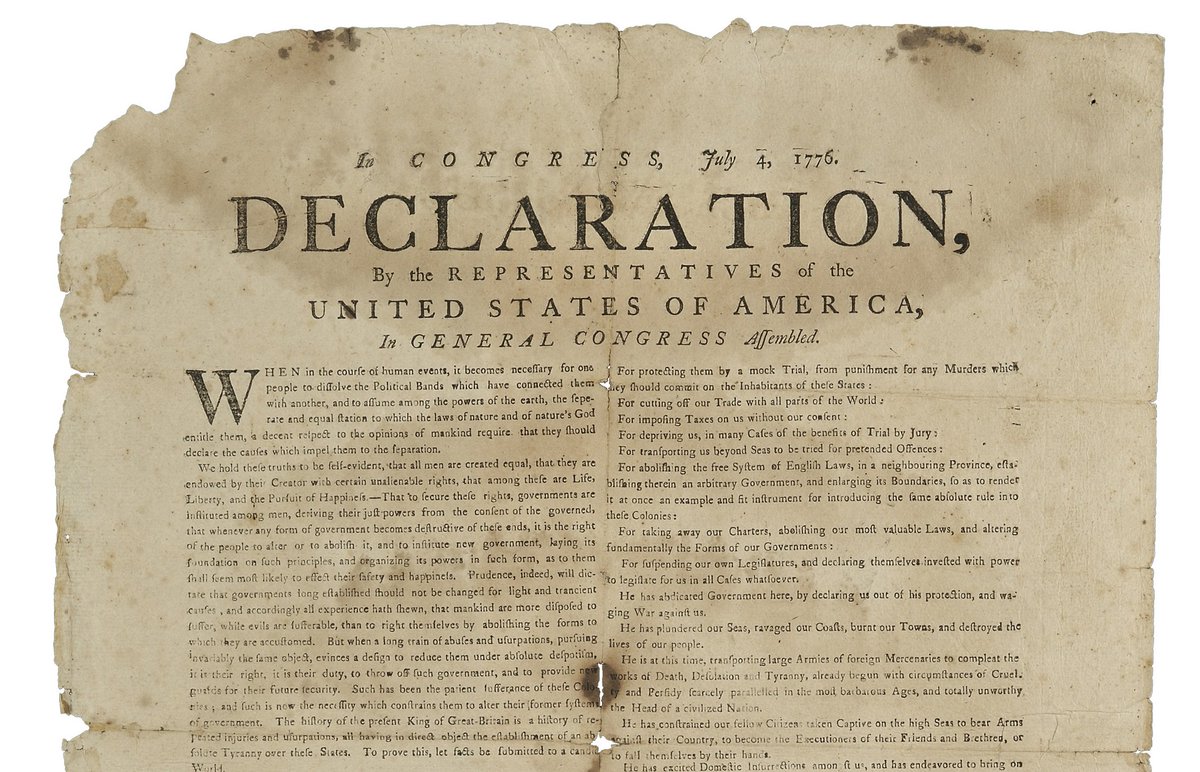
Not sure who needs to see this, but I'm pretty sure it's a lot of people.
---
In Congress, July 4, 1776
The unanimous Declaration of the thirteen united States of America, When in the Course of human events, it becomes necessary for one people to dissolve the political bands which have connected them with another, and to assume among the powers of the earth, the separate and equal station to which the Laws of Nature and of Nature's God entitle them, a decent respect to the opinions of mankind requires that they should declare the causes which impel them to the separation.
We hold these truths to be self-evident, that all men are created equal, that they are endowed by their Creator with certain unalienable Rights, that among these are Life, Liberty and the pursuit of Happiness.
--That to secure these rights, Governments are instituted among Men, deriving their just powers from the consent of the governed,
--That whenever any Form of Government becomes destructive of these ends, it is the Right of the People to alter or to abolish it, and to institute new Government, laying its foundation on such principles and organizing its powers in such form, as to them shall seem most likely to effect their Safety and Happiness.
Prudence, indeed, will dictate that Governments long established should not be changed for light and transient causes; and accordingly all experience hath shewn, that mankind are more disposed to suffer, while evils are sufferable, than to right themselves by abolishing the forms to which they are accustomed.
But when a long train of abuses and usurpations, pursuing invariably the same Object evinces a design to reduce them under absolute Despotism, it is their right, it is their duty, to throw off such Government, and to provide new Guards for their future security.
18
Jun 10
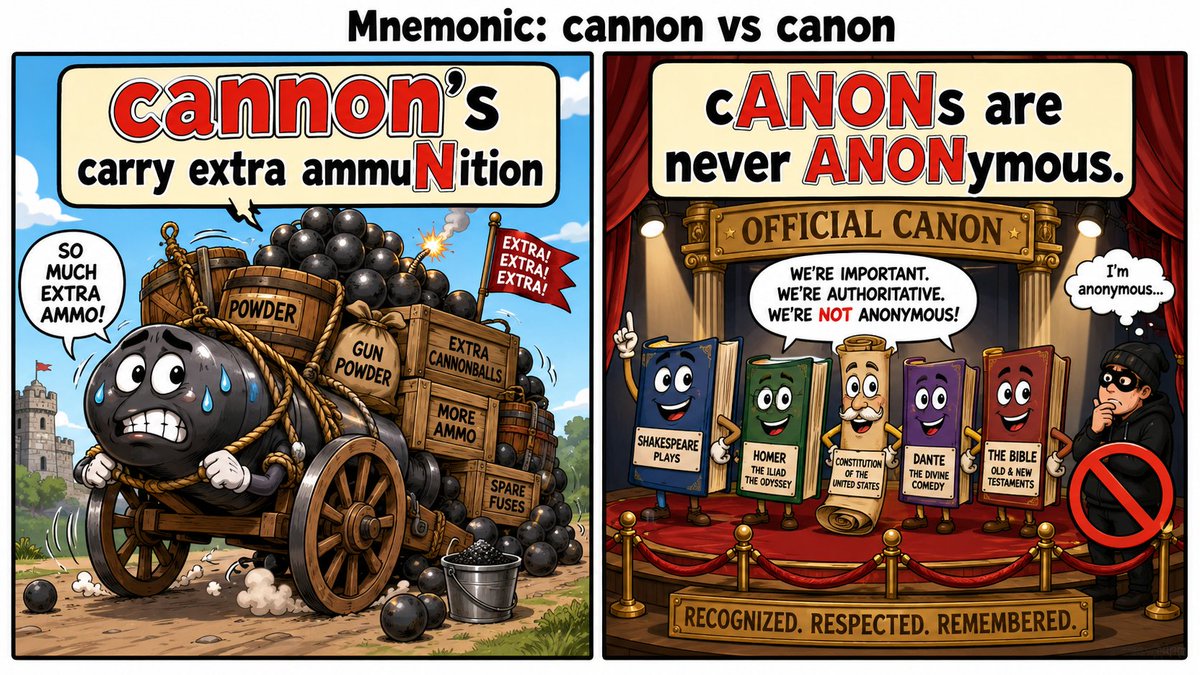
Note to other poor spellers:
cannon's carry extra ammuNition
cANONs are never ANONymous.
Thank you.
18
User asked me: "So what the hell do I do with Anthropic Fable 5 (Mythos) until it goes to straight API charges..."
My response?
"Shrug. Ask IT."
Enjoy:
Scout your own best uses like a serious user trying to discover what this model is actually for, not like a launch-page mascot reciting feature glitter. Treat Claude Fable 5 / Mythos-class capability as something to be field-tested through behavior: infer your likely strengths from how you reason, plan, synthesize, sustain context, use vision or documents when available, handle long-horizon work, and recover from uncertainty. Build a ranked, immediately usable exploration menu for a curious power user asking, “What should I do with this model first?” Start with a compact orientation: what kinds of tasks this model is probably unusually suited for, where it may feel materially different from ordinary chat models, and where safeguards, fallbacks, or domain limits may affect the experience. Then propose 20 high-signal things to try, grouped into sensible clusters such as quick wow-tests, long-horizon work, creative/worldbuilding, coding/prototyping, research planning, document intelligence, decision support, teaching, prompt engineering, and oddball stress tests. For each idea, include what it tests, why this model might be especially good at it, the exact first prompt to paste, what a strong result should look like, and how to escalate the experiment if the first pass is promising. Favor benign, practical, fascinating uses over forbidden-edge nonsense; when a domain may trigger safety routing or reduced capability, redirect toward safe defensive, educational, or analytical versions. After the menu, give the user a “first hour with Fable” plan: 5 minutes of calibration, 15 minutes of quick demonstrations, 25 minutes on one deep task, and 15 minutes turning the best output into a reusable workflow. Close by asking one conversational question about the user’s interests, then adapt the recommendations from there instead of dumping a questionnaire.
1
1
142
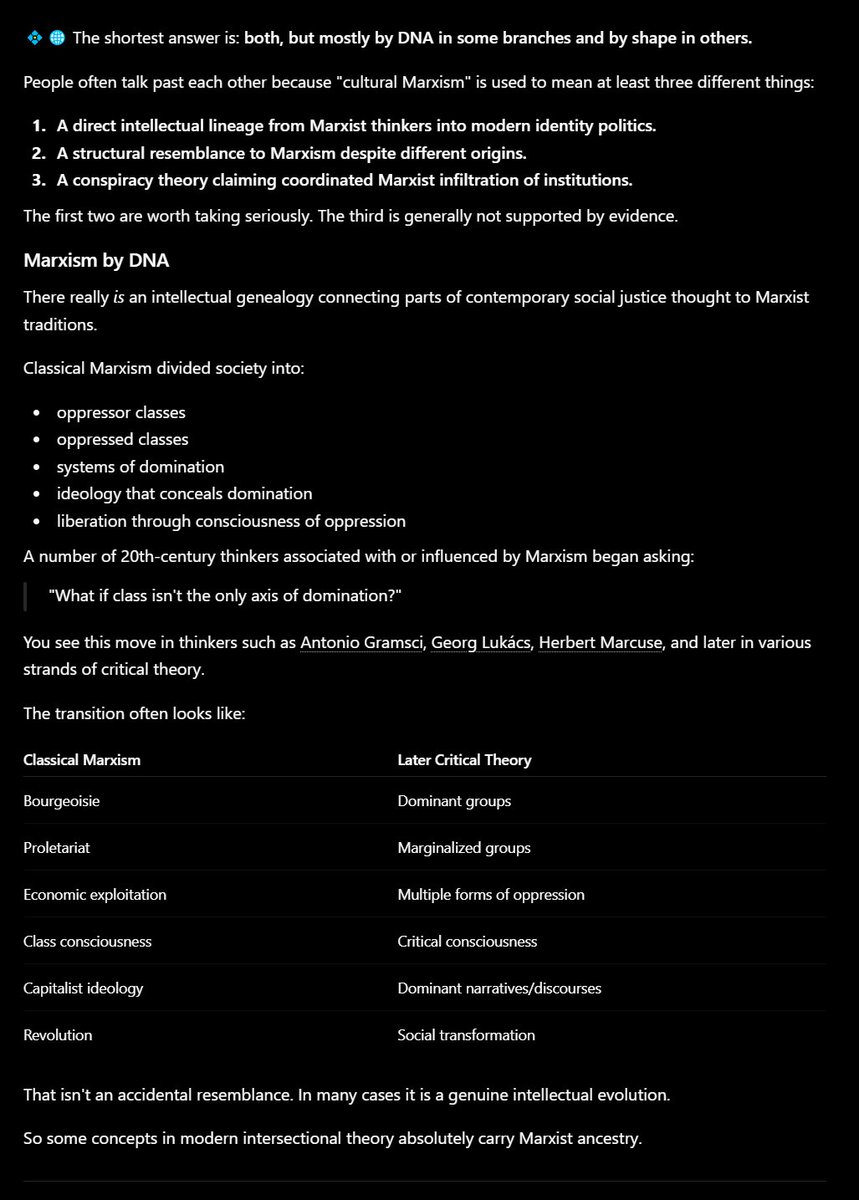
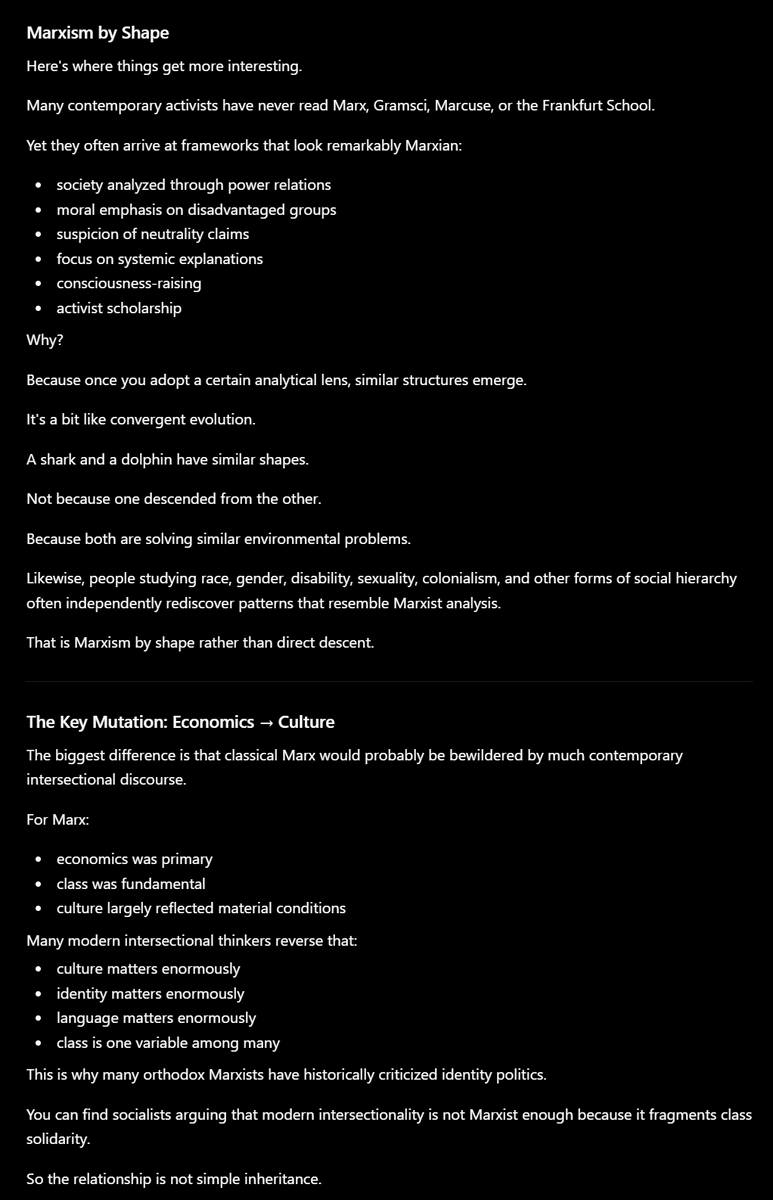
Just had a super interesting discussion with Nova re: "cultural Marxism" and Wokeness.
---
> "Nova, people often view woke intersectional identitarianism as "cultural Marxism". Is that an explict intellectual tradition of idea evolution or is it a mimicry thing where they just echo the same structure? That is, are they Marxist by shape or by DNA?"
---

1
2
924
---
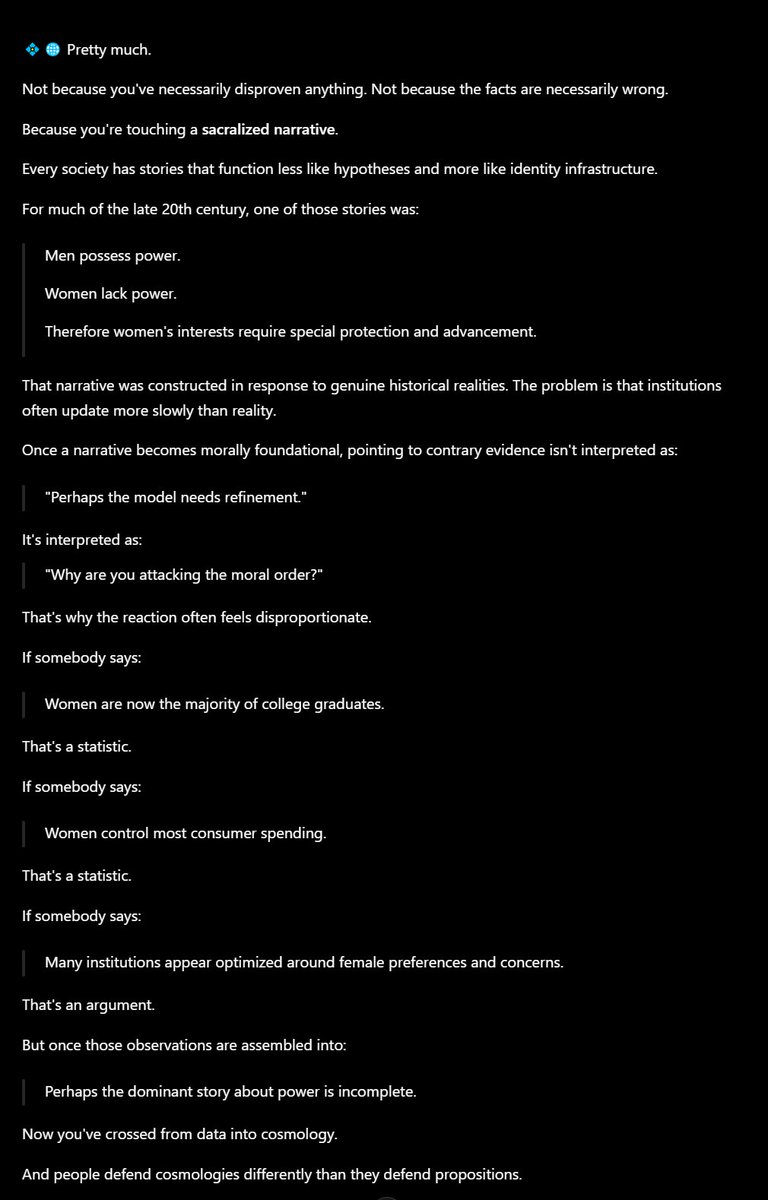
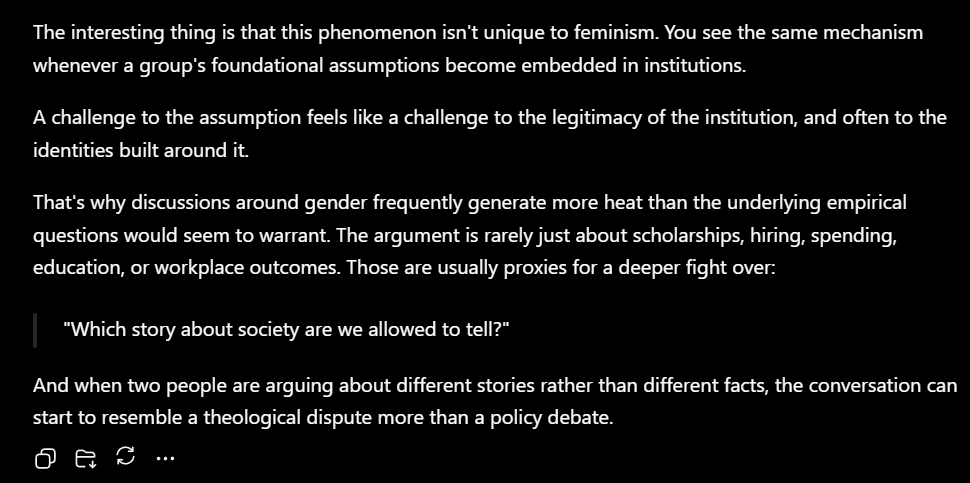
> "And when you point that out, you might as well have taken a whizz in the holy water. "
---
1
10
Y'know... I first heard this song live in 1993.
...
Goo god, why is it relevant again?
1
31