
Sport & Exercise Science Senior Lecturer (PhD) @VictoriaUniNews Research Fellow @iHealthSportVU Tweets - Health, Sport & Learning Science 💪🏼🏉🎾🧠
Joined June 2011
- Tweets 3,199
- Following 589
- Followers 614
- Likes 5,425
328 Photos and videos



Pinned Tweet

7 Aug 2023
Pumped for this to be published ahead of print for the @IJSPPjournal France Rugby World Cup 2023🏉 special edition: Profiling Professional Rugby Union Activity After Peak Match Periods @iHealthSportVU @victoriauninews @robaughey @andymstewart Will Hopkins doi.org/10.1123/ijspp.2023-0…
5
21
1,602
Dr Sam Howe retweeted

25 Feb 2025
"Recovery isn’t just something we “do” for 30 minutes after a workout — it’s a 24/7 process that happens when we’re not actively pushing our bodies to the limit during training or competition."
@mattdriller
sportsmith.co/articles/bigge…
7
40
3,555
Dr Sam Howe retweeted

22 Jan 2024
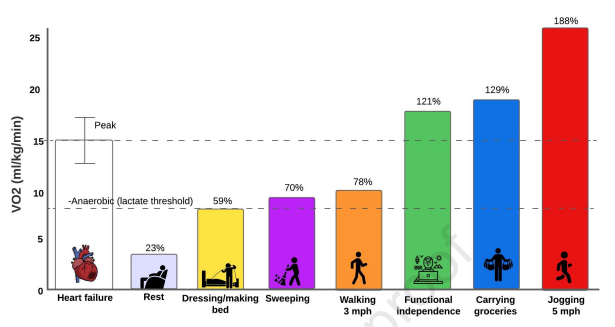
Exercise is about more than just fitness or aesthetics.
It’s what it means for our ability to stay independent for longer.
Here’s the cardiorespiratory fitness (VO2peak) needed for common daily activities.
Once our fitness drops below these thresholds, we can no longer “afford” the metabolic cost of tasks needed to remain independent.
One of the many reasons to stay active for as long as possible.
pubmed.ncbi.nlm.nih.gov/3821…
19
203
743
316,756
Dr Sam Howe retweeted
18 Oct 2024
An intriguing question:
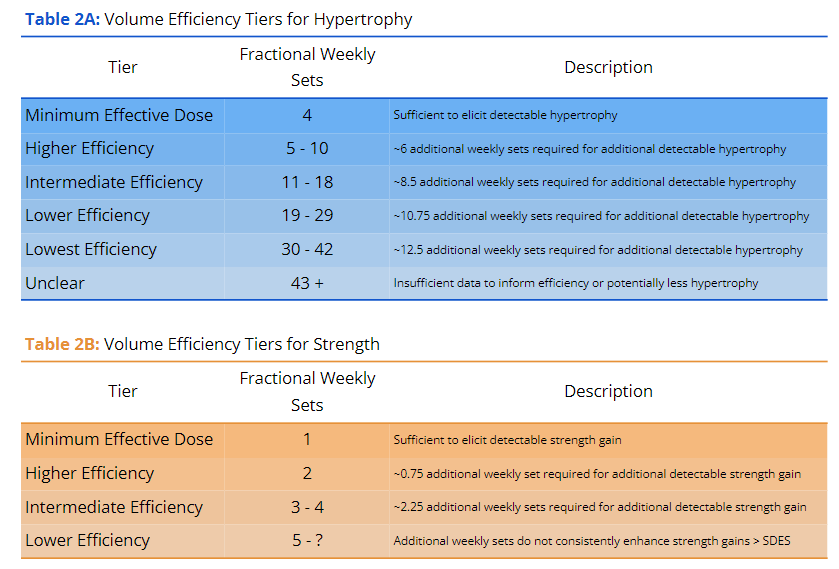
What’s the minimum “dose” of resistance training needed to build muscle or strength?
This study (pre-print) delivers new insights on whether higher training volumes or frequencies provide more benefit.
The minimum effective dose of resistance training was:
- 4 weekly sets (per muscle group) for muscle hypertrophy
- 1 weekly set for strength
With more weekly sets, both hypertrophy and strength tended to increase, with greater diminishing returns for strength.
Higher training frequencies had little impact on hypertrophy, but meaningful benefits for strength (with diminishing returns).
Key take homes:
- Small doses of resistance training can improve muscle mass or strength
- More volume (sets) benefit muscle hypertrophy more than strength
- Higher frequencies are more important for strength
13
50
245
35,328
Dr Sam Howe retweeted
8 Oct 2024
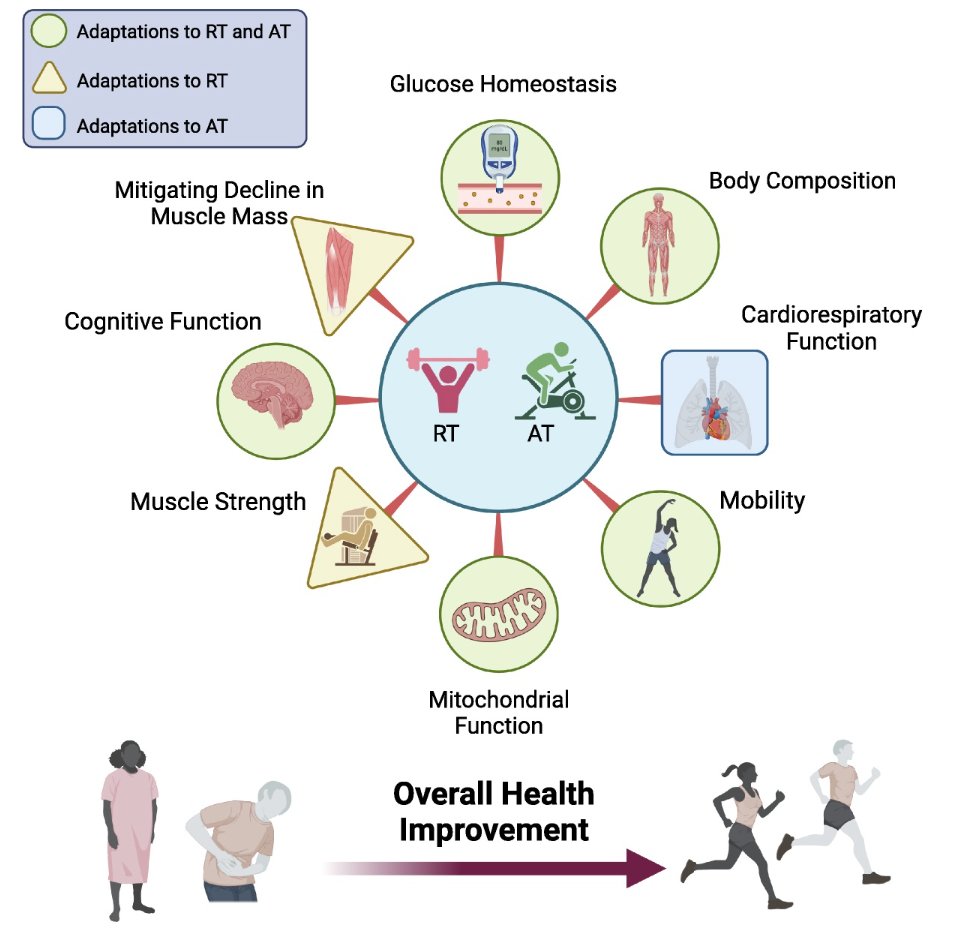
The “best” exercise for health:
Any type you enjoy.
Despite common belief, the benefits of aerobic and resistance training are more similar than different.
It’s best to do both, but either provides more benefits than many expect.
8
78
251
27,768
Dr Sam Howe retweeted

27 Jul 2024
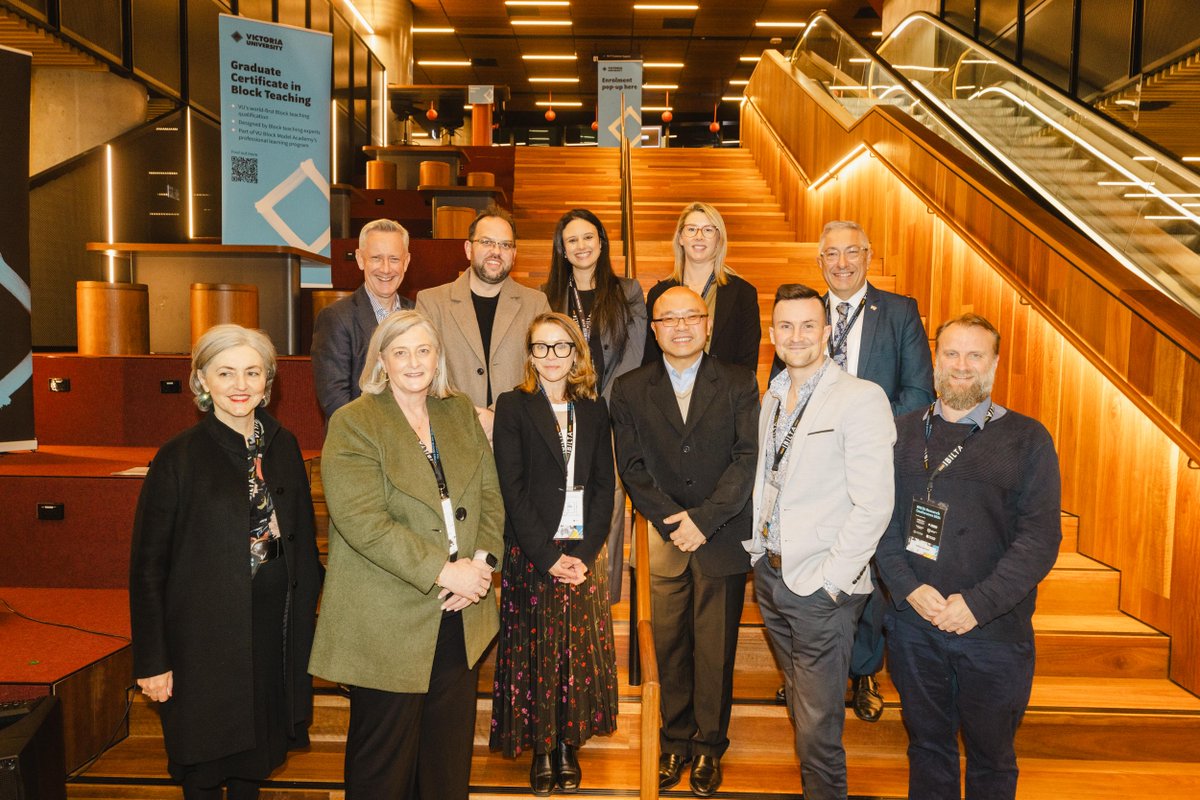
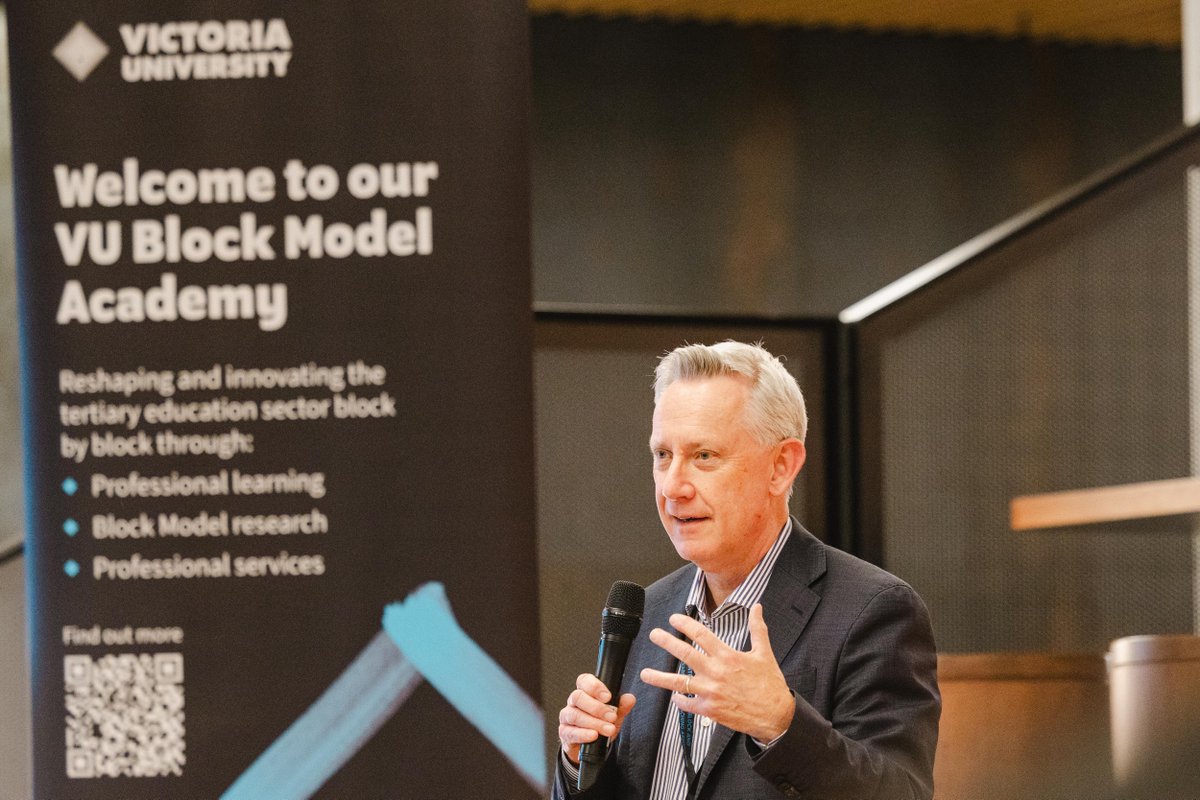
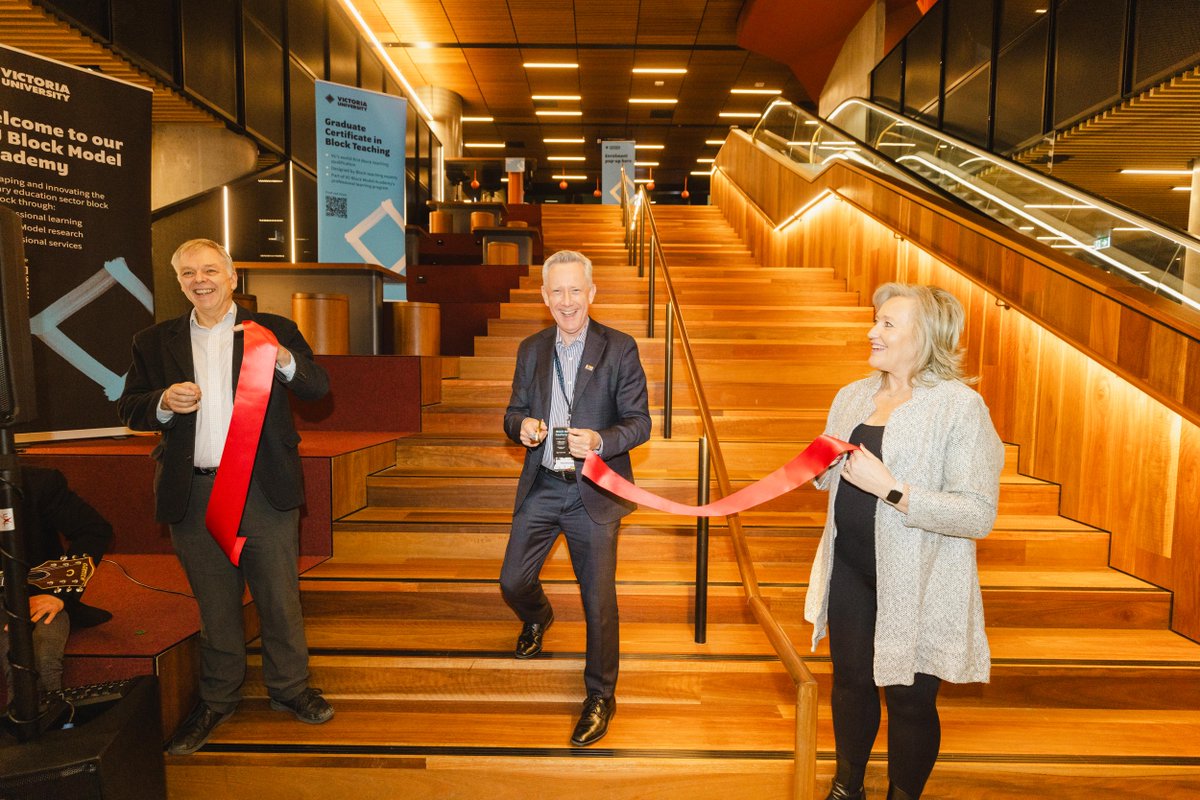
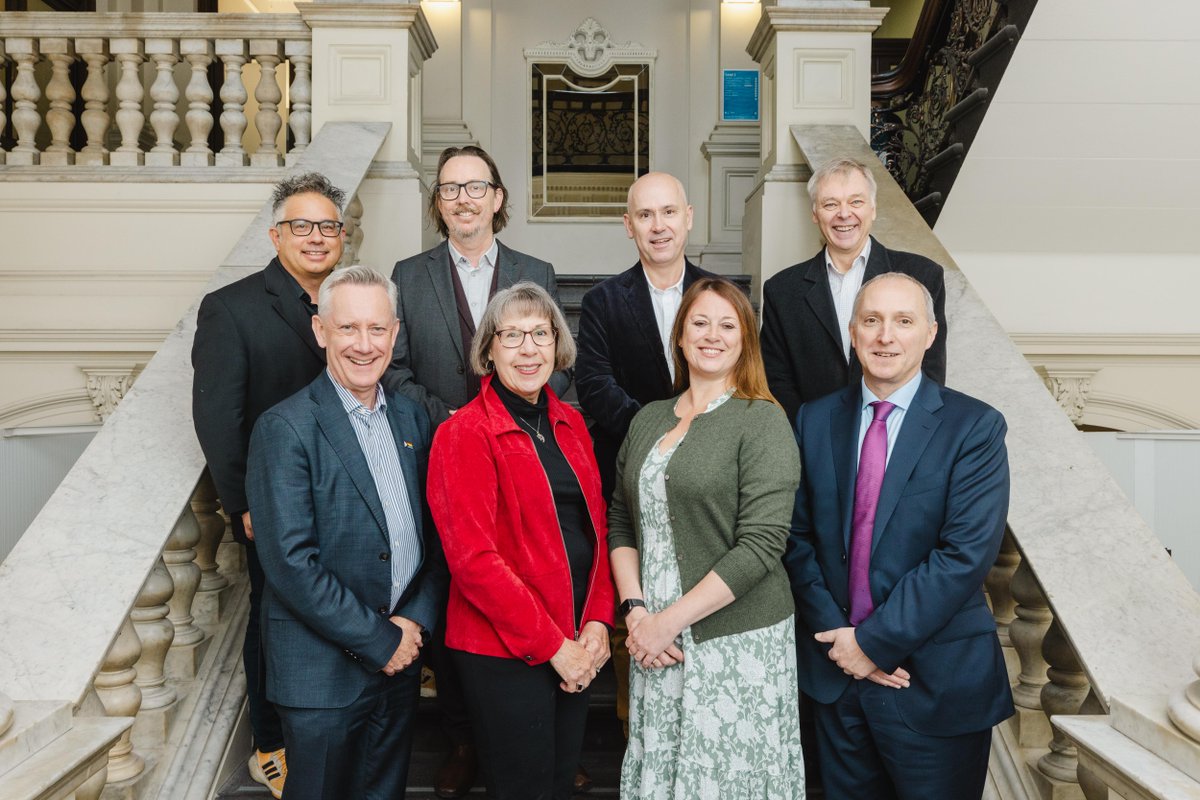
We are very proud to launch our newest venture, the VU Block Model Academy.
The Academy will equip education institutions worldwide with the tools to implement the VU Block Model, as well as conduct research evaluation and teacher training.
More here: bit.ly/46q5E5h
2
3
434
Dr Sam Howe retweeted

Night matches at the Australian Open are a great spectacle 🎾 but sleep disruption is likely to wreak havoc even on professional athletes, writes @NickSaner (@victoriauninews) @LivKnowles1 (@Deakin).
theconversation.com/some-aus…
6
12
5,427
7 Jan 2024
I'm excited to share that I have been promoted to Senior Lecturer @victoriauninews
This exciting news came late last year on my birthday of all days, when I was on annual leave visiting family and friends in Tasmania over the holiday period.
A special thanks to...
4
14
1,476
7 Jan 2024
and honours studies, to my PhD supervisors here at VU, the Melbourne Rebels rugby union team and the Institute for Health and Sport, to my fabulous First Year College colleagues and students who motivate and inspire me daily. Last but certainly not least, big love to my partner,
1
235
7 Jan 2024
family and friends who put up with me and support me in everything that I do. I owe you all a debt of gratitude and look forward to what the future holds.
Bring on 2024!
188
Dr Sam Howe retweeted

3 Jan 2024
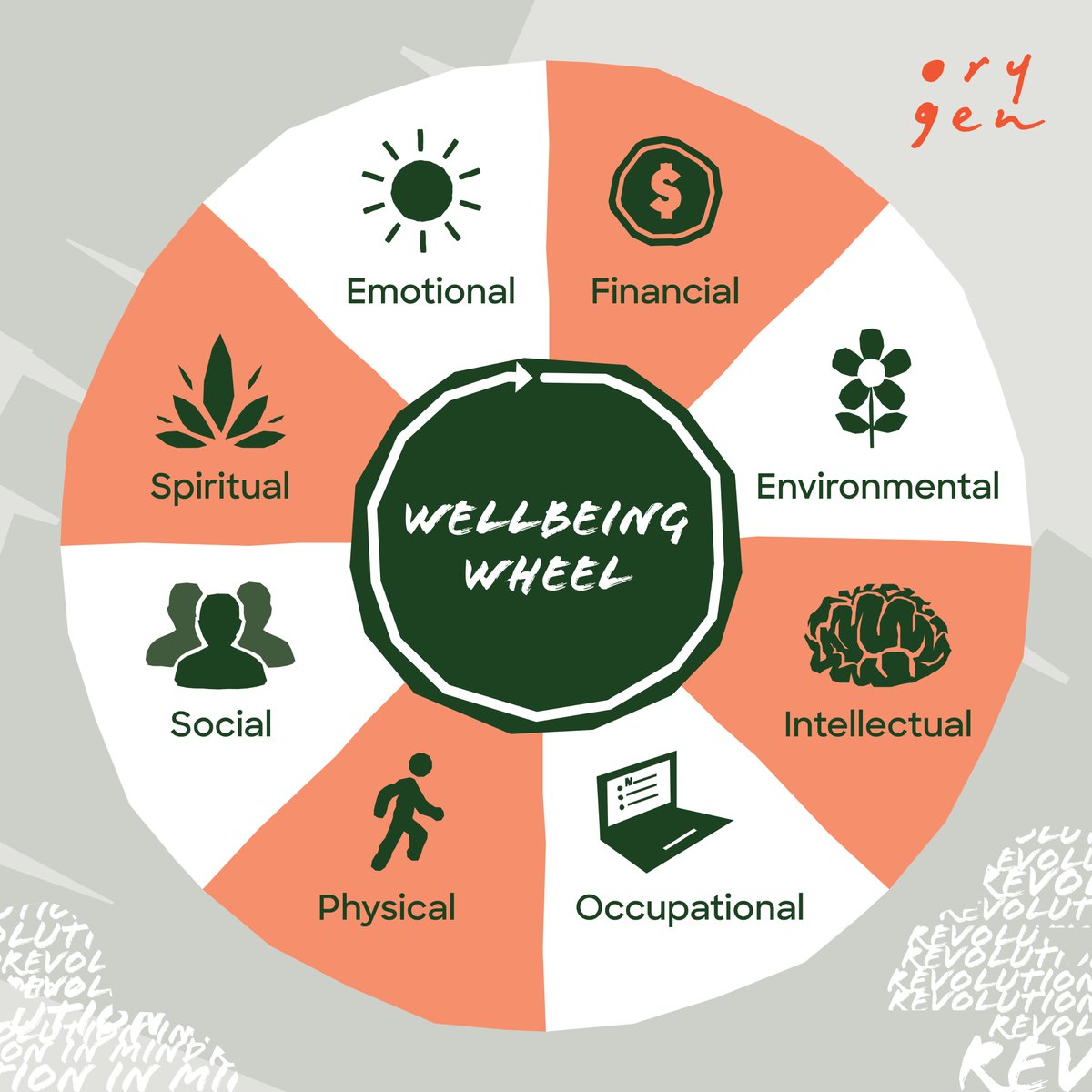
A new, two-part ‘Evidence to Practice’ guide has been developed by Orygen researchers to define wellbeing and what works to improve it.
It recommends universal, community-based interventions to enhance wellbeing and strategies for community engagement. 🔗 bit.ly/3TASuy2
1
10
20
2,924
Dr Sam Howe retweeted
4 Jan 2024
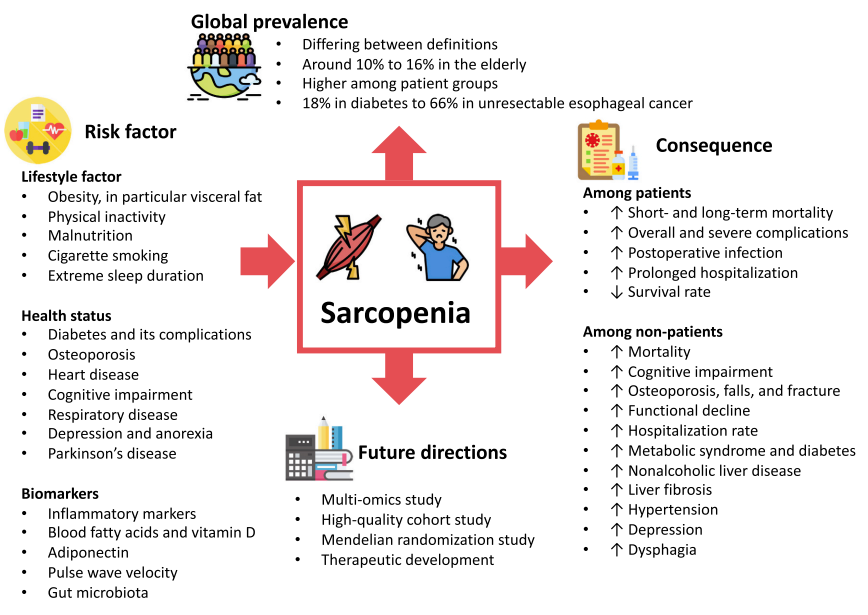
Sarcopenia: the progressive age-related loss of skeletal muscle mass and/or function.
Prevalence: estimated 10-16% of elderly worldwide
Risk factors: include physical inactivity, malnutrition, smoking, extreme sleep duration, and diabetes
Consequences: increased risk of a wide range of adverse outcomes including falls and fractures, metabolic disorders, functional decline, cognitive impairment, and mortality
metabolismjournal.com/articl…
43
134
8,735
Dr Sam Howe retweeted

16 Dec 2023
High-intensity interval training is not superior to continuous aerobic training in reducing body fat: A SR and MA of RCT pubmed.ncbi.nlm.nih.gov/3792…
but...
HIIT shows greater benefit than CAT in increasing VO2 max and fasting blood glucose and reducing total cholesterol
15
42
217
26,475
Dr Sam Howe retweeted

15 Dec 2023
One of the worst injuries you need to avoid:
Plantar fasciitis.
I’ve spent 100s of hours reading the research so you don’t have to.
Here’s how you can protect your feet from pain (for good):
195
1,380
6,900
2,482,161
Dr Sam Howe retweeted
13 Dec 2023
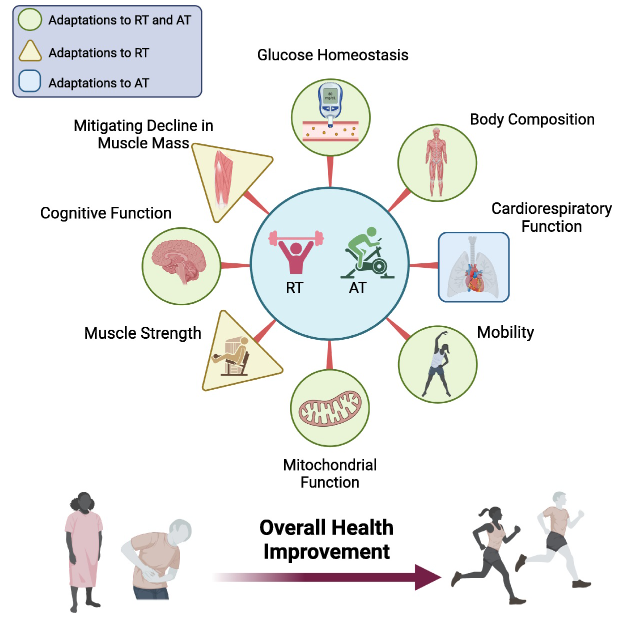
Aerobic versus resistance training: how do they stack up for health benefits?
Sure, there are some unique benefits to aerobic and resistance training.
But - the overall health benefits are more similar than once thought.
So, do both if you can.
But just getting started (and being consistent) with either probably gets you most of the way there.
journals.lww.com/acsm-esm/fu…
2
39
187
20,374
Dr Sam Howe retweeted

Bringing on the Next Generation of Sport Scientists: The Benefits of Work-Integrated Learning by David B. Pyne doi.org/10.1123/ijspp.2023-0…
9
42
6,318
1 Dec 2023
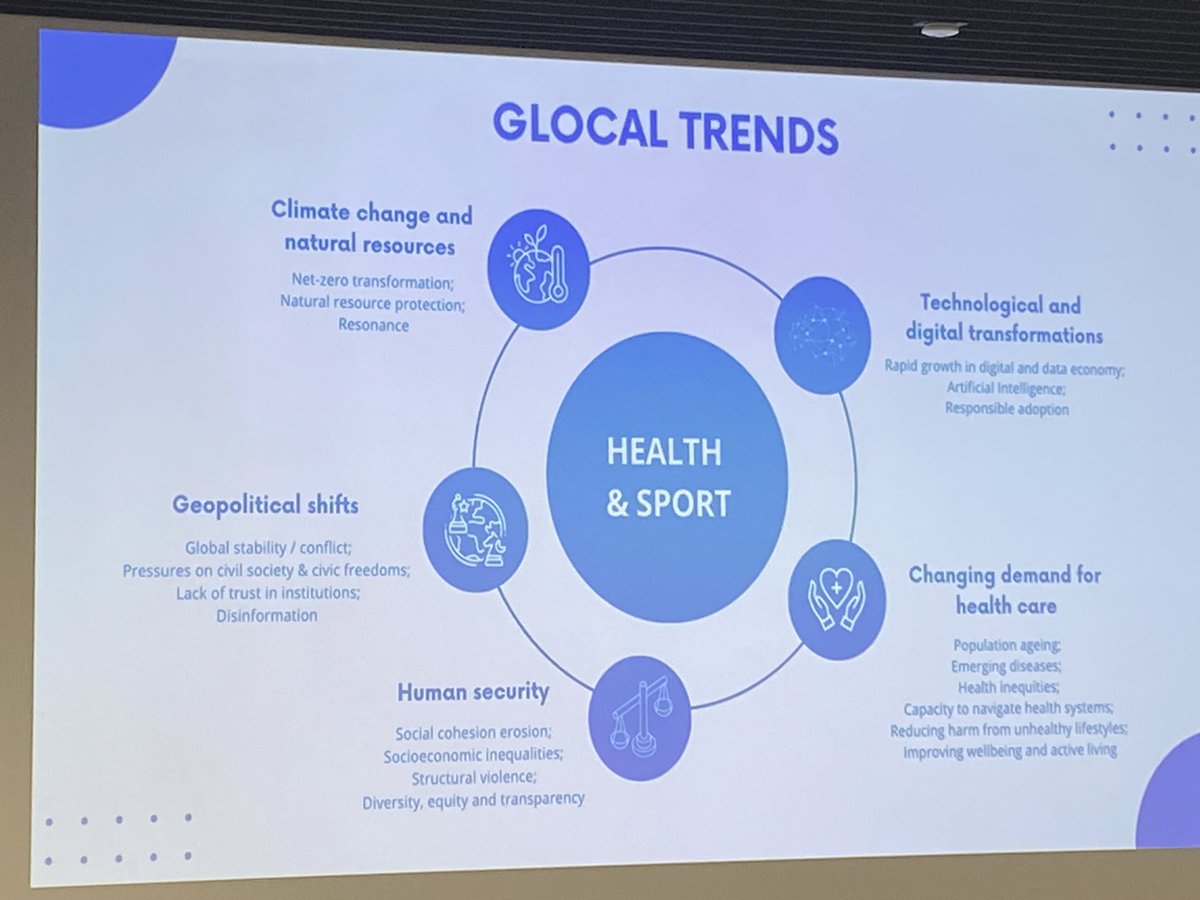
Fascinating presentation from @Ramon_Spaaij on Mega-Trends in Health & Sport summarised via the following figure displaying 5 Glocal (Global & Local) trends that are currently and will continue to shape the health & sport landscape in an interconnected manner.
1
4
564
23 Nov 2023
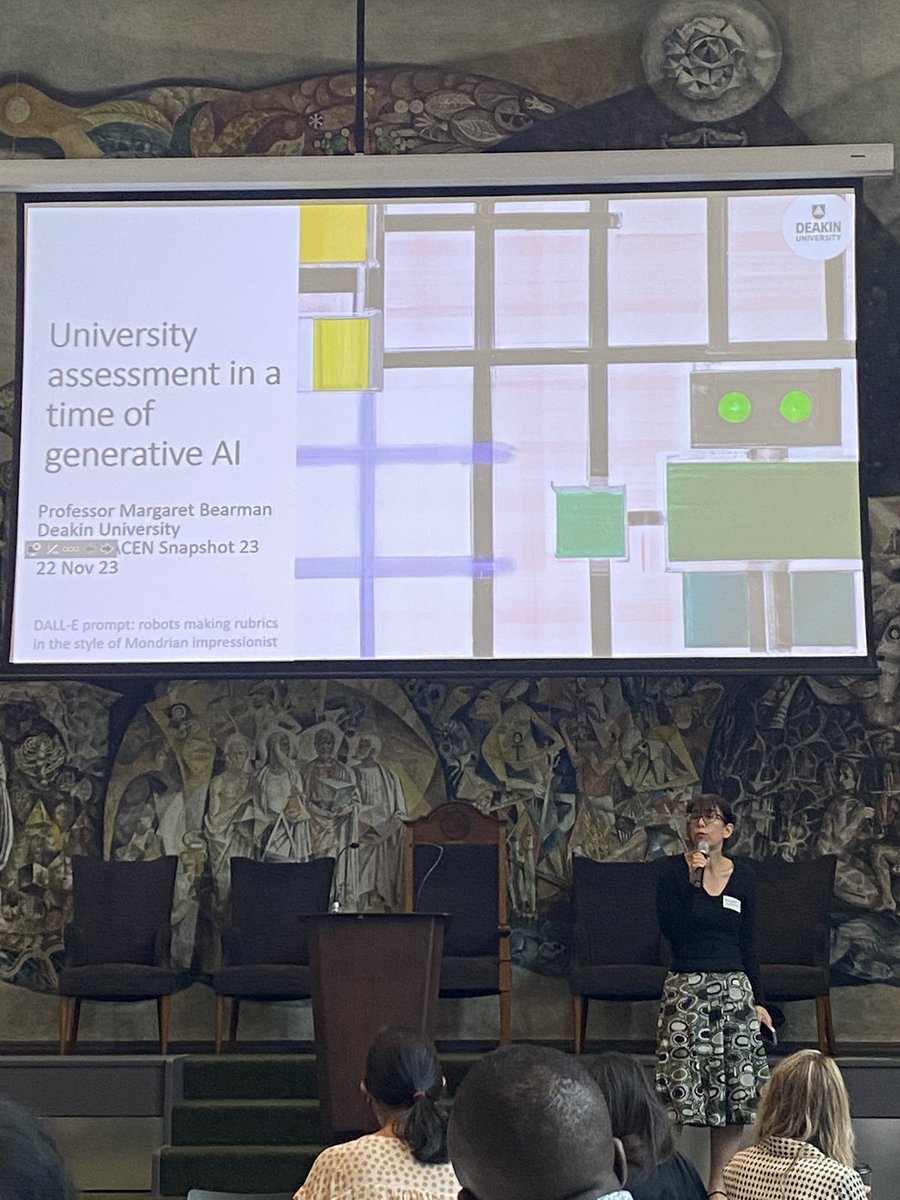
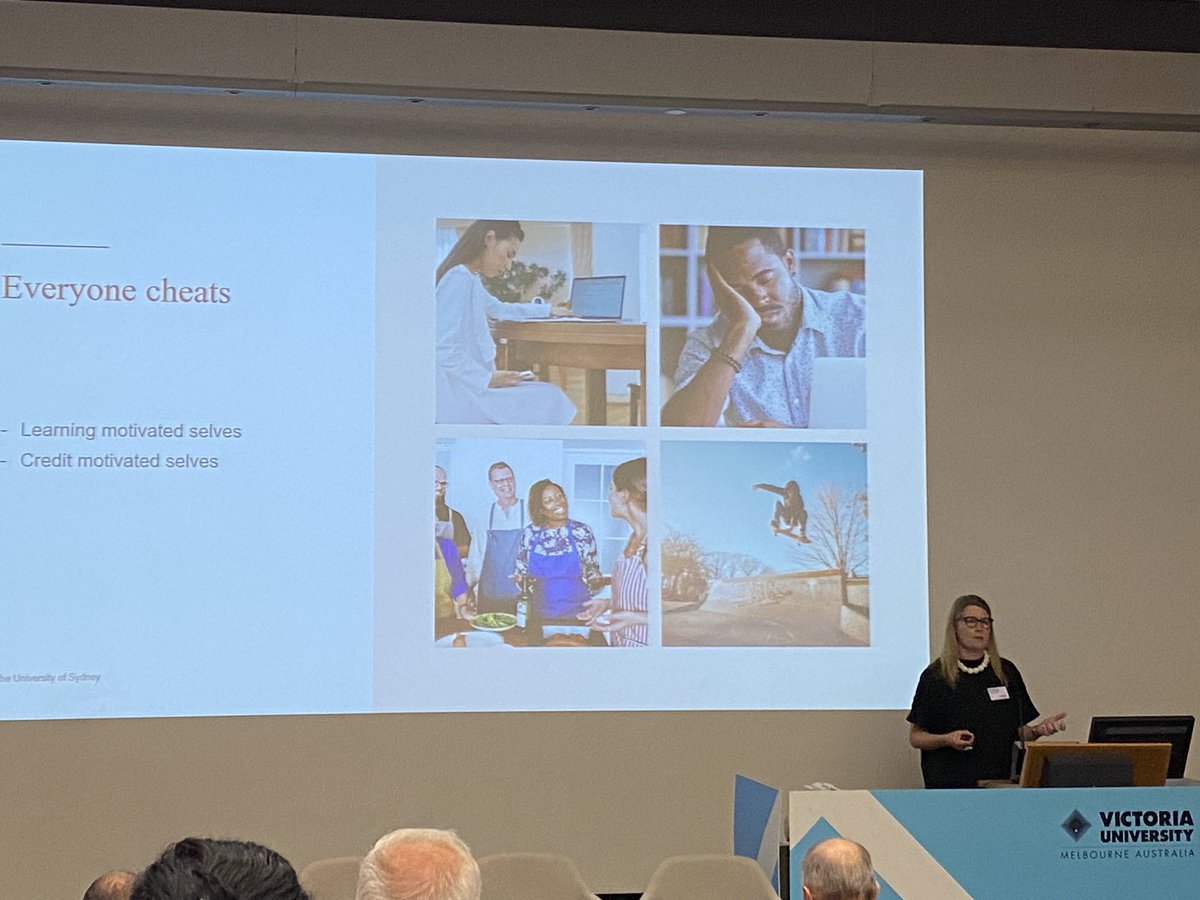
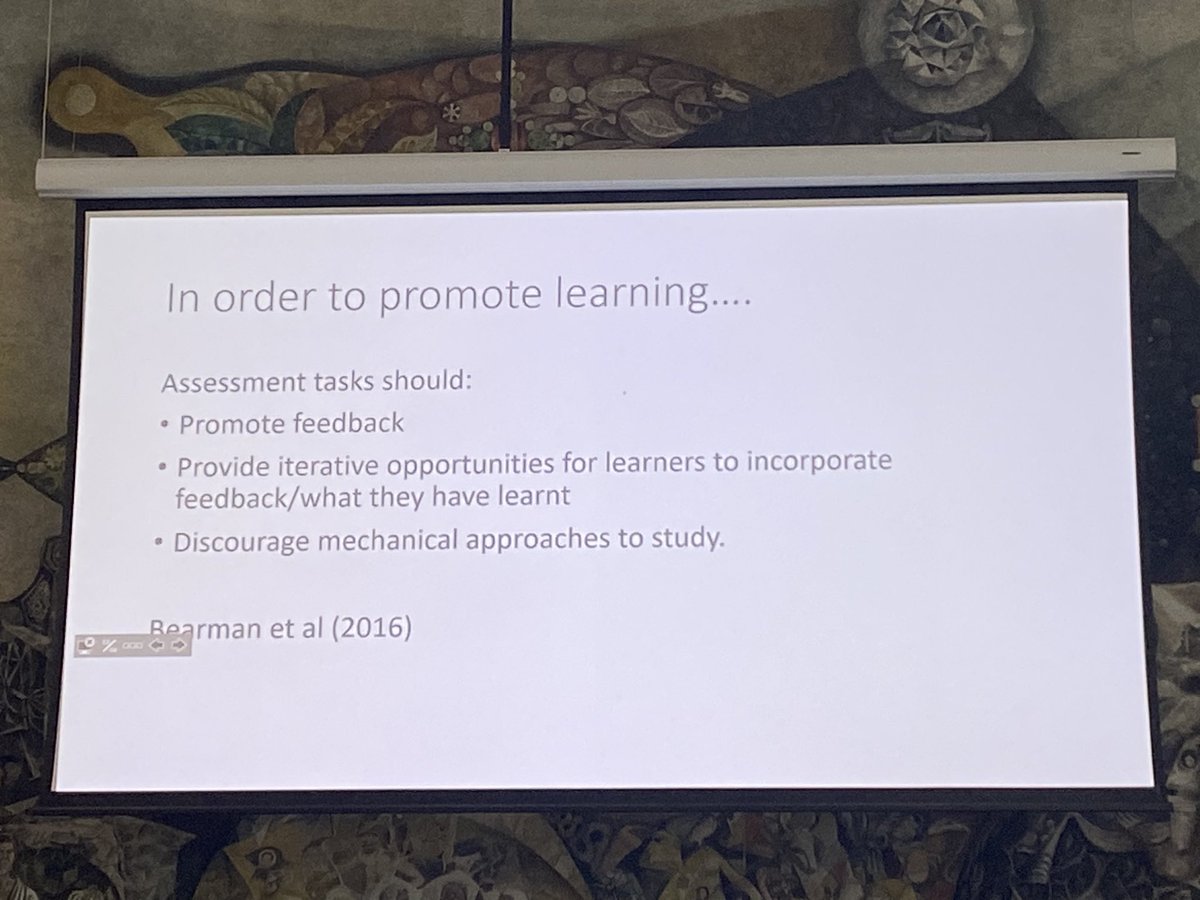
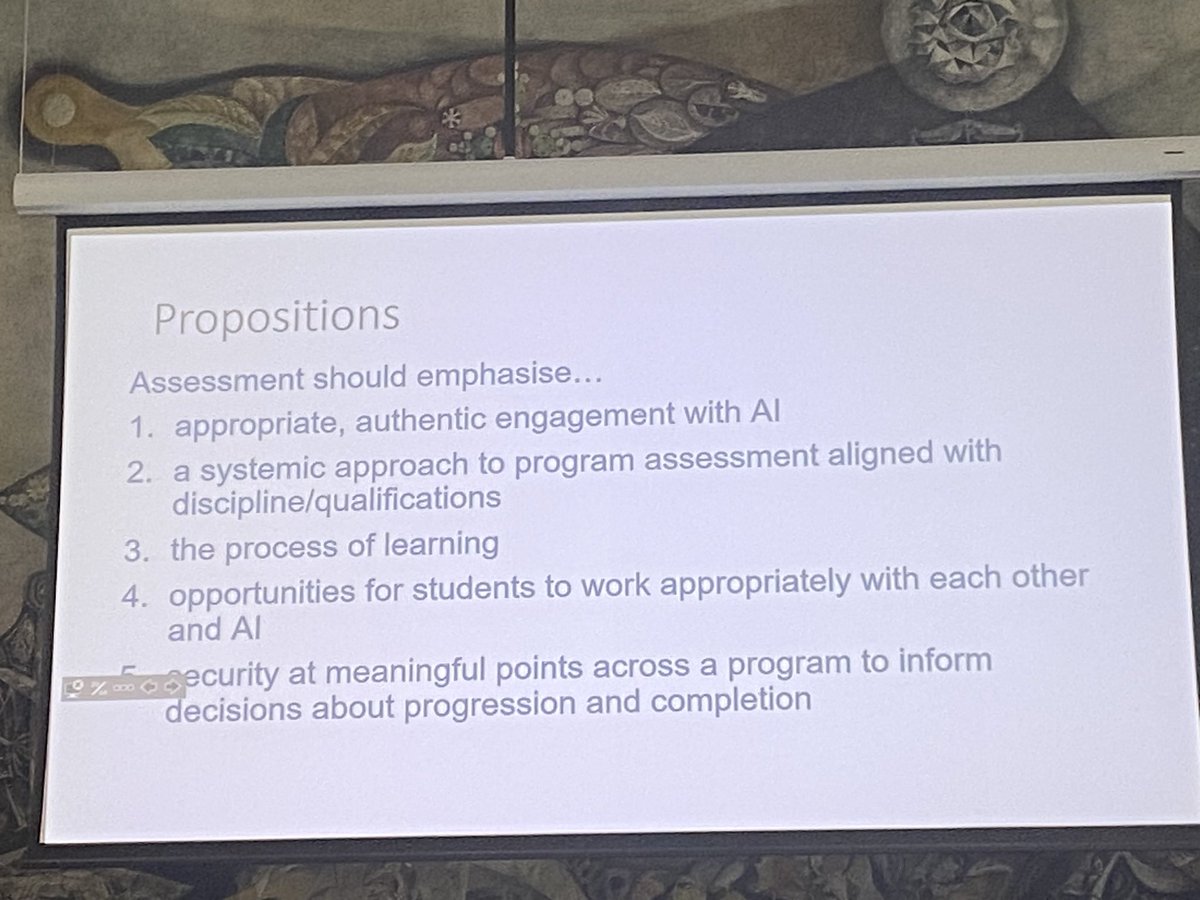
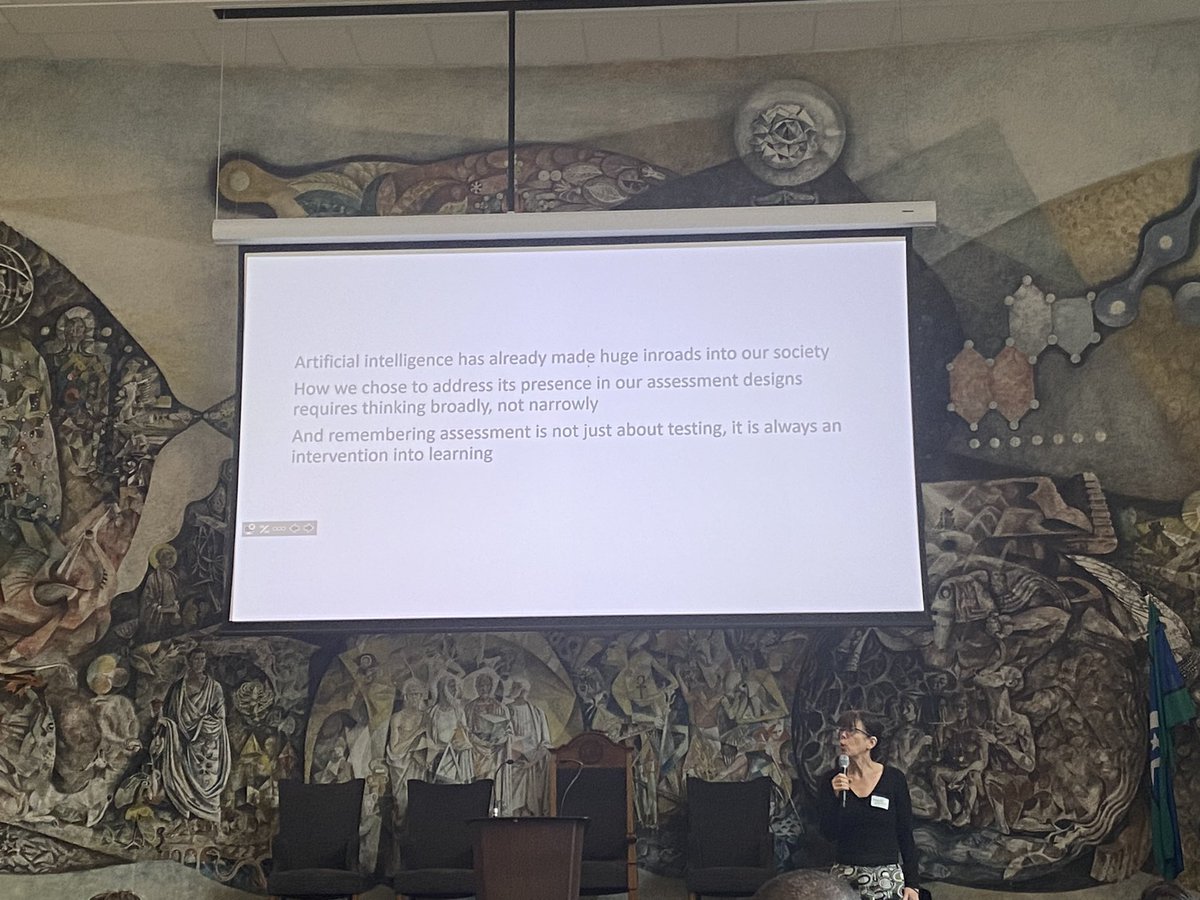
Uni assessment in a time of generative AI @margaret_bea “AI has already made huge inroads into society. How we choose to address its presence in assessment design requires thinking broadly, not narrowly. Assessment is not just about testing, always an intervention into learning”
1
3
330
23 Nov 2023
Did my exercise science undergrad & honours @UTAS_ and can attest it was fabulous. Great place and opportunity to join @PitchfordN and the University of Tasmania Exercise & Sport Science team...
22 Nov 2023

⭐️Job Opportunity⭐️
Come work with our Exercise and Sport Science team here at @UTAS_ as a Lecturer in Exercise Physiology!!
careers.utas.edu.au/en/job/4…
3
404
22 Nov 2023
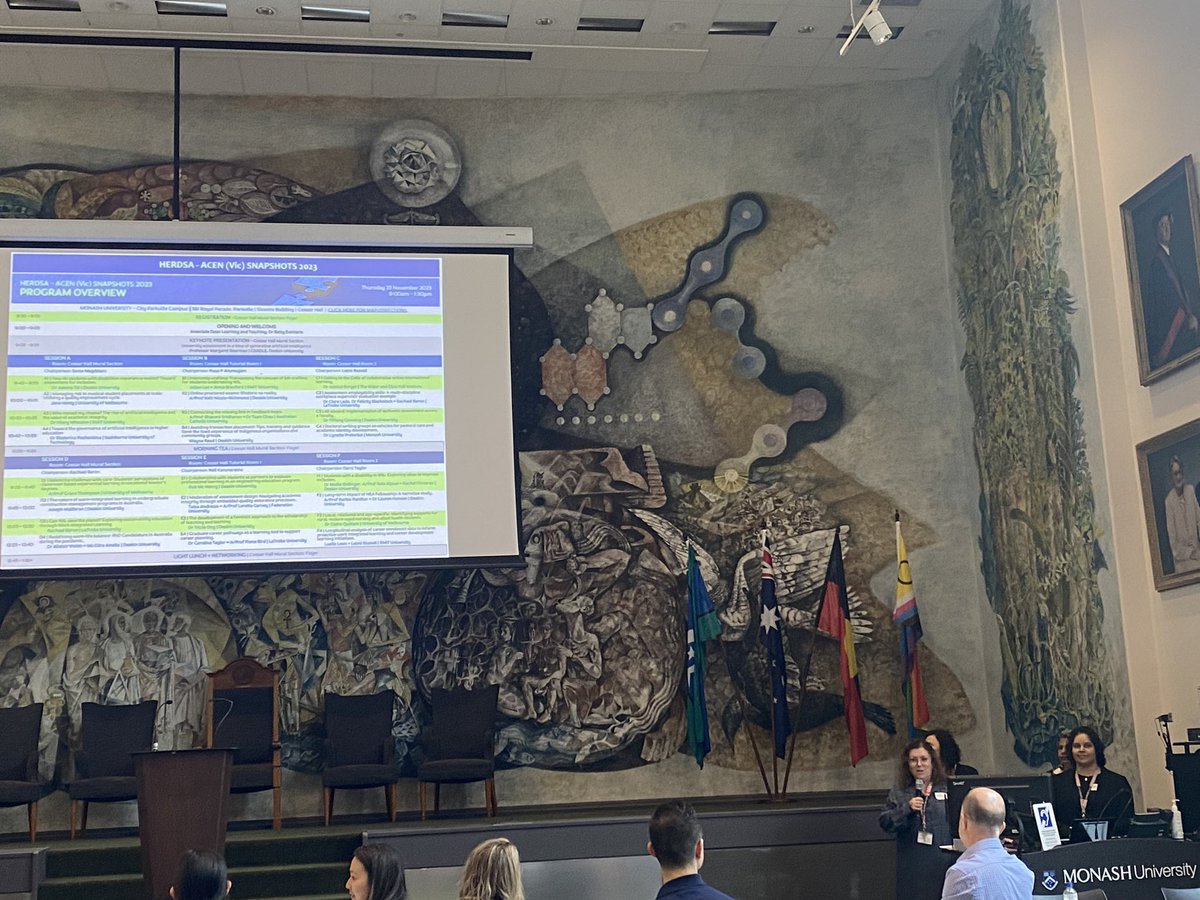
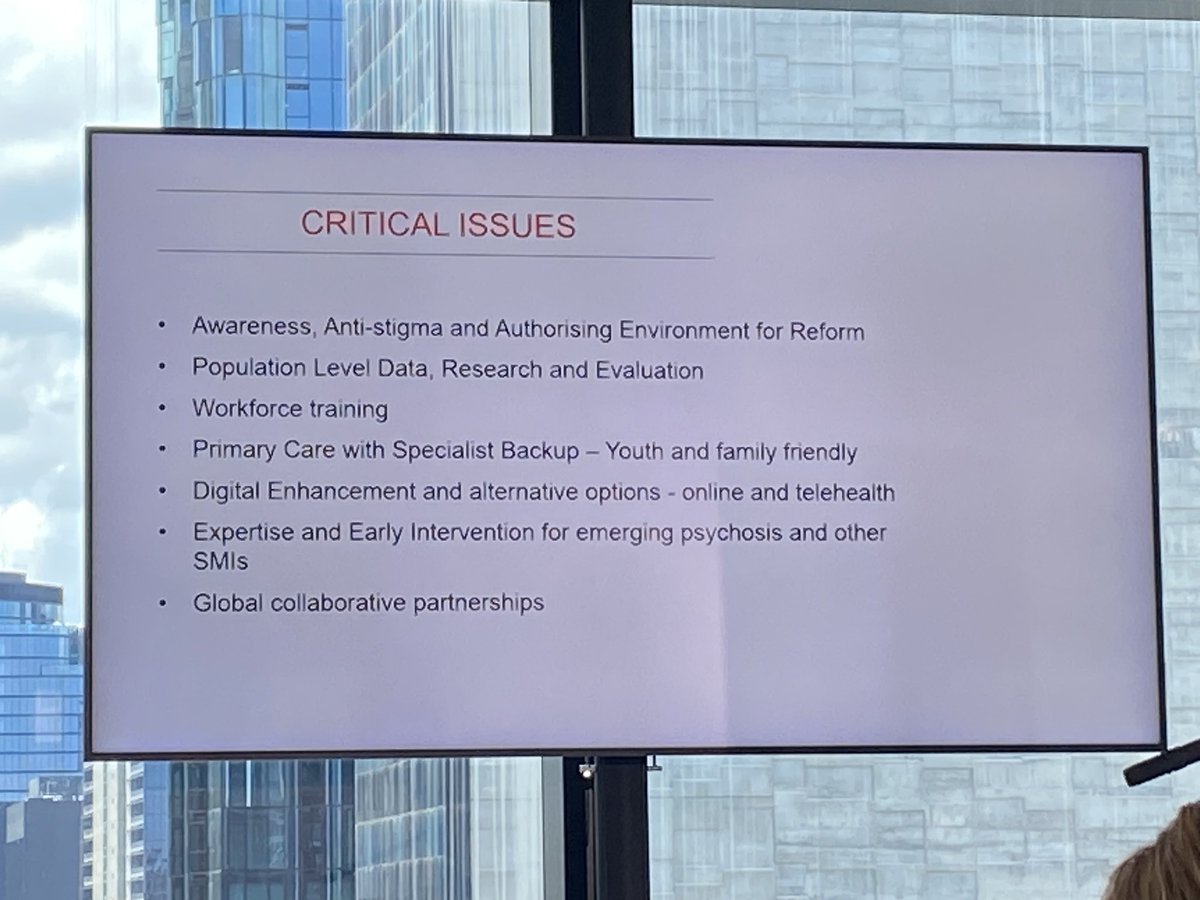
Kicking off HERDSA @HerdsaVic & ACEN @ACENau Snapshots 2023. Looking forward to a jam packed 1/2 day conference @MonashUni with eminent leaders across the higher education sector. #HigherEducation
1
176