God is Enough | PREMPEH COLLEGE💚|Environmental Engineer
Joined November 2019
- Tweets 7,438
- Following 1,847
- Followers 859
- Likes 25,857
146 Photos and videos
Pinned Tweet

10 Nov 2024
Heavenly Father, thank You for this new day. Fill my heart with peace and guide my steps with Your love. Help me to bring kindness and light to those I meet today. Bless my family, friends, and all those in need. May this day bring us closer to You. Amen.
1
5
1,375
Samuel Mensah retweeted

Everything I know about studying abroad, I learned from overcoming obstacles. Challenges teach lessons that comfort never will.
4
28
735
Samuel Mensah retweeted

11 years after his first degree, Adeoye secured the fully funded GCUB scholarship. 🇧🇷
Not a perfect timeline. Not a traditional path.
He used my CV format, showed up with the right strategy, and won.
5
11
76
4,266
Jun 13
Let’s do Great

🇺🇸🇺🇸🇺🇸🇺🇸🇺🇸🇺🇸🇺🇸🇺🇸🇺🇸🇺🇸
🇺🇸🇺🇸🇺🇸🇺🇸🇺🇸🇺🇸🇺🇸🇺🇸🇺🇸🇺🇸
🇺🇸🇺🇸🇺🇸🇺🇸🇺🇸🇺🇸🇺🇸🇺🇸🇺🇸🇺🇸
🇺🇸🇺🇸🇺🇸🇺🇸🇺🇸🇺🇸🇺🇸🇺🇸🇺🇸🇺🇸
🇺🇸🇺🇸🇺🇸🇺🇸🇺🇸🇺🇸🇺🇸🇺🇸🇺🇸🇺🇸
749
Jun 12
I will share my pics with you 2029🙏
Then you post me
Jun 12

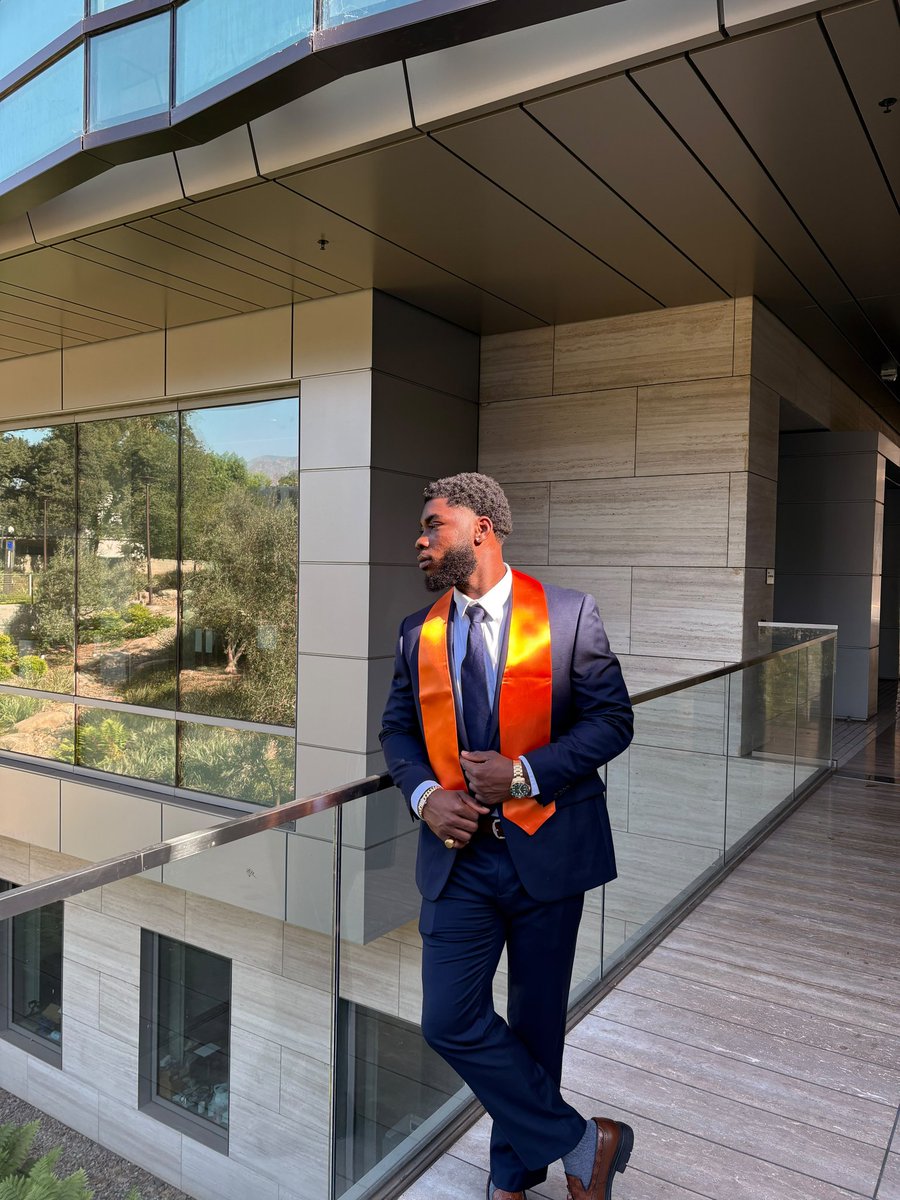
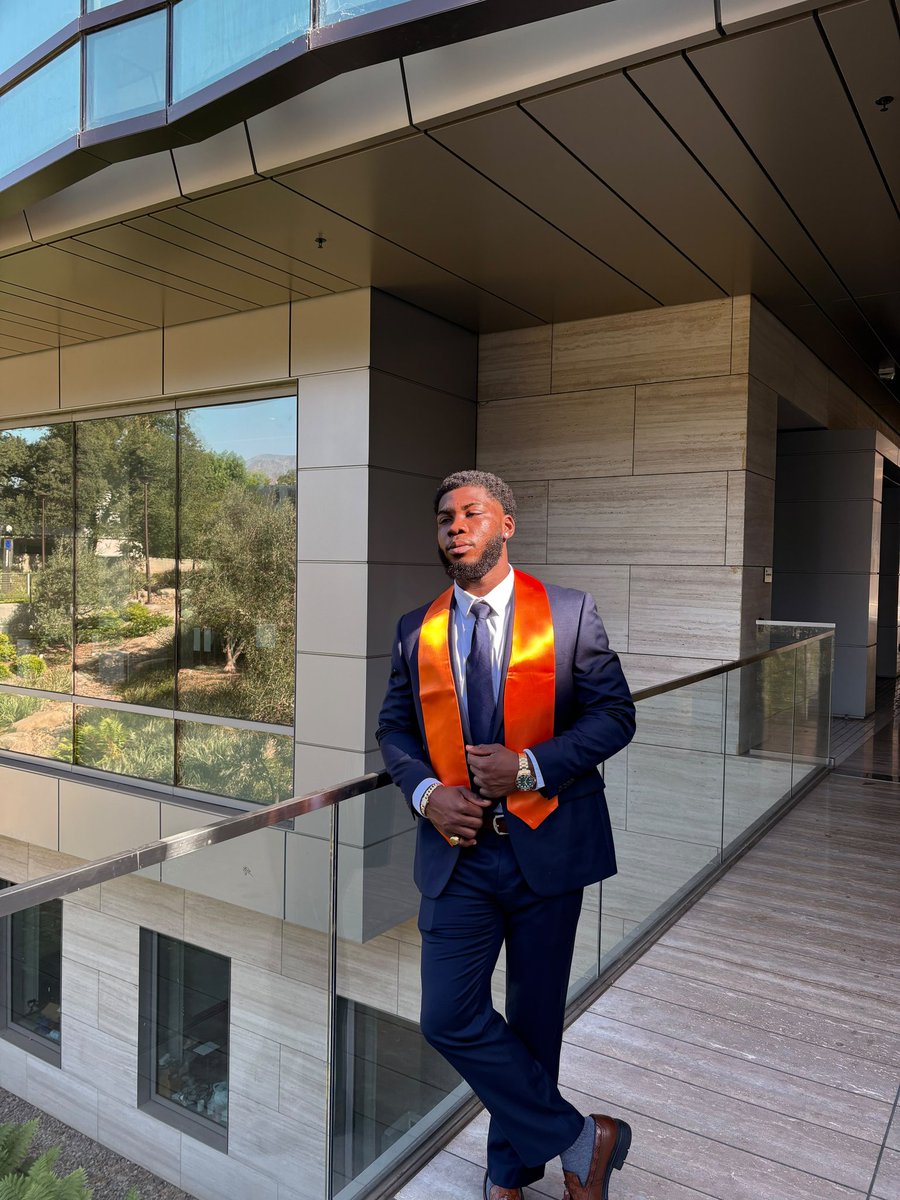
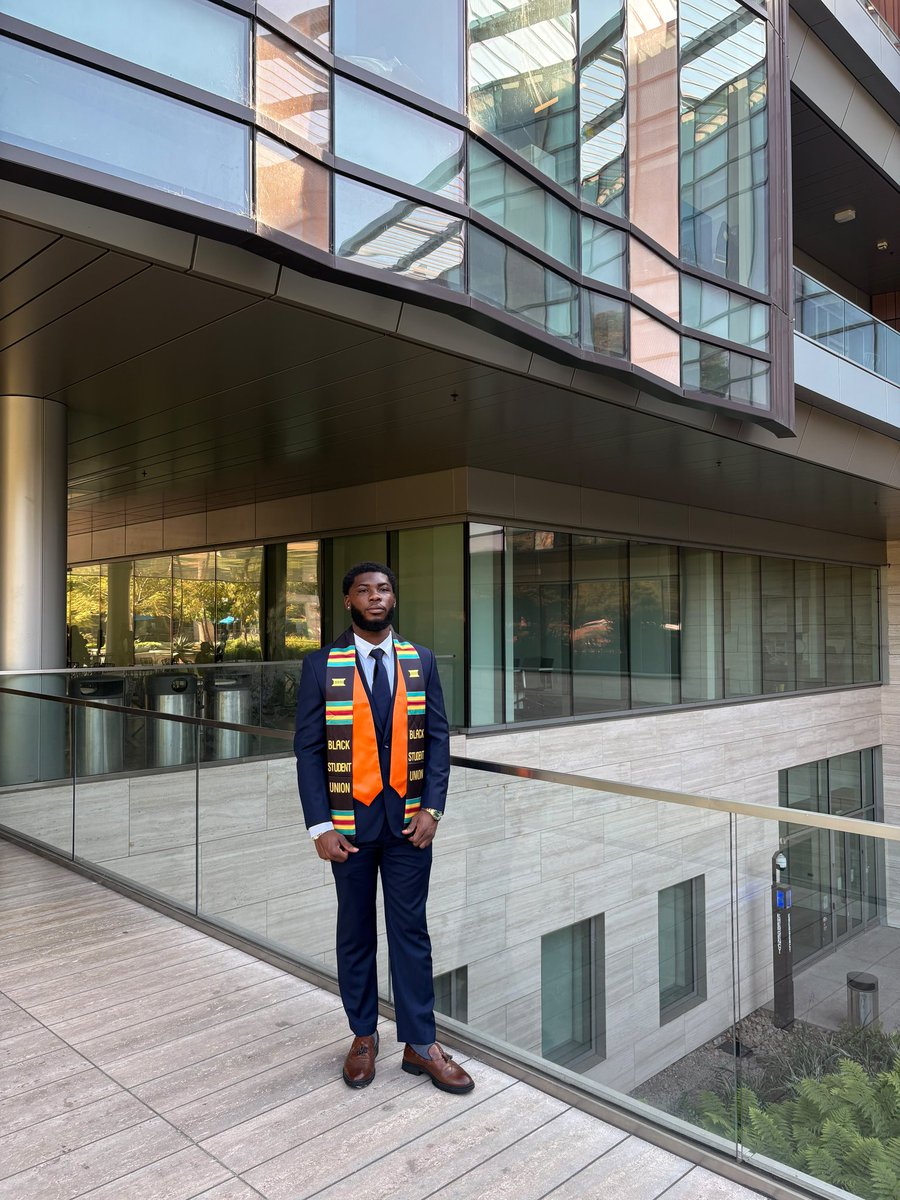
Congrats to Snr Eden Nana Obeng Kyei (Amanfoɔ 21) on his graduation today. He graduated with a BSc in Computer Science from the California Institute of Technology (Caltech).
1
2
37
5,811
Jun 12
Ei 😩
May 26

Family, I’m seeking a new role in Environmental Engineering, HSE, Sustainability, or related fields.
• Environmental Engineering Graduate
• NEBOSH IGC Certified
• Valid Class B Driving License
Open to graduate opportunities, internships, and professional roles
147
Samuel Mensah retweeted

Attention Ghanaian FIFA World Cup 2026™ ticket holders — the U.S. Embassy has more than 400 FIFA PASS visa interview appointment dates available through June 23rd (England vs Ghana in Boston), for FIFA ticket holders using FIFA PASS. FIFA PASS provides prioritized access to U.S. visa appointments.
If you bought a ticket on fifa.com for any of the games in the United States and opted in for FIFA PASS, schedule your visa interview appointment ASAP! All visa applicants undergo screening and must demonstrate they qualify for a visa.
Learn more: state.gov/fifa-world-cup-26-…

14
75
193
39,327
Destiny helper 🙏
May 26
Family, I’m seeking a new role in Environmental Engineering, HSE, Sustainability, or related fields.
• Environmental Engineering Graduate
• NEBOSH IGC Certified
• Valid Class B Driving License
Open to graduate opportunities, internships, and professional roles
1
5
895
Samuel Mensah retweeted

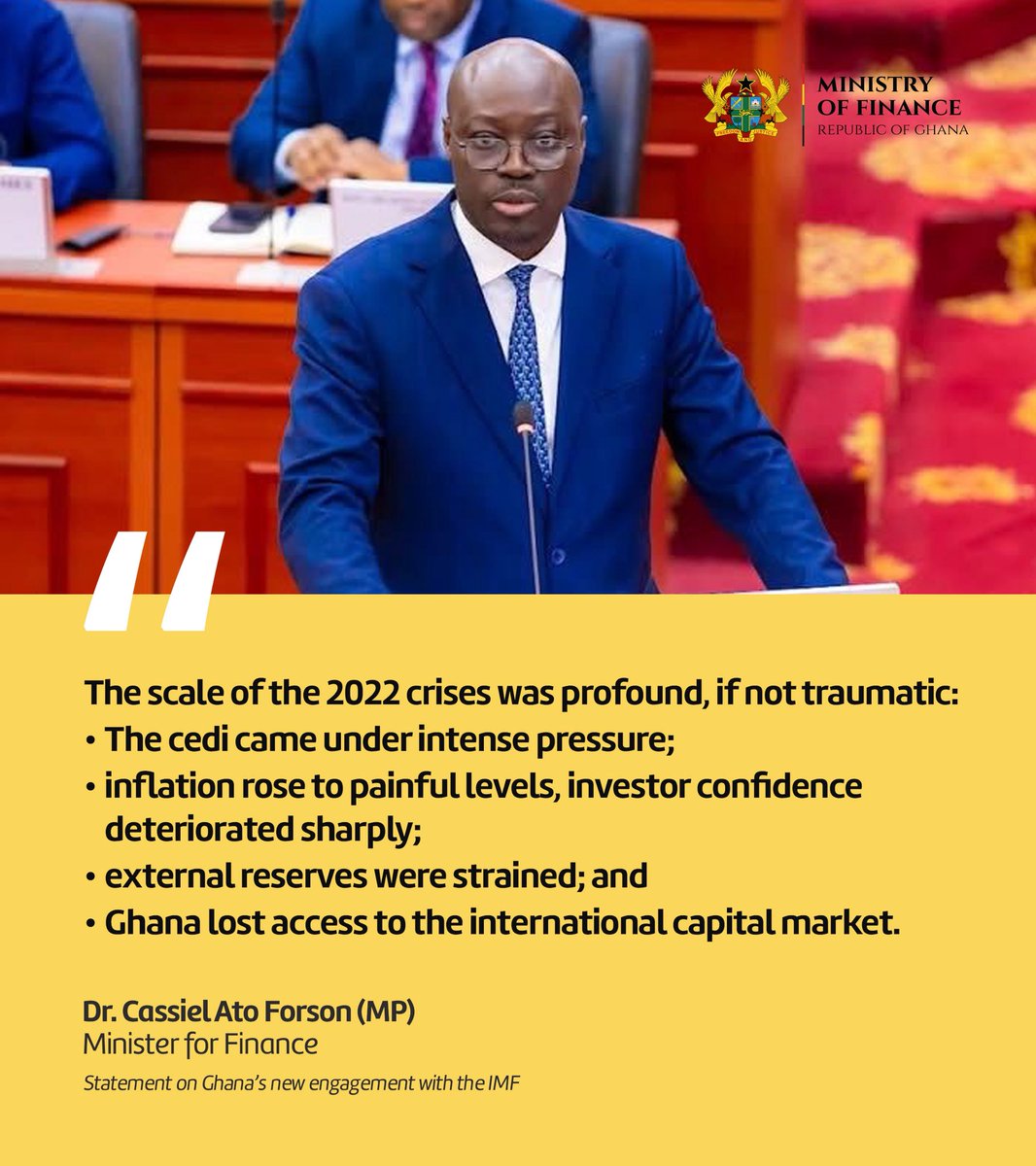
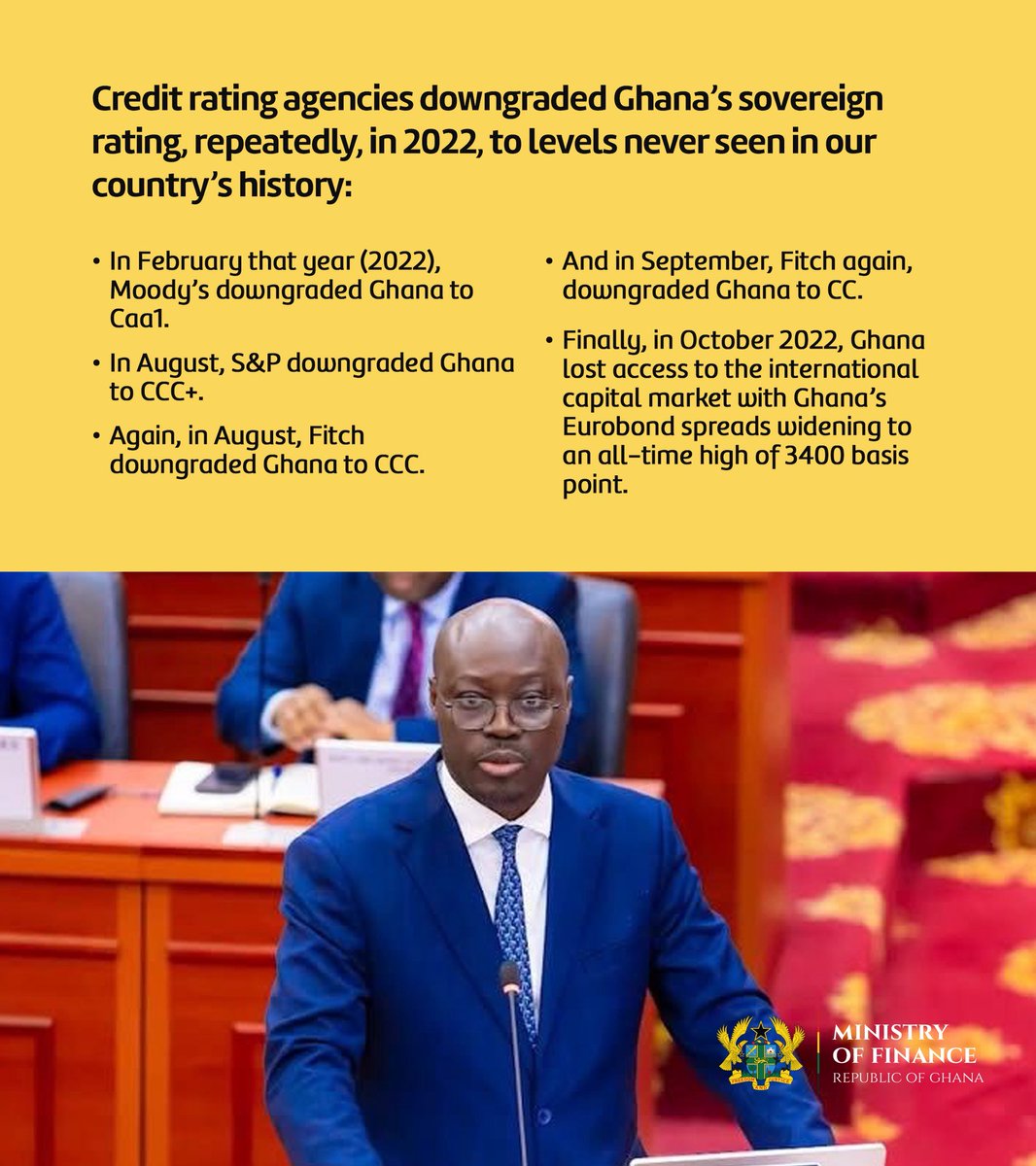
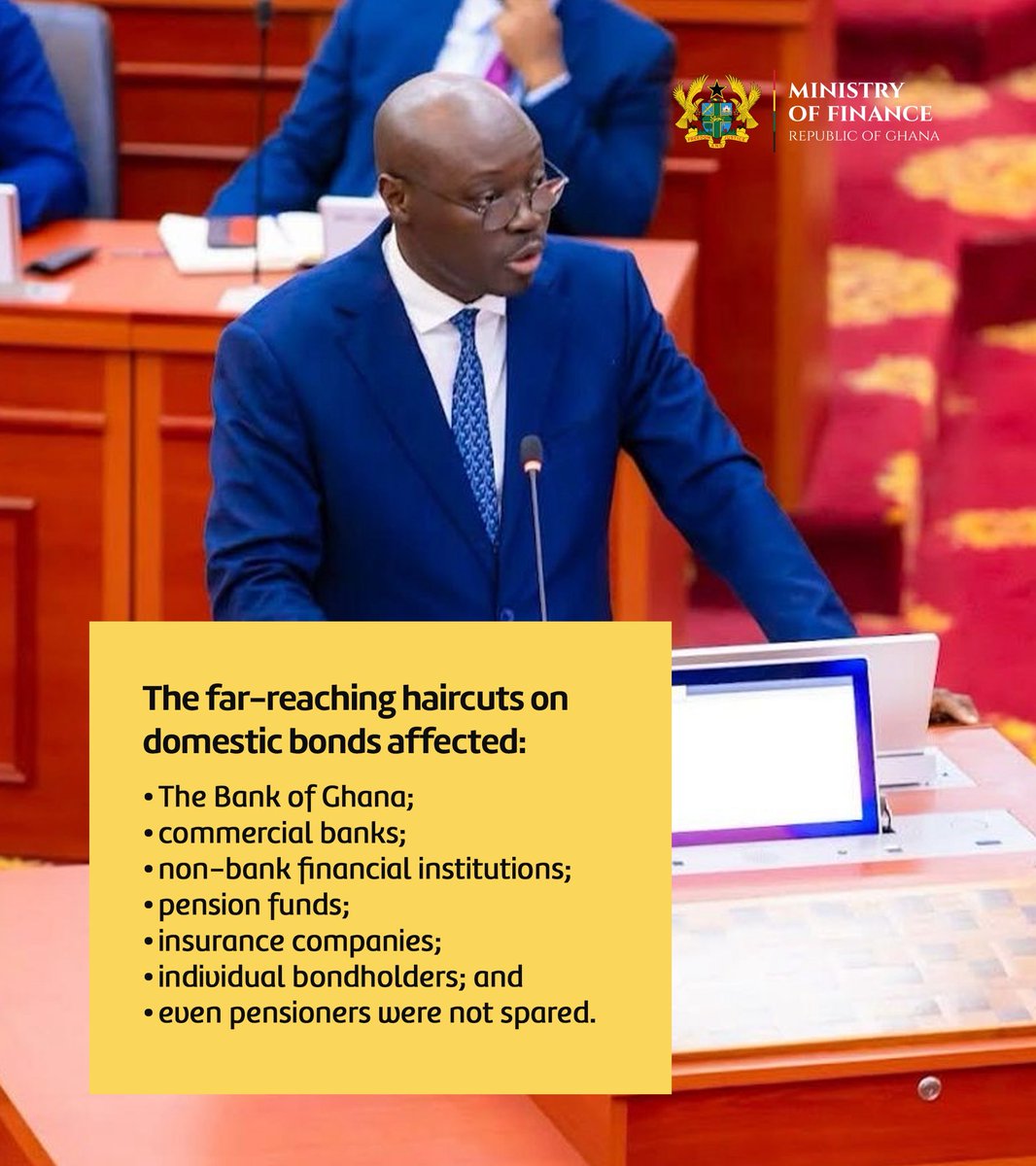
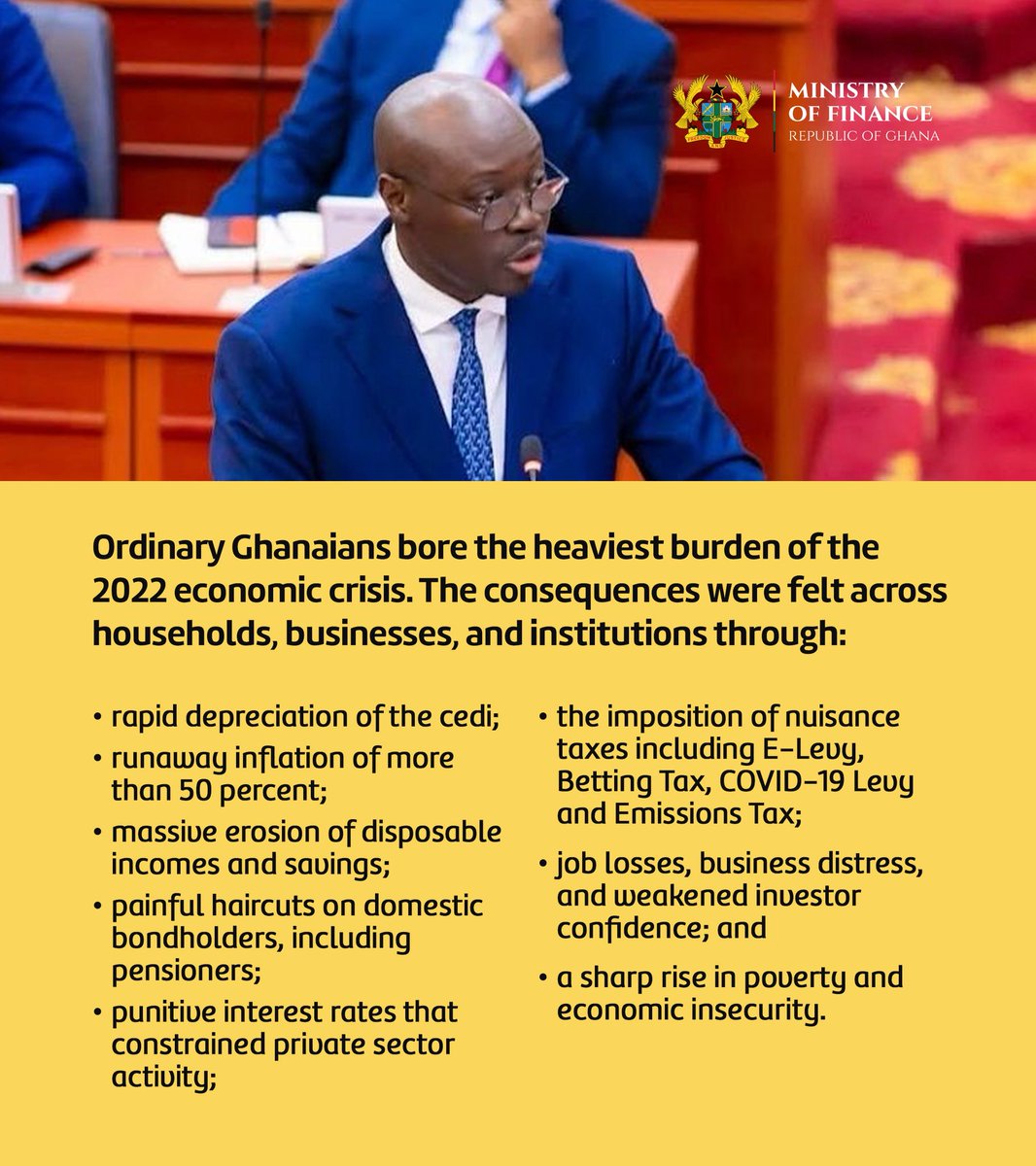
Not long ago, I informed Parliament that Ghana had successfully completed its IMF bailout programme.
Through bold reforms, fiscal discipline, and responsible economic management, we have brought inflation down, stabilised the cedi, rebuilt investor confidence, and returned the economy to a path of strong growth.
Today, Ghana is no longer focused on recovery. We have moved decisively into a new phase defined by growth, investment, jobs, and opportunity.
Our focus now is on building The New Economy.
39
180
850
13,653
May 31
Life indeed is a dream 😩
May 26

One of my former students is working with Apple 😍😍😍
202
Samuel Mensah retweeted
May 26
Family, I’m seeking a new role in Environmental Engineering, HSE, Sustainability, or related fields.
• Environmental Engineering Graduate
• NEBOSH IGC Certified
• Valid Class B Driving License
Open to graduate opportunities, internships, and professional roles
10
13
2,154
May 31
Right when i thought everything was over, I sat there and witnessed GOD show up for me, he is truly good
1
1
51
Samuel Mensah retweeted

May 29
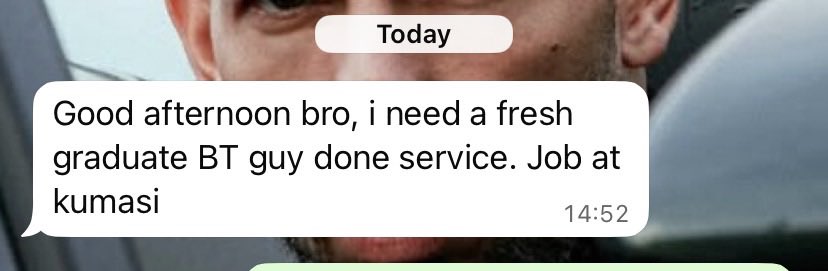
JOB JOB JOB for BSc Building Technology.
I will select the first to DM.
1
4
19
760
Samuel Mensah retweeted
My keynote address at the Ishmael Yamson & Associates Business Roundtable on the theme “unlocking the next quarter century: harnessing Africa’s digital infrastructure, trade & integration, energy & industry, governance, and societal development for global relevance”
1. Thank you very much for the warm welcome. Let me congratulate Ishmael Yamson & Associates for twelve years of consistency and intellectual leadership on this important platform.
2. I am pleased to join this distinguished gathering at a moment of profound consequence for Ghana, Africa, and for the future of emerging economies within a rapidly changing global order.
3. Over the past twenty-five years, Africa has not stood still. Across the continent, we have expanded infrastructure, deepened digital connectivity, strengthened institutions, educated more of our people, and created one of the most dynamic consumer and enterprise markets in the world.
4. Yet, we must also confront the reality that this progress has not sufficiently translated into transformation.
5. Africa still stands at a defining historical crossroad.
6. For centuries, we supplied the world with raw materials, labour, and strategic resources. However, we captured only a fraction of the value created from them.
7. Today, the pattern risks repeating itself in a new form. Our raw materials still leave. Increasingly, our data leaves.
8. The tragedy of Africa’s economic history, therefore, is not the absence of resources. It has been the persistent export of value and the import of dependency.
9. But this history is not our destiny. We must change the narrative.
10. The next quarter of a century presents Africa with perhaps its greatest opportunity since political independence.
11. The defining question before this generation for the next quarter of a century is this: will Africa finally become a production and value addition force within the world economy?
Ladies and Gentlemen,
12. Africa is entering this new era with extraordinary strategic advantages.
13. Our continent is home to more than 1.4 billion people, with one of the youngest populations in the world. The African Continental Free Trade Area creates a combined market exceeding US$3.4 trillion, making it the largest free trade area in the world.
14. And yet intra-African trade still accounts for only about 15 percent of Africa’s total trade, compared to nearly 70 percent within Europe and over 50 percent in Asia.
15. That statistic alone should provoke urgency reflections. Why should it take longer and cost more to move goods from one African border to another than across oceans?
Ladies and Gentlemen,
16. The next phase of Africa’s rise will be driven by infrastructure.
i. Commercial Agriculture infrastructure;
ii. Energy infrastructure;
iii. Transport and logistics infrastructure;
iv. Digital infrastructure;
v. financial infrastructure; and
vi. Human capital infrastructure.
17. Without these, integration will remain a dream.
18. Today, the global economy is increasingly digital. Artificial intelligence, cloud computing, fintech, digital payments, e-commerce, and data governance are reshaping competitiveness.
19. The nations that control data infrastructure and digital ecosystems will shape the future global economy.
20. Africa cannot afford to become just a consumer in the digital age. We must ask ourselves:
i. Who owns Africa’s digital rails?
ii. Who stores Africa’s data?
iii. Who finances Africa’s fibre backbone?
iv. Who controls Africa’s payment systems?
21. These questions transcend technology. They are economic transformation and sovereignty questions.
22. Africa requires a continental digital strategy that supports:
i. regional data centres and cloud infrastructure;
ii. Affordable broadband expansion;
iii. Cross-border digital payments systems;
iv. Cybersecurity and digital trust;
v. AI readiness; and
vi. Digital skills for millions of young Africans
8
83
445
6,564
Samuel Mensah retweeted

May 26
Please if there is any role, kindly look here
May 26
Family, I’m seeking a new role in Environmental Engineering, HSE, Sustainability, or related fields.
• Environmental Engineering Graduate
• NEBOSH IGC Certified
• Valid Class B Driving License
Open to graduate opportunities, internships, and professional roles
1
2
185
Samuel Mensah retweeted
May 24
First rule of holes, if you find yourself in one…. Stop digging.
3
3
65
Samuel Mensah retweeted
May 25
One of my biggest fears is that the Responsible Community Mining Secretariat may fail to effectively carry out its mandate . Six gallant and brilliant men who sacrificed their lives during the inauguration of the rCOMM. Their sacrifice should not be in vain.
1
1
57
May 24
I reeeeeaaaalllllllyyyyy wanna publicly thank God for what He's doing privately.
1
34