
Impactful Service ~ Advocate of the High Court of Uganda ~ Hope Creator President @makindye_rct ~~@HornBills2k13 @Kingpinsfc @LFC
Joined January 2016
- Tweets 1,436
- Following 1,246
- Followers 1,114
- Likes 6,150
59 Photos and videos









Pinned Tweet

8 Aug 2025
#LEGALALERT
The Commercial Court of Uganda held that Property in which the Judgement Debtor holds an equitable interest is liable for attachment and sale in execution of a decree.
The Judgement Debtor’s interest arose from part payment for the property under a sale agreement.
2
3
12
620
Samson Natamba retweeted

Well deserved our very own @SamsonNats 🎊👏🏽

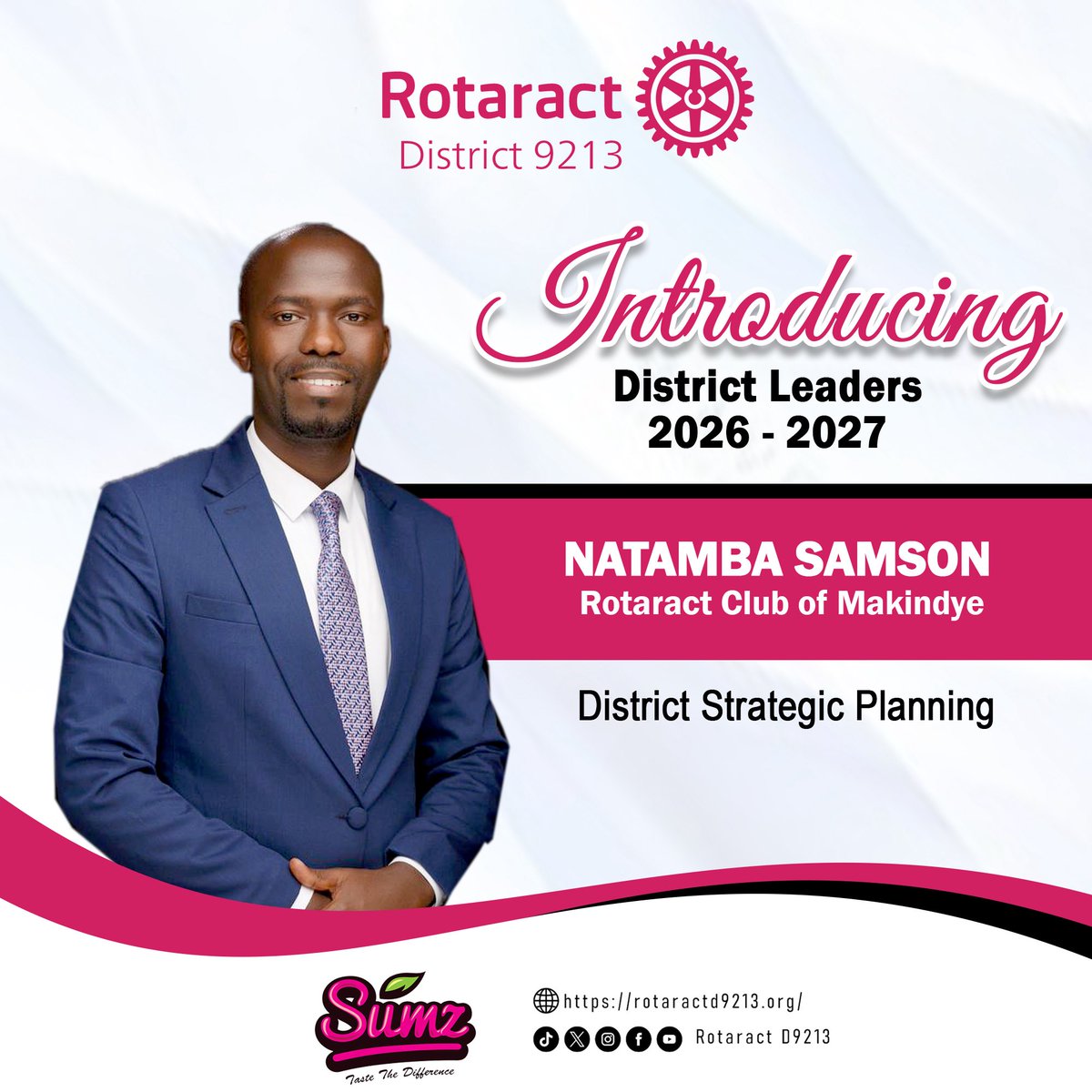
Introducing our District Strategic Planning Chair for Rotary Year 2026/2027, @SamsonNats from @makindye_rct
In this role, Samson will help shape the direction of the district by supporting long-term planning and aligning efforts with our shared goals for the year ahead.
Join us as we congratulate Samson on this appointment and wish him a productive and impactful term.
#D9213
#RotaryInAction
#RotaryEyamba
2
9
215
Samson Natamba retweeted
Introducing our District Strategic Planning Chair for Rotary Year 2026/2027, @SamsonNats from @makindye_rct
In this role, Samson will help shape the direction of the district by supporting long-term planning and aligning efforts with our shared goals for the year ahead.
Join us as we congratulate Samson on this appointment and wish him a productive and impactful term.
#D9213
#RotaryInAction
#RotaryEyamba
4
11
42
736
May 18
16/05/2026
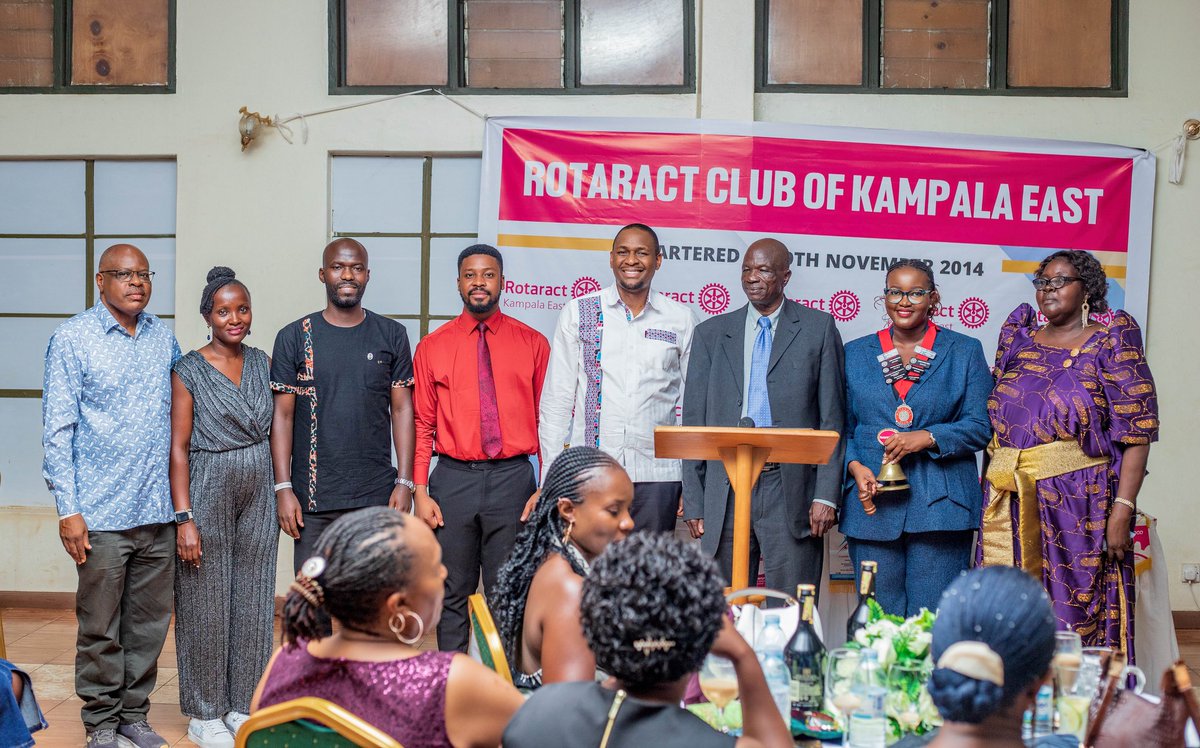
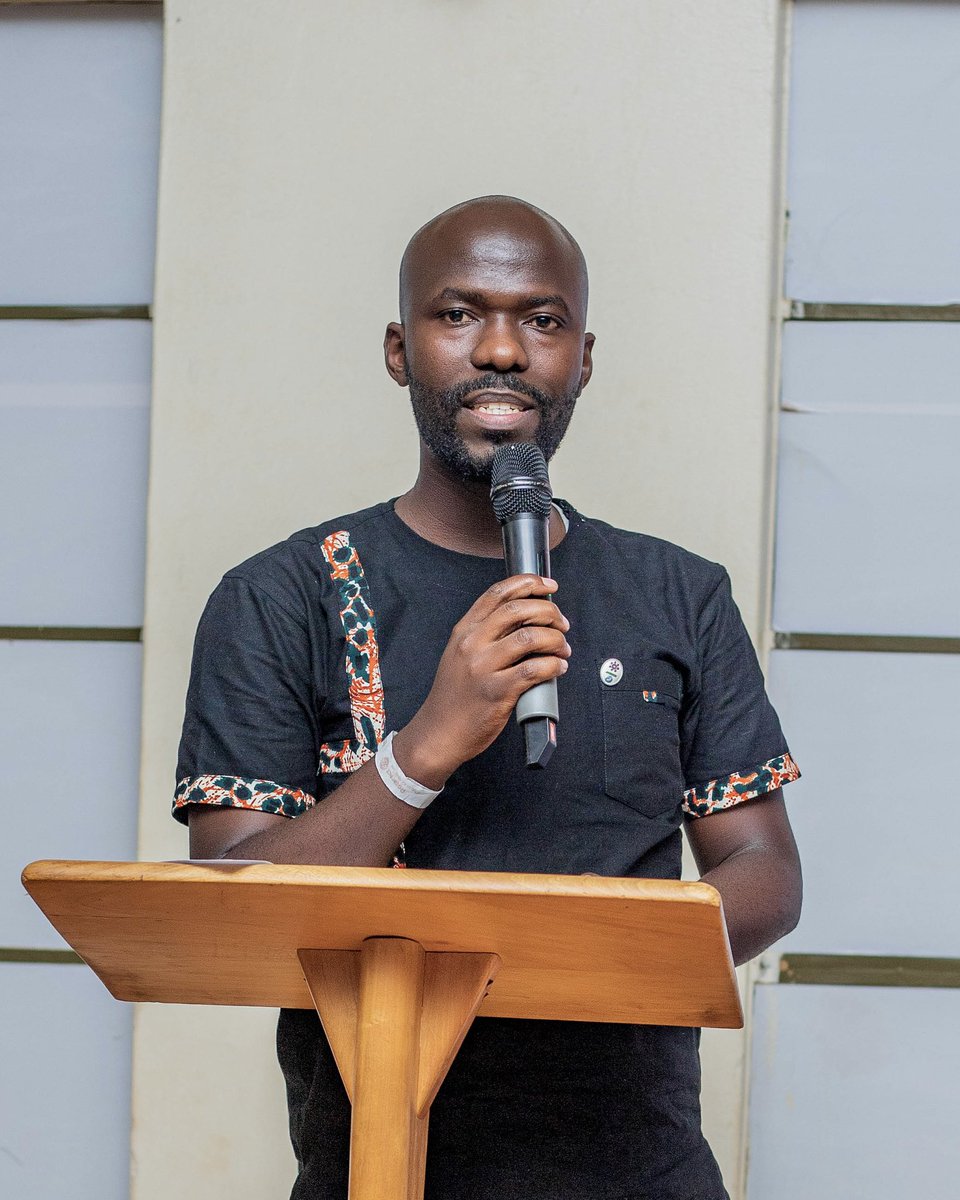
I represented the District Rotaract Representative Elect, DRRE @MuwanguziAlex11 at the 13th Presidential Installation of the Rotaract Club of Kampala East.
A great evening of fun fellowship and eagerness to serve.
Congratulations President Akidi Esther Georgina.

1
3
108
Samson Natamba retweeted

11 Nov 2021
Client (to Clarence Darrow after he had successfully represented her in Court) : "How can I ever show my appreciation, Mr. Darrow?"
Clarence Darrow: "Ever since the Phoenicians invented money, there has been only one answer to that question."
54
663
1,642

Samson Natamba retweeted

Apr 30
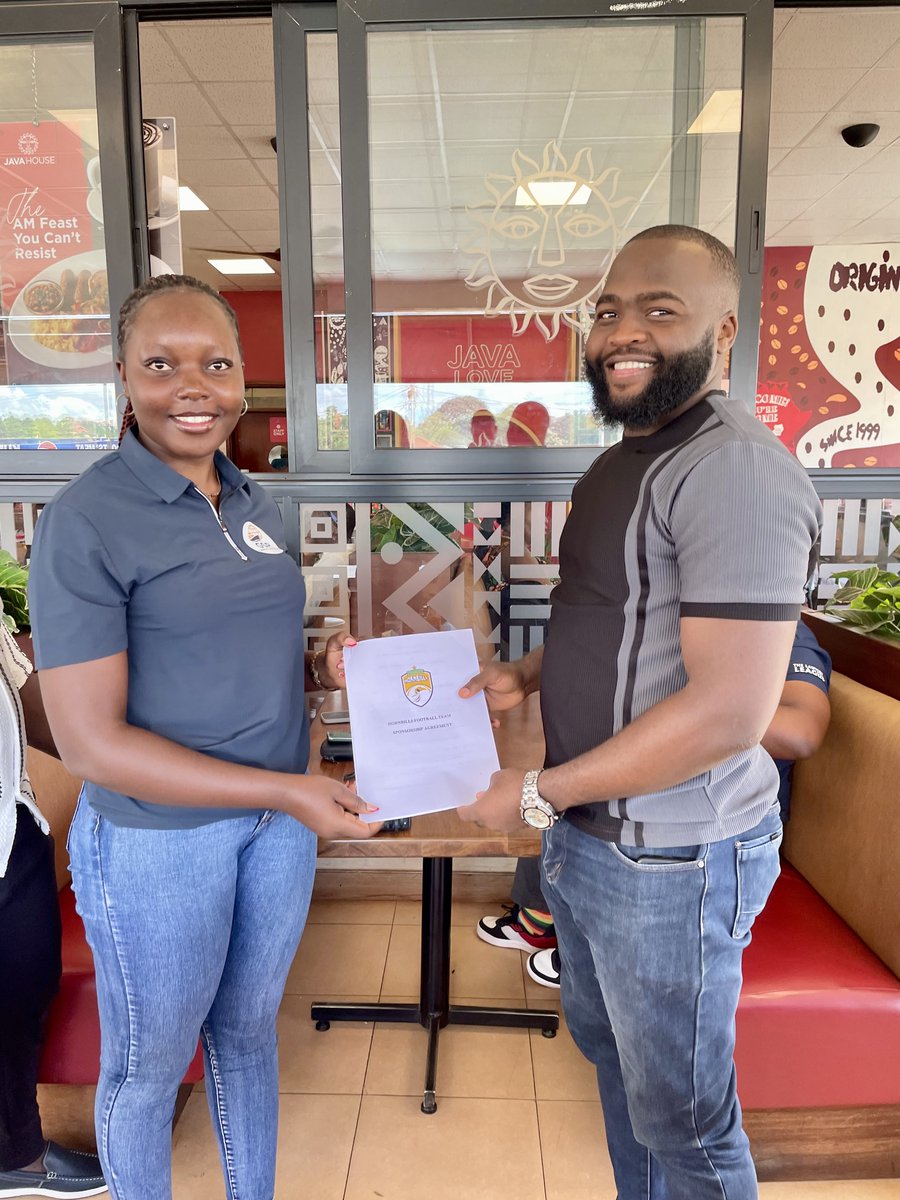
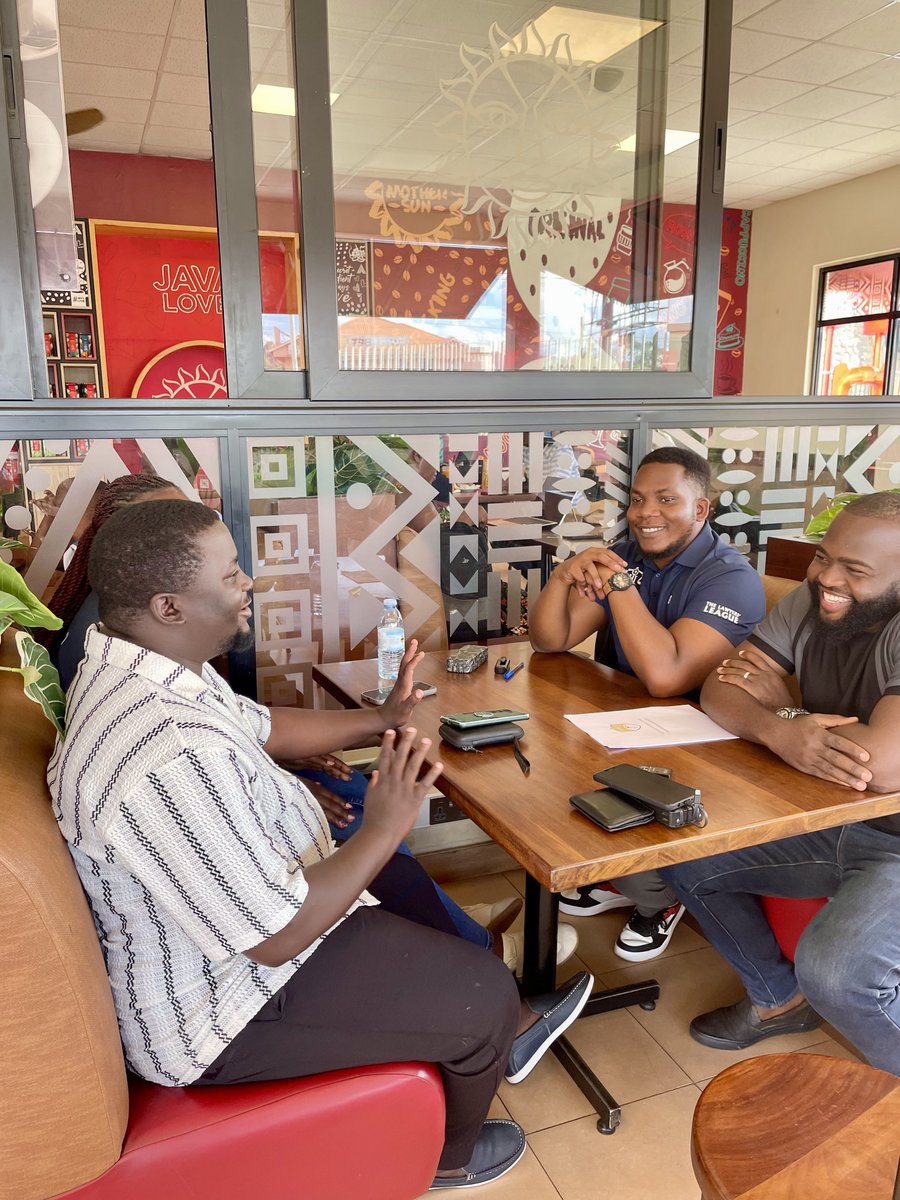
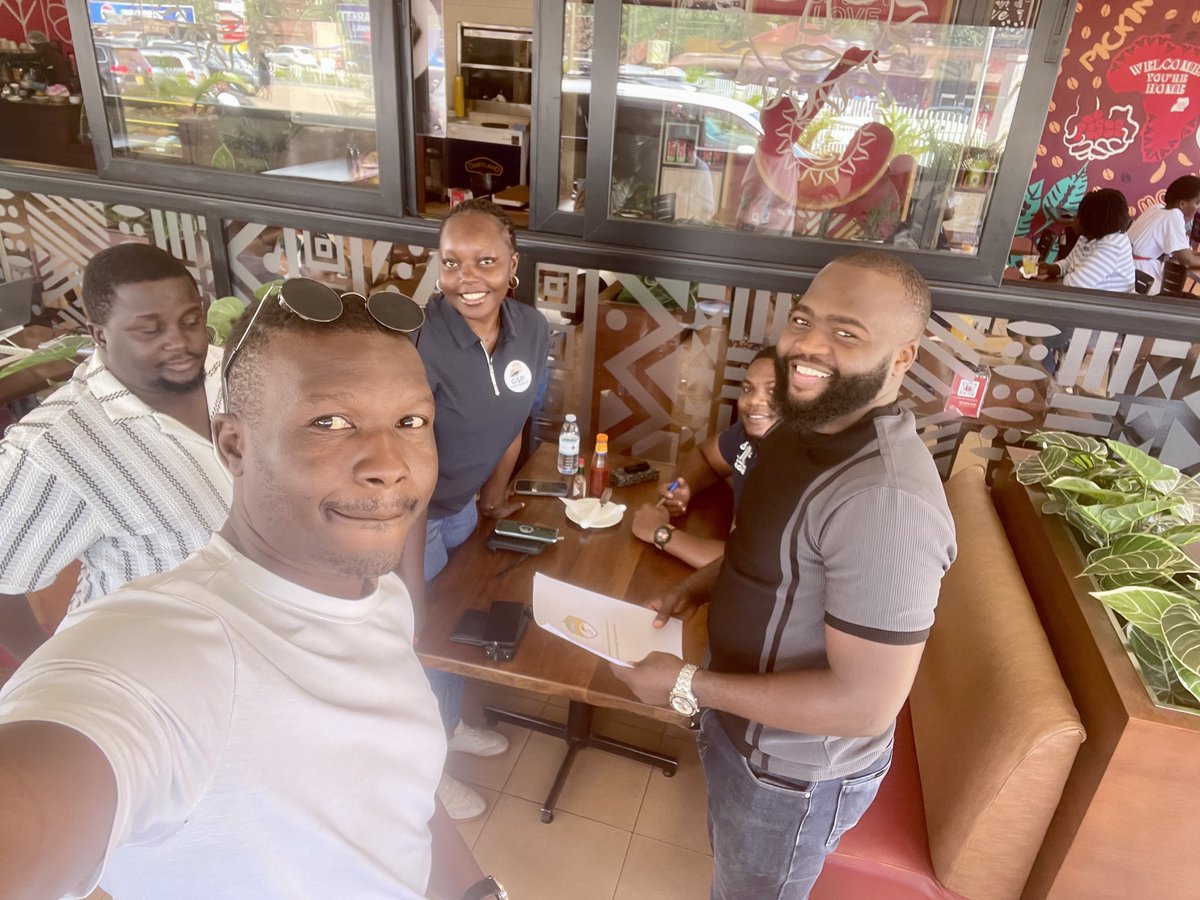
📌HERE WE GO! 🔥📌
Done. Signed. SEALED. 🤝
Big welcome to GSP Cargo Services — the best shipping & cargo company in Uganda — as our MAIN sponsor for
#TheNGOLeagueReturns
#TNL6 🚀
#HornbillsInIt

3
14
38
1,184
Samson Natamba retweeted

Apr 27
Will @HornBills2k13, the debutant champions, finally get their hands on the trophy this season?
After falling short on penalties in last season’s semifinal, do they have what it takes to mount a serious title charge in #TNL6?
#TheNGOLeagueReturns #IAmBack
2
13
28
858
Samson Natamba retweeted

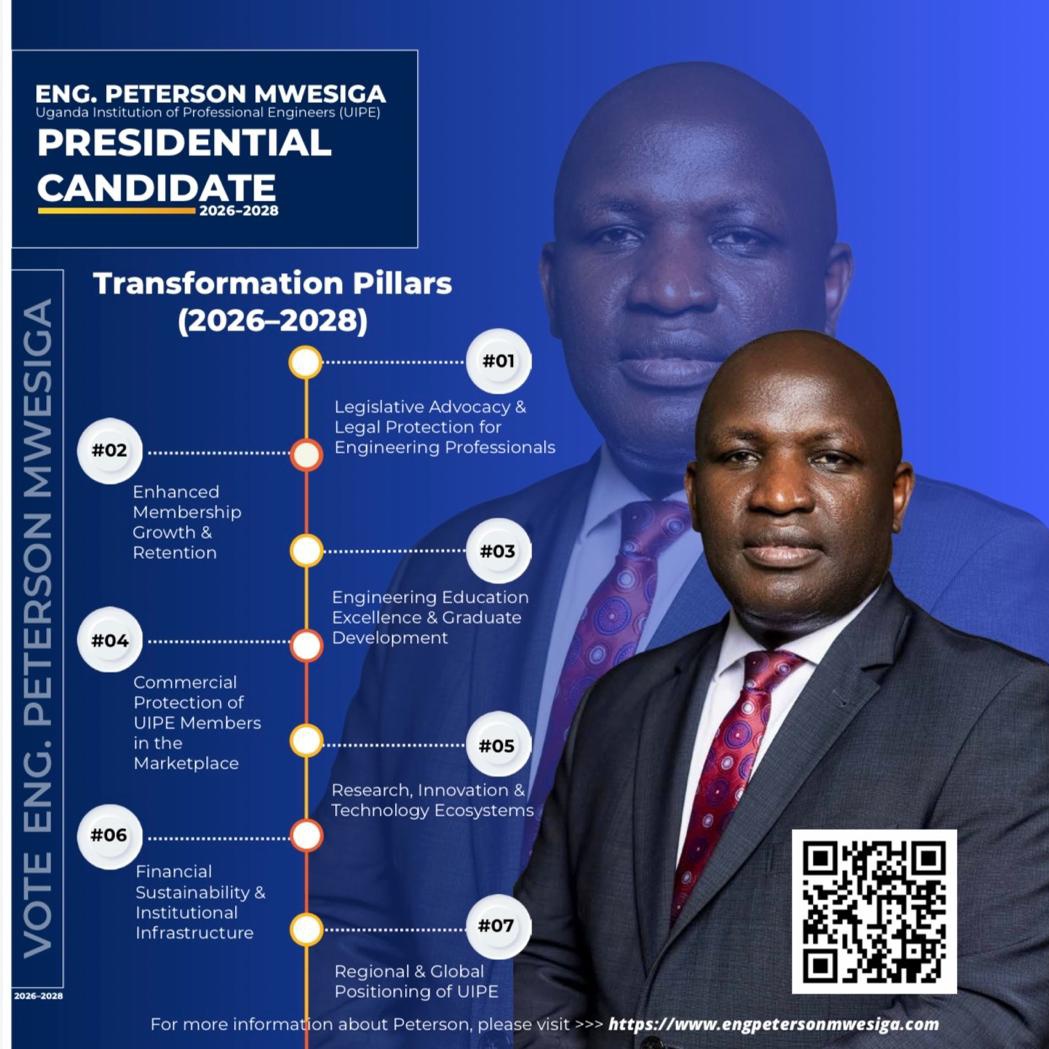
A true visionary leader doesn’t hide the blueprint. He shows the *electorate* the plan. Eng. Peterson Mwesiga* has done exactly that *7 Transformation Pillars* published, *3Ps* defined, *Year 1 scoreboard* promised. Tried. Tested. Trusted.
It’s time to *Engineer the Future*.
8
17
387
Samson Natamba retweeted
Apr 20

3
7
25
626
Samson Natamba retweeted
Apr 20
🚨🚨LEREST UPDATE🚨🚨
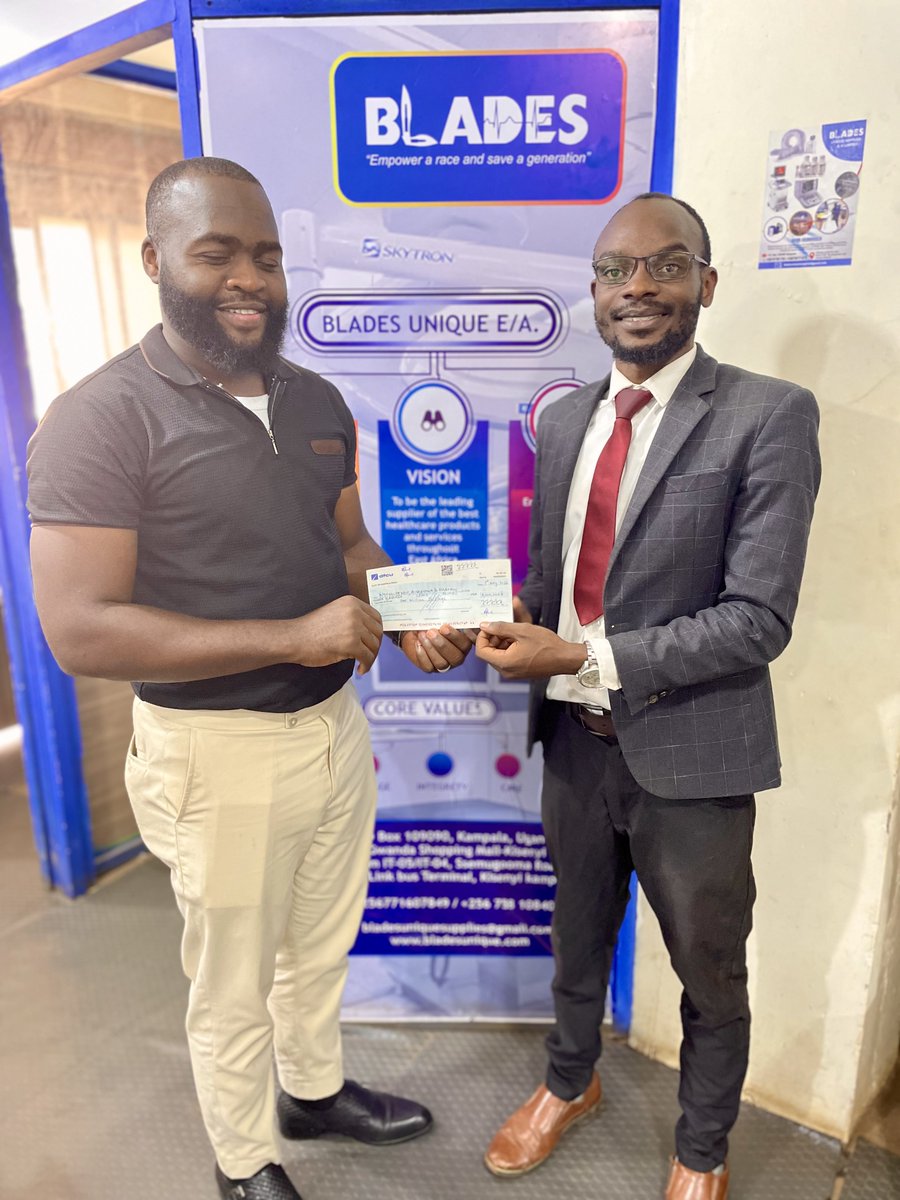
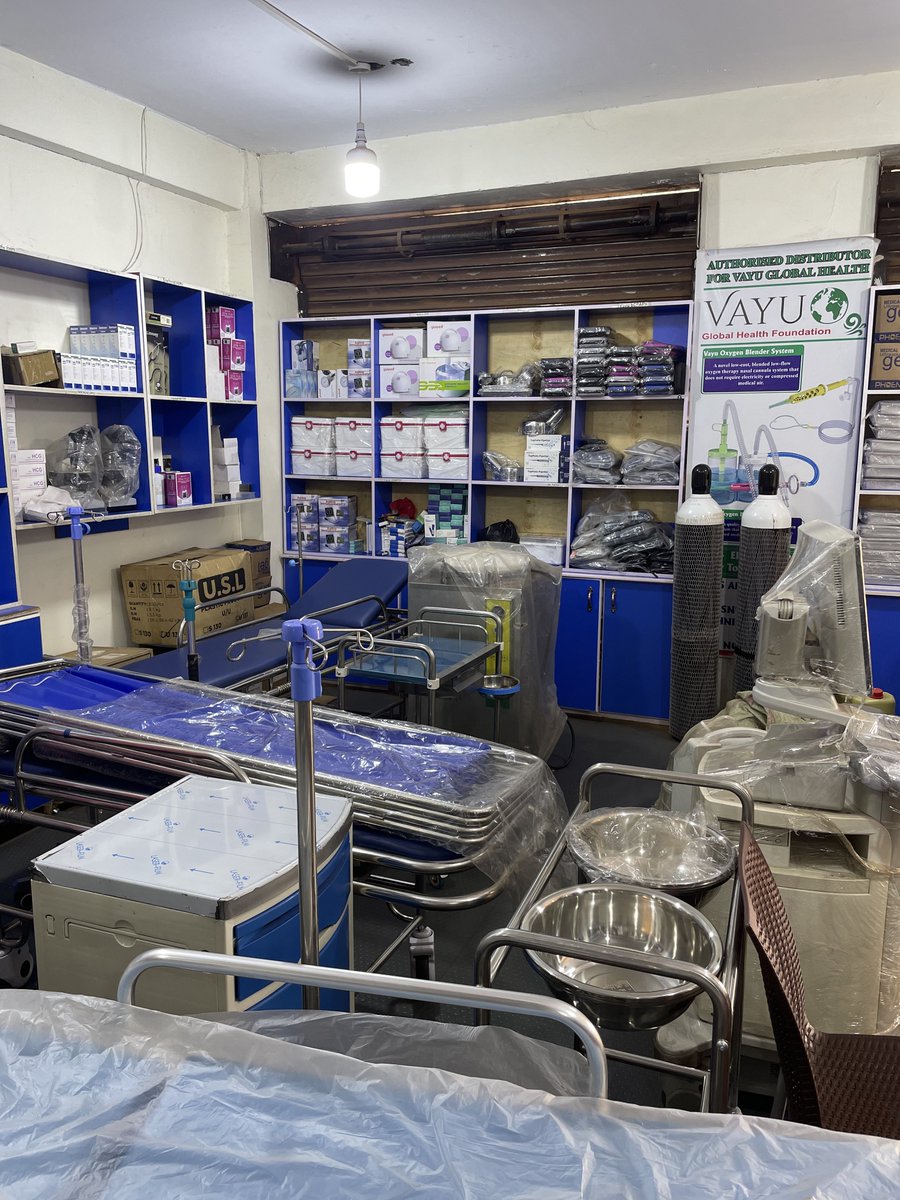
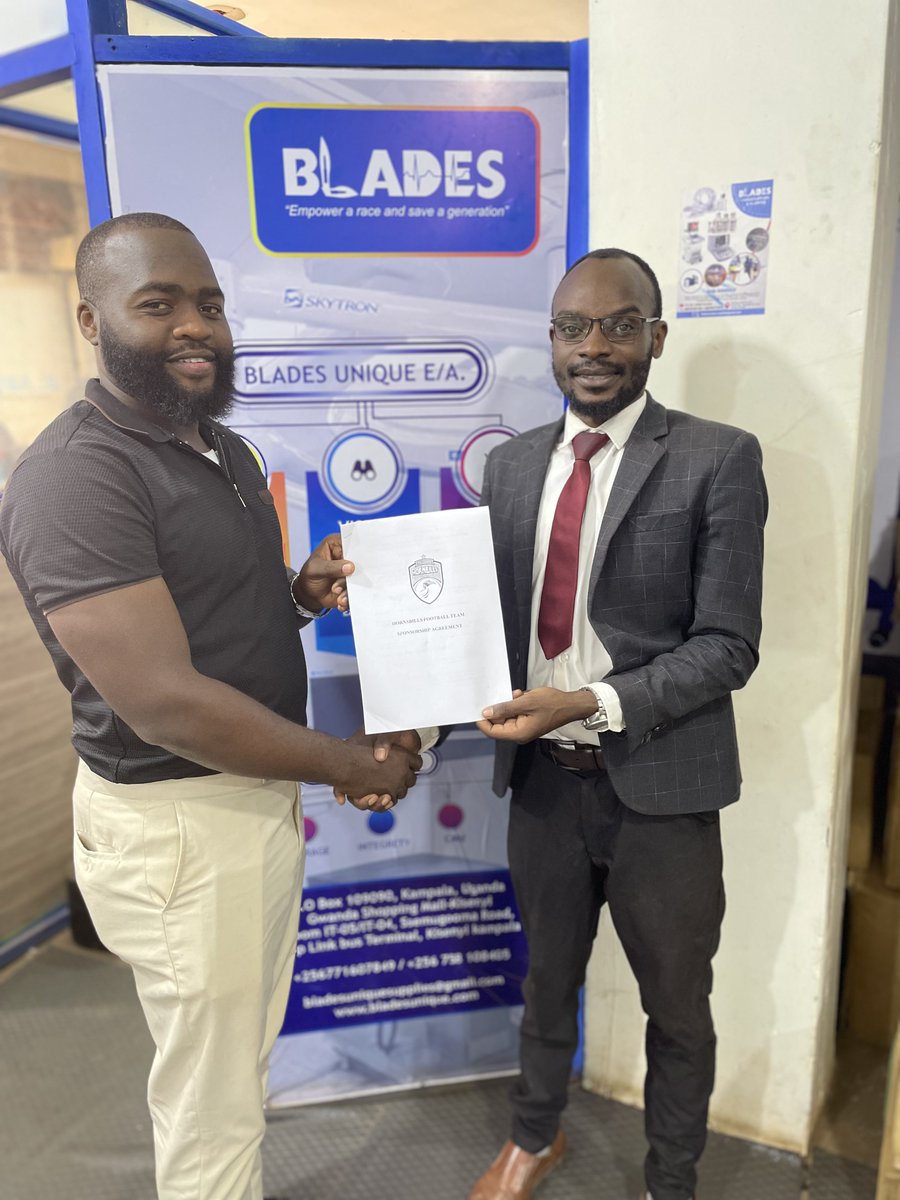
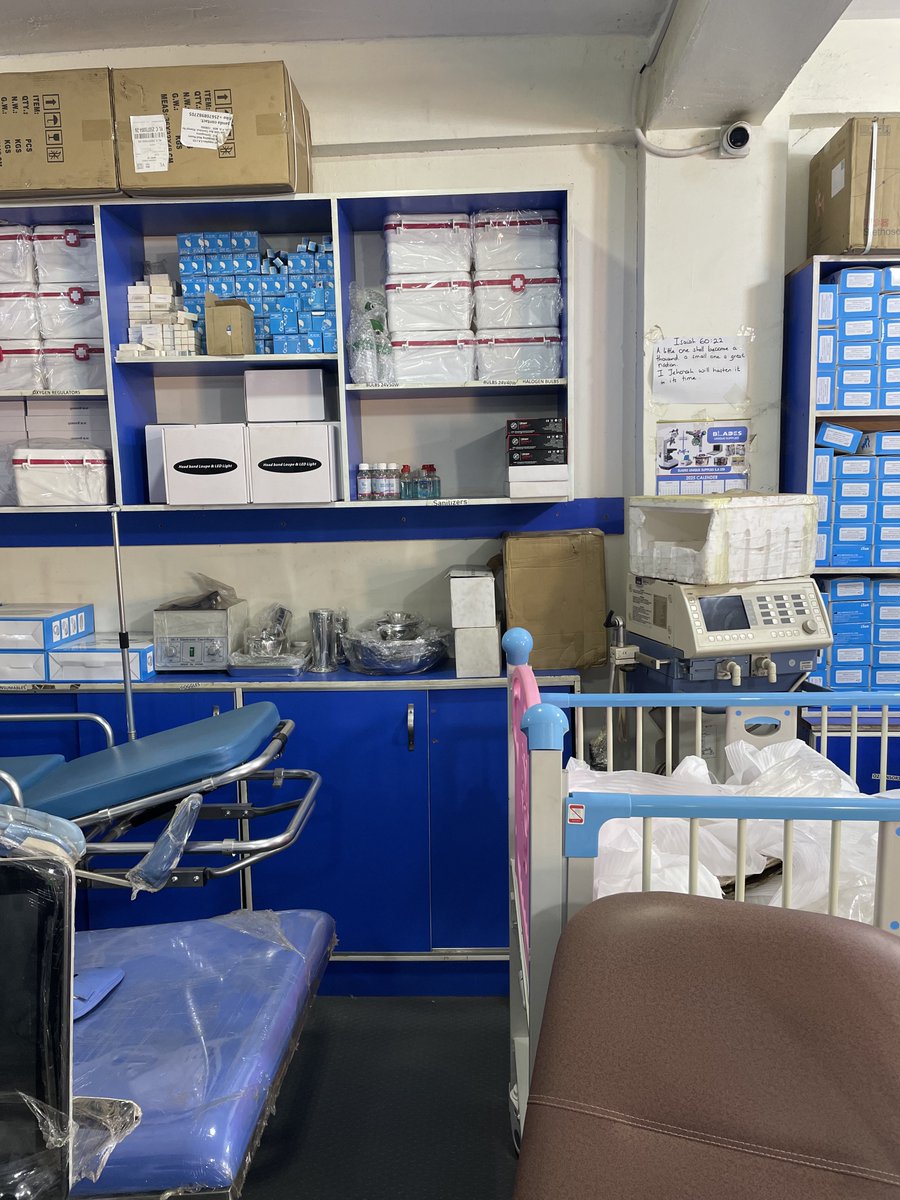
@blades_unique IS BACK FOR SEASON 6!!!
Blades Unique Supplies EA LTD is a supplies store dealing in medical equipment, repairs, service and calibration. They are located in Gwanda shopping mall-Kisenyi, have a branch at Arua Park Plaza and Bombo RD
#TNL6
17 Jun 2025

🚨🚨LEREST🚨🚨
Introducing yet another sponsor for @thengoleague season V, @blades_unique A supplies store dealing in medical equipment, repairs, service and calibration. They are located in Gwanda shopping mall-Kisenyi.
#TNLV
#RunItBackLikeItsSeasonOne


1
16
30
1,631
Samson Natamba retweeted

Apr 20
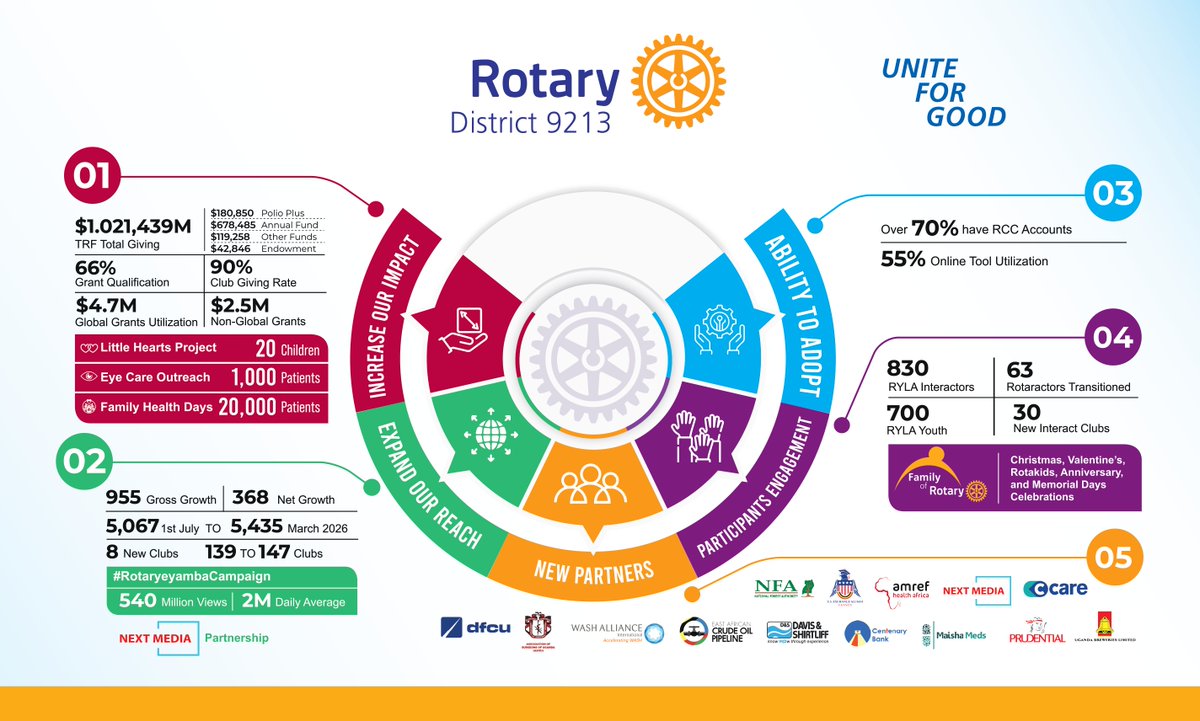
As a District, @rotaryd9213 we have raised over $1 million, connected with more than 20,000 people through Family Health Days, inspired 1,500 young leaders, and shared our story with 540 million people using #RotaryEyamba. This is what it means to unite for good.
Yet our journey is far from over. I urge every Rotarian, Rotaractor, and partner to press on with renewed determination.
Let’s serve deeper, give greater, and extend our impact even further.
Every day left is a new opportunity. Let’s finish strong and create a legacy that will inspire generations to come. #RotaryEyamba
33
73
1,328
Samson Natamba retweeted
Apr 18
Welcome on board @BoonaSportsAg One of our Season VI silver sponsors.
We can’t wait to cook. ⏳
#TNL6
#TheNGOLeagueReturns
2
9
24
513
Samson Natamba retweeted
Feb 20
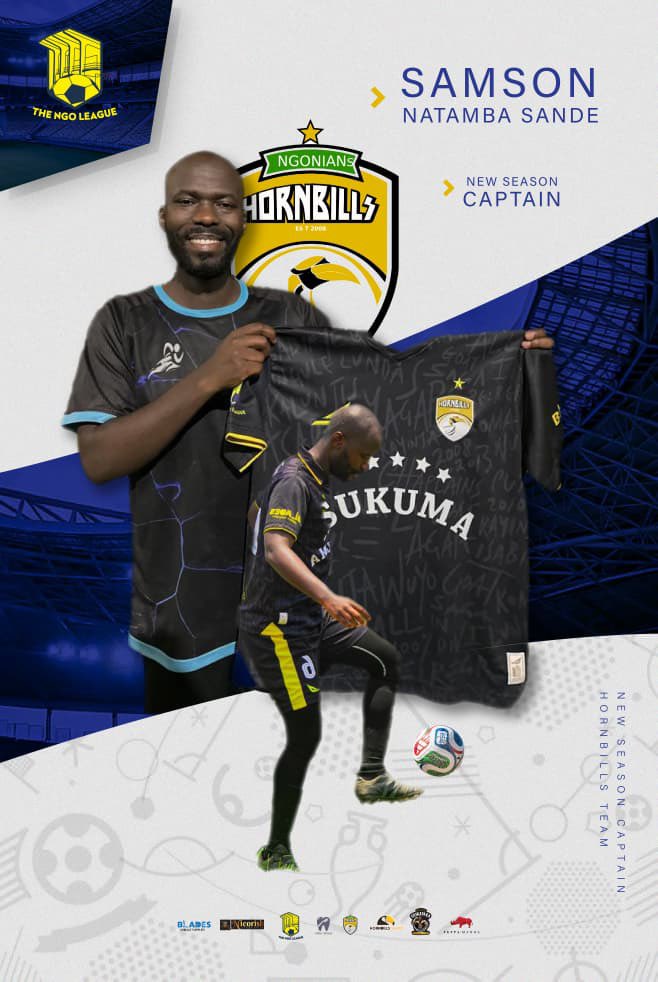
🚨NEW CAPTAIN ALERT🚨
The Management Committee would like to thank Captain @BadmanGerro who steps down after 5 successive seasons. Gerald led us to the inaugural @thengoleague title. @LewisAinebyona and @SamsonNats will be our captains moving forward.
#TNLVI

2
20
65
5,301
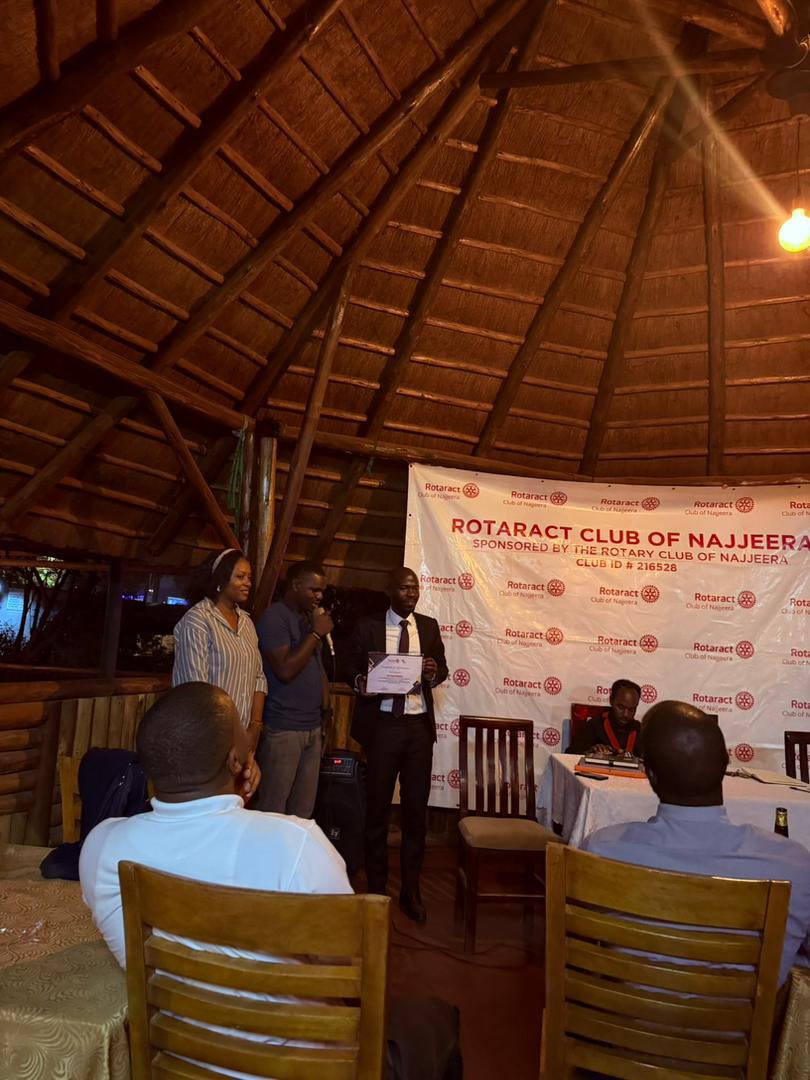
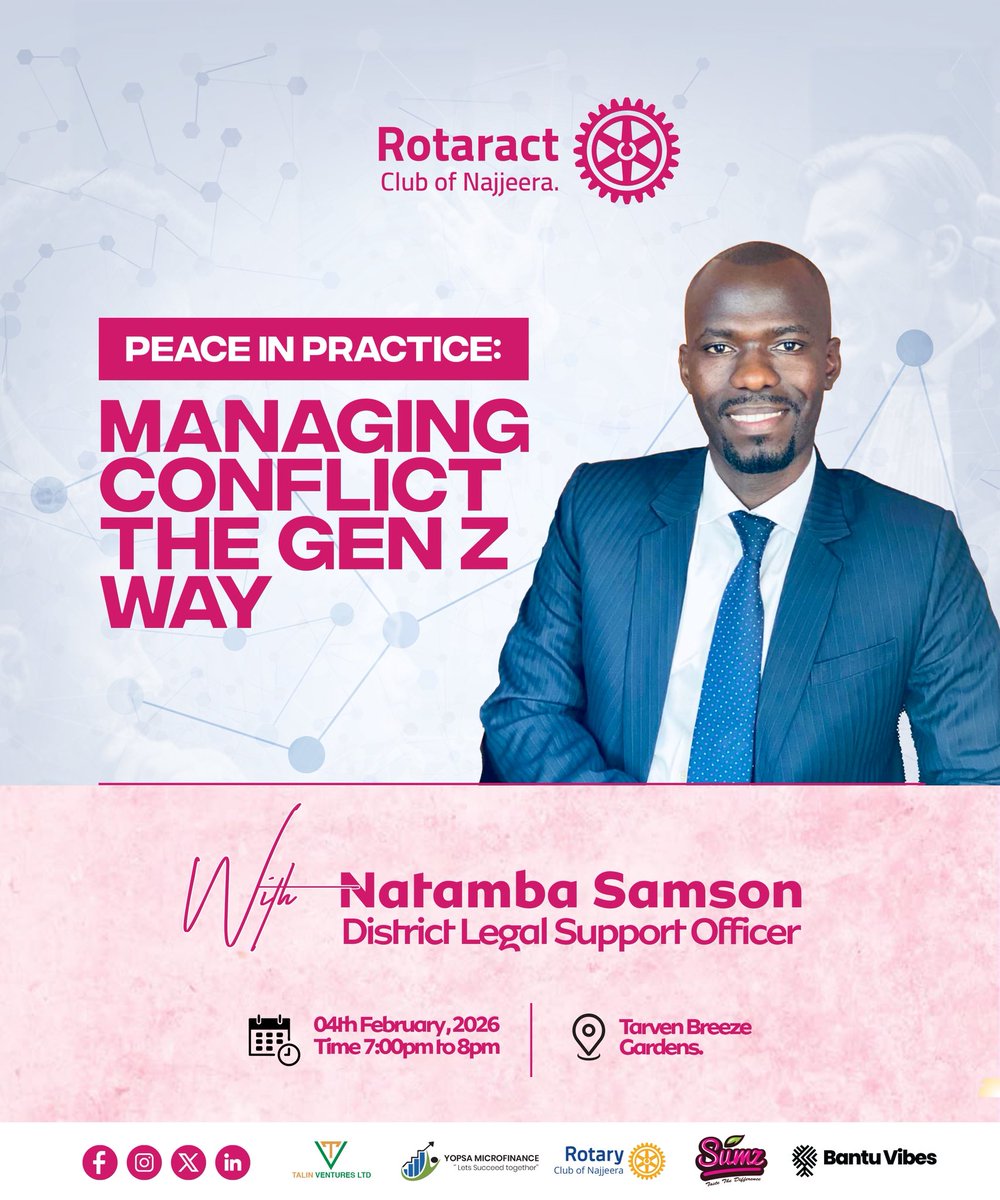
It was a pleasure sharing insights on Peace and conflict prevention, the GenZ way at the Rotaract Club of Najjeera.
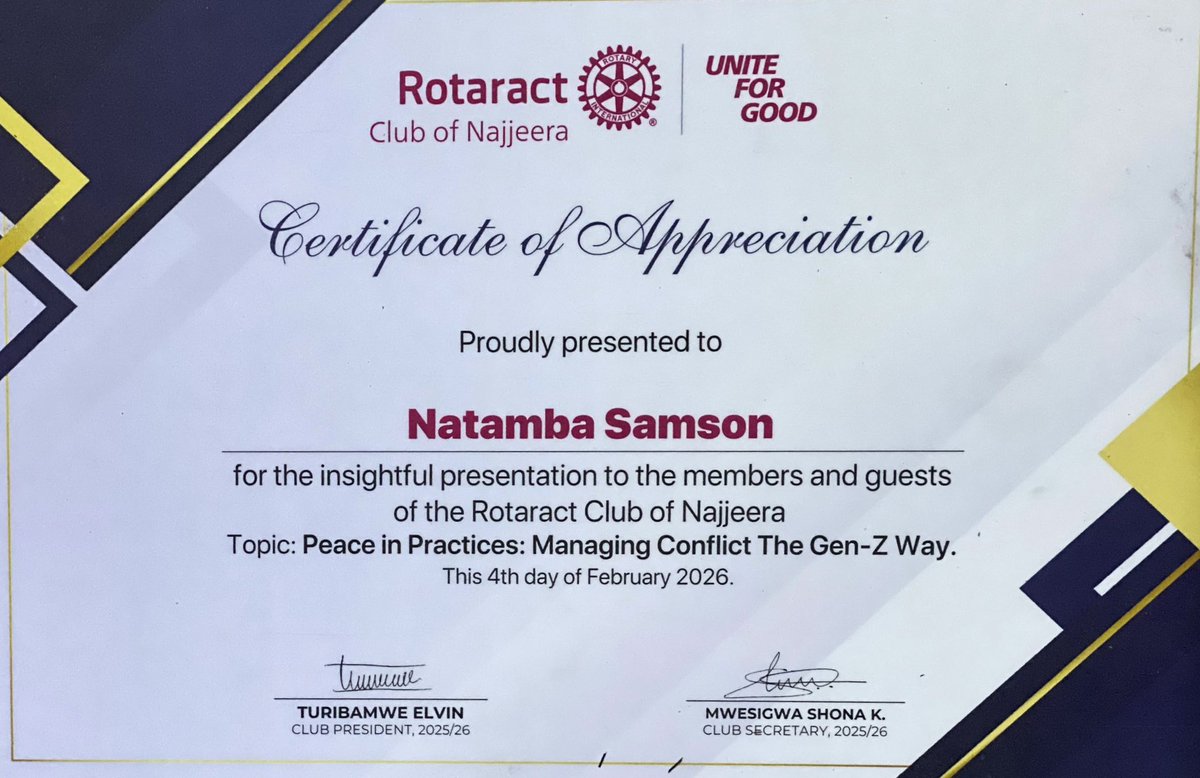

Managing conflict with Gen Z isn’t about “winning” its about understanding. This generation values transparency, respect, and being heard, even when opinions clash. When leaders lead with curiosity, clear communication, and empathy, conflict turns into collaboration. Difference doesn’t mean difficulty it means there’s something new.
Join us this Wednesday for and insightful discussion on “Managing Conflict the Gen Z way” . Let’s explore peace in practice
Wednesday 🗓️ 7:00-8:00PM
📍Tarvan Breeze Gardens Najjeera
#Najjeerawednesdays
#RotaryEyamba
1
10
370
Samson Natamba retweeted

Feb 4
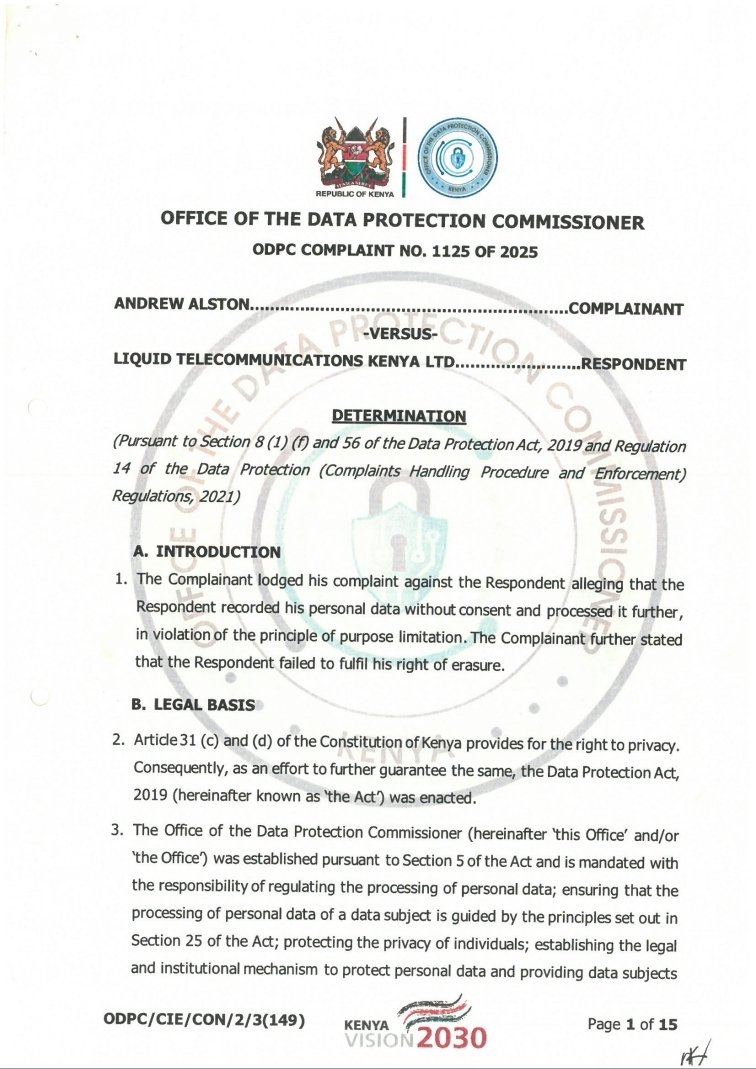
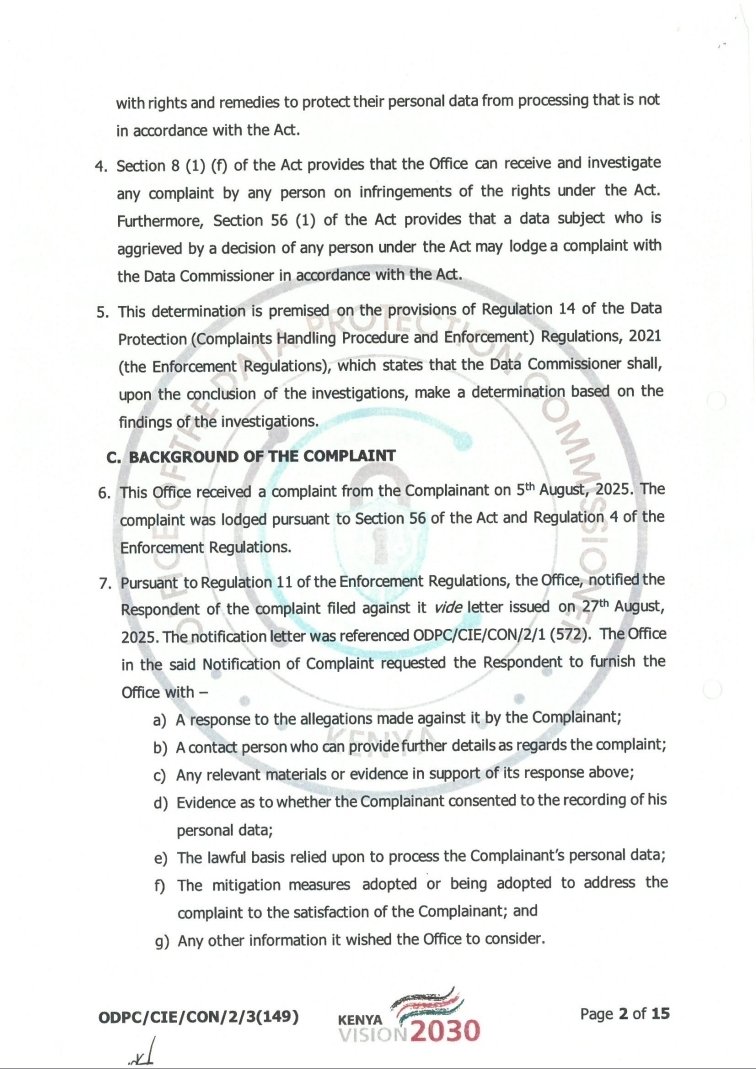
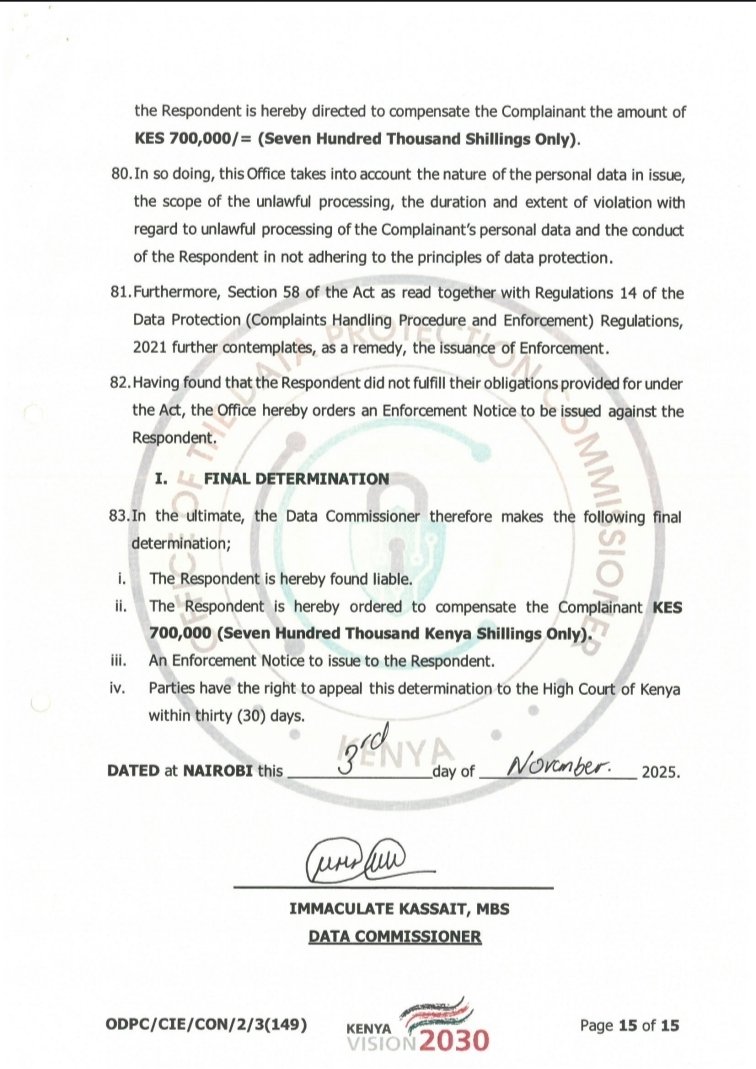
In Kenya, the Office of the Data Protection Commissioner determined that a call recording containing a person’s voice constitutes personal data, and that processing such data without fulfilling the duty to notify, without a lawful basis, in violation of the principle of purpose limitation, and in disregard of the right to erasure amounts to unlawful processing under the Data Protection Act, 2019.
In Andrew Alston v Liquid Telecommunications Kenya Ltd, ODPC Complaint No. 1125 of 2025, the Office of the Data Protection Commissioner considered a complaint that the Respondent recorded the Complainant’s personal data in the form of a call recording and processed it further in violation of the Data Protection Act, 2019. The Complainant stated that, during a consultation call with the Respondent’s HR representatives concerning his exit, he explicitly did not consent to the recording and asked for a commitment that the call would be deleted, which was not disputed. The recording was not deleted and was later processed further and used as evidence in arbitration proceedings by Liquid Mauritius, a sister company of the Respondent.
The ODPC found that a call recording inherently contains the voice of the person speaking, which is a biometric and physiological identifier, and is therefore personal data within the meaning of Section 2 of the Act. It determined that the Respondent failed to fulfil the duty to notify the Complainant under Section 29 of the Act, as there was no evidence that the Complainant was informed of the purpose for which his personal data was being collected, the legal basis for processing, the third parties to whom his personal data had been or would be transferred, or the safeguards adopted.
The ODPC further found that the Respondent did not inform the Complainant of the explicit or specified purposes for collecting and processing his personal data before or during the processing, that is, for purposes of evidence for future litigation. This is compounded by the fact that the call was recorded in the context of a conversation between the Complainant and the Respondent’s HR representatives regarding a consultation on his exit details. It was later further processed by a ‘sister company’, Liquid Mauritius, which was not part of the initial data collection, to be used as evidence in an arbitration proceeding.
The ODPC found that the Complainant explicitly asked for deletion of the recording, and although the HR representative acknowledged that request, the recording was retained and further processed by the Respondent’s ‘sister company’, Liquid Mauritius, with the Respondent stating it was required for evidentiary purposes. Meanwhile, the Complainant had exercised his right to erasure under Section 40(1)(b) of the Data Protection Act, which requires deletion of personal data that is no longer authorised, irrelevant, excessive, or unlawfully obtained. Although Section 40(3) permits restriction of processing where data is needed for evidence, provided the data subject is informed within a reasonable time, no evidence of such compliance was adduced, and processing continued one year later without notice, which did not qualify as a reasonable time. This led the ODPC to find a violation of the Complainant’s right to be informed under Section 26(a) and his right to erasure under Section 40(1)(b).
Having found that the Respondent processed the Complainant’s personal data without a lawful basis, failed to fulfil the duty to notify, processed the data contrary to the principle of purpose limitation, and violated the Complainant’s rights to be informed and to erasure, the ODPC determined that the Respondent unlawfully processed the Complainant’s personal data. The Respondent was ordered to compensate the Complainant KES 700,000 (UGX 19,270,435), and an Enforcement Notice was directed to issue against the Respondent.
The full decision is available here: drive.google.com/file/d/1axd…
8
147
303
27,151
Samson Natamba retweeted

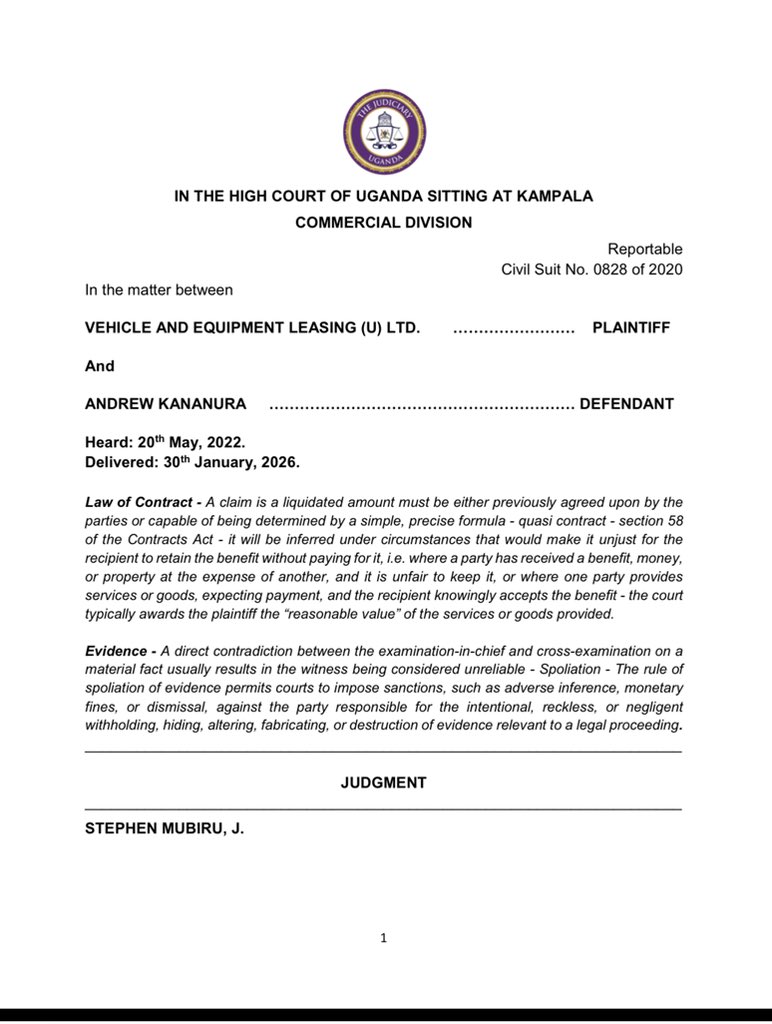
𝐇𝐨𝐧. 𝐉𝐮𝐬𝐭𝐢𝐜𝐞 𝐒𝐭𝐞𝐩𝐡𝐞𝐧 𝐌𝐮𝐛𝐢𝐫𝐮 𝐨𝐧 𝐩𝐫𝐢𝐧𝐜𝐢𝐩𝐥𝐞𝐬 𝐨𝐟 𝐥𝐢𝐪𝐮𝐢𝐝𝐚𝐭𝐞𝐝 𝐜𝐥𝐚𝐢𝐦𝐬, 𝐪𝐮𝐚𝐬𝐢 𝐜𝐨𝐧𝐭𝐫𝐚𝐜𝐭, 𝐜𝐫𝐞𝐝𝐢𝐛𝐢𝐥𝐢𝐭𝐲 𝐚𝐬𝐬𝐞𝐬𝐬𝐦𝐞𝐧𝐭, 𝐚𝐧𝐝 𝐚𝐝𝐯𝐞𝐫𝐬𝐞 𝐢𝐧𝐟𝐞𝐫𝐞𝐧𝐜𝐞 𝐟𝐨𝐫 𝐬𝐩𝐨𝐥𝐢𝐚𝐭𝐢𝐨𝐧 𝐨𝐟 𝐞𝐯𝐢𝐝𝐞𝐧𝐜𝐞.
𝐂𝐚𝐬𝐞: 𝐕𝐞𝐡𝐢𝐜𝐥𝐞 𝐚𝐧𝐝 𝐄𝐪𝐮𝐢𝐩𝐦𝐞𝐧𝐭 𝐋𝐞𝐚𝐬𝐢𝐧𝐠 (𝐔) 𝐋𝐭𝐝. 𝐯 𝐀𝐧𝐝𝐫𝐞𝐰 𝐊𝐚𝐧𝐚𝐧𝐮𝐫𝐚 (𝐂𝐢𝐯𝐢𝐥 𝐒𝐮𝐢𝐭 𝐍𝐨. 𝟖𝟐𝟖 𝐨𝐟 𝟐𝟎𝟐𝟎)
Briefly, the plaintiff sued for unpaid vehicle purchases, while the defendant counterclaimed for unpaid parking fees. The High Court found that the defendant owed UGX 255M for five vehicles, while the plaintiff owed UGX 114M in parking fees. After set-off, the defendant was ordered to pay the plaintiff UGX 140.9M plus 20% annual interest.
ulii.org/en/akn/ug/judgment/…

32
84
6,718
Samson Natamba retweeted
6 Dec 2025
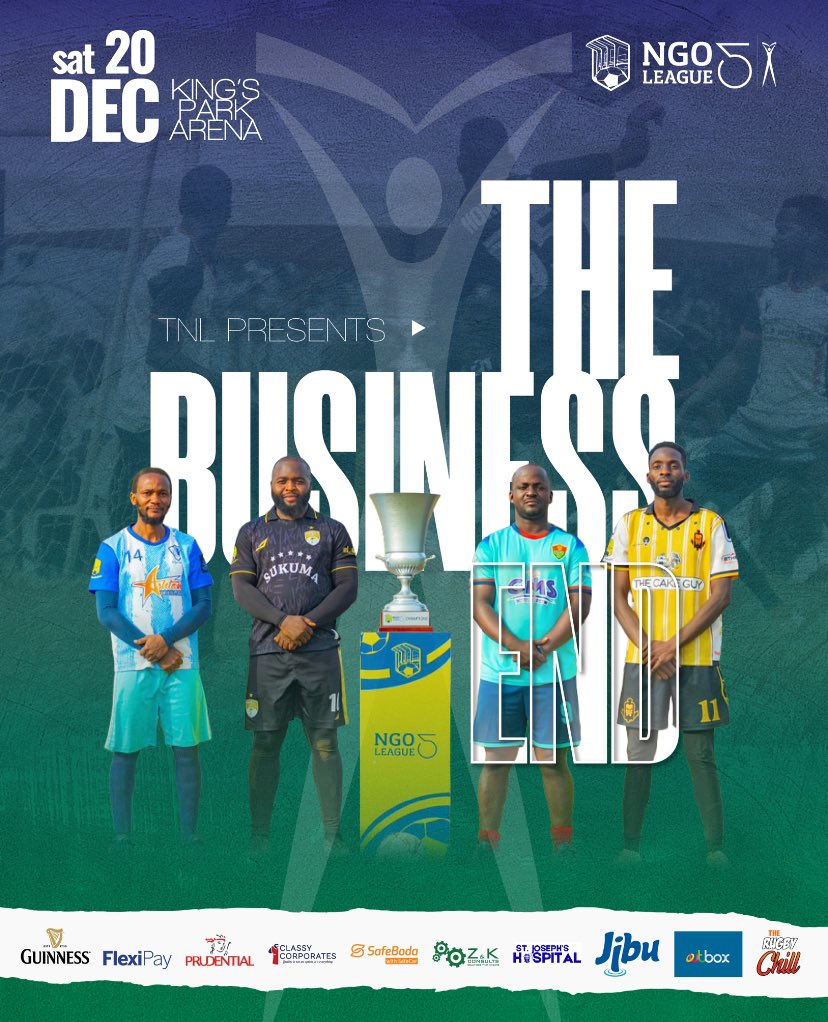
Who will lift the trophy? 🏆
The pitch is ready for the champions. May the best team win.
#TNLVplayoffs2025
1
15
35
802
Samson Natamba retweeted

2 Dec 2025
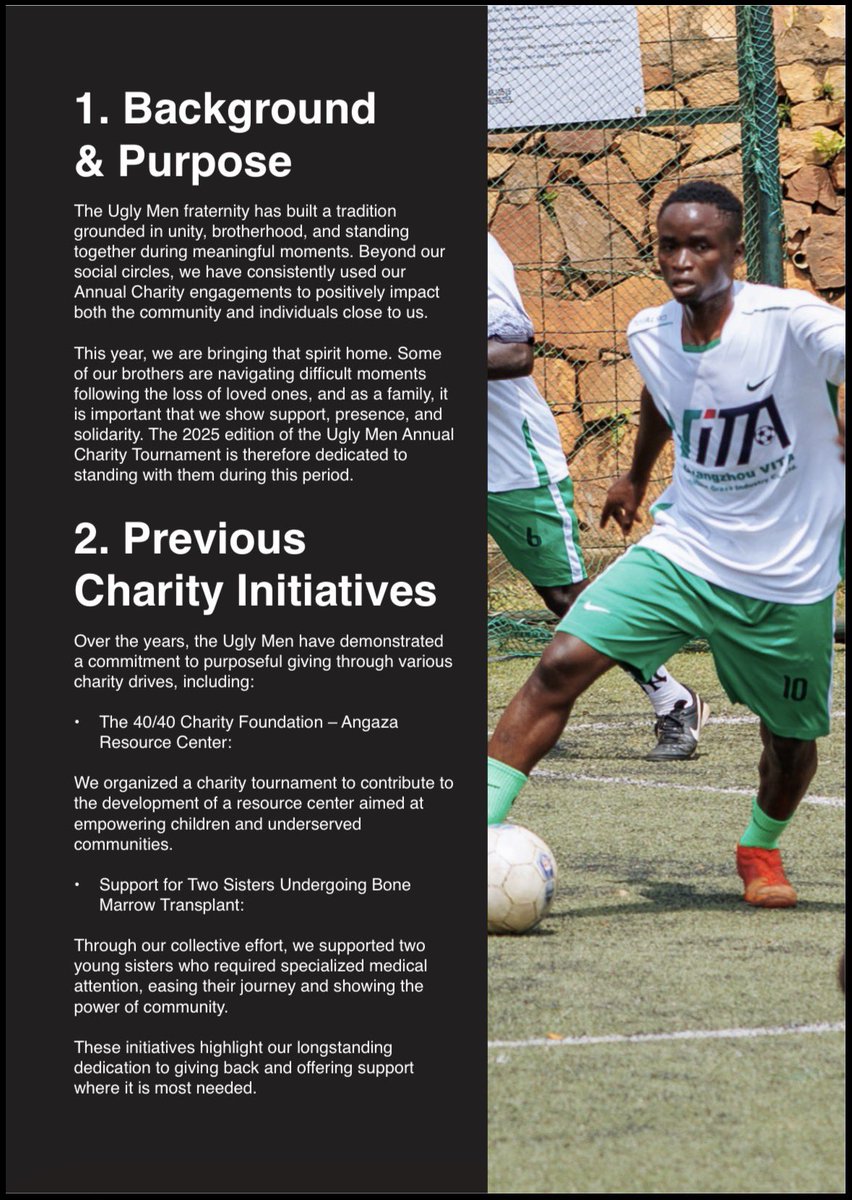
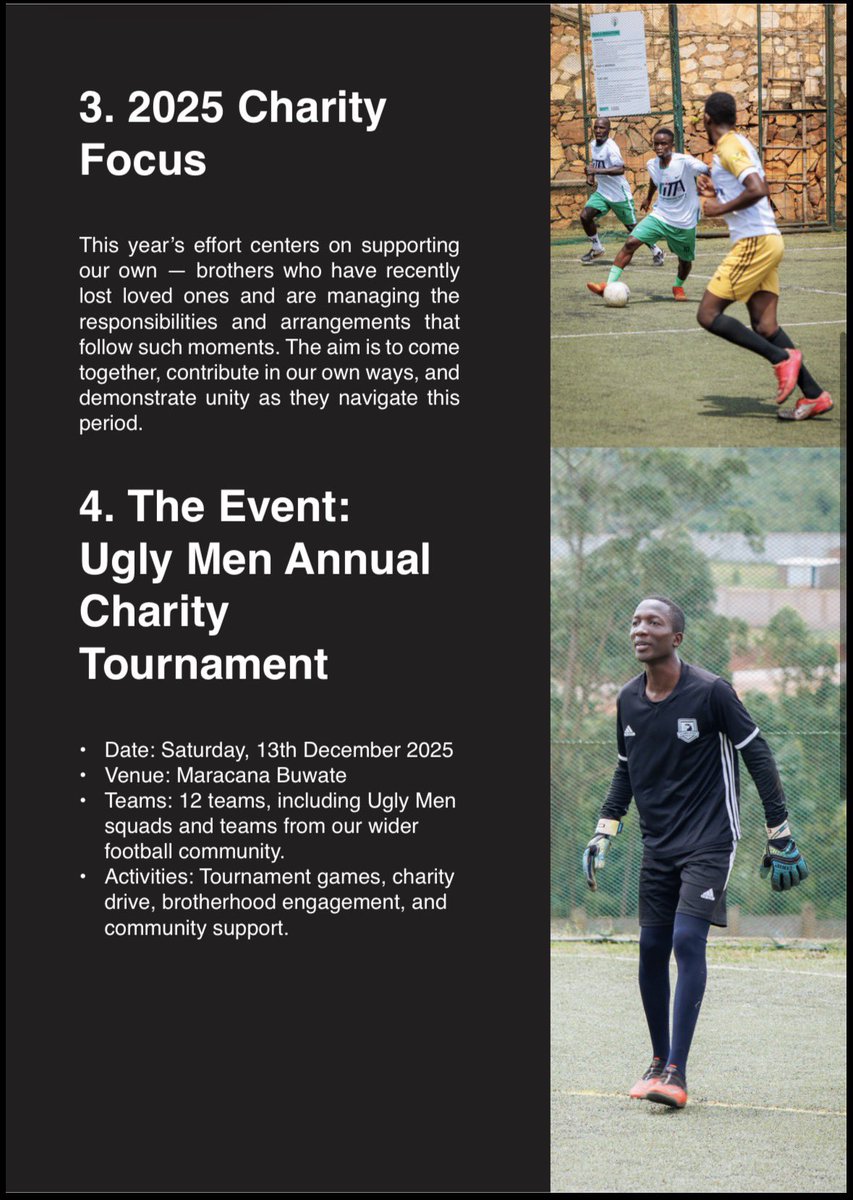
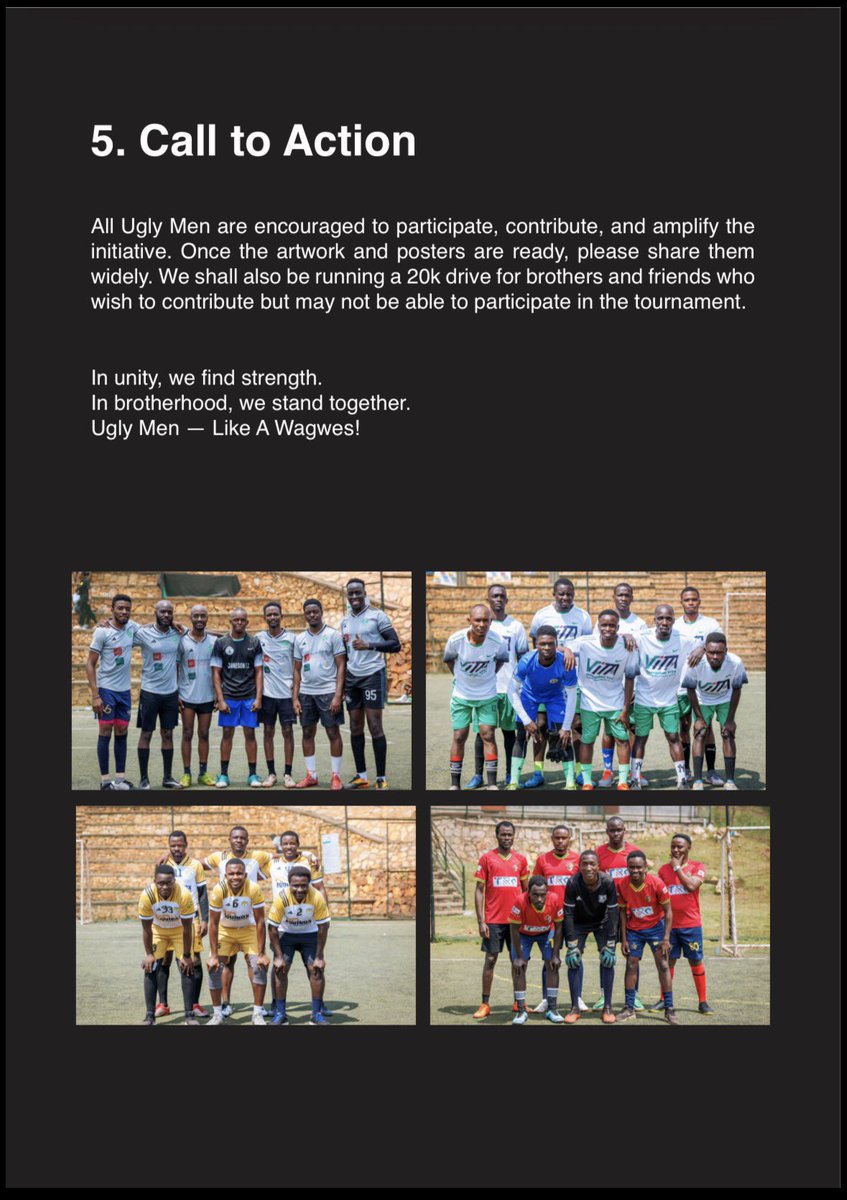
The annual UglyMen Fundraising Sports Tournament is here. 🔥🔥🔥
Venue : Maracana Sports World in Buwate
Date : 13th December 2025 🫶
Join us as we stand in solidarity with our very own for the utmost betterment of our community. ❤️

28
31
2,050
Samson Natamba retweeted

24 Nov 2025
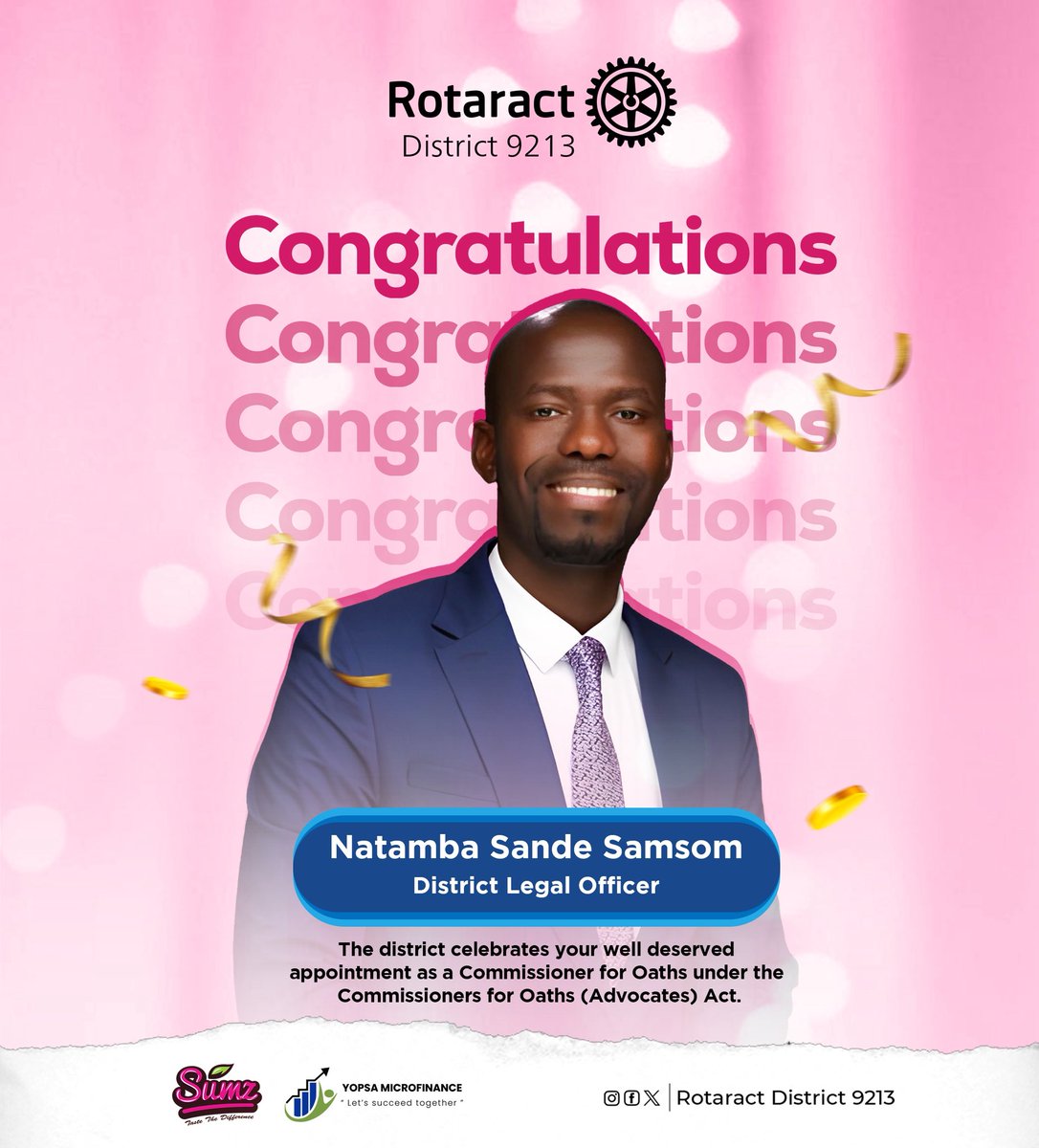
🌟 Congratulations, @SamsonNats ! 🌟
Proud to celebrate our District Legal Officer on his well-deserved appointment as a Commissioner for Oaths under the Commissioners for Oaths (Advocates) Act.
This achievement reflects your dedication, integrity, and commitment to excellence.
Well done, and best wishes as you take on this important role.
#RotaryEyamba
#ThisIsRotaract
1
8
29
771