
Adopted early. Still here.
Joined June 2026
- Tweets 109
- Following 103
- Followers 23
- Likes 245
8 Photos and videos





Sander retweeted

Weird how to seems to be old white guys who have the issue with the social media ban. Upset you can’t talk to 15 year olds anymore lads?
169
10
138
11,545

13h
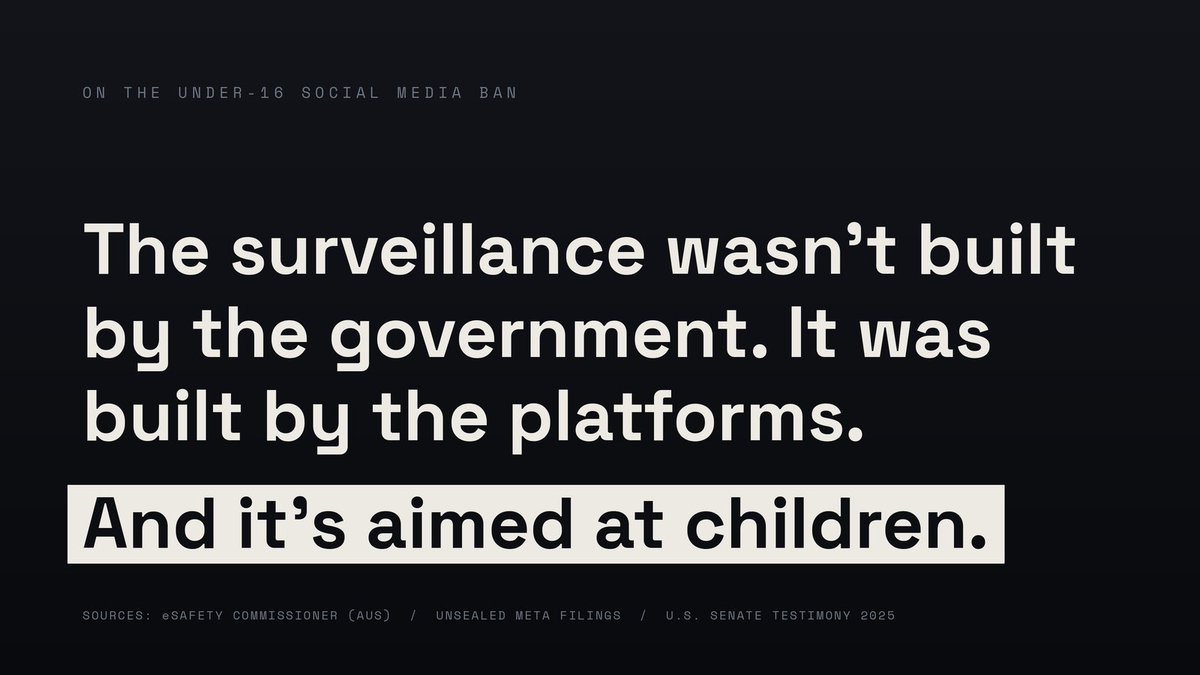
“Police state.” That’s the framing I keep seeing around banning under-16s from social media. It’s backwards.
Australia’s ban took effect in December 2025, the first of its kind, and the loudest objection is that age checks mean mass surveillance and a government ID database. But the law explicitly bars platforms from forcing you to hand over a government ID to prove your age. The state is not building a record of who you are.
The part nobody wants to sit with: the data already exists. As Australia’s eSafety Commissioner pointed out, platforms don’t really need to “verify” who’s under 16, because they already know. They have spent a decade building targeting systems precise enough to flag a 14-year-old from behaviour alone. The surveillance machine wasn’t built by the government. It was built by the platforms, and it is aimed at children.
We know what it gets used for, because it is in the court record now, from unsealed documents and sworn testimony. A former senior Meta policy executive testified that the company flagged teens by emotional state. A girl deletes a selfie, that signal gets read as her feeling bad about her appearance, and it becomes a moment to serve her beauty and weight-loss ads. Internally, 13 to 17 year olds were described as a “vulnerable but very valuable” demographic. Meta’s own research found Instagram made body image worse for 1 in 3 teen girls.
So the real question was never whether the data exists. It does. The question is who gets to use it, and on whom. Right now the answer is advertisers, on kids.
You can argue about whether a ban is the right tool. You cannot pretend the surveillance is hypothetical. It is the business model.
3
5
137

Sander retweeted
Jun 14
i hate what FIFA has become under Infantino. it’s not a sporting body anymore, it’s a mafia. corrupt to the bone, top to bottom, and they don’t even bother hiding it.
every decision is rigged before the room even opens. the “votes” are theater. the rules exist to be bent into whatever shape gets the cash flowing and keeps the strongmen smiling. they sold the World Cup like it was theirs to sell, because in their heads it is.
Infantino has turned the most beautiful game on earth into a slush fund with a logo. handshakes with despots, a trophy that goes to whoever pays the most and asks the fewest questions, and zero accountability because who’s going to hold them to it. themselves?
it’s a criminal organization in a suit. and the worst part is they know we’ll all still watch.
1
154
Sander retweeted

Jun 15
We are banning social media access for under 16s.
These days kids must find their feet in a world where technology intrudes into every area of their life.
I just can’t let that go on anymore. So we’re giving children their childhoods back.
Community note
The UK Government's 'careful review' of the research found a small correlation between children's use of social media and wellbeing, but no evidence of a causal effect:
gov.uk/government/pub…
assets.publishing.service.gov.uk/media/696e0b46…
37,164
5,799
34,553
12,783,429
Sander retweeted

Jun 14
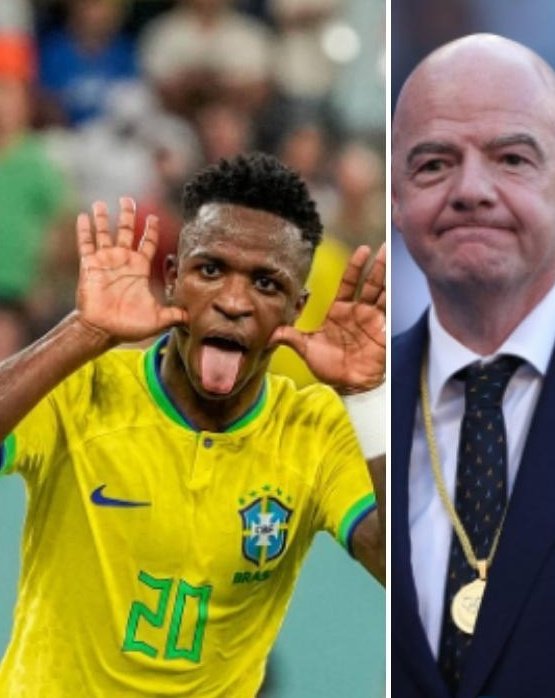
🚨 VINI JR JUST TOLD FIFA: “WE’LL PAY THE FINE — BUT NOBODY FROM US IS DOING HALF-TIME INTERVIEWS.”
During Brazil’s World Cup match, Vinícius refused the mandatory tunnel interview.
Reporter: “You’ll get a huge fine for this.”
Vini: “We’ll pay. But nobody is coming to the mic.”
This isn’t arrogance. It’s players finally saying enough to FIFA’s corporate circus.
Half-time should be for tactics, water, recovery — not feeding the broadcast machine while the game gets sliced up for ads (sound familiar with those forced “welfare” breaks?).
FIFA under Infantino has turned football into a product. Mandatory everything. Player focus as an afterthought. Suits in Zurich cashing in.
Brazil and Vini just pushed back. Raw. Direct. No bowing to the machine.
The beautiful game belongs to the players on the pitch — not boardrooms selling every second.
Who else is done with this?
692
6,615
33,441
1,854,025
Jun 15
RT @Vfynn_: 🚨🗣️New: Thierry Henry reacts to the USA vs Paraguay stoppage for TV commercials:
“I’ve spent my entire life in this beautiful…
7,082
Jun 8
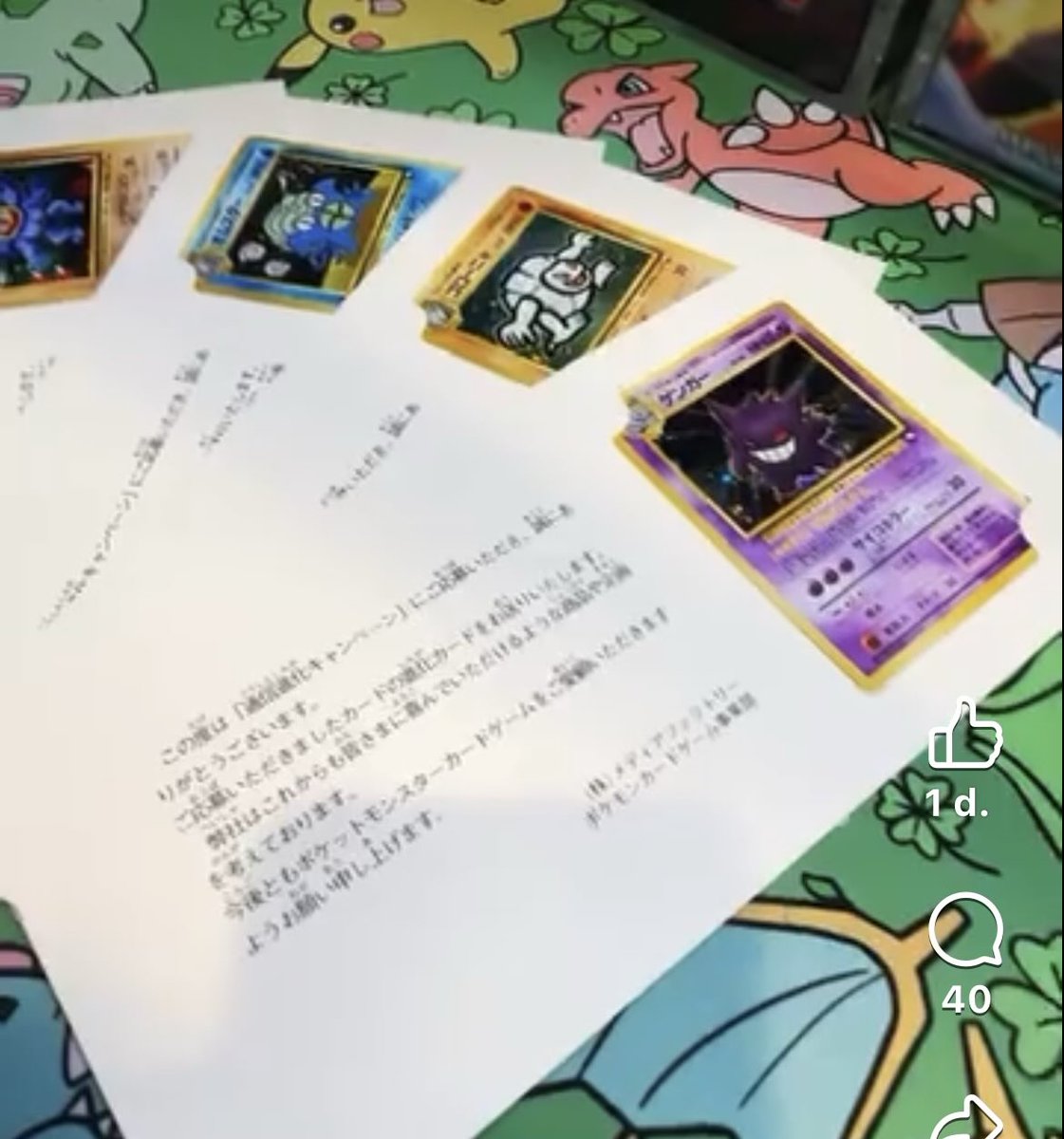
Most awesome thing Pokémon ever did: In 1998 Japan, you could evolve your Pokémon card by post. You mailed your Haunter to Media Factory with a Bill’s PC card, and they sent back a holo Gengar. Actual trade evolution, done through the mail.
1
24
Jun 7
The claw gave me a Magikarp on @beezie. A card whose own flavour text admits it is weaker than its ancestors. Honestly the most vintage thing imaginable. Shadowless, PSA 8, art by Arita. beezie.com/marketplace/colle…
1
26
Jun 6
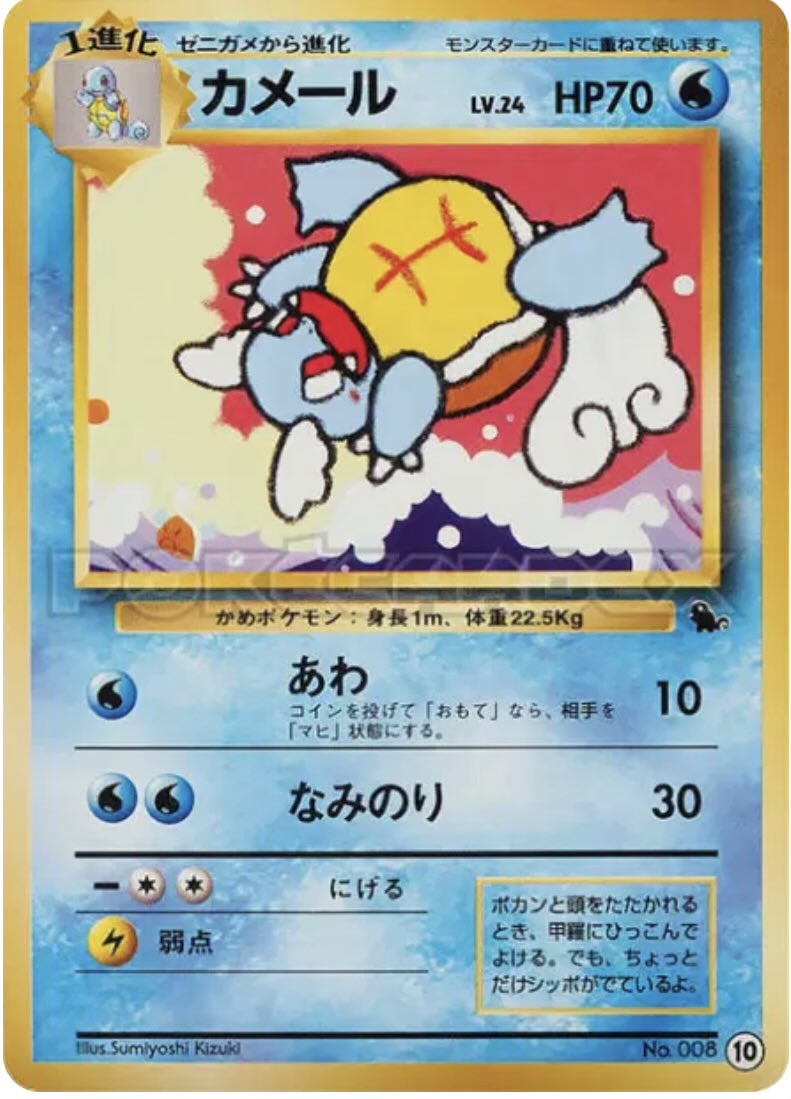
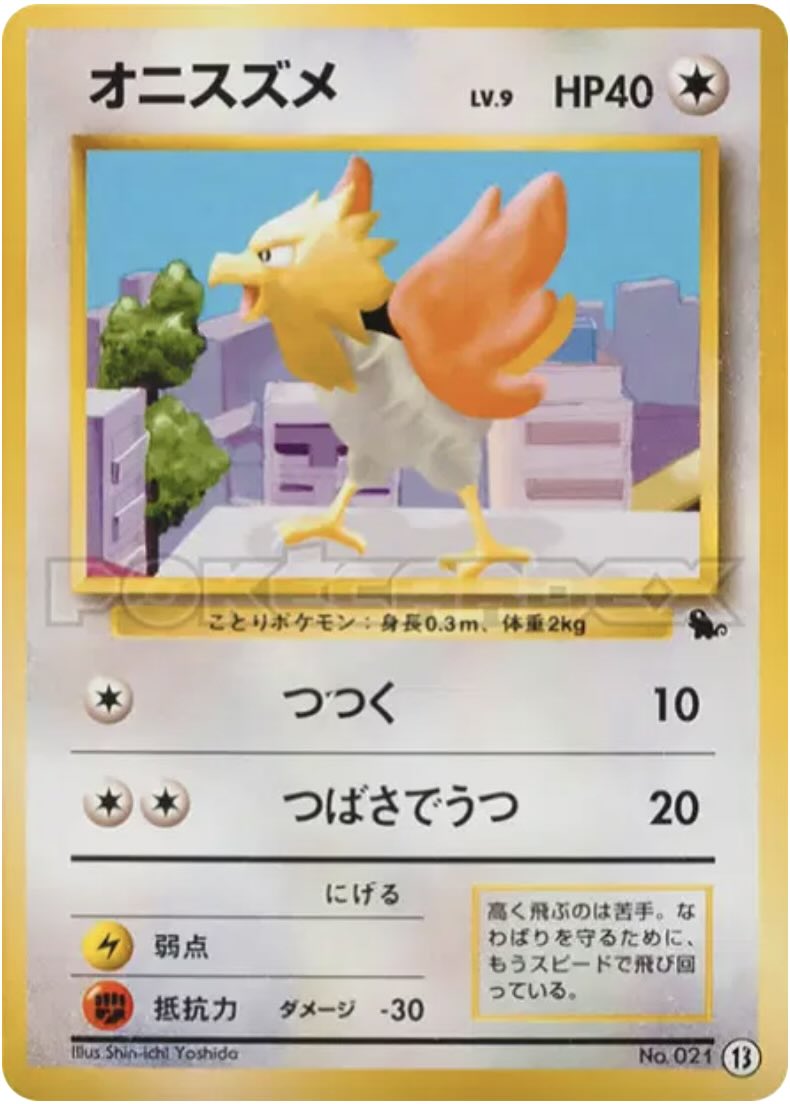
Underrated corner of vintage Pokémon: the 1999 Japanese Intro Pack.
Two starter decks, Squirtle and Bulbasaur, both packed with artwork you cannot find in any other set. Right now these are top of my want list and almost nobody talks about them.
A few things that make it special. Each deck ran 40 cards with its own numbering, the Bulbasaur deck using a white number in a black circle and the Squirtle deck the reverse. The set also shipped with a VHS tutorial, the only Pokémon TCG product that ever did.
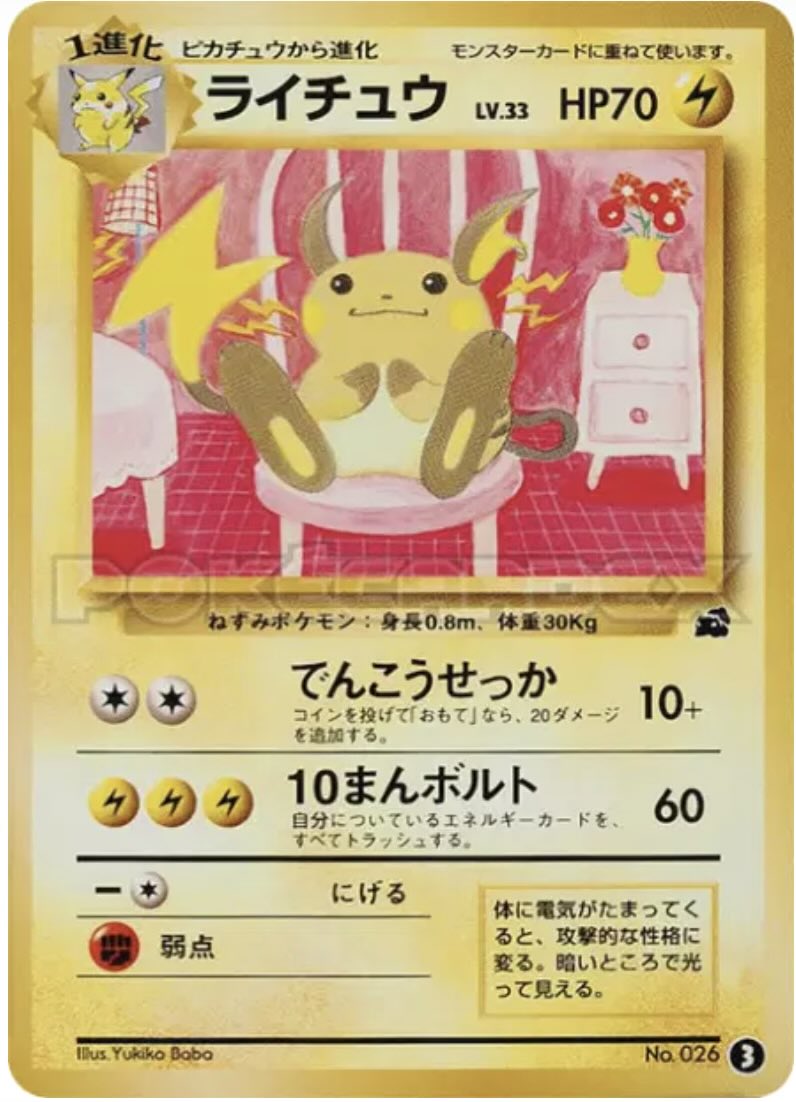
The real draw is the art. The Raichu here is the one that grabs you straight away, but Spearow and Wartortle are quietly my favourite in the whole set, the kind of cards that tells you who actually knows this release. The set even gave holo Venusaur and Blastoise fresh artwork instead of recycling Base.
Loose commons and uncommons are still reachable, while the holos are where it gets steep. If you collect vintage and care about art over hype, this set is worth a look before everyone else catches on. What is your favourite art from the Intro Pack?
2
7
575