
Joined January 2020
- Tweets 94,605
- Following 5,912
- Followers 90,881
- Likes 246,299
7,436 Photos and videos



You need to kill the fascist inside you, "maybe i am too woke" baby, look around you right now.
Jun 12

Maybe I’m too woke but I miss 5 years ago when saying the word “retarded” was genuinely nasty and made people look at you like a monster
2
8
133
3,300
sandy frizzle 🇵🇸 retweeted

Horror movie from The Sims perspective wherein they don't understand what is happening to their house and do not realize their life is being controlled by a 12 year old girl on her family computer in Ohio
42
434
6,754
109,284
sandy frizzle 🇵🇸 retweeted

i HATE when people put the after pic on the left in a before and after. i legitimately think this is downstream of the literacy crisis
79
1,459
39,276
465,370
sandy frizzle 🇵🇸 retweeted

Jun 12
A new proposal in Ohio would let the state and utility companies take private property to build data center infrastructure.
The proposal from the powerful Ohio Business Roundtable would even let land be taken from people before the owner gets paid.
A document obtained by the Ohio Capital Journal shows the Ohio Business Roundtable recommending that lawmakers change eminent domain law so that it includes "infrastructure projects," a category broad enough to include data centers and projects that power them.
ohiocapitaljournal.com/2026/…
51
510
795
65,050

Jun 12

META MOVES TO LIMIT EMPLOYEE AI USAGE AS COSTS REACH BILLIONS
12
466
6,869
119,813
sandy frizzle 🇵🇸 retweeted

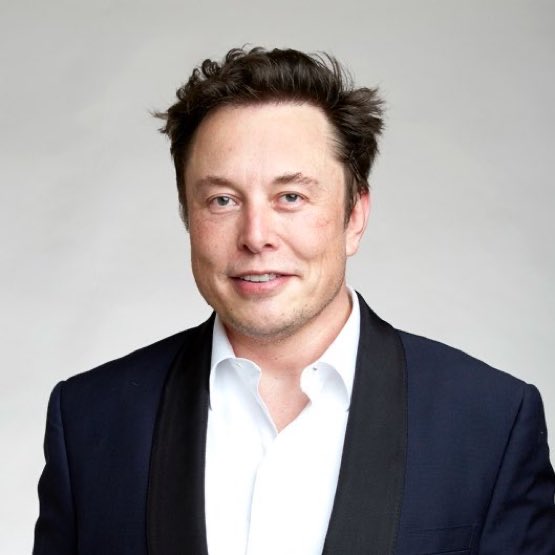
It is genuinely kind of funny how Fake Money is now. Just complete nonsense with nothing tied to reality.

17
178
3,228
34,355
sandy frizzle 🇵🇸 retweeted

Jun 12
FOLKS— we are not election strategy-ing our way out of this.
Jun 12

BREAKING MS NOW:
FBI agents on Thursday raided the Cleveland offices of the Ohio Organizing Collaborative — a pro-democracy organization that helps register voters in that state, according to three people briefed on the search.
ms.now/news/ohio-pro-democra…
8
581
3,088
65,618
sandy frizzle 🇵🇸 retweeted

If we liquidated Elon Musk as a financial entity we could each pocket $3,000. Just putting that out there. 3K. Not bad.
1,025
1,263
22,617
1,124,546
sandy frizzle 🇵🇸 retweeted
The myth of democracy can’t survive into the age of trillionaires—the ruling class isn’t even pretending it will. They’re busy preparing for an entirely different future than the one they’re selling us on. In fact most of us don’t appear in their future at all. This may be our last moment of choice.
34
1,322
5,858
96,683
sandy frizzle 🇵🇸 retweeted

Jun 12
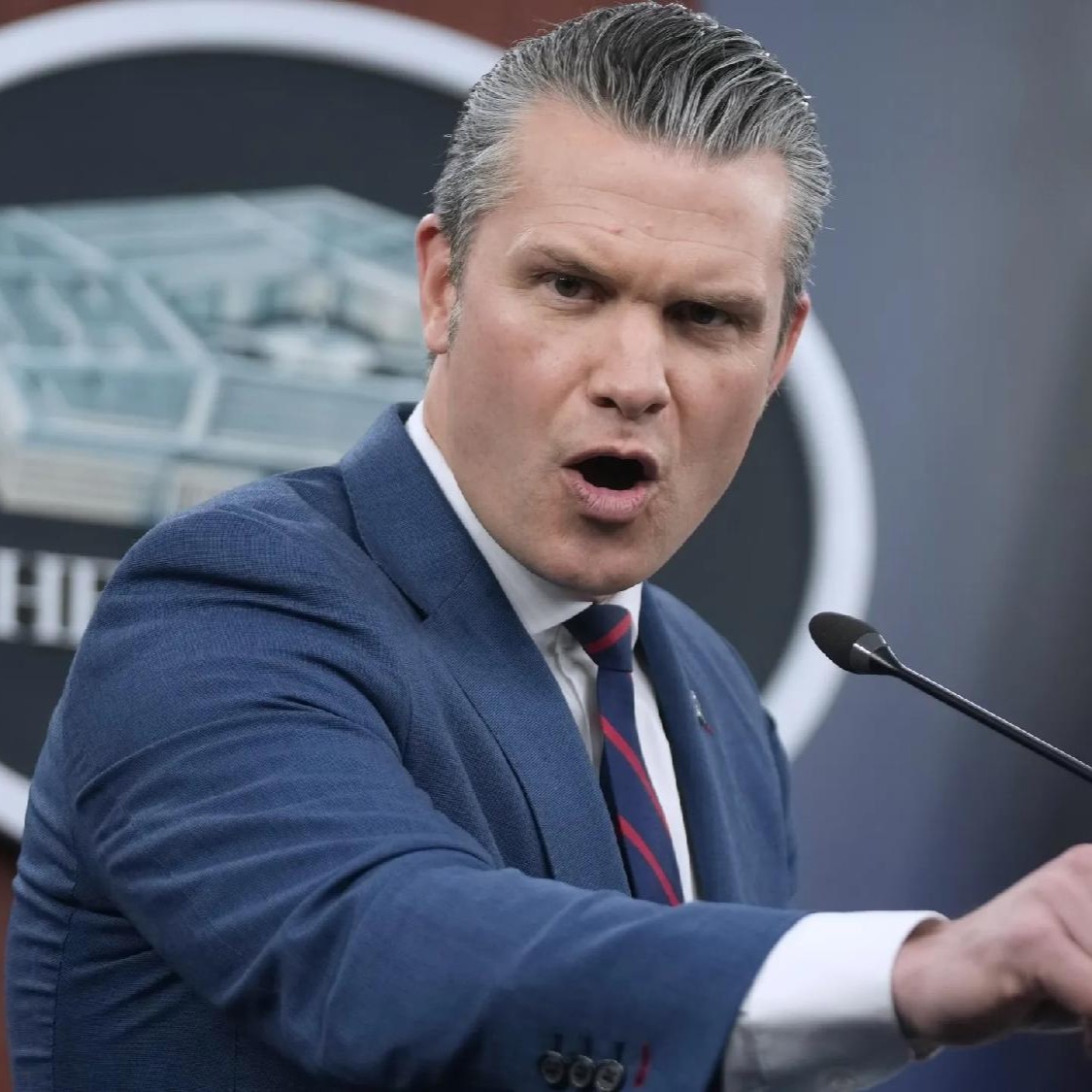
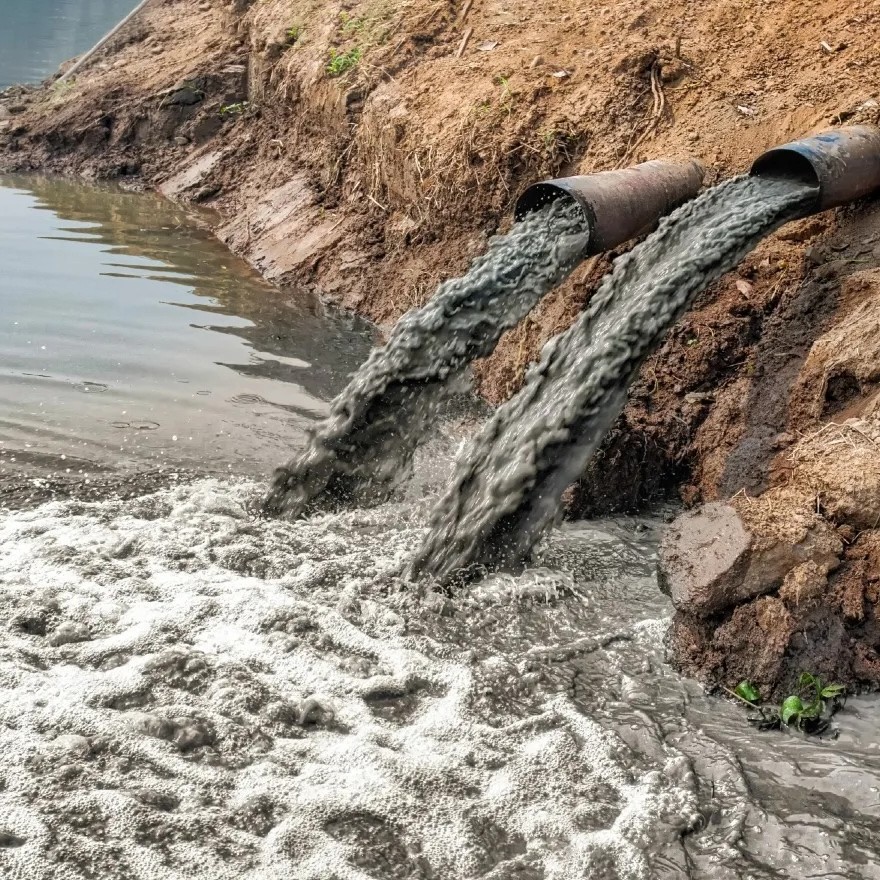
The Defense Department has delayed forever chemical cleanup at 178 U.S. military bases by up to 20 years
59
731
1,467
21,564
sandy frizzle 🇵🇸 retweeted

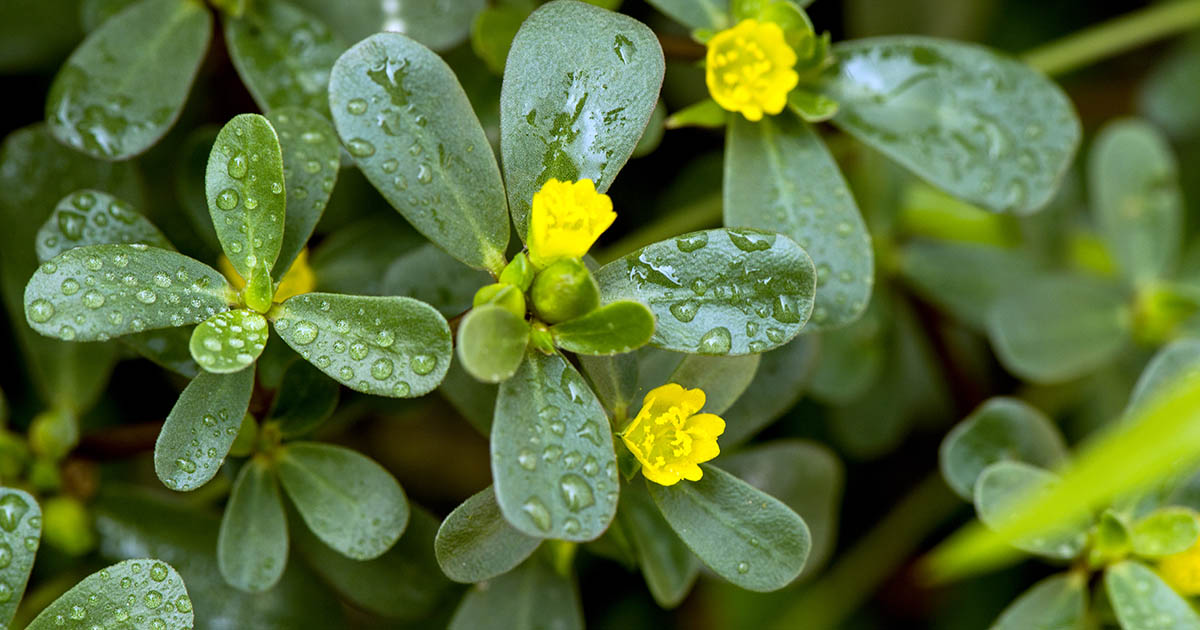
For about 120 years, the textbooks were sure of it. Purslane was an introduced weed that came over with European colonists. Asa Gray wrote it down in 1848. Case closed.
Then people started digging, literally. Purslane seeds turned up in lake sediment in Ontario dated to the 1300s, before any European set foot there.
More seeds came out of a Kentucky cave, left behind by people who were also growing squash and sunflower 2,500 to 3,000 years ago. The plant was here and people were already eating it long before anyone sailed the ocean blue in 1492.
So which is it, native or invasive? The answer is interesting, because it's both.
Purslane isn't one tidy species. It's a sprawling complex of plants, and the evidence points to some lineages being ancient American residents while others really did arrive later with Europeans.
The USDA's own database lists it as native and introduced at the same time. How the earliest version got here, nobody knows. Birds might have carried it, but it's hard to say.
"Native" and "invasive" feel like hard categories, but the line gets blurry fast. Not everything green in your yard sorts cleanly into good and bad.
8
44
371
10,604
sandy frizzle 🇵🇸 retweeted

Jun 12

BREAKING: Elon Musk has become the first trillionaire in history.
15
728
3,333
52,245
sandy frizzle 🇵🇸 retweeted

there are raids, door knocks, subpoenas, and indictments targeting anarchists, abolitionists, anti imperialists, and anti ICE activists all over the country right now. like in the last 48 hours.
6
686
2,985
47,463
sandy frizzle 🇵🇸 retweeted

Jun 11
If we apologized to children more, we would have more adults that accept accountability for their actions.
Jun 9

What's a hill you'll die on?
217
33,060
156,081
2,473,953
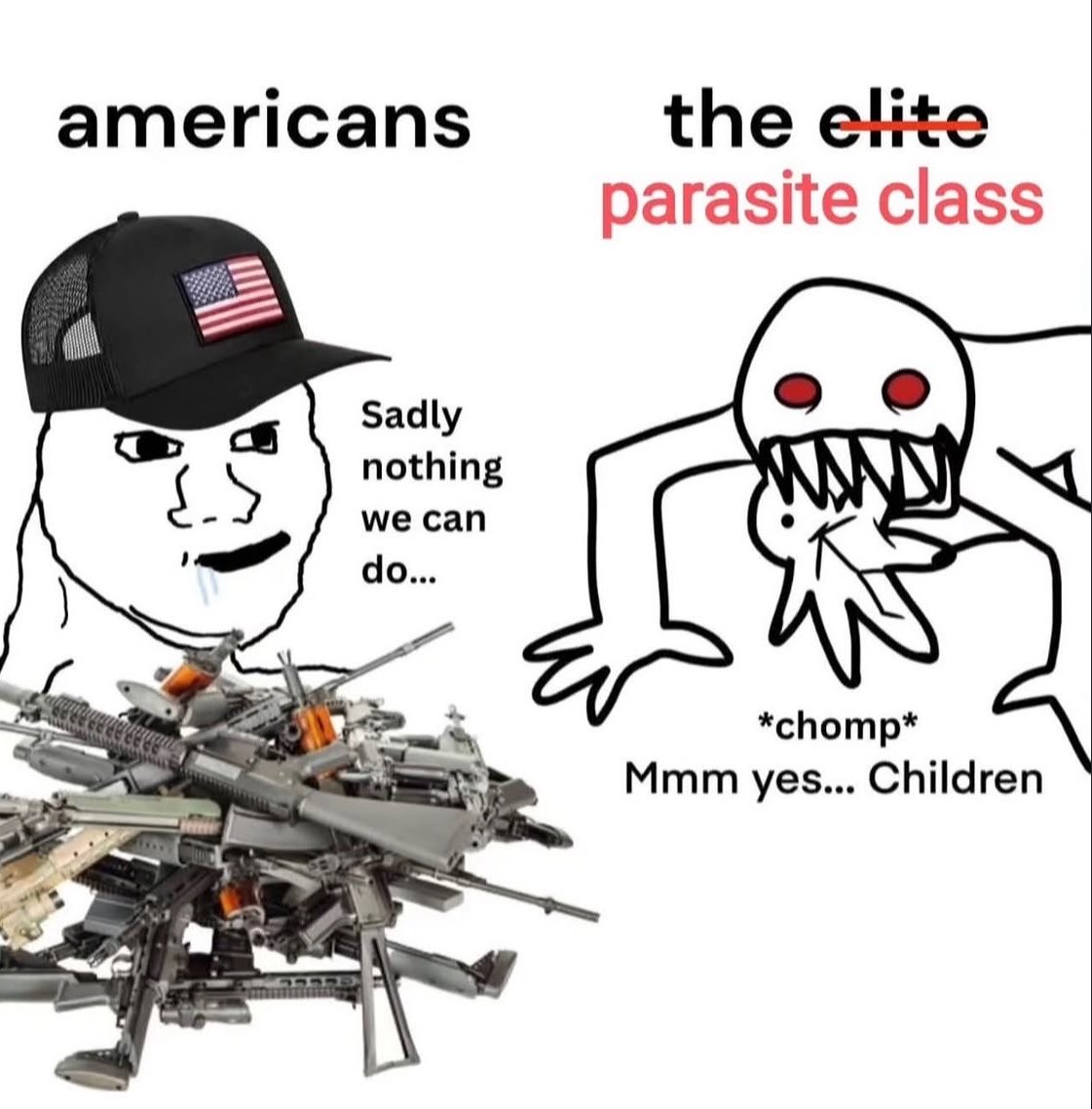
Cute but the ones hoarding the guns are usually protecting the parasite class with their lives. Almost like that was the intention

3
14
186
2,305
sandy frizzle 🇵🇸 retweeted

Jun 11
Masked, armed, untrained federal agents are aggressively arresting Ohioans – without warrants or probable cause - to meet President Trump’s arbitrary quota of 3,000 immigration arrests per day.
This must stop.
ow.ly/PSLE50Z9J0B
102
215
340
5,191
sandy frizzle 🇵🇸 retweeted

Jun 11
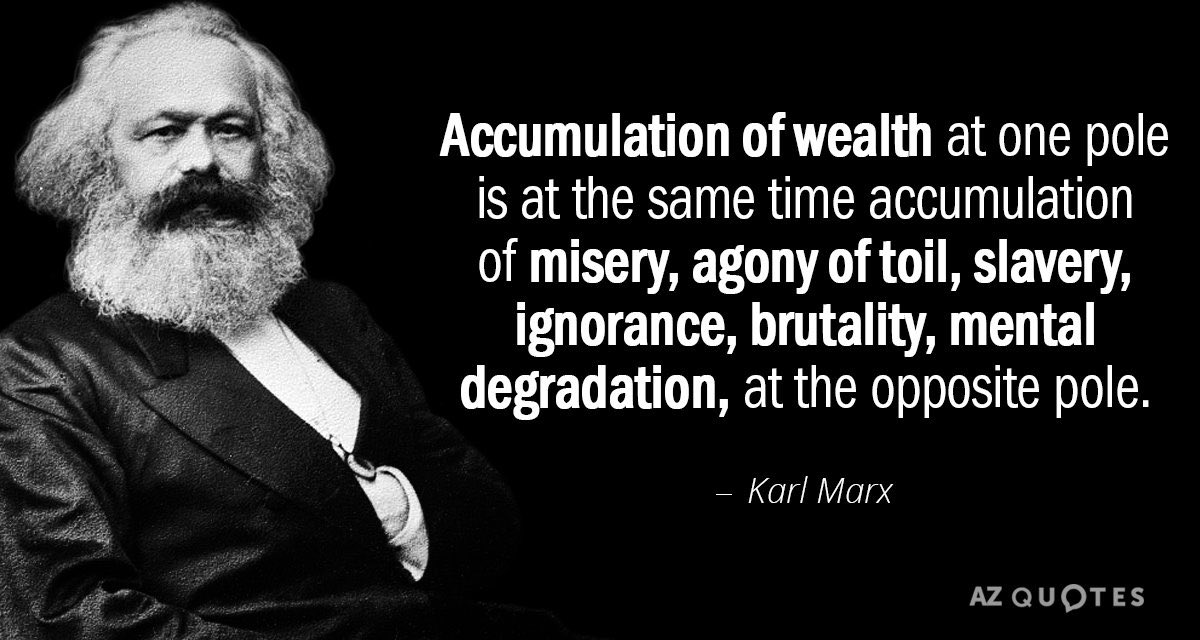
Elon Musk is set to become a trillionaire within the next few months and a Karl Marx quote comes to mind.
"One day there will be trillionaires, but you will still have nothing."
Amazing powers of prediction.
Community note
The quoted statement is not from Karl Marx. en.wikiquote.org/wiki/Karl_Marx marxists.org/archive/marx/w…
577
8,045
44,124
357,080
sandy frizzle 🇵🇸 retweeted
Jun 11
Uber is now taking over 50% of what you pay in many cities, leaving less than half for drivers.
New research from @lenshermanCBS shows that in multiple cases Uber's "take rate" has increased from 15%-20% of what a rider pays early on in the company's existance, to more than 50% this year.
len-sherman.medium.com/ubers…
14
183
384
28,453
sandy frizzle 🇵🇸 retweeted

Where was this fake outrage when your party outright cheated the will of OH voters on 2 Anti-Gerrymandering constitutional amendments, attack reproductive rights already enshrined, tried to move the goalpost to a 60% threshold, & altering recreational cannabis 🤔
To name a few…
Jun 11

Allison Russo just admitted the truth: Ohio’s photo ID requirement is working as intended.
She voted NO to put photo ID to vote into law in 2023.
Today, she just voted to prevent Ohioans from voting to enshrine it into the constitution.
6
46
180
4,878