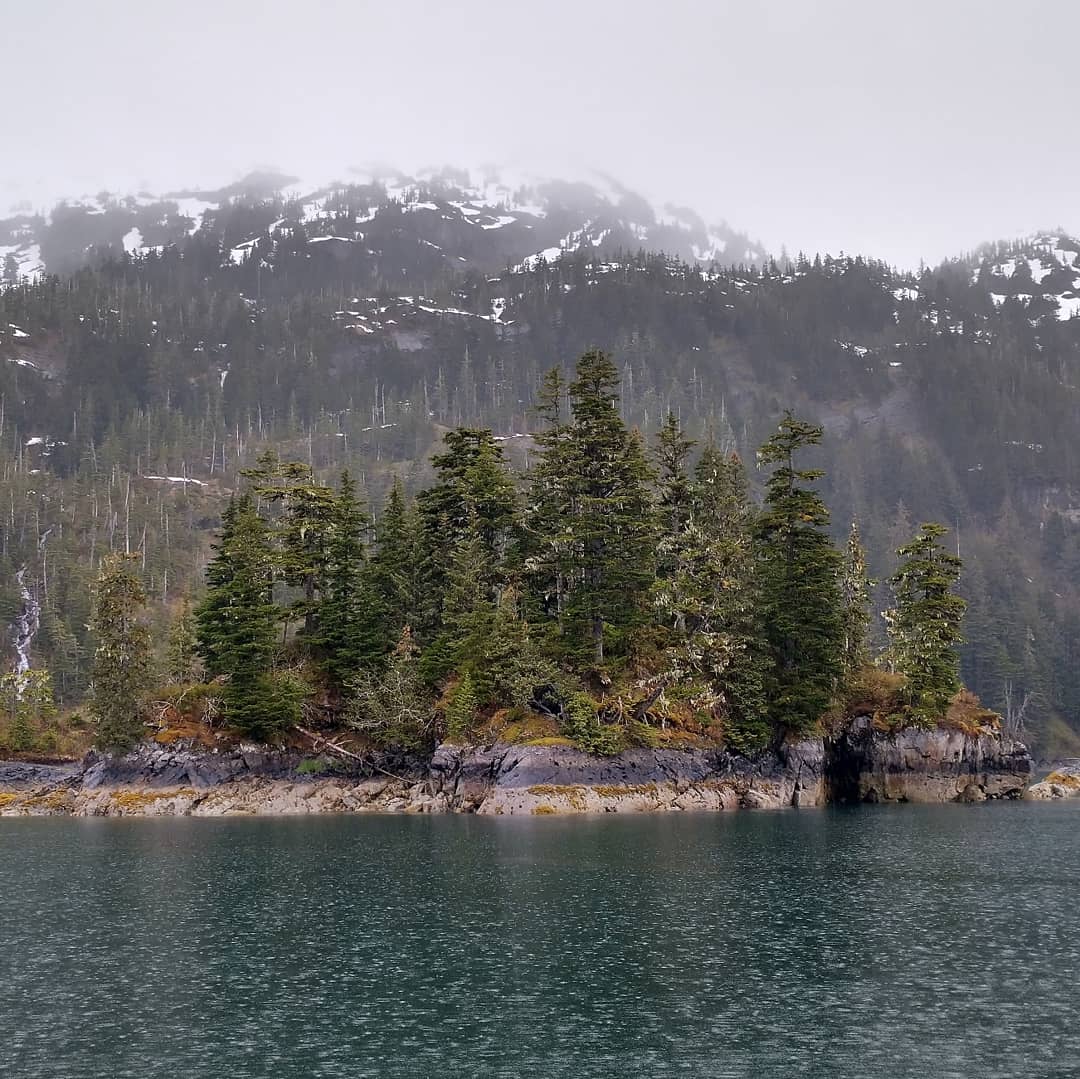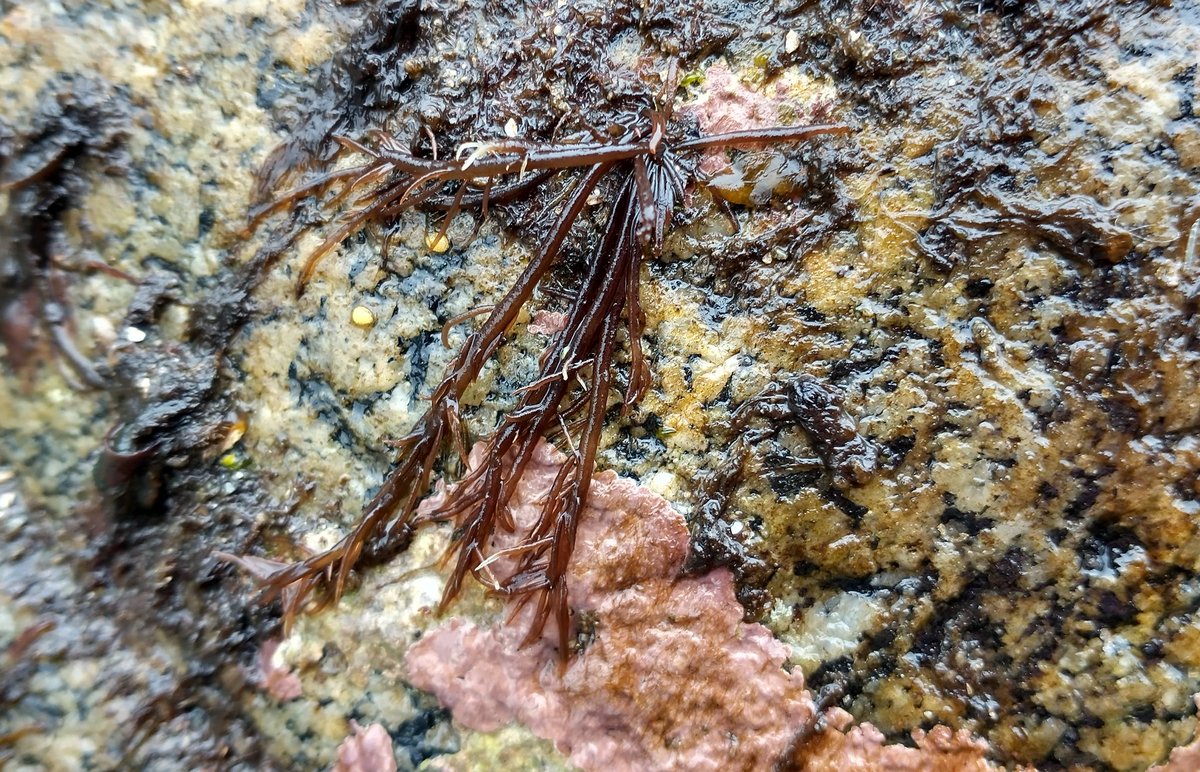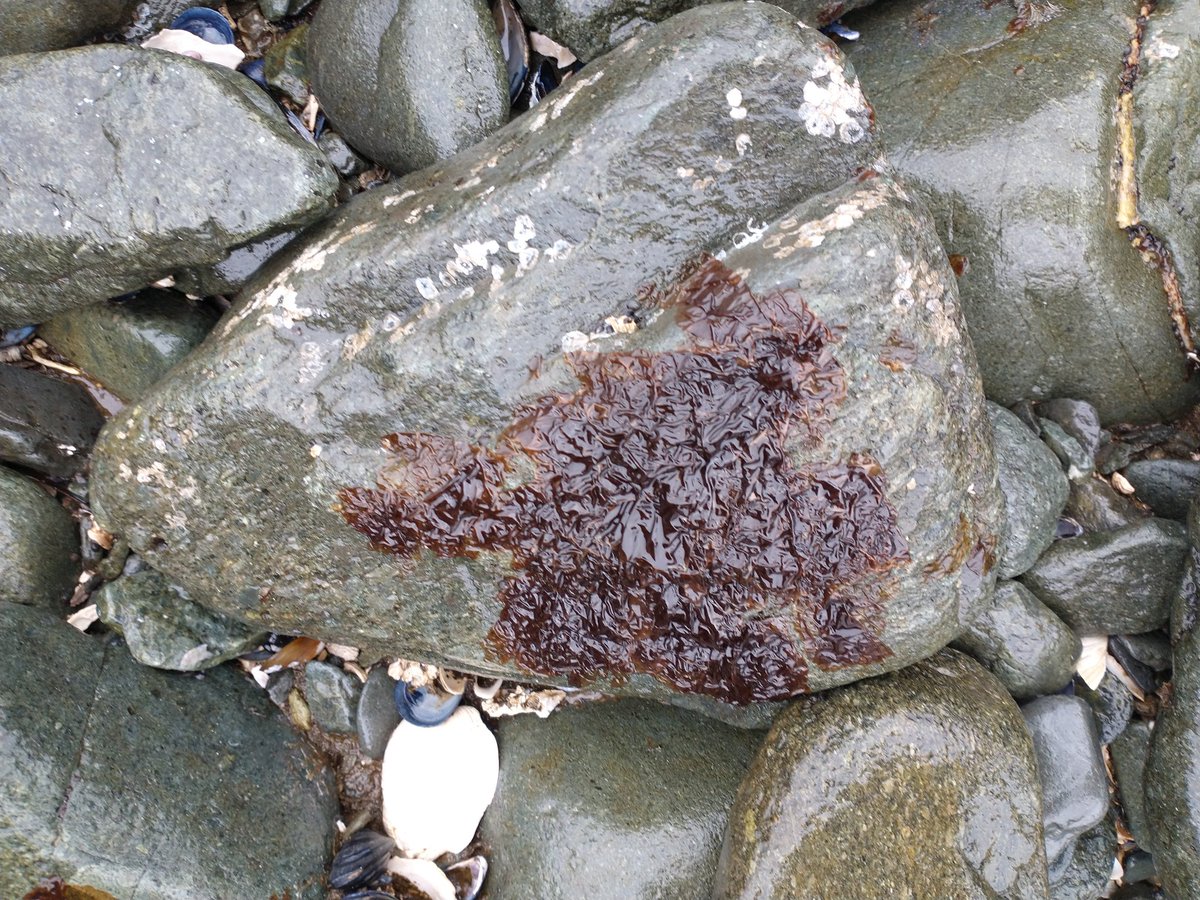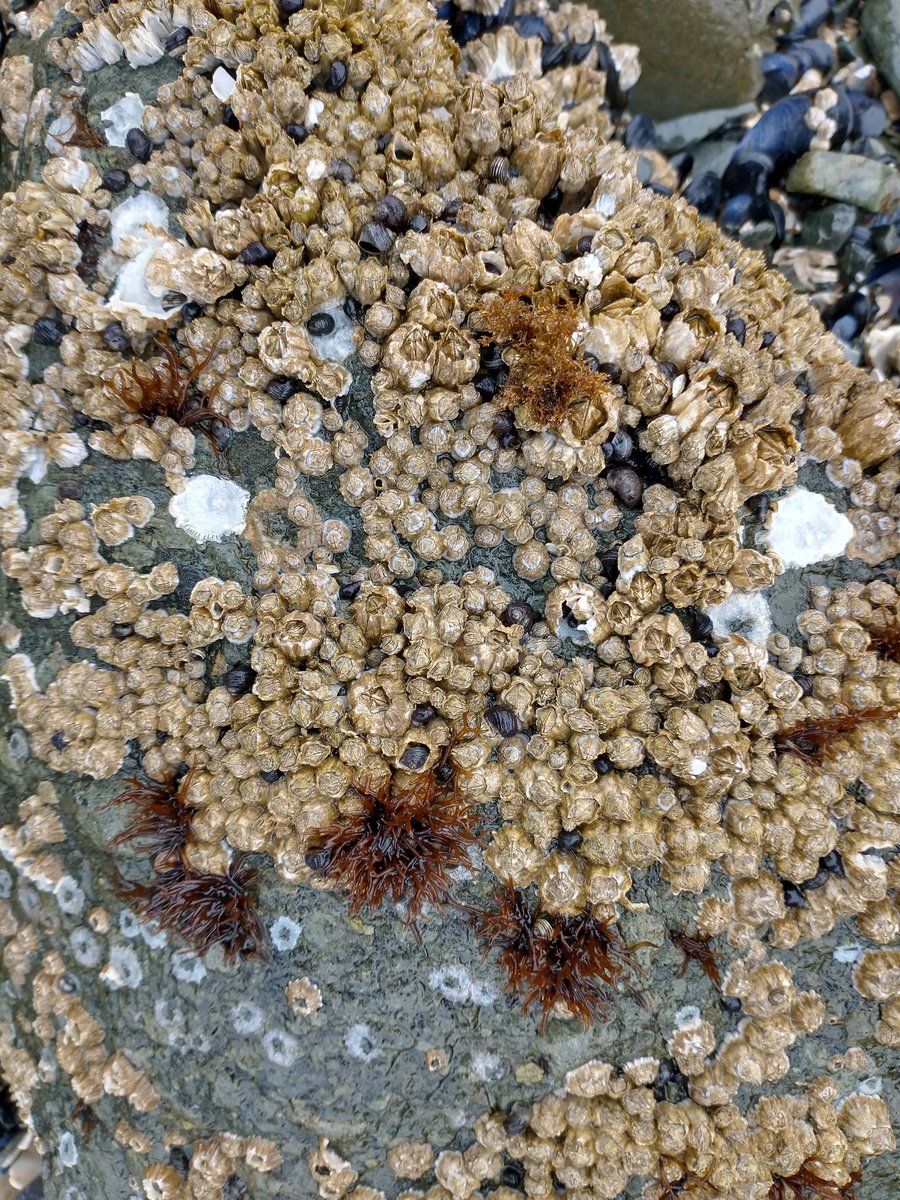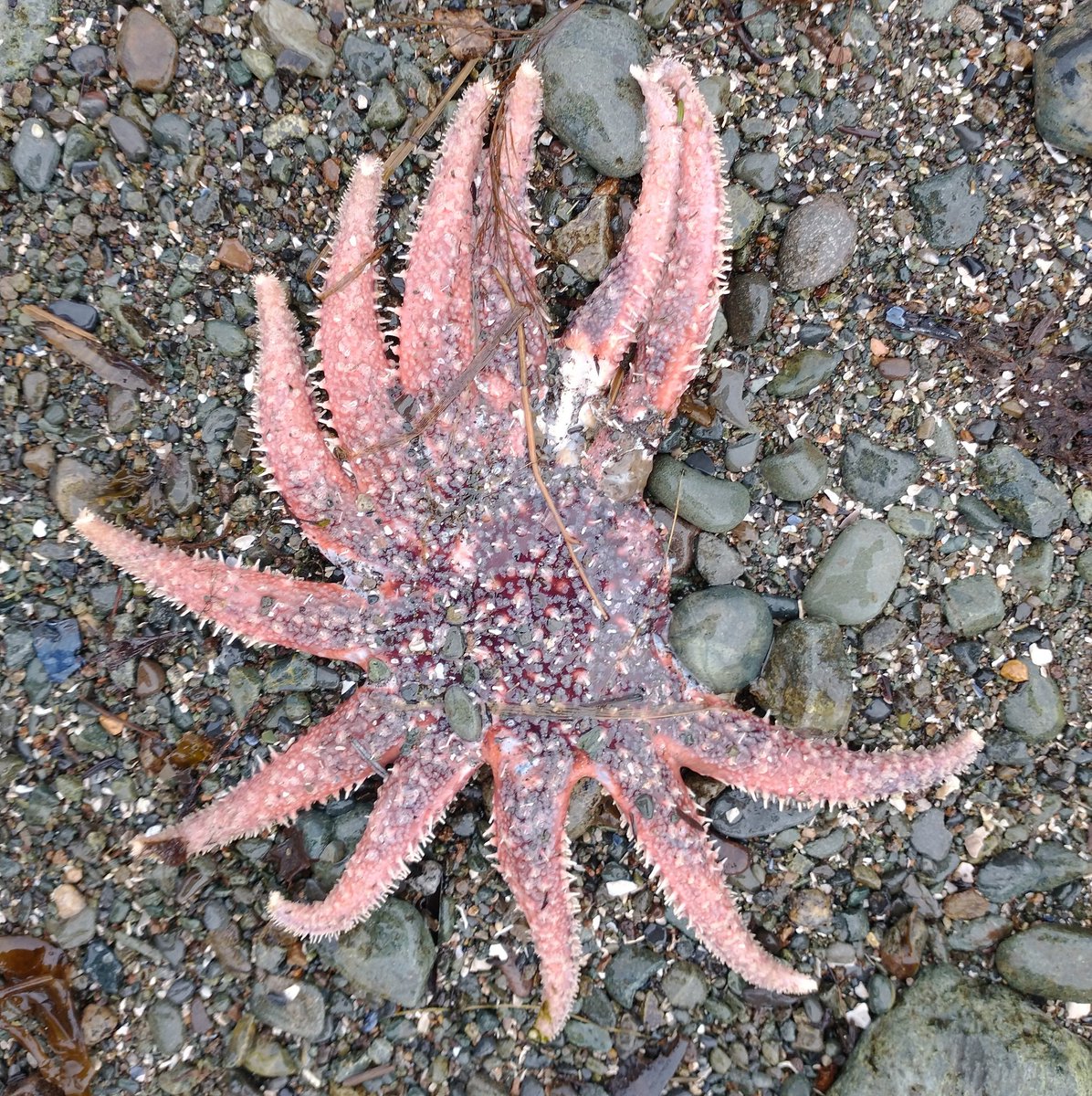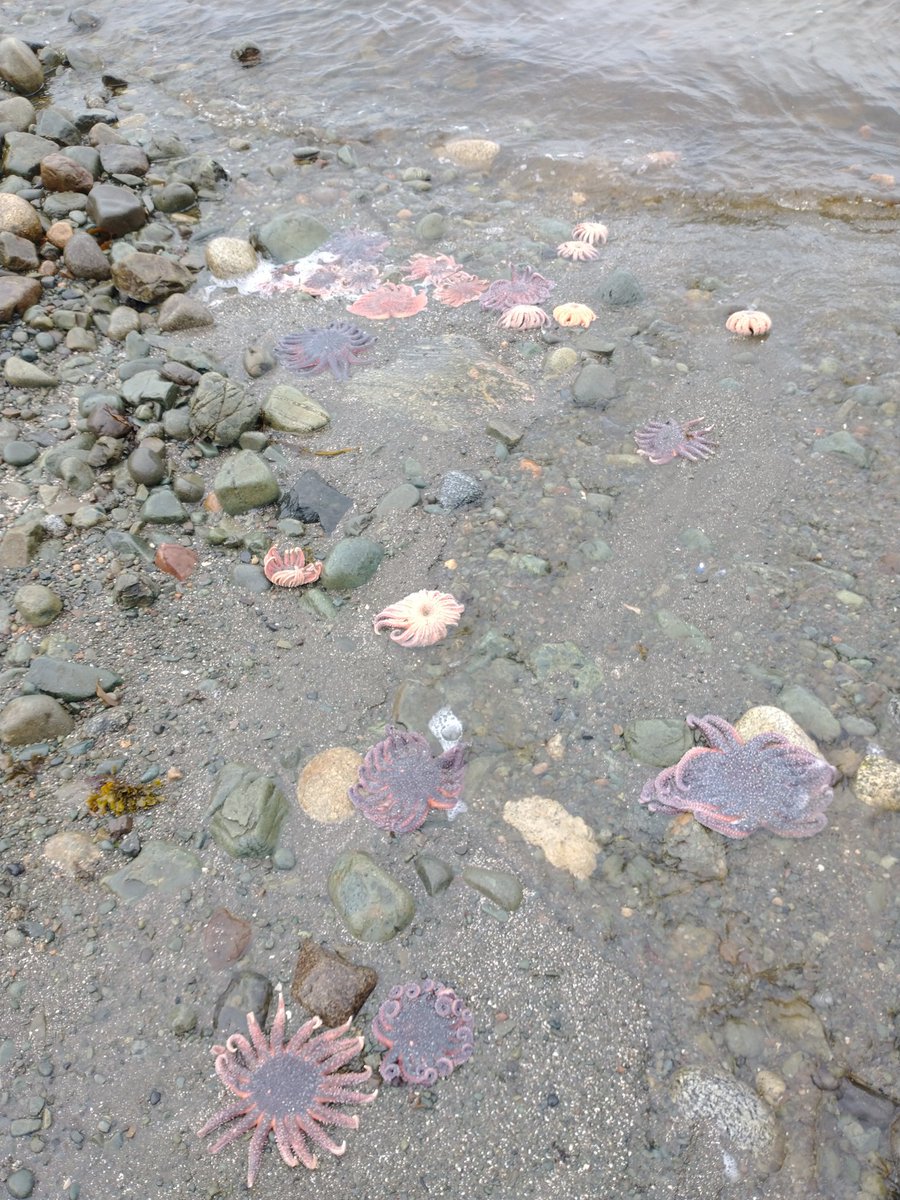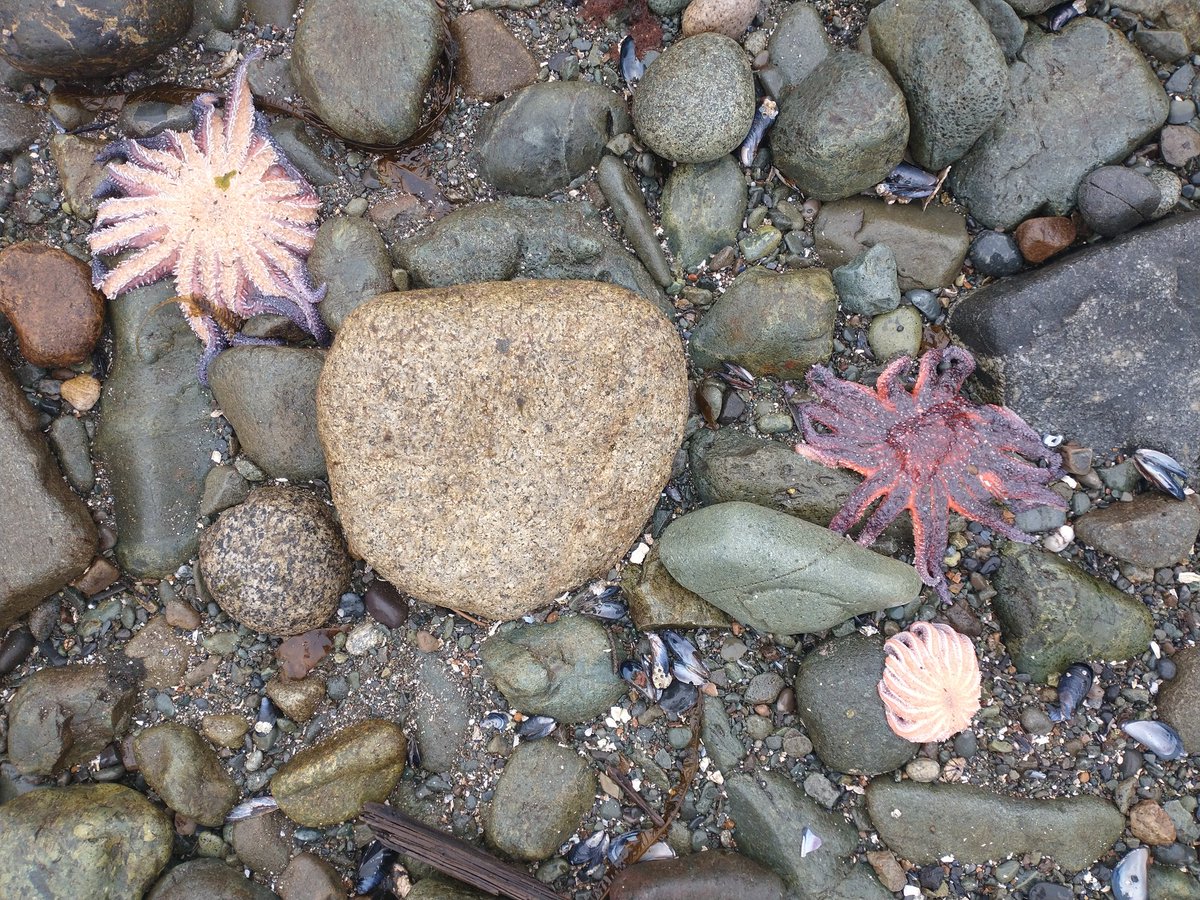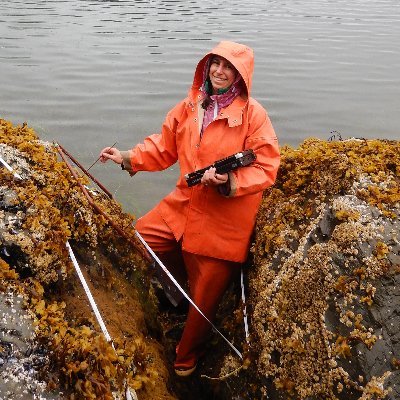
🚨 New paper! We described changes in mussel abundance in response to sea star wasting and the Pacific marine heatwave in the Gulf of Alaska. Open access at onlinelibrary.wiley.com/doi/…@rob_suryan
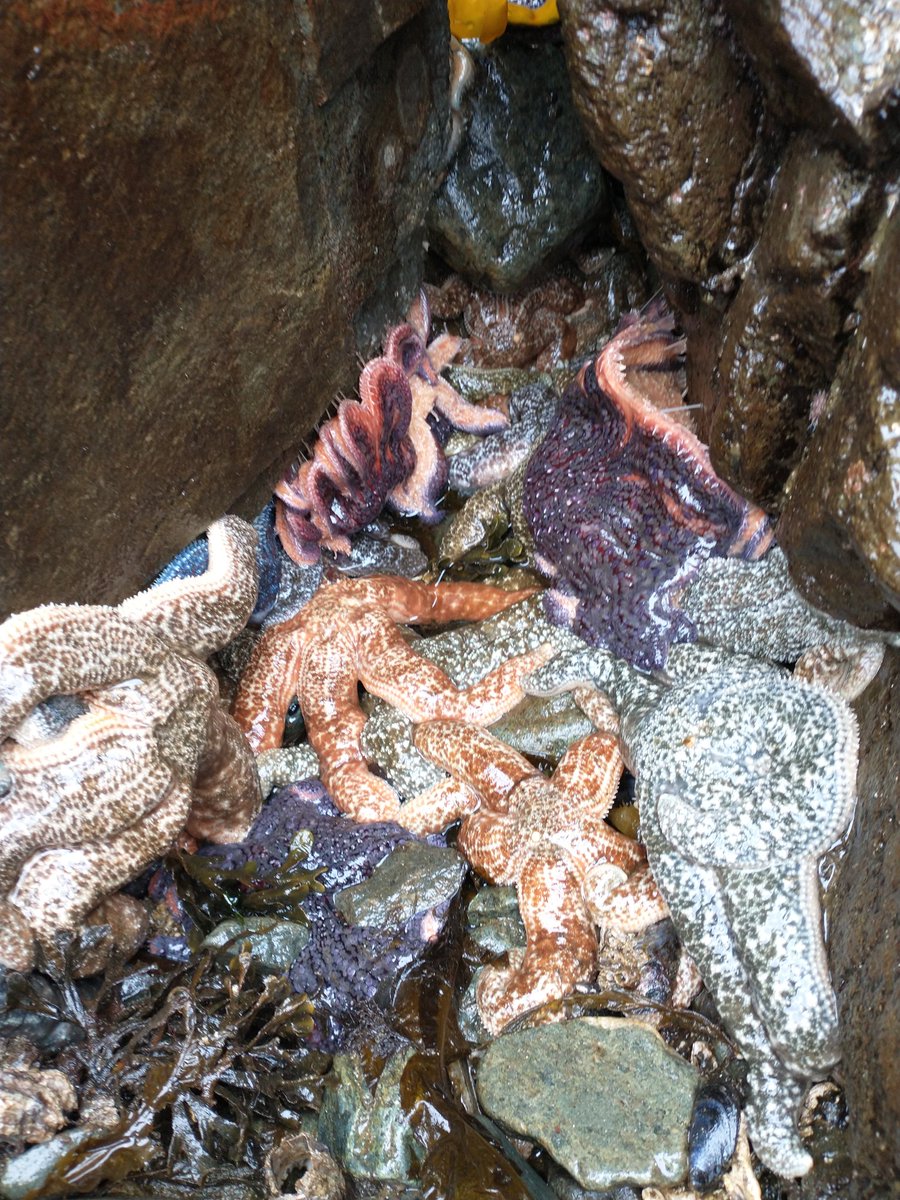
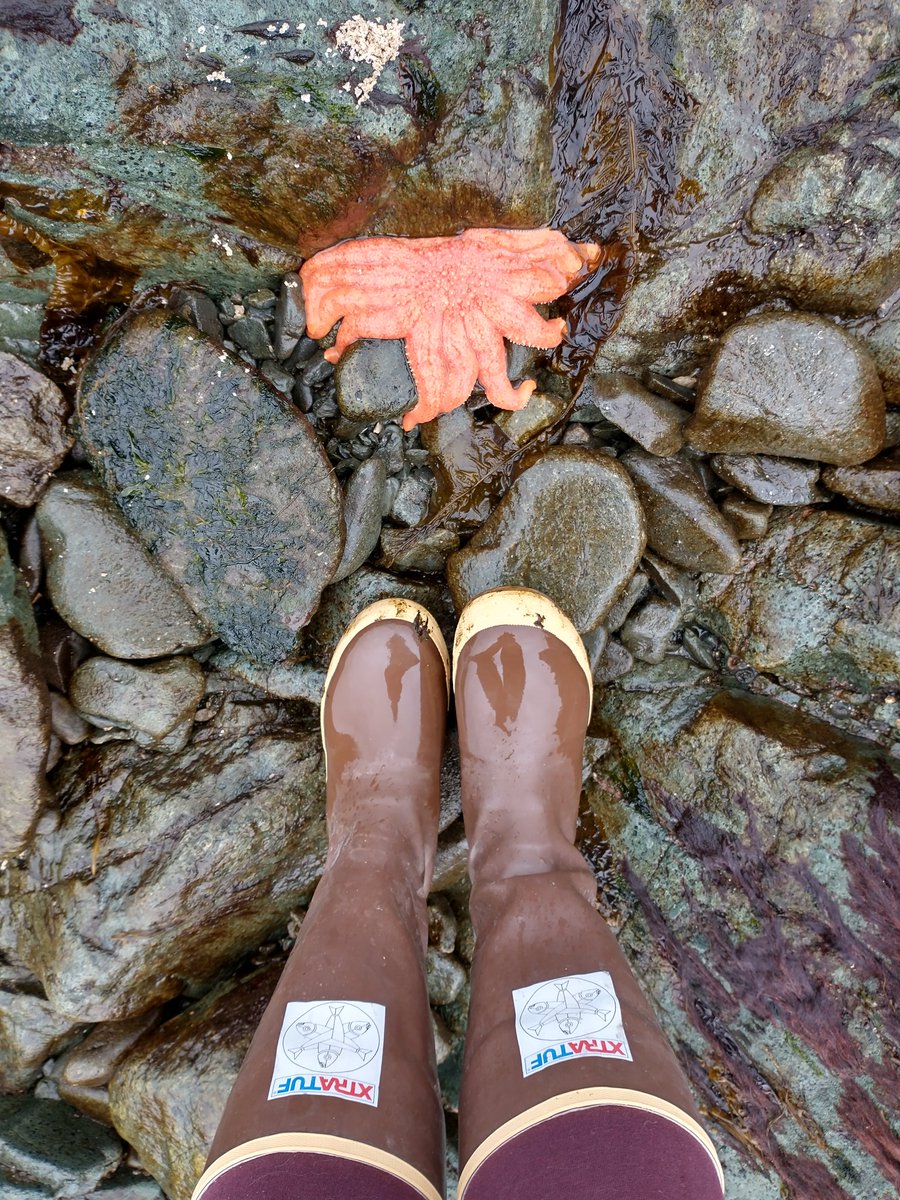
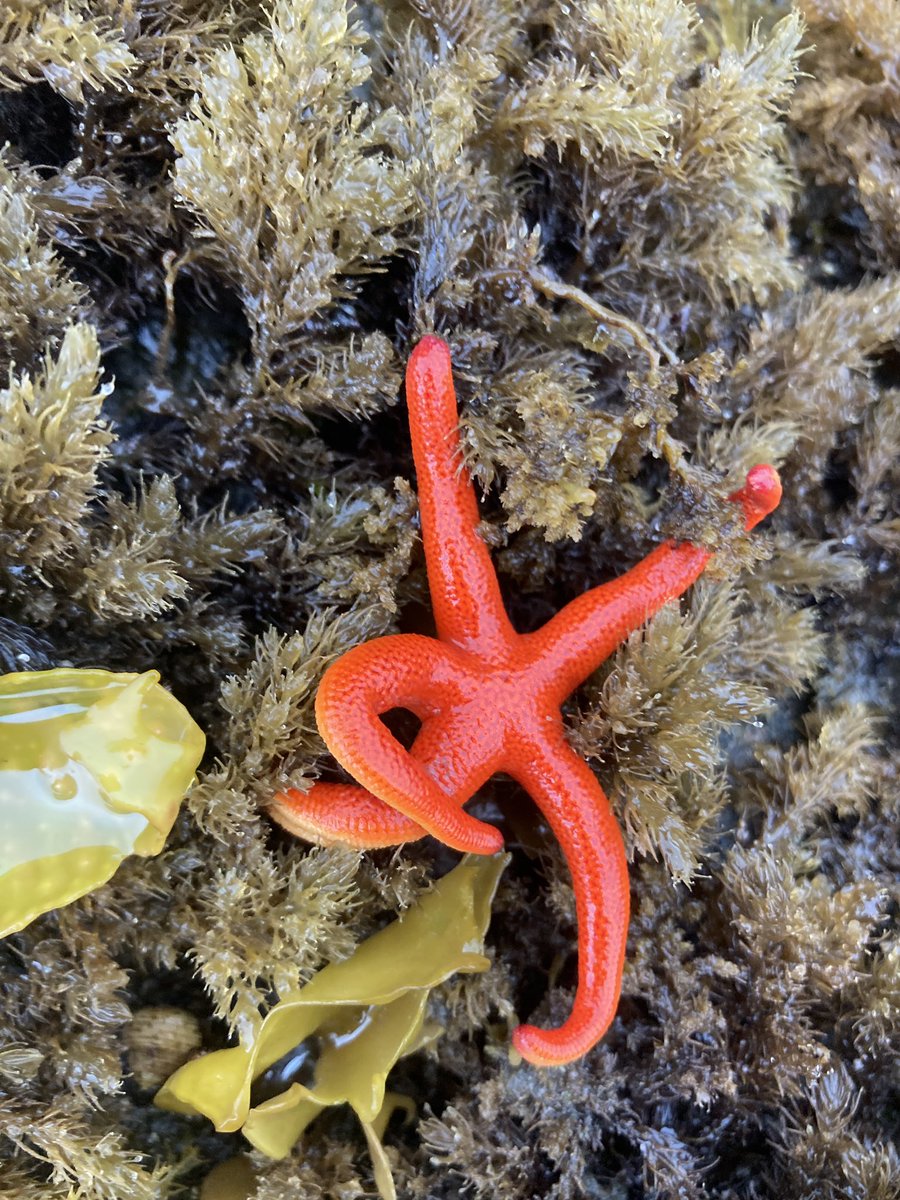
Saw my first pycnopodia this week…and then counted ~75 of them on one 50m intertidal transect!
Lucky to spend time with so many of these critically endangered sea stars.
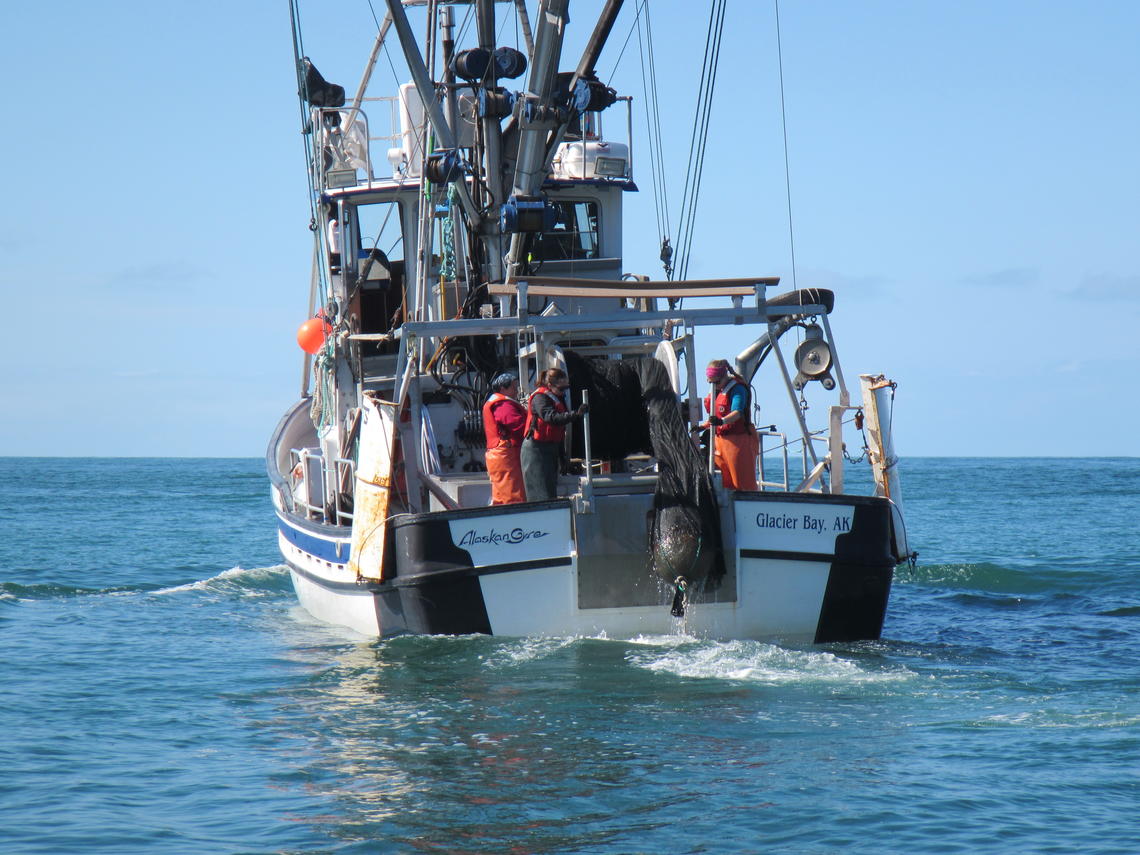
ALT USGS scientists Sarah Schoen, Mayumi Arimitsu, and Brielle Heflin pulling in a modified herring trawl on the R/V Alaskan Gyre in Prince William Sound, Alaska.
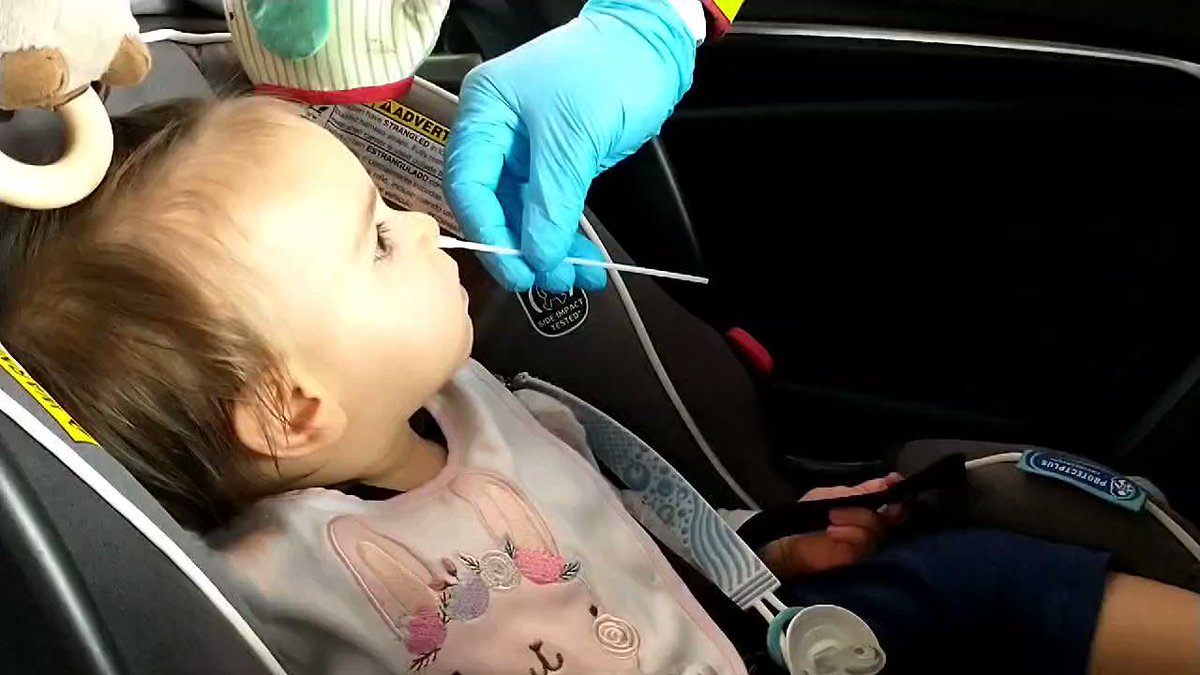
I'm at a loss for what to do with two conflicting teledoc diagnoses for my toddler's skin infection... She couldn't be seen in person bc of possible covid exposure, which turned out to be negative. She's just so miserable :(
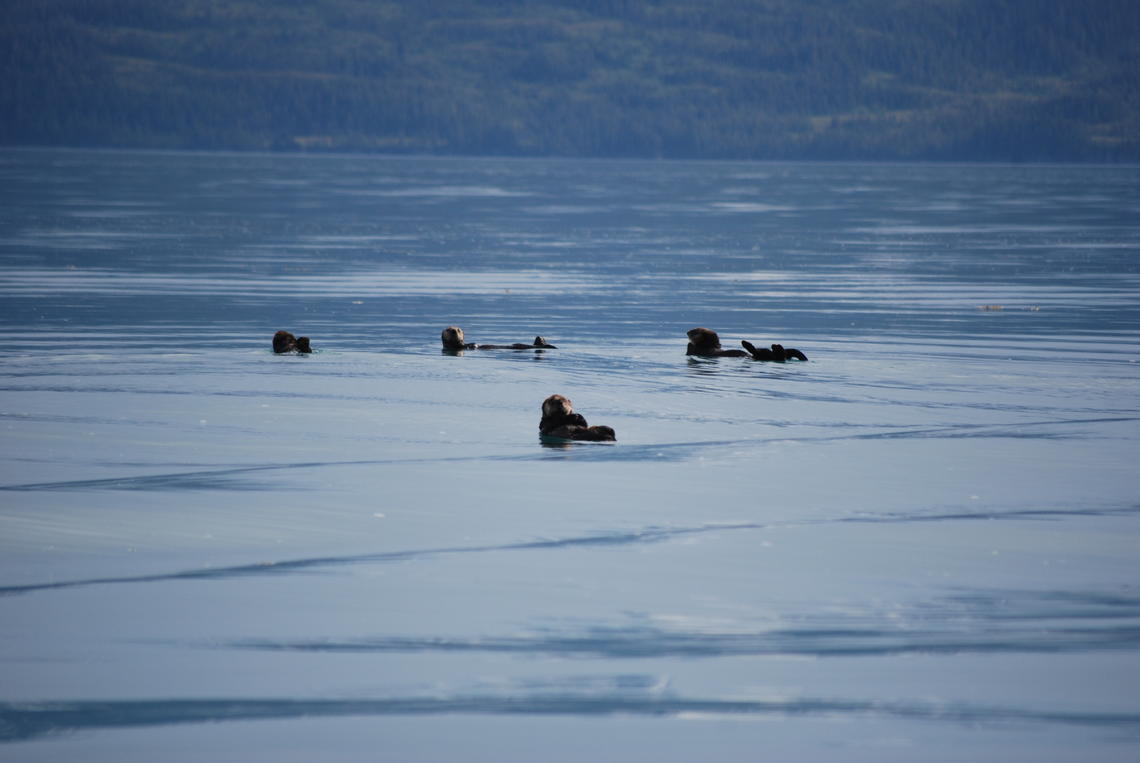
Counting sea otters by boat versus plane, which survey method is better? Estimating the number of otters is often difficult to determine. USGS George Esslinger reports how long-term monitoring data was used to compare survey methods. #AMSS2022#seaotters
ALT Sea otters enjoying a summertime swim in open water in Prince William Sound, Alaska
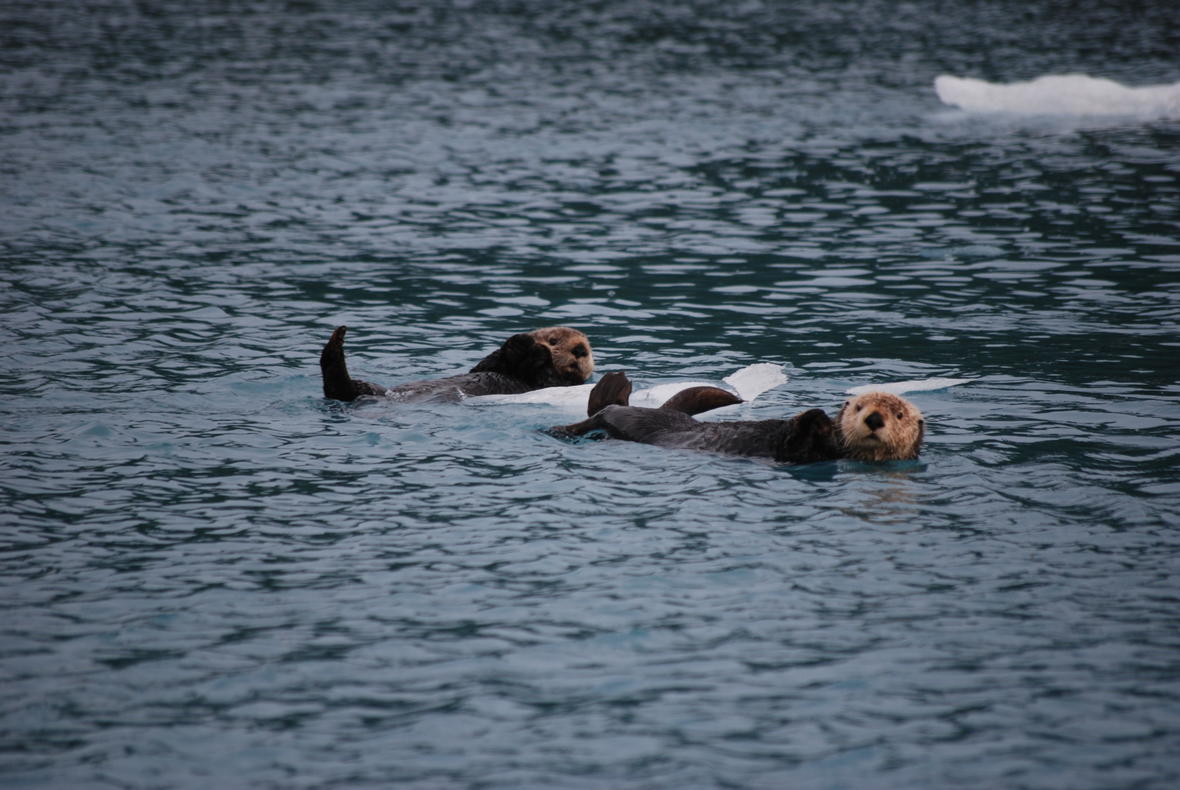
Sea otters have been returning to Cook Inlet following their near extinction during the marine fur trade. USGS Nicole Laroche evaluates the role of winter sea ice on otter distributions. #AMSS2022#seaotters#seaice
ALT Close up of two sea otters floating in water next to chunks of ice.
What’s on the menu for sea otters in the Gulf of Alaska? USGS Sarah Traiger discusses how changing habitats, disease and marine heatwaves can affect food availability. Monitoring diet and the invertebrate community provides better understanding of nearshore ecosystems. #AMSS2022
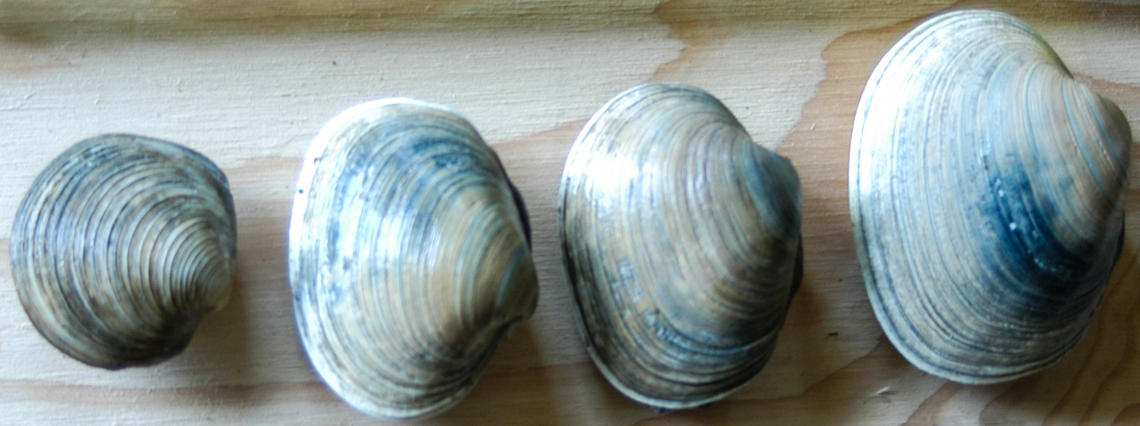
ALT Four clams (largest to smallest from right to left) layed out on a piece of plywood as part of a sea otter forage survey in Glacier Bay National Park and Preserve.
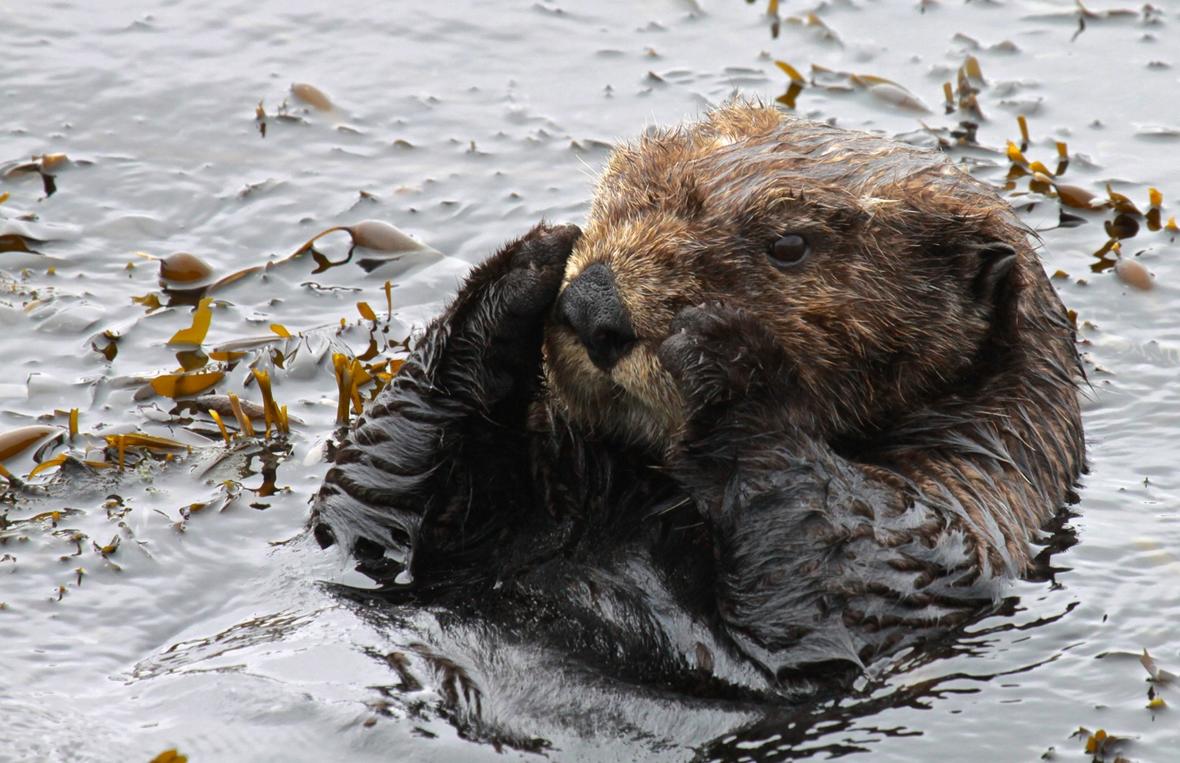
ALT This southern sea otter is settling down to rest in a small patch of Egregia (feather boa kelp).
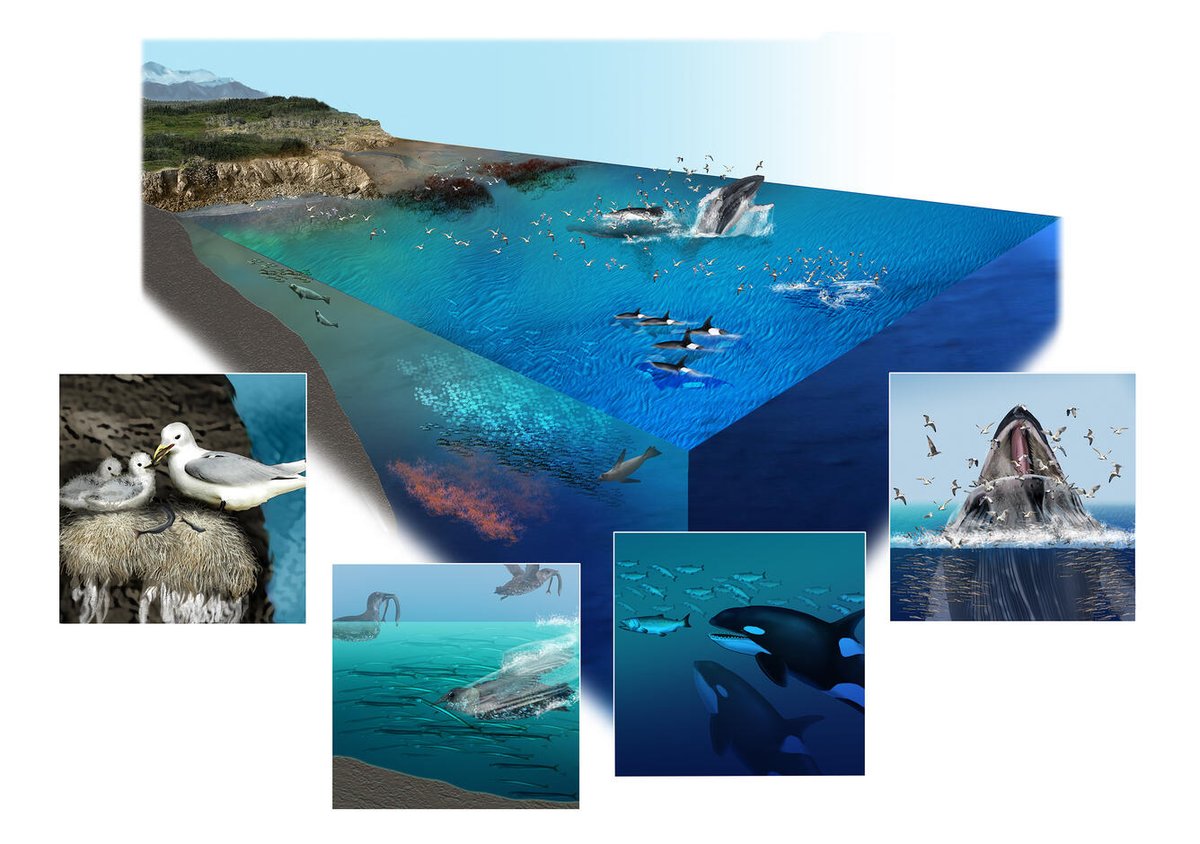
The Gulf Watch Alaska pelagic study comprises projects on killer whales, humpback whales, marine birds, and forage fish. USGS Mayumi Arimitsu discusses long-term monitoring efforts focused on understanding population trends and predator-prey interactions. #AMSS2022
ALT Graphic with five images. Main graphic shows land to ocean with whales, seals, and forage fish under the water. Two smaller boxes show humpback whale bubble net feeding and killer whales hunting fish. Other two boxes show seabirds feeding on small fish and kittiwake on nest feeding two chicks.
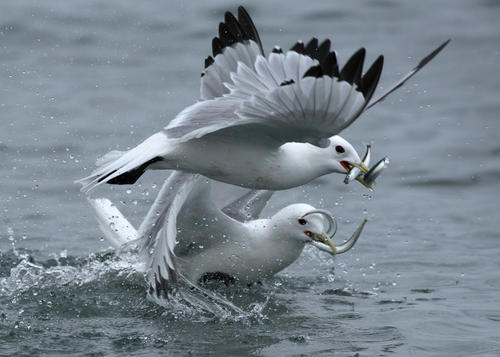
Birds are top-level marine predators and reflect the status and condition of ocean environments. USGS Brian Robinson compares marine #bird communities in Kenai Fjords and Katmai National Parks including pre and post effects of the Pacific Marine Heatwave #AMSS2022
ALT Black-legged Kittiwakes foraging for fish in Cook Inlet, Alaska.
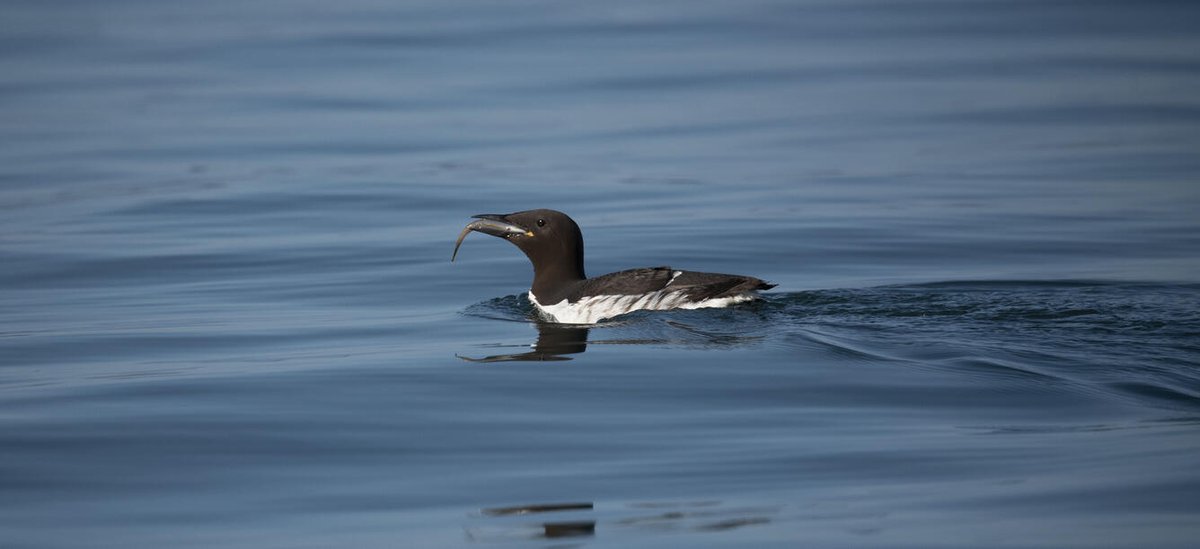
ALT A Common Murre holds a Northern Ronquil in its bill. Photo taken at Gull Island in Kachemak Bay, Alaska.
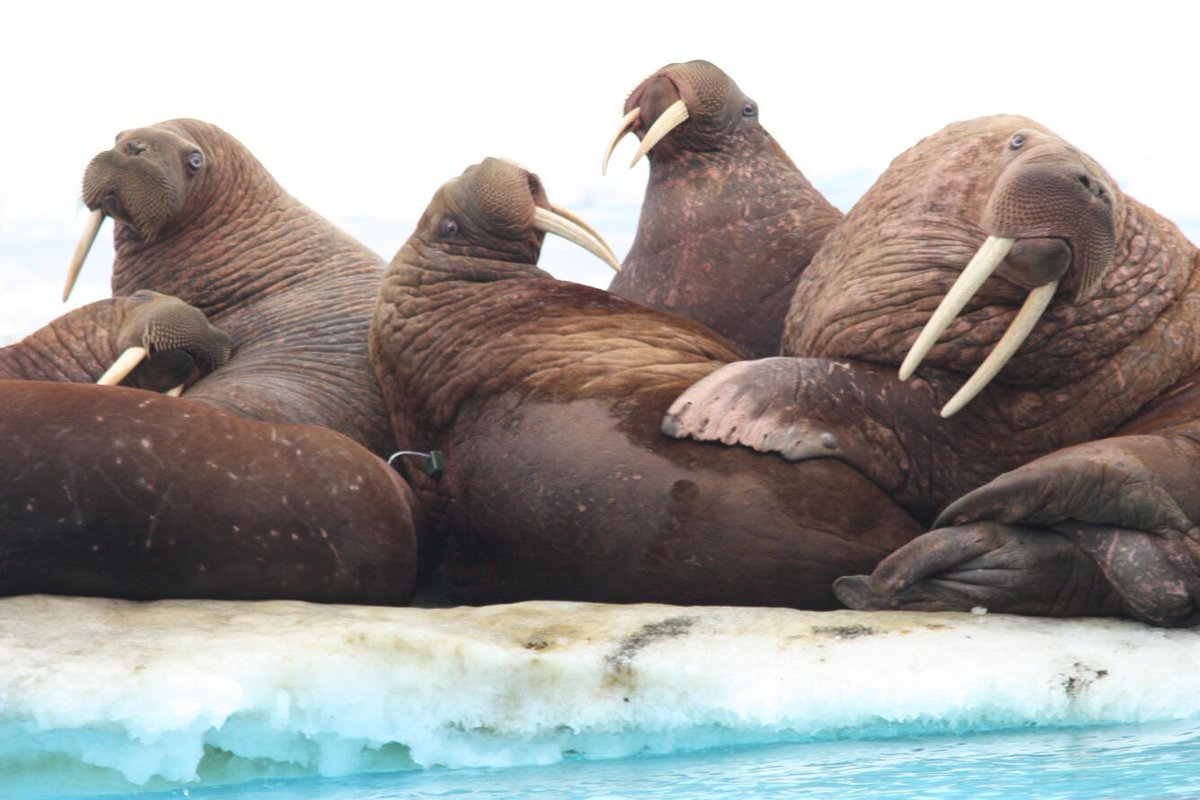
The Pacific walrus population is of interest to wildlife managers and Indigenous Peoples. Counting #walruses at sea is difficult. USGS Rebecca Taylor discusses use of drone photos and satellite-tagging data to better estimate numbers of walruses in Alaska. #AMSS2022
ALT Six walrus on ice flow. The middle walrus has a satellite tag on its back. Scientists radio-tag walruses in the Chukchi and Bering seas to better understand their movements and foraging behavior.
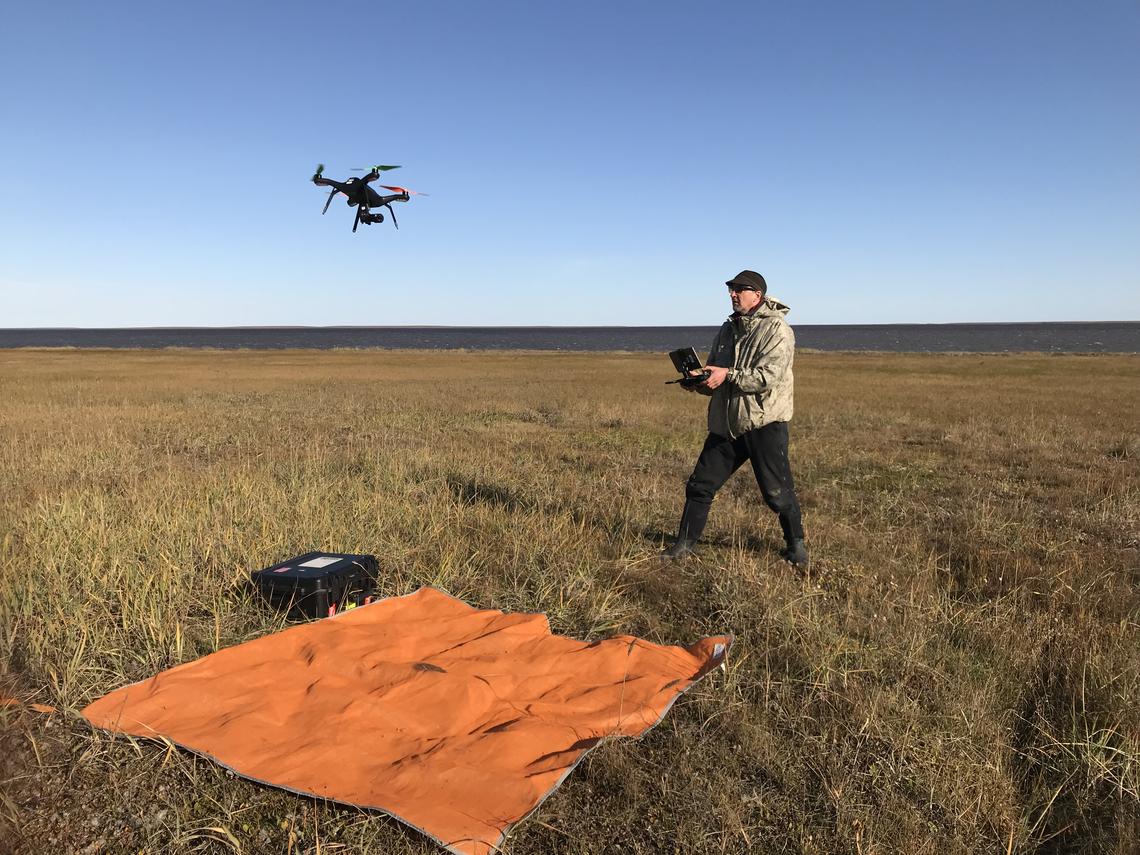
ALT USGS wildlife biologist, Anthony Fischbach, piloting an unmanned aerial system (UAS) for use in surveying walruses while they rest on shore. The UAS is flown above 300 feet altitude such that it enables survey data collection with minimal risk to the walruses.
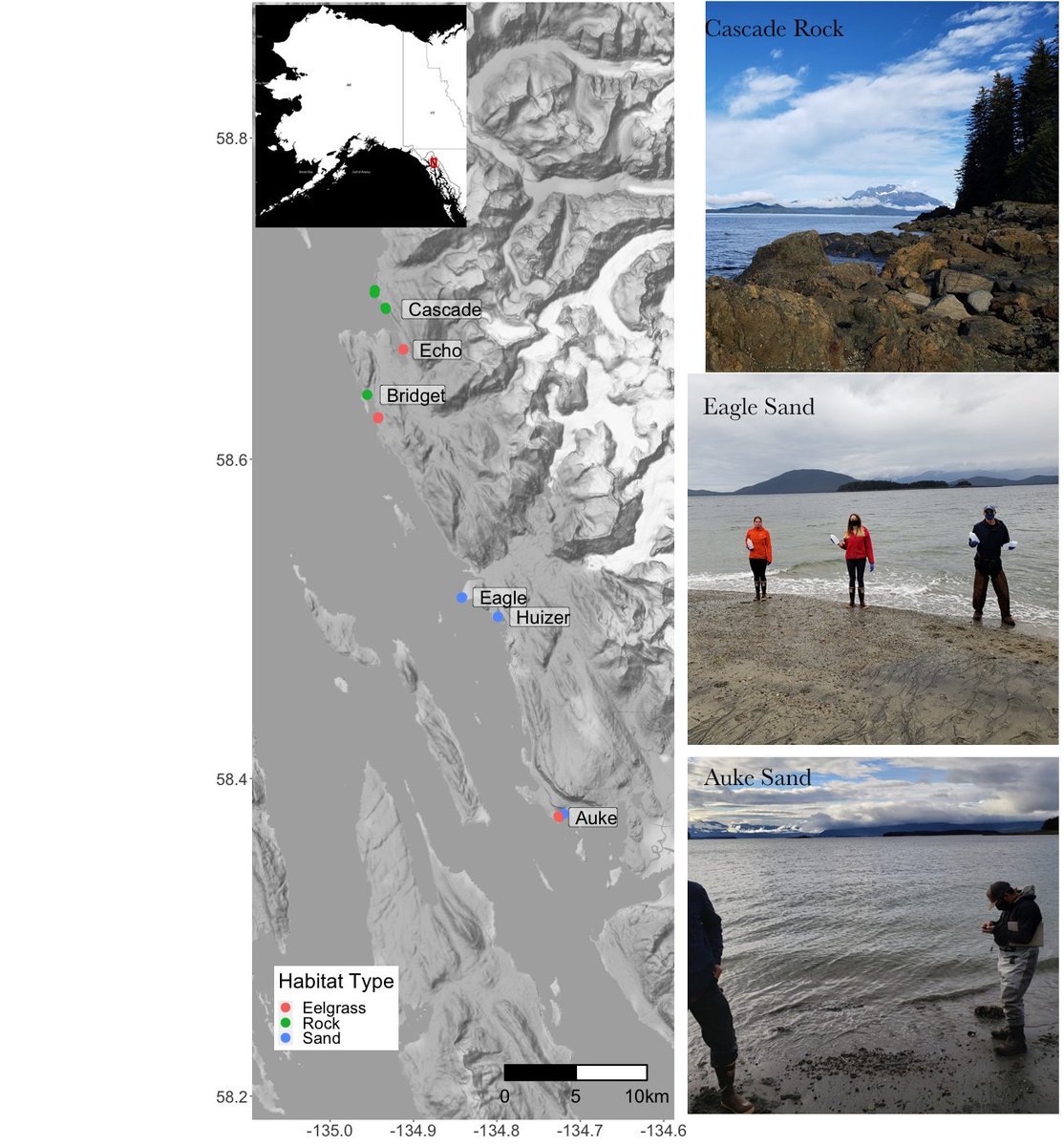
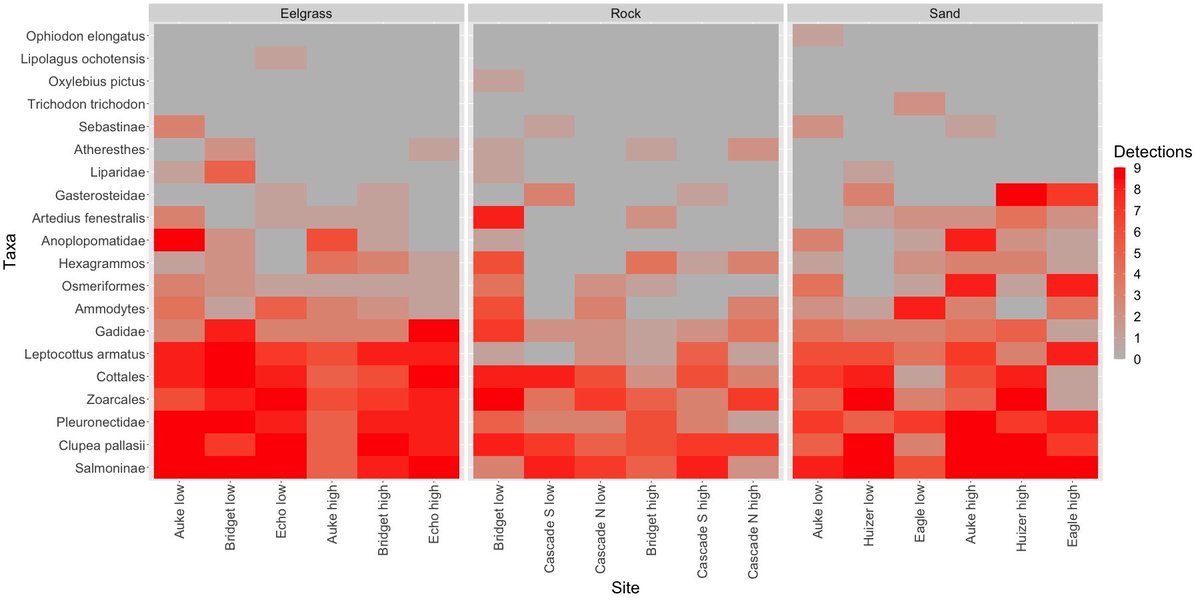
Check out our first paper on #eDNA in Alaska bit.ly/3GN8Pab. We sampled nearshore fish communities and found that they differ by habitat and, to a lesser extent, by tide. Take home: most eDNA likely comes from highly local sources and habitat characteristics matter.
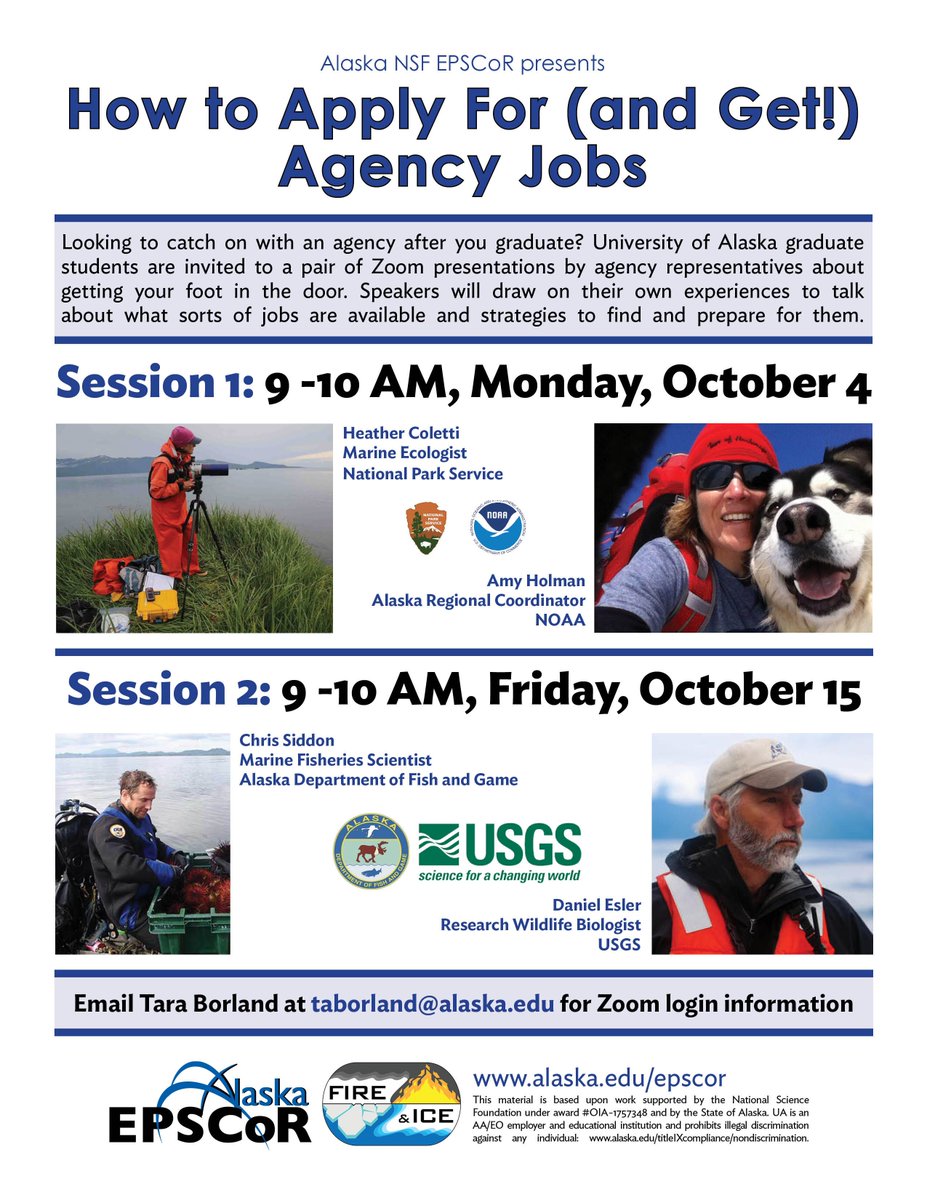
Tomorrow at 9 AM, UA grad students are invited to the second of two presentations on the topic of applying for and getting agency jobs. Tomorrow's presenters hail from the Alaska Department of Fish & Game and the USGS.
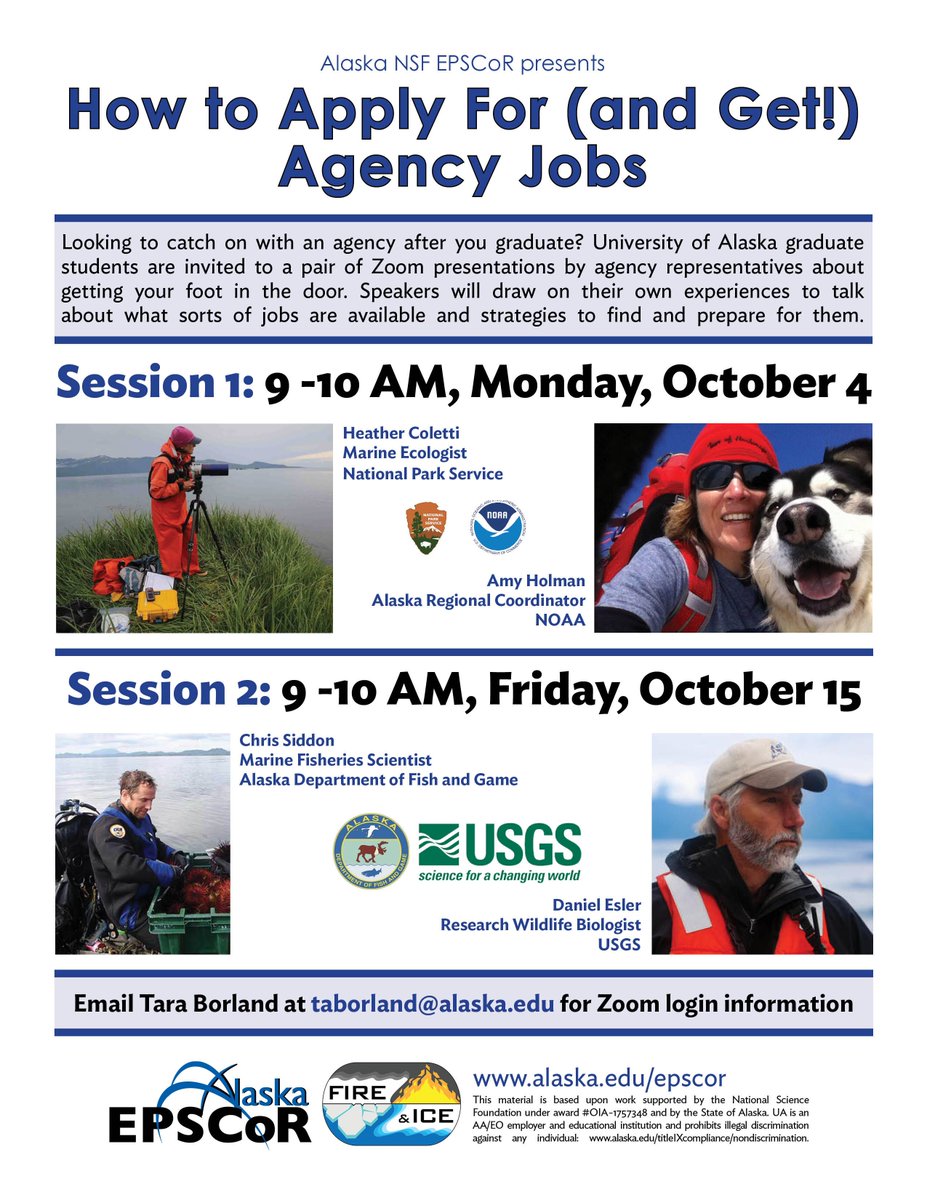
Monday at 9 AM, UA grad students are invited to the first of two presentations on the topic of applying for and getting agency jobs. Monday's presenters hail from the National Park Service and NOAA.