
Filmmaker ❤️| Creative Director, Editor.| C.E.O -DELAMM MEDIA | Farmer |I Sell Beard 🧔🏾♂️ /Hair Growth products.
Joined May 2015
- Tweets 3,750
- Following 960
- Followers 937
- Likes 16,275
737 Photos and videos
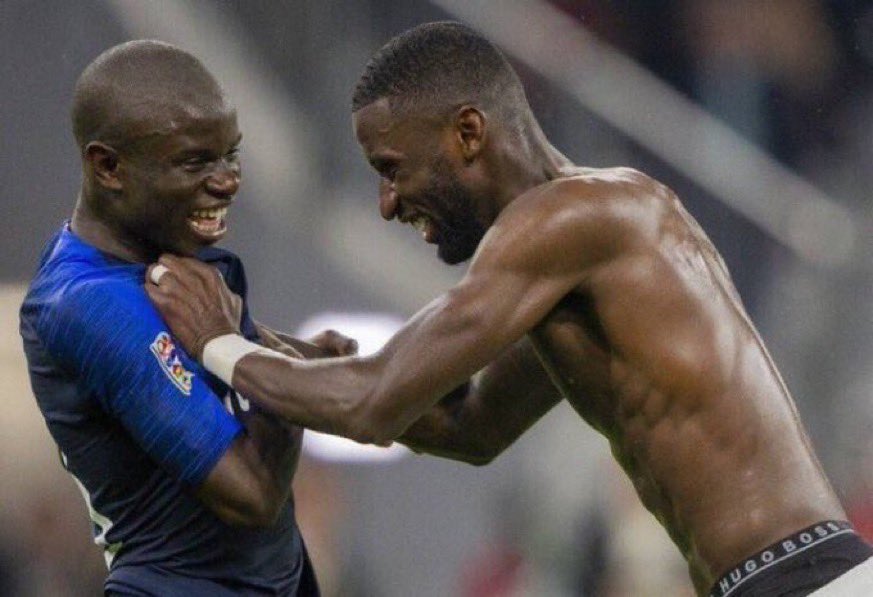



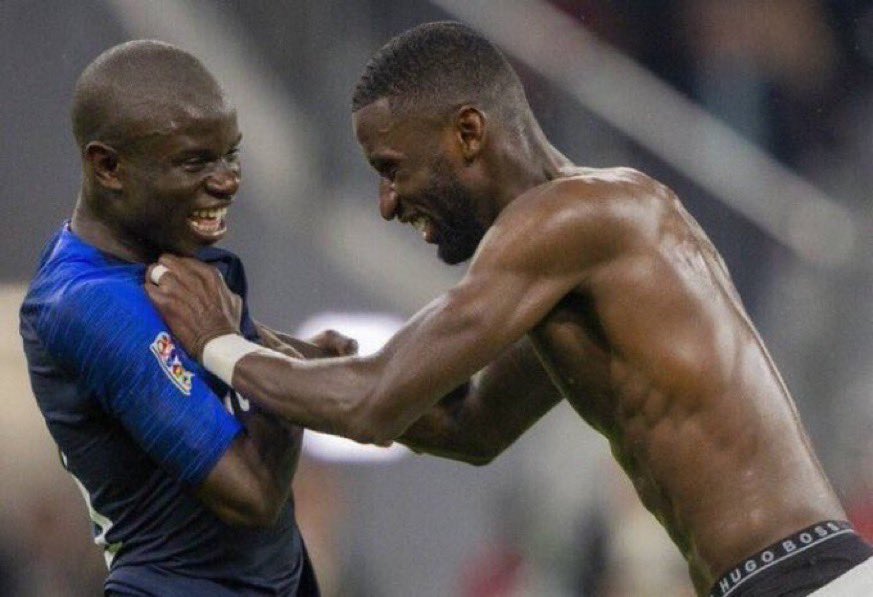
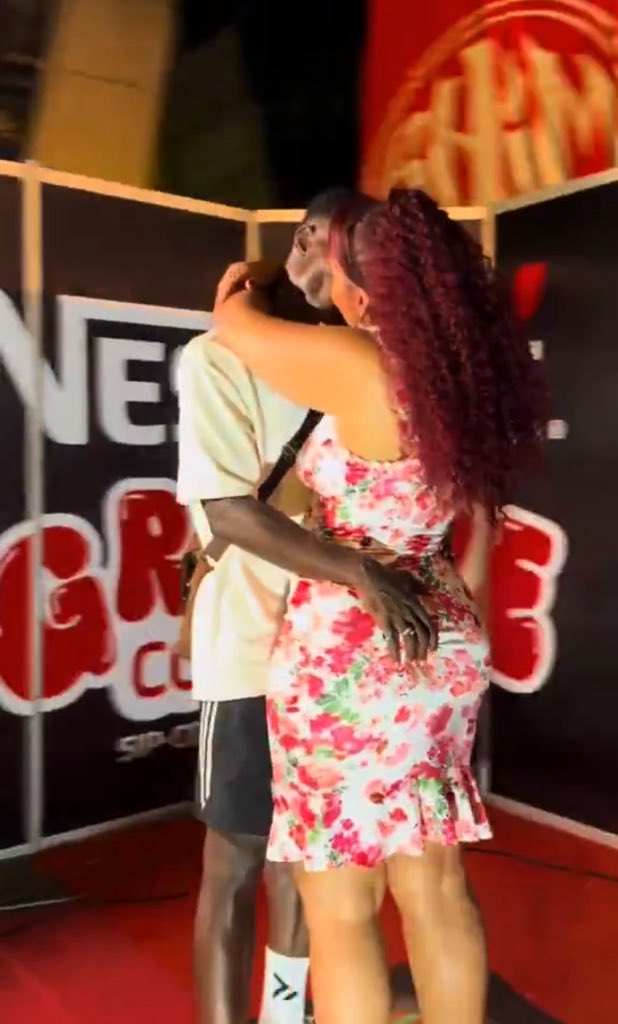


Ivory Coast 🇨🇮 strikers want to hug the goal keeper before scoring 🤦🏾♂️🤦🏾♂️😭
2
80
Mexico 🇲🇽 is taking South Africa jaaabb. Go bek hoooommee 😂
1
241
Is there something we are not missing here?
@GhanaBlackstars @SaddickAdams @Fentuo_ @kobe_boujee88 @gyaigyimii
17
I think this can help a lot of people about the Resolution put up by Ghana 🇬🇭 at the UN especially the FBA boots

Letter to my dear Bongo Brother!
1. This letter is addressed to my brother Manasseh Azure Awuni (@Manasseh_Azure). But in truth it is intended to be read by all interested in the conversations evoked by his recent writings.
2. Precisely because of that wider target audience, I apologize in advance. For my writing will be a little dense and perhaps too academic for how I usually write on social media.
3. For all who follow me; you know that I try to separate my academic work from how I engage here because I want to carry along the most amount of people when I write. Many say they appreciate how I make law accessible.
4. But issues at hand beget their own manner of responding. The issues are at once academic and dense, so forgive.
5. Manasseh is correct. Correct in that African merchant involvement as middlemen in this barbaric enterprise must be catalogued and be part of the broader reparations conversation.
6. Now in having that conversation we must do so to educate and enlighten so we can better acknowledge how we too repair. YES ! WE TOO MUST REPAIR!
7. My worry however, is that we must be careful that we do not tether too closely to the ever regressive argument which holds that the participation of African merchants and polities in the transatlantic slave trade somehow negates or dilutes the moral and legal case for holistic repair.
8. Still, this line of reasoning which many find in your writing, deserves serious engagement, because it touches on genuine historical complexity. Yet, I find that it ultimately rests on a conflation of complicity with causation; or worse, it conflates moral imperfection with an imposed forfeiture of justice.
8. Now, let us be precise about what the historical record shows. Yes, African rulers, merchants, and intermediaries participated in the capture and sale of enslaved persons.
9. This is neither new scholarship nor a suppressed truth. It has been extensively documented by historians from Walter Rodney to Toyin Falola. The question is not whether this happened. The question here is what follows from it, legally and morally.
10. This is what I feel you address inelegantly, if at all!
11. Consider an instructive parallel. During the Holocaust, some Jews run the Jüdischer Ordnungsdienst, Jewish police units in the ghettos tasked with maintaining order and, in some cases, facilitating deportations to extermination camps.
12. The moral anguish of that role has been the subject of profound reflection, from Hannah Arendt’s controversial treatment of the Judenräte to more recent and more sympathetic scholarship recognising the impossible conditions under which these individuals operated. And yet no serious person has ever suggested that the existence of the Ordnungsdienst undermines the case for Holocaust reparations, restitution, or even the basic moral claim that what was done to the Jewish people constituted an unparalleled crime.
13. The reason is straightforward: the system was not designed, or imposed, by its victims, even where some among the victimised were drawn into its machinery as key players.
14. The same structural logic applies to the transatlantic trade. The system of racialised chattel slavery that defined the Atlantic world from the sixteenth century onward was conceived, financed, legislated, and enforced by European powers and their colonial successors.
15. The legal architecture of the Code Noir, the Slave Codes of the British Caribbean and the American South, the asientos, the joint-stock companies chartered by European crowns: none of this originated in Africa. African participation occurred within a system whose terms, prices, destinations, and ultimate purposes were determined by external demand.
16. To put it bluntly, treating the middleman as the architect is to confuse a distorted market response with the market’s creation.
1
228
Saviour EK🧔🏽♂️ 🇬🇭⚪️ retweeted

Letter to my dear Bongo Brother!
1. This letter is addressed to my brother Manasseh Azure Awuni (@Manasseh_Azure). But in truth it is intended to be read by all interested in the conversations evoked by his recent writings.
2. Precisely because of that wider target audience, I apologize in advance. For my writing will be a little dense and perhaps too academic for how I usually write on social media.
3. For all who follow me; you know that I try to separate my academic work from how I engage here because I want to carry along the most amount of people when I write. Many say they appreciate how I make law accessible.
4. But issues at hand beget their own manner of responding. The issues are at once academic and dense, so forgive.
5. Manasseh is correct. Correct in that African merchant involvement as middlemen in this barbaric enterprise must be catalogued and be part of the broader reparations conversation.
6. Now in having that conversation we must do so to educate and enlighten so we can better acknowledge how we too repair. YES ! WE TOO MUST REPAIR!
7. My worry however, is that we must be careful that we do not tether too closely to the ever regressive argument which holds that the participation of African merchants and polities in the transatlantic slave trade somehow negates or dilutes the moral and legal case for holistic repair.
8. Still, this line of reasoning which many find in your writing, deserves serious engagement, because it touches on genuine historical complexity. Yet, I find that it ultimately rests on a conflation of complicity with causation; or worse, it conflates moral imperfection with an imposed forfeiture of justice.
8. Now, let us be precise about what the historical record shows. Yes, African rulers, merchants, and intermediaries participated in the capture and sale of enslaved persons.
9. This is neither new scholarship nor a suppressed truth. It has been extensively documented by historians from Walter Rodney to Toyin Falola. The question is not whether this happened. The question here is what follows from it, legally and morally.
10. This is what I feel you address inelegantly, if at all!
11. Consider an instructive parallel. During the Holocaust, some Jews run the Jüdischer Ordnungsdienst, Jewish police units in the ghettos tasked with maintaining order and, in some cases, facilitating deportations to extermination camps.
12. The moral anguish of that role has been the subject of profound reflection, from Hannah Arendt’s controversial treatment of the Judenräte to more recent and more sympathetic scholarship recognising the impossible conditions under which these individuals operated. And yet no serious person has ever suggested that the existence of the Ordnungsdienst undermines the case for Holocaust reparations, restitution, or even the basic moral claim that what was done to the Jewish people constituted an unparalleled crime.
13. The reason is straightforward: the system was not designed, or imposed, by its victims, even where some among the victimised were drawn into its machinery as key players.
14. The same structural logic applies to the transatlantic trade. The system of racialised chattel slavery that defined the Atlantic world from the sixteenth century onward was conceived, financed, legislated, and enforced by European powers and their colonial successors.
15. The legal architecture of the Code Noir, the Slave Codes of the British Caribbean and the American South, the asientos, the joint-stock companies chartered by European crowns: none of this originated in Africa. African participation occurred within a system whose terms, prices, destinations, and ultimate purposes were determined by external demand.
16. To put it bluntly, treating the middleman as the architect is to confuse a distorted market response with the market’s creation.
66
238
729
54,298
Saviour EK🧔🏽♂️ 🇬🇭⚪️ retweeted

18 Apr 2023
Twene Jonas pls this’s serious 🇬🇭🇬🇭😭😭💔💔😂😂😭😭😭
126
157
623
128,129
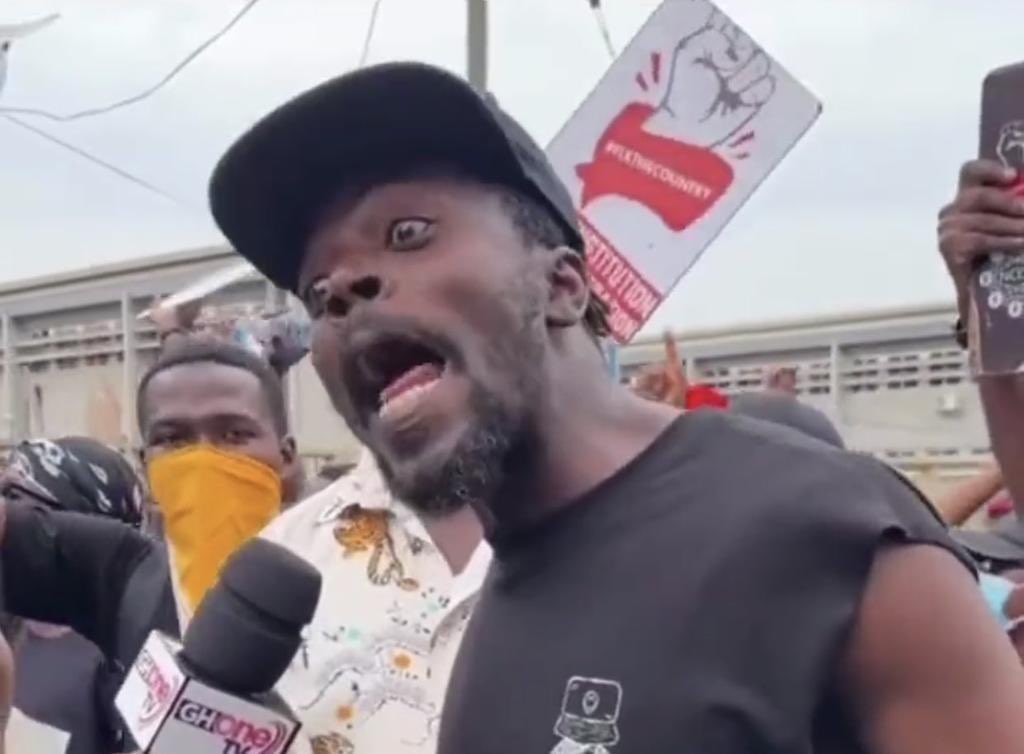
Imagine A Russian Woman also come for the Ghanaian men 😂😂
This is where I want to draw my line 😅😂
1
2
132
The Russia 🇷🇺 guy went to pick an usher in a church in Kenya 🇰🇪😭😭
1
10
6,092
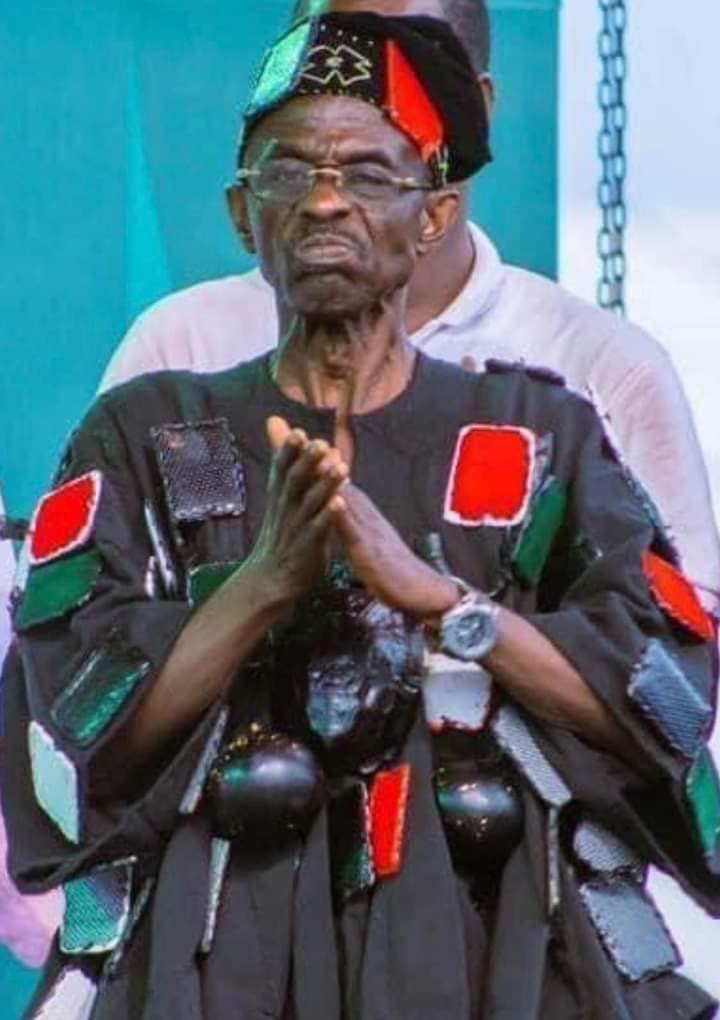
Everyone want to show what @IShowSpeedHQ should do in Ghana. Eiii 35 million engineers and planners 😂
1
73
Saviour EK🧔🏽♂️ 🇬🇭⚪️ retweeted

Jan 5
Road works to intensify in 2026 as government pushes to upgrade national network | CheckOutGhana checkoutghana.com/news-detai…
33
196
793
20,196
Saviour EK🧔🏽♂️ 🇬🇭⚪️ retweeted
31 Dec 2025
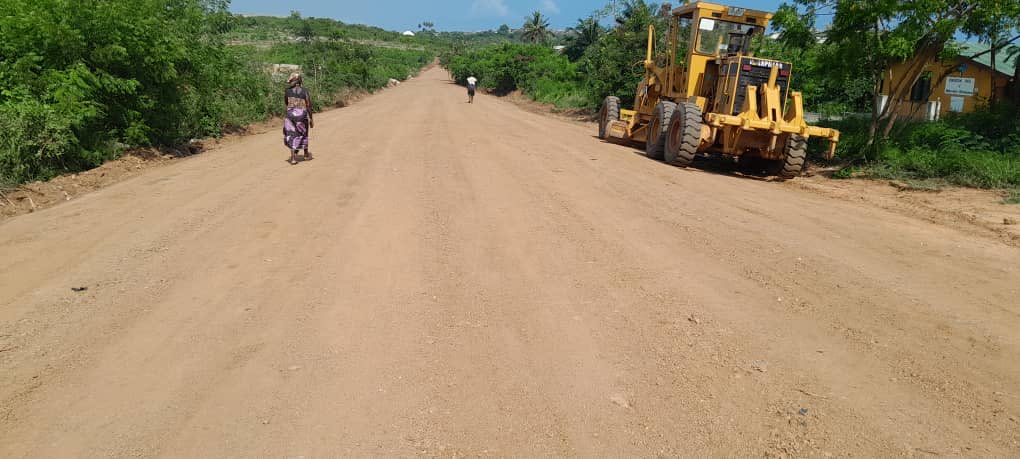
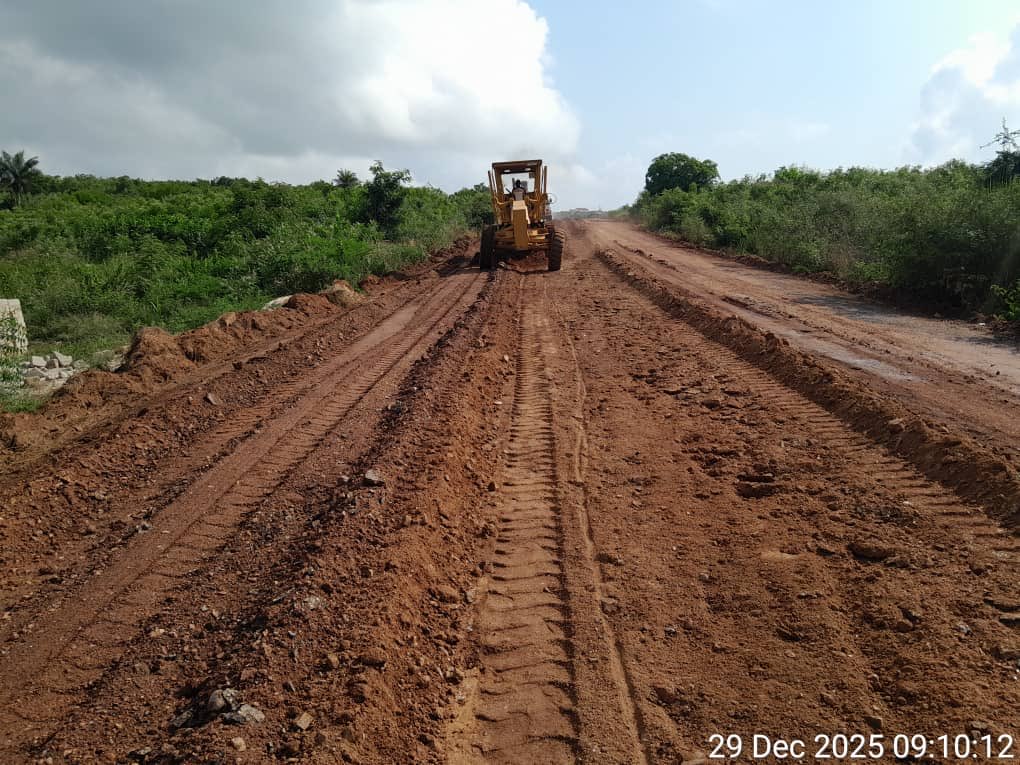
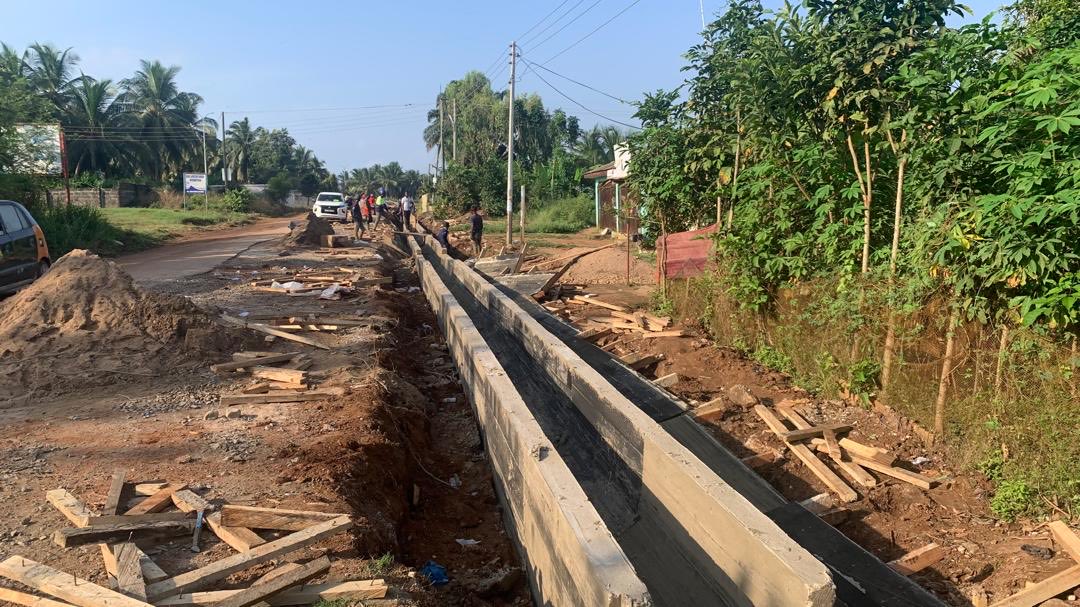
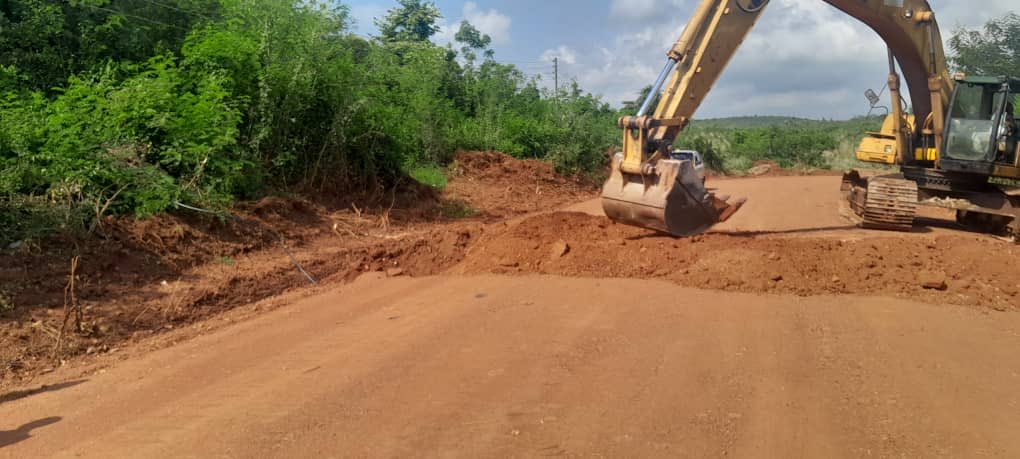
The Road to another significant town , Otuam in the Central Region is in a terrible state. We are doing something about it. Rehabilitation of Apam - Mamford - Hweda- Dago - Otuam Road ongoing.
148
606
3,863
181,252

31 Dec 2025
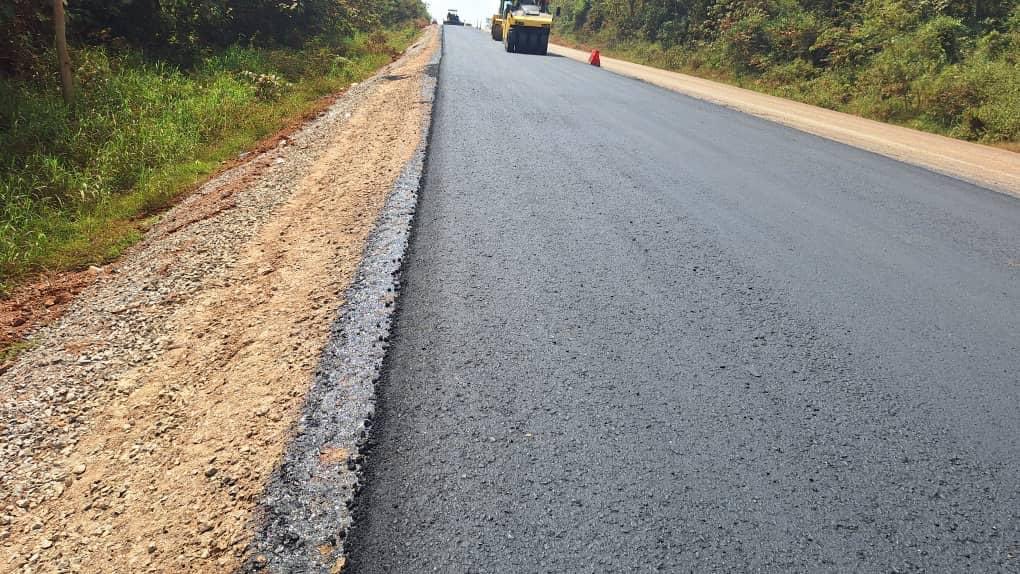
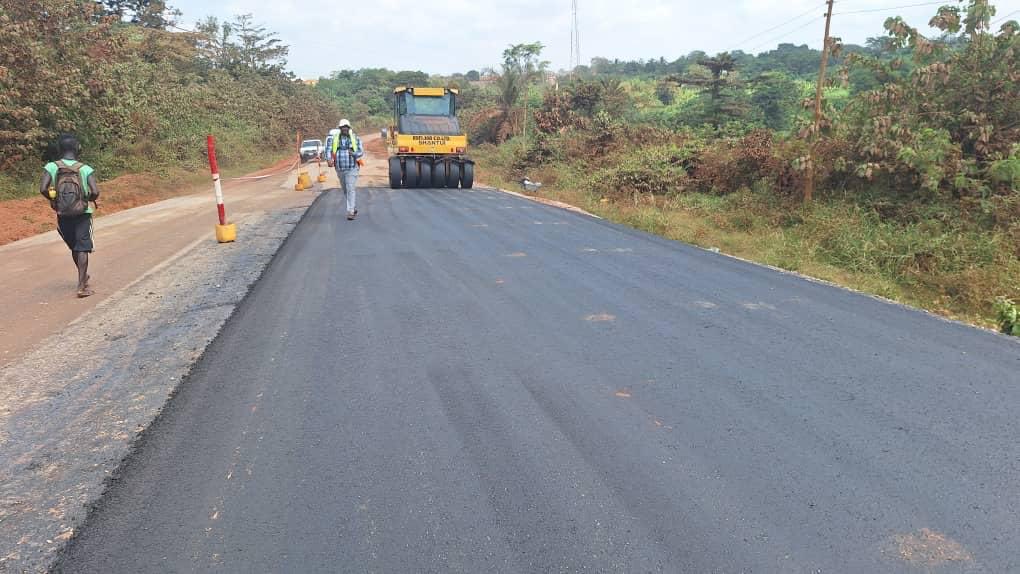
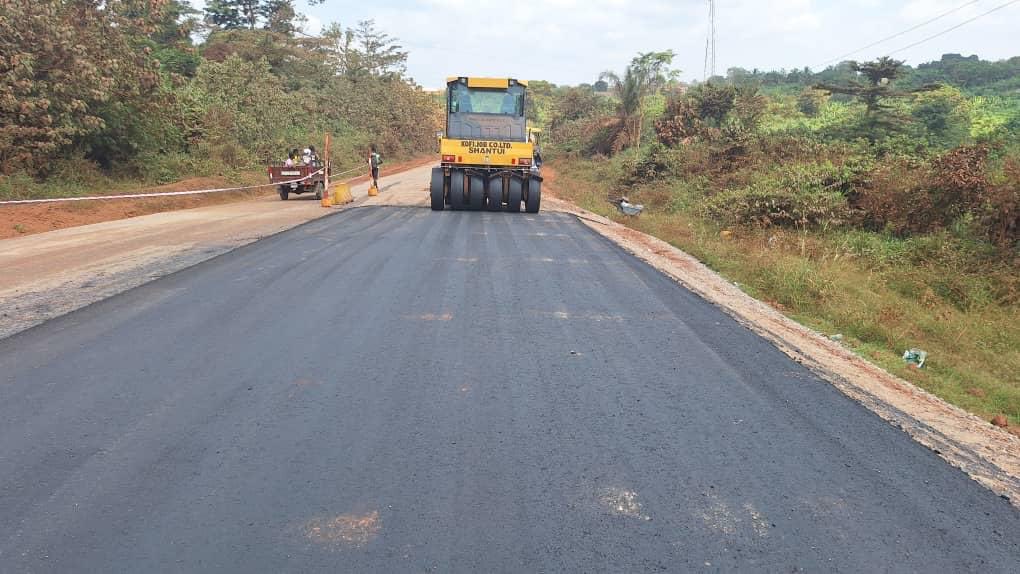
Asphalting on the Tepa Mabang - Goaso Road ongoing progressively
Great works @KAgbodza
1
31
Saviour EK🧔🏽♂️ 🇬🇭⚪️ retweeted
31 Dec 2025
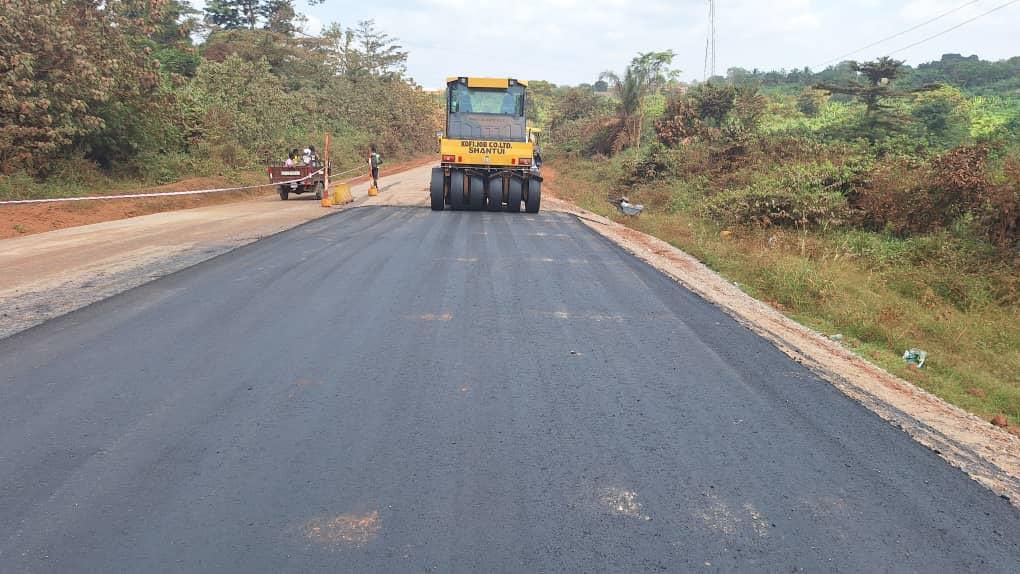
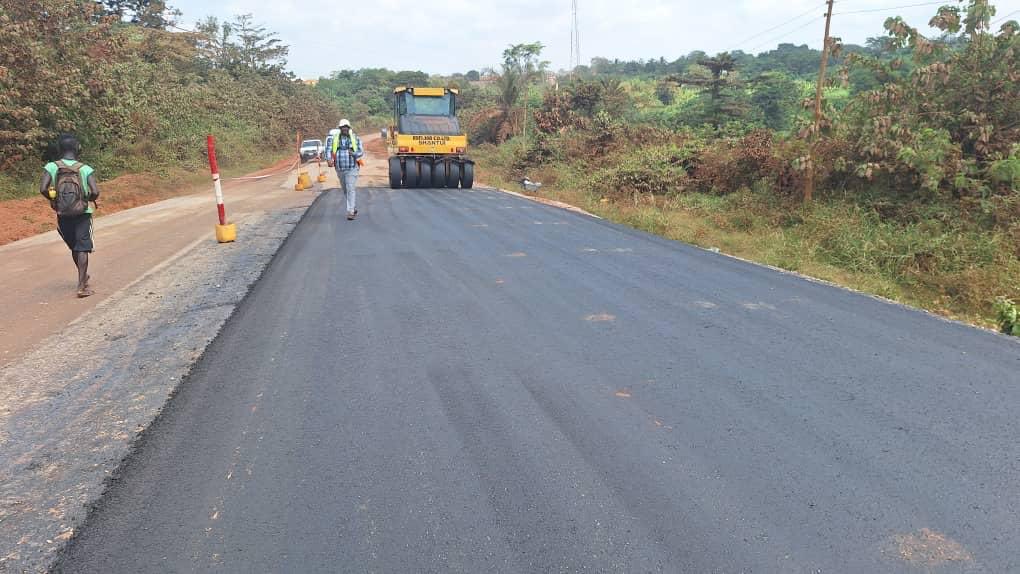
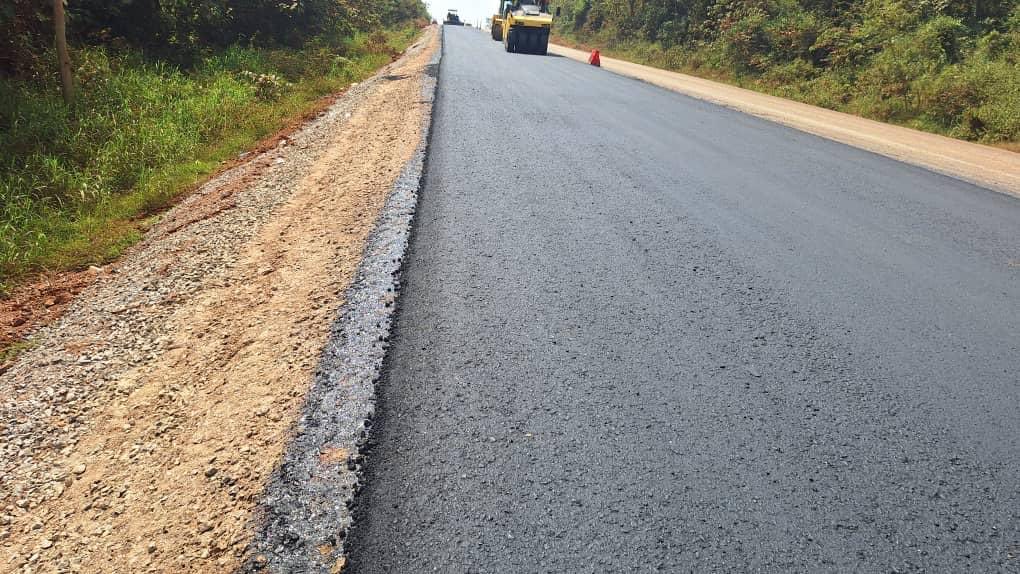
Asphalting on the Tepa Mabang - Goaso Road ongoing.We are making progress.
240
806
6,240
146,271
28 Dec 2025
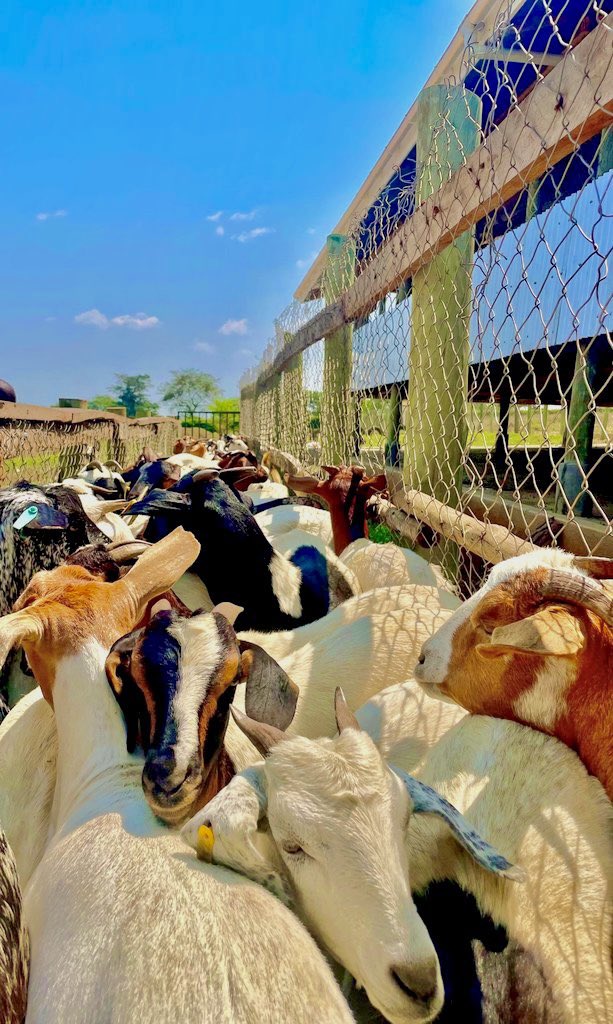
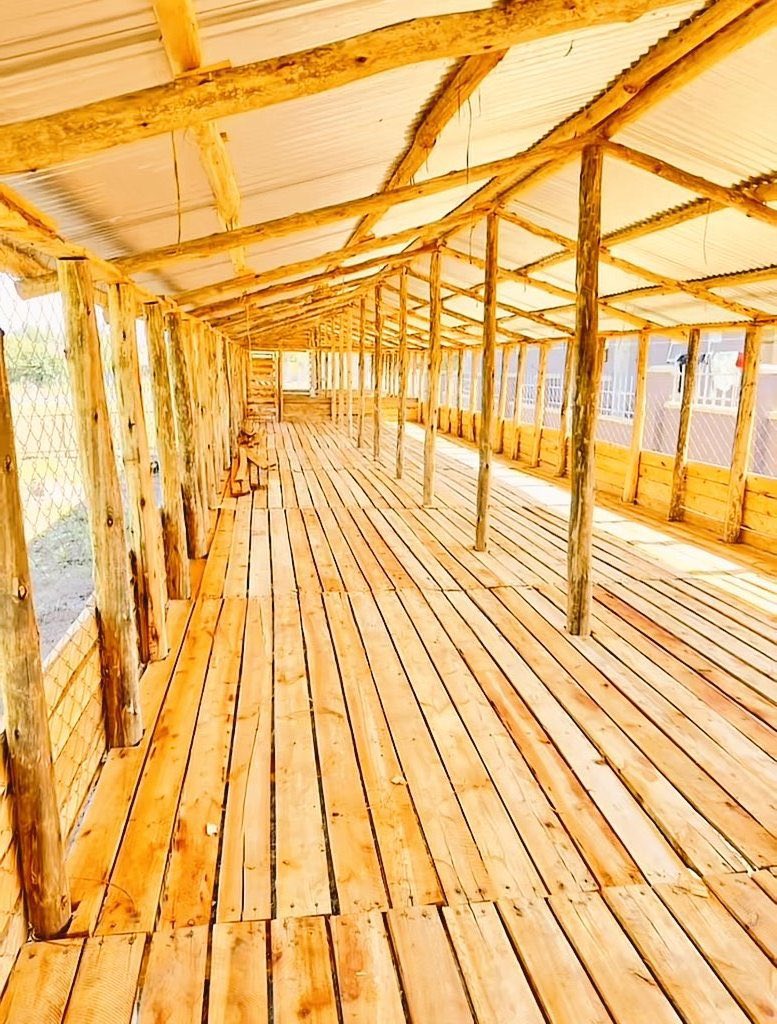
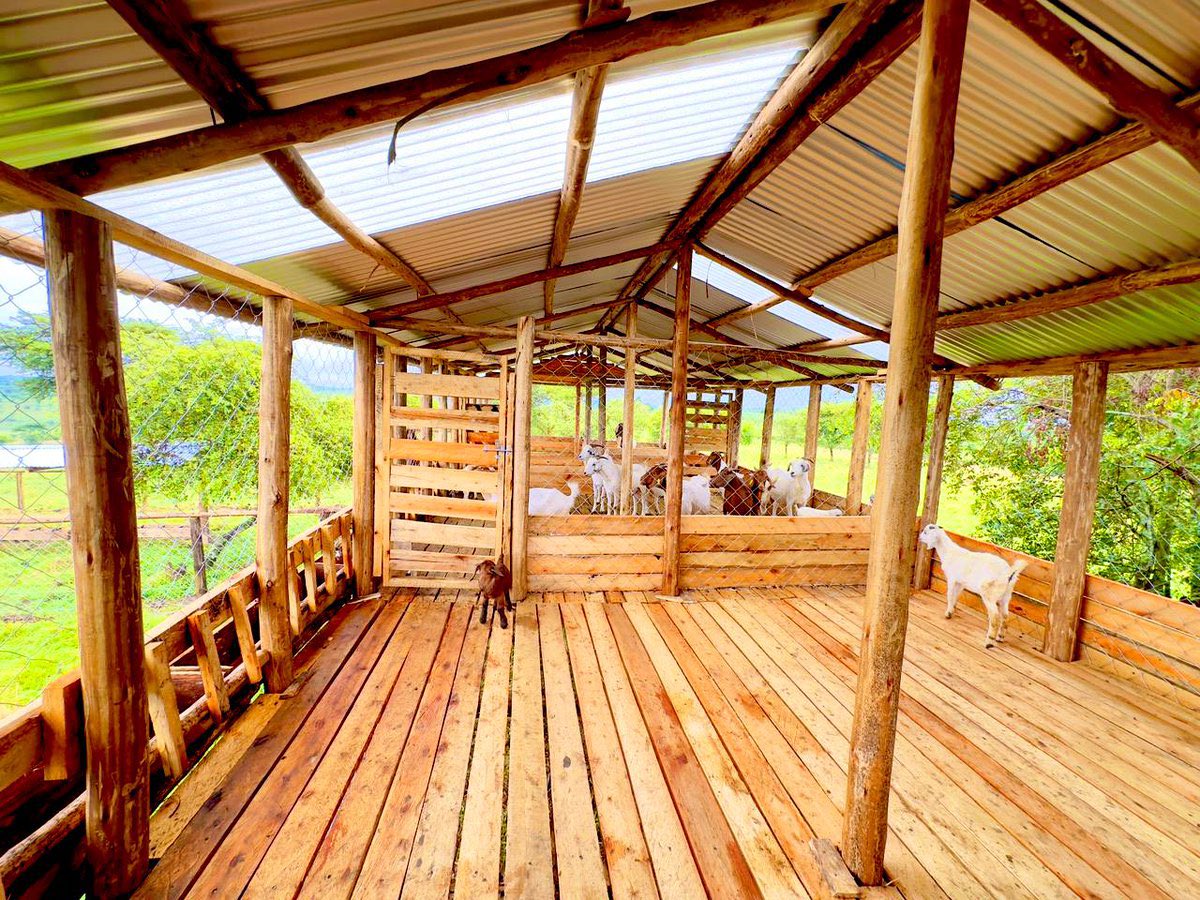
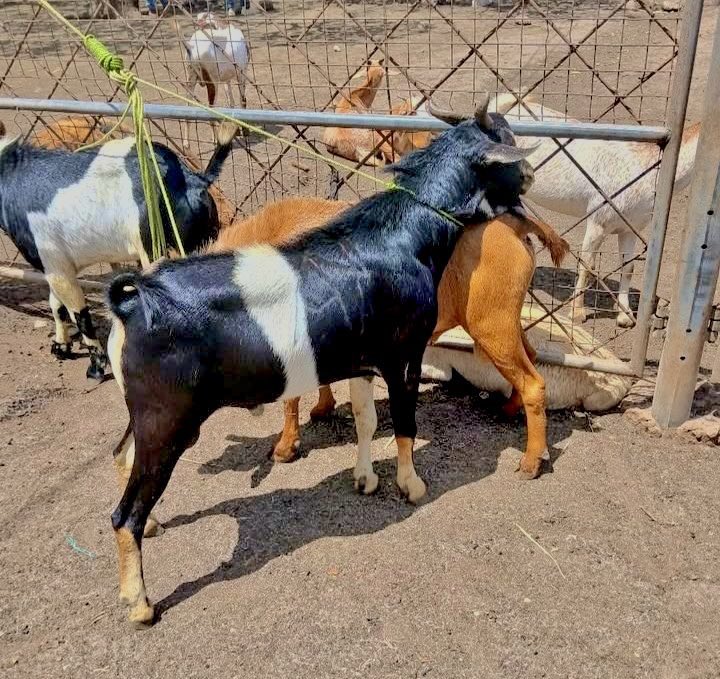
I’ll have the Biggest goat farm in Africa by 2028. It is happening.
2 Dec 2025

The vision is to build the biggest Goat farm in west Africa. So shall it be.🙏 @johndumelo you Dey for me ?
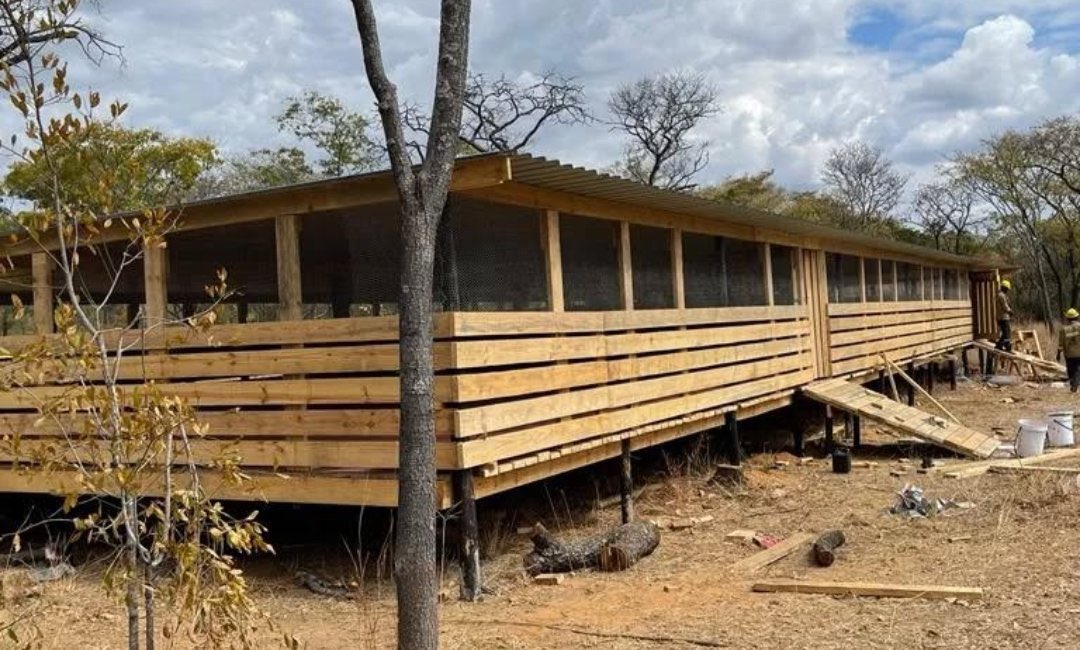
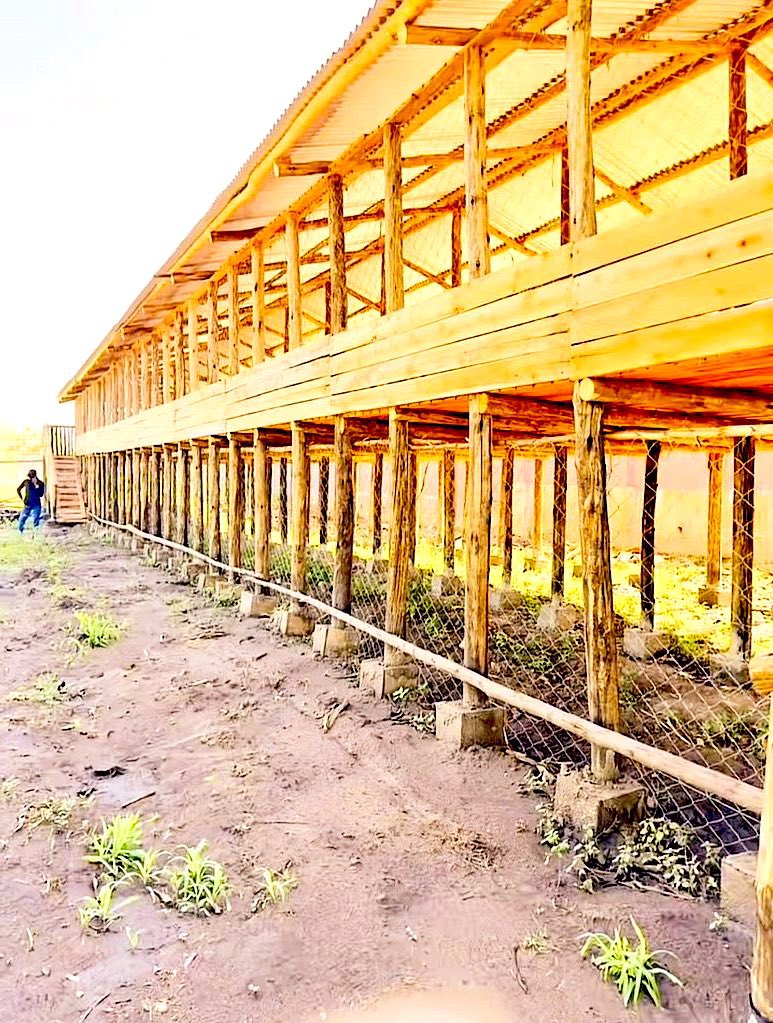
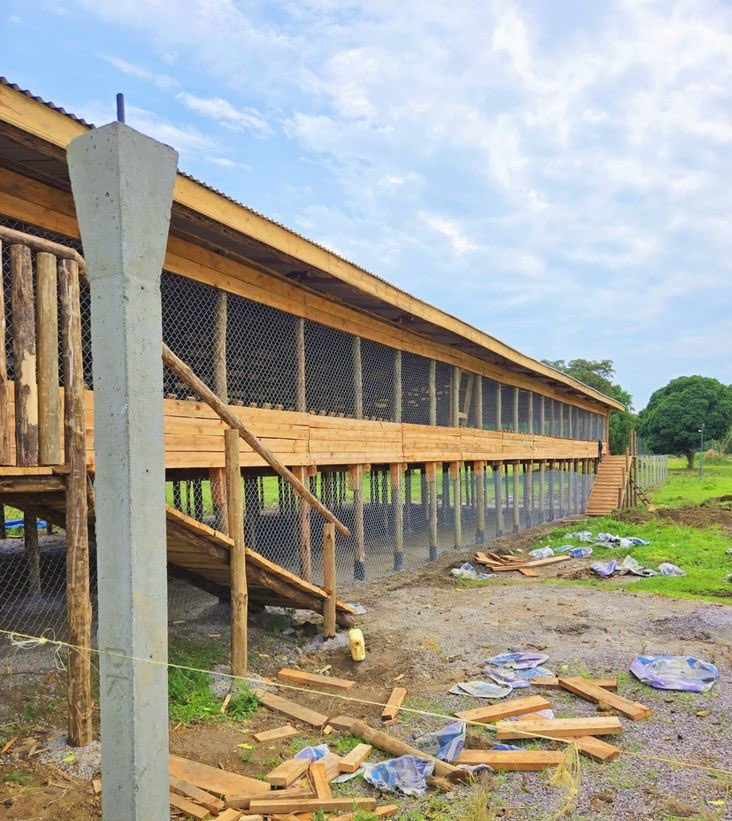
1
40
Saviour EK🧔🏽♂️ 🇬🇭⚪️ retweeted

27 Dec 2025
Let the landlord feel it! Make him the scapegoat… They’ll raise prices so high that only foreigners can rent, but most of these guys are fraudsters. Because of money, they care less. It’s not only greedy politicians who harm the country, greedy citizens do too.
4
32
317
10,471
23 Dec 2025
People get connections oo. You get the creators number all 😳😂😂
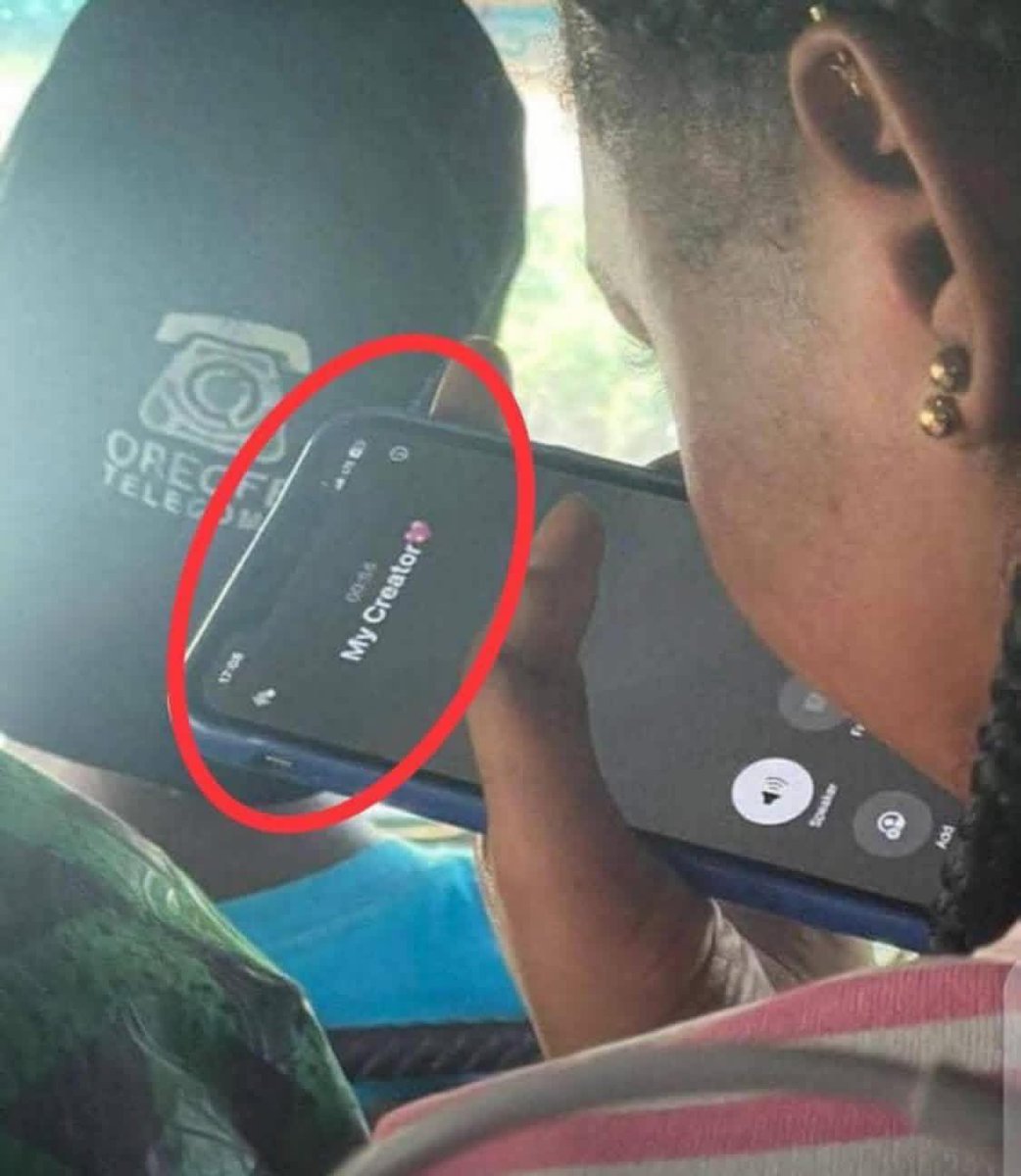
2
52
Saviour EK🧔🏽♂️ 🇬🇭⚪️ retweeted

9 Dec 2025
Just 200 public buses will solve this problem in Accra yet with tax payers money, we have procured over 2,000 buses under Metro Mass, Ayalolo, BRT, Electric Bus system.
Where are the buses? Your guess is as good. There’s a transport minister and various heads of MMT drawing salaries every month to solve this problem.
8 Dec 2025

Commuters battling for trotro but we have Aayalolo left to rot… we have Transport ministers doing absolutely nothing
162
700
2,629
189,855
9 Dec 2025
My able VEEP ❤️
8 Dec 2025

Today, I attended the 46th Ceremonial Change of Guard at the Presidency, where the Ghana Navy formally handed over security responsibilities to the Ghana Air Force.
The ceremony featured an impressive display of drill precision and the trooping of the band, which reflect the high professional standards upheld by our armed forces.
We extend our appreciation to the outgoing guard for their dedicated service, and we welcome the incoming guard with confidence in their readiness and resolve.
May our security services continue to embody excellence, loyalty, and honor in the service of our nation.
1
52