Spatial Cognition and Navigational Neuroscience Lab. @UTA. Just a lab finding our way around the brain and the world. Director: @stevenmweisberg
Joined September 2019
- Tweets 230
- Following 154
- Followers 419
- Likes 110
24 Photos and videos
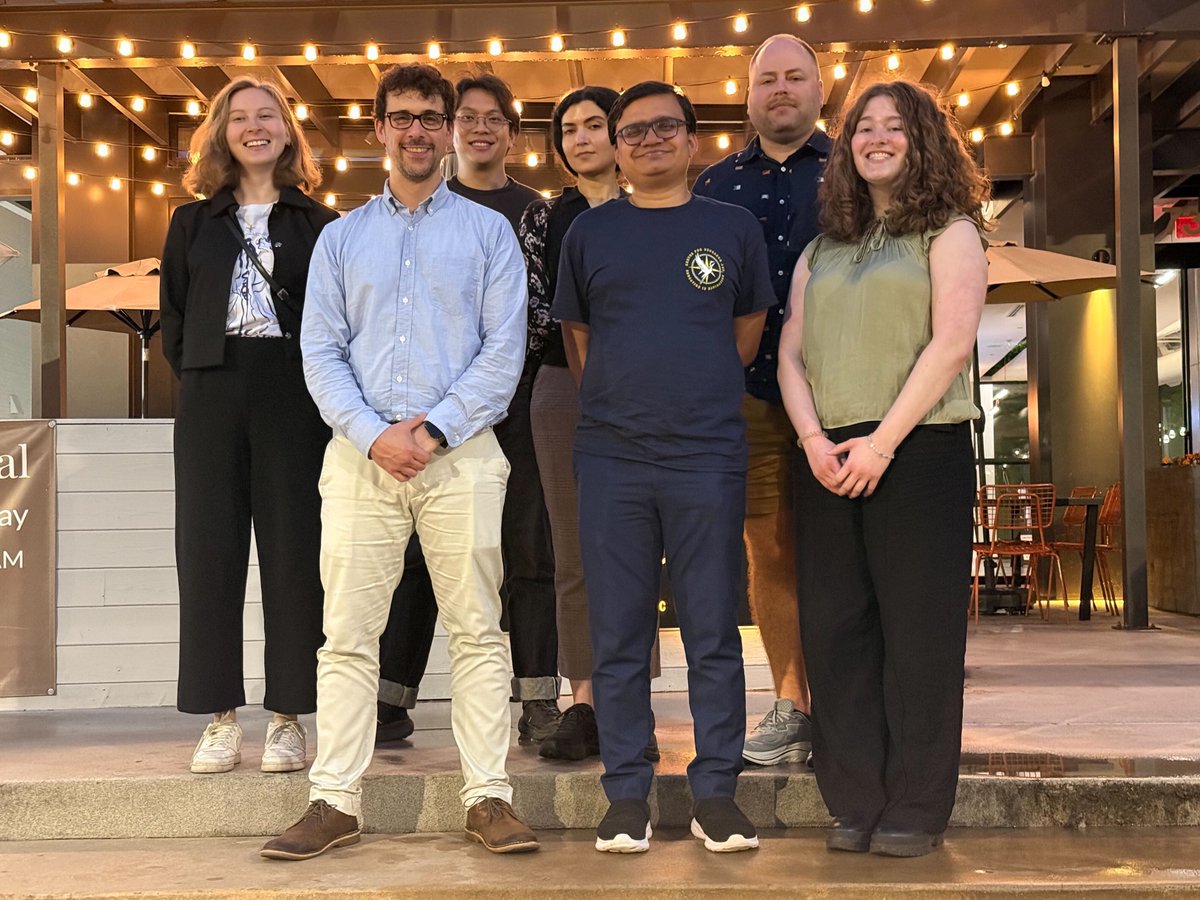
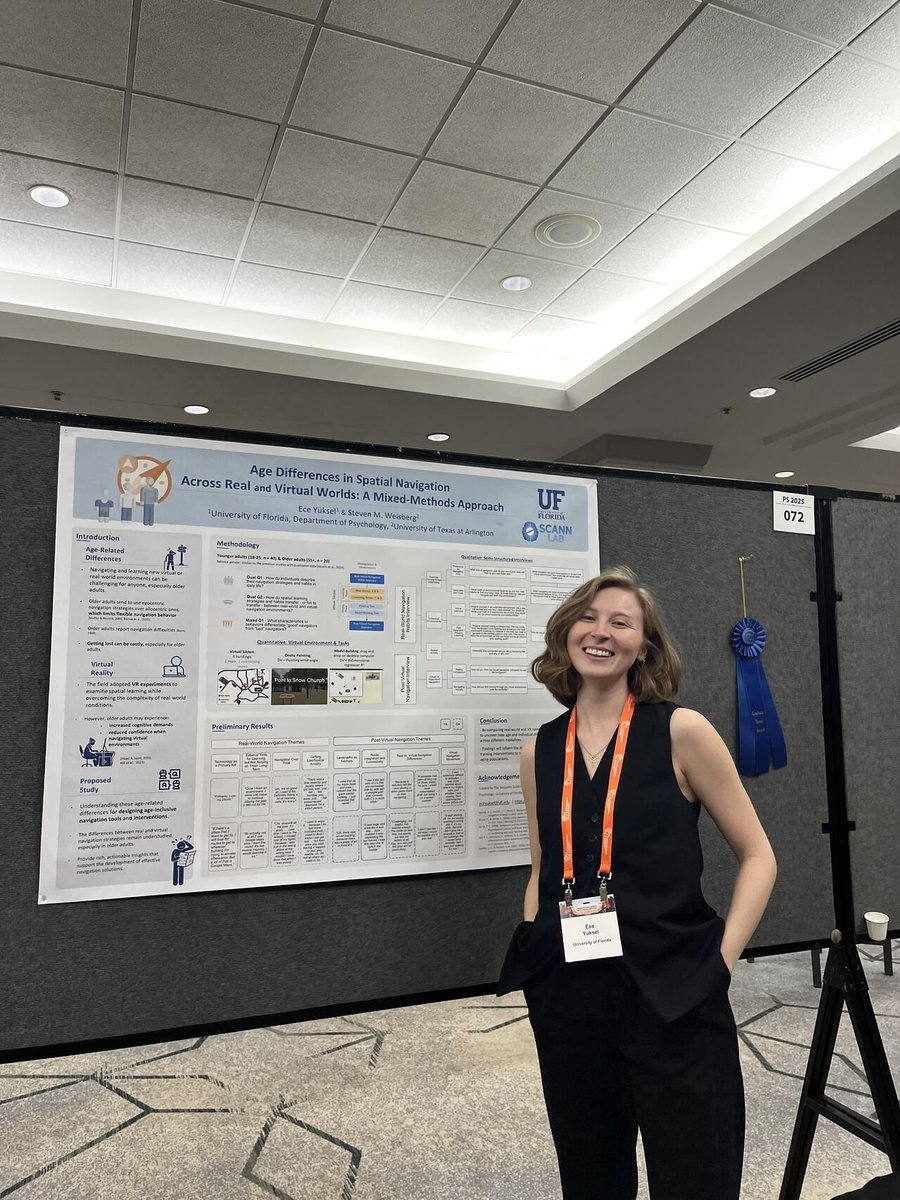
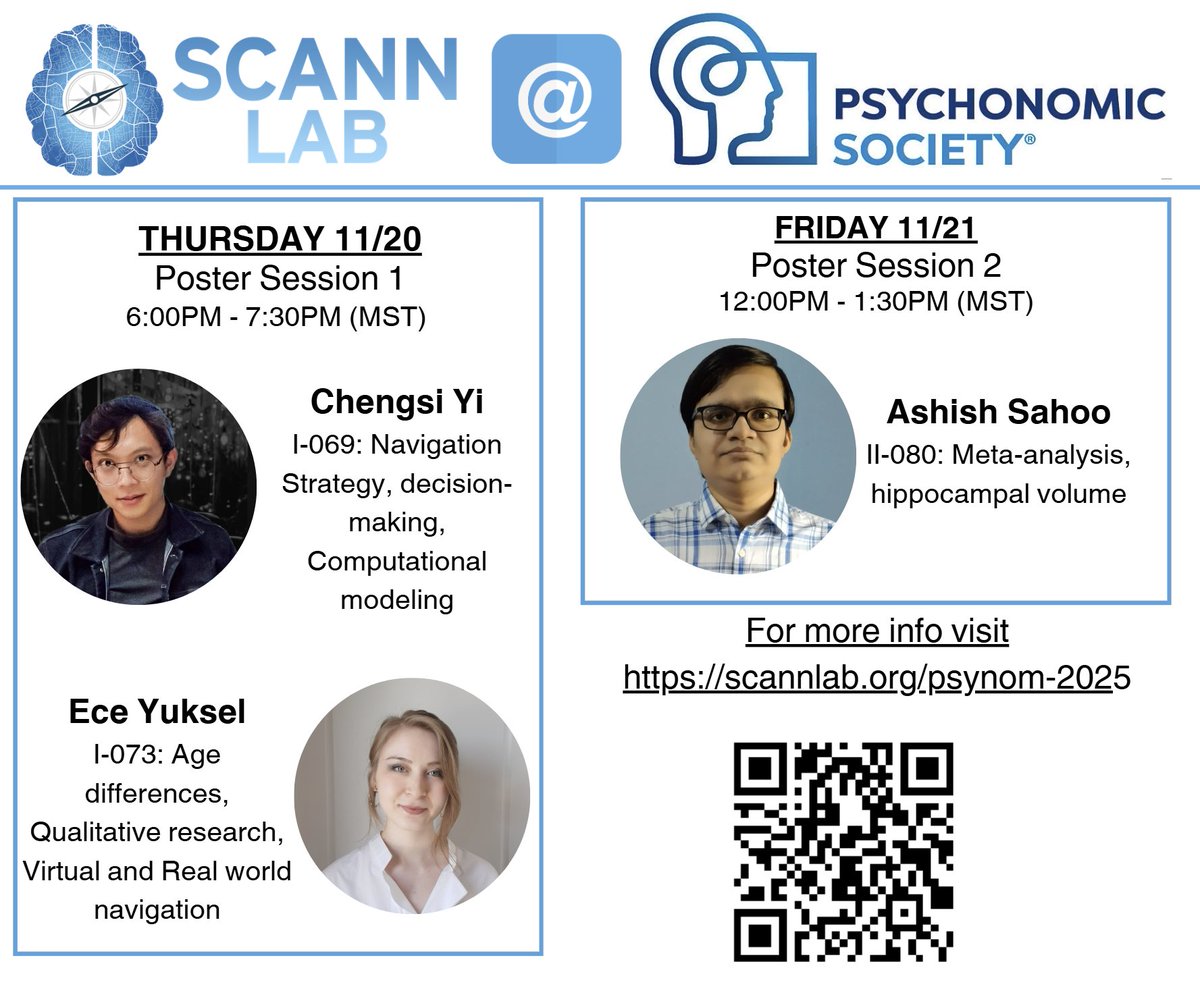
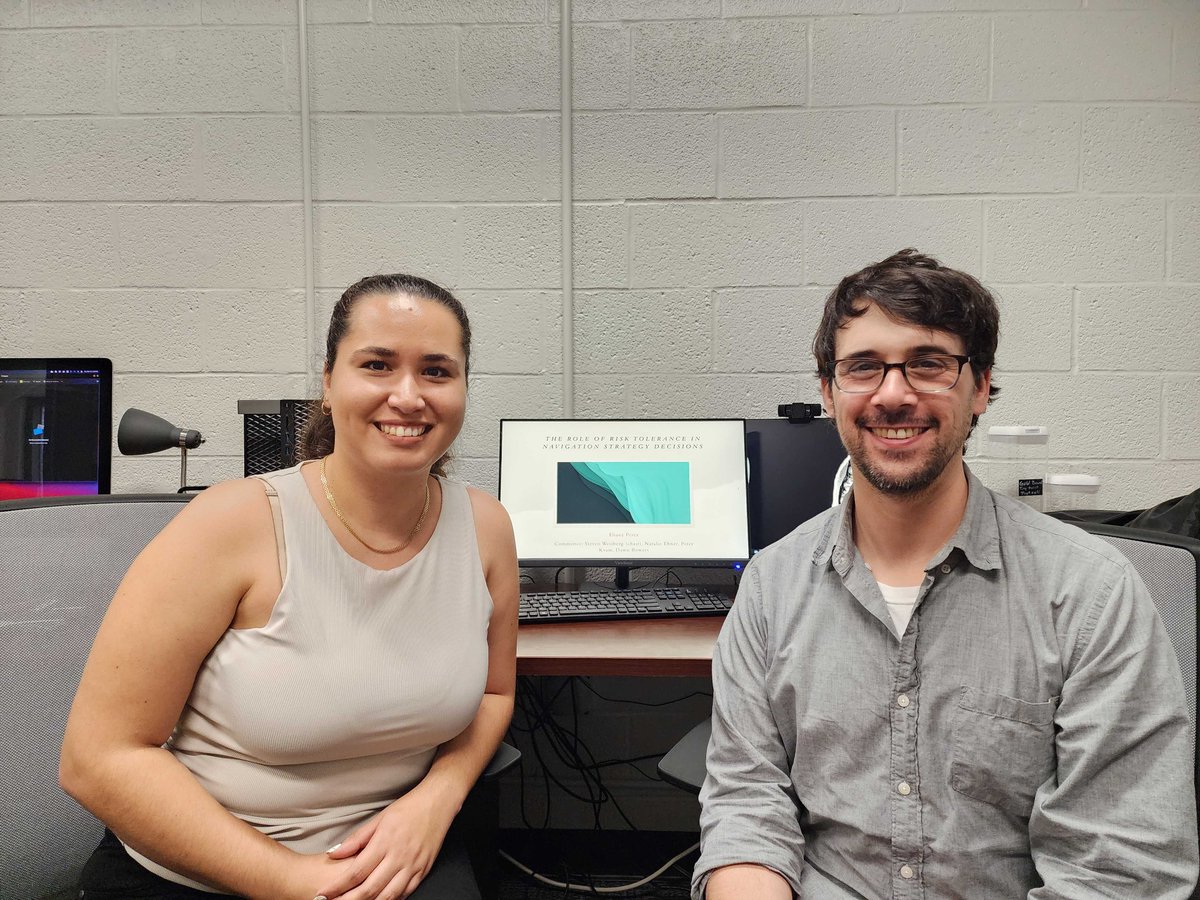
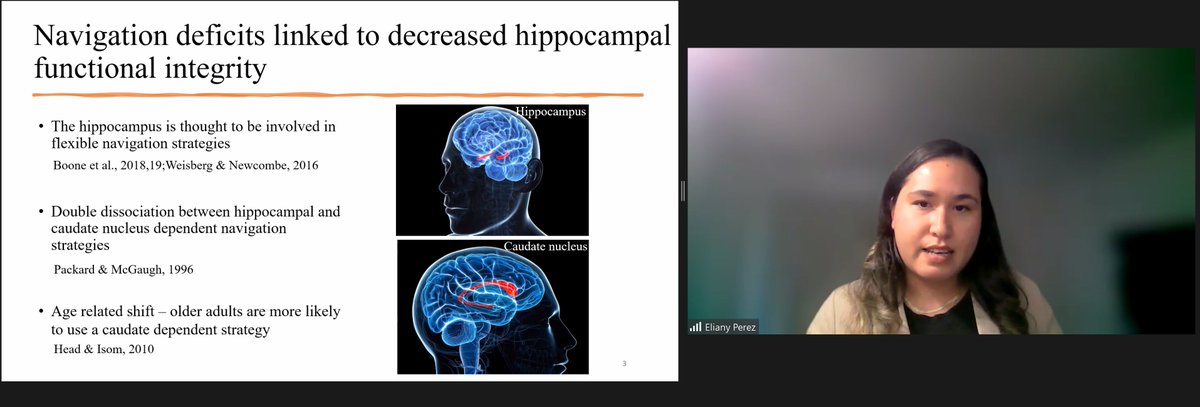
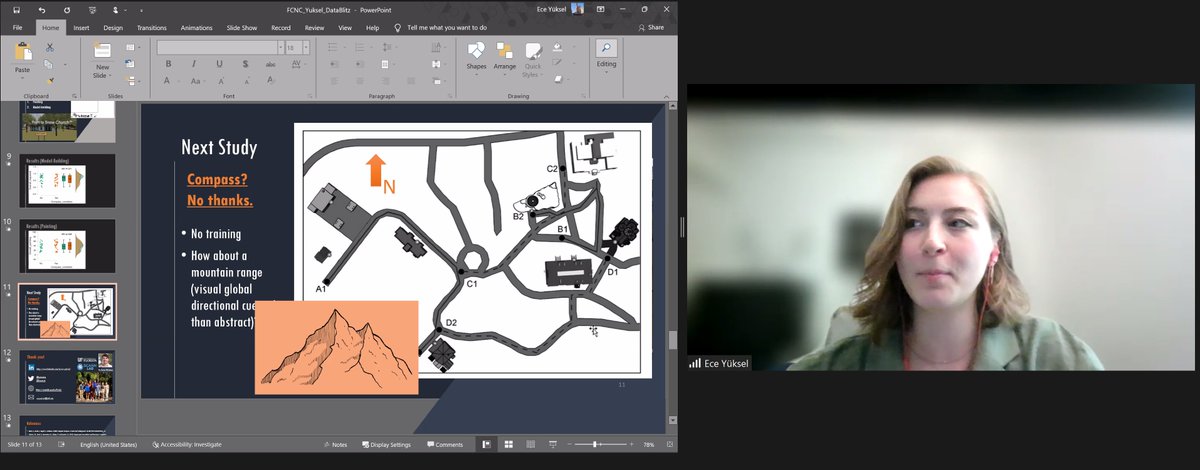
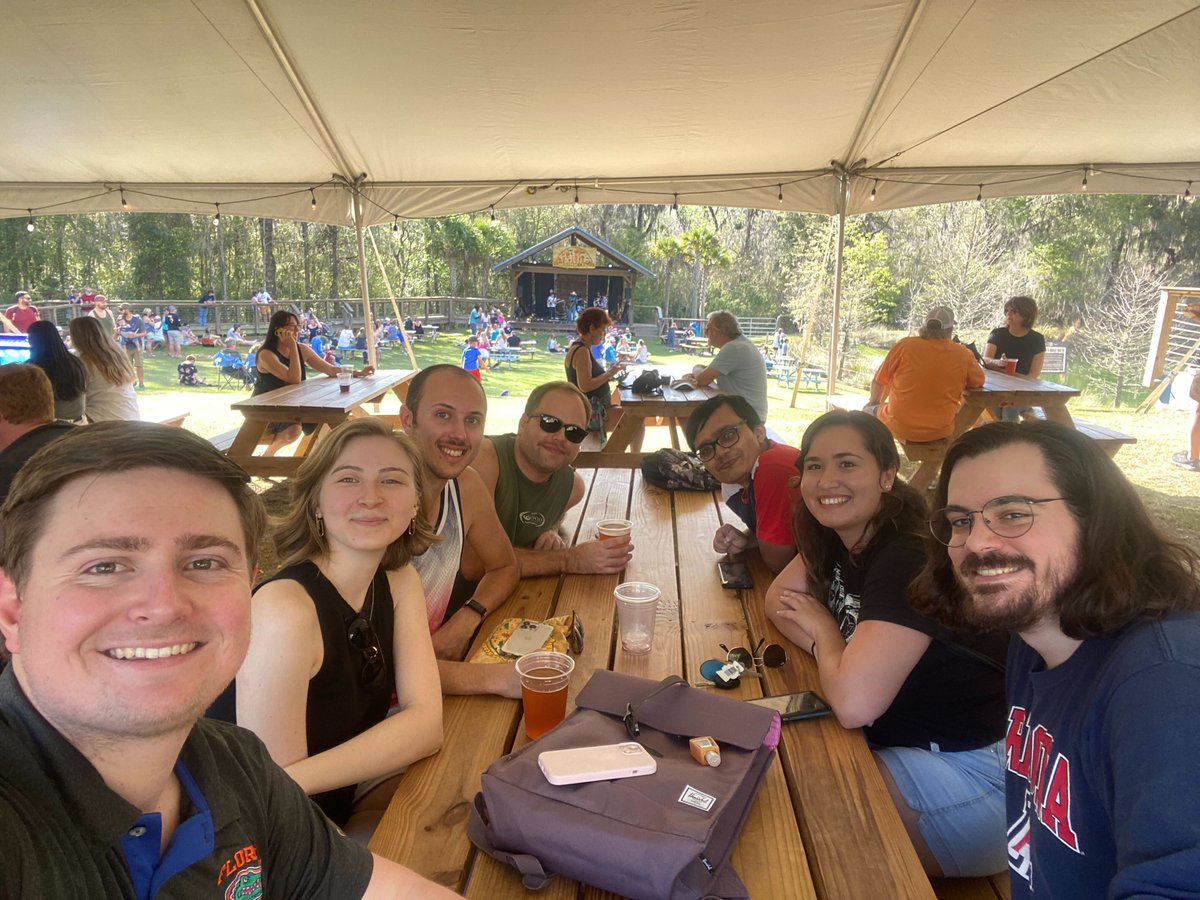

SCANN Lab attended the CRaNE Conference in Atlanta this May, where we presented some of our latest research!
navsci.gatech.edu/
3
236
We are thrilled to share that SCANN Lab member @ashnkrause has published her work on place attachment influencing meaning in life!
sciencedirect.com/science/ar…
1
56
The SCANN Lab is officially extramurally funded at UTA! Dr. Weisberg and Dr. Hunter Ball, received a grant from the Alliance of Hispanic Serving Research Universities to study GPS-supported navigation and support leadership development through the ASCENDR Leadership Program.
1
63
We recently wrote on these ideas too! In a chapter published in the Encyclopedia of the Human Brain, we dive into how these differences emerge from navigation strategies and underlying cognitive systems: osf.io/9x6a3
45
Why do some people never get lost while others rely on GPS?
A new review, written by Hugo Spiers and @Emre_Yavuz_21 nature.com/articles/s44159-0…
argues that navigation ability is shaped by both fixed factors (age, genetics) and modifiable ones (sleep, exercise, experience).
1
3
4
297
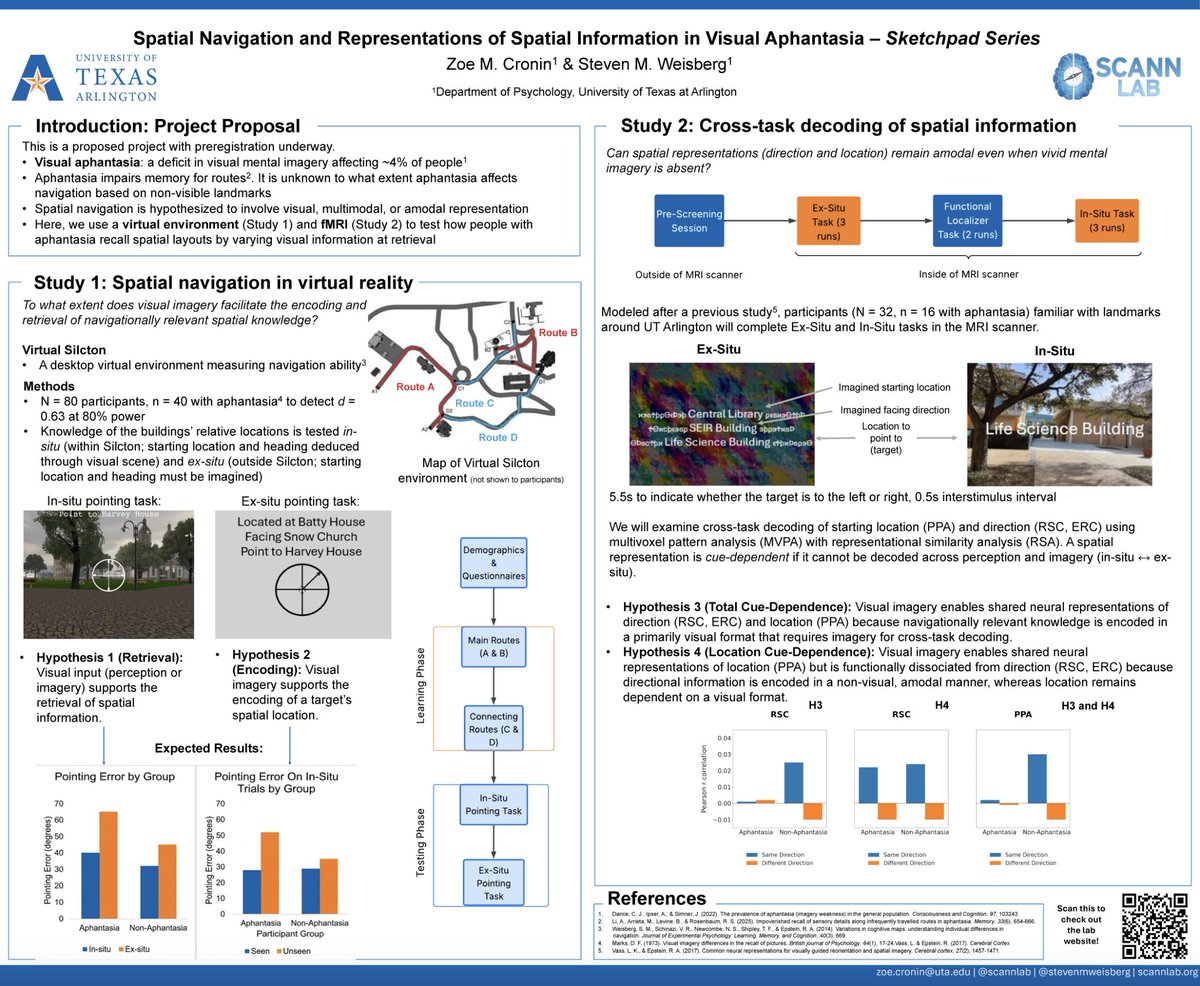
Zoe Cronin presented her research proposal at the Cognitive Neuroscience Society (CNS) annual meeting.
Here’s the link to her poster: scannlab.org/resources-items…
41
Zoe Cronin, our first year PhD student at SCANN lab was recently interviewed by Dallas Morning News where she discusses a condition known as aphantasia and its relationship to spatial cognition.
Read more on this here: msn.com/en-us/money/general/…
45
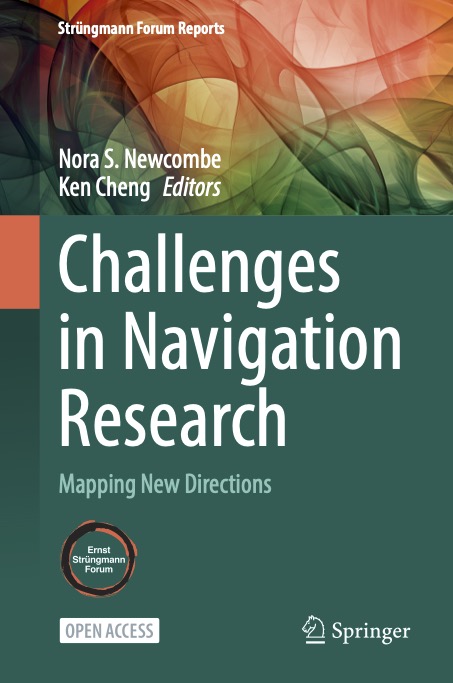
A recent book on navigation, “Challenges in Navigation Research”, includes a final chapter that was co-authored by Dr. Weisberg. In that chapter, the authors propose a framework for future research in the field.
link.springer.com/chapter/10…
26
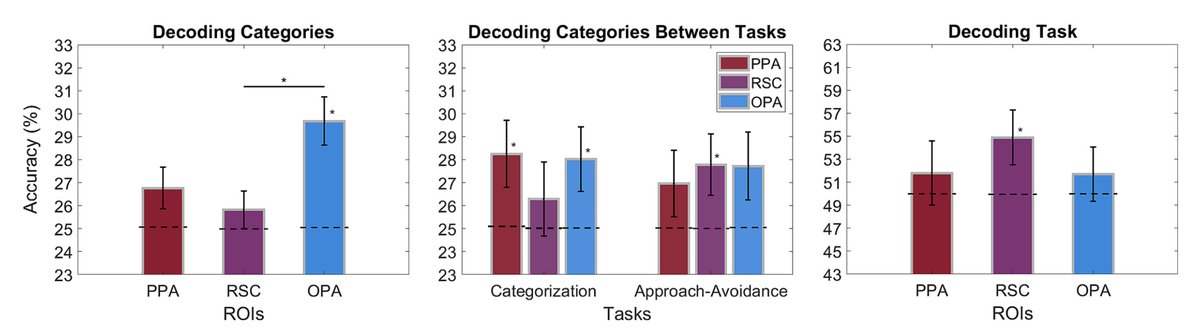
Participants performed a categorization (classify scenes by type) and approach-avoidance task (decide whether or not to approach a scene). Results showed that OPA had the highest category decoding, OPA and PPA were successful at decoding categories during the categorization task
40
In their study, Koc et al. looked at how scene selective brain regions (PPA, OPA, RSC) change their activity depending on behavioral goals.
sciencedirect.com/science/ar…
31
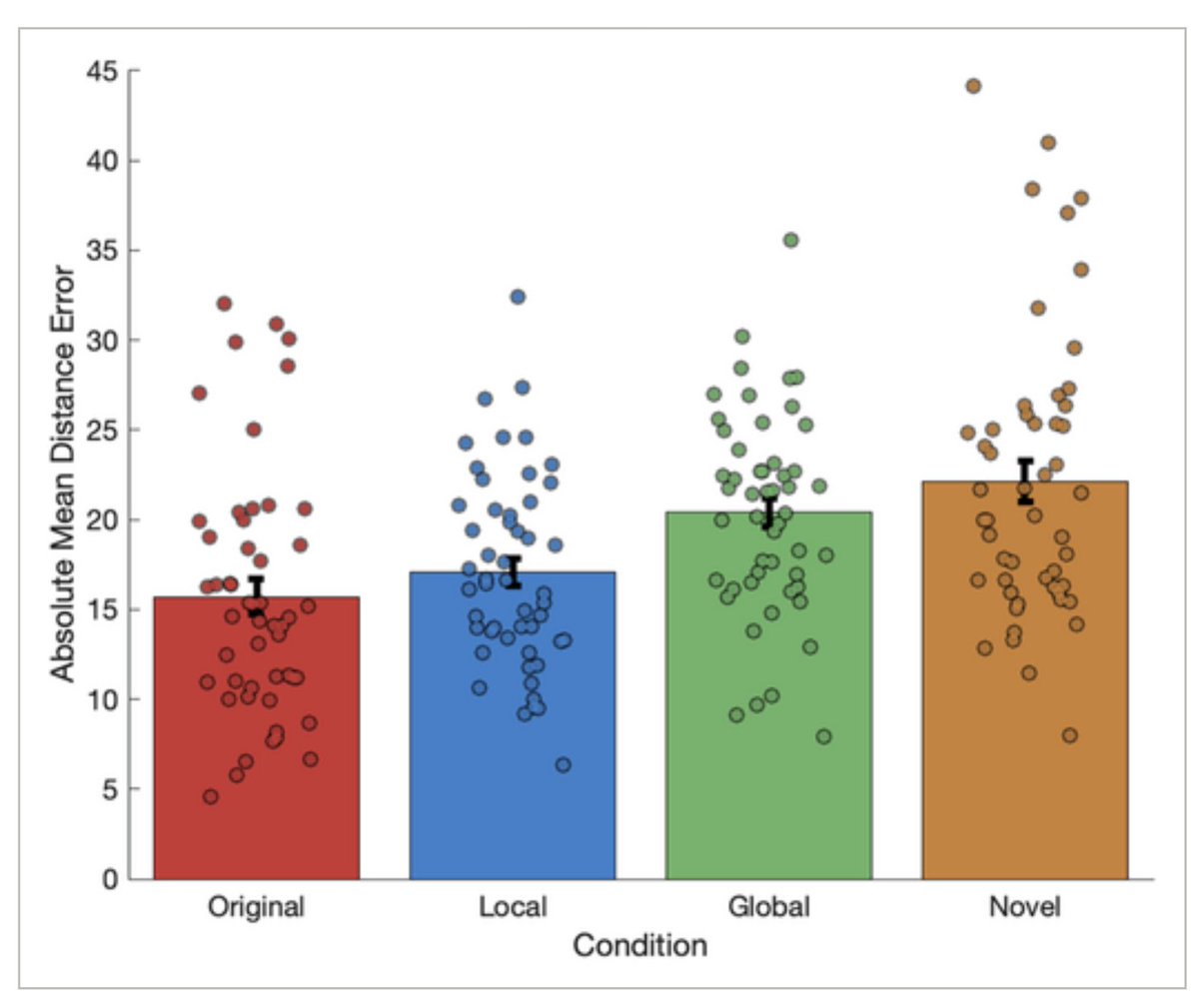
In this recently published study, the researchers manipulated geometric and contextual cues in a virtual environment and observed their effects on participants’ distance judgments.
onlinelibrary.wiley.com/doi/…
5,623
Dr. Weisberg explains how using AI to investigate the relationship between brain structure and navigational abilities suggests that there might not be any relation between the two as previously thought. Read more on this news article here: uta.edu/news/news-releases/2…
61
Dr. Weisberg just went on his first professional podcast! Tune in to hear about how people navigate, why GPS can help OR hurt, and what aging teaches us about flexibility and strategy.
Give it a listen!
open.spotify.com/episode/0Z5…
And reach out! We'd love to hear what you think.
1
23
As we move away from an object our view shifts along a continuum from object (when we are close) to scene (when we are far away). Park et al. examined this continuum.
@talia_konkle @jeongho__park
jov.arvojournals.org/article…
27