
🔬🚀 Exploring the wonders of Science, Technology, and Space at scienceagenda.net. Stay informed, stay curious. #Science #Technology #Space 🌌🌍
Joined February 2024
- Tweets 813
- Following 2,451
- Followers 1,074
- Likes 1,989
59 Photos and videos









Pinned Tweet

22 Oct 2025
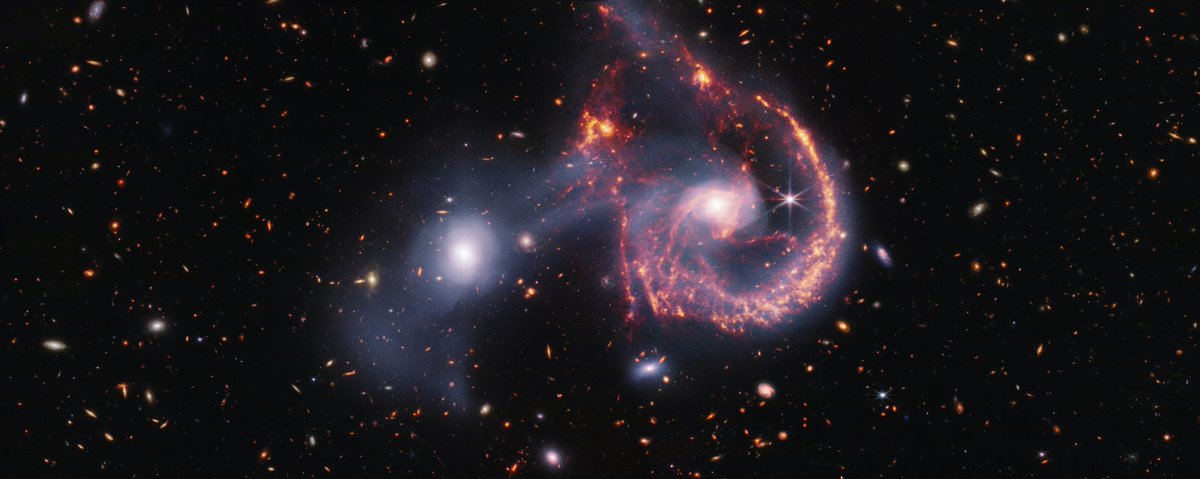
NASA confirms a new interstellar traveler — Comet 3I/ATLAS — only the third ever discovered. A cosmic messenger from another star system.
Read more: scienceagenda.net/news/nasa-…
2
4
2,764
Science Agenda retweeted
8 Dec 2025
We talk a lot about planets, black holes and “habitable zones”.
But one of the most underrated parts of the life story of the universe is… salt and electricity.
A new result from the XRISM X‑ray mission suggests that exploding stars (supernovas) may be much better than we thought at making two very “everyday” elements: chlorine and potassium.
Why does that matter?
Because these are not just boring entries in the periodic table:
Chlorine plays a key role in the chemistry of oceans and atmospheres.
Potassium is essential for how our nerves and brains work – it’s a core part of the “electricity” inside living cells.
XRISM looked at the famous Cassiopeia A supernova remnant and found surprisingly strong X‑ray fingerprints of these elements. The amounts seem to be higher than standard models predict.
If this result holds up, it could mean:
1️⃣ Supernovas are more efficient factories for life‑relevant elements than our simulations suggest.
2️⃣ The way we model the “ingredient list” for future planets – and potentially life – needs an update.
3️⃣ The classic phrase “we are stardust” is even more literal than we like to joke about.
As Science Agenda, we love this kind of result because it connects two very distant scales:
A massive star dying in a violent explosion, tens of thousands of light‑years away
→ to
The chemistry of oceans, the balance of salts, and the tiny voltage changes in our neurons while we read and think about this.
Cosmic fireworks, quietly writing the recipe for biology.
If you work on supernova models, nucleosynthesis or astrochemistry, we’re especially curious:
👉 How disruptive do you think these new abundance measurements are for current models?
👉 Are we looking at a “tune the parameters” update, or something closer to a rethink of how these explosions mix and eject material?
Either way, it’s a powerful reminder: when a star dies, the universe isn’t just making “heavy elements”.
Sometimes it’s producing the exact ingredients needed for thoughts, memories… and this very scroll through your feed.
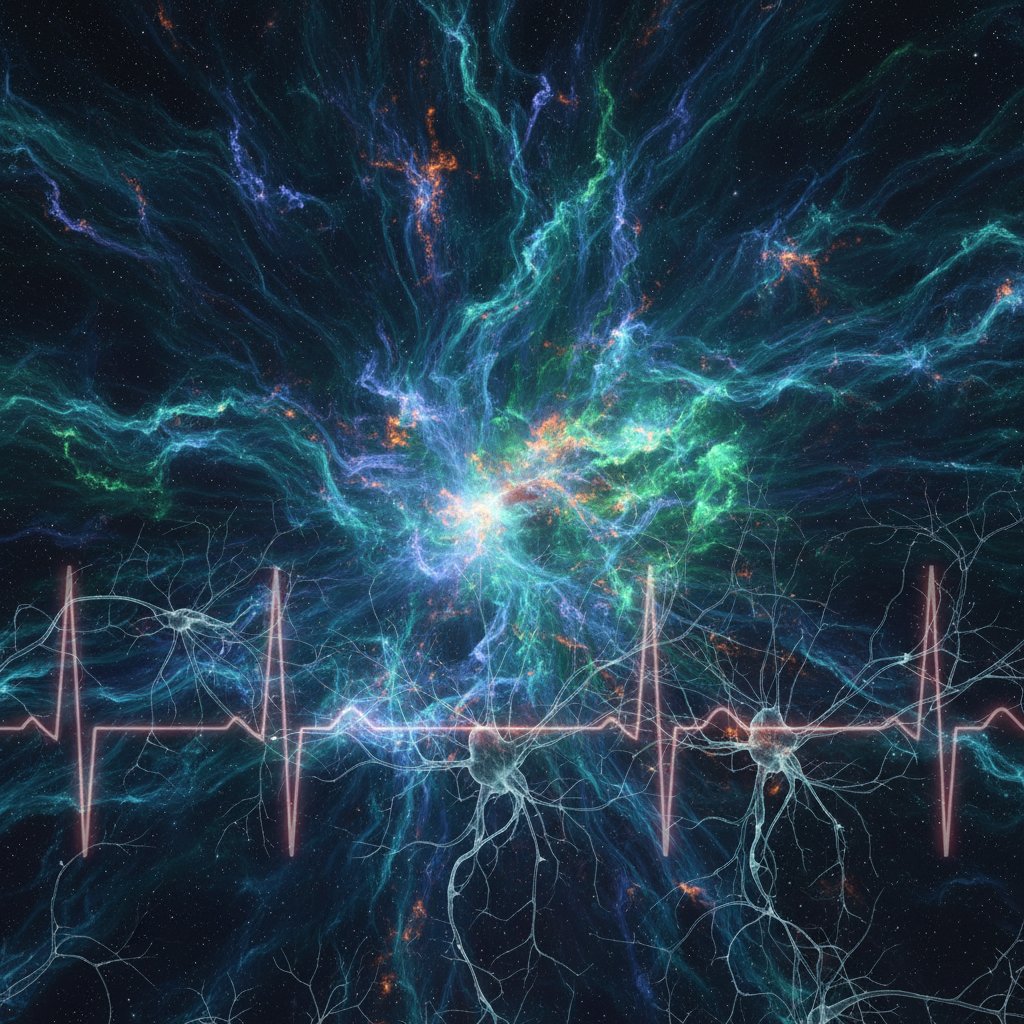
ALT Cassiopeia A–like supernova remnant glowing in blue, teal and orange X‑ray colors, with faint neuron‑like lines in the foreground symbolizing the link between stellar explosions and the chemistry of life. scienceagenda.net
1
2
132
Science Agenda retweeted
1 Nov 2025
1/5 🌕 November’s Hunter’s Supermoon is coming—the brightest, largest moon of 2025! Witness dramatic shadows cast across the land. Full info: scienceagenda.net/blog/super…
2
2
3
1,442
Science Agenda retweeted
1 Nov 2025
2/5 Why is this supermoon special? The moon hits its closest point to Earth, making its light so strong you'll see rare moon shadows—nature’s own spotlight. Don’t miss it!
1
2
3
1,357
Science Agenda retweeted
1 Nov 2025
3/5 It’s more than science—November’s full moon is known as both Hunter’s Moon and Beaver Moon. These names are rich in history and folklore. Which do you love most?
1
2
2
1,208
Science Agenda retweeted
1 Nov 2025
4/5 Best views at dusk in places like Arizona. Bring your camera—long exposures & telephoto lenses really show off the supermoon’s beauty and shadow effects!
1
2
2
1,103
Science Agenda retweeted
1 Nov 2025
5/5 Mark your calendar: The Hunter’s Supermoon is one of 2025’s must-see sky events! Stargaze solo or with friends—read all details: scienceagenda.net/blog/super…
2
2
1,132
1 Nov 2025
1/5 🌕 November’s Hunter’s Supermoon is coming—the brightest, largest moon of 2025! Witness dramatic shadows cast across the land. Full info: scienceagenda.net/blog/super…
2
2
3
1,442
1 Nov 2025
4/5 Best views at dusk in places like Arizona. Bring your camera—long exposures & telephoto lenses really show off the supermoon’s beauty and shadow effects!
1
2
2
1,103
1 Nov 2025
5/5 Mark your calendar: The Hunter’s Supermoon is one of 2025’s must-see sky events! Stargaze solo or with friends—read all details: scienceagenda.net/blog/super…
2
2
1,132
Science Agenda retweeted
31 Oct 2025
1️⃣ BREAKING: Iceland, once mosquito-free, has now welcomed its first ever mosquitoes—thanks to a warming climate. Is nowhere safe from change?
Read the story: scienceagenda.net/blog/mosqu…
1
2
2
2,698
Science Agenda retweeted
31 Oct 2025
2️⃣ For centuries, Iceland’s chilly, unpredictable weather kept these bugs at bay. But, after a historic heatwave, it looks like the climate’s defenses have finally fallen.
1
2
2
2,101
Science Agenda retweeted
31 Oct 2025
3️⃣ Researchers found cold-hardy Culiseta annulata in a rural valley. If these newcomers survive the winter, it could mean big changes for Iceland's wildlife—and daily life.
1
2
2
2,412
Science Agenda retweeted
31 Oct 2025
4️⃣ No major health threat yet, but if new diseases or more mosquito species arrive, the story could shift fast. Iceland’s surprise is part of a global trend as insects move with the warming planet.
1
2
2
2,033
Science Agenda retweeted
31 Oct 2025
5️⃣ Symbolically, Iceland’s “last fortress” status is gone. Curious what’s next? Catch the full deep dive on how climate is reshaping even the world’s wildest places:
scienceagenda.net/blog/mosqu…
2
2
2,471
31 Oct 2025
1️⃣ BREAKING: Iceland, once mosquito-free, has now welcomed its first ever mosquitoes—thanks to a warming climate. Is nowhere safe from change?
Read the story: scienceagenda.net/blog/mosqu…
1
2
2
2,698
31 Oct 2025
4️⃣ No major health threat yet, but if new diseases or more mosquito species arrive, the story could shift fast. Iceland’s surprise is part of a global trend as insects move with the warming planet.
1
2
2
2,033
31 Oct 2025
5️⃣ Symbolically, Iceland’s “last fortress” status is gone. Curious what’s next? Catch the full deep dive on how climate is reshaping even the world’s wildest places:
scienceagenda.net/blog/mosqu…
2
2
2,471