Joined June 2023
- Tweets 43,547
- Following 2,106
- Followers 206
- Likes 7,060
3,389 Photos and videos















Science Archive 6 retweeted

4 May 2020
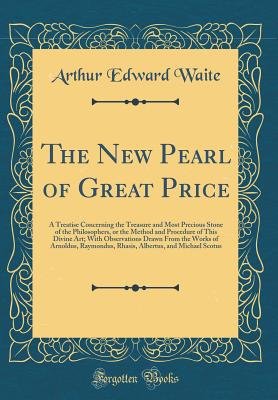
#freebookoftheday The New Pearl of Great Price
A Treatise Concerning the Treasure and Most Precious Stone of the Philosophers, or the Method and Procedure of This Divine Art, by Arthur Edward Waite forgottenbooks.com/en/books/…
1
2
Science Archive 6 retweeted

4 Dec 2023
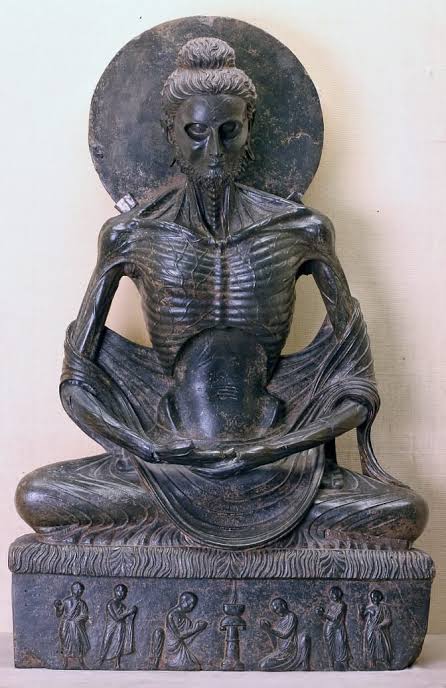
'Fasting Buddha' a Gandharan masterpiece, one of most prominent statues in the world and a valued possession of the Lahore Museum since 1894 CE. It stands only 33 inches tall and is crafted out of grey Gandharan Schist stone. But the statue is more than its physical form; it represents a story of millions of people's search for spiritual enlightenment; a fantastic mystical journey.
Statue of Fasting Buddha is one of finest examples of Gandhara Art and one of most sought-after artefacts in Buddhism. Statue was discovered in 19th Century in Sikri, Gandhara region, and most likely comes from 2nd Century CE. Sculpture portrays heroism of Buddha in his battle to find a way to end to human suffering.
According to Buddhist tradition, this Buddha's holy form as 'Fasting Buddha' serves as a reminder and inspiration of Buddha's difficult journey to achieve enlightenment. Figure depicts strength Buddha’s desire to assist others while subjecting his body to extreme conditions to achieve enlightenment. Although it is believed that Buddha endured great agony because of prolonged fasting, he never gave up or used challenges to justify abandoning his spiritual pursuit.
For viewer, this significance of this message is immediately touching. “Its serenity is impeccable and aura around it sucks you into its core meaning,” Feica, a renowned Pakistani visual artist, sculptor and cartoonist said. “Statue is a representation of artist’s epic excellence.”
Although statue is popularly known as Fasting Buddha, there is an ongoing debate about whether statue should be called "Fasting Bodhisattva" or "Fasting Siddhartha," since it depicts an incident before Buddha's enlightenment. According to Buddhist tradition, Siddhartha Gautama experimented with numerous ascetic methods in his spiritual search. These methods including starving himself until he resembled a living skeleton.
In his spiritual search, Siddhartha realized that mental development and understanding, not physical hardships were the worthiest methods for achieving enlightenment. For millions of Buddhists, this sculpture embodies significance and struggle of being on spiritual path. People from around the world believe that possessing an image of Fasting Buddha, making offerings and praying to it will endow them the courage, diligence and mental strength necessary to overcome obstacles.
Indian subcontinent mingled with Hellenistic styles introduced to this region by Alexander the Great and his successors. There is a fascination with the human body in Hellenistic art, an Indian sculptural tradition and a close naturalistic investigation of human form. These traditions converged in Gandharan art to create a distinct, expressive style at the crossroads of East and West.
It is generally believed that artists responsible for Fasting Buddha figure were from Kushan Empire or earlier, which was strongly influenced by Hellenistic art. Greek descendants either settled in Gandhara region or local artisans there took up Hellenistic styles.
In some cases, artists may have combined Hellenistic art with local Indian sculpture. Humera Alam, former director of the Lahore Museum and an expert on Gandharan artefacts said the Fasting Buddha sculpture has a visible mix of these influences. “Anatomy is noticeably Hellenistic, and attire pattern completely represents local style found in our times,” she said. “This marvellous sculpture cannot be studied out of context.”
After starving himself, Buddha received an offering of rice milk by Sujata, after which he came to understand that certain realization could come from a simple shift of mind, at the right time and in right conditions. For adherents of Buddhism, this is a reminder that all beings who reached enlightenment need to go through such hardships. Difficulties push us to step out of our comfort zones to overcome ignorance and ego and realise the impermanence of things.
#archaeohistories
14
265
1,266
103,325
Science Archive 6 retweeted

14 Feb 2019
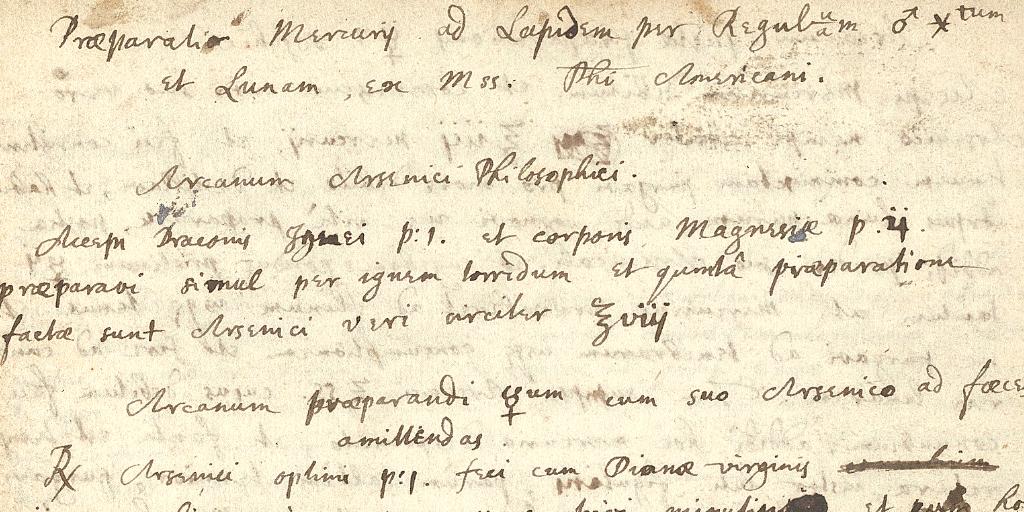
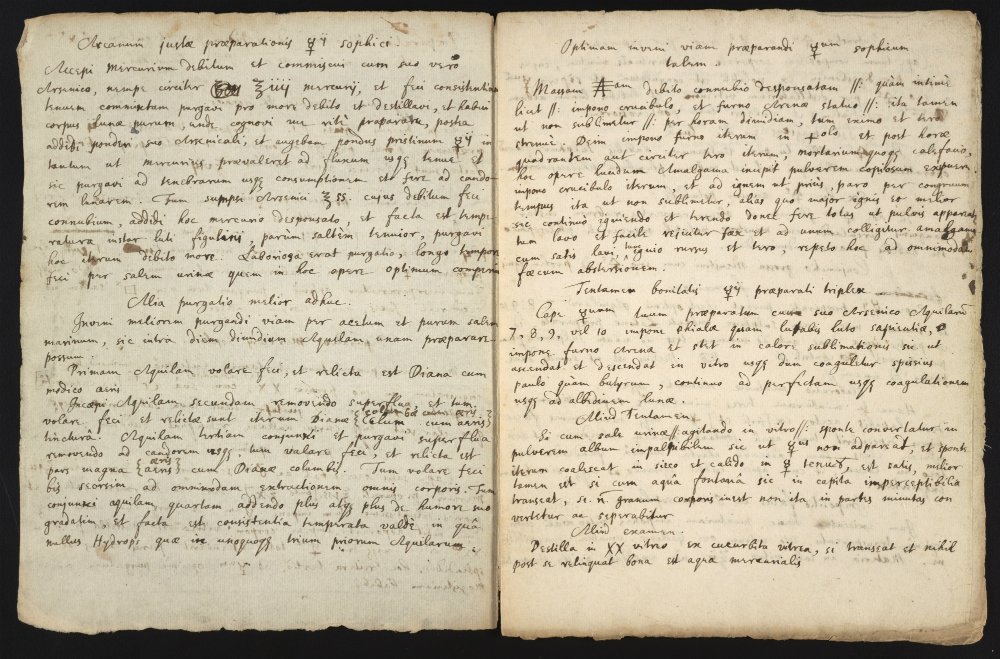
Roses are red,
The Philosopher's Stone is, too,
Isaac Newton tried to make one,
Here's his recipe for you.
#ValentinesDay #ScienceValentines
digital.sciencehistory.org/w…
5
10
Science Archive 6 retweeted
10 Dec 2024
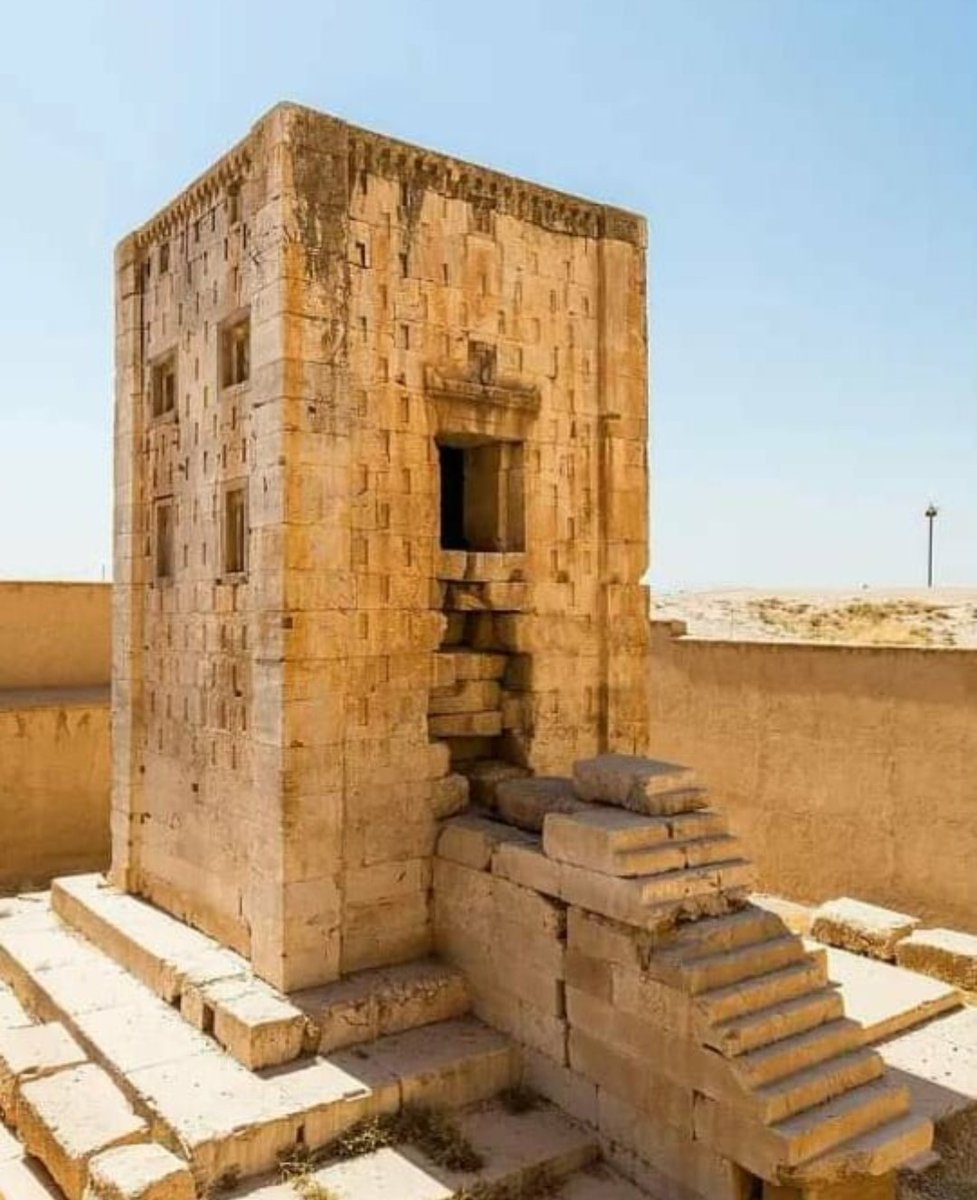
Cube of Zoroaster (6th Century BC), a stone quadrangular stepped structure in Marvdasht county in Fars, Iran.
The structure is rectangular and has only one entrance door. The material of the site is white limestone. It is about 12m high, or 14.12m if including the triple stairs, and each side of its base is about 7.30m long.
Its entrance door leads to the chamber inside via a thirty-stair stone stairway. The stone pieces are rectangular and are simply placed on top of each other, without the use of mortar.
Various views and interpretations have been proposed for the purpose of the chamber, but none of them can be accepted with certainty. Some consider the tower a fire temple and a fireplace and believe that it was used for igniting and worshipping the holy fire.
Another theory is that it is the mausoleum of one of the Achaemenid shahs or grandees, due to its similarity to the Tomb of Cyrus and some mausoleums of Lycia and Caria.
Cube of Zoroaster was built in the Achaemenid era and there is no information on the name of the structure in that era.
#archaeohistories
3
78
360
18,737
Science Archive 6 retweeted

24 Mar 2016
Isaac Newton's Recipe for Magical 'Philosopher's Stone' Red... twib.in/l/ErdqXBz7Ly5 | twibble.io
1
1

Chief Keef - Harry Potter (Official Music Video) youtu.be/DOcVSCICTLU?si=6qyv… via @YouTube
87