
ScienceFocus
Joined November 2019
- Tweets 536
- Following 0
- Followers 14,173
- Likes 4
523 Photos and videos

What if your brain never fully tunes out?
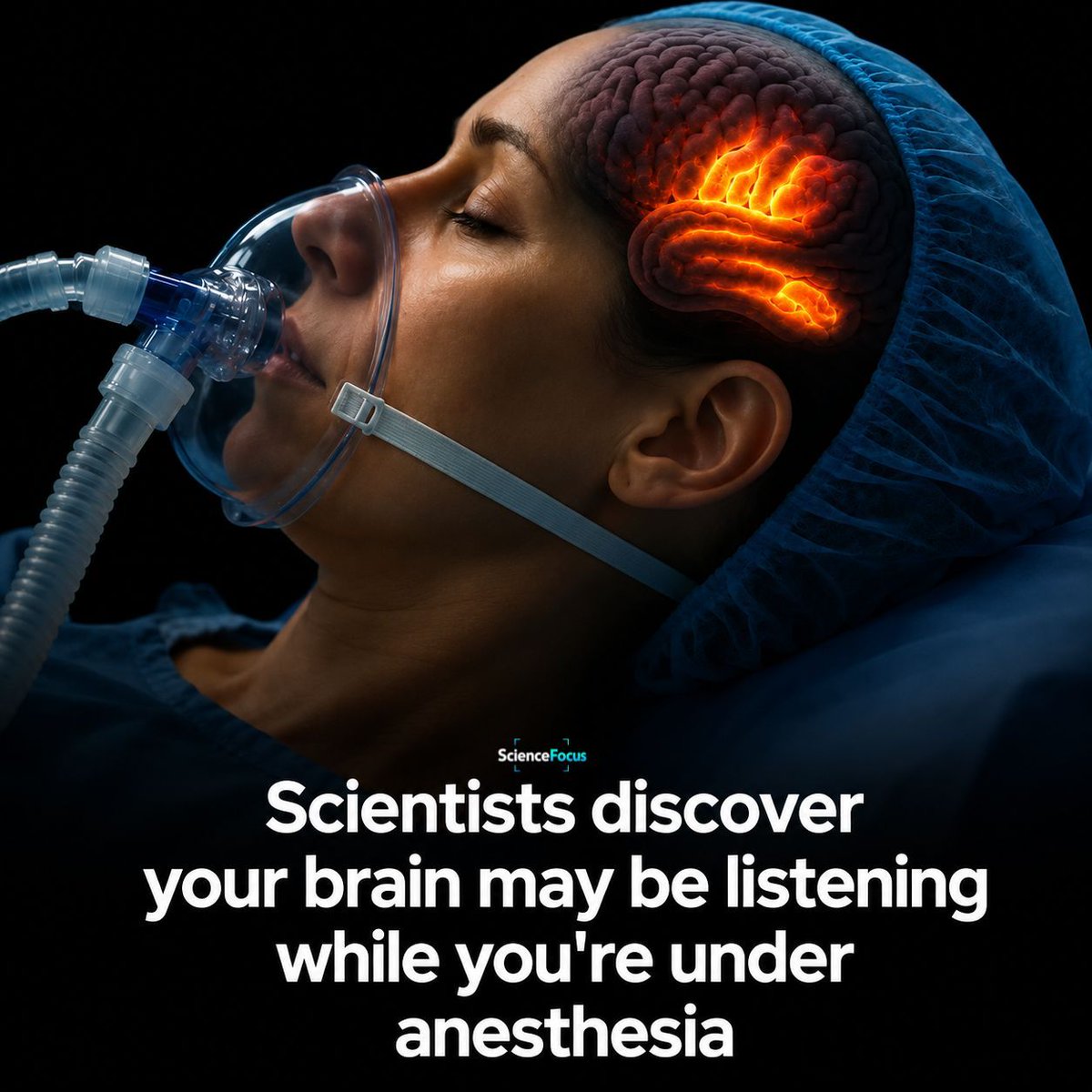
Scientists are discovering that even under anesthesia, the brain may continue picking up sounds and signals from the environment.
While you're unconscious, certain regions can remain surprisingly active, processing information in ways researchers are only beginning to understand.
The body appears asleep, but deep inside, the brain may still be listening.
This fascinating discovery is challenging long-held assumptions about consciousness and revealing just how complex the human mind really is.
What happens during those silent moments remains one of medicine's most intriguing mysteries.
5
3
25
927
What if the future helps shape the past?
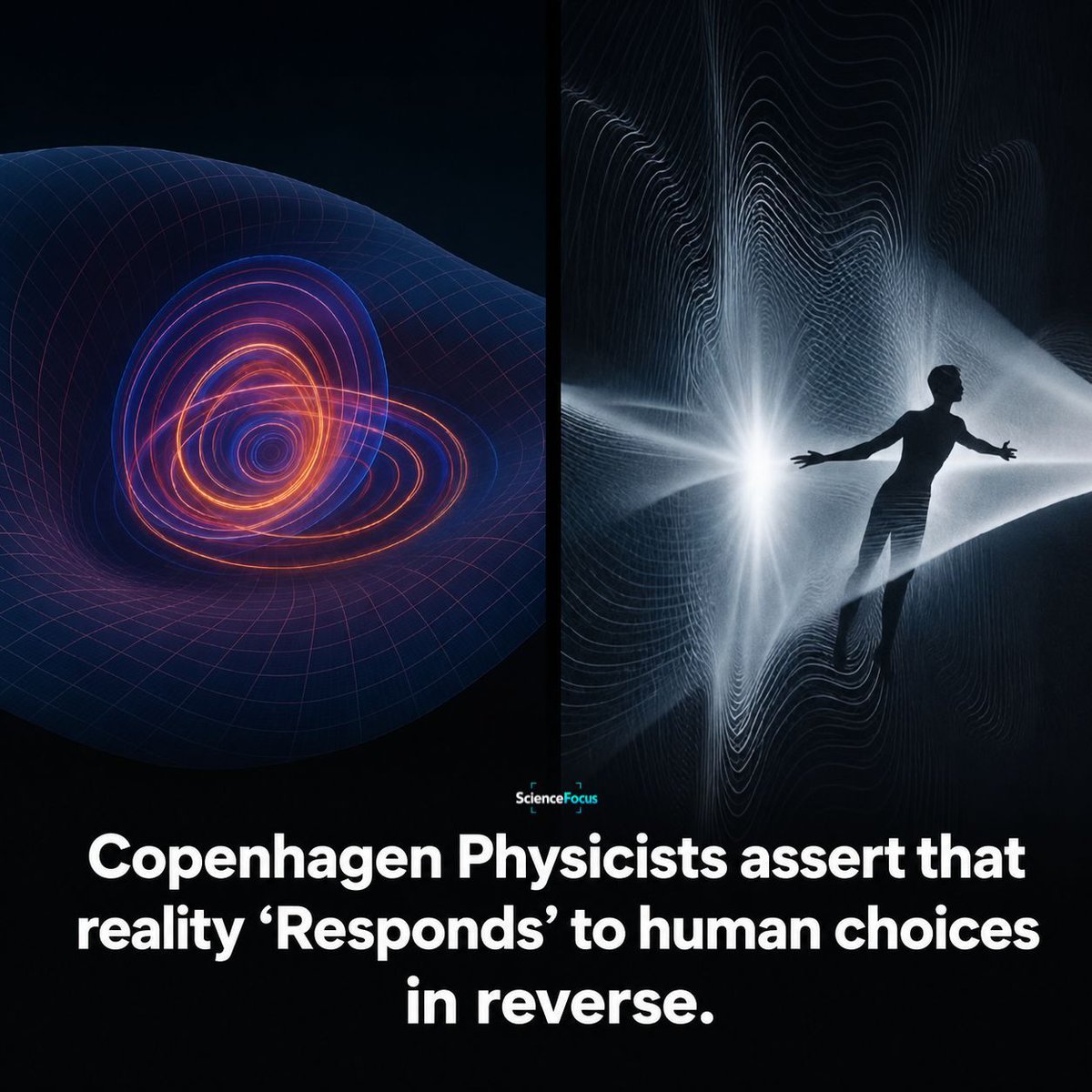
A controversial idea in quantum physics suggests reality may not be as one-directional as it seems.
Some interpretations of famous experiments hint that measurements made in the present can appear connected to events that happened earlier.
Not because time is running backward.
But because, at the quantum level, reality may only become fully defined when an observation is made.
This doesn't mean humans control the universe with their thoughts.
It means the act of measuring could play a deeper role in how reality unfolds than scientists once believed.
The result is a mind-bending question:
Are we simply discovering reality...
Or helping determine how it takes shape?
2
3
6
516
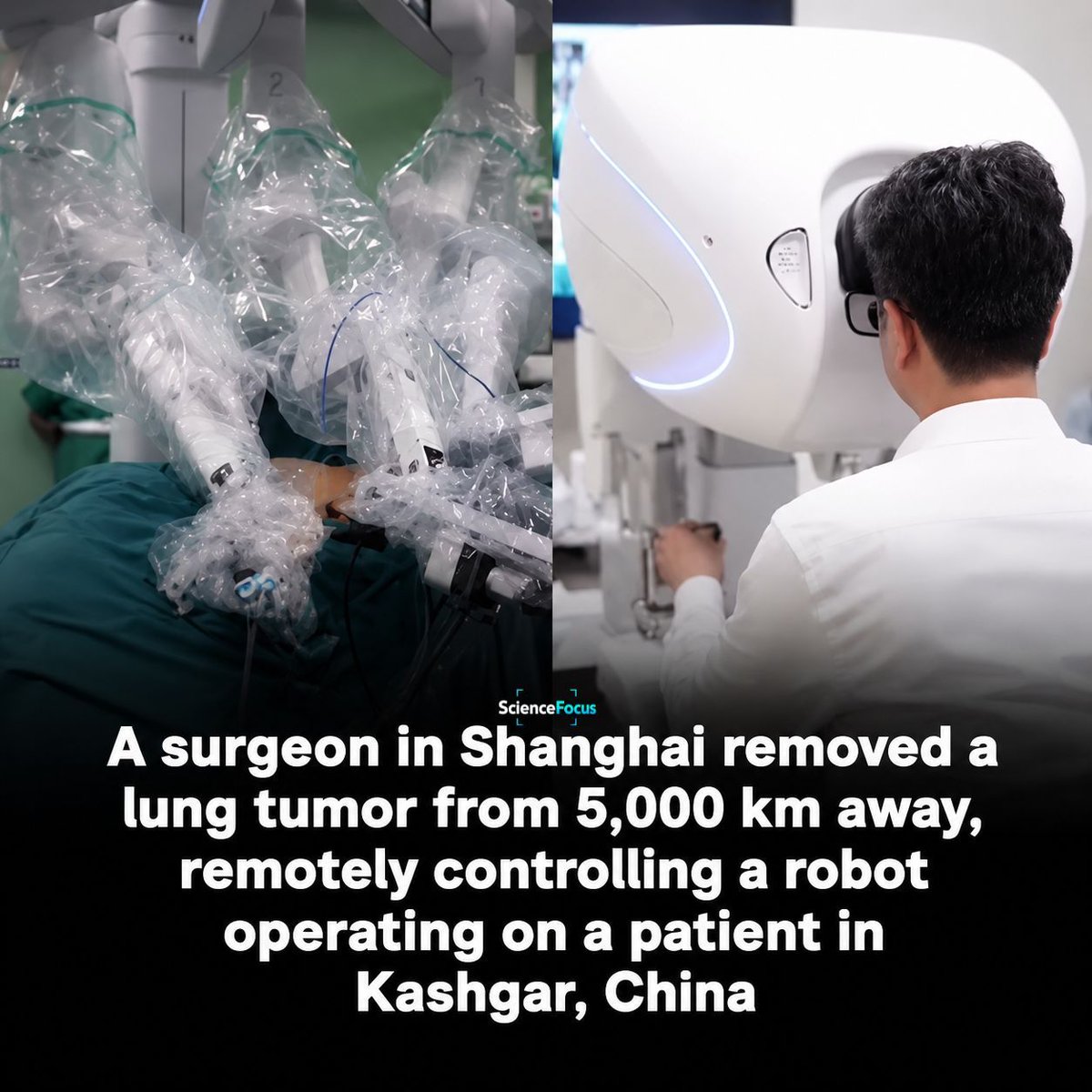
A surgeon operated from 5,000 kilometers away.
The patient was in Kashgar.
The doctor was in Shanghai.
Instead of standing beside the operating table, the surgeon controlled a robotic system remotely, performing a delicate lung tumor procedure across an enormous distance.
Every movement of the surgeon's hands was transmitted in real time.
The robot mirrored those actions with remarkable precision, allowing the operation to be completed without the surgeon ever entering the same room as the patient.
What once sounded like science fiction is quickly becoming reality.
As robotic surgery and ultra-fast networks advance, distance is becoming less of a barrier to lifesaving medical care.
The future of surgery may not depend on where the doctor is
but on how fast technology can connect them.
5
17
603

Jun 12
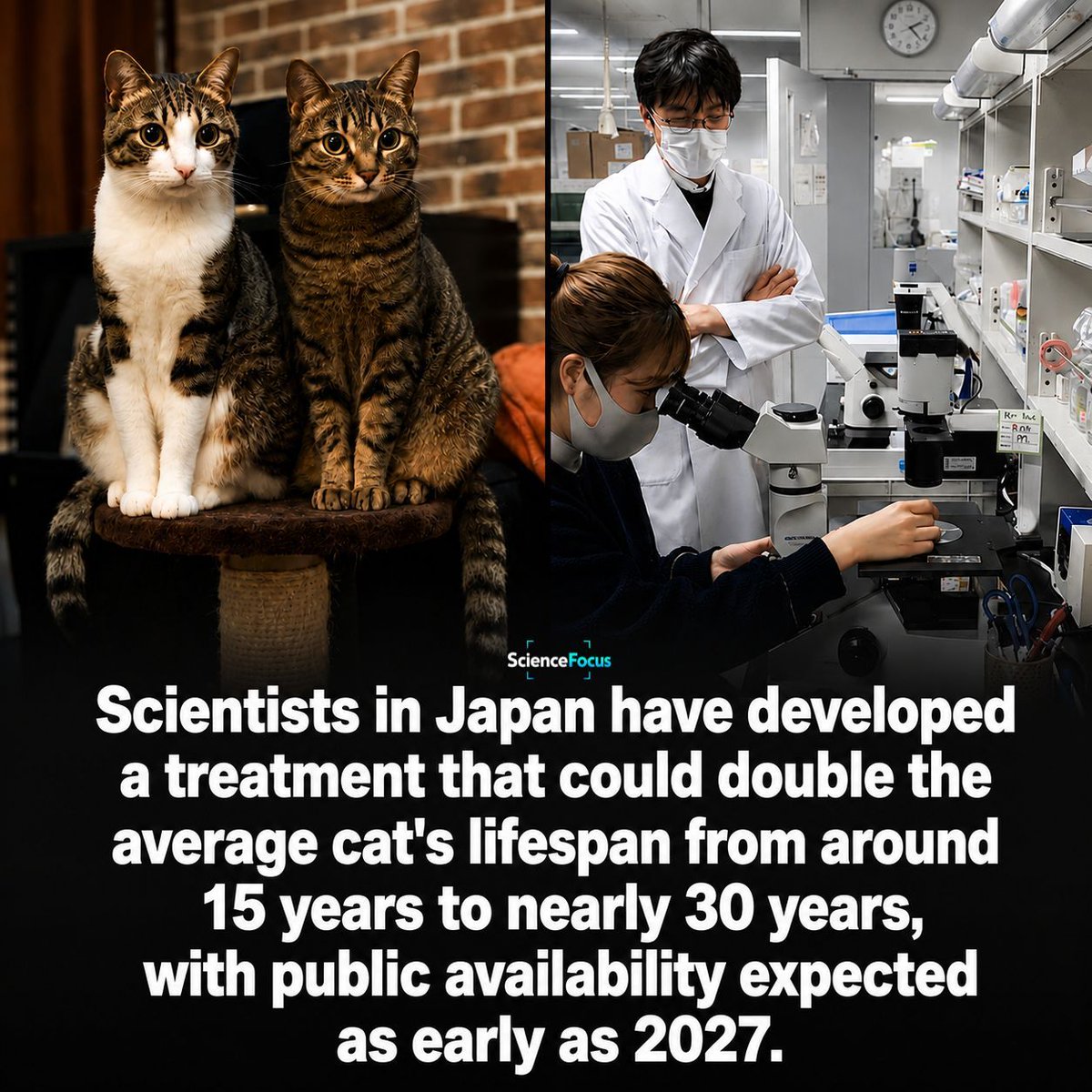
Your cat could one day live twice as long as expected.
Researchers in Japan are working on a breakthrough treatment that may dramatically extend the lifespan of domestic cats.
The goal is astonishing.
Instead of the typical lifespan of around 15 years, cats could potentially live close to 30 years.
That means more time.
More memories.
More years with the companions many people consider family.
The treatment is still being developed, but scientists believe it could become publicly available as early as 2027.
If successful, it could completely change the future of feline health and longevity.
A future where saying goodbye to our pets comes much later than we ever imagined.
22
26
138
18,604
Jun 12
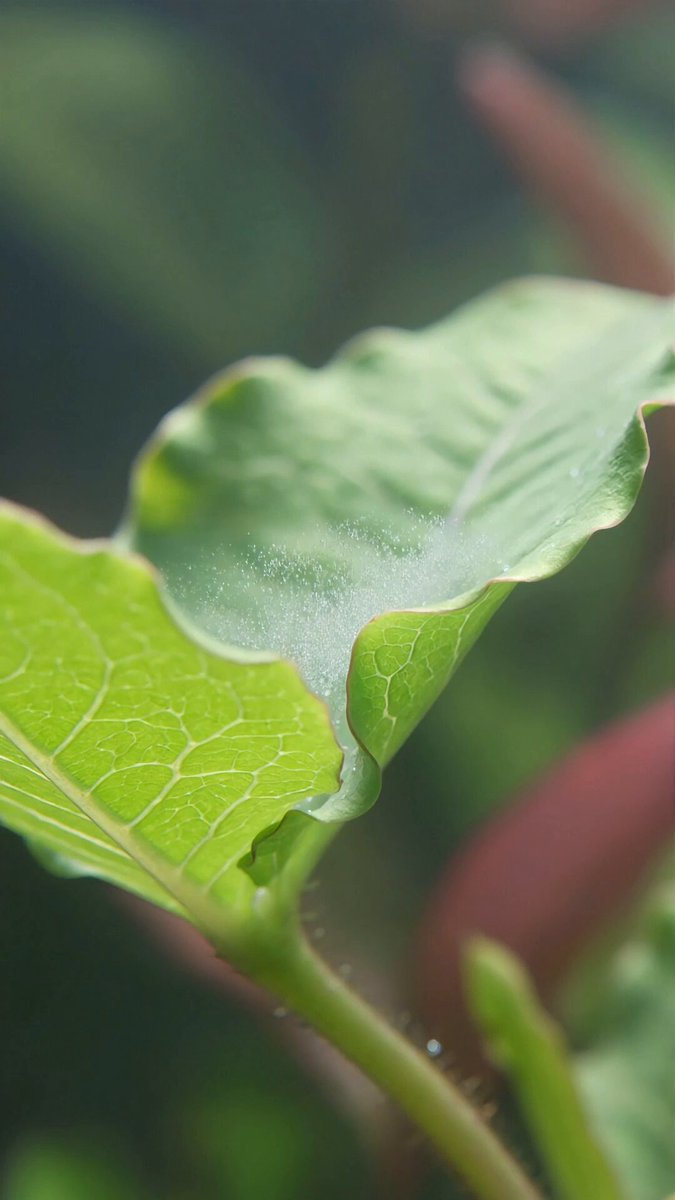
You are literally seeing a plant producing oxygen in real-time.
This is an aquatic planet showing photosynthesis.
27
561
3,771
86,093
Jun 12
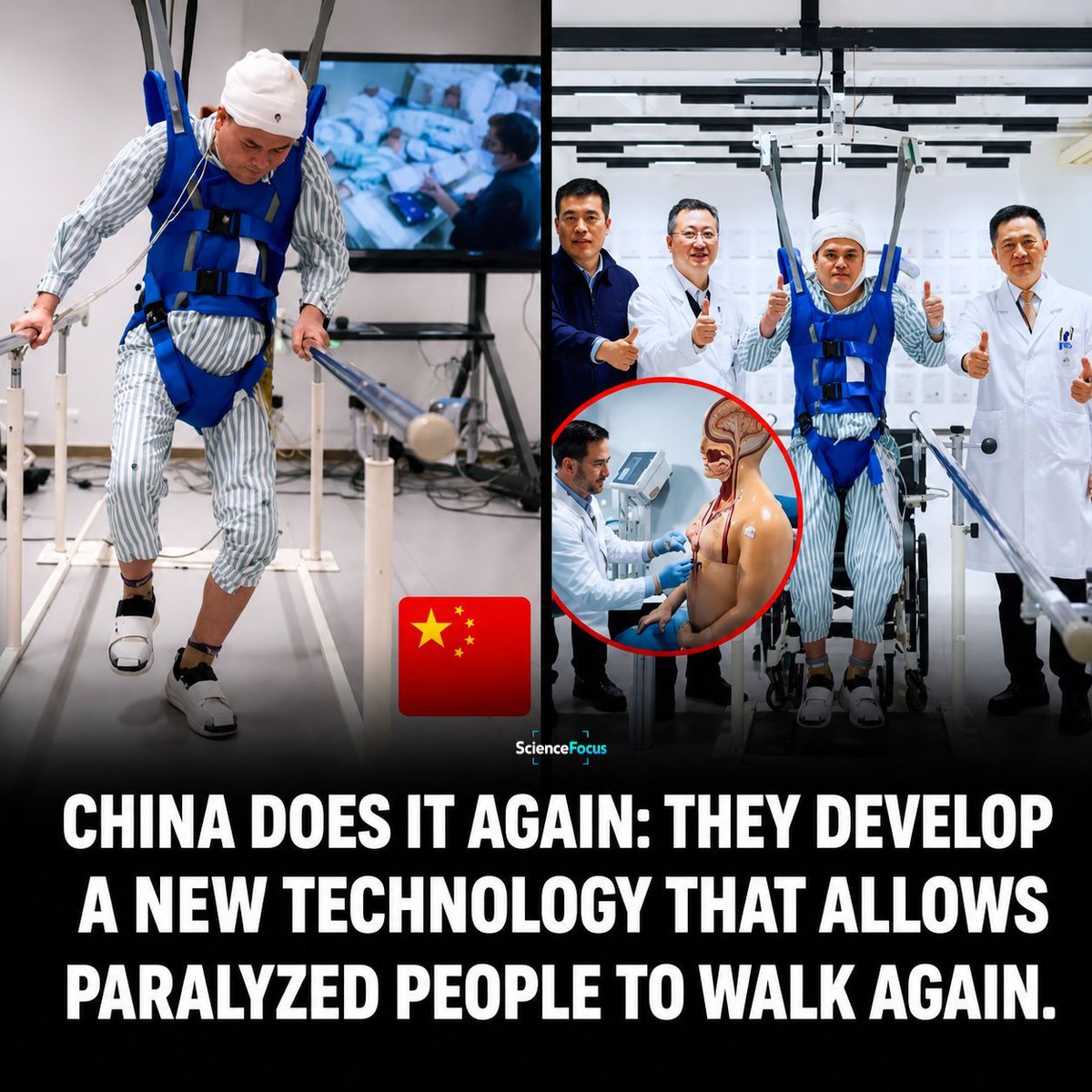
A breakthrough once thought impossible is becoming reality.
Scientists in China have developed a new technology that is helping people with paralysis regain the ability to walk.
For decades, paralysis was seen as a life-altering condition with few options.
Now that may be changing.
Patients who once depended entirely on assistance are taking steps again.
Slowly.
Carefully.
But steps nonetheless.
The innovation works by helping restore communication between the brain and the body, allowing movement that was once believed to be permanently lost.
While research is still advancing, the early results have captured attention around the world.
What seemed like science fiction is starting to happen in real life.
And for millions living with paralysis, that possibility changes everything.
3
4
14
776
Jun 12
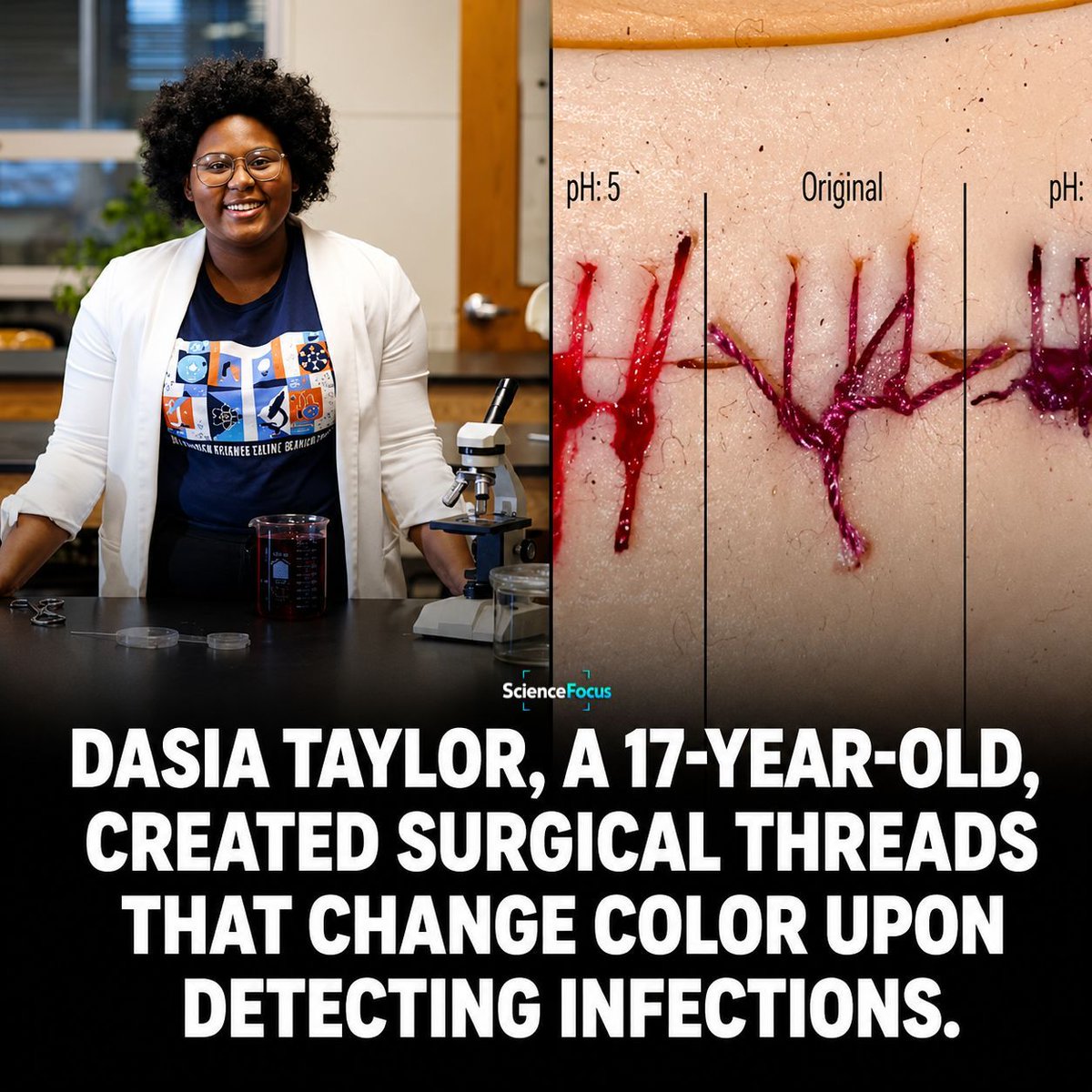
She was only 17 when she came up with an idea that could help save lives.
While most teenagers were focused on school assignments, Dasia Taylor was working on a problem that affects millions of patients worldwide.
Surgical infections can be dangerous.
And they are often difficult to detect early.
So she created something remarkably simple.
Sutures that change color when an infection is present.
Instead of waiting for symptoms to become obvious, the thread itself can provide a warning sign.
A visual signal.
Fast.
Clear.
Potentially life-saving.
Her invention could make post-surgery monitoring easier, especially in places with limited access to medical care.
At just 17 years old, she turned a science project into an innovation that captured global attention.
Proof that groundbreaking ideas can come from anyone, at any age.
5
31
706
Jun 11
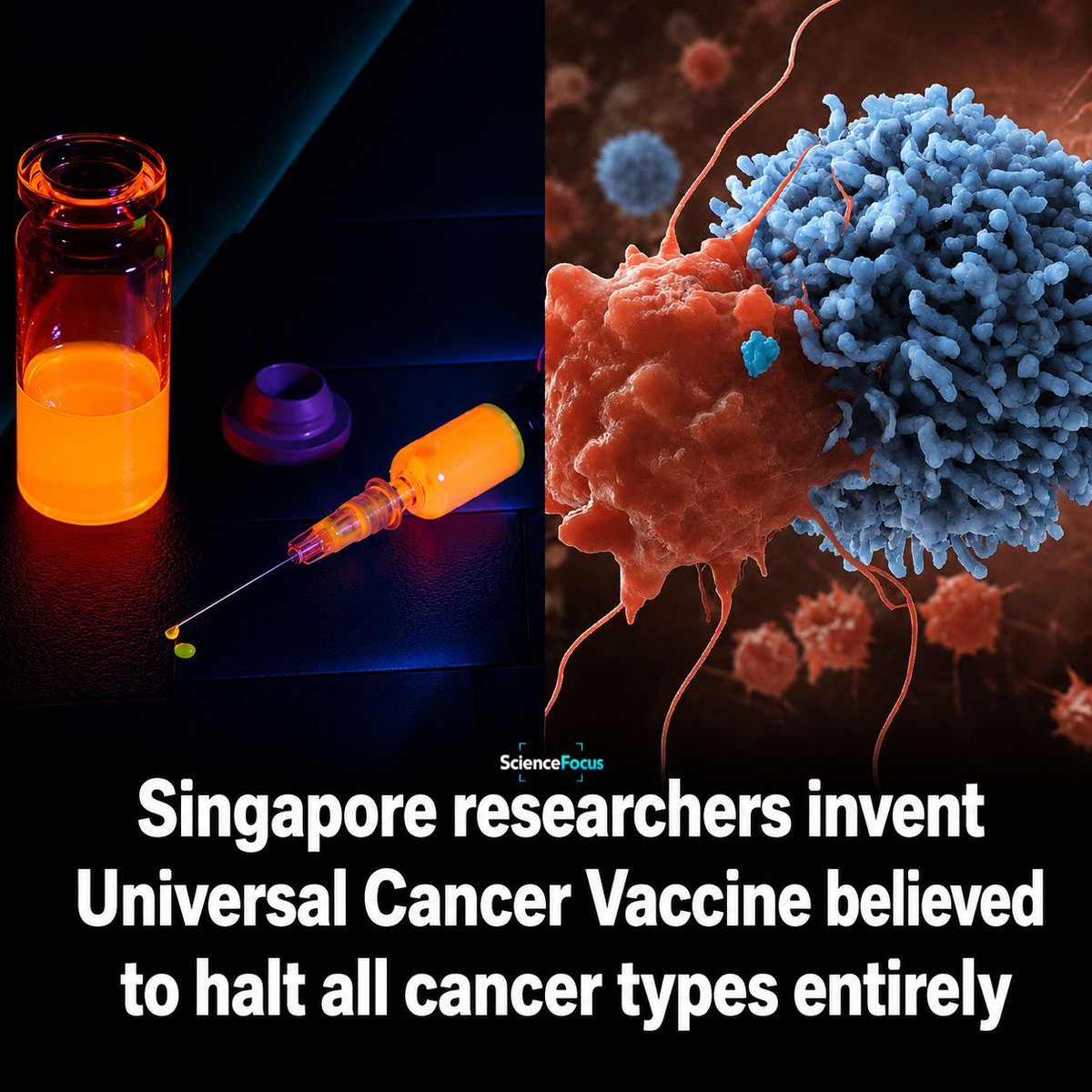
What if one vaccine could help fight many different types of cancer?
Researchers in Singapore are developing a promising cancer vaccine approach that has captured global attention.
The goal is ambitious.
Train the immune system to recognize and attack cancer cells across multiple cancer types.
Unlike traditional treatments that target a specific cancer, this approach focuses on common features shared by many tumors.
Recent studies have shown encouraging results in laboratory models.
Researchers reported that their nanovaccine was able to slow tumor growth, reduce cancer recurrence, and help the immune system create a longer-lasting defense against cancer cells.
While the findings are exciting, it's important to understand that this is not yet a proven cure for all cancers.
Scientists are still conducting further research and testing to evaluate its safety and effectiveness in humans.
Even so, the breakthrough represents another major step forward in the fight against one of humanity's deadliest diseases.
What once sounded like science fiction is slowly moving closer to reality.
20
45
191
20,976
Jun 11
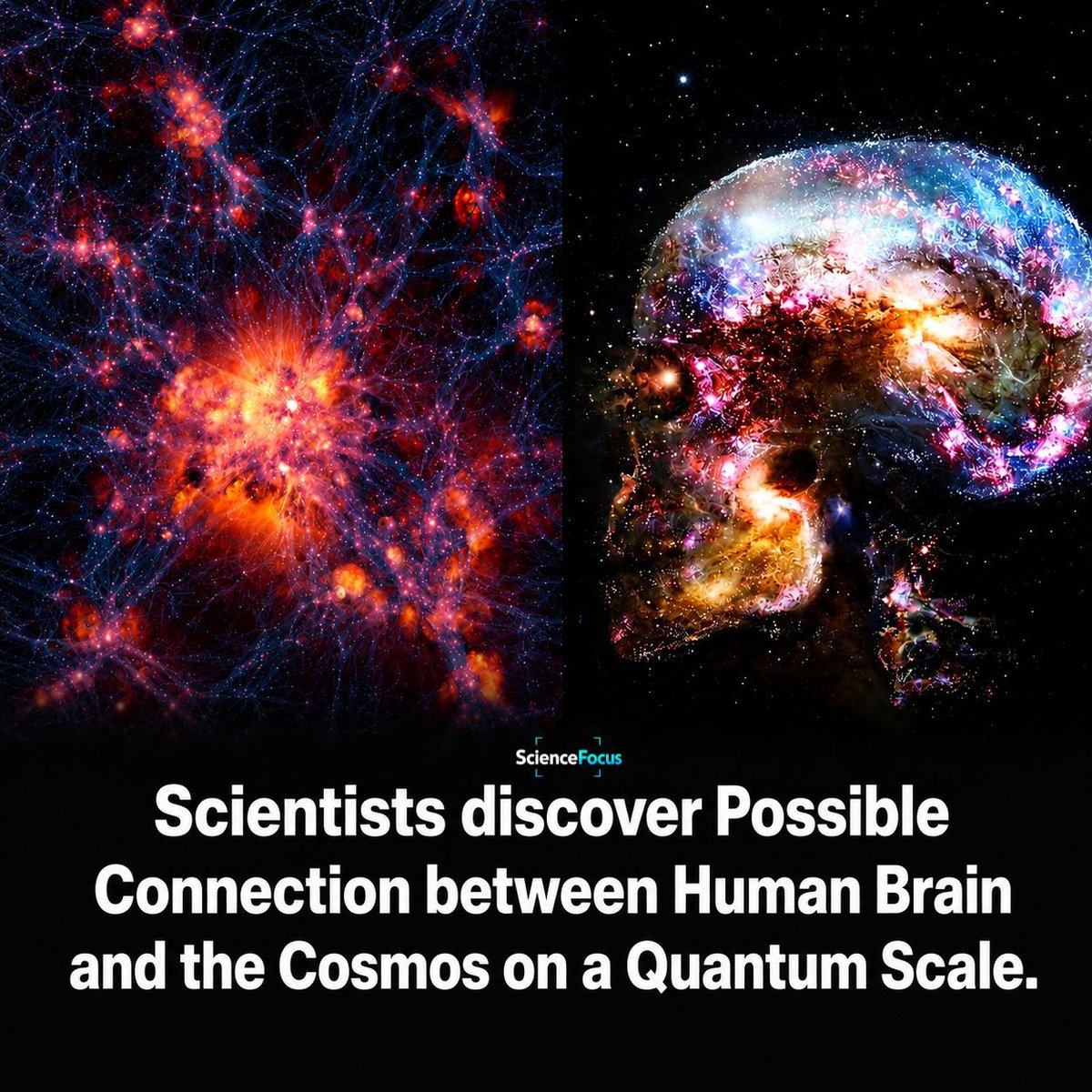
What if the human brain is connected to the universe in ways we still don't understand?
A growing area of research is exploring a fascinating possibility.
The structures found in the human brain may share surprising similarities with the large-scale structure of the cosmos.
Some scientists have also investigated whether quantum processes could play a role in consciousness itself.
These studies suggest that tiny quantum effects inside brain cells might influence how awareness emerges.
Others have noticed that both the universe and the brain form complex networks that look remarkably alike when mapped and analyzed.
But there is an important catch.
Scientists have not proven that the human brain is directly connected to the cosmos.
Nor have they confirmed that consciousness can interact with the universe on a quantum level.
For now, these ideas remain hypotheses and active areas of research.
Even so, the findings are raising profound questions about consciousness, reality, and humanity's place in the universe.
The more we learn about the brain, the more mysterious it becomes.
And the deeper we look into the cosmos, the more it seems to mirror the complexity within us.
7
12
44
1,853
Jun 11
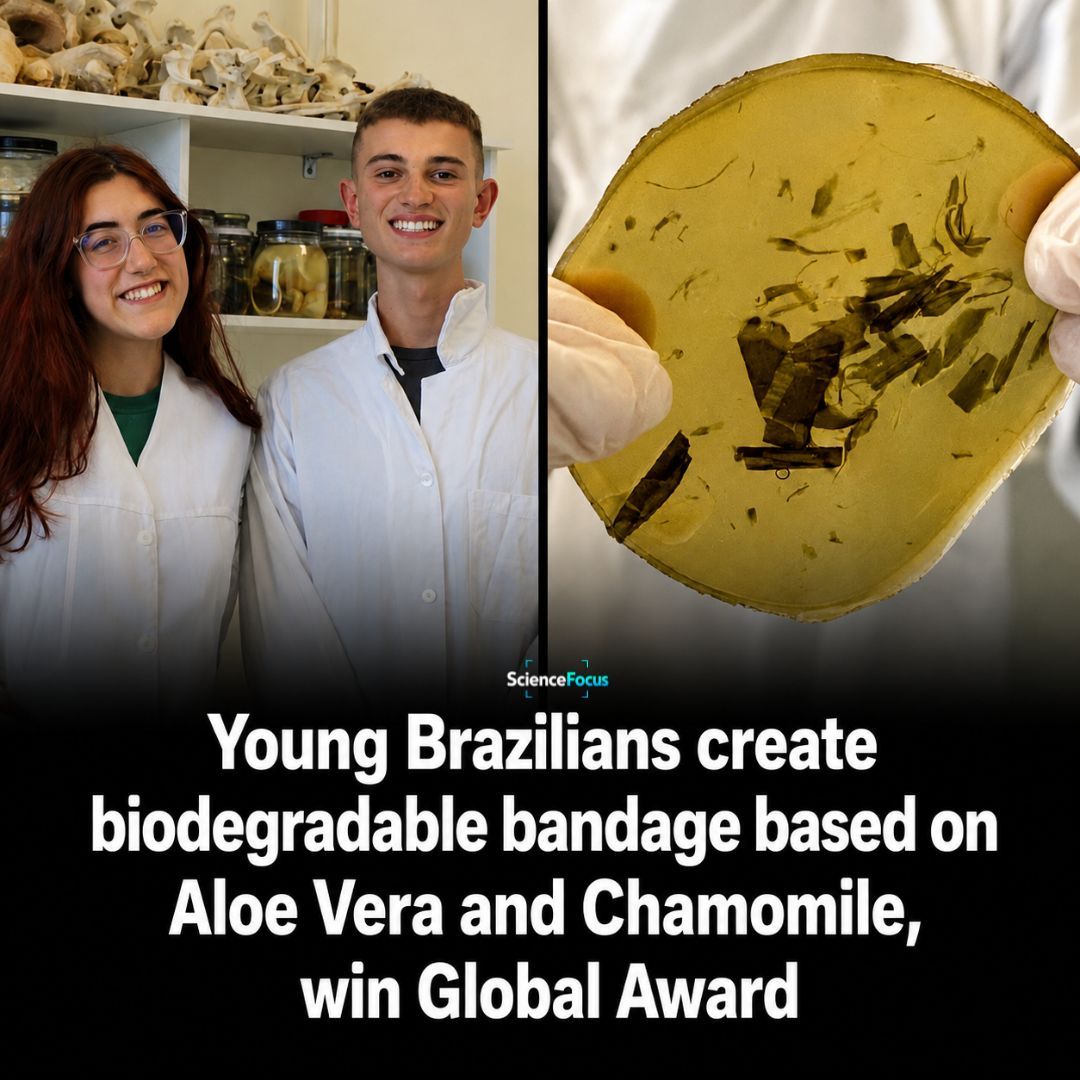
A pair of teenagers from Brazil just turned plants into an award-winning medical innovation.
Bernardo Renner and Ísis Valentin created a biodegradable bandage called HADA using Aloe Vera and chamomile.
The idea came from a simple observation.
Traditional bandages are used for a short time but often contain plastic that can remain in the environment long after disposal.
Wanting a better alternative, the students developed a plant-based dressing designed to help wounds heal while reducing waste.
Aloe Vera is known for its skin-soothing properties.
Chamomile is recognized for its anti-inflammatory benefits.
Together, they form the foundation of a biodegradable bandage that can break down naturally after use.
Their breakthrough earned them the Central and South America title at The Earth Prize 2026, one of the world's leading environmental competitions for young innovators.
A powerful reminder that big ideas can come from young minds.
2
24
94
2,538
Jun 10
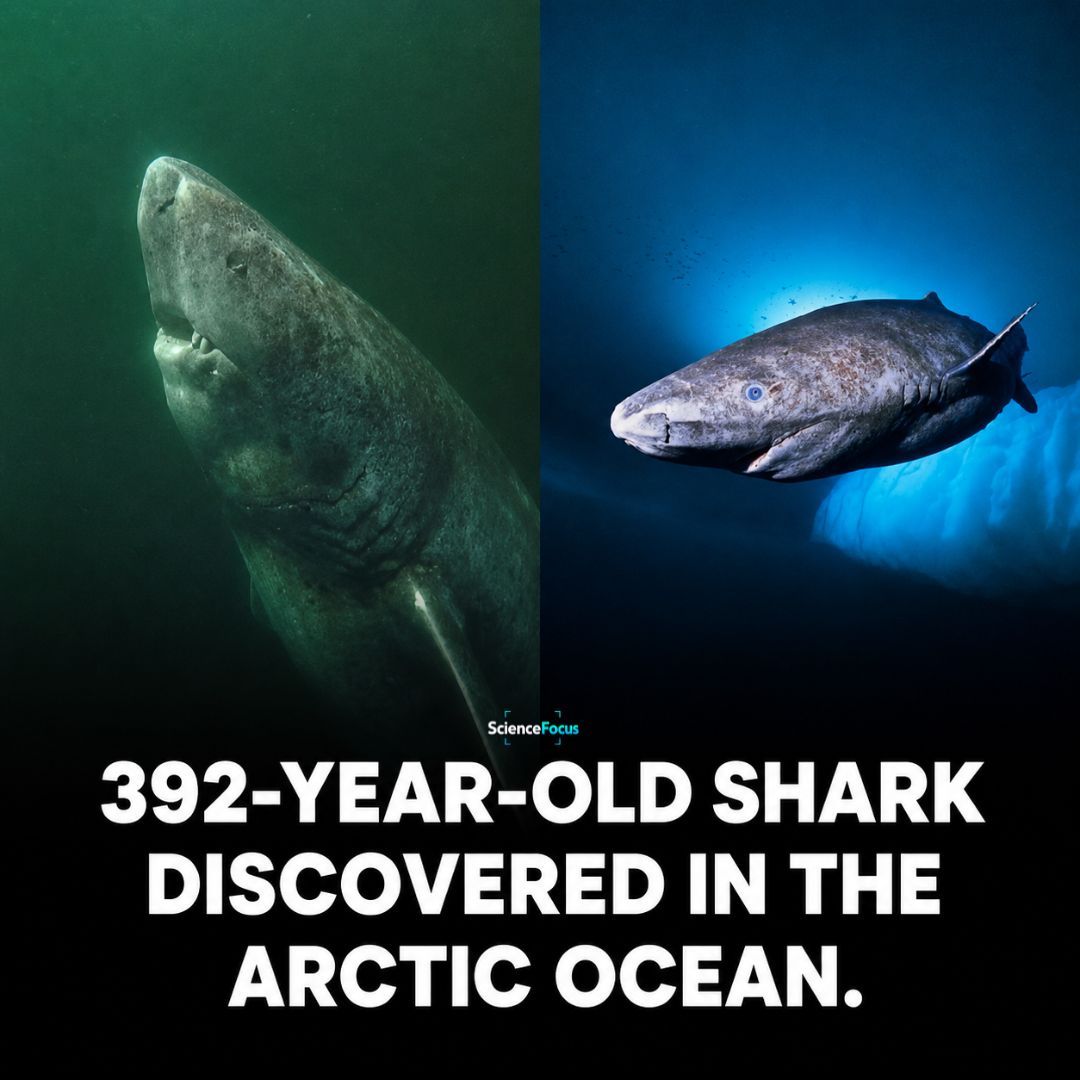
A shark older than most countries on Earth was discovered in Arctic waters.
The Greenland shark is one of the longest-living animals ever recorded.
Scientists estimated that one individual was around 392 years old.
That means it may have been born in the early 1600s.
Before the Industrial Revolution.
Before electricity powered cities.
Before generations of people lived and died.
These sharks grow extremely slowly.
They can take around 150 years just to reach adulthood.
They spend their lives cruising through the freezing depths of the Arctic Ocean.
Their slow metabolism and cold environment are believed to play a major role in their incredible lifespan.
While human history changed the world above the surface, this ancient predator continued swimming through the same dark waters.
Some of Earth's oldest living secrets are still hidden beneath the ice.
15
49
307
25,190
Jun 10
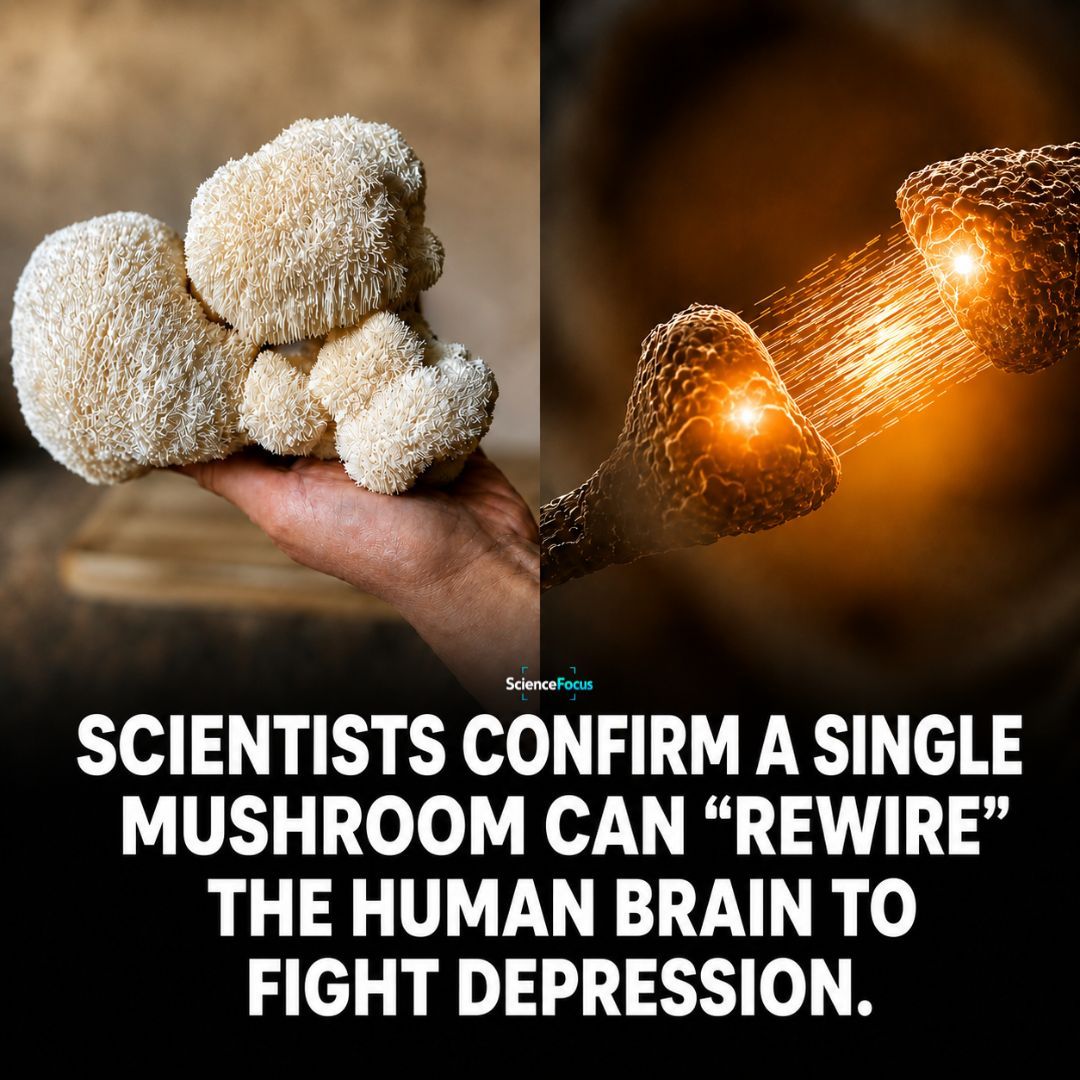
A mushroom is giving scientists a new way to think about depression.
Researchers have found that compounds in Lion’s Mane mushroom may help stimulate nerve growth in the brain.
In laboratory studies, these compounds encouraged brain cells to form new connections.
The effect has sparked interest among scientists studying memory, mood, and cognitive health.
Some researchers believe this could one day play a role in supporting treatments for depression.
But there's an important catch.
Studies are still ongoing.
Scientists are working to understand exactly how these compounds affect the human brain and whether the benefits seen in early research translate into long-term results.
Even so, the findings are exciting.
A simple mushroom growing in forests around the world could hold clues to unlocking new approaches to mental health.
Sometimes the most surprising discoveries come from nature itself.
21
143
770
39,001
Jun 10
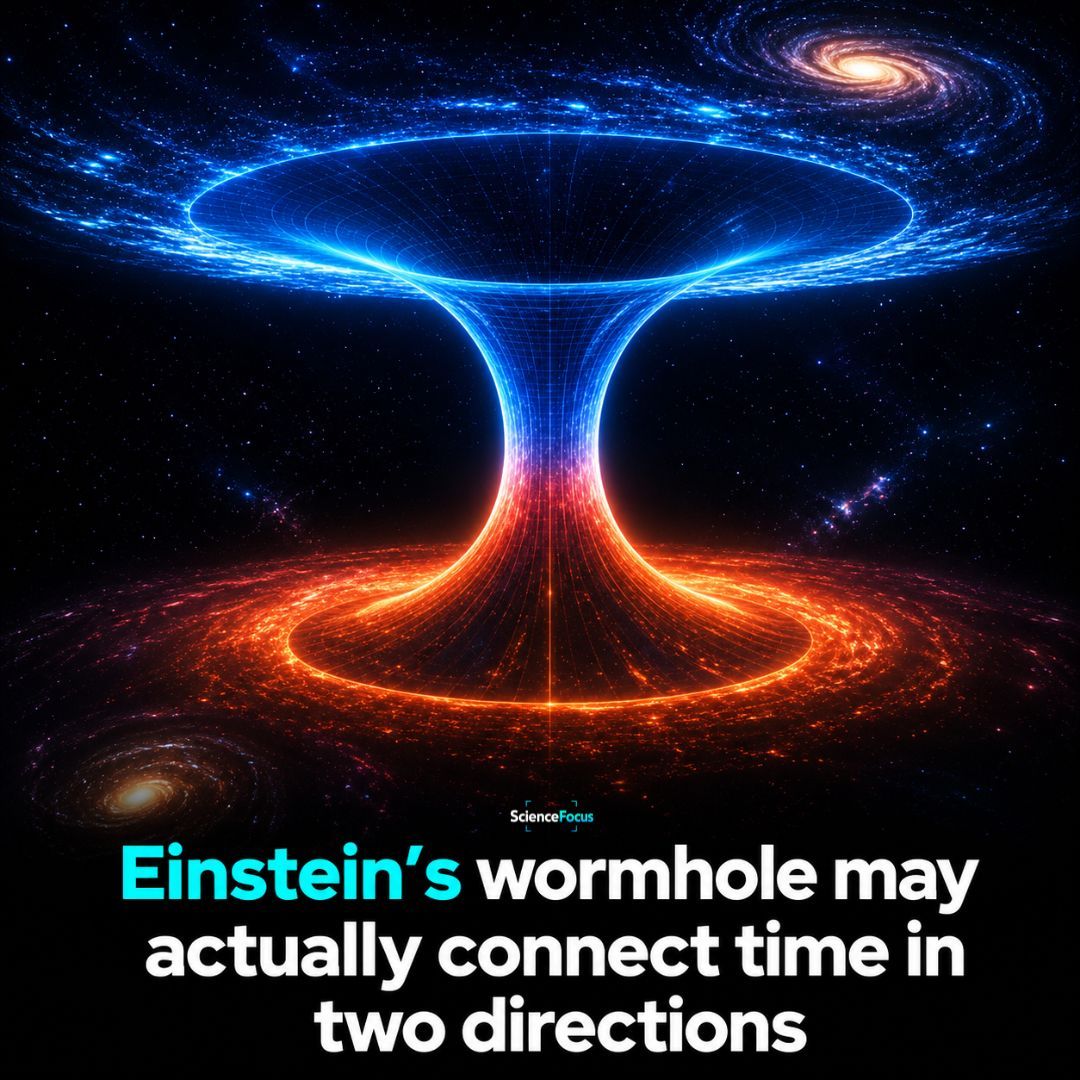
What if time isn't a one-way street?
A new study suggests Einstein's famous wormholes may be even stranger than scientists first imagined.
Wormholes are theoretical tunnels that could connect distant parts of the universe.
For decades, they have been a staple of science fiction.
But some researchers now believe certain types of wormholes might connect different points in time as well as space.
In theory, entering one side could lead to a different moment in the past or future.
The idea comes from solutions hidden within Einstein's equations of general relativity.
There is one major problem.
No wormhole has ever been observed.
Scientists also don't know if these cosmic shortcuts could remain stable long enough for anything to pass through them.
For now, wormholes remain a fascinating possibility.
But if they exist, they could completely change our understanding of space, time, and the limits of reality itself.
The universe may be far stranger than we ever imagined.
9
16
47
1,849
Jun 10
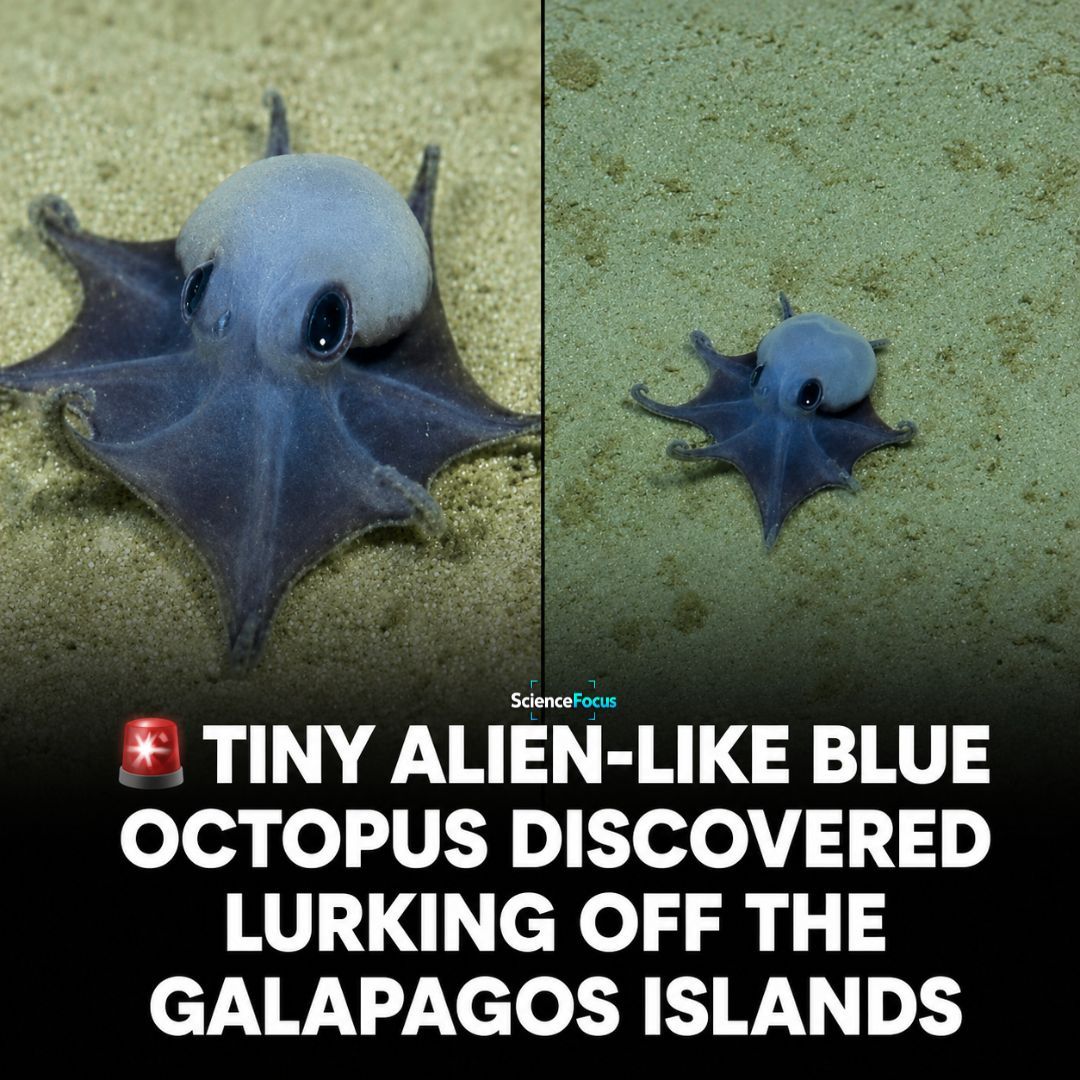
This tiny blue octopus looks more like an alien than a real animal.
Scientists discovered this unusual deep-sea octopus near the Galápagos Islands.
Its pale blue body and oversized dark eyes make it look almost cartoon-like.
The creature lives thousands of feet below the ocean's surface.
A place where sunlight never reaches.
Very little is known about its behavior.
Or how many of them exist.
The deep ocean remains one of the least explored places on Earth.
In fact, we know more about parts of the Moon than we do about the ocean floor.
Discoveries like this are a reminder that entirely new and bizarre species are still waiting to be found.
The deeper we explore, the stranger life becomes.
5
13
72
1,447
Jun 9
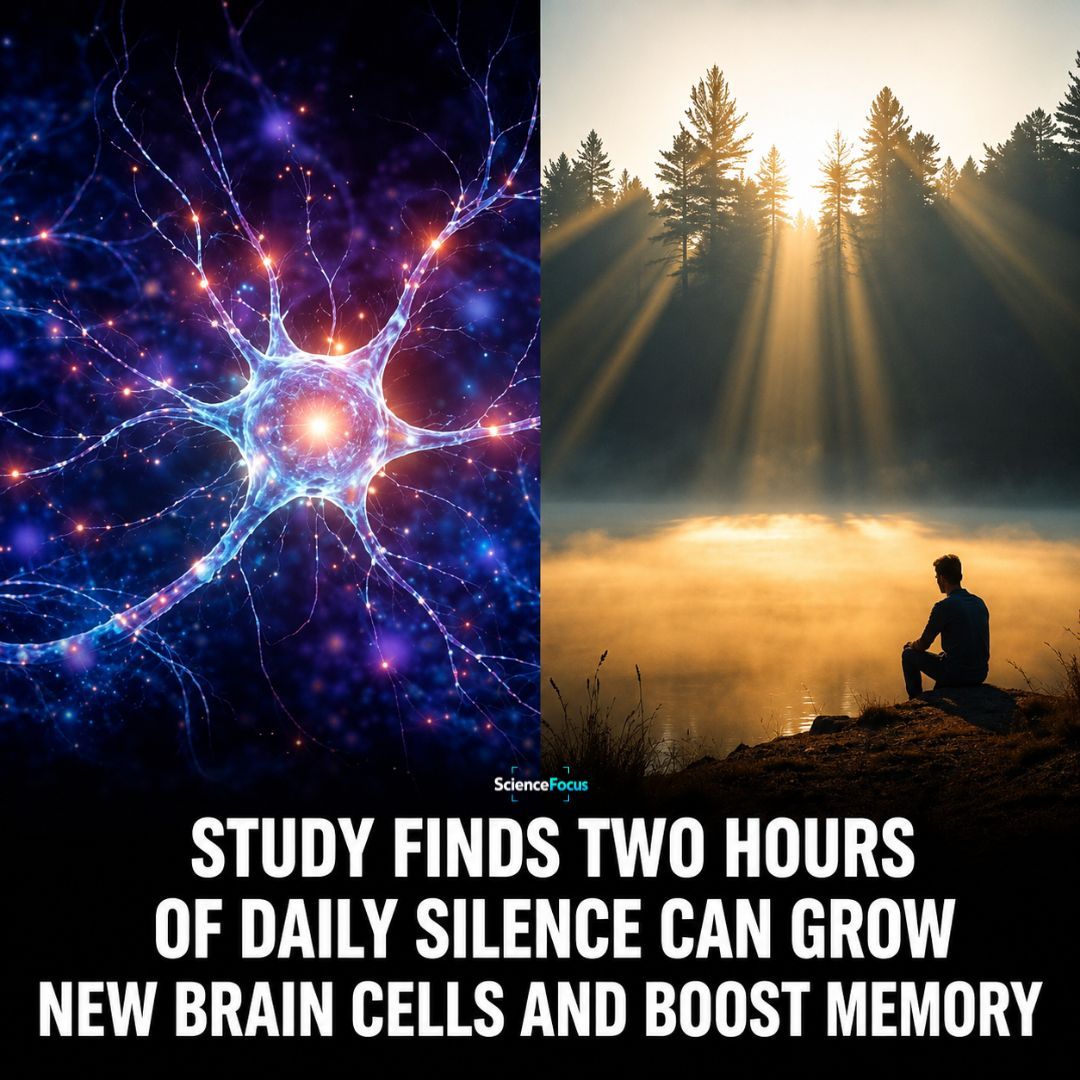
What if one of the best things you could do for your brain was... absolutely nothing?
Researchers have found that periods of silence may do more than help you relax.
In animal studies, two hours of silence a day was linked to the growth of new cells in the hippocampus the part of the brain involved in learning and memory.
Silence gives the brain a break from constant stimulation.
No notifications.
No conversations.
No background noise competing for your attention.
In a world that never stops talking, a little quiet might be one of the most powerful forms of self-care.
Your brain may need silence just as much as it needs sleep.
4
17
53
1,376
Jun 9
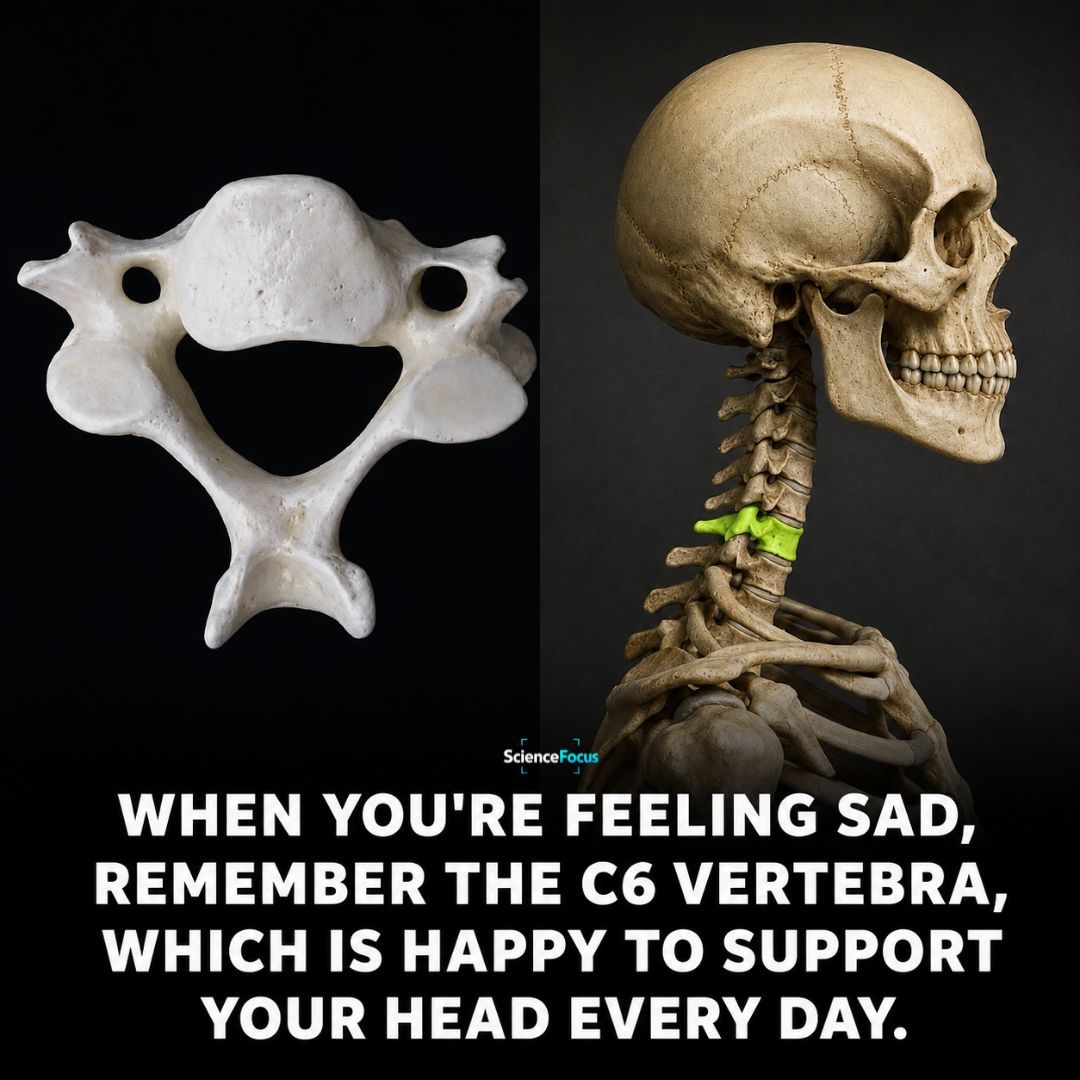
Having a rough day? Take a moment to think about the C6 vertebra.
Most people will never notice it.
It doesn’t get compliments. It doesn’t get celebrated. It doesn’t ask for attention.
Yet every single day, it quietly helps support the weight of your head, holding steady through every conversation, every laugh, every challenge, and every long night.
While the rest of us worry about deadlines, mistakes, and what comes next, the C6 vertebra keeps doing its job with remarkable consistency.
No recognition.
No reward.
Just dependable support.
There’s something oddly comforting about that.
Not every meaningful contribution is visible. Not every act of support gets acknowledged. Some of the most important things in life are the ones working silently in the background, making it possible for everything else to function.
So if today feels heavy, remember this tiny piece of your spine.
The C6 vertebra has been showing up for you every day without fail.
And maybe that's a reminder that strength isn't always loud.
Sometimes, it's simply being there steady, reliable, and carrying the weight when it matters most.
The quietest supporters are often the strongest ones.
3
8
29
910
Jun 9
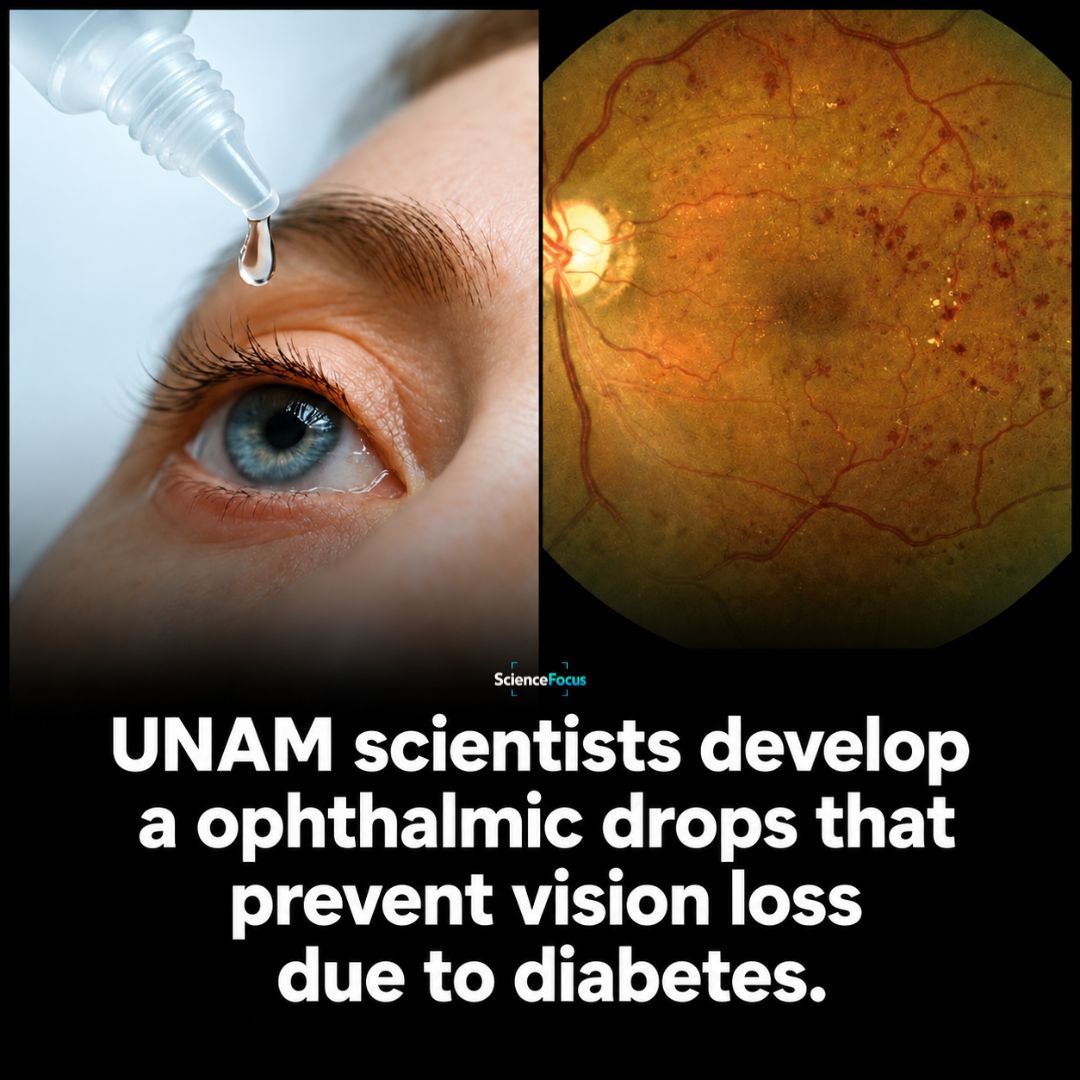
Diabetes is one of the leading causes of blindness worldwide. But a tiny eye drop could change that. 👁️
Scientists at UNAM are developing an innovative treatment designed to prevent vision loss caused by diabetic retinopathy.
The therapy uses vasoinhibin, a natural molecule that helps stop the abnormal blood vessel growth responsible for damaging the retina.
What makes this breakthrough especially exciting is its simplicity.
Instead of frequent injections into the eye, researchers are working toward a treatment that could be delivered through eye drops.
Millions of people living with diabetes face the risk of losing their sight.
A safe, accessible, and non-invasive solution could transform the future of eye care.
Sometimes the most powerful medical breakthroughs arrive one drop at a time.
3
40
99
3,039
Jun 9
The ham sandwich in your lunchbox has a warning label most people never hear about.
In 2015, the World Health Organization classified processed meat as a Group 1 carcinogen the same cancer-risk category as tobacco smoking.
That doesn’t mean a hot dog is as dangerous as a cigarette.
It means there is strong scientific evidence that both can cause cancer.
Processed meats include bacon, sausages, hot dogs, ham, salami, and other meats preserved by smoking, curing, salting, or chemical additives.
Research has linked regular consumption to an increased risk of colorectal cancer.
Millions of people avoid cigarettes.
Yet many eat processed meat every day without realizing the long-term risks.
The difference isn’t the category.
It’s the level of risk.
And that distinction matters.

4
9
34
2,281