Contact upcoming with Poland!
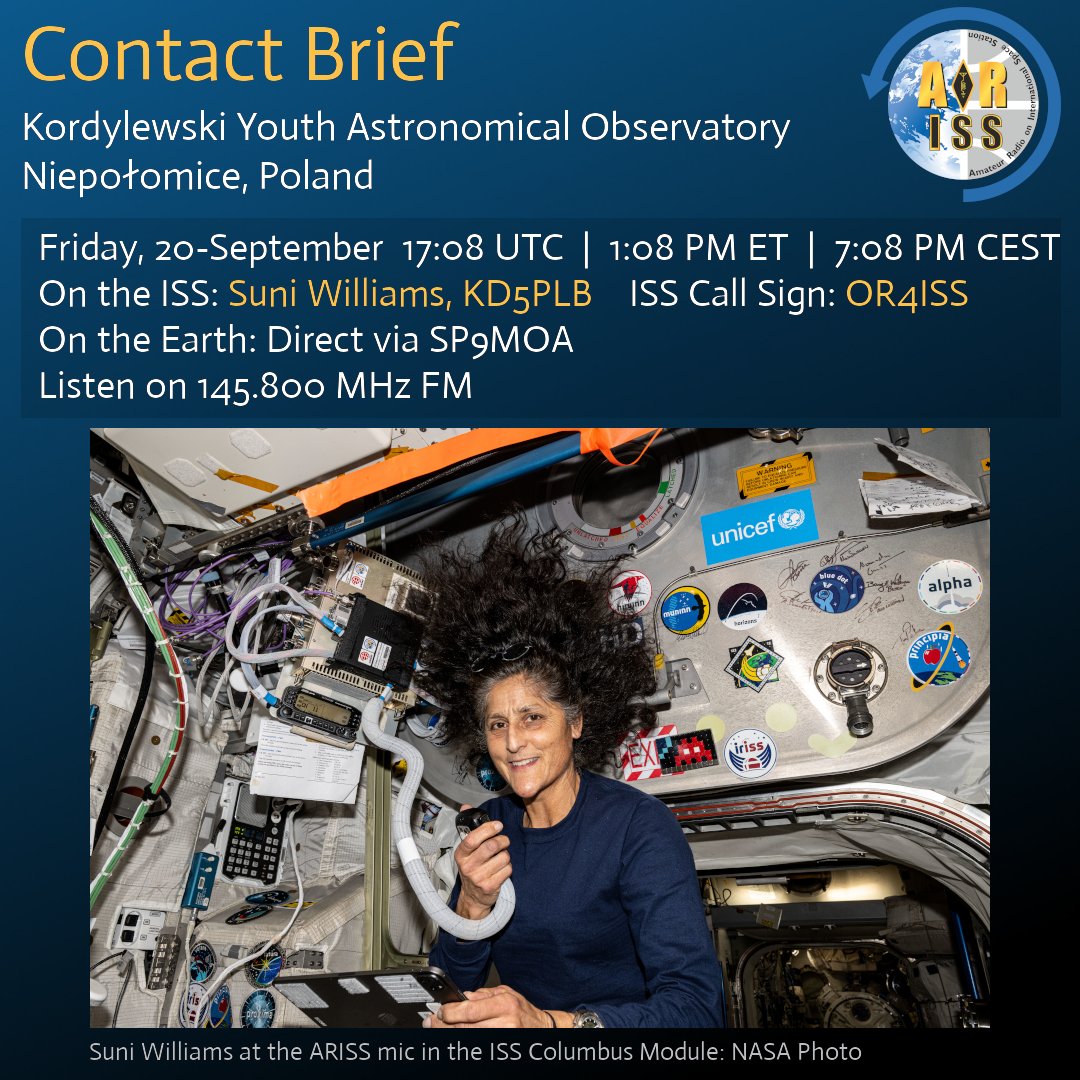
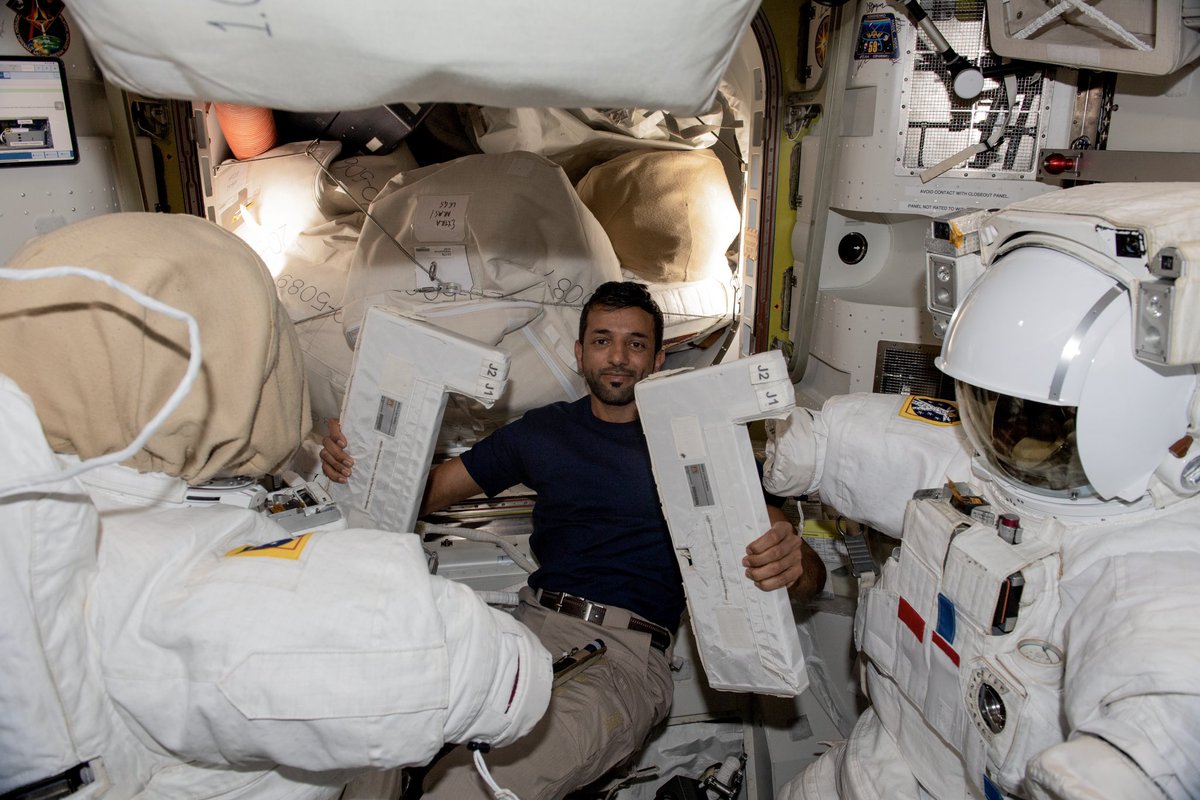
Kordylewski Youth Astronomical Observatory in Niepołomice will contact @Astro_Suni on the @Space_Station via ham radio.
Scheduled for Fri, 20-Sep at 17:08 UTC | 1:08 PM ET | 7:08 PM CEST direct via SP9MOA.
Listen on 145.800 MHz in Europe.
Our journey to Europa is about to begin.
Follow along as @EuropaClipper ventures across our solar system to uncover the potential for life on Jupiter's icy moon. europa.nasa.gov/
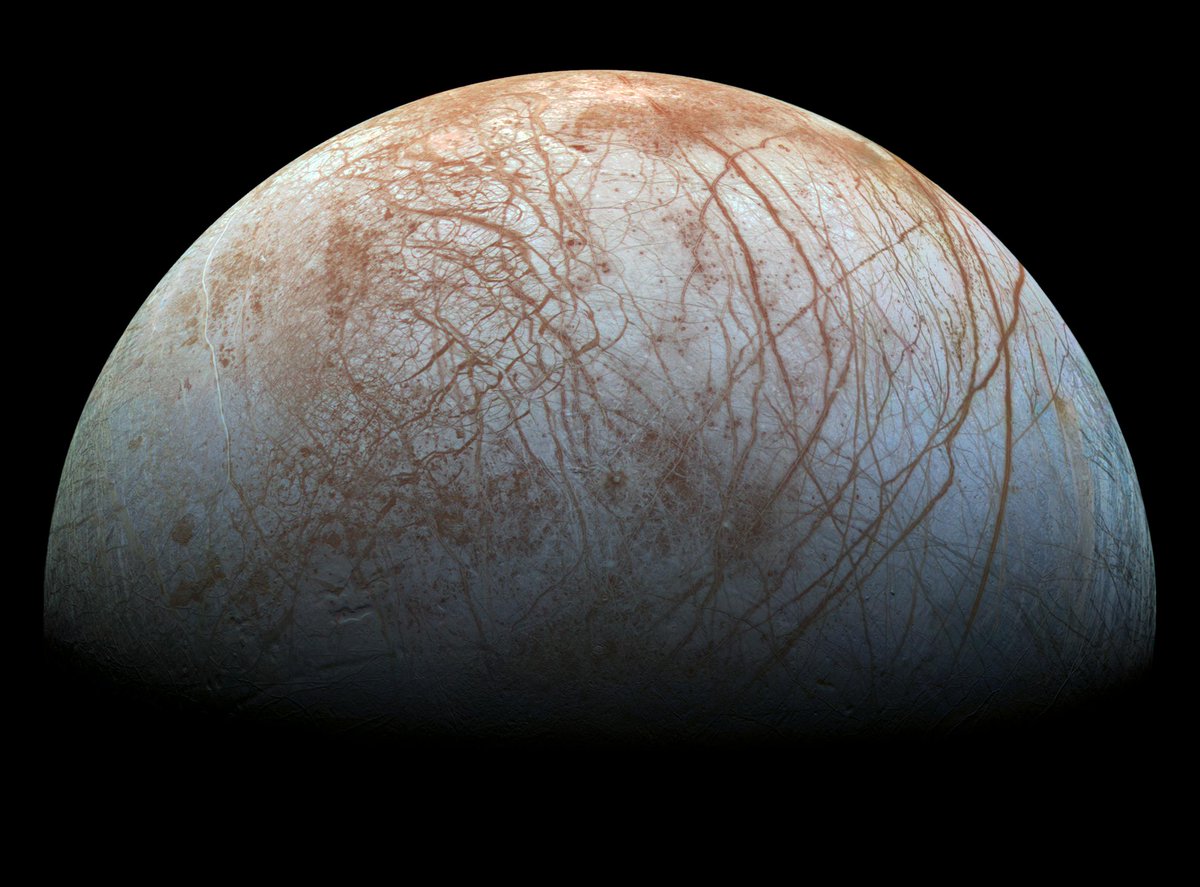
ALT The puzzling, fascinating surface of Jupiter's icy moon Europa looms large in this newly-reprocessed color view, made from images taken by NASA's Galileo spacecraft in the late 1990s. This is the color view of Europa from Galileo that shows the largest portion of the moon's surface at the highest resolution. Credit: NASA/JPL-Caltech/SETI Institute
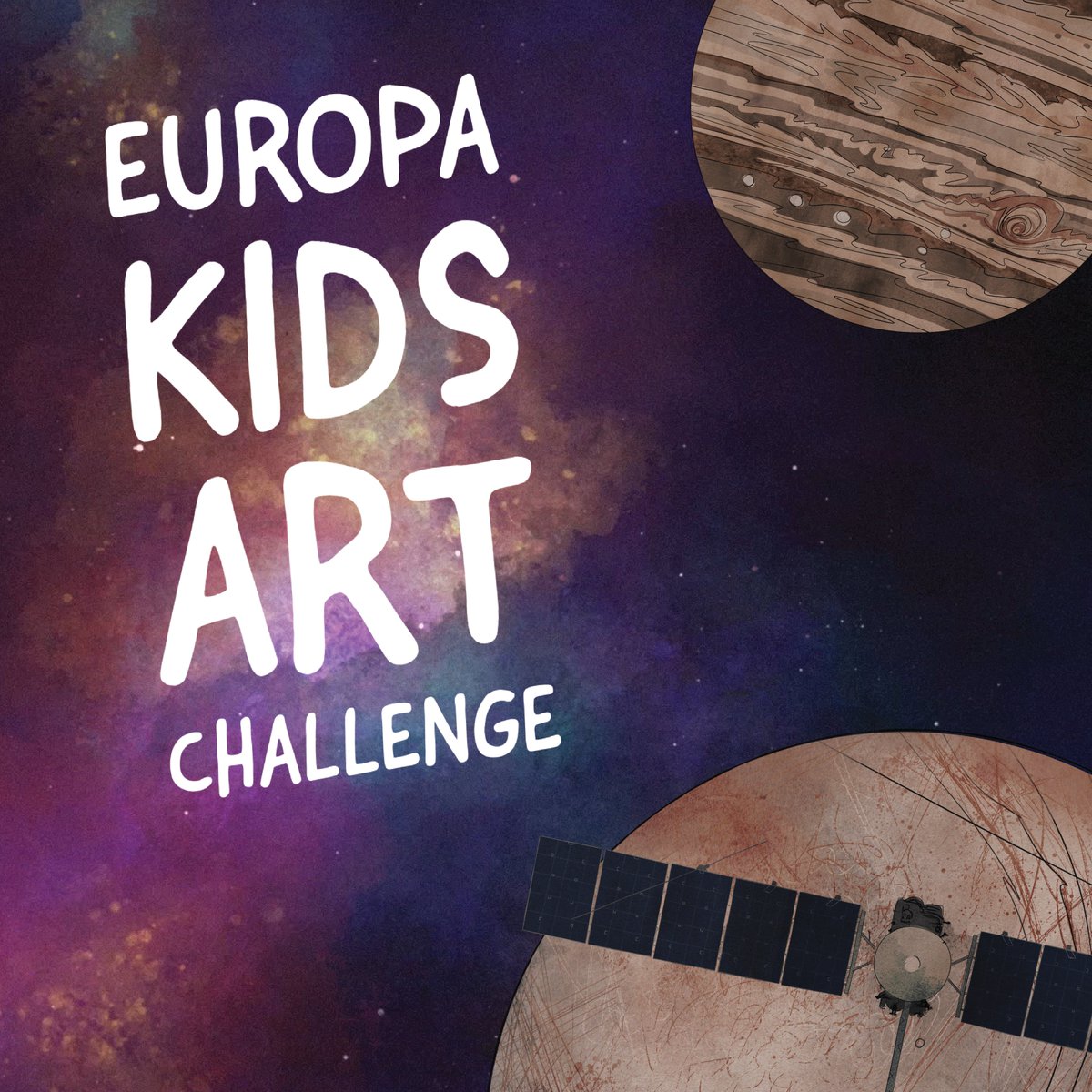
Picture this: what might exist below Europa's surface? If you know creative kids, encourage them to submit to our new art challenge. Entries submitted by Sept. 30 may be featured online or during the launch broadcast in October! Get the full picture: go.nasa.gov/ArtChallenge
ALT A promotional image for the 'Europa Kids Art Challenge' featuring a cosmic background filled with deep purples and oranges, resembling a nebula. In the foreground, there is an artistic representation of Jupiter's moon Europa, with a cracked and textured surface. A space probe with solar panels is positioned near the bottom right, suggesting exploration. The text 'Europa Kids Art Challenge' is written in bold, white letters, standing out against the colorful space backdrop. A smaller depiction of Jupiter is partially visible in the top right corner.
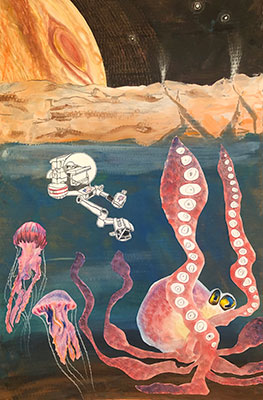
ALT A child's drawing showing the interior ocean of Europa populated with a large pink octopus, jellyfish, and a robotic probe in the water. Above the ocean is a cutaway view of Europa's icy crust with erupting geysers. Jupiter and a starry black sky are visible beyond.
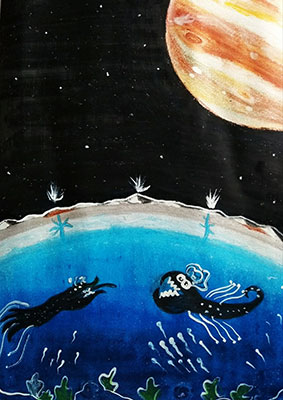
ALT A child's drawing showing the interior ocean of Europa populated with black, toothy deep sea creatures. Above the ocean is a cutaway view of Europa's icy crust with erupting geysers. Jupiter and a starry black sky are visible beyond.
Looking for a fun Moon activity to prepare for International #ObserveTheMoon Night on Sept. 14? Check out our Moon Observation Journal and spend the next month sketching the Moon's daily appearance! 🌓
go.nasa.gov/47lle2P
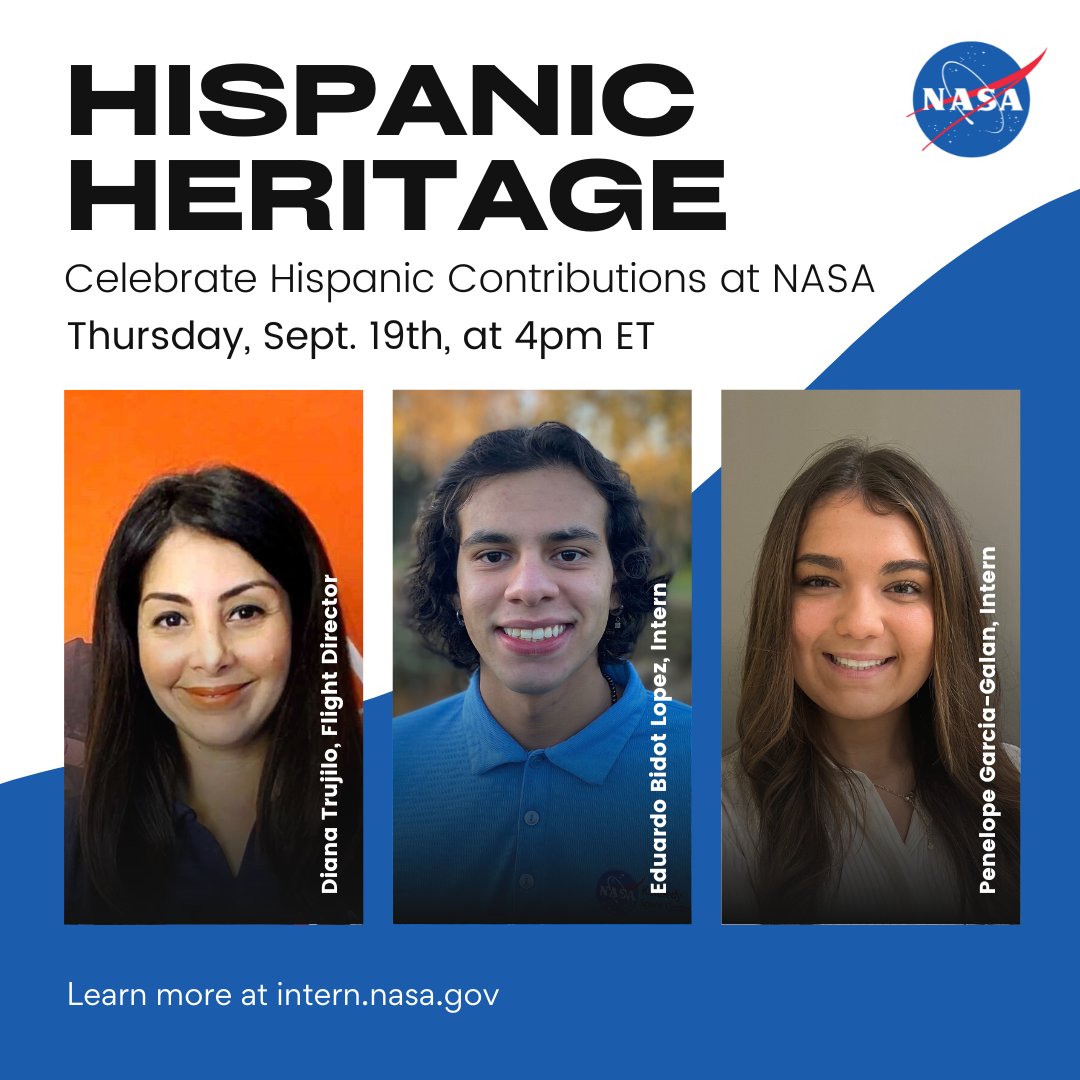
🙌 Celebrate #HispanicHeritageMonth with us on Sept. 19 at 4pm ET
👩🔬 Learn about Hispanic contributions to science
📚 @NASA Internships 101
🎓 Hear from current and former interns
🔍 Q&A Session
Register: go.nasa.gov/4d0Teme
ALT A graphic with three large images of two women and a man with labels reading "Diana Trujilo, Flight Director; Eduardo Bidot Lopez, Intern; Penelope Garcia-Falan, Intern." The graphic read "Hispanic Heritage - Celebrate Hispanic Contributions at NASA Thursday, September 19th at 4pm ET."
Credit: NASA
This is a great extension for our fourth graders, and an incredible real-world connection. It's evidence of our rapidly changing understand of the universe around us through exploration made possible by innovation!
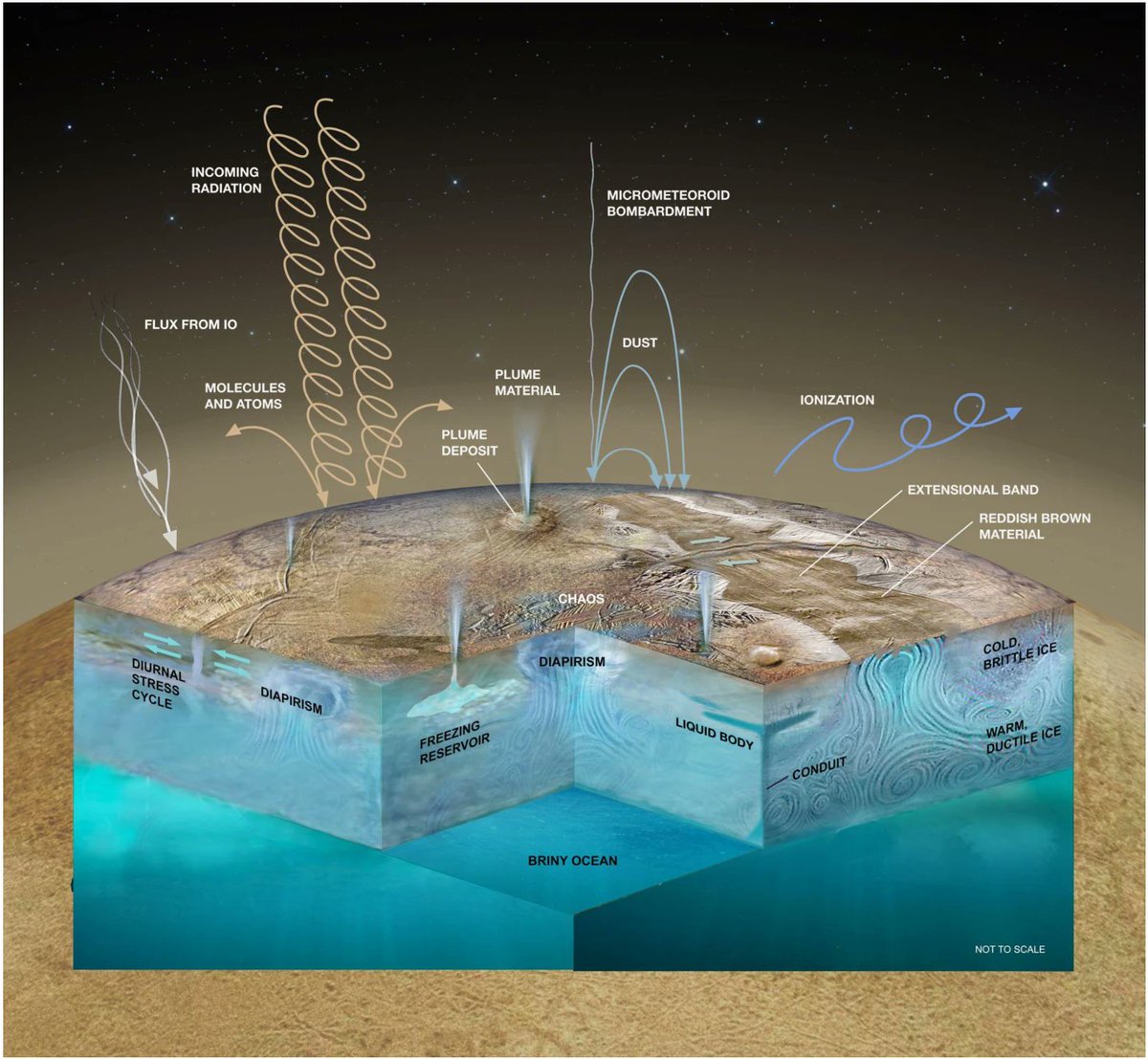
The @EuropaClipper Composition Working Group has compiled this superb overview, led by @tbeckaa, on how the mission's instruments can shed light Europa's composition and determine whether its ocean may have the conditions for life. Download it free here! link.springer.com/article/10…
Lunar observations aren’t just for astronauts. They’re for everyone.
On Saturday, Sept. 14, NASA is hosting International #ObserveTheMoon Night. You can join virtual or in-person events, or simply observe the Moon from your own backyard. go.nasa.gov/3TivtPo
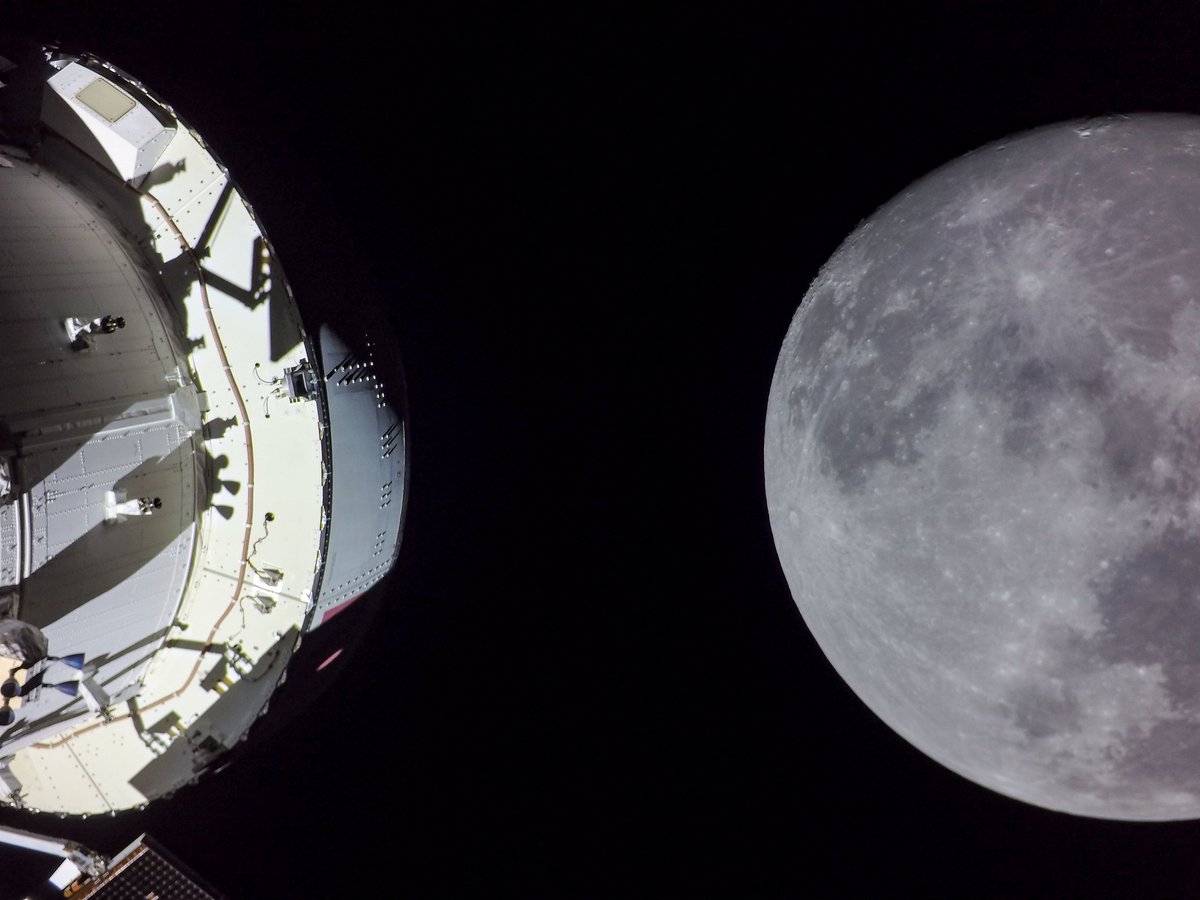
ALT The Moon is seen from cameras onboard NASA's Orion spacecraft during the 20th day of the Artemis I mission. This image was taken after Orion executed the Return Trajectory Correction 3 burn to prepare it for the Return Powered Flyby maneuver, bringing it on its second close approach to the lunar surface and continuing the journey back to Earth. The right side of the image is dominated by the gray, cratered image of the Moon. The left side of the image is dominated by the white outer shell of the Orion capsule. The Moon and Orion stand out against the blackness of space. Credit: NASA
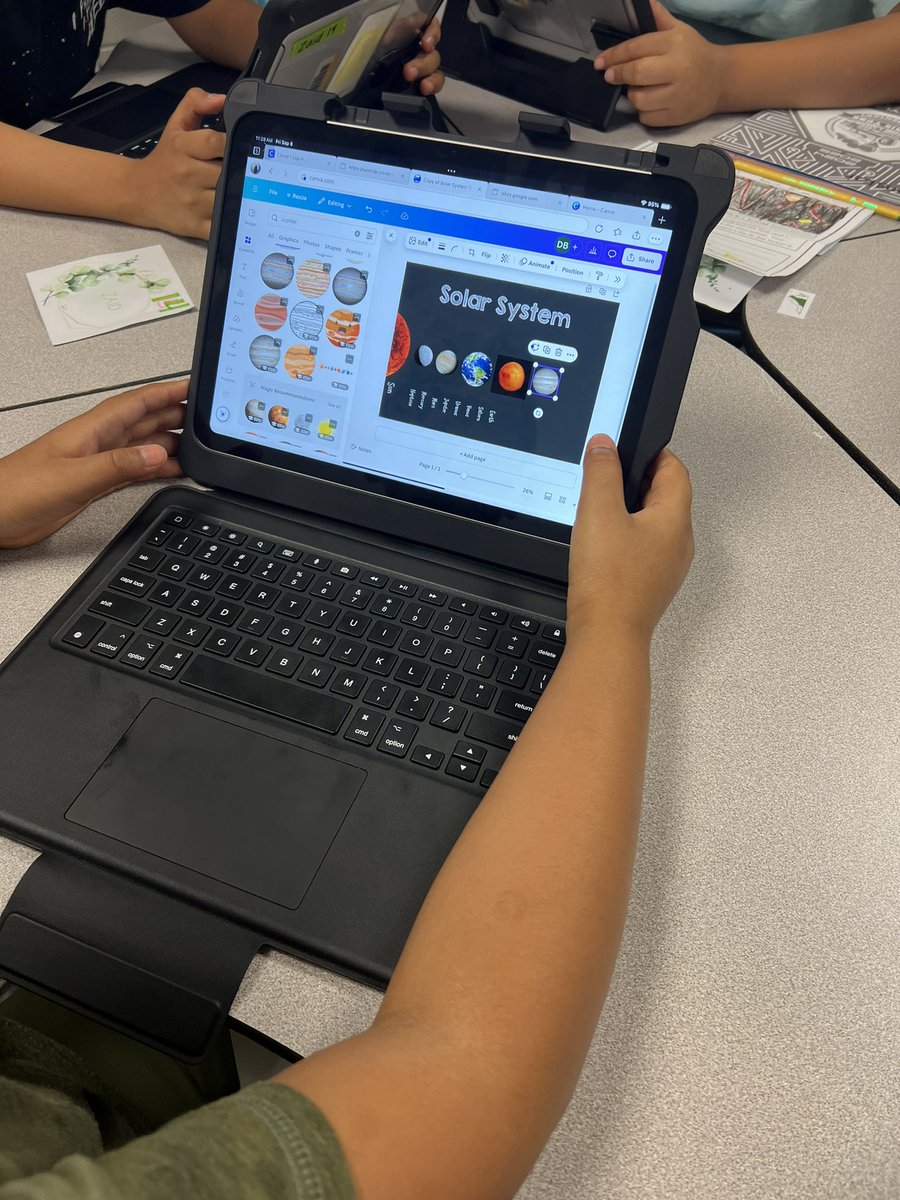
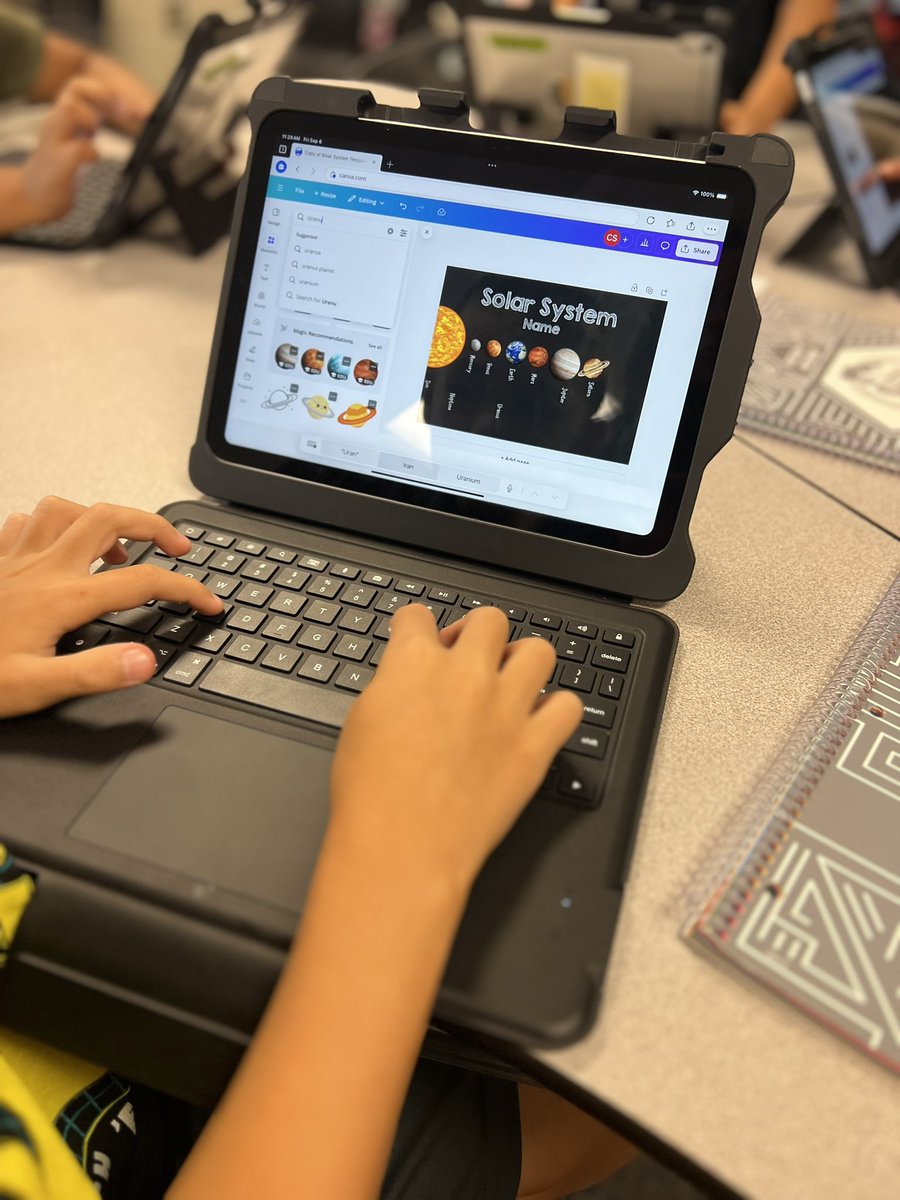
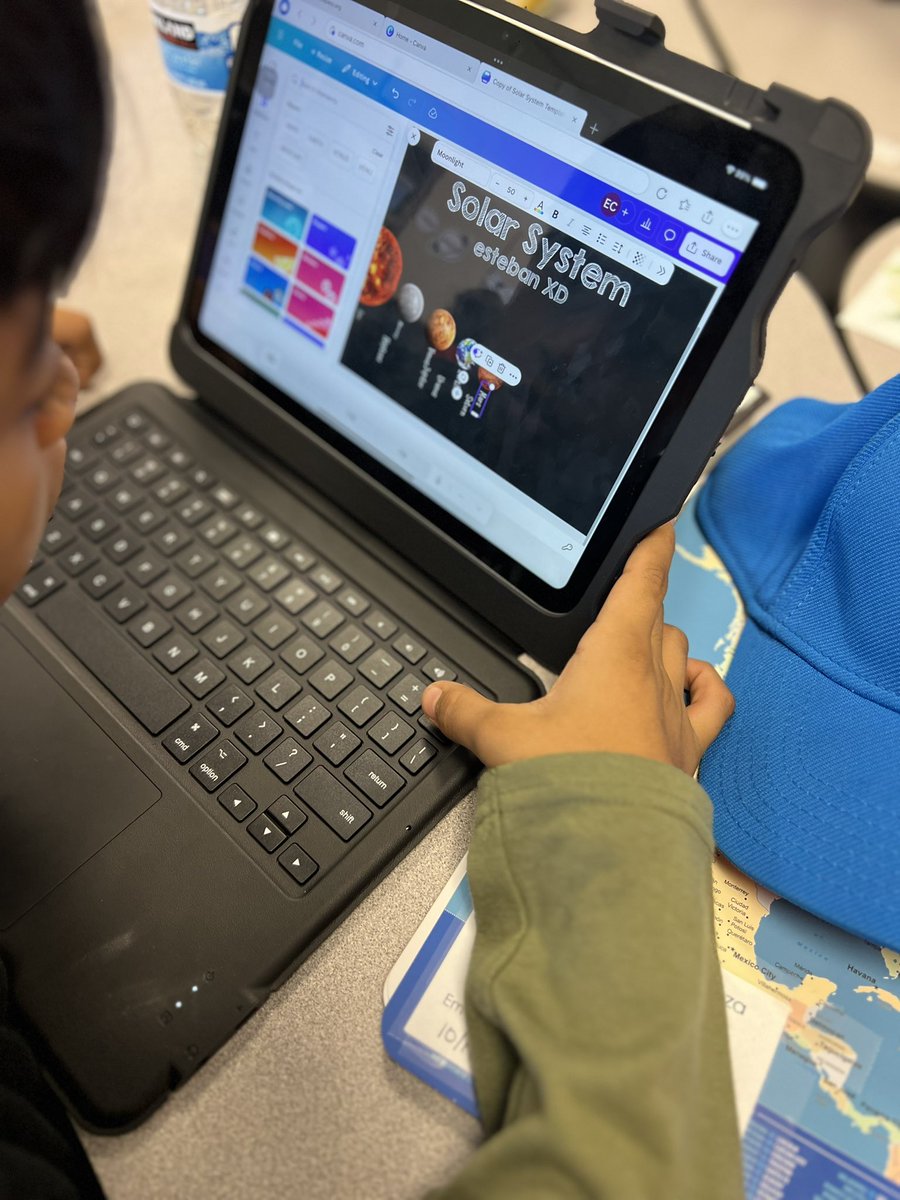
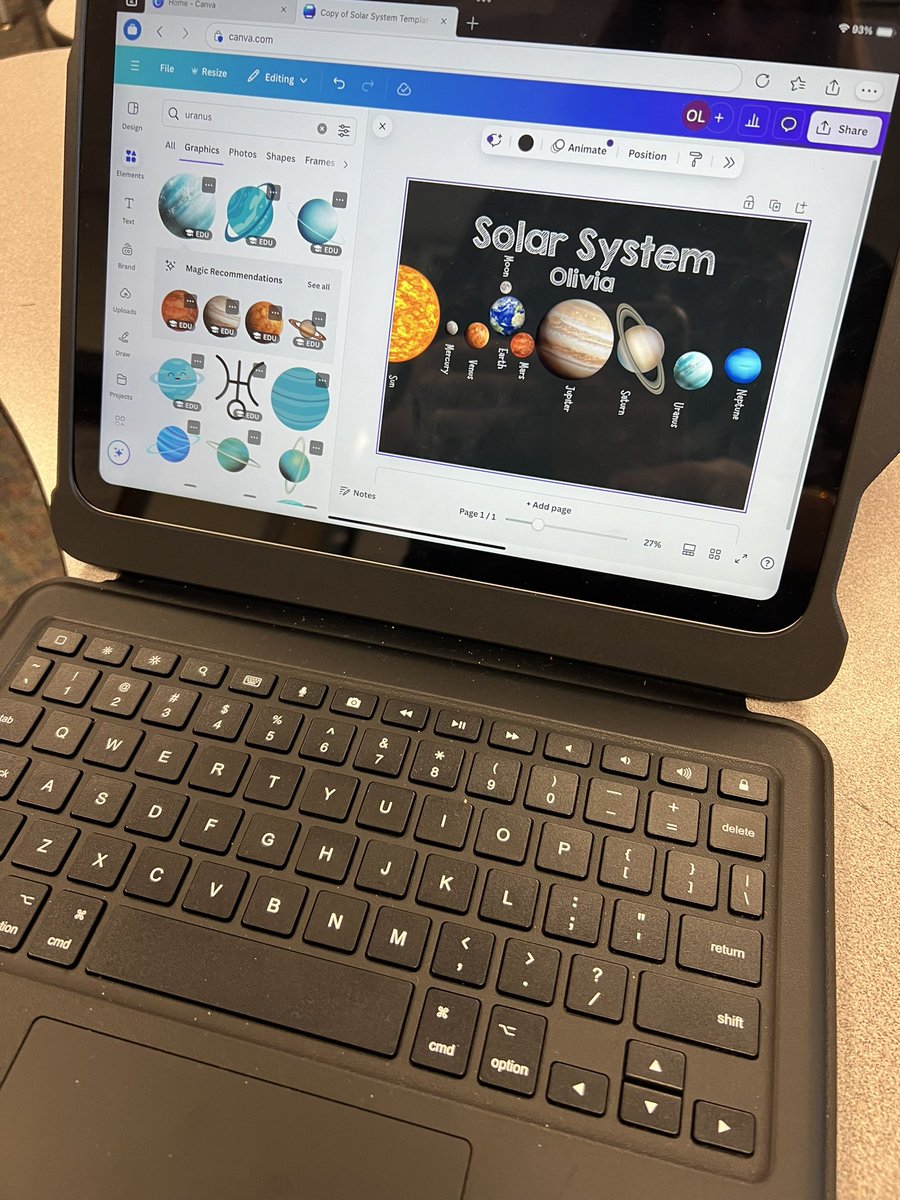
Our 4th grade astronomers created models of the solar system in @canva ! Creating their own model is so much more engaging and effective than a worksheet!
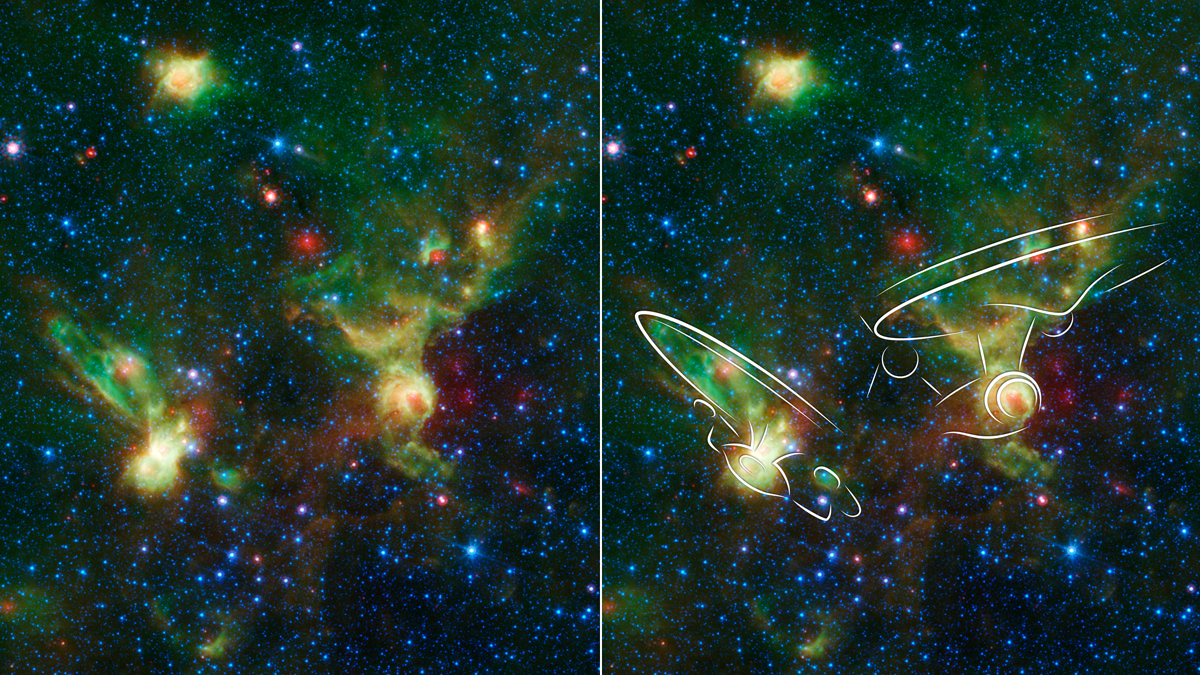
Happy #StarTrekDay!
In 2016, our Spitzer Space Telescope made a bold discovery in our Milky Way galaxy. These nebulae could be said to resemble two U.S.S. Enterprise ships (1701 and 1701-D). But you tell us.
Learn more about this region in our galaxy: go.nasa.gov/3zdztdg
ALT Two images mirrored side-by-side showing two nebulae in the shape of two Star Trek Enterprise ships. On the left, the nebulae is a cloud of gas and dust in space, with vibrant colors of green, red, and blue. The image on the right shows the Enterprise ships outlined in white over the nebulae. Credit: NASA/JPL-Caltech
Join the VSTE #DEI Committee for a amazing webinar experience on 3-20-24 at 7pm EST: Bridging the Digital Divide: Empowering English Learners featuring Brenda Russ & Sarah Plumatello
Register Here: us02web.zoom.us/webinar/regi…
I’m excited to share that effective June 1st, I am taking on the (new) role of Administrative Coordinator of Elementary Science!
This is been such an incredible year of growth, and I am so grateful to all of the teachers and instructional leaders I’ve worked with along the way!
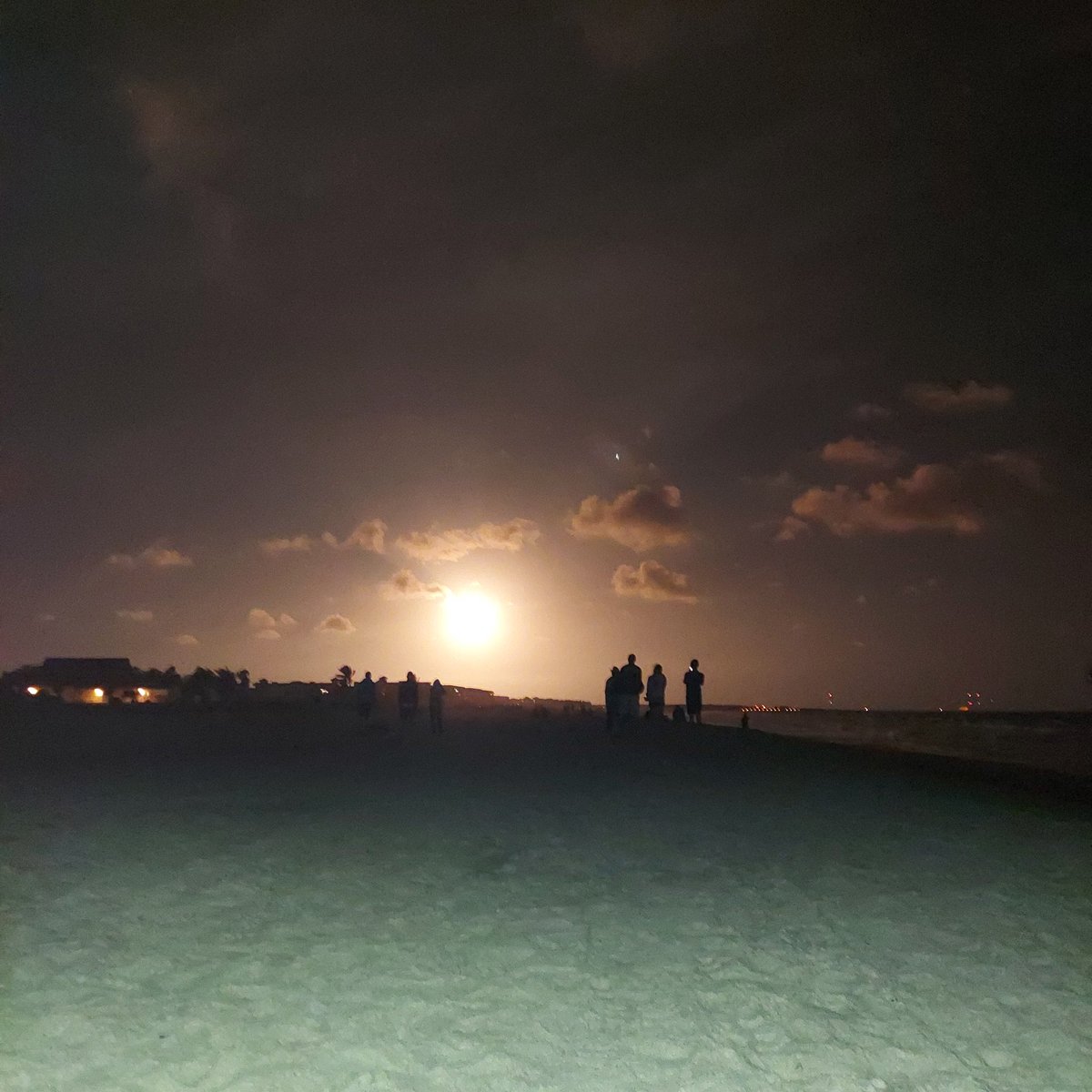
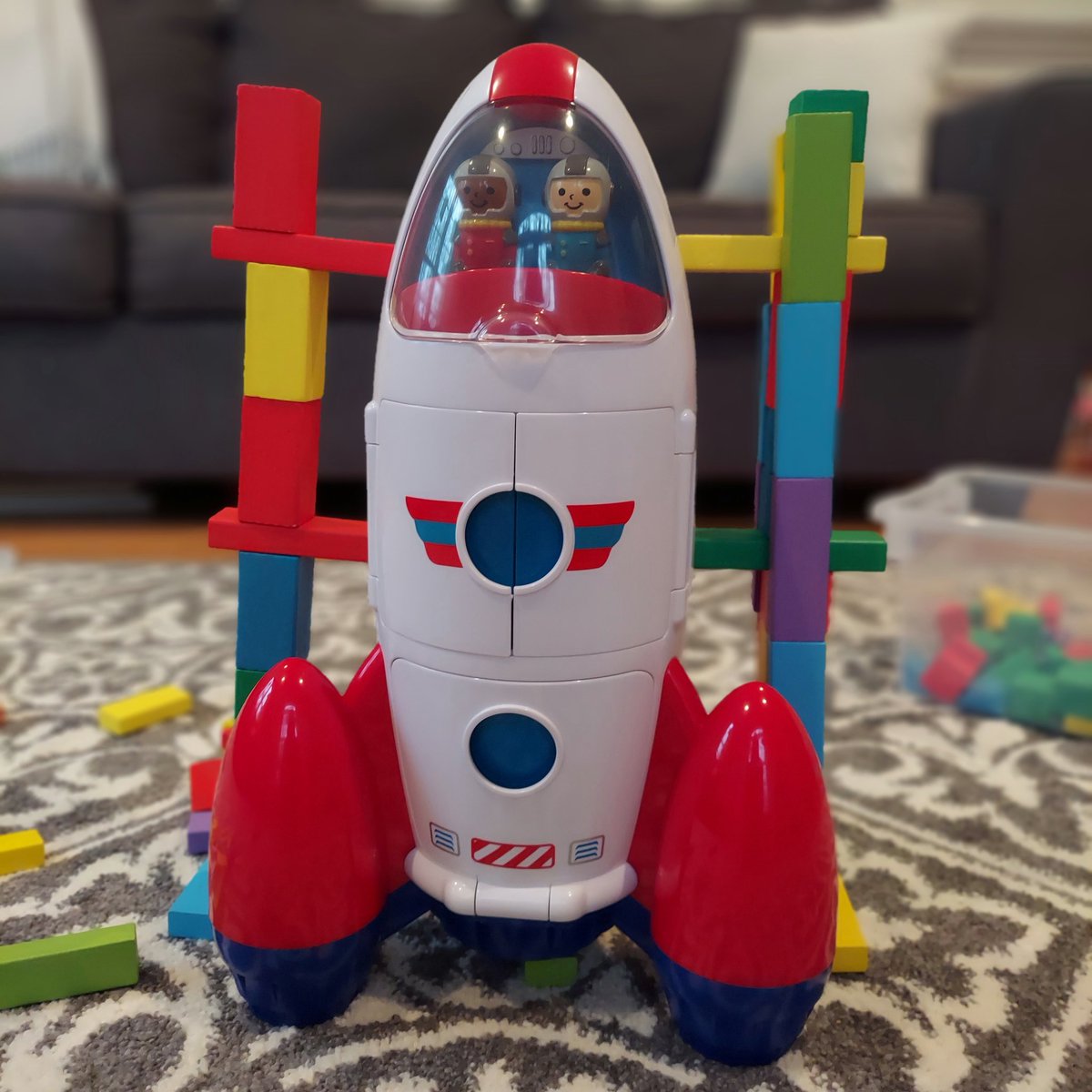
From watching a rocket launch this morning at Cape Canaveral to building a support for a rocket toy at home, our family was amazed! Thank you for inspiring the next generation @SpaceX@INTELSAT@ExploreSpaceKSC@ColesRoadrunner @PWCSScience
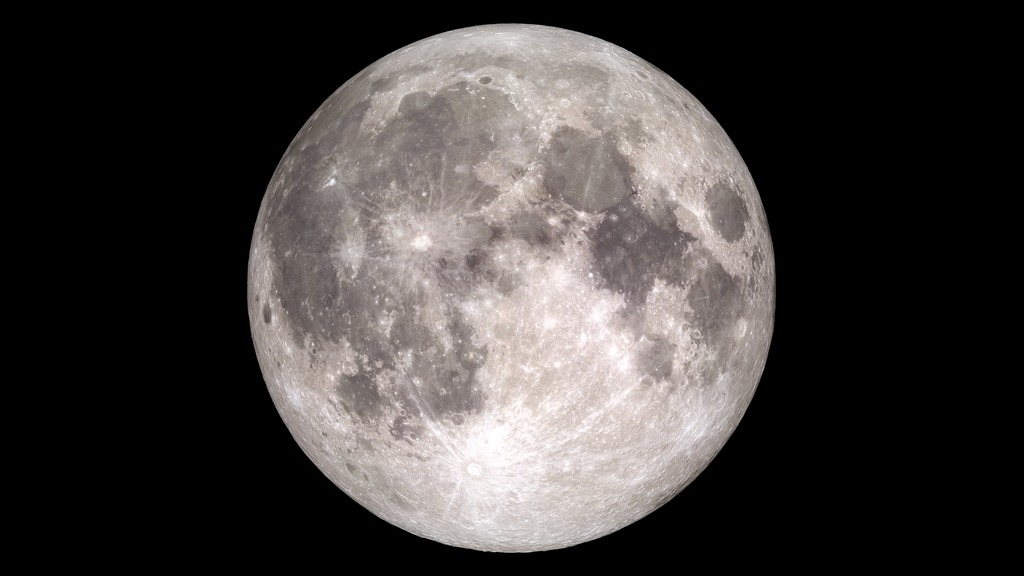
When the Moon hits your eye that's.... sunlight?! Turns out, moonlight is actually sunlight reflected by the Moon! Did you observe sunlight after dark by enjoying last night’s full Moon? 🌕
Meet new Goddard Center Director Dr. Makenzie Lystrup!
Dr. Lystrup is Goddard's first-ever female center director. She will lead the next generation of scientists and engineers with her experience from the commercial aerospace industry. go.nasa.gov/3ZJy1GF
ALT Portrait of Makenzie Lystrup, smiling at the camera. She has medium brown hair, lighter closer to the ends. She is wearing brownish, plastic-rimmed glasses, and a gray shirt and blazer. She has on a white necklace. The background is mostly white, with some out of focus greenery visible behind her right shoulder.
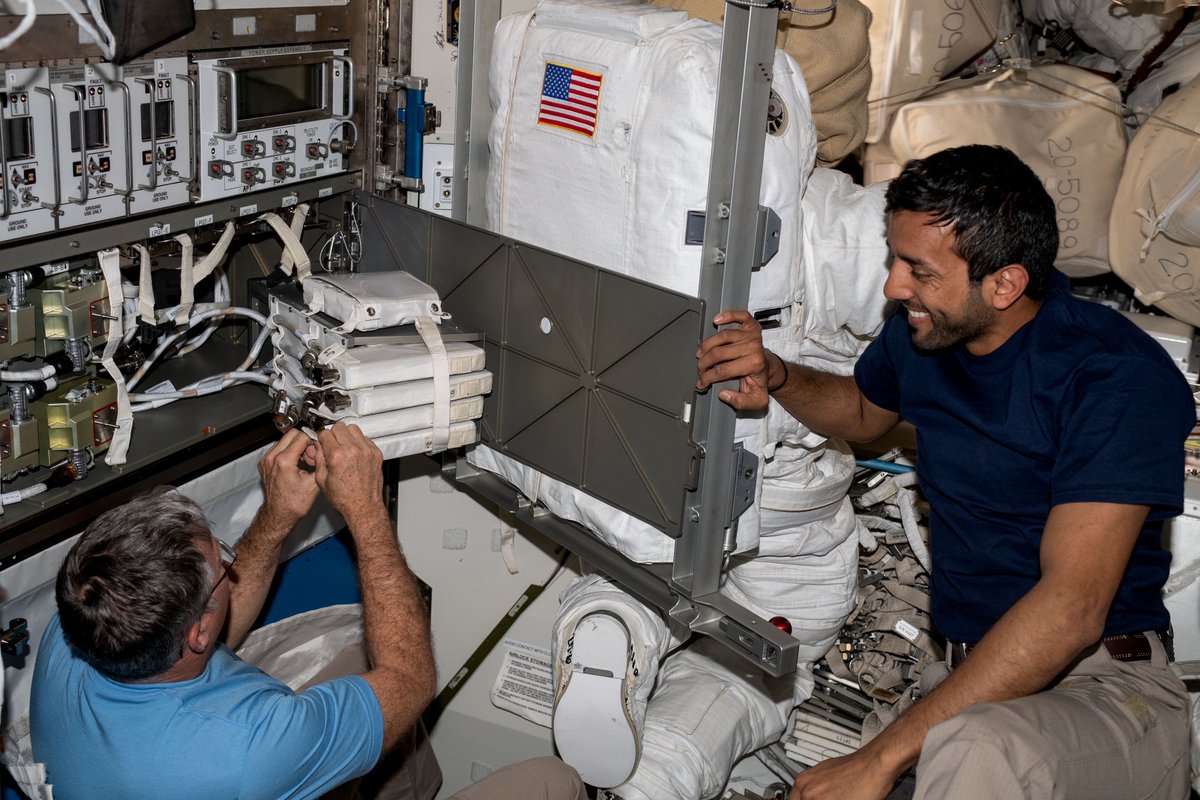
Being chosen as the first Arab astronaut to undertake a spacewalk alongside NASA astronaut Stephen Bowen is a great honour and responsibility.
I am eagerly awaiting this historic moment, for which I have trained extensively at the Johnson Space Center. I am looking forward to represent my country and continue the exceptional journey started by generations of astronauts before me.
Exciting news from @NASA today as we welcome Dr. Makenzie Lystrup as the new director of @NASAGoddard! A natural leader with a passion for discovery, Makenzie is poised to lead our world-renowned team of scientists, engineers, and technologists.
nasa.gov/press-release/nasa-…
This week third grade students have been using @Ozobot to explore our solar system. Students have worked together to show the order of the planets in our solar system and how they orbit around the sun. #Clear4Takeoff#ozobot#STEM#solarsystem
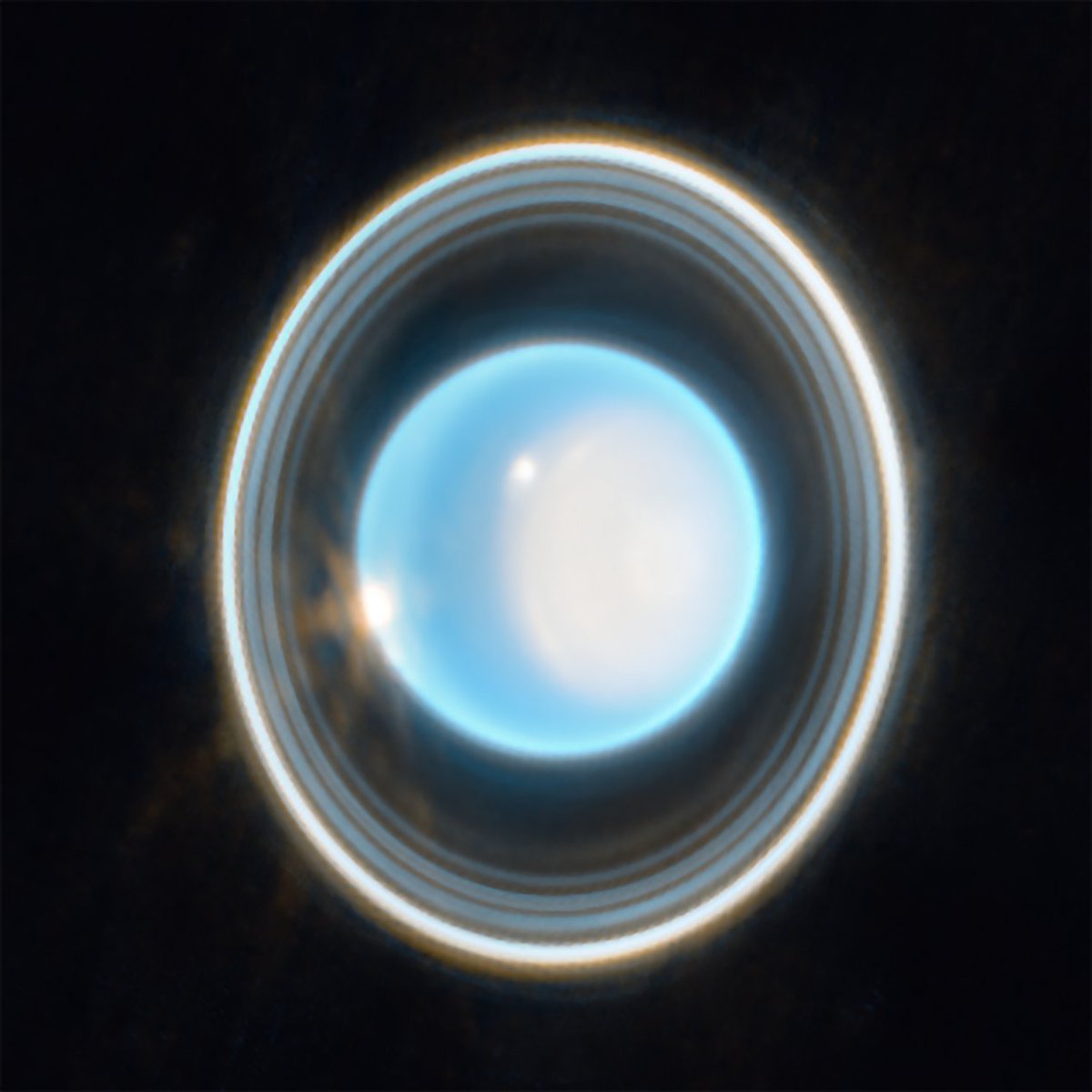
Uranus has never looked better. Really.
Only Voyager 2 and Keck (with adaptive optics) have imaged the planet's faintest rings before, and never as clearly as Webb’s first glimpse at this ice giant, which also highlights bright atmospheric features. go.nasa.gov/3nTo3oO
ALT The planet Uranus on a black background. The planet appears light blue with a large, white patch on the right side. On the edge of that patch at the upper left is a bright white spot. Another white spot is located on the left side of the planet at the 9 o’clock position. Around the planet is a system of nested rings. The outermost ring is the brightest while the innermost ring is the faintest. Unlike Saturn’s horizontal rings, the rings of Uranus are vertical and so they appear to surround the planet.
Attn: 4th and 5th grade teachers — great resources for moon phases! Just remember that students are only responsible for identifying full moon, new moon, as well as first and third quarters (as viewed from Earth AND from Space). 🌑🌗🌓🌕
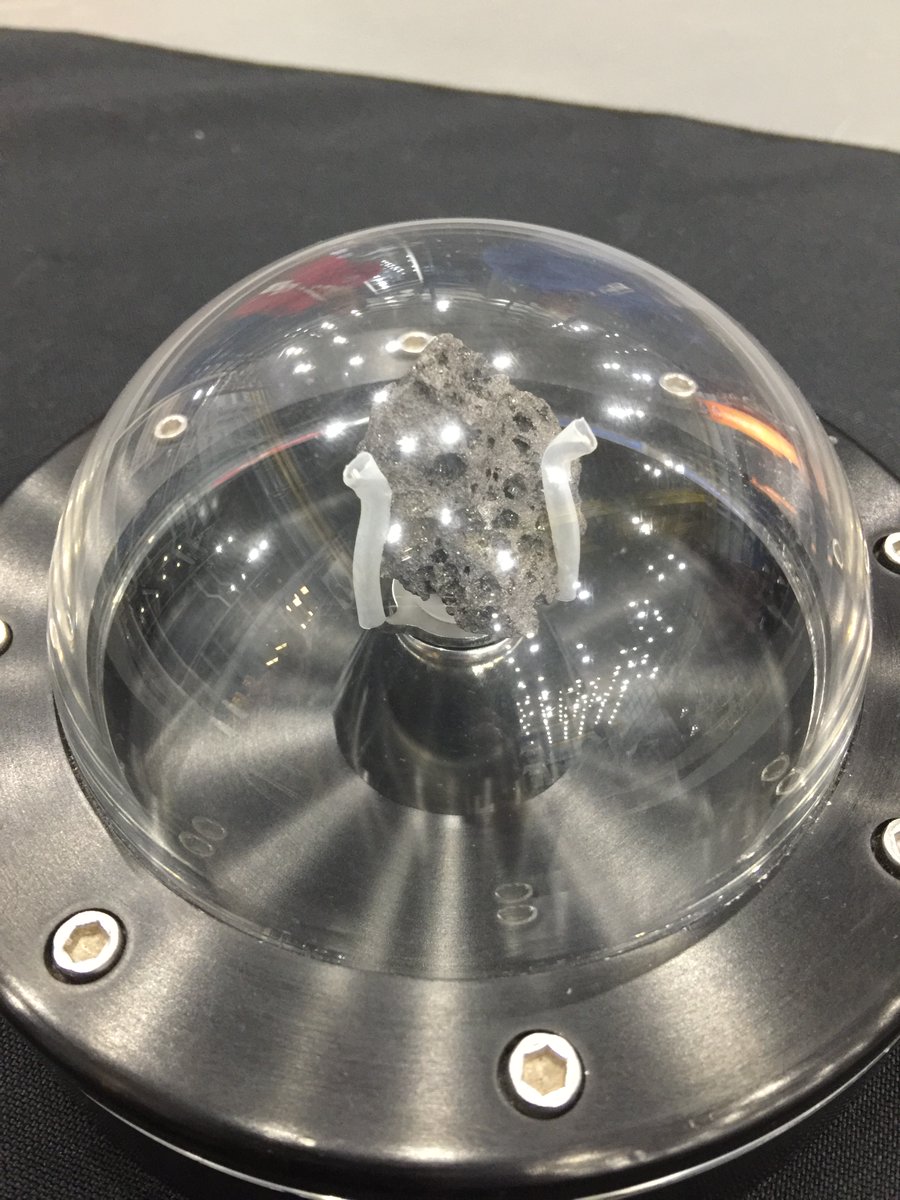
#DYK#Apollo astronauts discovered 3 new minerals on the Moon. My fave is named for the crew of #Apollo11: Armalcolite!
@NASA_astronauts are undergoing geology & field training for #Artemis missions, just like the Apollo crews did. This is Armalcolite. It sparkles!!! 🤩