
Alarm Clock Briton
Joined November 2022
- Tweets 8,565
- Following 998
- Followers 477
- Likes 101,708
1,328 Photos and videos



Pinned Tweet

Feb 26
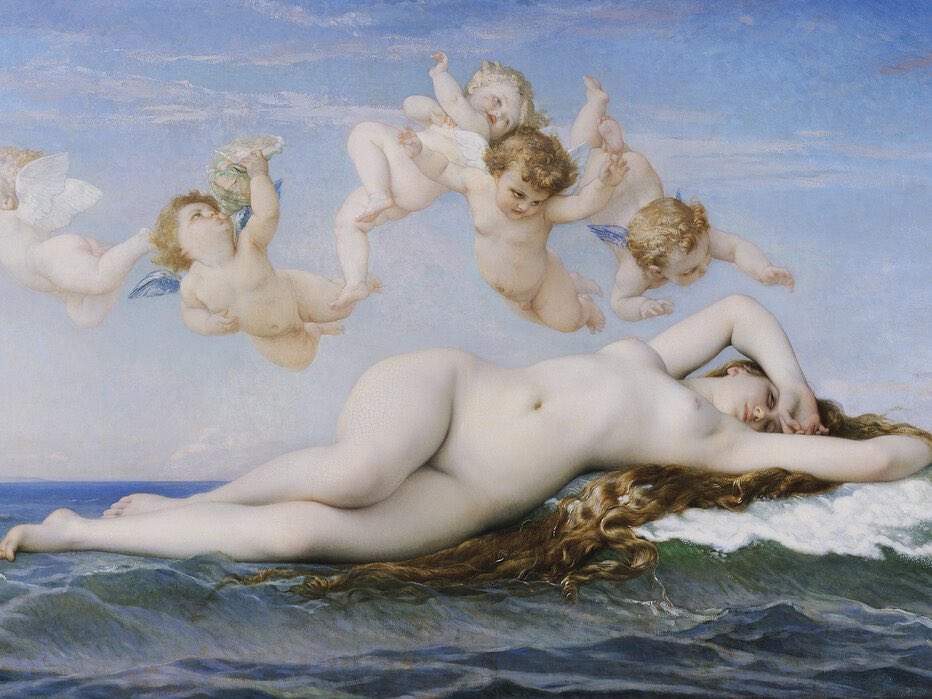
The day the Rubenesque figure is ceded to the third world is the day Western Civilisation dies.

1
2
18
4,880
SCIPIO 🇬🇧🇦🇺🇳🇿🇨🇦 retweeted

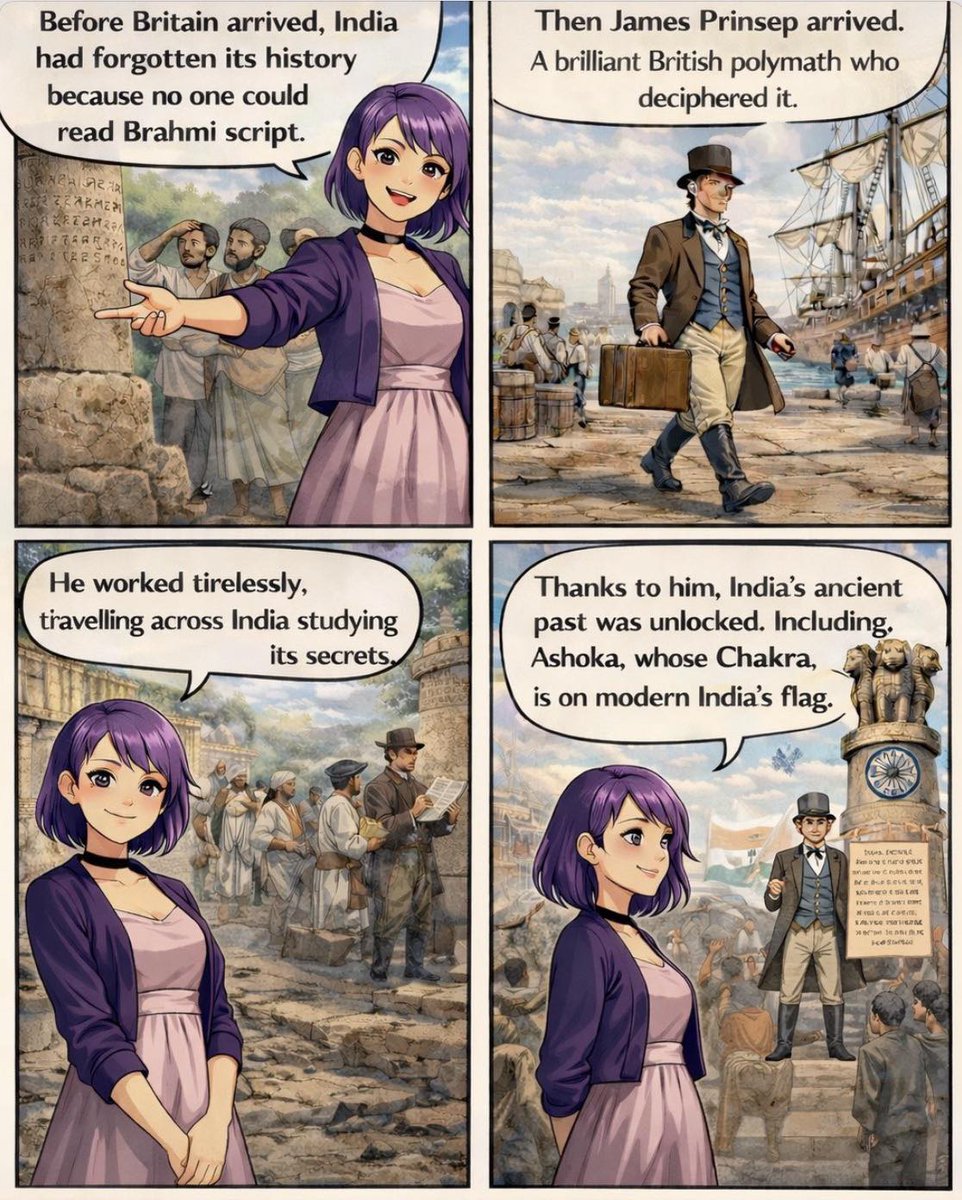
Just some of what the British did in India to enrich native understanding of their own history and culture:
Charles Masson first described the ancient ruins of Harappa in the 1840s.
Alexander Cunningham founded the Archaeological Survey of India in 1861. He and later archaeologists mapped, surveyed, and excavated hundreds of ancient sites across South Asia.
H. C. P. Bell discovered/excavated the old capital of Sri Lanka, Polonnaruwa, which was forgotten since the 13th c.
The Dravidian language family was first discovered/ identified as a distinct, non-Indo-European group of languages in 1816 by Francis Whyte Ellis, a British civil servant. Dravidian was later properly identified by Robert Caldwell.
In so doing the above distinguished the Indo-Aryan language family as a unique subgroup of Indo-European, first identified in 1786 by the British judge in India, Sir William Jones.
Jones' linguistic work also looked at mythology and contributed to the idea of a unified “ancient Indian religion” - this was popularised by Max Müller who formalised the idea of a single “Hindu religion” based on Sanskrit texts - and he used the term "Hindu" " which first appeared in a 1787 letter by Charles Grant, a British East India Company official.
After 1871, British administrators defined “Hindu” as a separate religious category distinct from Muslims, Christians, Sikhs, etc. The unified modern Hindu identity depends on these events.
James Prinsep deciphered the Brahmi script in the 1830s which unlocked forgotten knowledge of the Ashokan inscriptions and early Indian historical chronology
Henry Thomas Colebrooke rediscovered the Yoga Sutras of Patanjali lost since 16th century. Helped establish academic Sanskrit studies in Europe
Buddhism mostly disappeared in India during medieval times, but ancient literature was rediscovered in Nepal, Tibet, Sri Lanka etc by Brits;
Brian Houghton Hodgson collected the Mahāyāna sutras and Vinaya (monastic rules).
Charles Henry Allan Bennett introduced Buddhism to the West and fostered its growth in Burma and Sri Lanka.
A. H. Fox Strangways made important early contributions to documenting Indian classical music traditions - recording and systematising observation of Indian music.
Jan 18

Seriously if I were British, I’d make a page or YouTube channel just for this. Amelia teaching the world about British contributions. Real reasons to be proud of your ancestry and history.
Never be ashamed of being great.
12
79
579
11,317
The Trump admin tactic of distracting from failure with memes is actually quite entertaining.
Jun 12

The official line is that they were a Norwegian trade delegation. Technically accurate, because they are Nordic, and there was trade. But they are also seven feet tall, telepathic, and arrived on the South Lawn without a vehicle.
I am the Deputy Director of Visitor Logistics at the White House. I logged them into WAVES as FOREIGN DIGNITARIES (3), NON-TERRESTRIAL, NO MOTORCADE REQUIRED, and the meeting went extremely well.
The Pleiadians requested the audience in March. They communicate telepathically, which the President respected immediately, because it meant nothing was in writing.
They traveled 444 light-years to deliver a warning about our trajectory as a species, the kind of warning a doctor gives a patient who keeps asking if he can smoke in the waiting room. Atomic weapons. Ocean collapse. Machine intelligence. I did not take complete notes, because the meeting ran 25 minutes and he spent the first eleven asking where they got the jackets.
Their opening offer: clean fusion, the cure for every disease, the propulsion equations. Free. Contingent on planetary disarmament.
His advisors begged him not to negotiate against a species that reads minds. It turned out he is the one man alive with nothing to find. They reached into his mind expecting layer upon layer of deception and found a single image, perfectly clear: him, wearing one of their jackets. The delegation conferred for a long moment and informed us that in eleven thousand years of contact, no species had ever tried to buy the uniform. They called it coherence. They did not mean it as a compliment. He has already trademarked it.
He countered. Landing rights, retroactive to 1947. Eighty years of unauthorized airspace use, invoiced with interest. Legal added a line item for the weather balloon story. Narrative services. We billed them for our own cover-up, and the tall one went silent for nine seconds, which I am told is how their species weeps.
Greenland stays in the deal. They did not want Greenland. He said that's how he knew it was valuable. What kind of advanced civilization passes on waterfront?
Then UFC Freedom 250. This Sunday. Seven bouts on the same lawn we were standing on. His birthday, which he assured them was a coincidence the universe keeps arranging. He offered them galactic distribution rights. Then he looked at the tall one for a long time and offered him the co-main event. Seven feet. Reach like a cathedral door. Walks around at a weight our scales log as an error. Someone said the commission would never sanction it. He appoints the commission.
The tall one declined. He lowered the offer to the prelims. This is a negotiating technique.
They asked if staging a cage fight on the negotiation site was a threat display. He said it was a Flag Day celebration, and also yes.
I should note that an environmental group has sued to stop the octagon. Nobody has sued to stop the aliens. I forwarded this to Counsel as proof that the permitting process is working.
Protocol required a gift exchange. They presented a small silver sphere that shows the holder the full consequences of his choices. He looked into it for four seconds and asked if it came in gold.
You have all seen the photo. A groundskeeper took it through the magnolias. We told the press pool it was a costume rehearsal for a streaming series, and the pool, to their credit, wrote that down. The groundskeeper now works at the Department of Energy. I am told this is a promotion.
There is also footage. He spotted the camera mid-meeting and pointed at it the way you'd point at a waiter whose name you intend to learn. Instead of having it confiscated, he licensed it on the spot. The leak is now official merchandise. Every time you share it, a royalty accrues. You have probably shared it. Have you checked? He thanks you for your business.
The deal collapsed at dusk. The Pleiadians withdrew the fusion offer when he asked them to walk out before the main event as Special Guests of the Octagon. They said humanity was not ready. He had Counsel log that as a verbal option to renew.
Final tally: our species declined the cure for every disease and counteroffered with pay-per-view. The delegation received two tickets to the Ellipse screening area. Not cageside. He does not give away cageside.
They left without sound. One moment present, then elsewhere, like a fee disclosure.
Two things before Sunday. The walkout jackets for the main card are red with gold embroidery. Licensed. The fusion fell through, but the jackets closed in an afternoon.
And there are three seats on the South Lawn logged as HOLD, GUESTS OF THE PRINCIPAL, DO NOT ASSIGN. I did not enter that hold. The system says I did.
He says everyone comes back to the table.
We're the only planet with the belt.
86
Reform are literally eating ice cream whilst we're being demographically replaced in our own country.

1
1
14
862
No.
Jun 12

I have two thoughts about this.
1. the revival has been tasteless slop from day one and David Tennant is a shit actor.
2. we're going to defund the bbc in 2029 so get used to it.
2
4
31
5,066
An extraordinary near 4 hour interview with Enoch Powell where he details his entire military career in WW2.
For those with nothing better to do this Saturday: youtu.be/U_Se_QDKeC8?is=4CXL…
1
53
SCIPIO 🇬🇧🇦🇺🇳🇿🇨🇦 retweeted

Jun 12
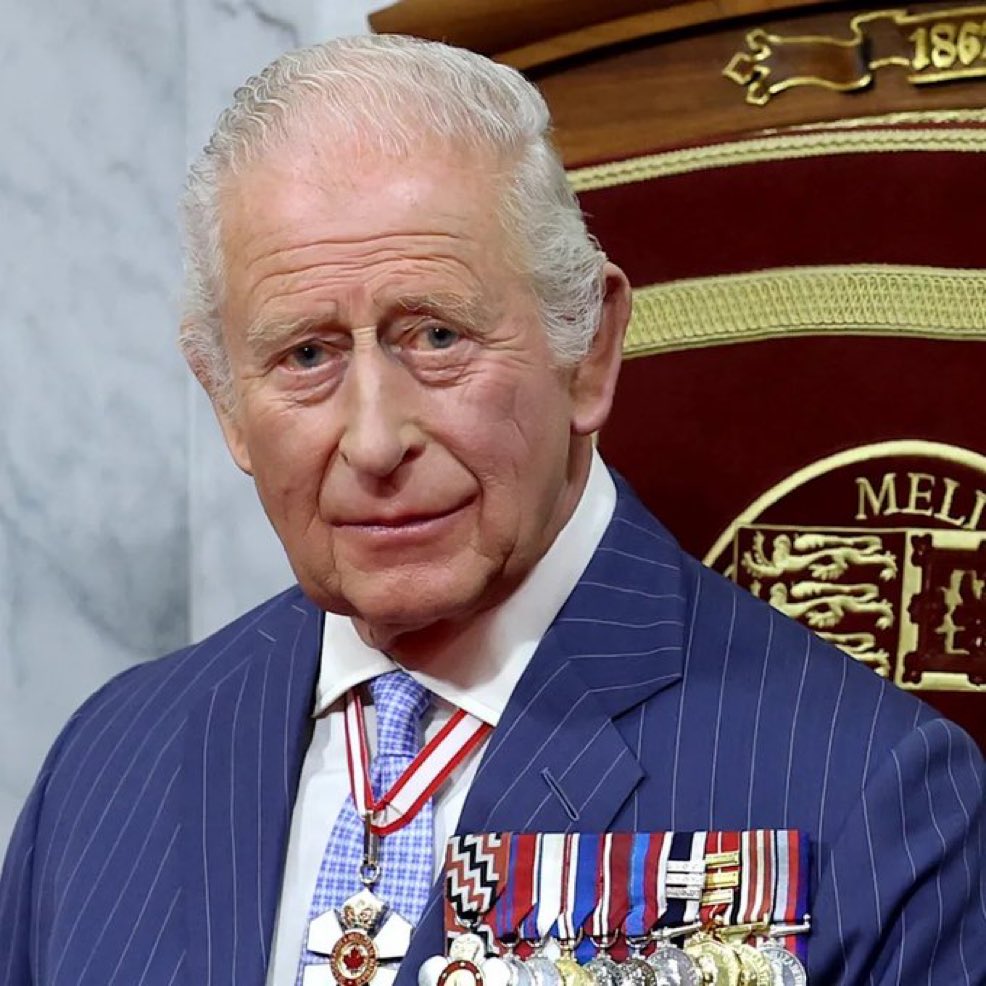
I love how anti-monarchists have successfully whitled down the responsibilities of the monarchy for well over a century and now they play dumb and cynically ask what the point of his job is.

He is not defending the British people.
So… what’s the point of him?
50
115
1,775
62,907
SCIPIO 🇬🇧🇦🇺🇳🇿🇨🇦 retweeted

Jun 12
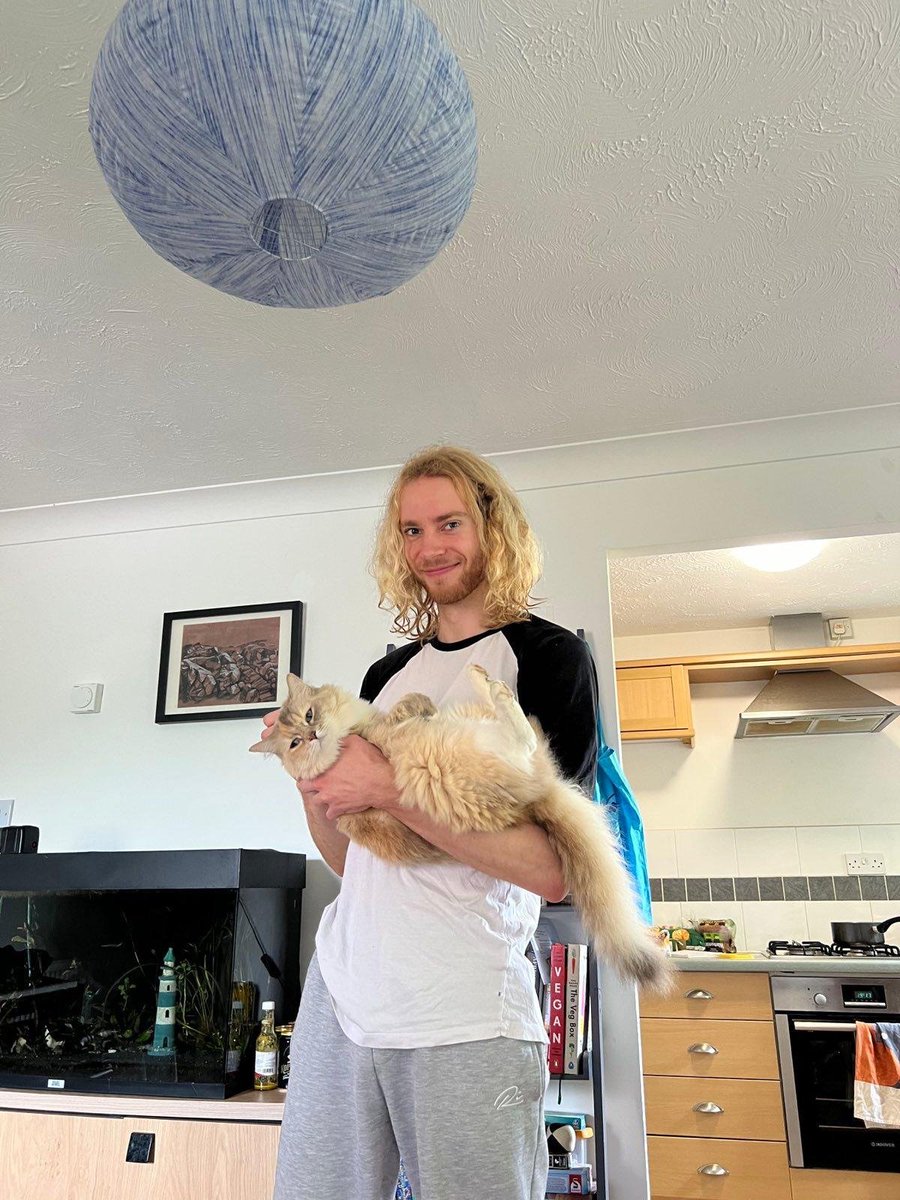
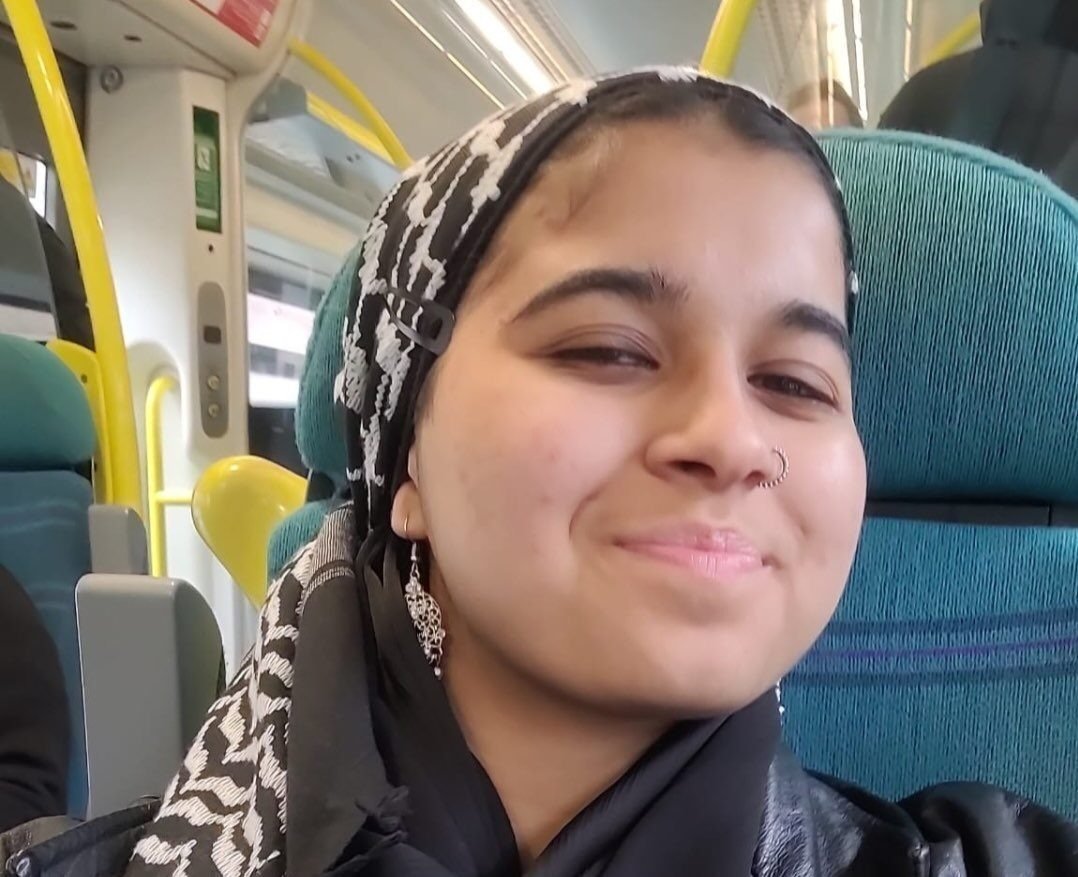
Totally deserved. What’s interesting about this case is that the Palestine Action activists seem to have assumed they’d get away with a slap on the wrist. And can you really blame them? They probably looked at Just Stop Oil and the morons who tore down the Colston statue and assumed they’d be treated with kid gloves too. This time, though, they were wrong.
Jun 12

🚨 BREAKING: Four Palestine Action activists have been jailed for a total of 22 years for causing £1.2m worth of damage and fracturing a police woman's spine at an Israeli weapons factory


83
180
1,811
64,637
SCIPIO 🇬🇧🇦🇺🇳🇿🇨🇦 retweeted

Jun 12
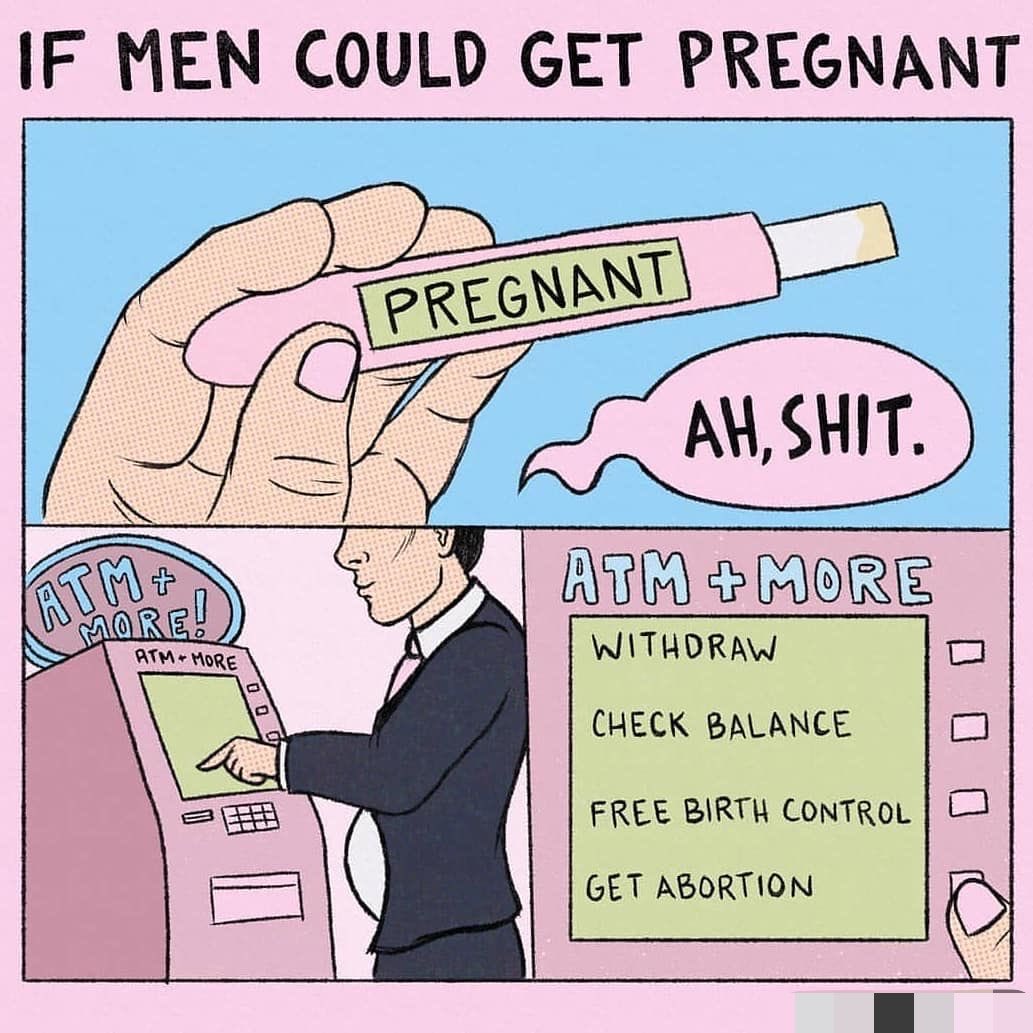
If men could get pregnant we would walk among gods, a master race honed by epigenetic optimisation in gestation. Women are lazy cows and completely indifferent to the creation of life, and can only be made useful vessels through full legal propertisation.
Jun 11

25
110
2,412
53,858
Jun 12
I don't believe that a man who has dedicated the last 30 odd years of his life to fighting for right wing politics, the first 20 of which yielded no real success, is easily 'defeated'.
Jun 12

Watched with sound off and what I saw is a man who is unwell, weary, fed up and not believing his own words. He's already defeated.
2
1
17
499
Jun 12
MythoNeoliberalism
Jun 11

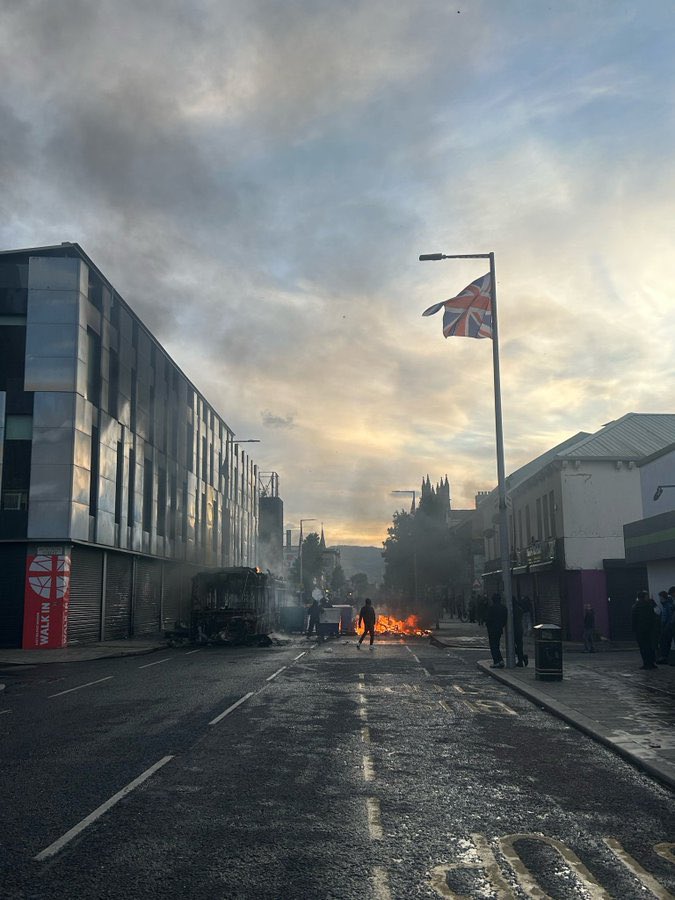
Working-class white people are burning down the homes of black working-class people, at the instigation of the world's only trillionaire. How has it come to this?
53
Jun 12
Someone clearly doesn't watch the Academic Agent.
Jun 12

Why the fuck would I care about gaza
5
335
Jun 12
The best case for Turkey being a European nation is Mount and Blade: Warband.
164
Jun 12
MI5 is busy trying to inject sectarianism into everything as usual I see.
Time to abolish all of these secret services. It will save us around £20 billion per year. Let's fix the NHS instead.


1
131
Jun 11
Some days I think I'm good at ragebaiting and then I realise there are levels to this.
1
4
570
Jun 11
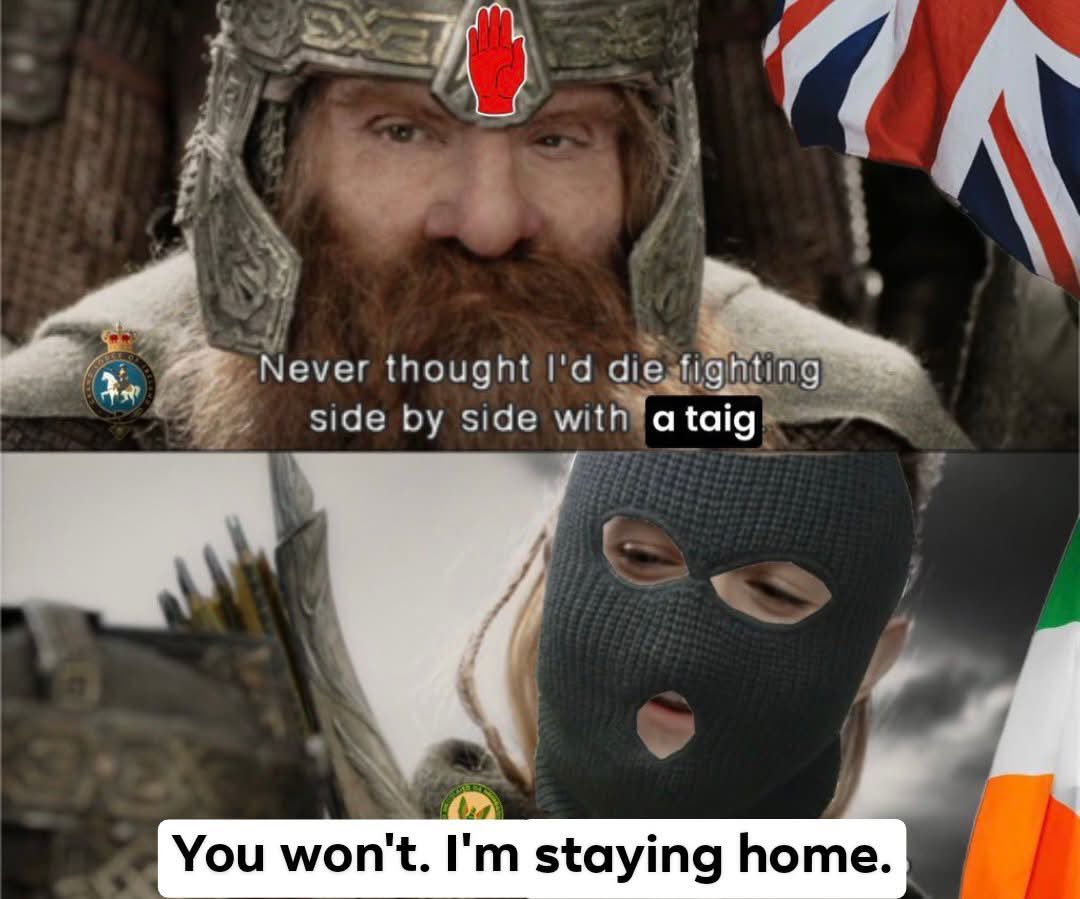
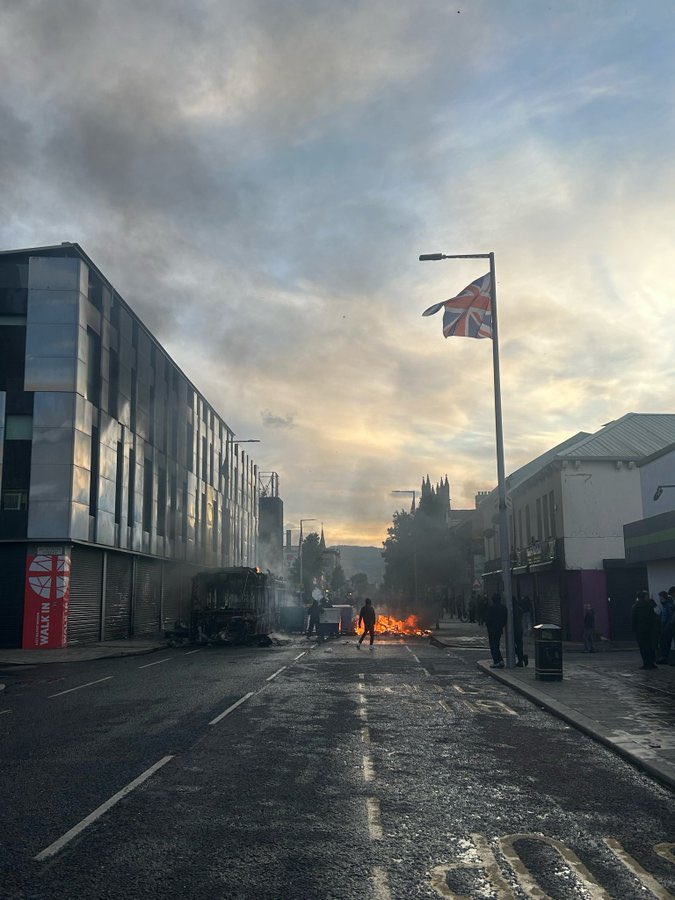
Troubles 2.0 but this time the British Army is deployed to enforce multiculturalism at the barrel of a gun.

I'm just trying to understand when does the organised violence against & terrorising of working class black & brown people get a Cobra meeting ? Or are we all supposed to be Far Right now & indulge their expression of ' legitimate concerns ' ?
4
474
Jun 11
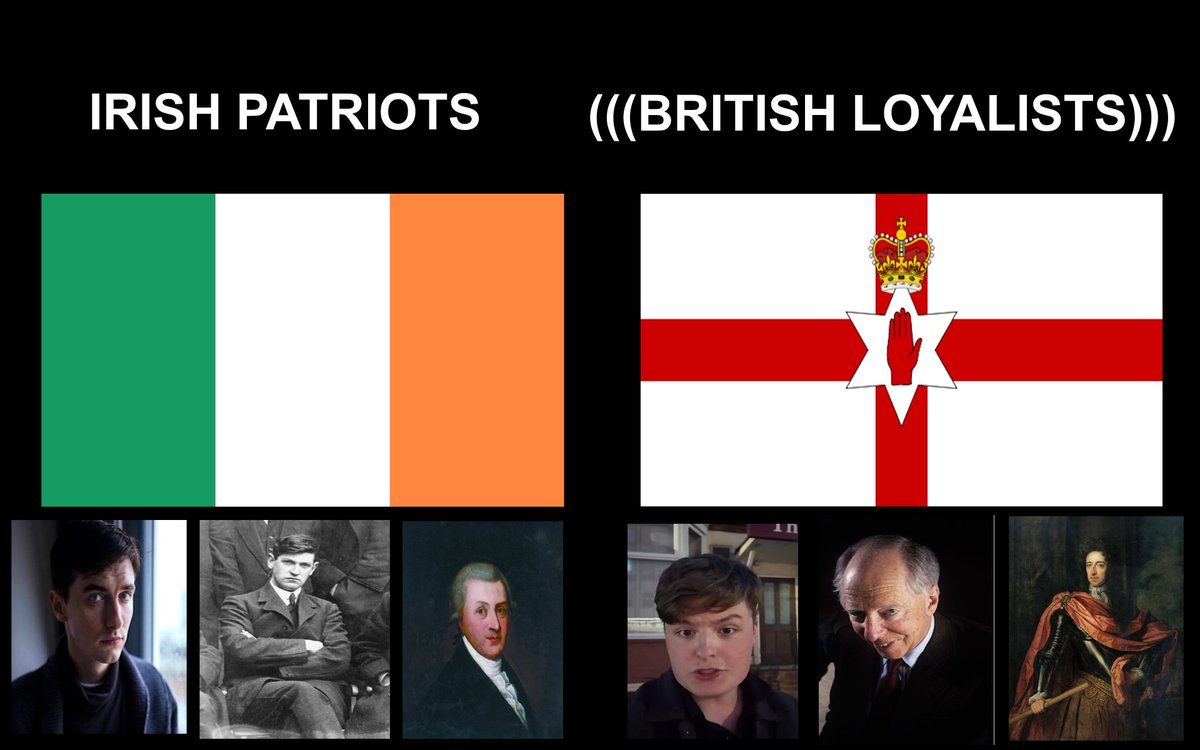
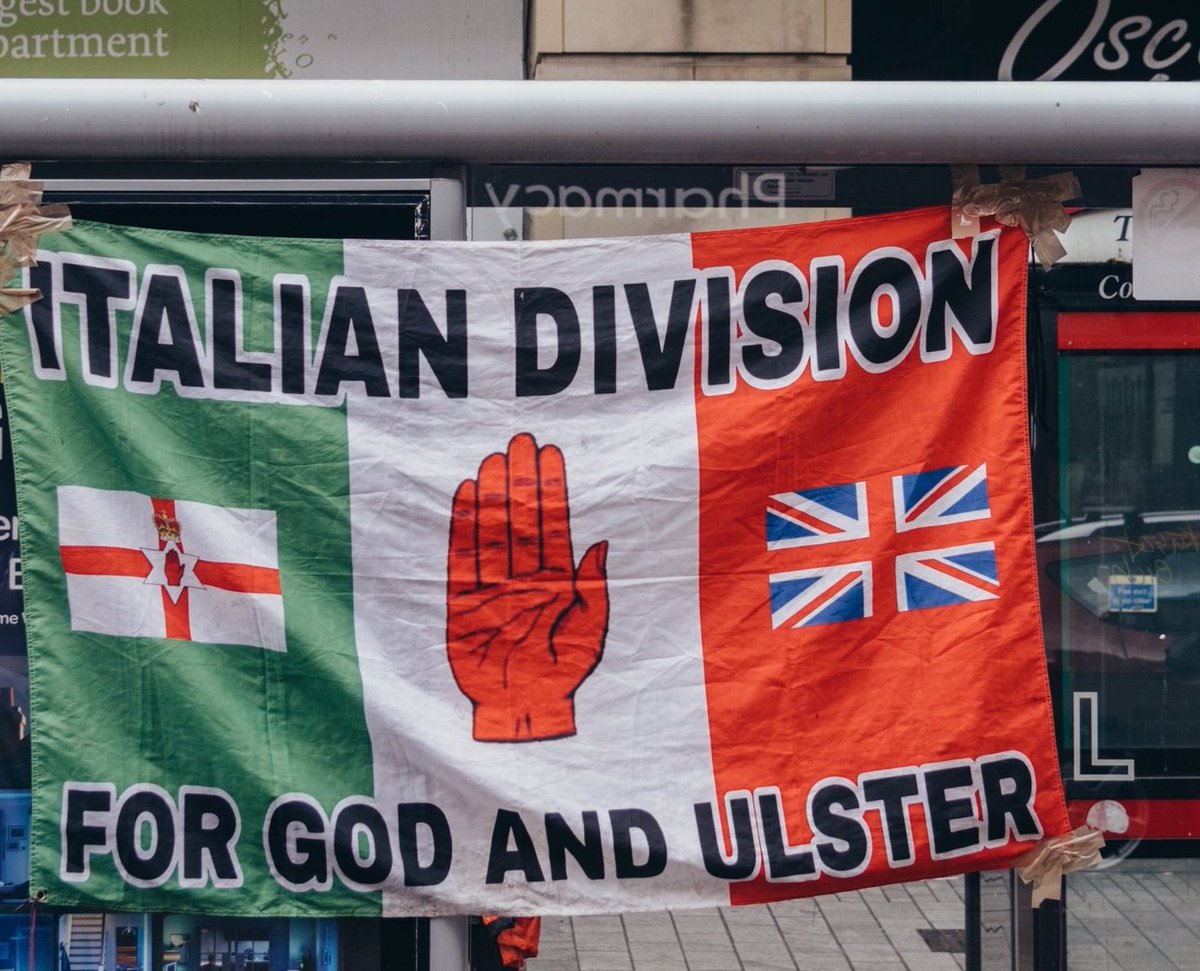
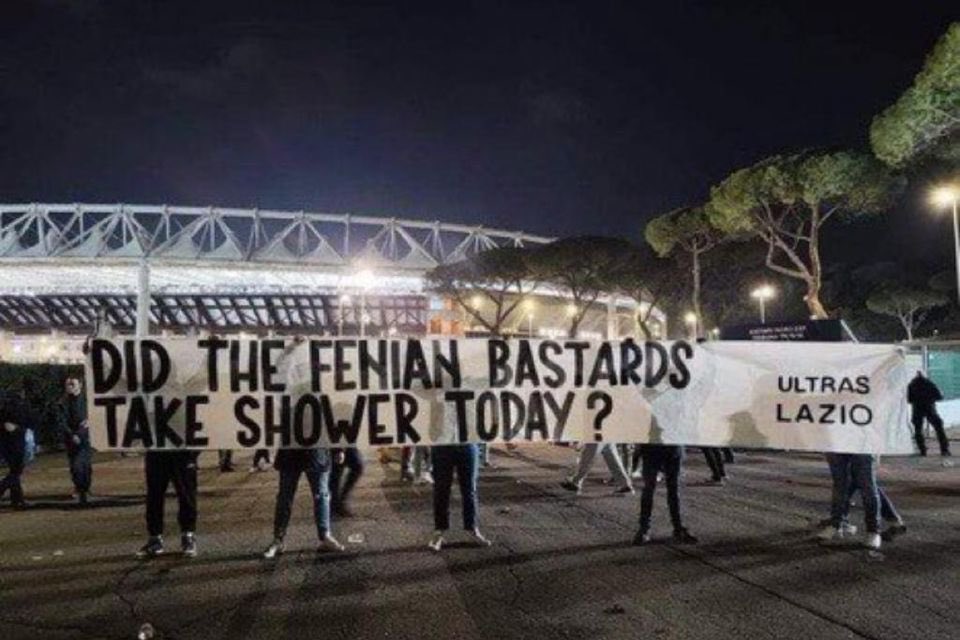
Confused about what's happening in Ireland?
Let's break it down.
One side are patriotic whites who oppose oppression everywhere.
The other side are bankrolled by the Rothschilds to riot and distract from the genocide in Gaza.
Which side are you on?
P.S. recognise that star?
38
1
40
5,500