
Assistant Professor at University of Maryland, studying the roots of social behavior in the brain
Joined October 2015
- Tweets 422
- Following 443
- Followers 475
- Likes 241
17 Photos and videos







8 Feb 2025
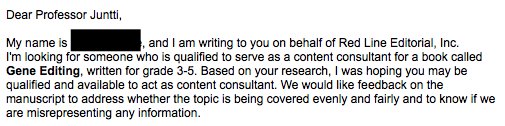
There are many changes in DC, but this one is going to cripple education and medical research, even though it sounds minor. The @UWMadison and @UMNAlumni , two places I dearly love, will no longer be receiving indirect costs necessary to keep the lights on.
1
258
8 Feb 2025
Make no mistake, @uwalumni and UM alums, our great universities will be greatly diminished if we allow this to stand!
1
183
8 Feb 2025
Obviously I love my own university in Maryland, but purple and red state outrage is the only the way to save medical research.
139
8 Feb 2025
This is necessary to pay teachers, maintain the plumbing, and other essential functions. “Indirect Cost Sharing” from the NIH pays these bills, and around 2/3 of these payments have just been slashed under the new administration.
120
Scott Juntti retweeted

22 Oct 2024
So happy to see this work out in the word!! Congrats @marconi_aleks and @gregverne!! #proudPI
21 Oct 2024

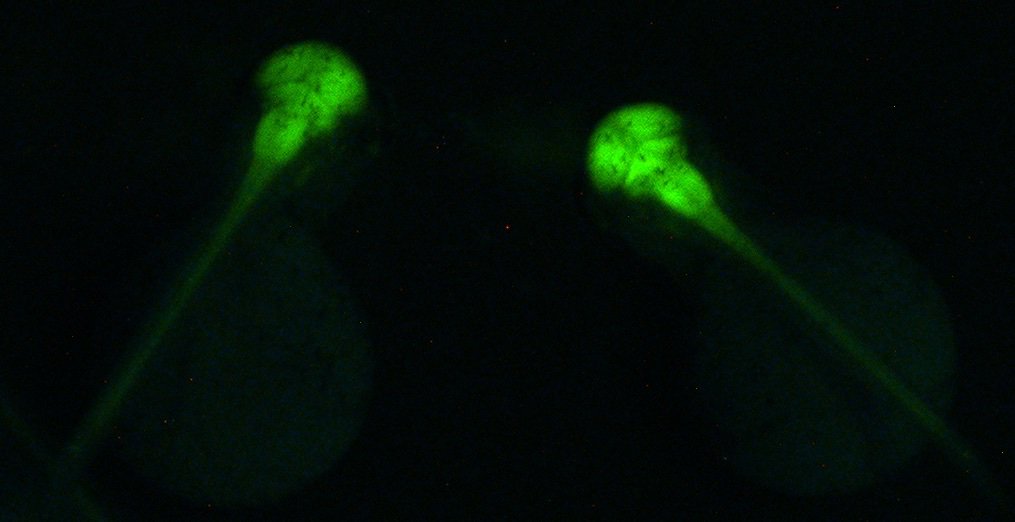
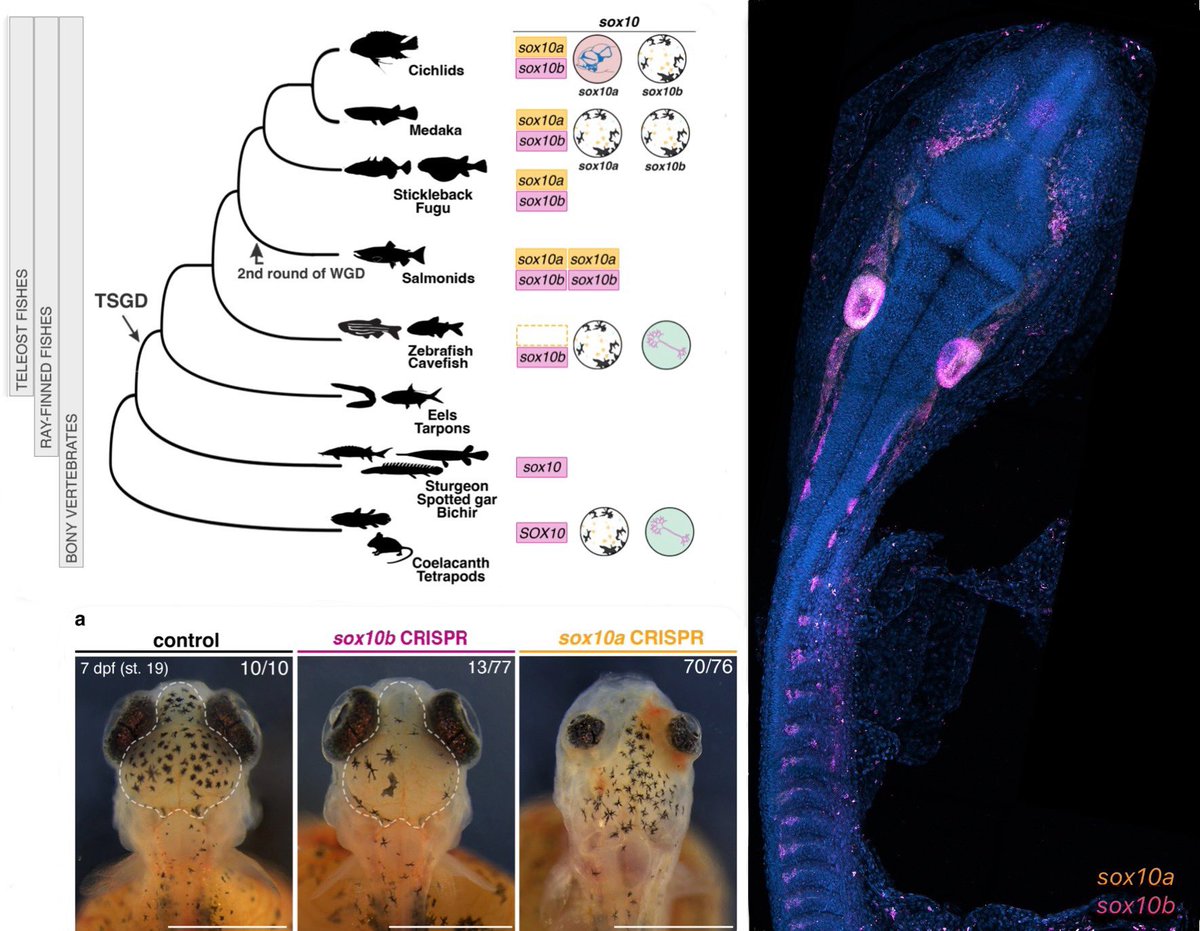
Many moons ago I asked @emiliapsantos if she could help me study evo-devo of neural crest using African cichlids for my PhD… and the main results are now published in @MolBioEvol 🎉 doi.org/10.1093/molbev/msae2…
Thank you @gregverne for joining this chapter of my fishy adventure 🐠
3
24
1,199
Scott Juntti retweeted

22 Oct 2024
It's publication day for "Asymptomatic" via @JHUPress. The book explores the paradox of asymptomatic transmission and rationale for proactive steps to confront future pandemics:
bit.ly/asymptomatic-jhupress
4
17
41
17,108
Scott Juntti retweeted

4 Oct 2024
Biology's Dawei Han and Catherine Carr discovered an auditory "sixth sense" in geckos that could have implications for human hearing and balance disorders.
Using a part of the brain usually associated with balance, geckos can detect faint vibrations. go.umd.edu/geckos
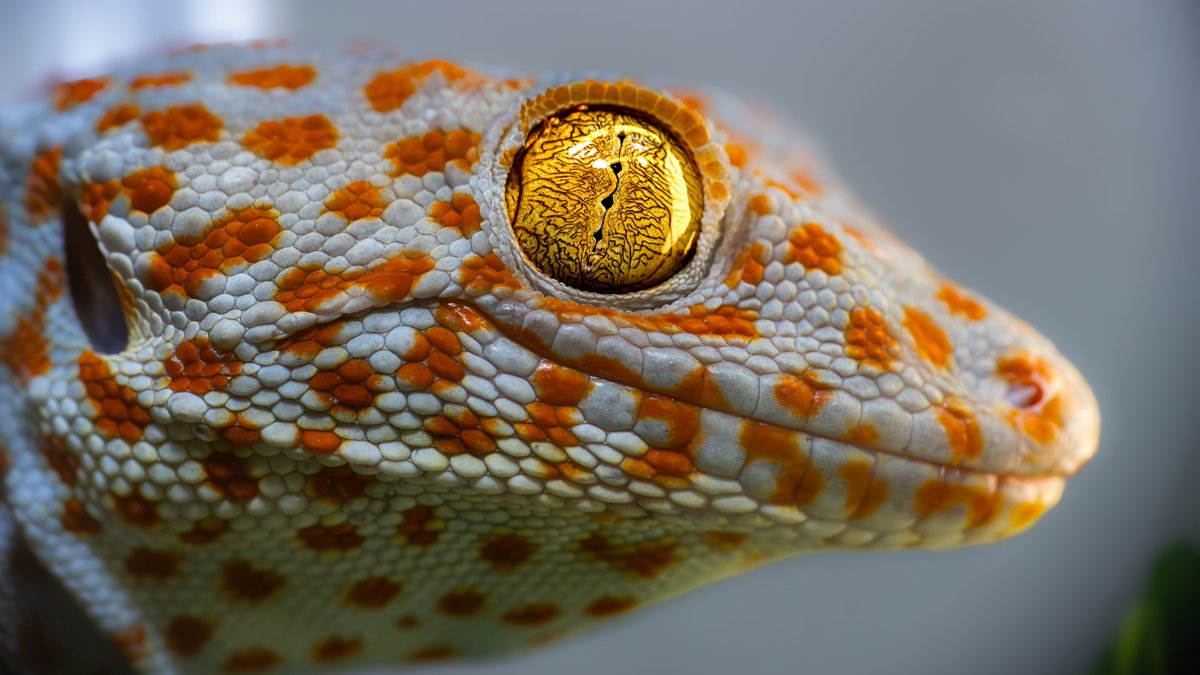
ALT A tokay gecko. Credit: Duncan Leitch
6
7
3,642
9 Sep 2024
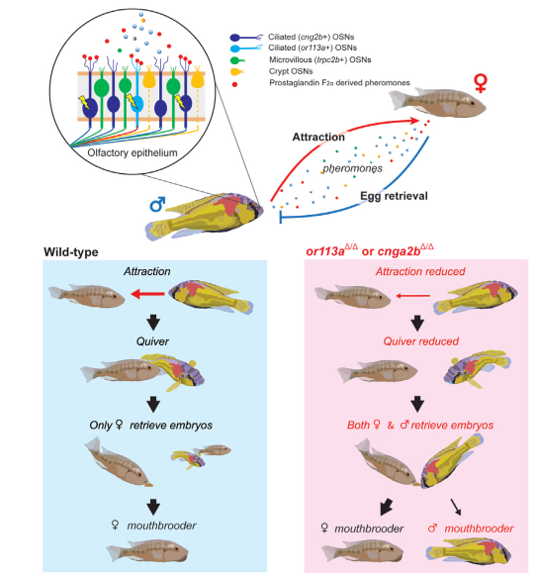
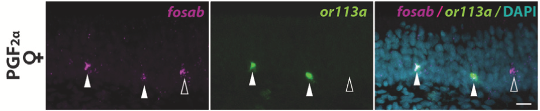
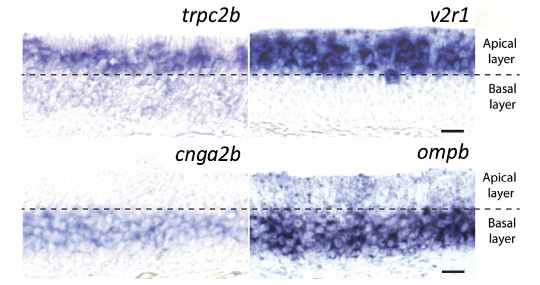
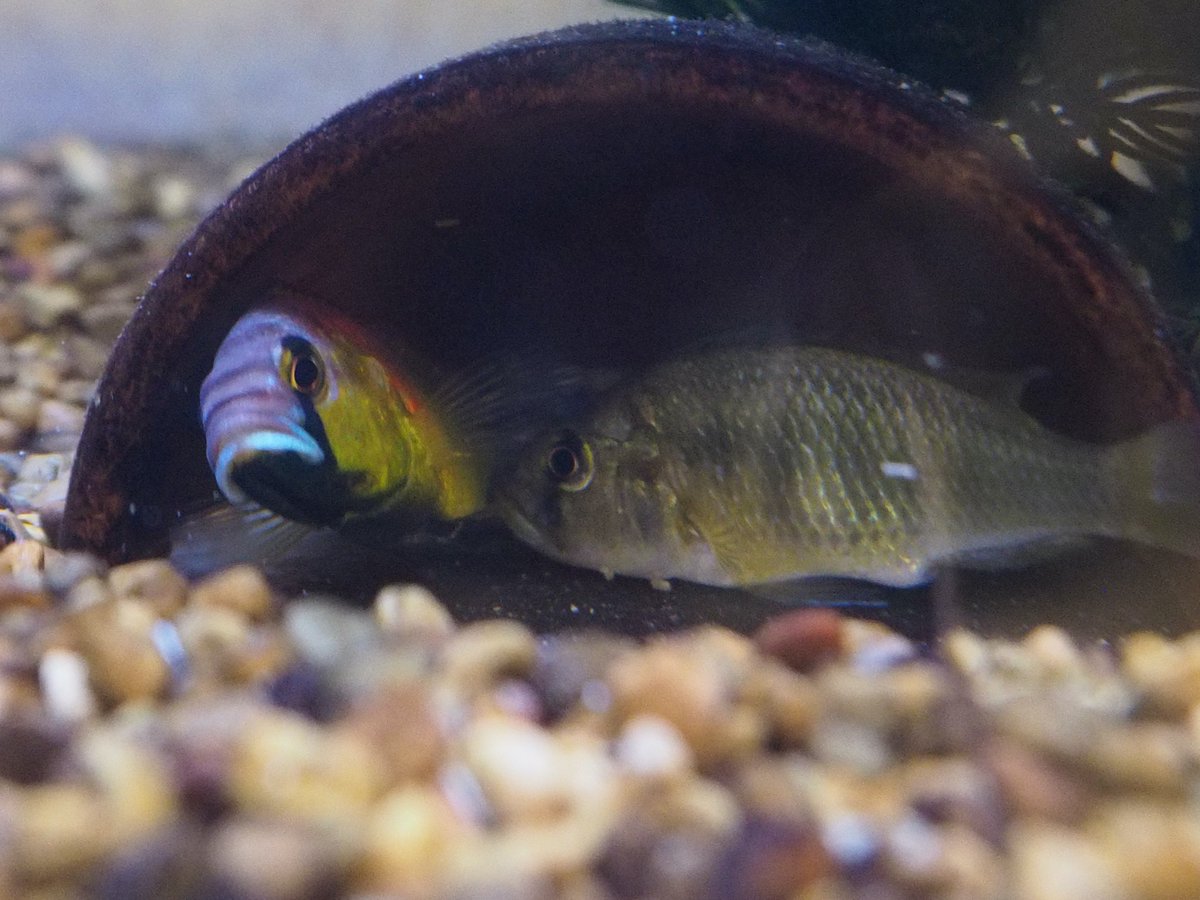
Out now in @CurrentBiology, our new paper identifies an olfactory receptor that mediates male attraction to females, but enforces avoidance of parental care. A thread that leads to an unexpected twist in regulation of social behavior! cell.com/current-biology/ful…
4
36
122
11,847
9 Sep 2024
Is olfactory receptor evolution a common pathway by which social systems evolve? We don’t know yet, but cichlid fish are an ideal system, with their behavioral variation and experimental tractability.
1
1
240
9 Sep 2024
Lots more to unpack: How do sexually dimorphic signals regulate the processing of these olfactory signals? What are the central pathways receiving this pheromonal information? We’ve got a lot left to do!
215