MSc student at University of Manitoba. Seabird Researcher. Island Lover. Field Enthusiast.
Joined June 2009
- Tweets 477
- Following 145
- Followers 182
- Likes 2,289
38 Photos and videos

Pinned Tweet

6 May 2021
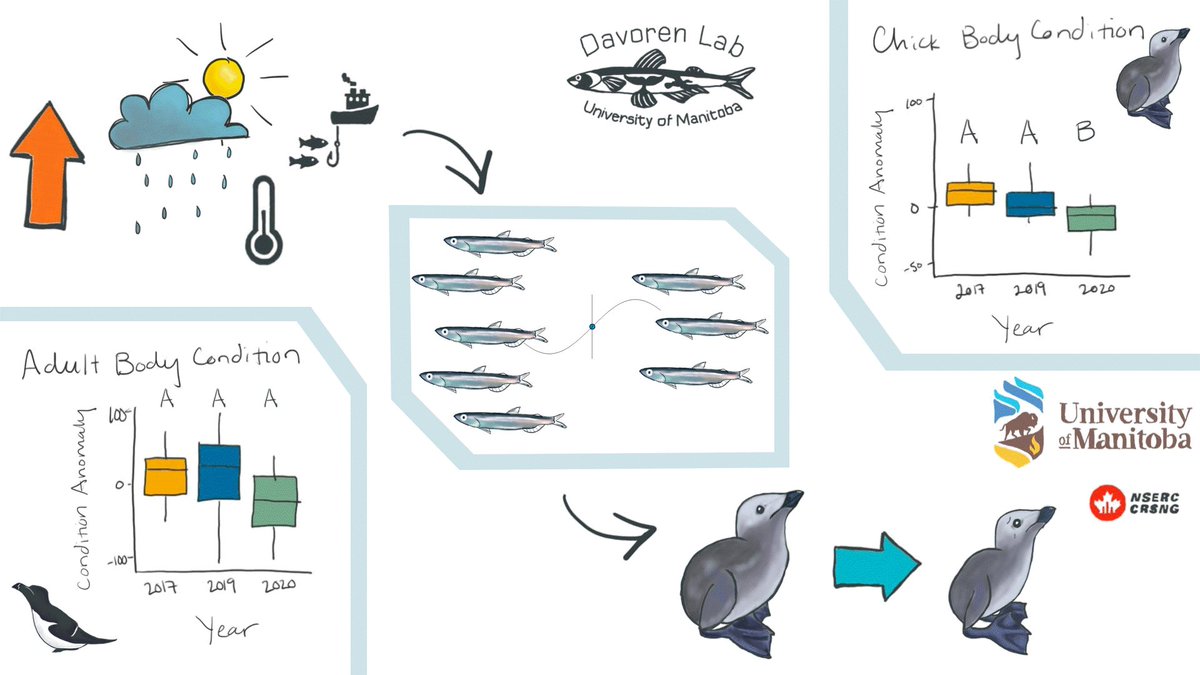
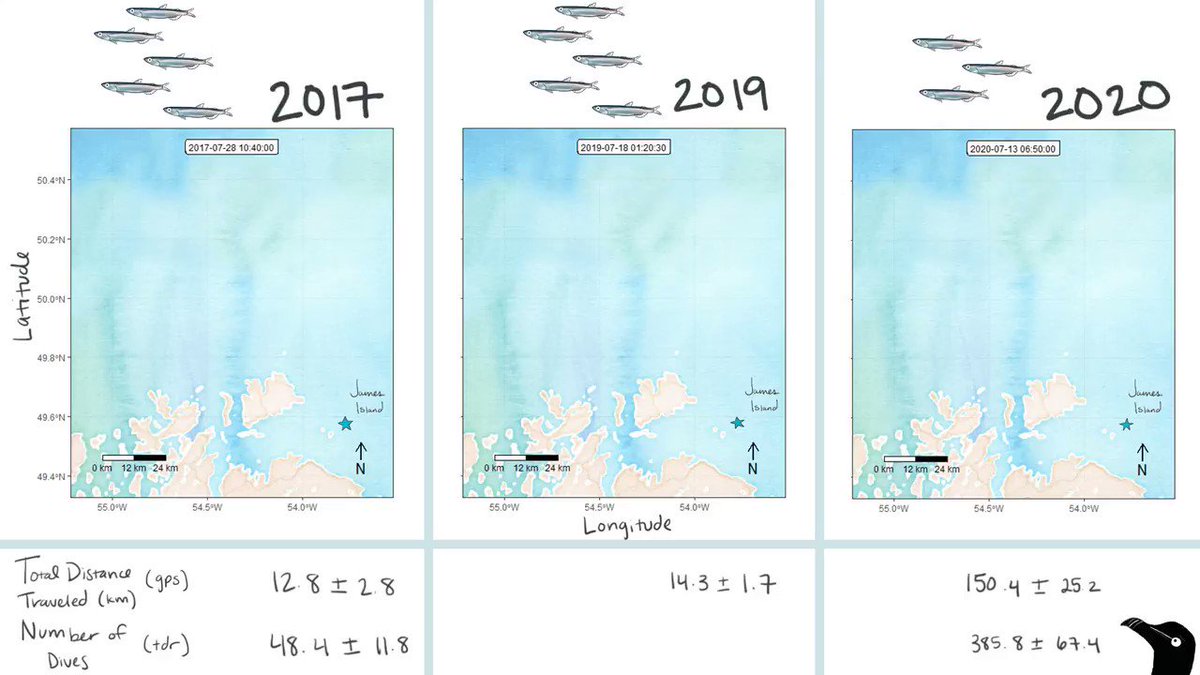
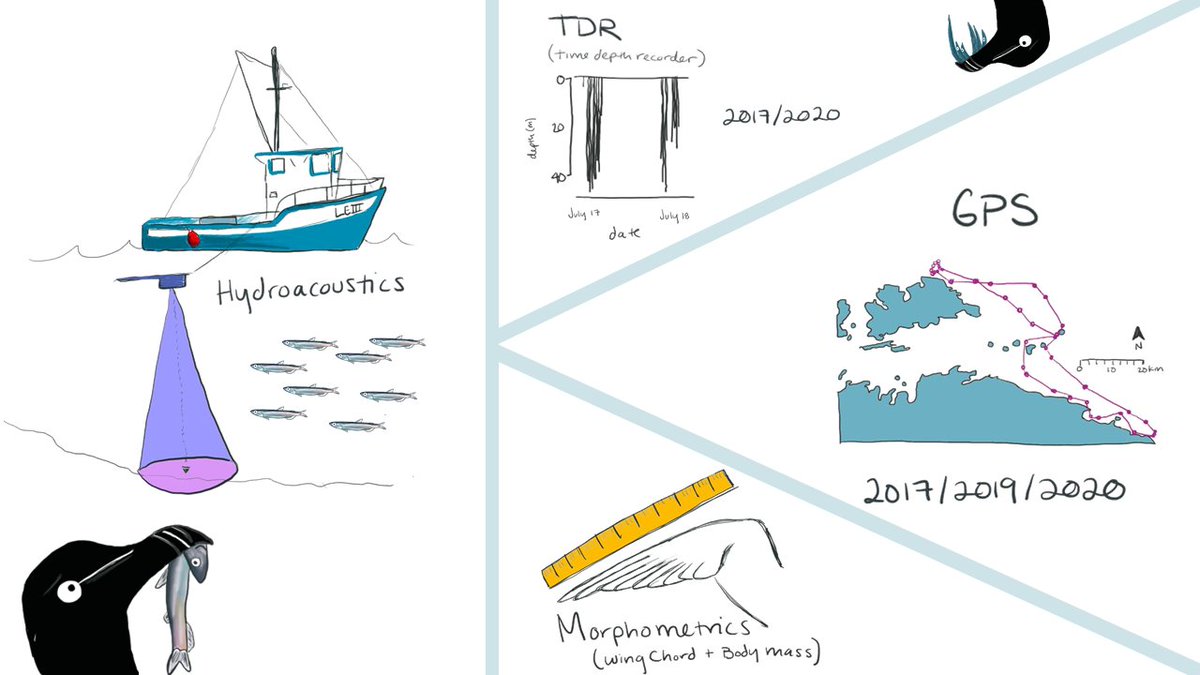
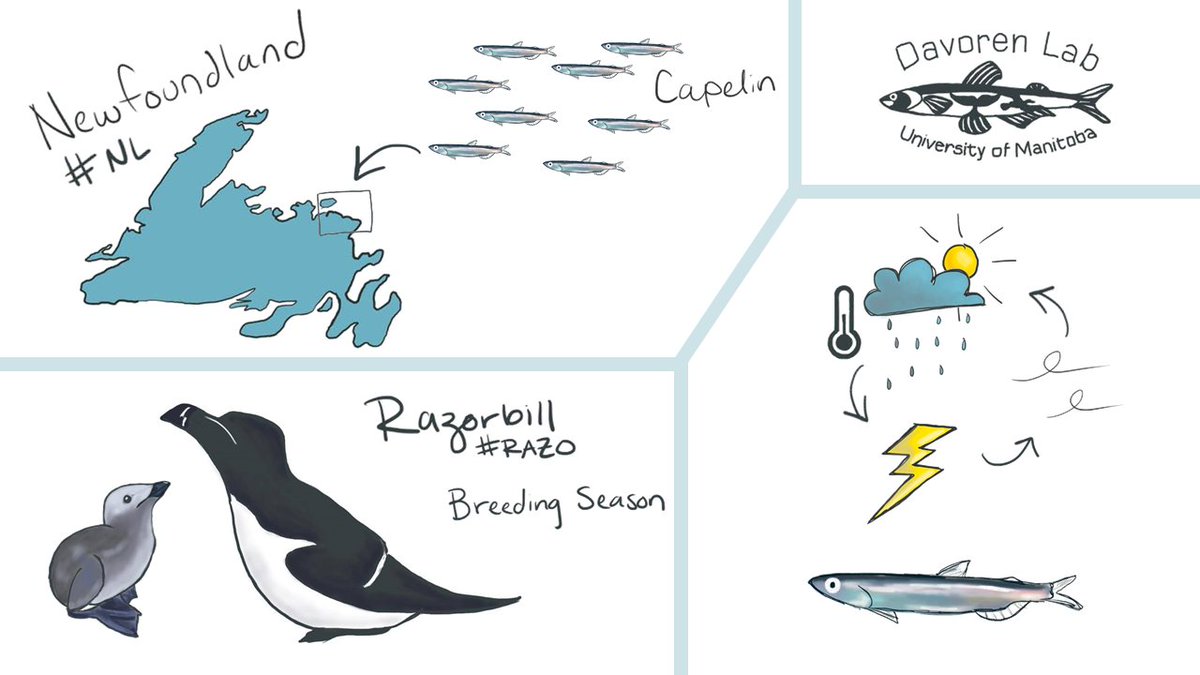
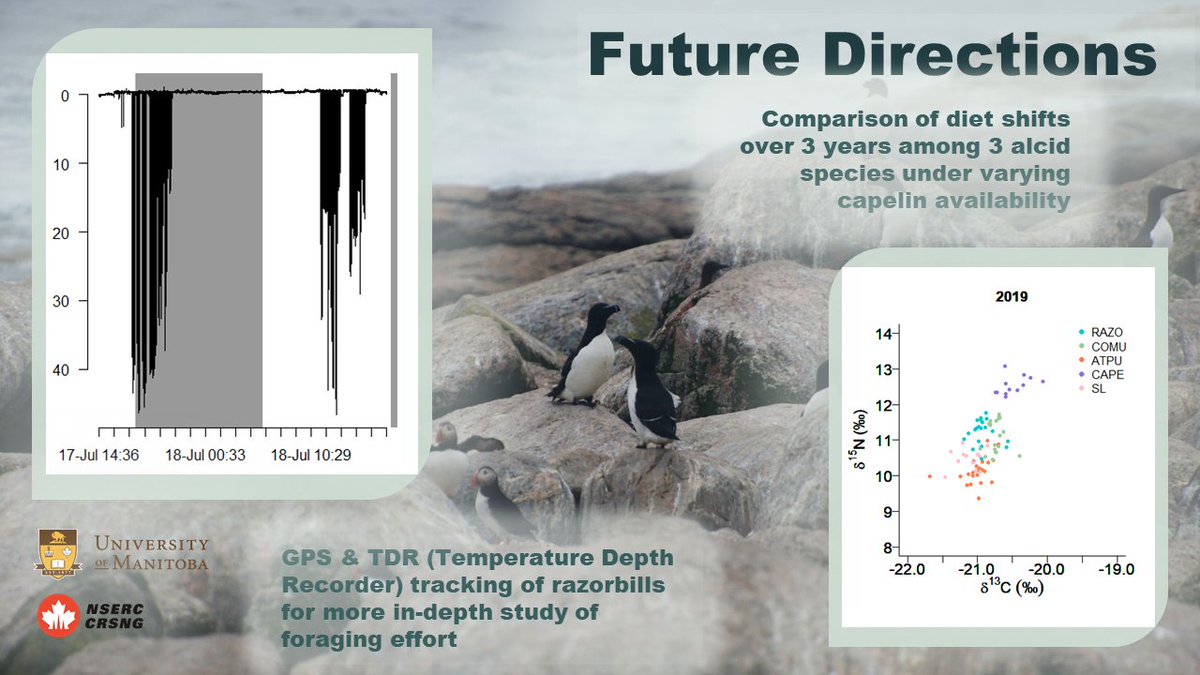
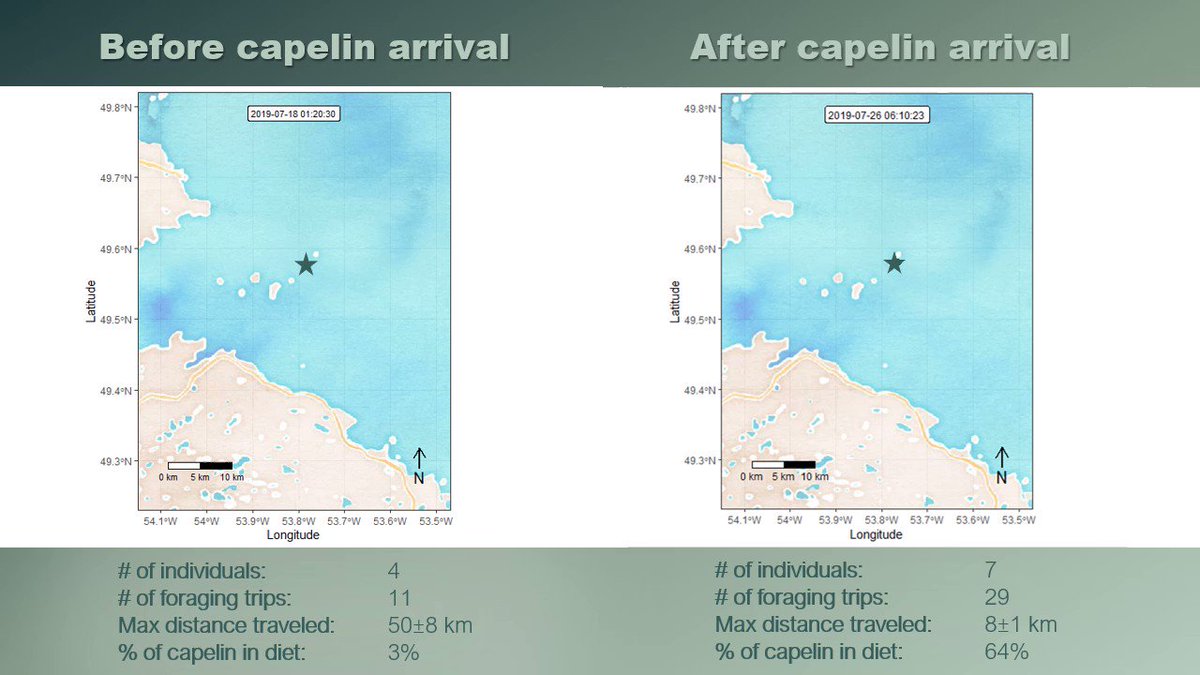
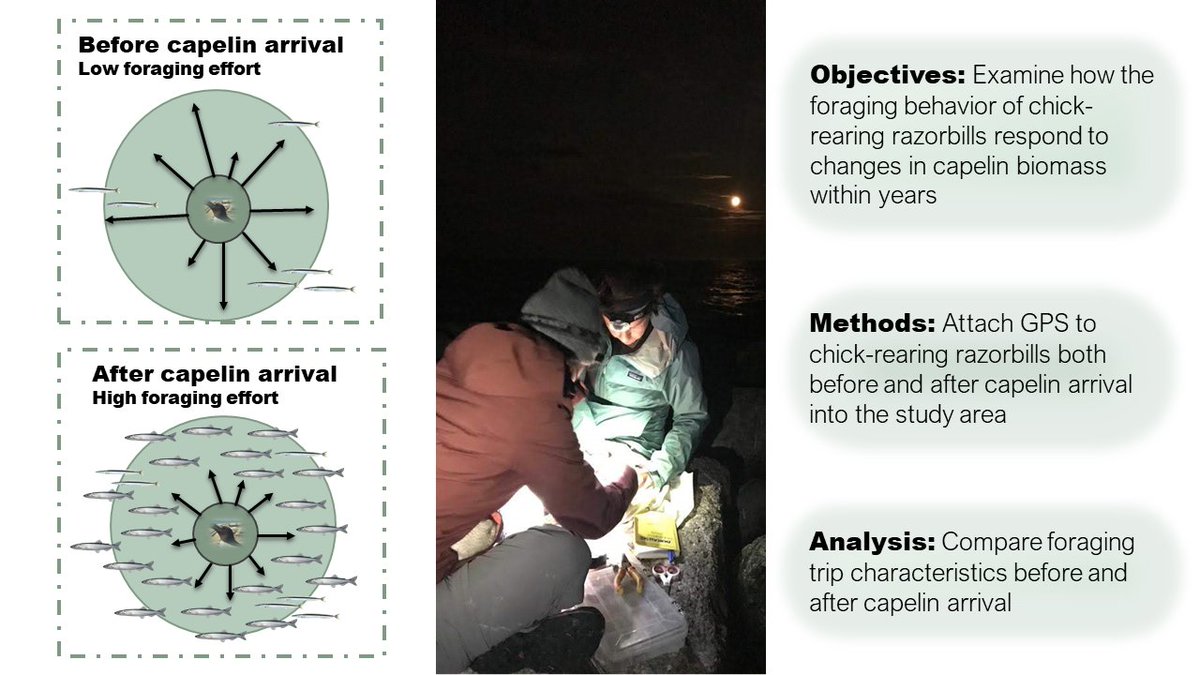
#WSTC7 #ForSesh3 1/4 During the #RAZO breeding season, capelin, an important prey🐟for marine predators, migrates into coastal #NL to spawn, ⬆️food abundance. Due to changing ocean conditions the timing and amount of this food resource has become highly variable @DavorenLab
1
4
18
5 May 2022
Such awesome work looking into location and diet data with auks!!! My 3 favorite things !!! ❤️ #TeamAuk So excited to learn more from @E_Runnells !!
3
5 May 2022
Always love hearing about razorbills ❤️❤️❤️ #TeamAuk! Their bite is as bad as their bark and I wouldn't have it any other way! #WSTC8
5 May 2022

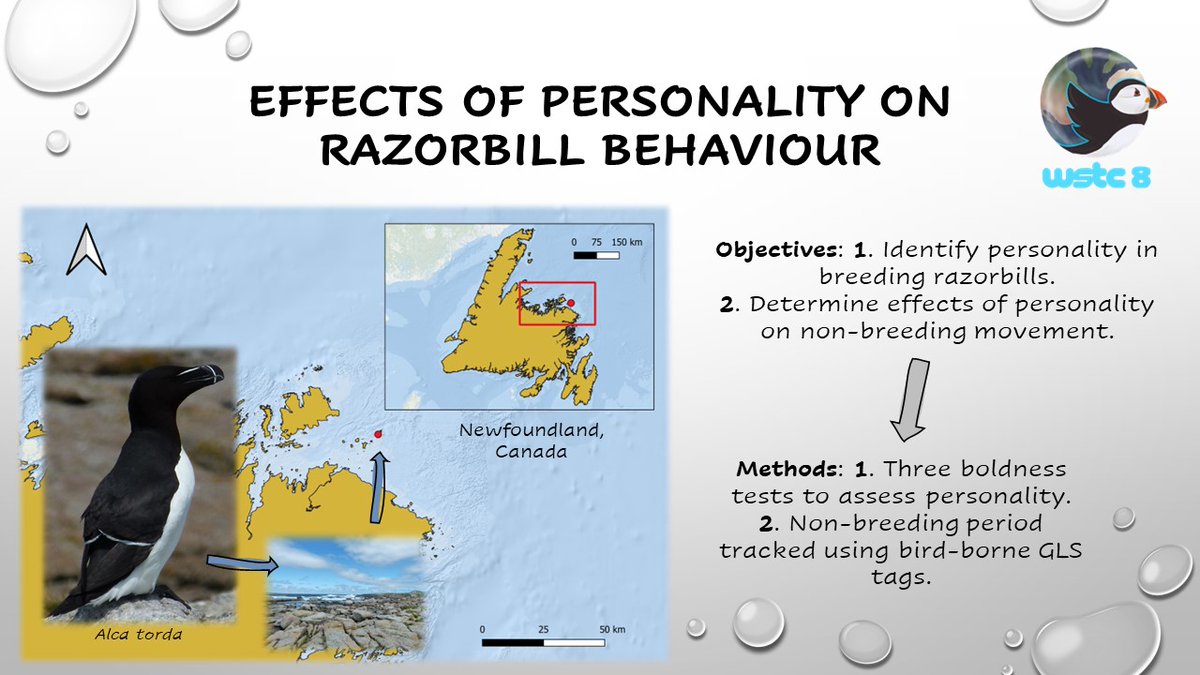
(1/4) #WSTC8 #BehaSesh2 Personality is common in animals and can influence behaviour, with boldness being the most studied trait. Growing research on seabird personality. We studied adult razorbills to identify personality and its effects on behaviour including migration.
1
5 May 2022
Really cool presentation from the @DavorenLab looking at gull predation on ADULT puffins and kleptoparasitism!!
1
Lauren Lescure retweeted

4 May 2022
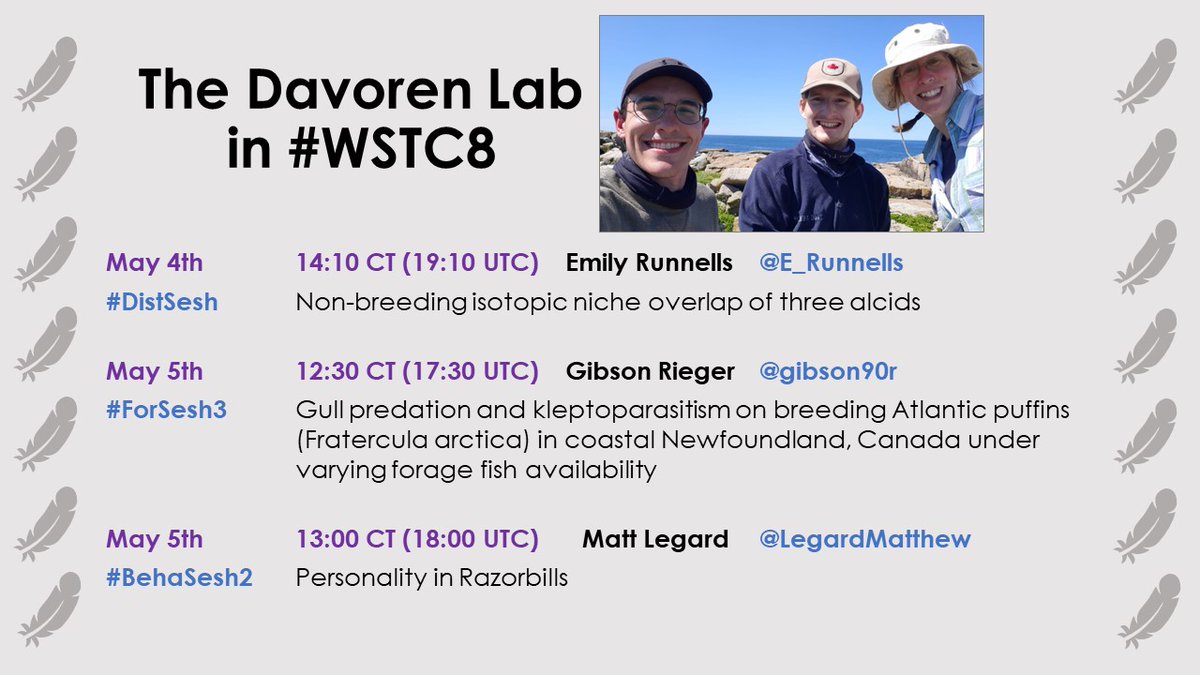
The Davoren Lab is very excited to share some results during #WSTC8 Check us out!
9
19
8 Feb 2022
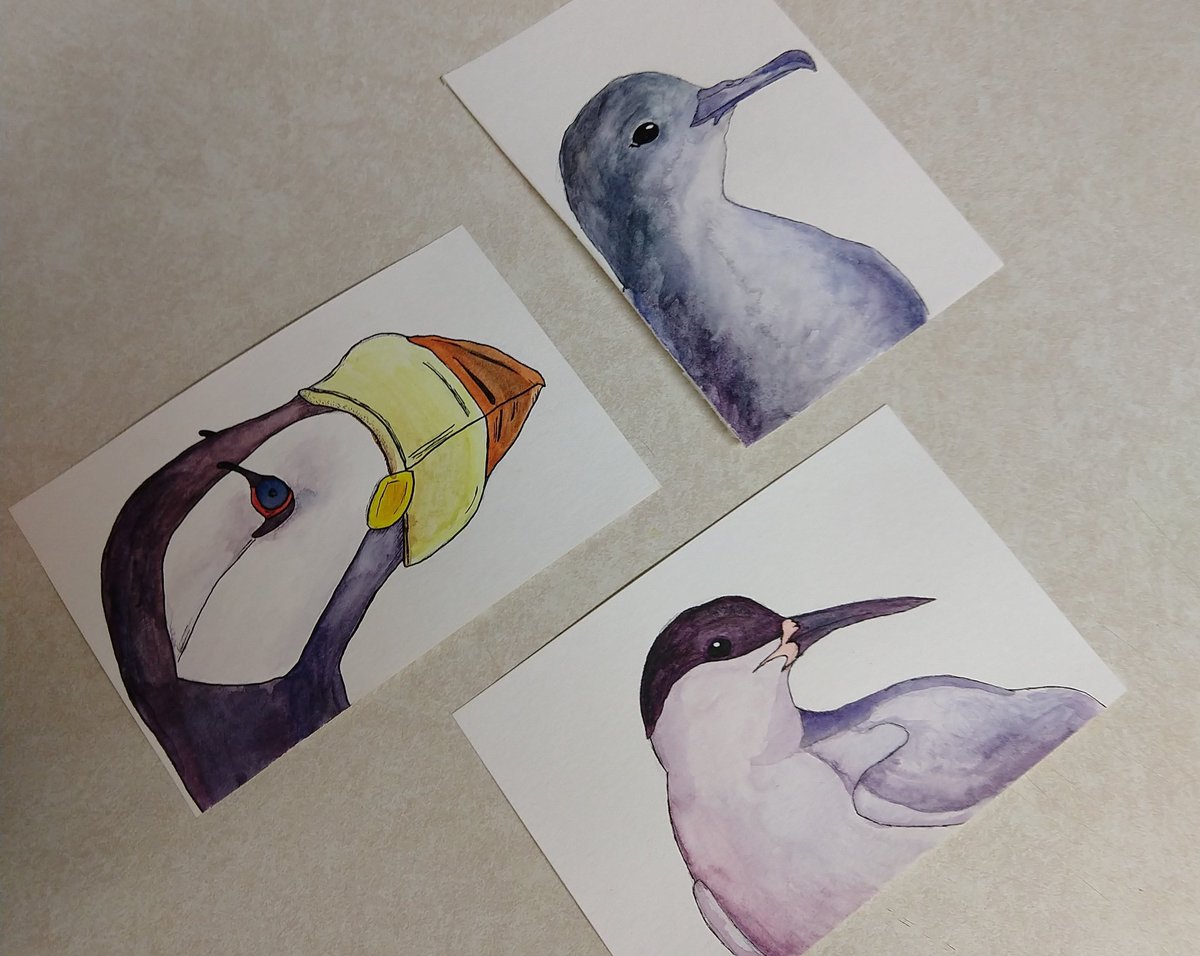
Yay!!! Go vote for your favorite! My little puffin is out there for your enjoyment!! :))
8 Feb 2022

Hello seabirders!🪶
Voting has begun for the #WSTC8 logo competition and there are two incredible options to choose from.
You have until February 11th to vote, and we'll reveal the winning logo the following week.
Vote here!
forms.gle/xxfWMfBqgqFGCum98
1
4
28 Jan 2022
This has sparked the creative in me that has been tucked away for several months and I can't wait to doodle away!!!!
26 Jan 2022
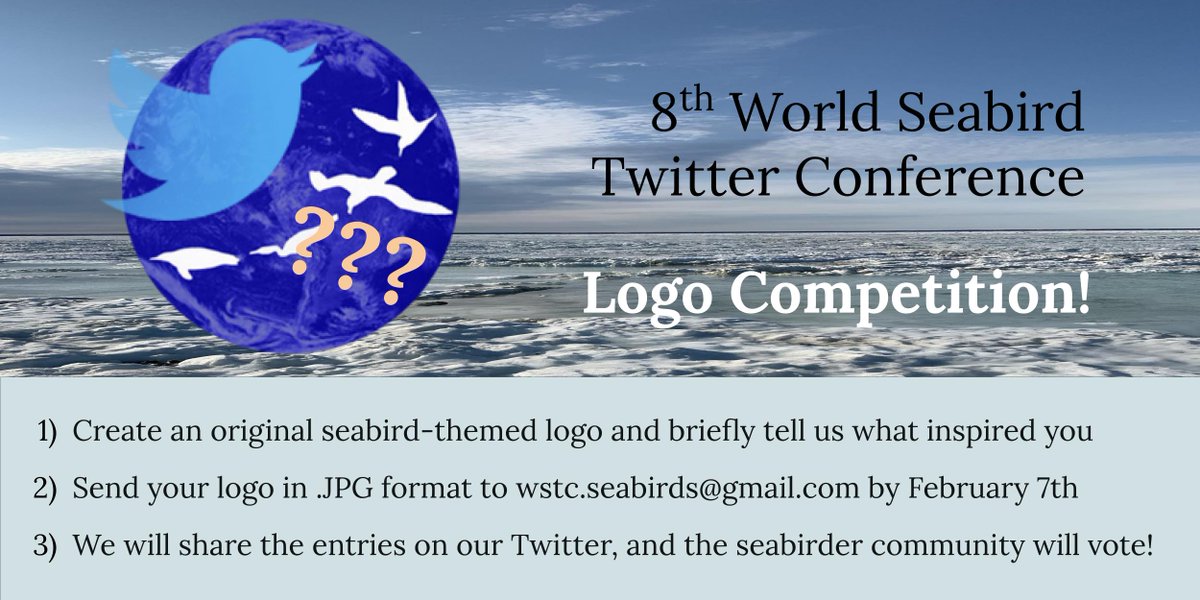
Greetings #seabirders!
Last year, the logo contest for #WSTC7 was such a success that we decided to do it again!
If you want to design the logo for #WSTC8 that will be used in all #WSTC publications, see below for how to submit ⬇️
We’re excited to see all your creations soon!
1
5
Lauren Lescure retweeted

17 Dec 2021
We are looking for a new #PostDoc to join the Prosser Lab for a project studying highly pathogenic avian influenza virus and decision science #postdocjobs #ecology ornithologyexchange.org/jobs…
1
14
13
Lauren Lescure retweeted
7 Dec 2021
We are looking for a new #PostDoc to join the Prosser Lab for an NSF-funded project studying waterfowl movement ecology, avian influenza and spatial-temporal models #postdocjobs #ecology ornithologyexchange.org/jobs…
8
9
Lauren Lescure retweeted

7 Oct 2021
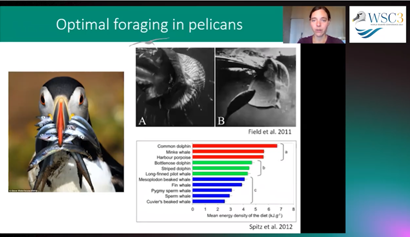
Okay, off to Demography & Surveys II & Diet I where I'll be talking at 1515 UTC about how optimal foraging is different at low than at high latitudes, and why pelicans are like whales! Others in this session: @Scure167, @jjwaggitt, @MJPolito, @sham_jammm. #WSC3
1
1
7
23 Aug 2021
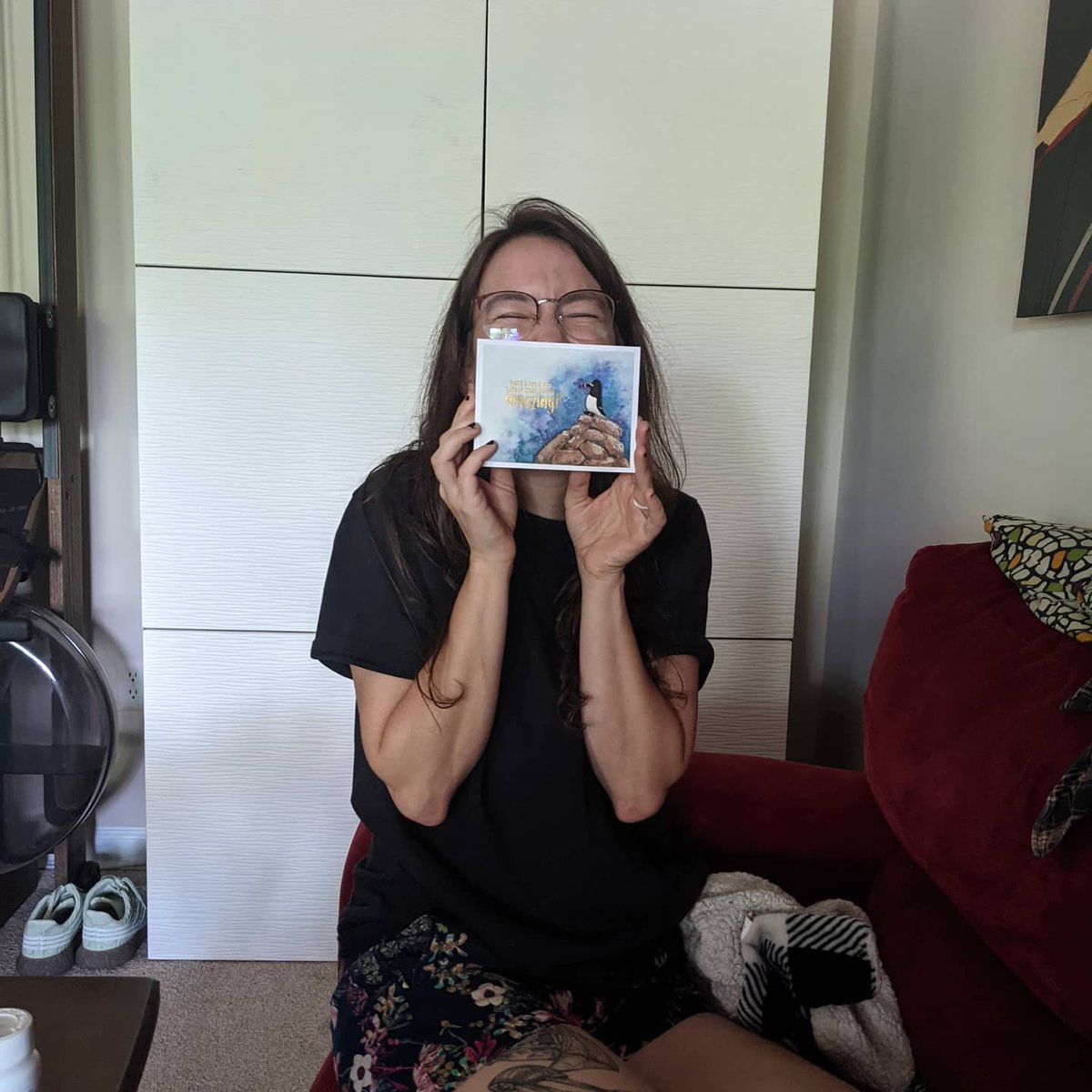
I successfully defended my Master's thesis today and I am beyond excited, happy, proud.
Even dealing with this pandemic, I have loved every step of my Master's.
I love my lab and my lab mates and especially my sweet razo babes. @E_Runnells @DavorenLab
2
1
12
Lauren Lescure retweeted

30 May 2021
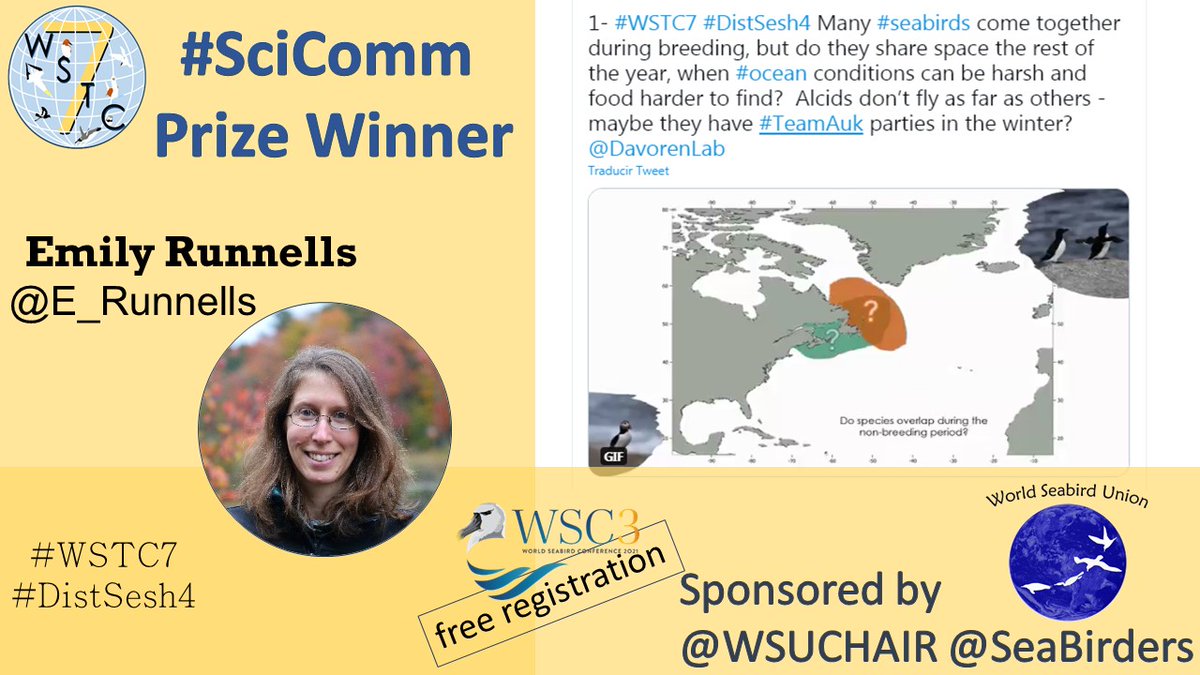
The World Seabird Union @WSUChair awarded the best Student #SciComm presentation to Emily Runnells @E_Runnells with a free registration to the World Seabird Conference 3 that will happen virtually this year!
Check the website for more information
worldseabirdconference.com/
#WSTC7
1
3
14
6 May 2021
#WSTC7 #ForSesh3 1/4 During the #RAZO breeding season, capelin, an important prey🐟for marine predators, migrates into coastal #NL to spawn, ⬆️food abundance. Due to changing ocean conditions the timing and amount of this food resource has become highly variable @DavorenLab
1
4
18