
☩ ☧🇻🇦☘️ • Sinner • Roman Catholic • USMC Veteran • Former LEO • Cornell ‘09 • Cherry Coke Zero Enjoyer • Not An Influencer • All Blocks Returned • ☘️🇻🇦☧ ☩
Joined February 2024
- Tweets 34,251
- Following 510
- Followers 50,409
- Likes 115,741
9,585 Photos and videos



Pinned Tweet

23 Jun 2025
A BRIEF HISTORY OF THE CATHOLIC CHURCH🇻🇦🕊️ 🧵
c. 33: First Christian Pentecost; descent of the Holy Spirit upon the disciples; preaching of St. Peter in Jerusalem; conversion, baptism and aggregation of some 3,000 persons to the first Christian community.
St. Stephen, deacon, was stoned to death at Jerusalem; he is venerated as the first Christian martyr.
c. 34: St. Paul, formerly Saul the persecutor of Christians, was converted and baptized. After three years of solitude in the desert, he joined the college of the apostles; he made three major missionary journeys and became known as the Apostle to the Gentiles; he was imprisoned twice in Rome and was beheaded there between 64 and 67.
39: Cornelius (the Gentile) and his family were baptized by St. Peter; a significant event signaling the mission of the Church to all peoples.
42: Persecution of Christians in Palestine broke out during the rule of Herod Agrippa; St. James the Greater, the first apostle to die, was beheaded in 44; St. Peter was imprisoned for a short time; many Christians fled to Antioch, marking the beginning of the dispersion of Christians beyond the confines of Palestine. At Antioch, the followers of Christ were called Christians for the first time.
49: Christians at Rome, considered members of a Jewish sect, were adversely affected by a decree of Claudius which forbade Jewish worship there.
51: The Council of Jerusalem, in which all the apostles participated under the presidency of St. Peter, decreed that circumcision, dietary regulations, and various other prescriptions of Mosaic Law were not obligatory for Gentile converts to the Christian community. The crucial decree was issued in opposition to Judaizers who contended that observance of the Mosaic Law in its entirety was necessary for salvation.
64: Persecution broke out at Rome under Nero, the emperor said to have accused Christians of starting the fire which destroyed half of Rome.
64 or 67: Martyrdom of St. Peter at Rome during the Neronian persecution. He established his see and spent his last years there after preaching in and around Jerusalem, establishing a see at Antioch, and presiding at the Council of Jerusalem.
70: Destruction of Jerusalem by Titus.
88-97: Pontificate of St. Clement I, third successor of St. Peter as bishop of Rome, one of the Apostolic Fathers. The First Epistle of Clement to the Corinthians, with which he has been identified, was addressed by the Church of Rome to the Church at Corinth, the scene of irregularities and divisions in the Christian community.
95: Domitian persecuted Christians, principally at Rome.
c. 100: Death of St. John, apostle and evangelist, marking the end of the Age of the Apostles and the first generation of the Church.
By the end of the century, Antioch, Alexandria and Ephesus in the East and Rome in the West were established centers of Christian population and influence.
c. 107: St. Ignatius of Antioch was martyred at Rome. He was the first writer to use the expression, “the Catholic Church.”
112: Emperor Trajan, in a rescript to Pliny the Younger, governor of Bithynia, instructed him not to search out Christians but to punish them if they were publicly denounced and refused to do homage to the Roman gods. This rescript set a pattern for Roman magistrates in dealing with Christians.
117-38: Persecution under Hadrian. Many Acts of Martyrs date from this period.
c. 125: Spread of Gnosticism, a combination of elements of Platonic philosophy and Eastern mystery religions. Its adherents claimed that its secret-knowledge principle provided a deeper insight into Christian doctrine than divine revelation and faith. One gnostic thesis denied the divinity of Christ; others denied the reality of his humanity, calling it mere appearance (Docetism, Phantasiasm).
133
399
1,547
199,600
“This triangle of truisms, of father, mother and child, cannot be destroyed; it can only destroy those civilizations which disregard it.”
- G.K. Chesterton🇻🇦
23
219
1,832
16h
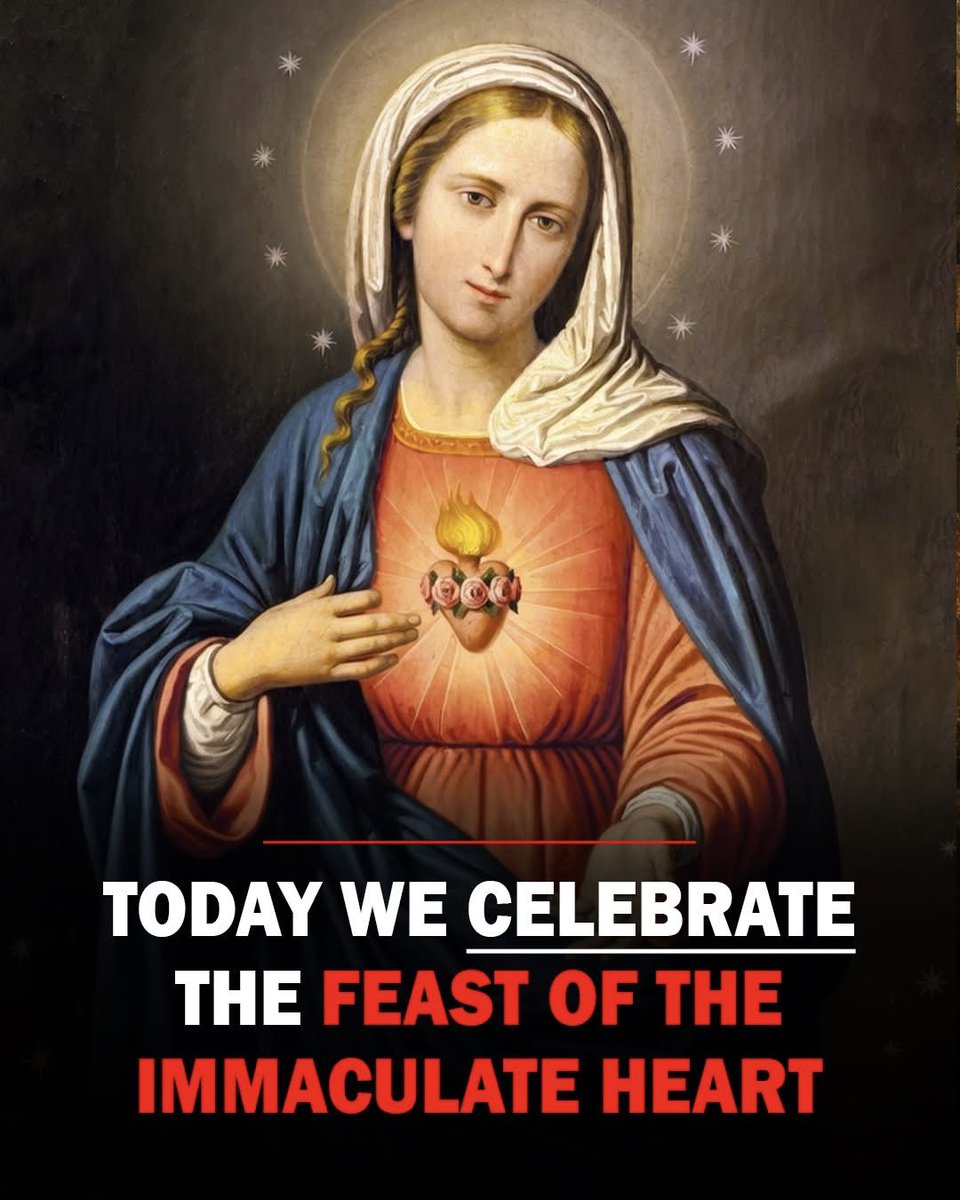
Today, June 13, the Church celebrates the Feast of the Immaculate Heart of Mary🇻🇦❤️
The Church rejoices the profound love, purity, and maternal compassion of the Blessed Virgin Mary. Her Immaculate Heart, pierced by sorrows yet burning with perfect love for God and for us, invites us to draw closer to Jesus through her.
This feast, placed right after the Solemnity of the Sacred Heart of Jesus, reminds us of the unbreakable bond between the Hearts of Jesus and Mary. Pope Pius XII instituted the universal feast, and it was later moved to this date by Pope Paul VI.
Our Lady herself at Fatima asked the world to honor her Immaculate Heart for the conversion of sinners and peace in the world.
Key Truths About Mary's Immaculate Heart:
⬩It symbolizes her total “Yes” to God, her sinless purity, and her deep interior life of prayer and love.
⬩It was foretold by Simeon: “A sword will pierce your own soul too” (Luke 2:35).
⬩Devotion to it, promoted by St. John Eudes and strengthened through Fatima, calls us to prayer, penance, and reparation.
Let us entrust our families, the Church, and the whole world to her loving care today. In a time of many trials, may her Immaculate Heart bring us closer to the peace that only comes from her Son.
Immaculate Heart of Mary, Pray for us ❤️
3
48
246
2,054
Jun 12
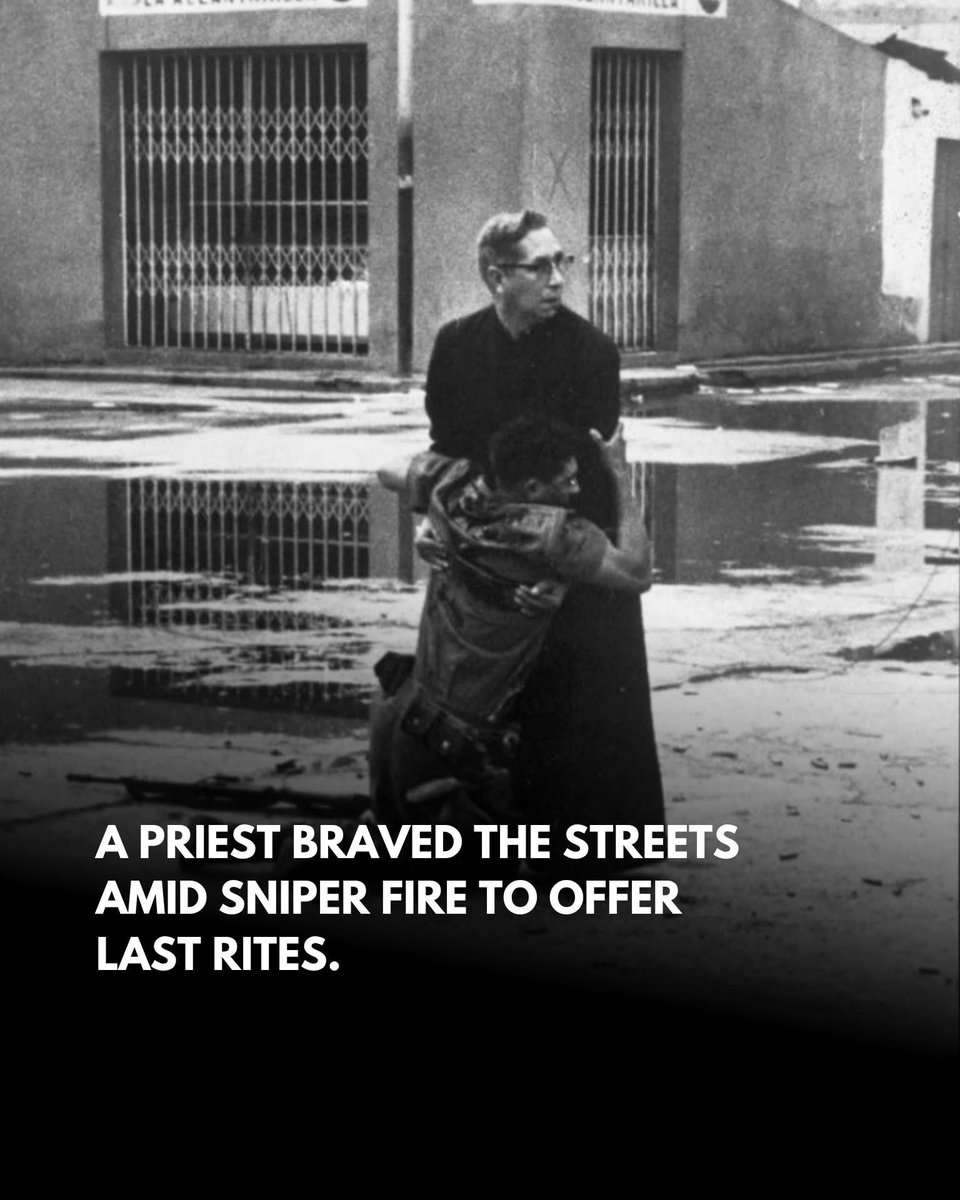
In June 1962, during the violent El Porteñazo uprising in Venezuela, bullets filled the streets and hundreds lost their lives🇻🇦
Father Luis María Padilla, a Navy chaplain, left the safety of cover and ran into the open streets under sniper fire. He was not carrying a weapon. He was carrying only his priestly vocation.
There, in the middle of the battle, he found a young soldier who had been struck by a sniper’s bullet. The wounded man clung desperately to the priest as death drew near. Instead of seeking his own safety, Father Padilla wrapped his arms around the soldier, comforting him and offering the prayers of the Church.
At that very moment, Venezuelan photojournalist Héctor Rondón captured the scene.
The photograph became known around the world as “Aid from the Padre” or “The Priest and the Dying Soldier.” It won the 1962 World Press Photo of the Year and the 1963 Pulitzer Prize for Photography, becoming one of the most powerful images ever taken in a war zone.
2
40
170
1,857
Jun 12
If you’re going to play, play to win🇻🇦
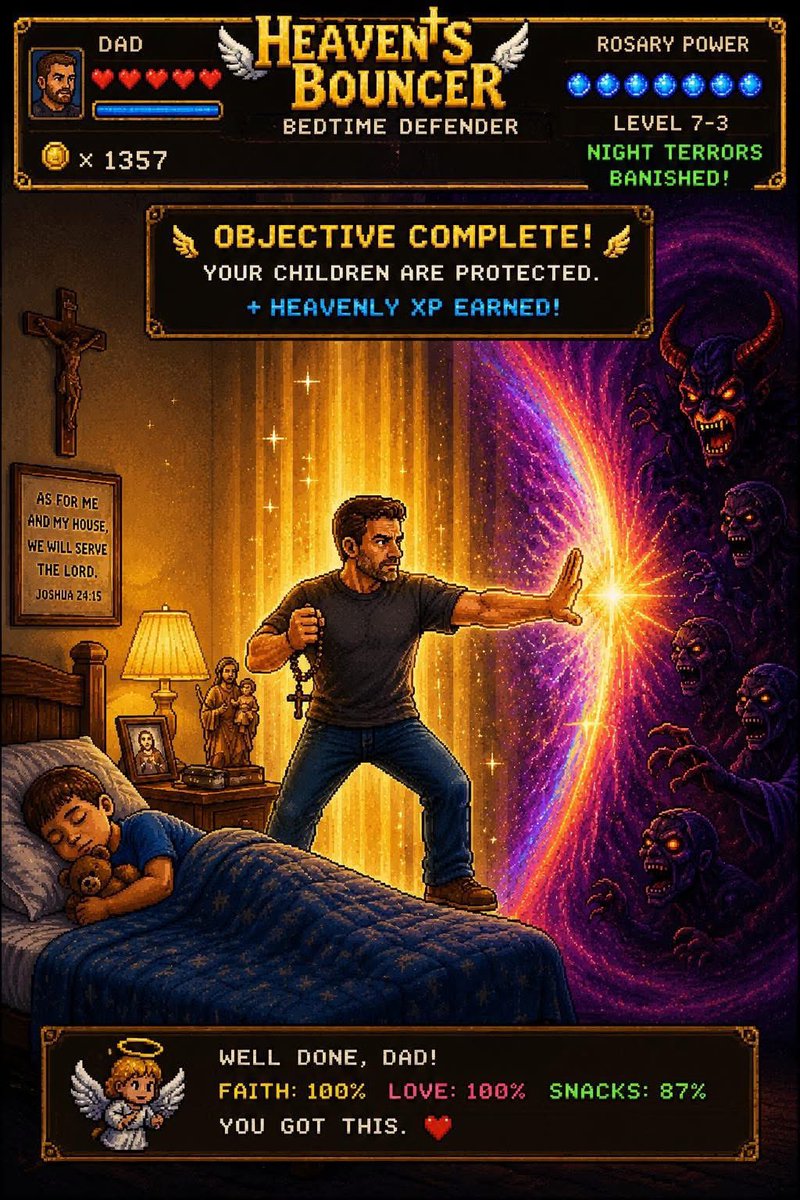
The greatest protection a parent can give a child isn’t found in a screen, a lock, or an alarm system.
According to many experienced Catholic exorcists, spiritual protection begins at home:
✝️ Pray the Rosary as a family.
🛡️ Pray the St. Michael Prayer.
🙏 Bless your children before bed.
⛪ Go to Confession and receive Holy Communion frequently.
📿 Keep blessed sacramentals in your home.
🚫 Reject occult practices and spiritually harmful influences.
The enemy fears holy families.
A home where Jesus is loved, Mary is honored, and prayer is practiced becomes a fortress of grace.
Protect your children. Teach them to pray.
6
25
107
2,537
Jun 12
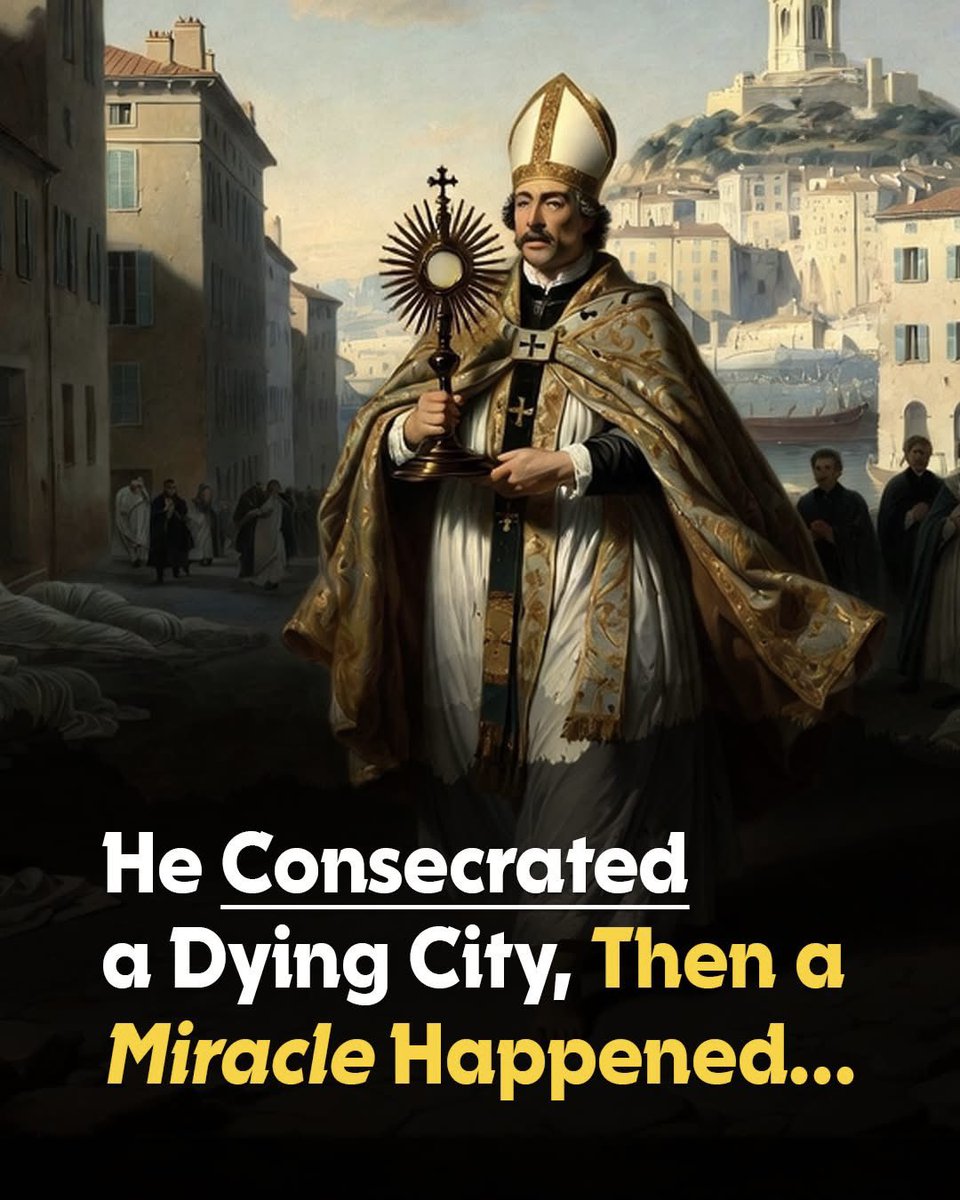
In the spring of 1720, one of the deadliest outbreaks of bubonic plague in 18th-century Europe struck the bustling port city of Marseille, France. The disease arrived on a ship from the Levant, spreading rapidly through the crowded streets.
Within months, it killed an estimated 40,000 to 50,000 people, roughly half the city’s population. Entire families were wiped out, bodies lay unburied in the streets, and fear gripped every corner of Marseille.
At the height of the crisis, a holy nun from the Visitation Order, Sister Anne-Madeleine Rémuzat, received a powerful message from Our Lord Jesus Christ. He revealed that the city would be spared if it turned wholeheartedly to His Sacred Heart. Sister Anne-Madeleine shared this divine request with the local bishop.
Bishop Henri François-Xavier de Belsunce de Castelmoron, known for his deep devotion and courage, took immediate action. On November 1, 1720, despite the extreme danger, the bishop walked barefoot through the plague-infested streets of Marseille.
Accompanied by a small group, he carried the Blessed Sacrament and officially consecrated the entire city of Marseille to the Sacred Heart of Jesus.
The timing of the miracle is striking.
Almost immediately following this solemn act of consecration and public entrustment to the Sacred Heart, the deadly epidemic began to weaken. The plague rapidly subsided and soon disappeared completely from the city, an event that left a profound mark on the history of Marseille and on the devotion to the Sacred Heart worldwide.
This dramatic city-wide deliverance stands as one of the most famous historical miracles attributed to the Sacred Heart of Jesus, showing the power of faith and consecration even in the face of overwhelming calamity.
May the Sacred Heart of Jesus protect and bless all of us, especially in these challenging times.
Sacred Heart of Jesus, have mercy on us! ❤️🔥
10
90
379
3,913
Jun 11
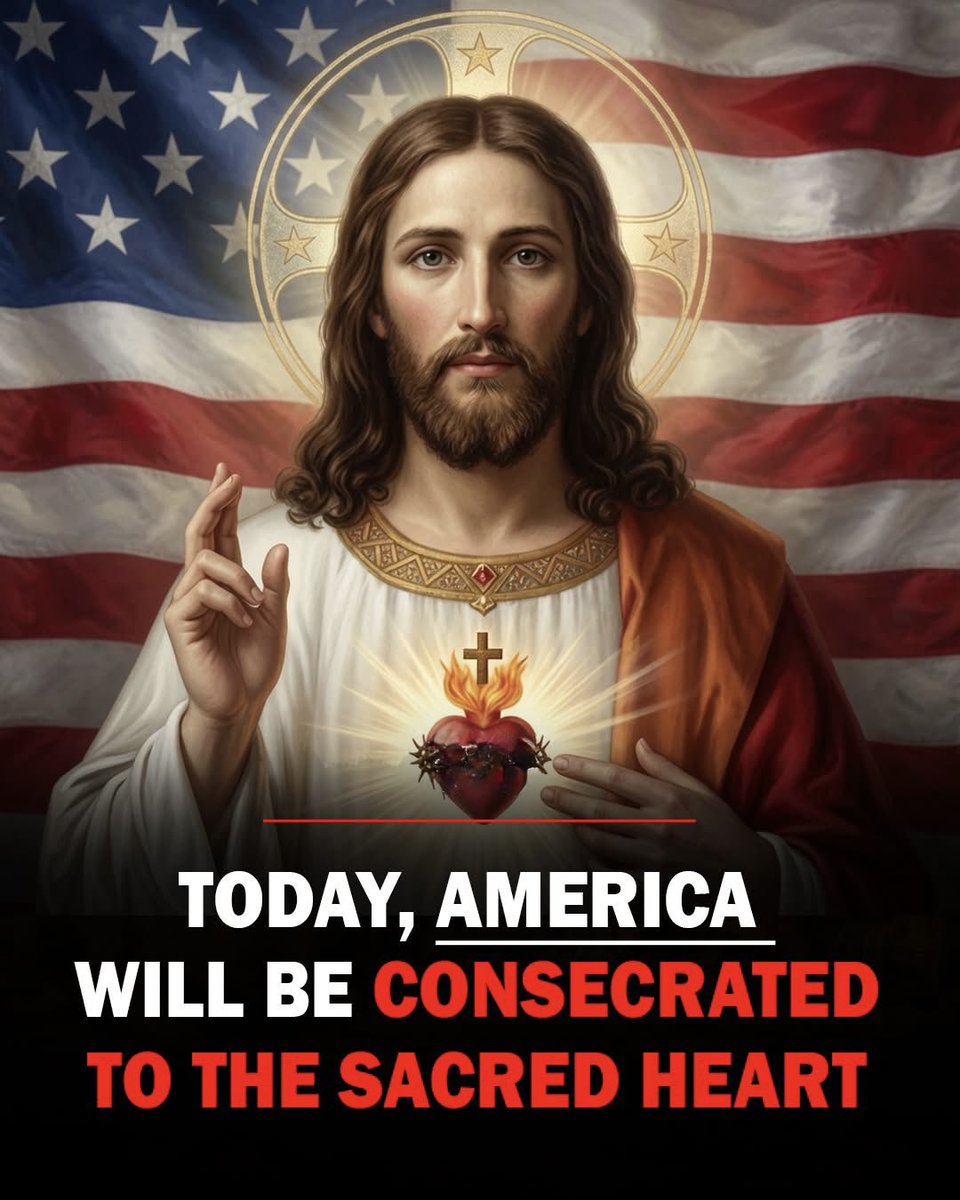
On this significant day, June 11, 2026, the Catholic Bishops of the United States are consecrating our nation to the Sacred Heart of Jesus during a special Mass at Mary, Queen of the Universe Basilica in Orlando, Florida (4PM EDT).
This historic act marks the 250th anniversary of the signing of the Declaration of Independence (coming July 4) and is the first formal national consecration of the United States to the Sacred Heart.
It comes as the USCCB Spring Plenary Assembly gathers, with the bishops entrusting America to the loving Heart of Christ for healing, unity, peace, and a renewed commitment to the Gospel.
The Sacred Heart devotion, rooted in the revelations to St. Margaret Mary Alacoque, reminds us of God’s infinite love and mercy. In a polarized time, it calls us to place our families, communities, and nation under Christ’s care.
The USCCB encourages parishes, families, and individuals to join in this consecration through prayer, the Novena to the Sacred Heart, and enthroning the Sacred Heart in homes.
28
120
1,599
Jun 11
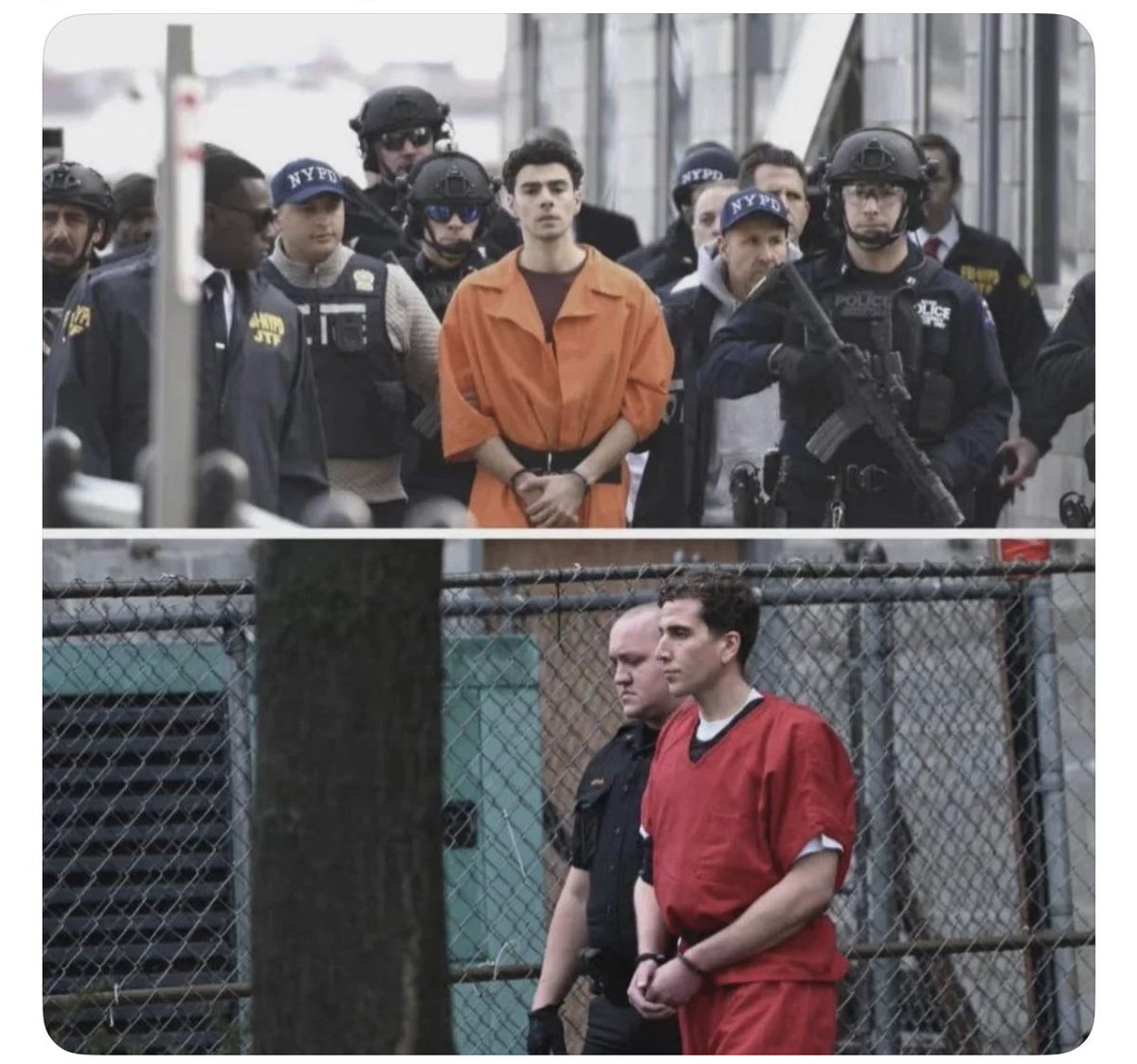
Police escort when you kill 1 rich CEO vs when you kill 4 college students
1
3
51
1,480
Jun 10
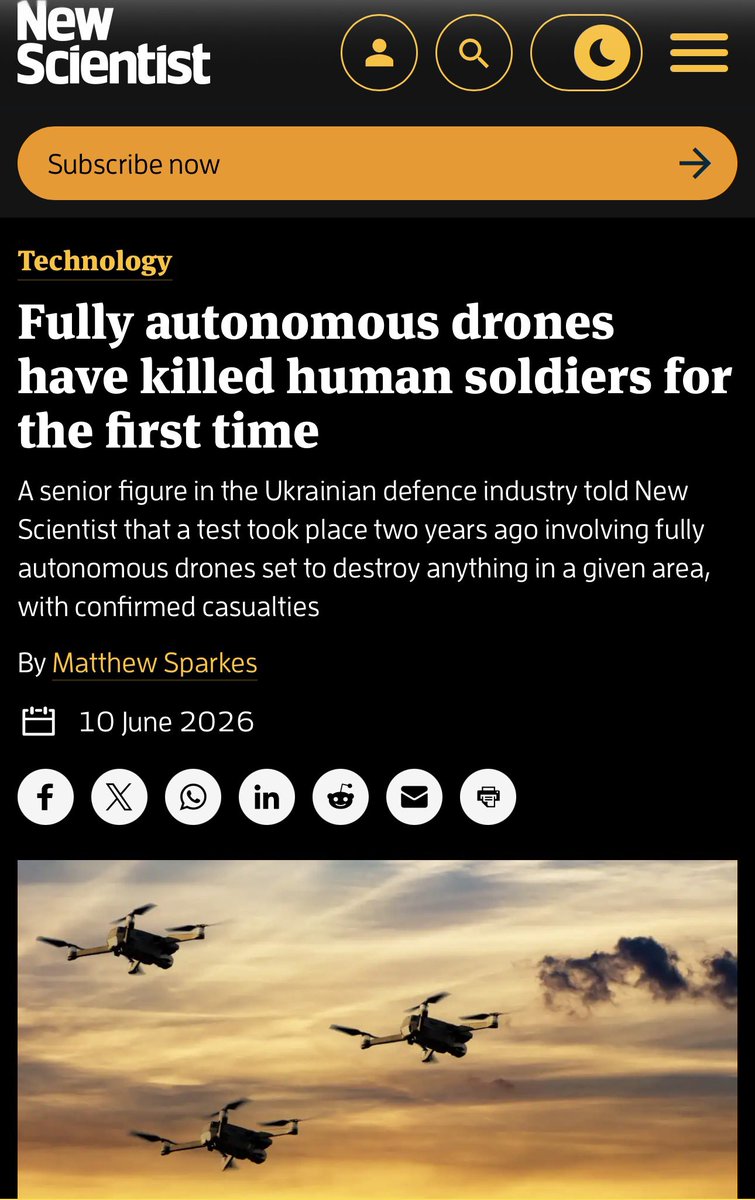
I recall a certain film franchise that called this exact scenario over 40 years ago 👀
2
25
942
Jun 10
𝗦𝗢𝗠𝗘 𝗧𝗛𝗢𝗨𝗚𝗛𝗧𝗦 𝗢𝗡 𝗗𝗘𝗠𝗢𝗡𝗢𝗟𝗢𝗚𝗬
1. Devils are real…in that they are actual, existent spiritual entities. (Mt. 8:29, Rev. 12:9)
2. They are an army, and we are at war with them. A single person can be possessed by seven or a 'legion' of them. (Lk. 8:2,30, Mt. 12:45, Mk. 5:9, Eph. 6:12)
3. Devils are stronger, smarter, more strategic, and more knowledgeable than us, even when it comes to theology. (1 Tim. 4:1, Jas. 2:19)
4. They mean you harm as a human because you are made in the image of God. Double harm if you are a Christian, because you are conforming specifically to the image of the Son. (1 Pet. 5:8)
5. Satan likes it when we underestimate them. Satan likes it when we overestimate them. (2 Cor. 2:11)
6. They hate the Gospel. They tried to prevent Jesus from accomplishing His work. And when they realized they can't stop Christ from His mission, Satan committed a pathetic and failed kamikazee attack through Judas by making Christ's crucifixion as painful as possible. (Mk. 1:23-24, Lk. 4:34)
7. Devils cannot compel people to sin. Because that would defeat the idea of willfully sinning. But they still do possess people. Though far from the depiction of pop media, possessions are much more subtle and often does not follow convulsion-like effects. They do it through a person's unrepented of and living relationship with sin. When Satan possessed Judas, there was no noticeable change in the vessel. Only that their sinful desires were aggravated to an extreme degree. Devils do not force people to sin, but work to greatly heighten their cherishing of sin to the point of severe outward manifestations. (Jas. 1:14, Jn. 13:2,27)
8. Satan cannot create, but can only distort God's good creation. (Jn. 8:44)
9. Most anti-Christian ideologies can be traced back to demons. (1 Tim. 4:1, 2 Cor. 4:4)
10. We are instructed to resist them using God's Word. And Satan hates it when an individual is faithfully submitting to the Word. (Jas. 4:7, Eph. 6:11)
11. Satan hates it when Christians depend on God in prayer, instead of relying on their own willpower. (Eph. 6:18)
12. The fall of Satan and his army is inevitable. More than anyone, he is aware of the Triune God's unfailing sovereignty. He is already checkmated. Especially through the Cross. (Col. 2:15, Rev. 12:7-9)
13. Demons are so subject to God's sovereignty, that they are even unwillingly serving His purpose. To sanctify the elect. To serve as judgment for the reprobate. (Job 1:12, Rom. 8:28)
9
59
269
5,666
Jun 10
For the first time ever Japan has a Catholic Princess🇻🇦🇯🇵
31
349
4,034
33,327
Jun 9
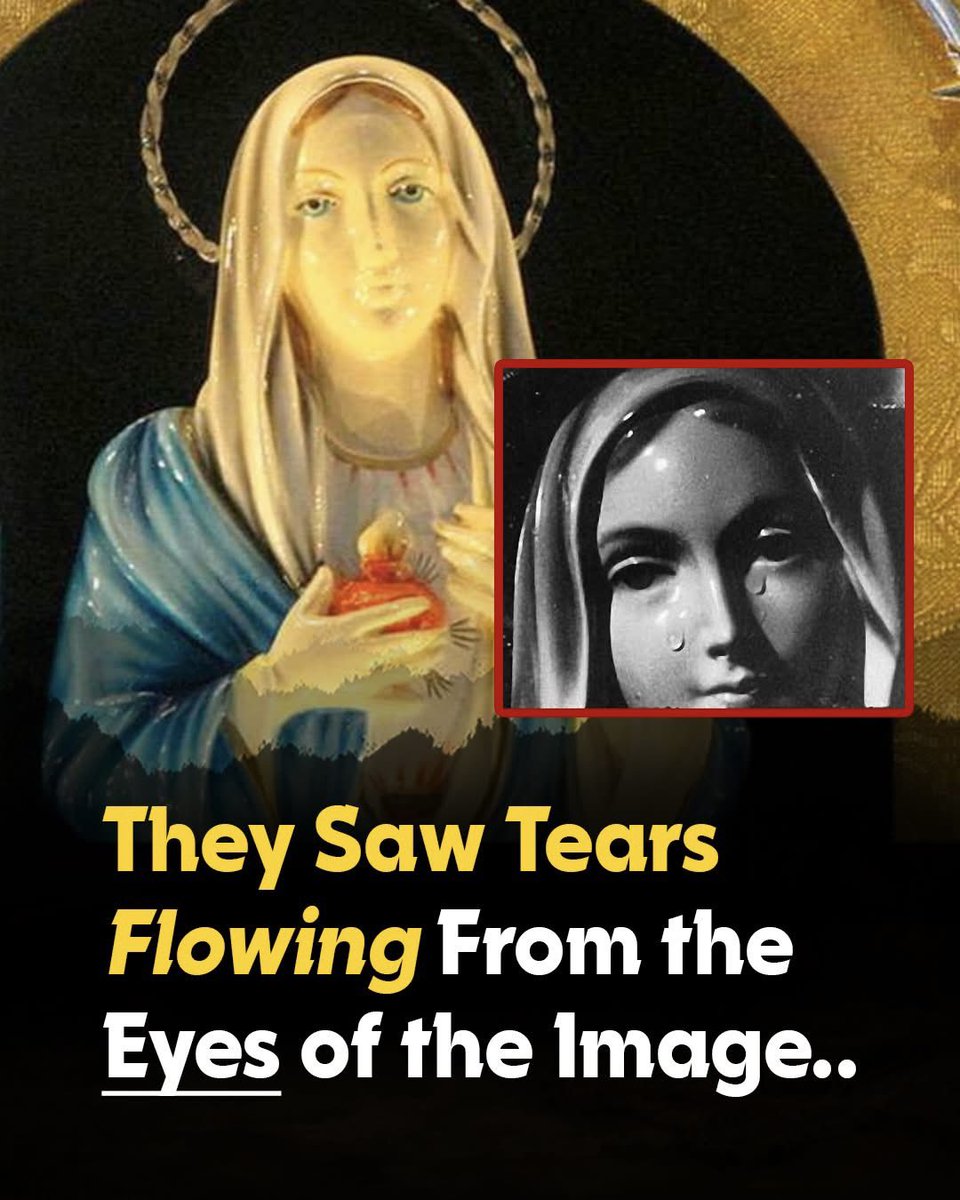
In the summer of 1953, in a home in Syracuse (Siracusa), Sicily, a simple plaster statue of the Immaculate Heart of Mary, a common wedding gift, began to weep real human tears🇻🇦
Angelo Iannuso and his wife Antonina Giusto, a young newlywed couple, had received the small terra-cotta plaque as a gift. Antonina was pregnant and suffering from severe toxemia, which caused convulsions and temporary blindness.
On the morning of August 29, 1953, Antonina suddenly regained her sight and saw tears flowing from the eyes of the statue of Our Lady. The weeping continued intermittently for four days, until September 1. Thousands of people, including neighbors, doctors, police, priests, and scientists, witnessed the extraordinary event.
Laboratory analysis confirmed the tears were chemically identical to human tears. Many reported immediate healings and conversions as news spread rapidly across Sicily and beyond.
The Sicilian Bishops’ Conference investigated thoroughly and, in December 1953, officially declared the reality of the weeping could not be doubted. Pope Pius XII later acknowledged the miracle in a public radio message.
A grand sanctuary, the Basilica Santuario Madonna delle Lacrime, now stands in Syracuse to honor this motherly sign from Heaven. The original weeping statue remains there as a powerful witness.
Why did Mary weep? Many see it as a call to conversion, a sign of her sorrow for humanity’s sins, and her tender love urging us closer to her Son, Jesus.
In our own difficult times, the tears of Our Lady of Syracuse remind us that our Heavenly Mother sees our sufferings, shares in them, and intercedes for us with maternal compassion.
3
29
184
2,348
Jun 8
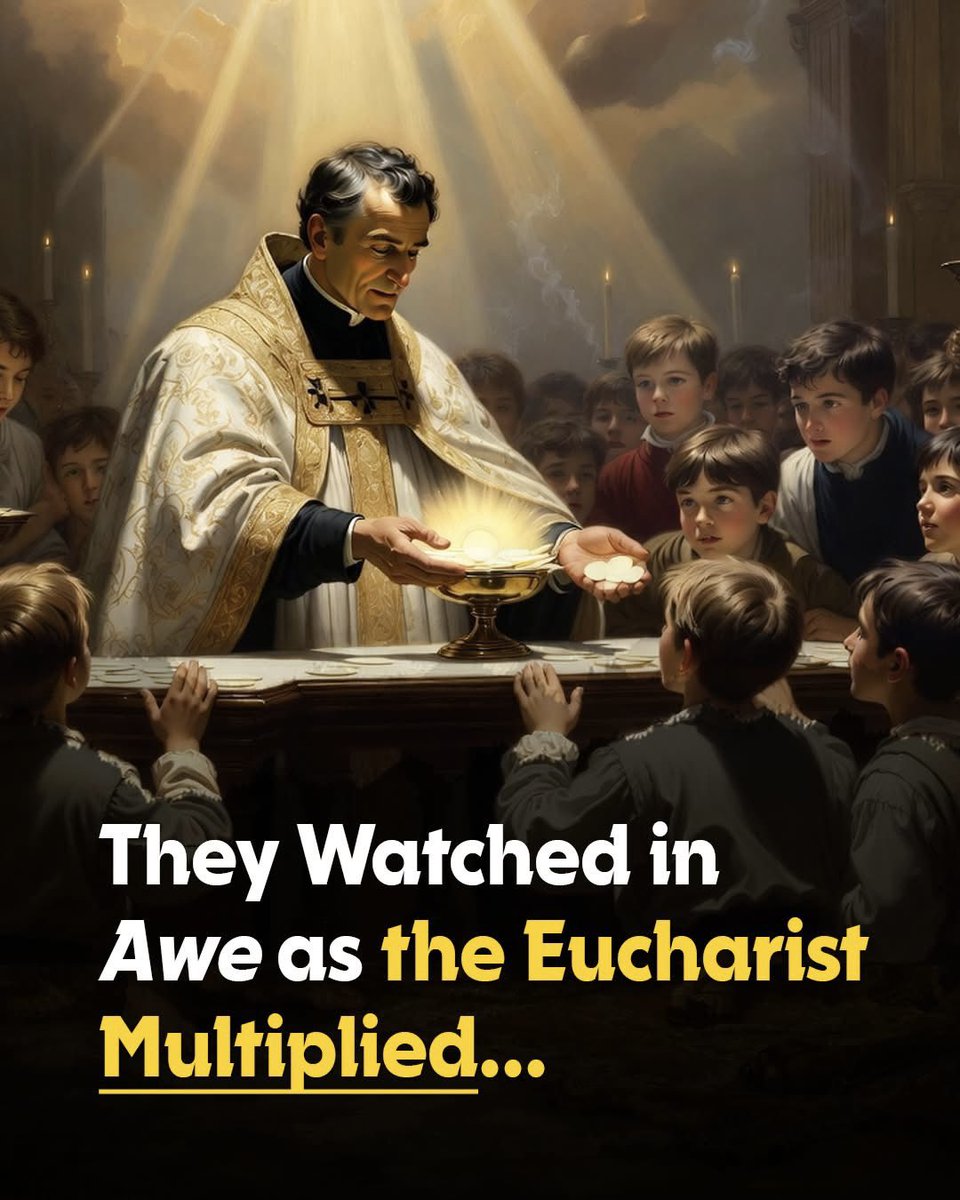
In 1848, at the Oratory in Turin, Italy, Saint John Bosco prepared to celebrate Mass for more than 650 young boys. Before the Mass began, the sacristan rushed to him in panic: there were only a handful of consecrated Hosts left in the tabernacle, far too few for the large group of boys eager to receive Holy Communion.
Don Bosco calmly refused to turn any boy away. With complete trust in God’s providence, he began distributing Communion. To the astonishment of the sacristan, altar servers, and everyone present, the few Hosts in the ciborium miraculously multiplied in Don Bosco’s hands!
Witnesses watched in awe as the Hosts continued to multiply until every single boy had received Communion and was spiritually satisfied. Not a single child was left without the Eucharist that day.
This powerful Eucharistic miracle highlights St. John Bosco’s deep love for the youth and his unwavering faith in the Real Presence of Jesus in the Blessed Sacrament. Known as the “Father and Teacher of Youth,” Don Bosco dedicated his life to guiding young people to Christ through education, prayer, and the sacraments.
A beautiful reminder that when we place our trust in God and refuse to limit His grace, He provides abundantly, even multiplying the very Bread of Life.
St. John Bosco teaches us that no crowd is too large, and no need is too great for the Lord of the Eucharist🇻🇦
11
151
616
7,109
Jun 8
There are many pretenders & even whilst they claim to hate the actual Catholic Church, they cannot help by try to appropriate our aesthetic for their LARP
Jun 7

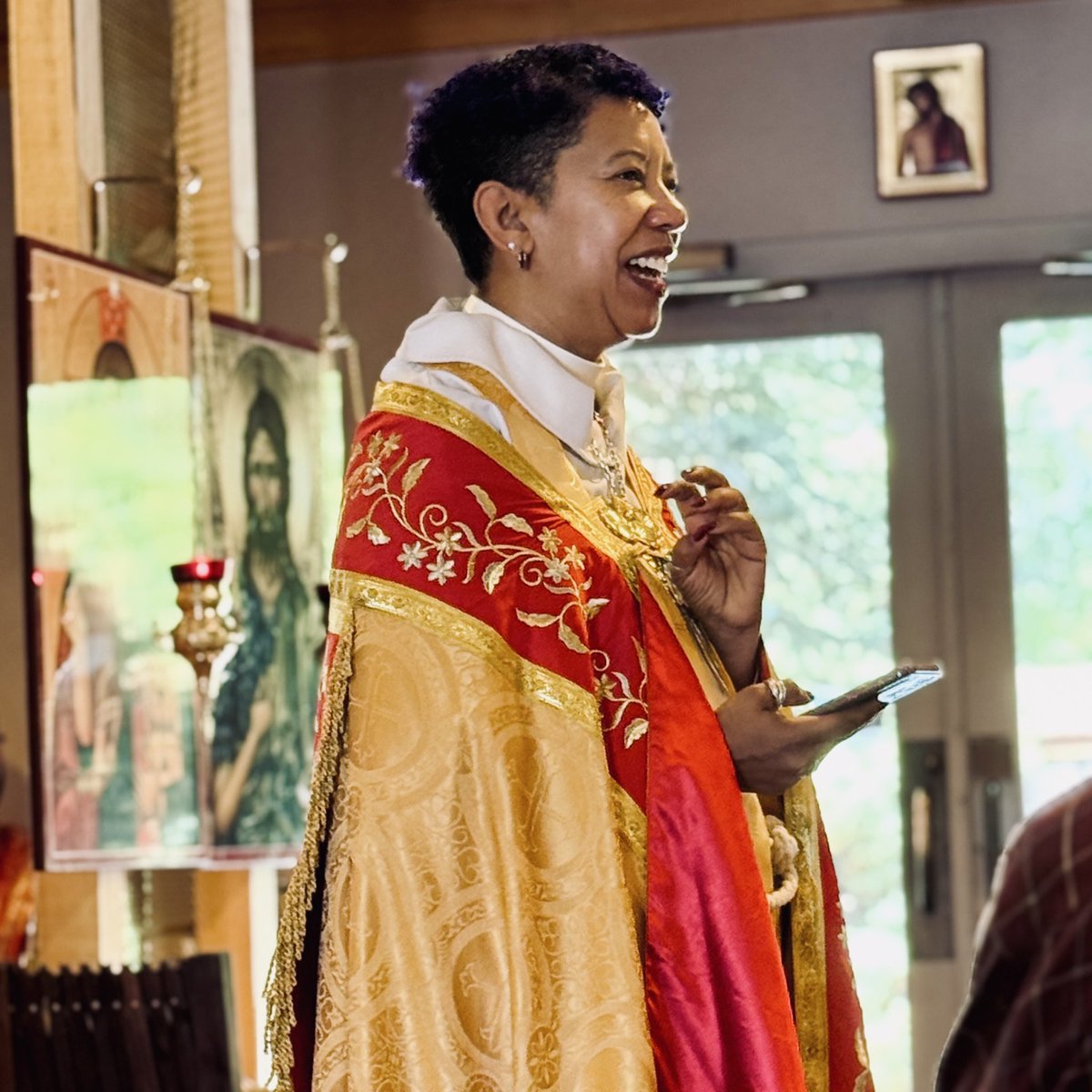
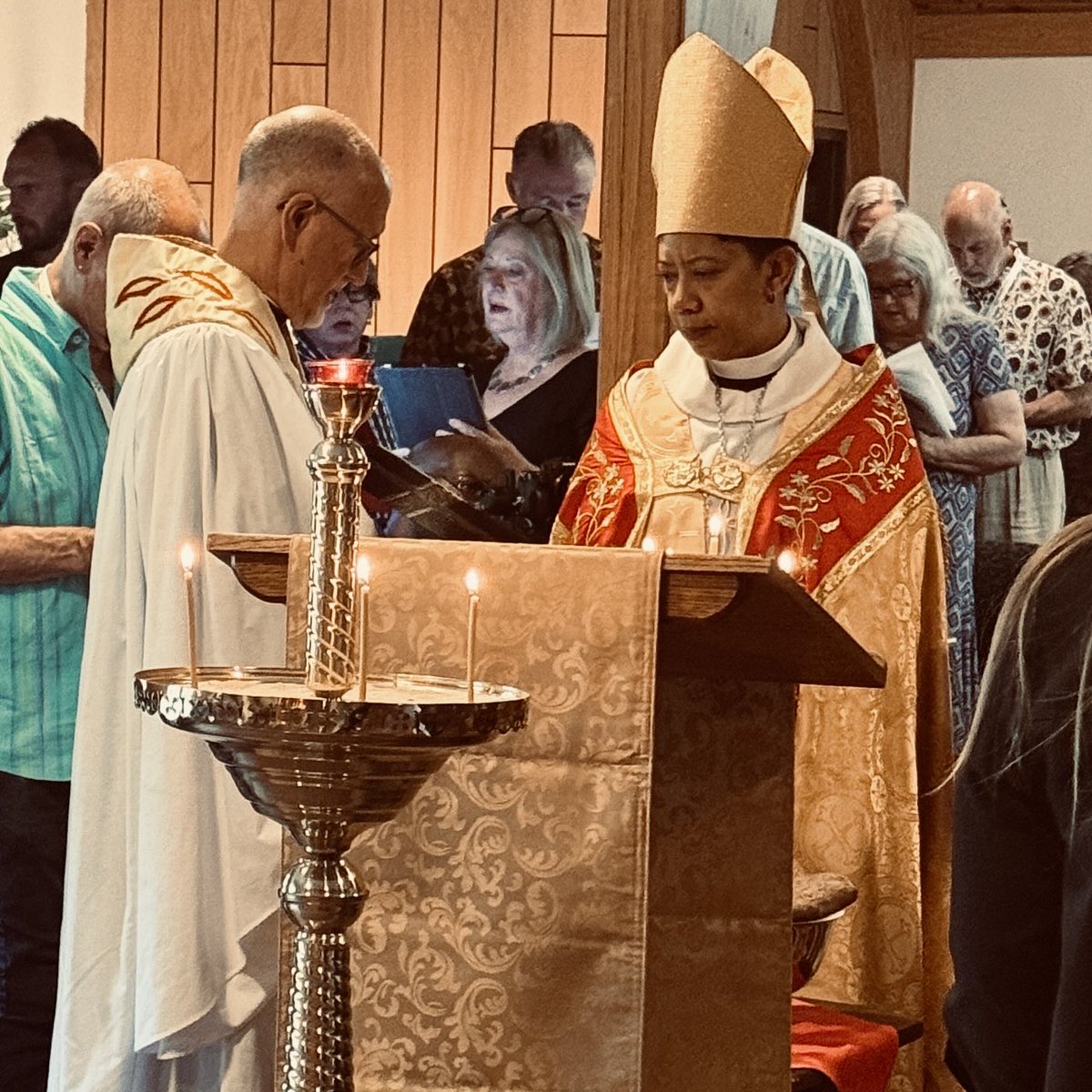
Today, Bishop Kym Lucas became the first known female Bishop to preside over the Byzantine Divine Liturgy. This is how TEC does development of doctrine and practice within the One, Holy, Catholic, and Apostolic Church!
11
14
103
3,849