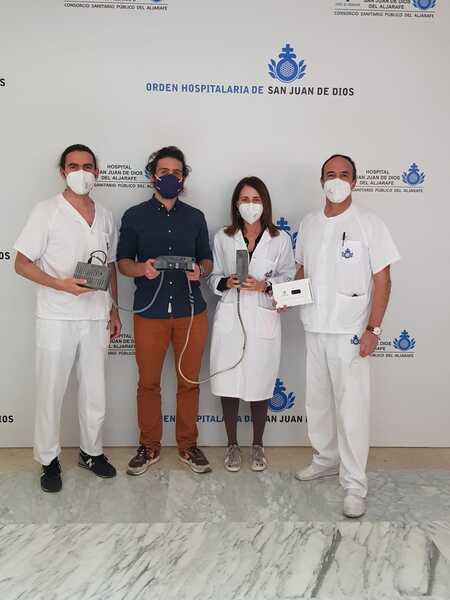
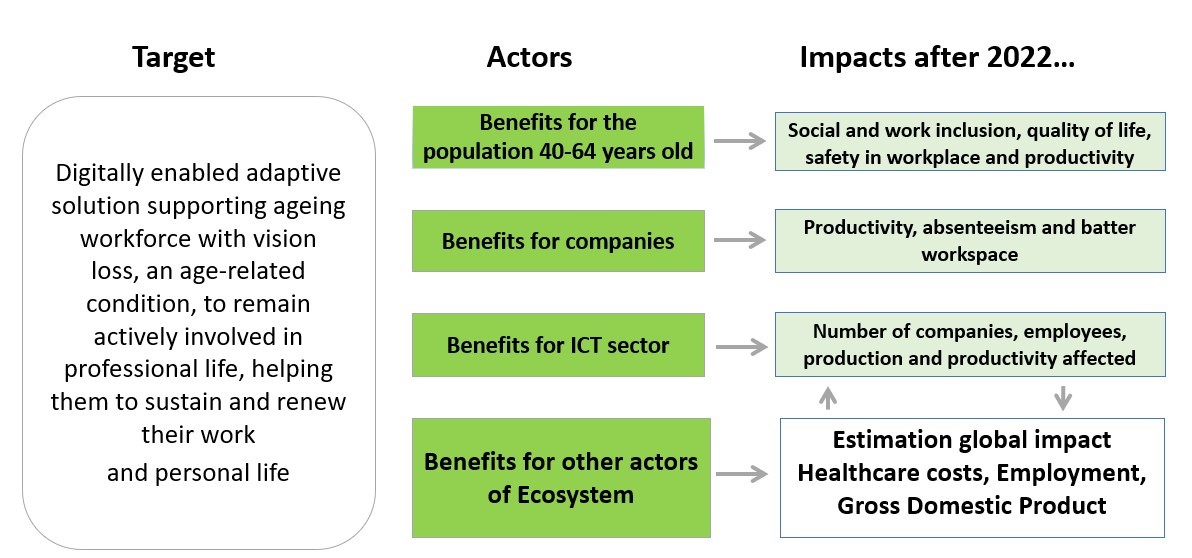
See Far is a digitally enabled adaptive solution supporting ageing workforce with vision deficiencies.
- Tweets 117
- Following 383
- Followers 93
- Likes 262
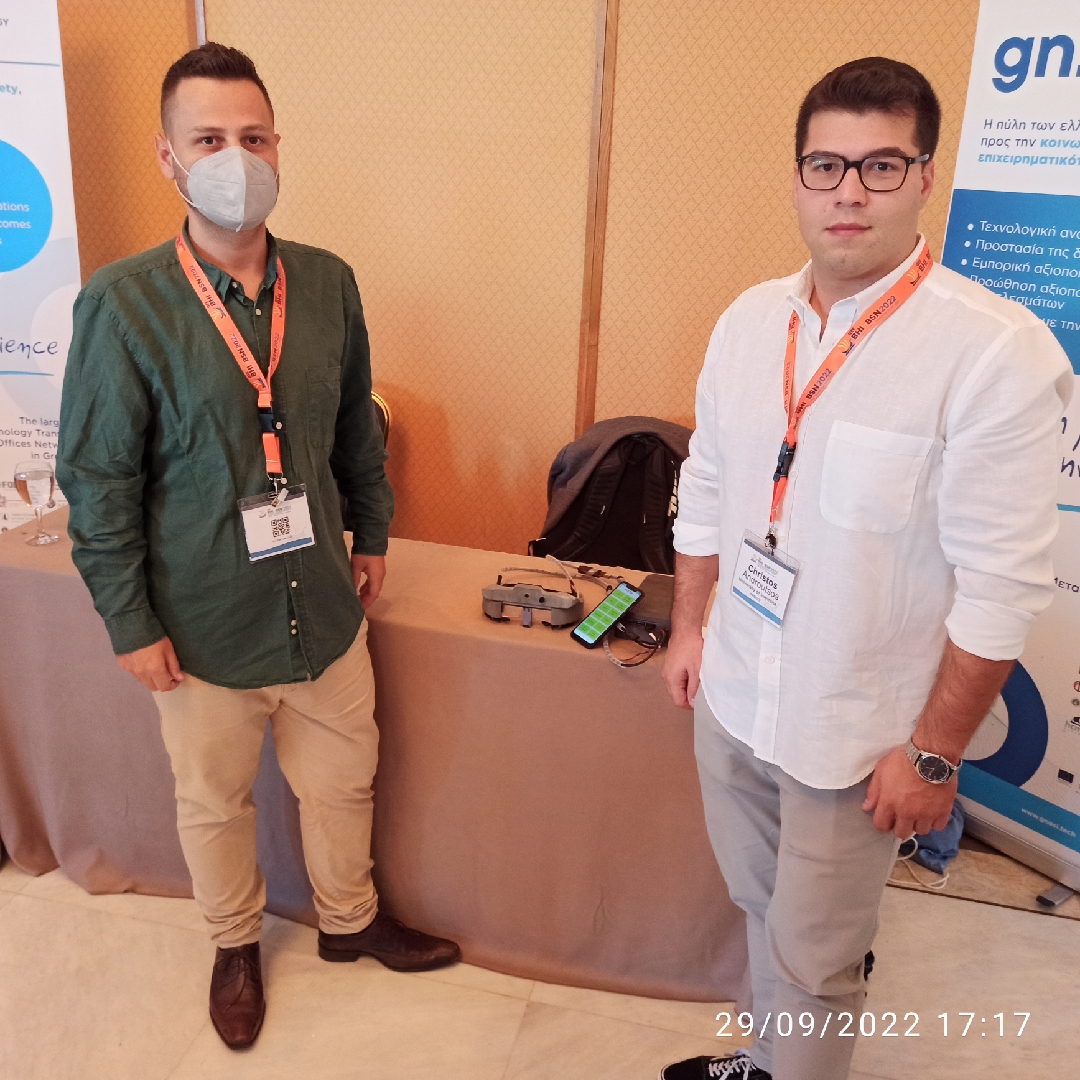
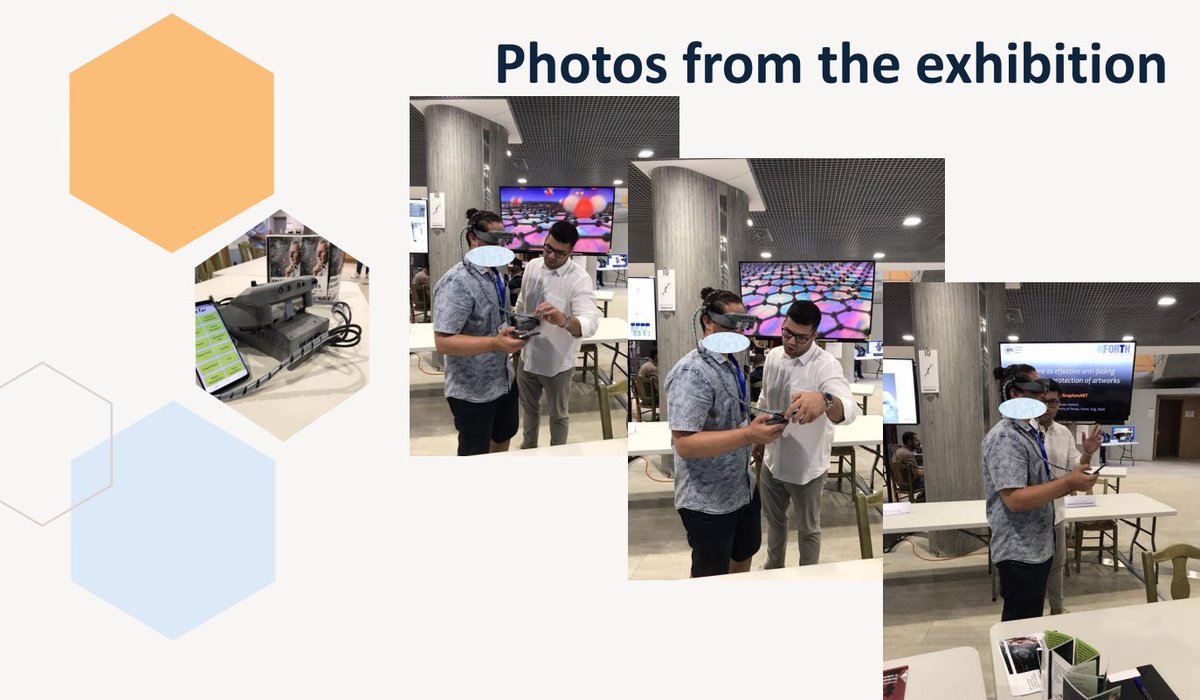
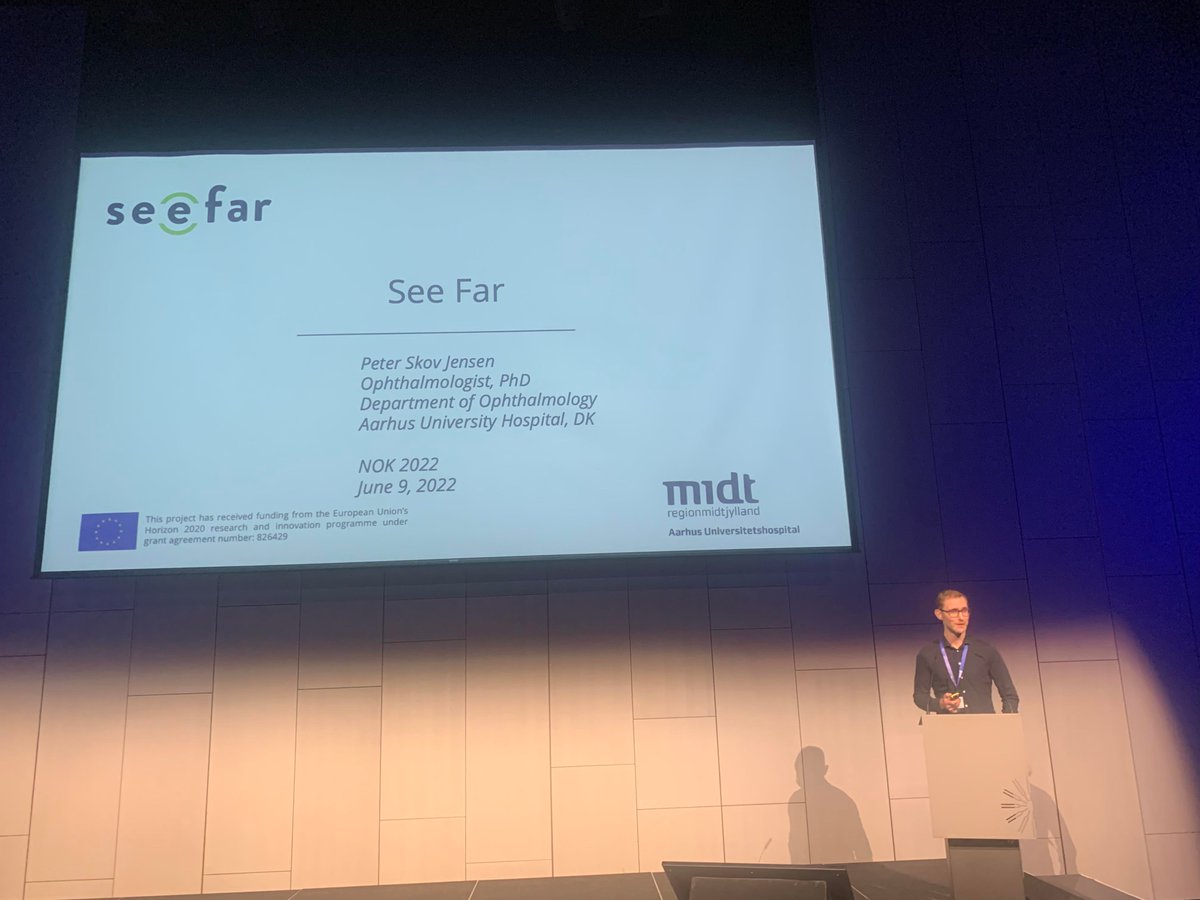

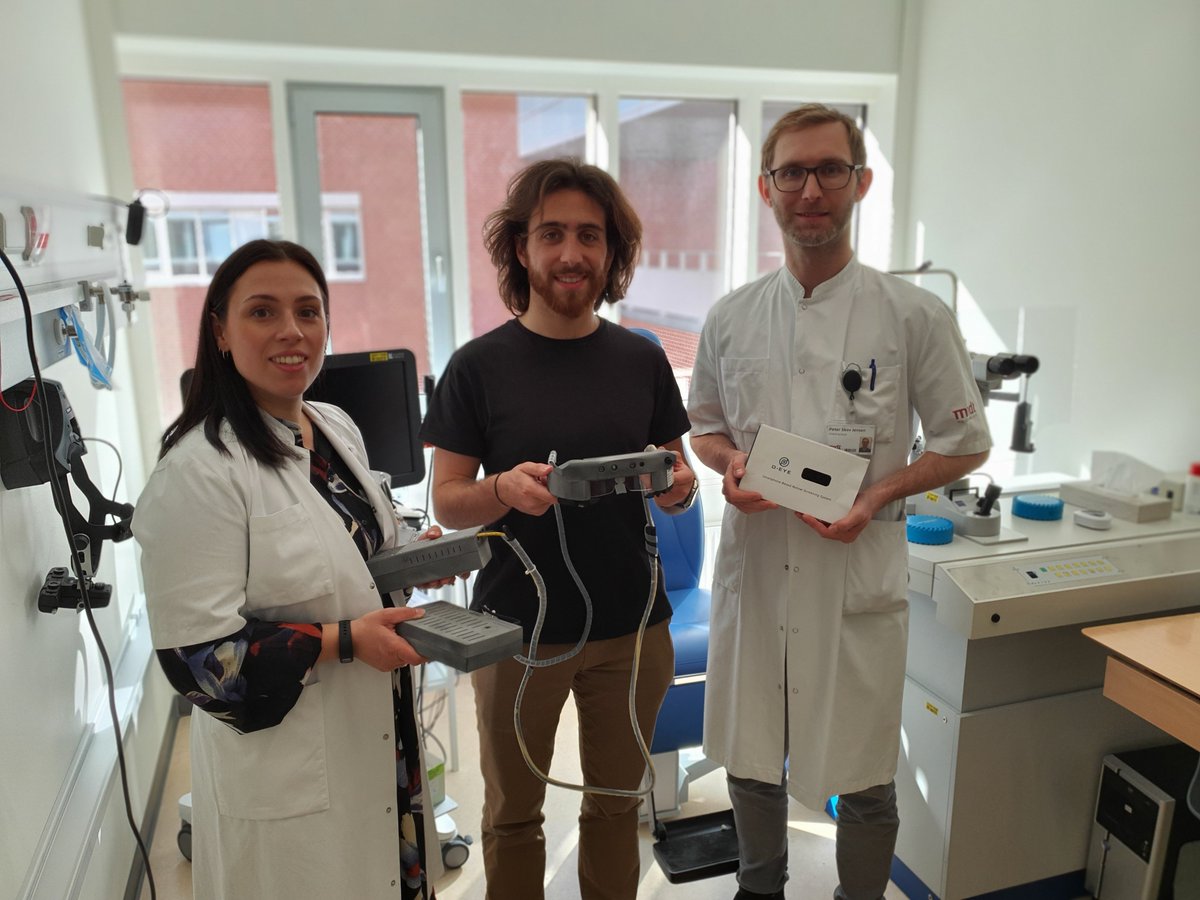
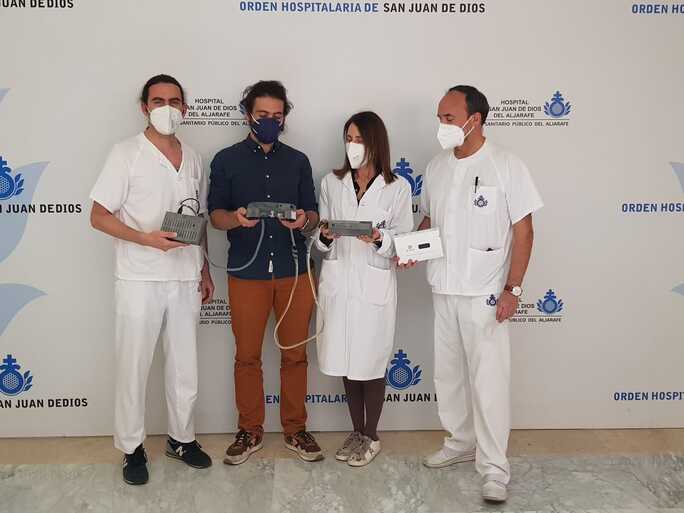

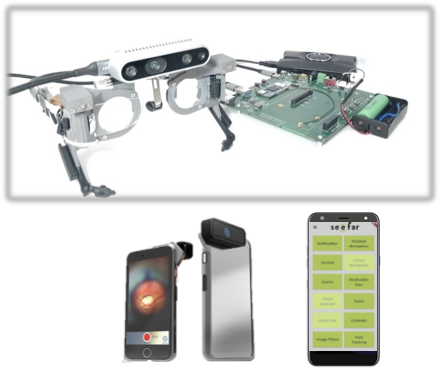
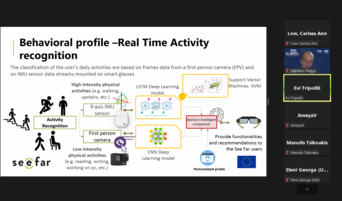


ALT “AI Methods for Personalized Suggestions on Smart Glasses Based on Human Activity Recognition” was accepted at the “2022 IEEE-EMBS International Conference on Biomedical and Health Informatics (BHI)” conference under Biomedical Signal Processing and Sensor Informatics section. It was a poster session, and our partner FORTH included the See Far device so that the audience could submit questions, comments, and general input. Once again, the session attracted the majority of the audience, and experts gathered to the device to learn more about it. Many queries focused on the personalisation layer provided by the See Far personalization profile, while others were technical in nature and pertained to the leveraged models.

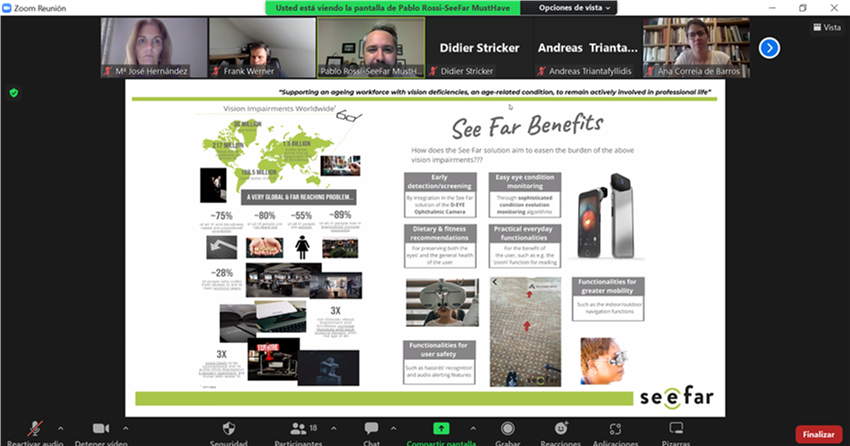
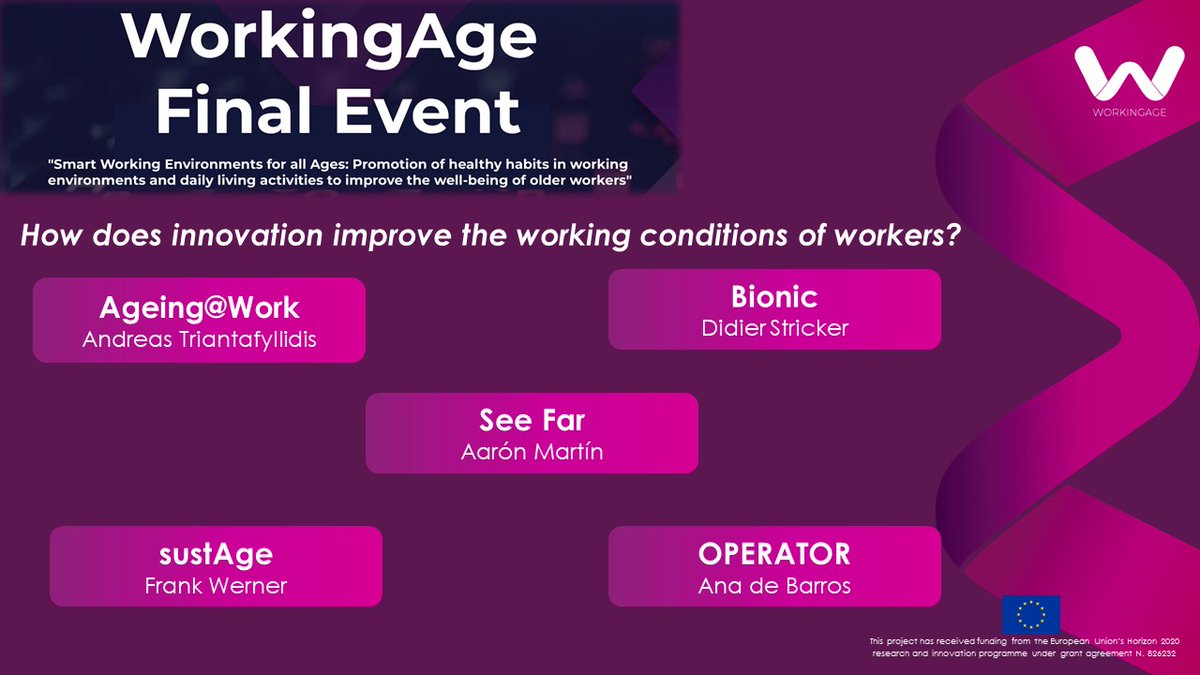

ALT New infographic / Diabetic retinopathy Diabetic retinopathy is a disease that affects the retina, can be considered a complication in disease evolution and, if it not detected, can cause serious vision problems. It occurs as a result of damage that high levels of sugar exert on the blood vessels, these can dilate and increase their permeability, producing fumes of their content or they can be partially or totally narrowed, preventing the blood from circulating normally. At first, diabetic retinopathy may have no symptoms or only mild vision problems, but in its evolution, if not properly controlled, it can lead to irreversible vision loss and blindness.

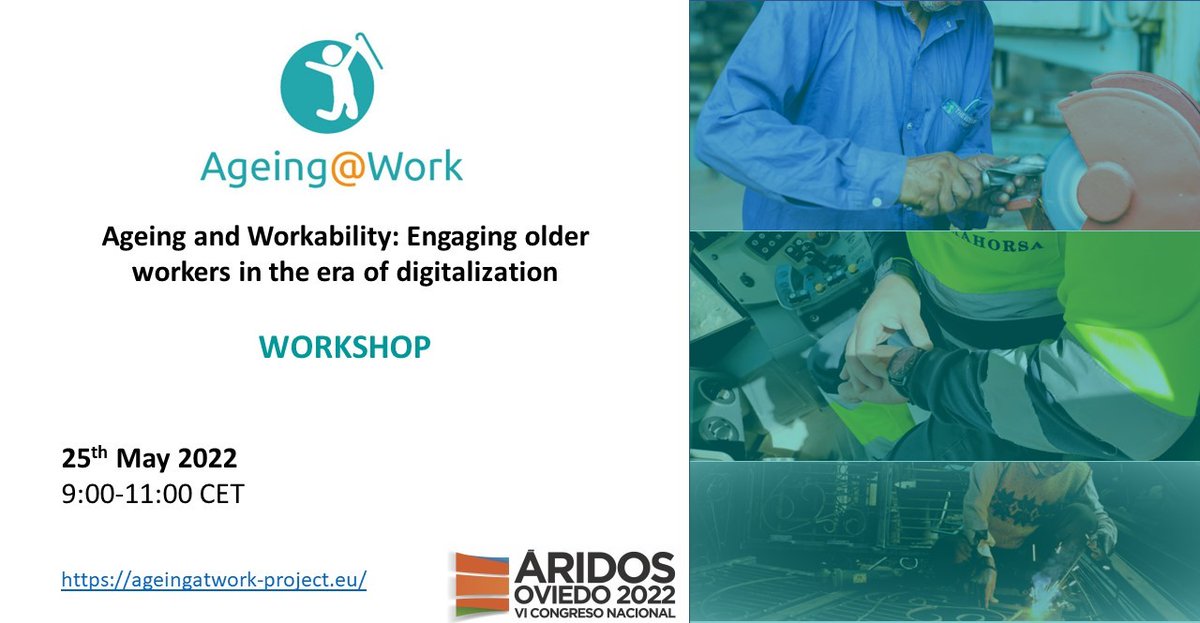



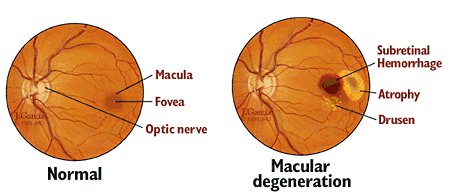
ALT Patients with age-related macular degeneration have central blurred vision, metamorphopsia and change in color perception, making it especially difficult for patients to read and recognize faces. The See Far smart glasses, adapts to the needs of users and optimize their vision through the use of a personalized visual assistant that captures the condition of the eye, detect the problem, and provides the appropriate adjustment through the integration of reality technologies. By configuring the See Far smart glasses patients with AMD can magnify images and texts to reduce the perceived central scotoma, better illuminate specific areas. Augmented reality technology can also be used for recognition of warning of obstacles or dangers during walking around. Through the notifications offered by the See Far mobile application, the user will receive specific reminders about the most appropriate diet for the specific pathology, as well as recommendations for healthy living. The See Far smart glas