Passionate Gen X Zed Foodie, coffee lover, Tech geek, Austrian economics disciple, amateur photographer and history buff. Keen on learning other food cultures
Joined April 2022
- Tweets 8,123
- Following 315
- Followers 4,042
- Likes 4,088
2,428 Photos and videos
Pinned Tweet

3 Dec 2025
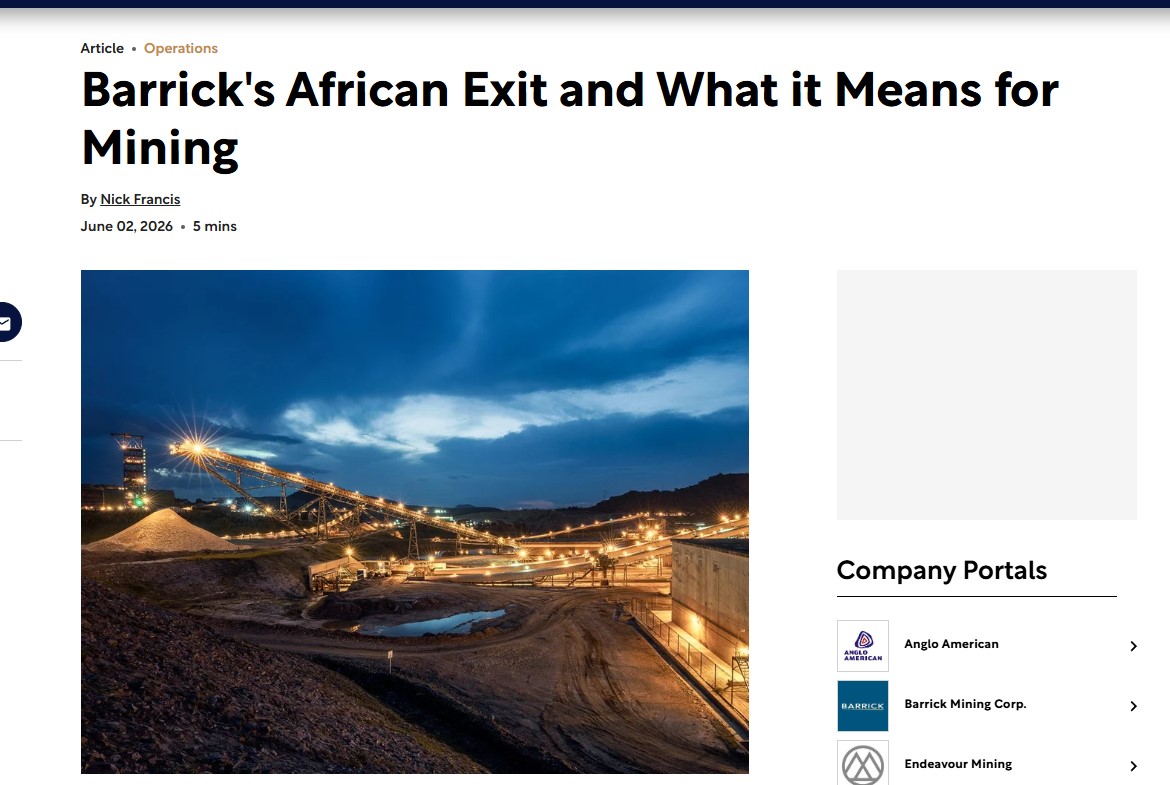
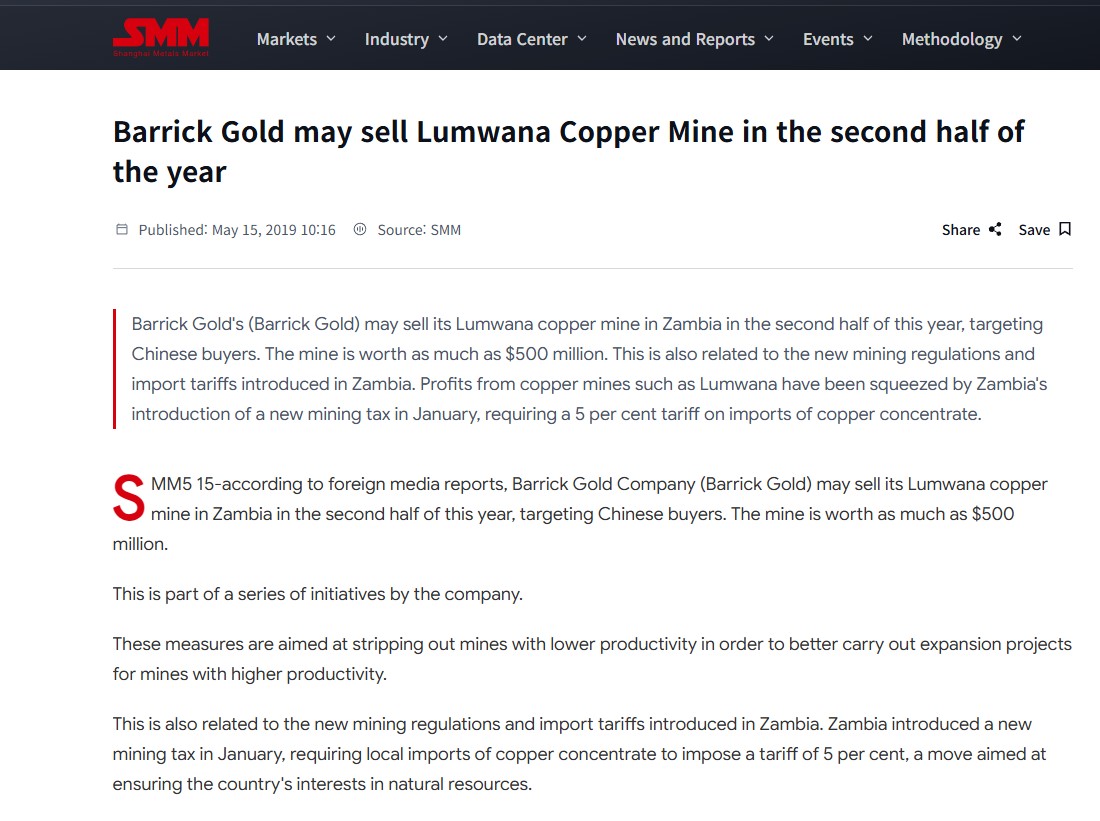
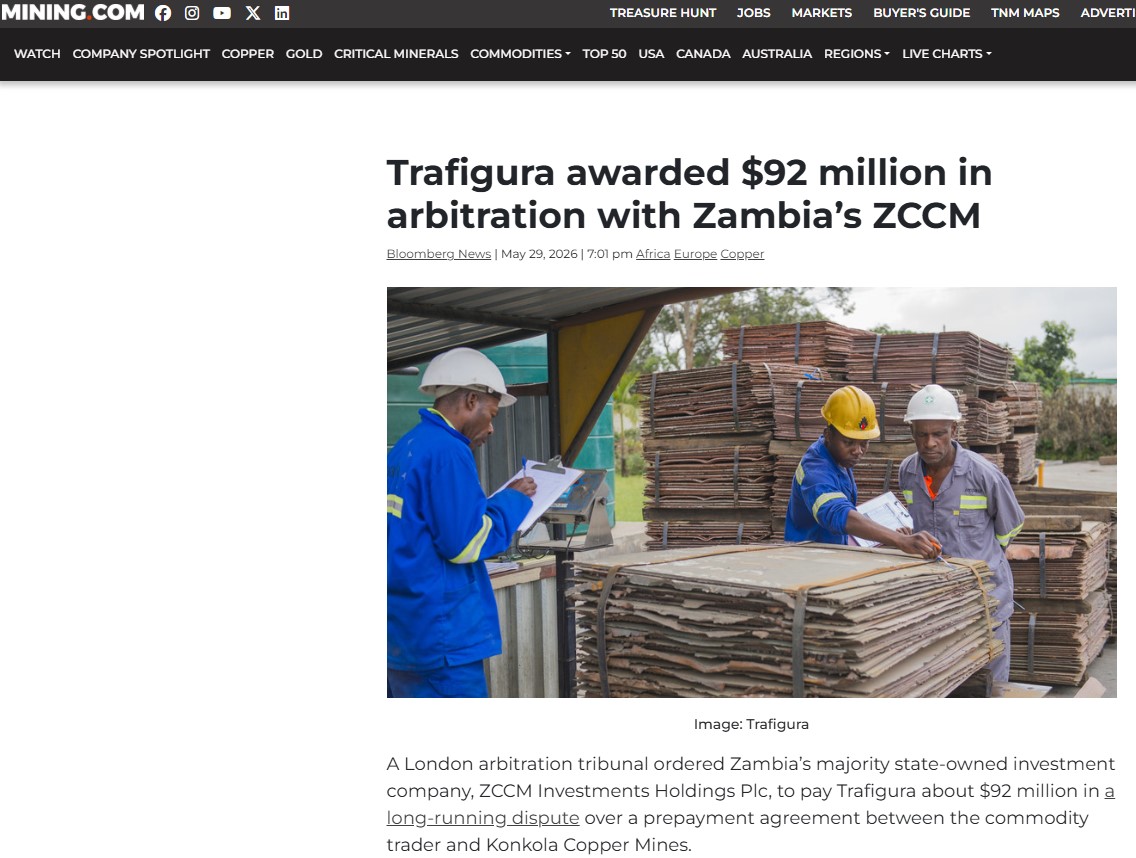
I draw your attention to SI No. 68 of 2025 which comes in effect on 1st January 2026. This will force mines to buy from local manufacturers. Mines will have to reserve at least 20% of their annual procurement budget for Zambian owned companies.
Last year cabinet approved the establishment of Zambia Minerals Investment Corporation (ZMIC) which will allow GRZ to trade minerals directly. Unlike the old model (ZCCM-IH) where GRZ got a dividend when mines declared a profit, ZMIC will take a percentage of the physical copper produced by all the mines and sell it on the open market.
ZMIC is tasked with entering into joint ventures specifically focused on value addition. ZMIC will also have the right to acquire substantial stakes (up to 30%) in new mining projects.
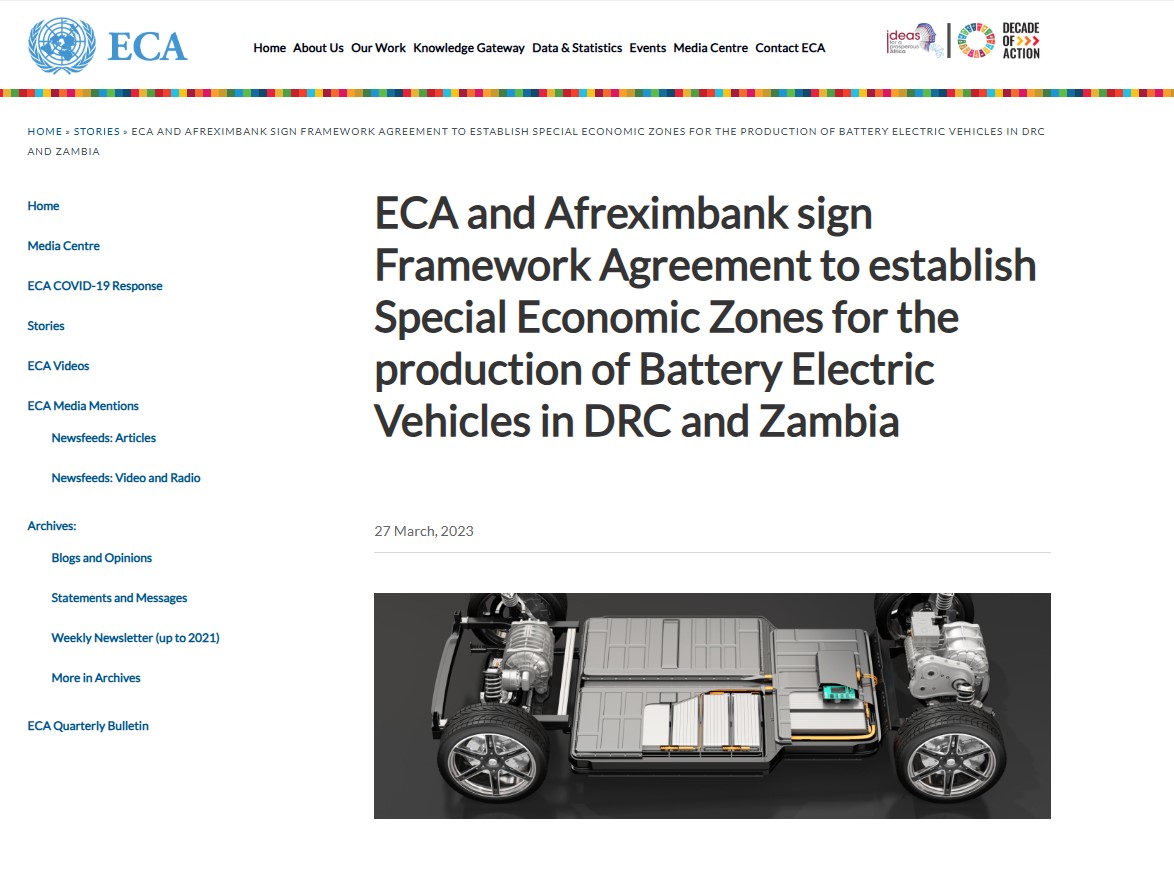
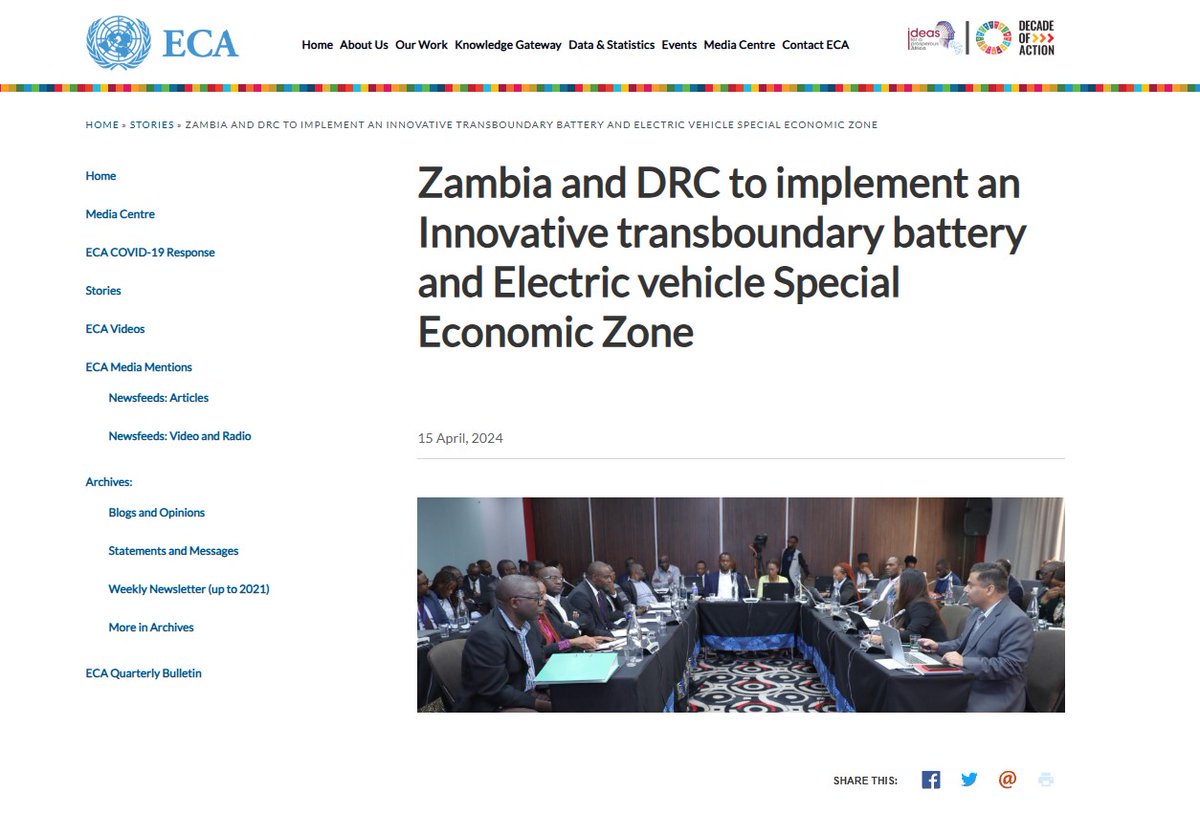
Zambia, DRC and USA also signed an MOU to create a regional value chain for EV batteries in 2022. This was followed by the Transboundary Battery and Electric Vehicle Special Economic Zone agreement in 2023.
A pre-feasibility study carried in 2023 confirmed that the project is technically and financially viable. It found that manufacturing battery precursors in Zambia and DRC would be significantly cheaper than in the US or China. This project is supported by Afreximbank, the United Nations Economic Commission for Africa (UNECA), and the US government
Things are happening, but we all seem to be preoccupied with politics to notice all of this. Any one interested in learning more about the Transboundary Battery and Electric Vehicle Special Economic Zone can follow the links below
uneca.org/stories/eca-and-af….
uneca.org/stories/zambia-and….
17
24
122
10,215
Ba Zambia, here is your chance if you have a lazy $500m burning a hole in your pocket
1
2
13
585
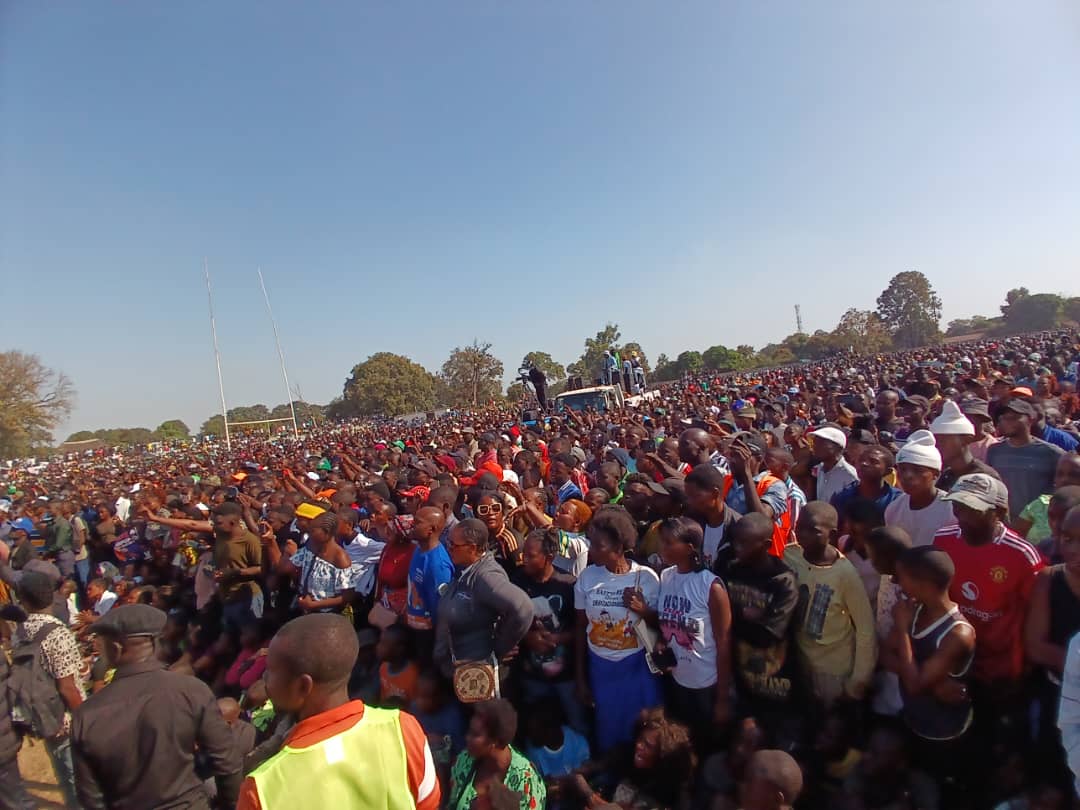
Notice how all these shots are from the same angle? If the person who took these photos wanted to show the magnitude of the crowd, they would have panned to the right and then panned to the left...

PICTURE STORY
Scores of Kitwe residents have gathered at Kitwe Playing Fields (KPF), where National Reconciliation Party for Unity and Prosperity, (NRPUP) leader Brian Mundubile is expected to launch his campaign manifesto. #Zambia
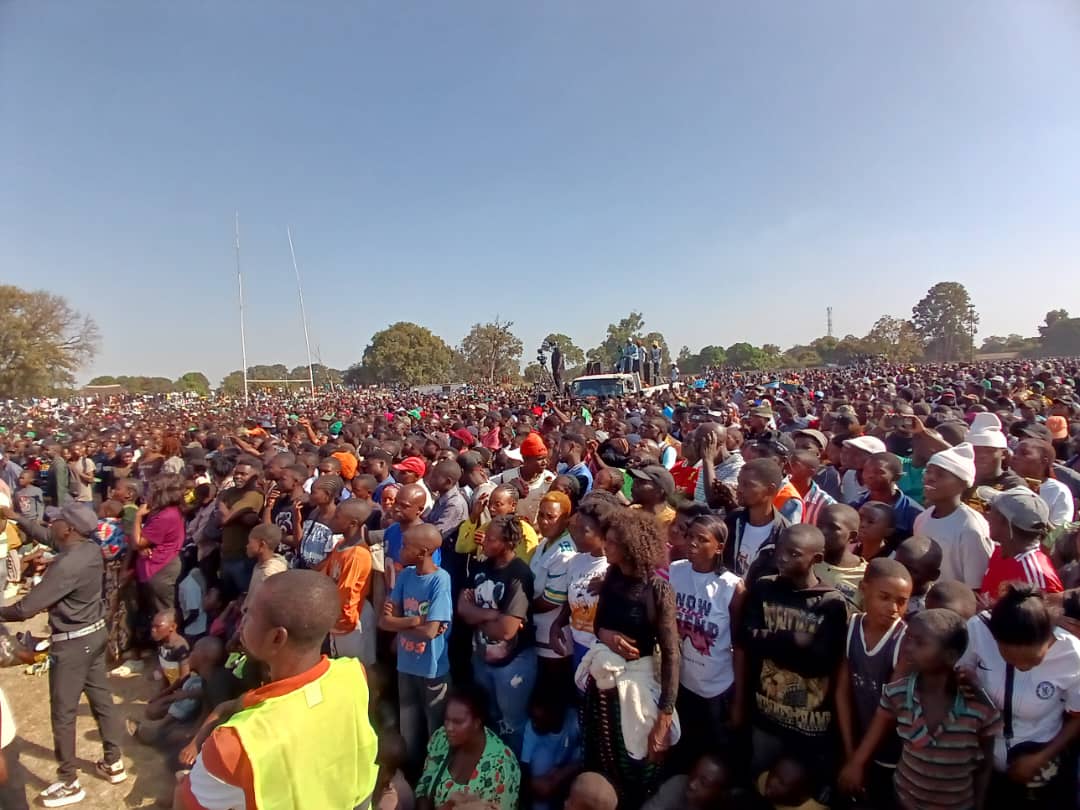
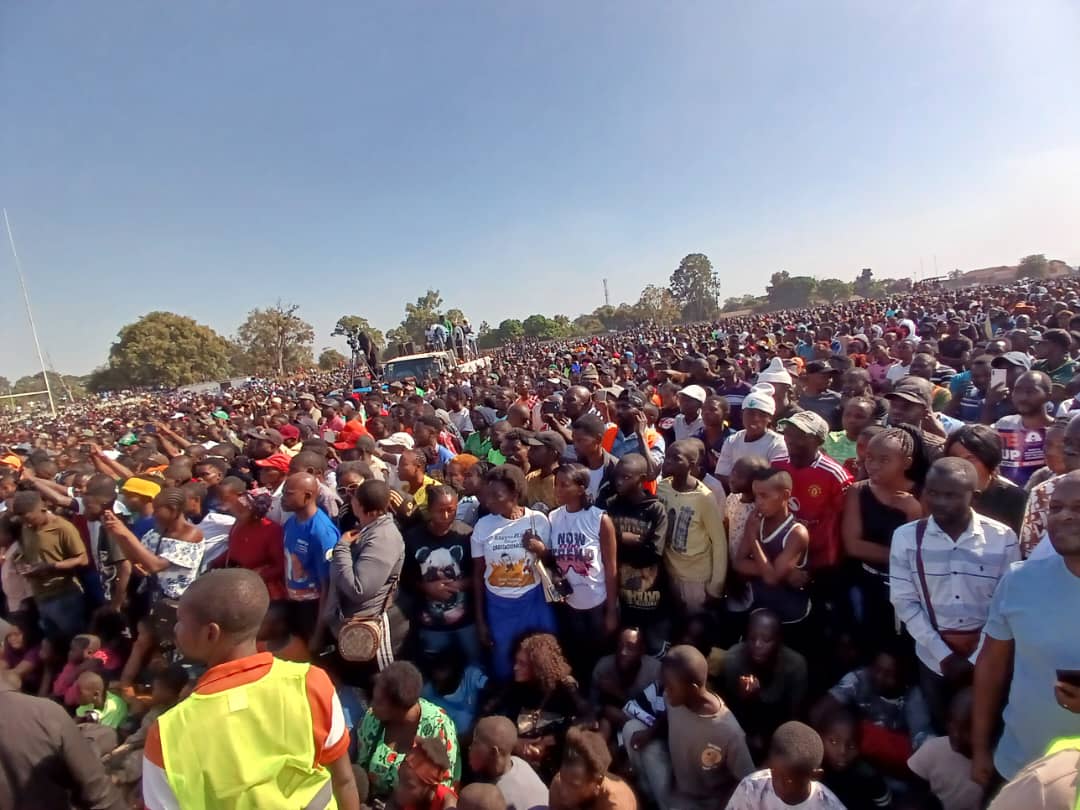
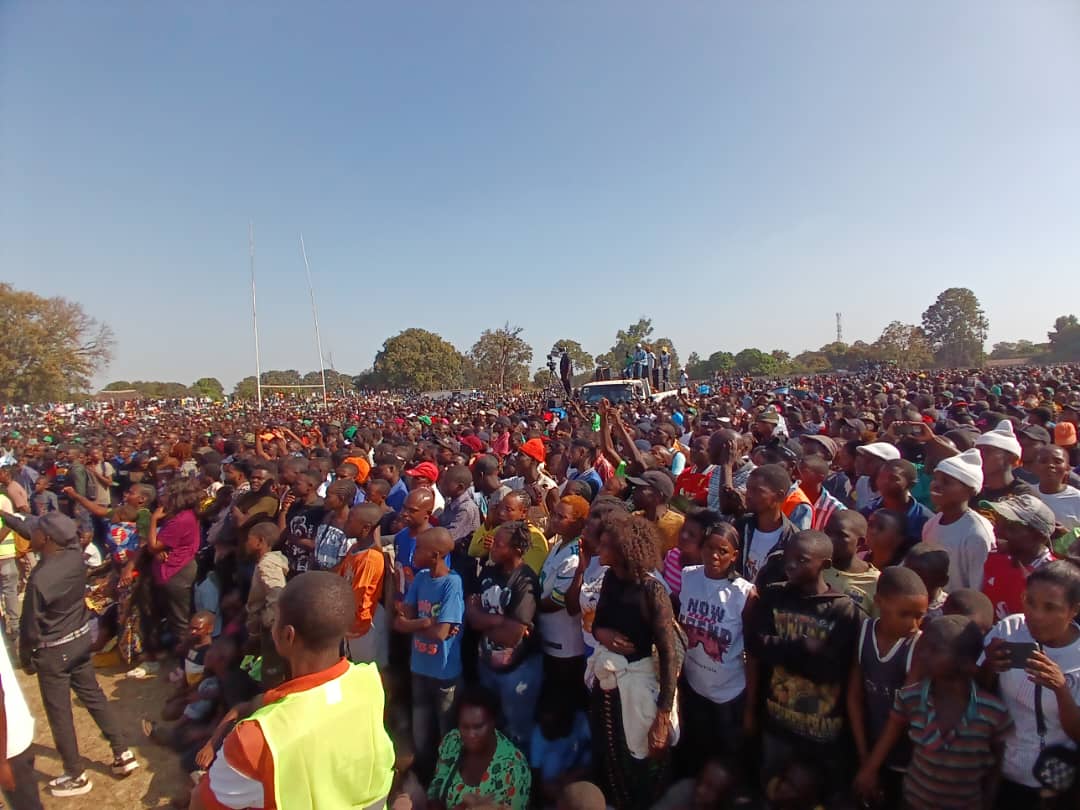
11
5
33
4,070
Venture capitalists looking at retail investors who bought SpaceX IPO
4
344
You have got to have rocks in your head if you want Zambia to go back to this.

When you see the usual suspects complain about "no money in the economy" this is them during PF
I hope these all cadres are now eating gaga
6
11
87
10,291
When you see the usual suspects complain about "no money in the economy" this is them during PF
I hope these all cadres are now eating gaga
13
46
165
23,268
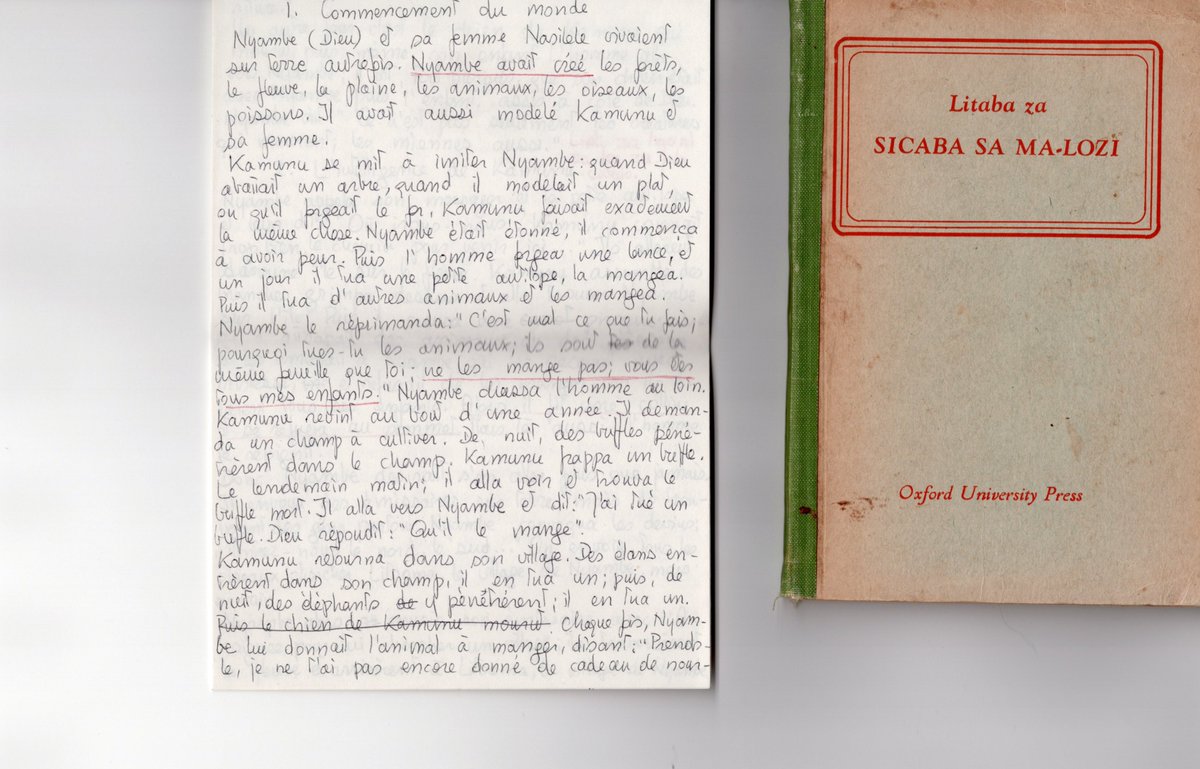
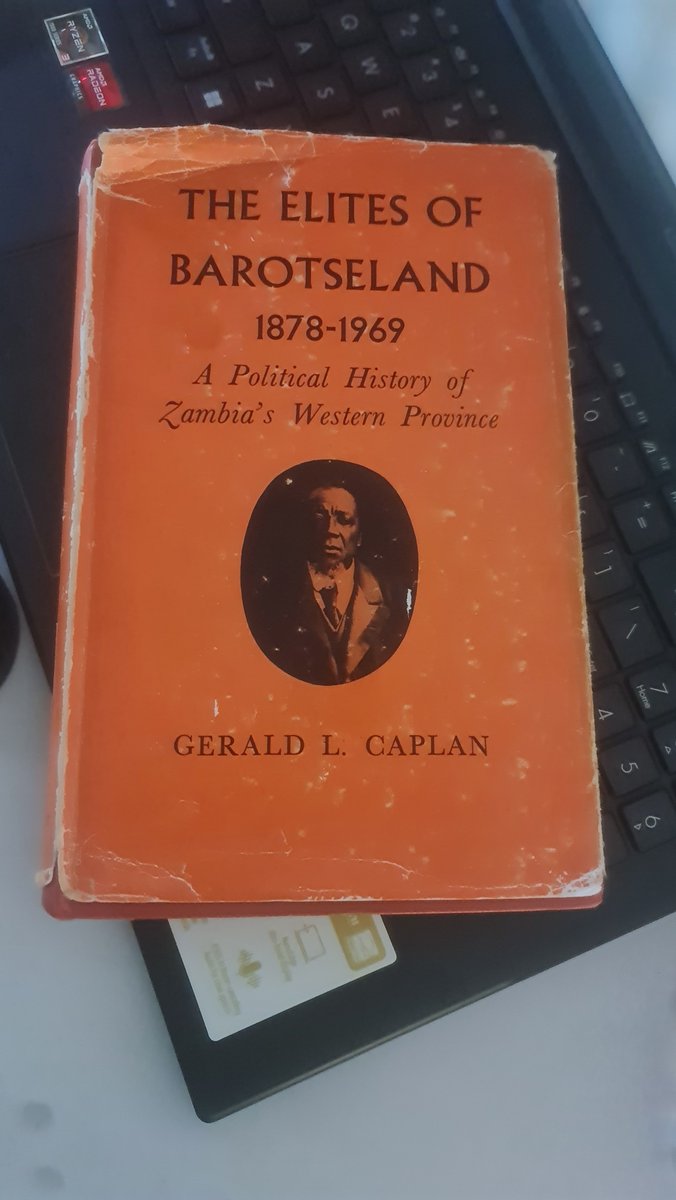
#TBThursday I am so capitivated by the history of Barotseland that I've gone hunting for any publications of first hand accounts. I managed to acquire this from a collector.
This was written by French missionary, Adolphe Jalla who is standing behind King Lewanika in F2. Jalla wrote this under supervision of King Lewanika and the Kuta
There are so many things in public domain that are not entirely accurate regarding Barosteland. I have managed to source journals and more books which I am eagerly awaiting
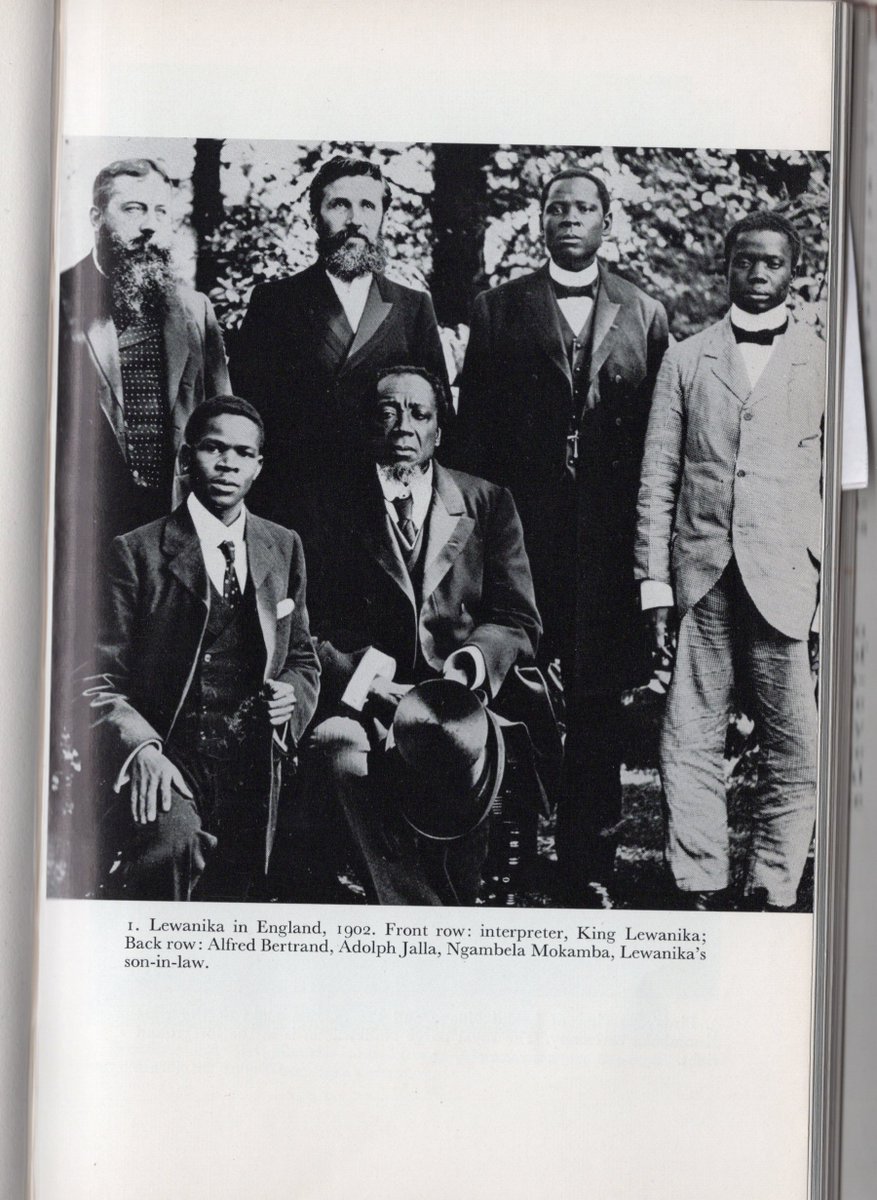
#TBThursday I've this book for over a year and I kept pushing it down my reading list until a couple of days ago.
Had King Lewanika known how the British South Africa Company (BSA) would shaft Barotse nation, he would ever have allowed them in his country.
The BSA slowly and methodically striped King Lewanika of all his power. Imaging ordering that Lewanika be called paramount chief because the real king was in England!!...Or ordering that all Lozi had to kneel and clap when they were in the presence of white people, failure to do so attracted a beating.
Imagine chiefs and Indunas having to ask for permission from the DC to leave or enter any district!!..Or the King Lewanika having to seek permission to allocate his own land..Crazy stuff I tell you.
2
3
16
898
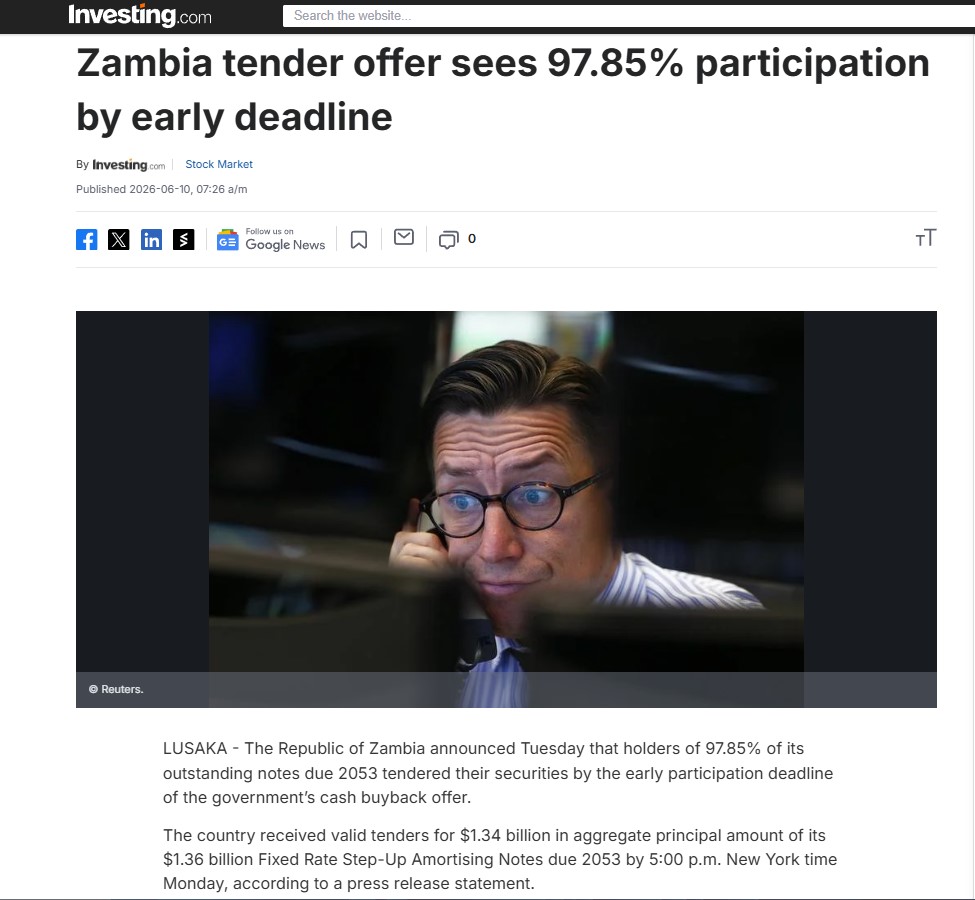
Stay focused and keep pushing Zambia. The road ahead is still rough but getting better. It will take time, but we'll get there..
6
35
998
That is was is called low effort AI slop. Zero creativity..Zero prompting skills.
Just throw in a generic prompt and hope for the best. Each chatbot has diffirent prompt guidelines. Example, according OpenAI documentation, these are some of the prompting fundamentals for ChatGPT images
Structure goal
Write prompts in a consistent order (background/scene → subject → key details → constraints) and include the intended use (ad, UI mock, infographic) to set the “mode” and level of polish. For complex requests, use short labeled segments or line breaks instead of one long paragraph.
Prompt format
Use the format that is easiest to maintain. Minimal prompts, descriptive paragraphs, JSON-like structures, instruction-style prompts, and tag-based prompts can all work well as long as the intent and constraints are clear. For production systems, prioritize a skimmable template over clever prompt syntax.
Specificity quality cues
Be concrete about materials, shapes, textures, and the visual medium (photo, watercolor, 3D render), and add targeted “quality levers” only when needed (e.g., film grain, textured brushstrokes, macro detail). For photorealism, include the word “photorealistic” directly in the prompt to strongly engage the model’s photorealistic mode. Similar phrases like “real photograph,” “taken on a real camera,” “professional photography,” or “iPhone photo” can also help, but detailed camera specs may be interpreted loosely, so use them mainly for high-level look and composition rather than exact physical simulation
People, pose, and action
For people in scenes, describe scale, body framing, gaze, and object interactions. Examples: “full body visible, feet included,” “child-sized relative to the table,” “looking down at the open book, not at the camera,” or “hands naturally gripping the handlebars.” These details help with body proportion, action geometry, and gaze alignment.
Text in images
Put literal text in quotes or ALL CAPS and specify typography details (font style, size, color, placement) as constraints. For tricky words (brand names, uncommon spellings), spell them out letter-by-letter to improve character accuracy. Use medium or high quality for small text, dense information panels, and multi-font layouts.
Jun 10

I have a question for chatgpt, AI flier creators, so when you look at the ad after you finish you don't stop and think it might be too busy? Because where is the intended end user looking? Colours are everywhere, fonts are everywhere. Mutimvesa chizwezwe!
1
8
829
When you put aside all the emotions surrounding Omar Abdulkadir Artan's refused entry into the United States, @InfinitelyDean's article does a great job in breaking down this whole saga. Highly recommend a read.
canarycompass.com/p/permissi…
1
3
183
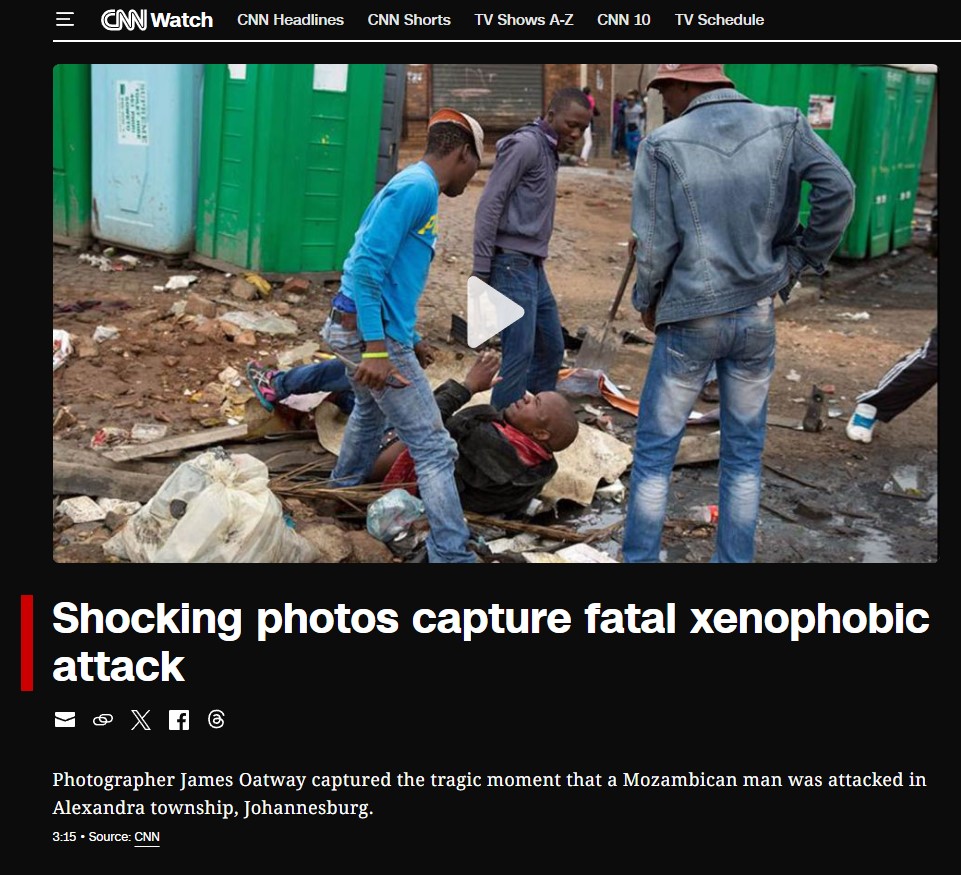
I just a conversation with an Aussie mate of mine who is planning to visit Africa for the first time in about 4 months time. He's an avid fisherman and was planning to going to South Africa and Zimbabwe for Tiger fishing. It is his life long dream to land a Tiger fish.
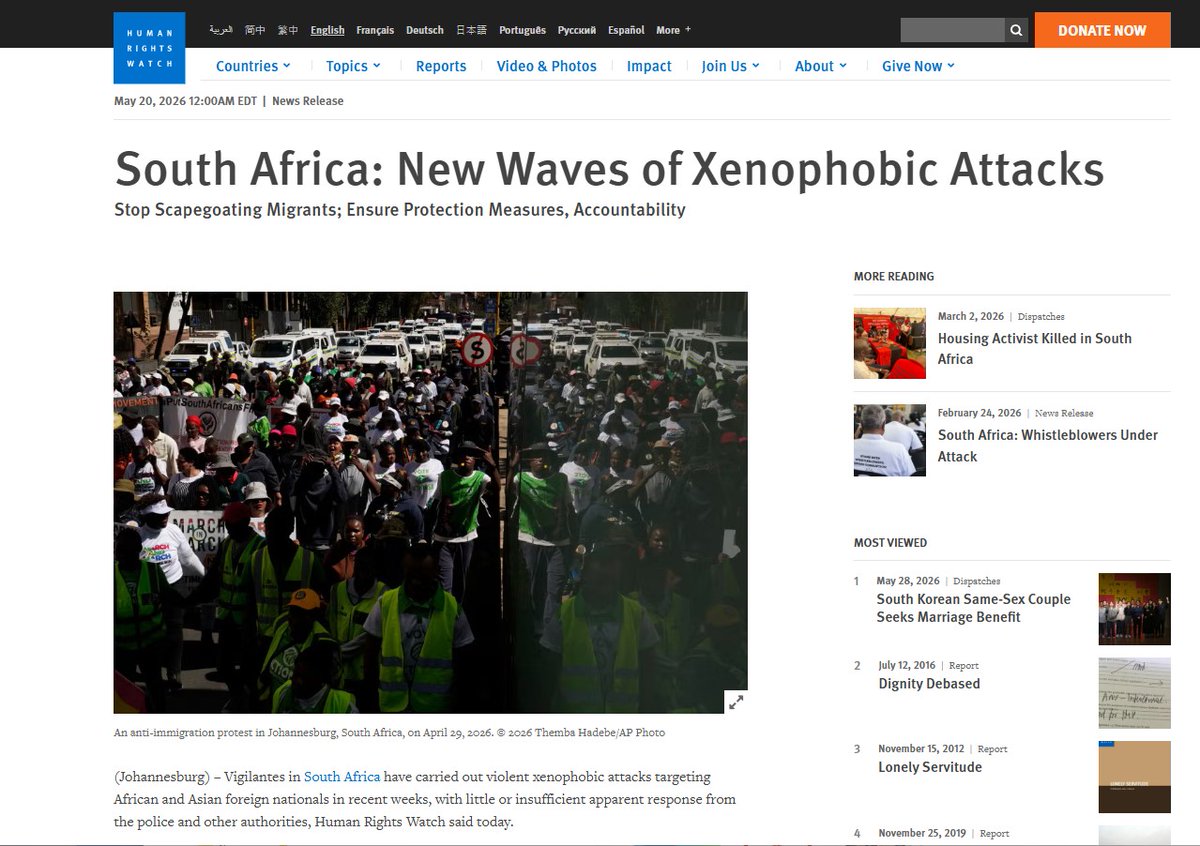
I talked him out of going to SA and instead suggested that he would have a better experience in Zambia...Why would I encourage my mate to visit a country that treats fellow Africans in a disgraceful manner.
What I need from my fellow Zedians are recommendations of the best outfits in Zed that can give him a wonderful Tiger fishing experience. What else should my mate and his team do while they are in Zed?
I'll pass on the details. Please don't let me down
23
11
59
8,418
The venture capitalists are looking for exit liquidity from retail traders

JUST IN: Billionaire investor says SpaceX could be worth $30 trillion in 15 years
2
252
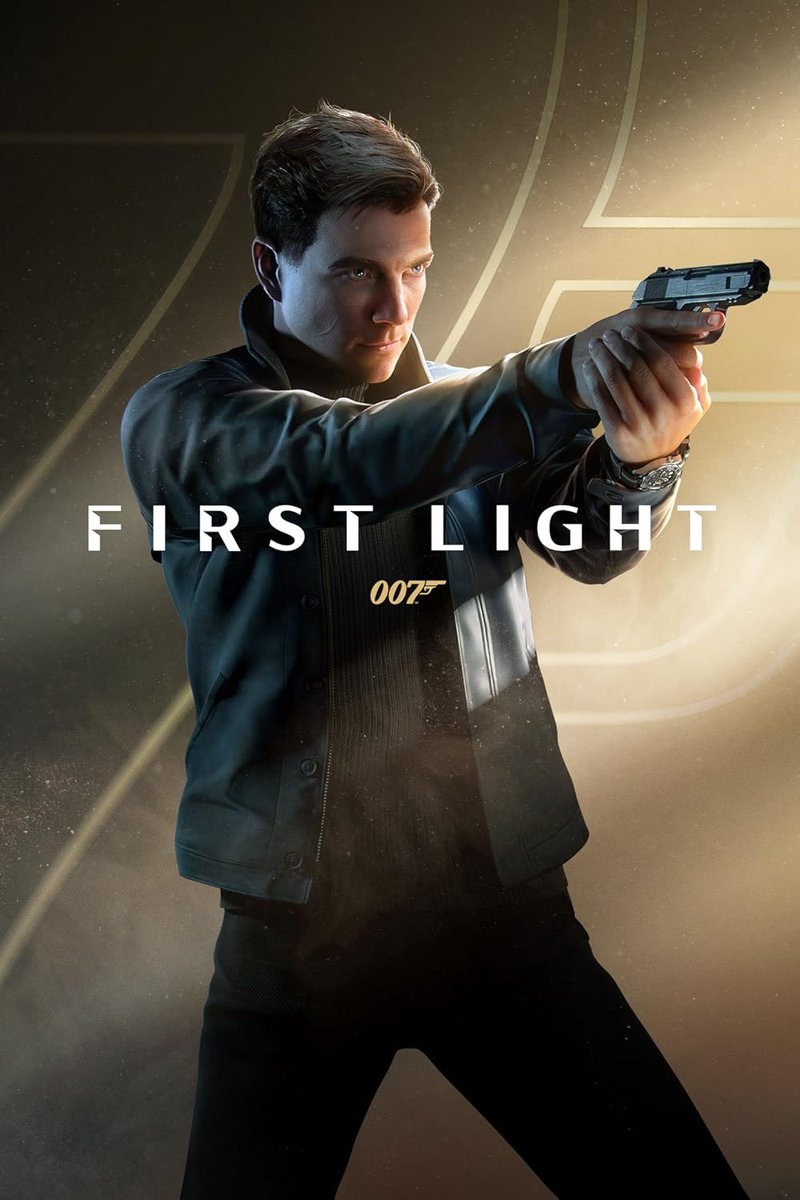
I have played Hitman and being a Bond fanatic, I am really looking forward to playing this game. I'll find some time over the next couple of weeks
Jun 6

So I finished playing First Light the other day. I thought it was really excellent. I have never played Hitman but I have played Uncharted, and it seems to blend the two styles pretty well here. I actually really enjoyed the espionage sections where I had multiple options to proceed, so I may give Hitman a try one day.
As for the story, my number one question is if it would be more like Ian Fleming’s original books than the movies. The answer? It’s actually a perfect mixture of both. It has a more human James Bond with a facial scar just like the books, and a dark high stakes story that vaguely reminded me of Fleming’s Moonraker book. But it also contains elements from the Connery to Brosnan era, including gadgets. Patrick Gibson’s Bond performance is a mixture of Dalton/Craig and Brosnan/Moore, with his lighthearted side attributed to his youth. And honestly? It works very well. It should satisfy both the book and movie fans. Very impressive.
And let me finish by saying, it’s one of the best Bond stories written, fitting nicely with other great Bond stories like Casino Royale, Moonraker (book), and Skyfall. Definitely play this if you’re a Bond fan.
1
185
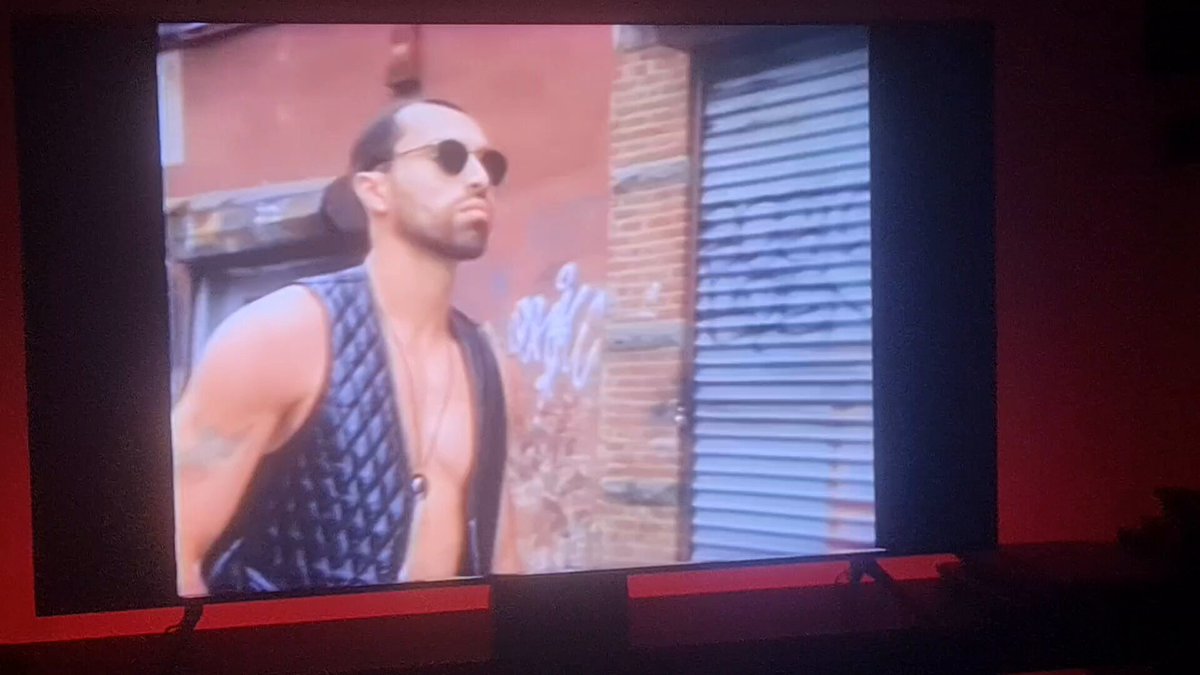
You had to be there...this was a banger at house parties in 1993. I am so grateful that in my youth, I made sheets to live out my wildest fantasies when I was single.
3
1
23
2,314
This reminds me of our coaching sessions with John Mwale when I was young. Lottie Mwale also gave us a few lessons.
Jun 5

Watch how cleanly this kid works the cone drill to map out his angles before letting his hands fly in the ring. The footwork is sharp, the hands are high, and the focus is exactly where it needs to be.
1
7
1,246
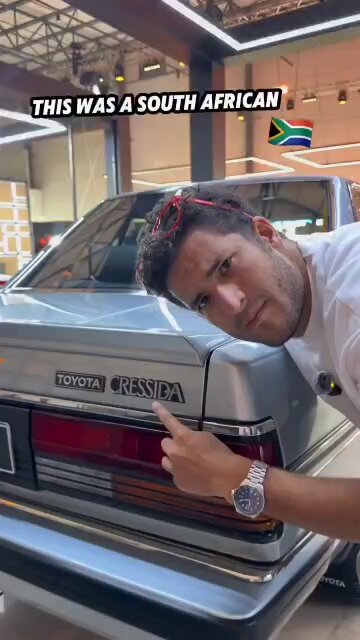
#TBThursday I owned the 2.8i and later the 3.0i
This was one of the rides to own in Lusaka
4
27
3,961
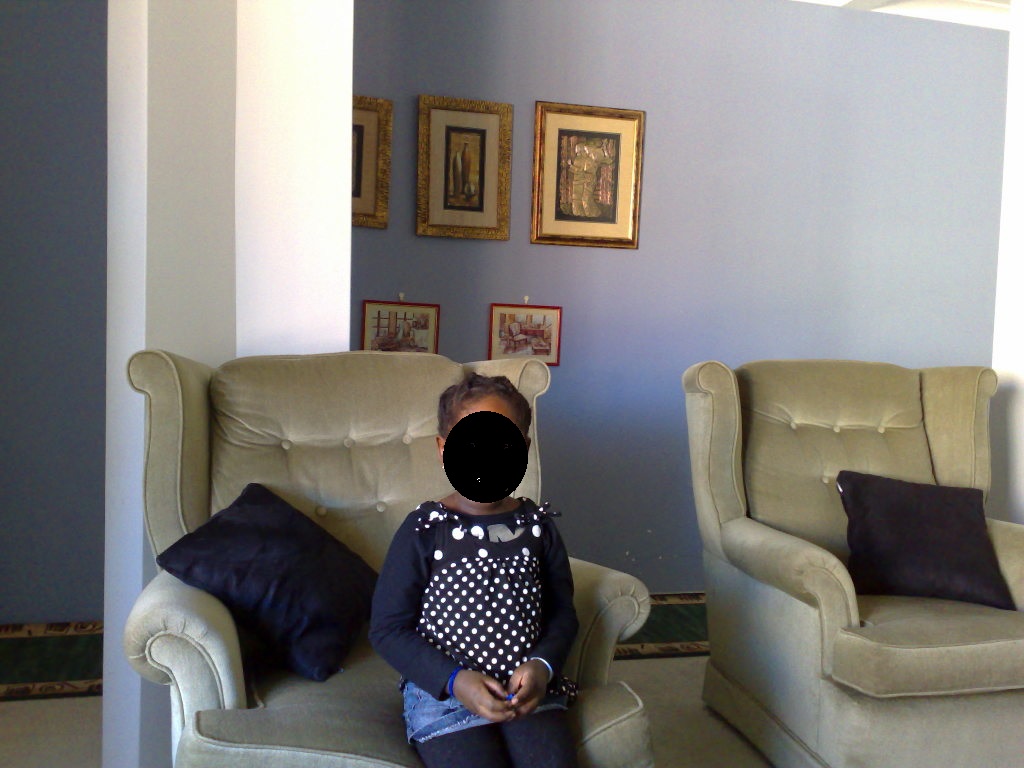
#TBThursday I've this book for over a year and I kept pushing it down my reading list until a couple of days ago.
Had King Lewanika known how the British South Africa Company (BSA) would shaft Barotse nation, he would ever have allowed them in his country.
The BSA slowly and methodically striped King Lewanika of all his power. Imaging ordering that Lewanika be called paramount chief because the real king was in England!!...Or ordering that all Lozi had to kneel and clap when they were in the presence of white people, failure to do so attracted a beating.
Imagine chiefs and Indunas having to ask for permission from the DC to leave or enter any district!!..Or the King Lewanika having to seek permission to allocate his own land..Crazy stuff I tell you.
6
6
53
3,049

151
Talking about Shamutete, you've reminded me of one incident at Chez Ntemba in Thornpark in the 90s. Shamutete caused a stampede when he was leaving the nightclub.
He got into his chauffeur driven S class and popped up through the sunroof and started making it rain with $100 bills. It was quite a sight.
This generation have idea of the looting in the Chiluba era.

He isnt the first and will not be the last. We have all forgotten the $103 million or so, of the cobalt scandal that implicated MRG, Shamutete and Mutati that fizzled away. Too many high level Zambians benefit for perpetrators to be pursued and punished.
1
3
26
2,705