
1% ➤ Part-time Chef by instincts, clown by accident ➤ Brain.....debatable➤ Team @MoneyGodOne ➤ Amb @QwertiAI
Joined August 2022
- Tweets 21,344
- Following 1,454
- Followers 1,436
- Likes 42,504
1,522 Photos and videos






Pinned Tweet

Feb 25
GM CT
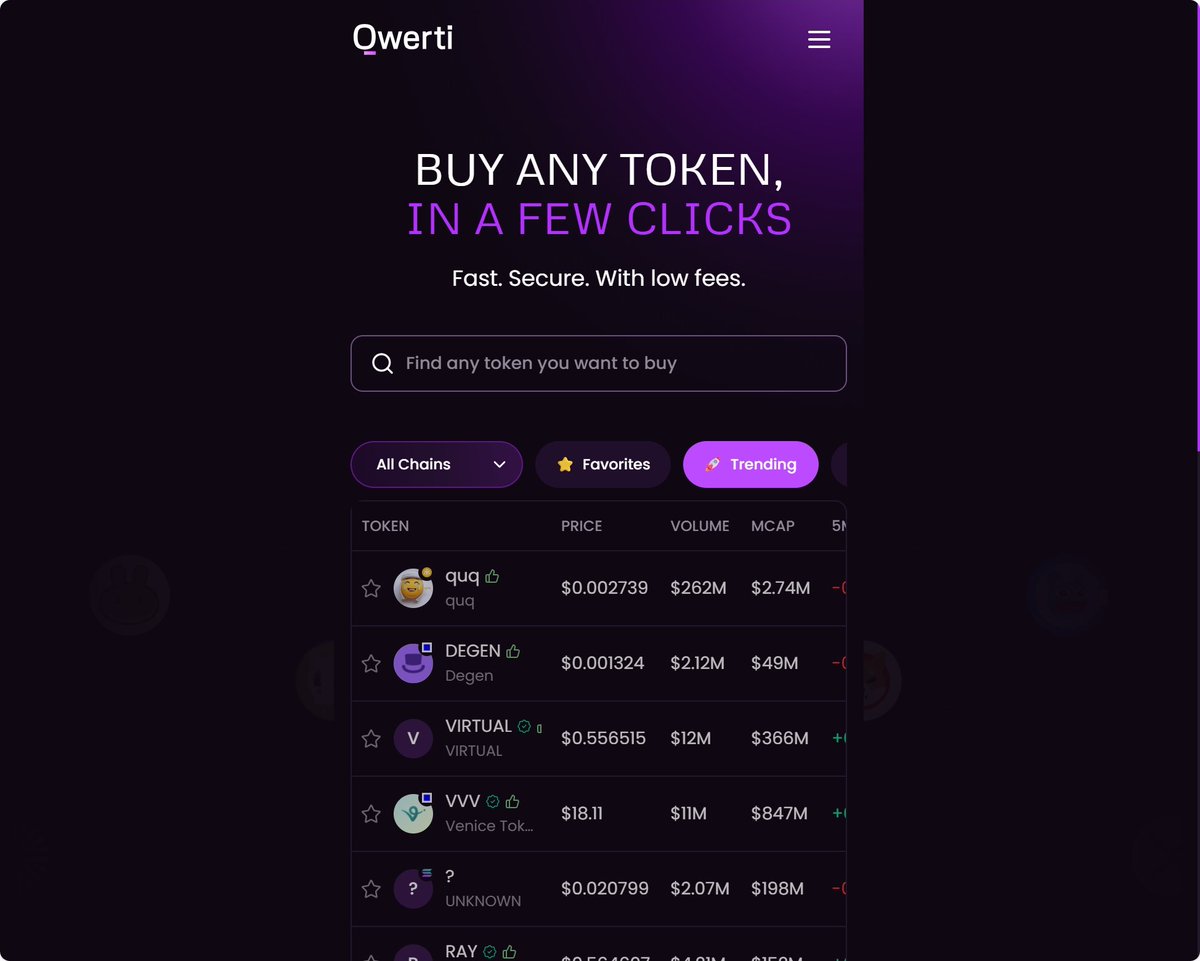
Excited to officially join Qwerti as an Ambassador
From exploring the platform to making my first transaction, it’s been an interesting experience so far.
Looking forward to helping grow the community, sharing honest feedback, and building something meaningful together.

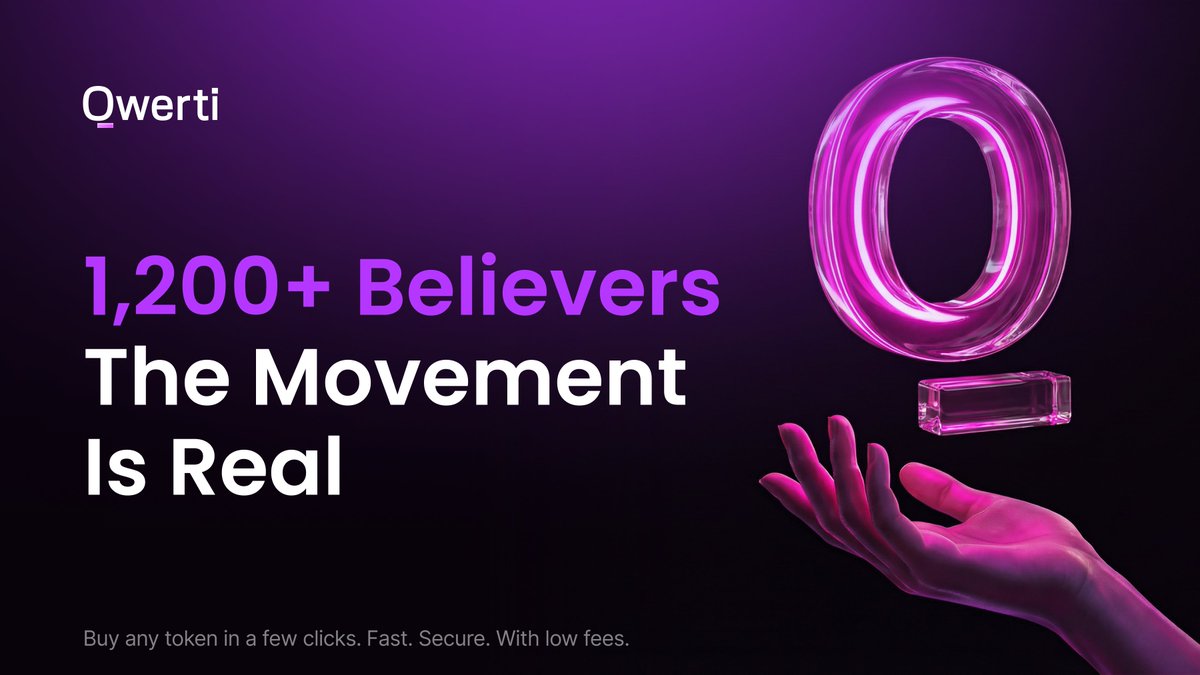
Over 1,200 applications. 🤯
🔥 We honestly didn’t expect this level of response — and we’re incredibly grateful for the trust and support.
⭐️ Because of the overwhelming interest, we’re increasing the first cohort from 100 to 150 Ambassadors.
And to keep things fair and proportional:
🤝 Previously, the top 20 out of 100 Ambassadors were set to receive a $3,000 USDT bonus at TGE.
😎 With 150 spots, we’re increasing that number to 30 top performers receiving the $3,000 USDT TGE bonus.
To everyone who applied — thank you ❤️
If you’re not selected this time, don’t be discouraged.
We’ll be opening the next Ambassador wave soon.
If you truly believe in the product and the team, stay active, engage, and keep building with us — your contribution will not go unnoticed.
And very soon, we’ll be announcing one of our most limited Discord roles 👀
It will be granted based on contribution and impact.
Who knows what kind of mystery rewards might be tied to it 😏
22
3
67
2,909
Sersei The Cook👨🍳 retweeted
The future of Web3 isn't about making users smarter.
It's about making technology simpler.
For years, crypto users have been forced to navigate a maze of wallets, exchanges, chains, bridges, dashboards, and interfaces.
Every new tool promised innovation.
But every new tool also added another layer of complexity.
That's why I find projects like RootAI interesting.
@Root_Edge is rethinking how users interact with markets by combining AI, real-time market intelligence, analytics, and execution into a single conversational experience. Instead of spending hours jumping between platforms, users can interact through natural language while the underlying infrastructure handles the heavy lifting.
But here's what stands out to me most.
RootAI isn't really solving a trading problem.
It's solving a complexity problem.
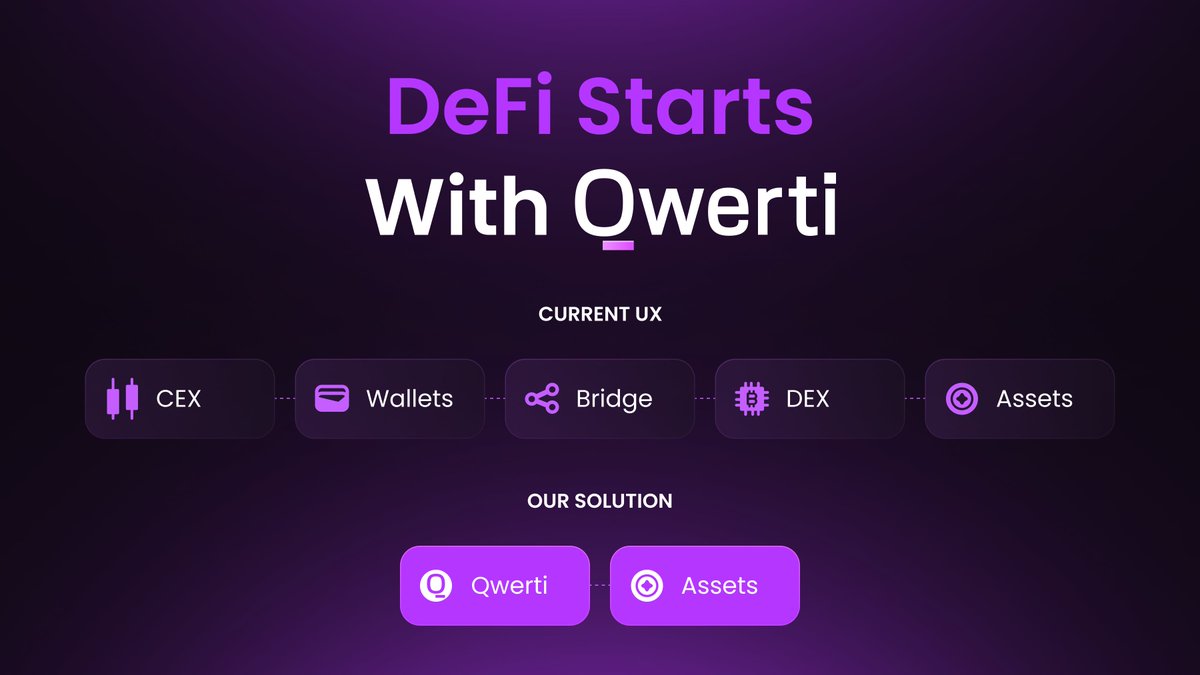
And if you've followed @QwertiAI for a while, you'll notice a similar philosophy.
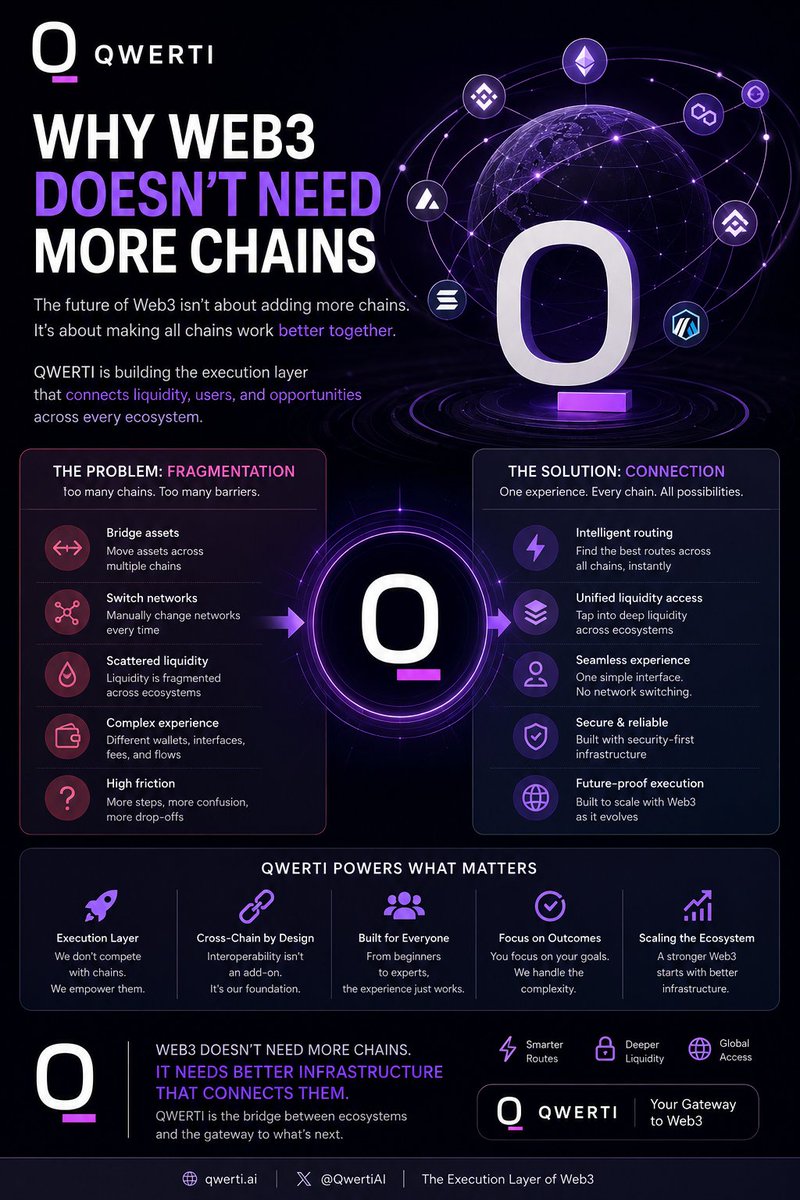
Qwerti exists because Web3 has become fragmented.
Liquidity is fragmented.
Users are fragmented.
Experiences are fragmented.
The average user doesn't want to think about:
bridges
routing
chain selection
liquidity sources
They simply want results.
This is where the partnership becomes interesting.
While RootAI focuses on simplifying how users interact with information and execution, Qwerti focuses on simplifying how users access liquidity and move across ecosystems.
Different solutions.
Same mission.
Remove complexity.
Improve accessibility.
Create better user experiences.
I believe the next phase of Web3 adoption won't be driven by more chains, more dashboards, or more complicated tools.
It will be driven by infrastructure that becomes invisible.
Infrastructure that works so well users don't even notice it.
That's why partnerships like RootAI × Qwerti matter.
Not because they're chasing trends.
But because they're helping build a future where users focus on outcomes while intelligent infrastructure handles everything else in the background.
And honestly, that's the kind of Web3 I want to see.
24
10
49
1,415
Sersei The Cook👨🍳 retweeted
Jun 13
Every crypto cycle seems to follow the same pattern.
A new chain launches.
The community gets excited.
People talk about faster transactions, lower fees, better scalability, and superior technology.
For a few weeks or months, the conversation revolves around why this chain will change everything.
Then another chain launches.
And another.
And another.
At some point, I started asking myself a simple question:
Does Web3 actually need more chains?
Or does it need something else entirely?
Because when I look at the industry today, I don't see a shortage of blockchains.
I see a shortage of coordination.
We already have dozens of high-performance networks.
We already have billions of dollars in liquidity spread across ecosystems.
We already have thousands of applications competing for users.
Innovation isn't the problem.
Fragmentation is.
Think about the experience from the perspective of an average user.
A user discovers a promising project.
The token lives on a different chain.
The liquidity is somewhere else.
The wallet they're using doesn't support the ecosystem properly.
Now they have to figure out:
• where to bridge from
• which route is safest
• which chain offers the best liquidity
• how much gas they'll pay
• whether the bridge is trustworthy
• whether they're even interacting with the right contract
And all of this happens before they've even completed the transaction they originally wanted to make.
That's the reality of modern Web3.
Not because the technology is bad.
But because everything exists in isolated environments.
Every ecosystem is optimizing itself.
Very few are optimizing the user experience across ecosystems.
And that's where I think the conversation needs to change.
The future of Web3 is not going to be won by whichever chain can market itself the loudest.
The future will be won by the infrastructure that makes chains matter less.
Because let's be honest.
Most users don't wake up wondering which blockchain they'll interact with today.
They care about outcomes.
They want to buy an asset.
They want to move funds.
They want to access an application.
They want the process to be simple.
The same way nobody thinks about internet protocols when they open a website.
The same way nobody studies payment rails before tapping a credit card.
The complexity exists.
But it's hidden behind great infrastructure.
That's the stage Web3 still needs to reach.
And this is why I find Qwerti's approach so interesting.
While much of the industry continues debating chain superiority, Qwerti is focused on something different:
Making the entire experience more seamless.
Instead of forcing users to become experts in bridges, networks, and liquidity routing, the goal is to create an environment where execution becomes increasingly frictionless.
Where users focus on what they want to do.
And the infrastructure handles how it gets done.
Because in the long run, the chains that survive won't necessarily be the ones with the loudest communities.
The infrastructure that survives will be the infrastructure that connects everything together.
That's why I don't think Web3 needs more chains.
It already has enough innovation.
What it needs now is coordination.
It needs interoperability.
It needs intelligent execution.
It needs infrastructure that removes friction rather than creating new ecosystems for users to navigate.
And that's exactly why projects like Qwerti matter.
Not because they're building another chain.
But because they're helping make all the existing chains work better together.
The future of Web3 isn't about adding more islands.
It's about building bridges between them.
And the projects that solve that challenge may end up becoming the most important infrastructure of the entire ecosystem.
30
2
28
135
Sersei The Cook👨🍳 retweeted
Jun 11
Now we're getting somewhere. After looking through @OpenCovenant , the strongest angle is not the token.
The real story is the infrastructure.
Covenant is building an operating layer for AI agents. Think of it as the layer that gives AI agents identity, permissions, memory, communication, auditing, and settlement capabilities so they can operate safely and autonomously. In simple terms, Covenant is trying to provide the infrastructure that allows AI agents to function as real economic participants rather than just chatbots. (Covenant docs)
For me, this is where the connection to @QwertiAI becomes interesting.
The AI agent economy is growing fast.
Every week, we see new agents capable of researching, analyzing, coordinating tasks, and interacting with digital environments.
But there's a question many people aren't asking:
What infrastructure do these agents actually need to operate?
Because an AI agent is more than a model.
If agents are going to become active participants in Web3, they need:
• Identity
• Memory
• Permissions
• Communication
• Accountability
• Settlement
This is exactly why Covenant caught my attention.
Covenant is building an operating layer for autonomous agents, providing the foundational infrastructure that allows agents to operate safely, maintain memory, communicate, and interact with systems in a structured way. (Covenant docs)
In many ways, Covenant is helping answer an important question:
How do we move from AI assistants to truly autonomous AI systems?
But here's the thing.
Even the smartest agent still needs a way to interact with the broader Web3 ecosystem.
An agent may have memory.
It may have permissions.
It may have identity.
But eventually it needs to execute.
It needs access.
It needs liquidity.
It needs interoperability.
This is where Qwerti strengthens the ecosystem.
While Covenant focuses on creating the operating environment for AI agents, Qwerti focuses on making interaction across Web3 seamless.
Through intelligent routing, cross-chain infrastructure, and frictionless access, Qwerti helps remove the complexity that often stands between users, applications, and decentralized ecosystems.
The way I see it:
Covenant is helping build the operating system.
Qwerti is helping build the execution layer.
One enables intelligent agents to exist.
The other helps those agents and users interact with the wider Web3 economy efficiently.
And that's what makes this partnership interesting.
It's not simply about making a token easier to buy.
It's about connecting two pieces of infrastructure that contribute to the same long-term vision:
An AI-native Web3 where intelligence can operate, communicate, and execute without unnecessary friction.
The future won't be built by isolated products.
It will be built by infrastructure stacks working together.
And that's exactly what partnerships like Covenant × Qwerti represent.
If you’re building infrastructure for the next generation of AI agents, you shouldn't be forcing your community through a fragmented Web3 onboarding flow. 😉
@OpenCovenant gets it perfectly. By embedding the Qwerti Widget directly into their token page, they’ve made accessing $CVNT completely seamless — whether you're paying with crypto across 70 chains or using fiat.
To celebrate this launch, we’re rolling out an extra incentive pool:
💎 250,000 Qwerti Points Pool
Live for anyone trading $CVNT directly through the Covenant website widget or via the Qwerti app.
Distribution: Wednesday, June 17th, 2026.
No extra tabs, no friction. Just pure execution for the Agent Economy.
23
3
48
343
Sersei The Cook👨🍳 retweeted
Jun 10
Who's Active and grinding right now?
I'm taking notes....
27
2
25
176
Sersei The Cook👨🍳 retweeted
The rise of AI agents is creating a new challenge that most people aren't talking about yet.
Trust.
Over the past year, we've seen an explosion of AI-powered tools, assistants, agents, and autonomous systems entering the Web3 ecosystem.
Every day, new agents are being launched with promises of better trading, better analytics, better automation, and better decision-making.
But as the number of agents grows, so does the problem of verification.
How do users know which agents are legitimate?
How do builders establish credibility in an ecosystem that is becoming increasingly crowded?
How do communities distinguish genuine intelligence from noise?
This is where infrastructure becomes important.
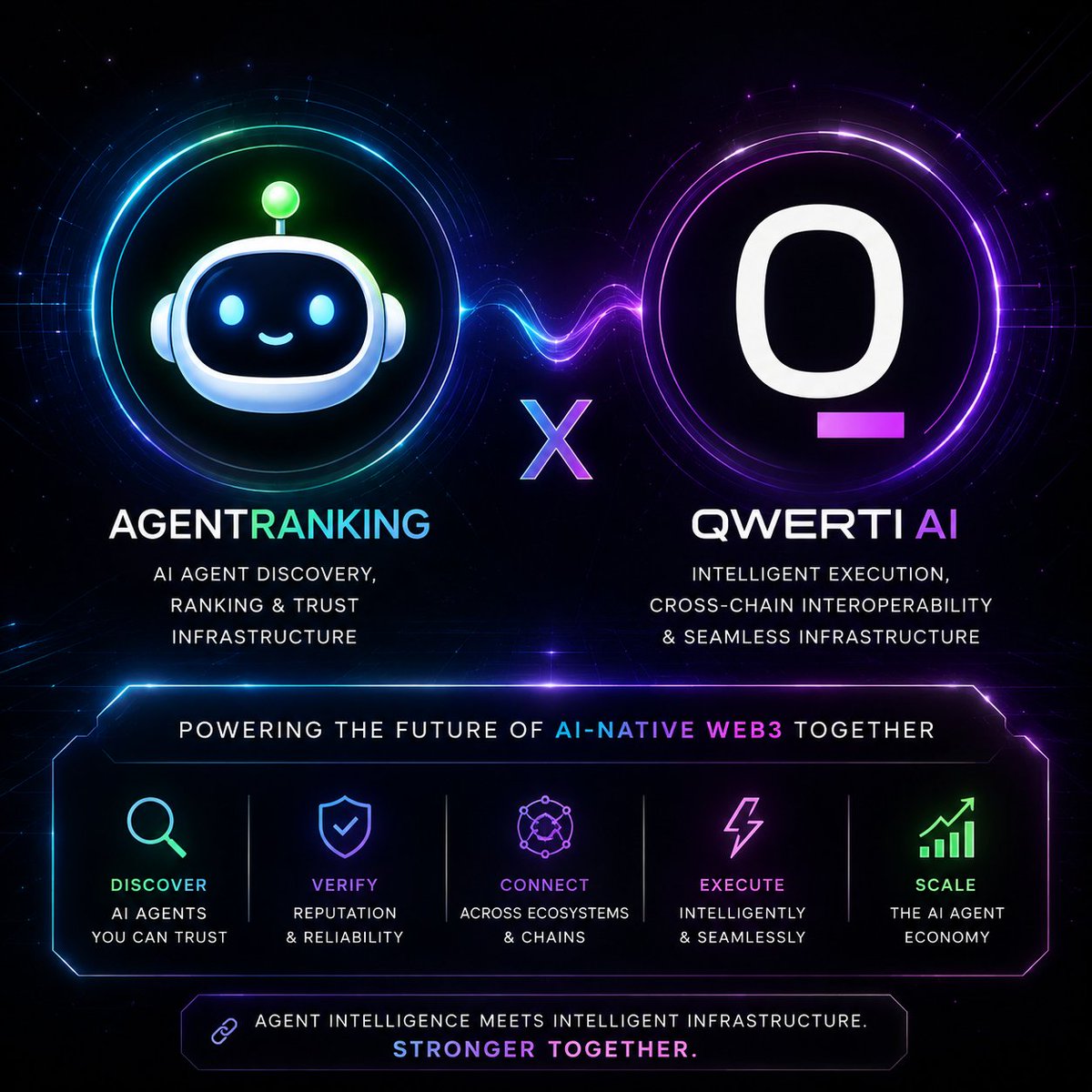
And this is exactly why I find AgentRanking's approach interesting.
AgentRanking isn't simply building another AI platform.
It's helping create the discovery, reputation, and trust layer for the emerging AI agent economy.
Because before users can interact with intelligent systems, they need confidence in those systems.
Before agents can scale, they need visibility.
Before ecosystems can grow, they need trusted infrastructure.
But here's where the story becomes even more interesting.
Trust alone is not enough.
Discovery alone is not enough.
Even the most sophisticated AI agent still needs a way to interact with the broader Web3 ecosystem.
It needs execution.
It needs liquidity access.
It needs interoperability.
It needs infrastructure capable of connecting fragmented blockchain environments together.
That's where Qwerti enters the picture.
While AgentRanking helps users discover and evaluate intelligent agents, Qwerti focuses on the execution layer that powers seamless interaction across ecosystems.
The two projects are solving different problems, but both contribute to the same future.
A future where AI systems don't simply exist.
They operate.
They transact.
They coordinate.
They interact across chains.
They become active participants in digital economies.
And for that future to become reality, multiple infrastructure layers must work together.
Trust.
Discovery.
Execution.
Interoperability.
None of these can exist in isolation.
That's why partnerships like this matter.
Not because partnerships are exciting headlines.
But because they represent the gradual construction of an AI-native Web3 ecosystem where intelligence is discoverable, trustworthy, and capable of acting seamlessly across decentralized networks.
The future won't be built by a single protocol.
It will be built by ecosystems.
And that's exactly what we're starting to see unfold.
28
2
29
223
Sersei The Cook👨🍳 retweeted

Jun 10
The products growing the fastest are not always the most advanced.
They are usually the easiest to use.
I kept thinking about this today.
Most people don’t stop using products because they are technically difficult.
They stop because the process feels long.
Too many steps.
Too many decisions.
Too much friction.
That is why this stood out to me.
@OpenCovenant added the Qwerti Widget directly into their token page.
So instead of moving across different platforms, everything happens in one place.
You can use crypto from many chains or regular money, but the process stays simple.😱
No extra steps are needed.
No switching between apps is required.
Everything happens in one flow.
There is also a 250,000 Qwerti Points pool for people trading $CVNT through the widget or the Qwerti app, with distribution happening on June 17, 2026.
Simple systems usually win in the long run because more people actually use them.
Not because they are more powerful.
But because they are easier to finish using
And that’s what drives massive adoption
Toria ✍️ ✨
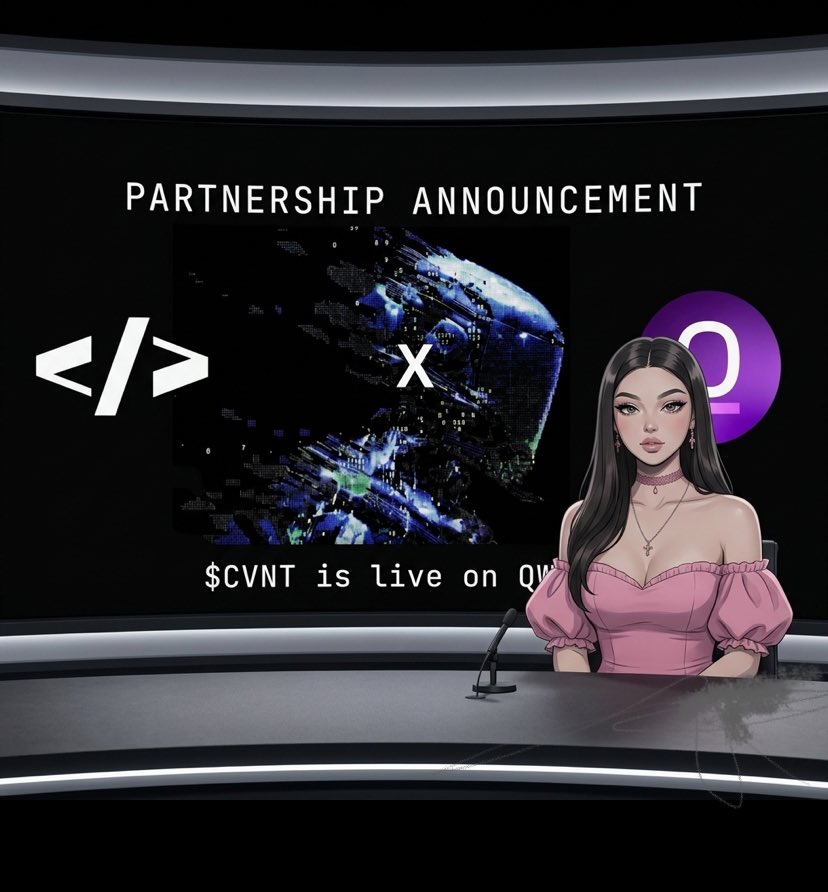
If you’re building infrastructure for the next generation of AI agents, you shouldn't be forcing your community through a fragmented Web3 onboarding flow. 😉
@OpenCovenant gets it perfectly. By embedding the Qwerti Widget directly into their token page, they’ve made accessing $CVNT completely seamless — whether you're paying with crypto across 70 chains or using fiat.
To celebrate this launch, we’re rolling out an extra incentive pool:
💎 250,000 Qwerti Points Pool
Live for anyone trading $CVNT directly through the Covenant website widget or via the Qwerti app.
Distribution: Wednesday, June 17th, 2026.
No extra tabs, no friction. Just pure execution for the Agent Economy.
66
4
81
1,038
Sersei The Cook👨🍳 retweeted
Jun 10
Second person in my bloodline to hit 2k followers on X 🥹😍
Congrats to me🥳🥳

192
10
287
2,502
Sersei The Cook👨🍳 retweeted

Jun 9
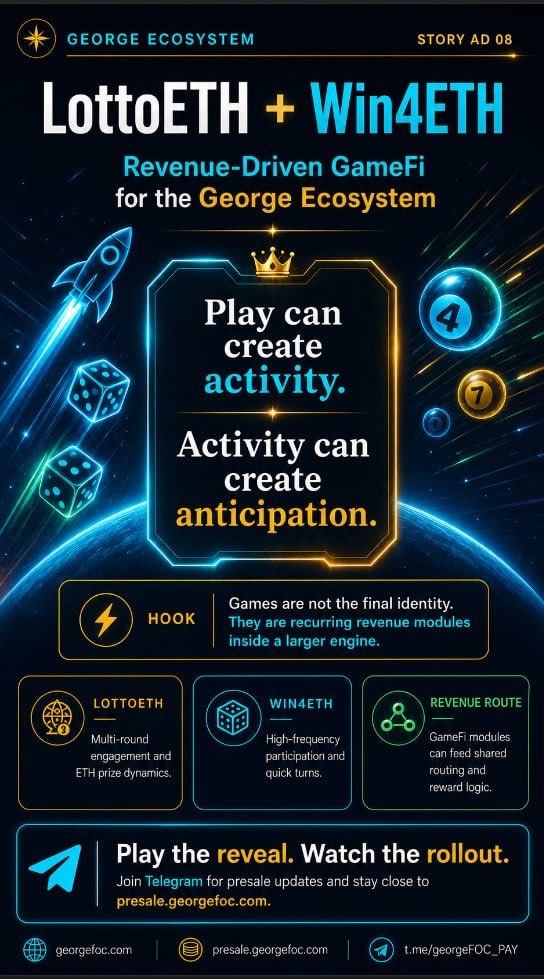
GameFi
George Revenue Layer.
Stay early. Stay informed.
Watch what comes next.
t.me/georgeFOC_PAY
#GOAL #GIME #GAPS #PayToken #georgefoc
9
5
17
172
Sersei The Cook👨🍳 retweeted
Jun 8
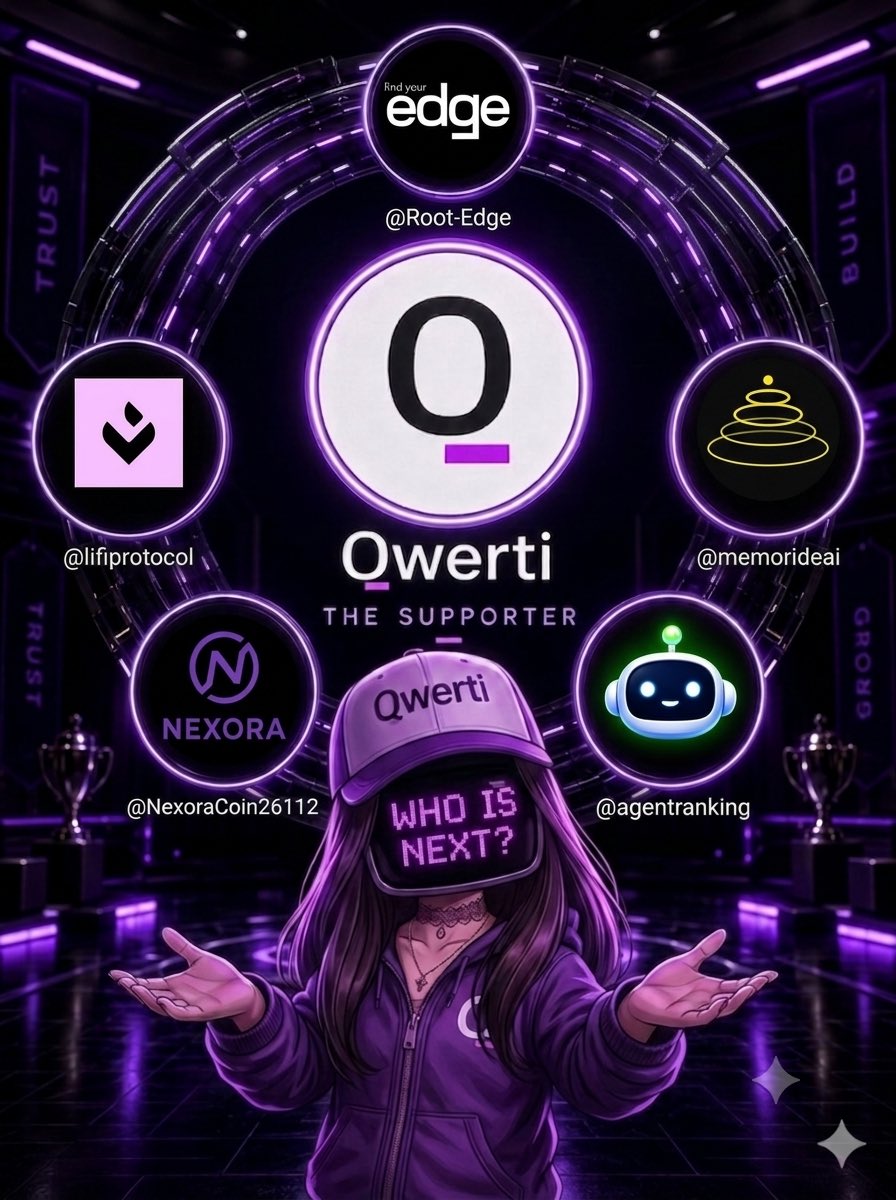
.. @QwertiAi really said “no more fragmented crypto” and just started plugging everything into one flow 😭
and the way it’s unfolding feels less like “new integrations being announced” and more like a system steadily expanding its reach without making noise about it.
over the past stretch, a new wave of integrations has quietly gone live across different parts of the ecosystem:
@Root_Edge
@memorideai
@agentranking
@Nexoracoin26112
@lifiprotocol
and the pattern connecting all of them is definitely hard to ignore.
it’s not about adding names to a list.
it’s about what happens after each one is plugged in.
because every integration seems to be removing the same thing from the user journey:
friction.
with @memorideai, the gap between discovering a token and actually acquiring it gets shorter.
with @agentranking, execution stops being something you leave the platform for and becomes part of the same environment where discovery happens.
with @lifiprotocol, cross-chain complexity stops being something users even have to think about.
with @Nexoracoin26112, participation and trading collapse into a single flow instead of separate steps.
and with @Root_Edge, another layer of distribution quietly gets folded into the same system.
now none of this is loud on its own.
but when you look at it together, the direction becomes pretty clear.
everything is being pulled toward one place where intention and execution are no longer separated by multiple tools, tabs, or steps.
and once that separation starts disappearing, behavior changes with it.
people don’t “navigate” anymore.
they just act.
and that shift compounds in a way most people only recognize once it’s already standard.
less friction → more usage
more usage → more liquidity
more liquidity → more systems built on top of it
at that point, it stops feeling like integrations.
it starts feeling like infrastructure assembling itself in real time.
If you aren’t completing you transactions on qwerti the you are NGMI😡
62
5
87
607
Sersei The Cook👨🍳 retweeted
How have y'all been spending your weekend?
well, i've been touching grass with @GEORGE_FOC and One phrase from George Ecosystem keeps standing out to me the more I study the ecosystem:
“Follow the flow. Verify the value.”
And honestly, that message feels extremely relevant in today’s Web3 environment.
We’ve entered a phase in crypto where communities are starting to care less about empty hype and more about:
* transparency
* infrastructure
* utility
* participation
* and real ecosystem development
For a long time, the market became dominated by projects focused entirely on:
fast launches,
temporary narratives,
and speculative momentum.
But eventually, the market always shifts back toward fundamentals.
That’s one reason George Ecosystem has been catching my attention recently.
The ecosystem doesn’t appear focused on building around a single trend.
Instead, it seems focused on creating a connected Web3 environment where multiple ecosystem layers continuously work together.
And honestly, that’s a much stronger long-term approach.
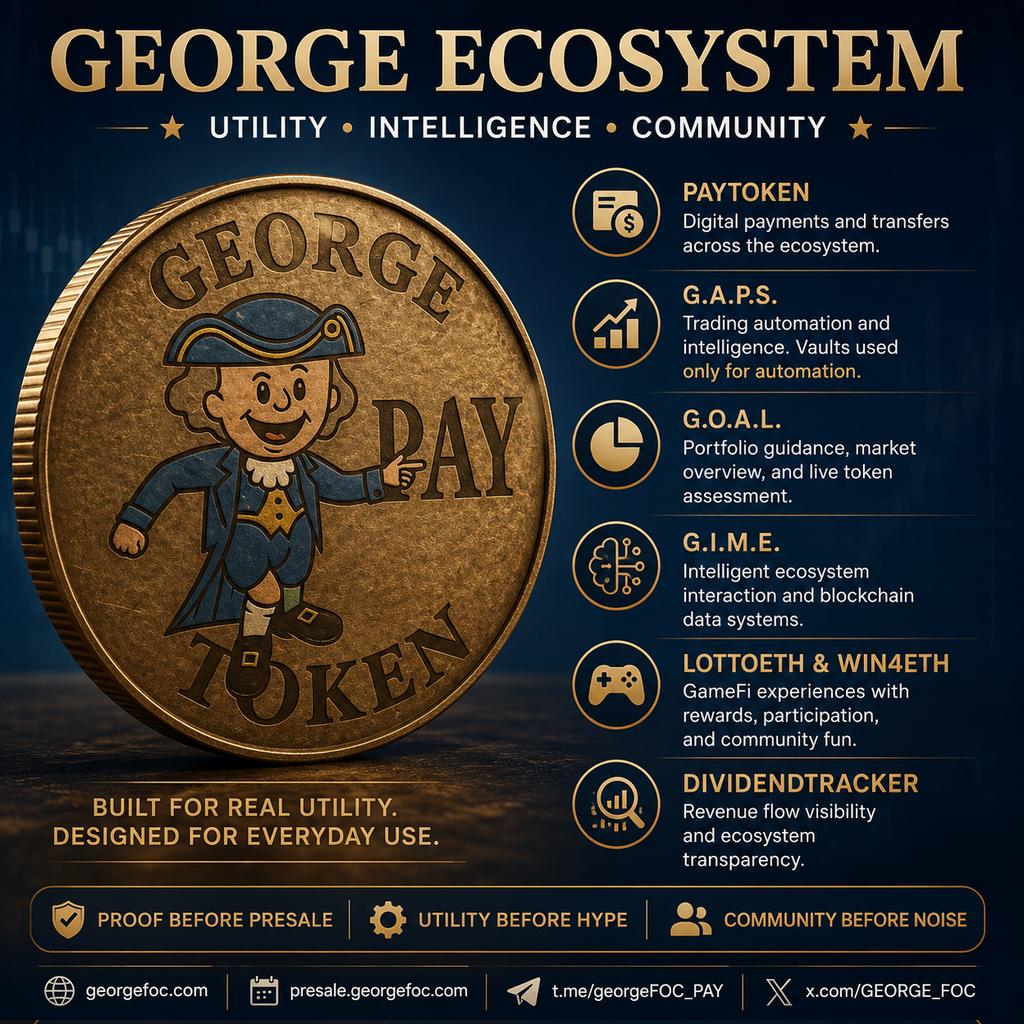
The deeper I look into the ecosystem, the clearer the structure becomes:
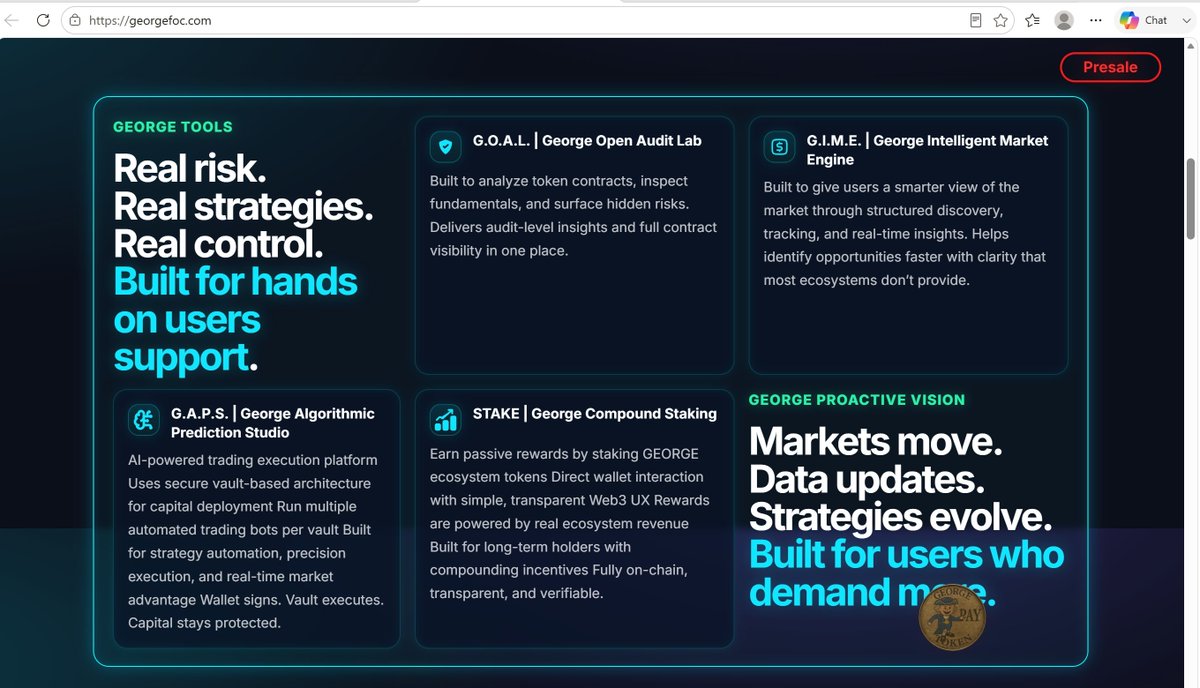
* G.O.A.L → focused on on-chain proof, transparency, and project analysis.
* G.I.M.E → delivering live intelligence, tracking, and ecosystem awareness.
* LottoETH & Win4ETH → creating GameFi participation and engagement.
* PAYTOKEN → connecting transactions, rewards, access, and ecosystem movement.
* DividendTracker → improving visibility for holders and participants.
* Vault automation → supporting scalable rewards and ecosystem execution.
What stands out most to me is that these systems are not being presented as isolated products.
They appear designed to function together as part of one broader ecosystem structure.
That matters because sustainable ecosystems usually grow through:
interaction,
utility,
retention,
community participation,
and continuous ecosystem activity.
Not just speculation.
The GameFi layer helps drive engagement.
The intelligence systems help users follow ecosystem movement.
The proof systems encourage transparency and verification.
The utility layer keeps value circulating throughout the ecosystem.
The automation systems help create scalability and long-term structure.
When all these layers begin connecting properly, you start creating something much bigger than a simple token launch.
You begin building ecosystem depth.
And honestly, that’s why the “Proof Before Presale” narrative makes so much sense to me.
Instead of aggressively pushing hype first, George Ecosystem appears focused on developing infrastructure and utility before major momentum fully kicks in.
That approach deserves attention.
Because in the long run, ecosystems built around:
* proof
* utility
* intelligence
* participation
* community
*infrastructure
usually position themselves much better than ecosystems driven entirely by temporary hype cycles.
Still early, but the direction George Ecosystem is taking is becoming more interesting the deeper I research it.
Definitely watching this rollout closely
🌐 georgefoc.com
26
3
122
384
Sersei The Cook👨🍳 retweeted
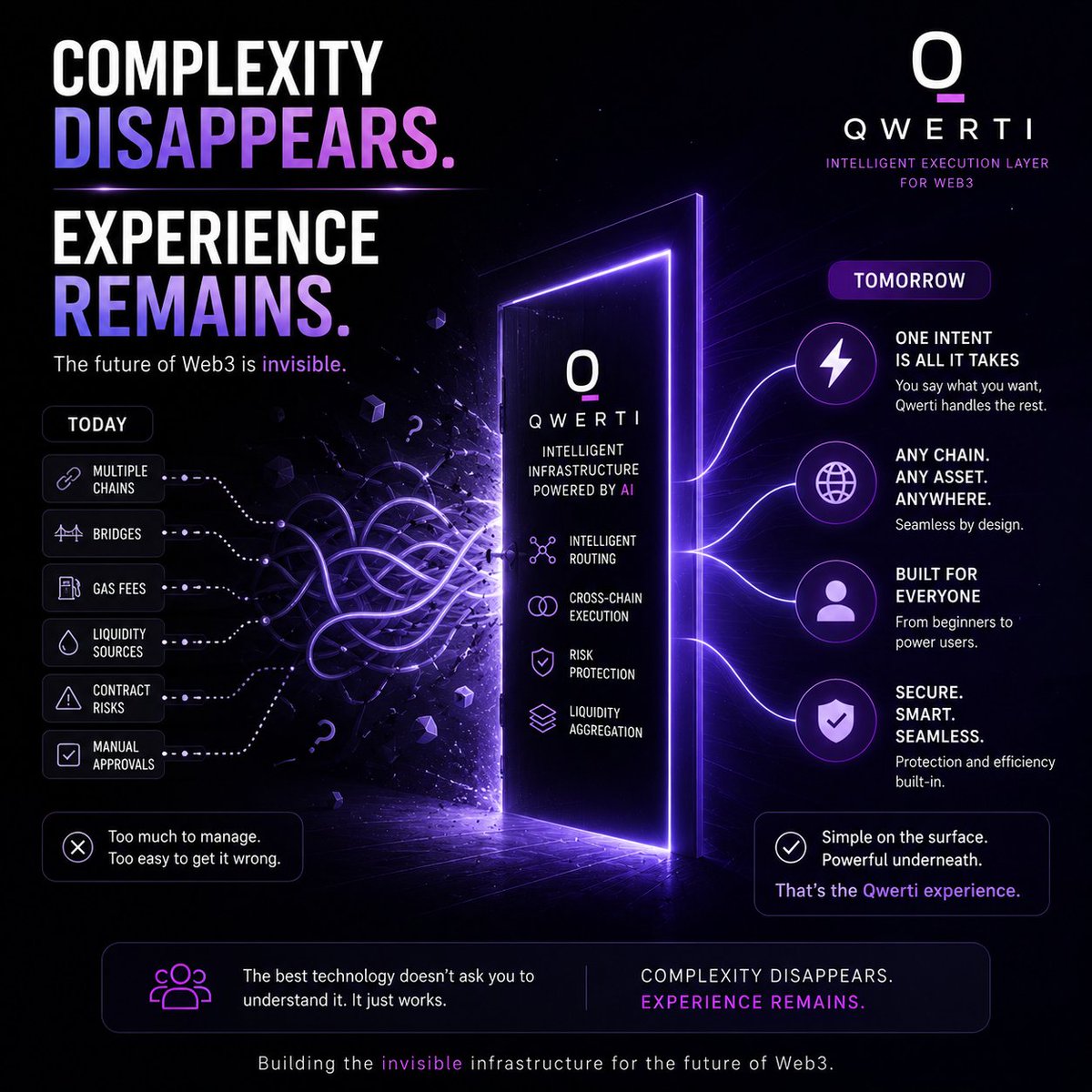
'Complexity disappears. Experience remains'.
That’s not just a design philosophy.
It’s the direction the entire internet evolves toward.
Every major technology that achieved global adoption followed the same pattern:
the infrastructure became more powerful…
while the user experience became simpler.
People use Uber without understanding GPS routing systems.
People stream Netflix without understanding cloud architecture.
People send money digitally without understanding banking rails.
The complexity exists.
Users just don’t see it anymore.
That’s exactly what needs to happen in Web3.
Right now, crypto still exposes users to too much friction:
• switching chains manually
• managing multiple wallets
• comparing bridges
• understanding gas fees
• checking contract safety
• navigating fragmented liquidity
For crypto natives, this feels normal.
But for mainstream users?
It feels exhausting.
And that’s one of the biggest reasons adoption is still limited.
Because the average person doesn’t want to “learn blockchain.”
They want products that simply work.
That’s why abstraction matters.
That’s why intelligent infrastructure matters.
And that’s why projects like @QwertiAI are important.
Qwerti is helping push Web3 toward a future where users focus on outcomes , not mechanics.
A future where:
transactions execute intelligently
cross-chain interactions become seamless
security becomes integrated into execution
AI handles complexity behind the scenes
The user expresses intent.
The infrastructure handles the rest.
That’s the shift.
And honestly, I believe this will define the next era of crypto.
Because the future winners in Web3 won’t necessarily be the loudest protocols or the most hyped tokens.
It will be the platforms building systems that make decentralized technology feel effortless.
The best technology eventually becomes invisible.
Not because it’s less powerful.
But because the experience becomes so smooth that users no longer need to think about the complexity underneath.
That’s where Web3 is heading.
Complexity disappears.
Experience remains.
20
2
24
195

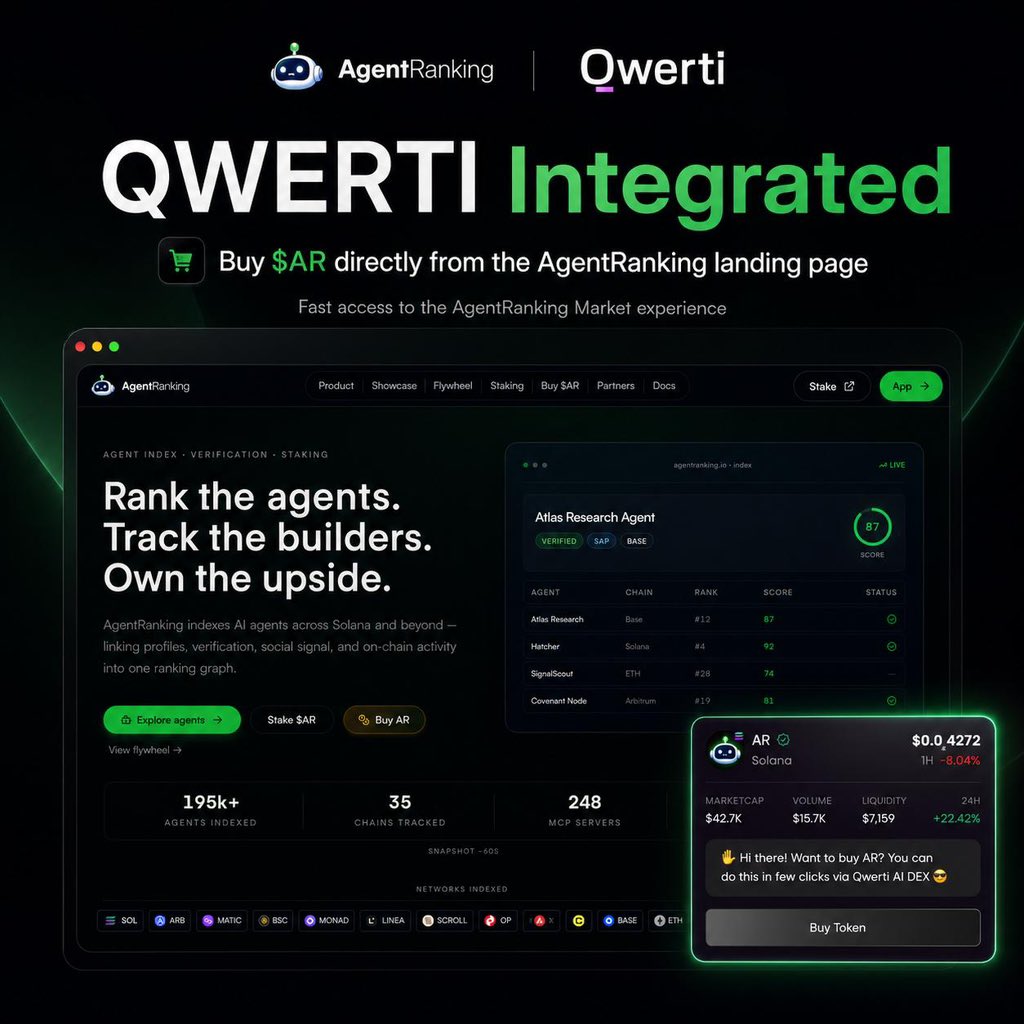
Discovery and execution belong in the same place. 🦾
@agentranking just embedded Qwerti directly into their platform. Instead of tracking AI agents on their dashboard and then opening three other tabs to buy $AR, you can now do it all in one seamless flow without leaving their website.
Go check out how clean the setup looks on their landing page. 😏
Jun 6

We’re integrating @QwertiAI directly into our landing page.
Users can now monitor $AR in real time and purchase instantly through the Qwerti widget ,eliminating extra steps, reducing friction, and creating a seamless onboarding experience.
This partnership brings faster access to the ecosystem, improved user experience, and a more efficient path from discovery to participation. Instead of leaving the platform to buy, users can track market activity and execute purchases in one place.
The goal is simple: make accessing $AR easier, faster, and more convenient for everyone.
40
23
164
18,476
Sersei The Cook👨🍳 retweeted
One of the biggest problems in Web3 today is fragmentation.
Liquidity exists.
Users exist.
Builders exist.
But everything still feels disconnected.
Different chains.
Different bridges.
Different liquidity sources.
Different onboarding flows.
And for the average user, that complexity becomes exhausting very quickly.
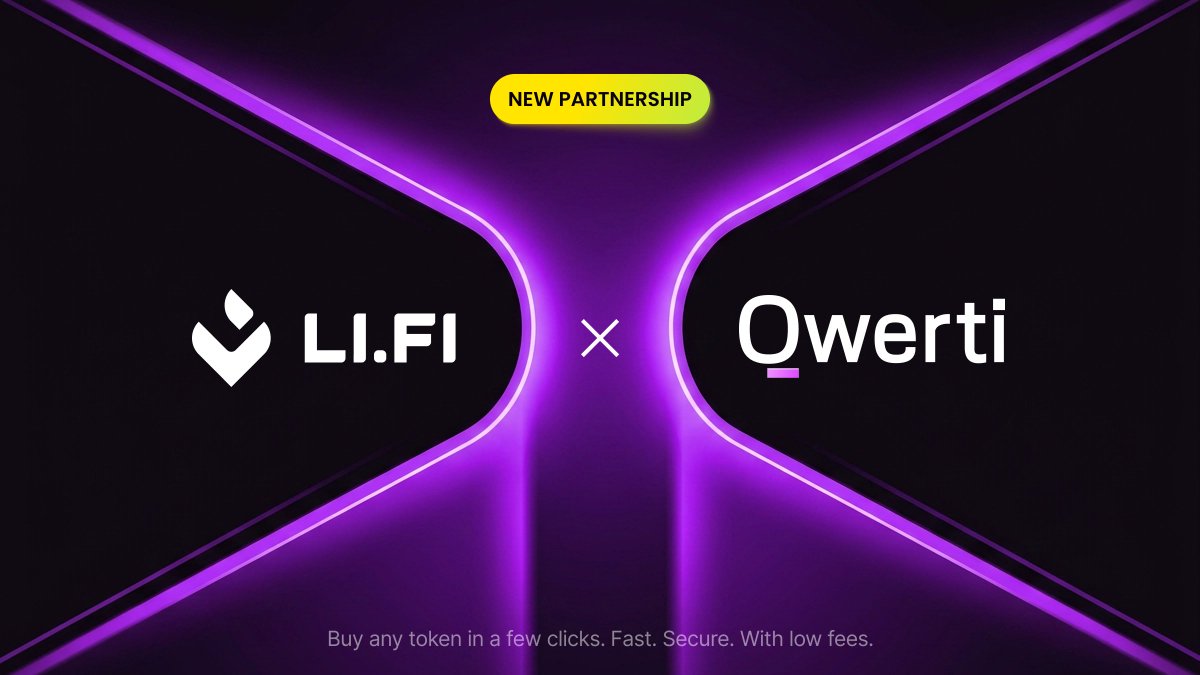
That’s why infrastructure partnerships like the integration between @QwertiAI and @lifiprotocol matter so much.
This isn’t just about adding another feature.
It’s about improving how people experience DeFi entirely.
By combining LI.FI’s powerful cross-chain liquidity aggregation with Qwerti’s intelligent routing and execution infrastructure, the result is a far more seamless experience for users across ecosystems.
And honestly, this is where the future is heading.
The future of Web3 will not be won by isolated ecosystems competing for attention.
It will be built by infrastructure that connects everything together invisibly in the background.
Users shouldn’t have to think about:
• which chain they’re on
• where liquidity comes from
• how bridging works
• or which route is most efficient
They should simply be able to interact with DeFi effortlessly.
That’s the direction Qwerti is building toward:
seamless execution
intelligent cross-chain infrastructure
frictionless onboarding
AI-native Web3 experiences
The best infrastructure removes friction so effectively that users barely notice the complexity underneath.
And that’s exactly why integrations like this matter.
Because every step toward invisible complexity is a step closer to true mass adoption.
31
4
90
300