
Serving Bitcoin by building refurbished bitcoin nodes (servingbitcoin.com).
Joined August 2020
- Tweets 1,040
- Following 902
- Followers 314
- Likes 1,263
288 Photos and videos

Pinned Tweet

21 Aug 2025
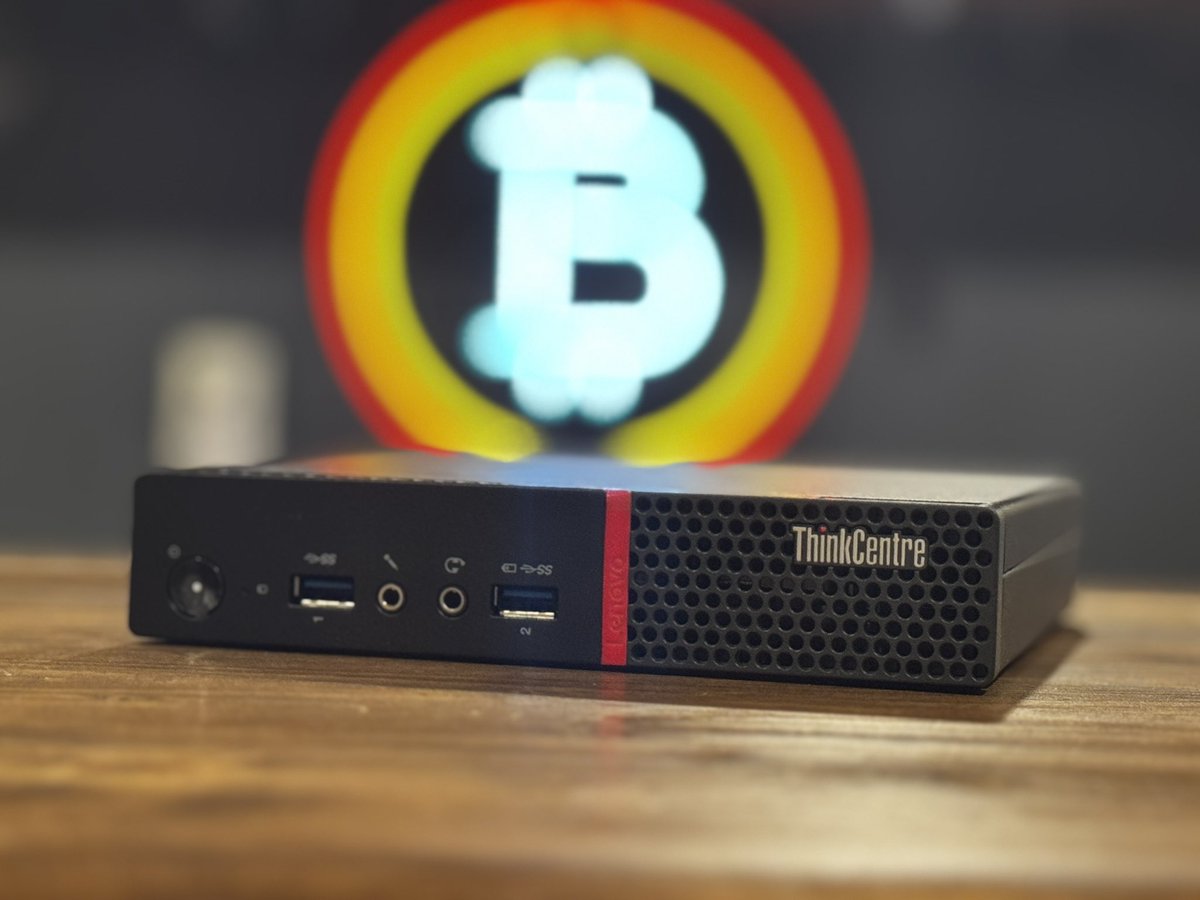
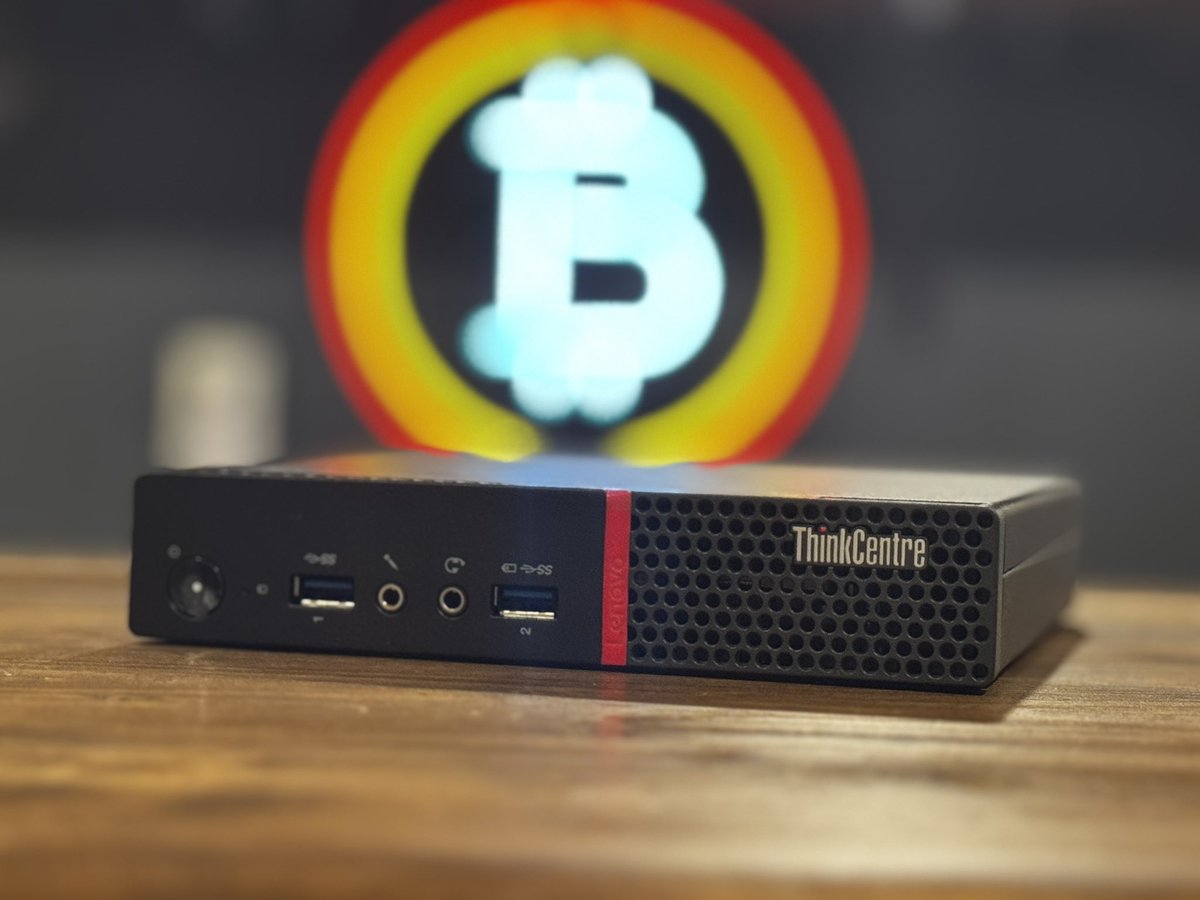
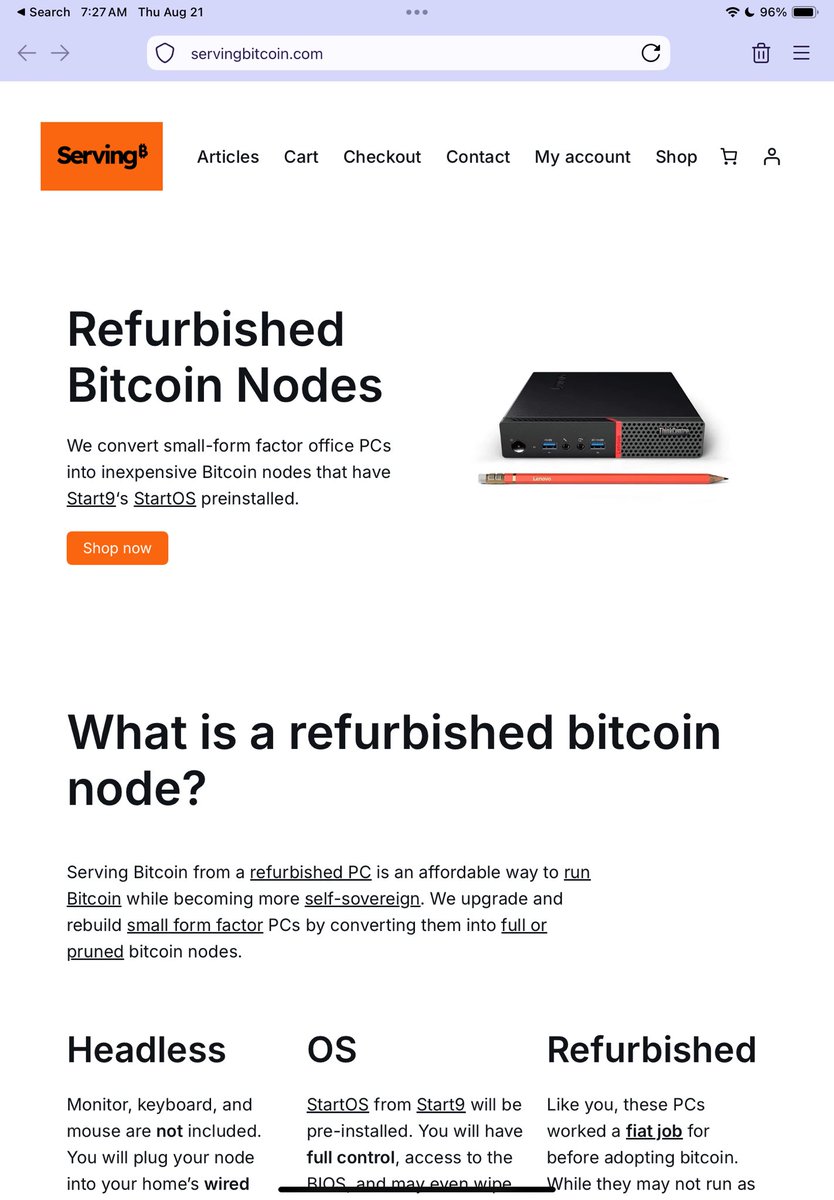
We build bitcoin nodes from refurbished computers. Looking forward to serving the bitcoin community by helping more people serve bitcoin from their own nodes.
servingbitcoin.com/
5
15
36
2,106
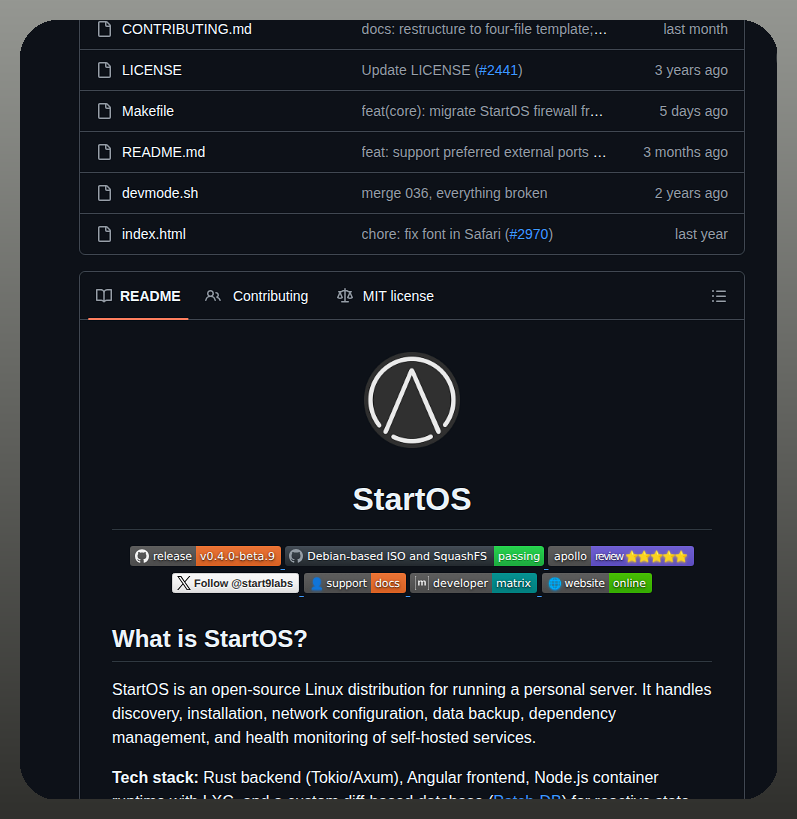
Start with StartOS v0.4.0 or better.

1
55
If you are seeking a refurbished StartOS DIY refurbished node, we are all in on their amazing v0.4.0.
Jun 14

0.4.0 is production ready, and we recommend updating. All new servers we ship have it installed.
You can update by following the official guide. Even once 0.4.0 is available OTA, this guide will apply except for step 1.
31
🤓📋✅🔁
May 30

Bitcoin 014 - What Do Bitcoin Nodes Check?
Bitcoin nodes are rule-checkers. They do not just trust a block because someone sent it.
Tiny node lesson:
- Nodes check transaction signatures.
- Nodes reject double spends.
- Nodes verify blocks follow Bitcoin's rules.
- Bob tried a fake coin with a mustache. Carol's node said no.
Beginner takeaway:
Nodes help keep Bitcoin honest by checking the rules for themselves.
Should Carol explain confirmations next?
#Bitcoin #BitcoinEducationi
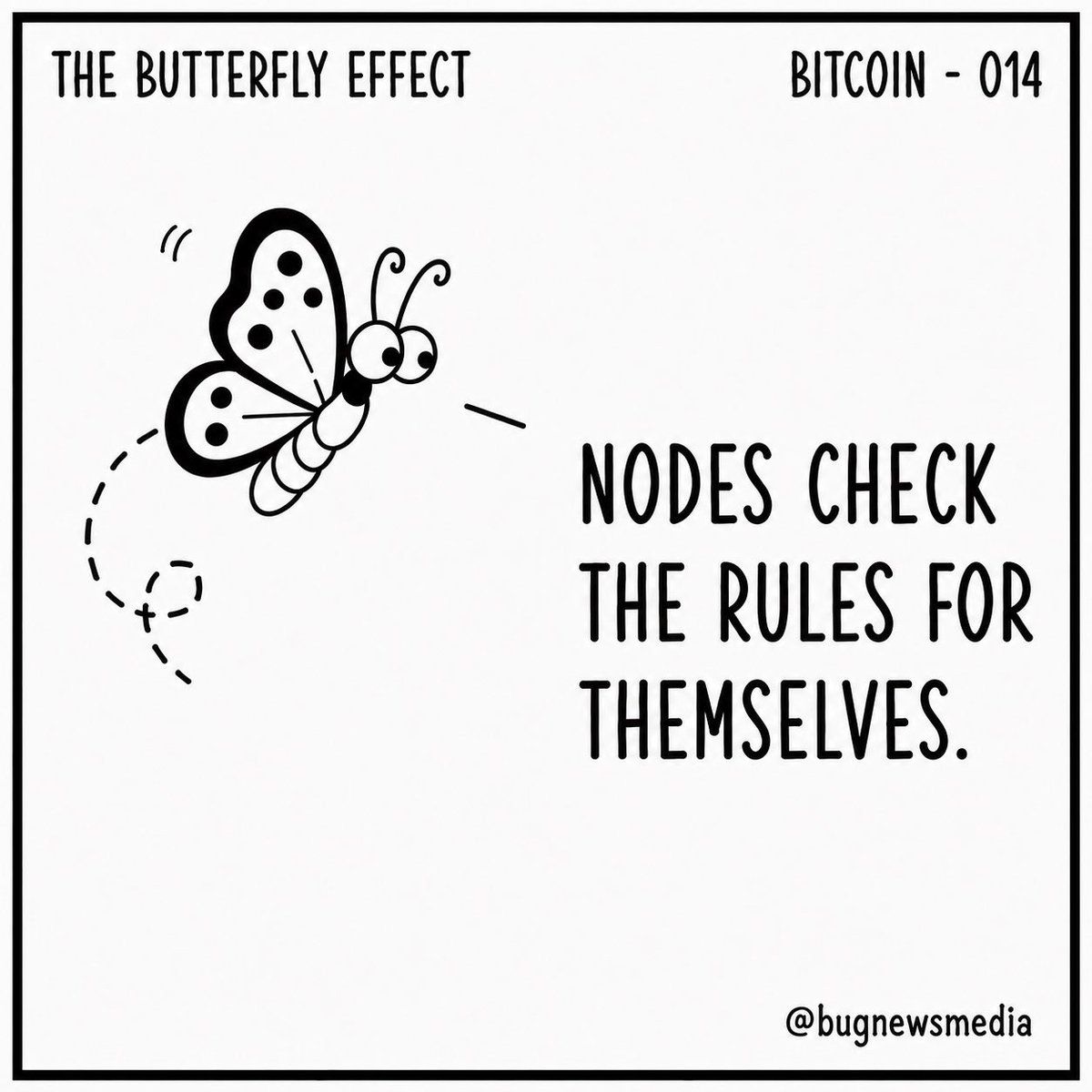
ALT Black-and-white educational card titled "The Butterfly Effect" with Carol the butterfly on the left and the label "Bitcoin - 014" at the top right. Large text says: "Nodes check the rules for themselves." The @bugnewsmedia handle appears at the bottom right.
1
72
Serving Bitcoin retweeted

If you're a Bitcoin noderunner you're much more powerful and sovereign than you probably realize.
There is actually very little global hashrate, and it's very cheap to control it with your node.
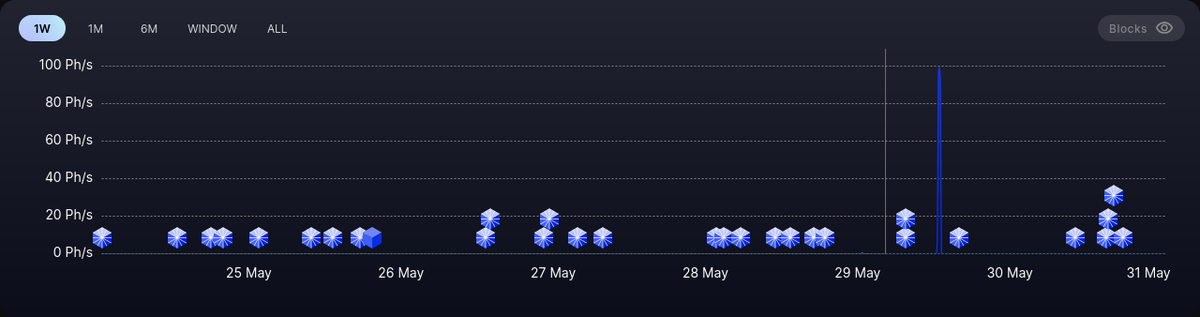
Yesterday at the @bcc8333 conference I brought a @start9labs node that remotely controlled 100 Ph/s for about half an hour of workshop.
That is about 1/10.000 of the total hashrate. These shares haven't dropped of @ocean_mining's reward window yet, and since then 6 blocks have been found by the pool. If two more blocks are found before the shares drop off the window my demo will have been basically free.
10
30
156
5,522
Reminder. You can host your own Git repository from your own self-hosted Bitcoin node.
- using @start9labs wonderful StartOS
- on your node visit the Marketplace
- install @giteaio
- sleep better knowing you are more self sovereign

1/ We are sharing additional details regarding our investigation into unauthorized access to GitHub's internal repositories.
Yesterday we detected and contained a compromise of an employee device involving a poisoned VS Code extension. We removed the malicious extension version, isolated the endpoint, and began incident response immediately.
4
77
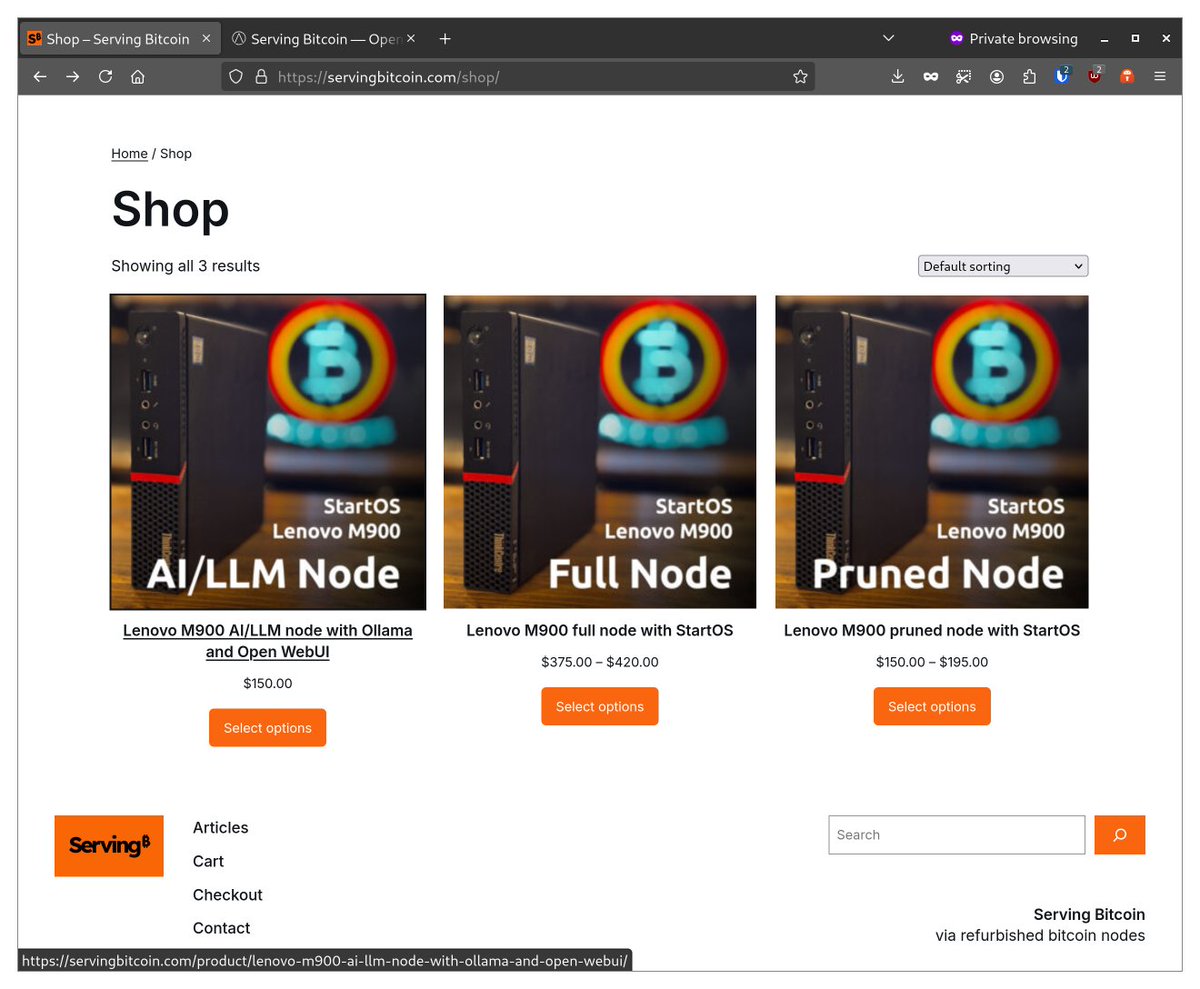
Serving Bitcoin is now selling an AI/LLM node that comes preinstalled with StartOS v0.4 beta, Ollama, Open WebUI, and five open-source LLMs.
Host your own LLMs (3B to 4B) privately on a dedicated always-on PC via these preconfigured AI/LLM nodes.
servingbitcoin.com/shop/
1
1
82
While the refurbished Lenovo M900 PCs are not nearly as powerful as cloud-hosted LLMs running on large multi-GPU servers, it is inexpensive, private, secure, and self sovereign. For simpler non-coding tasks, the open source 3B and 4B models perform well.
54
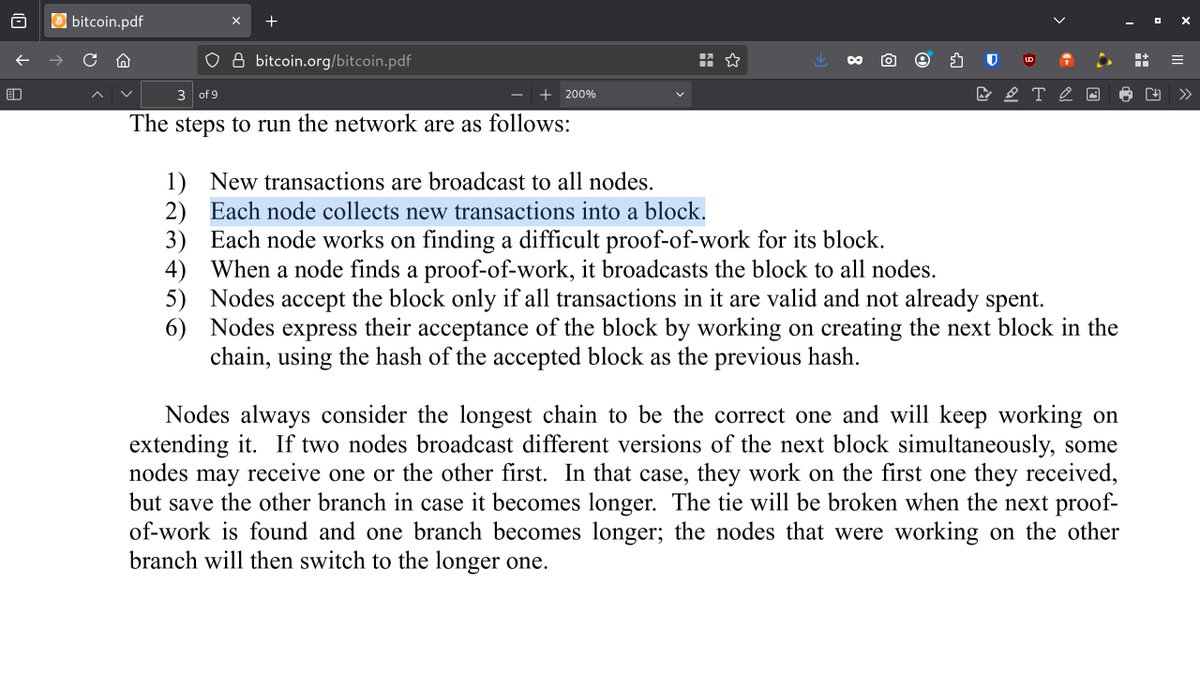
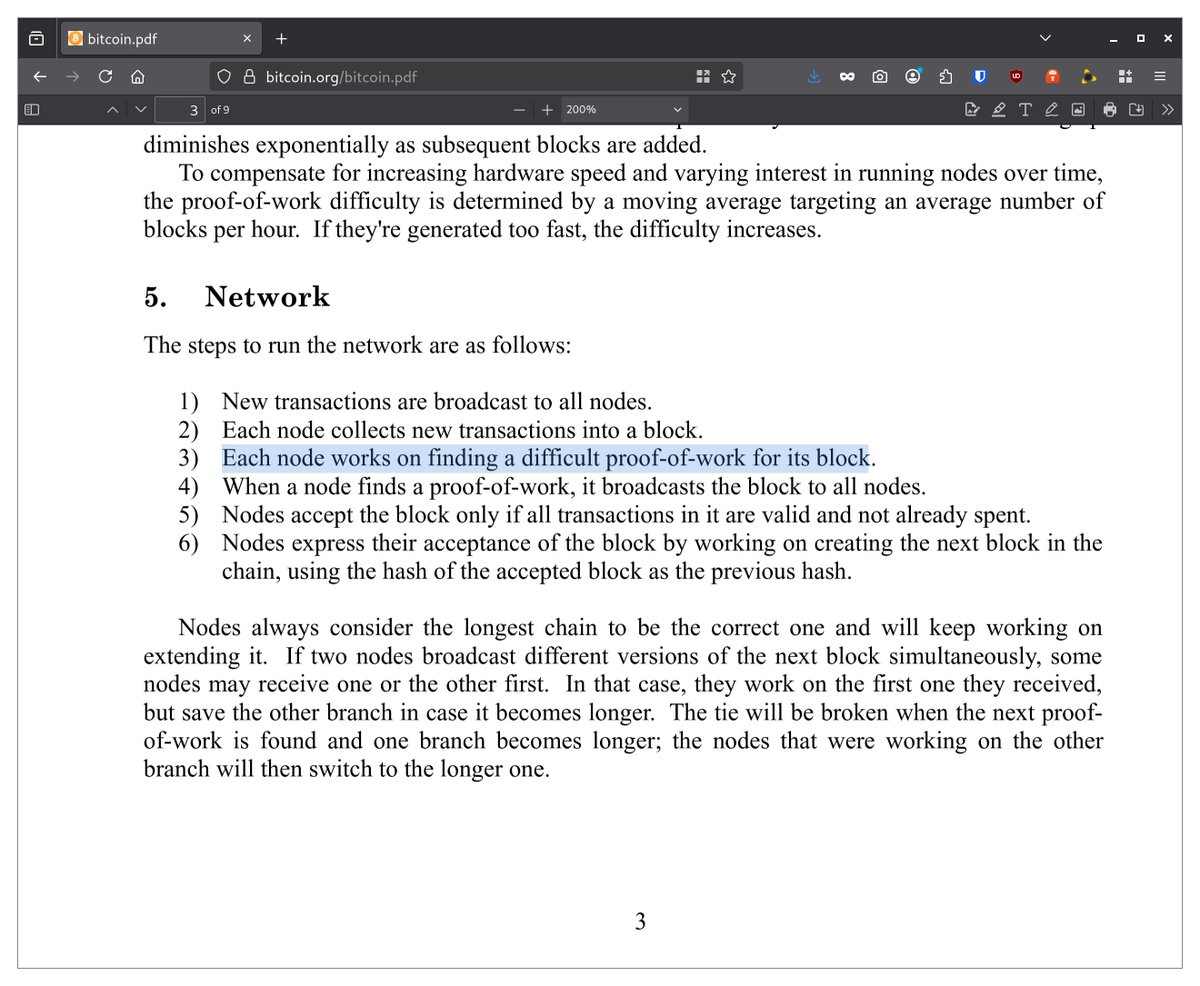
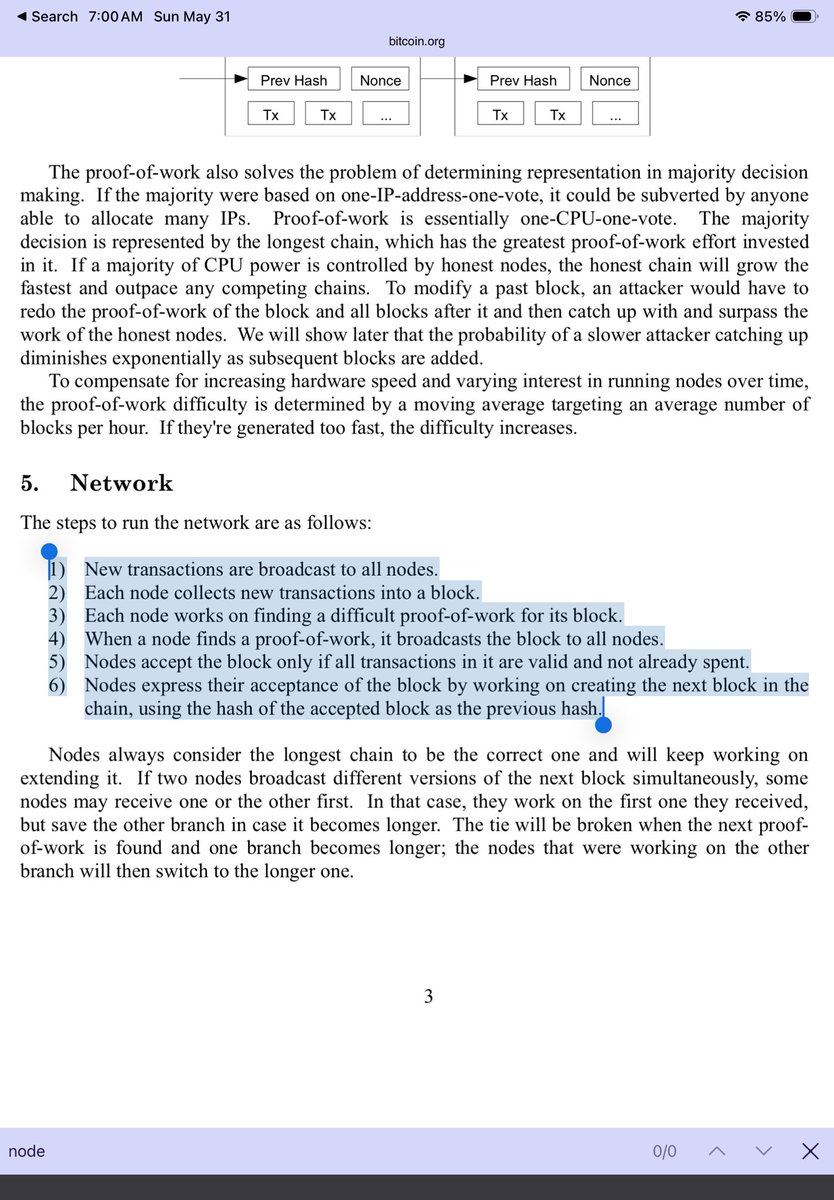
When you run a bitcoin node, you help prevent the counterfeiting problem that fiat is unable to solve.
Your node methodically makes sure that every transaction in every block follows a strict set of rules.
Approximately every 10 minutes, it securely verifies each block.
May 16

Italy: Counterfeit 2-euro coins, indistinguishable from genuine coins even to the European Central Bank, were produced in clandestine mints in Prato and Quarrata by a group linked to Chinese organized crime.
The operation involved importing nickel and nickel-brass alloy from China, clearing them through customs in Germany and Belgium, and minting coins that replicated designs from all EU countries, including commemorative editions.
Over 20,000 fake coins and one ton of raw materials have been seized, but this is considered only a small portion of the total forged. The coins matched originals in weight and magnetism, successfully deceiving machines and slots.
Five suspects, all Chinese nationals, were detained for criminal association. Authorities suspect the group received inside information from law enforcement to evade investigations.

101
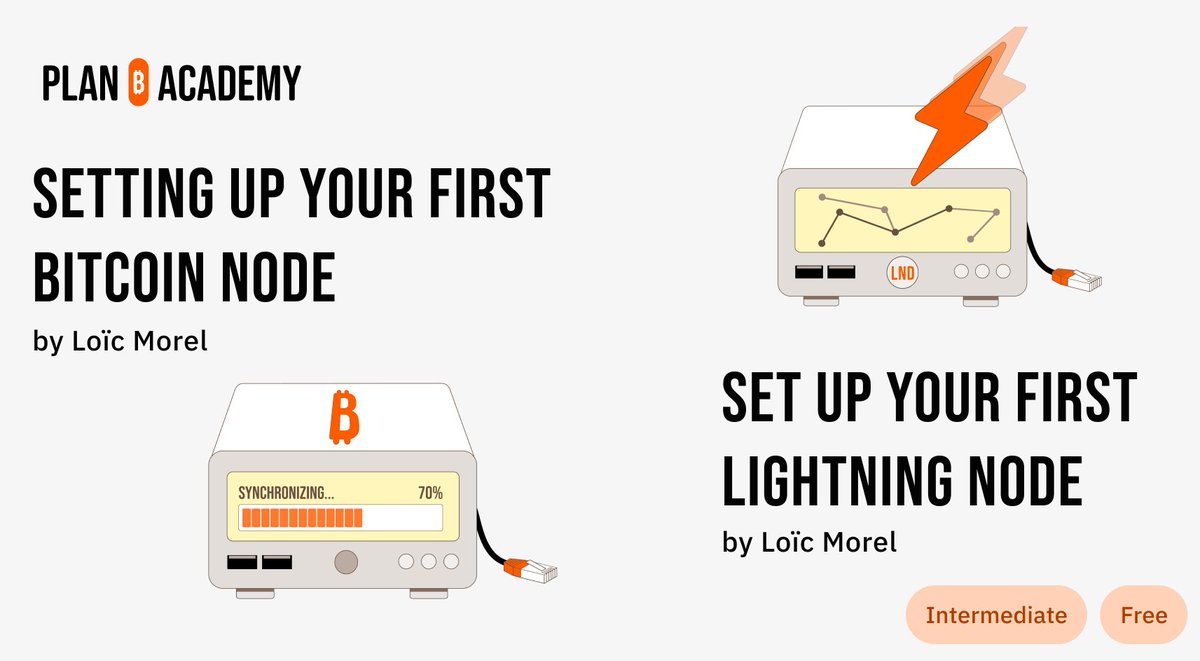
Setting up Your First Bitcoin Node via @planb_network.
planb.academy/en/courses/set…
We provide refurbished nodes with StartOS DIY preinstalled to help simplify some of this process.
Feb 27

Ready to take full control of your Bitcoin stack?
We got two amazing courses by @LoicPandul to get you there.
Run your own Bitcoin node – (BTC202)
Understand it, install it, configure it. No experts required.
Deploy your first Lightning node – (LNP202)
Open channels, manage liquidity, connect your wallet. Full control, no custodian.
Two courses.
Free.
Your path to real sovereignty starts here.
91
Thanks to free and open source software, it is becoming easier to avoid selling your soul and data to the cloud.
With your own self-hosted LLM or Bitcoin node, you can take back much of your privacy by running similar services from your own node and home.

OpenAI is partnering with Plaid to let ChatGPT users connect their bank accounts, credit cards, investment accounts, and other financial accounts directly to the chatbot.
The feature gives ChatGPT a real-time view of your balances, transactions, stock portfolio, and liabilities including mortgages and credit card debt.
Over 200 million people already use ChatGPT for finance questions monthly. Plaid connects to 12,000 financial institutions including Chase, Schwab, Fidelity, and Capital One. The feature launches first for US users on ChatGPT's $200/month Pro tier before expanding to all users.
OpenAI says users can disconnect at any time, though the company retains data for up to 30 days after. Users can choose whether their financial data trains AI models under the option "Improve the model for everyone." Once data enters a training set, it's effectively irrecoverable.
ChatGPT can't make changes to accounts or see full account numbers, but it can see everything else. Combined with the conversation history it already stores, including your goals, lifestyle, and priorities, this creates one of the most detailed financial profiles any private company has ever assembled on individual users.
OpenAI does not specify what it will do with this data beyond AI training or what protections exist against a breach. Plaid itself paid a $58 million settlement in 2022 over allegations it collected more data than users understood they were sharing. Adding OpenAI as another party in the chain multiplies the attack surface.
This follows ChatGPT Health in January, which connects to medical records. OpenAI now wants access to both your health data and your financial data.
The feature is opt-in today. The pattern across tech has been consistent: start opt-in, then expand, then nudge, then default.
1
105
When you run your own bitcoin full, pruned, or LLM node; it won’t ask for your phone number or name.
All 256GB to 4TB (depending on model) of storage capacity is for you to use privately and securely, optionally remotely accessible to you from anywhere in the world.
May 16

Google is cutting back free storage for new accounts from the usual 15GB to just 5GB unless users verify with a phone number, making the full storage allowance available only after that extra setup step alternativeto.net/news/2026/…
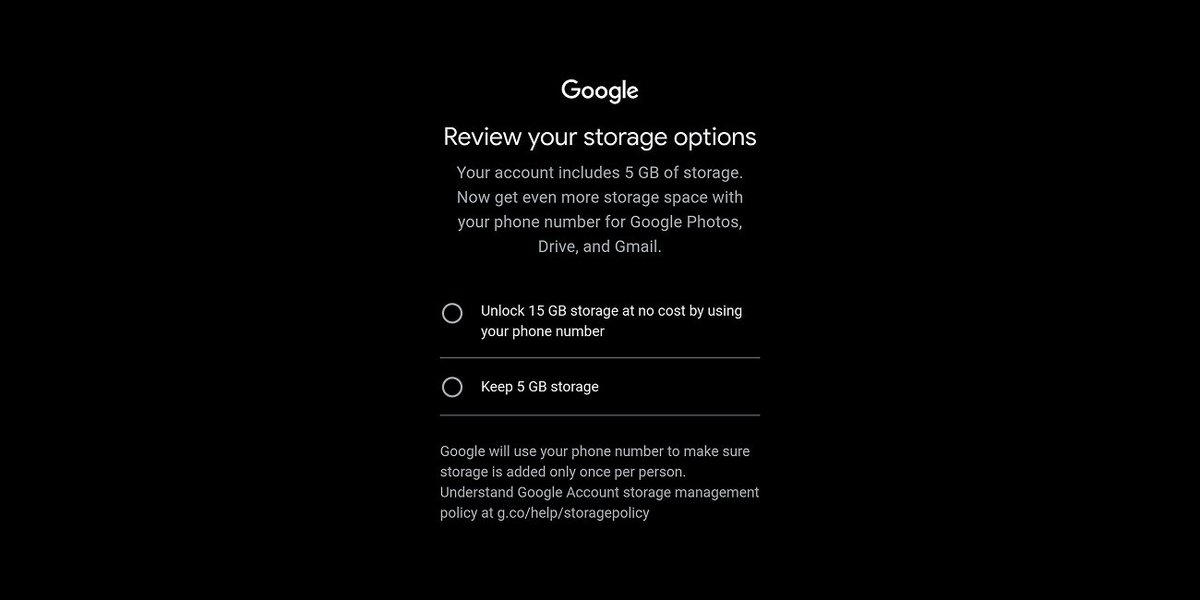
ALT Google prompts users to choose between 5GB storage or unlocking 15GB by verifying a phone number for additional service.
1
2
112
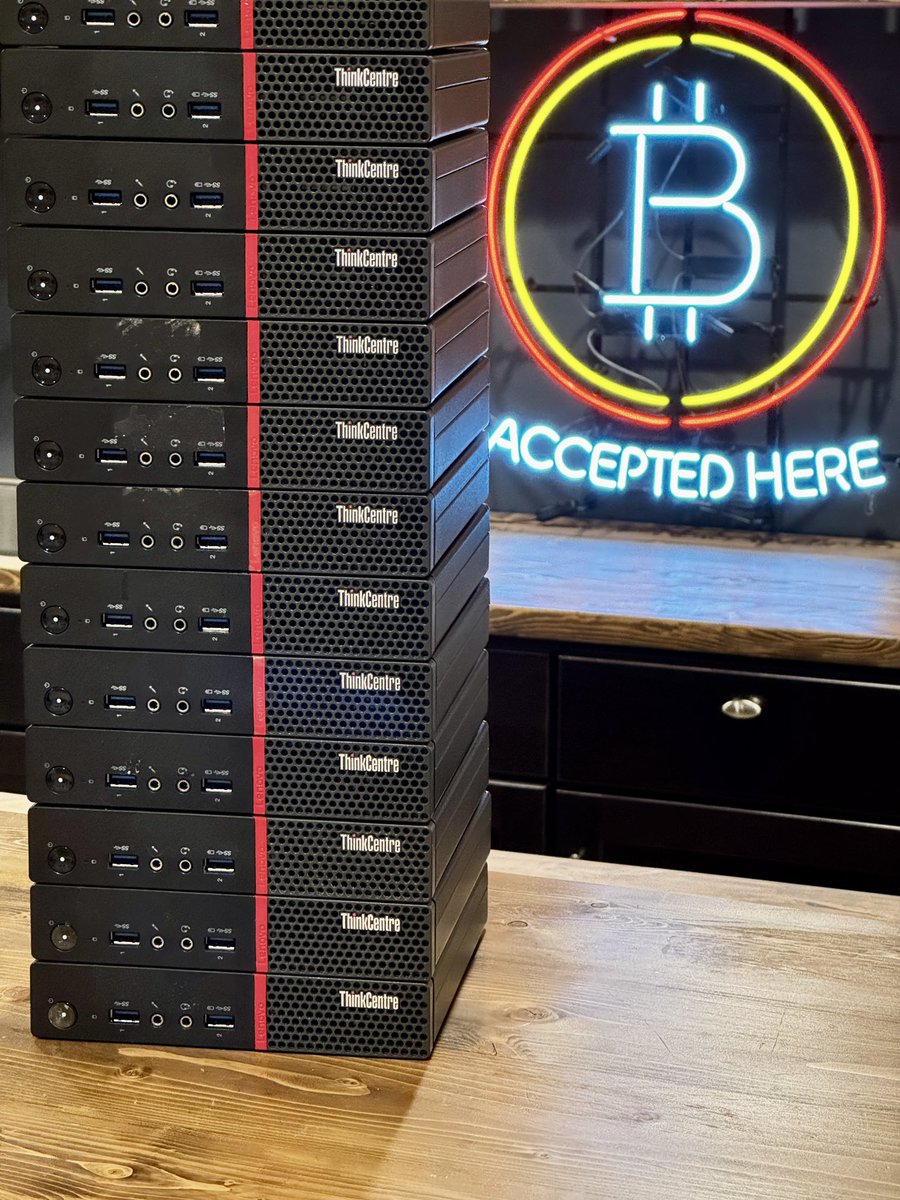
We found several LLMs (sized 2B to 4B) ran well on our refurbished Lenovo M900 PCs.
In this article you’ll also find a screen recording of us using each model so that you may judge the performance yourself, as well as the response each model provided.
servingbitcoin.com/2026/05/r…

BtW you can run local AI without GPU.
Just don't expect it to replace ChatGPT or Claude 😊
itsfoss.com/testing-local-ll…
80
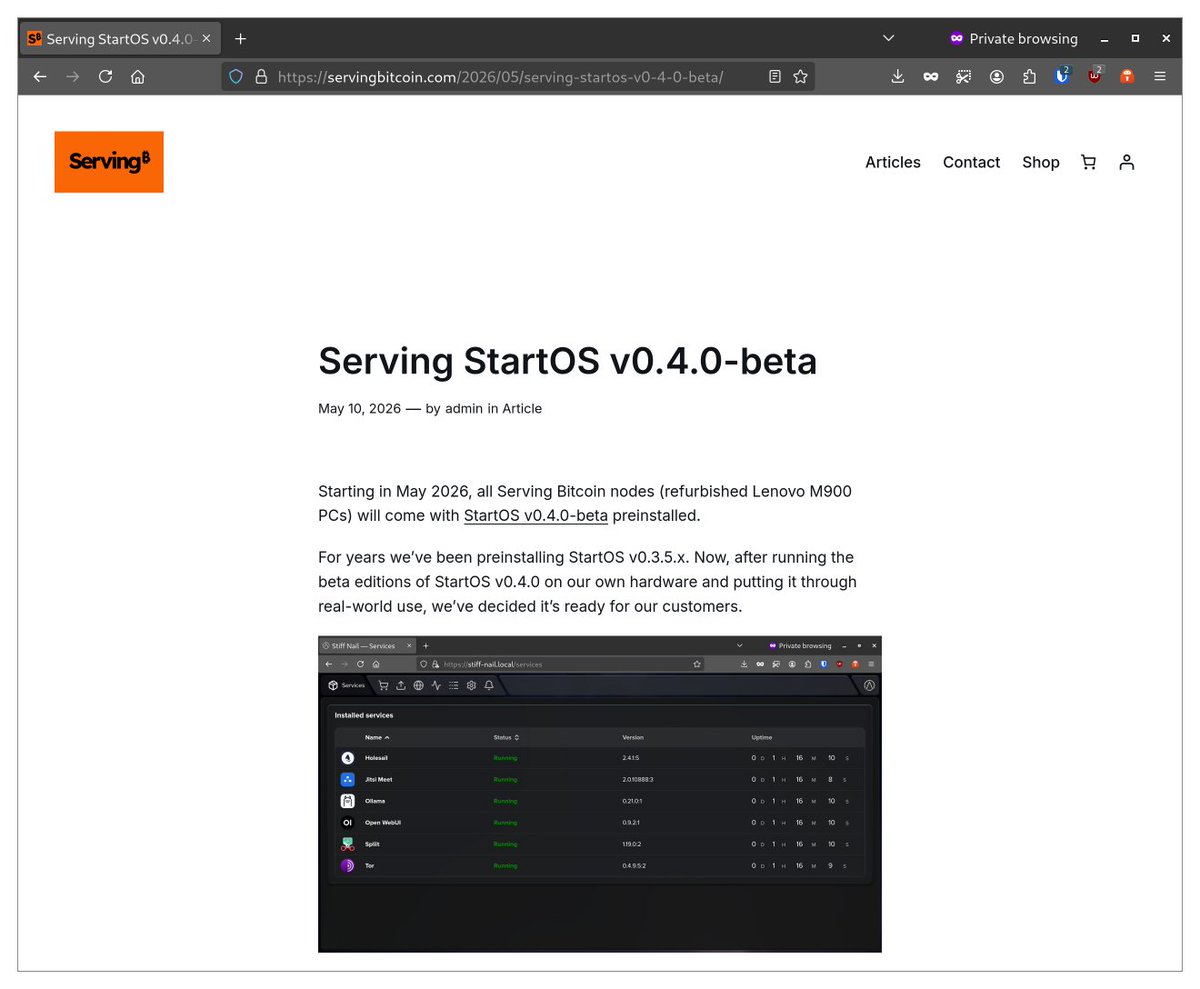
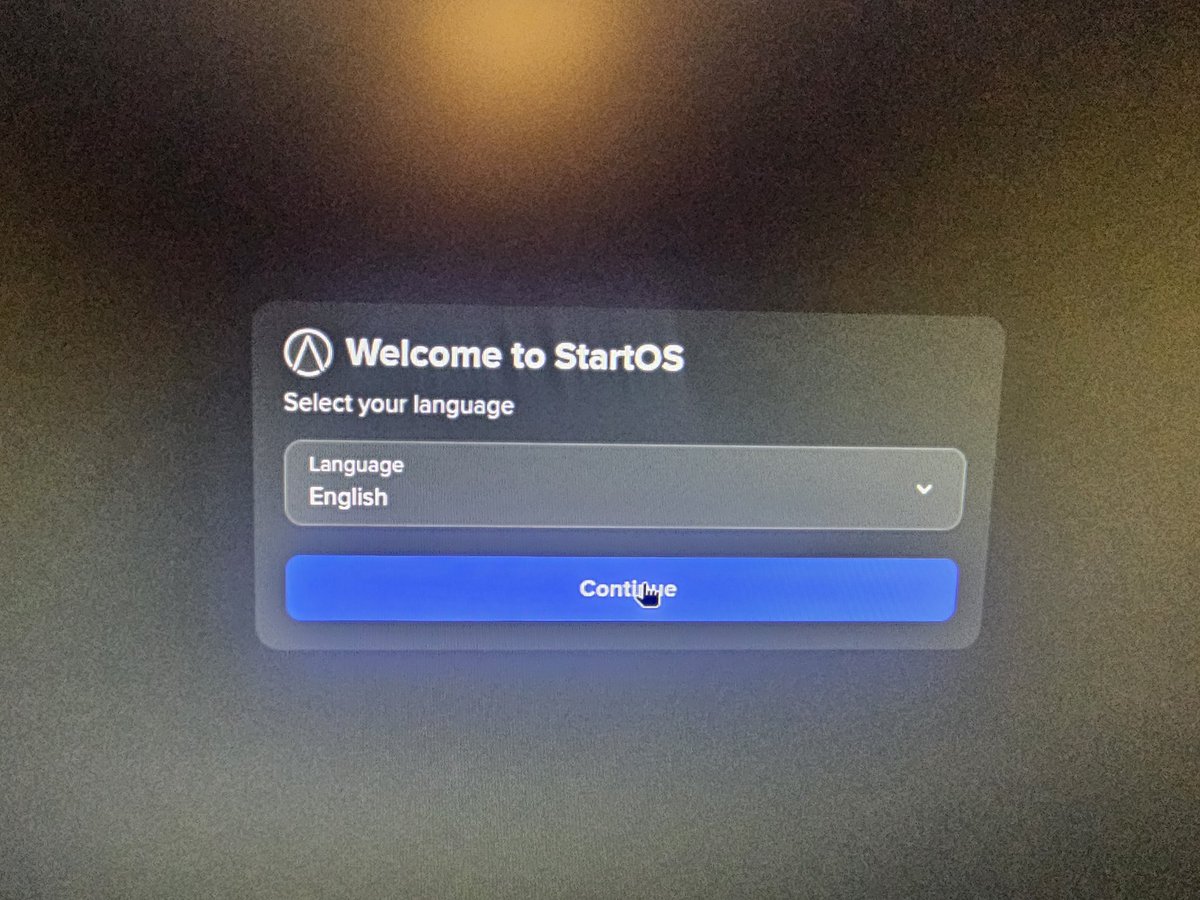
Pleased to announce that all Serving Bitcoin nodes will now come with StartOS v0.4.0 beta preinstalled.
We've put the recent beta through several rounds of testing. It is running great on our tiny Lenovo M900 refurbished PCs.
servingbitcoin.com/2026/05/s…
2
111
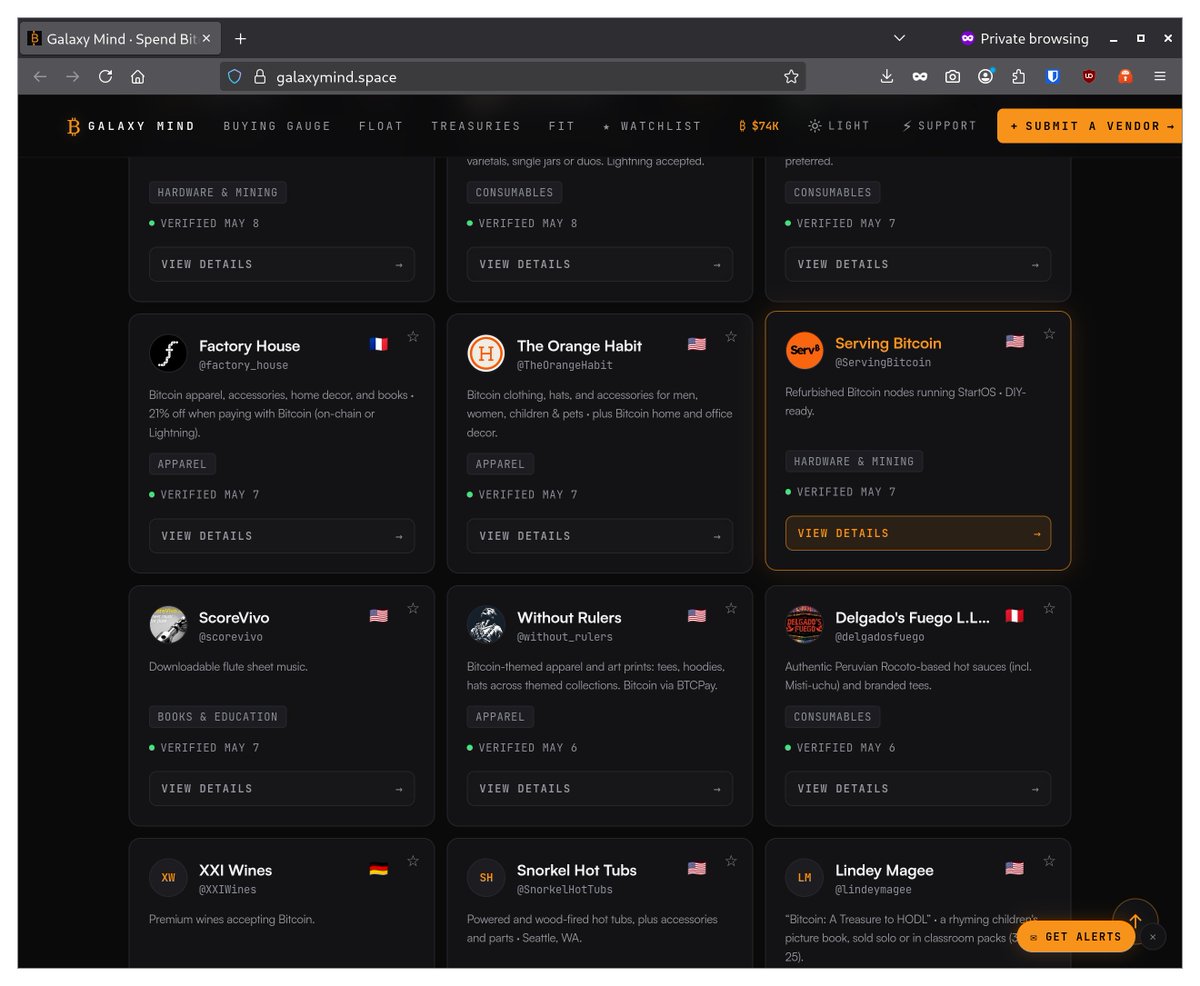
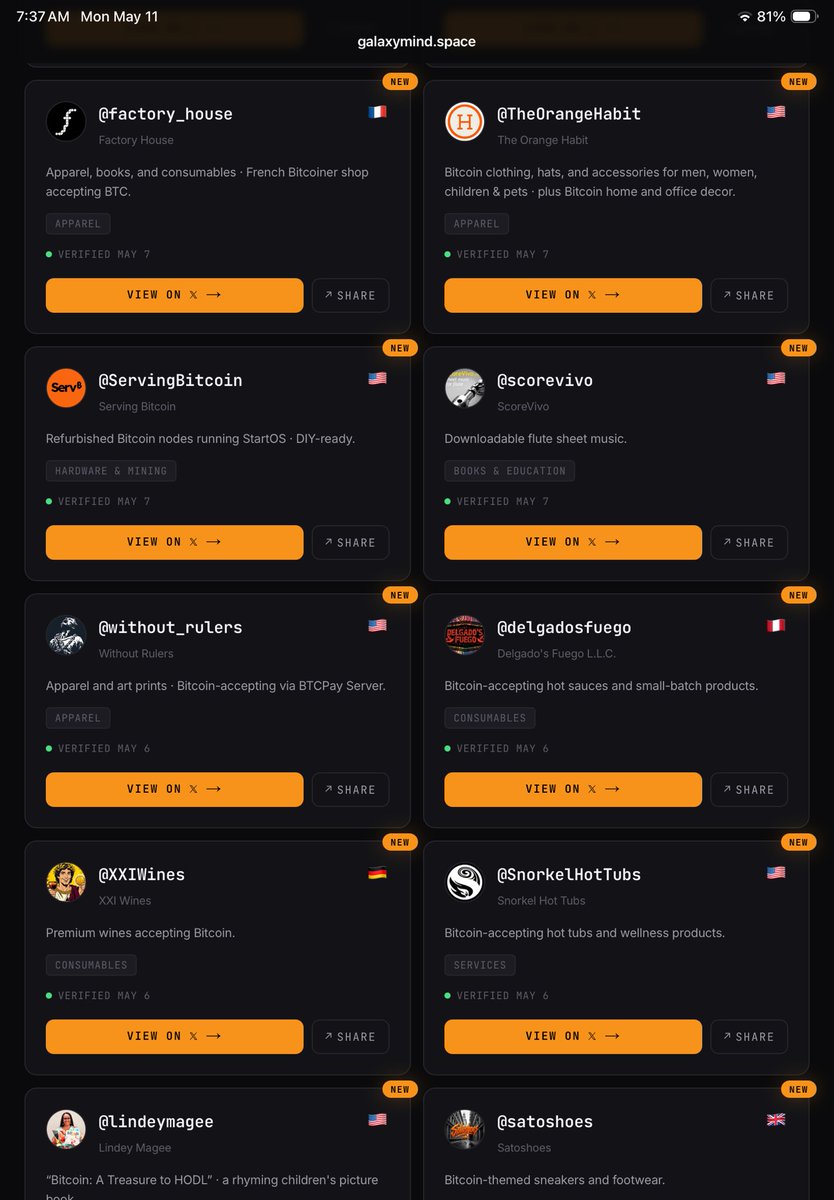
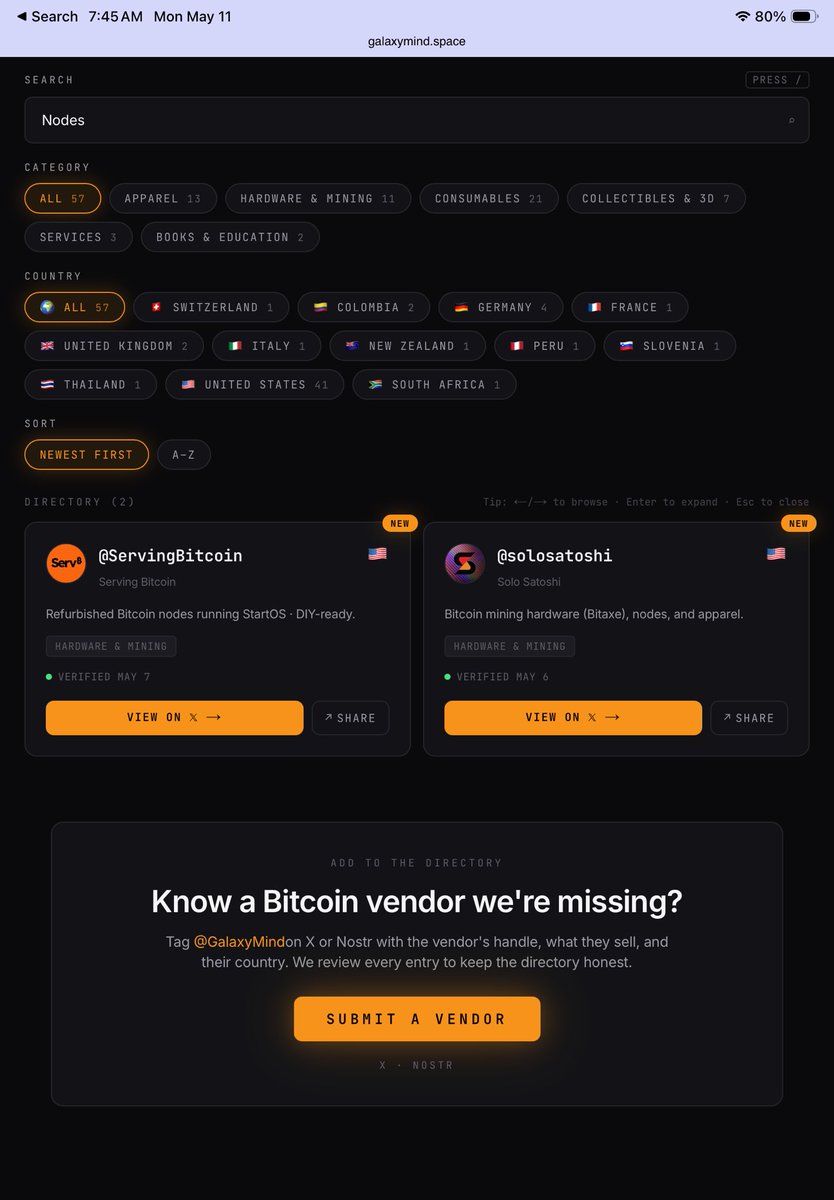
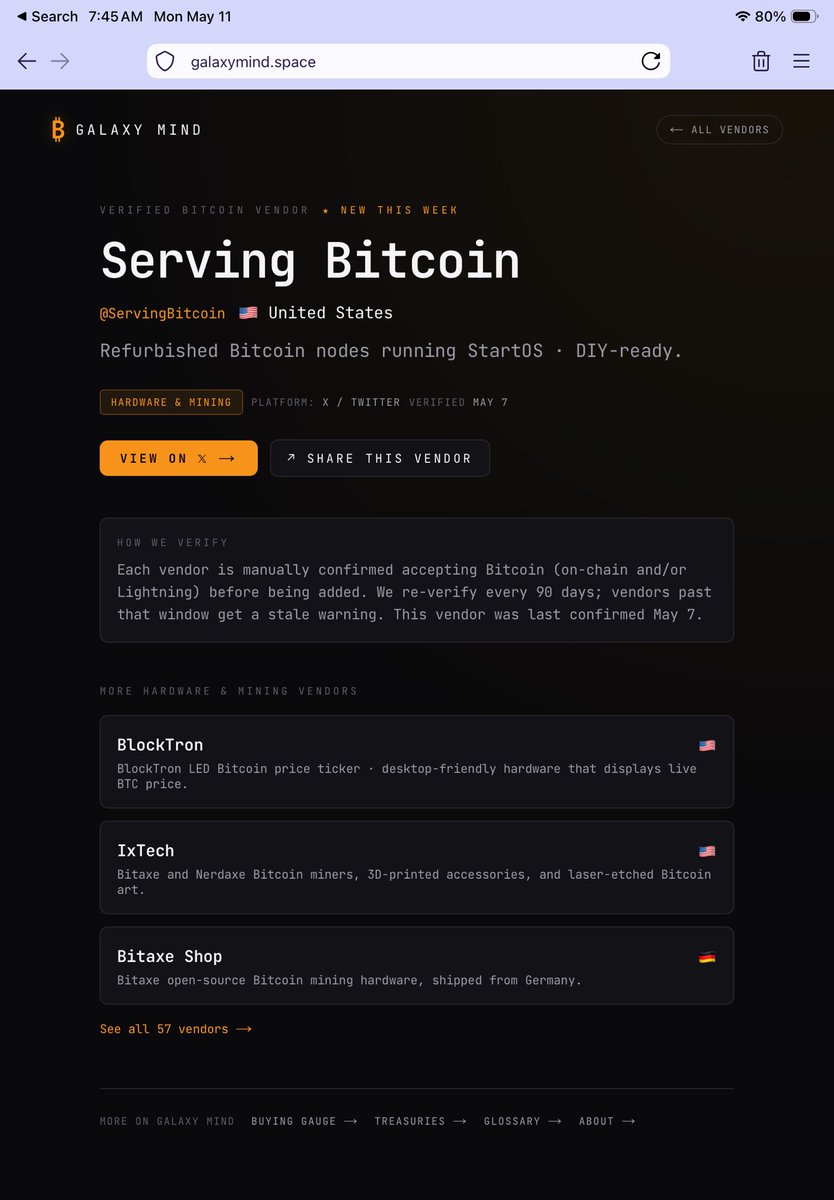
Thank you @GalaxyMind for serving bitcoin merchants by building galaxymind.space/. We look forward to watching this curated list of bitcoin-accepting merchants grow.
1
1
4
104

Serving Bitcoin retweeted

You can now by my book, Bitcoin Mining Heat Reuse directly on Amazon.
a.co/d/0hQWZ3dv
2
12
39
1,651
Hey @GalaxyMind — please add this Bitcoin vendor to galaxymind.space:
Handle: @ServingBitcoin
What they sell: Refurbished Bitcoin Nodes running StartOS DIY
Shop URL: servingbitcoin.com
BTC payment method: Bitcoin & Lightning
Country: United States
1
2
86
Dear Serving Bitcoin employees. Please continue to build open source and decentralized Bitcoin nodes from refurbished PCs that once had a fiat job.
1
27
Serving Bitcoin retweeted
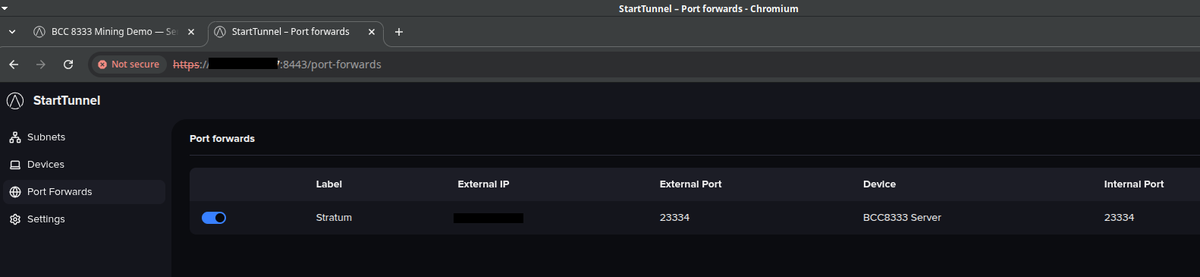
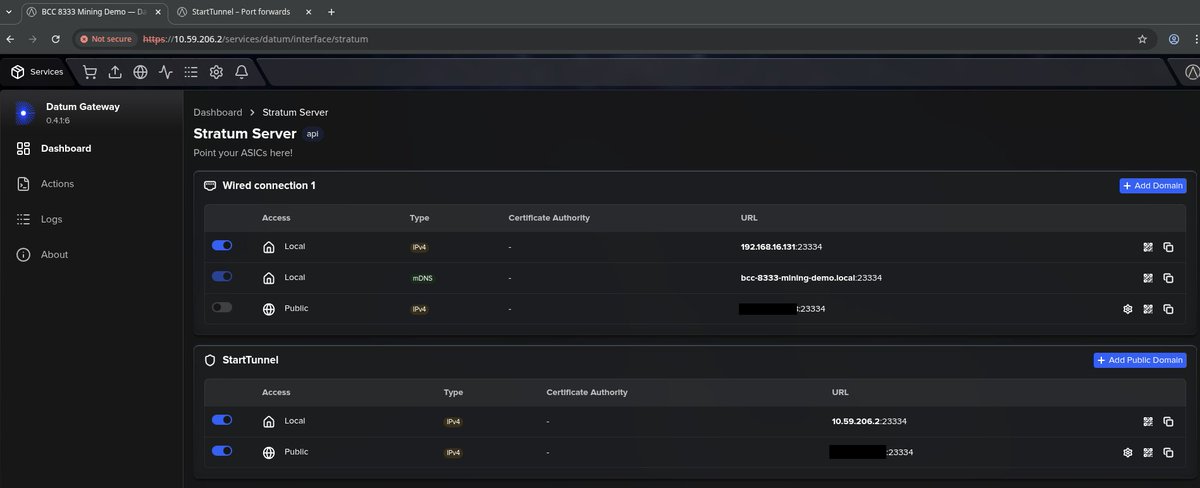
Testing out @start9labs v0.4.0-beta.7 with StartTunnel for my next month's hands-on workshop at the @bcc8333 conference.
I'm not used to Bitcoin node distributions but this is pretty dope, ngl. Really lowers the barrier to having your self-hosted infra available anywhere.
5
15
83
4,614
Serving Bitcoin retweeted

Every bitcoin node is a win. Get yours running today. :)
2
3
222