
Seshat: Global History Databank compiles information on the social and political organization of human societies, and how civilizations have evolved over time.
Joined July 2015
- Tweets 22,057
- Following 108
- Followers 4,593
- Likes 27,752
1,436 Photos and videos



Pinned Tweet

9 Dec 2019
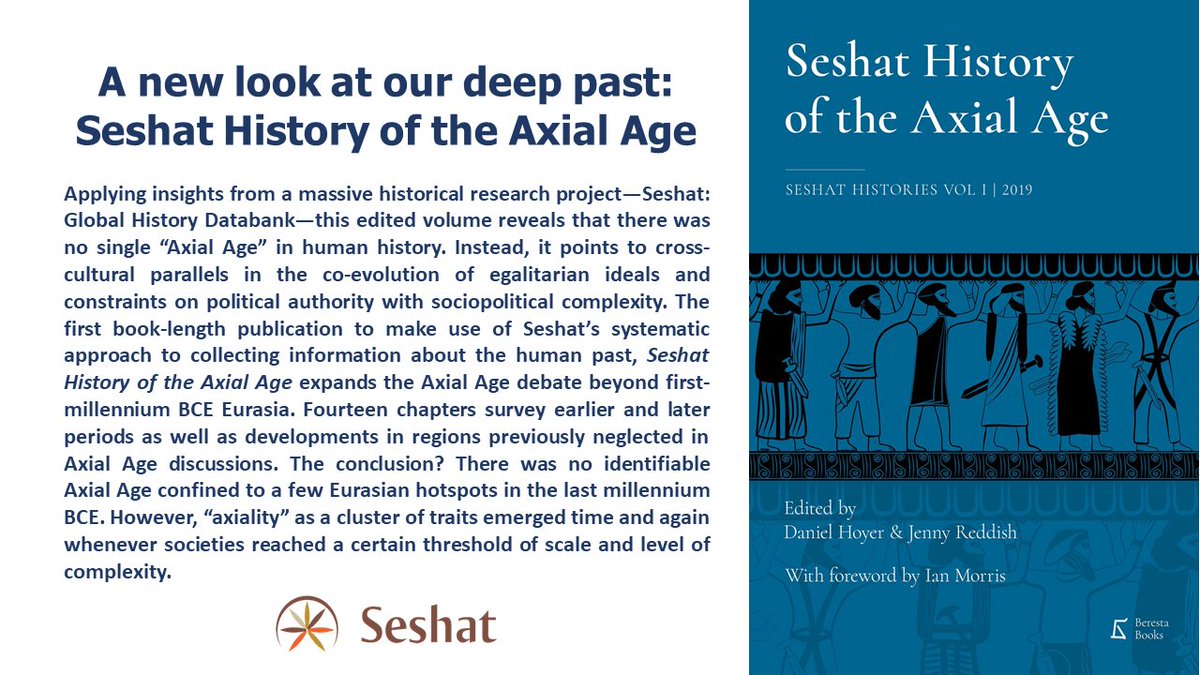
Seshat History of the Axial Age is out!
Fairness and equity, universal rights, freedoms, representative, democratic governance, the notion that no one is above the law—these are ideas many of us cherish in the modern world. But where did they come from?
amazon.com/dp/0996139567
7
54
121
Seshat retweeted

24 Feb 2024
Our 🌐 world 🌐 is becoming ever more interconnected 🤝 and interdependent – and thus, complex. Today's problems span beyond traditional disciplines, calling for interdisciplinary research to find solutions. But what these problems often have in common is the necessity to man ...
4
18
1,602
19 Feb 2024
What's it like to be a 'Crisis Detective'? Dan Hoyer writes in @ConversationUK about his journey from classics to complexity science, and why studying crises in the past gives him nightmares, but also helps him find some hope for our present polycrisis: theconversation.com/historys…
1
3
1,201
7 Feb 2024
Every society's path to complexity was somewhat unique, but there are some clear patterns in the ebbs-and-flows of how they get there. New paper published today in @PNASNexus using @SeshatDatabank explores these timescales: academic.oup.com/pnasnexus/a…
3
7
541
Seshat retweeted

3 Jan 2024
We are having a stats postdoc position available to work with humanities datasets, including @SeshatDatabank data. Please circulate widely! jobs.ac.uk/job/DEY204/resear… @Peter_Turchin @RuthAhnert @RuthMostern @jgmanning @fotisja @Adam_Crymble @j_w_baker @dder
1
24
29
9,760
18 Oct 2023
Hear about the way history prepares societies to face major threats -- or to become overwhelemd by them. @SeshatDatabank researcher @hoyerdan talks with Quantum Photonics on @Clubhouse tomorrow!
18 Oct 2023

hey - you should join us Tomorrow, 6:00 am for Why some environmental shocks lead to disaster, others don’t. clubhouse.com/invite/7V7ipWo…
2
816
18 Oct 2023
New #postdocposition working with @jsegoviamartin on sustainability, environmental economics and computational science; Mohammed IV Polytechnic University, Morocco: career2.successfactors.eu/ca…
425
Seshat retweeted

17 Oct 2023
Climate change has toppled some civilizations but not others. Why?
The link between environmental disasters and societal collapse, explained.
grist.org/culture/climate-ch…
4
26
71
11,240
16 Oct 2023
History shows us not only what happened before, but can help show us why – and these can turn into lessons for today. See the great new piece on work by @Peter_Turchin @hoyerdan and @SeshatDatabank team in @grist

There are a lot of reasons why people are fascinated by the rise and fall of ancient empires. But could America go up in smoke? We explore: grist.org/culture/climate-ch…
1
609
Seshat retweeted

27 Sep 2023
New theme issue of #PhilTransB edited by @AnnePisor, J. Stephen Lansing & Kate Magargal looks at methods people use to adapt to environmental changes. Understanding this can help researchers, policymakers and organisations better support communities as they respond to #ClimateChange: bit.ly/PTB1889 #CulturalEvoReads

1
8
12
2,854
19 Sep 2023
Neither the present nor the future are disconnected from our shared past. Thrilled for @SeshatDatabank work to be part of this incredible special issue
18 Sep 2023

4. To understand the broad brushstrokes of what cultural practices work for climate extremes & what don’t, look to the past:
Databases summarizing the historical record (like CrisisDB; @hoyerdan et al)
Archaeological data - & don't forget the Global South (Scheinsohn et al)
6/
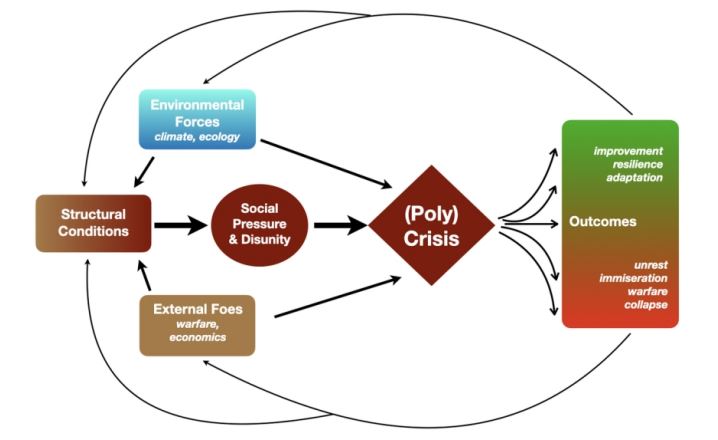
ALT From Hoyer et al (2023; https://royalsocietypublishing.org/doi/10.1098/rstb.2022.0402): Flowchart illustrating idealized causal connections between different factors around polycrisis.
3
5
660
Seshat retweeted

18 Sep 2023
Climate resilience is built into human nature, including the innovations we design & share. In our special issue out today in Phil Trans B, 14 teams discuss how studying culture brings insight to contemporary climate adaptation: royalsocietypublishing.org/t…
Some take-homes:
1/

ALT Dr Alit Arthawiguna and a team of Balinese agricultural researchers investigate ways to reduce greenhouse gas emissions from rice paddies in Subak Bene, using traditional methods of collective irrigation management. Photo: Steve Lansing
2
24
44
6,415
Seshat retweeted
20 Jun 2023
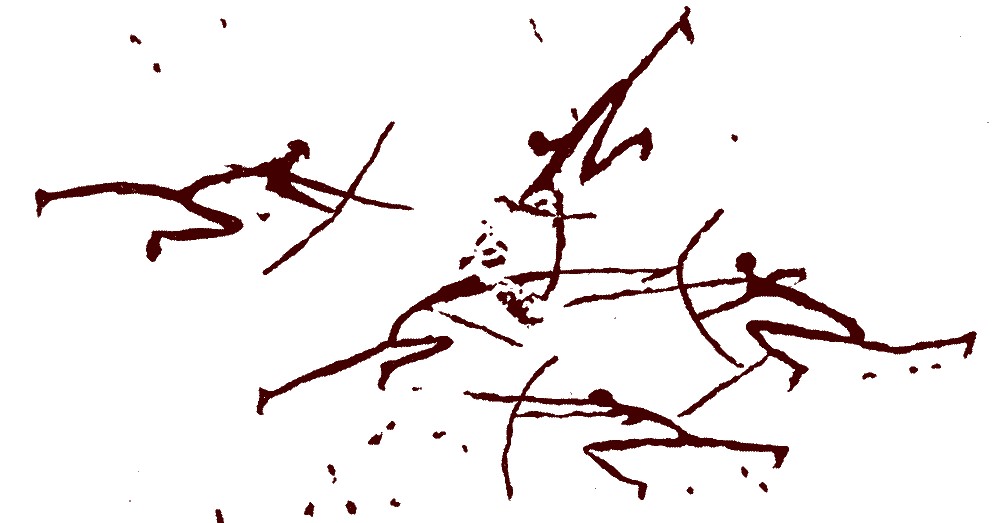
Did #warfare lead the fall of small-scale societies? @CSHVienna scientist @Peter_Turchin and his team may have added a key piece to an #archeology puzzle. Their study in @SciReports shows violent #conflict played a crucial role in #Neolithic Europe. ➡️ bit.ly/3CDBaPm
5
12
3,209
Seshat retweeted

13 Jun 2023
I am delighted that the International Journal of Humanities and Arts Computing has posted a call for papers for a special issue on Spatial Humanities and the Global South. Please spread the word! Papers due end of January 2024! More information here! bit.ly/3Jak2UW
1
22
32
5,576
Seshat retweeted
12 Jun 2023
This video interview went really well. Oli is a terrific interviewer.
youtube.com/watch?v=sH7wqxjU…
4
18
54
9,734
8 Jun 2023
@Peter_Turchin sat down with the Spectator UK to explain why it is that elites have been the drivers in pretty much all of history's major periods of unrest. spectator.co.uk/podcast/pete…
1
2
4
384
8 Jun 2023
He unpacks the theory of elite overproduction and details instances of how frustrated ambition leads to unrest and, sometimes, societal catastrophe in his new book, End Times: penguinrandomhouse.com/books…
2
291
8 Jun 2023
we hope the event was as relaxed and engaging as planned ;)
7 Jun 2023

I am in London in the middle of my book promotion tour in UK. A new experience for me. 6-minute interviews are tough!
This evening's event should be more relaxed (and enjoyable):
howtoacademy.com/events/can-…
3
494
Seshat retweeted
2 Jun 2023
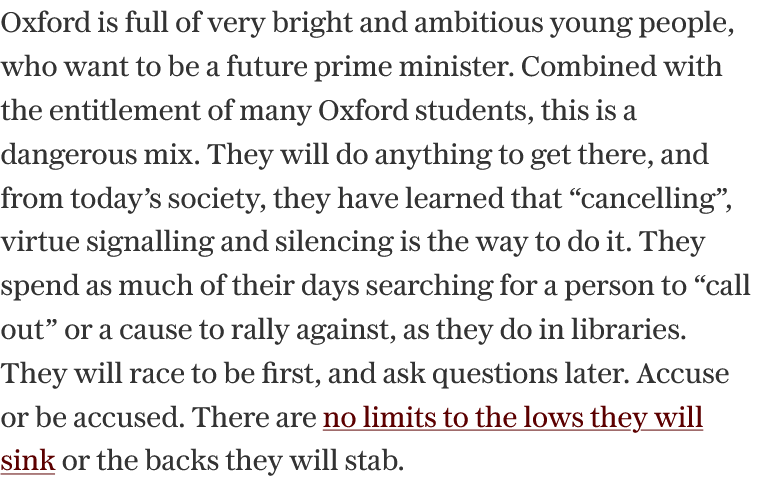
The link between elite overproduction and cutthroat competition explained and illustrated
telegraph.co.uk/news/2023/05…
22
102
364
318,606
Seshat retweeted

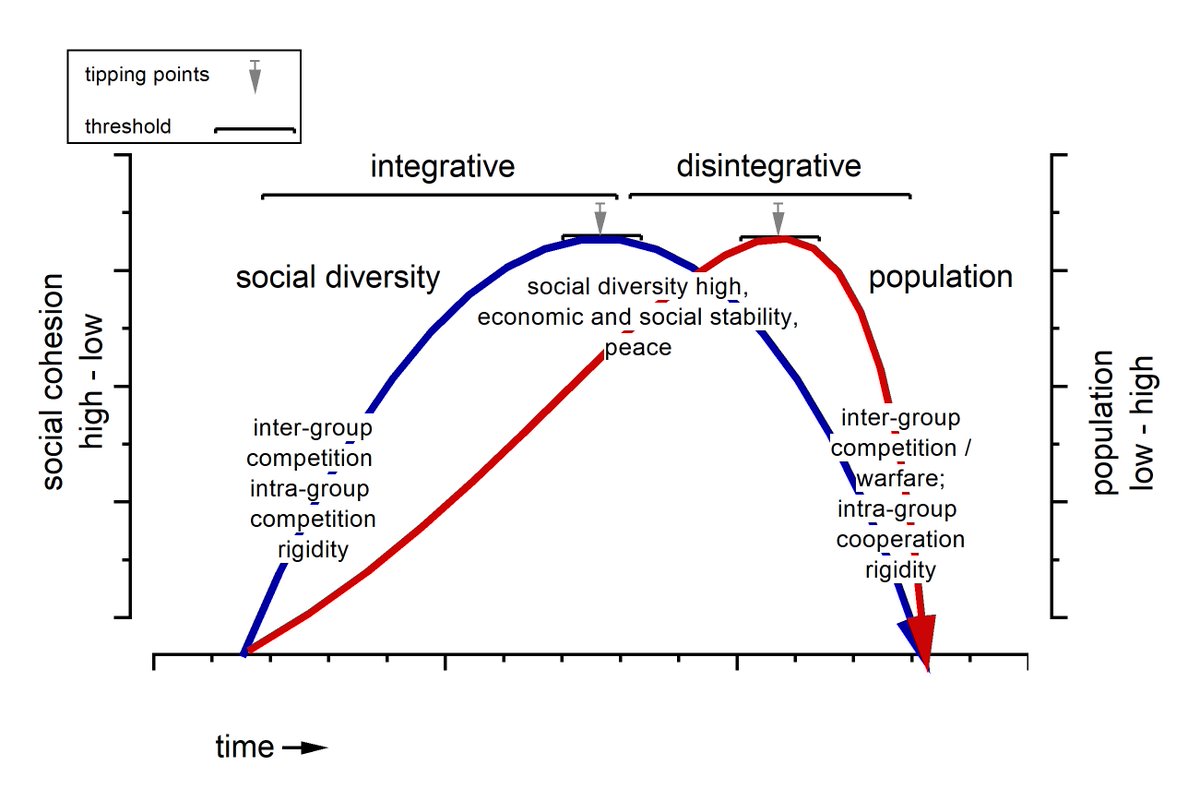
Our study with @Peter_Turchin & @hoyerdan "Explaining population booms and busts in Mid-Holocene Europe" is online @SpringerNature @SciReports. Its social processes with violent conflict rather than climate... @leizarchaeology
rdcu.be/dd2Ms
4
12
3,078
31 May 2023
"Although we can learn from past collapses, no one can predict them, and we should be careful interpreting the history of past collapses through the lens of present-day social and environmental concerns and vice versa": omega.ngo/2023/05/the-global…
1
3
423
31 May 2023
- interesting piece by zack walsh on how @cliodynamics and complexity science can help us understand the prospects for catastrophic, civilizational collapse - while also highlight what is truly unique about our current 'age of Polycrisis'
1
263