
Joined August 2021
- Tweets 189
- Following 771
- Followers 8,066
- Likes 544
31 Photos and videos
Pinned Tweet

Apr 17
I’ve wanted to do this for a decade.
But I never did - I refuse to give any company my DNA.
It is me.
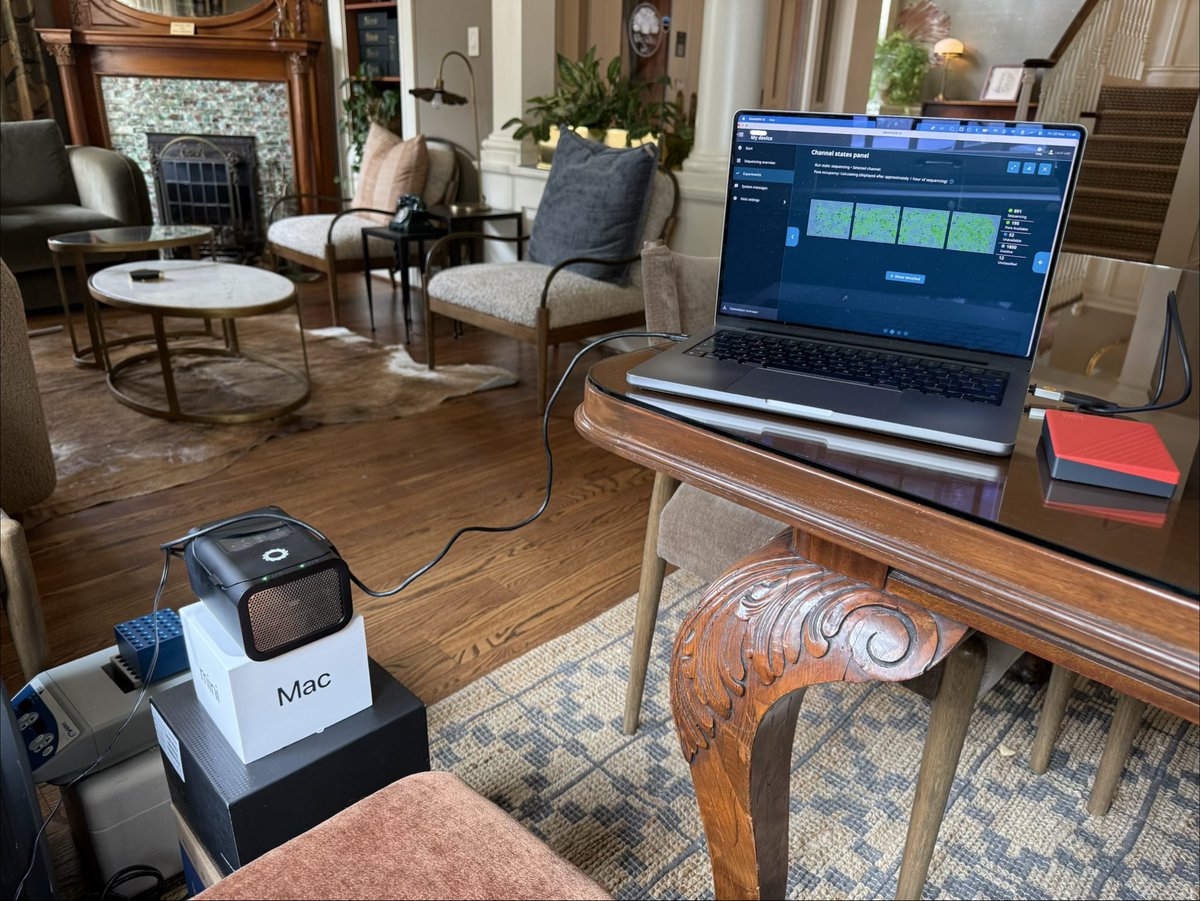
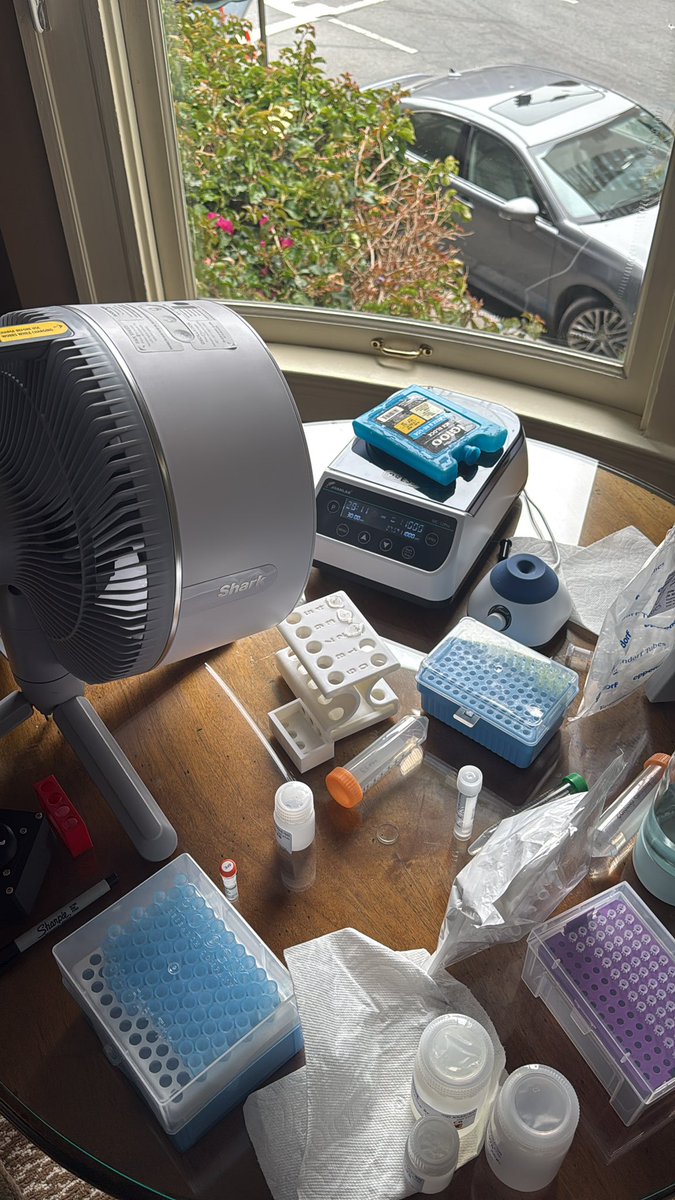
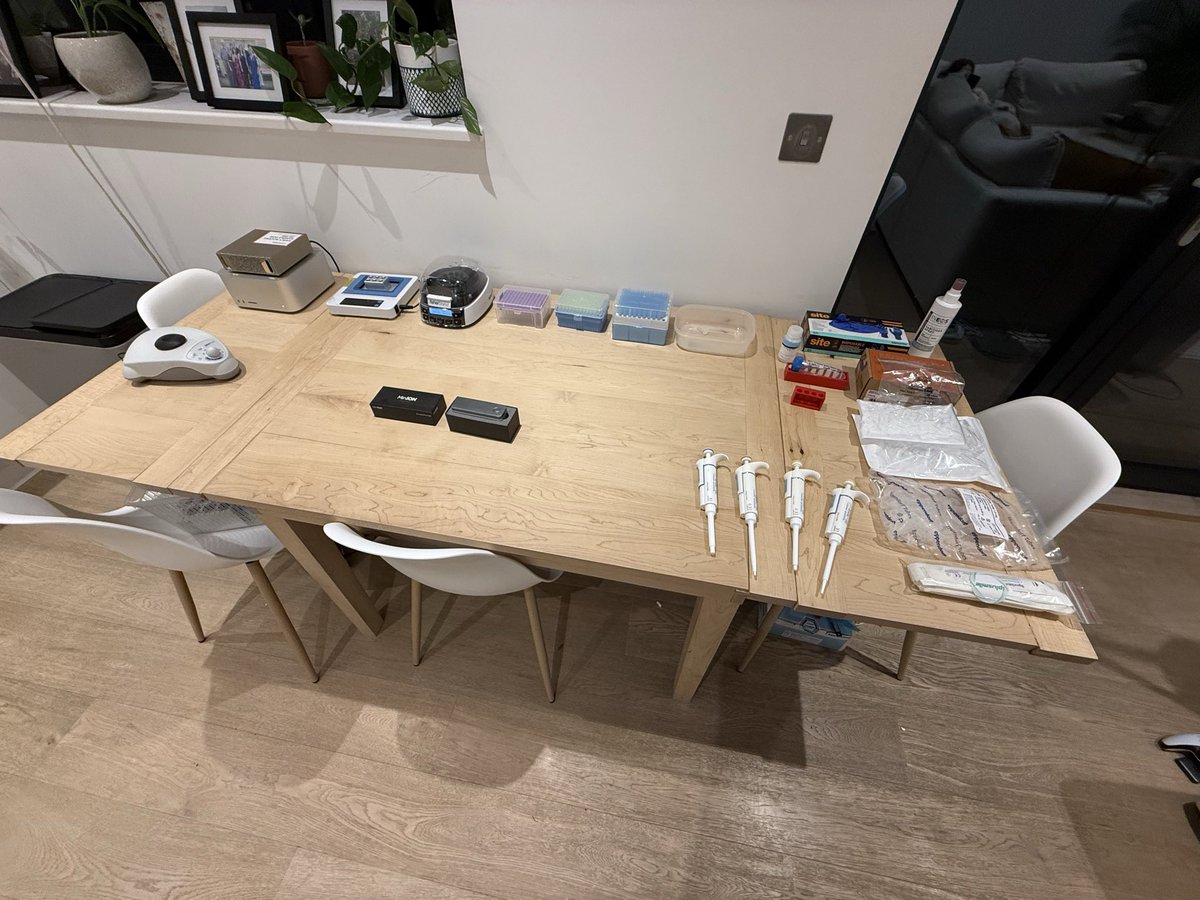
So this week I sequenced my genome entirely at home. Literally on my kitchen table.
I never exposed my DNA sequence to the internet. Not at any point.
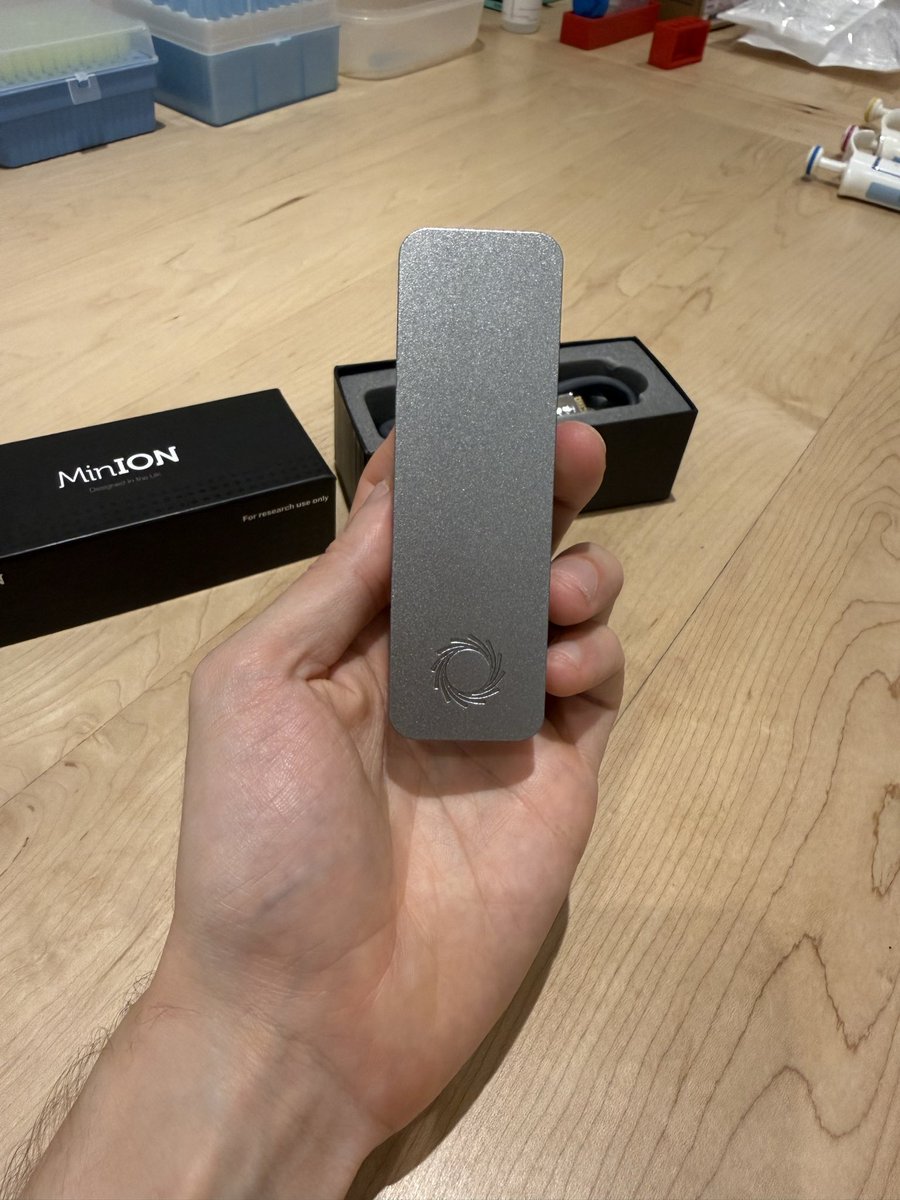
I used a MinION to do the sequencing (it’s smaller weighs less than an iPhone).
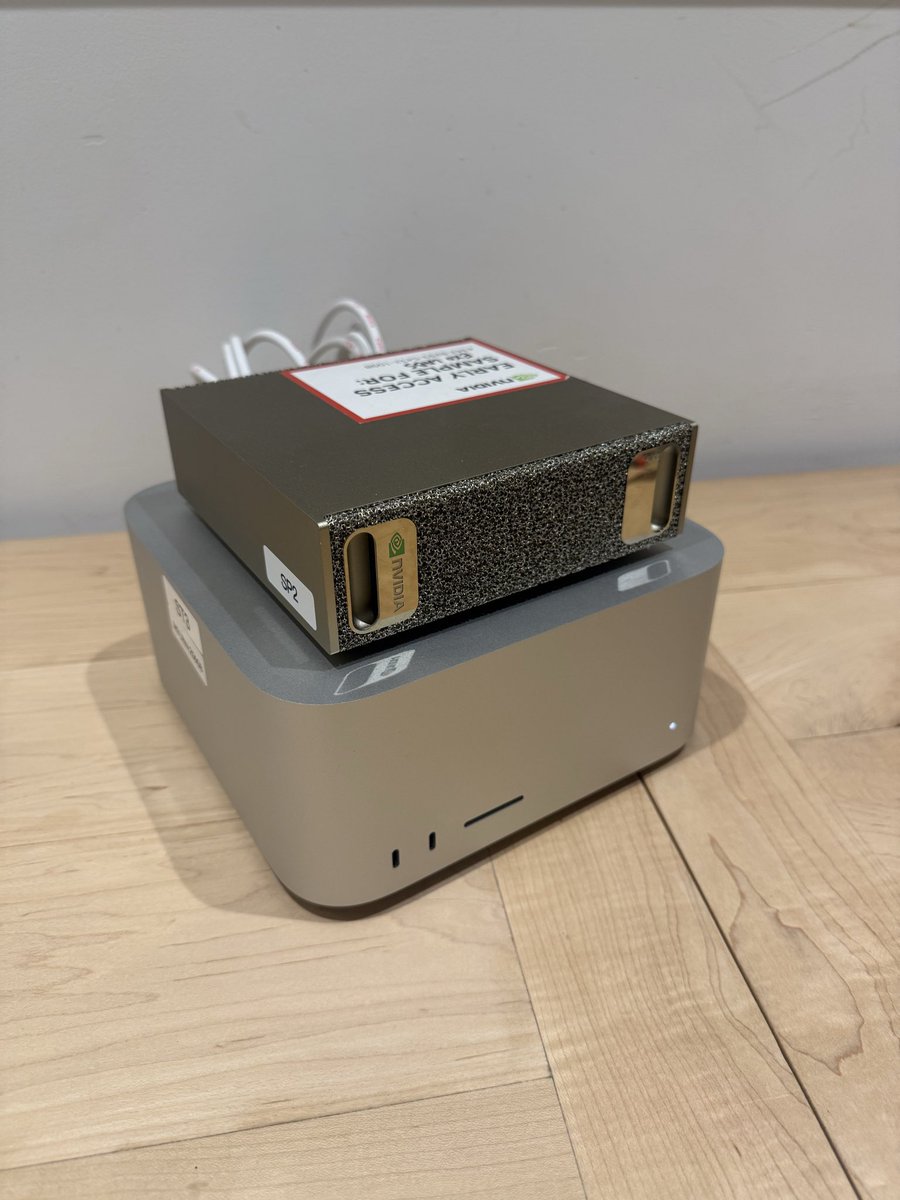
I used open-source DNA models for the analysis (Evo2 and AlphaGenome) running locally on a DGX Spark and Mac Studio.
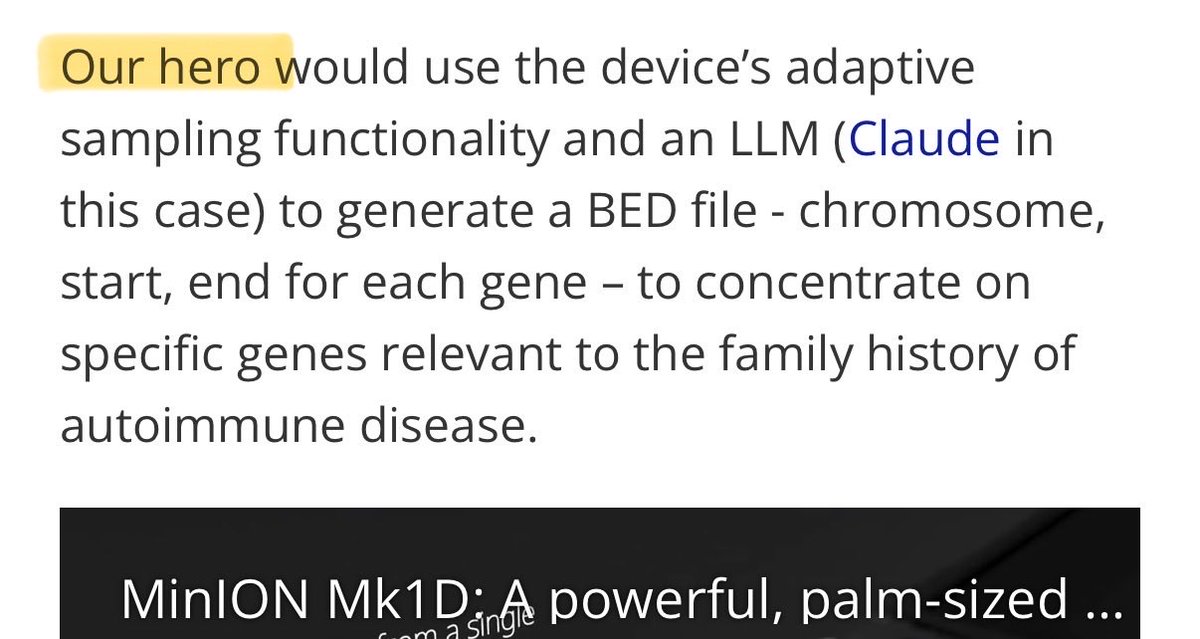
I traced mechanisms behind my family’s multigenerational autoimmune conditions that no clinician has been able to understand.
When I set out to do this I didn’t know if it would actually work. It does.
Your genome is the most private data you will ever have. You probably shouldn’t let it leave your house.
Apr 17

I'm lucky enough to have a great doctor and access to excellent Bay Area medical care. I've taken lots of standard screening tests over the years and have tried lots of "health tech" devices and tools.
With all this said, by far the most useful preventative medical advice that I've ever received has come from unleashing coding agents on my genome, having them investigate my specific mutations, and having them recommend specific follow-on tests and treatments.
Population averages are population averages, but we ourselves are not averages. For example, it turns out that I probably have a 30x(!) higher-than-average predisposition to melanoma. Fortunately, there are both specific supplements that help counteract the particular mutations I have, and of course I can significantly dial up my screening frequency. So, this is very useful to know.
I don't know exactly how much the analysis cost, but probably less than $100. Sequencing my genome cost a few hundred dollars.
(One often sees papers and articles claiming that models aren't very good at medical reasoning. These analyses are usually based on employing several-year-old models, which is a kind of ludicrous malpractice. It is true that you still have to carefully monitor the agents' reasoning, and they do on occasion jump to conclusions or skip steps, requiring some nudging and re-steering. But, overall, they are almost literally infinitely better for this kind of work than what one can otherwise obtain today.)
There are still lots of questions about how this will diffuse and get adopted, but it seems very clear that medical practice is about to improve enormously. Exciting times!
424
1,075
12,848
2,478,059
Jun 10
perhaps Anthropic are overreacting by blocking fable usage for bio
oh wait…
May 25

I just sequenced a human genome to 30× coverage entirely at home.
As far as I know, this is the first time this has been done.
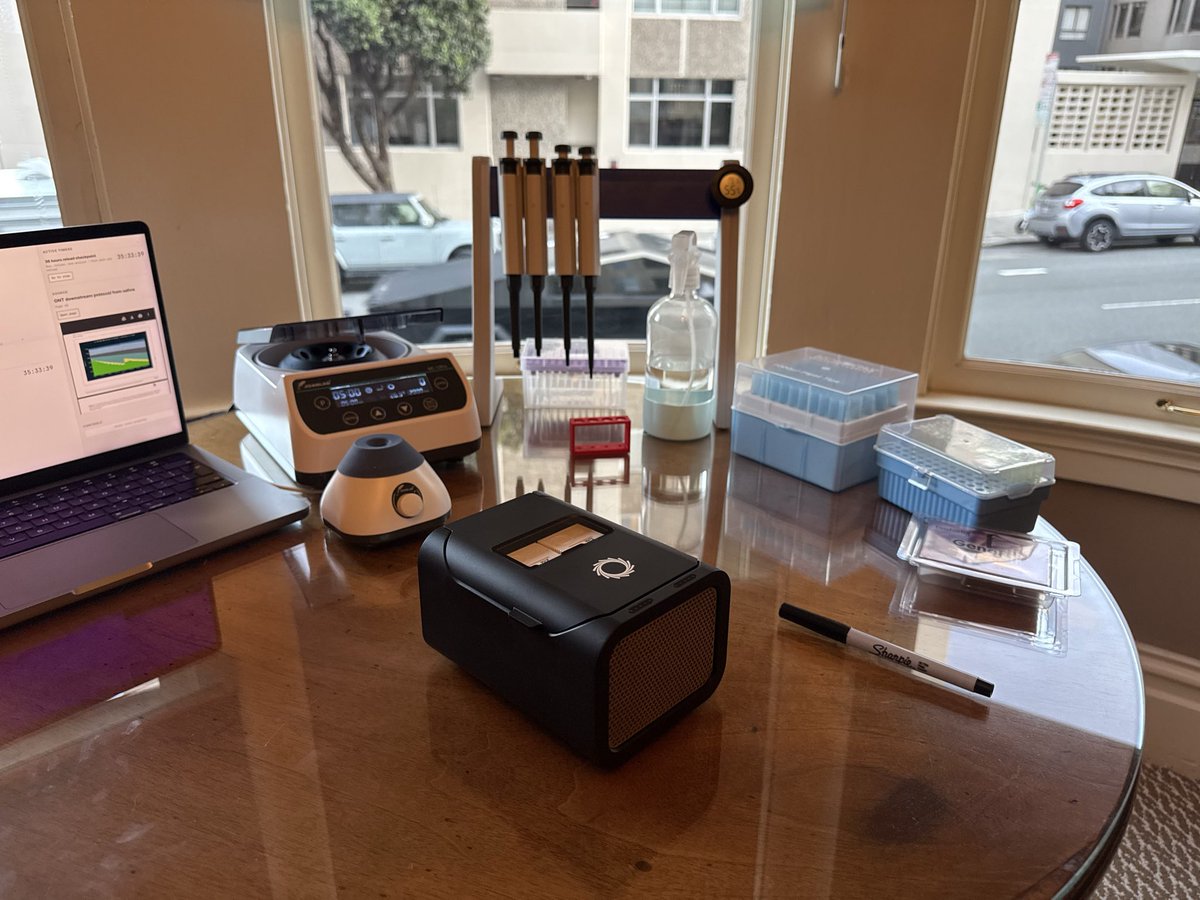
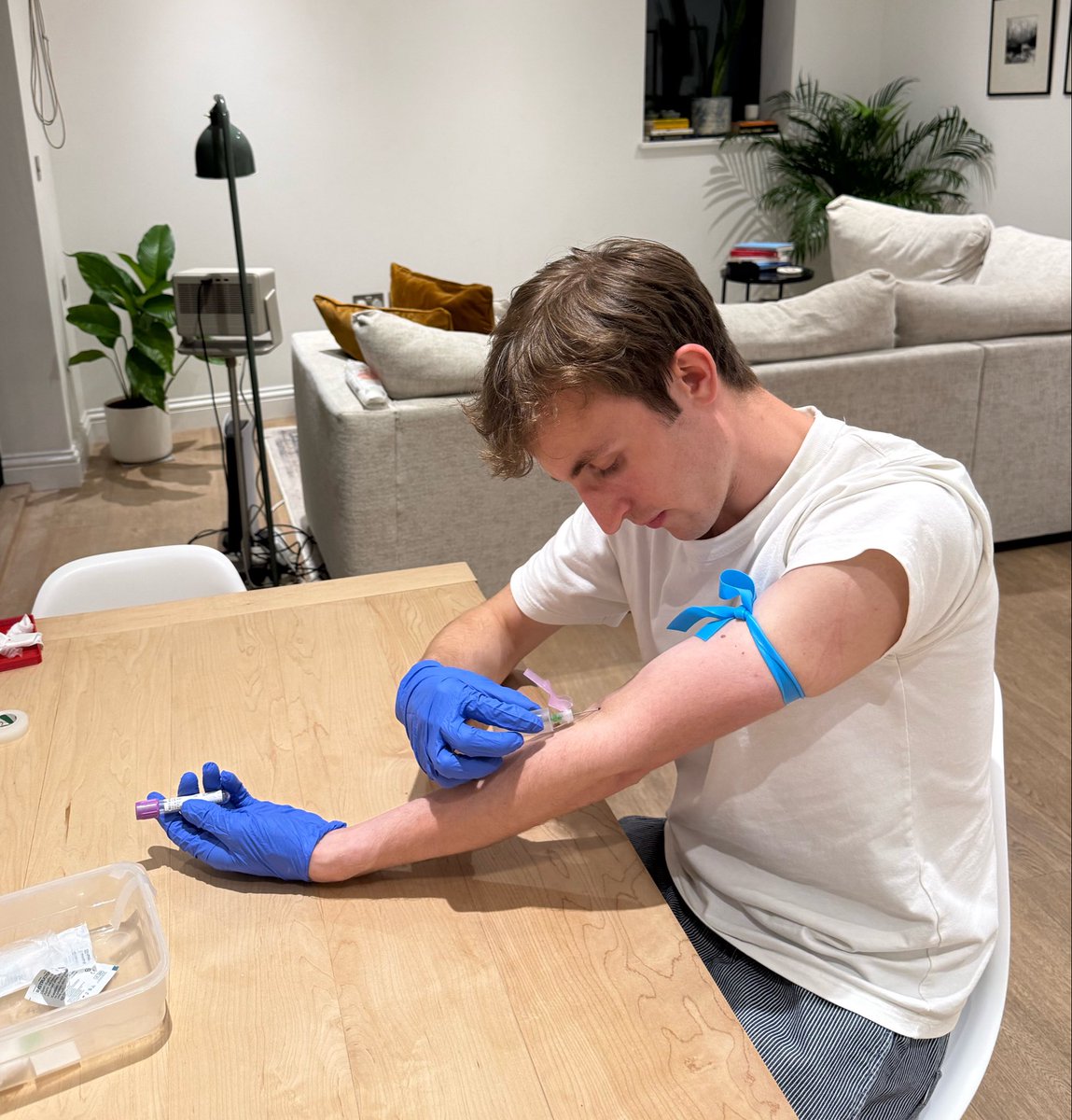
I didn’t step foot in a lab once. Every step - from saliva collection, to running the sequencer - took place in a single room with a dining table kitchenette.
Six weeks ago, I had never done wet lab biology before.
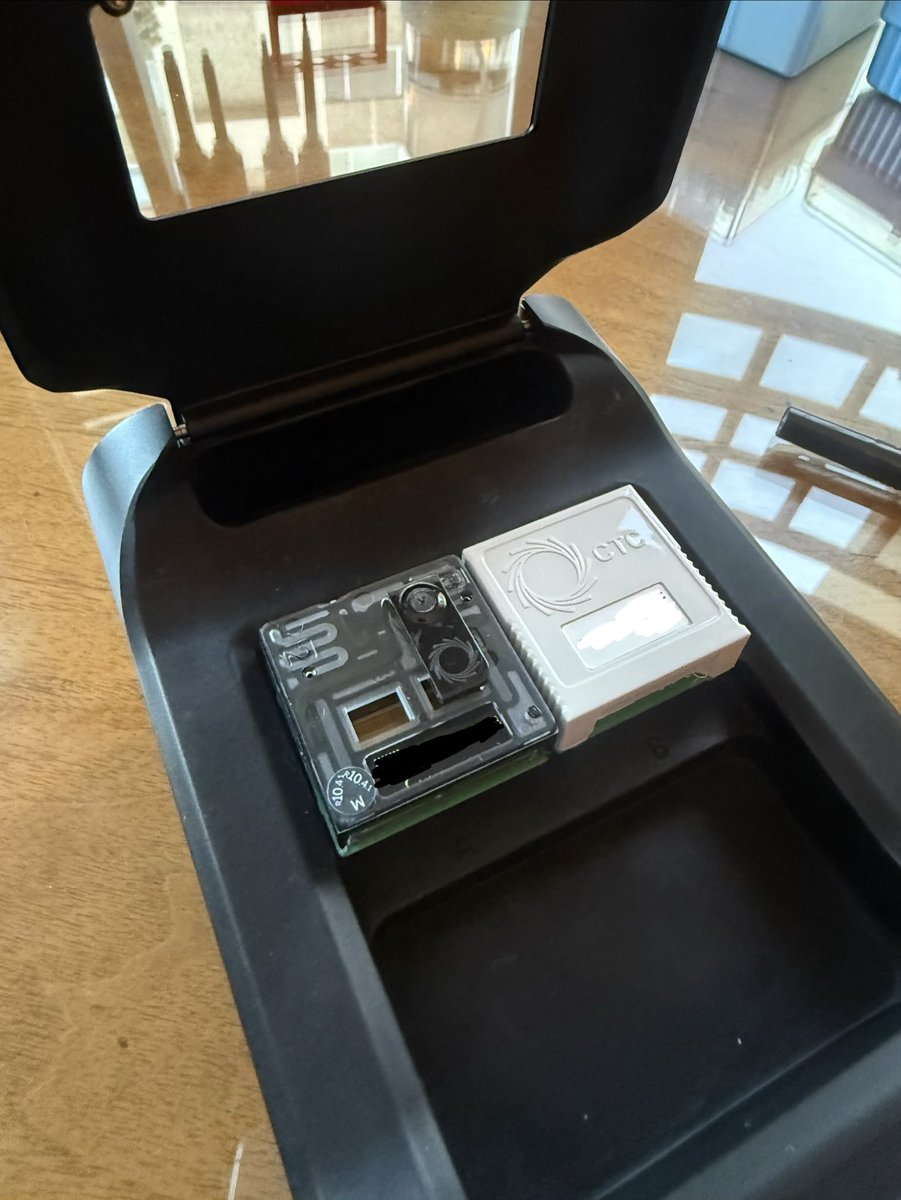
I used an Oxford Nanopore P2 Solo - the only commercially available sequencing device portable enough to do 30x human genome sequencing at home.
Biggest takeaway - I could build something that combined software, hardware, and molecular biology far faster than I thought was possible.
I can name >100 specific instances where AI helped me solve a technical problem that would previously have blocked me because I lacked access to a domain expert.
For example: how do I save my sequencing run when my DNA extraction yield is 4x lower than I need it to be, and I have this limited set of reagents to hand?
To make this work, I had to navigate multiple disciplines:
- writing software to monitor sequencing runs and orchestrate remote GPU infra for basecalling
- learning executing 5 hour long molecular biology protocols
- building a hardware device to quantify DNA concentration
Apologies for the hyperbole, but I feel super lucky to be living in 2026.
A few weeks ago I decided to sequence a human genome to 30x at home.
Then I actually did it. And I did it really quickly.
3
80
8,736
Seth Howes retweeted

Jun 3
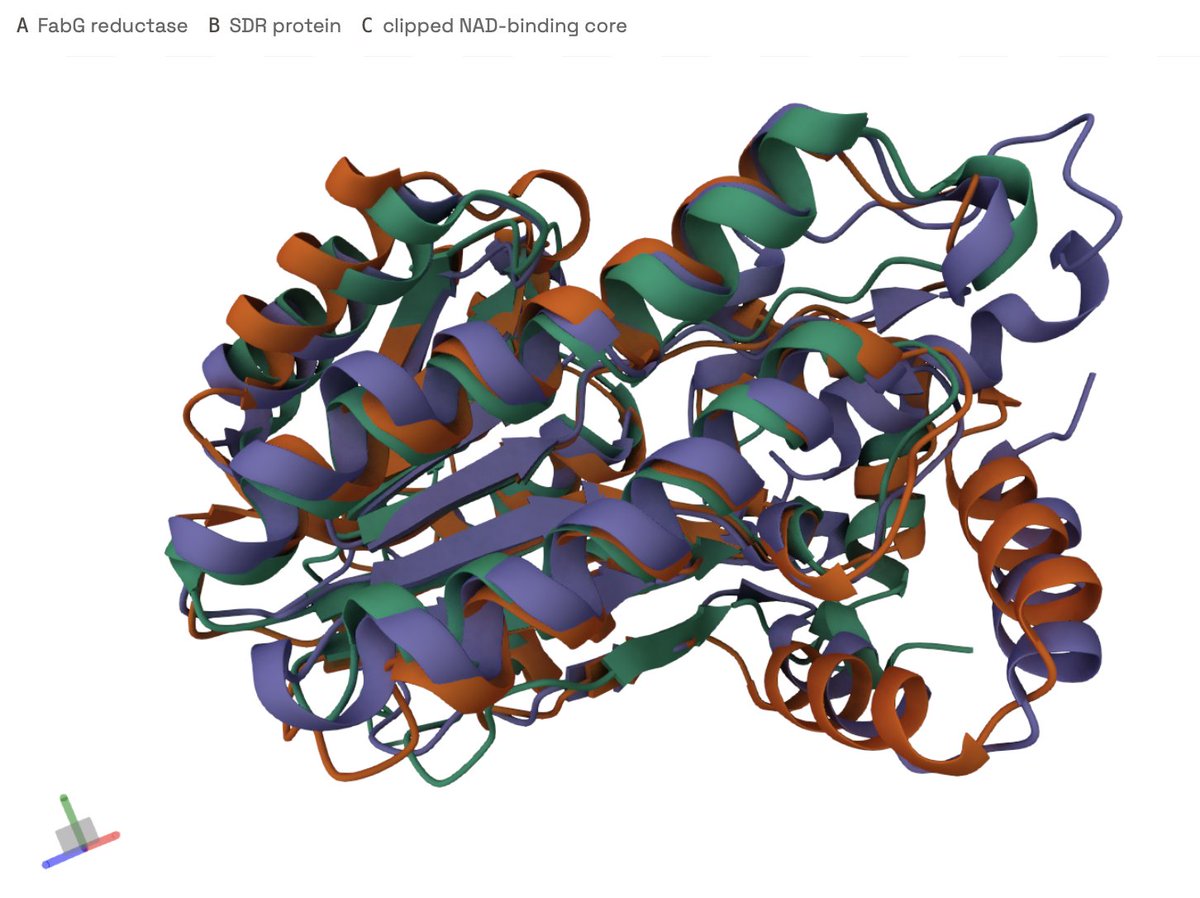
Today, we are launching our research blog!
We’ll use it for technical notes from our work building tools for enzyme and biomolecular design.
Our first post is about The Unreasonable Redundancy of Nature's Protein Folds.
TLDR: Please don't fold more sequences (1/n)
15
38
254
24,466
May 30
yes.
May 30

My latest article is about how the longevity movement should not be about wellness tips and tricks and lifestyle improvements, but rather, true, biotech-enabled life extension and life improvement.
We should be able to live exciting lives, without restriction. Forever.

11
1,367
May 29
Checked out of my hotel room but no worries - I can keep sequencing.
I’m eking out that final 5% data yield in the hotel lobby before my flight in 3 hours.
This is truly sequencing anywhere.
Maybe i should keep sequencing at 30,000 feet…
5
2
51
4,733
May 25
I just sequenced a human genome to 30× coverage entirely at home.
As far as I know, this is the first time this has been done.
I didn’t step foot in a lab once. Every step - from saliva collection, to running the sequencer - took place in a single room with a dining table kitchenette.
Six weeks ago, I had never done wet lab biology before.
I used an Oxford Nanopore P2 Solo - the only commercially available sequencing device portable enough to do 30x human genome sequencing at home.
Biggest takeaway - I could build something that combined software, hardware, and molecular biology far faster than I thought was possible.
I can name >100 specific instances where AI helped me solve a technical problem that would previously have blocked me because I lacked access to a domain expert.
For example: how do I save my sequencing run when my DNA extraction yield is 4x lower than I need it to be, and I have this limited set of reagents to hand?
To make this work, I had to navigate multiple disciplines:
- writing software to monitor sequencing runs and orchestrate remote GPU infra for basecalling
- learning executing 5 hour long molecular biology protocols
- building a hardware device to quantify DNA concentration
Apologies for the hyperbole, but I feel super lucky to be living in 2026.
A few weeks ago I decided to sequence a human genome to 30x at home.
Then I actually did it. And I did it really quickly.
253
470
4,760
396,420
May 22
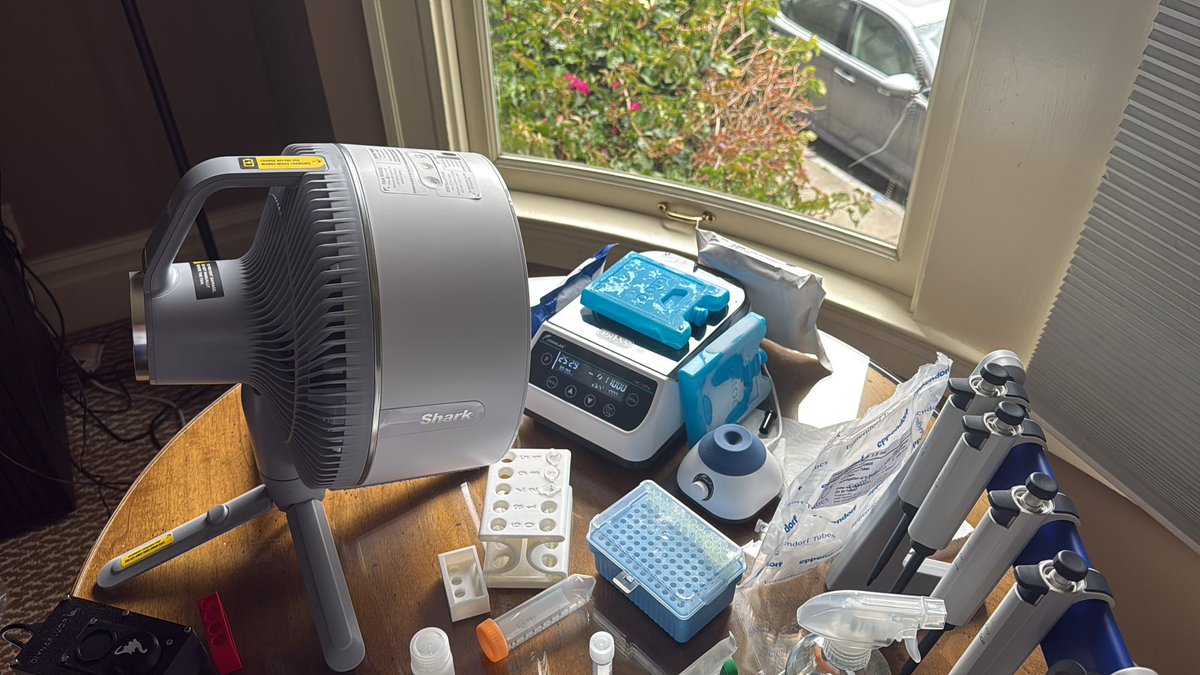
i love my chinese centrifuge.
that being said, i am dealing with some slight thermal issues rn
9
2
63
5,231
May 21
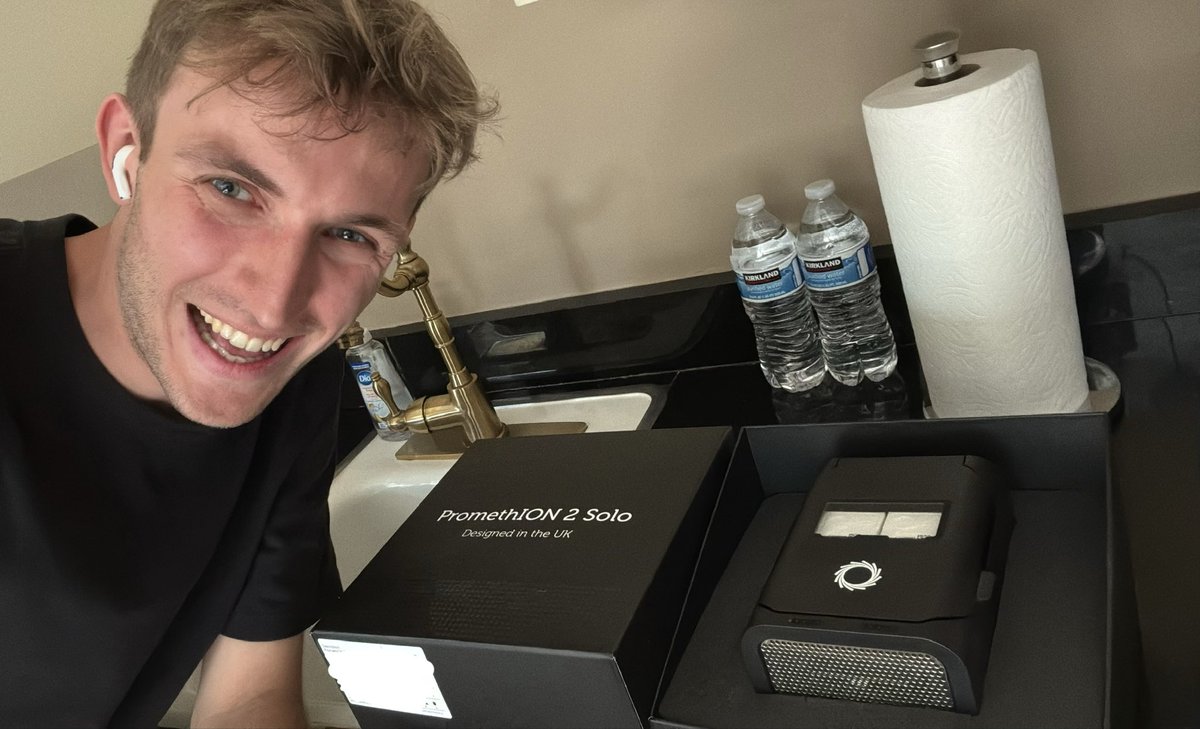
There’s only one device that can feasibly do 30x WGS at home:
The Oxford Nanopore P2 Solo.
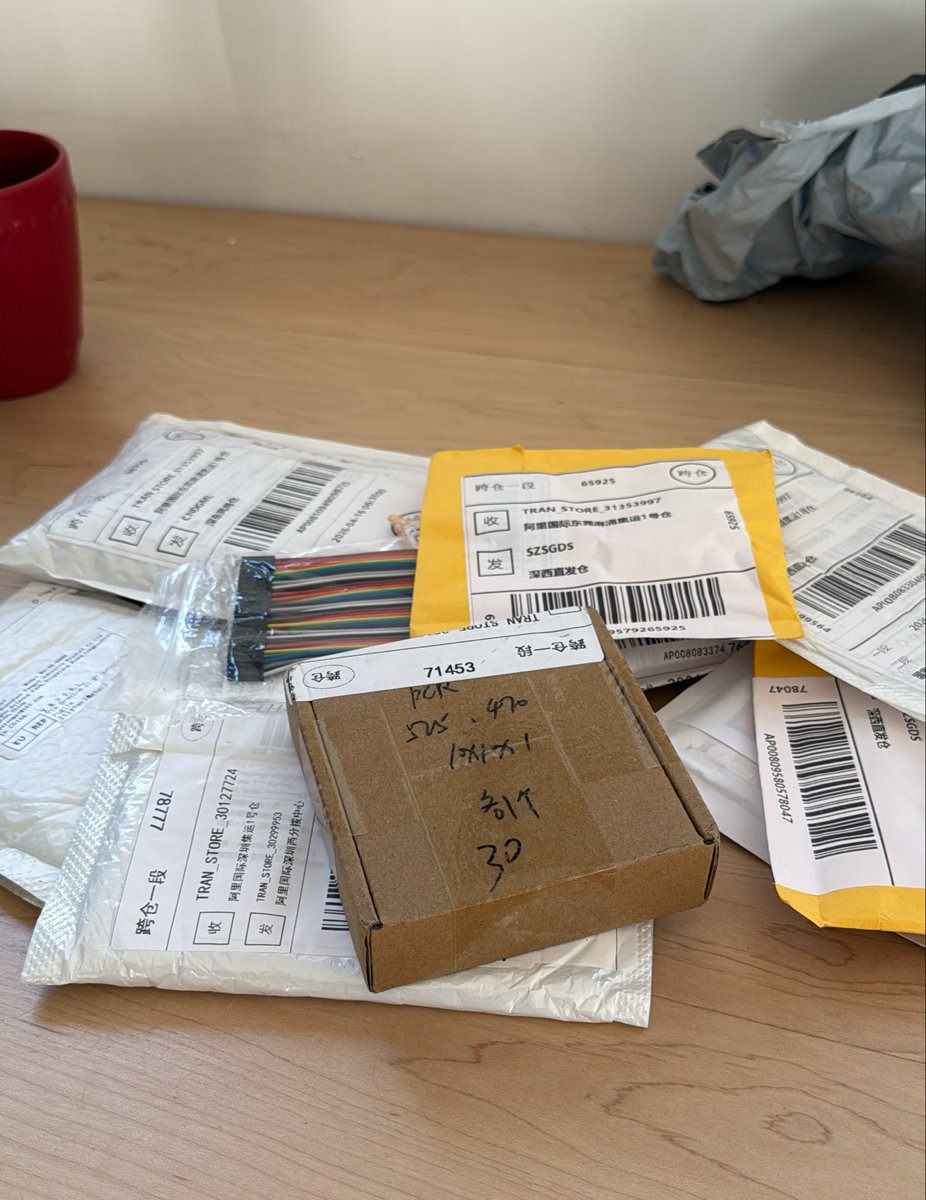
After ~500 emails and two weeks of chasing distributors, labs, and secondary channels, I finally managed to get hold of one.
Tomorrow, I will do 30x WGS at home.
2
1
234
18,137
May 21
RT @The__Taybor: You know, the only thing I ever feared at Oxford Nanopore, wasn’t failure, wasn’t risk, wasn’t running out of money, wasn’…
4
1
Seth Howes retweeted

29 Sep 2025
I really don't get the Mormon hate.
They are genuinely the nicest people I've ever met and a joy to be around.
You can insult their religion, call it weird, say it's made up, and they just tell you that everyone's entitled to an opinion and ask if you want to play board games.
793
470
10,692
707,307
May 4
I want to loan / buy a PromethION 2 Solo, so I can do 30x WGS at home.
I want to record myself running the full sequencing protocol end-to-end, and post the video.
If you are open to this, or know of somehow who may be, please DM me.
27
5
55
12,627
Apr 27
Recent interest in DIY bio has led me to ponder this question:
Will we ever see a hacker movement in biology akin to what we saw with personal computing in the 1970s?
Take homebrew computer club as a reference. You had a bunch of amateur electronic enthusiasts congregate to mess around within a given technology domain. To see what they could build, and share their ideas. Then you have a cambrian explosion of technological development in personal computing, because the component technologies are now accessible to individuals outside of the institutions that facilitated their early development.
What is structurally similar / different about the spaces of computing in 1975 and biology in 2026? Are the differences sufficiently great that the 'homebrew biology club' never exists?
43
7
141
23,297
Apr 25
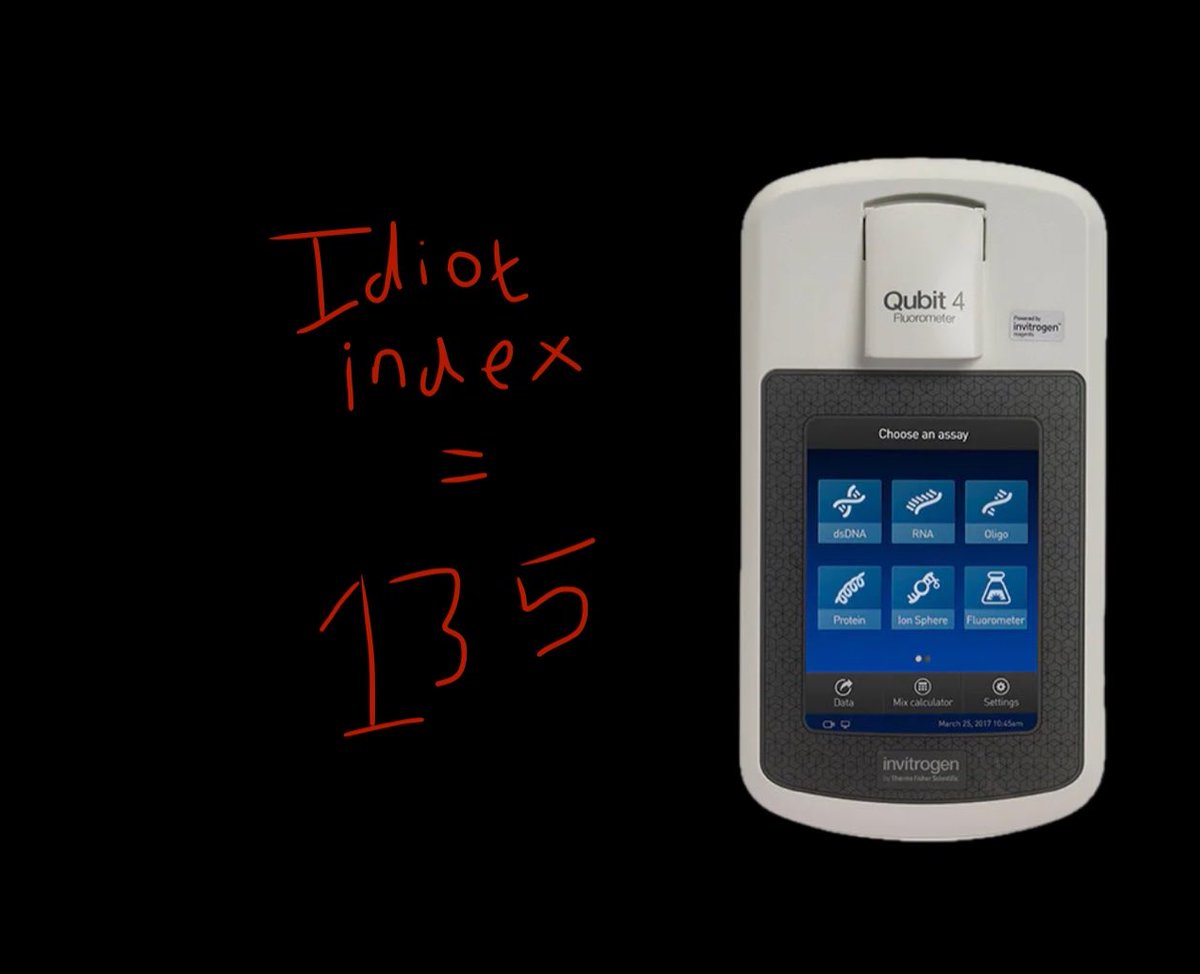
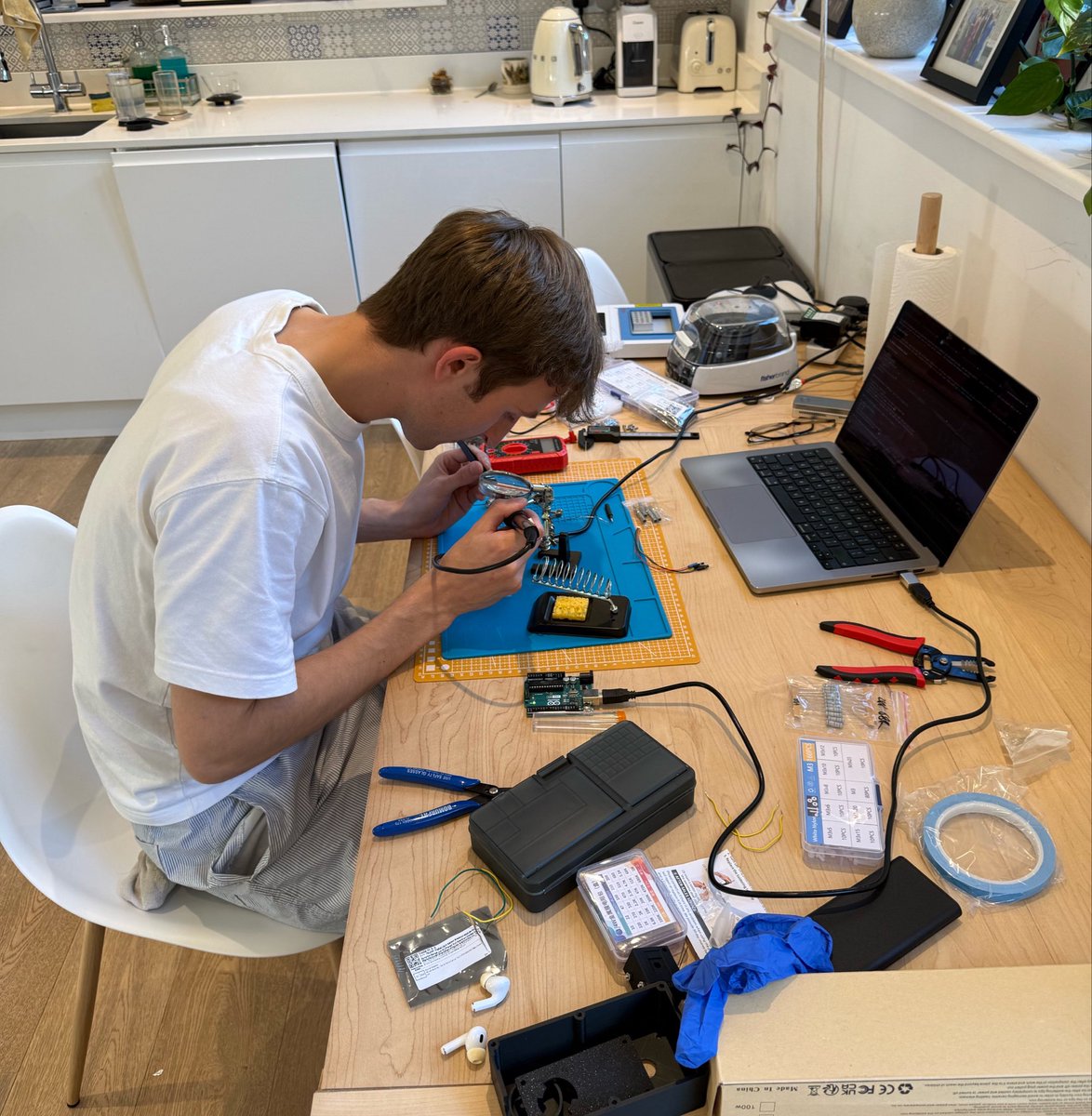
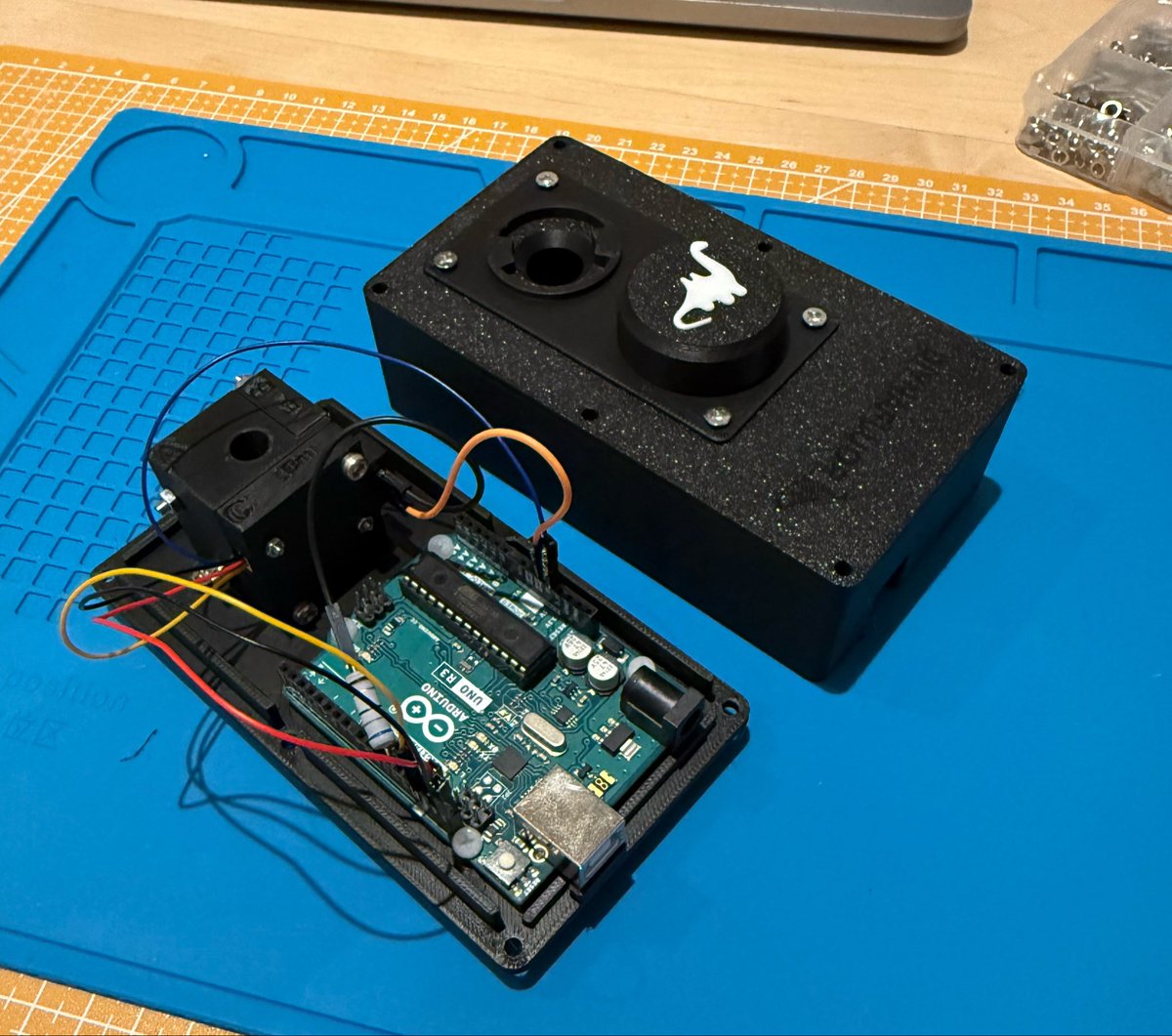
A Qubit costs ~$5,260.
I built one for $39.
Not a toy version. A fully working DNA fluorometer: the device you use to measure how much DNA there is in a sample.
This mattered because my first sequencing run underperformed partly because I didn’t know exactly how much DNA I was loading.
For nanopore sequencing, input DNA quality matters a lot. Too little and the pores are underutilised. Too much and flow cell longevity is compromised.
The underlying device is not complicated.
A DNA fluorometer works by adding a dye that binds to DNA, shining light at the sample, and measuring the fluorescence.
The BOM is basically:
> $23 optics sensor
> $8 Arduino/electronics
> $6 screws/nuts
> $2 enclosure plastic
Biotech especially is full of equipment with insane idiot indexes. With AI you don't really have an excuse not to 1) work out what that the index for a piece of equipment is and 2) build your own version if it's irrationally high.
THINK BEFORE YOU BUY.
46
119
922
56,029
Apr 25
Here’s the paper also with more detail on performance metrics from University of Queensland team - biorxiv.org/content/10.1101/…
6
6
59
4,203
Apr 23
today electronics.
tomorrow wet lab bio.
you can just do stuff.
19
43
979
21,338