
researching economics & growth in content/brand strategy | gaming/tech/creator economy | 300M views generated for clients
Joined March 2022
- Tweets 4,553
- Following 1,616
- Followers 10,673
- Likes 15,417
704 Photos and videos
Pinned Tweet

Jun 2
Recently several people have reached out about content strategy and audience development work. Today I'm opening up to select advisory or long-term roles for teams/creators serious about audience growth.
Past client work has netted 300M views 1M followers. DM and let's talk!
4
3
43
12,022
Jun 12
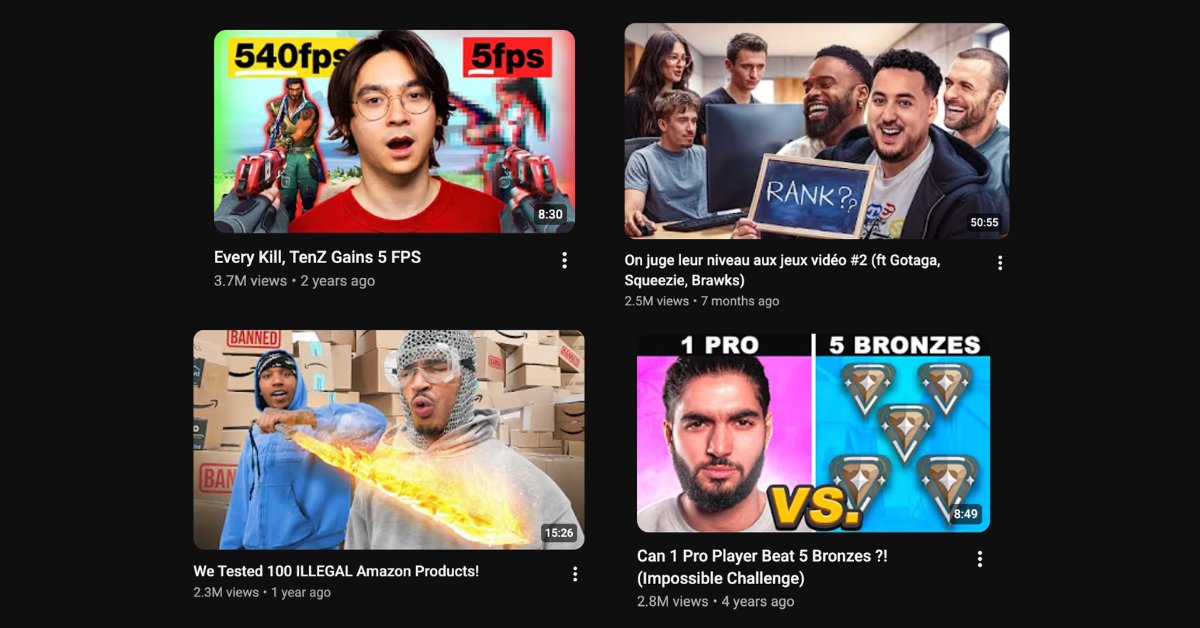
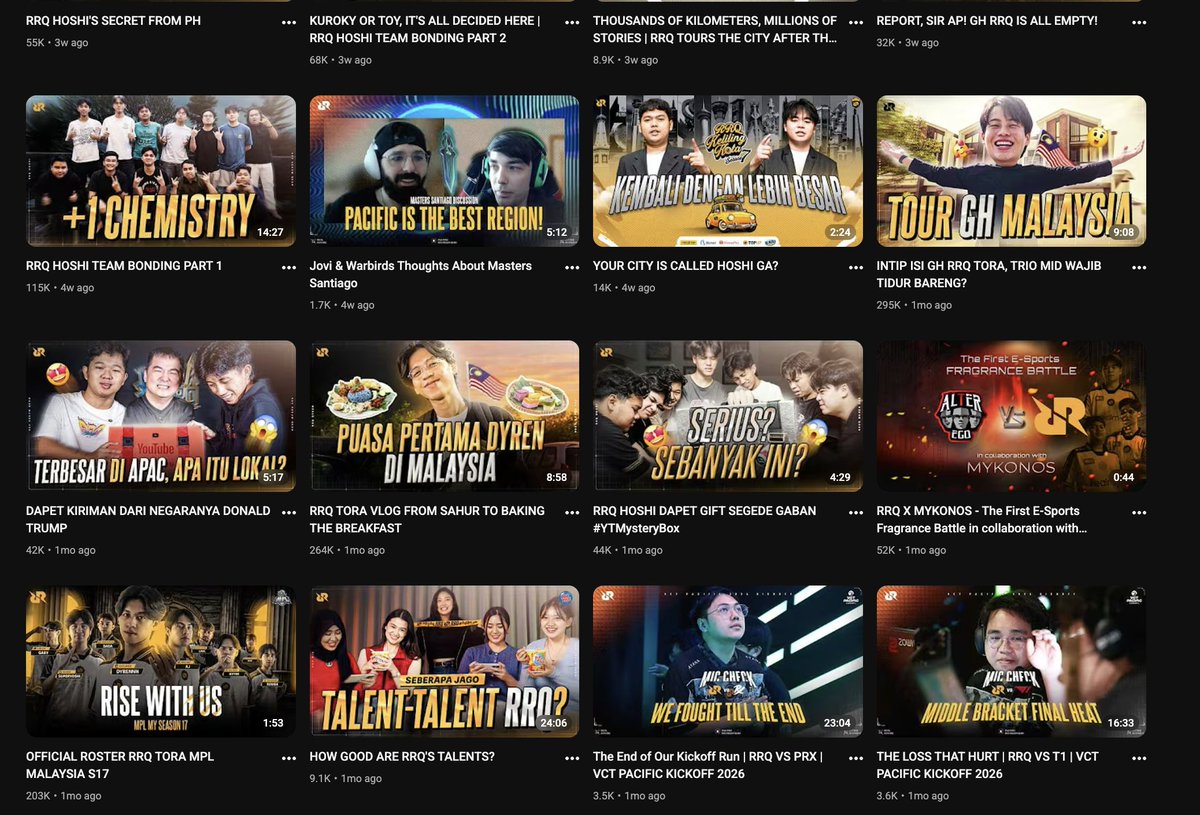
Each of these videos produced by esports organizations have millions of views. What they have in common is that none of their thumbnails explain what you're about to watch.
Thumbnails fail when they explain to the viewer the premise before they feel it. The videos that perform best convey their meaning for viewers to understand the stakes in under a second.
All four of these videos make it so that a complete stranger feels the tension before they understand the context.
1
6
2,138
Jun 7
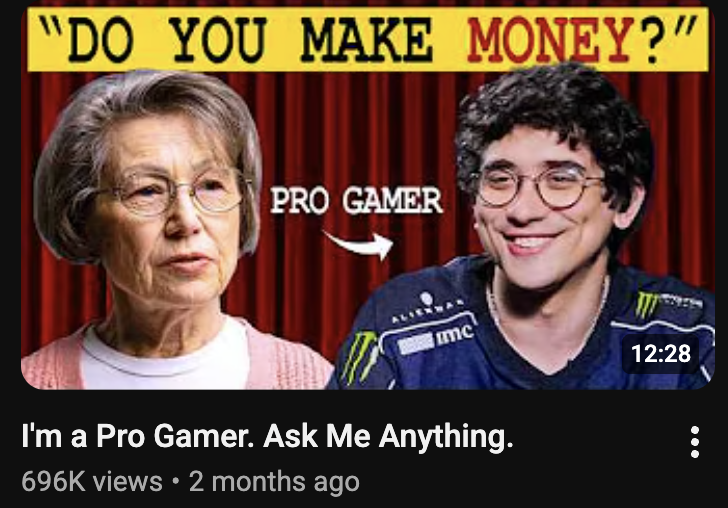
Team Liquid's most viewed League of Legends video isn't about League of Legends. There's a reason why it worked.
Notice how this title is made for a casual YouTube viewer and not an esports fan. There is no mention of Team Liquid, League of Legends, or esports. Anyone who has ever heard of a "pro gamer" understands the concept, giving viewers zero friction to click.
The thumbnail then amplifies what the title already established. A grandmother and a pro gamer are polar opposites with no obvious connection, which creates an immediate curiosity response in anyone scrolling. But it only works because the title already made the video understandable.
Humans have half-second attention spans: the best performing videos make you feel something before you click within a second of scrolling. Titles and thumbnails exist to incite that reaction.
1
92
10,666
May 30
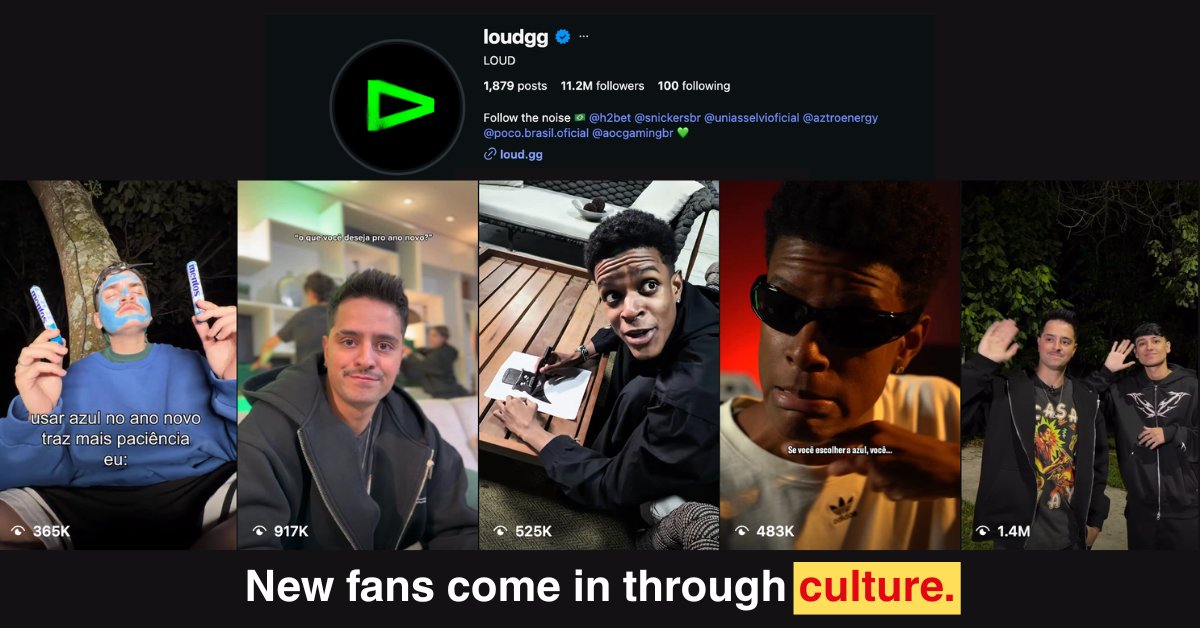
LOUD is the largest esports organization in Brazil. So why does their Instagram feed feature almost no competitive content at all?
Every post on their page is cultural: LOUD focuses mostly on Reels featuring skits, trends, and personality-driven content featuring their members and celebrities. A casual Brazilian viewer sees these posts and immediately resonates with what they're looking at.
Every bit of this is intentional. Despite Brazil having some of the most loyal fans globally, an audience built only on esports has a ceiling; the only way up is to center the brand on wider youth culture.
Most teams treat every platform as a center for match results. LOUD recognized that Instagram is a cultural and lifestyle platform by design. The feed is built for audiences that would never follow an esports team but might follow LOUD.
LOUD's next million followers won't come from esports at all.
14
27
963
56,398
May 24
G2 is seen as one of the best VCT teams in the world while the Valorant community calls them boring. But what do you actually know about G2’s players outside of match day?
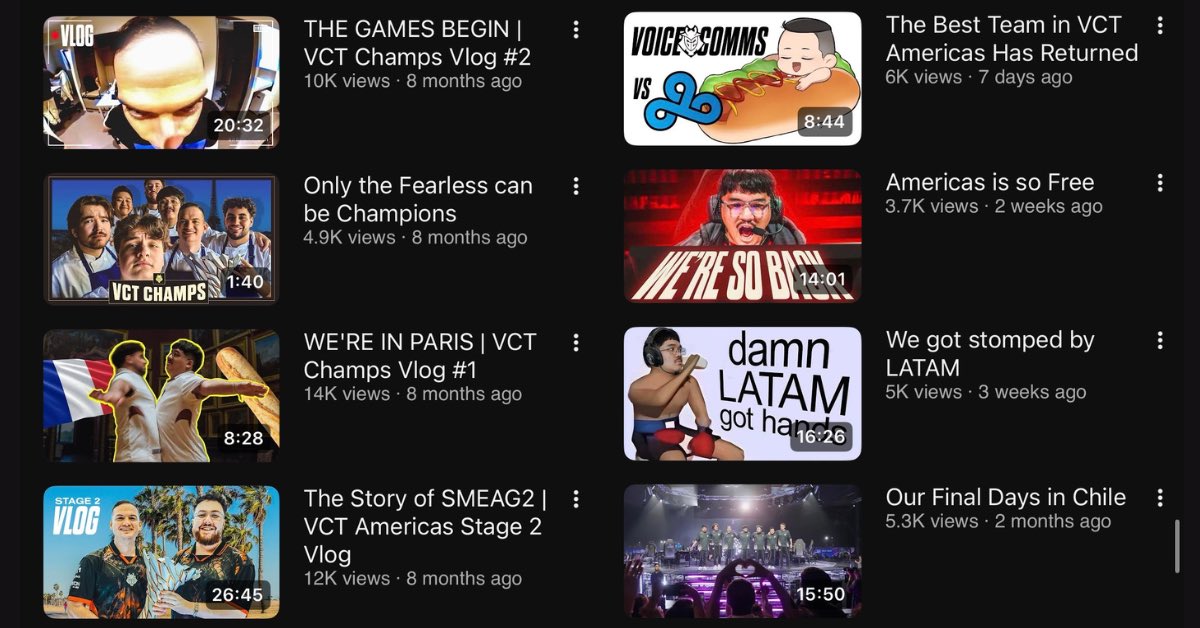
Almost nothing, and their content tells you why. G2’s YouTube channel has 30K subscribers despite consistent international attention for years on end.
Nearly everything they produce ties back to match results, like voice comms and competitive vlogs. This is content that only lands if you already follow the VCT and G2 closely enough to care about the result behind it.
The broader Valorant playerbase has never been given a reason to care about G2 as people outside of competition. Content that only lands if you already follow the league speaks exclusively to an audience already inside the pipeline and does nothing to fill it from outside.
G2 being seen as boring is a legibility - not personality - problem because casual viewers have never been shown who G2 is outside of match day.
9
5
205
26,380
May 24
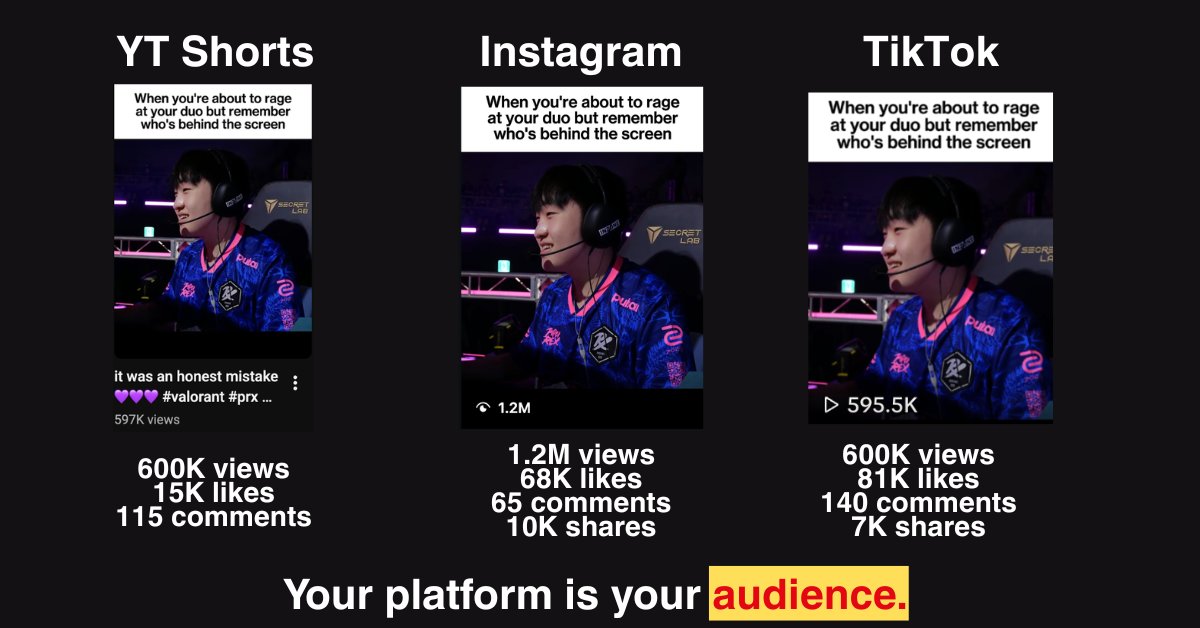
Paper Rex posted the same short on Instagram, TikTok, and YouTube Shorts with near identical follower counts across all three. How did Instagram double the performance of the other two?
The answer lies in how each algorithm is designed.
This PRX short is inherently shareable. It's designed as content people immediately want to send to someone they know. Instagram's algorithm rewards that behavior and boosts content shared between users. Shareability for Instagram's algorithm is what doubled performance.
TikTok and YouTube aren't built around that same sending behavior. Both prioritize showing content to people based on what they've watched before. PRX's format performed well in pure discovery, but viewers engaged differently. There were more comments because the natural response for these viewers is to react rather than passing it along.
Every algorithm produces different behavioral outcomes. How you distribute your content determines which behaviors you actually get.
1
15
1,570
May 20
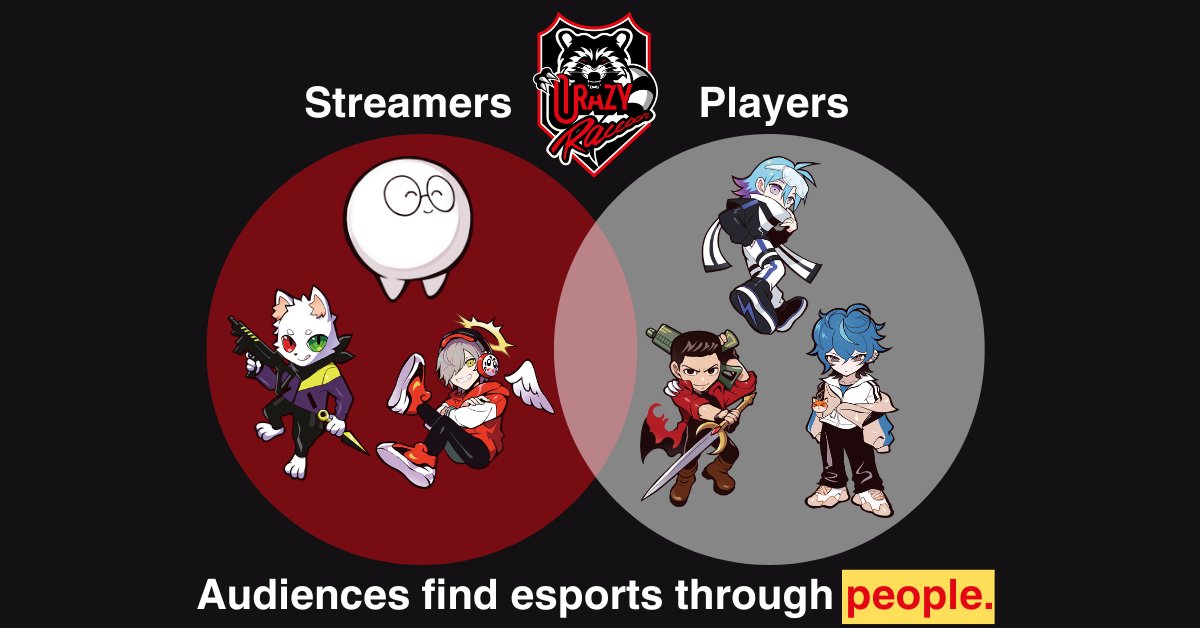
Esports tournaments exist to deepen fan investment for publishers and teams alike. Japan's Crazy Raccoon built a different model entirely, and it doesn't depend on tournaments at all. So what is CR doing differently?
CR uses its streamers and creators as a discovery layer, including casual streams and custom games between creators and pros. Existing streamer audiences encounter CR's esports players through personality before they ever encounter them through competition.
Once audiences resonate with those personalities, competitive attachment follows. The audience finds the esports through the person, not the other way around.
Here's why this works: Japanese audiences have spent decades developing deep parasocial loyalty through idol culture, extending most recently into Vtuber communities. CR's model directly plugs into a behavior that audiences already have.
Japanese organizations are structuring this deliberately. They're aligning incentives with Vtuber talent so that the creator's parasocial infrastructure builds organizational brand equity rather than just individual following. In the long term, audience attachment transfers to the org instead of leaving with roster moves.
This is a culturally specific pathway to the same destination in fan loyalty for teams over the long term. What Western teams can take away from CR is to ask what cultural infrastructure already exists that esports hasn't learned to plug into yet.
116
764
510,280
May 19
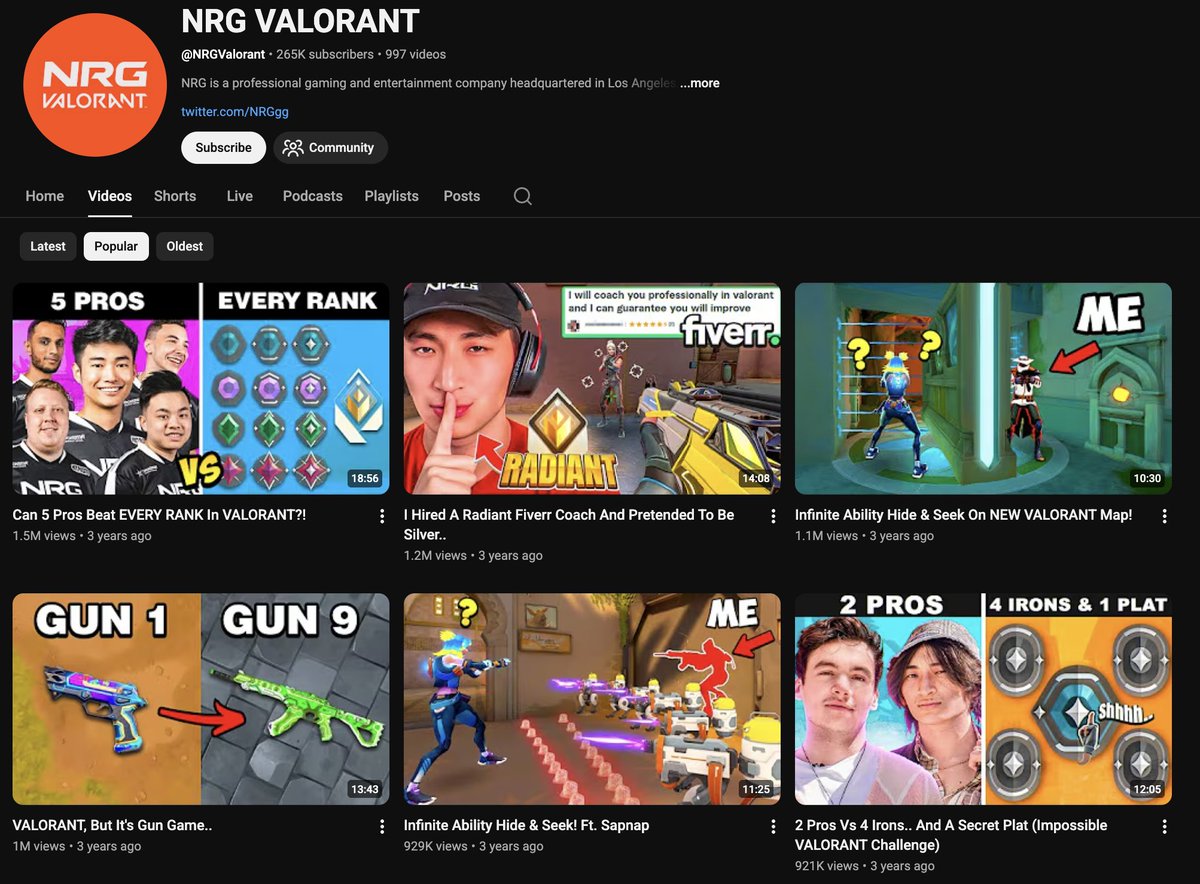
What do you notice about NRG's most popular Valorant videos? None of them are about esports.
Not a single one of their most popular videos require knowing who NRG is, what their roster looks like, or whether they're winning competitively.
These viewers didn't arrive as NRG fans. They arrived through formats legible to anyone who plays Valorant.
Some fraction of that audience converted into organizational followers through repeated exposure. This is the superfan pipeline: casual viewers enter through universally legible content, repeated exposure builds attachment, and a small cohort converts into fans of the team who drive organizational loyalty.
Most esports content speaks only to people already inside the pipeline while ignoring the wider audience above it. The content that actually builds fans of teams is the content that doesn't require you to be one yet.
Fans of esports teams are made by content that meets them before they care.
6
5
191
24,134
May 13
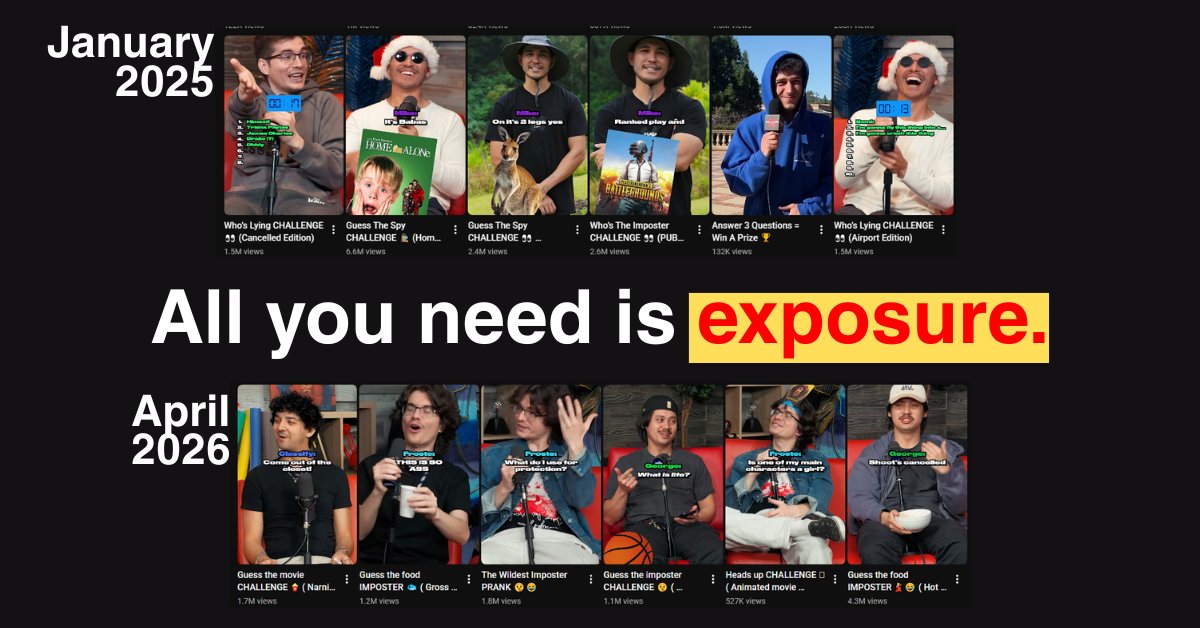
Full Squad Gaming, NRG's entertainment channel, changed its entire cast and is amassing billions of shortform views. So how did viewers accept the new personalities entirely despite initial pushback?
Full Squad has no NRG branding and no competitive esports identity. It's built entirely around recurring casual party game formats that anyone can understand.
The comment sections show why the transition worked; viewers reference current cast members like they know them personally. This is parasocial attachment formed through format consistency alone instead of individual identity. Full Squad's format became the personality.
In the past, I've discussed organizational brand equity as a solution to player dependency. But Full Squad demonstrates a second pathway to the same outcome by building attachment to the format itself. The personnel become interchangeable without audiences fracturing.
The most durable audience attachment doesn't require your name on it at all.
4
2
39
9,225
May 13
*i’ve also since received an update that after the DZ acquisition a few months back, NRG is no longer affiliated with full squad
1
2
1,171
Seulgi retweeted

May 10
Hi, looking to work in esports in marketing or social media. Over the last year I’ve grown my account and built connections across most NA esports orgs. I’m well versed in many games and always willing to learn more.
❤️ and ♻️ very appreciated
32
84
656
45,103
May 9
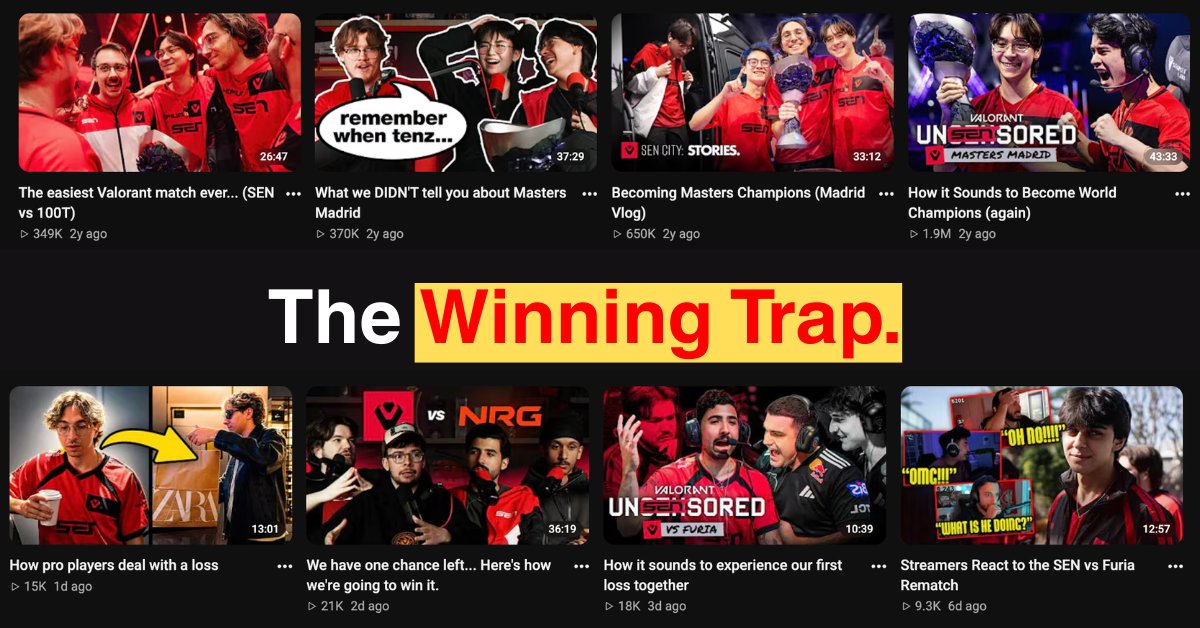
Sentinels' Masters Madrid content hit 2 million views. So why does their content today struggle to reach 10% of that on the same subscriber count?
Much like most esports teams, Sentinels suffer from "the winning trap."
Instead of building audiences, winning content creates one-time viewership injections. These are fans whose only attachment condition was the winning narrative. When wins stop, subscribers stay but become ghosts.
Sentinels' post-Madrid content only amplified this. Every video was result-dependent: voice comms from winning, championship vlogs, match reactions. None of these build brand retention that survives without winning.
Outliers like "Every Kill Sentinels Gain 5 FPS" work because there's a narrative understandable to anyone who plays Valorant. That's the blueprint they haven't built on.
Winning gives you an audience for the moment. Making it last requires building organizational identity while the attention exists, not more content about winning.
20
3
375
400,680
May 2
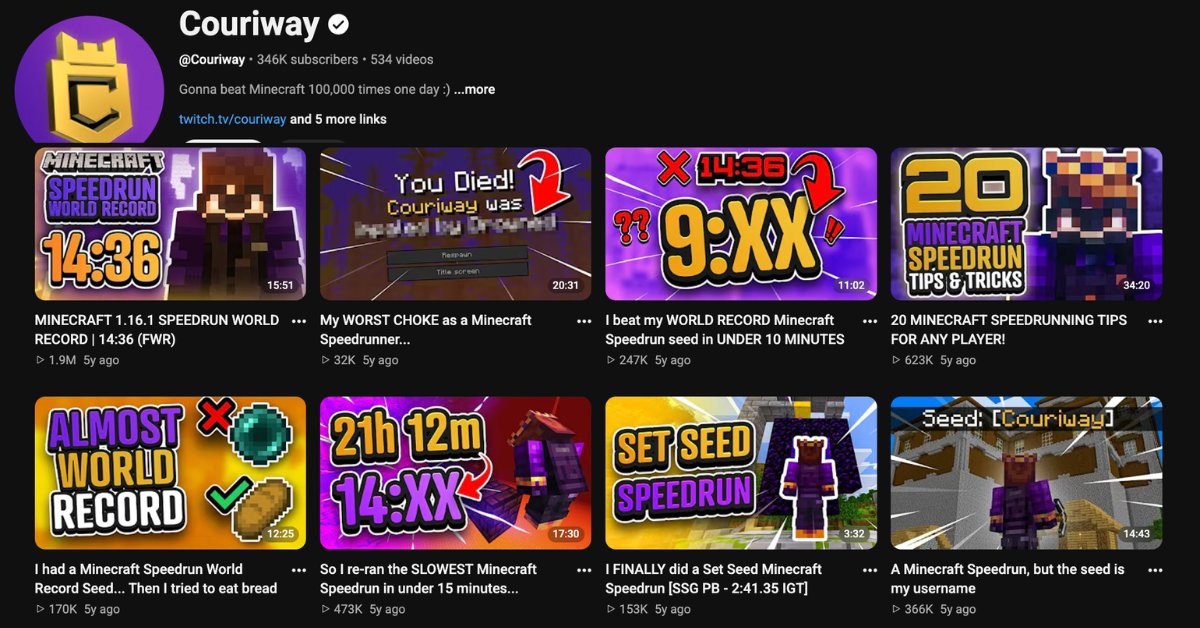
Minecraft has more monthly active players than the entire global esports viewership combined. Its audience is also the most creator-parasocial fanbase in gaming.
Evil Geniuses just signed one of its most recognizable competitive personalities, built a first-of-its-kind speedrunning circuit around him, and is centering all of their marketing on skill.
Here's the problem: Couriway already ran this experiment on himself.
His world record content got the initial spike in popularity. What built and sustained his audience was everything that came after: the personality, the narrative around the attempts... His skill was the entry point, and the person is what made people stay.
EG is investing entirely in the entry point and ignoring the retention mechanism.
Minecraft Monday failed in 2019, while Minecraft Championship thrives six years on. Not because of production quality or prize pools, but because MCC puts personality first and competition second.
The Minecraft audience doesn't know what esports is and doesn't need to. They follow people. The circuit gives Couriway something to do on camera while EG has the asset itself in the creator.
What's missing is content that lets the broader Minecraft audience attach to him (and EG) as people before fans care about the skill represented.
Lean into the person. The appreciation for the skill follows on its own.
2
1
10
3,314
Apr 29
Similarly, the prevailing assumption in tech's new media wave is that 'creator audience' is a meaningful consumer category, when it really isn't. An AI-consuming audience doesn't behave like a finance TikTok audience.
The parasocial dynamics and brand attachment mechanisms are categorically different across each and distribution quality doesn't change that.
Firms competing for creator economy reach are optimizing for the least predictive variable. Raw follower counts and engagement rates flatten the behavioral differences that actually determine whether an audience converts through identity signaling, utility purchasing, or parasocial trust.
The idea that owning creator distribution means owning consumer attention assumes audiences are fungible: except they aren't. The behavioral segment you're reaching matters more than how many people you're reaching.
Firms that win in new media will be the ones that understood which behavioral segment they are actually reaching before starting a single video.
Apr 29

I've been a big advocate for this ideology and I think this is something esports is significantly lacking!
For years the prevailing organizational strategy has been "what roster can we pick up to win" without accounting for the region-specific relationships and cultural dynamism.
What about the purchasing dynamics of an ML ID player? If you push out a product for that market, how do you compare their behavioral habits with that of an EU CS watcher? How do parasocial dynamics between fans and players in a specific title trickle down into brand equity?
These are the missing questions the scene is facing and your past posts on forcing a sports view of esports is where I see this disconnect. Fully believe we need more economic and behavioral level thinking of our audience
3
1,235
Apr 29
New sustainable revenue streams are always coming and teams need to adapt. Vitality just added another data point to this.
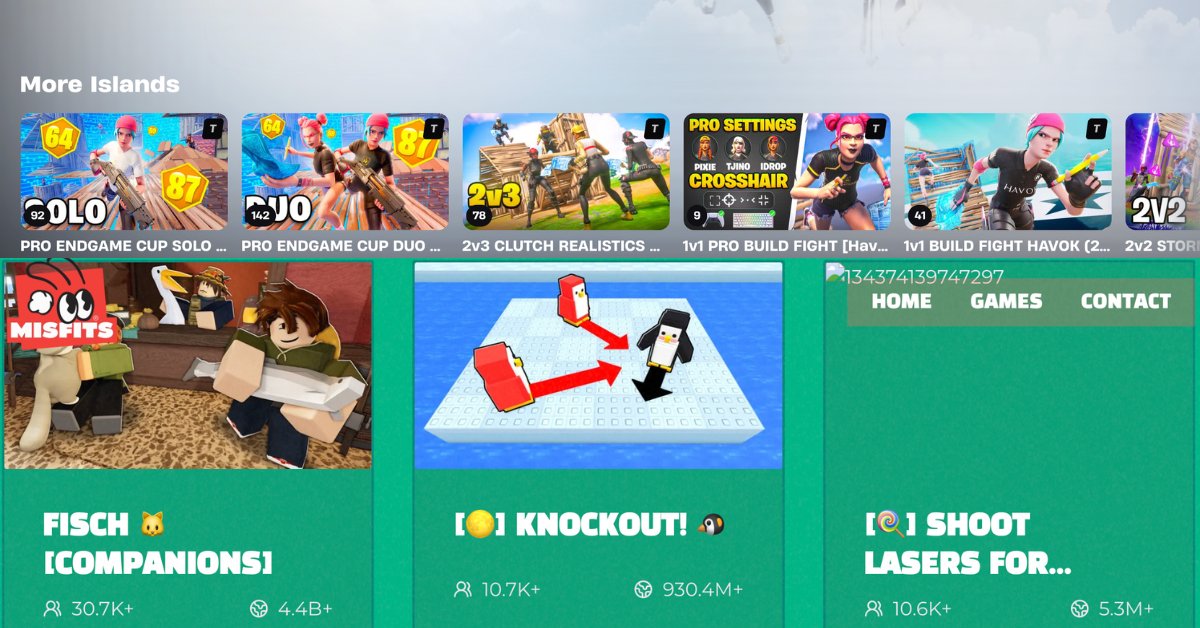
They've recently signed a strategic partnership with Fortnite org Havok that gives them something more important than players: a direct position in Fortnite's UGC economy. HavoK already generates 25% of its revenue through map creation infrastructure alone.
This follows the same logic as their SEA acquisition of Bigetron. Both moves acquire established community relationships and revenue infrastructure in markets Vitality couldn't build organic presence in quickly. Competitive teams are entry points, and what those fanbases carry come to be the actual acquisition.
Misfits has taken the UGC model the furthest; they've pivoted almost entirely into Roblox game acquisition, holding stakes in some of the most played games on the platform. They've since stopped buying teams that play games and started buying into the games themselves.
UGC is where the M&A path goes next. Creator economy revenue doesn't leave with talent, doesn't depend on competitive results, and scales with platform growth rather than one-off cash injections.
This spells out great ambitions for Vitality that the rest of the esports industry should take note of.
Mar 26
What have these four organizations figured out that most esports teams haven't?
They all fund something that don't need a scoreboard to survive.
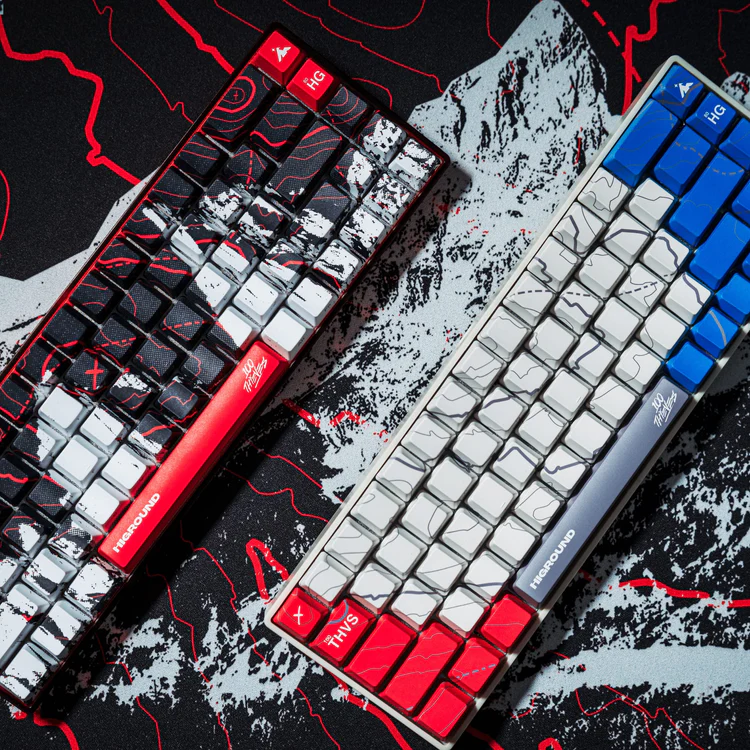
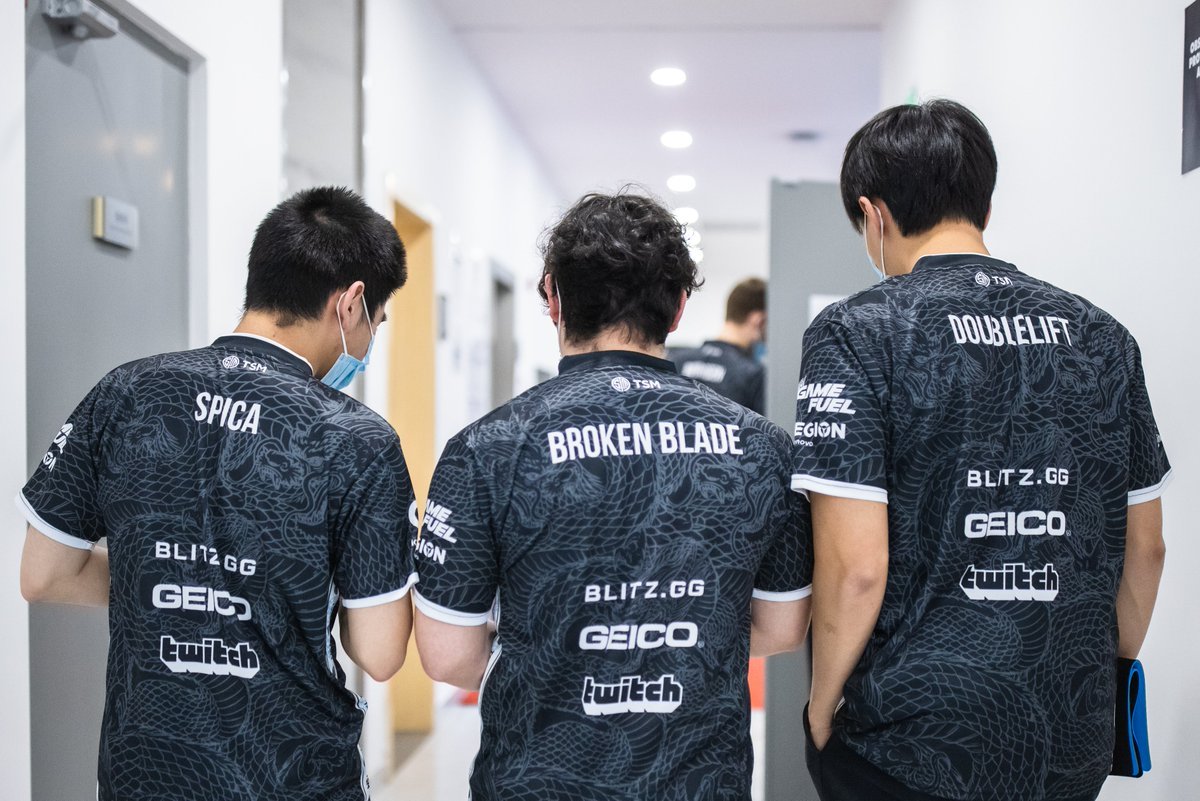
100 Thieves has Higround. Gen.G has their Global Academy. TSM has Blitz. S8UL has a 3x award-winning content studio.
Most esports teams are one bad season away from financial pressure.
In contrast, these four are building revenue the roster can't walk out the door with. And these brands last for years after people leave.
Organizations have two paths to get here: M&A of consumer brands, or building in-house product from scratch.
But both of these options don't require fans to derive value from players. Players are the marketing funnel, not the foundation.


2
7
3,331
Apr 28
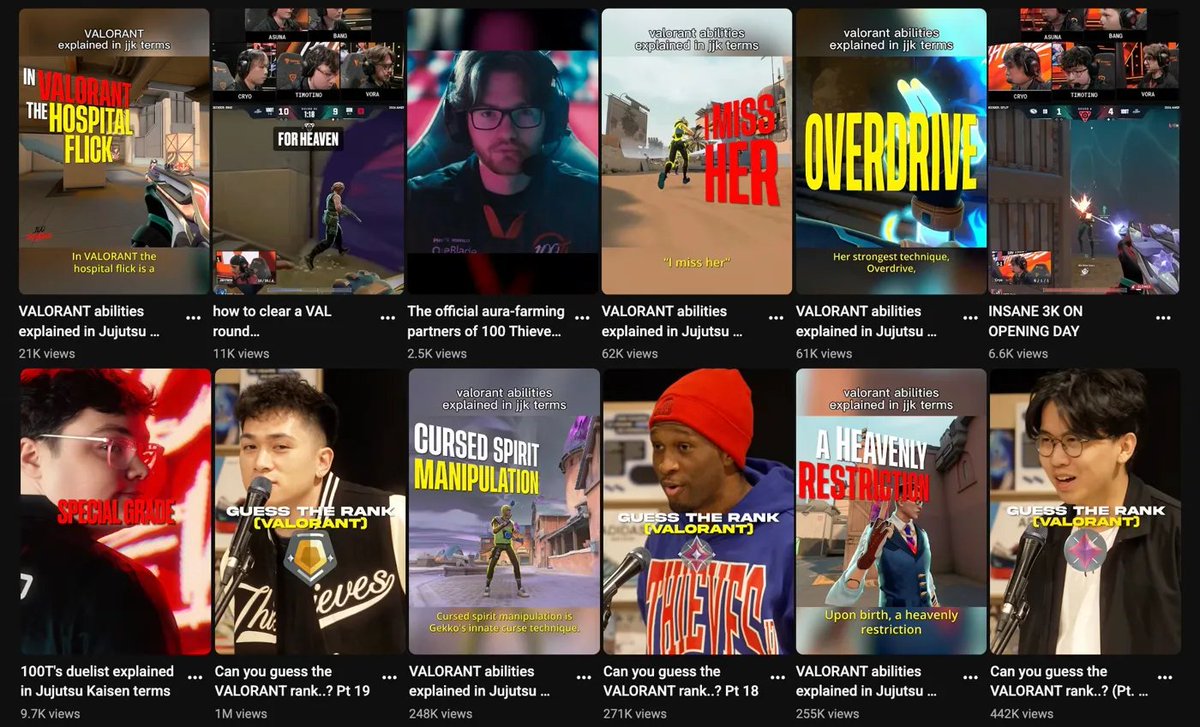
A few weeks on - 100 Thieves found the formula that made their shortform work, then they immediately broke it.
At the peak of the JJK series, they pushed a video explaining their Valorant duelist in the same format. It didn't get anywhere near peak views. No shortform has crossed 100k since.
This wasn't a creative problem as the format was identical. The failure was an assumption about who was watching.
The JJK series worked because it required zero prior knowledge to enter. Valorant abilities explained through anime terms is legible to anyone who knows either property, and anime's audience dwarfs Valorant's by orders of magnitude.
That meant the viewers didn't know who 100 Thieves were, and they didn't need to.
In contrast, the duelist video assumed familiarity with 100 Thieves, their Valorant roster, competitive esports, and why a specific player's role would be interesting. It assumed the casual audience that drove the JJK numbers had converted into esports-aware viewers.
But those viewers were never there for Valorant and were only there for the format.
What followed hurt metrics even further. More esports content, team comms, sponsor integrations: each one is legible only to an audience that already cared about the competitive team. The algorithm had learned to serve the JJK content to a casual anime-adjacent audience. The new content couldn't hold that audience and confused the distribution signal entirely.
The lesson here applies beyond 100 Thieves and goes for any company investing in short form media.
- Viral shortform audiences don't transfer to adjacent content automatically.
- The audience attaches to the specific legibility mechanism that made the original content work, and not the channel or brand producing it.
- Building on viral success requires identifying what the audience was actually rewarding and staying inside that legibility window rather than assuming the audience has moved with you into new territory.
The verdict: viral audiences immediately belong to mechanisms and not brands. Building as though the conversion already happened is how a brand loses both.
Apr 11
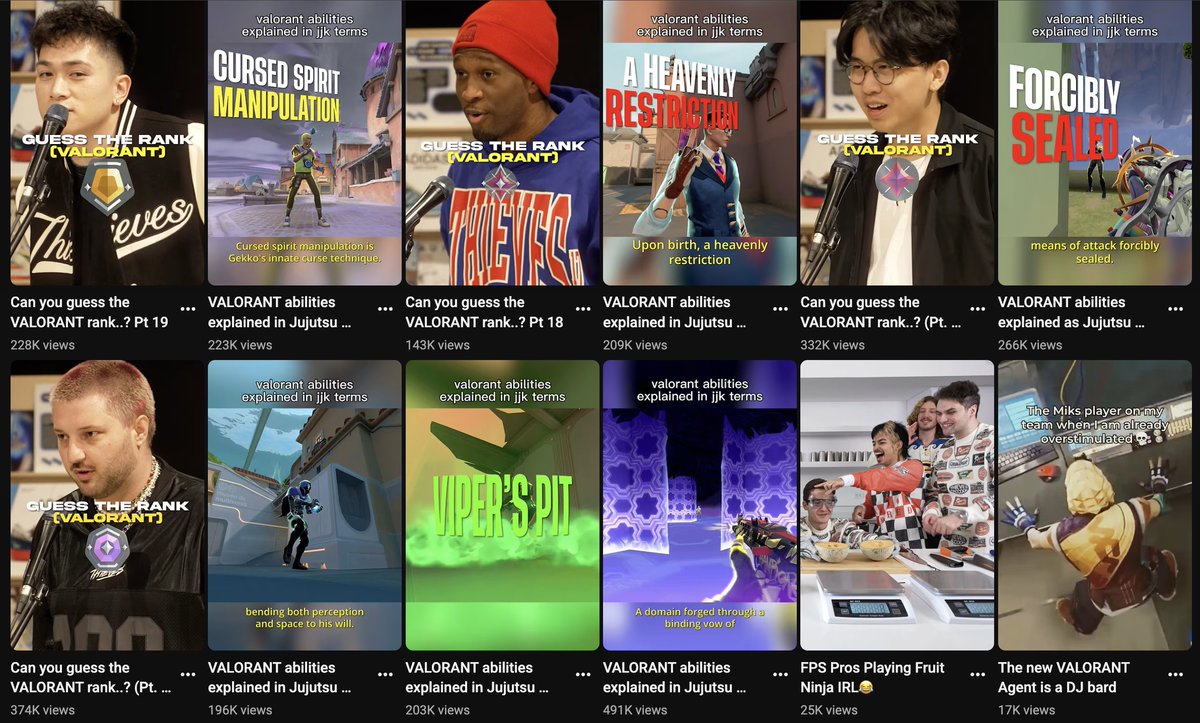
100 Thieves' longform content gets less than 10,000 views in six months.
Their shortform gets 200k in a week. Can you guess why?
Their shortform accidentally solved two problems their longform never did.
"VALORANT abilities explained in Jujutsu Kaisen terms" works for someone who has never watched a VCT match. Universal legibility makes it so the video is accessible before any game knowledge is required.
"Guess the Rank" works because they've framed it as an easy to understand recurring series with a consistent identity. The viewer knows exactly what they're getting before clicking. Parasocial formation has a pathway.
The pivot is visible in the data, as can be seen from the last two Shorts. The lesson here is structural, not creative.
1
1
48
11,929
Apr 22
This is going to be one of the harshest truths for the esports industry to realize
Skill, unless you win an international championship, is not going to get you an audience.
This is the thing most players and even teams haven’t accepted yet.
They invest in better players expecting audiences to follow competitive results. The audiences don’t come. They invest in better players again. The audiences still don’t come.
The conclusion they draw is that they need to win more. The actual conclusion is that winning was never the mechanism.
The organizations that have built durable audiences at every level of competition share one thing that has nothing to do with their trophies. They gave their audience something organizational to attach to before the results arrived.
Their results then validated an attachment that already existed rather than creating attachment from scratch.
Skill without narrative is a product nobody asked for. The esports industry built an entire ecosystem on the assumption that the audience wanted the former; and although this worked when the industry was smaller, there are simply too many skilled players today.
Audiences today want the latter but there is none of it going around.
2
9
75
132,284
Apr 20
For 10 years, FaZe Clan’s CS strategy has been to sign the most popular players to draw audience attention.
In the process, they’ve ignored creating a team identity that lives without star players. Karrigan leaving is exposing that, and these are FaZe’s consequences.
6
84
17,579