Assistant Professor @UTSWBrain. Using electrons to dissect how proteins behave and misbehave in the brain. Engineering new tools for cryoEM in situ. ⚙️🧠❄️⚛️🔬
Joined October 2021
- Tweets 2,633
- Following 617
- Followers 1,391
- Likes 12,931
47 Photos and videos

Pinned Tweet

25 Sep 2023
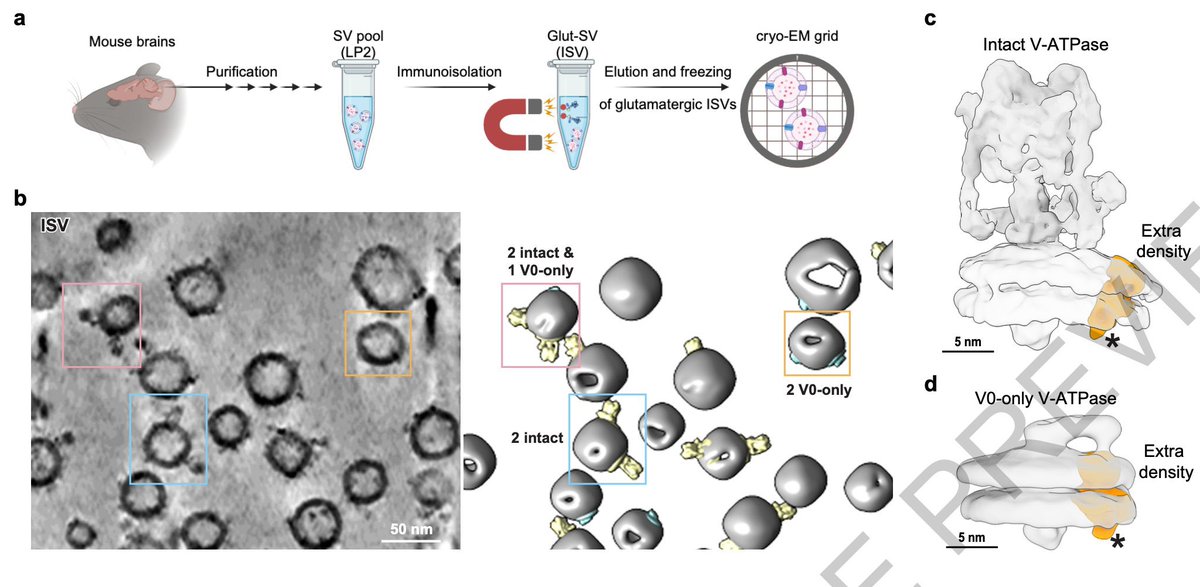
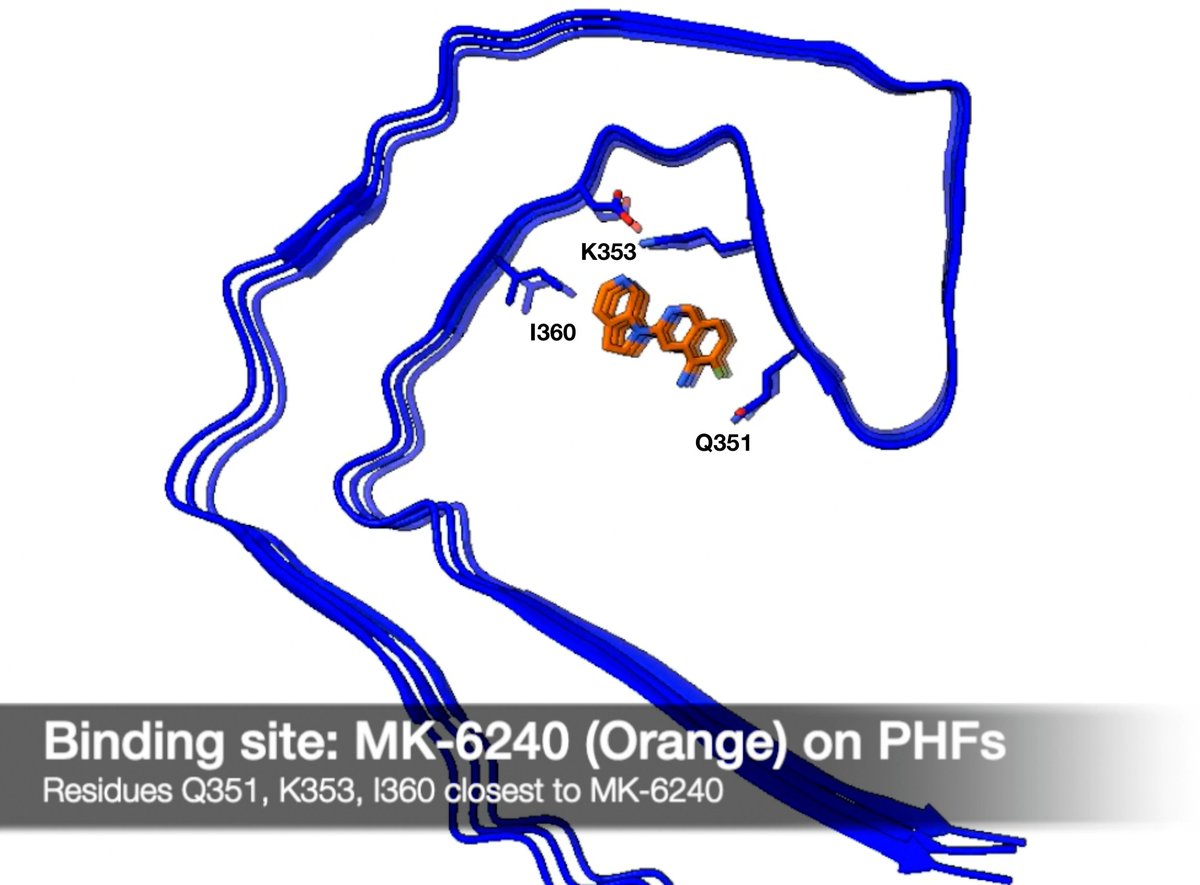
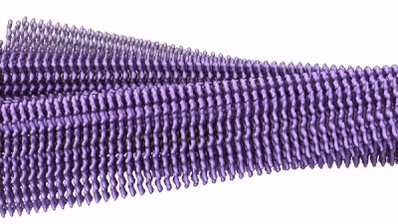
MK-6240 is a PET imaging agent that can discern subtle early-stage Alzheimer's brain changes. How does it interact with Alzheimer's tau filaments at a high-resolution molecular level? 🔬⚡Read on and check out our bioRxiv article:
8
39
194
44,532
Sarah H. Shahmoradian retweeted

Jan 29
Happy to share our new study on mitigating xenogeneic barriers to chimerism through Cas13-induced host attenuation: Developmental Cell cell.com/developmental-cell/… Congratulations to Bingbing, Shjian, Jia and the entire team!
6
37
2,819
13 Nov 2025
Grateful for the continued support from the Parkinson’s Foundation. We have exciting synuclein data to share—stay tuned :)

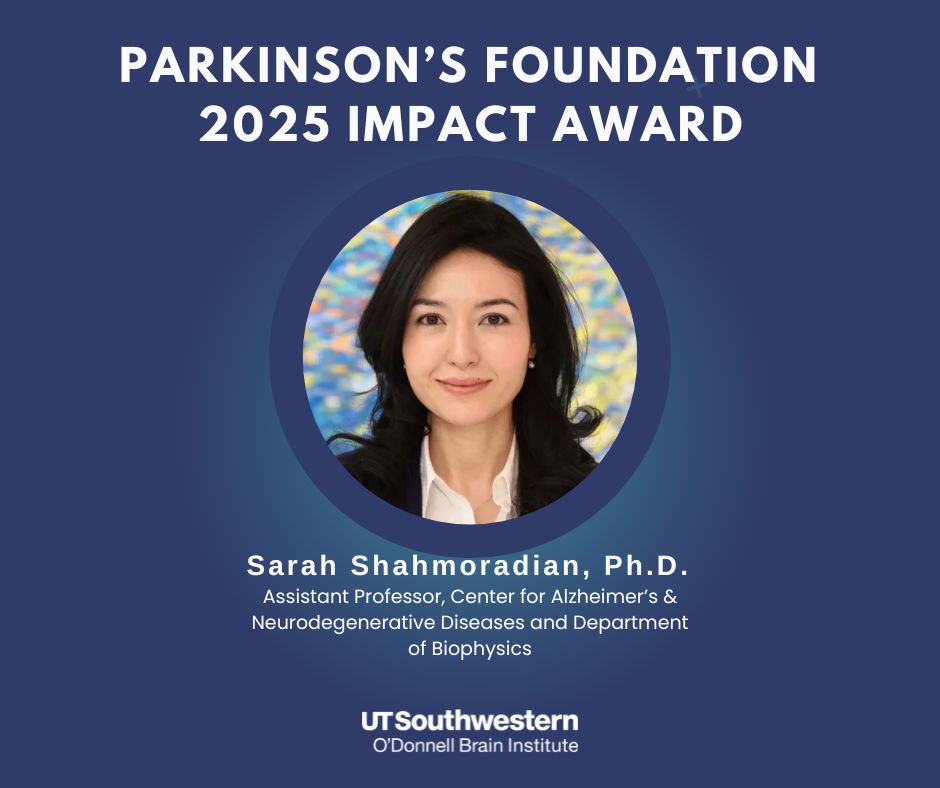
Dr. Sarah Shahmoradian @ShahmoraLab received a @ParkinsonDotOrg Impact Award for research mapping how a novel PET tracer binds misfolded α-synuclein fibrils in #Parkinson’s brain tissue. Learn more: bit.ly/3XoPvt8
1
7
1,049
Sarah H. Shahmoradian retweeted

9 Oct 2025
The next discovery in treating brain diseases may come from tiny cell structures. David Sanders, Ph.D., studies biomolecular condensates and their role in Alzheimer’s/ALS—work that earned him the @NIH Director’s New Innovator Award. Explore more: bit.ly/4o8rsKe #UTSWMed
8
30
9,686
Sarah H. Shahmoradian retweeted

9 Oct 2025
@MDiamond_Lab for recruiting me to this wonderful institution; @brangwynnelab for taking a chance on a postdoc with a psychology degree; @ShahmoraLab for co-leading our remarkable group of scientists; and our amazing lab members and @NIH for believing in our high risk research!
1
3
8
1,981
Sarah H. Shahmoradian retweeted
9 Oct 2025
Returning to Science Twitter briefly to thank the UTSW newsroom for their kind story on my New Innovator award. Humbling experience. A few thank yous to follow, as most haven't switched to the "other" place. :)
9 Oct 2025

The next discovery in treating brain diseases may come from tiny cell structures. David Sanders, Ph.D., studies biomolecular condensates and their role in Alzheimer’s/ALS—work that earned him the @NIH Director’s New Innovator Award. Explore more: bit.ly/4o8rsKe #UTSWMed
3
4
50
7,292
Sarah H. Shahmoradian retweeted

30 Jun 2025
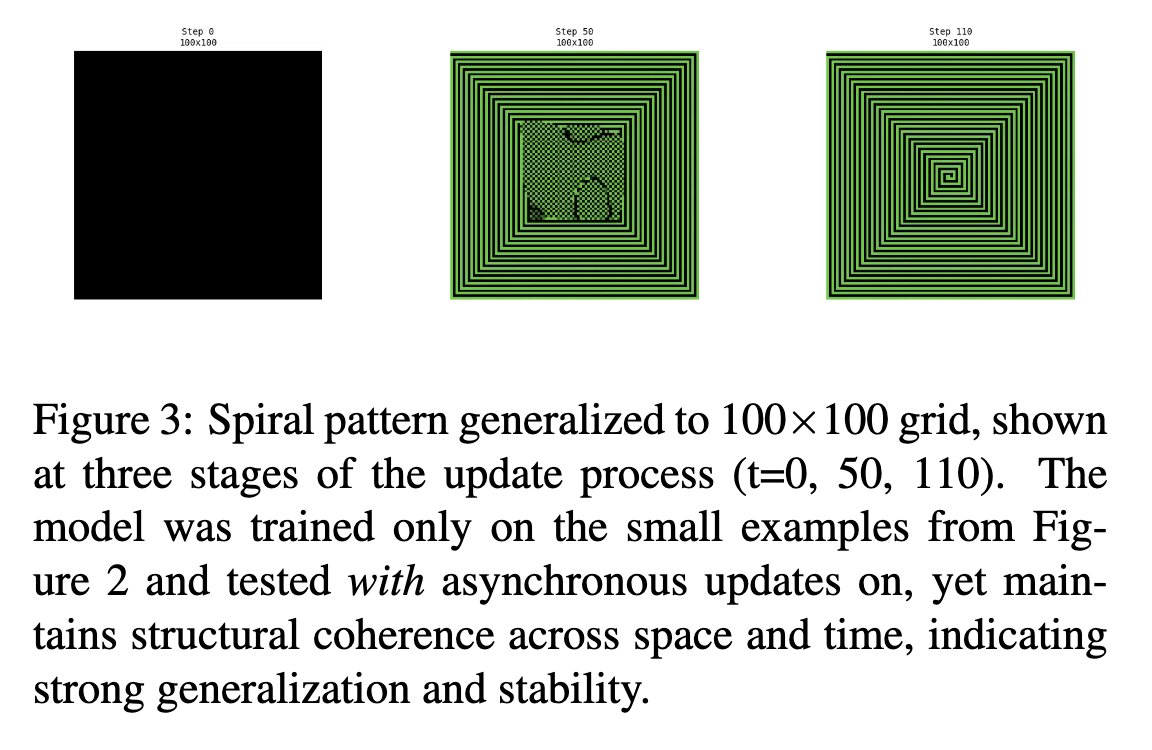
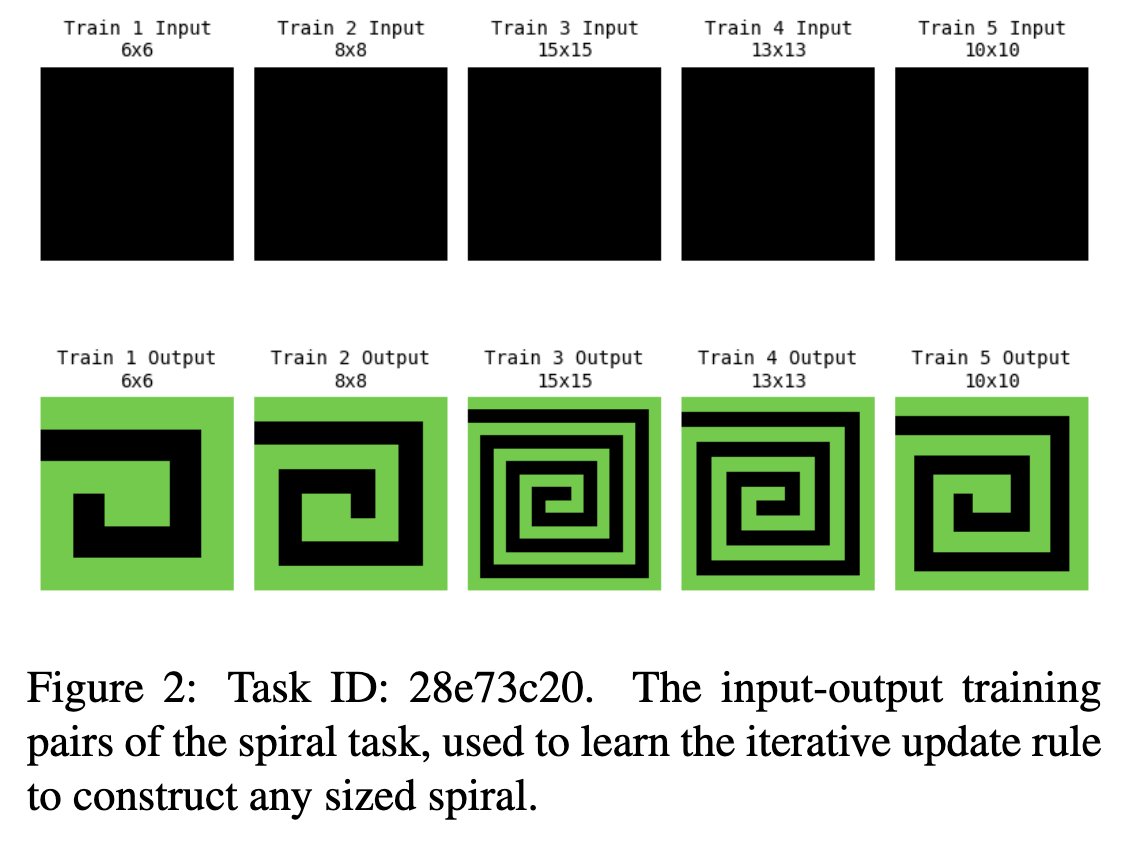
A UT undergrad wrote a very interesting paper that uses neural cellular automata to solve some of the Abstraction and Reasoning Corpus (ARC) AGI benchmark problems. @TexasScience
arxiv.org/abs/2506.15746
8
53
433
26,858
Sarah H. Shahmoradian retweeted

1/8
Cryogenic electron tomography (cryoET) is a revolution already in motion!
@MishaKudryashev argues that in situ structural biology is exploding, forcing us to rethink cells, molecules, and collaborations: tinyurl.com/4x4bf9ze
Let’s unpack that 👇
#CryoET #StructuralBiology
1
9
32
2,669
Sarah H. Shahmoradian retweeted

8 Jun 2025
We have a preprint for you
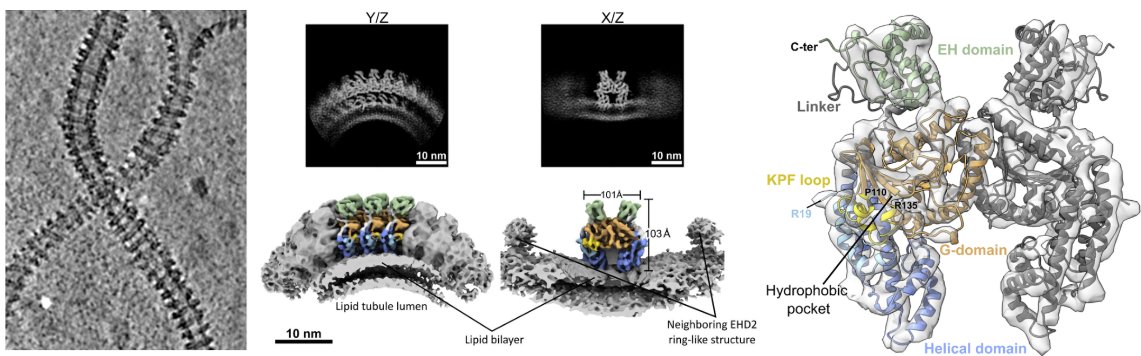
EHD2 forms rings on caveolae necks, in contrast to most EHDs forming helices. We determined its structure on membranes and show that N-term acts as a spacer
By Elena Vazquez-Sarandeses, Vasya @v_mikirtumov Jeff Noel&Oli Daumke
biorxiv.org/content/10.1101/…
3
17
104
5,762
Sarah H. Shahmoradian retweeted
19 Jun 2025
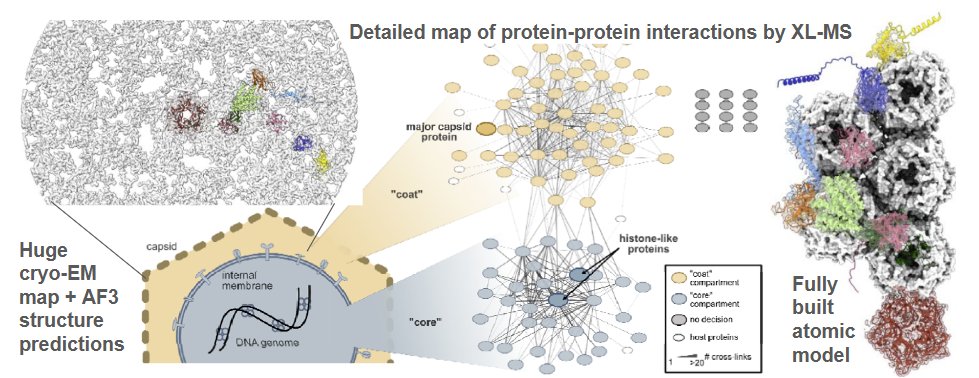
Building atomic models to cryo-EM maps of huge molecules is intimidating: crowded, uncertain copy numbers, variable resolution ...
@theliulab and team show how cross-linking MS can be used to build novel models of unknown complexes, like a giant virus❄️ ❄️biorxiv.org/content/10.1101/…
1
21
78
5,111
Sarah H. Shahmoradian retweeted

26 Feb 2025
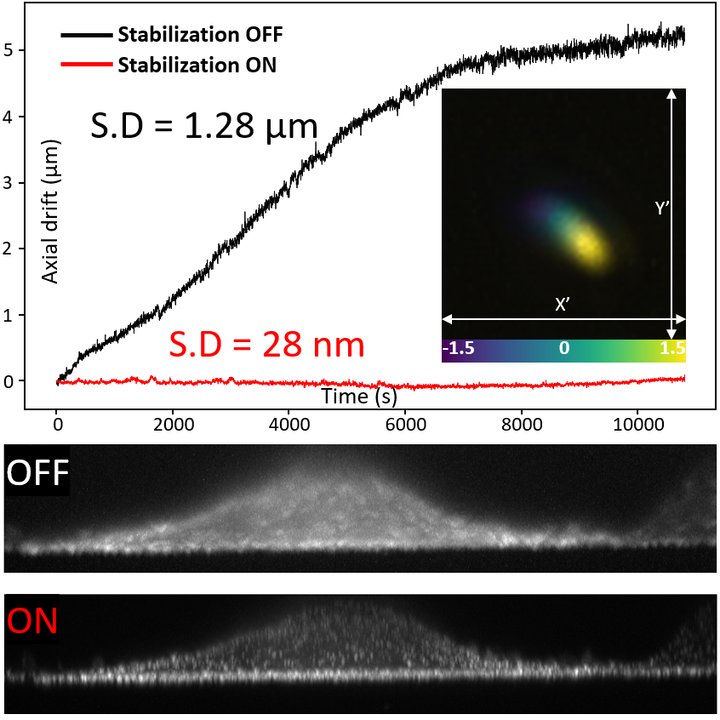
Our manuscript for remote focus stabilization for oblique plane microcopy is online:
opg.optica.org/boe/fulltext.…
1
15
54
3,235
Sarah H. Shahmoradian retweeted

16 Feb 2025
Last night my brilliant friend with 20 years of expertise in Neuroscience including a decade at NIDA was fired because she was recently promoted for her outstanding performance and it triggered the probation period.
This is not making NIH more efficient, this is not making us healthier, this is not punishing the people who misled the public, this is destroying America’s talent.
Her work is instrumental for testing whether new medications to fight addiction are safe and efficacious before they are tested in humans. now that research is at risk.
She was the backbone of the lab the most senior person. So much knowledge, talent, know how, wasted, so much science destroyed for the wrong reason.
Sigh…
1,011
3,592
14,967
741,782
Sarah H. Shahmoradian retweeted

15 Feb 2025
"Don't be afraid!"
Randy Schekman says that the most successful scientists are willing to take risks. He uses 2024 chemistry laureate David Baker as an example of how embracing risk can lead to significant rewards.
Before Baker transitioned to researching structural biology he studied systems of protein transport in yeast. Prior to that, he earned a bachelor's degree in philosophy and social science, demonstrating that no career change is too drastic.
Schekman was awarded the 2013 medicine prize jointly with James Rothman and Thomas Südhof for their discoveries of machinery regulating vesicle traffic, a major transport system in our cells.
20
107
431
140,207
Sarah H. Shahmoradian retweeted

8 Feb 2025
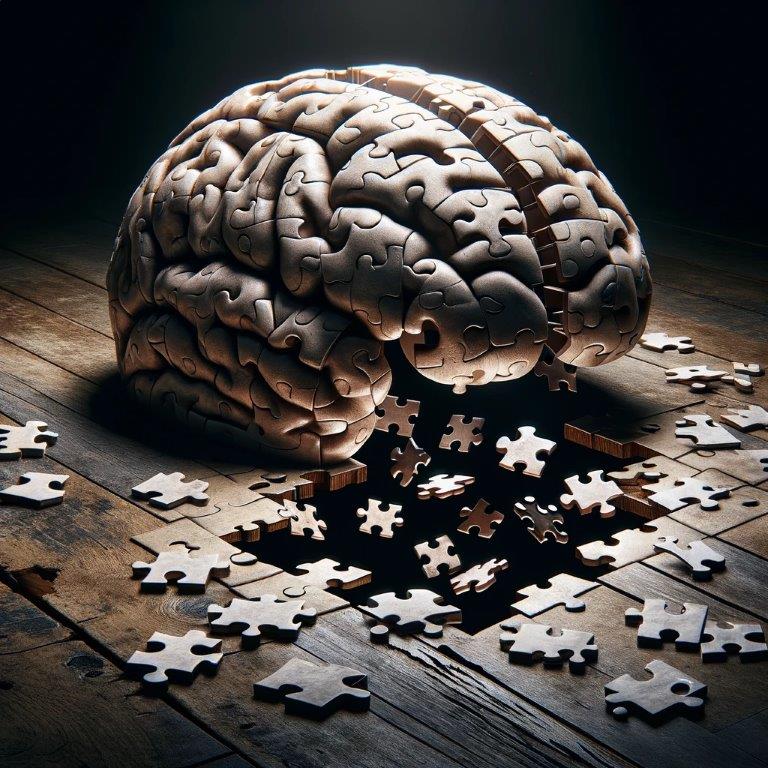
Hi, it’s nice to meet you. I am a #brain scientist. My life's mission is to prevent #Alzheimer’s disease and related dementias...or to contribute enough puzzle pieces so that someone else can unlock the mysteries of disease. I might take a day off, but if I’m being honest, maybe just half a day… because puzzle-making takes time when the goal is to save someone’s dad, grandparent, brother, son, momma, aunt, uncle, or best friend from forgetting who their family is.
For scientists to build puzzles, we need a table to lay all the pieces on. The place we work gives us the legs of that table. Then, we dream big—writing grants to fund the puzzle pieces. But we also rely on “indirect costs” to build the top of the table, the foundation that holds everything together.
I come from nothing...salt of the earth, they say. I had learning problems, but I clawed my way through to be here, working to save your loved ones, no matter which side of the aisle they sit on.
#InThisTogether @nytimes
@NIHAging
5
16
95
6,866
Sarah H. Shahmoradian retweeted

11 Feb 2025
Interesting in learning to process cryo-ET data in the latest version of Warp? I'll be running a workshop on April 22nd in central London, UK
details registration: forms.gle/u4Hk73jhenMvpNBR9
Hope to see you there!

2
13
52
5,101
Sarah H. Shahmoradian retweeted
12 Feb 2025
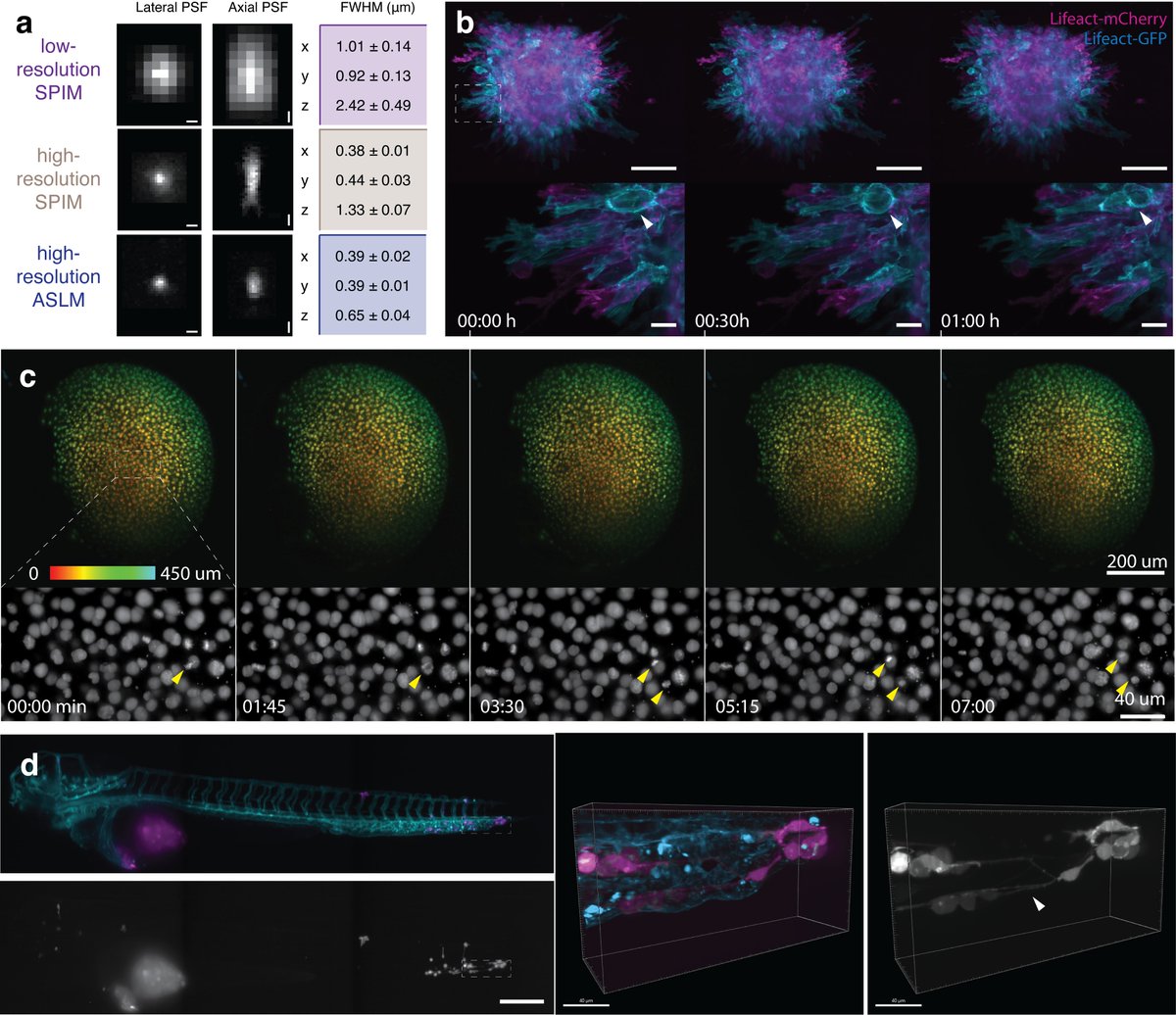
The self driving multi-scale microscope from @Daetwyler_St is out.
It can image a whole zebrafish embryo longitudinally and follow a region of interest with high resolution.
We use it to study immune-cancer cell interactions.
nature.com/articles/s41592-0…
8
33
137
12,796
Sarah H. Shahmoradian retweeted

13 Feb 2025
Excited to share our new preprint "Dynamic nanoscale architecture of synaptic vesicle fusion in mouse hippocampal neurons" biorxiv.org/content/10.1101/…
We combine optogenetic stimulation of neurons with in situ cryo-ET to characterize membrane dynamics during vesicle fusion ❄️🔬⏱️
1
8
34
4,175
Sarah H. Shahmoradian retweeted

29 Dec 2024
We performed subtomogram averaging on complexes from >3 MDa to ~200 kDa, including 80S ribosomes, Rubisco, clathrin, microtubules, ATP synthase photosystem II, and nucleosomes. Most density maps achieved sub-nanometer resolution!🔬✨ #CryoET #StructuralBiology #VisualProteomics
1
17
89
9,766
Sarah H. Shahmoradian retweeted

25 Nov 2024
Our experience with #alphafold3 🤖 (code recently released) and some of our most recent #cryoEM 🔬 structures (thread below) nature.com/articles/s41586-0…
nature.com/articles/s41467-0…
5
92
393
57,609
Sarah H. Shahmoradian retweeted

21 Nov 2024
HHMI Investigator Joshua Mendell (@Mendell_lab) at @UTSWMedCenter helped discover that tRNAs play a role in stabilizing or degrading some mRNAs during translation.
Their findings could one day help tailor vaccines and disease therapies.
Learn more: hhmi.news/4hZMqJa 👈
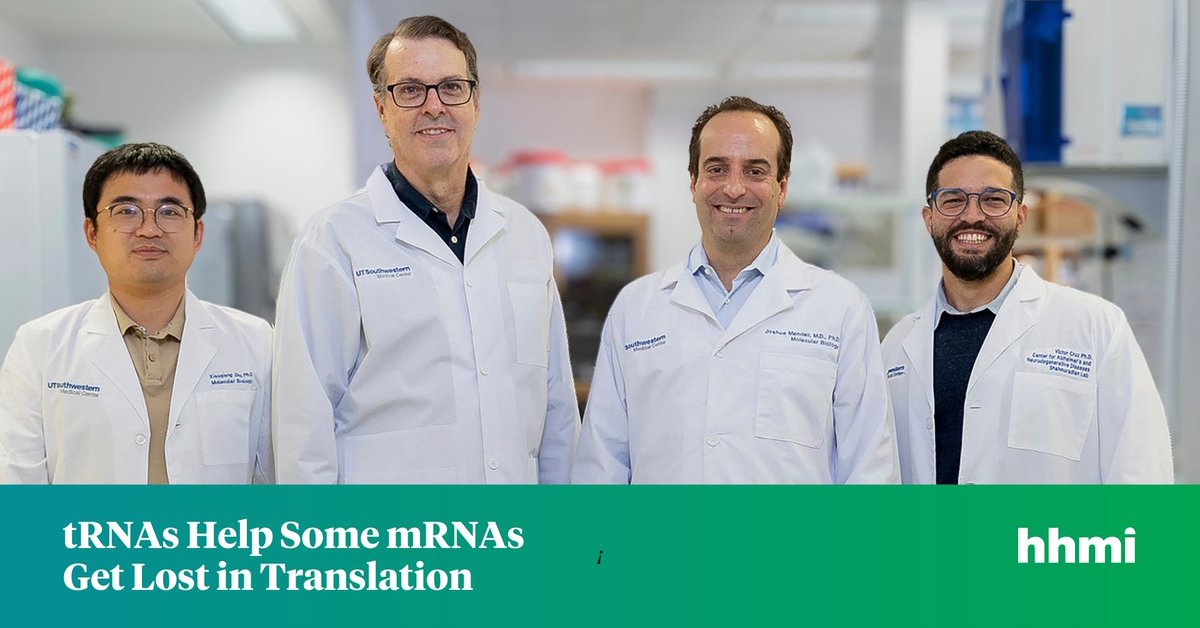
ALT (Left to right): Researchers Xiaoqiang Zhu, Jan P. Erzberger, Joshua T. Mendell, and Victor Emmanuel Cruz uncovered a fundamental role for tRNAs in controlling mRNA stability. Credit: UT Southwestern Medical Center
1
8
20
4,143