
DSI/NRF Research Chair in Shallow Water Ecosystems located at the Ocean Sciences Campus of Nelson Mandela University.
Joined February 2019
- Tweets 553
- Following 88
- Followers 352
- Likes 178
326 Photos and videos
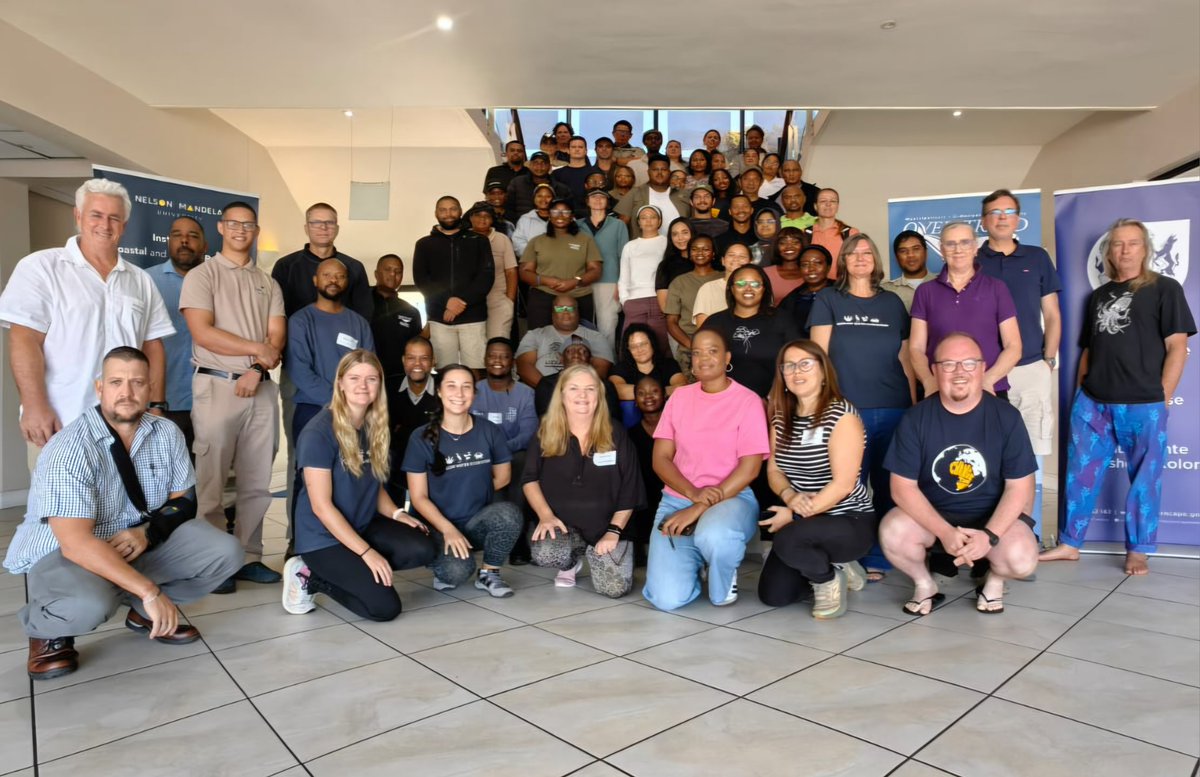
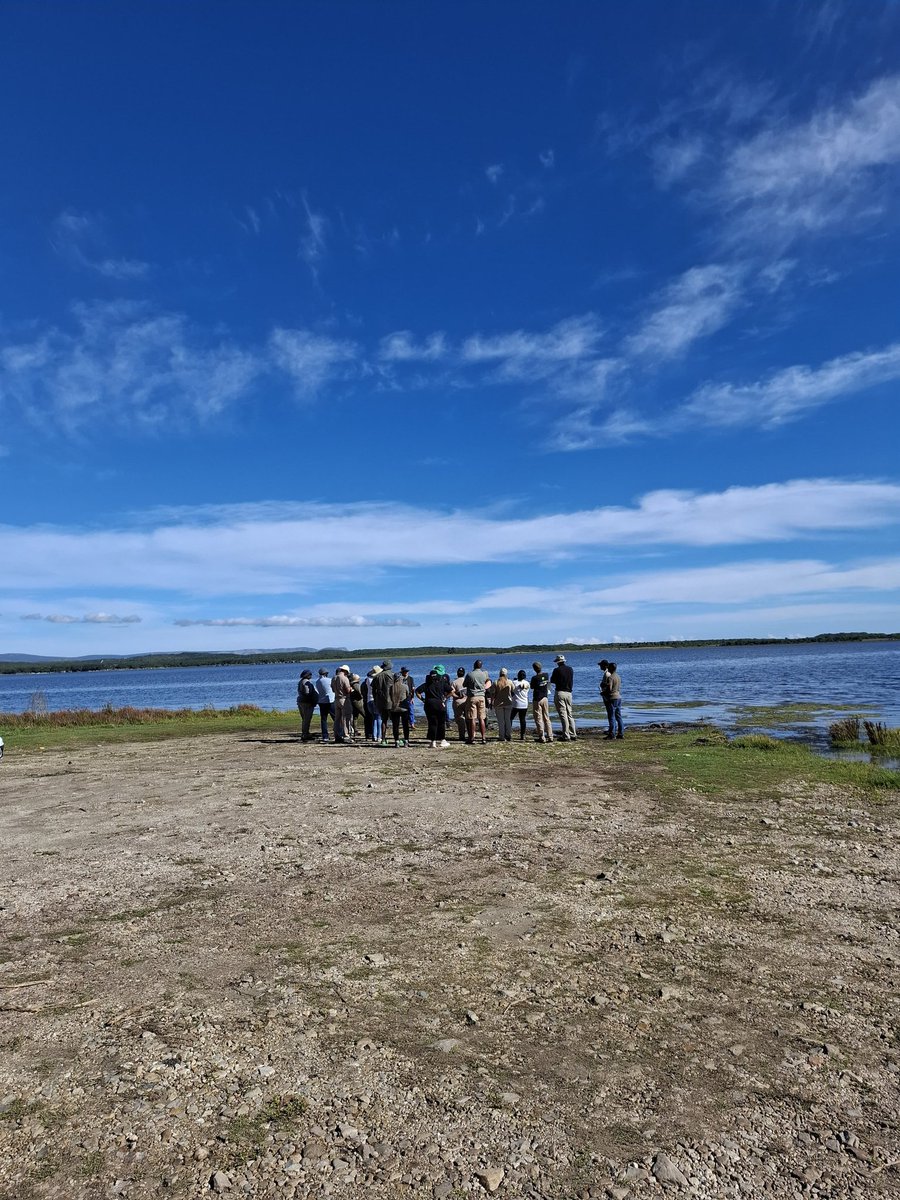
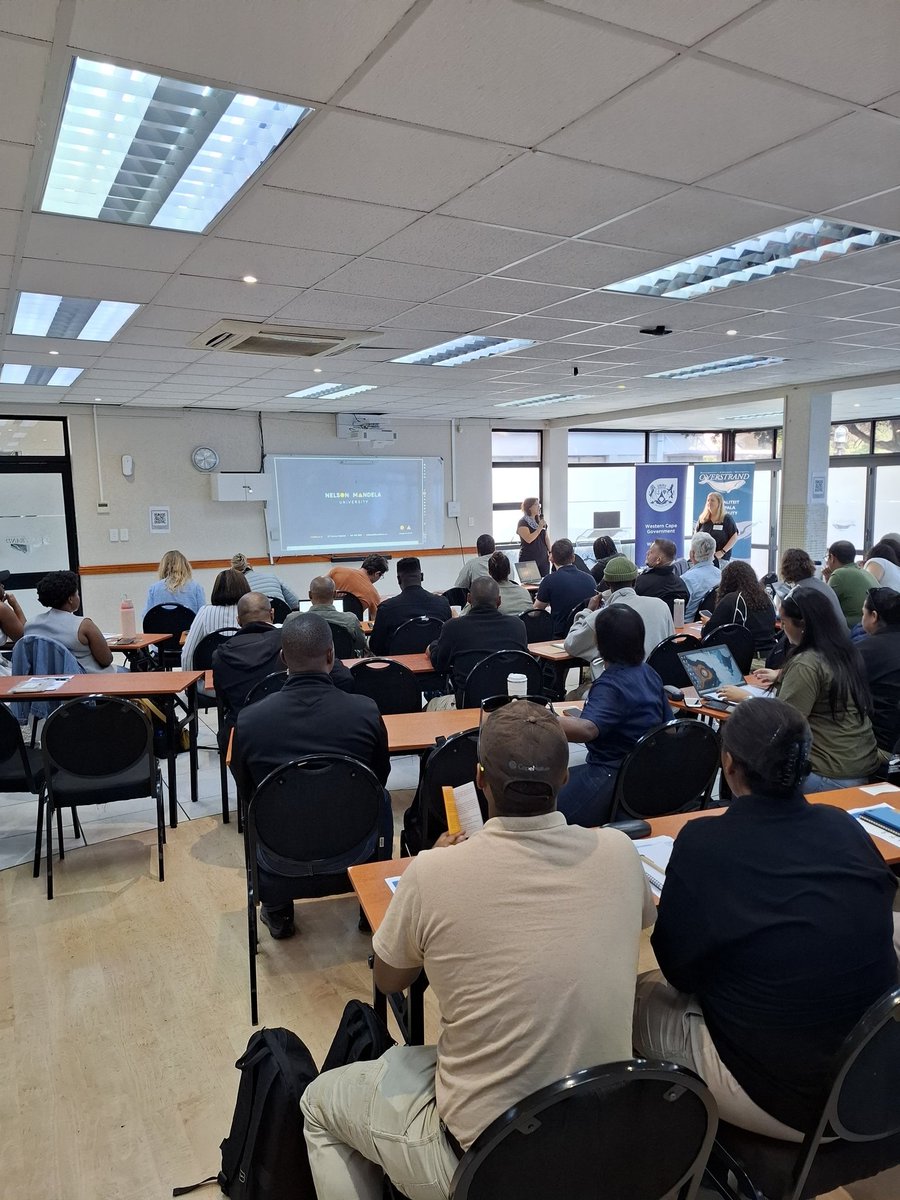
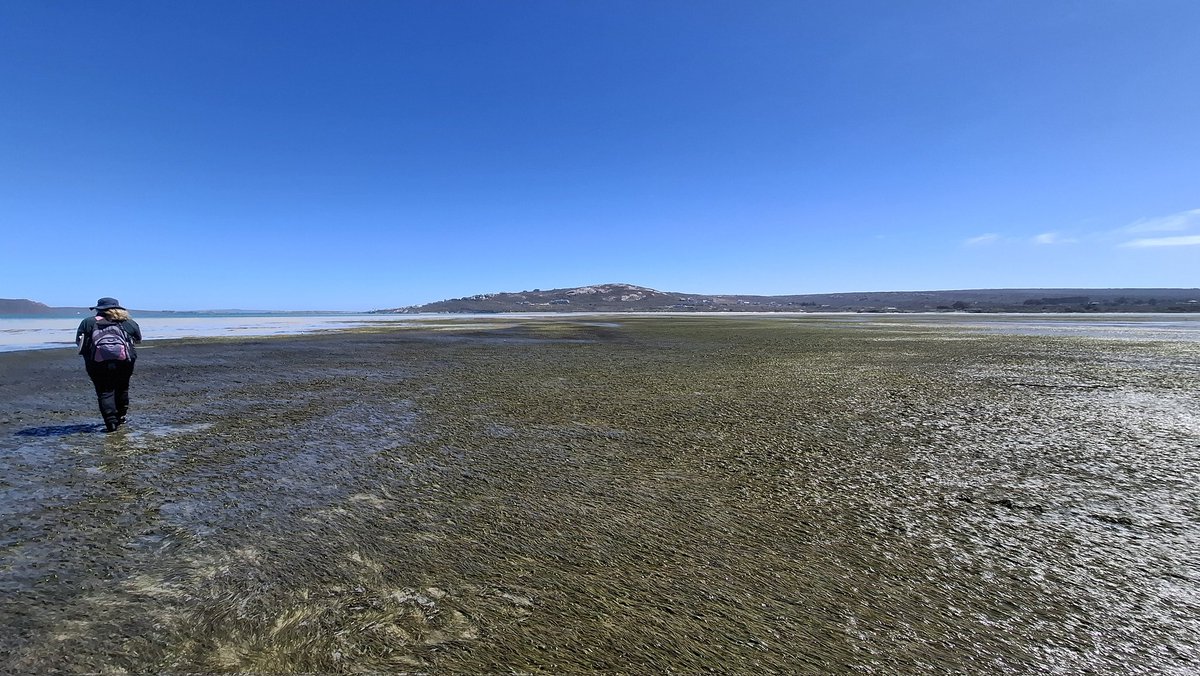
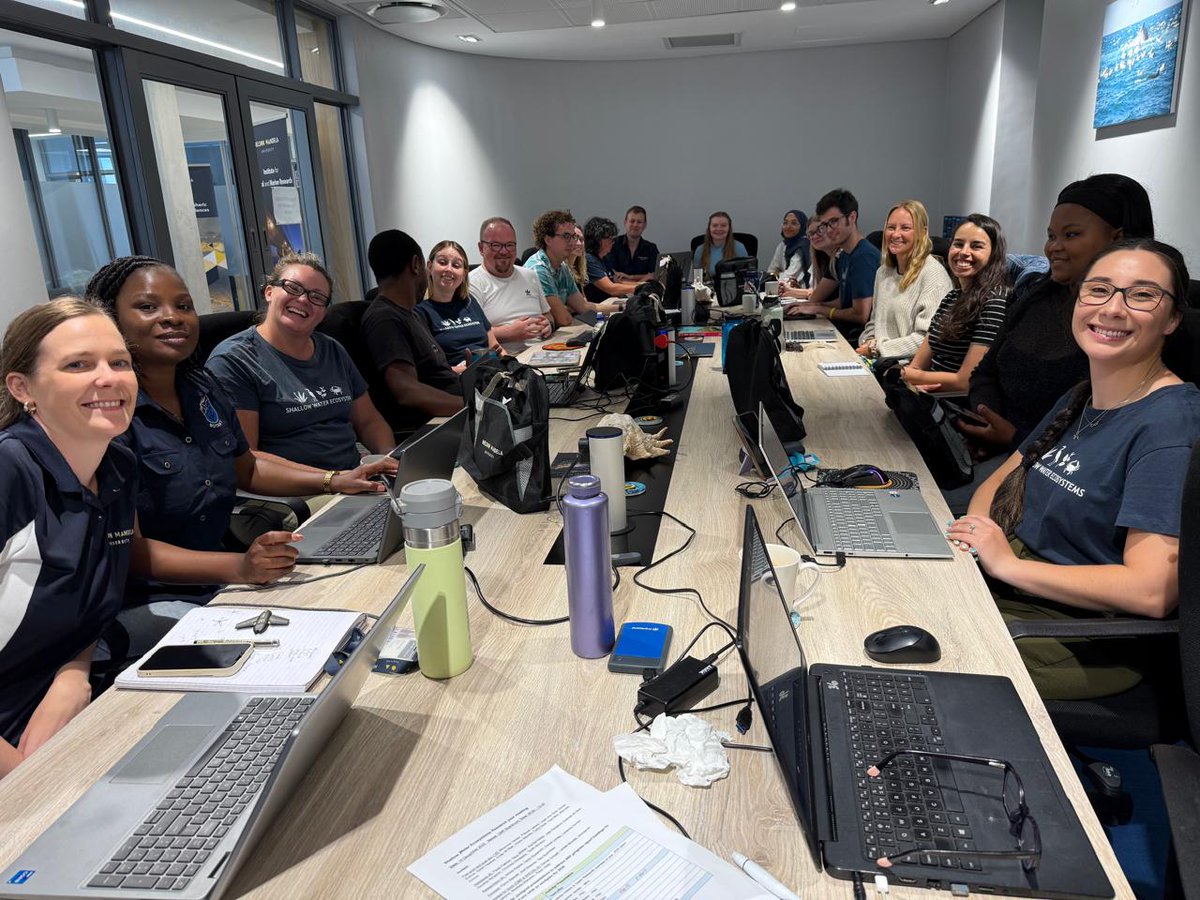
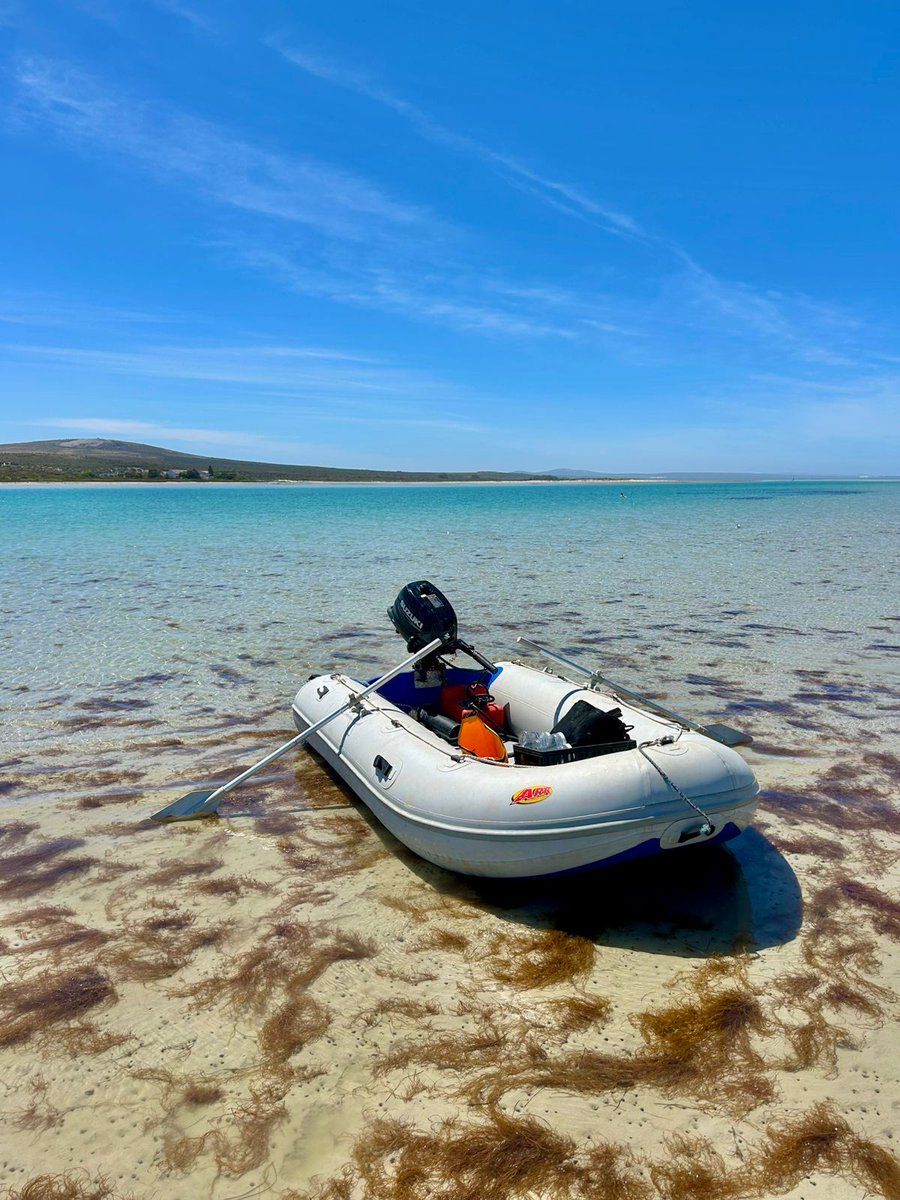
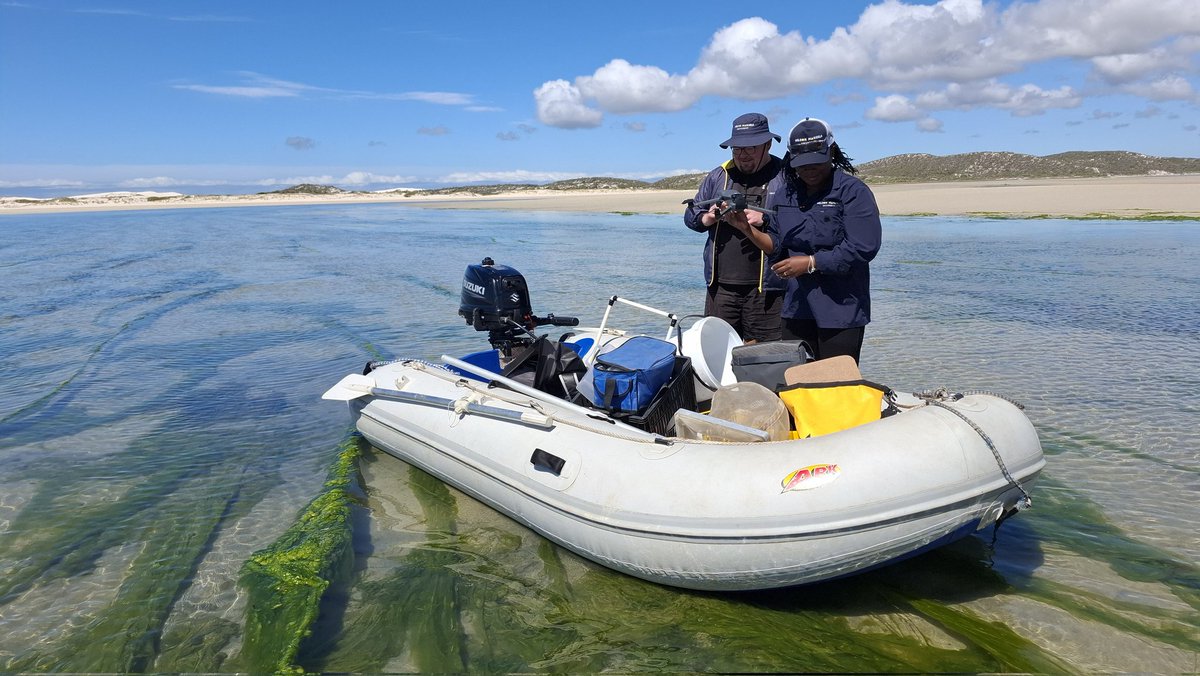
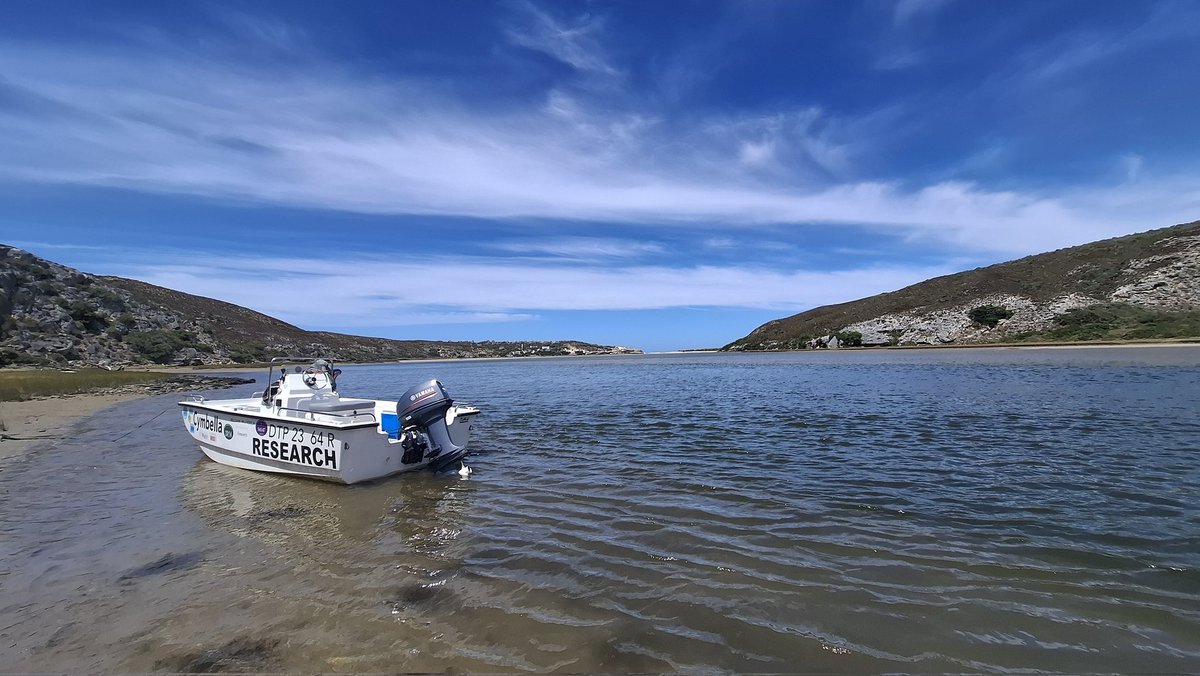

#fieldwork #seagrass #southafrica
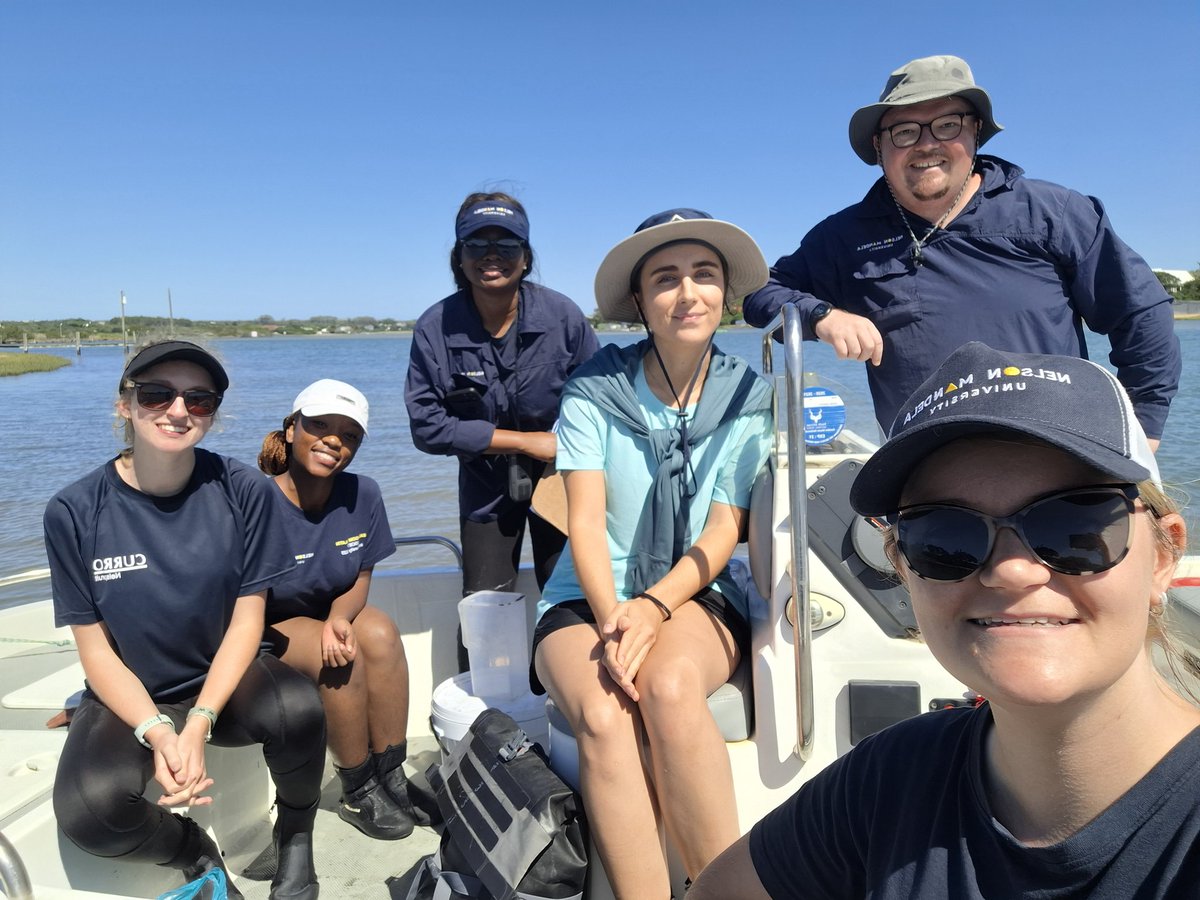
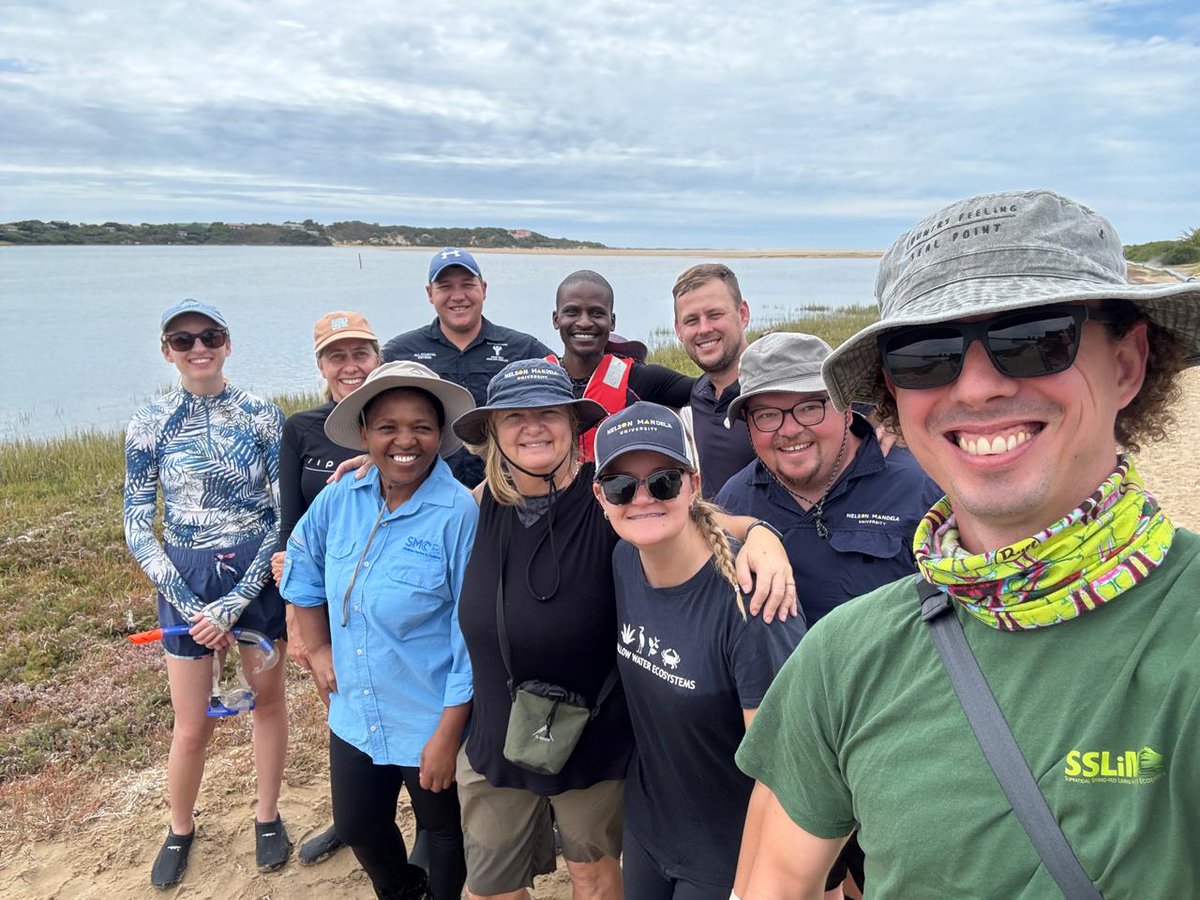
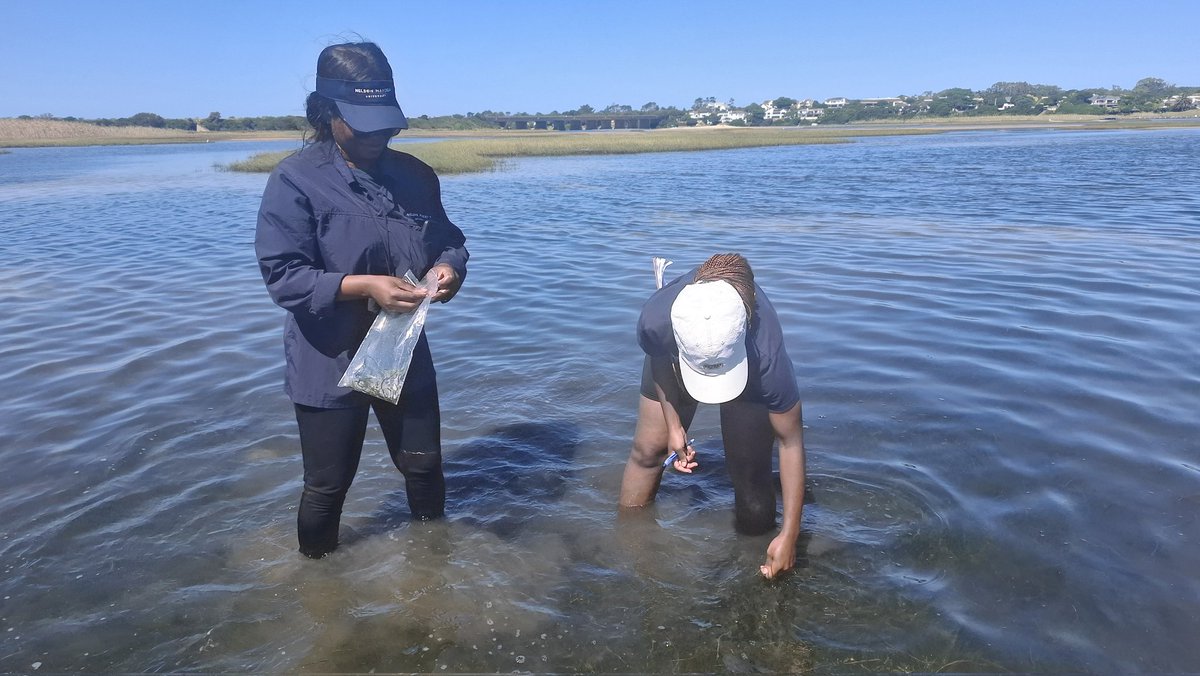
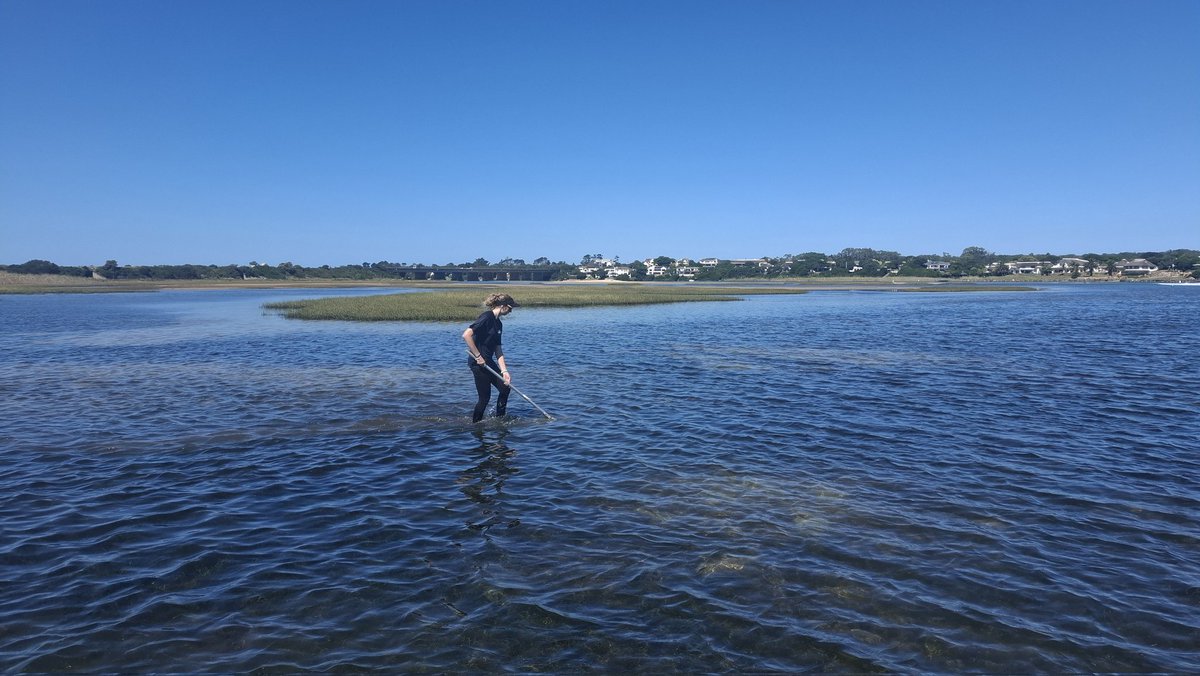
We visited the Kromme Estuary with three NMU honours students to complete part of their project field work. This included Zostera capensis and macroinvertebrate sampling, and the collection of water samples.💦🌱🦐🐟
22
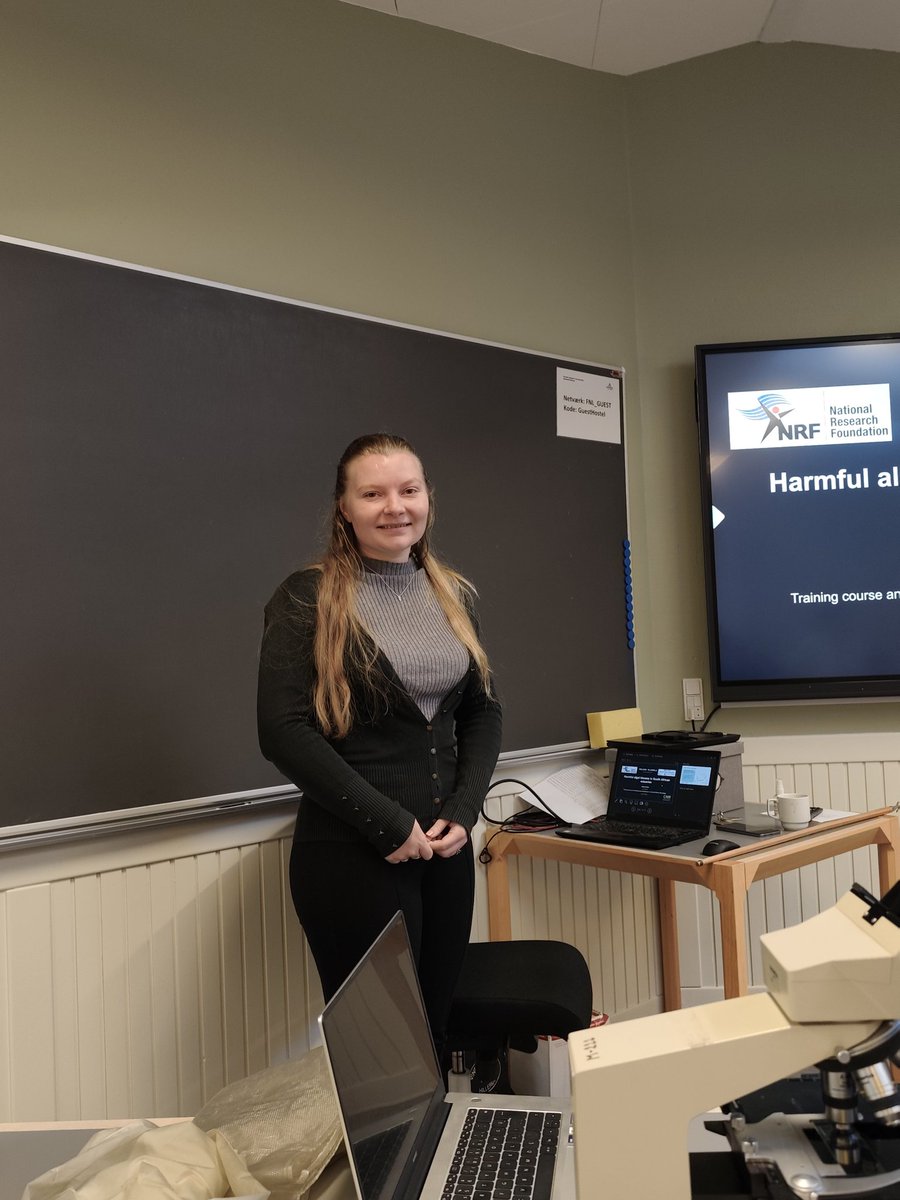
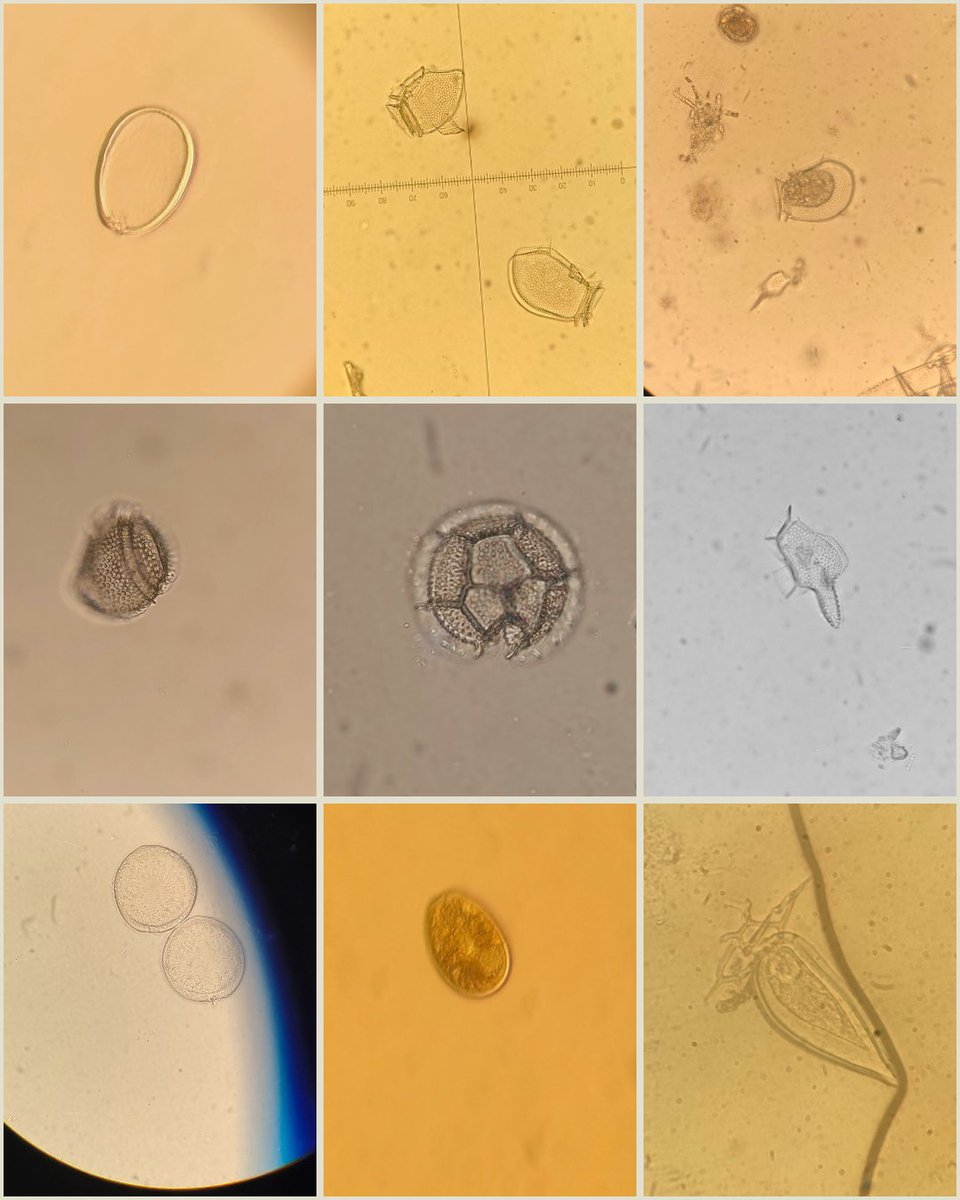
One of our PhD students, Emily de Beer, is currently attending the IAEA-Intergovernmental Ocean Commission Training Course and Certification on Identification of Harmful Marine Algae hosted by the University of Copenhagen in Denmark. 🌊🔬
1
28
During this course she is gaining practical experience on how to identify toxic and harmful algal species - an essential skill for monitoring water quality in our estuaries as well as for aquaculture and fisheries. The course also covers techniques for counting algae.
1
14
The course runs from 16 to 27 March 2026, and we are excited to see how this knowledge will improve our future research and environmental monitoring efforts. 🌍🌱
6
#NewArticleAlert
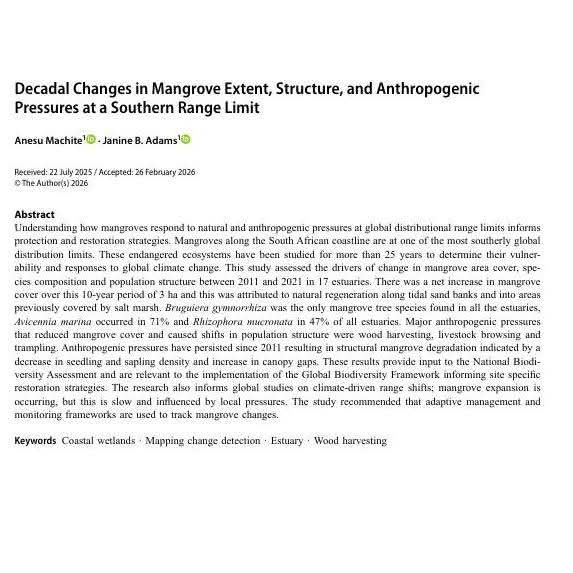
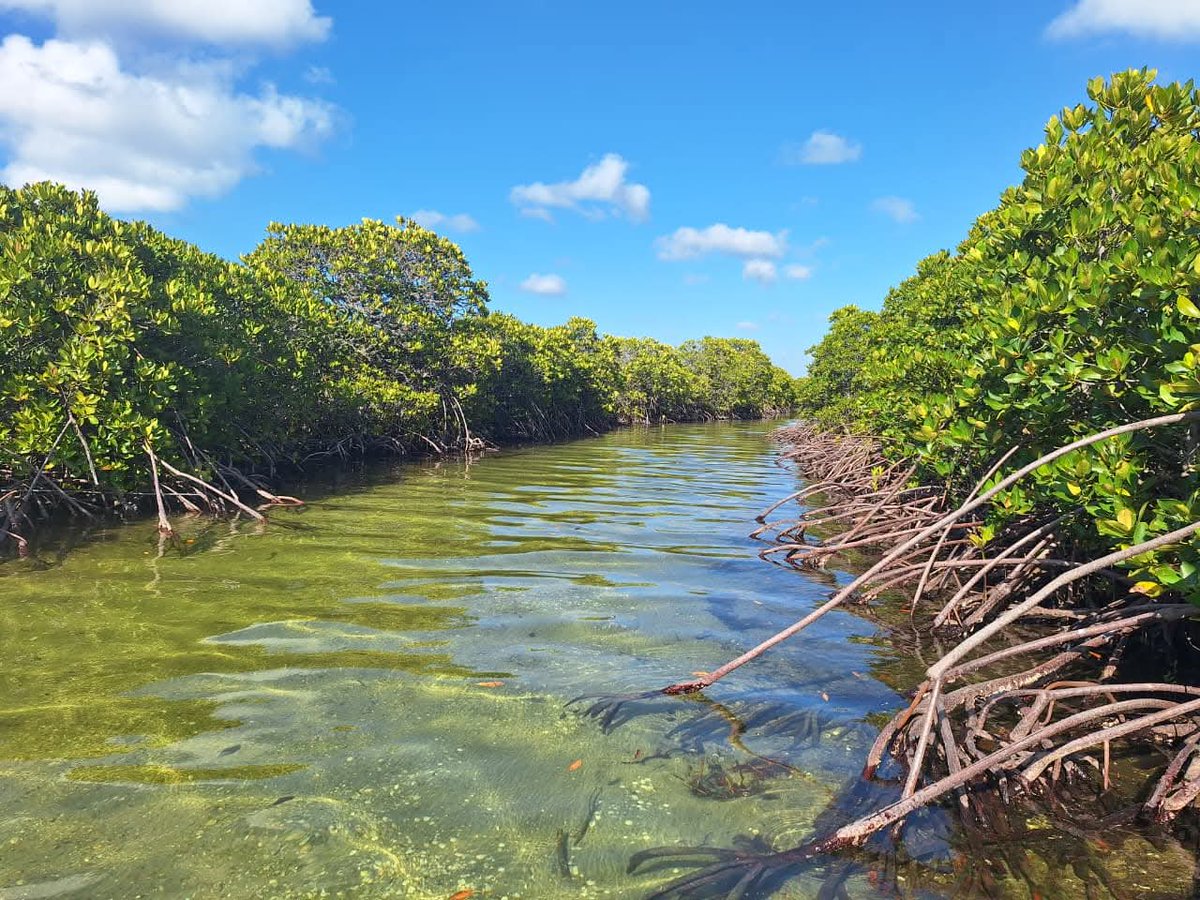
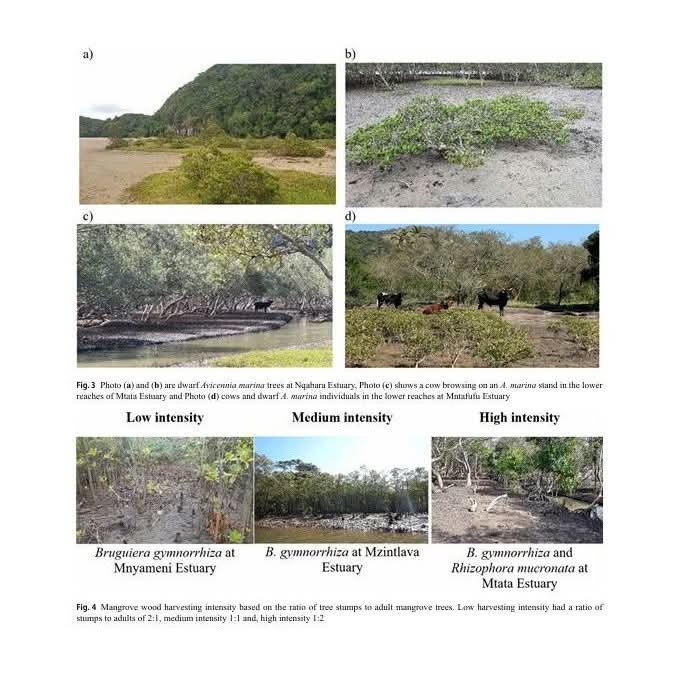
This study assessed the drivers of change in mangrove area cover, species composition and population structure between 2011 and 2021 in 17 South African estuaries. 🌍
1
14
Understanding how mangroves respond to natural and anthropogenic pressures informs protection and restoration strategies. 🌱 Major anthropogenic pressures that reduced mangrove cover and caused shifts in population structure were wood harvesting, livestock browsing and trampling.
1
11
There was a net increase in mangrove cover over this 10-year period of 3 ha and this was attributed to natural regeneration along tidal sand banks and into areas previously covered by salt marsh. 🎉
📌 Check it out here:
link.springer.com/article/10…
31
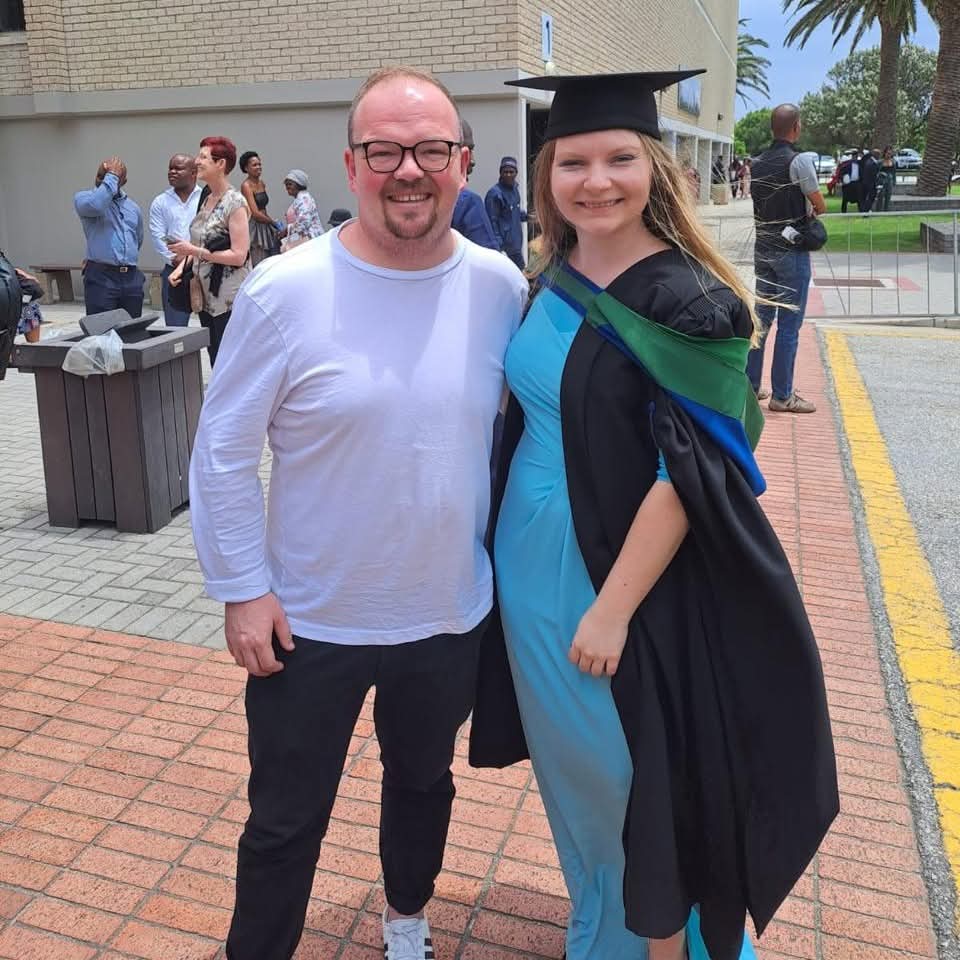
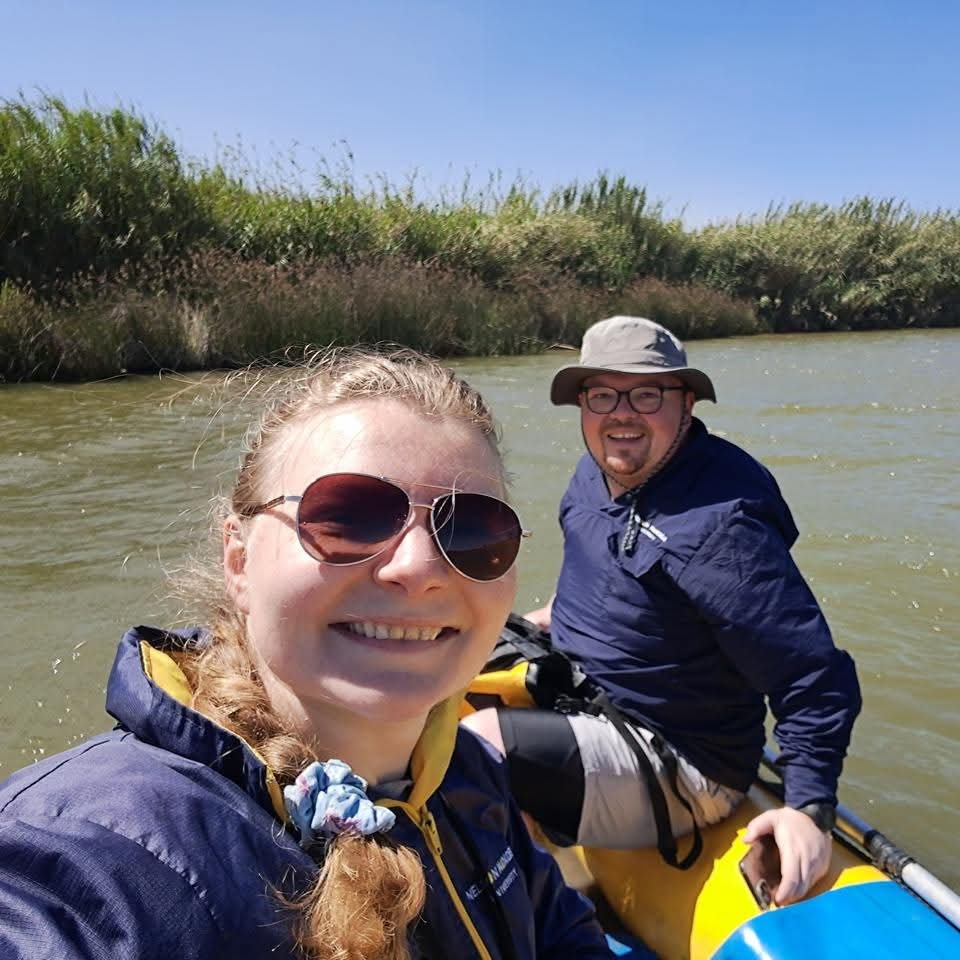
Happy birthday Emily! 🎉 We hope you have a wonderful day 🌞🎂
16
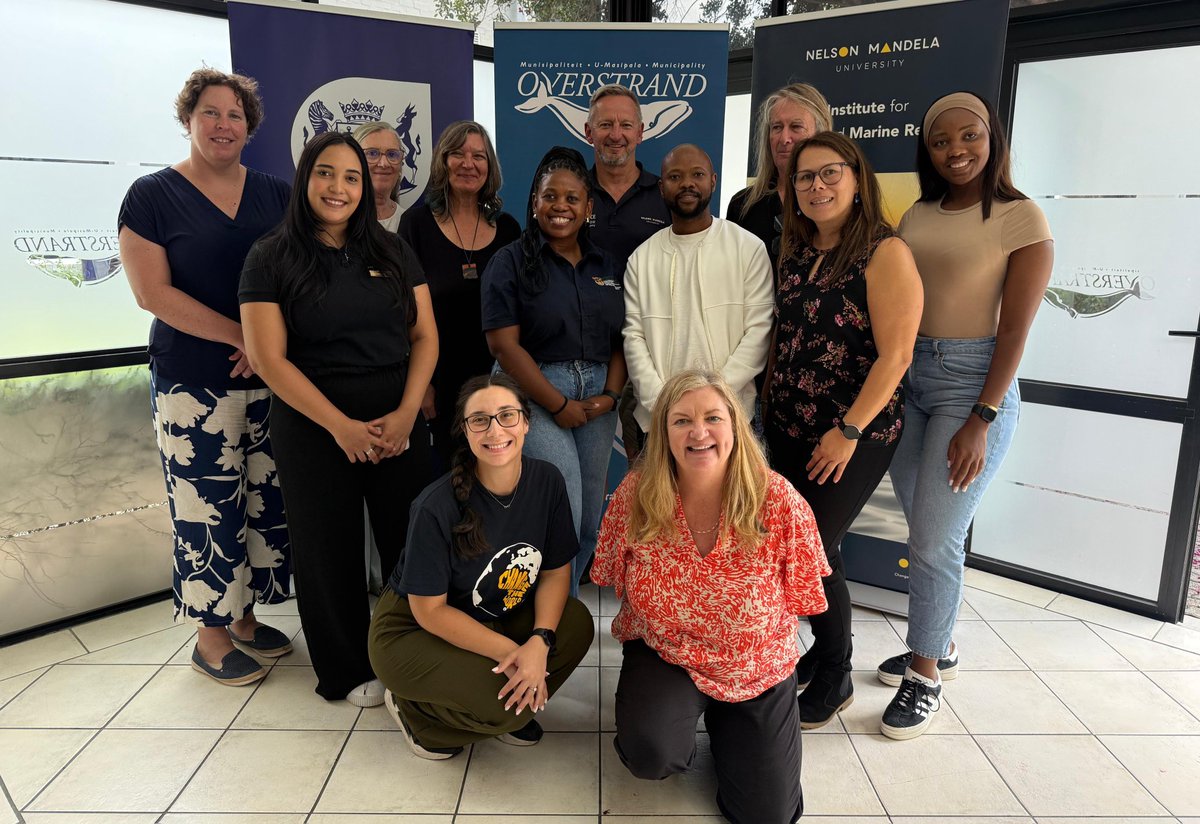
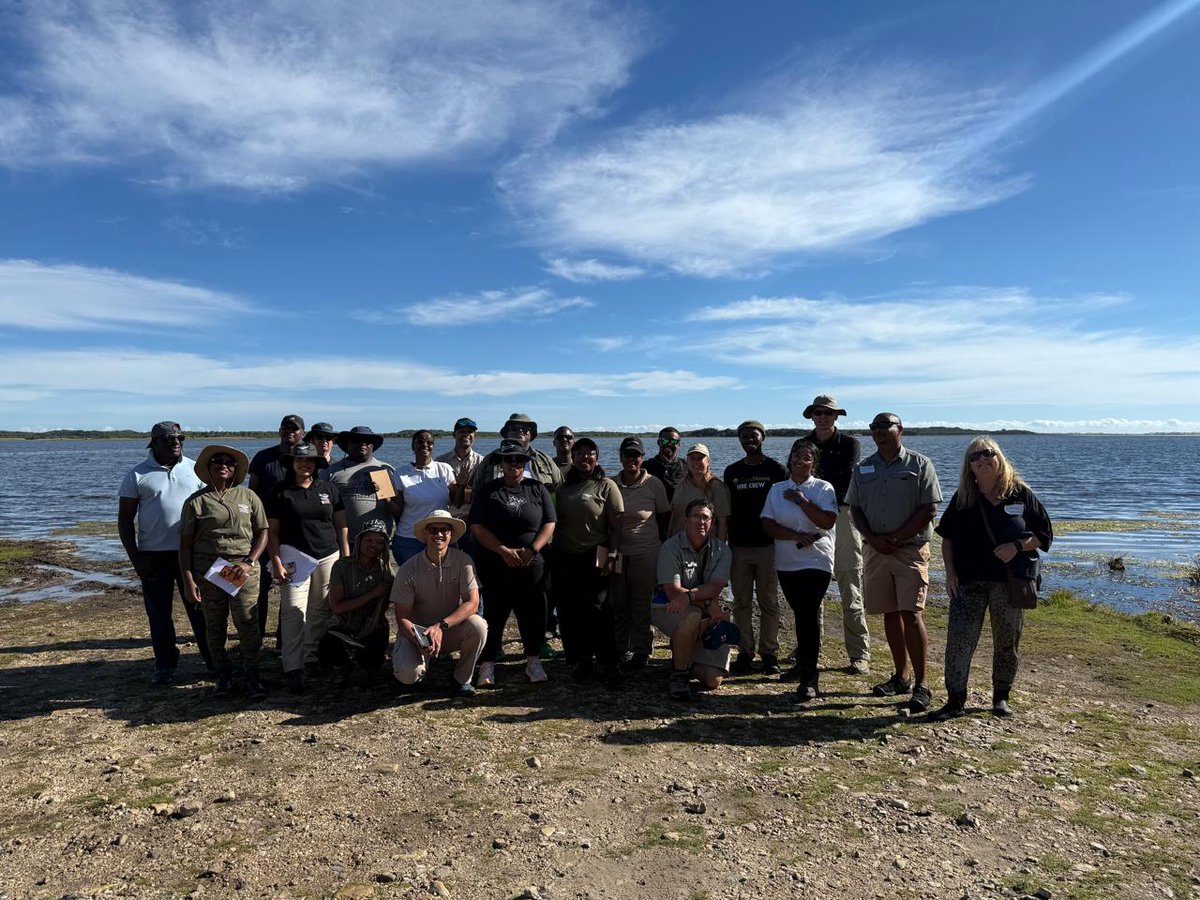
And that is a wrap on the Estuary Management Course for 2026. We had a day of lively discussions and learning. 📝
1
1
24
A big thank you to all of the organisations involved in running this course, and to the presenters from NMU, CMR, Western Cape Government, CSIR, DFFE, DWS, Cape Nature, City of Cape Town and the Overstrand Municipality. 🌊🌱
14
A big thank you to all of the organisations involved in running this course, and to the presenters from NMU, CMR, CSIR, DFFE, DWS, Cape Nature, City of Cape Town and the Overstrand Municipality. 🌊🌱
14
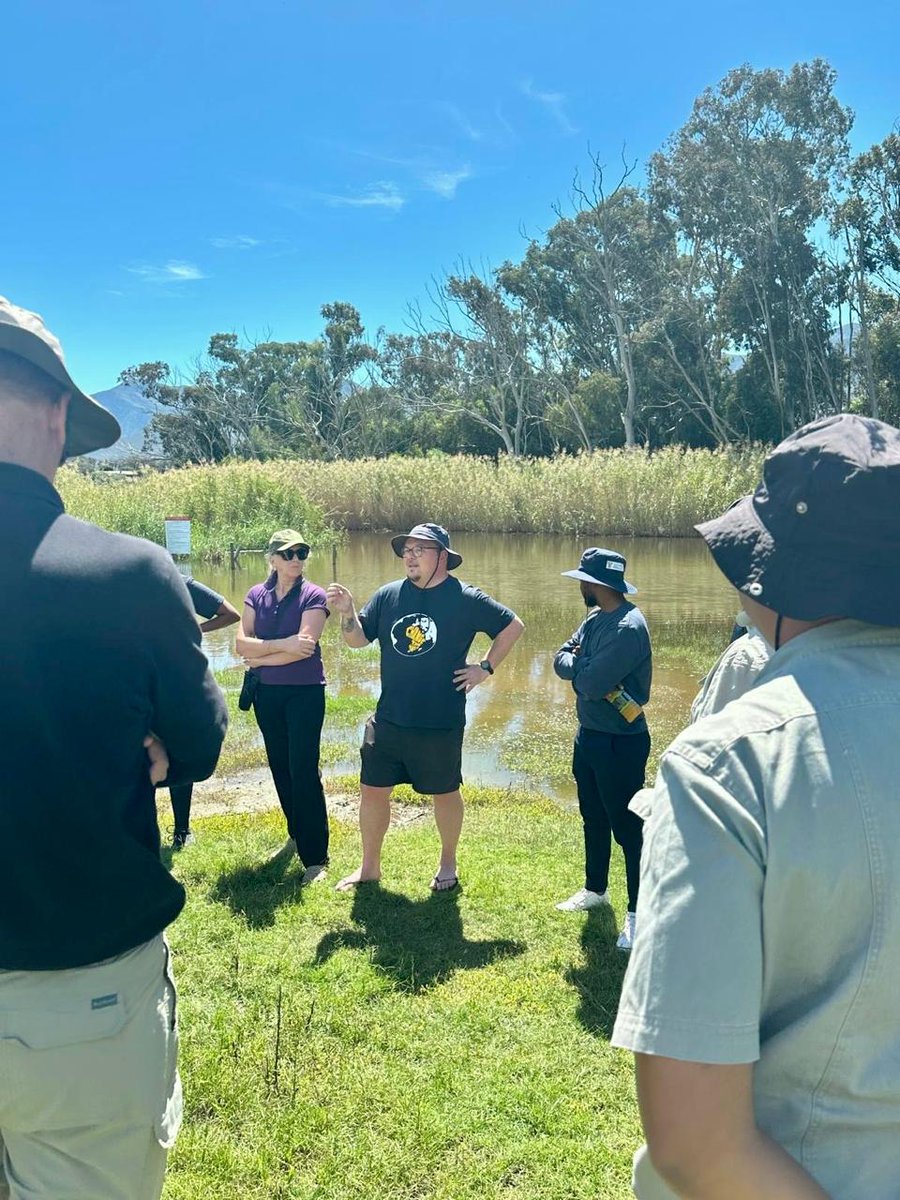
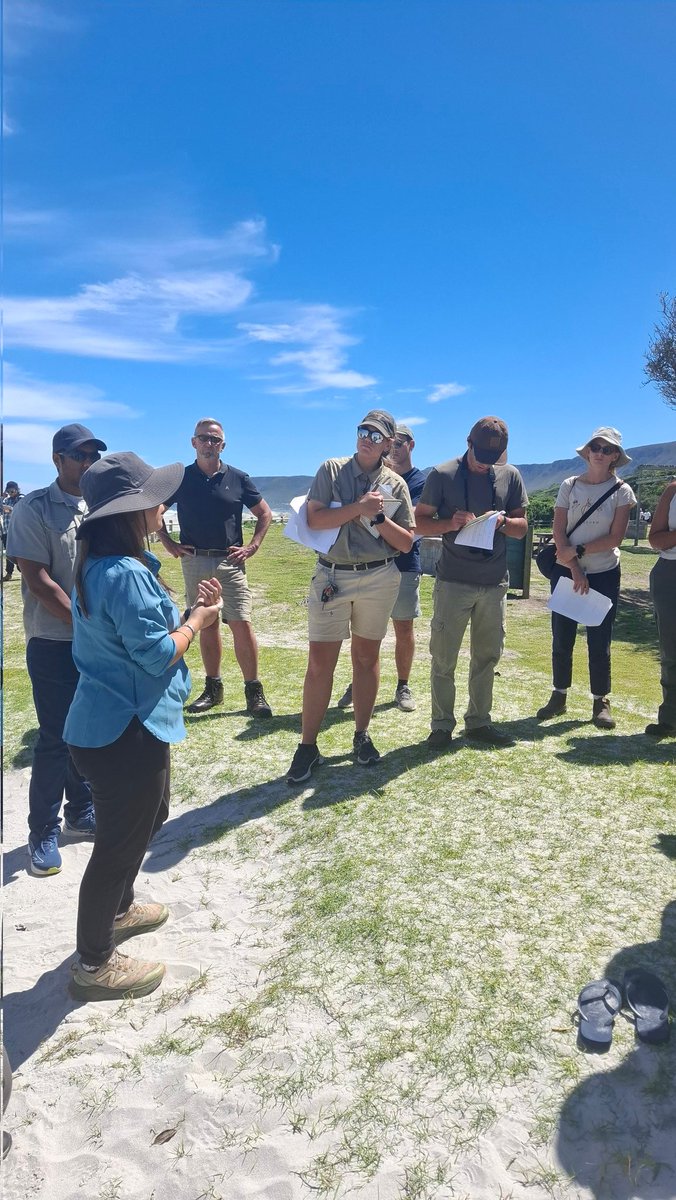
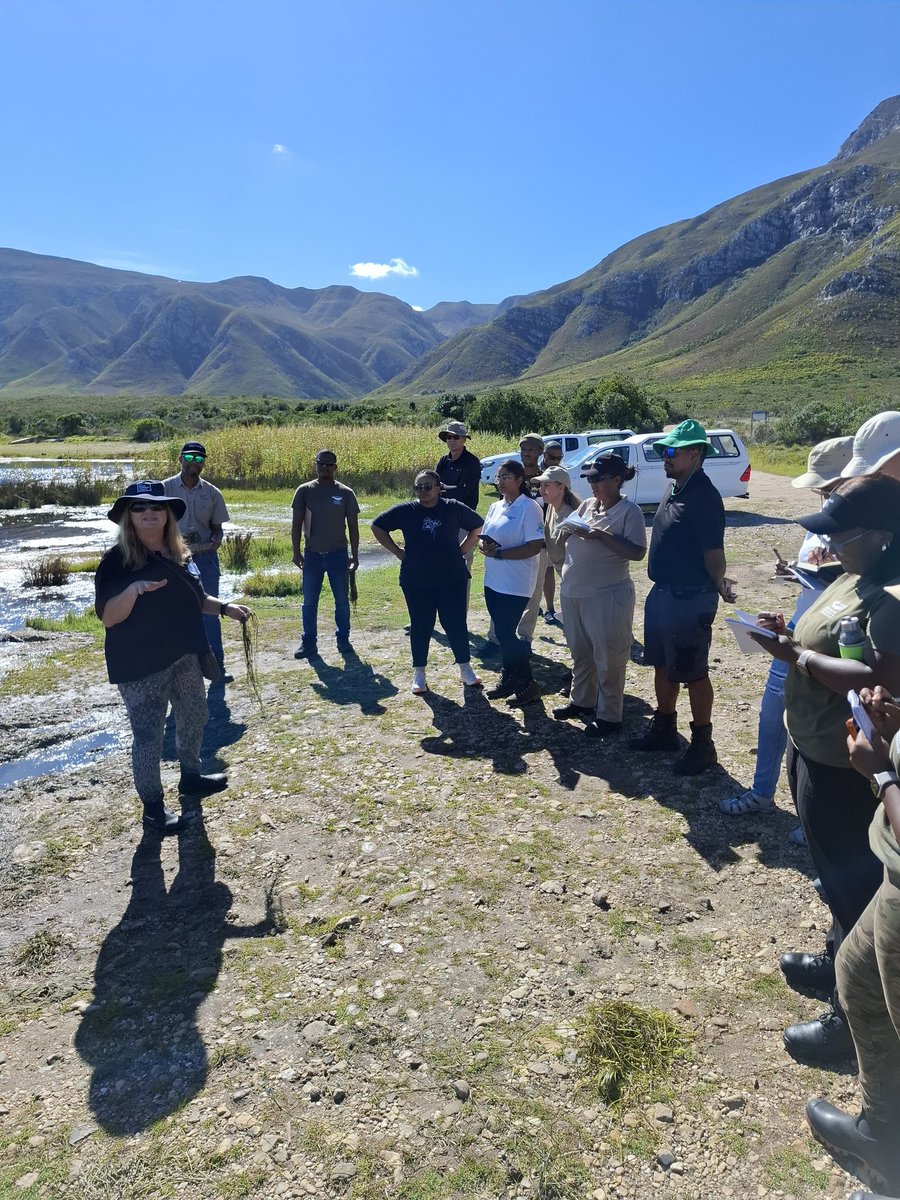
Day 2 of the Estuary Management Course started off with talks and ended with a field trip to the Klein Estuary. 🌊 We discussed estuary mouth management, habitat zonation, nursery function, water quality and management priorities. 🌱🦀🐟
23
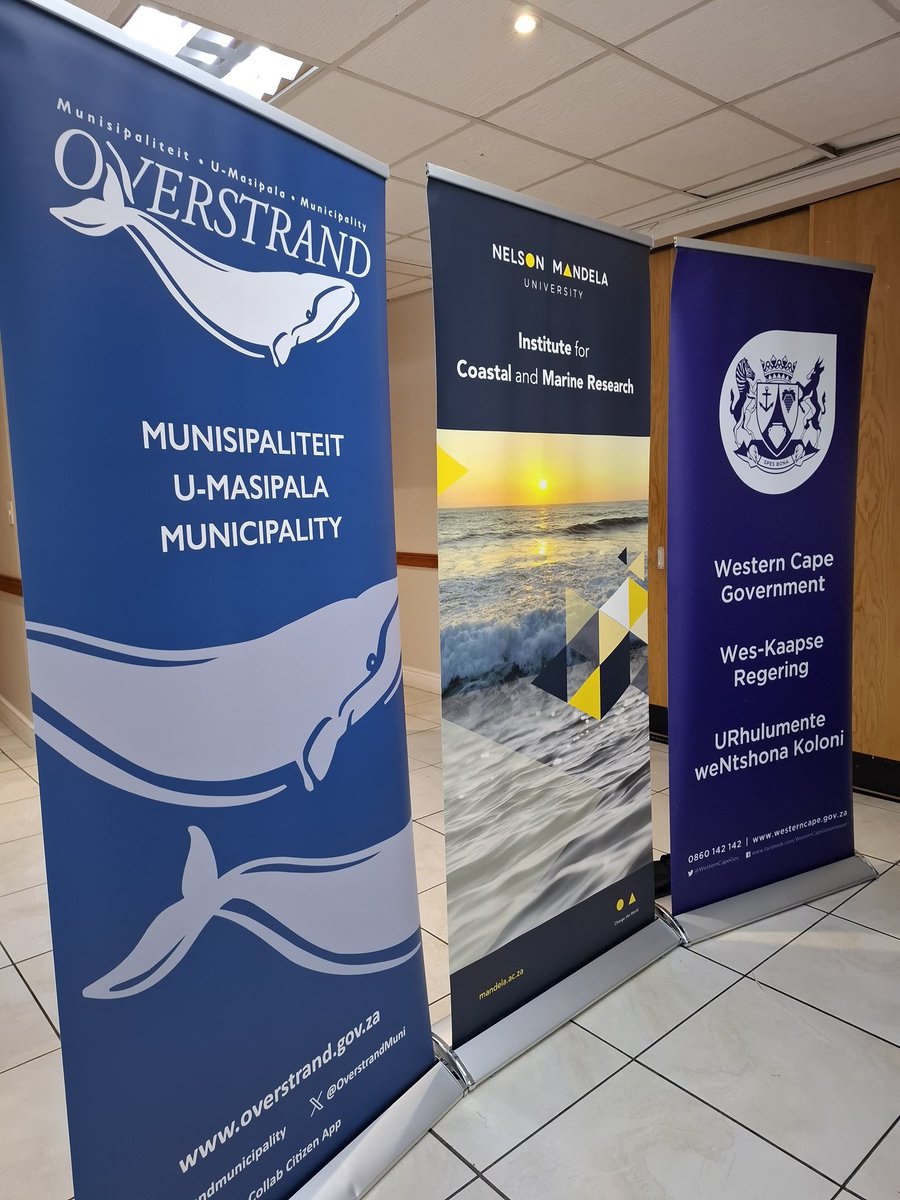
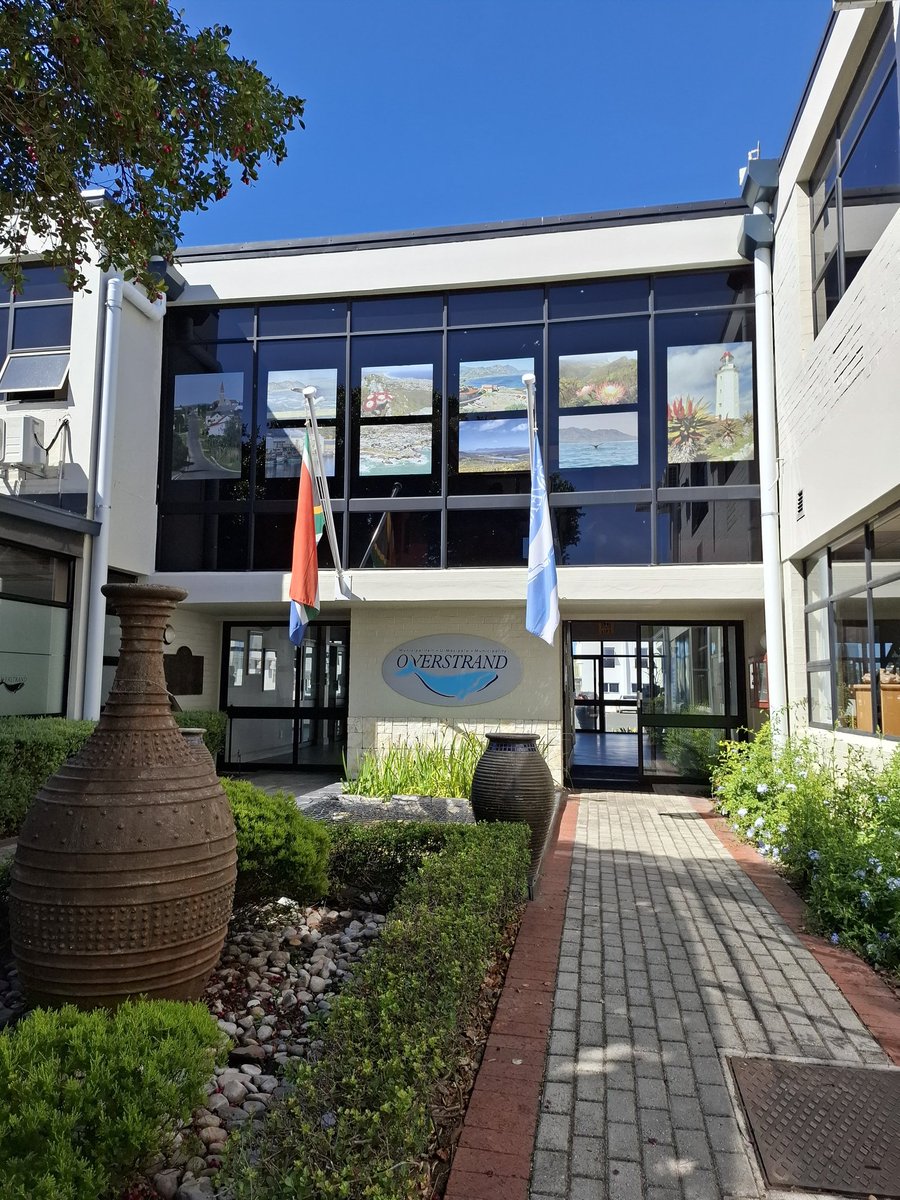
Today, we kicked off the first day of the Management of Estuaries in South Africa course in Hermanus. 🌊
13
Breede-Olifants Catchment Management Agency, Lower Breede River Conservancy Trust, BirdLife South Africa, Overberg District Municipality, Overstrand Municipality, Swellendam Municipality, Cederberg Municipality, Mossel Bay Municipality, Knysna Municipality. 👨🔬🫧
38
This course has been organised and presented in collaboration with Nelson Mandela University, the Institute for Coastal and Marine Research, Western Cape Government, Overstrand Municipality, CSIR and DFFE. 🌱🐟🦀
30
A number of organisations have joined to participate, including the Department of Forestry, Fisheries and the Environment, Department of Water and Sanitation, Department of Environmental Affairs and Development Planning, CapeNature, SANParks, City of Cape Town,
17
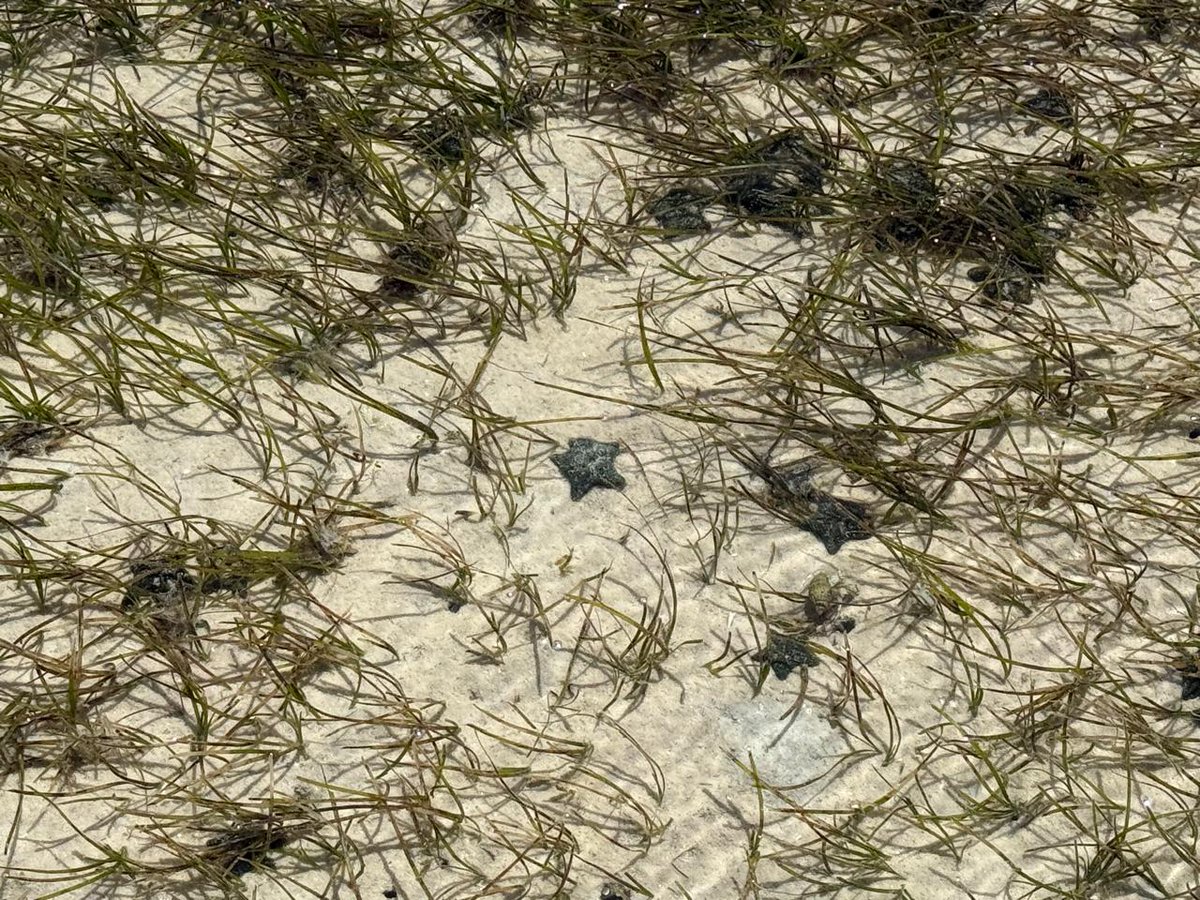
Today we celebrate World Seagrass Day 🌱
The theme of this year is "Healthy seagrass, healthy planet", which emphasizes the crucial role of seagrasses in supporting marine life, improving food security for coastal communities, and mitigating climate change. 🌊
1
1
24
Seagrasses contribute significantly to carbon sequestration, biodiversity conservation, and the health of fisheries. 🐟🫧
#seagrass #SouthAfrica
6
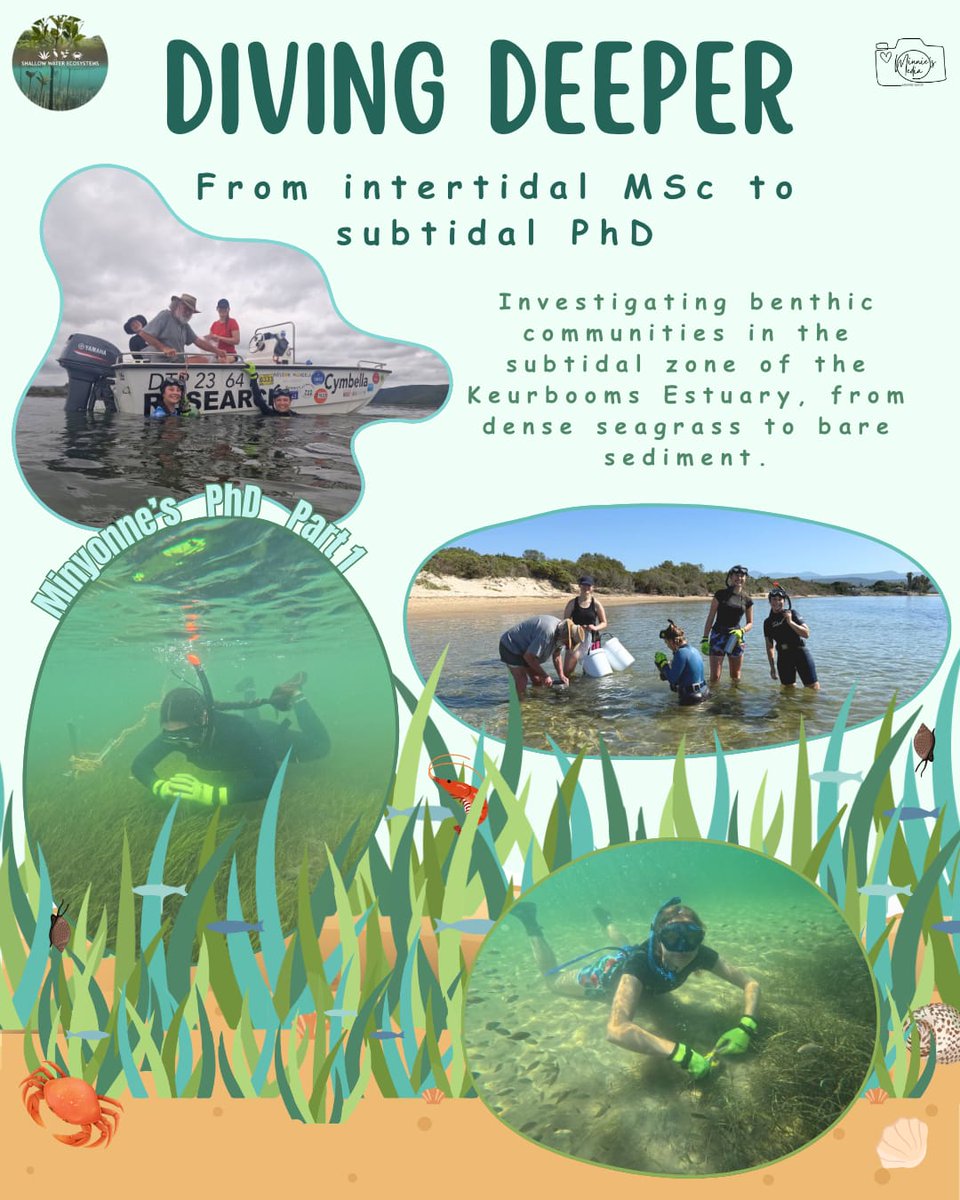
From an intertidal MSc to a subtidal PhD 🏖🌊
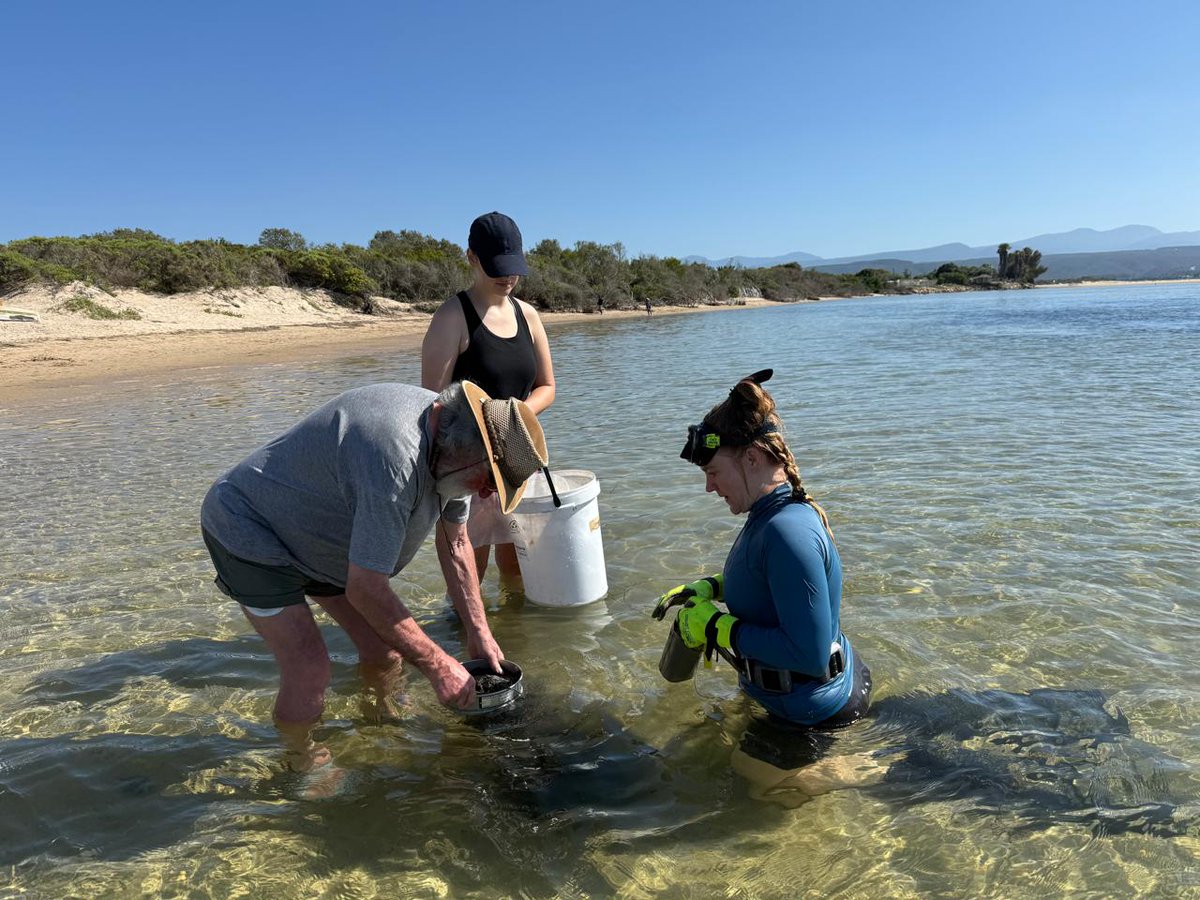
Earlier this month Minyonne began field sampling in the subtidal zone of the Keurbooms Estuary, focusing on benthic macroinvertebrates along the gradient from dense seagrass to adjacent bare sediment. 🦀🌿
1
1
21
Sampling days involved snorkelling between sites and collecting sediment cores with metal cylinders, followed by live invertebrate identification in the field lab with Prof. Richard Barnes 🔬🪱
1
4
Thank you to the incredible field team: NMU Zoology assistants, our Shallow Water Ecosystems technician, and support from the Knysna Estuary Research Foundation! 💙
11