🇲🇽 • postdoc at the Kuchibhotla lab • neuro/glia enthusiast behavior, cognition & sensory systems • guinea pigs & squirrels lover mstdn.science/@sharlen
Joined July 2009
- Tweets 324
- Following 1,735
- Followers 471
- Likes 1,026
35 Photos and videos





Pinned Tweet

3 Jul 2024
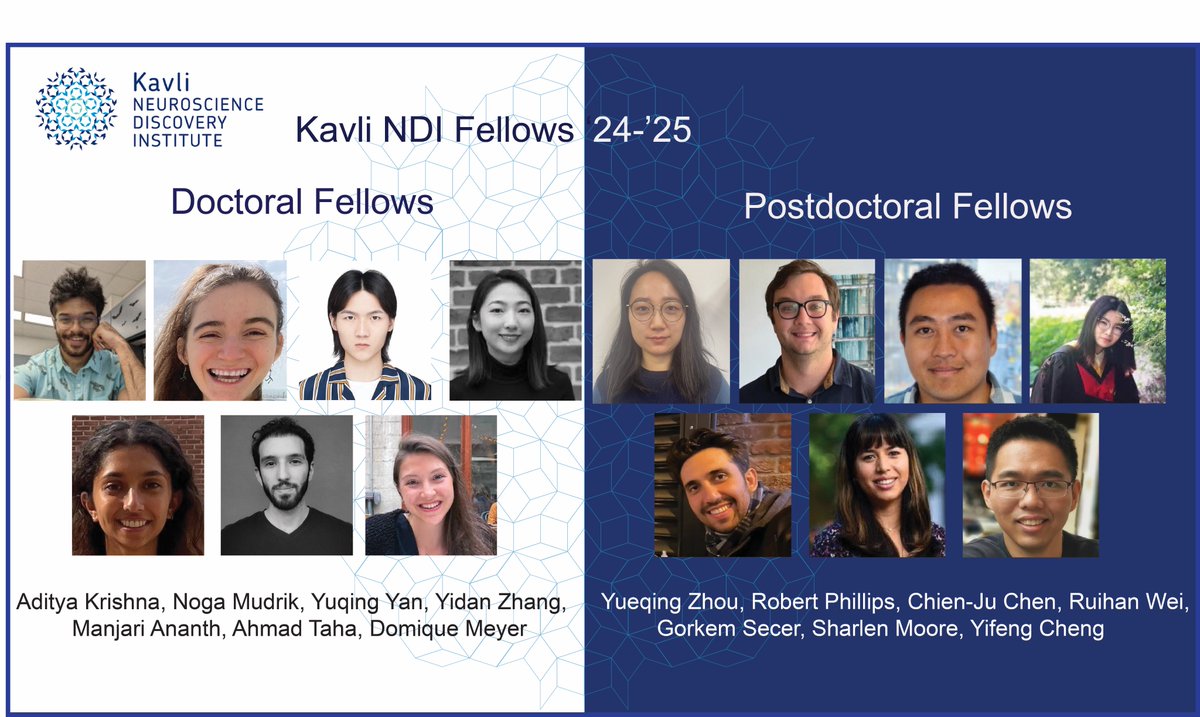
Deeply honored and grateful to receive this award! Thank you for the opportunity @HopkinsKavli and the invaluable guidance of my mentors @kishoreneuro and @BaselessPursuit. Excited to continue my postdoctoral research, exploring new frontiers in habit formation.
26 Jun 2024

Congratulations to all the Kavli NDI Distinguished Fellowship awardees. We are thrilled to support bold innovative transdisciplinary research, bridging #Neuroscience, #Engineering and #Data Science. @KavliFoundation @kishoreneuro @JEFworks @JustusKebschull @martinowk @kalhorlab
4
1
22
1,988
Sharlen Moore retweeted

14 Oct 2024
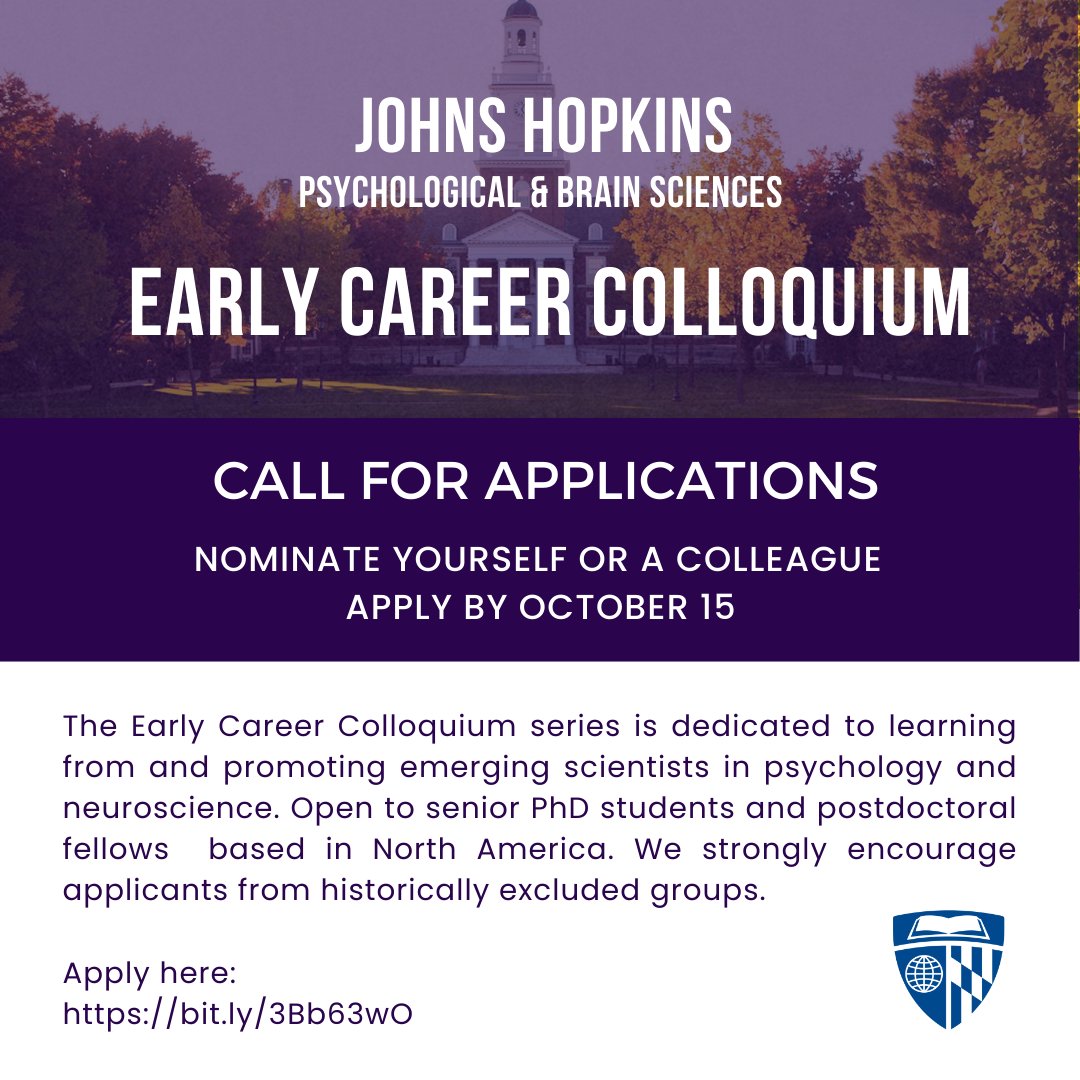
reminder--applications for our Early Career Colloquium close tomorrow!
16 Sep 2024

Applications are open for the 2025 Hopkins Psych & Brain Sciences Early Career Colloquium! This is a great opportunity to present your work and meet JHU faculty and trainees. Deadline 10/15/24.
1
1
570
7 Oct 2024
Come check out our work today!
5 Oct 2024

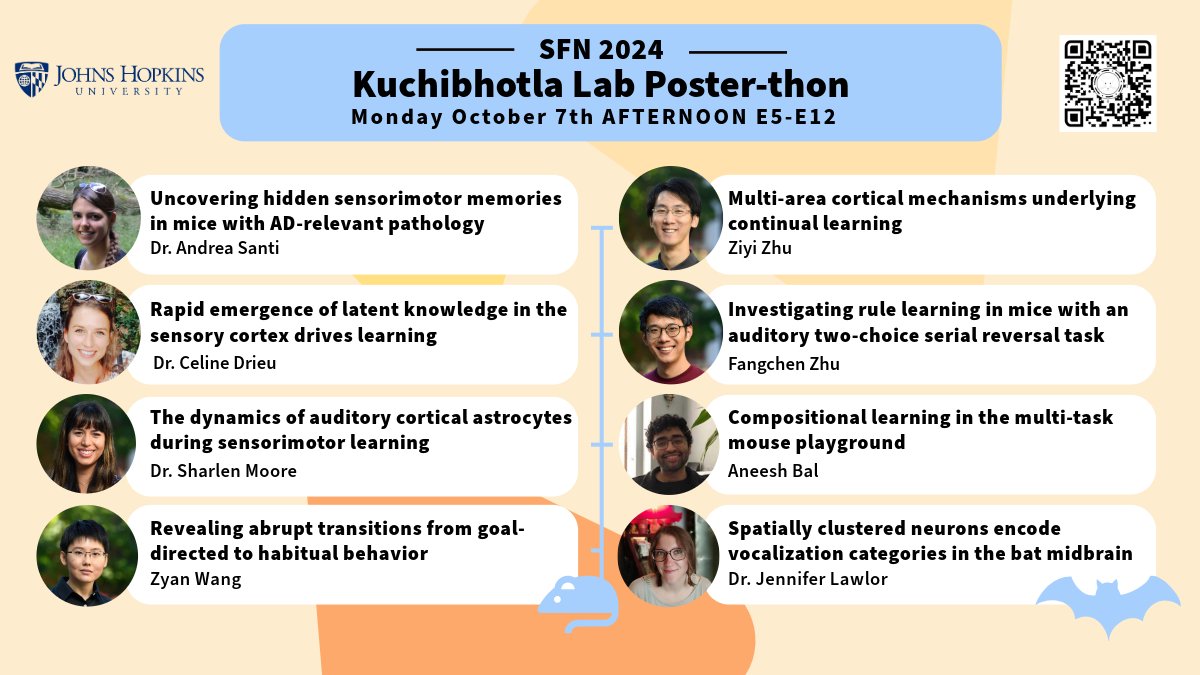
Coming to Chicago for @SfNtweets? Come check out our posters and meet our amazing team on Monday afternoon (all together this time!) Diverse projects (single-task learning, continual learning, AD, vocalization categories, habits) and species (mice and bats). Monday 1-5pm E5-E12
4
340
Sharlen Moore retweeted
4 Oct 2024
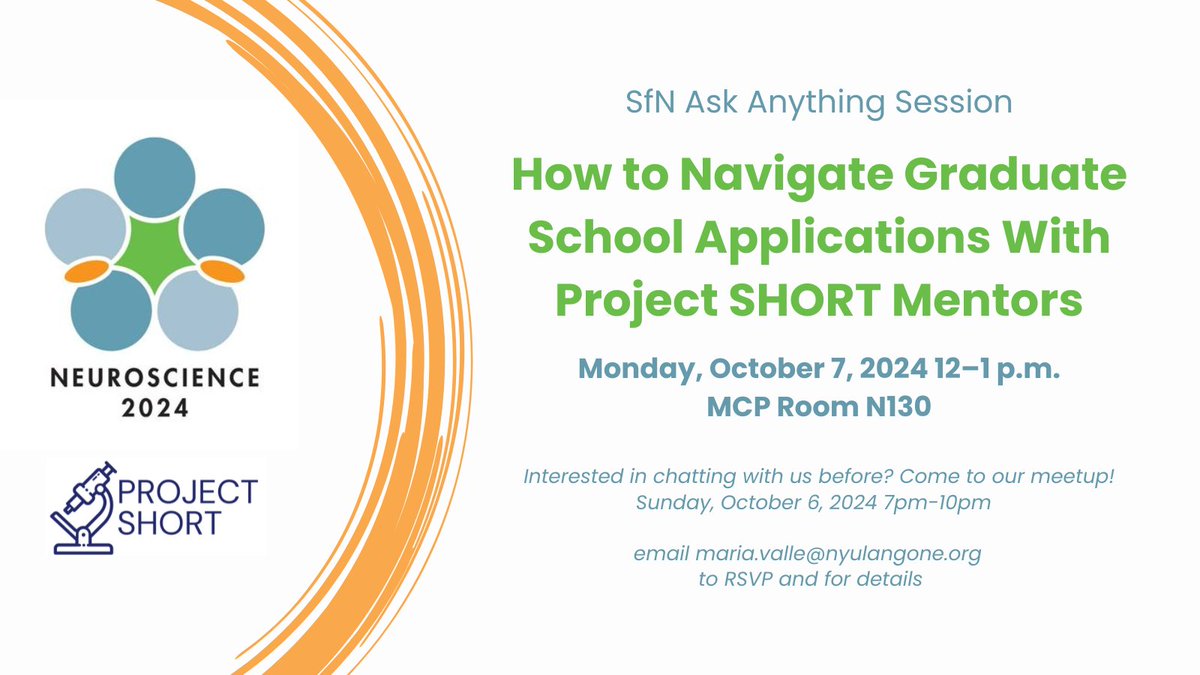
just a reminder our ask anything panel about PhD applications is on Monday 12-1pm and our meetup is Sunday from 7-8pm! please reach out to Maria (email in post) or me via Twitter for meetup details #sfn2024 #SfN24 @New2Neuropsych @SfNtweets
1 Oct 2024
Are you interested in graduate school but not sure where to start? @ProjectShort, a student-led organization committed to shrinking the socioeconomic gap in higher education, is having an Ask Anything session at #sfn2024!
1
3
480
Sharlen Moore retweeted

27 Sep 2024
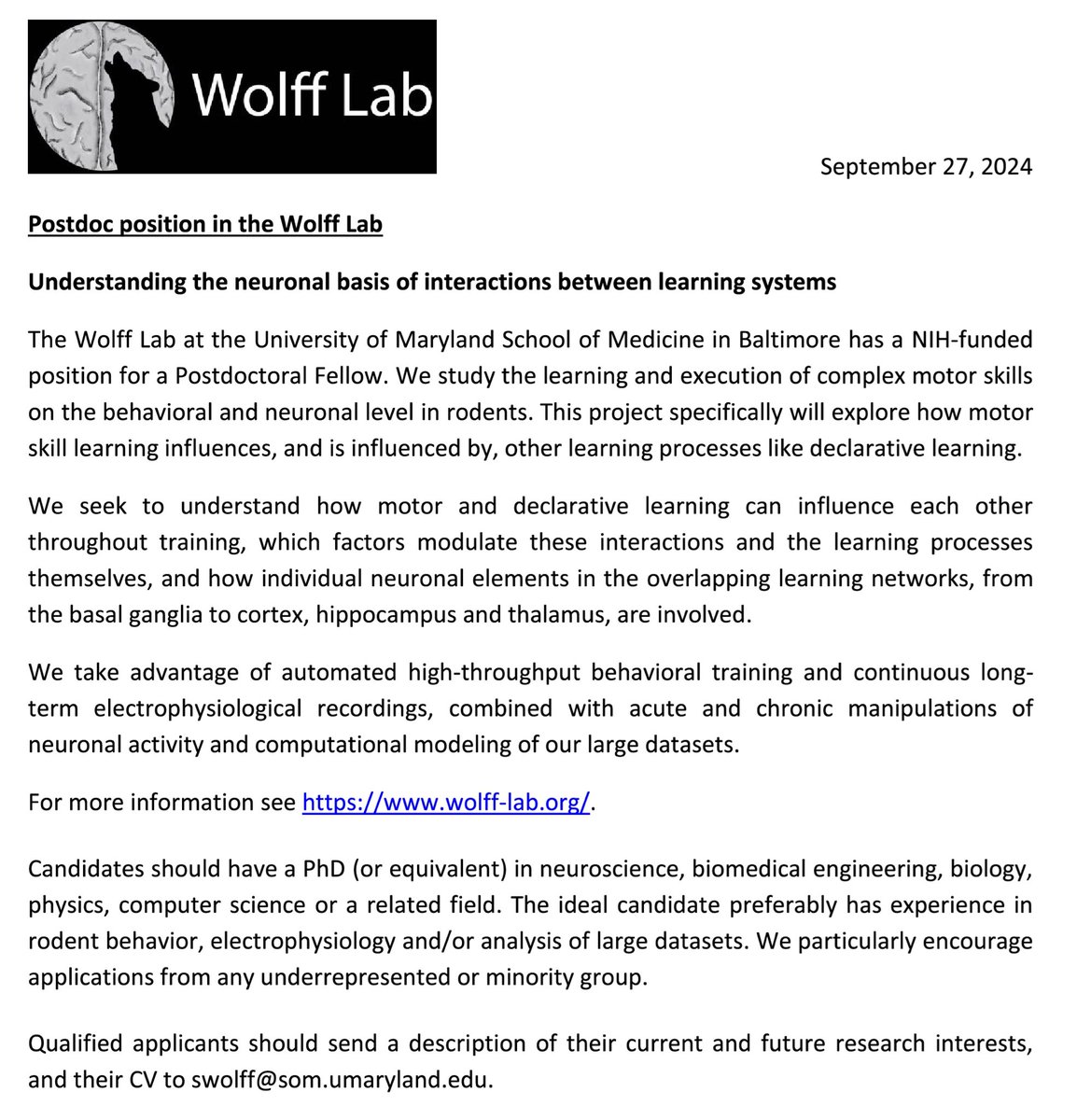
The Wolff Lab is looking for a #Postdoc for a NIH-funded project to study how distinct learning systems interact.
Catch me at SfN or reach out via email if you are interested!
#Neurojobs #AcademicJobs
60
131
18,976
Sharlen Moore retweeted

24 Sep 2024
We are happy to announce that we have received a grant from the Burroughs Wellcome Fund (@bwfund) to launch a GSEC Scholarship Fund to support 34 1st year grad students (part of our GSEC 2024 program) by covering financial expenses in their 1st year of grad school.

3
48
94
16,657
Sharlen Moore retweeted

16 Sep 2024
In honor of Hispanic Heritage Month, we present The Atlas of Inspiring Hispanic/Latinx Scientists. This resource showcases the scientific excellence of nearly 400 outstanding scientists. #LatinxAtlas #HispanicHeritageMonth
fredhutch.org/en/about/about…
8
168
361
129,854
Sharlen Moore retweeted
16 Sep 2024
Applications are open for the 2025 Hopkins Psych & Brain Sciences Early Career Colloquium! This is a great opportunity to present your work and meet JHU faculty and trainees. Deadline 10/15/24.
2
60
110
38,593
Sharlen Moore retweeted

11 Jun 2024
1/ A century ago, Tolman showed that meaningful learning can occur even without apparent performance improvements. What is the neural basis of this distinction between learning something vs learning to perform? We tackle this in a new manuscript 🔥 🐭🔬📰
biorxiv.org/cgi/content/shor…
5
41
152
26,254
Sharlen Moore retweeted

26 May 2024
Happy to share our latest review where we discuss mechanisms of different neuromodulators: nature.com/articles/s41380-0…
1
2
23
1,556
Sharlen Moore retweeted
26 Apr 2024
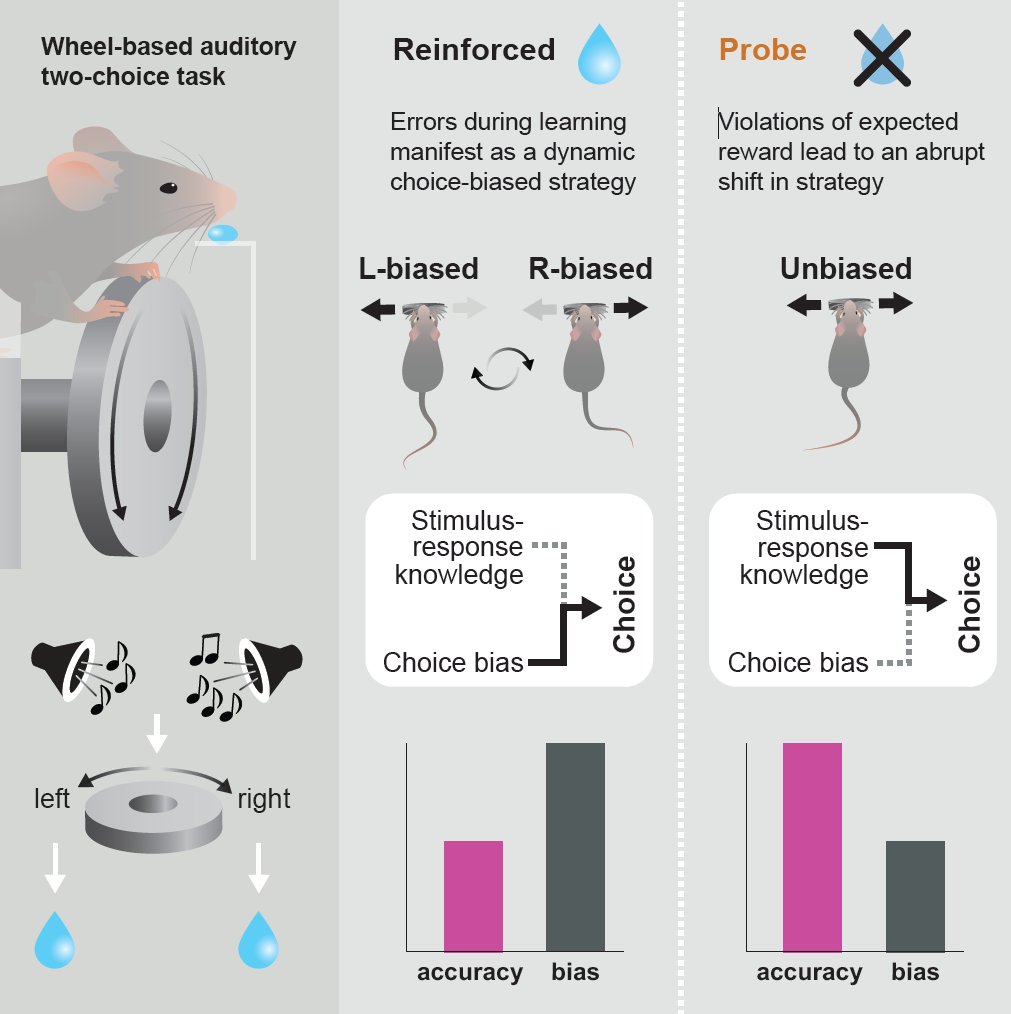
Excited to have this paper out in the world @CurrentBiology! This work was led by the brilliant @ziyizhu15 who took the leap of faith to join the lab as the first PhD student. He epitomizes the best of science - creative, careful, diligent, and a true team player (1/6)
26 Apr 2024

Excited to share our new result on Current Biology: sciencedirect.com/science/ar… with @kishoreneuro. Is there such a thing as a ‘strategic’ error? Humans and other animals often make errors when learning something new, in part because learning a task with no prior knowledge is hard.
6
15
87
11,112
Sharlen Moore retweeted
7 Feb 2024
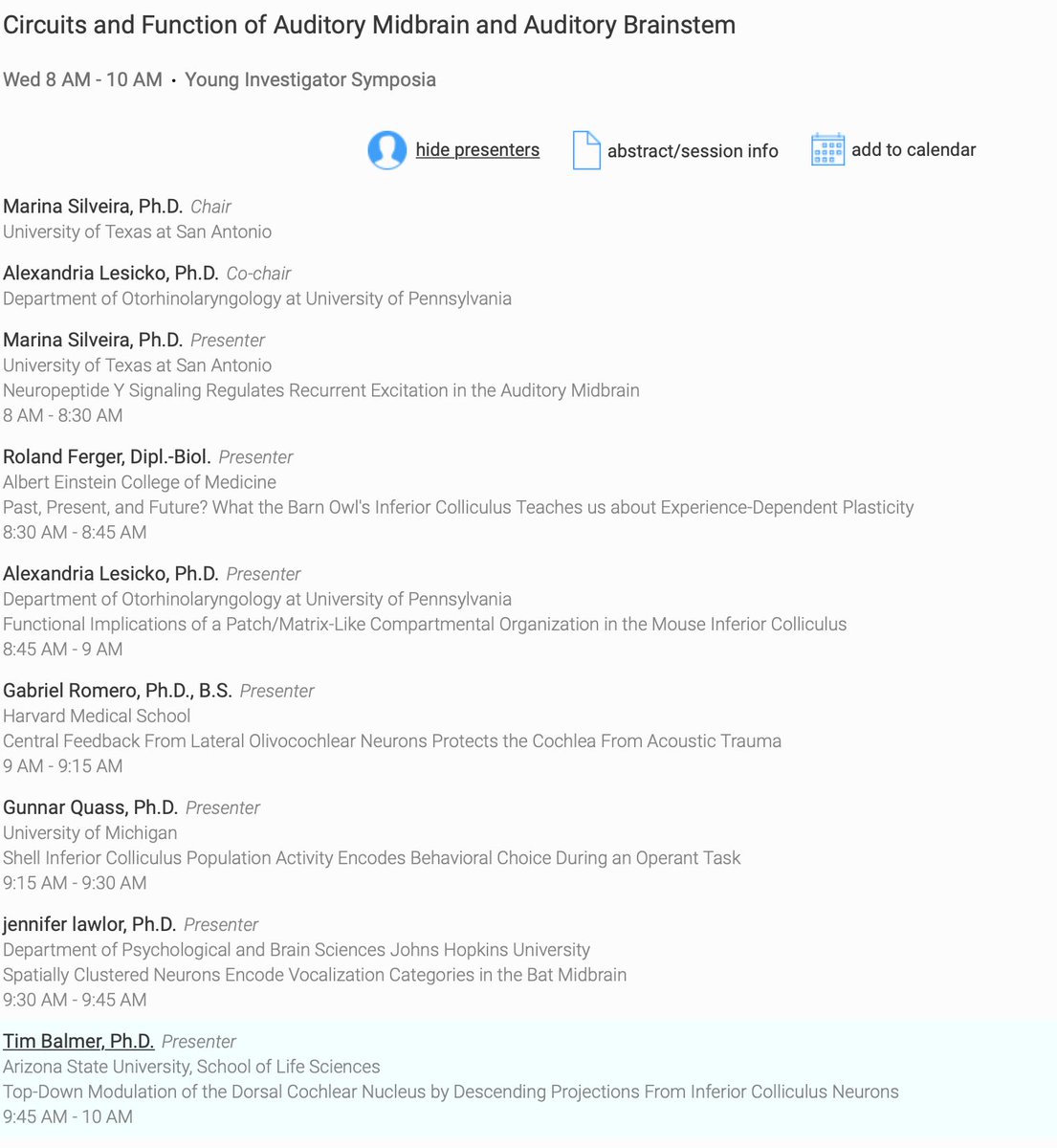
Echolocating bats two-photon imaging categorical representation of vocalizations midbrain = exciting talk from Jennifer Lawlor @AROMWM tomorrow morning!! Part of an excellent panel on the function of the auditory midbrain. Check it out!
7
25
3,909
Sharlen Moore retweeted

17 Oct 2023
Schools are #NotATarget.
Hospitals are #NotATarget.
Children are #NotATarget.
Civilians are #NotATarget.
Humanitarians are #NotATarget.

8,426
17,979
38,123
13,503,099
Sharlen Moore retweeted

14 Oct 2023
My lab is open to colleagues afected by the horrific violence. Berlin. Auditory systems neuroscience
13 Oct 2023

If you’re collaborating with Israeli PIs, think about whether you could invite one of their international trainees for a short stay so that they can get some work done while they are unable to return to their home lab.
5
15
2,534
Sharlen Moore retweeted

6 Oct 2023
MIGRATION ALERT: More than 600 MILLION birds predicted for tonight! Given the tragic mass window collisions in Chicago (see our previous post), it's an important time to dim nonessential outdoor lights at night & make your windows safer for birds: birdcast.info/science-to-act…

22
955
1,915
243,903
Sharlen Moore retweeted

18 Sep 2023
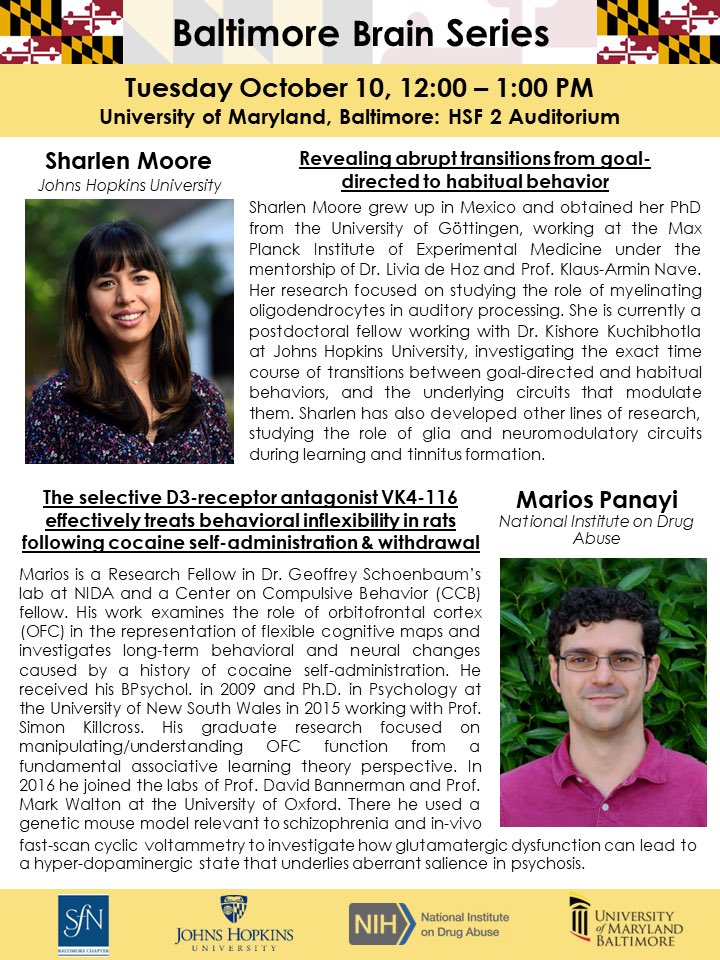
We are excited to introduce our first Fall 2023 seminar speakers @Sharizz @mariooosp , who will present their work at UMB on October 10th. You won’t want to miss it! A zoom link will be made available for those who prefer a virtual option.
9
19
4,508
Sharlen Moore retweeted

8 Aug 2023
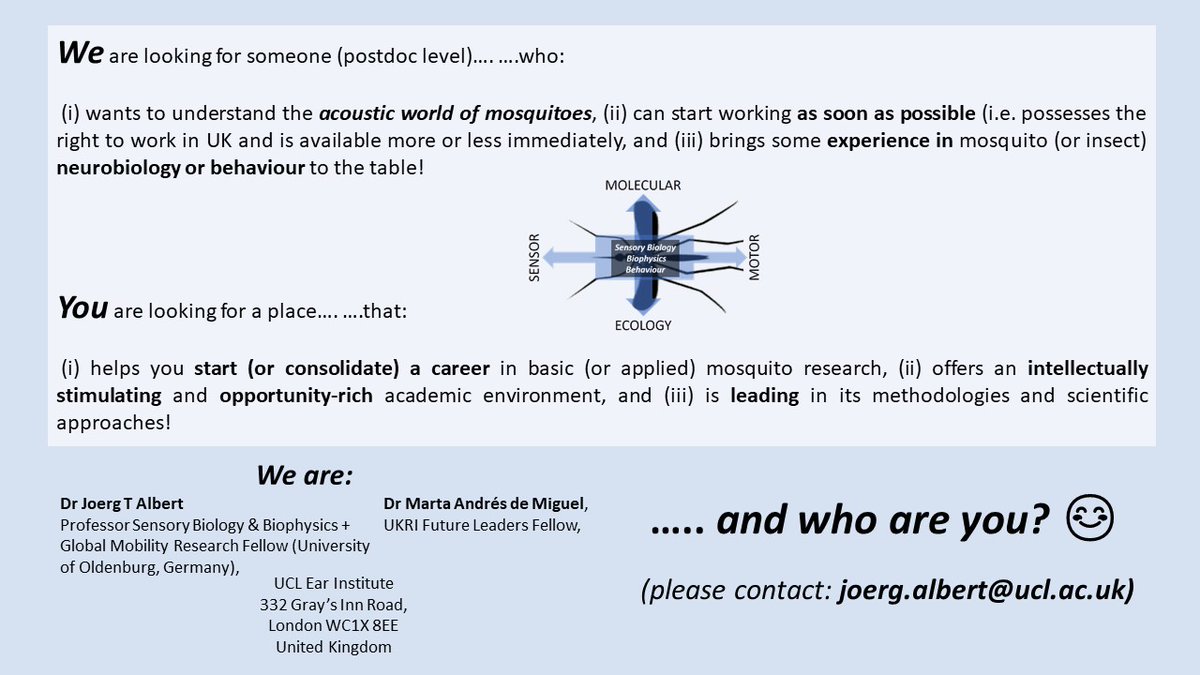
Interested in auditory behaviours in disease-transmitting mosquitoes? Check out this postdoc opportunity to work with us at UCL Ear Institute!
6
5
1,728
10 Jul 2023
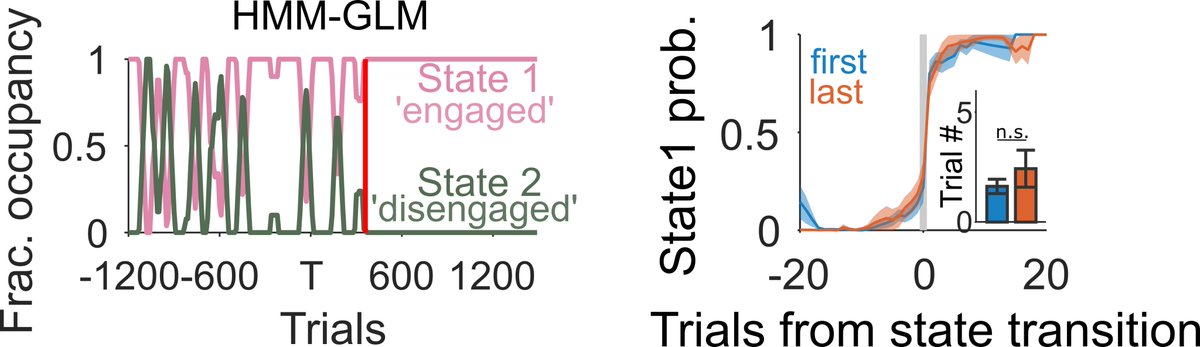
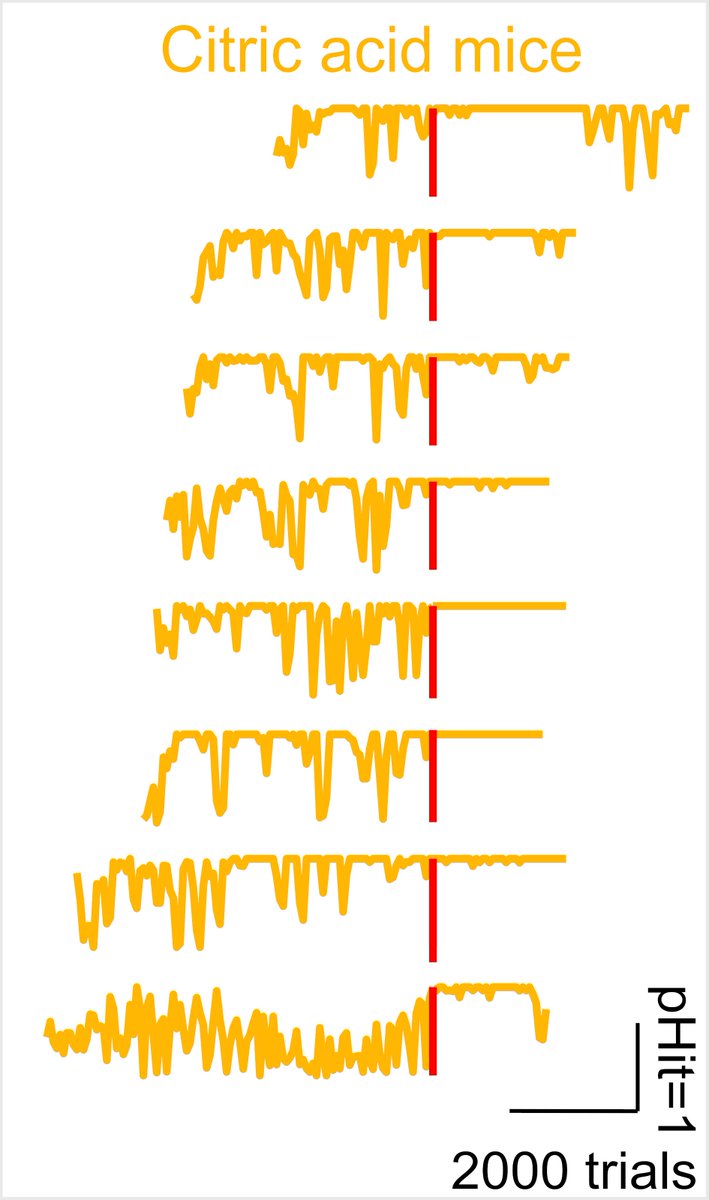
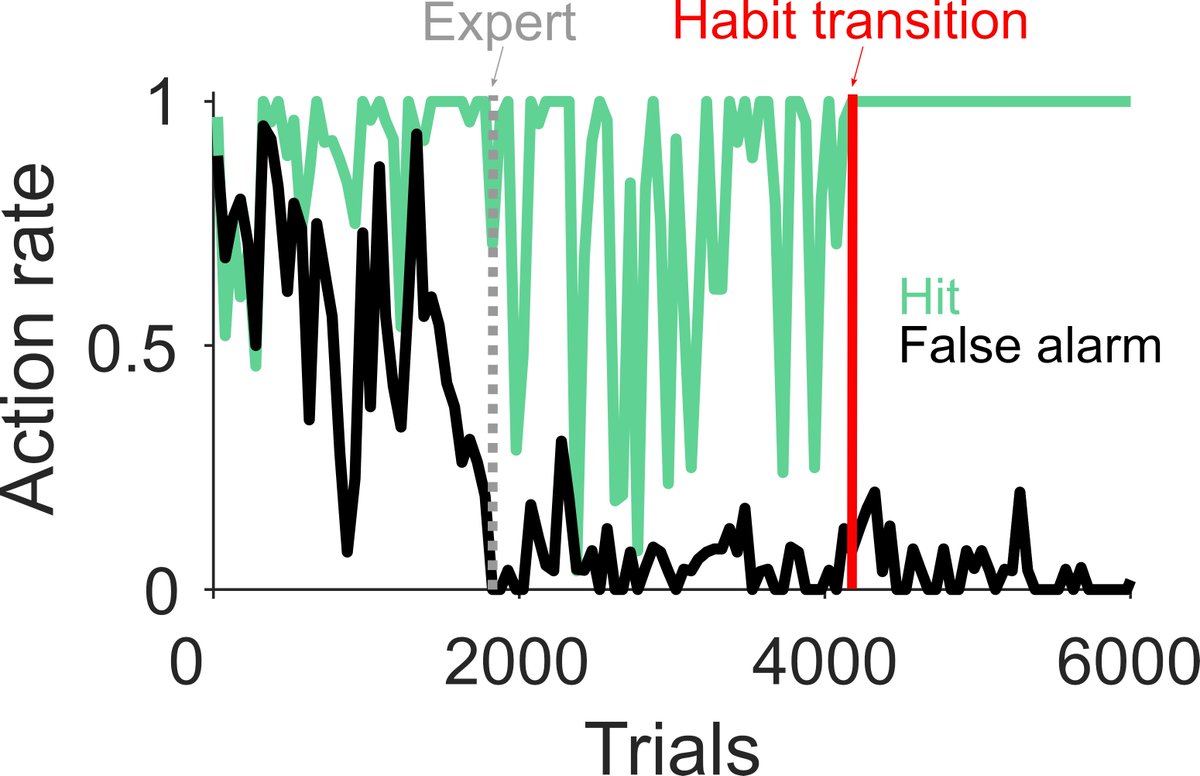
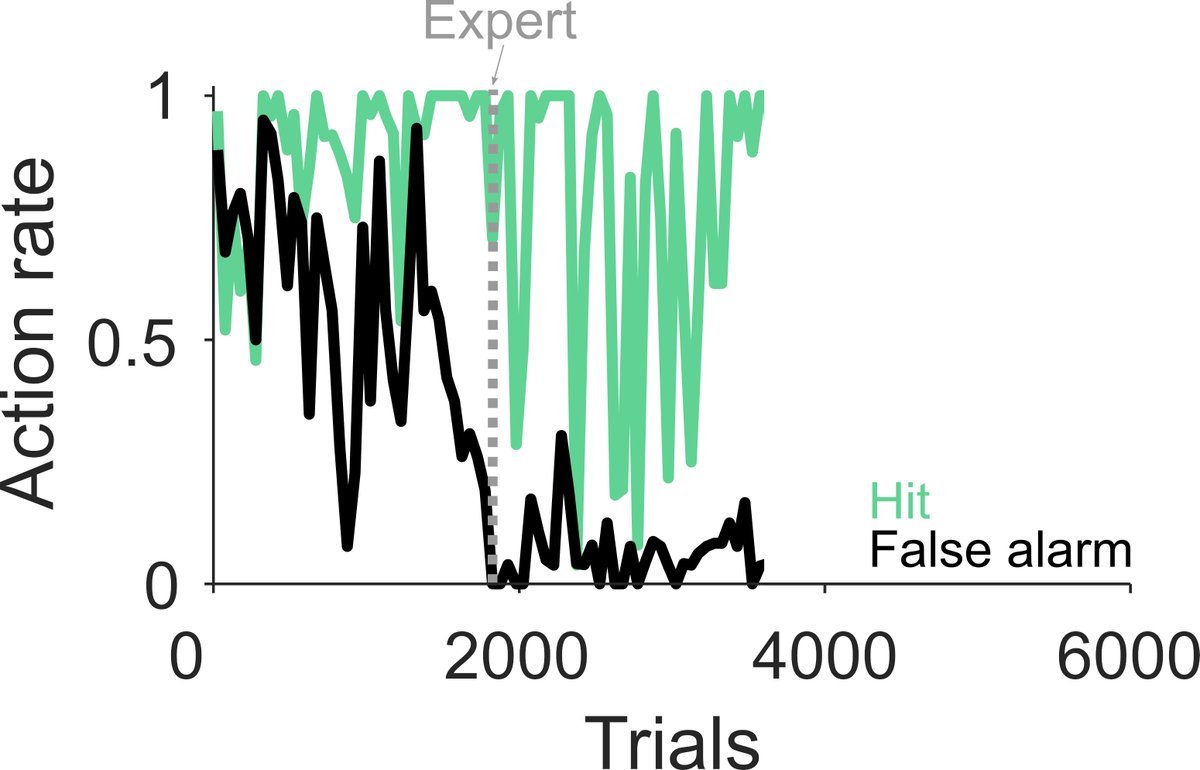
Have you ever wondered when a habit becomes a habit? Like when you were supposed to turn left to the grocery store but ended up turning right as if going to work? Check out our recent work w/@kishoreneuro @baselesspursuit @ziyizhu15 @Sun_Ruolan and twitter-less Zyan Wang in a 🧵
2
23
68
34,834
10 Jul 2023
‣ This view suggests that animals under habitual control can still internally ‘experience’ periods of goal-directedness (i.e. they still want plain water sometimes). In addition, the higher-level nature of the choice suggests that habitual control need not be permanent.
1
3
428
10 Jul 2023
‣ Methodologically, the ‘volitional engagement’ paradigm complements existing approaches by allowing assessment of the decision controller 𝑒𝑛 𝑝𝑎𝑠𝑠𝑎𝑛𝑡 and paves the way to understanding the neural dynamics and circuits that support habit formation in real-time.
2
2
436