
Learn About C#, MVC, Entity Framework, .Net Core, Sql Server, Jquery
Joined August 2022
- Tweets 141
- Following 118
- Followers 19
- Likes 37
30 Photos and videos


6

Mar 15
8
11
Jan 24
9
26 Dec 2025
14
21 Dec 2025
19
12 Dec 2025
19
3 Dec 2025
TickerQ: The Modern .NET Job Scheduler That Beats Quartz and Hang fire..
linkedin.com/posts/mk-saroha…
29
Skills Tutorial retweeted

20 Nov 2025
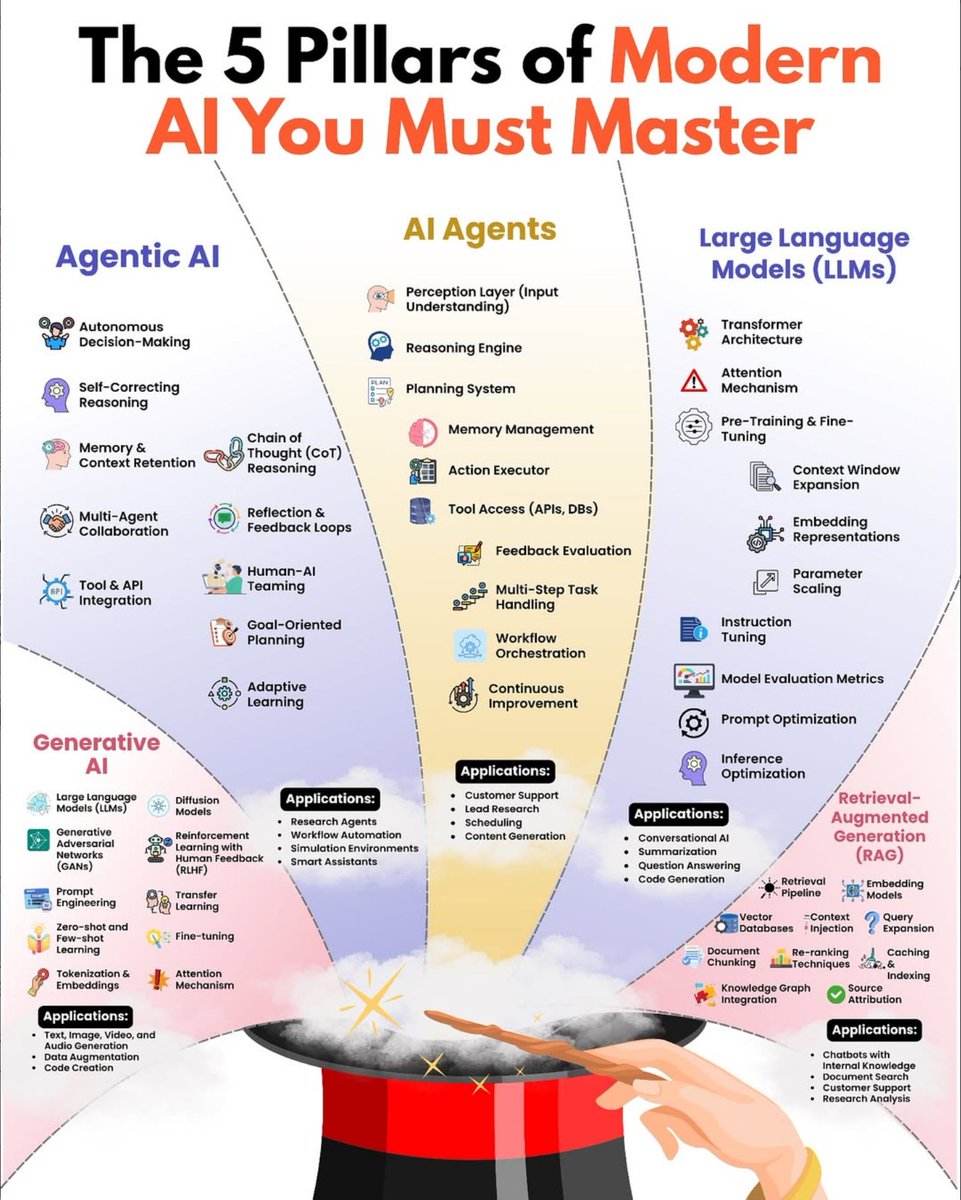
The 5 Pillars of modern AI
5
74
327
12,746
20 Nov 2025
21
Skills Tutorial retweeted

12 Nov 2025
Why do RAG systems feel like they hit a ceiling?
I've been diving into @helloiamleonie's latest article on agent memory, and it provided so much clarity into the current evolution of RAG systems.
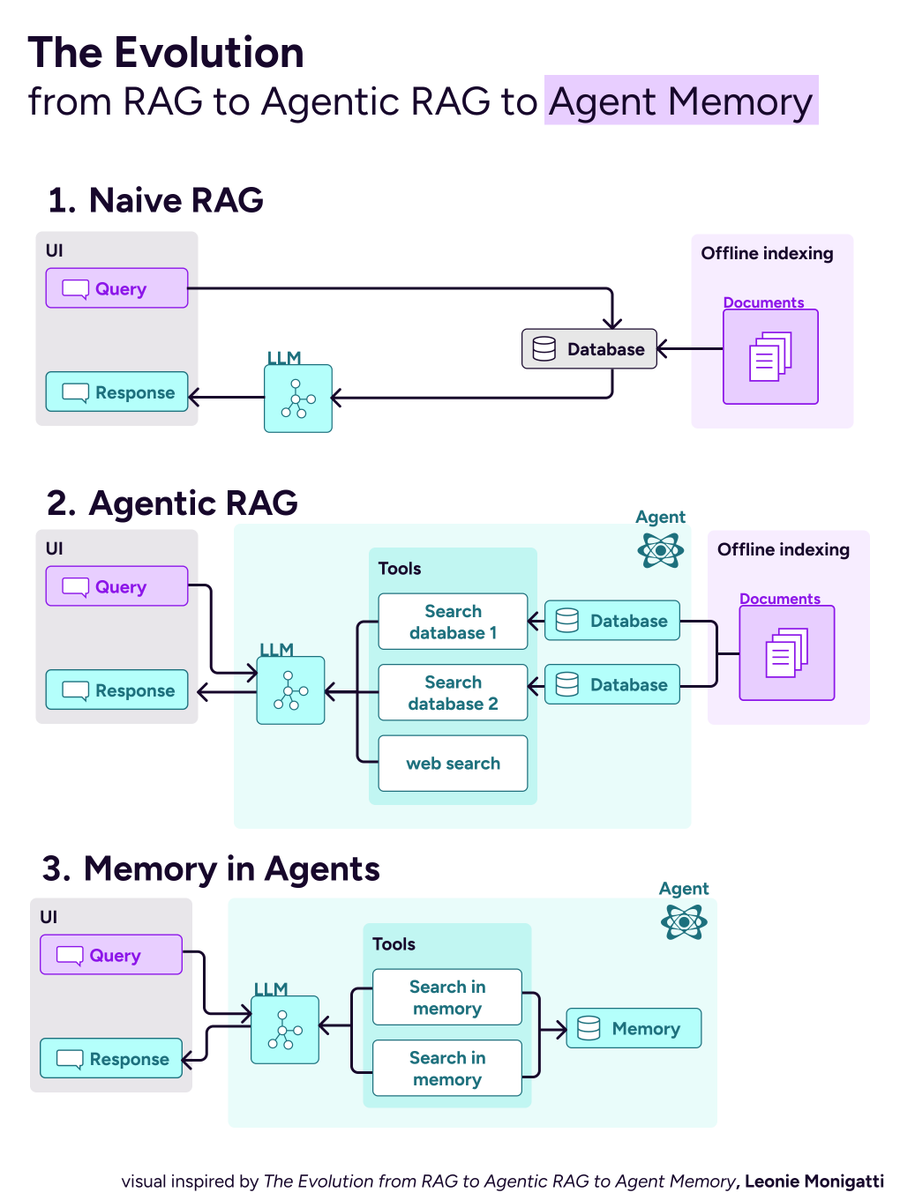
The progression from RAG → Agentic RAG → Agent Memory isn't about adding features. It's about changing 𝗵𝗼𝘄 𝗶𝗻𝗳𝗼𝗿𝗺𝗮𝘁𝗶𝗼𝗻 𝗳𝗹𝗼𝘄𝘀.
𝗥𝗔𝗚: 𝗥𝗲𝗮𝗱-𝗢𝗻𝗹𝘆, 𝗢𝗻𝗲-𝗦𝗵𝗼𝘁
Traditional RAG is like a library where you can only check out books. You retrieve context, generate a response, done. The knowledge base is static - updated offline, queried online. Simple, but inflexible.
𝗔𝗴𝗲𝗻𝘁𝗶𝗰 𝗥𝗔𝗚: 𝗦𝗺𝗮𝗿𝘁 𝗥𝗲𝗮𝗱-𝗢𝗻𝗹𝘆
Agentic RAG adds intelligence to retrieval. The agent decides:
• Do I even need external information?
• Which knowledge source should I query?
• Is this retrieved context actually relevant?
Still read-only, but way more sophisticated about 𝘸𝘩𝘢𝘵 it reads.
𝗔𝗴𝗲𝗻𝘁 𝗠𝗲𝗺𝗼𝗿𝘆: 𝗥𝗲𝗮𝗱-𝗪𝗿𝗶𝘁𝗲 𝗢𝗽𝗲𝗿𝗮𝘁𝗶𝗼𝗻𝘀
Agent memory introduces write operations during inference. The agent can now:
• Store new information from conversations
• Update existing knowledge
• Create memories from important events
• Build personalized context over time
Your AI assistant doesn't just retrieve your preferences - it 𝗹𝗲𝗮𝗿𝗻𝘀 them through interaction. It's not just searching a static knowledge base - it's actively building one.
Leonie breaks this down with code examples showing how WriteTool extends the SearchTool paradigm. The agent gets tools for storing, updating, even consolidating memories.
But (and this is important) - she's also super clear this is a simplified mental model. Real agent memory systems need sophisticated memory management: deciding what to remember, what to forget, how to handle memory corruption. It's messier than it looks 😅
The article also touches on different memory types - procedural ("use emojis"), episodic ("user mentioned trip on Oct 30"), semantic ("Eiffel Tower is 330m tall") - potentially stored in separate collections.
I love this framing because it shows how each evolution solved specific limitations. RAG was too rigid. Agentic RAG made retrieval smarter. Agent memory made the whole system adaptive.
Full article here: leoniemonigatti.com/blog/fro…
31
190
1,041
49,832
Skills Tutorial retweeted
13 Nov 2025
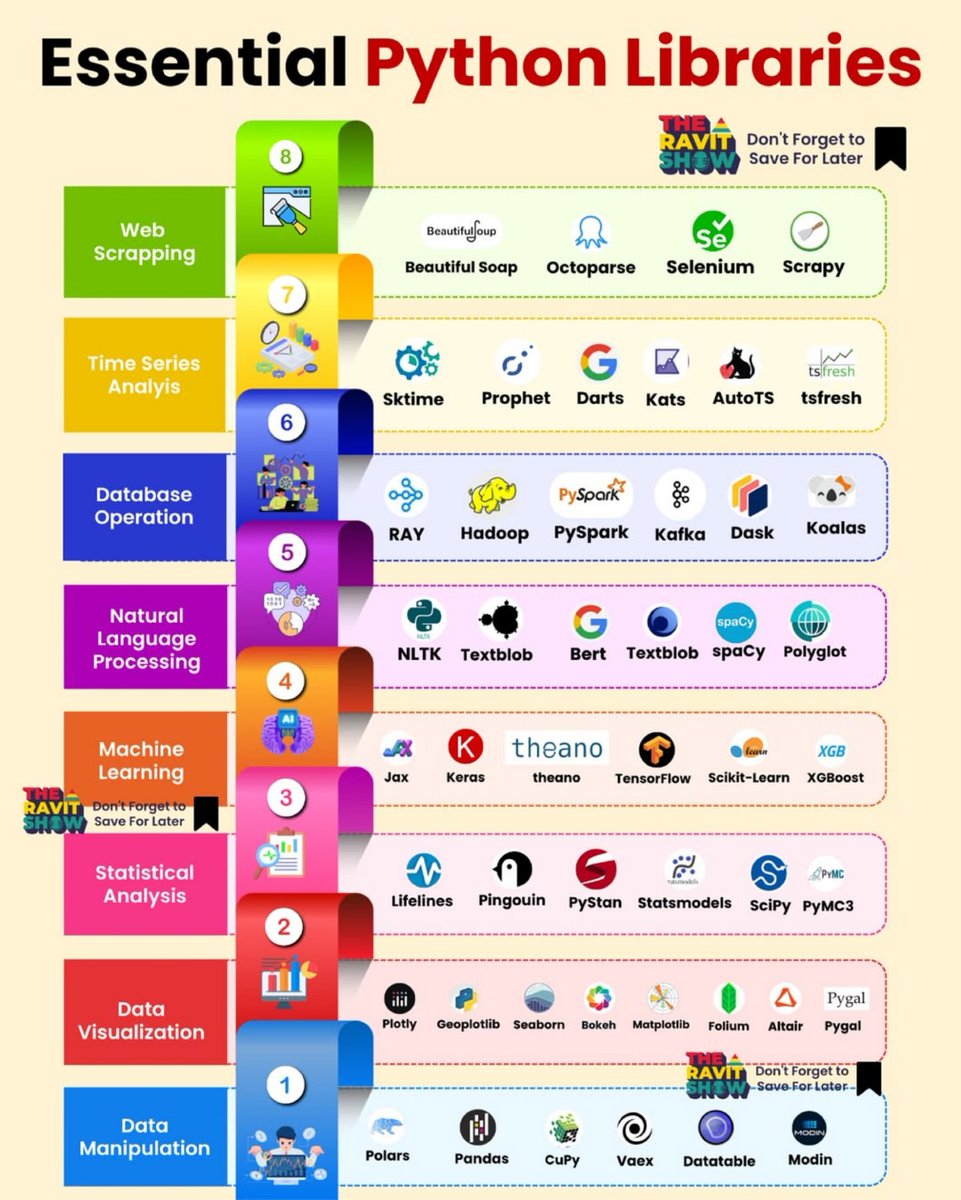
Essential Python Libraries!
Credit: theravitshow
2
50
213
8,611

11 Nov 2025
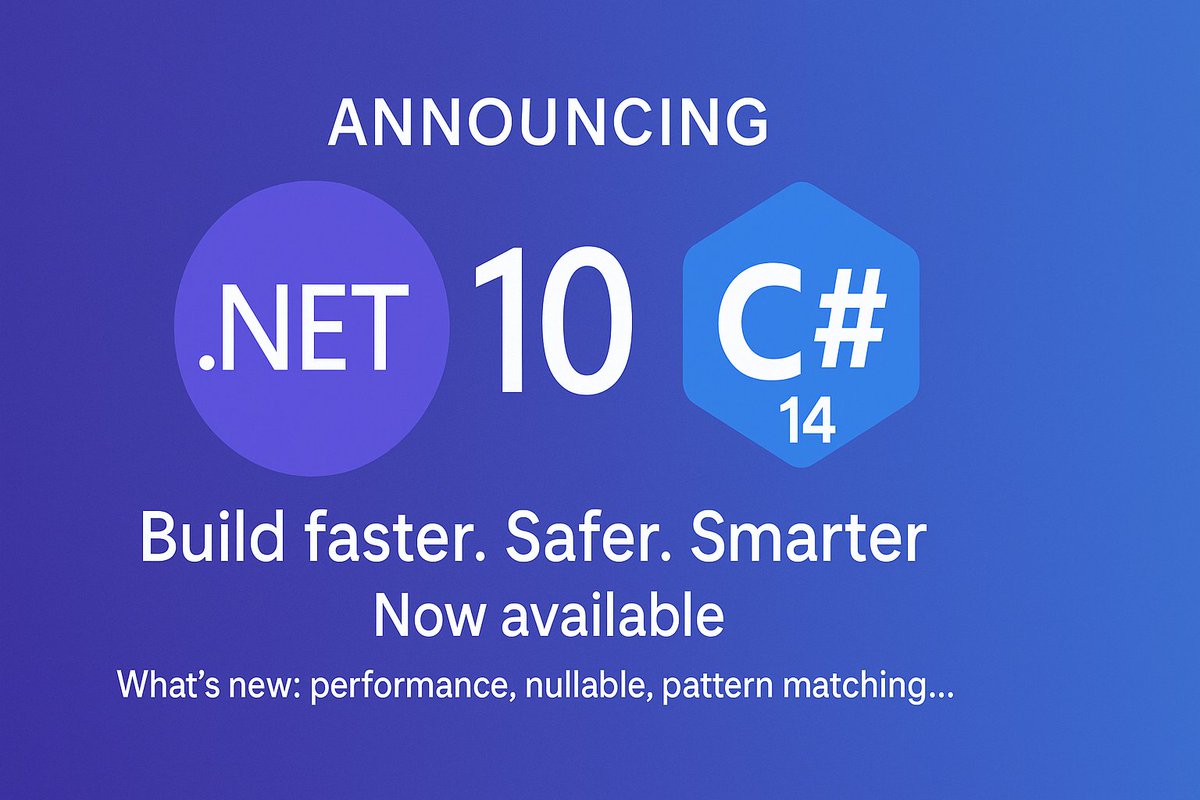
🚀 .NET 10 & C# 14 are here!
Build faster, safer, smarter apps.
✨ Highlights:
⚡️ Faster JIT & AOT
🔒 Smarter nullable pattern matching
🧩 New LINQ & collection literals
💻 Native AOT for all platforms
#dotnet10 #csharp14 #devcommunity #dotnet
2
49