Joined June 2013
- Tweets 4,878
- Following 2,790
- Followers 4,567
- Likes 6,169
324 Photos and videos
Pinned Tweet

1 Oct 2021
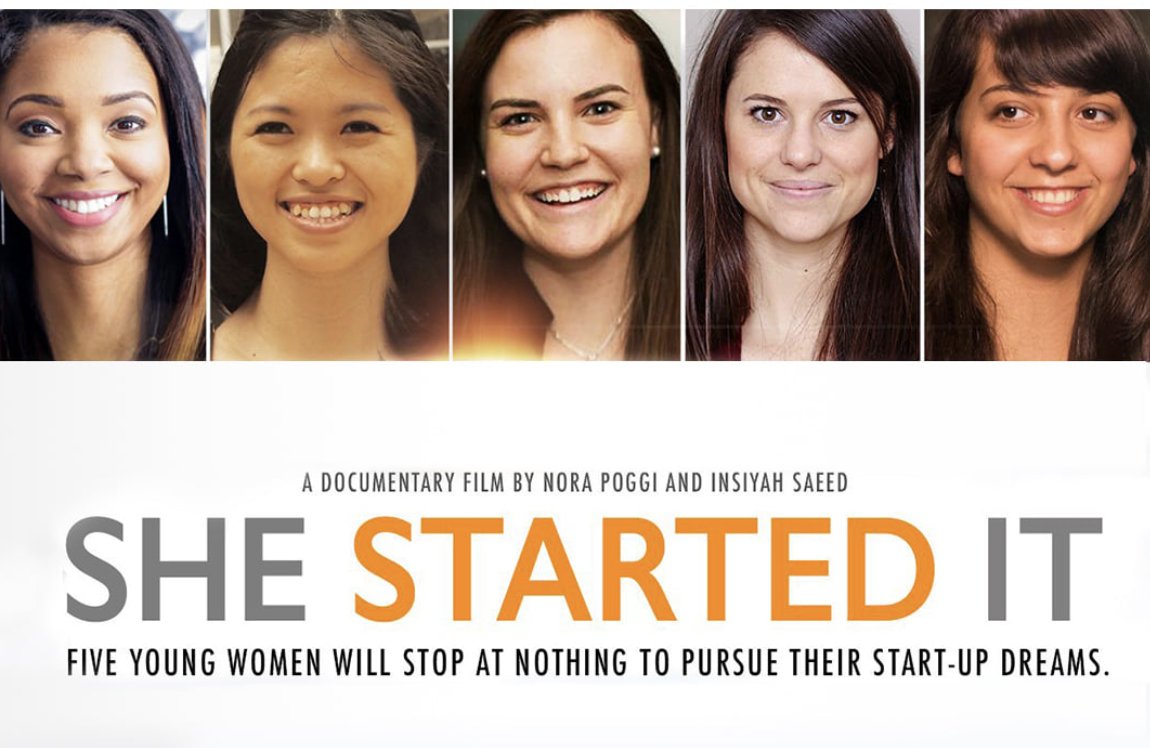
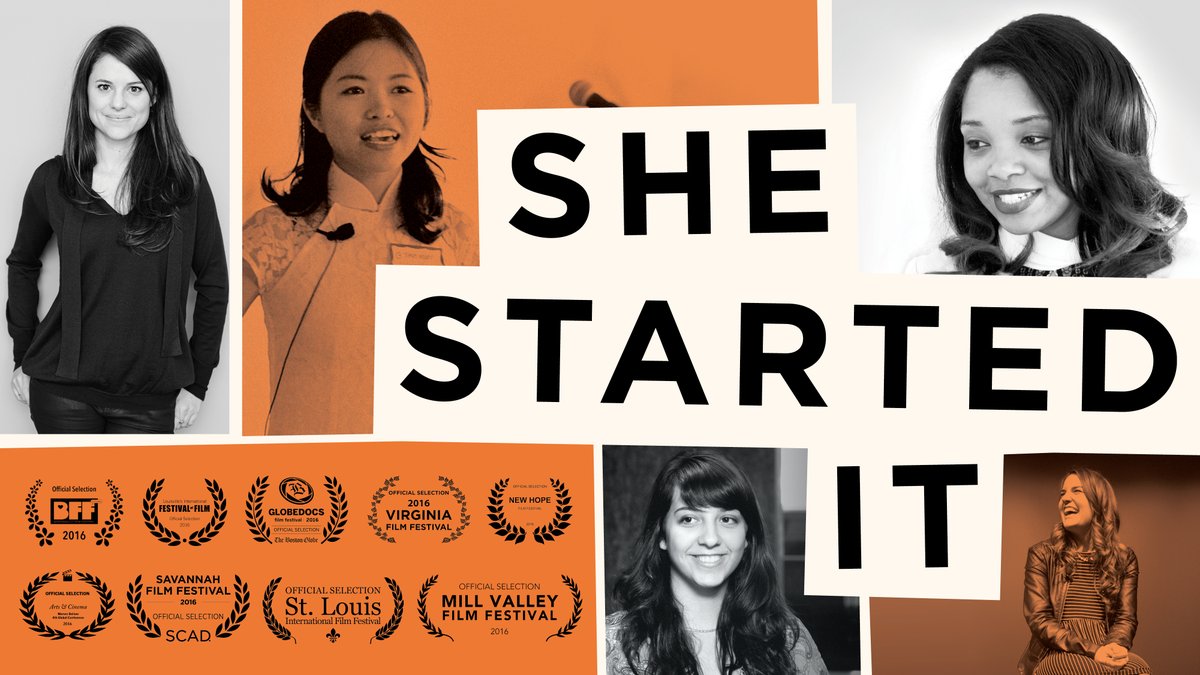
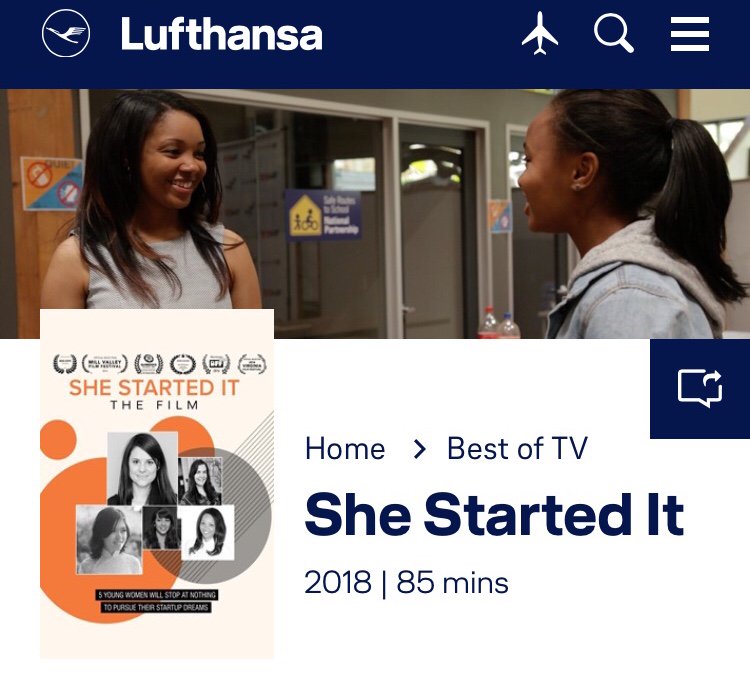
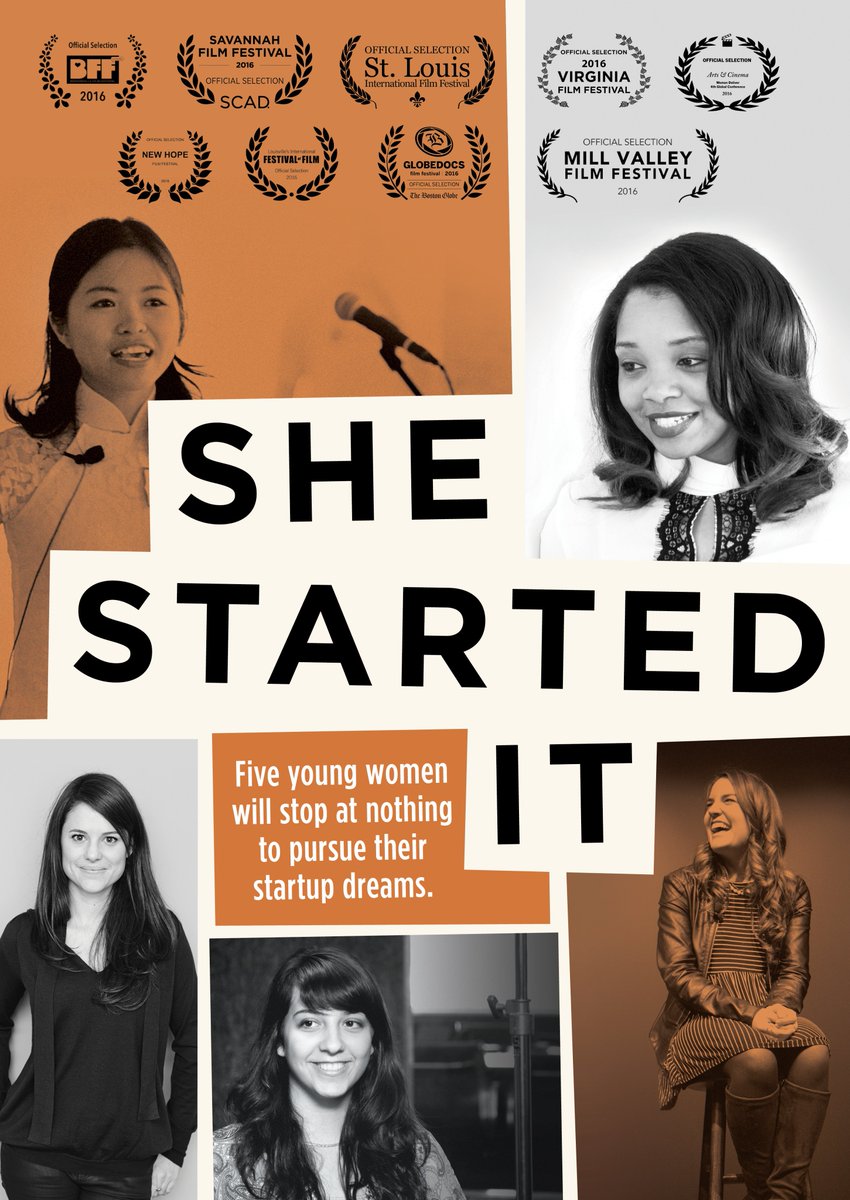
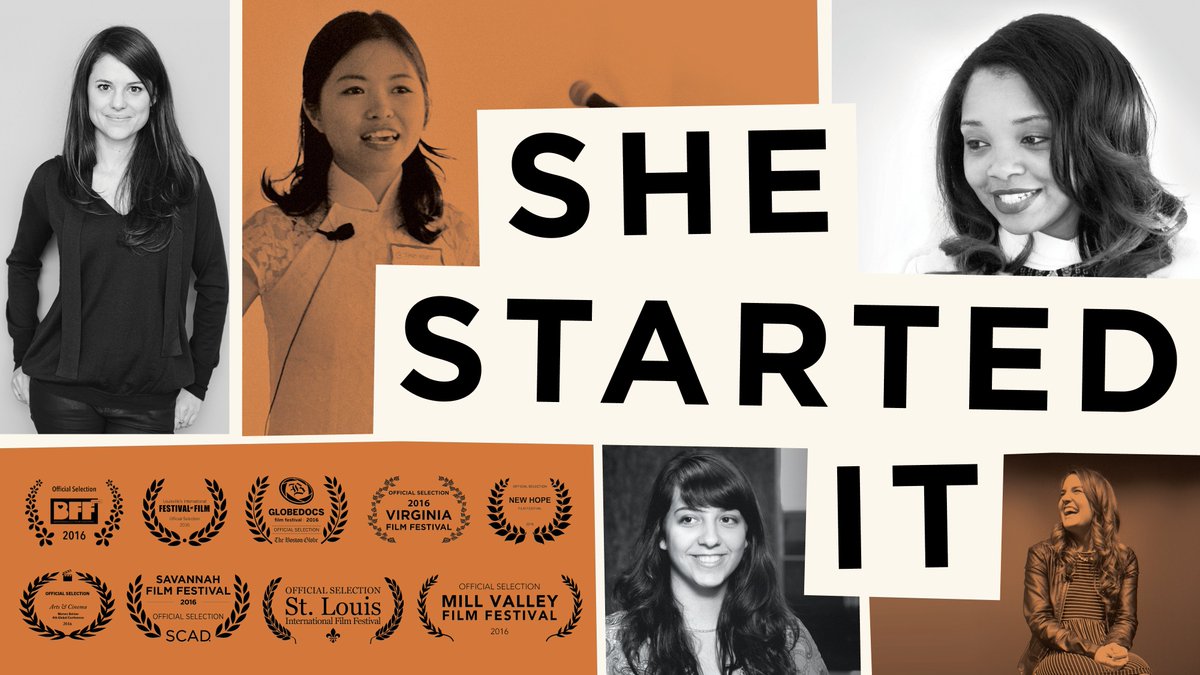
Excited to announce our award-winning @SheStartedIt
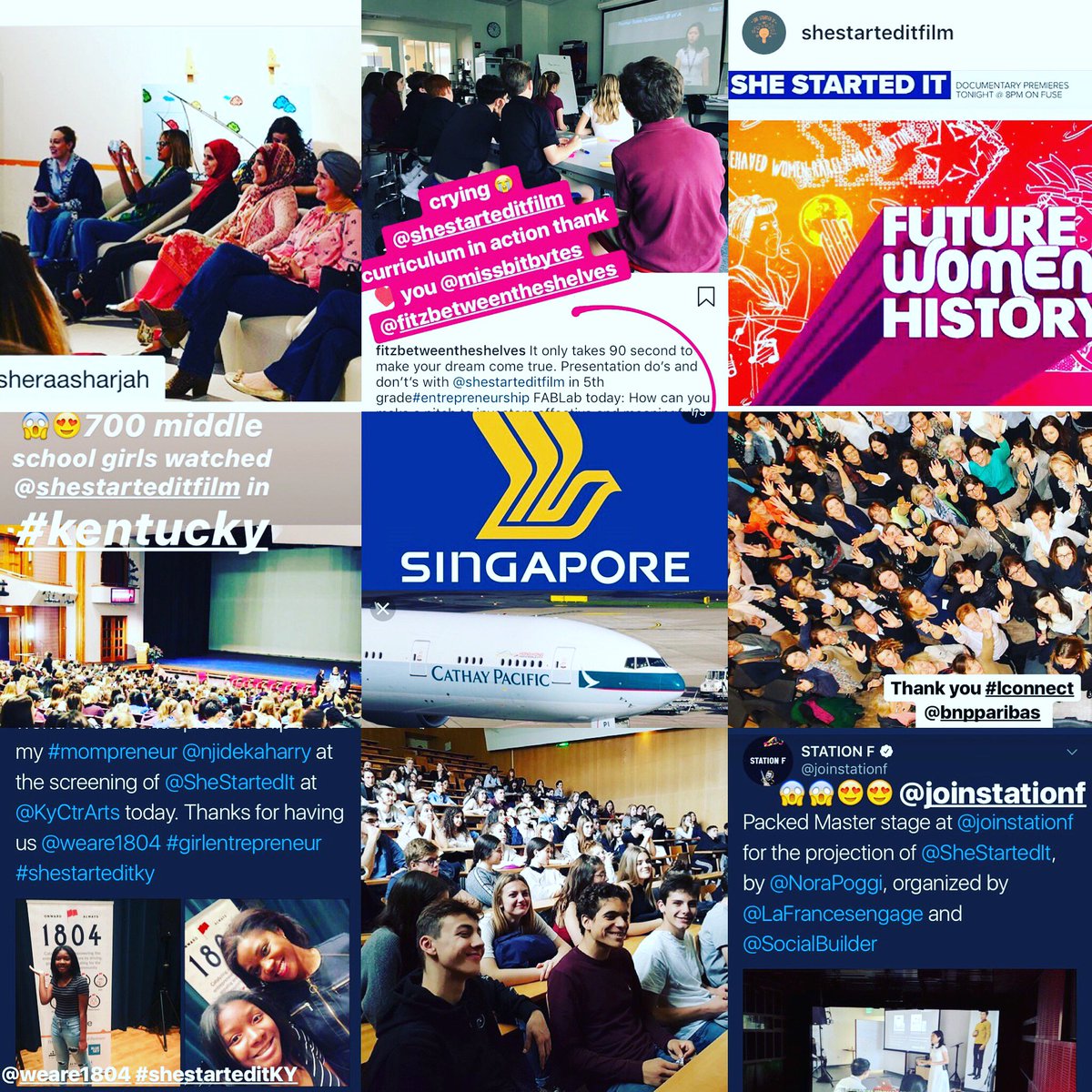
is now streaming on @itunes & @GooglePlay! Close to 500 screenings in over 50 countries in communities worldwide 🔥
Link: lnkd.in/gU6KRW7s
#tech #women #Entrepreneurship #technology #SiliconValley #SheStartedIt
7
11
5 Sep 2024
#FounderMode: in 2016, we released the 1st documentary following women building tech startups. For 3 years, we followed their struggles and successes. The film is still relevant today, when so little has changed for women founders: shestarteditfilm.com/watch
1
52
She Started It retweeted

4 Sep 2024
Women founders have been reaching out to me over the past 24 hours about how they don’t have permission to run their companies in Founder Mode the same way men can. This needs to change
417
343
5,183
1,595,569
She Started It retweeted

5 Sep 2024
It happened to me first — headlines portraying me as a “toxic leader” when I had to make the same, often unpopular, decisions that my male peers did without critique.
For them, it’s called Founder Mode, and it’s celebrated (a proper noun! With its own merch! And trademarks being filed as I write this!).
For women, it’s called “toxic”.
After my “fall” in 2016, I watched an incredible cohort of female founders come up behind me.
I thought there was something fundamentally wrong with me and that they had it all figured out.
They were my friends, but it was hard to watch them win. I secretly muted their Instagram accounts. Why was I the only piece of shit female founder? What did they possess that I didn’t? Was it my upbringing? Maybe the media was right.
These women took big swings, raised huge rounds, and were held up as examples for countless other women who for the first time saw that their aspirations might actually be within reach.
And then, one by one, they were canceled.
Our responsibility wasn’t just to pave the way for women, but to do it perfectly — and when we weren’t examples of whatever warped mutation the word Girlboss (which is now immortalized in the Merriam-Webster dictionary) had come to symbolize, we were “toxic.”
No one expects men to build a utopian workplace that cures institutional biases, but we were expected to do just that.
This is all too complex for an X post, and I’m not making excuses for anyone.
Today, posts like this are out of character for me because, like them (as the non self-appointed consigliere for scorned Girlbosses, I know), we’ve all been told to keep gender out of the conversation.
The media’s glee surrounding the “fall of the Girlboss” has committed, at scale, more harm than any pretty, young, white (let’s call it what it is), often unrelateable female founder could ever do.
The phenomenon reminded a generation of women what we’d been told for eons: be nice and stay in your lane, or else.
4 Sep 2024

78
235
1,746
457,873
13 Mar 2023
She Started It came out in 2016, lifting the veil on many dysfunctions of the startup ecosystem. Unfortunately not much has changed. Watch the film: itunes.apple.com/us/movie/sh… #SVB @bcmerchant
13 Mar 2023

"There have been a lot of reckonings for Silicon Valley of late," writes columnist @bcmerchant. "But it’s the stunning failure of Silicon Valley Bank...that should finally force us to reconsider — and reform — how our tech industry operates." latimes.com/business/technol…
1
4
156
She Started It retweeted

11 Oct 2022
I wish I'd been more eloquent here, but the point holds. We can and must stop overt sexual harassment, but that's far from the only barrier women are facing. Just as damaging are the insidious, unspoken beliefs about who is capable, who is "leader" or "founder material"...
2
4
36
16 Aug 2022
Today is a great day to remember that we must uplift all marginalized entrepreneurs and tell their stories. We started in 2013, but the world hasn't changed *that* much. shestarteditfilm.com #womenentrepreneurs #startup
1 Oct 2021

Excited to announce our award-winning @SheStartedIt
is now streaming on @itunes & @GooglePlay! Close to 500 screenings in over 50 countries in communities worldwide 🔥
Link: lnkd.in/gU6KRW7s
#tech #women #Entrepreneurship #technology #SiliconValley #SheStartedIt
4
She Started It retweeted

15 Aug 2022
Thinking same - how many awesome ideas, great companies would be founded, people would be hired & developed, and the incredible returns that would be generated by a fresh $350m into companies founded by women & POC.
15 Aug 2022

Couldn’t agree more ..
2
5
53
She Started It retweeted

15 Aug 2022
I am FIRED UP and itching to write some checks to female founded companies 💥
Tell me who are YOU investing in (or betting on if you don't invest) that I should take a look at?
234
117
729
She Started It retweeted
19 Mar 2022
If you're US-based woman in VC - hope you're saving the date for the @AllRaise Annual Summit at the end of May in SF - in person, woohoo! 🎉🪩💖
More here, registration will open soon! allraise.org/vc-summit-2022
1
12
43
She Started It retweeted

18 Mar 2022
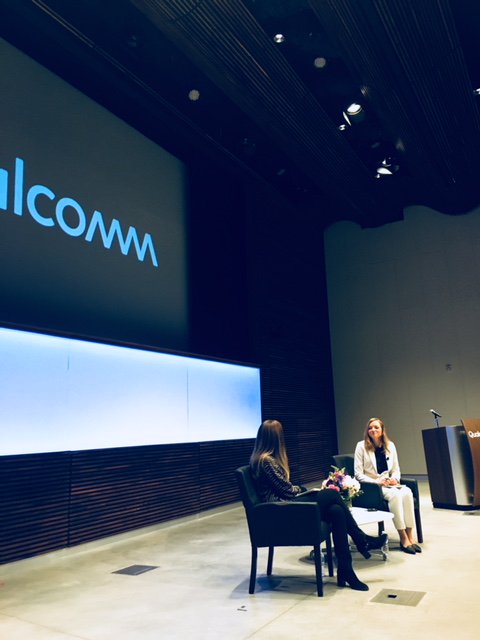
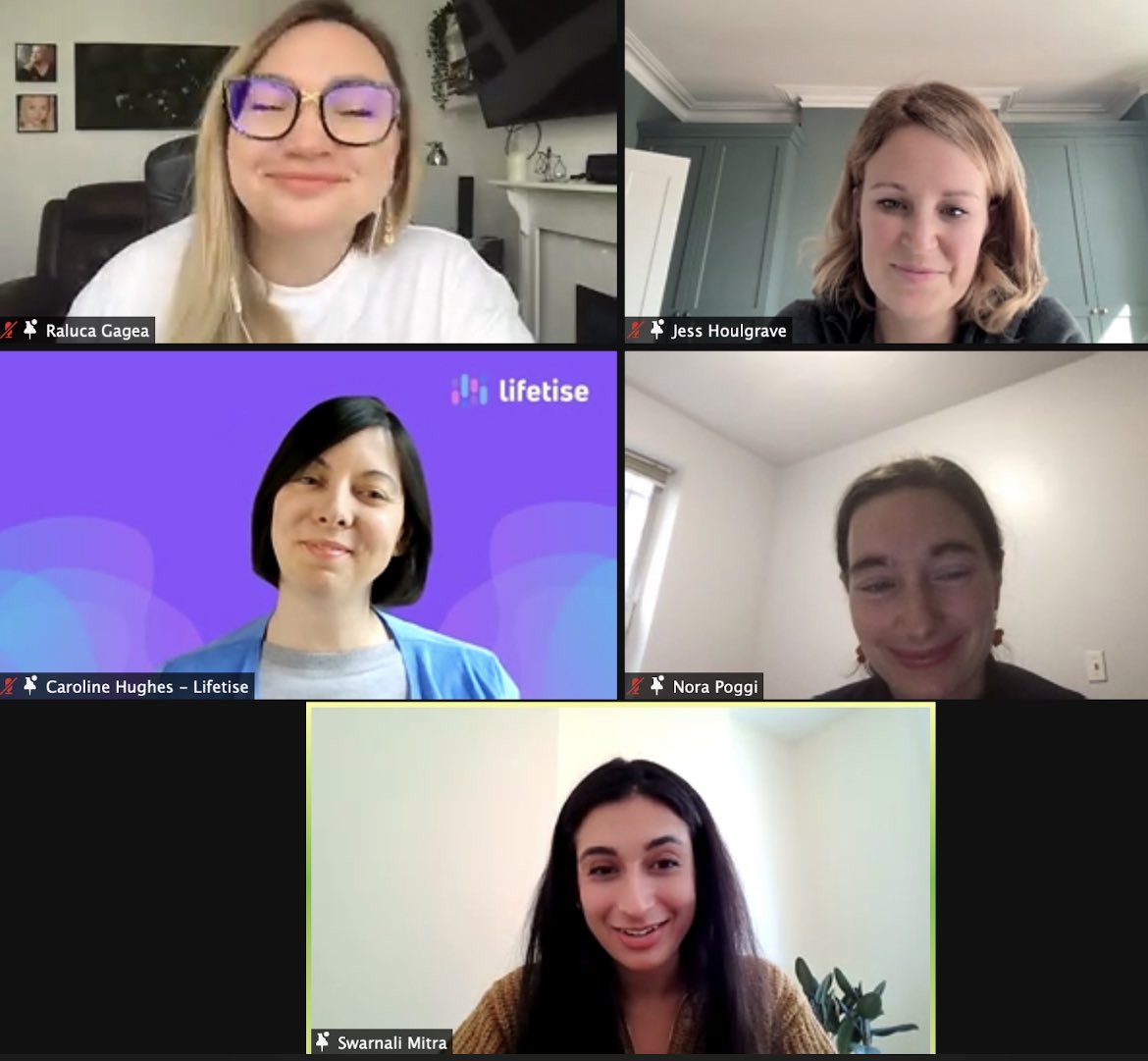
Friday feels to @swarnali_mitra from @anthemis, @Lifetise CEO, Caroline Hughes and @Checkout’s Raluca Gagea for the amazing discussion with @NoraPoggi who created the award winning documentary @SheStartedIt - full of energy and optimism for women building amazing businesses 🤩
2
5
15
She Started It retweeted

18 Jan 2020
Saturday suggestions time!
This week I’ve decided to show my appreciation for the “She Started It” documentary directed by Nora Poggi @nora.poggi and Insiyah Saeed @insiyahss 💪
Check them out on the ‘gram @shestartedit and make sure to give this one a watch to motivate you!
1
2
4
She Started It retweeted

10 Feb 2022
Black Female Founder From Mississippi Seizes Fintech Opportunities Others Missed forbes.com/sites/geristengel… via @forbes Thanks for the intro @SheStartedIt
@norapoggi @insiyahss to @whoisSheena of
@goCapWay
4
11
She Started It retweeted

9 Feb 2022
i wish more founders talked about how they manage their energy day to day
118
34
573
She Started It retweeted

8 Feb 2022
Celebrating 5 Black Financial Influencers for 2022 capway.com/learnmoney/conten… via @goCapWay
1
3
4
She Started It retweeted

19 Jan 2022
We know from @KauffmanFellows that there is a direct correlation between diverse cap tables and diverse founding teams. And we have come a long way with the great work of orgs like @AllRaise enabling the ecosystem of women funders and founders.
forbes.com/sites/deenashakir…
1
5
24

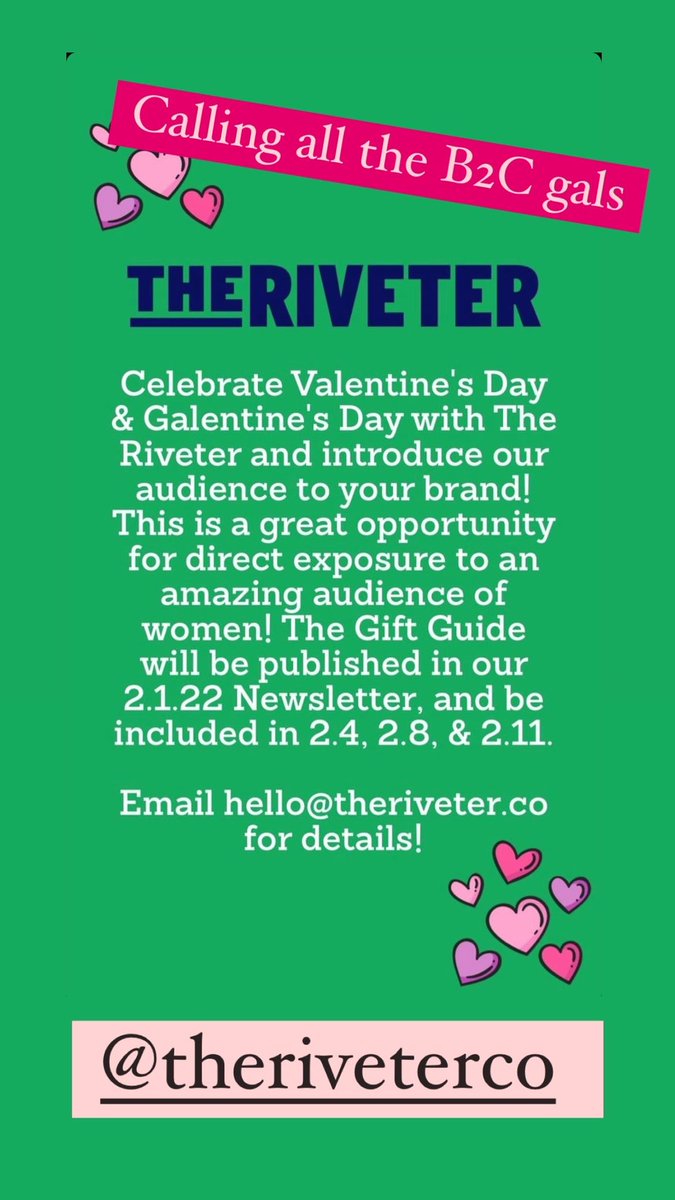
Female and non-binary founders with a product to sell, @theriveterco wants to feature you in their Galentine’s Day newsletter. Great promo opportunity!
2
4
She Started It retweeted

8 Jan 2022
When I started in VC there was no community for Black Women investors. So I started one! In little over a year we went from 4 to 40 ! Excited for what's to come in 2022 for Black Women in VC (BWiVC)!
Interested in joining/connecting, DM me or any of the women👇🏾! #BWiVC

ALT 2021 Black Women in VC Yearbook
43
109
673