
Exploring the wonders of old Christendom and seeking beauty in art and travel. Whatsoever things are lovely . . . . It is good to think on these things.
Joined July 2024
- Tweets 12,861
- Following 1,107
- Followers 5,735
- Likes 27,291
2,511 Photos and videos
Pinned Tweet

Jan 25
Why do I write about beautiful art and places? What do I hope to accomplish, you may ask. For one thing, I’m intentionally focusing each day on something beautiful or meaningful because I see value in that.
To keep my mind above the fray in a challenging world, I’m taking the advice of Paul of Tarsus: “Whatsoever things are true, whatsoever things are pure, whatsoever things are lovely . . . think on these things.”
Good thoughts lead to good actions. In other words, as my thoughts go, so goes my life.
20
10
152
5,615
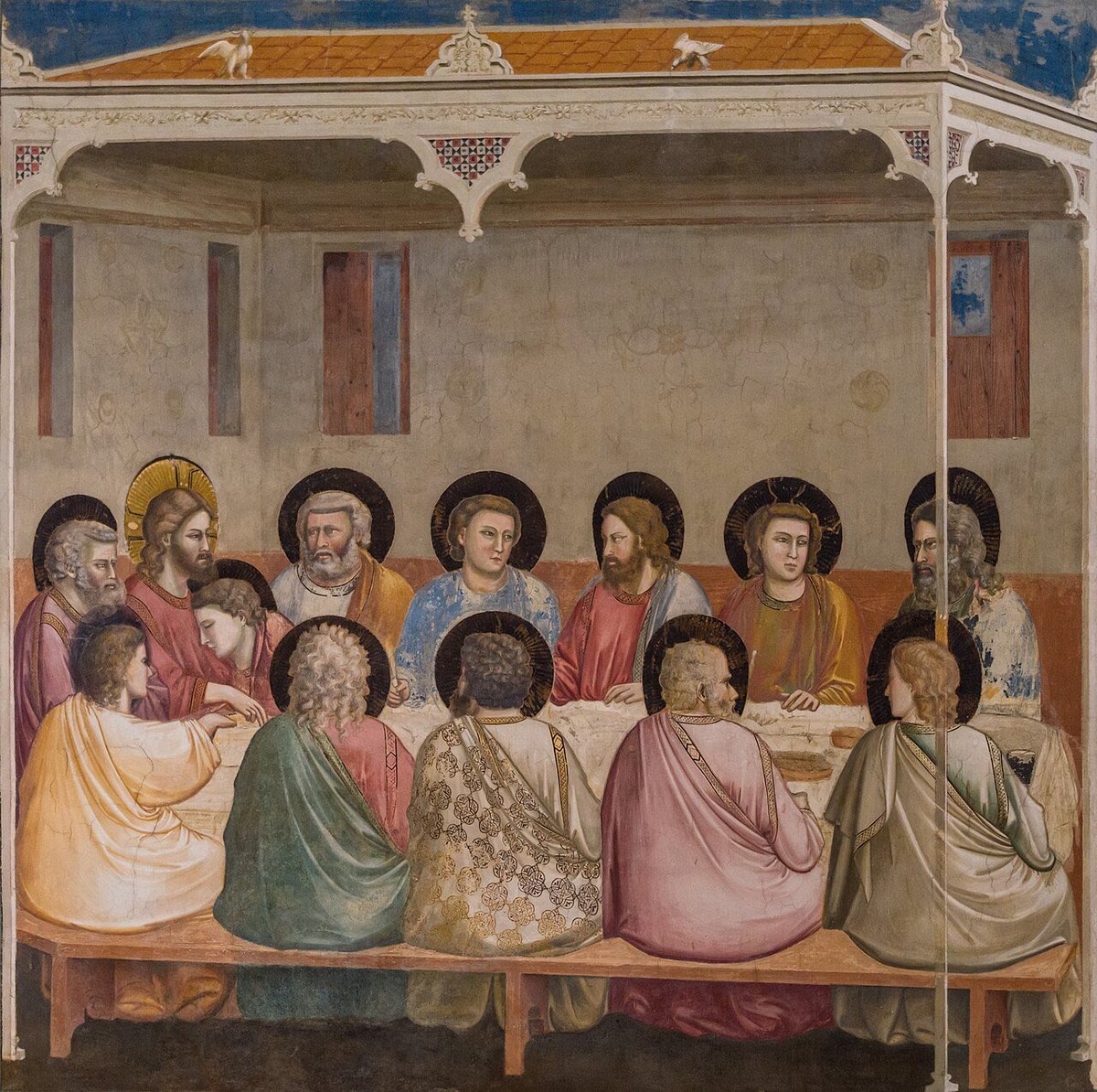
Ah, the endless charm of Giotto! 3 things I love about his Last Supper (c. 1304):
1. The halos: For the apostles whose backs are to us, their halos are like black plates stuck to their faces. 😅
2. Again, the halos: Why are they black? They were originally bright silver leaf, but they oxidized over time.
3. The buttocks: Giotto departed from the traditional stylized, rather formless depictions of holy people. He gave them bulk and realistic forms. So — their rumps spread out beneath them, as would be expected for people of bulk.
3
23
429
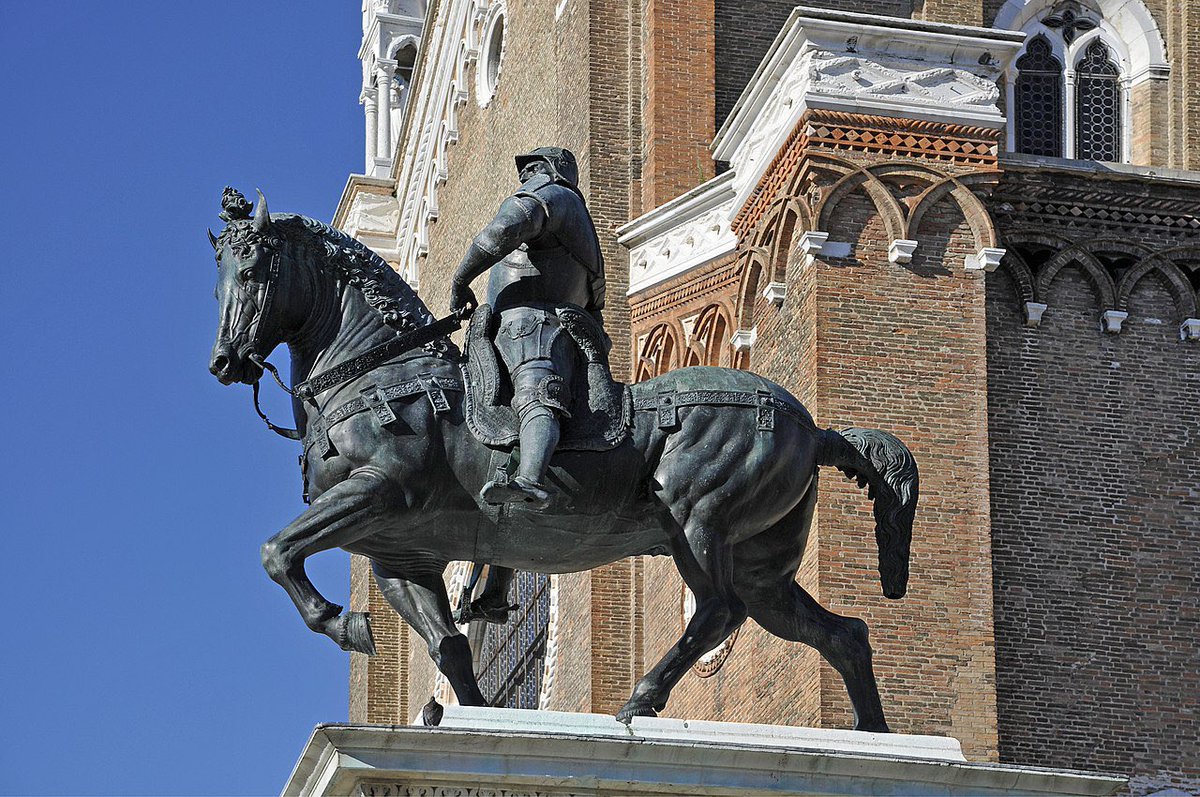
4 Things to Know About Colleoni’s Statue in Venice (and Why it’s a Must-See):
1. Sculpted by the Florentine master Andrea del Verrocchio (Leonardo da Vinci’s teacher) it is widely considered one of the greatest Renaissance equestrian statues ever made. (More below on why it’s so great.)
2. Funny history: Colleoni, a legendary condottiere, left a massive fortune to the Republic in his will, but on one strict condition: they had to build a statue of him outside San Marco. Well, Venetian tradition forbade personal monuments in the Piazza San Marco. Venice wanted the money but refused to break the law. They solved it by placing the statue outside the Scuola Grande di San Marco in Campo Santi Giovanni e Paolo instead. They technically honored the phrasing of the will while hilariously violating its intent.
3. Genius engineering: Verrocchio was the first sculptor since antiquity to successfully balance a massive, life-sized bronze horse on just three legs. (Donatello’s great Gattamelata c. 1450, for instance, rests the raised leg on a cannonball.)
To beat gravity, Verrocchio and foundry master Alessandro Leopardi engineered an internal iron skeleton and varied the bronze's thickness—casting the raised leg incredibly thin and hollow, while making the three supporting legs dense, heavy anchors.
4. The Real Thing: You see the original, in situ. Unlike the ancient Roman Marcus Aurelius in Rome or Venice’s St. Mark's horses, this 15th-century monument is not a replica—the original bronze still stands in the square today.
1
4
21
407
Jun 16
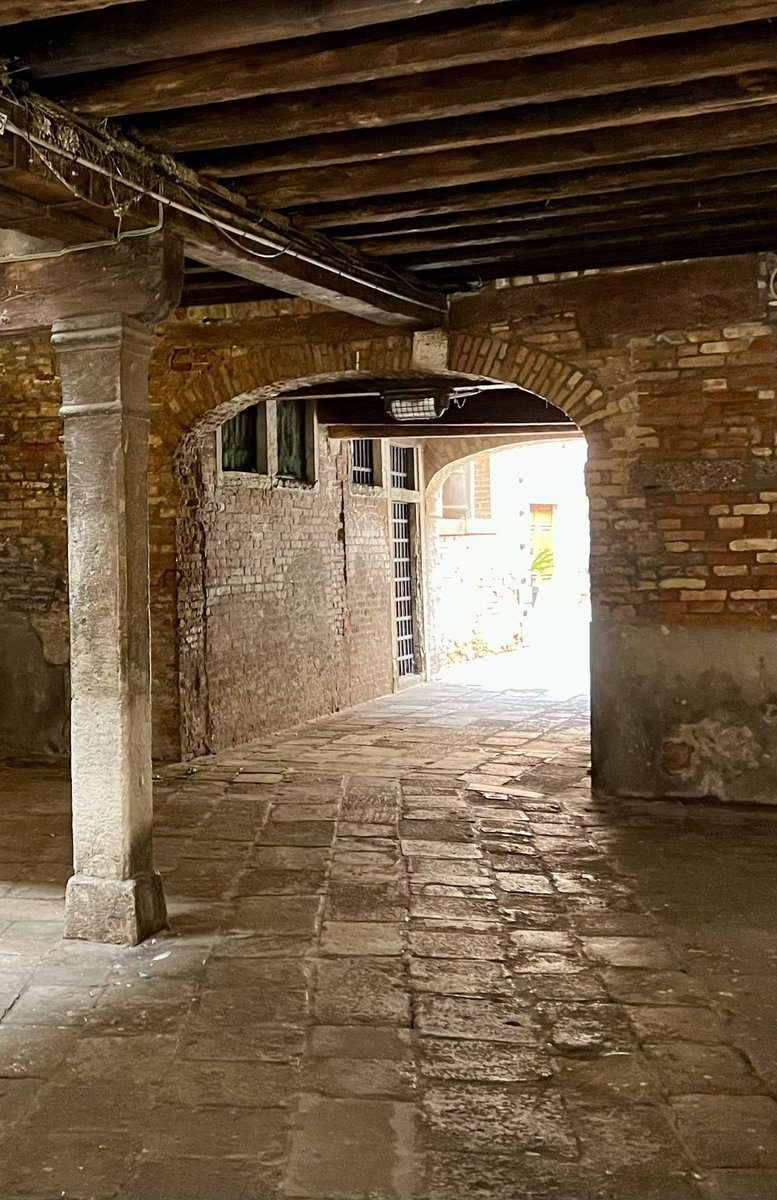
A mistake many 1st-time visitors to Venice make:
They have the wrong shoes. Venice is old, with uneven pavement, so stubbed toes and twisted ankles are more likely. It’s a walking, stair-climbing city. Thick, wide, flexible soles are the best. 🙂
4
4
38
1,582
Jun 15
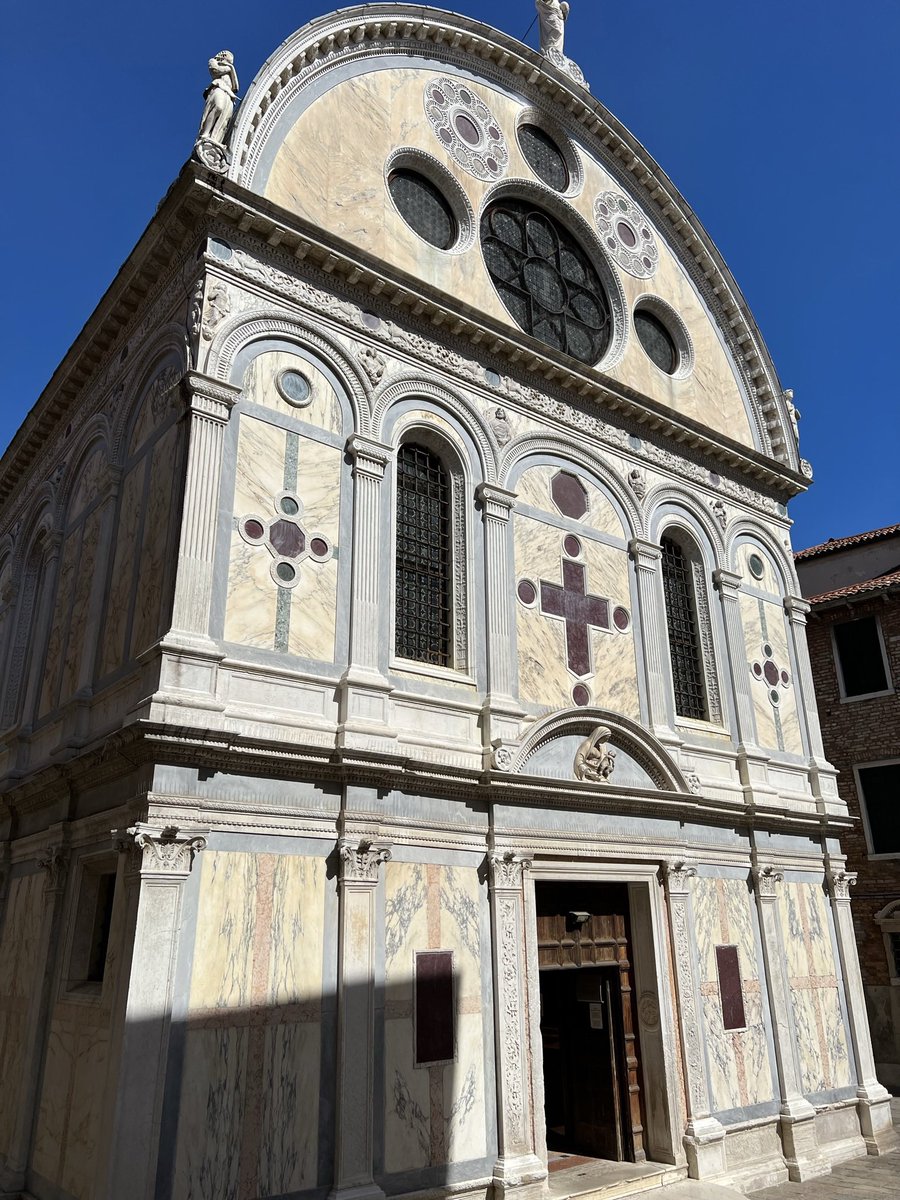
4 Things to Know About the Miracoli, “the Jewel Box of Venice”:
1. It’s not the work of Codussi, as you might think, but built by by Pietro Lombardo and his sons between 1481 and 1489.
2. It wasn't commissioned by a grand monastic order or the state, but by the public. It was built solely to house a single, miraculous image of the Virgin.
3. Its lavish exterior was incredibly costly. Devotion to this image triggered a huge outpouring of public donations. The sheer volume of money raised allowed for the use of very expensive stone. The Miracoli is entirely clad inside and out with polychrome marble, porphyry, and serpentine! (Legend has it that Lombardo used leftover marble slabs from the ongoing renovations at St. Mark’s.)
4. Lombardo and sons brilliantly dealt with the incredibly cramped site, tucked tight against a canal —
Because they couldn't build a big church, they used visual illusions. Inside, the church is a single, aisle-less nave, and they used false perspective—subtly narrowing the marble paneling toward the altar—to make the small interior space feel significantly deeper and grander than it actually is.
2
9
39
9,806
Jun 14
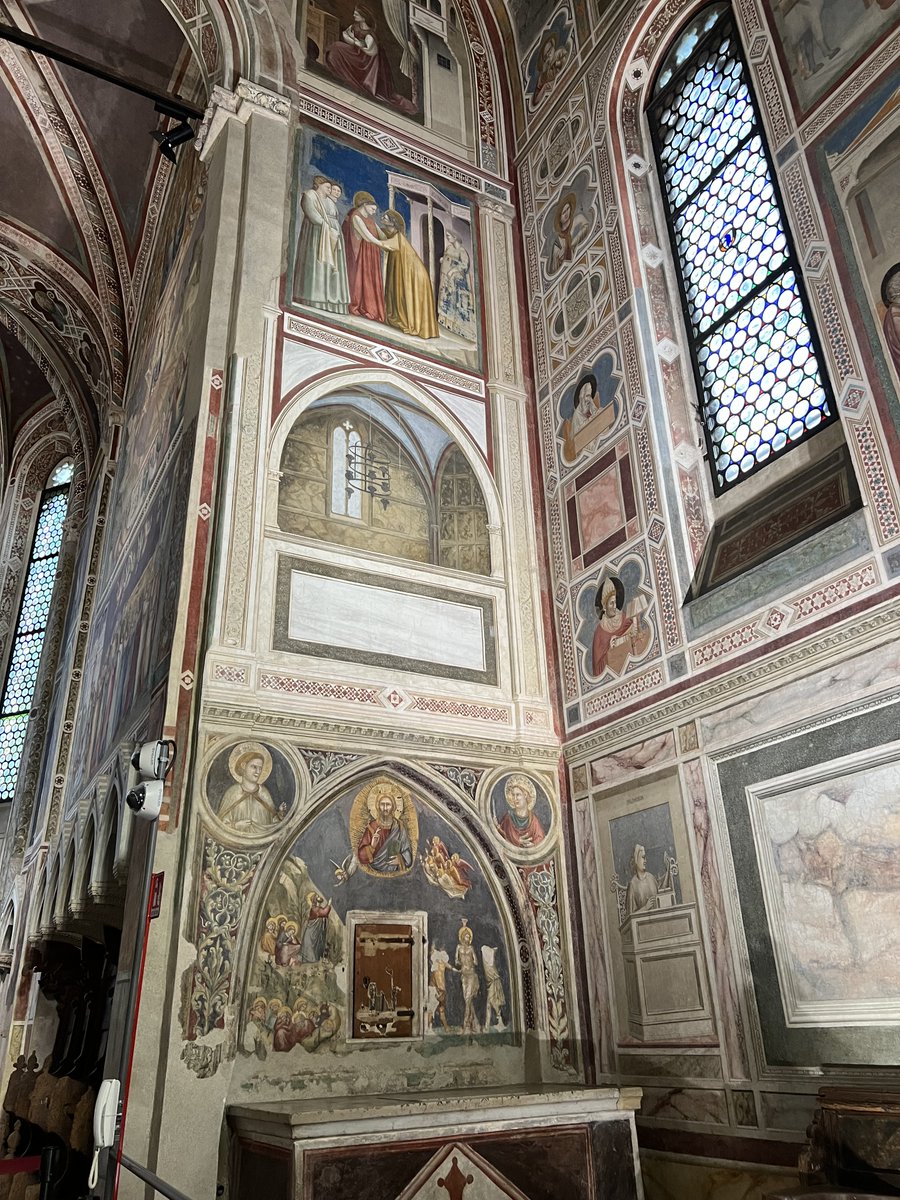
Some of the OTHER beautiful but often overlooked features of Giotto's Scrovegni (Arena) Chapel:
A window with roundels; the small wall tabernacle door for the Eucharist; a trompe l'oeil fictive architectural space above it; and faux marble and stone trim to ensure that every bit of wall space was decorated.
1
3
35
3,826
Jun 14
In Italy, sacred art was openly part of the public sphere . . . .
Will it remain safe in the changing times?
3
2
38
886
Jun 14
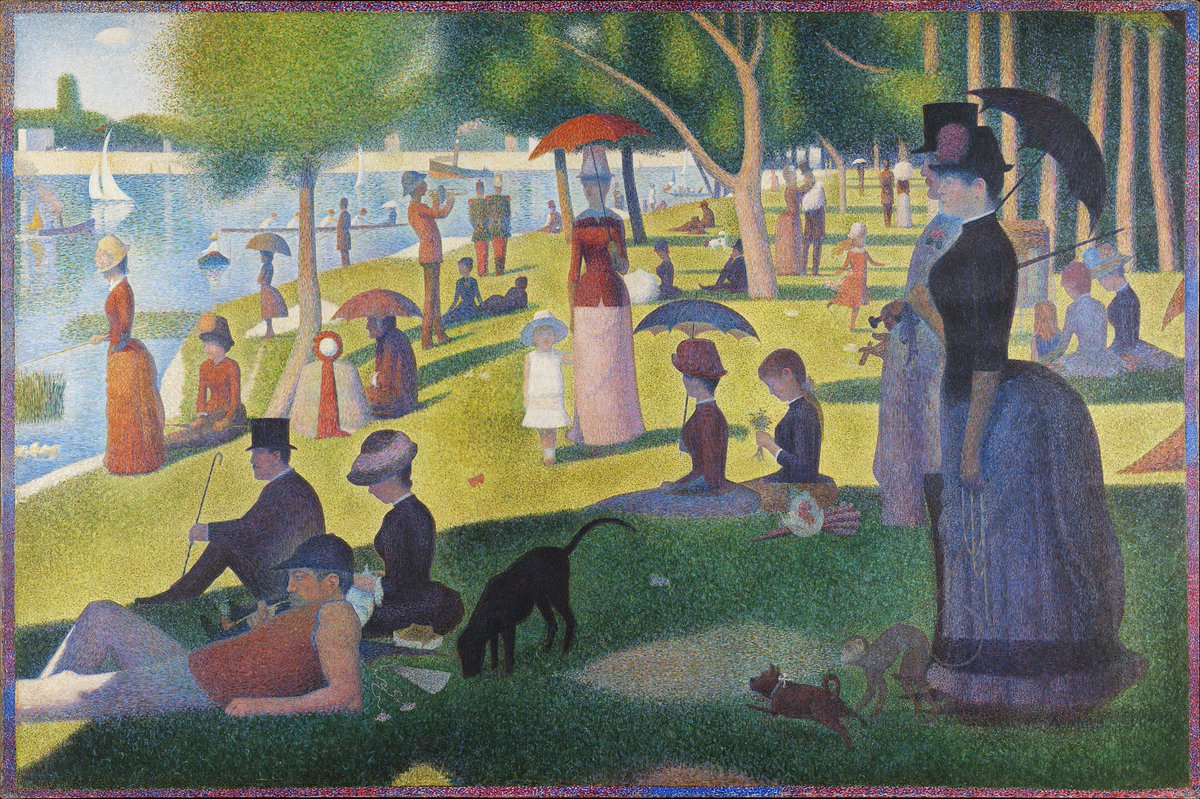
Art for your Sunday: Here’s
Sunday Afternoon on the Island of La Grande Jatte by Georges Seurat, where people are motionless, in profile, like ancient Egyptians.
It took him 2 years to paint this, from 1884-86, arranging thousands of colored dots to form the images.
3
3
33
2,691
Jun 13
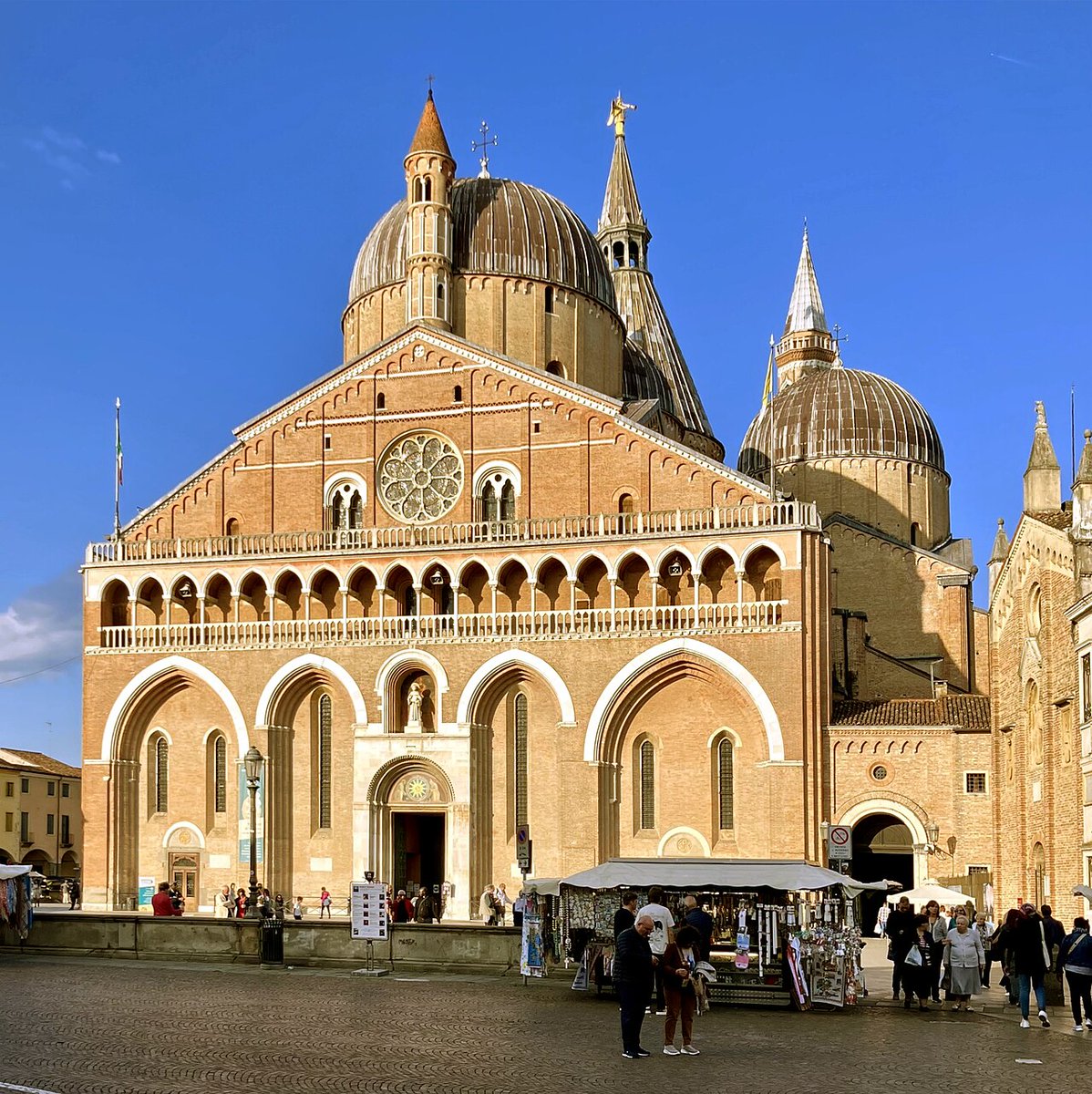
If you ever visit Il Santo in Padua for St Anthony’s day, look for these 2 charming scenes of the saint’s life:
(See next 2 images)👇
2
7
54
2,645
Jun 13
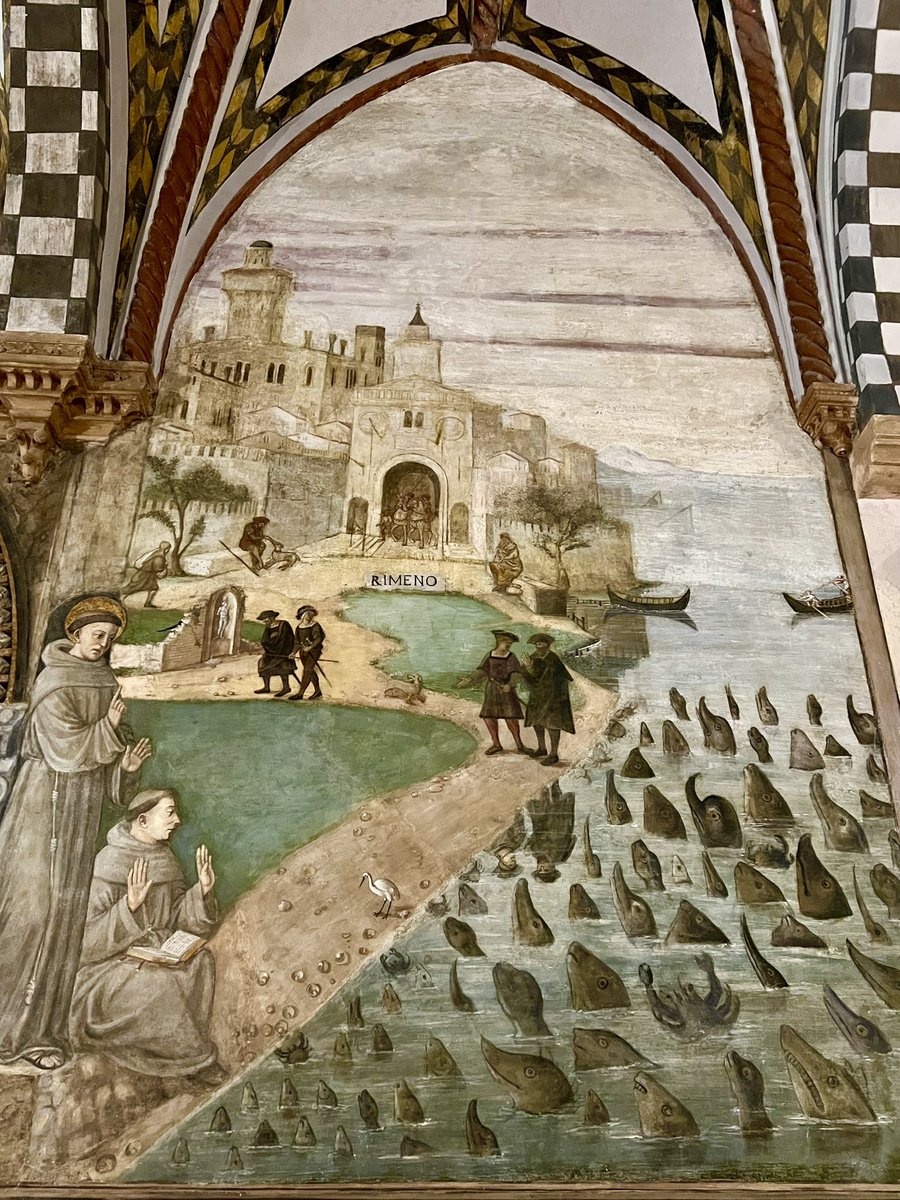
This fresco shows Anthony preaching to the fish because the people of Rimini refused to listen. Fish, turtles, a dolphin or two, and even crabs listen intently!! And also . . .
2
4
33
366
Jun 13
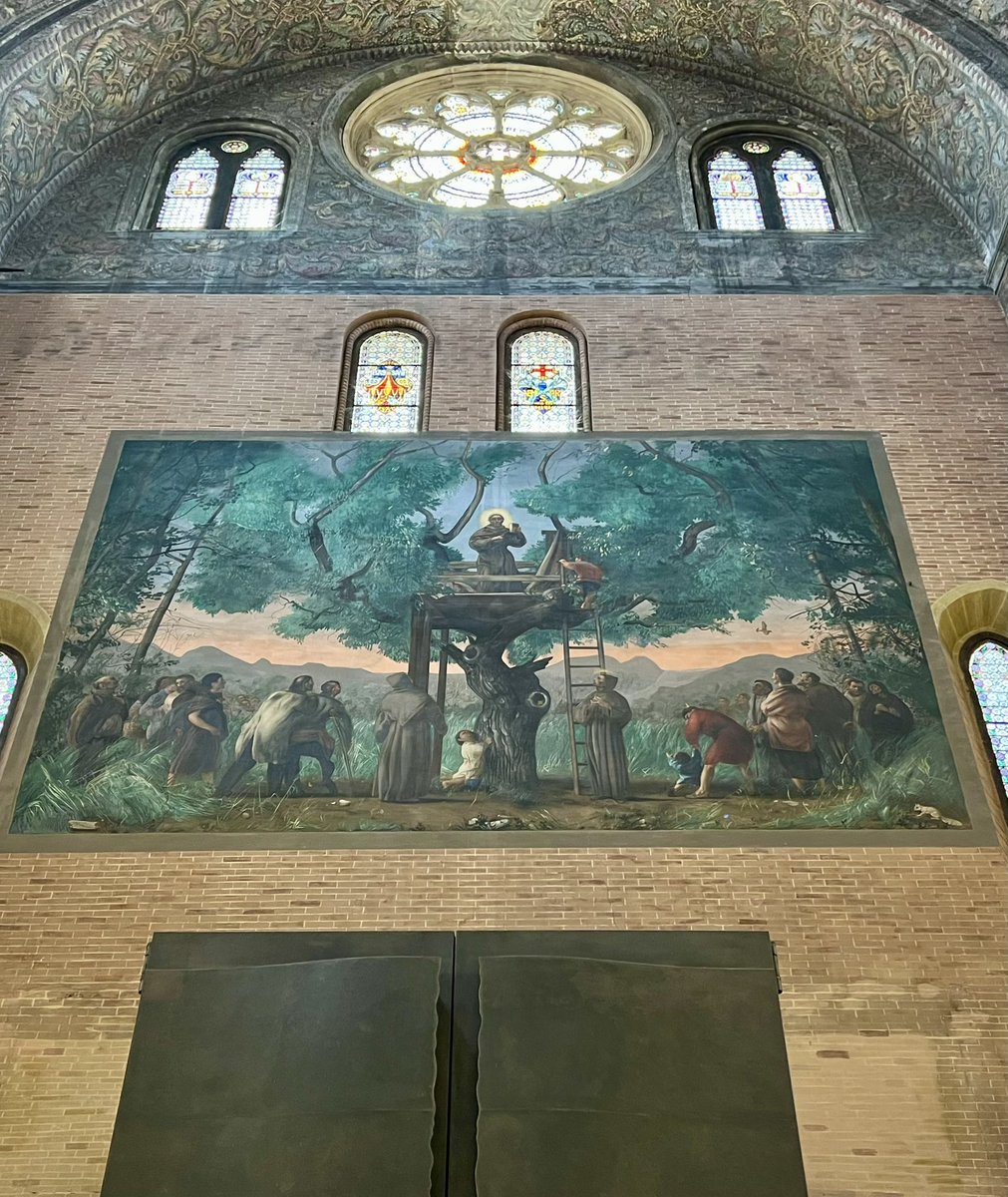
Just inside the entrance is a marvelous 1985 painting of Anthony preaching from his treehouse by Pietro Annigoni.
When the saint was weak and dying, he needed a quiet place to be alone and asked his friend to build him a cell in the branches of a large tree. People came, and Anthony preached his final sermons from up in his tree. 🙂
1
4
22
310
Jun 13
In honor of St. Anthony of Padua's Feast Day (today!)
Jun 13

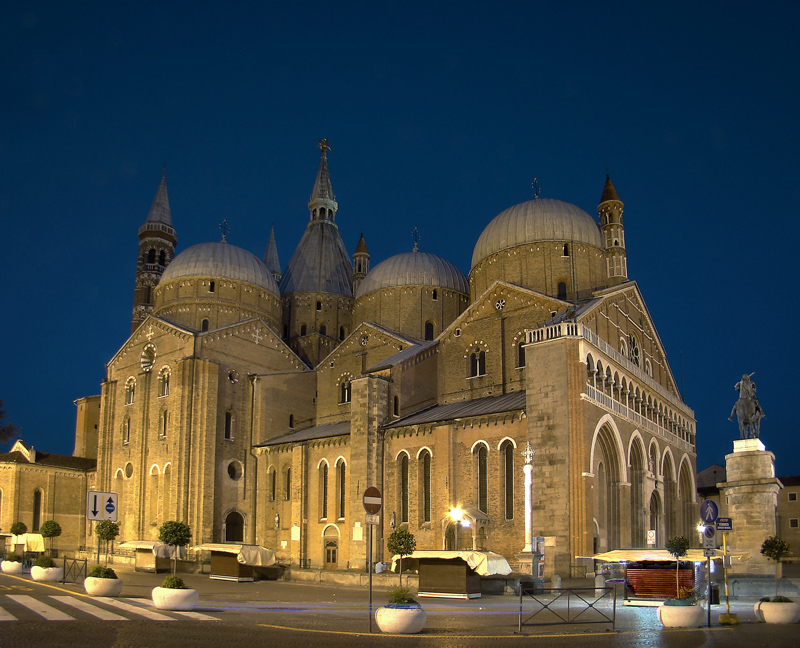
The Kidnapping of St. Anthony's Tongue:
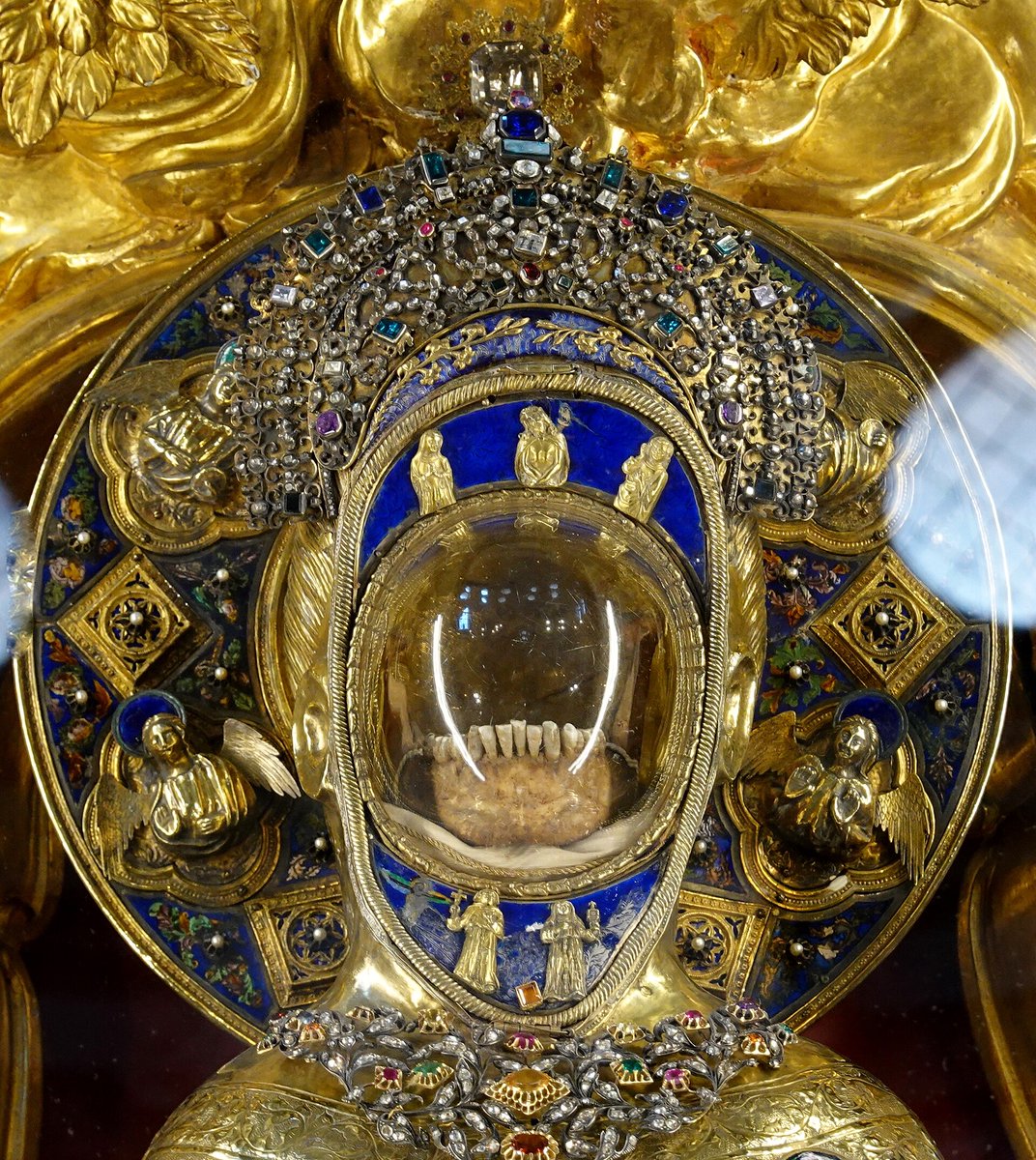
1/7: Actually it was a botched job -- they got the wrong body part. I'll come back to that. This true story happened in Padua, Italy . . . .
2
24
586
Jun 13
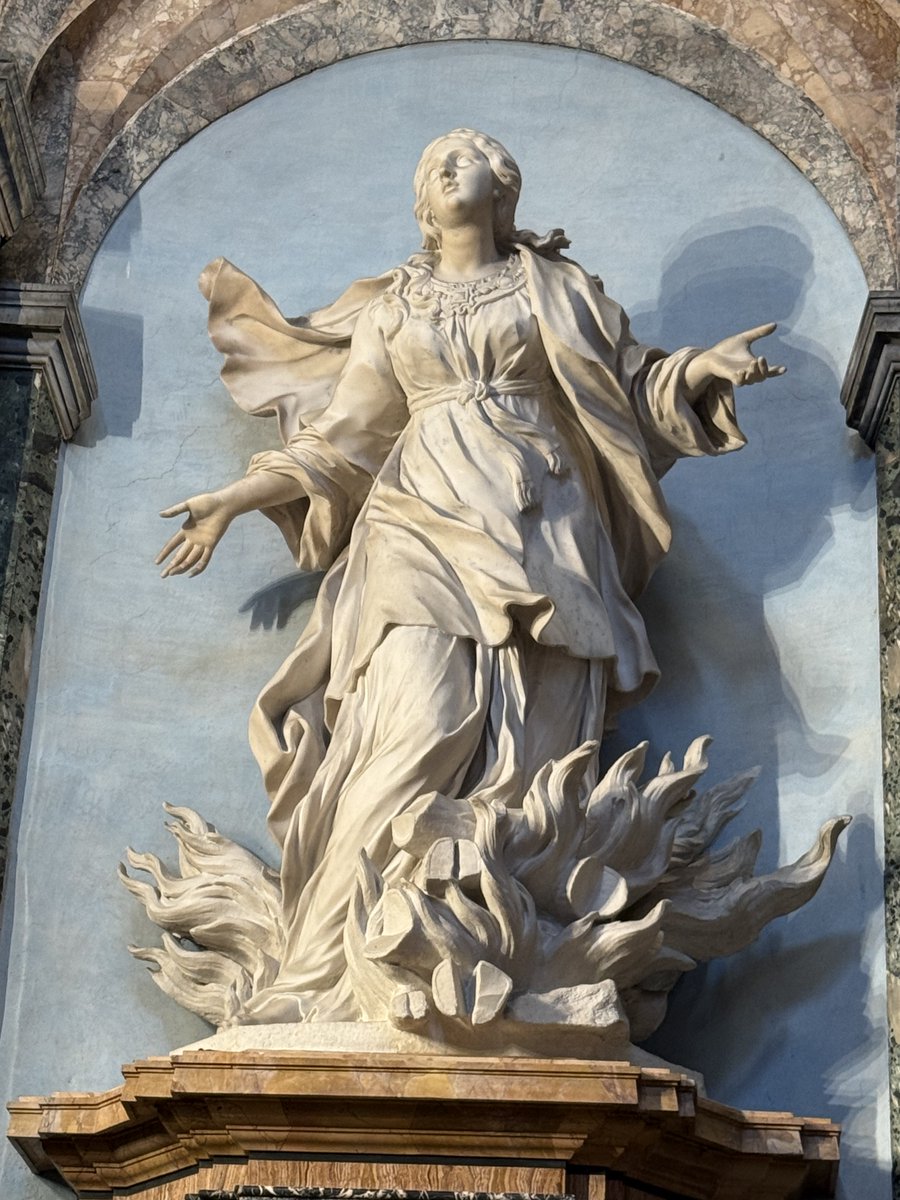
Doesn't Luis @JScotteswood give us the most beautiful pictures? 🙂
He's passionate about his subject matter and his photos are his own -- authentic and AI-free.

2
5
32
1,180
Jun 13
The Kidnapping of St. Anthony's Tongue:
1/7: Actually it was a botched job -- they got the wrong body part. I'll come back to that. This true story happened in Padua, Italy . . . .
1
4
23
1,468
Jun 13
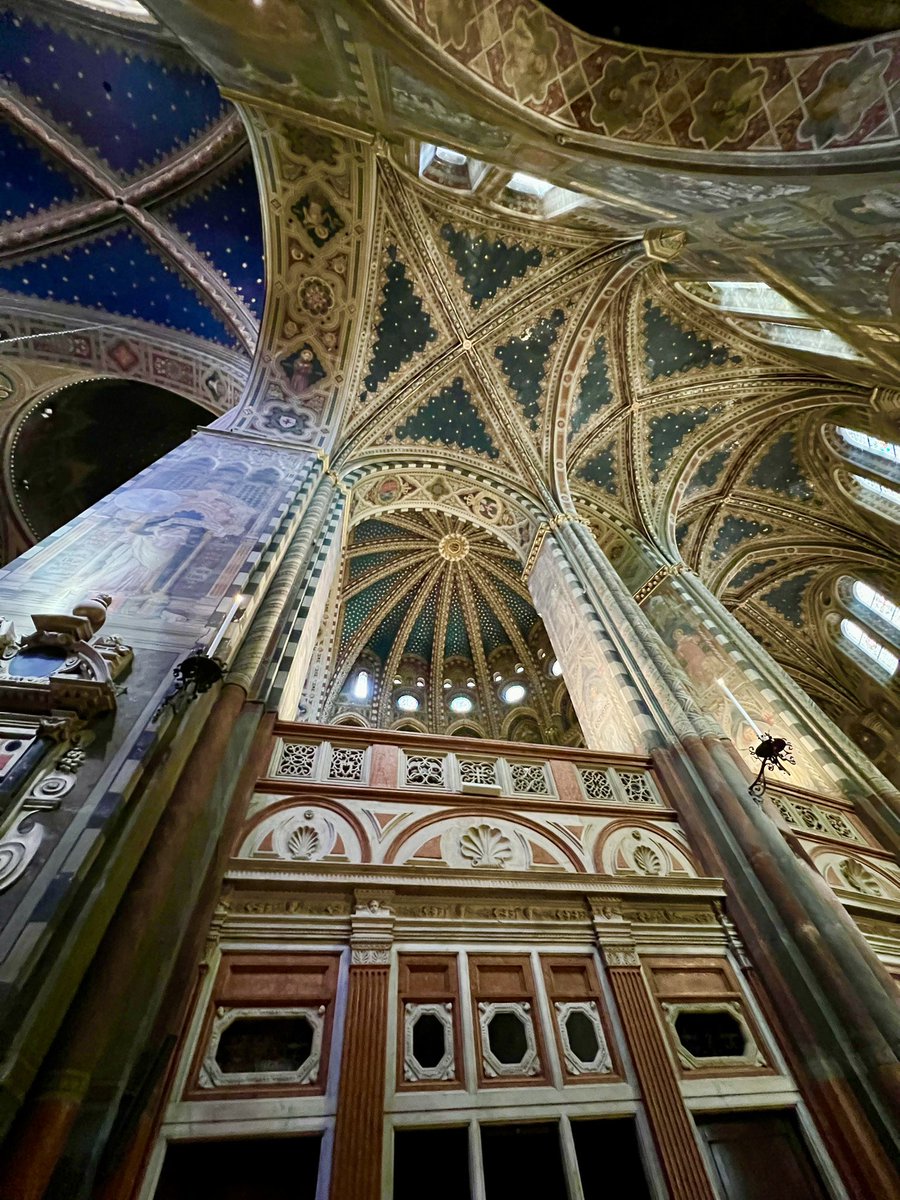
6/7: The theft triggered massive nationwide heartbreak and fury. To the public, this was a deeply personal violation of faith. The overwhelming public outcry put a massive target on the syndicate, completely suffocating their daily illegal operations.
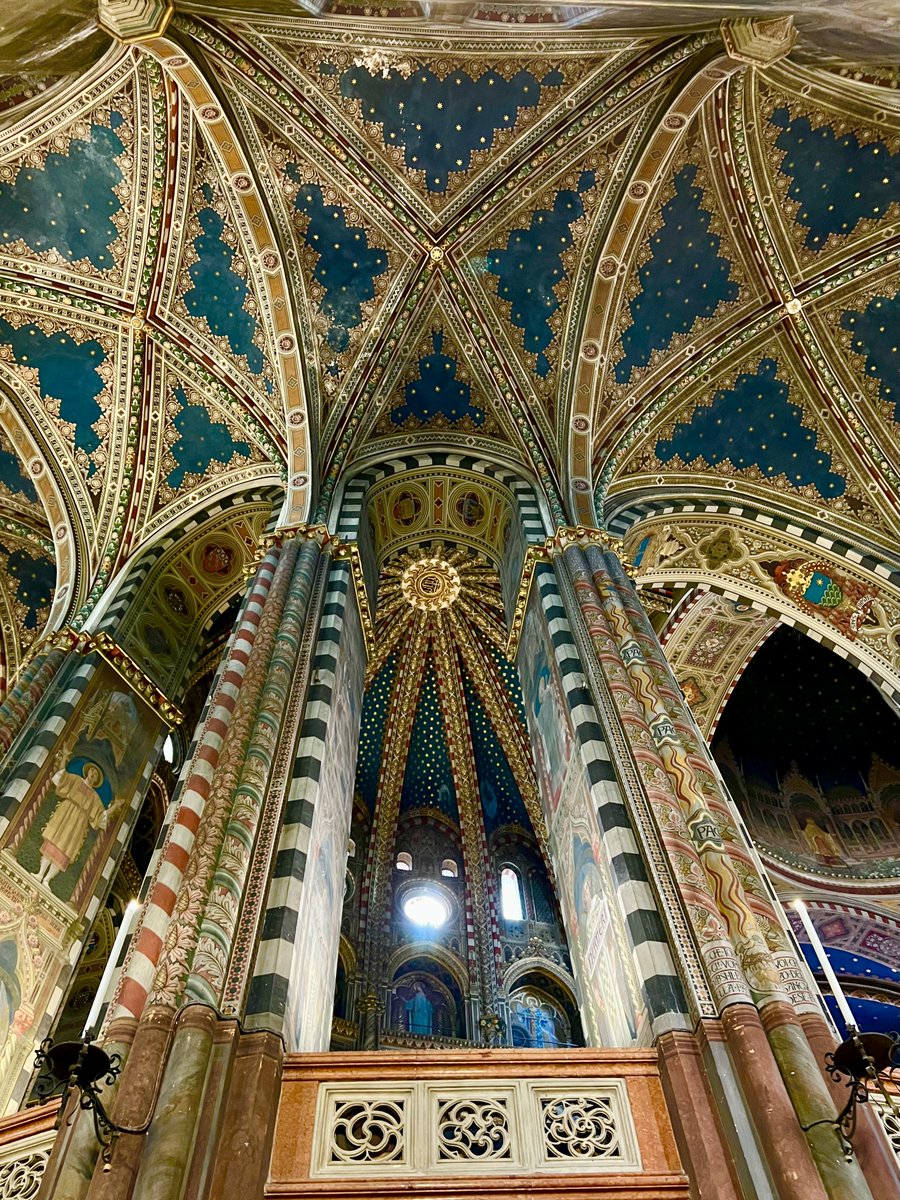
ALT Interior, Basilica of St. Anthony, Padua. My photo.
1
1
11
176
Jun 13
7/7: Realizing the holy relic was a massive liability that had united the entire country against them, the thieves abandoned the undamaged chin in a car trunk near Rome 2 months later. It was triumphantly returned to Padua, proving the spiritual value of the relic outweighed the mob's power.
ALT Basilica of St. Anthony, Padua. Home of the saints relics.
1
1
19
171