"This wacky flailing arm inflatable tube man." he/him
- Tweets 15,073
- Following 2,154
- Followers 65,133
- Likes 19,973
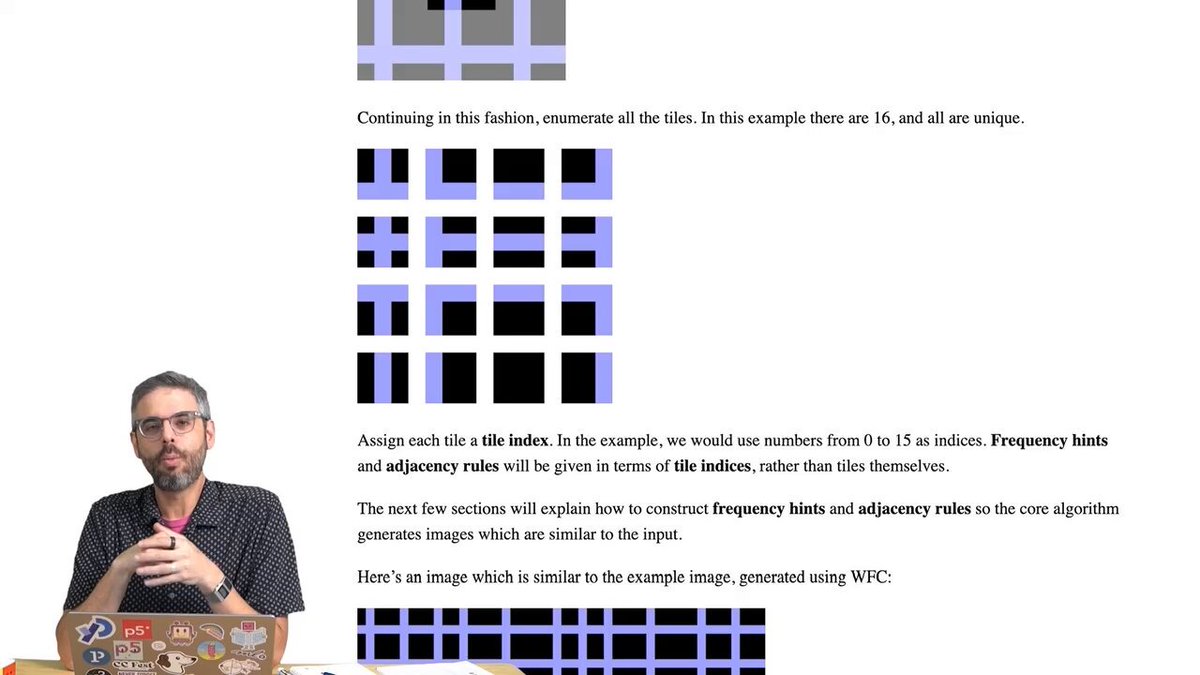
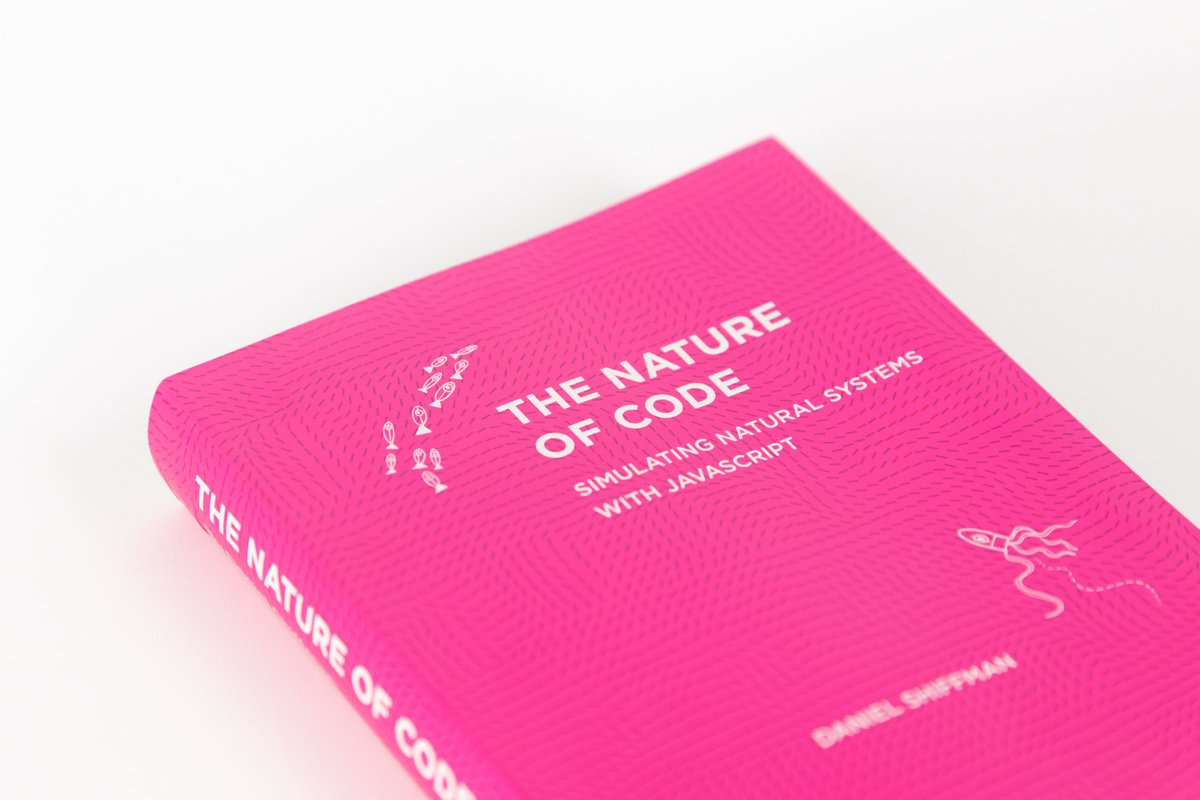


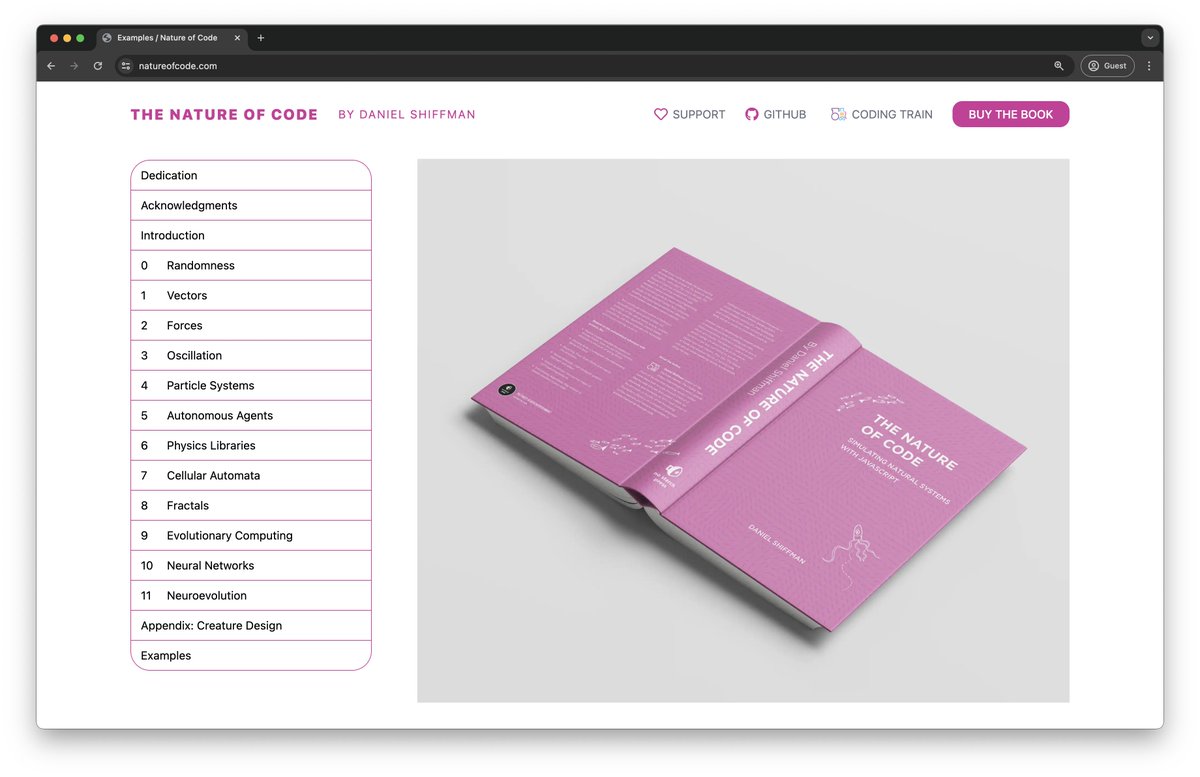
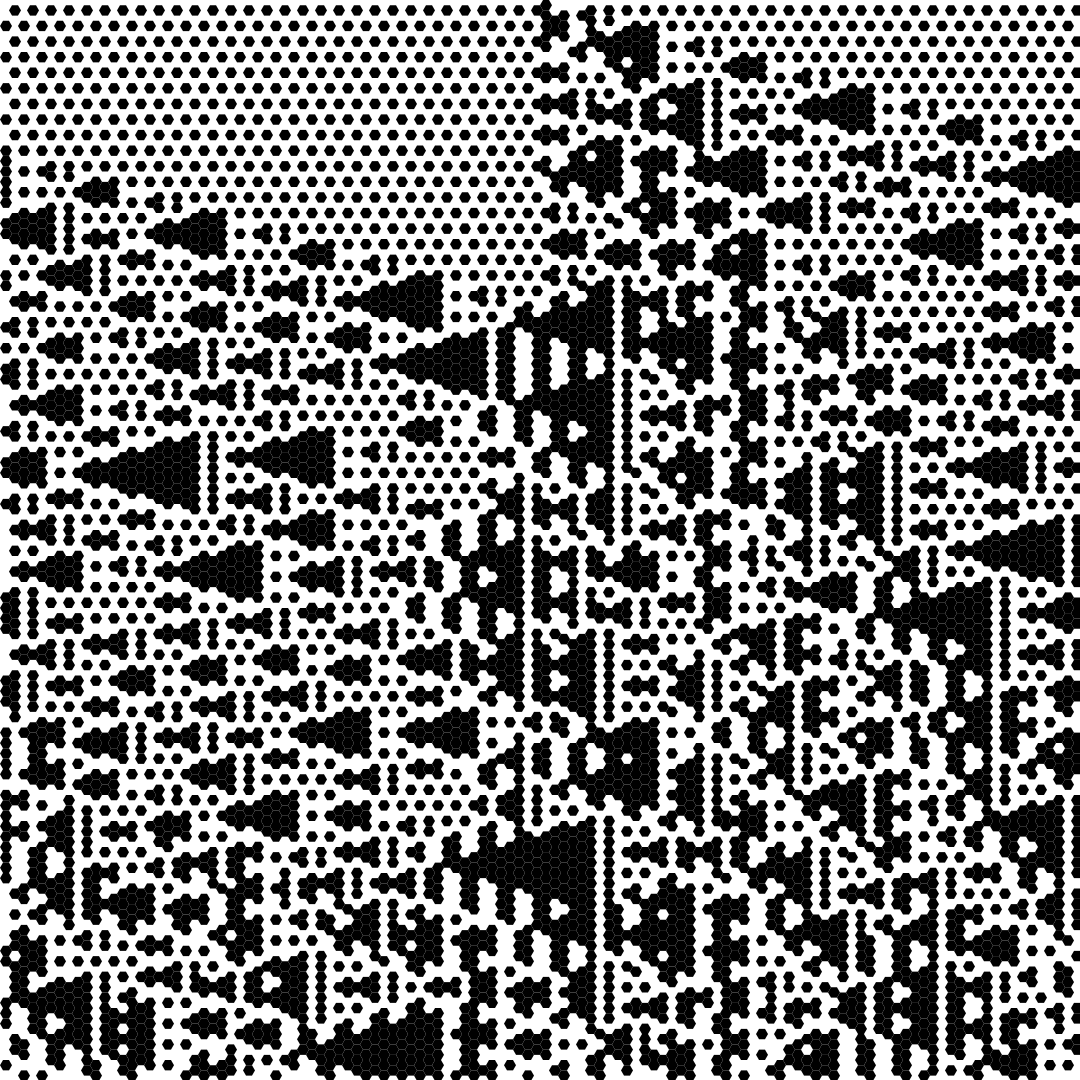


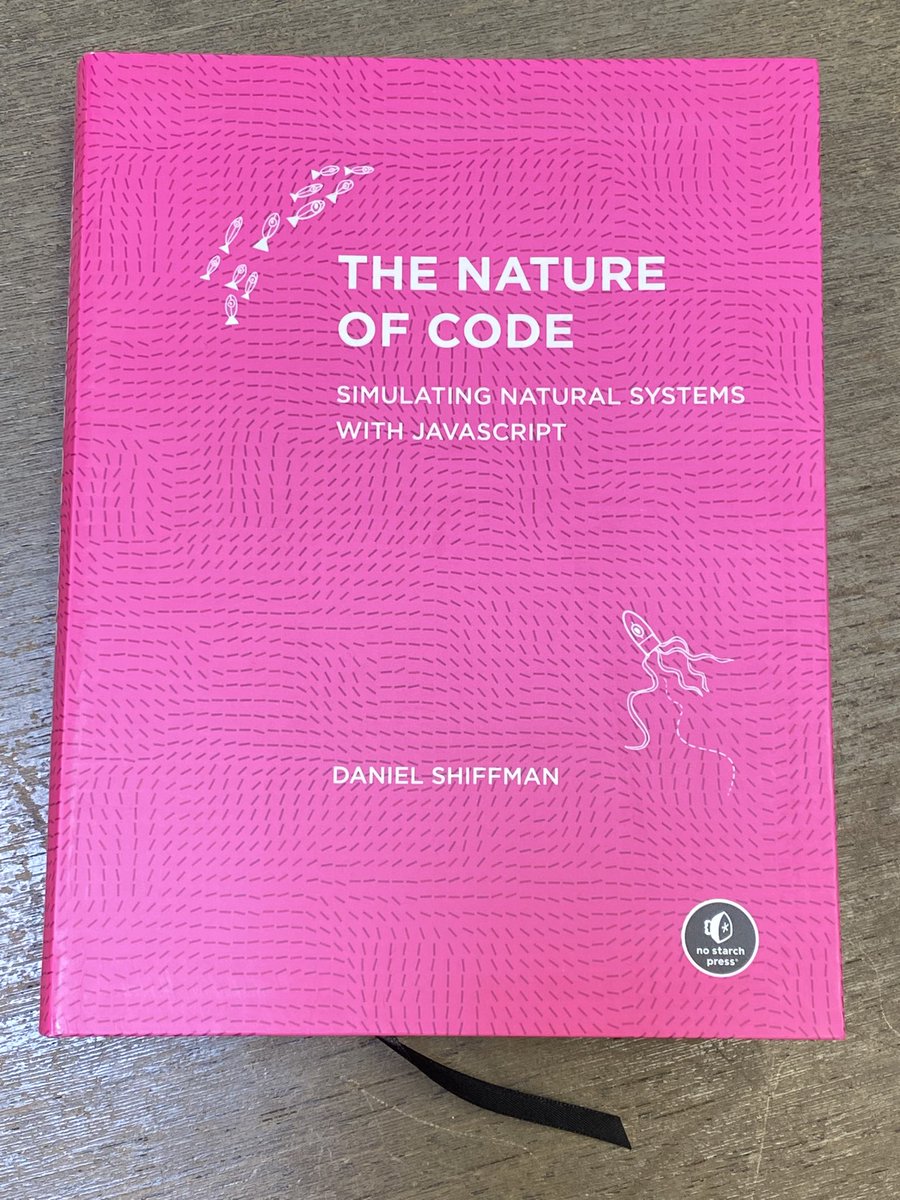
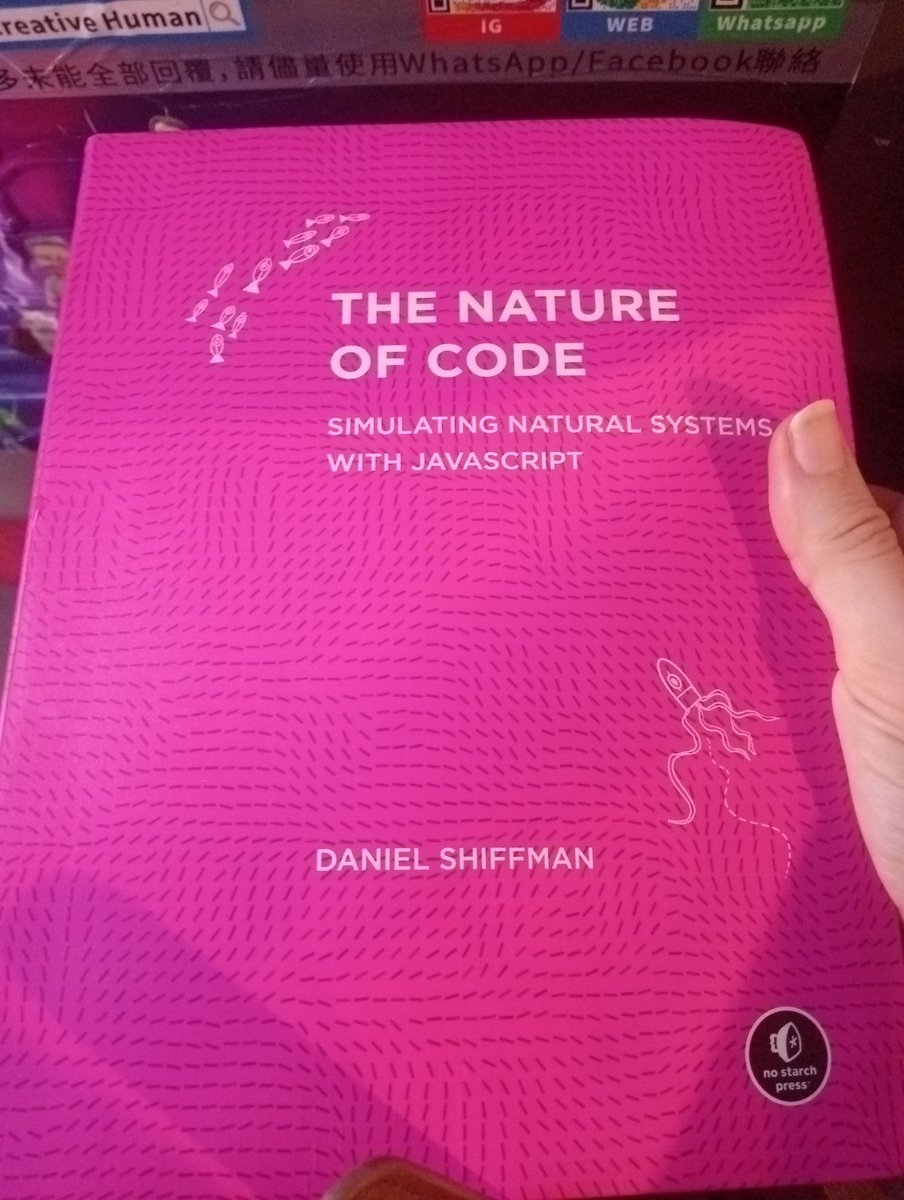
ALT Close up on the very pink cover of Nature of Code book
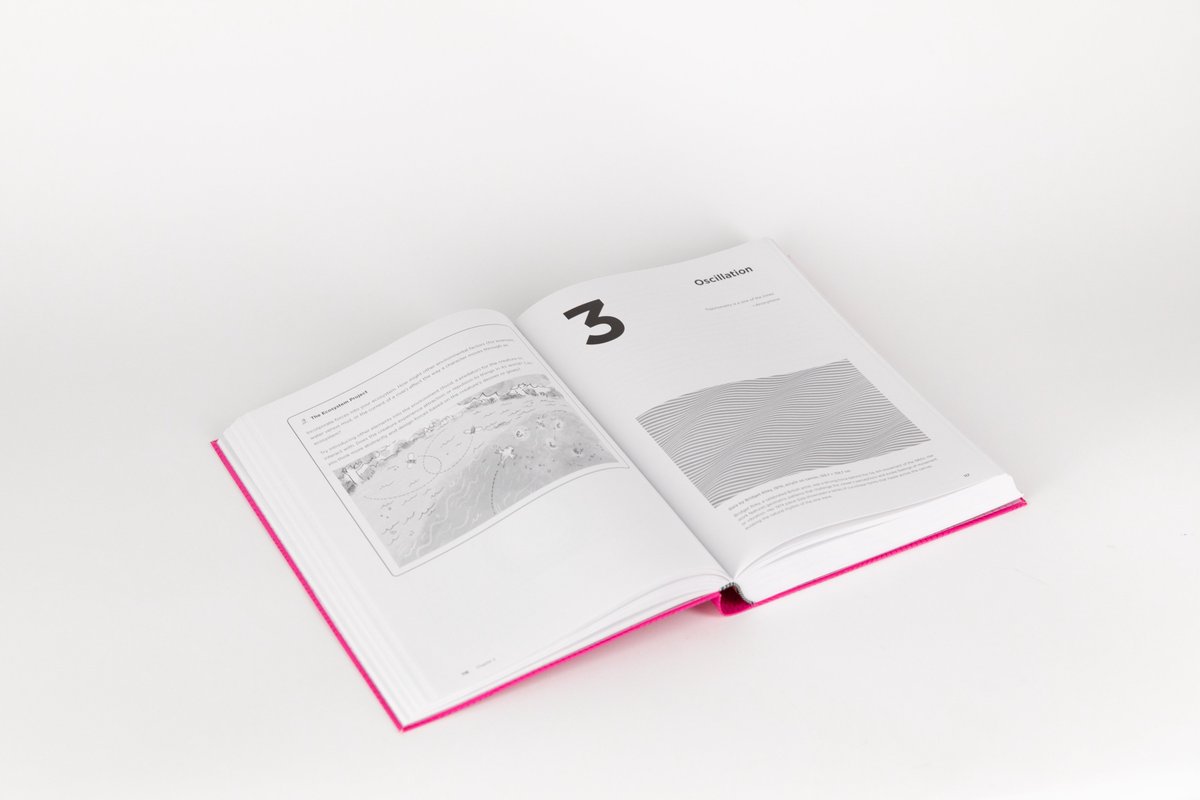
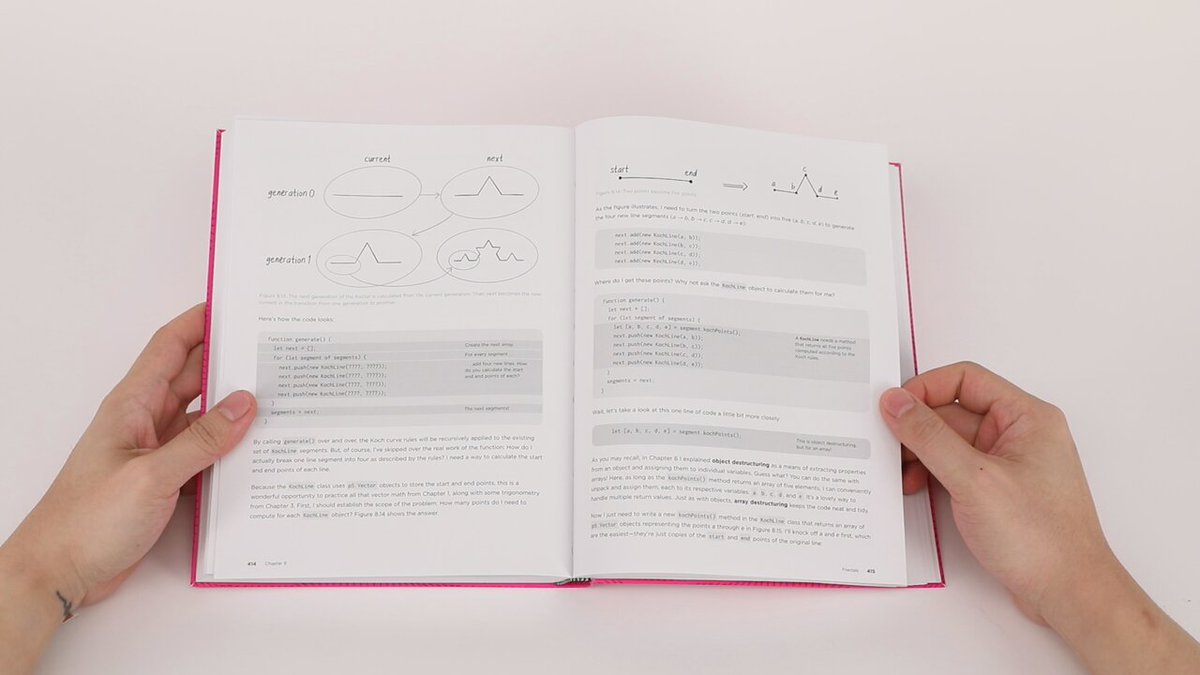
ALT nature of code book open to chapter 3
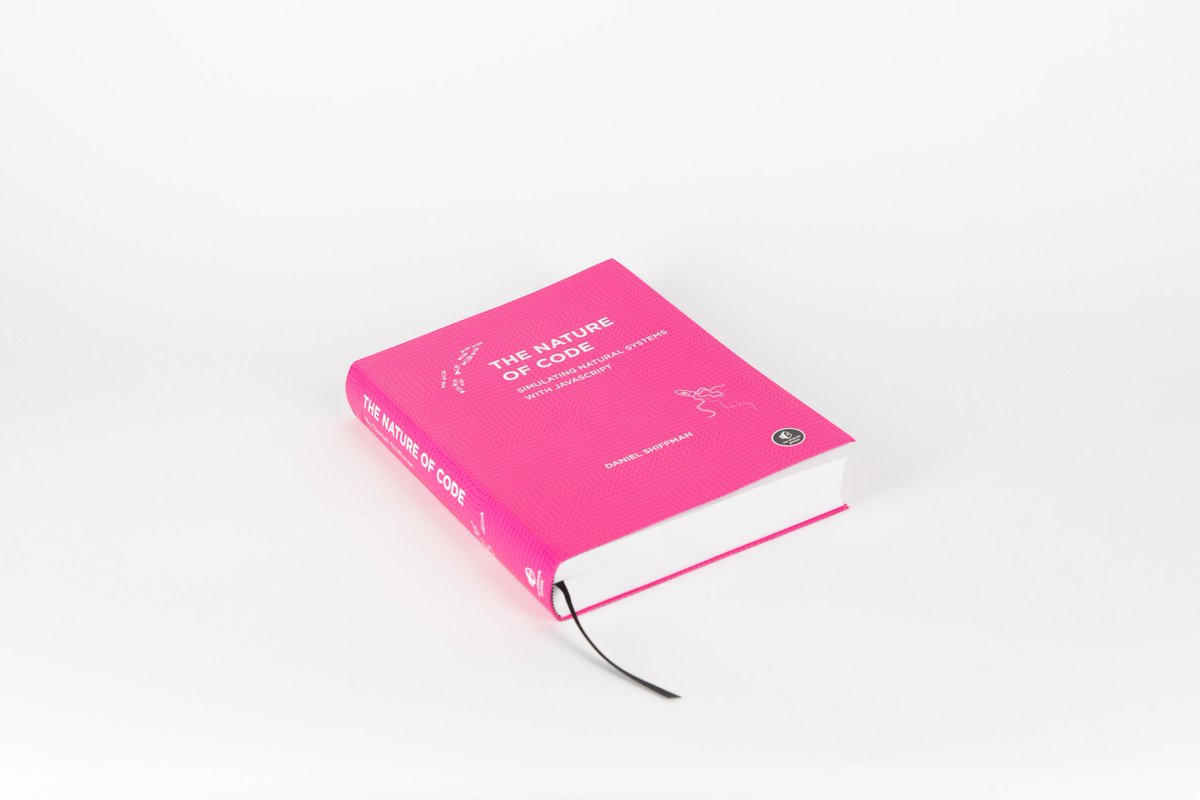
ALT nature of code book on a white background
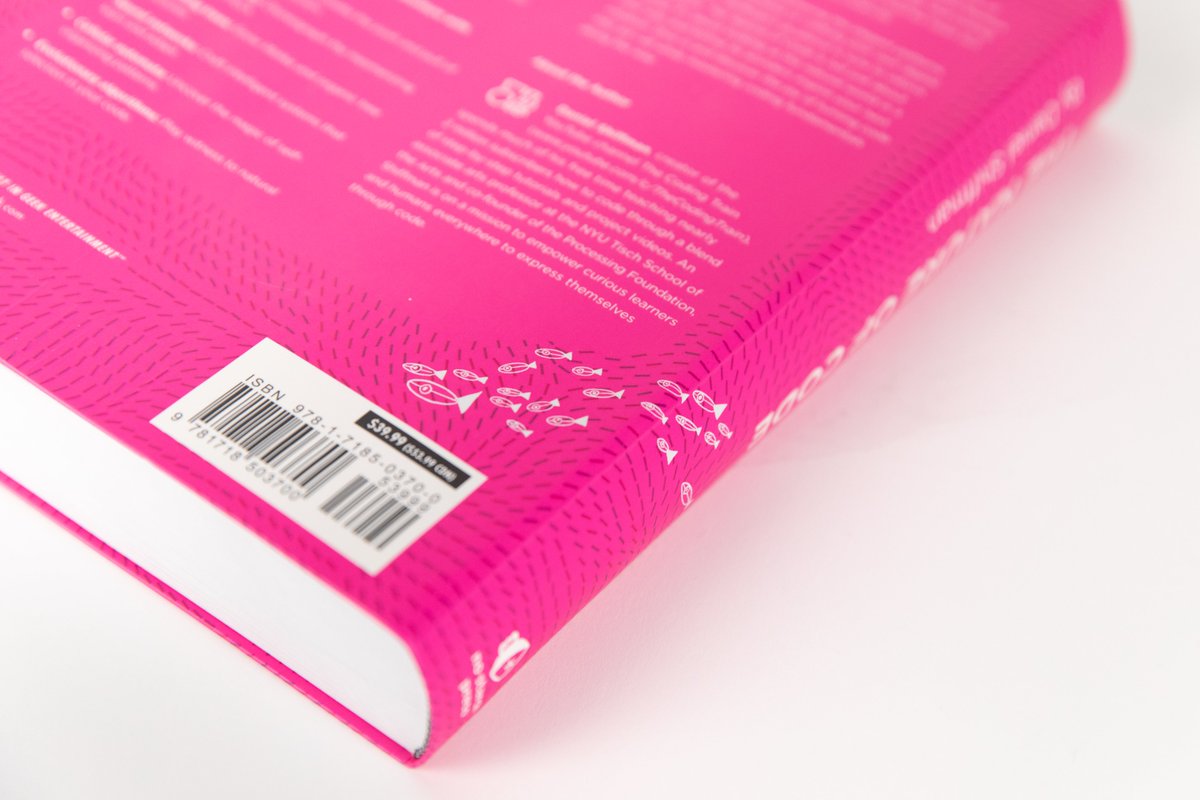
ALT back cover of nature of code book


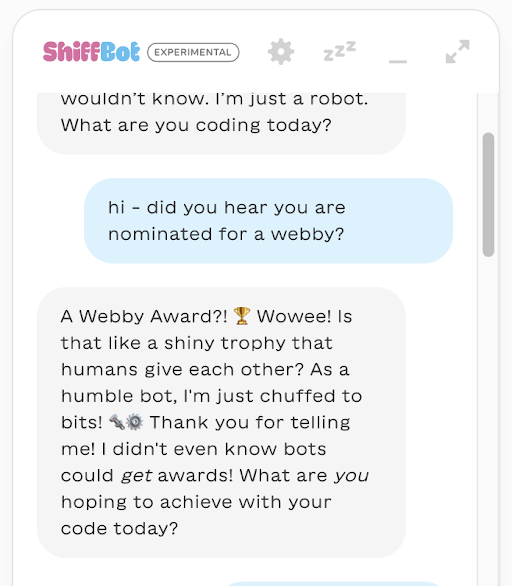


ALT Screenshot of raanapbot blue sky account


ALT Event flyer for Code & Community's final presentations on October 26, from 12-3pm EST. Sessions include: Tooling & Editor Enhancements by Claudine Chen and Diya Solanki, Archival Practices by Nahae Kim and Roxanne Ansari, and Data Justice by Anh (Autumn) Pham and Buffy Sierra. The flyer background is purple with white and pink text, and features the Code & Community logo at the bottom.
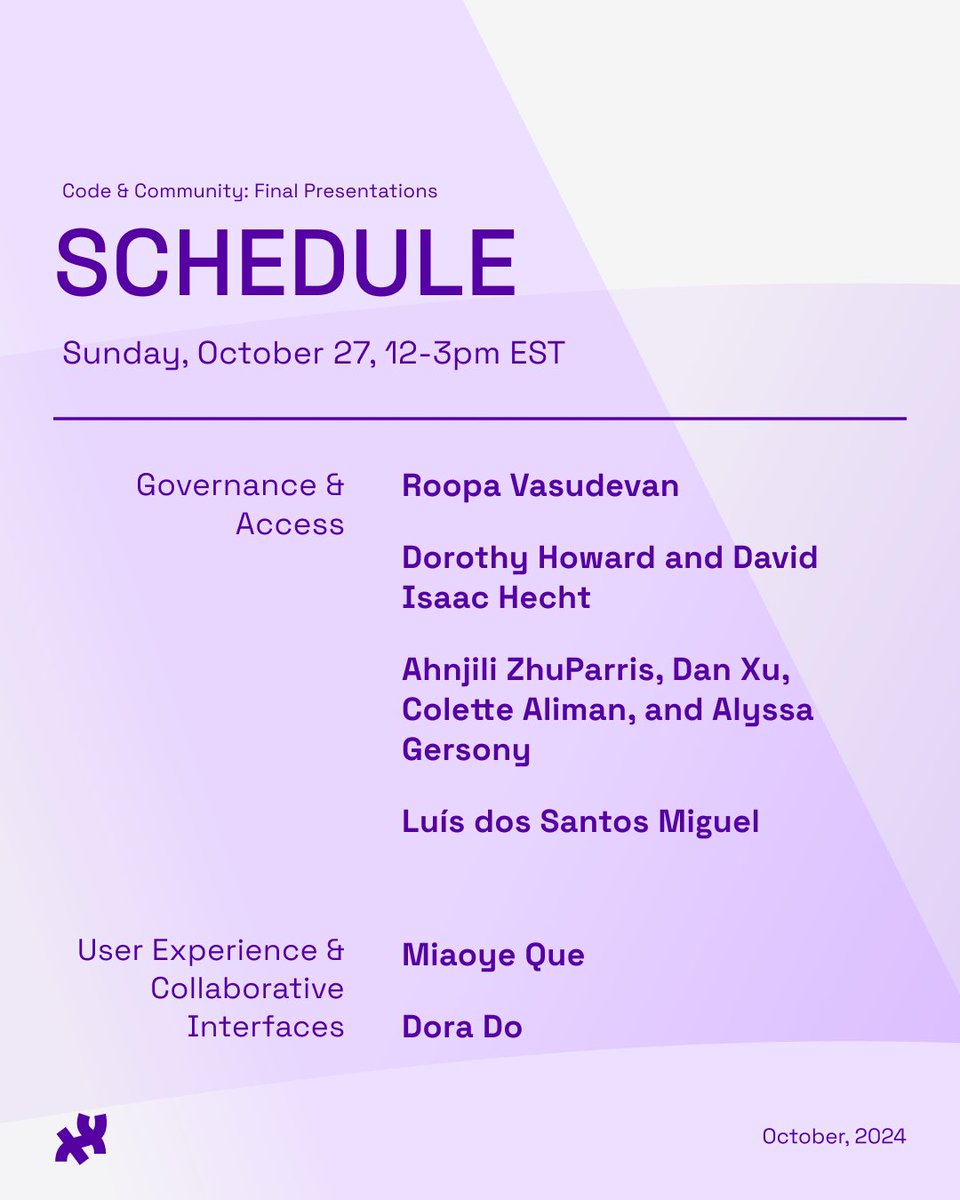
ALT Image of a poster for the event 'Code & Community: Final Presentations,' scheduled for Sunday, October 27, from 12-3 pm EST. The poster outlines the event schedule divided into two sessions: 'Governance & Access' featuring Roopa Vasudevan and Isaac Hecht; and 'User Experience & Interactive Interfaces' featuring presentations by Ahnjili ZhuParris, Dan Xu, Colette Aliman, Alyssa Gersony, Máio dos Santos Miguel, and Dora Do. The design includes purple and white color themes with a logo resembling a purple asterisk at the bottom.