
206 Photos and videos
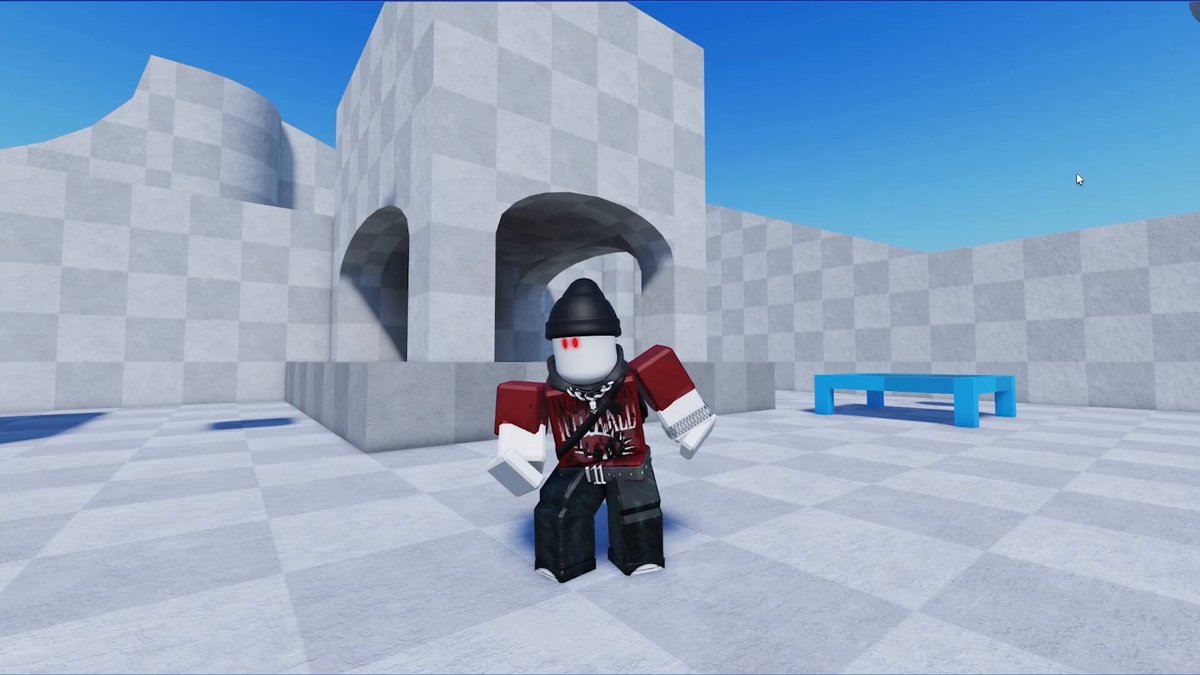
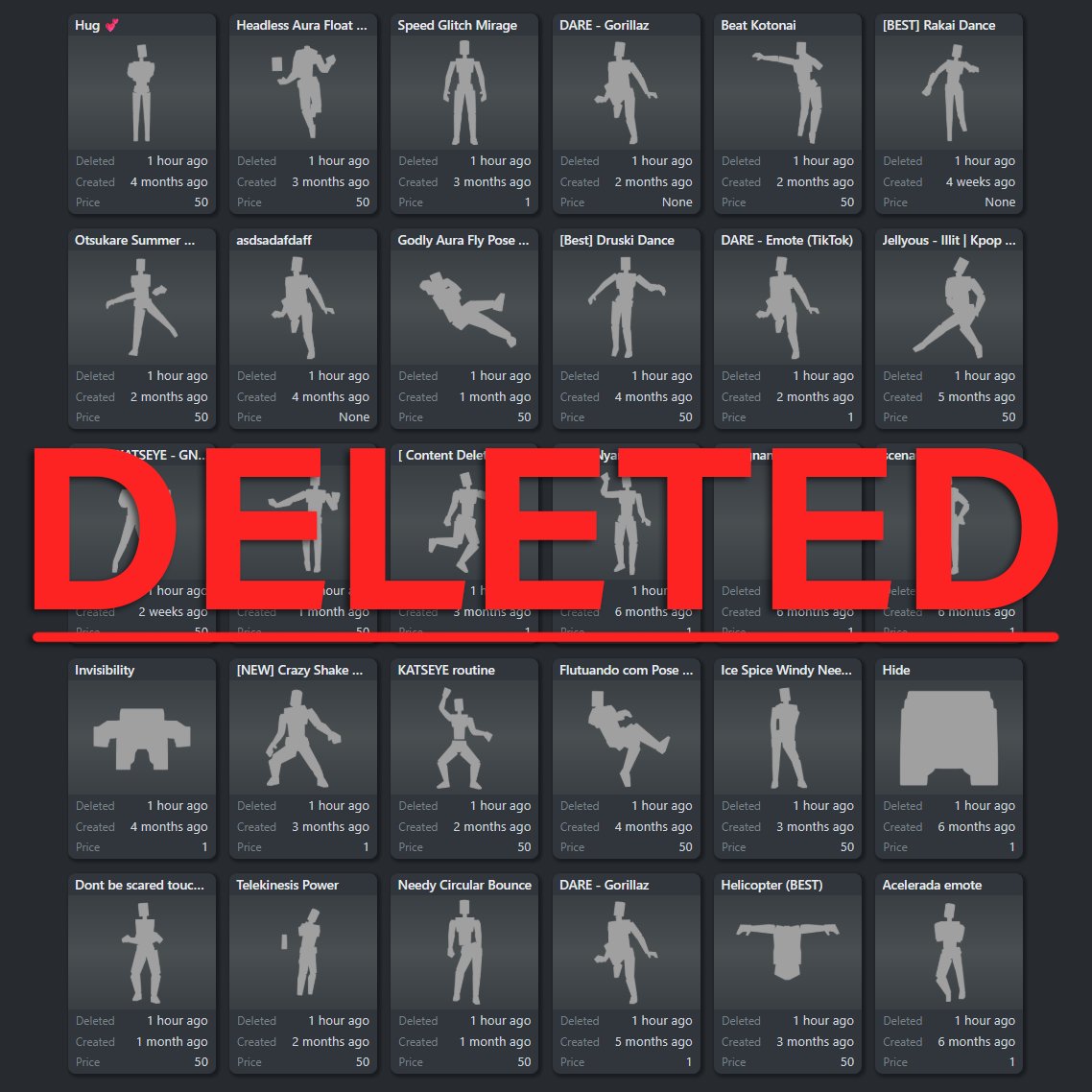


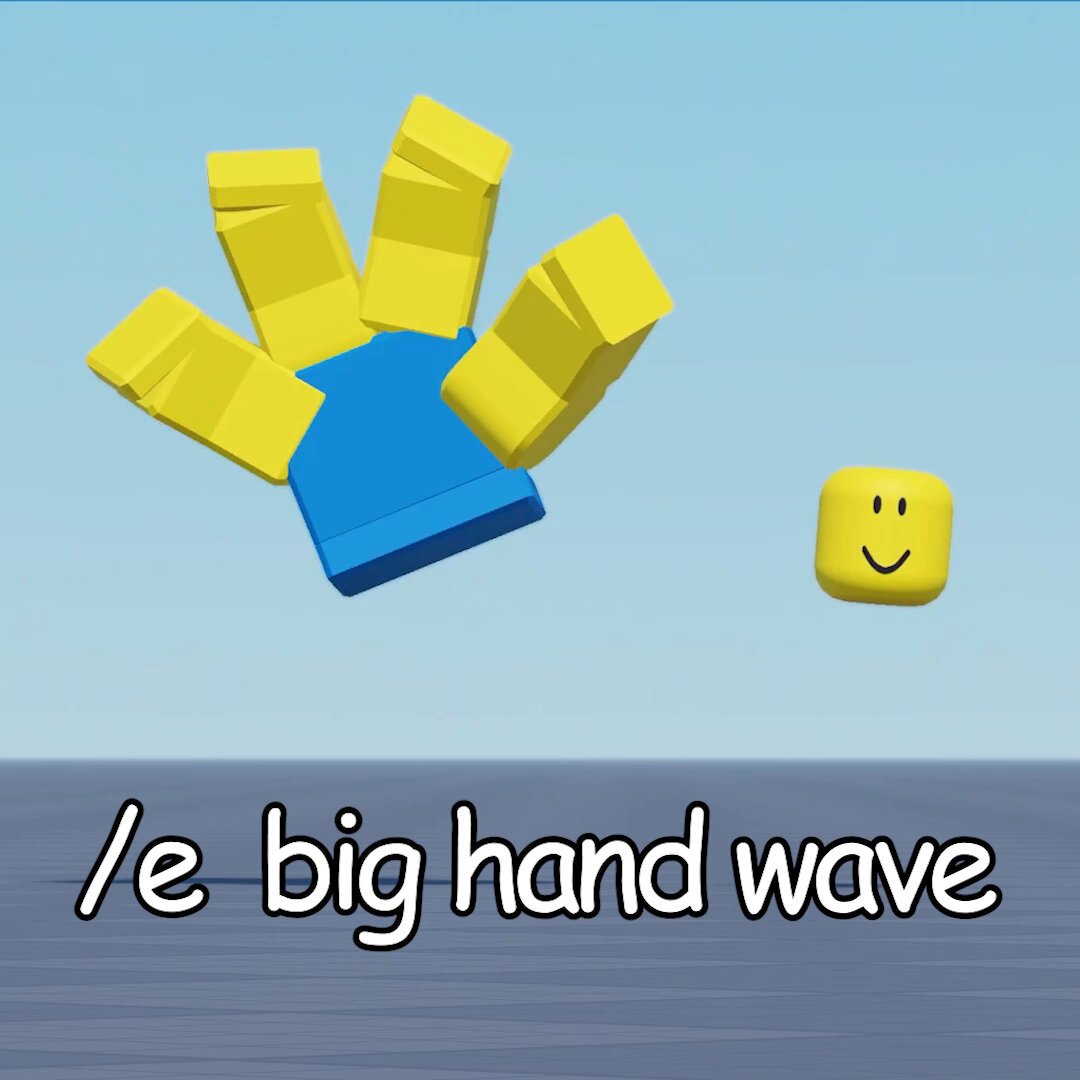
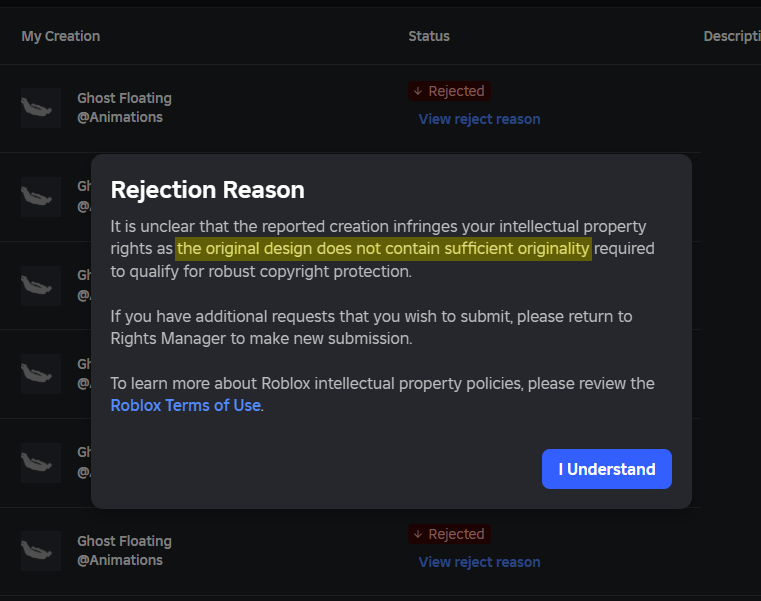
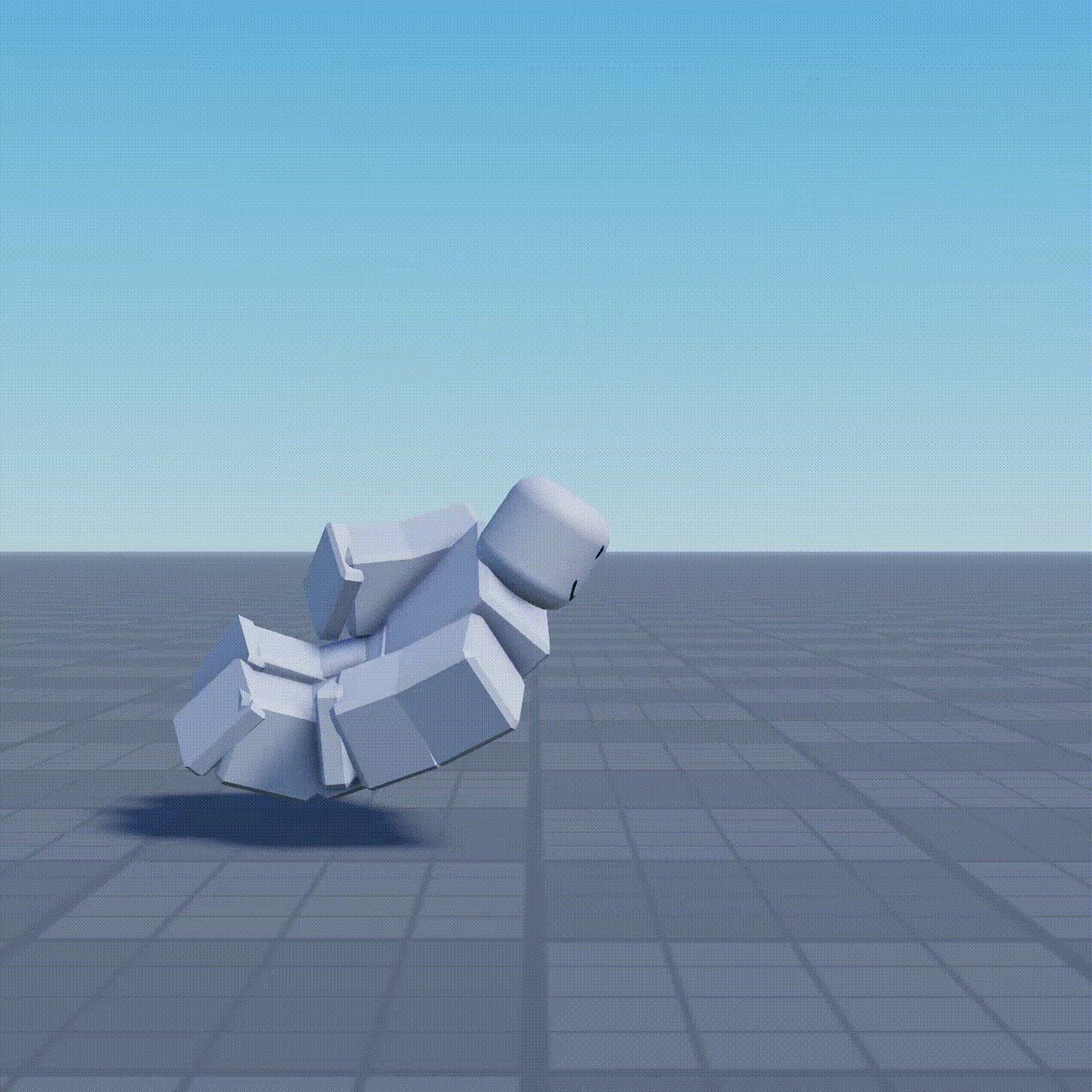
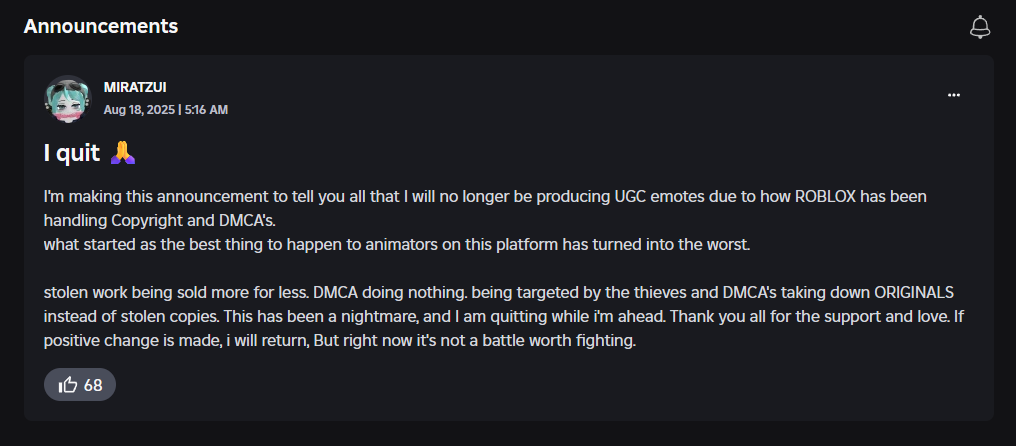

Ready for the UGC Animation packs ❤️
#RobloxDev
154
1,207
13,770
358,185
SHIFT retweeted

May 5
I'm tired. The past year of constant negativity from Roblox and everything surrounding it has taken a huge toll on me mentally.
It feels like every other week Roblox is shooting themselves in the foot and getting further and further away from the game I fell in love with 10 years ago.
Roblox is basically my job, and it’s the box I’ve put myself in content wise, but I’ve started having conversations with my team about what the future looks like.
I’m seriously considering making a big push into GTA 6 content when it drops, and potentially using it as an off-ramp into more mature content.
May 5

Is anyone else just… tired of all the changes 😅
345
479
5,979
388,831
SHIFT retweeted

Apr 20
Roblox has begun sending cease and desist letters to some of the largest condo creators in an effort to deter bad actors and open the door to further legal action.
By identifying the real-life identities of these individuals, Roblox is prepared to pursue further legal action should they continue to violate our terms.
In addition to moderating against the content creators, Roblox is taking moderation action against players who repeatedly join experiences that violate the Community Standards.
Read the full statement from Roblox: bloxynews.info/post/roblox-c…
428
686
7,013
683,535


60
25
451
39,203
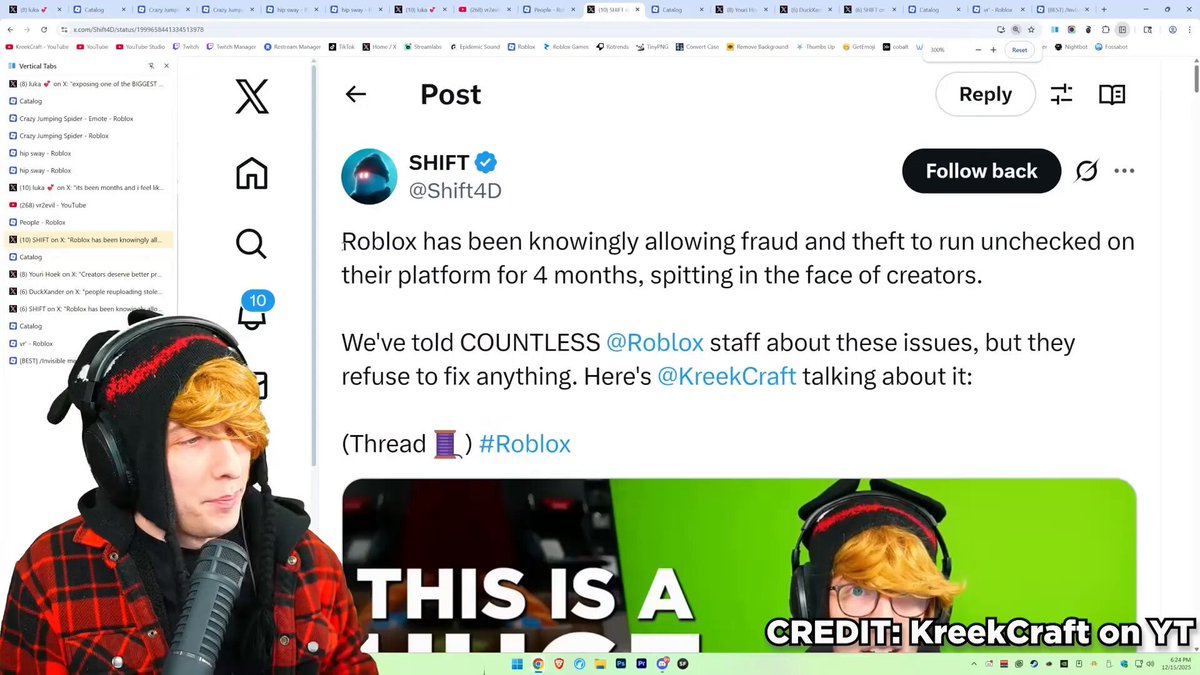
Hey @KreekCraft, Roblox seems to have lied about updating us
Our work has been stolen every day for 6 months now, and they haven't said a single other word publicly in that time
23
116
1,131
55,560
Tagging some folks who maybe like me, might've actually believed Roblox would be transparent and follow up soon:
@_monithepro @DuckXander @Empyror @cantfindshirt @idealxyo @nonbinary @lukashmny @DipyBrick @LeiS8n @Mq3z7i @Altimox_ @timehasmodified @LuckyMatrbx @Zarcyn1 @flyerguy2100 @BarneyHunter12 @idkclarkie
3
1
49
4,699
SHIFT retweeted

Feb 6
Roblox prioritizing shareholders over creators is not surprising at all; they are a public company, and that's their duty.
If you want to understand the direction the company is heading, don’t look at the marketing aimed at creators. Read how they talk to investors vs how they talk to developers and artists.
In investor communications, the focus is on scalability, efficiency, margins, and AI-driven growth. In creator-facing messaging, the word “AI” is often avoided entirely, replaced with vague buzzwords like “real-time dreaming” or “4D.” That disconnect is calculated.
The strategy is clear, though: leverage developer and artist content to train their own AI labs and reduce dependence on human-created UGC over time. Whether that future arrives in 2 years or 10, the direction is obvious. At the end of the day, platforms under investor pressure look for ways to scale content creation without scaling payouts.
It’s visible in earnings calls, investor decks, hiring patterns, and the language used, depending on the audience. Creators should pay attention because the story told to shareholders contrasts with the one told to them.
What do I know? I've been on both sides: as a successful UGC creator and now as a UGC game/platform. I met with many of the big companies you can think of and was part of many discussions on monetization and business strategy for those businesses. I know this space from the core; I started from absolutely nothing and worked through every aspect of the business.
But hey, that's just my personal opinion ;)

In our research lab, we are building “real-time dreaming” - the ability to generate fully playable video worlds prompted from any text or image.
Our real-time, action conditioned world model (currently running internally at 16fps at 832x480p) is trained on a combination of data, including proprietary Roblox 3D avatar/world interaction data.
World models are different from multiplayer engines in that they store state and memory in video latents. Roblox is multiplayer, and we are actively researching optimal ways to simultaneously store state for thousands of players, and keep them in sync with their environment.
Our world model leverages database technology which stores all user interactions on Roblox in a vector format that can be used to re-render video and interaction from any camera angle.
We see several immediate uses for our Roblox world model. We will use it side-by-side text, image and video prompts as a way to launch auto-generation of immersive worlds.
In Roblox Studio, a creator could walk around and use prompts to “paint” a world and then convert it into a 3D representation or direct to Roblox native as a way for many people to play simultaneously.
All of this comes alive as we explore the notion of a “Dream Theater” - where one user is dreaming, while others watch and prompt them. 2/4
Community note
The beginning of the video has stolen assets/design from Clair Obscur: Expedition 33 by Sandfall Interactive. The environment is the Flying Waters area and the girl in the video is Maelle.
store.steampowered.com/app/1903340/Cl…
expedition33.wiki.fextralife.com/Flying Waters
clair-obscur.fandom.com/wiki/Maelle
133
621
9,416
497,613
“Being loud works”
Try telling that to the Roblox community
Feb 3

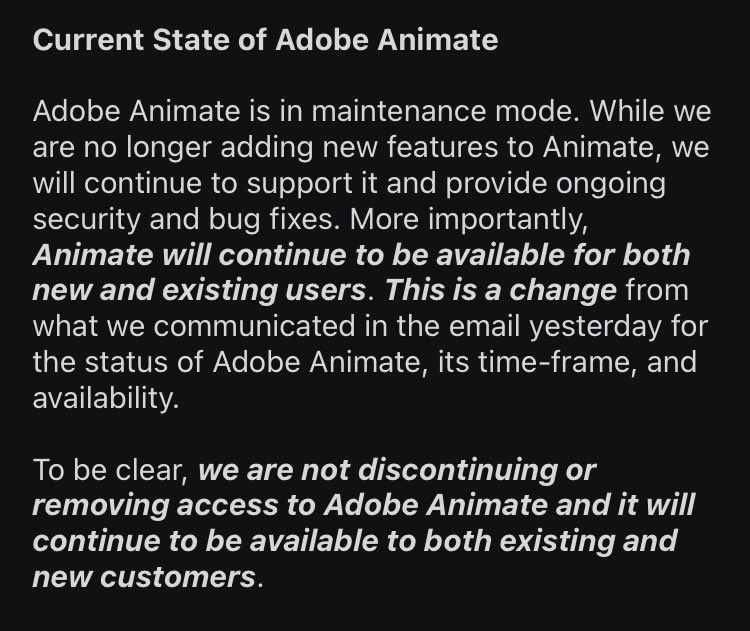
Being loud works. Adobe just announced it is no longer discontinuing Animate.
13
95
1,078
22,948
Roblox has pushed away so many INCREDIBLE animators and creators with their non-existent UGC moderation. So sad to see this man.

I don't want to risk losing so much of my time just to constantly go back and forth with bullshit fucking counter notices from "Peter Griffin" ???
I don't want to dig into this legal shit either. Why?
Because I shouldn't fucking have to for something like this,
21
1,947
SHIFT retweeted

Jan 12
I'm gonna say it... @Roblox, you should seriously revert UGC back to an approval process... the amount of people stealing other creators' content and uploading themselves is ridiculous.. it wouldn't 100% fix the issue, but it would be much better to just have trusted UGC creators
13
29
337
12,083
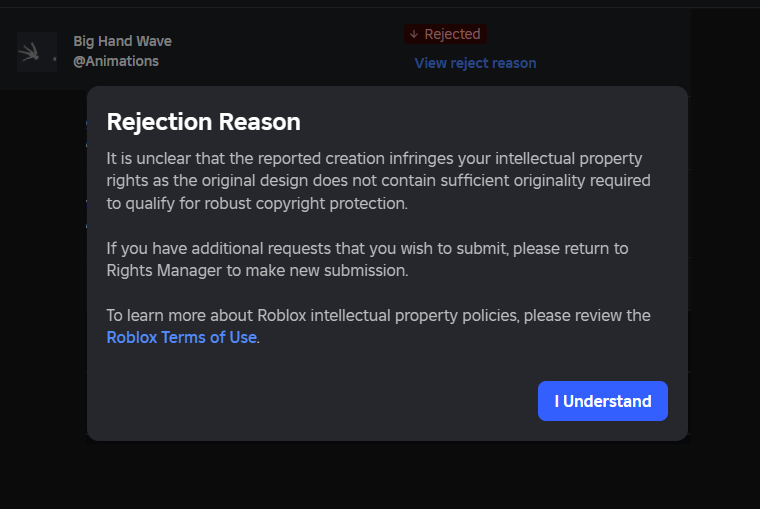
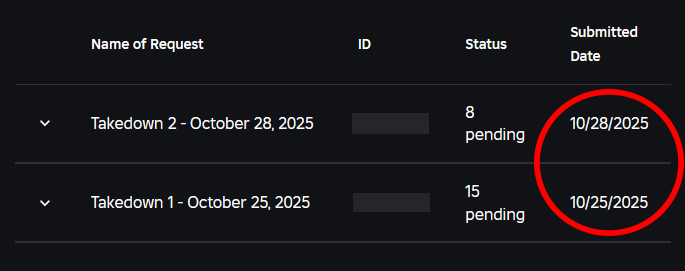
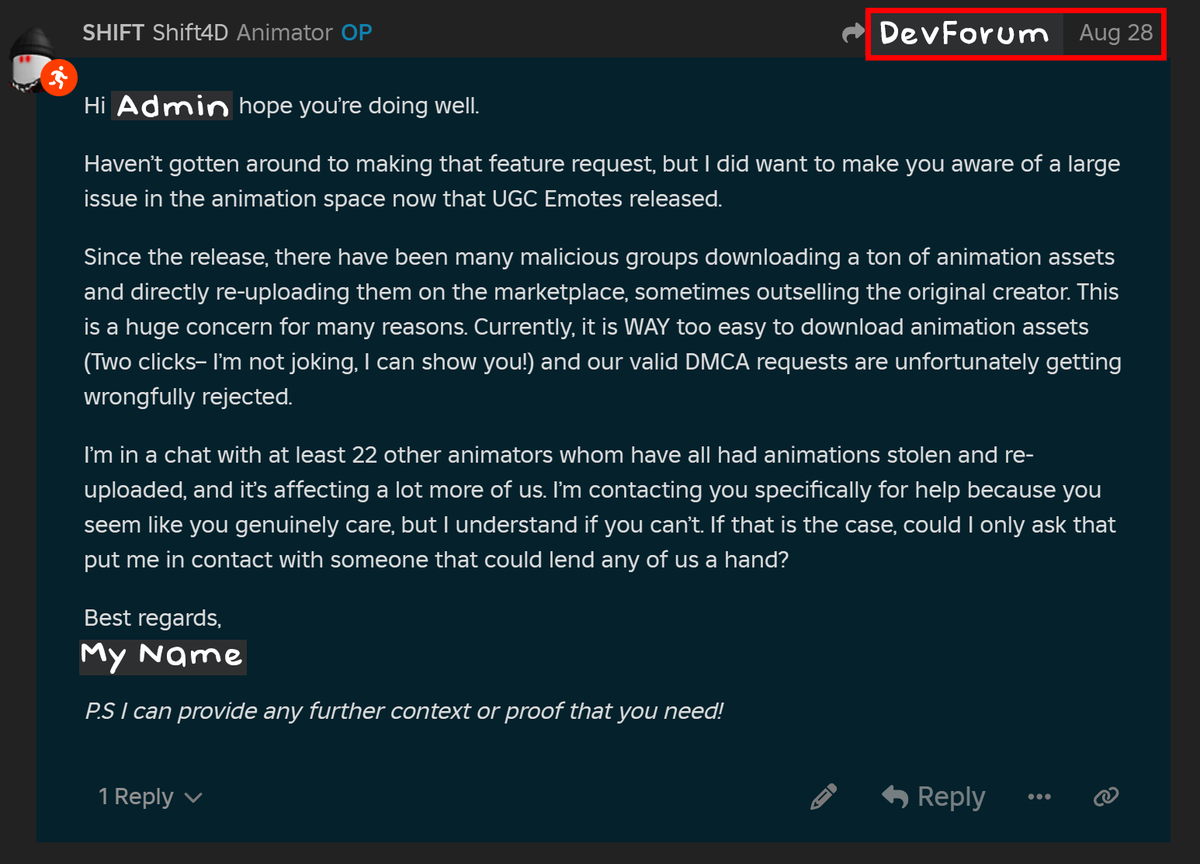
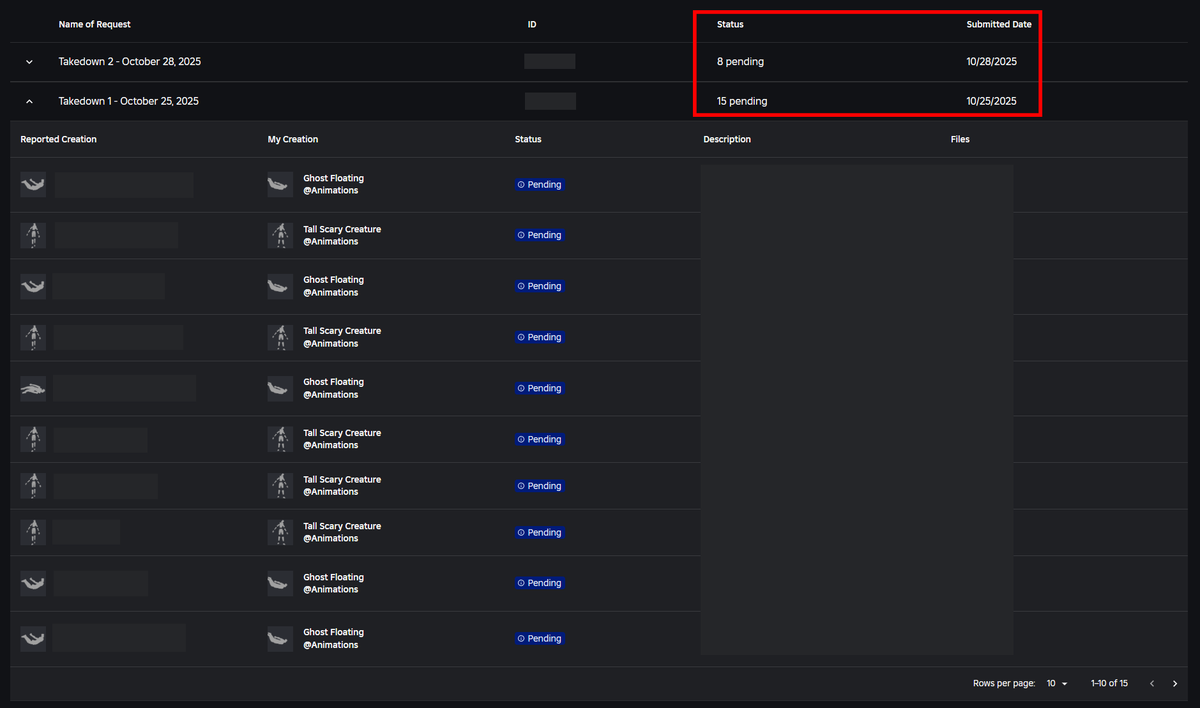
It has been 2 and a half MONTHS and Roblox STILL hasn't taken down over 20 animations that were stolen from me.
Zero response to my takedown requests. How can we trust this company?

[9] Even with DMCA being our only way to get these stolen copies down, Roblox is SLOWWW to respond. This allows thieves to steal a big chunk of revenue while we have to wait.
I am STILL personally waiting for them to look at my takedown requests from 1 month and 18 days ago.
2
3
21
2,618