
Content Creator
Joined October 2021
- Tweets 38,052
- Following 4,254
- Followers 20,542
- Likes 50,109
8,275 Photos and videos



Pinned Tweet

22h
RDDP2 Investments Lay the Foundation for a More Resilient and Productive Livestock Sector in Kayonza District.
Strategic interventions in fodder Multiplication, water access, animal health, and youth entrepreneurship are positioning Kayonza District for sustained growth in dairy and livestock production
Kayonza District is witnessing a significant transformation in its livestock sector as strategic investments under the Rwanda Dairy Development Project Phase II (RDDP2) continue to strengthen dairy production, improve animal health services, and create economic opportunities for farmers and young entrepreneurs.
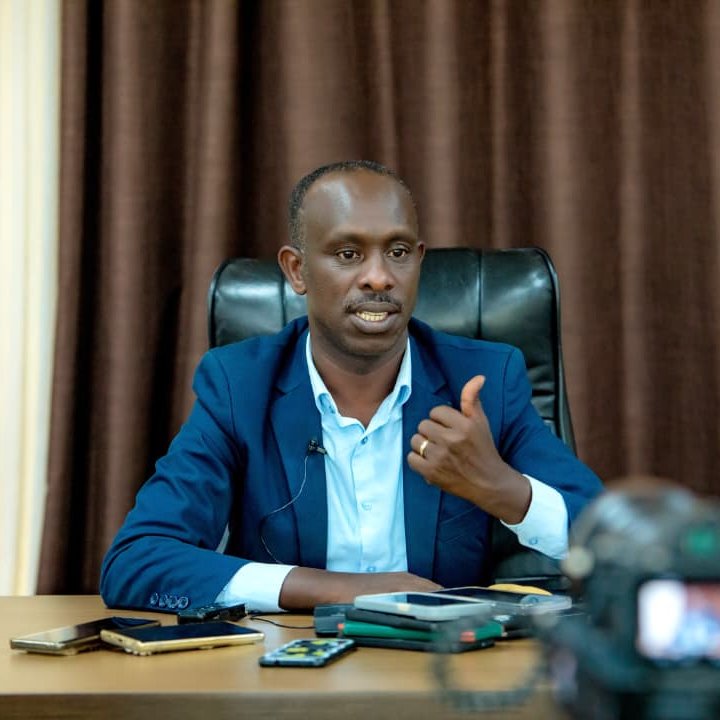
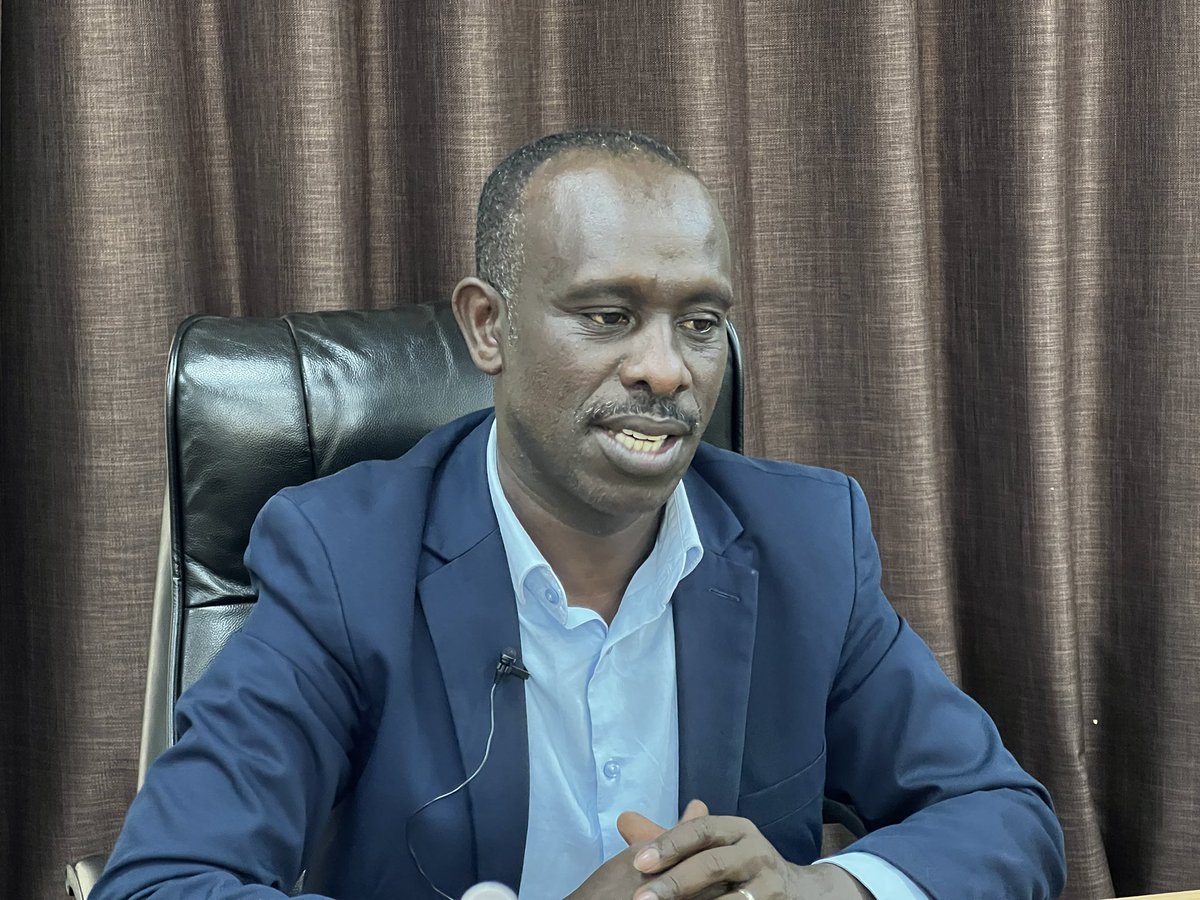
Speaking about the impact of the project, Fred Hategekimana, Acting Mayor of @KayonzaDistrict, said RDDP2 has become a key driver of livestock development across the district.
"RDDP2 is playing an important role in strengthening livestock production in Kayonza. Through the promotion of improved fodder and the distribution of seeds to multipliers, the project is helping farmers address feed shortages, especially during periods of drought when fodder availability becomes a major challenge," he said.
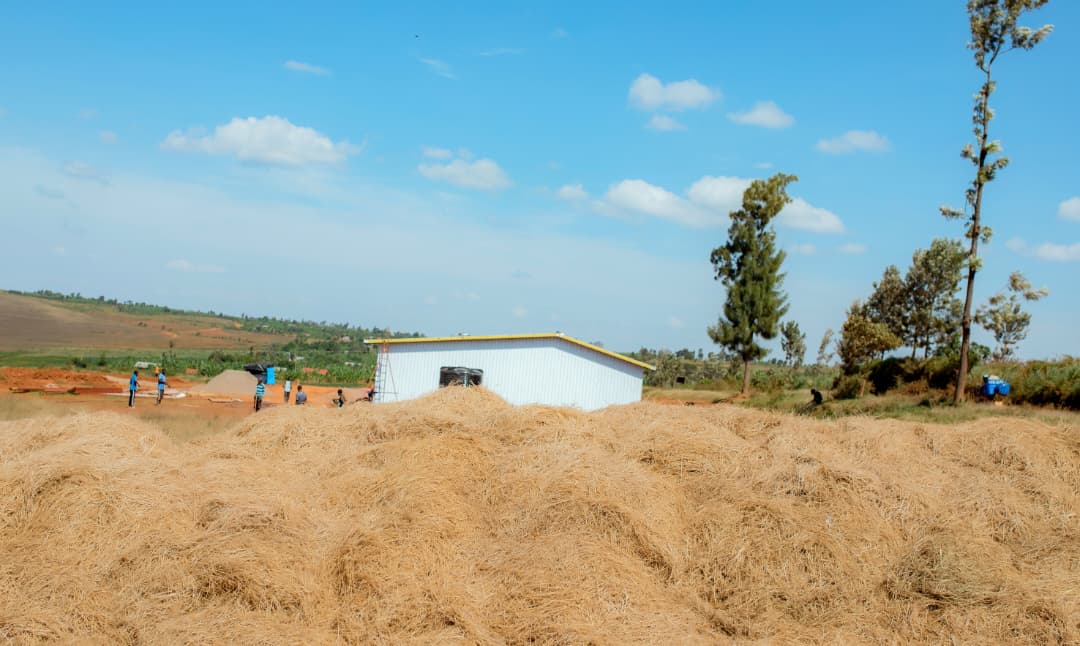
One notable example can be found in Nyawera Cell of Mwiri Sector, where a youth-led company supported through RDDP2 matching grants has established a commercial fodder enterprise that is creating jobs while helping meet the growing demand for livestock feed.
"The youth company operating in Nyawera is demonstrating the potential of agriculture as a business. They are implementing the project successfully, creating employment opportunities for fellow young people and encouraging others to invest in the livestock value chain," Hategekimana noted.
Beyond fodder production, the project is also supporting investments aimed at improving water access for dairy farmers.
Through matching grant subsidies, dairy farmers have been able to acquire dam liners that enable them to harvest and store water for livestock use, particularly during the dry season.
According to district authorities, reliable water access remains one of the most critical factors affecting livestock productivity.
"Water contributes approximately 60 percent of the nutrients required by a cow. Without adequate water, animals cannot perform at their full productive potential, regardless of the quality of feed available," Hategekimana explained.
The dam liners are helping farmers reduce vulnerability to drought while ensuring livestock have access to water throughout the year.
In Kabarondo Sector, the construction of a livestock vaccine production facility is progressing steadily and is expected to significantly improve access to veterinary products for farmers in Kayonza and surrounding districts.
The facility, which is currently about 70 percent complete, is expected to be operational by December 2026.
According to Hategekimana, the plant will address longstanding challenges associated with vaccine availability.
"Previously, farmers often had to travel long distances to obtain vaccines from facilities located in Kigali. Once completed, this plant will improve access to vaccines and strengthen disease prevention efforts throughout the region."
A modern veterinary clinic under construction in Gahini Sector is expected to be completed by August 2026.
The facility is designed to enhance disease diagnosis through laboratory-based testing, reducing dependence on visual assessments that can sometimes lead to inaccurate treatment.
"In the past, animals were frequently treated based on symptoms alone because diagnostic facilities were limited. This sometimes resulted in delayed recovery or ineffective treatment. The new veterinary clinic will provide professional diagnostic services, helping farmers access more accurate and timely animal healthcare," Hategekimana said.
Currently, more than 10,000 litres of milk are delivered daily to Milk Collection Centres (MCCs) across Kayonza District. However, local authorities see substantial potential for growth.
"Our ambition is to double milk production in the coming years. Given the investments being made in fodder production, water infrastructure, animal health, and farmer capacity building, we are confident that dairy production will continue increasing year after year," Hategekimana said.
He also called upon young people to take advantage of emerging opportunities within the livestock sector.
"There is a growing market for livestock products and services. Young people should seize these opportunities and engage professionally in agriculture because the sector offers significant potential for employment and entrepreneurship."
As Kayonza continues to strengthen its livestock sector, stakeholders view RDDP2 as more than a development project. It is increasingly being seen as a catalyst for long-term transformation, helping farmers build resilience, improve productivity, and unlock new economic opportunities.
@RwandaAgri
@solangeuwituze
@umflora
@SRwamulangwa
@T_Ndabamenye
@GasanaNgabo
@kayirangam52554
@IFADEastAfrica
@IFAD
@MutangwaSarah
@MRugamba
22h

RDDP2 Training Helped One Woman Build a RWF 50 Million Home Through Fodder Entrepreneurship.
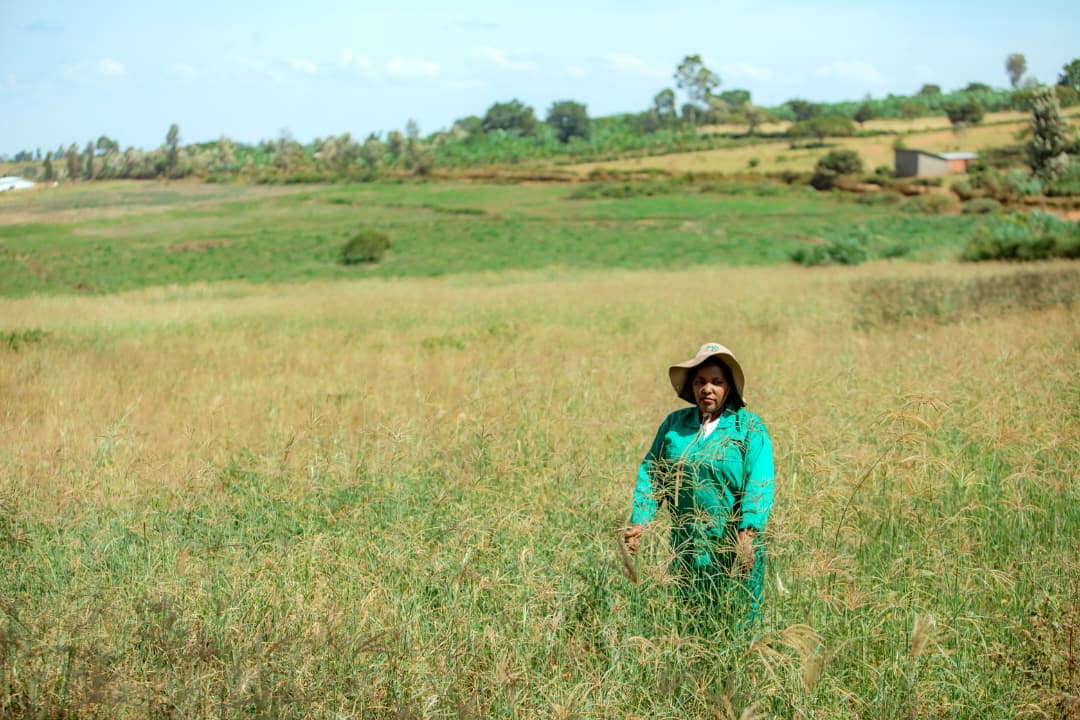
In many rural communities, agricultural training is often viewed as a way to improve farming practices. For Jacqueline Murekatete, however, it became the foundation for a life-changing business opportunity that transformed her from a casual laborer into a successful agribusiness entrepreneur.
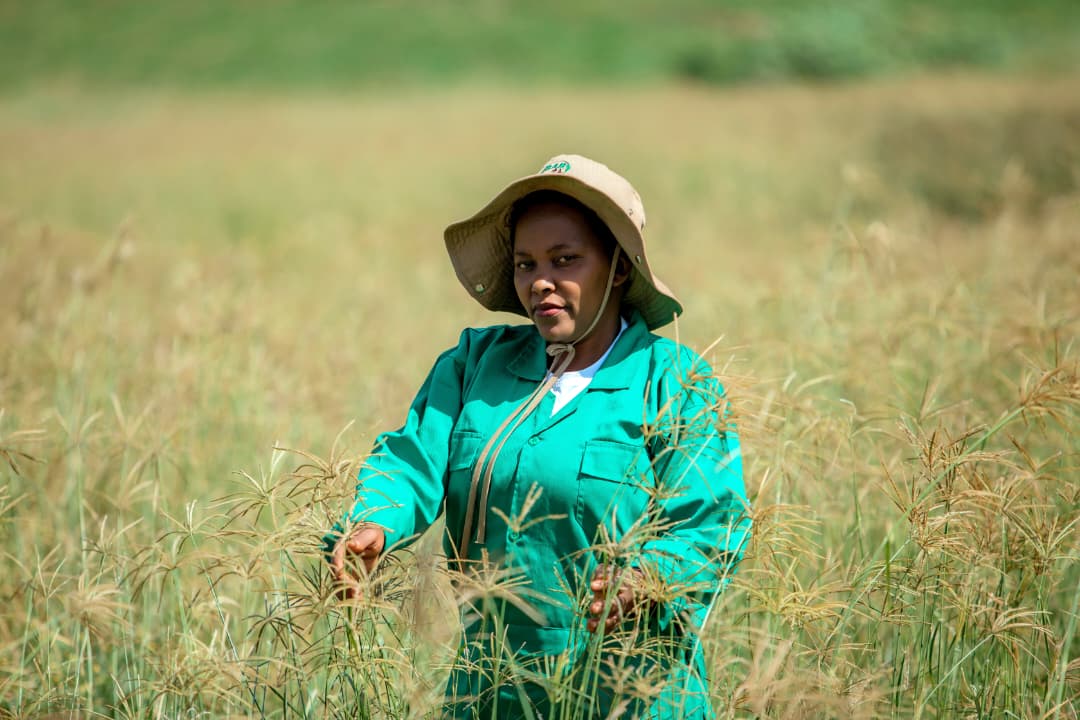
Today, Murekatete is known in Nyawera Sector not only as a Farmer Field Facilitator under the Rwanda Dairy Development Project (RDDP) but also as one of the area's leading suppliers of fodder seeds, helping dairy farmers access the feed they need to improve livestock productivity.
Her journey began when she was selected and trained as a Farmer Field Facilitator under RDDP, a dairy development initiative implemented by the Rwanda Agriculture and Animal Resources Development Board (RAB) with support from the Government of Rwanda and the International Fund for Agricultural Development (IFAD).
Through the program, she received technical knowledge on fodder production, seed multiplication, harvesting techniques, and feed conservation practices. What started as a training opportunity soon revealed a business potential that many had overlooked.
"I realized there was a growing demand for fodder and quality seeds among dairy farmers," she recalls. "Instead of seeing it only as training, I saw an opportunity to build a business."
Using the skills she acquired, Murekatete gradually entered the fodder seed market. She began purchasing seeds, multiplying them, and supplying fellow farmers involved in dairy production. Over time, she established herself as a reliable supplier serving farmers across the area.
Today, she supplies seeds for several nutritious fodder varieties, including Mucuna and Chloris gayana, while also training farmers on planting techniques, harvesting methods, and baling procedures.
Her role extends beyond seed supply. As a Farmer Field Facilitator, she continues to transfer knowledge to other farmers, helping them improve fodder production and strengthen dairy farming systems.
"I train farmers on how to establish fodder plots, manage harvesting, and prepare fodder for storage. Good feed is the foundation of productive dairy farming."
The business has generated significant returns.
According to Murekatete, she has earned approximately Rwf 8.5 million directly from fodder-related activities. The income represents a remarkable shift from her previous livelihood, where she earned around Rwf 20,000 per day as a casual laborer.
The financial gains have enabled her to make investments that once seemed beyond reach.
"Through this business, I was able to build a modern house worth about Rwf 50 million," she says proudly.
While RDDP was designed to strengthen dairy farming through improved fodder availability, the programme has also helped create new entrepreneurs who support the dairy value chain while generating their own income.
Murekatete believes the market for fodder remains largely untapped.
Demand continues to grow as more farmers adopt improved dairy breeds and modern livestock management practices. Yet supply still falls short of what farmers need.
"There are many dairy farmers looking for quality fodder, and demand remains much higher than supply. We are producing more, but the market continues to expand."
She welcomes the emergence of new actors in the sector, including the youth-led fodder enterprise recently established in Nyawera, saying their involvement will help increase availability while supporting the continued growth of dairy farming.
For Murekatete, the future remains promising.
She sees fodder production not simply as an agricultural activity, but as a growing agribusiness capable of creating jobs, generating wealth, and supporting Rwanda's dairy development ambitions.
@RwandaAgri
@solangeuwituze
@umflora
@SRwamulangwa
@T_Ndabamenye
@GasanaNgabo
@kayirangam52554
@IFADEastAfrica
@IFAD
@MutangwaSarah
@MRugamba
4
5
5,577
SHIMO retweeted

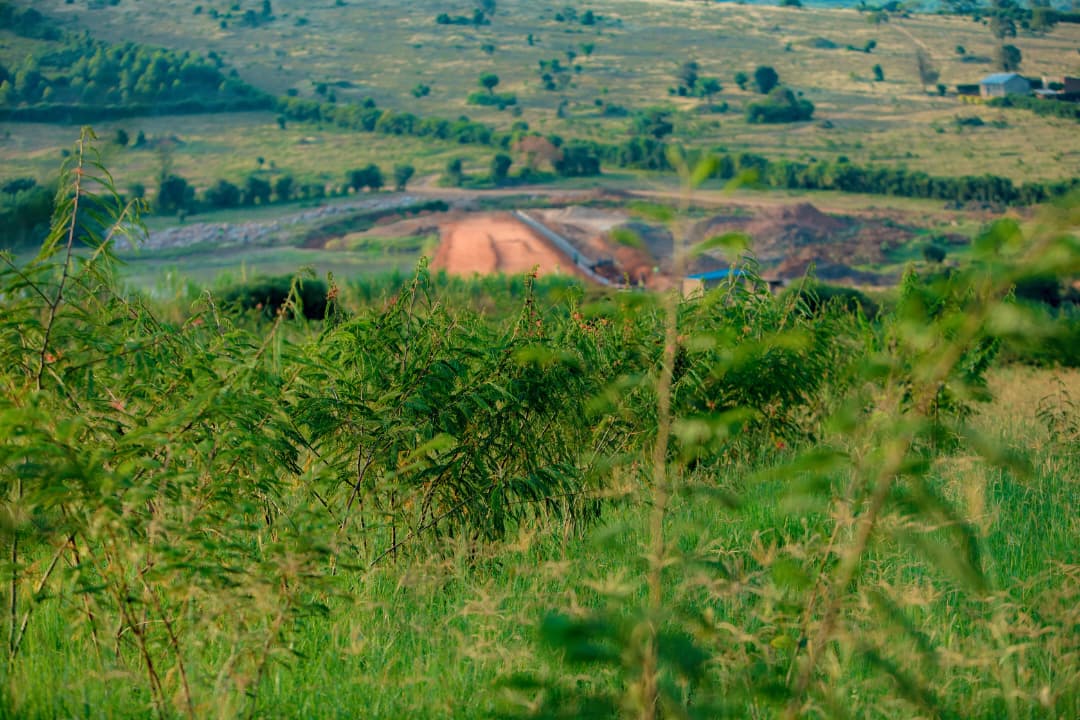
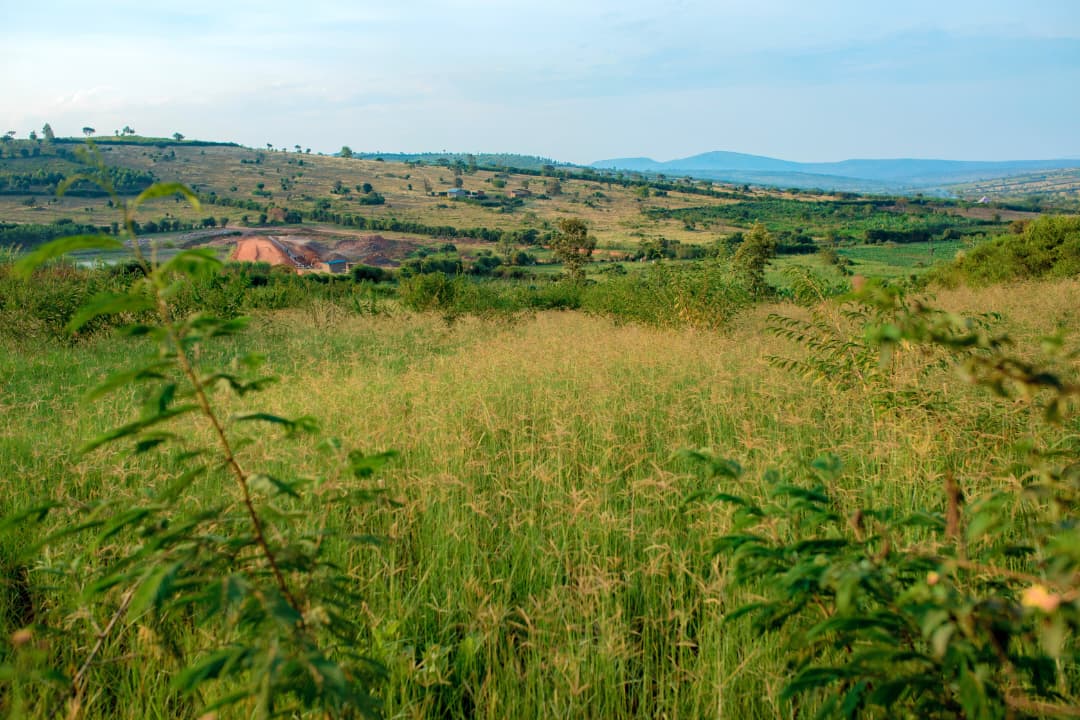
In Rwanda’s @GatsiboDistrict , dairy farmers say improved fodder systems under RDDP II are steadily increasing milk production and reducing reliance on seasonal grazing. One farmer reports output rising from 1–2 litres to up to 15 litres per cow. While challenges remain in scaling inputs and extension support, farmers say incomes and resilience are improving. Read more: ecoagrimedia.rw/how-improved…
@RwandaAgri,@solangeuwituze
@umflora,@SRwamulangwa
@T_Ndabamenye, @GasanaNgabo
@kayirangam52554,@IFADEastAfrica,@IFAD
@MutangwaSarah,@MRugamba
10
10
525
SHIMO retweeted

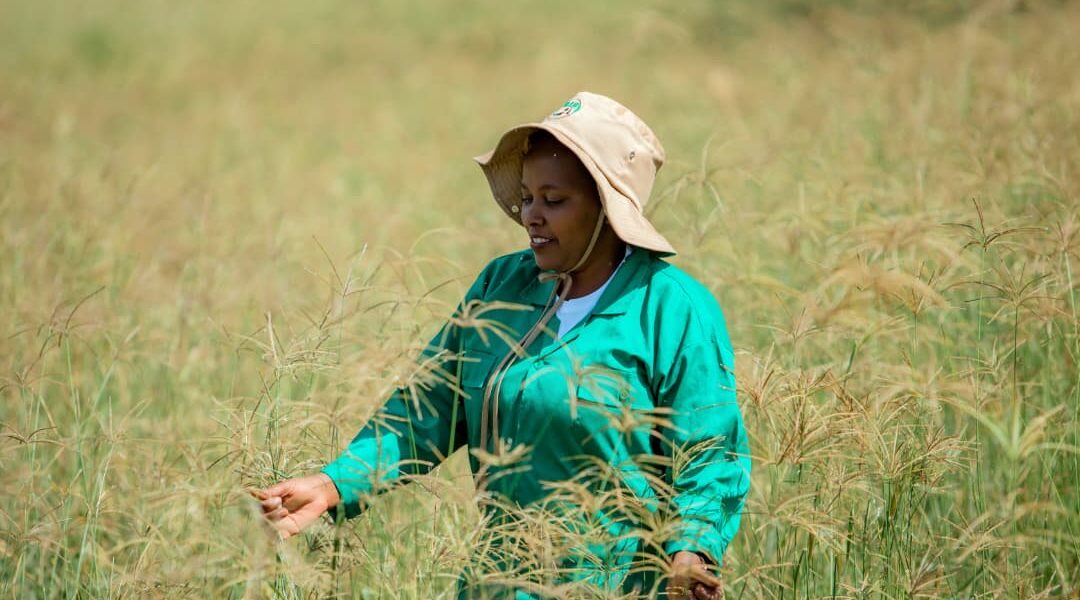
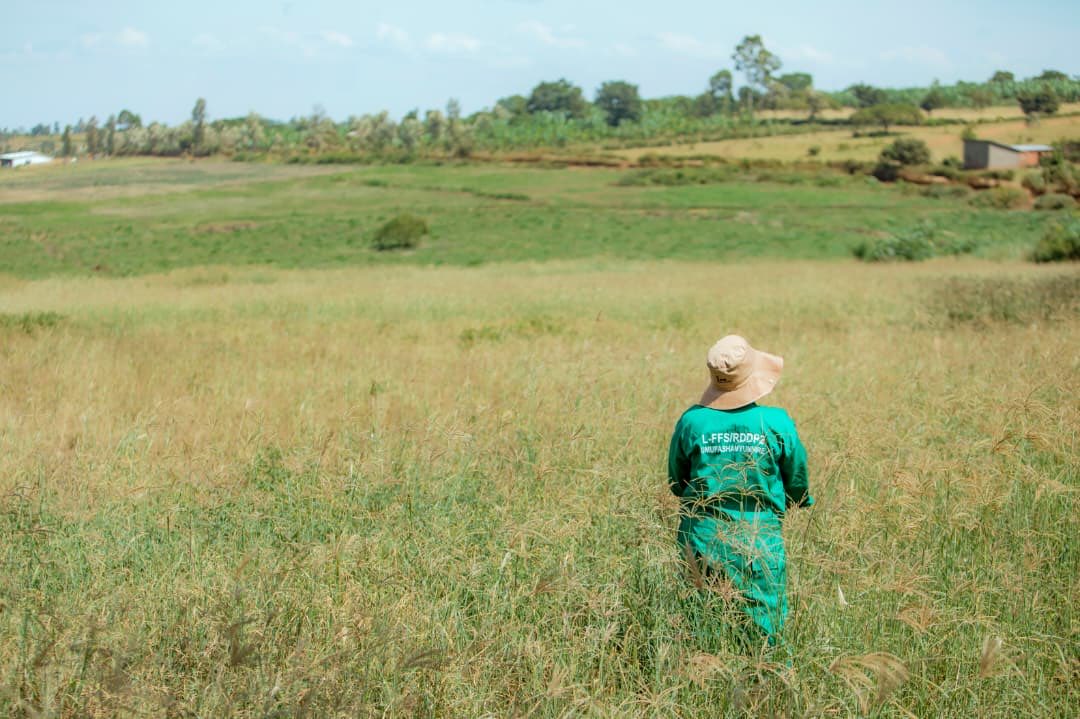
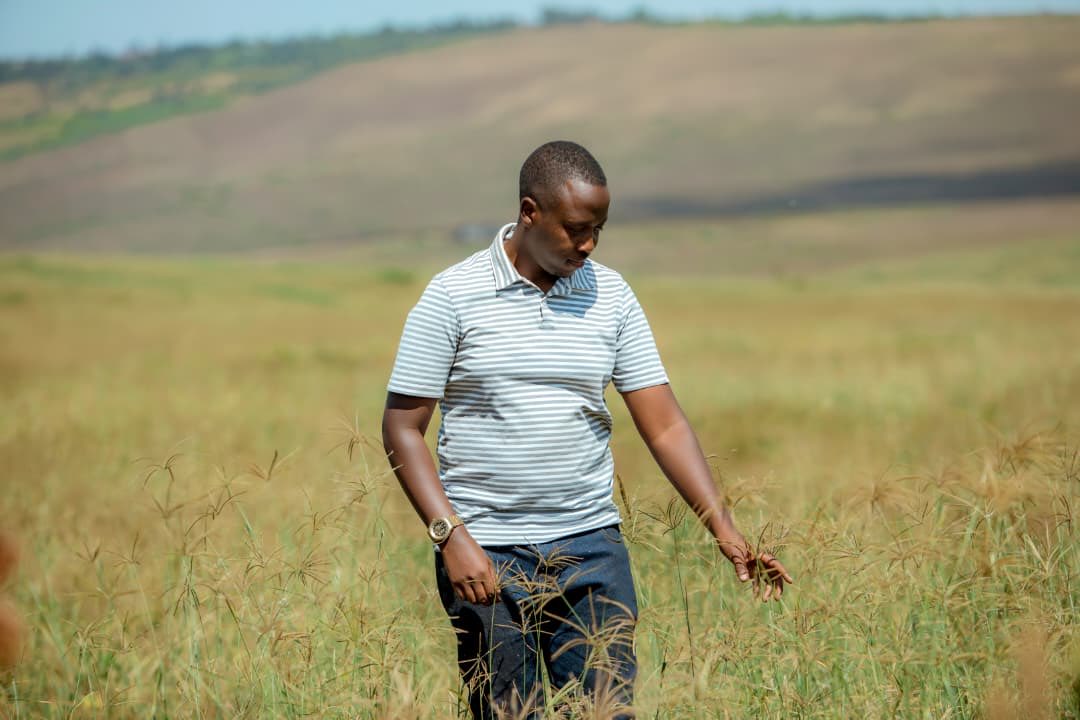
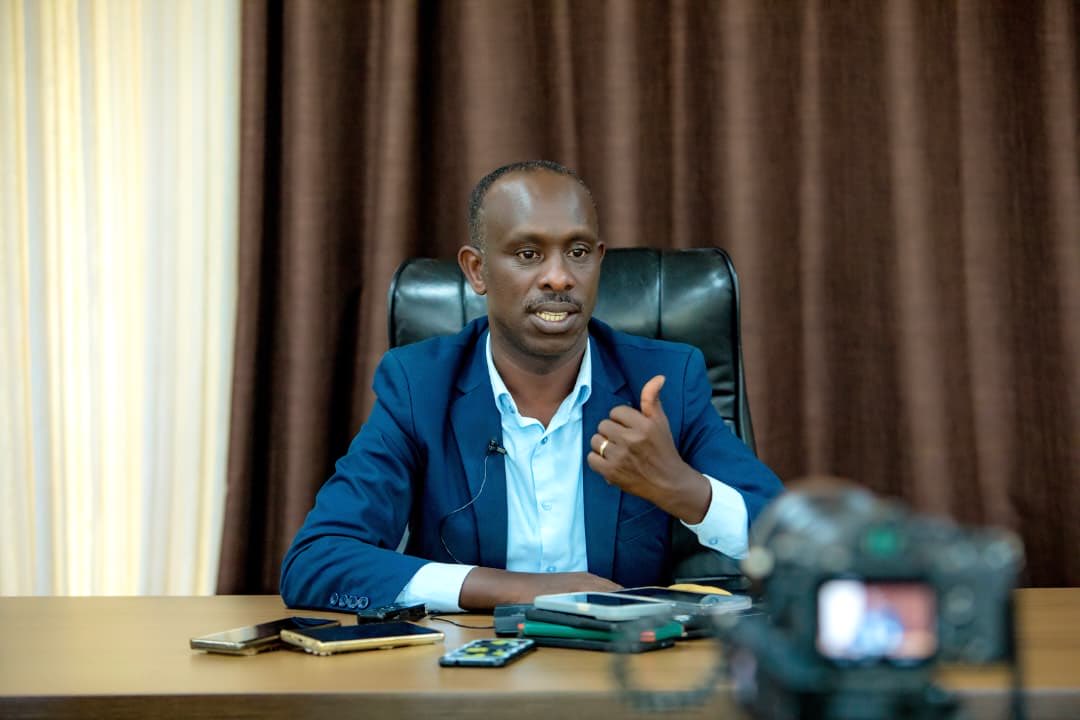
How fodder farming is creating wealth, jobs and hope for dairy farmers in Kayonza rwandainspirer.com/how-fodde… @MutangwaSarah @MRugamba @ShimoYvette
5
8
374
22h
RDDP2 Training Helped One Woman Build a RWF 50 Million Home Through Fodder Entrepreneurship.
In many rural communities, agricultural training is often viewed as a way to improve farming practices. For Jacqueline Murekatete, however, it became the foundation for a life-changing business opportunity that transformed her from a casual laborer into a successful agribusiness entrepreneur.
Today, Murekatete is known in Nyawera Sector not only as a Farmer Field Facilitator under the Rwanda Dairy Development Project (RDDP) but also as one of the area's leading suppliers of fodder seeds, helping dairy farmers access the feed they need to improve livestock productivity.
Her journey began when she was selected and trained as a Farmer Field Facilitator under RDDP, a dairy development initiative implemented by the Rwanda Agriculture and Animal Resources Development Board (RAB) with support from the Government of Rwanda and the International Fund for Agricultural Development (IFAD).
Through the program, she received technical knowledge on fodder production, seed multiplication, harvesting techniques, and feed conservation practices. What started as a training opportunity soon revealed a business potential that many had overlooked.
"I realized there was a growing demand for fodder and quality seeds among dairy farmers," she recalls. "Instead of seeing it only as training, I saw an opportunity to build a business."
Using the skills she acquired, Murekatete gradually entered the fodder seed market. She began purchasing seeds, multiplying them, and supplying fellow farmers involved in dairy production. Over time, she established herself as a reliable supplier serving farmers across the area.
Today, she supplies seeds for several nutritious fodder varieties, including Mucuna and Chloris gayana, while also training farmers on planting techniques, harvesting methods, and baling procedures.
Her role extends beyond seed supply. As a Farmer Field Facilitator, she continues to transfer knowledge to other farmers, helping them improve fodder production and strengthen dairy farming systems.
"I train farmers on how to establish fodder plots, manage harvesting, and prepare fodder for storage. Good feed is the foundation of productive dairy farming."
The business has generated significant returns.
According to Murekatete, she has earned approximately Rwf 8.5 million directly from fodder-related activities. The income represents a remarkable shift from her previous livelihood, where she earned around Rwf 20,000 per day as a casual laborer.
The financial gains have enabled her to make investments that once seemed beyond reach.
"Through this business, I was able to build a modern house worth about Rwf 50 million," she says proudly.
While RDDP was designed to strengthen dairy farming through improved fodder availability, the programme has also helped create new entrepreneurs who support the dairy value chain while generating their own income.
Murekatete believes the market for fodder remains largely untapped.
Demand continues to grow as more farmers adopt improved dairy breeds and modern livestock management practices. Yet supply still falls short of what farmers need.
"There are many dairy farmers looking for quality fodder, and demand remains much higher than supply. We are producing more, but the market continues to expand."
She welcomes the emergence of new actors in the sector, including the youth-led fodder enterprise recently established in Nyawera, saying their involvement will help increase availability while supporting the continued growth of dairy farming.
For Murekatete, the future remains promising.
She sees fodder production not simply as an agricultural activity, but as a growing agribusiness capable of creating jobs, generating wealth, and supporting Rwanda's dairy development ambitions.
@RwandaAgri
@solangeuwituze
@umflora
@SRwamulangwa
@T_Ndabamenye
@GasanaNgabo
@kayirangam52554
@IFADEastAfrica
@IFAD
@MutangwaSarah
@MRugamba
23h
In Kayonza District Youth Reap Millions from Fodder Business as Demand for Dairy Feed Grows: RDDP2 Is Nurturing a New Generation of Fodder Entrepreneurs.
A youth-led fodder business is creating jobs, generating millions in revenue, and strengthening dairy production in Eastern Rwanda
In the rolling landscapes of Kayonza District, a group of young entrepreneurs is demonstrating how agriculture can be transformed from a subsistence activity into a thriving business capable of creating jobs, generating income, and supporting Rwanda's growing dairy sector.
What began as an ambitious idea among a group of young people has rapidly evolved into a promising fodder enterprise that is not only generating millions of francs in revenue but also helping address one of the biggest challenges facing dairy farmers in Eastern Province: access to quality livestock feed.
At the center of this transformation is Powers of Youth in Agriculture Modernization (PYAM), a youth-led company operating in Nyawera and supported through the Rwanda Dairy Development Project Phase II (RDDP2).
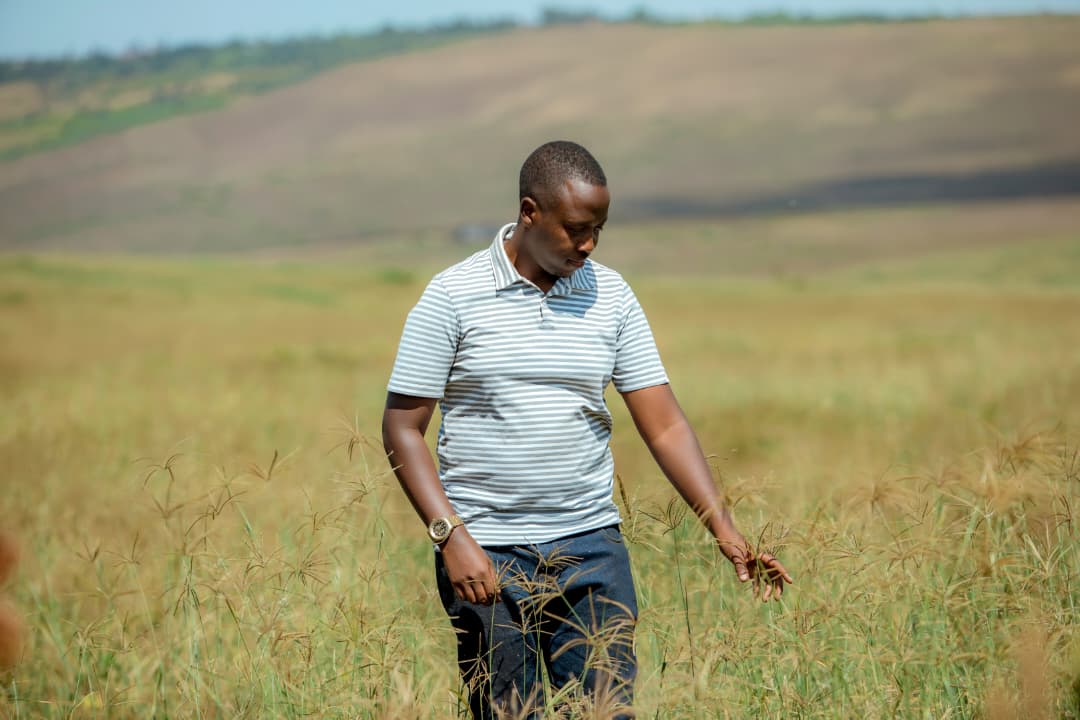
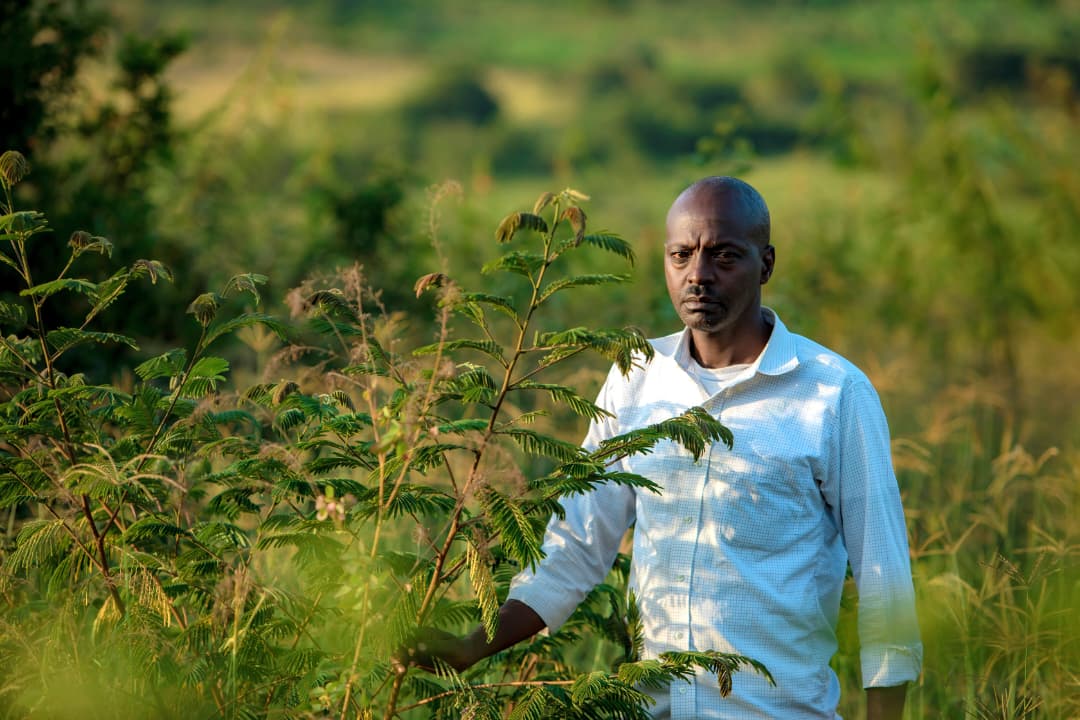
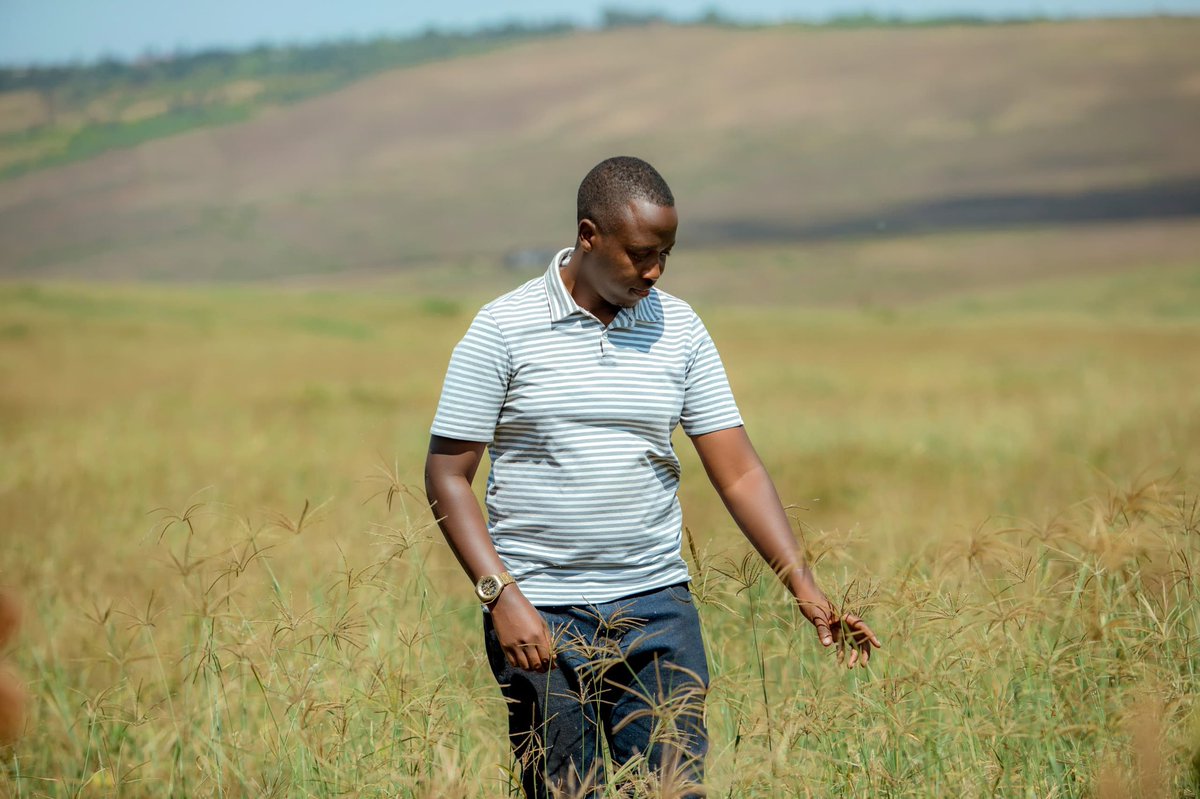
Representing the company, Eric Murenzi says the initiative was established with a clear mission: to increase the availability of quality fodder, support dairy farmers, and create employment opportunities for young people.
"Our vision is to satisfy the growing demand for fodder and contribute to increased milk production in this dairy farming zone by ensuring farmers can access quality feed at affordable prices," he explains.
The company currently brings together 50 members who collectively manage fodder production activities ranging from planting and monitoring to harvesting and marketing.
Although the enterprise only began operations in April 2026, its achievements have already attracted attention.
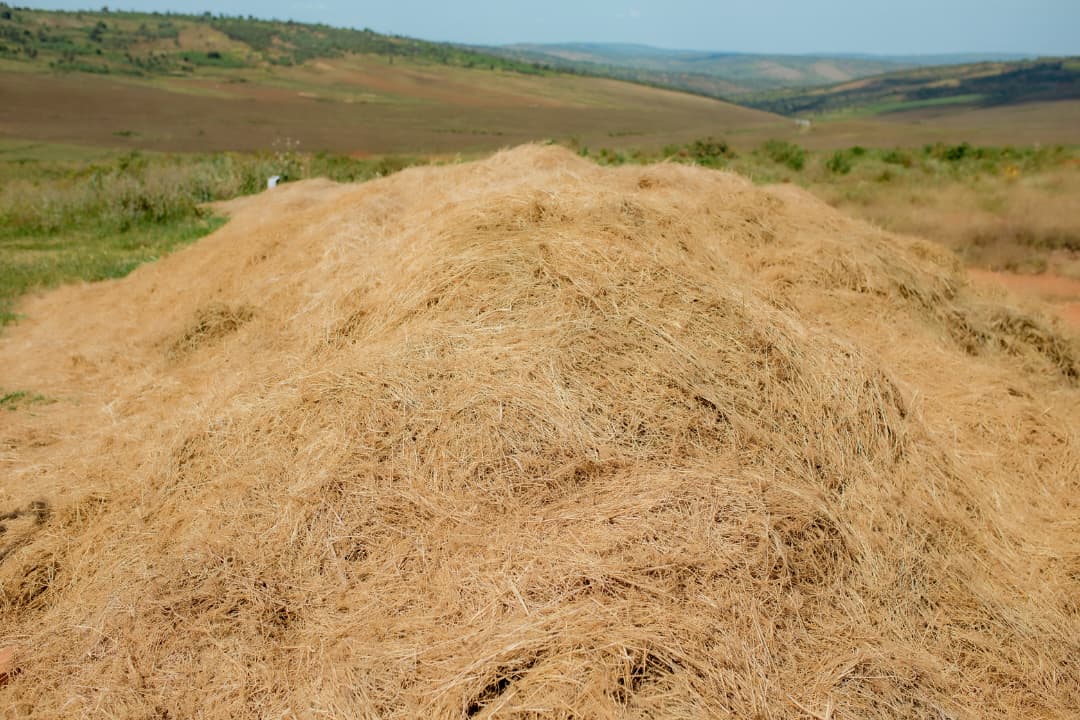
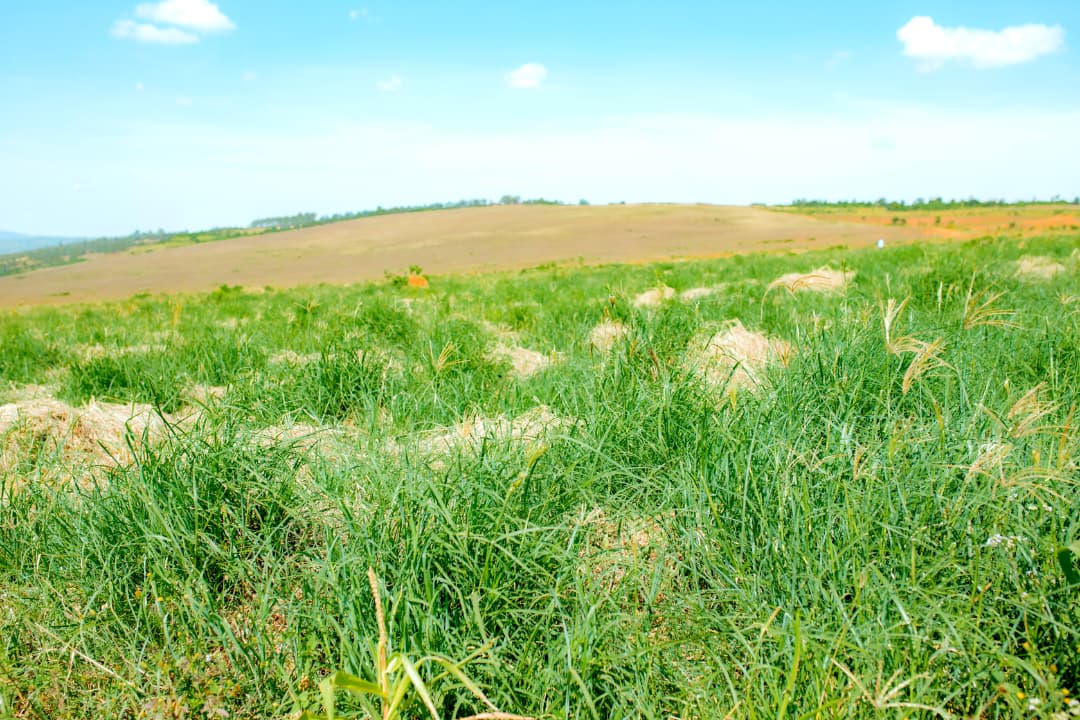
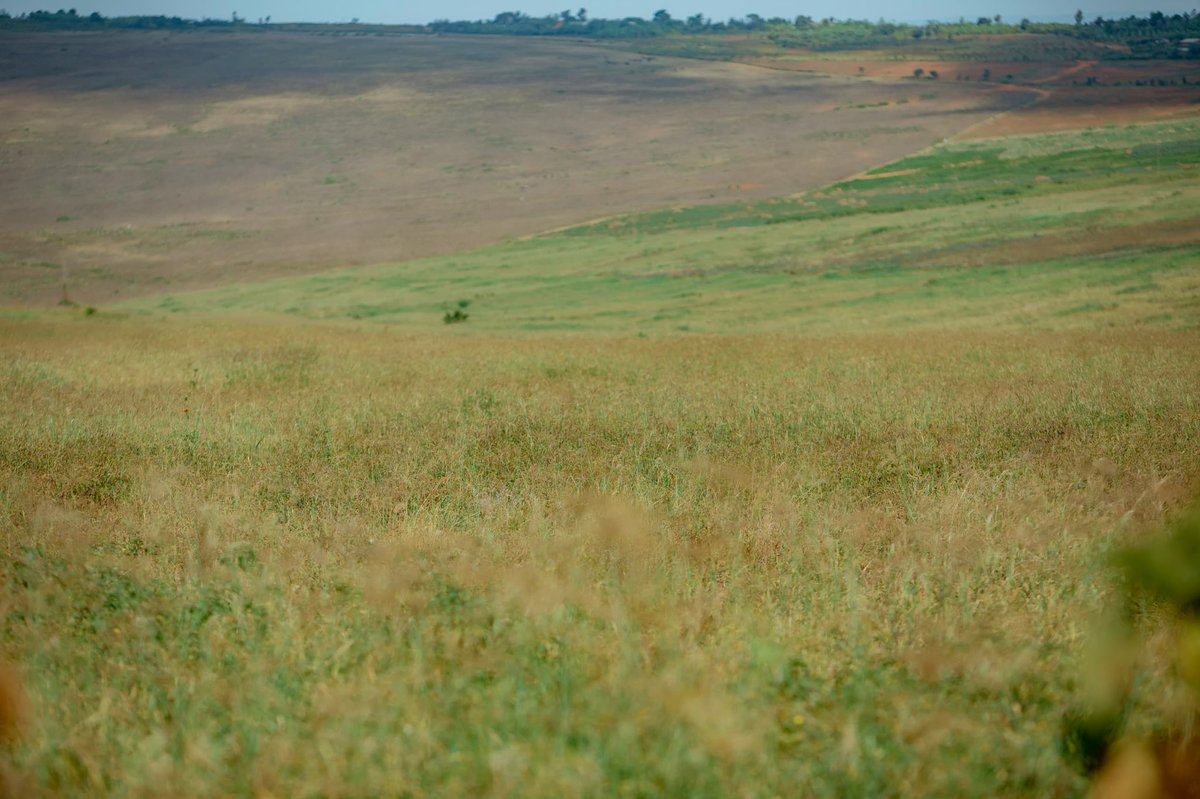
Spread across 51 hectares, the company cultivates improved fodder varieties including Chloris gayana, Black Yalis, Mucuna, and Desmodium, forage crops known for their nutritional value and contribution to livestock productivity.
The first harvest exceeded expectations.
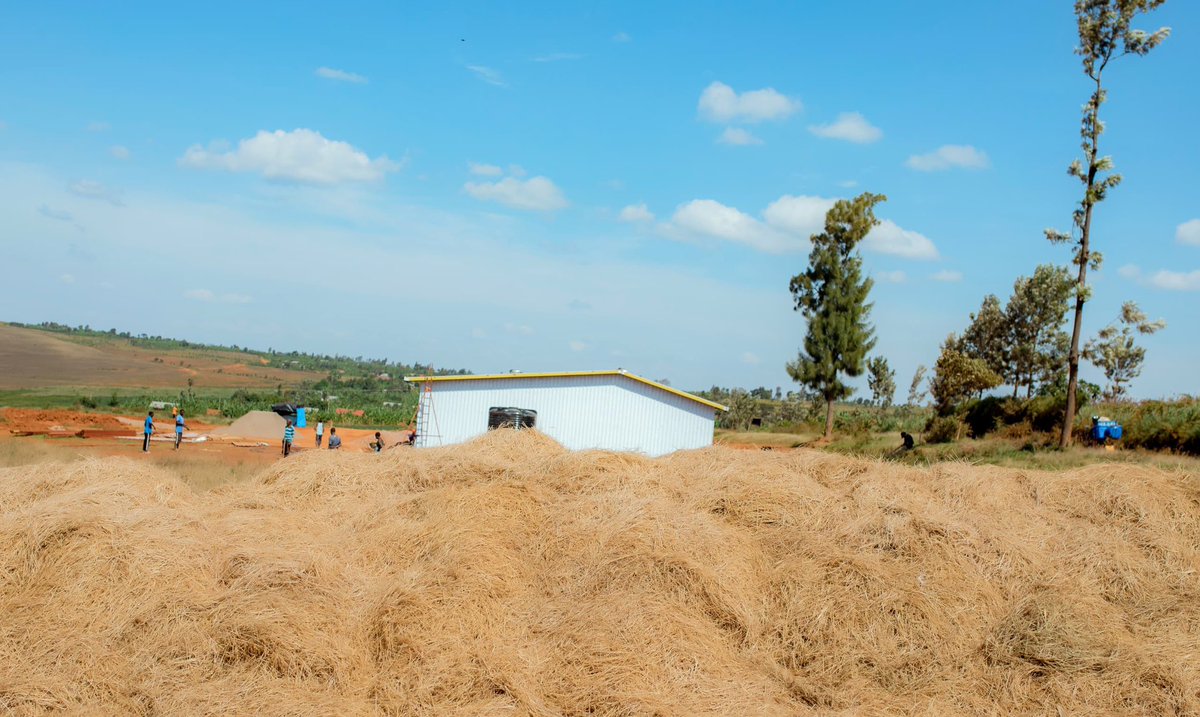
According to Murenzi, the company produced approximately 8,000 bales of fodder during its inaugural season. Each bale was sold at Rwf 2,000, generating approximately Rwf 16 million in revenue.
In addition to hay production, the enterprise has diversified into seed multiplication, creating another promising source of income.
"From Chloris gayana alone, we harvested around four tonnes of seed, which we are preparing to sell. We expect this to generate additional revenue of approximately Rwf 20 million," Murenzi says.
For a business that started only months ago, the figures reflect not only commercial success but also the growing demand for quality livestock feed across Rwanda's dairy-producing regions.
The increasing demand comes as dairy farmers continue adopting improved livestock management practices promoted through RDDP2, including better animal nutrition, improved breeds, and modern feeding systems.
Beyond supporting livestock farmers, the enterprise is also making a significant contribution to youth employment and rural economic development.
During peak production periods, the company employs more than 300 workers per day to support planting, harvesting, transportation, and other field operations.
As production expands, management expects that number to rise substantially.
"We hope to create employment for more than 500 workers per day as the business continues to grow," says Murenzi.
Murenzi credits much of the company's early success to the support received through RDDP2, which provided essential seed capital, technical training, and ongoing mentorship.
"We are grateful to RDDP2 for the support they have given us. The project provided seed capital, training, and regular follow-up. Without that support, reaching this stage would have been much more difficult."
The success of the enterprise is already inspiring other young people to view agriculture as a viable business opportunity rather than merely a traditional livelihood activity.
"I encourage fellow young people to embrace fodder farming. We have already generated millions of francs from our first season, and there is still more revenue expected from seed sales. Agriculture can create real wealth when approached as a business."
@RwandaAgri
@solangeuwituze
@umflora
@SRwamulangwa
@T_Ndabamenye
@GasanaNgabo
@kayirangam52554
@IFADEastAfrica
@IFAD
@MutangwaSarah
@MRugamba
1
4
12
7,106
23h
In Kayonza District Youth Reap Millions from Fodder Business as Demand for Dairy Feed Grows: RDDP2 Is Nurturing a New Generation of Fodder Entrepreneurs.
A youth-led fodder business is creating jobs, generating millions in revenue, and strengthening dairy production in Eastern Rwanda
In the rolling landscapes of Kayonza District, a group of young entrepreneurs is demonstrating how agriculture can be transformed from a subsistence activity into a thriving business capable of creating jobs, generating income, and supporting Rwanda's growing dairy sector.
What began as an ambitious idea among a group of young people has rapidly evolved into a promising fodder enterprise that is not only generating millions of francs in revenue but also helping address one of the biggest challenges facing dairy farmers in Eastern Province: access to quality livestock feed.
At the center of this transformation is Powers of Youth in Agriculture Modernization (PYAM), a youth-led company operating in Nyawera and supported through the Rwanda Dairy Development Project Phase II (RDDP2).
Representing the company, Eric Murenzi says the initiative was established with a clear mission: to increase the availability of quality fodder, support dairy farmers, and create employment opportunities for young people.
"Our vision is to satisfy the growing demand for fodder and contribute to increased milk production in this dairy farming zone by ensuring farmers can access quality feed at affordable prices," he explains.
The company currently brings together 50 members who collectively manage fodder production activities ranging from planting and monitoring to harvesting and marketing.
Although the enterprise only began operations in April 2026, its achievements have already attracted attention.
Spread across 51 hectares, the company cultivates improved fodder varieties including Chloris gayana, Black Yalis, Mucuna, and Desmodium, forage crops known for their nutritional value and contribution to livestock productivity.
The first harvest exceeded expectations.
According to Murenzi, the company produced approximately 8,000 bales of fodder during its inaugural season. Each bale was sold at Rwf 2,000, generating approximately Rwf 16 million in revenue.
In addition to hay production, the enterprise has diversified into seed multiplication, creating another promising source of income.
"From Chloris gayana alone, we harvested around four tonnes of seed, which we are preparing to sell. We expect this to generate additional revenue of approximately Rwf 20 million," Murenzi says.
For a business that started only months ago, the figures reflect not only commercial success but also the growing demand for quality livestock feed across Rwanda's dairy-producing regions.
The increasing demand comes as dairy farmers continue adopting improved livestock management practices promoted through RDDP2, including better animal nutrition, improved breeds, and modern feeding systems.
Beyond supporting livestock farmers, the enterprise is also making a significant contribution to youth employment and rural economic development.
During peak production periods, the company employs more than 300 workers per day to support planting, harvesting, transportation, and other field operations.
As production expands, management expects that number to rise substantially.
"We hope to create employment for more than 500 workers per day as the business continues to grow," says Murenzi.
Murenzi credits much of the company's early success to the support received through RDDP2, which provided essential seed capital, technical training, and ongoing mentorship.
"We are grateful to RDDP2 for the support they have given us. The project provided seed capital, training, and regular follow-up. Without that support, reaching this stage would have been much more difficult."
The success of the enterprise is already inspiring other young people to view agriculture as a viable business opportunity rather than merely a traditional livelihood activity.
"I encourage fellow young people to embrace fodder farming. We have already generated millions of francs from our first season, and there is still more revenue expected from seed sales. Agriculture can create real wealth when approached as a business."
@RwandaAgri
@solangeuwituze
@umflora
@SRwamulangwa
@T_Ndabamenye
@GasanaNgabo
@kayirangam52554
@IFADEastAfrica
@IFAD
@MutangwaSarah
@MRugamba
1
3
7
1,342
SHIMO retweeted

Jun 12
Did You Know? Growing Livestock Forages Can Be a Profitable Business for Young Entrepreneurs?
When people think about Rwanda’s dairy sector, they often think about cows, milk, and dairy products. Yet behind every liter of milk is something equally important: quality animal feed.
In @KayonzaDistrict, a group of young entrepreneurs is proving that forage production is not only essential for dairy farming but can also be a profitable business capable of creating jobs and generating income.
Operating under the company Power of Youth in Agriculture Modernization (PYA) at the Nyawera site, the youth-led enterprise has embraced commercial forage production with support from the Rwanda Dairy Development Project Phase II (RDDP2).
According to Murenzi Eric, the company representative, the enterprise currently cultivates improved forages on 51 hectares of land.
The company specializes in the production of four improved forage varieties: Chloris Gayana, Mucuna, Desmodium, and Brachiaria — all recognized for their nutritional value and contribution to livestock productivity.
Their results demonstrate the growing economic potential of the forage sector.
“After only one production season, we harvested approximately 8,000 bales of forage. Each bale was sold at around RWF 2,000, generating an estimated revenue of RWF 16 million,” explained Murenzi.
Beyond income generation, the enterprise is creating employment opportunities for local communities.
“On average, we engage up to 300 workers per day during different farming operations,” he added.
The initiative illustrates how investments in forage production can simultaneously strengthen livestock feeding systems, improve dairy productivity, create employment opportunities, and contribute to rural economic development.
Murenzi believes more young people should consider forage production as a viable agribusiness opportunity.
“We encourage fellow youth to engage in forage production because it is a profitable business with significant growth potential,” he said.
The success of the enterprise has been supported by RDDP2 through a combination of financial support, technical assistance, capacity building, and continuous follow-up.
“RDDP2 provided us with start-up capital, training, and regular technical support that has helped us establish and grow this business,” Murenzi explained.
Implemented by the Government of Rwanda through the Ministry of Agriculture and Animal Resources(@RwandaAgri) and the Rwanda Agriculture and Animal Resources Development Board (RAB), with support from the International Fund for Agricultural Development (@IFAD), RDDP2 aims to strengthen the dairy value chain while improving incomes and resilience among livestock farmers.
Its interventions go far beyond dairy production itself. The project has invested in improved forage development, water infrastructure, veterinary services, dairy genetics improvement, milk handling systems, and farmer support mechanisms designed to increase productivity across the sector.
Fred Hategekimana, Acting Mayor of Kayonza District, commended the achievements registered through RDDP2 and highlighted the project’s contribution to agricultural transformation within the district.
He noted that the project continues to support strategic investments that are improving livestock productivity and strengthening the dairy sector, including the establishment of forage production systems, hydroponic fodder technologies, veterinary infrastructure, matching grants for farmers, and the ongoing development of a Nitrogen Plant that will support the preservation of cattle semen used in artificial insemination programs.
According to district leaders, these investments are helping build a stronger and more resilient livestock sector while creating new opportunities for farmers and agribusiness entrepreneurs.
#RDDP2
Cc:
@solangeuwituze
@umflora
@SRwamulangwa
@T_Ndabamenye
@GasanaNgabo
@kayirangam52554
@IFADEastAfrica
@MutangwaSarah
@MRugamba
1
15
22
1,604